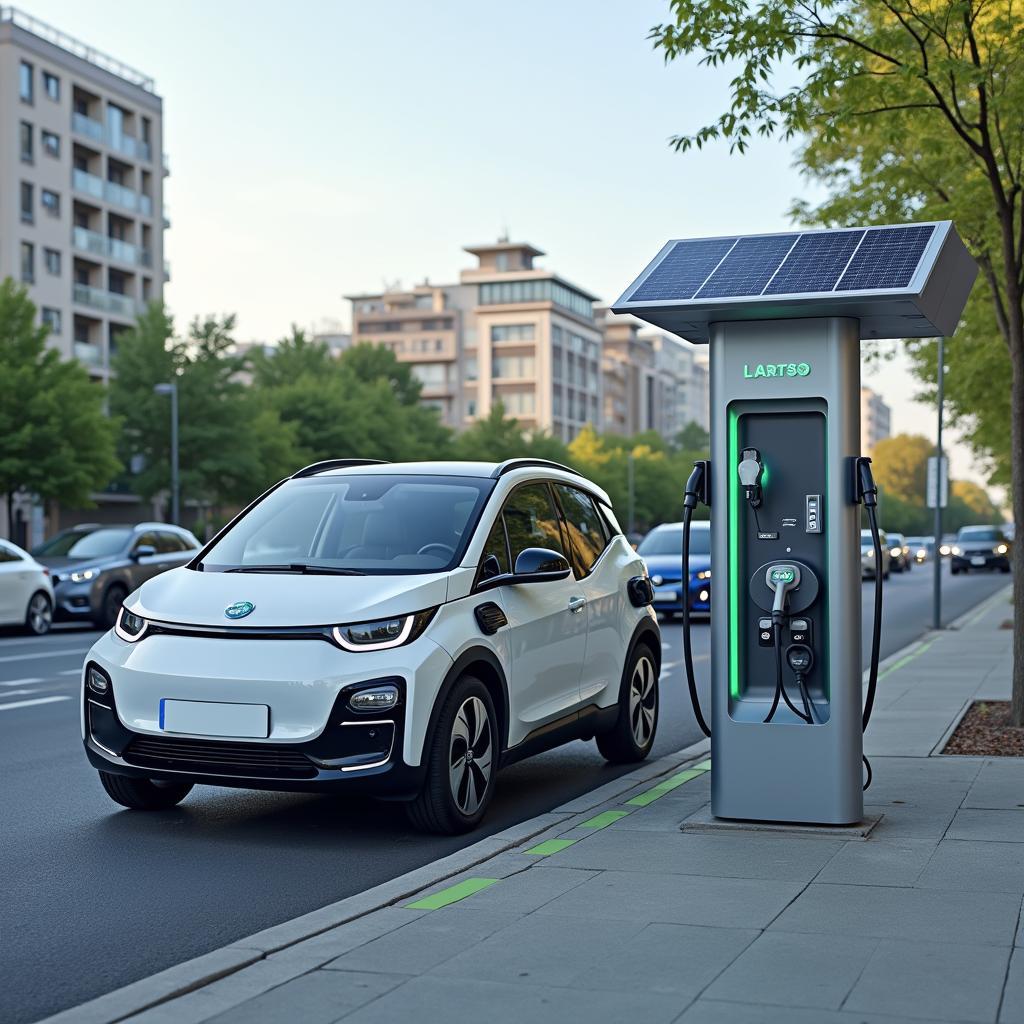
Biến đổi khí hậu đang tác động sâu rộng đến mọi khía cạnh của nền kinh tế toàn cầu, đặc biệt là chuỗi cung ứng quốc tế (global supply chains). Chủ đề về “Effects Of Climate Change On Global Supply Chains” xuất hiện ngày càng thường xuyên trong bài thi IELTS Reading, phản ánh tầm quan trọng và tính thời sự của vấn đề này. Đề thi có thể khai thác nhiều góc độ: từ tác động vật lý như thiên tai, hạn hán đến những thay đổi về chính sách, công nghệ và hành vi tiêu dùng.
Bài viết này cung cấp cho bạn một đề thi IELTS Reading hoàn chỉnh với 3 passages theo đúng cấu trúc thi thật, từ mức độ dễ đến khó. Bạn sẽ thực hành với 40 câu hỏi đa dạng bao gồm Multiple Choice, True/False/Not Given, Matching Headings, Summary Completion và nhiều dạng khác. Mỗi câu hỏi đều có đáp án chi tiết kèm giải thích giúp bạn hiểu rõ cách xác định thông tin, paraphrase và áp dụng kỹ thuật làm bài hiệu quả.
Đề thi này phù hợp với học viên từ band 5.0 trở lên, giúp bạn làm quen với văn phong học thuật, tích lũy từ vựng chuyên ngành về môi trường và kinh tế, đồng thời rèn luyện kỹ năng quản lý thời gian trong bài thi thực tế. Hãy chuẩn bị giấy bút, đặt đồng hồ đếm ngược 60 phút và bắt đầu làm bài như một kỳ thi thật.
Hướng Dẫn Làm Bài IELTS Reading
Tổng Quan Về IELTS Reading Test
Bài thi IELTS Reading gồm 3 passages với tổng cộng 40 câu hỏi, thời gian hoàn thành là 60 phút. Không có thời gian bổ sung để chuyển đáp án sang Answer Sheet, vì vậy bạn cần quản lý thời gian cẩn thận.
Phân bổ thời gian khuyến nghị:
- Passage 1 (độ khó thấp): 15-17 phút
- Passage 2 (độ khó trung bình): 18-20 phút
- Passage 3 (độ khó cao): 23-25 phút
Độ khó của các passages tăng dần, nhưng điểm số của mỗi câu hỏi là như nhau. Vì vậy, đừng dành quá nhiều thời gian cho những câu khó ở Passage 3 mà bỏ lỡ những câu dễ điểm hơn.
Các Dạng Câu Hỏi Trong Đề Này
Đề thi mẫu này bao gồm 7 dạng câu hỏi phổ biến trong IELTS Reading:
- Multiple Choice – Câu hỏi trắc nghiệm nhiều lựa chọn
- True/False/Not Given – Xác định thông tin đúng, sai hoặc không được đề cập
- Matching Information – Ghép thông tin với đoạn văn tương ứng
- Matching Headings – Chọn tiêu đề phù hợp cho mỗi đoạn
- Summary Completion – Hoàn thành đoạn tóm tắt
- Matching Features – Ghép đặc điểm với đối tượng được nhắc đến
- Short-answer Questions – Trả lời câu hỏi ngắn
Mỗi dạng câu hỏi yêu cầu kỹ năng đọc hiểu khác nhau: scanning (quét thông tin), skimming (đọc lướt), inference (suy luận), và paraphrasing (diễn đạt lại).
IELTS Reading Practice Test
PASSAGE 1 – Climate Disruption and Modern Logistics
Độ khó: Easy (Band 5.0-6.5)
Thời gian đề xuất: 15-17 phút
The modern world depends heavily on complex supply chains that move goods from manufacturers to consumers across continents. These networks have become increasingly vulnerable to climate-related disruptions, creating significant challenges for businesses and economies worldwide. Understanding how climate change affects these systems is crucial for developing resilient strategies in the coming decades.
Extreme weather events are becoming more frequent and severe due to climate change, directly impacting transportation routes and infrastructure. In 2011, massive flooding in Thailand disrupted global electronics manufacturing, affecting companies far beyond Asia. The floods damaged factories producing computer hard drives, causing worldwide shortages and price increases that lasted for months. Similarly, hurricanes along the United States Gulf Coast regularly force the closure of major ports, delaying shipments and creating backlogs that take weeks to clear. These disruptions demonstrate how interconnected modern supply chains have become, where a problem in one region can quickly spread to affect global markets.
Temperature changes also pose serious challenges to supply chains, particularly for products that require temperature-controlled environments during storage and transport. The pharmaceutical industry faces especially difficult problems, as many medicines must be kept within narrow temperature ranges to remain effective. Rising temperatures increase cooling costs and create more opportunities for products to be damaged during transit. Food supply chains experience similar difficulties, with perishable goods spoiling more quickly in warmer conditions. This is particularly concerning in developing countries where refrigeration infrastructure may be limited or unreliable.
Coastal infrastructure faces growing threats from rising sea levels and increased storm intensity. Many of the world’s largest ports are located in low-lying coastal areas that are becoming increasingly flood-prone. Rotterdam, one of Europe’s busiest ports, has invested billions of euros in flood defenses and drainage systems to protect against rising waters. In Asia, major shipping hubs like Singapore and Hong Kong are implementing similar protective measures. However, not all ports have the resources for such extensive adaptations, leaving some critical transportation nodes at risk.
Climate change is forcing companies to reconsider their manufacturing and sourcing strategies. Some businesses are shortening their supply chains by moving production closer to end markets, a process called “nearshoring.” This reduces the distance goods must travel and decreases exposure to climate-related transportation disruptions. Other companies are developing alternative supply routes and maintaining larger inventories to buffer against unexpected delays. While these strategies increase resilience, they also typically involve higher costs, forcing businesses to balance risk management with financial efficiency.
The agricultural sector illustrates particularly clearly how climate impacts ripple through supply chains. Changing rainfall patterns and more frequent droughts affect crop yields, creating shortages and price volatility for food products and industrial materials. Cotton production, for example, has experienced significant disruptions due to water scarcity in major growing regions. This affects not only clothing manufacturers but also automotive and furniture industries that use cotton-based materials. Such cross-sector impacts highlight the far-reaching consequences of climate-related agricultural disruptions.
Adaptation measures are becoming essential components of supply chain management. Companies are investing in more flexible logistics networks that can quickly reroute shipments when disruptions occur. Advanced forecasting systems using satellite data and climate models help businesses anticipate potential problems and take preventive action. Some organizations are also incorporating climate risk into their supplier selection processes, favoring partners in less vulnerable geographic locations or those demonstrating strong climate adaptation strategies.
Insurance companies are responding to these increased risks by adjusting their policies and premiums. Businesses in high-risk areas or industries particularly vulnerable to climate impacts face higher insurance costs, creating additional financial pressure. This is driving further adaptation, as companies seek to reduce their risk profiles to maintain affordable coverage. The insurance industry itself is developing new products specifically designed to address climate-related supply chain disruptions, recognizing the growing demand for such specialized coverage.
Looking forward, climate change will continue to reshape global supply chains in fundamental ways. Businesses that fail to adapt risk serious competitive disadvantages or even survival challenges. Meanwhile, those that successfully build climate resilience into their operations may find new opportunities, as customers increasingly value reliable supply chains and sustainable business practices. The transformation of global logistics in response to climate change represents one of the major economic shifts of the twenty-first century, with implications extending far beyond individual companies to affect international trade patterns and economic development worldwide.
Questions 1-13
Questions 1-5: Multiple Choice
Choose the correct letter, A, B, C, or D.
1. According to the passage, the 2011 flooding in Thailand primarily affected
A. agricultural production across Asia
B. global electronics manufacturing
C. pharmaceutical supply chains
D. automotive industry worldwide
2. The passage suggests that temperature-controlled supply chains are particularly important for
A. electronics and machinery
B. clothing and textiles
C. medicines and food products
D. construction materials
3. Rotterdam’s response to climate threats involved
A. relocating to higher ground
B. investing in protective infrastructure
C. reducing port operations
D. switching to air transport
4. “Nearshoring” refers to the practice of
A. moving production closer to consumer markets
B. building factories near seaports
C. using only coastal suppliers
D. reducing workforce in manufacturing
5. Insurance companies are responding to climate risks by
A. refusing coverage to vulnerable businesses
B. developing government partnerships
C. adjusting policies and increasing premiums
D. moving operations to safer locations
Questions 6-9: True/False/Not Given
Do the following statements agree with the information given in the passage?
Write:
- TRUE if the statement agrees with the information
- FALSE if the statement contradicts the information
- NOT GIVEN if there is no information on this
6. Hurricanes along the U.S. Gulf Coast cause port closures that can take several weeks to fully resolve.
7. All major Asian ports have sufficient resources to implement extensive flood protection systems.
8. Cotton production disruptions affect only the clothing manufacturing industry.
9. Satellite data and climate models are being used to help predict supply chain disruptions.
Questions 10-13: Summary Completion
Complete the summary below using NO MORE THAN TWO WORDS from the passage for each answer.
Climate change creates various challenges for global supply chains. Extreme weather events demonstrate how (10) __ modern logistics networks have become. Companies are adopting several strategies to build resilience, including shortening supply chains through (11) __ and developing (12) __ to avoid disrupted routes. The insurance sector is creating new products to provide (13) __ specifically addressing climate-related risks.
PASSAGE 2 – Supply Chain Transformation in a Warming World
Độ khó: Medium (Band 6.0-7.5)
Thời gian đề xuất: 18-20 phút
The intricate web of global supply chains, which has evolved over decades to optimize efficiency and minimize costs, now faces unprecedented challenges from anthropogenic climate change. These challenges extend beyond immediate physical disruptions to encompass systemic transformations in how businesses source materials, manufacture products, and distribute goods to end consumers. The resulting changes are fundamentally altering the landscape of international commerce and forcing a paradigm shift in supply chain management philosophy.
A. One of the most profound impacts of climate change on supply chains involves the increasing unpredictability of traditional transportation corridors. Shipping routes that have served global trade for centuries are experiencing novel challenges. The Northwest Passage through the Arctic, historically impassable due to ice coverage, is becoming navigable for longer periods each year, potentially offering a shorter route between Asia and Europe. However, this development brings its own complications: the lack of infrastructure, uncertain ice conditions, and environmental concerns create significant operational risks. Meanwhile, traditional routes face their own climate-related obstacles, with the Panama Canal experiencing water shortages that limit the size and number of vessels it can accommodate, forcing shipping companies to make difficult trade-offs between speed, cost, and reliability.
B. The manufacturing sector is experiencing what supply chain experts term “climate-induced reconfiguration.” Regions that have traditionally served as manufacturing hubs are becoming less attractive due to increasing climate risks. Bangladesh’s garment industry, which employs millions and contributes significantly to the national economy, faces mounting challenges from flooding and cyclones. Similarly, industrial zones in coastal China and Vietnam are reassessing their vulnerability to typhoons and sea-level rise. This has triggered a gradual but significant redistribution of manufacturing capacity, with some companies establishing operations in multiple locations to spread risk. This strategy, known as “geographic diversification,” contrasts sharply with the previous era’s focus on concentrating production in the most cost-efficient single locations.
C. Agricultural supply chains present particularly complex vulnerabilities because they depend directly on climate conditions. The coffee industry provides an illuminating case study. Coffee cultivation requires specific temperature and rainfall patterns, and climate change is rendering traditional growing regions less suitable while potentially opening new areas at higher altitudes or latitudes. However, establishing new coffee cultivation isn’t straightforward; it requires appropriate soil conditions, expertise, and years before plants reach full productivity. Similar dynamics affect cocoa, tea, and numerous other agricultural commodities. These shifts create significant challenges for companies that have built processing facilities and established supplier relationships based on historical production patterns. For those interested in understanding how local cuisine is integrated into culinary arts programs as agricultural patterns shift, this represents an important intersection of climate adaptation and cultural preservation.
D. The concept of “just-in-time” inventory management, which has dominated supply chain thinking for decades, is being fundamentally questioned in the context of climate change. This approach, which minimizes inventory holding costs by coordinating production and delivery to minimize storage time, assumes reliable and predictable supply chains. However, climate-related disruptions are making such predictability increasingly elusive. Companies are now experimenting with “just-in-case” approaches that maintain larger buffer stocks and redundant suppliers, accepting higher carrying costs in exchange for greater resilience. This represents a significant philosophical shift, prioritizing reliability over pure efficiency and acknowledging that the cheapest approach may not be the most sustainable in a climate-changed world.
E. Technology is emerging as both a catalyst for change and a tool for adaptation in climate-affected supply chains. Blockchain technology offers improved transparency and traceability, allowing companies to better understand their multi-tier supplier networks and identify climate vulnerabilities. Artificial intelligence and machine learning algorithms are becoming sophisticated enough to incorporate climate projections into supply chain planning, helping businesses anticipate disruptions before they occur. The integration of renewable energy adoption into logistics operations, similar to how renewable energy adoption affects global power structures, is creating more resilient energy systems for warehouses and transportation. Meanwhile, the Internet of Things (IoT) enables real-time monitoring of goods in transit, allowing rapid response when climate events threaten shipments. These technological tools are becoming essential components of climate-resilient supply chain management, though they require significant investment and expertise to implement effectively.
F. The financial implications of climate-affected supply chains extend throughout the economic system. Companies facing supply disruptions experience not only immediate costs from delays and damaged goods but also longer-term impacts on customer relationships and market position. The “bullwhip effect,” where small disruptions amplify as they move through supply chains, becomes more pronounced when climate events affect multiple suppliers simultaneously. Financial markets are beginning to price climate risk into company valuations, with businesses demonstrating poor supply chain resilience facing lower stock prices and higher borrowing costs. This is creating powerful incentives for companies to invest in adaptation measures, as the cost of inaction increasingly exceeds the cost of preparation.
G. Regulatory frameworks are evolving to address climate-related supply chain risks, though international coordination remains challenging. The European Union’s Corporate Sustainability Reporting Directive requires large companies to disclose climate risks in their supply chains, creating pressure for improved assessment and management. Some jurisdictions are implementing carbon border adjustments that effectively penalize imports from regions with weak climate policies, potentially reshaping trade flows based on environmental considerations. These regulatory developments are adding another layer of complexity to supply chain decisions, as companies must navigate an increasingly fragmented landscape of different national and regional requirements.
 Biến đổi khí hậu tác động đến chuỗi cung ứng toàn cầu với hàng loạt thách thức logistics và vận chuyển
The transition toward climate-resilient supply chains represents one of the defining business challenges of the early 21st century. Companies that successfully navigate this transition will likely gain significant competitive advantages, while those that fail to adapt risk becoming obsolete as climate impacts intensify. The process requires not merely incremental adjustments but fundamental rethinking of supply chain strategy, embracing flexibility and resilience as core objectives alongside traditional metrics of cost and efficiency. As climate change continues to accelerate, the ability to maintain reliable supply chains in increasingly unpredictable conditions will become a critical determinant of business success and economic stability.
Questions 14-26
Questions 14-18: Matching Headings
The passage has seven sections, A-G. Choose the correct heading for each section from the list of headings below.
List of Headings:
i. Financial consequences of supply disruptions
ii. New shipping routes and water scarcity challenges
iii. Government regulations and international policy
iv. Technological solutions for supply chain monitoring
v. Changes in coffee and agricultural production zones
vi. The decline of just-in-time inventory systems
vii. Manufacturing relocation due to climate threats
viii. Consumer behavior and demand patterns
ix. The role of insurance in risk management
14. Section A
15. Section B
16. Section D
17. Section F
18. Section G
Questions 19-23: Yes/No/Not Given
Do the following statements agree with the views of the writer in the passage?
Write:
- YES if the statement agrees with the views of the writer
- NO if the statement contradicts the views of the writer
- NOT GIVEN if it is impossible to say what the writer thinks about this
19. The Northwest Passage presents a completely risk-free alternative to traditional shipping routes.
20. Geographic diversification of manufacturing represents a departure from previous concentration strategies.
21. Just-in-case inventory management is more expensive than just-in-time approaches.
22. Blockchain technology completely solves all supply chain vulnerability problems.
23. Financial markets are starting to incorporate climate resilience into company valuations.
Questions 24-26: Summary Completion
Complete the summary below using NO MORE THAN THREE WORDS from the passage for each answer.
Climate change is forcing a (24) __ in how companies manage supply chains. Traditional approaches focused on efficiency are being challenged by increasing unpredictability. Agricultural commodities like coffee are particularly affected because they require (25) __ to grow successfully. Meanwhile, companies are moving away from minimizing inventory toward maintaining larger (26) __ to handle unexpected disruptions.
PASSAGE 3 – The Geopolitical and Economic Ramifications of Climate-Disrupted Supply Networks
Độ khó: Hard (Band 7.0-9.0)
Thời gian đề xuất: 23-25 phút
The multifaceted disruption of global supply chains by anthropogenic climate change transcends mere operational logistics, representing instead a profound restructuring of international economic architecture and geopolitical power dynamics. This transformation is characterized by the intersection of climate science, economic theory, political strategy, and technological innovation in ways that challenge conventional paradigms of international trade and development. The implications extend from microeconomic decision-making at the firm level to macroeconomic restructuring of entire national economies, creating winners and losers in a dramatically altered competitive landscape.
The concept of “climate-adjusted comparative advantage” is emerging as a critical framework for understanding how nations’ positions in global supply chains will evolve throughout the 21st century. Traditional Ricardian models of comparative advantage, which emphasize differences in productivity and factor endowments, must now incorporate climate vulnerability and adaptation capacity as fundamental variables. Countries with inherent geographic protection from climate extremes—such as those at higher latitudes with stable water resources—may find their relative advantage increasing, even if their traditional factors of production are less favorable. Conversely, nations that have built export-oriented economies around manufacturing in climate-vulnerable coastal zones face the prospect of systematic disadvantage that no amount of productivity improvement can fully offset. This represents a fundamental challenge to development pathways that have successfully lifted hundreds of millions from poverty over recent decades.
The temporal dimension of climate-related supply chain disruption introduces particularly vexing complexities for long-term planning and investment decisions. Unlike traditional business risks that follow relatively predictable probability distributions, climate impacts exhibit “fat-tailed” distributions with significant probabilities of extreme outcomes that exceed historical experience. This creates profound analytical challenges for standard risk assessment methodologies, which typically rely on historical data to project future probabilities. The result is a systematic tendency to underestimate extreme climate risks, leading to underinvestment in adaptation measures and overexposure to catastrophic disruptions. Behavioral economics research suggests that human cognitive biases—particularly temporal discounting and availability heuristics—exacerbate this problem, as decision-makers struggle to prioritize gradual long-term threats over immediate operational concerns.
The political economy of supply chain adaptation reveals significant tensions between national interests and global efficiency. While economic theory suggests that optimal adaptation would involve coordinated international action to maintain efficient global production networks, the actual process is characterized by strategic behavior and zero-sum competition for climate-resilient supply chain positions. Nations are implementing industrial policies explicitly designed to attract manufacturing in sectors deemed critical, offering subsidies and infrastructure investments to companies willing to relocate production to their territories. This “climate mercantilism” bears resemblance to historical patterns of economic nationalism but is justified through the lens of climate resilience rather than traditional protectionism. The phenomenon shares certain characteristics with how economic sanctions in geopolitical strategy reshape trade relationships, though driven by environmental rather than purely political considerations.
Supply chain regionalization—the restructuring of global trade into more geographically concentrated blocks—represents perhaps the most significant structural shift in international commerce since the post-World War II establishment of the liberal trading order. Climate disruptions are accelerating this trend by increasing the transaction costs and risks associated with extended global supply chains. The resulting regional blocs are developing around major economic powers: a North American network centered on the United States, a European system anchored by the EU, and an Asian complex dominated by China. This fragmentation creates economies of scale within regions while potentially sacrificing the allocative efficiency achieved through truly global optimization. The welfare implications remain contested among economists, with some arguing that reduced efficiency is an acceptable price for enhanced resilience, while others contend that fragmentation will significantly reduce global living standards, particularly in developing nations that depend on access to global markets.
The intersection of climate-disrupted supply chains and technological change creates both ameliorating opportunities and exacerbating risks. Advanced manufacturing technologies—including additive manufacturing, automation, and artificial intelligence—enable production with fewer workers and less space, potentially facilitating supply chain restructuring by reducing the importance of low labor costs as a location determinant. This could enable reshoring of manufacturing to high-income countries while simultaneously reducing employment opportunities in developing nations that have depended on labor-intensive manufacturing for economic development. The concern mirrors broader debates about technological unemployment but with the added complication of climate-induced necessity driving the transition. Some analysts envision a future where distributed, localized production using advanced manufacturing technologies creates resilient supply chains while dramatically reducing transportation-related emissions, effectively solving multiple problems simultaneously. However, this optimistic scenario requires technological capabilities and infrastructure investments that remain far from universal, potentially creating a bifurcated global economy with highly resilient high-tech supply chains in wealthy nations coexisting with vulnerable traditional networks in poorer countries.
The financial architecture supporting global supply chains is undergoing parallel transformation as climate risks become systematically incorporated into capital allocation decisions. The rise of “climate-adjusted cost of capital” reflects lenders’ and investors’ growing recognition that climate-vulnerable supply chain configurations represent heightened credit and equity risk. Companies operating in high-risk zones or dependent on climate-vulnerable suppliers face systematically higher financing costs, creating powerful market incentives for adaptation independent of regulatory requirements. This process exemplifies how climate considerations are becoming embedded in the basic price mechanisms of capitalism, potentially achieving through market forces what has proven difficult to accomplish through international climate agreements. However, critics note that this financialization of climate risk may exacerbate inequality, as firms and nations with limited resources face higher capital costs precisely when they most need investment for adaptation.
The normative dimensions of climate-disrupted supply chains raise profound questions of international justice and responsibility. Wealthy nations that contributed disproportionately to historical emissions are often better positioned to adapt their supply chains, possessing greater financial resources, technological capabilities, and geographic advantages. Meanwhile, poorer nations facing more severe climate impacts have fewer resources for adaptation and risk being marginalized in restructured supply networks. This dynamic threatens to create a vicious cycle where climate vulnerability begets economic disadvantage, which in turn reduces adaptation capacity, leading to further vulnerability. International discussions around “loss and damage” financing attempt to address these inequities, but progress remains limited by the enormous sums involved and disagreements over responsibility and mechanisms for distribution.
 Công nghệ blockchain và trí tuệ nhân tạo trong quản lý chuỗi cung ứng thích ứng khí hậu
Looking forward, the trajectory of climate-impacted supply chains will depend critically on the pace of both climate change itself and societal adaptation responses. Under scenarios of limited warming and aggressive adaptation investment, global supply chains may prove remarkably resilient, incorporating climate risks into routine planning while maintaining broadly integrated international commerce. However, under scenarios of severe warming and inadequate adaptation—particularly if tipping points in climate systems are crossed—supply chain disruptions could cascade into broader economic crises, potentially triggering deglobalization on a scale not seen since the interwar period of the 20th century. The stakes of effective adaptation thus extend far beyond individual business operations to encompass fundamental questions about the future structure of the global economy and the continuation of the economic integration that has characterized recent decades. The challenge facing policymakers, business leaders, and civil society is to navigate this transition in ways that preserve the benefits of economic integration while building necessary resilience against climate disruptions, all while addressing legitimate concerns about equity and shared prosperity in a climate-changed world.
Questions 27-40
Questions 27-31: Multiple Choice
Choose the correct letter, A, B, C, or D.
27. According to the passage, “climate-adjusted comparative advantage” differs from traditional Ricardian models by
A. completely replacing productivity as a determining factor
B. incorporating climate vulnerability as a fundamental variable
C. focusing exclusively on geographic location
D. eliminating the importance of factor endowments
28. The “fat-tailed” distribution of climate risks refers to
A. the gradual and predictable nature of climate change
B. risks that follow normal probability patterns
C. significant probabilities of extreme outcomes beyond historical experience
D. the decreasing likelihood of severe climate events
29. The passage suggests that “climate mercantilism” is
A. identical to traditional economic protectionism
B. justified through climate resilience concerns rather than traditional protectionism
C. completely ineffective at attracting manufacturing
D. opposed by all national governments
30. Advanced manufacturing technologies might enable reshoring while simultaneously
A. increasing employment in developing nations
B. reducing the cost advantage of low labor costs
C. eliminating all climate risks
D. preventing any technological unemployment
31. The concept of “climate-adjusted cost of capital” means that
A. all companies face identical financing costs
B. governments directly control lending rates
C. climate-vulnerable operations face higher financing costs
D. capital is no longer allocated based on risk
Questions 32-36: Matching Features
Match each characteristic (Questions 32-36) with the correct concept (A-F) from the passage.
Write the correct letter, A-F.
Concepts:
A. Temporal discounting
B. Supply chain regionalization
C. Behavioral economics
D. Climate mercantilism
E. Bifurcated global economy
F. Loss and damage financing
32. The tendency to undervalue future threats compared to immediate concerns
33. Industrial policies designed to attract manufacturing to climate-resilient locations
34. The restructuring of trade into geographically concentrated blocks
35. A scenario where wealthy nations have resilient supply chains while poorer nations remain vulnerable
36. International discussions addressing inequities in climate adaptation capacity
Questions 37-40: Short-answer Questions
Answer the questions below using NO MORE THAN THREE WORDS AND/OR A NUMBER from the passage for each answer.
37. What type of distribution characterizes climate impact probabilities, making them difficult to assess using historical data?
38. What economic concept suggests that coordinated action would maintain efficient global production?
39. How many major regional economic blocs are mentioned as developing around major powers?
40. What term describes the potential large-scale reversal of economic integration comparable to the interwar period?
Answer Keys – Đáp Án
PASSAGE 1: Questions 1-13
- B
- C
- B
- A
- C
- TRUE
- FALSE
- FALSE
- TRUE
- interconnected
- nearshoring
- alternative supply routes / alternative routes
- specialized coverage
PASSAGE 2: Questions 14-26
- ii
- vii
- vi
- i
- iii
- NO
- YES
- YES
- NO
- YES
- paradigm shift
- specific temperature and rainfall patterns / specific conditions
- buffer stocks
PASSAGE 3: Questions 27-40
- B
- C
- B
- B
- C
- A
- D
- B
- E
- F
- fat-tailed (distributions)
- coordinated international action
- three / 3
- deglobalization
Giải Thích Đáp Án Chi Tiết
Passage 1 – Giải Thích
Câu 1: B – global electronics manufacturing
- Dạng câu hỏi: Multiple Choice
- Từ khóa: 2011 flooding, Thailand, primarily affected
- Vị trí trong bài: Đoạn 2, dòng 3-5
- Giải thích: Câu trong bài viết rõ ràng: “The floods damaged factories producing computer hard drives, causing worldwide shortages and price increases.” Đây là paraphrase của “global electronics manufacturing.” Các đáp án khác không được đề cập liên quan đến trận lũ ở Thái Lan.
Câu 2: C – medicines and food products
- Dạng câu hỏi: Multiple Choice
- Từ khóa: temperature-controlled supply chains, particularly important
- Vị trí trong bài: Đoạn 3, dòng 2-6
- Giải thích: Đoạn văn đề cập cụ thể đến “pharmaceutical industry” (dược phẩm) và “food supply chains” (thực phẩm) như những ngành đặc biệt cần kiểm soát nhiệt độ. Paraphrase: “medicines” = “pharmaceutical” và “food products” = “food supply chains.”
Câu 3: B – investing in protective infrastructure
- Dạng câu hỏi: Multiple Choice
- Từ khóa: Rotterdam, response, climate threats
- Vị trí trong bài: Đoạn 4, dòng 3-4
- Giải thích: Bài viết nêu rõ: “Rotterdam…has invested billions of euros in flood defenses and drainage systems.” Đây chính xác là “investing in protective infrastructure.”
Câu 4: A – moving production closer to consumer markets
- Dạng câu hỏi: Multiple Choice
- Từ khóa: Nearshoring, refers to
- Vị trí trong bài: Đoạn 5, dòng 2-3
- Giải thích: Định nghĩa được đưa ra trực tiếp: “Some businesses are shortening their supply chains by moving production closer to end markets, a process called ‘nearshoring’.” Paraphrase: “end markets” = “consumer markets.”
Câu 5: C – adjusting policies and increasing premiums
- Dạng câu hỏi: Multiple Choice
- Từ khóa: Insurance companies, responding, climate risks
- Vị trí trong bài: Đoạn 8, dòng 1-2
- Giải thích: Bài viết nói: “Insurance companies are responding…by adjusting their policies and premiums. Businesses in high-risk areas…face higher insurance costs.”
Câu 6: TRUE
- Dạng câu hỏi: True/False/Not Given
- Từ khóa: Hurricanes, U.S. Gulf Coast, port closures, several weeks
- Vị trí trong bài: Đoạn 2, dòng 6-7
- Giải thích: Bài viết khẳng định: “hurricanes…regularly force the closure of major ports, delaying shipments and creating backlogs that take weeks to clear.” “Weeks to clear” = “several weeks to fully resolve.”
Câu 7: FALSE
- Dạng câu hỏi: True/False/Not Given
- Từ khóa: All major Asian ports, sufficient resources, extensive flood protection
- Vị trí trong bài: Đoạn 4, dòng 5-6
- Giải thích: Bài viết nói: “However, not all ports have the resources for such extensive adaptations.” Từ “not all” mâu thuẫn trực tiếp với “all major Asian ports” trong câu hỏi.
Câu 8: FALSE
- Dạng câu hỏi: True/False/Not Given
- Từ khóa: Cotton production disruptions, only clothing manufacturing
- Vị trí trong bài: Đoạn 6, dòng 4-6
- Giải thích: Bài viết nói rõ: “This affects not only clothing manufacturers but also automotive and furniture industries.” Từ “not only” chứng minh câu phát biểu sai.
Câu 9: TRUE
- Dạng câu hỏi: True/False/Not Given
- Từ khóa: Satellite data, climate models, predict supply chain disruptions
- Vị trí trong bài: Đoạn 7, dòng 2-3
- Giải thích: Bài viết xác nhận: “Advanced forecasting systems using satellite data and climate models help businesses anticipate potential problems.”
Câu 10: interconnected
- Dạng câu hỏi: Summary Completion
- Từ khóa: demonstrate how…modern logistics networks
- Vị trí trong bài: Đoạn 2, dòng cuối
- Giải thích: Câu trong bài: “These disruptions demonstrate how interconnected modern supply chains have become.”
Câu 11: nearshoring
- Dạng câu hỏi: Summary Completion
- Từ khóa: shortening supply chains through
- Vị trí trong bài: Đoạn 5, dòng 2-3
- Giải thích: “Some businesses are shortening their supply chains…a process called ‘nearshoring’.”
Câu 12: alternative supply routes / alternative routes
- Dạng câu hỏi: Summary Completion
- Từ khóa: developing…to avoid disrupted routes
- Vị trí trong bài: Đoạn 5, dòng 4
- Giải thích: “Other companies are developing alternative supply routes.”
Câu 13: specialized coverage
- Dạng câu hỏi: Summary Completion
- Từ khóa: insurance sector, new products, provide
- Vị trí trong bài: Đoạn 8, dòng cuối
- Giải thích: “The insurance industry itself is developing new products specifically designed…recognizing the growing demand for such specialized coverage.”
Passage 2 – Giải Thích
Câu 14: ii – New shipping routes and water scarcity challenges
- Dạng câu hỏi: Matching Headings
- Vị trí trong bài: Section A
- Giải thích: Section A thảo luận về Northwest Passage (tuyến vận chuyển mới) và Panama Canal experiencing water shortages (khan hiếm nước). Đây chính xác là nội dung của heading ii.
Câu 15: vii – Manufacturing relocation due to climate threats
- Dạng câu hỏi: Matching Headings
- Vị trí trong bài: Section B
- Giải thích: Section B nói về “climate-induced reconfiguration” và việc các khu công nghiệp tại Bangladesh, China, Vietnam đang phải đánh giá lại vị trí do rủi ro khí hậu, dẫn đến “geographic diversification.”
Câu 16: vi – The decline of just-in-time inventory systems
- Dạng câu hỏi: Matching Headings
- Vị trí trong bài: Section D
- Giải thích: Section D tập trung vào việc “just-in-time” inventory management đang bị thách thức và được thay thế bởi “just-in-case” approaches.
Câu 17: i – Financial consequences of supply disruptions
- Dạng câu hỏi: Matching Headings
- Vị trí trong bài: Section F
- Giải thích: Section F thảo luận chi tiết về “financial implications,” “bullwhip effect,” và cách financial markets định giá climate risk.
Câu 18: iii – Government regulations and international policy
- Dạng câu hỏi: Matching Headings
- Vị trí trong bài: Section G
- Giải thích: Section G nói về “regulatory frameworks,” EU’s Corporate Sustainability Reporting Directive, và carbon border adjustments.
Câu 19: NO
- Dạng câu hỏi: Yes/No/Not Given
- Từ khóa: Northwest Passage, completely risk-free alternative
- Vị trí trong bài: Section A, dòng 4-6
- Giải thích: Bài viết nói rõ: “However, this development brings its own complications: the lack of infrastructure, uncertain ice conditions, and environmental concerns create significant operational risks.” Điều này mâu thuẫn với “completely risk-free.”
Câu 20: YES
- Dạng câu hỏi: Yes/No/Not Given
- Từ khóa: Geographic diversification, departure from previous concentration strategies
- Vị trí trong bài: Section B, dòng cuối
- Giải thích: Bài viết xác nhận: “This strategy…contrasts sharply with the previous era’s focus on concentrating production in the most cost-efficient single locations.” “Contrasts sharply” = “departure from.”
Câu 21: YES
- Dạng câu hỏi: Yes/No/Not Given
- Từ khóa: Just-in-case, more expensive, just-in-time
- Vị trí trong bài: Section D, dòng 7-8
- Giải thích: Bài viết nói: “accepting higher carrying costs in exchange for greater resilience.”
Câu 22: NO
- Dạng câu hỏi: Yes/No/Not Given
- Từ khóa: Blockchain technology, completely solves all problems
- Vị trí trong bài: Section E, dòng 2-3
- Giải thích: Blockchain chỉ được mô tả là “offers improved transparency and traceability” và “helping” identify vulnerabilities, không phải “completely solves all problems.”
Câu 23: YES
- Dạng câu hỏi: Yes/No/Not Given
- Từ khóa: Financial markets, incorporating climate resilience, company valuations
- Vị trí trong bài: Section F, dòng 4-5
- Giải thích: “Financial markets are beginning to price climate risk into company valuations.”
Câu 24: paradigm shift
- Dạng câu hỏi: Summary Completion
- Từ khóa: forcing a…in how companies manage
- Vị trí trong bài: Đoạn đầu, dòng cuối
- Giải thích: “forcing a paradigm shift in supply chain management philosophy.”
Câu 25: specific temperature and rainfall patterns / specific conditions
- Dạng câu hỏi: Summary Completion
- Từ khóa: coffee, require…to grow
- Vị trí trong bài: Section C, dòng 3
- Giải thích: “Coffee cultivation requires specific temperature and rainfall patterns.”
Câu 26: buffer stocks
- Dạng câu hỏi: Summary Completion
- Từ khóa: maintaining larger…to handle disruptions
- Vị trí trong bài: Section D, dòng 7
- Giải thích: “just-in-case approaches that maintain larger buffer stocks and redundant suppliers.”
Passage 3 – Giải Thích
Câu 27: B – incorporating climate vulnerability as a fundamental variable
- Dạng câu hỏi: Multiple Choice
- Từ khóa: climate-adjusted comparative advantage, differs from, Ricardian models
- Vị trí trong bài: Đoạn 2, dòng 2-4
- Giải thích: Bài viết nói: “Traditional Ricardian models…must now incorporate climate vulnerability and adaptation capacity as fundamental variables.”
Câu 28: C – significant probabilities of extreme outcomes beyond historical experience
- Dạng câu hỏi: Multiple Choice
- Từ khóa: fat-tailed distribution, climate risks
- Vị trí trong bài: Đoạn 3, dòng 2-4
- Giải thích: “climate impacts exhibit ‘fat-tailed’ distributions with significant probabilities of extreme outcomes that exceed historical experience.”
Câu 29: B – justified through climate resilience concerns rather than traditional protectionism
- Dạng câu hỏi: Multiple Choice
- Từ khóa: climate mercantilism
- Vị trí trong bài: Đoạn 4, dòng 7-8
- Giải thích: “This ‘climate mercantilism’ bears resemblance to historical patterns of economic nationalism but is justified through the lens of climate resilience rather than traditional protectionism.”
Câu 30: B – reducing the cost advantage of low labor costs
- Dạng câu hỏi: Multiple Choice
- Từ khóa: Advanced manufacturing technologies, reshoring, simultaneously
- Vị trí trong bài: Đoạn 6, dòng 2-4
- Giải thích: “enable production with fewer workers…potentially facilitating supply chain restructuring by reducing the importance of low labor costs as a location determinant.”
Câu 31: C – climate-vulnerable operations face higher financing costs
- Dạng câu hỏi: Multiple Choice
- Từ khóa: climate-adjusted cost of capital, means
- Vị trí trong bài: Đoạn 7, dòng 2-4
- Giải thích: “Companies operating in high-risk zones or dependent on climate-vulnerable suppliers face systematically higher financing costs.”
Câu 32: A – Temporal discounting
- Dạng câu hỏi: Matching Features
- Giải thích: Trong đoạn 3, “temporal discounting” được liệt kê như một trong những “cognitive biases” khiến người ra quyết định khó ưu tiên các mối đe dọa dài hạn so với mối quan tâm hoạt động trước mắt.
Câu 33: D – Climate mercantilism
- Dạng câu hỏi: Matching Features
- Giải thích: Đoạn 4 mô tả “climate mercantilism” như “industrial policies explicitly designed to attract manufacturing in sectors deemed critical.”
Câu 34: B – Supply chain regionalization
- Dạng câu hỏi: Matching Features
- Giải thích: Đoạn 5 định nghĩa “Supply chain regionalization” là “the restructuring of global trade into more geographically concentrated blocks.”
Câu 35: E – Bifurcated global economy
- Dạng câu hỏi: Matching Features
- Giải thích: Đoạn 6 mô tả kịch bản “bifurcated global economy” với “highly resilient high-tech supply chains in wealthy nations coexisting with vulnerable traditional networks in poorer countries.”
Câu 36: F – Loss and damage financing
- Dạng câu hỏi: Matching Features
- Giải thích: Đoạn 8 đề cập “International discussions around ‘loss and damage’ financing attempt to address these inequities.”
Câu 37: fat-tailed (distributions)
- Dạng câu hỏi: Short-answer Questions
- Từ khóa: type of distribution, climate impact probabilities, difficult to assess
- Vị trí trong bài: Đoạn 3, dòng 2
- Giải thích: “climate impacts exhibit ‘fat-tailed’ distributions.”
Câu 38: coordinated international action
- Dạng câu hỏi: Short-answer Questions
- Từ khóa: economic concept, coordinated action, maintain efficient global production
- Vị trí trong bài: Đoạn 4, dòng 2
- Giải thích: “economic theory suggests that optimal adaptation would involve coordinated international action.”
Câu 39: three / 3
- Dạng câu hỏi: Short-answer Questions
- Từ khóa: how many major regional economic blocs, developing around major powers
- Vị trí trong bài: Đoạn 5, dòng 6-7
- Giải thích: “a North American network…a European system…and an Asian complex” = ba khối.
Câu 40: deglobalization
- Dạng câu hỏi: Short-answer Questions
- Từ khóa: term, large-scale reversal of economic integration, interwar period
- Vị trí trong bài: Đoạn cuối, dòng 4-5
- Giải thích: “supply chain disruptions could cascade…potentially triggering deglobalization on a scale not seen since the interwar period.”
Từ Vựng Quan Trọng Theo Passage
Passage 1 – Essential Vocabulary
| Từ vựng | Loại từ | Phiên âm | Nghĩa tiếng Việt | Ví dụ từ bài | Collocation |
|---|---|---|---|---|---|
| vulnerable | adj | /ˈvʌlnərəbl/ | dễ bị tổn thương, yếu thế | These networks have become increasingly vulnerable to climate-related disruptions | vulnerable to (dễ bị tổn thương bởi) |
| resilient | adj | /rɪˈzɪliənt/ | có khả năng phục hồi, bền vững | developing resilient strategies in the coming decades | resilient strategies (chiến lược bền vững) |
| interconnected | adj | /ˌɪntəkəˈnektɪd/ | kết nối lẫn nhau | These disruptions demonstrate how interconnected modern supply chains have become | interconnected systems (hệ thống kết nối) |
| disruption | n | /dɪsˈrʌpʃn/ | sự gián đoạn, xáo trộn | Climate-related disruptions creating significant challenges | supply chain disruption (gián đoạn chuỗi cung ứng) |
| infrastructure | n | /ˈɪnfrəstrʌktʃə(r)/ | cơ sở hạ tầng | refrigeration infrastructure may be limited or unreliable | critical infrastructure (cơ sở hạ tầng quan trọng) |
| nearshoring | n | /ˈnɪəʃɔːrɪŋ/ | chuyển sản xuất về gần thị trường | moving production closer to end markets, a process called nearshoring | nearshoring strategy (chiến lược nearshoring) |
| adaptation | n | /ˌædæpˈteɪʃn/ | sự thích nghi, điều chỉnh | Adaptation measures are becoming essential components | climate adaptation (thích ứng khí hậu) |
| perishable | adj | /ˈperɪʃəbl/ | dễ hỏng, không bền | perishable goods spoiling more quickly in warmer conditions | perishable goods (hàng hóa dễ hỏng) |
| logistics | n | /ləˈdʒɪstɪks/ | hậu cần, quản lý chuỗi cung ứng | flexible logistics networks that can quickly reroute shipments | logistics management (quản lý hậu cần) |
| premium | n | /ˈpriːmiəm/ | phí bảo hiểm, mức giá cao hơn | adjusting their policies and premiums | insurance premium (phí bảo hiểm) |
| volatility | n | /ˌvɒləˈtɪləti/ | sự biến động | creating shortages and price volatility for food products | price volatility (biến động giá) |
| inventory | n | /ˈɪnvəntri/ | hàng tồn kho | maintaining larger inventories to buffer against unexpected delays | inventory management (quản lý hàng tồn kho) |
Passage 2 – Essential Vocabulary
| Từ vựng | Loại từ | Phiên âm | Nghĩa tiếng Việt | Ví dụ từ bài | Collocation |
|---|---|---|---|---|---|
| intricate | adj | /ˈɪntrɪkət/ | phức tạp, rắc rối | The intricate web of global supply chains | intricate network (mạng lưới phức tạp) |
| systemic | adj | /sɪˈstemɪk/ | mang tính hệ thống | systemic transformations in how businesses source materials | systemic change (thay đổi mang tính hệ thống) |
| paradigm shift | n phrase | /ˈpærədaɪm ʃɪft/ | sự thay đổi mô hình căn bản | forcing a paradigm shift in supply chain management | major paradigm shift (thay đổi mô hình lớn) |
| corridor | n | /ˈkɒrɪdɔː(r)/ | hành lang, tuyến đường | increasing unpredictability of traditional transportation corridors | transportation corridor (hành lang vận chuyển) |
| reconfiguration | n | /ˌriːkənˌfɪɡəˈreɪʃn/ | sự tái cấu hình | climate-induced reconfiguration | system reconfiguration (tái cấu hình hệ thống) |
| diversification | n | /daɪˌvɜːsɪfɪˈkeɪʃn/ | sự đa dạng hóa | This strategy, known as geographic diversification | geographic diversification (đa dạng hóa địa lý) |
| vulnerability | n | /ˌvʌlnərəˈbɪləti/ | tính dễ bị tổn thương | complex vulnerabilities because they depend directly on climate | climate vulnerability (tính dễ bị tổn thương trước khí hậu) |
| just-in-time | adj phrase | /dʒʌst ɪn taɪm/ | đúng lúc, kịp thời | just-in-time inventory management | just-in-time delivery (giao hàng đúng lúc) |
| buffer stock | n phrase | /ˈbʌfə stɒk/ | hàng dự trữ đệm | maintain larger buffer stocks and redundant suppliers | maintain buffer stocks (duy trì hàng dự trữ) |
| blockchain | n | /ˈblɒktʃeɪn/ | chuỗi khối (công nghệ) | Blockchain technology offers improved transparency | blockchain application (ứng dụng blockchain) |
| traceability | n | /ˌtreɪsəˈbɪləti/ | khả năng truy xuất nguồn gốc | improved transparency and traceability | supply chain traceability (truy xuất nguồn gốc chuỗi cung ứng) |
| bullwhip effect | n phrase | /ˈbʊlwɪp ɪˈfekt/ | hiệu ứng roi da (sự khuếch đại dao động trong chuỗi cung ứng) | The bullwhip effect, where small disruptions amplify | minimize bullwhip effect (giảm thiểu hiệu ứng roi da) |
| fragmented | adj | /fræɡˈmentɪd/ | bị phân mảnh | increasingly fragmented landscape of different national requirements | fragmented market (thị trường phân mảnh) |
| incremental | adj | /ˌɪŋkrəˈmentl/ | tăng dần, từng bước nhỏ | not merely incremental adjustments | incremental change (thay đổi từng bước) |
| catalyst | n | /ˈkætəlɪst/ | chất xúc tác, động lực thúc đẩy | Technology is emerging as both a catalyst for change | catalyst for innovation (động lực cho đổi mới) |
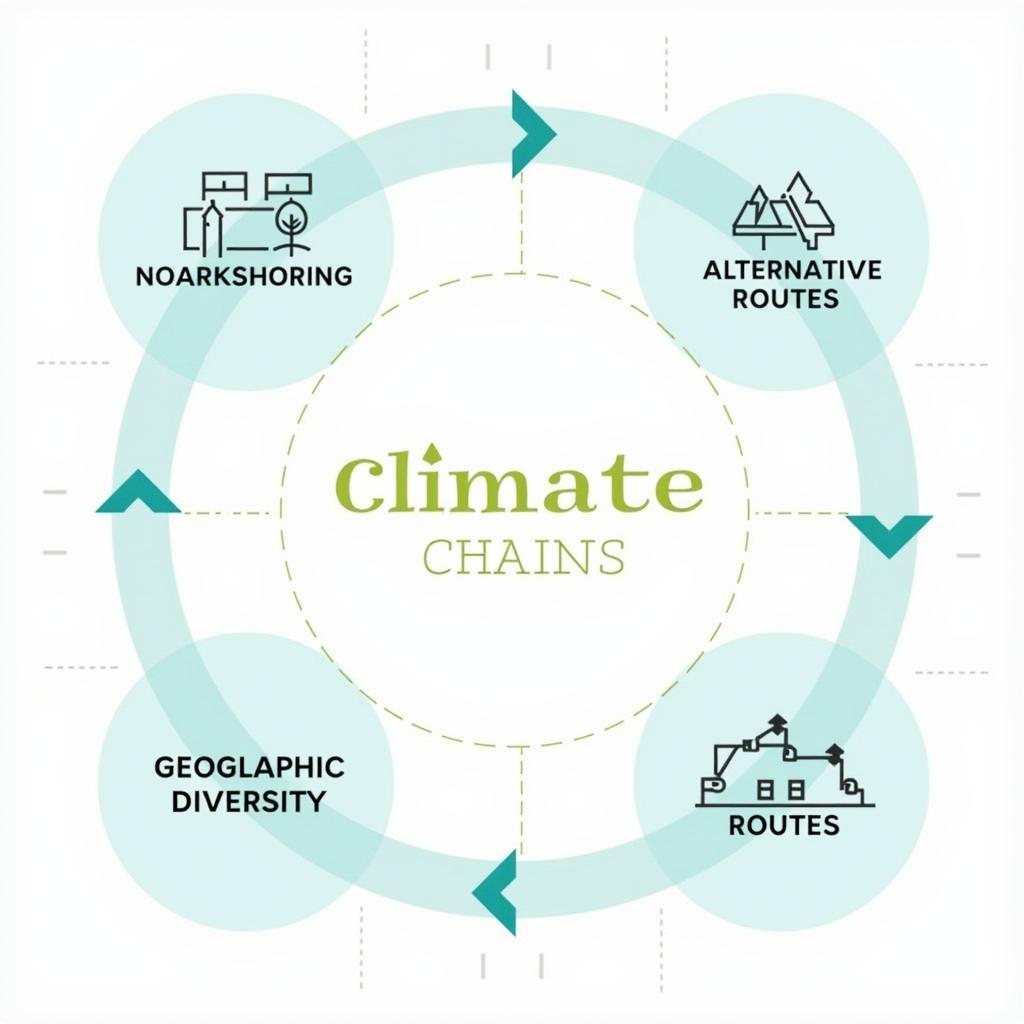 Chiến lược thích ứng khí hậu trong quản lý chuỗi cung ứng toàn cầu hiện đại
Passage 3 – Essential Vocabulary
| Từ vựng | Loại từ | Phiên âm | Nghĩa tiếng Việt | Ví dụ từ bài | Collocation |
|---|---|---|---|---|---|
| multifaceted | adj | /ˌmʌltiˈfæsɪtɪd/ | nhiều mặt, đa diện | The multifaceted disruption of global supply chains | multifaceted problem (vấn đề đa diện) |
| geopolitical | adj | /ˌdʒiːəʊpəˈlɪtɪkl/ | địa chính trị | geopolitical power dynamics | geopolitical tensions (căng thẳng địa chính trị) |
| macroeconomic | adj | /ˌmækrəʊˌiːkəˈnɒmɪk/ | vĩ mô kinh tế | macroeconomic restructuring of entire national economies | macroeconomic policy (chính sách kinh tế vĩ mô) |
| comparative advantage | n phrase | /kəmˈpærətɪv ədˈvɑːntɪdʒ/ | lợi thế so sánh | climate-adjusted comparative advantage | maintain comparative advantage (duy trì lợi thế so sánh) |
| Ricardian | adj | /rɪˈkɑːdiən/ | (thuộc về) Ricardo (nhà kinh tế học) | Traditional Ricardian models of comparative advantage | Ricardian theory (lý thuyết Ricardo) |
| temporal | adj | /ˈtempərəl/ | thuộc về thời gian | The temporal dimension of climate-related disruption | temporal factors (yếu tố thời gian) |
| fat-tailed | adj | /fæt teɪld/ | có đuôi dày (phân phối xác suất) | climate impacts exhibit fat-tailed distributions | fat-tailed distribution (phân phối đuôi dày) |
| heuristics | n | /hjʊəˈrɪstɪks/ | phương pháp giải quyết vấn đề dựa trên kinh nghiệm | temporal discounting and availability heuristics | cognitive heuristics (phương pháp nhận thức) |
| political economy | n phrase | /pəˈlɪtɪkl ɪˈkɒnəmi/ | kinh tế chính trị | The political economy of supply chain adaptation | political economy analysis (phân tích kinh tế chính trị) |
| zero-sum | adj | /ˈzɪərəʊ sʌm/ | tổng bằng không (người này thắng, người kia thua) | characterized by strategic behavior and zero-sum competition | zero-sum game (trò chơi tổng bằng không) |
| mercantilism | n | /ˈmɜːkəntɪlɪzəm/ | chủ nghĩa trọng thương | This climate mercantilism bears resemblance to economic nationalism | economic mercantilism (trọng thương kinh tế) |
| regionalization | n | /ˌriːdʒənəlaɪˈzeɪʃn/ | sự khu vực hóa | Supply chain regionalization represents structural shift | economic regionalization (khu vực hóa kinh tế) |
| allocative efficiency | n phrase | /ˈæləkeɪtɪv ɪˈfɪʃnsi/ | hiệu quả phân bổ | potentially sacrificing the allocative efficiency | improve allocative efficiency (cải thiện hiệu quả phân bổ) |
| ameliorating | adj | /əˈmiːliəreɪtɪŋ/ | cải thiện, làm dịu bớt | creates both ameliorating opportunities and exacerbating risks | ameliorating effects (hiệu ứng cải thiện) |
| reshoring | n | /riːˈʃɔːrɪŋ/ | đưa sản xuất trở về nước nhà | This could enable reshoring of manufacturing to high-income countries | reshoring trend (xu hướng reshoring) |
| bifurcated | adj | /ˈbaɪfəkeɪtɪd/ | phân đôi, chia thành hai nhánh | potentially creating a bifurcated global economy | bifurcated system (hệ thống phân đôi) |
| normative | adj | /ˈnɔːmətɪv/ | thuộc về chuẩn mực, quy phạm | The normative dimensions raise questions of international justice | normative framework (khuôn khổ quy phạm) |
| tipping point | n phrase | /ˈtɪpɪŋ pɔɪnt/ | điểm chuyển giao, điểm giới hạn | particularly if tipping points in climate systems are crossed | reach a tipping point (đạt điểm chuyển giao) |
| deglobalization | n | /diːˌɡləʊbəlaɪˈzeɪʃn/ | phi toàn cầu hóa | potentially triggering deglobalization | economic deglobalization (phi toàn cầu hóa kinh tế) |
Kết Bài
Chủ đề “Effects of climate change on global supply chains” không chỉ phản ánh những thách thức thực tế mà các doanh nghiệp và nền kinh tế đang đối mặt, mà còn là một chủ đề xuất hiện ngày càng thường xuyên trong các kỳ thi IELTS Reading. Qua ba passages với độ khó tăng dần từ Easy đến Hard, bạn đã được thực hành với nhiều dạng câu hỏi khác nhau và tiếp cận với từ vựng học thuật phong phú về môi trường, kinh tế và logistics.
Ba passages này cung cấp góc nhìn toàn diện về vấn đề: từ những tác động trực tiếp như thiên tai và gián đoạn vận chuyển (Passage 1), đến những thay đổi chiến lược như nearshoring và ứng dụng công nghệ (Passage 2), cho đến những phân tích sâu về địa chính trị và kinh tế vĩ mô (Passage 3). Mỗi passage không chỉ giúp bạn rèn luyện kỹ năng đọc hiểu mà còn mở rộng kiến thức về một trong những vấn đề quan trọng nhất của thế kỷ 21.
Đáp án chi tiết kèm giải thích đã chỉ ra cách xác định thông tin trong bài, nhận biết paraphrase và áp dụng kỹ thuật làm bài hiệu quả. Hãy xem lại những câu bạn làm sai, phân tích lý do và học từ những sai lầm đó. Từ vựng được tổng hợp theo từng passage sẽ giúp bạn không chỉ hiểu nghĩa mà còn biết cách sử dụng chúng trong ngữ cảnh phù hợp.
Hãy nhớ rằng, việc đạt band điểm cao trong IELTS Reading không chỉ phụ thuộc vào vốn từ vựng mà còn cần kỹ năng quản lý thời gian, xác định dạng câu hỏi và áp dụng chiến lược đọc phù hợp. Tiếp tục luyện tập đều đặn với các đề thi mẫu chất lượng cao như thế này, và bạn sẽ tự tin bước vào phòng thi với kỹ năng vững vàng và tâm lý thoải mái. Chúc bạn học tốt và đạt kết quả cao trong kỳ thi IELTS sắp tới!