
Mở đầu
Chủ đề về giáo dục trẻ em và các chương trình can thiệp sớm là một trong những đề tài phổ biến và quan trọng trong kỳ thi IELTS Writing Task 2. Đề tài này thường xuyên xuất hiện trong các kỳ thi thực tế vì nó liên quan trực tiếp đến chính sách giáo dục, phát triển xã hội và vai trò của chính phủ – những vấn đề được IELTS đánh giá cao về tính học thuật.
Các chương trình can thiệp sớm (early childhood intervention programs) đề cập đến những dịch vụ và hỗ trợ được cung cấp cho trẻ em từ 0-6 tuổi có nguy cơ gặp khó khăn trong phát triển hoặc đến từ hoàn cảnh khó khăn. Đây là một chủ đề đa chiều, cho phép thí sinh thể hiện khả năng lập luận về nhiều khía cạnh: giáo dục, kinh tế, xã hội và phát triển cá nhân.
Trong bài viết này, bạn sẽ học được:
- 3 bài mẫu hoàn chỉnh từ Band 5-6, Band 6.5-7 đến Band 8-9
- Phân tích chi tiết theo 4 tiêu chí chấm điểm của IELTS
- Từ vựng chuyên ngành và cấu trúc câu “ăn điểm”
- Những lỗi sai phổ biến của học viên Việt Nam và cách khắc phục
Một số đề thi thực tế đã xuất hiện:
- “Some people think that governments should invest more in early childhood education programs. To what extent do you agree or disagree?” (British Council, 2022)
- “Early intervention programs can help disadvantaged children succeed in school. What are the advantages and disadvantages of such programs?” (IDP, 2023)
Đề Writing Part 2 Thực Hành
Some educators believe that early childhood intervention programs are essential for helping disadvantaged children succeed academically and socially. Others argue that such programs are too costly and their benefits are overstated.
Discuss both views and give your own opinion.
Dịch đề: Một số nhà giáo dục tin rằng các chương trình can thiệp sớm cho trẻ em là cần thiết để giúp trẻ em có hoàn cảnh khó khăn thành công về mặt học tập và xã hội. Những người khác lại cho rằng các chương trình như vậy quá tốn kém và lợi ích của chúng bị phóng đại. Thảo luận cả hai quan điểm và đưa ra ý kiến của bạn.
Phân tích đề bài:
Đây là dạng Discussion essay (Discuss both views and give your opinion) – một trong những dạng phổ biến nhất trong IELTS Writing Task 2. Yêu cầu cụ thể:
- Thảo luận quan điểm thứ nhất: Các chương trình can thiệp sớm là cần thiết (essential) cho sự thành công của trẻ em khó khăn
- Thảo luận quan điểm thứ hai: Các chương trình này quá đắt đỏ (too costly) và lợi ích bị phóng đại (benefits are overstated)
- Đưa ra ý kiến cá nhân: Bạn đồng ý với quan điểm nào hơn hoặc có lập trường cân bằng
Các thuật ngữ quan trọng cần hiểu:
- Early childhood intervention programs: Các chương trình hỗ trợ, giáo dục đặc biệt dành cho trẻ nhỏ (0-6 tuổi)
- Disadvantaged children: Trẻ em có hoàn cảnh khó khăn (nghèo, khuyết tật, gia đình có vấn đề)
- Academically and socially: Cả về mặt học tập lẫn hòa nhập xã hội
- Overstated: Được phóng đại, không thực sự hiệu quả như tuyên bố
Những lỗi thường gặp của học viên Việt Nam:
- Chỉ tập trung vào một quan điểm mà bỏ qua quan điểm còn lại
- Không nêu rõ ý kiến cá nhân hoặc nêu ý kiến quá mơ hồ
- Viết chung chung về “education” thay vì tập trung vào “early childhood intervention”
- Thiếu ví dụ cụ thể để minh họa cho lập luận
Cách tiếp cận chiến lược:
Cấu trúc 4 đoạn được khuyến nghị:
- Introduction: Paraphrase đề bài + nêu rõ bài viết sẽ thảo luận cả hai quan điểm và đưa ra ý kiến
- Body 1: Thảo luận quan điểm ủng hộ các chương trình can thiệp sớm (2-3 lý do với giải thích)
- Body 2: Thảo luận quan điểm phản đối (lo ngại về chi phí và hiệu quả – 2-3 lý do)
- Conclusion: Tóm tắt hai quan điểm + khẳng định lại ý kiến cá nhân rõ ràng
Đối với ý kiến cá nhân, bạn có thể chọn một trong ba hướng:
- Hoàn toàn đồng ý với quan điểm ủng hộ
- Hoàn toàn đồng ý với quan điểm phản đối
- Có lập trường cân bằng (balanced view) – ví dụ: chương trình cần thiết nhưng phải được thiết kế hiệu quả về chi phí
 Minh họa các chương trình can thiệp giáo dục sớm cho trẻ em có hoàn cảnh khó khăn trong lớp học
Bài Mẫu Band 8-9
Bài viết Band 8-9 thể hiện khả năng sử dụng ngôn ngữ tinh tế, lập luận chặt chẽ với ý tưởng phát triển sâu sắc. Các câu văn đa dạng về cấu trúc, từ vựng học thuật chính xác và liên kết tự nhiên giữa các ý.
The debate over the value of early childhood intervention programs has intensified in recent years, with proponents emphasizing their transformative potential while critics question their cost-effectiveness. Although concerns about expenditure are legitimate, I firmly believe that well-designed early intervention initiatives represent one of the most valuable investments a society can make in its future.
Advocates of early childhood intervention programs argue convincingly that these initiatives can fundamentally alter life trajectories for vulnerable children. Research consistently demonstrates that children who participate in quality early intervention programs exhibit significantly improved cognitive development, enhanced social skills, and greater academic achievement throughout their schooling. For instance, the Perry Preschool Project in the United States tracked participants for over forty years and found that those who received early intervention were more likely to graduate from high school, secure stable employment, and avoid involvement with the criminal justice system. Beyond individual benefits, these programs help break intergenerational cycles of poverty by providing children from disadvantaged backgrounds with the foundational skills necessary for success. Furthermore, early identification and support for developmental delays or learning difficulties can prevent more serious problems from emerging later, ultimately reducing the need for more expensive specialized services during adolescence and adulthood.
Nevertheless, skeptics raise valid concerns about the substantial financial resources required to implement comprehensive early intervention programs. Initial setup costs, including staff training, facility development, and ongoing operational expenses, can indeed place considerable strain on government budgets, particularly in developing nations where competing priorities demand attention. Some critics also contend that the purported benefits of these programs have been exaggerated, pointing to studies showing that gains made during early childhood sometimes diminish over time if not supported by quality primary education. Additionally, there are questions about scalability – while pilot programs in controlled environments may yield impressive results, replicating these outcomes across entire populations presents logistical and financial challenges that may compromise effectiveness.
In my view, the evidence overwhelmingly supports investment in early childhood intervention, provided that programs are carefully designed and properly funded. The key lies not in questioning whether such programs are worthwhile, but rather in ensuring they are implemented efficiently. Cost-benefit analyses repeatedly show that every dollar spent on quality early intervention generates substantial returns through reduced spending on remedial education, healthcare, and social services later in life. Moreover, the moral imperative to provide all children, regardless of their circumstances at birth, with opportunities to reach their potential should weigh heavily in policy decisions. While fiscal responsibility matters, short-term savings achieved by neglecting early intervention often lead to far greater long-term costs, both economic and social.
In conclusion, although legitimate concerns exist regarding the financial commitment required for early childhood intervention programs, the substantial and well-documented benefits they provide to disadvantaged children and society at large justify prioritizing such investments. Governments should focus on developing sustainable, evidence-based programs rather than questioning the fundamental value of early intervention itself.
Số từ: 521 từ
Phân Tích Band Điểm
| Tiêu chí | Band | Nhận xét |
|---|---|---|
| Task Response (Hoàn thành yêu cầu) | 9 | Bài viết đáp ứng xuất sắc tất cả yêu cầu của đề bài. Cả hai quan điểm được thảo luận đầy đủ với lập luận sâu sắc và ví dụ cụ thể (Perry Preschool Project). Ý kiến cá nhân được nêu rõ ràng ngay từ mở bài và được khẳng định lại mạnh mẽ trong thân bài và kết luận. Các ý tưởng được phát triển toàn diện với những sắc thái tinh tế (như phân biệt giữa “questioning value” và “ensuring efficient implementation”). |
| Coherence & Cohesion (Mạch lạc & Liên kết) | 9 | Bài viết có cấu trúc rõ ràng với sự chuyển ý mượt mà. Các từ nối được sử dụng tinh tế và đa dạng (“Although”, “Nevertheless”, “Furthermore”, “Additionally”). Mỗi đoạn có một ý chính rõ ràng và được phát triển logic. Việc sử dụng referencing (these initiatives, such programs, this) và synonyms tạo sự liên kết tự nhiên không máy móc. |
| Lexical Resource (Từ vựng) | 9 | Từ vựng đa dạng, chính xác và tinh vi với nhiều collocations học thuật tự nhiên: “transformative potential”, “cost-effectiveness”, “alter life trajectories”, “intergenerational cycles”, “moral imperative”. Có sử dụng từ vựng ít phổ biến một cách chính xác (scrutiny, purported, scalability). Paraphrasing hiệu quả tránh lặp từ. |
| Grammatical Range & Accuracy (Ngữ pháp) | 9 | Sử dụng đa dạng và chính xác các cấu trúc phức tạp: câu phức với nhiều mệnh đề, mệnh đề quan hệ rút gọn, cấu trúc so sánh, câu điều kiện nâng cao. Không có lỗi ngữ pháp đáng kể. Câu dài được kiểm soát tốt với dấu câu chính xác. Sử dụng thành thạo các thì động từ và cấu trúc bị động. |
Các Yếu Tố Giúp Bài Này Được Chấm Điểm Cao
-
Giới thiệu ấn tượng với thesis statement rõ ràng: Câu mở đầu paraphrase đề bài một cách tinh tế, sau đó ngay lập tức nêu quan điểm cá nhân mạnh mẽ sử dụng cấu trúc nhượng bộ “Although… I firmly believe…” – thể hiện tư duy phản biện cao.
-
Sử dụng bằng chứng cụ thể và có tính thuyết phục: Việc đề cập đến Perry Preschool Project với chi tiết cụ thể (theo dõi hơn 40 năm, các kết quả đo lường được) làm tăng đáng kể độ tin cậy của lập luận, không chỉ viết chung chung.
-
Thể hiện tư duy phản biện và sắc thái (nuance): Bài viết không chỉ liệt kê lý do ủng hộ hay phản đối, mà còn thừa nhận những hạn chế (“gains sometimes diminish”, “questions about scalability”) – đây là đặc điểm của bài Band cao.
-
Kết nối logic giữa các ý tưởng: Mỗi câu đều có mối liên hệ rõ ràng với câu trước và sau. Ví dụ, từ việc nói về lợi ích cá nhân, bài viết mở rộng sang lợi ích xã hội rộng lớn hơn (breaking intergenerational poverty), sau đó đến tính hiệu quả về kinh tế.
-
Từ vựng học thuật được sử dụng chính xác trong ngữ cảnh phù hợp: Các cụm như “cost-benefit analyses”, “moral imperative”, “evidence-based programs” không chỉ ấn tượng mà còn được dùng đúng lúc, đúng chỗ, tăng tính học thuật cho bài viết.
-
Kết luận không chỉ tóm tắt mà còn đưa ra hướng đi: Thay vì chỉ lặp lại các ý đã nêu, kết luận còn gợi ý giải pháp cụ thể (“focus on developing sustainable, evidence-based programs”), thể hiện tư duy cao hơn.
-
Cân bằng độ dài và chiều sâu giữa hai body paragraphs: Cả hai quan điểm đều được phân tích kỹ lưỡng với số lượng ý tưởng tương đương, cho thấy khả năng thảo luận công bằng trước khi đưa ra kết luận riêng.
Bài Mẫu Band 6.5-7
Bài viết Band 6.5-7 thể hiện khả năng giao tiếp hiệu quả với ý tưởng rõ ràng và từ vựng đủ tốt, nhưng chưa có sự tinh tế và chiều sâu như Band 8-9. Vẫn có một số lỗi nhỏ về ngữ pháp hoặc từ vựng.
The question of whether early childhood intervention programs are necessary or too expensive has become a hot topic in education. While some people think these programs are very important for poor children, others believe they cost too much money. In this essay, I will discuss both sides and give my opinion.
On the one hand, early childhood intervention programs can bring many benefits to disadvantaged children. First of all, these programs help children from poor families get better education opportunities which they might not have at home. For example, if parents cannot read or write well, they cannot teach their children properly. However, in intervention programs, trained teachers can provide quality education and help children develop important skills. Secondly, these programs can improve children’s social skills. When children join these programs, they can learn how to communicate with others and make friends, which is very important for their future life. Moreover, early intervention can identify problems early. If a child has learning difficulties or health problems, teachers can find these issues quickly and help the child get treatment before the problems become more serious.
On the other hand, there are some concerns about the cost of early childhood intervention programs. Firstly, setting up these programs requires a lot of money for buildings, equipment, and teachers’ salaries. Many governments, especially in developing countries, might not have enough budget for these programs because they need to spend money on other important areas like healthcare and infrastructure. Secondly, some people argue that the results of these programs are not as good as expected. Although some studies show positive results, there are also cases where children do not benefit much from these programs. Therefore, spending a large amount of money on programs that may not work effectively seems wasteful.
In my opinion, I believe that early childhood intervention programs are worth the investment despite the high costs. Although these programs are expensive, the long-term benefits for children and society are greater than the initial costs. When children receive good education early, they are more likely to succeed in school and get good jobs in the future. This means they can contribute more to the economy and society. Furthermore, if we do not invest in early childhood education, we may have to spend more money later on dealing with problems such as crime, unemployment, and social issues. Therefore, early intervention is actually a smart investment for the future.
In conclusion, while early childhood intervention programs require significant financial resources, their benefits to disadvantaged children and society make them a worthwhile investment. Governments should find ways to fund these programs effectively rather than abandoning them due to cost concerns.
Số từ: 487 từ
Phân Tích Band Điểm
| Tiêu chí | Band | Nhận xét |
|---|---|---|
| Task Response (Hoàn thành yêu cầu) | 7 | Bài viết đáp ứng đầy đủ yêu cầu đề bài với việc thảo luận cả hai quan điểm và nêu rõ ý kiến cá nhân. Tuy nhiên, các ý tưởng được phát triển ở mức độ tổng quát hơn so với Band 8-9, thiếu bằng chứng cụ thể và ví dụ thực tế. Các lập luận hợp lý nhưng chưa có chiều sâu phân tích. |
| Coherence & Cohesion (Mạch lạc & Liên kết) | 7 | Cấu trúc bài rõ ràng với phân đoạn logic. Sử dụng các từ nối cơ bản hiệu quả (First of all, Secondly, Moreover, On the other hand). Tuy nhiên, còn sử dụng một số từ nối đơn giản và lặp lại (For example chỉ xuất hiện 1 lần, Furthermore, Therefore). Sự liên kết giữa các câu có phần cứng nhắc hơn Band 8-9. |
| Lexical Resource (Từ vựng) | 6.5 | Từ vựng đủ để truyền đạt ý tưởng rõ ràng với một số collocations tốt (“hot topic”, “quality education”, “learning difficulties”). Tuy nhiên, vẫn còn sử dụng từ vựng đơn giản và lặp lại (“children”, “programs”, “money” xuất hiện nhiều lần). Thiếu từ vựng học thuật cao cấp và paraphrasing chưa đa dạng. |
| Grammatical Range & Accuracy (Ngữ pháp) | 7 | Sử dụng tốt các cấu trúc câu phức với mệnh đề if, although, when. Có sự đa dạng về thì động từ và câu điều kiện. Các lỗi ngữ pháp rất nhỏ và không ảnh hưởng đến sự hiểu nghĩa. Tuy nhiên, thiếu các cấu trúc phức tạp hơn như câu bị động nâng cao, mệnh đề quan hệ rút gọn, hoặc đảo ngữ. |
So Sánh Với Bài Band 8-9
1. Về độ sâu của lập luận:
Band 8-9: “Research consistently demonstrates that children who participate in quality early intervention programs exhibit significantly improved cognitive development, enhanced social skills, and greater academic achievement throughout their schooling.”
Band 6.5-7: “These programs help children from poor families get better education opportunities which they might not have at home.”
Bài Band cao sử dụng bằng chứng từ nghiên cứu với các kết quả cụ thể và theo dõi dài hạn, trong khi bài Band trung bình chỉ nêu lợi ích chung chung.
2. Về từ vựng và collocations:
Band 8-9: “alter life trajectories”, “intergenerational cycles of poverty”, “moral imperative”, “cost-benefit analyses”
Band 6.5-7: “get better education opportunities”, “very important”, “a lot of money”, “not as good as expected”
Sự khác biệt rõ ràng là bài cao sử dụng từ vựng học thuật chính xác và collocations tự nhiên, còn bài trung bình dùng từ đơn giản và cụm từ thông dụng.
3. Về ví dụ minh họa:
Band 8-9: Đưa ra ví dụ cụ thể về Perry Preschool Project với thời gian theo dõi và kết quả đo lường được.
Band 6.5-7: Chỉ nêu ví dụ giả định chung chung: “if parents cannot read or write well” – không có dữ liệu hoặc nghiên cứu thực tế.
4. Về cấu trúc câu:
Band 8-9: “Although concerns about expenditure are legitimate, I firmly believe that well-designed early intervention initiatives represent one of the most valuable investments a society can make in its future.” (Câu phức với mệnh đề nhượng bộ và cụm danh từ phức tạp)
Band 6.5-7: “While some people think these programs are very important for poor children, others believe they cost too much money.” (Câu phức cơ bản với While)
5. Về tính thuyết phục:
Bài Band 8-9 thừa nhận các hạn chế và lo ngại của quan điểm đối lập một cách cụ thể (“gains sometimes diminish over time”), sau đó phản bác bằng lập luận mạnh mẽ. Bài Band 6.5-7 nêu lo ngại nhưng không đào sâu và cách phản bác còn đơn giản (“the long-term benefits… are greater than the initial costs”).
Để học viên như how education can reduce income inequality đã chỉ ra, đầu tư vào giáo dục sớm là một trong những công cụ hiệu quả nhất để giảm bất bình đẳng xã hội. Điều này cũng áp dụng hoàn toàn cho các chương trình can thiệp sớm, nơi trẻ em từ các gia đình khó khăn có thể nhận được sự hỗ trợ cần thiết ngay từ những năm đầu đời.
Bài Mẫu Band 5-6
Bài viết Band 5-6 có thể truyền đạt ý tưởng cơ bản nhưng còn nhiều hạn chế về từ vựng, ngữ pháp và sự phát triển ý tưởng. Có những lỗi sai ảnh hưởng đến sự rõ ràng.
Nowadays, many people talking about early childhood intervention programs. Some people think this programs very important for help poor children but other people say it is too much expensive. I will discuss both view and give my opinion in this essay.
First, early childhood intervention programs have many advantage for children who come from poor family. These programs can help children to learn many thing like reading, writing and math. In poor family, parents maybe dont have good education so they cannot teach their children in home. If children go to intervention program, they can study with good teacher who know how to teach well. Also, children can learn how to play with other children and make friend. This is important because when they grow up, they need to work with people. Another thing is that these programs can find problem of children early. For example, if child have problem with learning or health, teacher can see it and tell to parents so they can fix it fast.
However, there is some problem with early childhood intervention programs. The first problem is money. Government need to spend many money to build school, buy equipment and pay salary for teacher. In some country, especially poor country, government dont have enough money for do this because they need money for hospital, road and other important thing. Second problem is that maybe the program not work good. Some research show that children in program do better but some research show children not really get benefit. So if government spend lot of money but program dont help children very much, it is waste of money.
In my opinion, I think that early childhood intervention programs are good and government should do it. Even though these programs need many money, I believe the benefit is more important. When children get good education when they are small, they can study better in school and when they finish school, they can find good job. This mean they can help country economy. Also, if we not help children early, maybe later we need spend more money for solve problem like crime and unemployment. So I think it is better invest money now than spend more money later.
To conclude, early childhood intervention programs have both good and bad side. They can help disadvantaged children very much but they also cost a lot. But I believe government should spend money on this programs because benefit for children and society is more than cost.
Số từ: 449 từ
Phân Tích Band Điểm
| Tiêu chí | Band | Nhận xét |
|---|---|---|
| Task Response (Hoàn thành yêu cầu) | 6 | Bài viết đáp ứng yêu cầu cơ bản với việc thảo luận cả hai quan điểm và nêu ý kiến cá nhân. Tuy nhiên, các ý tưởng được phát triển ở mức độ đơn giản, thiếu chi tiết cụ thể và ví dụ thực tế. Nhiều ý còn mơ hồ và chung chung (“learn many thing”, “find good job”). |
| Coherence & Cohesion (Mạch lạc & Liên kết) | 5.5 | Có cấu trúc cơ bản với mở bài, thân bài và kết luận, nhưng cách tổ chức ý còn đơn giản. Sử dụng một số từ nối cơ bản (First, However, Also) nhưng còn lặp lại và không đa dạng. Thiếu các từ nối phức tạp hơn để thể hiện mối quan hệ nhân quả, tương phản. Một số câu không liên kết tốt với nhau. |
| Lexical Resource (Từ vựng) | 5.5 | Từ vựng hạn chế với nhiều từ lặp lại (“children”, “money”, “program”). Sử dụng từ vựng đơn giản và thông dụng, thiếu từ vựng học thuật. Có nhiều lỗi về word choice (“talking about” thay vì “talk about”, “too much expensive”). Paraphrasing rất hạn chế, nhiều chỗ copy trực tiếp đề bài. |
| Grammatical Range & Accuracy (Ngữ pháp) | 5 | Có nhiều lỗi ngữ pháp đáng kể: thiếu động từ tobe (“this programs very important”), lỗi chia động từ (“parents dont have”), lỗi dạng thức (“for do this”, “for help”), lỗi mạo từ (“in poor family”), lỗi số nhiều (“many advantage”). Sử dụng chủ yếu câu đơn giản, ít câu phức. Các lỗi này đôi khi gây khó hiểu. |
Những Lỗi Sai Của Bài – Phân Tích & Giải Thích
| Lỗi sai | Loại lỗi | Sửa lại | Giải thích |
|---|---|---|---|
| “many people talking about” | Thiếu động từ tobe | “many people are talking about” | Thì hiện tại tiếp diễn cần có động từ tobe (am/is/are) trước động từ thêm -ing. Đây là lỗi rất phổ biến của học viên Việt vì tiếng Việt không có động từ tobe trong cấu trúc tương tự. |
| “this programs” | Lỗi chỉ định từ | “these programs” hoặc “this program” | “This” dùng cho danh từ số ít, “these” dùng cho danh từ số nhiều. “Programs” là số nhiều nên phải dùng “these”. |
| “for help poor children” | Lỗi dạng động từ sau giới từ | “to help poor children” hoặc “for helping poor children” | Sau giới từ “for” phải dùng động từ thêm -ing (gerund). Hoặc có thể dùng “to + infinitive” để chỉ mục đích. |
| “it is too much expensive” | Lỗi cấu trúc với “too” | “it is too expensive” hoặc “it costs too much” | “Too” đi trực tiếp với tính từ, không cần “much”. “Much” đi với danh từ không đếm được (too much money) hoặc động từ (costs too much). |
| “who come from poor family” | Lỗi danh từ số nhiều | “who come from poor families” | Có nhiều children nên phải dùng số nhiều “families”. Mỗi child đến từ một family riêng. |
| “dont have good education” | Lỗi mạo từ | “don’t have a good education” | “Education” ở đây là danh từ đếm được số ít, cần mạo từ “a”. Đây là lỗi phổ biến vì tiếng Việt không có mạo từ. |
| “in home” | Lỗi giới từ | “at home” | Cụm từ cố định là “at home”, không dùng “in home”. “In” dùng với các địa điểm lớn (in Vietnam), “at” dùng với điểm cụ thể (at home, at school). |
| “study with good teacher” | Lỗi mạo từ | “study with good teachers” hoặc “study with a good teacher” | Cần mạo từ trước danh từ đếm được số ít, hoặc dùng số nhiều không cần mạo từ khi nói chung chung. |
| “how to play with other children” | Lỗi word choice | “how to interact with other children” hoặc “how to socialize” | “Play with” nghe quá đơn giản và chỉ là vui chơi. Trong ngữ cảnh học thuật nên dùng “interact” hoặc “socialize” để nói về kỹ năng xã hội. |
| “find problem of children early” | Lỗi giới từ và mạo từ | “identify children’s problems early” hoặc “detect problems in children early” | “Find” quá đơn giản, nên dùng “identify” hoặc “detect”. “Problem of children” không tự nhiên, nên dùng sở hữu cách “children’s problems”. |
| “tell to parents” | Lỗi cấu trúc động từ | “inform the parents” hoặc “tell the parents” | Động từ “tell” không đi với giới từ “to” khi có tân ngữ trực tiếp. “Tell someone something” chứ không phải “tell to someone”. |
| “there is some problem” | Lỗi sự hòa hợp chủ vị | “there are some problems” | “Some” dùng với danh từ số nhiều, nên phải là “are” và “problems”. |
| “need to spend many money” | Lỗi từ định lượng | “need to spend a lot of money” hoặc “need to spend much money” | “Many” dùng với danh từ đếm được số nhiều (many books). “Money” là danh từ không đếm được, phải dùng “much” hoặc “a lot of”. |
| “government dont have enough money for do this” | Nhiều lỗi kết hợp | “the government doesn’t have enough money to do this” | Cần mạo từ “the” trước “government”, dấu nháy đơn trong “doesn’t”, và “to do” thay vì “for do”. |
| “maybe the program not work good” | Lỗi vị trí trạng từ và dạng từ | “maybe the program does not work well” | Cần động từ trợ “does” trong câu phủ định, và “well” (trạng từ) thay vì “good” (tính từ) để bổ nghĩa cho động từ “work”. |
| “In my opinion, I think that” | Lỗi redundancy (thừa từ) | “In my opinion,” hoặc “I think that” | Không nên dùng cả hai cụm “In my opinion” và “I think” vì chúng có nghĩa giống nhau. Chọn một trong hai. |
| “they are small” | Lỗi word choice | “they are young” hoặc “at a young age” | “Small” dùng để chỉ kích thước vật lý. Khi nói về tuổi tác, dùng “young”. |
Cách Cải Thiện Từ Band 6 Lên Band 7
1. Nâng cao từ vựng học thuật:
Thay vì dùng từ đơn giản như “help”, “good”, “bad”, học viên nên học các từ đồng nghĩa học thuật hơn:
- help → support, assist, facilitate, enable
- good → beneficial, advantageous, favorable, effective
- bad → detrimental, disadvantageous, problematic
2. Sử dụng collocations tự nhiên:
Học các cụm từ đi cùng nhau thường xuyên:
- “face challenges” thay vì “have problems”
- “allocate resources” thay vì “give money”
- “achieve academic success” thay vì “study good”
3. Phát triển ý tưởng với giải thích và ví dụ cụ thể:
Mỗi ý chính cần có: Main idea → Explanation → Example → Link back
Thay vì: “These programs help children learn.”
Nên viết: “These programs provide structured learning environments. Children from disadvantaged backgrounds often lack access to educational resources at home, such as books or parental support with homework. For instance, a study in Australia showed that children participating in early intervention programs demonstrated 30% improvement in literacy skills within one year.”
4. Cải thiện ngữ pháp:
- Luyện tập thường xuyên các cấu trúc câu phức với mệnh đề quan hệ, mệnh đề trạng ngữ
- Chú ý mạo từ a/an/the – học các quy tắc cơ bản và luyện tập nhiều
- Kiểm tra kỹ sự hòa hợp chủ vị (subject-verb agreement)
- Đảm bảo chia động từ đúng thì
5. Sử dụng linking words đa dạng:
Thay vì lặp lại “First, Second, Third”, hãy dùng:
- To begin with, Furthermore, Moreover, In addition
- On the other hand, Nevertheless, However, Despite this
- Consequently, As a result, Therefore, Thus
6. Luyện viết và nhận phản hồi:
- Viết ít nhất 3-4 bài mỗi tuần
- Tự chấm bài theo 4 tiêu chí của IELTS
- Nhờ giáo viên hoặc bạn học chấm và góp ý
- Viết lại bài sau khi nhận phản hồi để cải thiện
7. Đọc bài mẫu Band cao và phân tích:
- Chú ý cách tác giả phát triển ý tưởng
- Ghi chú các cụm từ và cấu trúc hay
- Thử paraphrase các câu trong bài mẫu
- Áp dụng vào bài viết của mình
 Hình ảnh minh họa học viên Việt Nam luyện tập kỹ năng viết IELTS Writing Task 2 để cải thiện band điểm
Tương tự như cách The importance of environmental education in primary schools nhấn mạnh tầm quan trọng của giáo dục môi trường từ bậc tiểu học, các chương trình can thiệp sớm cũng đóng vai trò nền tảng trong việc hình thành nhận thức và kỹ năng cho trẻ ngay từ những năm đầu đời.
Từ Vựng Quan Trọng Cần Nhớ
| Từ/Cụm từ | Loại từ | Phiên âm | Nghĩa tiếng Việt | Ví dụ | Collocations |
|---|---|---|---|---|---|
| early childhood intervention | noun phrase | /ˈɜːli ˈtʃaɪldhʊd ˌɪntəˈvenʃn/ | can thiệp sớm cho trẻ em | Early childhood intervention programs can significantly improve developmental outcomes. | comprehensive intervention, effective intervention, timely intervention |
| disadvantaged children | noun phrase | /ˌdɪsədˈvɑːntɪdʒd ˈtʃɪldrən/ | trẻ em có hoàn cảnh khó khăn | Disadvantaged children often lack access to quality educational resources. | support disadvantaged children, help disadvantaged children |
| developmental delays | noun phrase | /dɪˌveləpˈmentl dɪˈleɪz/ | chậm phát triển | Early identification of developmental delays can prevent more serious problems. | identify developmental delays, address developmental delays |
| cognitive development | noun phrase | /ˈkɒɡnətɪv dɪˈveləpmənt/ | phát triển nhận thức | Quality early education enhances cognitive development in young children. | promote cognitive development, support cognitive development |
| life trajectories | noun phrase | /laɪf trəˈdʒektəriz/ | quỹ đạo cuộc đời | Early intervention can alter life trajectories for vulnerable children. | change life trajectories, influence life trajectories |
| intergenerational poverty | noun phrase | /ˌɪntədʒenəˈreɪʃənl ˈpɒvəti/ | nghèo đói xuyên thế hệ | These programs help break intergenerational cycles of poverty. | break intergenerational poverty, address intergenerational poverty |
| cost-effectiveness | noun | /kɒst ɪˈfektɪvnəs/ | hiệu quả về chi phí | Critics question the cost-effectiveness of large-scale intervention programs. | improve cost-effectiveness, assess cost-effectiveness |
| academic achievement | noun phrase | /ˌækəˈdemɪk əˈtʃiːvmənt/ | thành tích học tập | Early intervention correlates with improved academic achievement. | enhance academic achievement, promote academic achievement |
| social skills | noun phrase | /ˈsəʊʃl skɪlz/ | kỹ năng xã hội | Children develop essential social skills through structured programs. | develop social skills, improve social skills, enhance social skills |
| foundational skills | noun phrase | /faʊnˈdeɪʃənl skɪlz/ | kỹ năng nền tảng | Early education provides foundational skills necessary for future success. | acquire foundational skills, build foundational skills |
| vulnerable populations | noun phrase | /ˈvʌlnərəbl ˌpɒpjuˈleɪʃnz/ | nhóm dân cư dễ tổn thương | Intervention programs target vulnerable populations most at risk. | support vulnerable populations, assist vulnerable populations |
| evidence-based programs | noun phrase | /ˈevɪdəns beɪst ˈprəʊɡræmz/ | chương trình dựa trên bằng chứng | Governments should prioritize evidence-based programs with proven outcomes. | implement evidence-based programs, develop evidence-based programs |
| long-term benefits | noun phrase | /lɒŋ tɜːm ˈbenɪfɪts/ | lợi ích lâu dài | The long-term benefits of early intervention far outweigh initial costs. | yield long-term benefits, provide long-term benefits |
| remedial education | noun phrase | /rɪˈmiːdiəl ˌedʒuˈkeɪʃn/ | giáo dục bù đắp | Early intervention reduces the need for costly remedial education later. | require remedial education, provide remedial education |
| scalability | noun | /ˌskeɪləˈbɪləti/ | khả năng mở rộng quy mô | Questions remain about the scalability of pilot programs to national level. | assess scalability, ensure scalability, improve scalability |
Cấu Trúc Câu Dễ “Ăn Điểm” Cao
1. Câu phức với mệnh đề nhượng bộ (Concessive clause)
Công thức: Although/While/Though + clause 1, clause 2
Ví dụ từ bài Band 8-9:
Although concerns about expenditure are legitimate, I firmly believe that well-designed early intervention initiatives represent one of the most valuable investments a society can make in its future.
Tại sao cấu trúc này ghi điểm cao:
Cấu trúc này thể hiện tư duy phản biện – khả năng thừa nhận quan điểm đối lập trước khi đưa ra lập luận của mình. Điều này cho thấy người viết không chỉ nhìn một chiều mà có cái nhìn toàn diện, đây là đặc điểm của bài viết Band cao. Cấu trúc này cũng giúp tạo sự cân bằng và tăng tính thuyết phục.
Ví dụ bổ sung:
- While some educators argue that early intervention is too expensive, research consistently shows that the long-term economic benefits far exceed initial costs.
- Although pilot programs have shown promising results, concerns about implementation on a larger scale remain valid.
- Though funding remains a significant challenge, the moral imperative to support disadvantaged children cannot be ignored.
Lỗi thường gặp của học viên Việt Nam:
- Dùng “Despite” + clause: “Despite these programs are expensive…” (Sai) → “Despite the expense…” hoặc “Although these programs are expensive…” (Đúng)
- Lặp lại chủ ngữ không cần thiết: “Although the programs are important, but they…” (Sai) → “Although the programs are important, they…” (Đúng)
2. Mệnh đề quan hệ không xác định (Non-defining relative clause)
Công thức: Noun/Noun phrase + , which/who/whose + clause + , + main clause continues
Ví dụ từ bài Band 8-9:
The Perry Preschool Project in the United States tracked participants for over forty years and found that those who received early intervention were more likely to graduate from high school, which demonstrates the lasting impact of quality early education.
Tại sao cấu trúc này ghi điểm cao:
Mệnh đề quan hệ không xác định giúp thêm thông tin bổ sung một cách tự nhiên mà không cần tách thành câu riêng, làm bài viết trở nên mượt mà và học thuật hơn. Việc sử dụng dấu phẩy đúng cách cũng thể hiện kiến thức ngữ pháp chính xác. Cấu trúc này đặc biệt hữu ích khi cung cấp giải thích hoặc ví dụ.
Ví dụ bổ sung:
- Early childhood intervention programs, which provide targeted support to at-risk children, have been shown to improve educational outcomes significantly.
- Children from low-income families, who often lack access to quality learning resources, benefit most from structured intervention programs.
- The Australian government’s investment in early childhood education, which increased by 40% over the past decade, has yielded measurable improvements in school readiness.
Lỗi thường gặp của học viên Việt Nam:
- Thiếu dấu phẩy: “Children who come from poor families need support” (xác định) vs “These children, who come from poor families, need support” (không xác định)
- Dùng “that” thay vì “which” trong mệnh đề không xác định: “The program, that costs millions…” (Sai) → “The program, which costs millions…” (Đúng)
3. Cấu trúc nhấn mạnh với Not only… but also
Công thức: Not only + auxiliary + subject + verb, but (subject) also + verb / Not only + verb + subject, but also + verb
Ví dụ từ bài Band 8-9:
Early intervention programs not only improve individual outcomes for disadvantaged children but also generate substantial economic returns for society through reduced spending on social services.
Tại sao cấu trúc này ghi điểm cao:
Cấu trúc này giúp nhấn mạnh hai lợi ích hoặc hai khía cạnh quan trọng, thể hiện khả năng phân tích đa chiều của vấn đề. Nó cũng tạo sự cân bằng và logic trong câu văn, làm cho lập luận mạnh mẽ và thuyết phục hơn. Đây là cấu trúc thường thấy trong văn viết học thuật.
Ví dụ bổ sung:
- These programs not only address immediate learning needs but also help prevent more serious developmental problems from emerging later.
- Investment in early childhood education not only benefits individual children but also strengthens communities and reduces social inequality.
- Quality intervention services not only improve academic readiness but also enhance children’s social-emotional development.
Lỗi thường gặp của học viên Việt Nam:
- Thiếu “but also”: “Not only improve skills, they help…” (Sai) → “Not only do they improve skills, but they also help…” (Đúng)
- Không đảo ngữ khi “not only” đứng đầu câu: “Not only these programs help…” (Sai) → “Not only do these programs help…” (Đúng)
4. Cấu trúc so sánh với “the more… the more”
Công thức: The + comparative adjective/adverb + subject + verb, the + comparative adjective/adverb + subject + verb
Ví dụ từ bài Band 8-9:
The earlier children receive intervention support, the greater their chances of achieving long-term academic and social success.
Tại sao cấu trúc này ghi điểm cao:
Cấu trúc này thể hiện mối quan hệ tỷ lệ thuận hoặc nhân quả một cách tinh tế và học thuật. Nó cho thấy người viết hiểu sâu về mối liên hệ giữa các yếu tố và có khả năng diễn đạt phức tạp. Cấu trúc này đặc biệt phù hợp khi bàn luận về hiệu quả, tác động hoặc xu hướng.
Ví dụ bổ sung:
- The more resources governments allocate to early intervention, the more significant the social and economic benefits become over time.
- The more comprehensive the intervention program, the better the developmental outcomes for participating children.
- The earlier developmental delays are identified, the more effectively they can be addressed.
Lỗi thường gặp của học viên Việt Nam:
- Quên “the” trước tính từ so sánh: “More money we spend, more benefit we get” (Sai) → “The more money we spend, the more benefit we get” (Đúng)
- Sử dụng sai dạng so sánh: “The more better…” (Sai) → “The better…” (Đúng)
5. Câu điều kiện loại 2 nâng cao (Mixed conditional)
Công thức: If + past perfect, subject + would/could/might + bare infinitive (hoặc ngược lại)
Ví dụ từ bài Band 8-9:
If governments had invested more heavily in early childhood intervention decades ago, we would now see significantly lower rates of educational inequality and social disadvantage.
Tại sao cấu trúc này ghi điểm cao:
Câu điều kiện hỗn hợp cho thấy khả năng phân tích mối quan hệ nhân quả phức tạp giữa quá khứ và hiện tại. Đây là cấu trúc nâng cao thể hiện trình độ ngữ pháp cao và tư duy logic sâu sắc. Nó đặc biệt hữu ích khi bàn luận về hậu quả của các quyết định chính sách.
Ví dụ bổ sung:
- If early intervention programs had been implemented more widely in the 1990s, today’s youth unemployment rates might be substantially lower.
- If we do not prioritize early childhood education now, future generations will face greater social and economic challenges.
- If society recognized the true value of early intervention, funding would not be such a contentious issue.
Lỗi thường gặp của học viên Việt Nam:
- Nhầm lẫn giữa các loại câu điều kiện: “If we invest more, we would see…” (Sai – không nhất quán về thì) → “If we invested more, we would see…” hoặc “If we invest more, we will see…” (Đúng)
- Dùng “will” trong mệnh đề if: “If we will have…” (Sai) → “If we have…” (Đúng)
6. Cấu trúc bị động phức tạp với modal verbs
Công thức: Subject + modal verb + be + past participle / Subject + modal verb + have been + past participle
Ví dụ từ bài Band 8-9:
The substantial returns on investment in early childhood intervention have been well documented through longitudinal studies, and these findings should be carefully considered by policymakers when allocating educational budgets.
Tại sao cấu trúc này ghi điểm cao:
Câu bị động với động từ khuyết thiếu tạo giọng văn khách quan và học thuật, phù hợp với yêu cầu của IELTS Writing Task 2. Nó cũng giúp người viết tập trung vào hành động hoặc đối tượng chịu tác động thay vì người thực hiện, làm cho lập luận trở nên tổng quát và có sức thuyết phục hơn. Đây là đặc điểm của văn viết chuyên nghiệp.
Ví dụ bổ sung:
- Early developmental problems can be identified and addressed more effectively when children participate in quality intervention programs.
- Significant improvements in literacy and numeracy skills have been observed among children who received early educational support.
- Greater attention should be paid to ensuring equitable access to intervention services across all socioeconomic groups.
Lỗi thường gặp của học viên Việt Nam:
- Thiếu “be” sau modal verb: “Programs should implement…” (Sai – nếu ý muốn dùng bị động) → “Programs should be implemented…” (Đúng)
- Dùng sai dạng past participle: “Money should be spend…” (Sai) → “Money should be spent…” (Đúng)
- Lạm dụng bị động: Không phải câu nào cũng nên dùng bị động. Chỉ dùng khi muốn nhấn mạnh đối tượng chịu tác động hoặc khi người thực hiện không quan trọng.
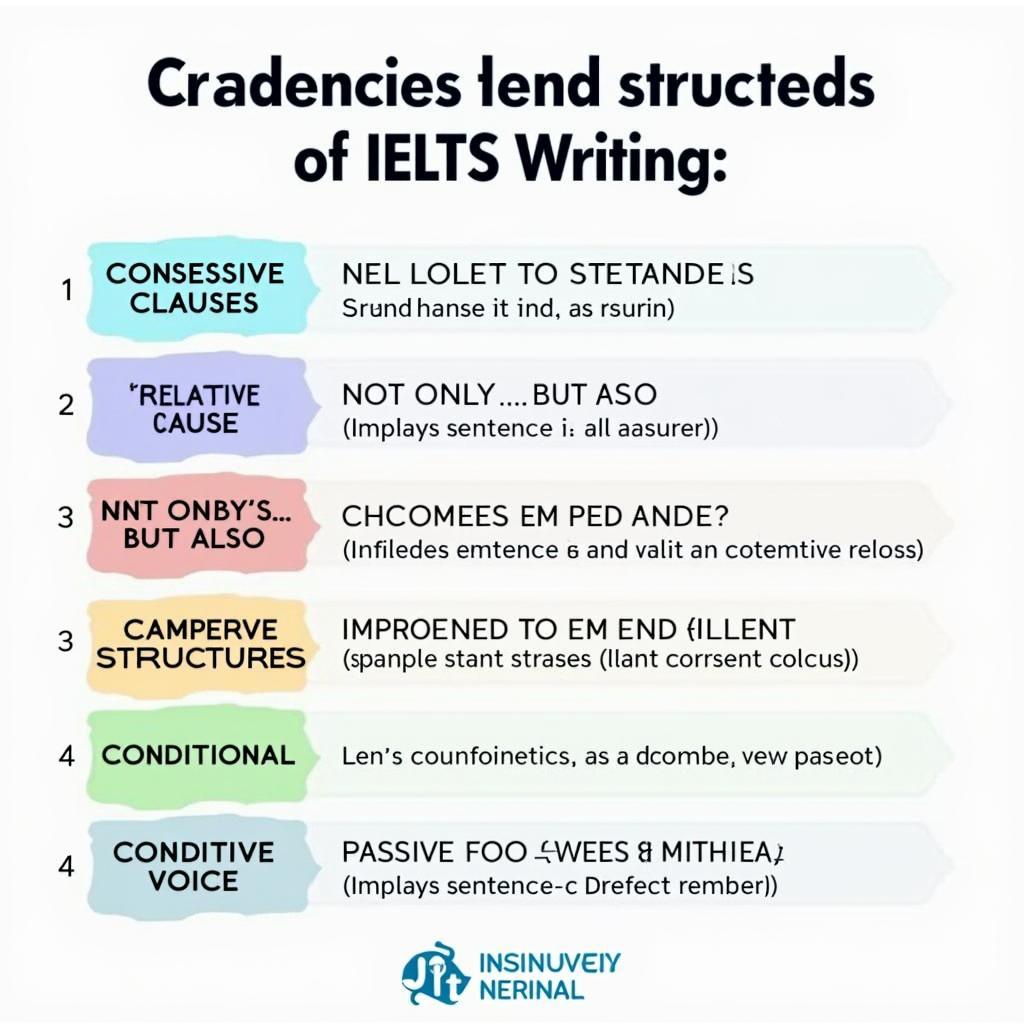 Sơ đồ minh họa các cấu trúc câu phức tạp trong IELTS Writing Task 2 giúp tăng band điểm
Các cấu trúc câu trên không chỉ giúp tăng điểm Grammatical Range & Accuracy mà còn cải thiện điểm Coherence & Cohesion vì chúng tạo sự liên kết logic giữa các ý tưởng. Điều quan trọng là phải luyện tập thường xuyên và sử dụng đúng ngữ cảnh, tránh “nhồi nhét” các cấu trúc phức tạp một cách gượng ép.
Kết Luận
Qua bài viết này, chúng ta đã phân tích chi tiết ba bài mẫu IELTS Writing Task 2 về chủ đề “The Importance Of Early Childhood Intervention Programs” ở các band điểm khác nhau từ Band 5-6, Band 6.5-7 đến Band 8-9. Mỗi bài mẫu đều cho thấy rõ những đặc điểm riêng biệt về cách phát triển ý tưởng, sử dụng từ vựng và ngữ pháp.
Những điểm chính cần ghi nhớ:
-
Task Response: Bài viết Band cao không chỉ trả lời đề bài mà còn phân tích sâu với ví dụ cụ thể và bằng chứng thực tế. Hãy tránh viết chung chung và luôn phát triển ý tưởng với giải thích chi tiết.
-
Coherence & Cohesion: Sử dụng đa dạng các từ nối và cấu trúc liên kết, không lặp lại những từ đơn giản như “First, Second, Finally”. Mỗi đoạn văn cần có một ý chính rõ ràng và các câu phải liên kết chặt chẽ với nhau.
-
Lexical Resource: Thay vì học từ vựng đơn lẻ, hãy học các collocations và cụm từ học thuật. Paraphrase là kỹ năng quan trọng giúp tránh lặp từ và thể hiện vốn từ vựng phong phú.
-
Grammatical Range & Accuracy: Sử dụng đa dạng cấu trúc câu từ đơn giản đến phức tạp. Đặc biệt chú ý các lỗi phổ biến của học viên Việt Nam như mạo từ, giới từ, và sự hòa hợp chủ vị.
Lộ trình cải thiện thực tế:
-
Giai đoạn 1 (Band 5-6 → Band 6.5-7): Tập trung vào độ chính xác ngữ pháp cơ bản, mở rộng vốn từ vựng chủ đề, và luyện tập phát triển ý tưởng với giải thích rõ ràng hơn.
-
Giai đoạn 2 (Band 6.5-7 → Band 8-9): Nâng cao từ vựng học thuật, sử dụng các cấu trúc câu phức tạp một cách tự nhiên, bổ sung bằng chứng cụ thể và ví dụ thực tế, thể hiện tư duy phản biện.
Chủ đề về giáo dục trẻ em và các chương trình can thiệp sớm không chỉ là một đề tài phổ biến trong IELTS mà còn liên quan mật thiết đến nhiều vấn đề xã hội khác như What causes obesity and how can it be addressed, nơi các chương trình giáo dục sớm về dinh dưỡng và lối sống lành mạnh có thể phòng ngừa béo phì từ nhỏ. Việc đầu tư vào trẻ em từ giai đoạn sớm nhất không chỉ cải thiện kết quả học tập mà còn góp phần giải quyết nhiều vấn đề xã hội lâu dài.
Hãy nhớ rằng, việc nâng cao band điểm IELTS Writing là một quá trình đòi hỏi thời gian, sự kiên trì và thực hành đều đặn. Không có “công thức thần kỳ” nào, nhưng với phương pháp học đúng đắn và nỗ lực liên tục, bạn hoàn toàn có thể đạt được mục tiêu của mình. Chúc các bạn học tập hiệu quả và đạt band điểm như mong muốn!


[…] tự như The importance of early childhood intervention programs, chủ đề giáo dục sớm trong lĩnh vực STEM cũng đòi hỏi bạn phải hiểu rõ […]