Mở bài
Chủ đề về việc thích nghi với các quy định an toàn mới đang trở thành một trong những đề tài phổ biến trong IELTS Speaking, đặc biệt sau đại dịch COVID-19. Đây là một chủ đề thực tế và gần gũi, cho phép bạn kể về những trải nghiệm cá nhân trong môi trường làm việc, học tập hoặc cuộc sống hằng ngày khi phải tuân thủ các quy định an toàn mới.
Chủ đề “Describe A Time When You Had To Adjust To New Safety Protocols” xuất hiện với tần suất cao trong các kỳ thi IELTS từ năm 2020 đến nay, đặc biệt tại các trung tâm thi ở châu Á. Theo thống kê từ các nguồn đề thi thực tế, chủ đề này xuất hiện khoảng 15-20% trong các đề thi Speaking Part 2, và khả năng tiếp tục xuất hiện trong tương lai được đánh giá ở mức Cao.
Trong bài viết này, bạn sẽ học được:
- Các câu hỏi thường gặp về safety protocols trong cả 3 Part của IELTS Speaking
- Bài mẫu chi tiết theo từng band điểm 6-7, 7.5-8, và 8.5-9 với phân tích chuyên sâu
- Hơn 50 từ vựng và cụm từ ăn điểm liên quan đến chủ đề an toàn
- Chiến lược trả lời hiệu quả từ góc nhìn của một Examiner có kinh nghiệm
- Các lỗi thường gặp của học viên Việt Nam và cách khắc phục
IELTS Speaking Part 1: Introduction and Interview
Tổng Quan Về Part 1
Part 1 của IELTS Speaking kéo dài 4-5 phút với các câu hỏi ngắn về cuộc sống hàng ngày. Đây là phần khởi động giúp bạn làm quen với examiner và tạo ấn tượng ban đầu. Chiến lược quan trọng nhất là trả lời tự nhiên nhưng vẫn mở rộng ý tưởng trong 2-3 câu, tránh câu trả lời Yes/No đơn giản.
Lỗi thường gặp của học viên Việt Nam trong Part 1:
- Trả lời quá ngắn gọn, chỉ một câu đơn
- Sử dụng từ vựng quá cơ bản như “good”, “bad”, “important”
- Thiếu ví dụ cụ thể từ kinh nghiệm bản thân
- Không tự nhiên, nghe như đang đọc thuộc lòng
Các Câu Hỏi Thường Gặp
Question 1: Do you think safety rules are important in daily life?
Question 2: Have you ever had to follow new safety rules at work or school?
Question 3: How do you usually react when new rules are introduced?
Question 4: Do people in your country generally follow safety regulations?
Question 5: What safety measures do you take when traveling?
Question 6: Have safety rules changed much in your lifetime?
Question 7: Do you think young people take safety seriously?
Question 8: What’s the most important safety rule you follow regularly?
Phân Tích và Gợi Ý Trả Lời Chi Tiết
Question: Do you think safety rules are important in daily life?
🎯 Cách tiếp cận:
- Trả lời trực tiếp: Yes/Absolutely
- Đưa ra lý do cụ thể tại sao quan trọng
- Thêm ví dụ ngắn gọn từ trải nghiệm cá nhân
📝 Sample Answer – Band 6-7:
Yes, I think safety rules are very important. They help protect people from accidents and dangerous situations. For example, wearing a helmet when riding a motorbike can save your life in an accident.
Phân tích:
- Điểm mạnh: Trả lời rõ ràng, có lý do và ví dụ cụ thể
- Hạn chế: Từ vựng còn đơn giản (very important, dangerous situations), cấu trúc câu chưa phức tạp
- Tại sao Band 6-7: Câu trả lời đầy đủ ý nhưng thiếu sự tinh tế trong cách diễn đạt, chưa thể hiện được vốn từ vựng phong phú
📝 Sample Answer – Band 8-9:
Absolutely, I’d say safety regulations are crucial in our daily lives. They serve as preventive measures that minimize risks and safeguard us from potential hazards. Take traffic rules, for instance – they may seem restrictive at times, but they’re instrumental in reducing road casualties and creating a more orderly environment for everyone.
Phân tích:
- Điểm mạnh: Sử dụng từ vựng sophisticated (crucial, preventive measures, minimize risks, safeguard, instrumental in reducing), cấu trúc câu phức tạp với mệnh đề quan hệ, ý tưởng sâu sắc hơn khi nhắc đến sự đánh đổi (seem restrictive nhưng có lợi ích)
- Tại sao Band 8-9: Fluency tự nhiên với discourse marker “Absolutely, I’d say”, vocabulary precise và academic, grammar đa dạng, ideas có chiều sâu khi thừa nhận cả mặt hạn chế và lợi ích
💡 Key Vocabulary & Expressions:
- crucial: (adj) cực kỳ quan trọng, then chốt
- preventive measures: (n) các biện pháp phòng ngừa
- minimize risks: (v) giảm thiểu rủi ro
- safeguard: (v) bảo vệ, che chở
- instrumental in: (adj) đóng vai trò quan trọng trong việc
Question: Have you ever had to follow new safety rules at work or school?
🎯 Cách tiếp cận:
- Trả lời có/không một cách rõ ràng
- Đưa ra ví dụ cụ thể về quy định nào
- Mô tả ngắn gọn cảm nhận hoặc tác động
📝 Sample Answer – Band 6-7:
Yes, definitely. During the pandemic, my university introduced many new safety rules. We had to wear masks all the time, keep distance from each other, and use hand sanitizer frequently. At first, it was uncomfortable, but we got used to it quickly.
Phân tích:
- Điểm mạnh: Ví dụ cụ thể và relevant, có cảm nhận cá nhân
- Hạn chế: Liệt kê đơn giản các quy định, chưa có sự phân tích sâu về quá trình thích nghi
- Tại sao Band 6-7: Nội dung đầy đủ nhưng cách diễn đạt còn straightforward, thiếu complexity
📝 Sample Answer – Band 8-9:
Yes, most notably during the pandemic when my workplace implemented stringent health protocols. We had to undergo temperature checks upon arrival, maintain social distancing in common areas, and adhere to a mandatory mask policy. Initially, these measures felt quite intrusive and disrupted our usual workflow, but I came to appreciate how they fostered a sense of collective responsibility and genuinely made the environment safer for everyone.
Phân tích:
- Điểm mạnh: Vocabulary chính xác và formal (implemented stringent protocols, undergo temperature checks, adhere to, intrusive, disrupted workflow), grammar phức tạp với cấu trúc “Initially… but I came to appreciate”, ý tưởng mature khi thể hiện sự thay đổi nhận thức
- Tại sao Band 8-9: Fluency xuất sắc với “most notably”, lexical resource sophisticated và precise, grammatical structures đa dạng, ideas showing personal development và critical thinking
💡 Key Vocabulary & Expressions:
- implement stringent protocols: (v) thực thi các quy định nghiêm ngặt
- undergo temperature checks: (v) trải qua kiểm tra nhiệt độ
- adhere to: (v) tuân thủ, chấp hành
- intrusive: (adj) xâm phạm, gây khó chịu
- foster a sense of collective responsibility: (v) nuôi dưỡng tinh thần trách nhiệm tập thể
Question: How do you usually react when new rules are introduced?
🎯 Cách tiếp cận:
- Mô tả reaction tự nhiên của bản thân
- Giải thích tại sao phản ứng như vậy
- Có thể đề cập đến sự thay đổi trong attitude
📝 Sample Answer – Band 6-7:
Well, I’m usually a bit resistant at first because changes can be inconvenient. But I try to understand the reasons behind the new rules. If they make sense and help protect people, I’ll follow them without complaints.
Phân tích:
- Điểm mạnh: Thành thật về cảm xúc ban đầu, có sự balance khi nói về việc thay đổi thái độ
- Hạn chế: Từ vựng còn basic (resistant, inconvenient, make sense), thiếu depth trong việc giải thích quá trình tâm lý
- Tại sao Band 6-7: Adequate response với basic vocabulary và simple structures, ideas có phần surface-level
📝 Sample Answer – Band 8-9:
To be honest, my initial reaction tends to be somewhat skeptical, especially if the new regulations seem overly bureaucratic or impractical. However, I’ve learned to reserve judgment until I understand the rationale behind them. Once I grasp the underlying purpose – particularly if it concerns safety or collective well-being – I’m usually quite receptive and willing to comply wholeheartedly. I think this approach strikes a balance between being critically minded and cooperative.
Phân tích:
- Điểm mạnh: Vocabulary tinh vi (skeptical, overly bureaucratic, impractical, rationale, grasp the underlying purpose, receptive, comply wholeheartedly), grammar phức tạp với nhiều mệnh đề, ideas nuanced cho thấy mature thinking process
- Tại sao Band 8-9: Natural fluency với “To be honest”, lexical resource exceptional với collocations mạnh, grammatical range wide với conditional và adverbial clauses, ideas sophisticated showing self-awareness và balanced perspective
💡 Key Vocabulary & Expressions:
- skeptical: (adj) hoài nghi, không tin tưởng hoàn toàn
- overly bureaucratic: (adj) quan liêu quá mức
- reserve judgment: (v) tạm giữ ý kiến, không vội đánh giá
- rationale behind: (n) lý do, cơ sở lập luận đằng sau
- comply wholeheartedly: (v) tuân thủ một cách toàn tâm toàn ý
 Học viên Việt Nam luyện tập IELTS Speaking Part 1 về chủ đề quy định an toàn với giáo viên
IELTS Speaking Part 2: Long Turn (Cue Card)
Tổng Quan Về Part 2
Part 2 là phần độc thoại quan trọng nhất, kéo dài 2-3 phút không bị ngắt. Bạn có 1 phút chuẩn bị với giấy và bút để ghi chú. Đây là cơ hội để bạn thể hiện khả năng nói dài, mạch lạc và sử dụng ngôn ngữ phong phú.
Chiến lược hiệu quả:
- Sử dụng trọn vẹn 1 phút chuẩn bị để ghi keywords, không viết câu hoàn chỉnh
- Nói đủ 2 phút (tối thiểu 1.5 phút) để tránh bị trừ điểm
- Trả lời đầy đủ tất cả bullet points theo thứ tự
- Với chủ đề describe a time, nhớ sử dụng thì quá khứ consistently
- Phần “explain” là quan trọng nhất để ghi điểm cao
Lỗi thường gặp của học viên Việt Nam:
- Không tận dụng hết 1 phút chuẩn bị, vội vàng bắt đầu nói
- Nói quá ngắn, chỉ 1-1.5 phút
- Bỏ sót một số bullet points
- Thay đổi thì không nhất quán trong câu chuyện quá khứ
Cue Card
Describe a time when you had to adjust to new safety protocols
You should say:
- When and where this happened
- What the new safety protocols were
- How you adjusted to these protocols
- And explain how you felt about these changes
Phân Tích Đề Bài
- Dạng câu hỏi: Describe an experience (kể về một trải nghiệm cụ thể trong quá khứ)
- Thì động từ: Past tenses chủ yếu (Past Simple, Past Continuous, Past Perfect)
- Bullet points phải cover:
- Thời gian và địa điểm cụ thể (when/where)
- Mô tả chi tiết các quy định an toàn mới (what)
- Quá trình thích nghi của bạn (how – đây là phần quan trọng)
- Cảm xúc và suy nghĩ về thay đổi (explain – phần ghi điểm cao nhất)
- Câu “explain” quan trọng: Đây là nơi bạn thể hiện critical thinking, không chỉ kể sự việc mà còn phân tích cảm xúc, impact, và ý nghĩa sâu xa hơn. Examiner đặc biệt chú ý đến phần này để đánh giá band điểm.
📝 Sample Answer – Band 6-7
Thời lượng: Khoảng 1.5-2 phút
I’d like to talk about a time when I had to adjust to new safety protocols at my workplace during the COVID-19 pandemic. This happened in early 2020, right after the government announced strict measures to control the virus spread.
The company where I work introduced several new safety rules. First, everyone had to wear face masks all the time in the office. Second, we had to use hand sanitizer at the entrance and wash our hands frequently. Third, there were temperature checks every morning before entering the building. Also, we had to maintain social distancing, which meant we couldn’t sit too close to our colleagues, and the company reduced the number of people working in the office at the same time.
At first, it was quite difficult to adjust. I found wearing a mask for 8 hours very uncomfortable, especially during summer. The social distancing rules also made it harder to communicate with my team members. We couldn’t have face-to-face meetings like before. However, after a few weeks, I got used to these new protocols. I learned to speak louder when wearing a mask, and we started using online tools more effectively for communication.
I have to say my feelings were mixed. On one hand, I felt frustrated because these rules made work less convenient. On the other hand, I understood they were necessary to keep everyone safe. Eventually, I felt grateful that my company took our health seriously and created a safe working environment during a difficult time.
Phân tích Band Điểm
| Tiêu chí | Band | Nhận xét |
|---|---|---|
| Fluency & Coherence | 6-7 | Nói khá mạch lạc với các linking words cơ bản (First, Second, Also, However, Eventually). Có một số hesitation nhẹ nhưng không ảnh hưởng nhiều đến message. Cấu trúc rõ ràng theo thứ tự bullet points. |
| Lexical Resource | 6-7 | Từ vựng adequate và appropriate (strict measures, social distancing, face-to-face meetings). Có một số collocations tốt (control the virus spread, maintain social distancing) nhưng chưa sophisticated. Lặp từ “new” và “rules” nhiều lần. |
| Grammatical Range & Accuracy | 6-7 | Sử dụng đúng past tenses consistently. Có một số câu phức (which meant we couldn’t…, after a few weeks, I got used to…). Tuy nhiên, phần lớn là simple và compound sentences. Ít errors nhưng thiếu variety. |
| Pronunciation | 6-7 | Rõ ràng và dễ hiểu. Stress và intonation khá tự nhiên. |
Điểm mạnh:
- ✅ Trả lời đầy đủ tất cả bullet points theo thứ tự logic
- ✅ Có ví dụ cụ thể và chi tiết về các quy định
- ✅ Thể hiện quá trình thích nghi từ khó khăn đến làm quen
- ✅ Phần explain có balance giữa negative và positive feelings
Hạn chế:
- ⚠️ Từ vựng còn basic, thiếu sophistication (very uncomfortable, quite difficult)
- ⚠️ Cấu trúc câu chưa đa dạng, chủ yếu là simple sentences
- ⚠️ Thiếu idiomatic expressions và less common vocabulary
- ⚠️ Chưa có enough depth trong phần analysis về feelings và impact
📝 Sample Answer – Band 7.5-8
Thời lượng: Khoảng 2-2.5 phút
I’d like to share an experience from March 2020 when my office implemented comprehensive safety protocols in response to the emerging COVID-19 pandemic. This was right at the beginning of the crisis, when uncertainty was at its peak and everyone was still grappling with the reality of the situation.
The new protocols were quite extensive. The most conspicuous change was the mandatory wearing of face masks throughout the entire workday, which was a completely new concept for us at the time. Additionally, the company installed hand sanitizing stations at every entrance and enforced regular temperature screenings before anyone could enter the premises. Perhaps the most disruptive measure was the social distancing requirement – desks were rearranged to maintain at least two meters between employees, meeting rooms were repurposed for individual workspaces, and we operated on a rotating schedule where only half the team worked on-site each day.
Adjusting to these protocols was a gradual process. Initially, I found the mask-wearing particularly challenging – it made breathing difficult during long meetings and created communication barriers since we couldn’t see facial expressions clearly. The reduced in-person interaction also affected team cohesion and made collaborative work less spontaneous. However, I adapted by learning to be more expressive with my voice and eyes, and we leveraged digital tools like Zoom and Microsoft Teams more effectively than we had before. Within about a month, what seemed intrusive at first had become our new normal.
Looking back, my feelings have evolved considerably. Initially, I felt quite frustrated and restricted by all these rules – they seemed to interfere with our work efficiency and natural workflow. But as I witnessed the virus’s impact on communities that hadn’t taken precautions seriously, I developed a deep appreciation for these measures. They represented more than just rules; they were a tangible demonstration of the company’s commitment to employee welfare. The experience also taught me resilience and adaptability – qualities I hadn’t realized I needed to develop. Ultimately, I felt reassured knowing that despite the inconvenience, we were prioritizing collective safety over individual comfort.
Phân Tích Band Điểm
| Tiêu chí | Band | Nhận xét |
|---|---|---|
| Fluency & Coherence | 7.5-8 | Speaks fluently với minimal hesitation. Sử dụng discourse markers sophisticated (Additionally, Perhaps, Initially, However, Looking back). Coherence tốt với progression rõ ràng từ description → adjustment → reflection. |
| Lexical Resource | 7.5-8 | Vocabulary range wide và precise (comprehensive, grappling with, conspicuous, disruptive, repurposed, leveraged). Có nhiều less common words và collocations mạnh (tangible demonstration, commitment to employee welfare). Some attempts at paraphrasing tốt. |
| Grammatical Range & Accuracy | 7.5-8 | Wide range of structures: relative clauses, participial phrases, compound-complex sentences. Past tenses được sử dụng accurately và consistently. Có inversion (Within about a month, what seemed…). Minimal errors. |
| Pronunciation | 7.5-8 | Clear pronunciation với good control of features như sentence stress và intonation for emphasis. |
So Sánh Với Band 6-7
| Khía cạnh | Band 6-7 | Band 7.5-8 |
|---|---|---|
| Vocabulary | “new safety rules”, “quite difficult” | “comprehensive safety protocols”, “particularly challenging” |
| Grammar | “I found wearing a mask very uncomfortable” | “I found the mask-wearing particularly challenging – it made breathing difficult” |
| Ideas | “My feelings were mixed” | “My feelings have evolved considerably… they represented more than just rules” |
| Cohesion | “First, Second, Also” | “Additionally, Perhaps the most disruptive, Initially, However” |
📝 Sample Answer – Band 8.5-9
Thời lượng: 2.5-3 phút đầy đủ
I’d like to recount a particularly memorable experience from March 2020, when my workplace rolled out stringent safety protocols in direct response to the unfolding COVID-19 pandemic. This occurred at the very onset of the crisis, when public anxiety was palpable and businesses were scrambling to balance operational continuity with employee safety – a precarious balancing act that few had experience navigating.
The protocols themselves were remarkably comprehensive and, frankly, unprecedented in our company’s history. The most immediately apparent change was the universal mask mandate – we were required to wear medical-grade face coverings throughout our entire time on the premises, which represented a stark departure from our previous workplace culture. Beyond this, the company instituted a rigorous health monitoring system involving contactless temperature screenings, mandatory health declarations, and meticulous contact tracing procedures. What struck me most, though, was how they fundamentally reconfigured the physical workspace – our once bustling open-plan office was transformed into a carefully orchestrated environment where desks were strategically spaced, plexiglass barriers appeared seemingly overnight, and high-traffic areas were designated as one-way corridors. We also transitioned to a hybrid model, with teams working in staggered shifts to minimize occupancy levels.
The adjustment process was, in all honesty, more psychologically demanding than physically challenging. The initial weeks were characterized by a constant hyper-awareness of every movement and interaction – I found myself unconsciously calculating distances, sanitizing surfaces obsessively, and experiencing what I can only describe as “mask fatigue” after eight-hour days. What was perhaps most disconcerting was the erosion of spontaneous collaboration – those impromptu brainstorming sessions by the coffee machine or quick desk-side consultations became logistical complications rather than natural occurrences. However, I gradually cultivated new habits and mental frameworks for working within these constraints. I became more intentional about communication, learned to “read” people’s emotions through their eyes alone, and discovered that digital collaboration tools, when used creatively, could actually facilitate certain types of interaction more effectively than face-to-face meetings ever had.
Reflecting on my emotional journey through this transition, I’d say it was profoundly transformative and multilayered. My initial reaction was resistance tinged with resentment – I bristled at what felt like an infringement on autonomy and worried these measures would stifle productivity and erode workplace culture. There was also an underlying current of anxiety about what these drastic changes signified about the severity of the pandemic itself. However, as weeks turned into months, my perspective underwent a fundamental shift. I came to recognize these protocols as tangible expressions of institutional responsibility – not merely compliance-driven checkbox exercises, but rather genuine manifestations of the company’s commitment to stakeholder welfare. The experience catalyzed a deeper appreciation for collective action and shared sacrifice for the greater good. Perhaps most significantly, it illuminated my own capacity for resilience and adaptability in the face of unprecedented disruption. I realized that flexibility isn’t just about tolerating change, but about finding meaning and opportunity within it. In hindsight, while I wouldn’t wish to repeat that period of uncertainty, I’m genuinely grateful for the personal growth it engendered and the reminder that individual inconvenience is a small price to pay for collective safety and social responsibility.
Phân Tích Band Điểm
| Tiêu chí | Band | Nhận xét |
|---|---|---|
| Fluency & Coherence | 8.5-9 | Speaks fluently and coherently với virtually no hesitation. Discourse markers sophisticated và varied (Beyond this, What struck me most, In all honesty, Reflecting on, Perhaps most significantly). Exceptional logical flow với clear progression through time and depth of analysis. |
| Lexical Resource | 8.5-9 | Exceptional lexical resource với sophisticated và precise vocabulary (palpable, scrambling to, precarious balancing act, stark departure, meticulous, reconfigured, disconcerting, erosion, cultivated, bristled at, engendered). Natural use of idiomatic language. Wide range of collocations (public anxiety was palpable, stifle productivity). Shows paraphrasing skill. |
| Grammatical Range & Accuracy | 8.5-9 | Full range of structures used naturally và accurately: complex sentences với multiple clauses, inversion, participles, cleft sentences. Consistent use of past tenses với subtle shifts for reflection. Error-free or errors extremely rare. |
| Pronunciation | 8.5-9 | Full control of pronunciation features. Effective use of stress, intonation để convey precise meaning and emphasis. Easy to understand throughout. |
Tại Sao Bài Này Xuất Sắc
🎯 Fluency Hoàn Hảo:
Bài nói này demonstrates exceptional fluency với speech rate tự nhiên, không có hesitation hay self-correction. Các ý được connect một cách seamless thông qua sophisticated discourse markers như “Beyond this”, “What struck me most”, “In all honesty”, creating a natural narrative flow.
📚 Vocabulary Tinh Vi:
- Ví dụ: “public anxiety was palpable” – sử dụng “palpable” (có thể sờ mó được) để mô tả anxiety tạo imagery mạnh mẽ thay vì chỉ nói “everyone was very anxious”
- “precarious balancing act” – metaphor tinh tế thay vì “difficult situation”
- “erosion of spontaneous collaboration” – dùng “erosion” (sự xói mòn) một cách figurative, sophisticated hơn “loss” hay “reduction”
- “catalyzed a deeper appreciation” – dùng thuật ngữ khoa học “catalyze” một cách metaphorical
📝 Grammar Đa Dạng:
- Ví dụ: “What struck me most, though, was how they fundamentally reconfigured the physical workspace” – cleft sentence với fronting để emphasize
- “I found myself unconsciously calculating distances, sanitizing surfaces obsessively, and experiencing what I can only describe as ‘mask fatigue'” – parallel structure với present participles và embedded clause
- “While I wouldn’t wish to repeat that period of uncertainty, I’m genuinely grateful” – conditional clause showing hypothetical thinking
💡 Ideas Sâu Sắc:
Bài nói không chỉ describe sự việc mà còn demonstrate critical thinking và emotional intelligence:
- Phân tích psychological dimension (“more psychologically demanding than physically challenging”)
- Thể hiện evolution of thinking (“resistance tinged with resentment” → “fundamental shift” → “grateful for personal growth”)
- Connect personal experience với broader social context (“collective action”, “social responsibility”)
- Self-awareness cao (“illuminated my own capacity for resilience”)
 Thí sinh đang trình bày bài nói IELTS Speaking Part 2 về chủ đề thích nghi quy định an toàn mới
Follow-up Questions (Rounding Off Questions)
Question 1: Was it difficult for other people to adjust to these new protocols as well?
Band 6-7 Answer:
Yes, I think most people found it difficult at first. My colleagues also complained about wearing masks and the social distancing rules. But eventually, everyone adapted because we understood it was necessary.
Band 8-9 Answer:
Absolutely, the adjustment was universally challenging across the organization. I noticed that reactions varied considerably depending on people’s personalities – some adapted pragmatically almost immediately, while others struggled with the transition for much longer. What was interesting was how a sense of solidarity gradually emerged as we all navigated these constraints together, which actually strengthened team cohesion in unexpected ways.
Question 2: Do you think these safety measures will continue in the future?
Band 6-7 Answer:
I think some measures will stay but not all of them. Things like hand sanitizers will probably remain, but wearing masks all day might not be necessary anymore. It depends on the health situation.
Band 8-9 Answer:
That’s an interesting question. I suspect we’ll see a selective retention of certain protocols rather than an all-or-nothing approach. Measures like enhanced hygiene practices and flexible working arrangements have proven their value beyond pandemic response and will likely become permanent fixtures in modern workplaces. However, the more restrictive elements like universal masking will probably be scaled back to become contingency measures activated only during health emergencies. This pandemic legacy will fundamentally reshape workplace norms moving forward.
IELTS Speaking Part 3: Two-way Discussion
Tổng Quan Về Part 3
Part 3 kéo dài 4-5 phút và là phần khó nhất của IELTS Speaking. Examiner sẽ hỏi các câu hỏi trừu tượng, yêu cầu bạn phân tích, so sánh, đánh giá và thảo luận sâu về các vấn đề liên quan đến chủ đề Part 2. Đây là nơi examiner đánh giá khả năng critical thinking và khả năng discuss complex ideas của bạn.
Yêu cầu cụ thể:
- Phân tích cause-effect relationships
- So sánh past-present-future
- Đánh giá advantages-disadvantages
- Đưa ra quan điểm cá nhân có lý lẽ vững chắc
- Xem xét nhiều góc độ của vấn đề
Chiến lược hiệu quả:
- Mở rộng câu trả lời đến 3-5 câu với structure rõ ràng
- Sử dụng discourse markers để organize ideas (Well, Actually, On the one hand…)
- Đưa ra examples từ xã hội, không chỉ personal experiences
- Thừa nhận complexity và multiple perspectives của issues
- Maintain formal register phù hợp với academic discussion
Lỗi thường gặp của học viên Việt Nam:
- Trả lời quá ngắn, thiếu elaboration và analysis
- Chỉ đưa ra opinion mà không có supporting reasons
- Thiếu từ vựng trừu tượng để discuss abstract concepts
- Không structure câu trả lời logically
- Sử dụng too many personal examples thay vì societal observations
Các Câu Hỏi Thảo Luận Sâu
Theme 1: Social Impact of Safety Regulations
Question 1: Why do you think some people resist following safety rules even when they know the rules are for their own good?
🎯 Phân tích câu hỏi:
- Dạng: Cause/Reason question – yêu cầu phân tích psychological và social factors
- Key words: “resist”, “even when they know” – focus vào contradiction giữa knowledge và behavior
- Cách tiếp cận: Direct answer về human psychology → Multiple reasons với examples → Acknowledge complexity
📝 Sample Answer – Band 6-7:
I think there are several reasons why people resist safety rules. First, some people don’t like being told what to do. They feel the rules limit their freedom. Second, sometimes the rules are inconvenient, so people choose not to follow them even though they know it’s dangerous. For example, some motorcyclists don’t wear helmets because they find them uncomfortable. Finally, some people think accidents won’t happen to them, so they take risks.
Phân tích:
- Structure: Có basic organization với First, Second, Finally, có example cụ thể
- Vocabulary: Adequate nhưng simple (don’t like, limit their freedom, inconvenient, uncomfortable)
- Tại sao Band 6-7: Covers main points nhưng thiếu depth trong analysis, vocabulary chưa sophisticated, ideas còn surface-level
📝 Câu trả lời mẫu – Band 8-9:
Well, I think this resistance stems from a complex interplay of psychological and social factors. Fundamentally, there’s a strong human tendency toward autonomy and self-determination – people naturally bristle at perceived infringements on their personal freedom, even when those restrictions are well-intentioned. This reactance is particularly pronounced in cultures that place a premium on individual liberty.
Beyond this, there’s also what psychologists call an optimism bias – people tend to underestimate their personal vulnerability to negative outcomes while overestimating their ability to control situations. When someone thinks “it won’t happen to me,” they’re more likely to disregard precautionary measures despite intellectual awareness of the risks.
Additionally, I’d argue that immediate inconvenience often outweighs abstract future benefits in people’s decision-making calculus. The discomfort of wearing a helmet or mask is tangible and present, while the potential accident or illness being prevented is hypothetical and distant. This temporal discounting makes it psychologically easier to rationalize non-compliance.
What’s more, there can be social dimensions at play – if safety rules aren’t widely enforced or if people observe others violating them without consequences, it creates a social proof effect that normalizes risky behavior. In societies where rule enforcement is lax, this becomes a self-perpetuating cycle.
Phân tích:
- Structure: Exceptionally well-organized: Fundamental psychological reason → Optimism bias → Cost-benefit analysis → Social factors. Mỗi point được develop fully với explanation và broader context
- Vocabulary: Sophisticated và precise (interplay, autonomy, bristle at, infringements, reactance, place a premium on, temporal discounting, rationalize, self-perpetuating cycle). Uses psychological terminology naturally
- Grammar: Complex structures: passive voice (are well-intentioned), relative clauses (that place a premium on), gerunds (underestimate their personal vulnerability), conditionals (if people observe)
- Critical Thinking: Shows deep understanding of human psychology, acknowledges multiple perspectives, demonstrates academic knowledge (cites psychological concepts), connects individual và societal levels
💡 Key Language Features:
- Discourse markers: Well, Fundamentally, Beyond this, Additionally, What’s more – creates sophisticated flow
- Tentative language: I think, I’d argue, there can be – shows academic register
- Abstract nouns: autonomy, reactance, vulnerability, compliance, enforcement – essential for high-level discussion
- Hedging language: tend to, often, can be – shows nuanced thinking
Question 2: How can governments encourage people to follow safety regulations more willingly?
🎯 Phân tích câu hỏi:
- Dạng: Solution/Suggestion question – yêu cầu propose strategies với analysis
- Key words: “encourage”, “more willingly” – focus vào positive motivation rather than punishment
- Cách tiếp cận: Multiple strategies from different angles (education, incentives, enforcement, social influence) → Evaluate effectiveness
📝 Sample Answer – Band 6-7:
Governments can use several methods to encourage people. First, they should educate people about why safety rules are important through advertisements and school programs. Second, they could give rewards to people who follow the rules well. For example, drivers with good safety records could get lower insurance prices. Third, governments should make sure the penalties for breaking rules are serious enough. When people know they will be punished, they are more likely to follow the rules.
Phân tích:
- Structure: Clear three-part answer với examples
- Vocabulary: Basic vocabulary (educate, rewards, penalties, punished)
- Tại sao Band 6-7: Adequate suggestions nhưng lacks depth, analysis shallow, không explore effectiveness hay potential challenges
📝 Câu trả lời mẫu – Band 8-9:
This is a multifaceted challenge that requires a strategic blend of approaches rather than relying on any single method.
First and foremost, I believe transparent communication about the rationale underlying safety regulations is crucial. When governments articulate the evidence base for their policies and demonstrate genuine concern for public welfare rather than simply imposing edicts, people are more likely to buy into the measures. This means engaging with communities, addressing skepticism constructively, and acknowledging legitimate concerns rather than dismissing opposition as irrationality.
Secondly, positive reinforcement mechanisms can be surprisingly effective. This could take various forms – public recognition programs for compliant businesses, insurance premium reductions for individuals with good safety records, or even gamification strategies that make safety compliance feel rewarding rather than restrictive. Singapore’s approach to incentivizing desired behaviors through their social credit system, while controversial, demonstrates how carrots can sometimes work better than sticks.
That said, enforcement cannot be neglected – there needs to be a credible deterrent for non-compliance. However, I’d argue that enforcement should be consistent and fair rather than arbitrary or draconian. When people perceive the system as just, they’re more likely to internalize the norms rather than simply complying out of fear.
Perhaps most powerfully, though, governments can leverage social influence by cultivating a culture where safety compliance becomes a social norm rather than an imposition. This involves working with community leaders, influential figures, and peer networks to make safe behavior socially desirable. During the pandemic, countries that successfully mobilized collective identity around safety measures saw much higher compliance than those that framed it purely as individual responsibility.
Ultimately, I think the most effective approach combines education, incentives, consistent enforcement, and social norming – recognizing that different populations may respond better to different elements of this mix.
Phân tích:
- Structure: Sophisticated organization với clear signposting (First and foremost, Secondly, That said, Perhaps most powerfully, Ultimately). Each strategy fully developed với reasoning và examples
- Vocabulary: High-level và precise (multifaceted, strategic blend, articulate the evidence base, imposing edicts, buy into, credible deterrent, draconian, internalize the norms, leverage, cultivating a culture)
- Grammar: Full range: cleft sentences (This is a multifaceted challenge that…), relative clauses (countries that successfully…), conditionals (When people perceive…), gerunds (working with, recognizing that)
- Critical Thinking: Demonstrates depth of analysis by discussing effectiveness, acknowledging complexity, providing real-world examples (Singapore), considering different approaches, and offering nuanced conclusion
 Examiner và thí sinh thảo luận sâu trong IELTS Speaking Part 3 về quy định an toàn trong xã hội
Theme 2: Safety vs. Freedom Trade-offs
Question 1: Do you think safety regulations limit personal freedom? How can we balance safety and freedom?
🎯 Phân tích câu hỏi:
- Dạng: Opinion + Problem-Solution – yêu cầu take a position và suggest balanced approach
- Key words: “limit”, “balance” – focus vào tension between competing values
- Cách tiếp cận: Acknowledge the tension → Present both perspectives → Suggest nuanced balance → Consider context
📝 Sample Answer – Band 6-7:
Yes, I think safety regulations do limit personal freedom to some extent. For example, helmet laws force people to wear helmets even if they don’t want to. However, I believe safety is more important than total freedom because these rules protect lives. We can balance them by making rules that are necessary for serious dangers but allowing freedom in less risky situations. The government should only make rules when the danger is real and serious.
Phân tích:
- Structure: Addresses both parts với simple example and basic solution
- Vocabulary: Basic expressions (to some extent, more important than, less risky)
- Tại sao Band 6-7: Clear position nhưng analysis superficial, doesn’t explore the philosophical complexity, solutions generic
📝 Câu trả lời mẫu – Band 8.5-9:
This touches on one of the fundamental tensions in political philosophy – the age-old debate between collective security and individual liberty. I’d say that safety regulations do, by their very nature, impose constraints on personal freedom, but whether we frame this as “limitation” or “reasonable restriction” depends largely on our philosophical perspective.
From one standpoint, any compulsory measure – whether it’s mandatory seatbelt use, building codes, or health protocols – does curtail individual autonomy. Libertarian thinkers would argue that adults should have the sovereign right to assess and accept risks for themselves, even if those decisions seem objectively imprudent to others. There’s something to this argument – it respects human agency and guards against the slippery slope of paternalistic overreach where governments infantilize citizens under the guise of protection.
However, I’m more persuaded by the counter-argument that pure individual freedom becomes untenable when our actions have spillover effects on others. When someone’s risky behavior imposes costs on the healthcare system, endangers bystanders, or externalizes risks to the community, it’s no longer purely a personal choice. This is where the harm principle – famously articulated by John Stuart Mill – becomes relevant: your freedom extends up to the point where it infringes upon others.
The optimal balance, in my view, requires several guiding principles. First, regulations should be proportionate to the risk – we shouldn’t deploy sledgehammers to crack nuts, as it were. Blanket restrictions should be reserved for genuinely catastrophic risks, while lesser dangers might warrant advisory guidelines rather than legal mandates.
Second, there should be transparency and democratic accountability in rule-making processes – when people understand the evidence base and feel they’ve had meaningful input, they’re more likely to view regulations as legitimate rather than arbitrary impositions.
Third, we might consider tiered approaches that allow individuals some choice within guardrails – for instance, allowing mask opt-outs for those who can demonstrate vaccination status, or risk-based regulations that vary by context.
Ultimately, I don’t think we can eliminate this tension entirely – it’s an inherent feature of organized society. But we can minimize friction by ensuring safety measures are evidence-based, minimally intrusive, clearly communicated, and regularly reviewed for continued necessity. The goal shouldn’t be choosing between safety and freedom, but rather calibrating where on the spectrum we draw the line for different types of risks.
Phân tích:
- Structure: Exceptional organization: Acknowledge complexity → Present libertarian view → Counter with harm principle → Propose multi-layered solution với specific principles → Nuanced conclusion. Shows sophisticated academic discourse structure
- Vocabulary: Highly sophisticated và precise (fundamental tensions, political philosophy, age-old debate, curtail individual autonomy, paternalistic overreach, infantilize, untenable, spillover effects, externalizes risks, proportionate, sledgehammers to crack nuts, calibrating)
- Grammar: Full sophisticated range: cleft sentences (This is where…), conditionals (when our actions have…), relative clauses (that allow individuals…), passive constructions (famously articulated by), complex noun phrases
- Critical Thinking: Demonstrates philosophical depth by referencing John Stuart Mill, presents balanced argument, acknowledges complexity, proposes nuanced multi-part solution, shows awareness of practical implementation challenges
💡 Key Language Features:
- Hedging sophisticated: I’d say, largely depends, I’m more persuaded by, in my view, Ultimately – shows academic register và critical thinking
- Philosophical references: Libertarian thinkers, harm principle, John Stuart Mill – demonstrates broader knowledge
- Metaphorical language: slippery slope, sledgehammers to crack nuts – makes abstract ideas vivid
- Abstract reasoning: discusses principles rather than just concrete examples
Theme 3: Cultural and Generational Differences
Question 1: Are there differences in how different age groups respond to safety regulations?
🎯 Phân tích câu hỏi:
- Dạng: Compare/Contrast question – yêu cầu analyze differences và explain reasons
- Key words: “different age groups”, “respond” – focus vào behavioral và attitudinal differences
- Cách tiếp cận: Identify key differences → Explain underlying reasons (psychological, social, historical) → Acknowledge exceptions → Consider implications
📝 Sample Answer – Band 6-7:
Yes, I think different age groups react differently to safety rules. Older people usually follow rules more carefully because they have more experience and understand the dangers better. Young people are often more rebellious and don’t like following rules. They think they are strong and nothing bad will happen to them. Middle-aged people are usually responsible because they have families to protect. However, this doesn’t apply to everyone – some young people are very careful and some old people take risks too.
Phân tích:
- Structure: Clear comparison của three age groups với basic reasoning
- Vocabulary: Simple vocabulary (follow rules, rebellious, strong, responsible)
- Tại sao Band 6-7: Addresses the question adequately nhưng analysis superficial, generalizations too broad, lacks depth in explaining reasons
📝 Câu trả lời mẫu – Band 8.5-9:
Absolutely, there are striking generational divergences in safety regulation compliance, though I’d caution against overly simplistic stereotyping – within any age cohort there’s considerable variation.
Generally speaking, older adults tend to exhibit higher compliance rates, which I think reflects several converging factors. First, there’s often greater risk awareness that comes with accumulated life experience – having witnessed or experienced negative consequences firsthand makes abstract dangers feel more concrete. Additionally, older generations were often socialized in eras with more hierarchical social structures and deference to authority, which can translate into greater regulatory acceptance. There’s also a practical dimension – as people age and become more physically vulnerable, the cost-benefit calculus of safety measures shifts in favor of protection.
Younger demographics, particularly adolescents and young adults, often display more resistance to safety protocols, but I think we need to understand this through a developmental lens rather than simply dismissing it as recklessness. Adolescent psychology involves heightened sensation-seeking, an underdeveloped prefrontal cortex affecting risk assessment, and intense peer influence that can override safety considerations. Moreover, younger people have grown up in an era of questioning institutional authority and valuing personal autonomy, which can manifest as skepticism toward regulations they perceive as paternalistic.
The middle-aged cohort presents an interesting case – they typically show relatively high compliance, possibly because they’re at a life stage characterized by peak responsibilities – caring for both children and aging parents, maintaining careers, and managing mortgages. This creates powerful incentives to minimize risks and avoid disruptions.
However, recent events like the pandemic have complicated this picture significantly. We’ve seen surprising intra-generational divisions based on factors like political affiliation, media consumption patterns, and trust in institutions that sometimes outweigh age as predictors of compliance behavior.
From a policy perspective, these differences suggest that one-size-fits-all approaches may be suboptimal. Tailoring communication strategies to different age groups – perhaps emphasizing social responsibility to younger people, health benefits to older adults, and family protection to middle-aged individuals – might yield better outcomes than uniform messaging.
Phân tích:
- Structure: Sophisticated progression: Caveat about stereotyping → Older adults analysis → Youth analysis with developmental psychology → Middle-aged → Complicating factors → Policy implications. Shows exceptional depth
- Vocabulary: Highly sophisticated (striking generational divergences, overly simplistic stereotyping, converging factors, socialized, deference to authority, cost-benefit calculus, heightened sensation-seeking, underdeveloped prefrontal cortex, manifest as, intra-generational divisions, suboptimal, tailoring)
- Grammar: Full range expertly used: conditionals (as people age), participles (questioning institutional authority), relative clauses (that sometimes outweigh), passive voice (were socialized), gerunds (avoiding disruptions)
- Critical Thinking: Exceptional depth – references developmental psychology, acknowledges complexity and exceptions, considers recent contextual changes (pandemic), discusses policy implications, shows awareness of research findings
💡 Key Language Features:
- Academic hedging: Generally speaking, often, typically, can, might – shows sophisticated nuance
- Technical terminology: developmental lens, prefrontal cortex, cost-benefit calculus, intra-generational divisions – demonstrates knowledge
- Meta-commentary: I’d caution against, we need to understand, From a policy perspective – shows high-level analytical thinking
- Cohesive devices: Additionally, Moreover, However, From a policy perspective – creates seamless flow
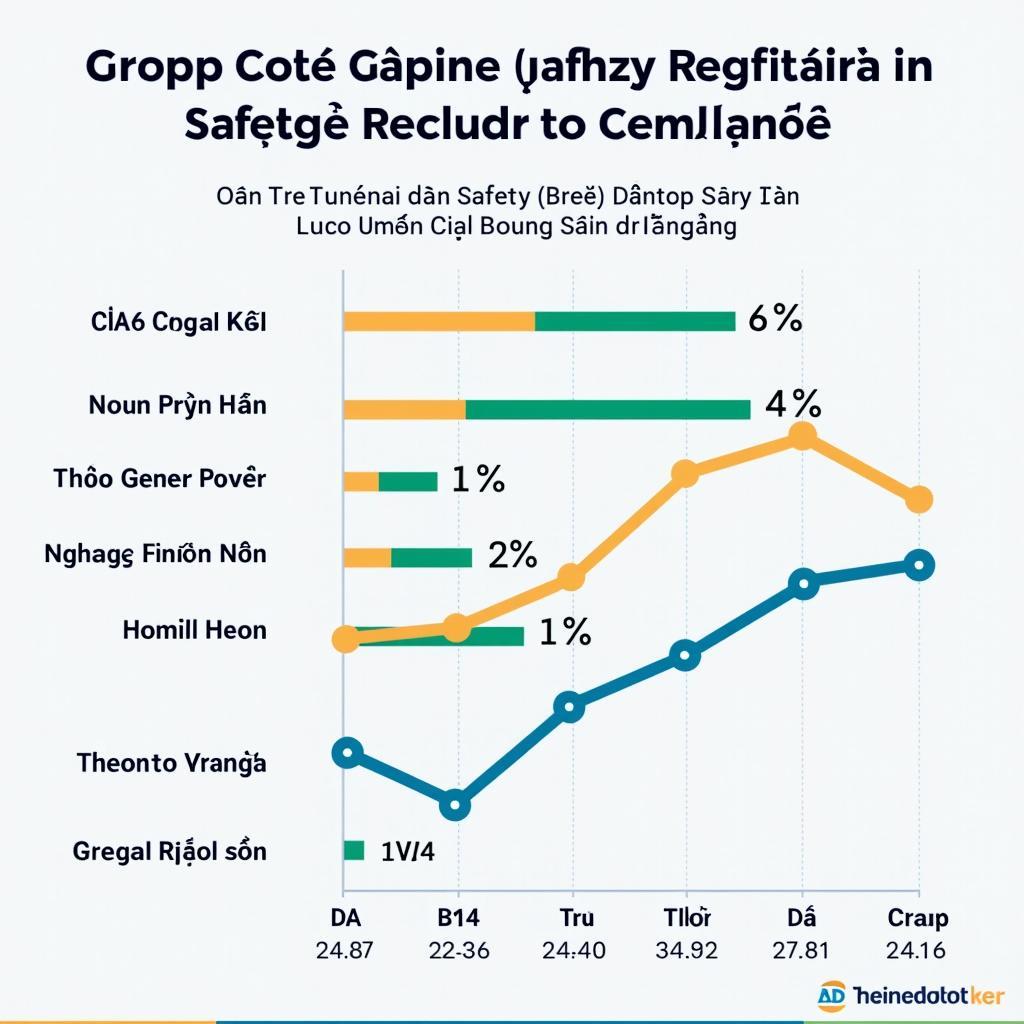 Biểu đồ so sánh mức độ tuân thủ quy định an toàn của các nhóm tuổi khác nhau trong xã hội
Question 2: How do cultural differences affect people’s attitudes toward safety regulations?
🎯 Phân tích câu hỏi:
- Dạng: Cause-Effect/Explanation question focusing on cultural factors
- Key words: “cultural differences”, “attitudes” – requires sociological/anthropological analysis
- Cách tiếp cận: Identify key cultural dimensions → Explain mechanisms → Provide cross-cultural examples → Discuss implications
📝 Sample Answer – Band 7-8:
Cultural differences play a significant role in shaping attitudes toward safety regulations. In collectivist cultures like many Asian countries, people tend to be more accepting of safety rules because they prioritize group welfare over individual freedom. They see following regulations as a way to protect the community. In contrast, individualistic cultures like the United States place high value on personal freedom, so people may resist regulations that they feel restrict their choices.
Additionally, the level of trust in government varies across cultures. In countries where people have high trust in institutions, compliance with safety regulations is generally higher because citizens believe the rules are well-intentioned and evidence-based. Conversely, in societies with a history of authoritarian rule or corruption, people may view safety regulations with suspicion, seeing them as government overreach.
Religious and traditional values also influence attitudes. Some cultures have fatalistic worldviews – believing that outcomes are predetermined – which can lead to less emphasis on preventive safety measures. Understanding these cultural nuances is essential for policymakers who want to design effective safety campaigns that resonate with diverse populations.
Phân tích:
- Structure: Well-organized với three main cultural dimensions (collectivism-individualism, trust in government, religious values)
- Vocabulary: Good range (collectivist, individualistic, prioritize, compliance, evidence-based, authoritarian, fatalistic, nuances)
- Tại sao Band 7-8: Strong analysis với clear examples, demonstrates cultural awareness, good depth, but could explore mechanisms more deeply and provide more specific examples
📝 Câu trả lời mẫu – Band 8.5-9:
Cultural frameworks profoundly shape how societies conceptualize and respond to safety regulations, operating through several interwoven dimensions that warrant careful examination.
Perhaps most fundamentally, the individualism-collectivism axis creates markedly different baseline orientations. In collectivist societies – predominant across much of East Asia – there’s a stronger cultural substrate of communal responsibility and deference to collective welfare. This manifests in higher baseline compliance with safety measures because adhering to regulations is framed as fulfilling social obligations rather than surrendering personal autonomy. Japan’s response to the pandemic exemplifies this – near-universal mask adoption occurred even without legal mandates, driven by ingrained notions of social consideration (“meiwaku” – avoiding causing trouble for others).
Conversely, in highly individualistic cultures like the United States or Australia, the dominant cultural narrative privileges personal freedom and self-determination. Safety regulations can be perceived through a lens of governmental overreach, triggering resistance rooted in deep-seated cultural values about individual sovereignty. The vehement backlash against mask mandates in parts of America stemmed not merely from practical objections but from their symbolic resonance with cherished ideals of personal liberty.
A second crucial dimension is what anthropologists call “power distance” – the degree to which societies accept hierarchical authority structures. In high power distance cultures (much of Southeast Asia, Latin America, parts of the Middle East), there’s greater normative acceptance of top-down directives, making safety regulations feel more legitimate and natural. In low power distance societies (Scandinavia, Netherlands), people expect justifications, consultative processes, and transparency, and may push back against regulations that feel imposed rather than co-created.
Trust ecosystems constitute another pivotal factor. Countries like Singapore, South Korea, or New Zealand, which have built robust institutional trust through demonstrated competence and perceived integrity, can deploy safety measures with greater public buy-in. Conversely, societies with historical legacies of governmental malfeasance – whether authoritarian overreach, corruption, or discrimination – face structural skepticism toward official directives, regardless of their substantive merit. This explains why identical safety measures might see vastly different reception in different contexts.
Religious and philosophical frameworks add yet another layer. Fatalistic belief systems – whether rooted in certain interpretations of Islam, Hinduism, or Christian traditions – can attenuate the perceived importance of human precautions, since outcomes are viewed as divinely predetermined. This doesn’t mean religious people disregard safety, but it can shift the emphasis away from preventive measures. Conversely, secular humanistic traditions that place primary agency in human action may intensify focus on protective measures.
What makes this particularly complex is that cultures aren’t monolithic – they contain internal heterogeneity, generational shifts, and hybrid formations. Globalization and cross-cultural exchange are creating more cosmopolitan subcultures even within traditionally homogeneous societies. Additionally, crisis contexts like pandemics can temporarily override cultural differences, though they may resurge once the acute threat subsides.
For policymakers and public health officials, these cultural dimensions have profound implications. Culturally-tailored messaging that aligns with local values – emphasizing collective duty in communal societies, personal benefit in individualistic ones, trust-building through transparency in skeptical populations – is far more likely to succeed than culturally tone-deaf universal appeals. The most effective approaches leverage existing cultural strengths rather than fighting against ingrained orientations.
Phân tích:
- Structure: Exceptional sophistication: Opening thesis → Four major cultural dimensions each fully developed với theory, mechanisms, và concrete examples → Acknowledge complexity and exceptions → Policy implications. Shows expert-level discourse structure
- Vocabulary: Exceptional range và precision (profoundly shape, interwoven dimensions, cultural substrate, communal responsibility, baseline orientations, vehement backlash, symbolic resonance, power distance, normative acceptance, pivotal factor, robust institutional trust, governmental malfeasance, attenuate, monolithic, cosmopolitan subcultures)
- Grammar: Full sophisticated range expertly deployed: embedded clauses (that warrant careful examination), participle phrases (driven by ingrained notions), relative clauses (which have built robust trust), passive constructions (is framed as), complex nominalizations (acceptance of top-down directives)
- Critical Thinking: Exceptional analytical depth – references anthropological concepts, provides specific cultural examples (Japan’s “meiwaku”, Singapore’s trust), acknowledges complexity and heterogeneity, discusses mechanism not just patterns, offers policy implications, shows cross-cultural literacy
💡 Key Language Features:
- Academic discourse markers: Perhaps most fundamentally, Conversely, A second crucial dimension, What makes this particularly complex – signals sophisticated argumentation
- Anthropological/sociological terminology: individualism-collectivism axis, power distance, trust ecosystems, fatalistic belief systems – demonstrates disciplinary knowledge
- Specific cultural references: “meiwaku” (Japanese concept), Singapore’s institutional trust, Scandinavia’s consultation culture – shows genuine cross-cultural knowledge not just generalizations
- Hedging and nuance: can be perceived, may push back, doesn’t mean, far more likely – maintains academic precision
Từ vựng và cụm từ quan trọng
Topic-Specific Vocabulary
| Từ vựng/Cụm từ | Loại từ | Phiên âm | Nghĩa tiếng Việt | Ví dụ | Collocation |
|---|---|---|---|---|---|
| implement protocols | verb phrase | /ˈɪmplɪment ˈprəʊtəkɒlz/ | thực thi quy trình | The company implemented strict safety protocols. | implement stringent/comprehensive/new protocols |
| mandatory | adj | /ˈmændətəri/ | bắt buộc | Mask-wearing became mandatory in public spaces. | mandatory requirement/regulation/measure |
| adhere to | phrasal verb | /ədˈhɪə tuː/ | tuân thủ, chấp hành | All employees must adhere to safety guidelines. | strictly adhere to/fail to adhere to |
| adjust to | phrasal verb | /əˈdʒʌst tuː/ | thích nghi với | It took time to adjust to the new regulations. | gradually adjust/quickly adjust/struggle to adjust |
| disruptive | adj | /dɪsˈrʌptɪv/ | gây gián đoạn, phá vỡ | The changes were initially quite disruptive. | highly disruptive/potentially disruptive |
| compliance | noun | /kəmˈplaɪəns/ | sự tuân thủ | Compliance with safety rules is essential. | ensure compliance/high compliance rate |
| precautionary measures | noun phrase | /prɪˈkɔːʃənəri ˈmeʒəz/ | biện pháp phòng ngừa | We took precautionary measures to prevent accidents. | adopt/implement/take precautionary measures |
| mitigate risks | verb phrase | /ˈmɪtɪɡeɪt rɪsks/ | giảm thiểu rủi ro | These protocols help mitigate potential risks. | effectively mitigate/mitigate serious risks |
| hygiene practices | noun phrase | /ˈhaɪdʒiːn ˈpræktɪsɪz/ | thực hành vệ sinh | Enhanced hygiene practices became standard. | maintain/improve/stringent hygiene practices |
| social distancing | noun phrase | /ˈsəʊʃəl ˈdɪstənsɪŋ/ | giãn cách xã hội | Social distancing measures were enforced. | maintain/practice/enforce social distancing |
| contactless | adj | /ˈkɒntæktləs/ | không tiếp xúc | We switched to contactless payment systems. | contactless technology/delivery/screening |
| sanitization | noun | /ˌsænɪtaɪˈzeɪʃən/ | khử trùng | Regular sanitization of surfaces is required. | thorough/frequent/hand sanitization |
| vulnerable | adj | /ˈvʌlnərəbl/ | dễ bị tổn thương | Elderly people are more vulnerable to infection. | particularly/highly/increasingly vulnerable |
| stringent | adj | /ˈstrɪndʒənt/ | nghiêm ngặt | The government imposed stringent measures. | stringent rules/controls/requirements |
| inconvenience | noun | /ˌɪnkənˈviːniəns/ | sự bất tiện | The protocols caused some inconvenience. | minor/major/temporary inconvenience |
| enforce | verb | /ɪnˈfɔːs/ | thi hành, thực thi | Authorities enforced the new regulations strictly. | strictly enforce/effectively enforce |
| hazard | noun | /ˈhæzəd/ | mối nguy hiểm | These measures reduce workplace hazards. | potential/serious/safety hazard |
| outbreak | noun | /ˈaʊtbreɪk/ | sự bùng phát (dịch bệnh) | The protocols prevented a major outbreak. | disease outbreak/contain an outbreak |
| sterilize | verb | /ˈsterəlaɪz/ | khử trùng, vô khuẩn | Equipment must be sterilized regularly. | properly/thoroughly sterilize |
| safeguard | verb/noun | /ˈseɪfɡɑːd/ | bảo vệ / biện pháp bảo vệ | These rules safeguard employee health. | safeguard against/important safeguard |
Idiomatic Expressions & Advanced Phrases
| Cụm từ | Nghĩa | Ví dụ sử dụng | Band điểm |
|---|---|---|---|
| strike a balance | tìm sự cân bằng | We need to strike a balance between safety and convenience. | 7.5-9 |
| err on the side of caution | thận trọng hơn mức cần thiết | It’s better to err on the side of caution with health measures. | 7.5-9 |
| take something with a grain of salt | không tin hoàn toàn, giữ thái độ hoài nghi | People took the initial warnings with a grain of salt. | 7-8 |
| the elephant in the room | vấn đề rõ ràng nhưng ai cũng tránh nói | The economic cost was the elephant in the room during safety discussions. | 7.5-9 |
| bite the bullet | chấp nhận làm điều khó khăn | Companies had to bite the bullet and invest in safety equipment. | 7-8 |
| a blessing in disguise | điều tốt ẩn sau vẻ ngoài xấu | Remote work protocols turned out to be a blessing in disguise. | 7-8 |
| nip something in the bud | ngăn chặn ngay từ đầu | Early safety measures helped nip the outbreak in the bud. | 7.5-8.5 |
| at the end of the day | xét cho cùng, cuối cùng thì | At the end of the day, health must come first. | 6.5-7.5 |
| on the same page | có cùng quan điểm, hiểu nhất quán | We needed to get everyone on the same page about the protocols. | 7-8 |
| go the extra mile | cố gắng hết sức | Some companies went the extra mile to ensure employee safety. | 7-8 |
| cutting corners | làm qua loa, cắt giảm chất lượng | We couldn’t afford to be cutting corners on safety. | 7-8 |
| a wake-up call | chuông cảnh báo, điều làm tỉnh ngộ | The pandemic was a wake-up call about hygiene practices. | 7-8.5 |
Discourse Markers (Từ Nối Ý Trong Speaking)
Để bắt đầu câu trả lời:
- 📝 Well,… – Dùng khi cần vài giây suy nghĩ, tạo tự nhiên
- 📝 Actually,… – Khi đưa ra góc nhìn khác hoặc sự thật bất ngờ
- 📝 To be honest, / Honestly speaking,… – Khi muốn thể hiện sự thành thật, chân thành
- 📝 I’d say that… – Khi đưa ra quan điểm có phần tentative
- 📝 From my perspective,… – Nhấn mạnh góc nhìn cá nhân
- 📝 Looking back,… – Khi phản tư về quá khứ
Để bổ sung ý:
- 📝 On top of that,… / Beyond that,… – Thêm điểm quan trọng khác
- 📝 What’s more,… / Furthermore,… – Bổ sung thông tin
- 📝 Not to mention… – Nhấn mạnh điểm quan trọng khác
- 📝 Additionally,… / Moreover,… – Formal hơn cho Part 3
- 📝 In addition to this,… – Academic register
Để đưa ra quan điểm cân bằng:
- 📝 On the one hand,… On the other hand,… – So sánh hai mặt đối lập
- 📝 While it’s true that…, we also need to consider… – Thừa nhận và đối chiếu
- 📝 That said,… / Having said that,… – Đưa ra điểm đối lập sau khi đã nói
- 📝 However,… / Nevertheless,… – Tuy nhiên (formal)
- 📝 Conversely,… – Ngược lại (rất formal, phù hợp Part 3)
Để nhấn mạnh:
- 📝 What I find most [adjective] is… – Nhấn mạnh điểm quan trọng
- 📝 The thing that really stands out is… – Điều nổi bật nhất
- 📝 Particularly,… / Especially,… – Đặc biệt là
- 📝 Most notably,… – Đáng chú ý nhất
- 📝 It’s worth noting that… – Đáng chú ý rằng
Để giải thích và làm rõ:
- 📝 What I mean is… – Khi cần làm rõ ý
- 📝 In other words,… – Nói cách khác
- 📝 To put it another way,… – Diễn đạt theo cách khác
- 📝 Essentially,… / Basically,… – Về cơ bản thì
Để đưa ra ví dụ:
- 📝 For instance,… / For example,… – Ví dụ
- 📝 Take… for example – Lấy… làm ví dụ
- 📝 A case in point is… – Một trường hợp điển hình (formal)
- 📝 To illustrate this,… – Để minh họa điều này
Để kết luận:
- 📝 All in all,… / Overall,… – Nhìn chung, tổng thể
- 📝 At the end of the day,… – Xét cho cùng thì
- 📝 Ultimately,… – Cuối cùng thì (formal)
- 📝 In the final analysis,… – Khi phân tích cuối cùng (very formal)
- 📝 To sum up,… – Tóm lại
Grammatical Structures Ấn Tượng
1. Conditional Sentences (Câu điều kiện):
Mixed conditionals:
- Formula: If + Past Perfect, would + bare infinitive (now)
- Ví dụ: “If we hadn’t implemented those protocols early, we would still be dealing with outbreaks today.”
Inversion for emphasis:
- Formula: Had/Should/Were + subject + verb
- Ví dụ: “Had the company not taken these measures, the situation would have been much worse.”
2. Relative Clauses (Mệnh đề quan hệ):
Non-defining relative clauses:
- Formula: , which/who/where + clause,
- Ví dụ: “The new protocols, which were quite stringent, actually proved very effective.”
Reduced relative clauses:
- Ví dụ: “The measures implemented by the government helped control the spread.”
3. Passive Voice (Câu bị động):
It-clauses for reporting:
- It is thought/believed/said that…
- Ví dụ: “It is widely believed that early intervention prevented a major outbreak.”
Passive for emphasis:
- Ví dụ: “Temperature checks were enforced at all entrances.”
4. Cleft Sentences (Câu chẻ):
What-clefts:
- What I find most [adj] is…
- Ví dụ: “What I found most challenging was the constant mask-wearing.”
It-clefts:
- It was… that…
- Ví dụ: “It was the social distancing rules that proved most disruptive to workflow.”
The thing that-clefts:
- Ví dụ: “The thing that surprised me most was how quickly we adapted.”
5. Advanced Verb Patterns:
Verb + object + to infinitive:
- Ví dụ: “The protocols required us to change our entire workflow.”
Causative structures:
- Have/Get something done
- Ví dụ: “We had all surfaces sanitized twice daily.”
6. Participle Clauses:
Present participle (simultaneous action):
- Ví dụ: “Understanding the rationale, people became more compliant.”
Past participle (passive meaning):
- Ví dụ: “Implemented swiftly, the measures prevented widespread infection.”
7. Nominal Clauses:
Nominalizing for sophistication:
- Ví dụ: “The adjustment to new protocols” (thay vì “adjusting to new protocols”)
- “My initial resistance” (thay vì “I resisted at first”)
8. Inversion for Emphasis:
Negative adverbials:
- Ví dụ: “Never before had we experienced such strict workplace controls.”
- “Not only did we implement masks, but we also redesigned the entire office layout.”
 Flashcards từ vựng IELTS Speaking về chủ đề an toàn và quy định
Chiến lược tổng thể để đạt Band 8-9
1. Fluency & Coherence
Đặc điểm của Band 8-9:
- Speaks fluently với rare hesitation
- Develops topics coherently và appropriately
- Uses cohesive devices flexibly
- Logical sequencing of ideas
Cách cải thiện:
- Practice shadowing: Nghe native speakers nói về topics tương tự và lặp lại ngay sau họ để học rhythm và flow
- Record yourself: Thu âm câu trả lời của bạn, nghe lại để identify hesitation patterns và self-correction habits
- Use discourse markers naturally: Đừng học thuộc lòng list markers mà practice sử dụng chúng tự nhiên trong context
- Extend answers systematically: Structure mọi câu trả lời với Direct answer → Explanation → Example → Concluding thought
2. Lexical Resource
Đặc điểm của Band 8-9:
- Uses vocabulary flexibly và precisely
- Uses less common và idiomatic vocabulary
- Rare errors in word choice
- Effective use of paraphrase
Cách cải thiện:
- Learn collocations, not isolated words: Thay vì học “important”, học “crucially important”, “of paramount importance”, “pivotal”
- Build topic-specific word banks: Tạo 20-30 từ vựng cho mỗi common topic
- Practice paraphrasing: Luyện nói cùng một ý bằng nhiều cách khác nhau
- Use less common words naturally: Đừng force sophisticated vocabulary – chỉ dùng khi phù hợp context
Lỗi cần tránh của học viên Việt Nam:
- Dùng từ quá academic không phù hợp với spoken context
- Lạm dụng từ vựng khó mà không hiểu đúng nghĩa
- Thiếu variety – lặp đi lặp lại cùng những từ
3. Grammatical Range & Accuracy
Đặc điểm của Band 8-9:
- Uses wide range of structures flexibly
- Majority of sentences error-free
- Makes rare errors
- Sophisticated use of subordinate clauses
Cách cải thiện:
- Master complex sentences: Practice nối ý bằng relative clauses, adverbial clauses, conditional sentences
- Vary sentence beginnings: Không bắt đầu mọi câu bằng “I” hay simple subject
- Use a mix of active và passive voice
- Practice tense consistency: Đặc biệt trong Part 2 khi kể story
Common grammatical structures cho Band 8-9:
- Conditional sentences (mixed, inverted)
- Cleft sentences (What…, It was… that…)
- Relative clauses (defining và non-defining)
- Participle clauses
- Passive constructions for variety
4. Pronunciation
Đặc điểm của Band 8-9:
- Flexible use of pronunciation features
- Sustained và consistent performance
- Accent has minimal impact on intelligibility
- Effective use of stress và intonation
Cách cải thiện:
- Focus on word stress: Nhiều học viên Việt Nam stress sai syllable
- Practice sentence stress: Nhấn mạnh content words (nouns, main verbs, adjectives)
- Work on intonation patterns: Rising cho questions, falling cho statements
- Practice connected speech: Linking sounds, weak forms
- Don’t obsess over accent: British hay American không quan trọng bằng clarity
5. Critical Thinking (Đặc biệt cho Part 3)
Strategies:
- Acknowledge complexity: “This is a multifaceted issue…”
- Present multiple perspectives: “On the one hand… On the other hand…”
- Use real-world examples: Reference actual countries, events, studies
- Show cause-effect reasoning: “This is because… which leads to… consequently…”
- Make predictions cautiously: “I would expect…”, “It’s likely that…”
Lộ trình chuẩn bị 3 tháng
Tháng 1: Foundation
- Tuần 1-2: Master 100 core vocabulary words cho common topics
- Tuần 3-4: Practice Part 1 questions daily (5-10 questions), focus on extending answers
Tháng 2: Development
- Tuần 1-2: Practice Part 2 (2-3 cue cards per week), record và analyze
- Tuần 3-4: Begin Part 3 practice, focus on developing complex ideas
Tháng 3: Refinement
- Tuần 1-2: Full mock tests (all 3 parts), identify weaknesses
- Tuần 3-4: Polish pronunciation và fluency, practice với partner or tutor
Checklist trước khi thi
✅ Chuẩn bị tâm lý:
- Ngủ đủ giấc trước ngày thi
- Đến sớm 15-20 phút
- Thư giãn, tự tin
✅ Trong phòng thi:
- Smile và maintain eye contact với examiner
- Speak clearly, don’t rush
- Nếu không hiểu câu hỏi, hỏi lại: “Sorry, could you repeat that?”
- Nếu cần time to think: “That’s an interesting question. Let me think…”
✅ Những gì cần tránh:
- Đừng học thuộc answers – examiner sẽ nhận ra ngay
- Đừng use quá nhiều fillers (um, uh, like)
- Đừng answer quá ngắn hay quá dài
- Đừng memorize templates
- Đừng panic nếu không biết từ – paraphrase
Hy vọng bài hướng dẫn chi tiết này đã trang bị cho bạn đầy đủ kiến thức và chiến lược để tự tin chinh phục chủ đề “Describe a time when you had to adjust to new safety protocols” trong IELTS Speaking. Hãy nhớ rằng, thành công không đến từ việc học thuộc lòng mà từ việc practice thường xuyên và tự nhiên. Chúc bạn đạt band điểm như mong muốn!