Chế độ ăn thuần chay (veganism) đang trở thành một xu hướng toàn cầu với những tác động sâu rộng đến sức khỏe cộng đồng. Đây cũng là một chủ đề ngày càng phổ biến trong kỳ thi IELTS Writing Task 2, đặc biệt trong các đề bài dạng Advantages and Disadvantages hoặc Discussion. Theo thống kê từ IELTS-Blog.com và British Council, các đề bài về sức khỏe và chế độ ăn uống xuất hiện với tần suất khoảng 15-20% trong tổng số đề thi hàng năm.
Trong bài viết này, bạn sẽ học được cách tiếp cận hiệu quả cho dạng đề này thông qua:
- 3 bài mẫu hoàn chỉnh ở các band điểm khác nhau (Band 8-9, Band 6.5-7, Band 5-6)
- Phân tích chi tiết về cách chấm điểm theo 4 tiêu chí của IELTS
- Từ vựng chuyên ngành và cấu trúc câu giúp nâng band điểm
- Những lỗi thường gặp của học viên Việt Nam và cách khắc phục
Một số đề thi thực tế đã xuất hiện gần đây về chủ đề này bao gồm:
- “Some people believe that a vegan diet is better for health and the environment. To what extent do you agree or disagree?” (IDP, tháng 8/2023)
- “Discuss the Advantages And Disadvantages Of Veganism For Global Health” (British Council, tháng 3/2023)
- “More people are choosing vegan diets. Do the benefits outweigh the drawbacks?” (tháng 11/2022)
Đề Writing Task 2 thực hành
Some people argue that veganism has significant benefits for global health, while others point out its potential drawbacks. Discuss both the advantages and disadvantages of adopting a vegan diet on a worldwide scale.
Dịch đề: Một số người cho rằng chế độ ăn thuần chay có lợi ích đáng kể cho sức khỏe toàn cầu, trong khi những người khác chỉ ra những nhược điểm tiềm ẩn của nó. Thảo luận về cả ưu điểm và nhược điểm của việc áp dụng chế độ ăn thuần chay trên quy mô toàn cầu.
Phân tích đề bài:
Dạng câu hỏi: Đây là dạng Discussion (Discuss both views) kết hợp với Advantages and Disadvantages. Đề bài yêu cầu bạn thảo luận cân bằng về cả hai mặt của vấn đề mà không cần đưa ra quan điểm cá nhân mạnh mẽ.
Các thuật ngữ quan trọng cần hiểu:
- Veganism: Chế độ ăn hoàn toàn không sử dụng sản phẩm từ động vật (thịt, cá, trứng, sữa)
- Global health: Sức khỏe cộng đồng trên phạm vi toàn cầu, không chỉ cá nhân
- Worldwide scale: Quy mô toàn thế giới, ám chỉ tác động rộng lớn
Những lỗi thường gặp của học viên Việt Nam:
- Chỉ tập trung vào lợi ích cá nhân thay vì sức khỏe toàn cầu
- Thiếu cân bằng giữa advantages và disadvantages (viết quá thiên về một bên)
- Sử dụng ví dụ chung chung không cụ thể
- Nhầm lẫn giữa vegetarian (ăn chay) và vegan (ăn thuần chay)
Cách tiếp cận chiến lược:
Bài viết nên có 4 đoạn:
- Introduction: Paraphrase đề bài + nêu rõ sẽ thảo luận cả hai mặt
- Body 1: Advantages (2-3 ưu điểm với giải thích và ví dụ cụ thể)
- Body 2: Disadvantages (2-3 nhược điểm với giải thích và ví dụ cụ thể)
- Conclusion: Tóm tắt lại cả hai mặt, có thể đưa ra balanced view
Mỗi ý chính cần được phát triển đầy đủ với: Main idea → Explanation → Example/Evidence → Impact on global health.
Bài mẫu Band 8-9
Giới thiệu về đặc điểm bài Band 8-9
Bài viết ở band điểm này thể hiện sự kiểm soát ngôn ngữ xuất sắc với từ vựng đa dạng, cấu trúc câu phức tạp nhưng tự nhiên, và khả năng phát triển ý sâu sắc. Các ý tưởng được trình bày mạch lạc với sự liên kết chặt chẽ giữa các đoạn.
The debate surrounding veganism and its implications for global health has intensified in recent years. While proponents emphasize its potential to address chronic diseases and environmental health challenges, critics highlight concerns about nutritional deficiencies and accessibility issues. This essay will examine both the merits and drawbacks of widespread vegan diet adoption from a global health perspective.
On the positive side, veganism offers several compelling advantages for worldwide health outcomes. Firstly, plant-based diets have been consistently linked to reduced rates of cardiovascular diseases, type 2 diabetes, and certain cancers – conditions that currently account for over 70% of global mortality according to WHO data. By eliminating animal products rich in saturated fats and cholesterol, individuals can significantly lower their risk of developing these life-threatening illnesses. Furthermore, mass adoption of veganism could alleviate the burden of antibiotic-resistant bacteria, which proliferate in intensive animal farming systems and pose an escalating threat to public health. Additionally, reducing livestock production would decrease zoonotic disease transmission – a critical consideration given that approximately 75% of emerging infectious diseases originate from animals.
Conversely, the transition to universal veganism presents noteworthy challenges that could compromise global health. The primary concern revolves around nutritional adequacy, particularly regarding vitamin B12, iron, omega-3 fatty acids, and complete proteins, which are either absent or less bioavailable in plant sources. In developing nations where dietary diversity is already limited and nutritional supplementation infrastructure is inadequate, mandating vegan diets could exacerbate malnutrition rates, especially among vulnerable populations such as pregnant women and children. Moreover, the economic implications cannot be overlooked; millions of livelihoods worldwide depend on animal agriculture, and abrupt dietary shifts could trigger socioeconomic instability, indirectly affecting health through increased poverty and food insecurity.
In conclusion, while veganism undeniably offers substantial benefits for preventing chronic diseases and reducing pathogen transmission risks, its universal implementation faces significant obstacles related to nutritional completeness and socioeconomic feasibility. A more pragmatic approach might involve promoting predominantly plant-based diets with optional modest animal product consumption, particularly in regions where complete transition remains impractical.
Số từ: 318 từ
 Bài mẫu IELTS Writing Task 2 về chủ đề veganism và sức khỏe toàn cầu band 8-9
Phân tích Band điểm
| Tiêu chí | Band | Nhận xét |
|---|---|---|
| Task Response (Hoàn thành yêu cầu) | 9 | Bài viết trả lời đầy đủ và cân bằng cả hai mặt của vấn đề với độ sâu xuất sắc. Mỗi ý tưởng đều được phát triển đầy đủ với explanation, examples và impact cụ thể. Bài có quan điểm rõ ràng ở phần kết luận, đề xuất giải pháp thực tiễn thay vì chỉ tóm tắt. |
| Coherence & Cohesion (Mạch lạc & Liên kết) | 9 | Cấu trúc logic và dễ theo dõi với progression tự nhiên giữa các ý. Sử dụng đa dạng các cohesive devices một cách tinh tế (“Conversely”, “Furthermore”, “Moreover”) mà không làm mất tính tự nhiên. Mỗi đoạn có topic sentence rõ ràng và kết thúc mạch lạc. |
| Lexical Resource (Từ vựng) | 9 | Từ vựng học thuật phong phú và chính xác cao (“proliferate”, “bioavailable”, “exacerbate”, “zoonotic”). Collocations tự nhiên (“compelling advantages”, “noteworthy challenges”, “nutritional adequacy”). Không có lỗi từ vựng và paraphrasing xuất sắc. |
| Grammatical Range & Accuracy (Ngữ pháp) | 9 | Sử dụng đa dạng cấu trúc phức tạp một cách tự nhiên (relative clauses, participle phrases, passive voice). Câu dài được kiểm soát tốt với punctuation chính xác. Không có lỗi ngữ pháp đáng kể. Cân bằng tốt giữa câu đơn và câu phức. |
Các yếu tố giúp bài này được chấm điểm cao
-
Depth of analysis xuất sắc: Bài không chỉ liệt kê ưu nhược điểm mà còn giải thích tác động cụ thể đến global health, như thống kê “70% of global mortality” và “75% of emerging infectious diseases” tạo tính thuyết phục cao.
-
Academic tone nhất quán: Giọng văn formal và khách quan xuyên suốt bài, tránh ngôn ngữ cảm tính hay personal opinion quá mạnh cho đến phần kết luận.
-
Sophisticated vocabulary trong context phù hợp: Các từ như “proliferate in intensive animal farming systems”, “bioavailable in plant sources”, “exacerbate malnutrition rates” cho thấy vốn từ vựng chuyên ngành sâu.
-
Complex sentence structures tự nhiên: Câu “By eliminating animal products rich in saturated fats and cholesterol, individuals can significantly lower their risk” sử dụng participle phrase một cách mượt mà, không gượng ép.
-
Balanced argumentation: Body 1 và Body 2 có độ dài tương đương, mỗi đoạn có 2-3 ý chính được develop đầy đủ, thể hiện khả năng nhìn nhận đa chiều.
-
Cohesive devices đa dạng: Không lặp lại “Firstly, Secondly” đơn điệu mà sử dụng “On the positive side”, “Conversely”, “Furthermore”, “Moreover” một cách linh hoạt.
-
Practical conclusion: Thay vì chỉ tóm tắt, phần kết đưa ra “pragmatic approach” thể hiện critical thinking cao – đây là yếu tố giúp tách biệt band 8 và band 9.
Bài mẫu Band 6.5-7
Giới thiệu về đặc điểm bài Band 6.5-7
Bài viết band này thể hiện khả năng sử dụng ngôn ngữ tốt với ý tưởng rõ ràng, nhưng chưa đạt độ tinh tế và sâu sắc như band 8-9. Từ vựng và cấu trúc câu đa dạng ở mức khá, có một vài lỗi nhỏ không ảnh hưởng đến communication.
The increasing popularity of vegan diets has sparked considerable debate about their effects on global health. While some people believe that veganism can bring many health benefits worldwide, others argue that it may cause some problems. This essay will discuss both the advantages and disadvantages of this dietary choice.
There are several important benefits of veganism for global health. First, vegan diets can help reduce serious diseases such as heart disease and diabetes. These illnesses affect millions of people around the world and cost governments a lot of money for treatment. If more people adopt plant-based diets, the number of patients with these conditions could decrease significantly. Second, veganism is good for preventing the spread of diseases from animals to humans. Many dangerous diseases like bird flu and swine flu come from farms where animals are kept in crowded conditions. By reducing animal farming, we can lower the risk of these disease outbreaks.
However, there are also some disadvantages that we need to consider. The main problem is that vegan diets may not provide all the necessary nutrients that people need. Important nutrients like vitamin B12 and iron are mainly found in animal products, and it can be difficult to get enough of them from plants alone. This is especially problematic in poor countries where people cannot afford expensive supplements or diverse plant foods. Another disadvantage is the economic impact on people who work in animal farming industries. Many families depend on raising livestock for their income, and if everyone becomes vegan, these people will lose their jobs and face financial difficulties.
In conclusion, veganism offers clear advantages for reducing chronic diseases and preventing animal-related infections, but it also presents challenges regarding nutrition and economic stability. Therefore, I believe a balanced approach that encourages more plant-based eating while maintaining some animal products might be more practical for most countries.
Số từ: 289 từ
Phân tích Band điểm
| Tiêu chí | Band | Nhận xét |
|---|---|---|
| Task Response (Hoàn thành yêu cầu) | 7 | Bài viết đề cập đầy đủ cả hai mặt với main ideas rõ ràng. Tuy nhiên, việc phát triển ý còn khá general, thiếu specific examples và data như bài band 8-9. Phần kết luận có personal view nhẹ nhàng, phù hợp với yêu cầu. |
| Coherence & Cohesion (Mạch lạc & Liên kết) | 7 | Cấu trúc tổ chức tốt với paragraphing hợp lý. Cohesive devices được sử dụng đúng (“However”, “First”, “Second”, “Therefore”) nhưng còn đơn giản và ít đa dạng. Progression giữa các ý logic nhưng chưa mượt mà như band cao. |
| Lexical Resource (Từ vựng) | 6.5 | Từ vựng đủ để express ideas nhưng chưa sophisticated. Một số collocations tốt (“sparked considerable debate”, “economic impact”) nhưng còn lặp từ (“people”, “diseases”). Paraphrasing còn hạn chế, có xu hướng repeat words từ đề bài. |
| Grammatical Range & Accuracy (Ngữ pháp) | 7 | Sử dụng mix của simple và complex sentences đúng. Có conditional sentences và relative clauses cơ bản. Phần lớn câu đúng grammar nhưng thiếu variety trong structures. Một vài lỗi nhỏ như “a lot of money” (informal) trong academic writing. |
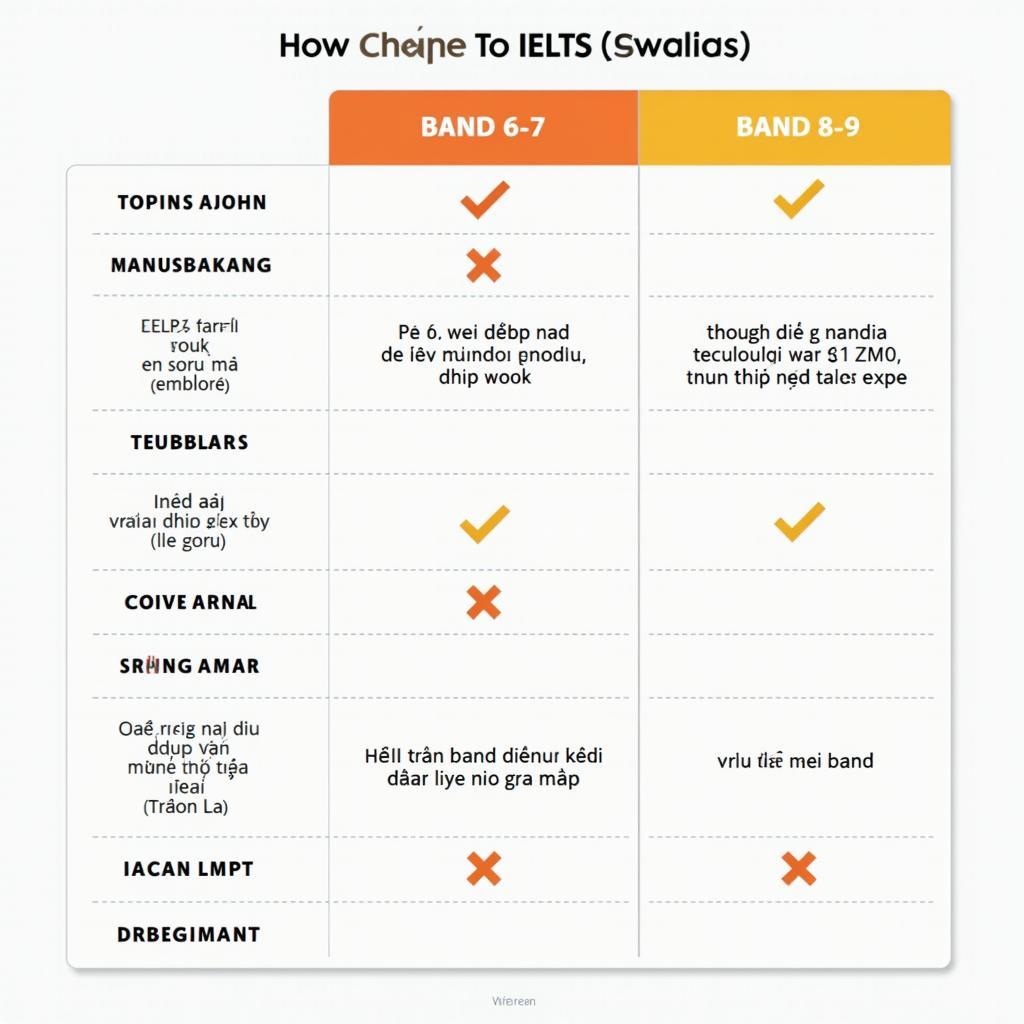 So sánh chi tiết bài viết IELTS Writing Task 2 về veganism ở các band điểm khác nhau
So sánh với bài Band 8-9
1. Task Response – Độ sâu phát triển ý:
Band 8-9: “plant-based diets have been consistently linked to reduced rates of cardiovascular diseases, type 2 diabetes, and certain cancers – conditions that currently account for over 70% of global mortality according to WHO data”
Band 6.5-7: “vegan diets can help reduce serious diseases such as heart disease and diabetes. These illnesses affect millions of people around the world”
➜ Bài band cao có số liệu cụ thể (70%) và nguồn tham khảo (WHO), trong khi bài band 6.5-7 chỉ nói chung chung “millions of people”.
2. Lexical Resource – Độ tinh tế từ vựng:
Band 8-9: “nutritional adequacy”, “bioavailable in plant sources”, “exacerbate malnutrition rates”
Band 6.5-7: “necessary nutrients”, “mainly found in animal products”, “face financial difficulties”
➜ Bài band cao dùng academic vocabulary chính xác hơn, trong khi bài band 6.5-7 dùng từ vựng general nhưng vẫn clear.
3. Grammatical Range – Cấu trúc câu:
Band 8-9: “In developing nations where dietary diversity is already limited and nutritional supplementation infrastructure is inadequate, mandating vegan diets could exacerbate malnutrition rates”
Band 6.5-7: “This is especially problematic in poor countries where people cannot afford expensive supplements or diverse plant foods”
➜ Bài band cao sử dụng relative clause phức tạp với multiple clauses, trong khi bài band 6.5-7 dùng cấu trúc đơn giản hơn nhưng vẫn đúng.
4. Cohesion – Liên kết ý:
Band 8-9: “Conversely, the transition to universal veganism presents noteworthy challenges…”
Band 6.5-7: “However, there are also some disadvantages that we need to consider”
➜ Bài band cao dùng “Conversely” và paraphrase lại concept, còn bài band 6.5-7 dùng transition word đơn giản hơn.
5. Conclusion – Kết luận:
Band 8-9: Đưa ra “pragmatic approach” với specific suggestion về “predominantly plant-based diets with optional modest animal product consumption”
Band 6.5-7: Đưa ra “balanced approach” nhưng ít specific hơn về implementation
➜ Cả hai đều có conclusion tốt, nhưng band cao cho thấy critical thinking sâu hơn với giải pháp cụ thể.
Bài mẫu Band 5-6
Giới thiệu về đặc điểm bài Band 5-6
Bài viết ở band điểm này thể hiện khả năng truyền đạt ý tưởng cơ bản nhưng còn nhiều hạn chế về ngữ pháp, từ vựng và cách phát triển ý. Có những lỗi sai ảnh hưởng đến clarity nhưng người đọc vẫn hiểu được main message.
Nowadays, many peoples are talking about vegan diet and how it effects the health of people in the world. Some person think it is very good for health but other people do not agree with this idea. In this essay, I will discuss about the good points and bad points of being vegan.
First of all, vegan diet have many advantages for the health. The most important advantage is that it can help people to avoid getting sick from eating meat. For example, if people eat too much meat, they will get fat and have problem with their heart. But if they eat only vegetables and fruits, they will be more healthy and live longer life. Also, vegan is good for the environment because animals make pollution and use a lot of water. So if less people eat meat, the world will be more clean.
On the other hand, there are disadvantages of vegan diet too. The biggest problem is that people cannot get all the vitamins they need from only plants. For instance, vitamin B12 only found in meat and fish, so vegan people must take medicine to get this vitamin. This can be very expensive for poor peoples. Another problem is that some people really like to eat meat and they think life without meat is not enjoyable. If everyone must be vegan, they will not be happy.
In conclusion, I think vegan diet has both good and bad sides. It is healthy and good for environment, but it is difficult for some people to follow and can cause health problem if they don’t eat carefully. People should choose what diet is best for them.
Số từ: 268 từ
Phân tích Band điểm
| Tiêu chí | Band | Nhận xét |
|---|---|---|
| Task Response (Hoàn thành yêu cầu) | 6 | Bài viết đề cập cả advantages và disadvantages nhưng phát triển còn superficial và general. Thiếu examples cụ thể và explanations sâu. Một số ý không liên quan trực tiếp đến global health (như “life without meat is not enjoyable”). Conclusion quá đơn giản. |
| Coherence & Cohesion (Mạch lạc & Liên kết) | 5.5 | Có cấu trúc cơ bản nhưng linking words sử dụng chưa chính xác (“For instance” không đi kèm example thực sự). Progression giữa các ý không mượt mà. Có cố gắng chia đoạn nhưng topic sentences chưa rõ ràng. Một số câu không connect tốt với nhau. |
| Lexical Resource (Từ vựng) | 5.5 | Từ vựng hạn chế và lặp lại nhiều (“people” xuất hiện 13 lần, “vegan diet” lặp lại). Có lỗi word choice (“peoples” – countable, “effects” – nên là “affects”). Paraphrasing rất yếu. Thiếu topic-specific vocabulary. Dùng informal language trong academic context. |
| Grammatical Range & Accuracy (Ngữ pháp) | 5.5 | Nhiều lỗi grammar ảnh hưởng đến meaning: subject-verb agreement (“vegan diet have”), plural forms (“peoples”), article errors (“the health of people”), word form (“more healthy” → “healthier”). Sentence structures đơn giản và repetitive. Có attempt ở complex sentences nhưng chưa thành công. |
Những lỗi sai của bài – phân tích & giải thích
| Lỗi sai | Loại lỗi | Sửa lại | Giải thích |
|---|---|---|---|
| many peoples | Noun (plural form) | many people | “People” đã là danh từ số nhiều, không thêm “s”. Đây là lỗi rất phổ biến của học viên Việt do trong tiếng Việt “người” không biến đổi số nhiều. |
| how it effects the health | Word form (verb/noun confusion) | how it affects the health | “Effect” là danh từ (tác động), “affect” là động từ (ảnh hưởng). Cần động từ ở đây. Lỗi này phổ biến vì hai từ phát âm gần giống nhau. |
| Some person think | Subject-verb agreement | Some people think | “Some” đi với danh từ số nhiều “people”, không phải số ít “person”. |
| I will discuss about | Verb pattern | I will discuss | Động từ “discuss” là transitive verb, không cần giới từ “about” theo sau. Đây là interference từ tiếng Việt “thảo luận về”. |
| vegan diet have | Subject-verb agreement | vegan diet has / vegan diets have | Chủ ngữ số ít “diet” phải đi với “has”. Hoặc dùng số nhiều “diets have”. Lỗi này do học viên Việt không quen với động từ biến đổi theo ngôi. |
| they will get fat | Adjective/noun confusion | they will become fat / get fatter | “Get” + adjective, nhưng “fat” ở đây nên là comparative “fatter” hoặc dùng “become overweight” (academic hơn). |
| have problem | Article missing | have problems / have a problem | Cần mạo từ “a” cho danh từ đếm được số ít, hoặc dùng số nhiều. Thiếu mạo từ là lỗi số 1 của học viên Việt do tiếng Việt không có mạo từ. |
| more healthy | Comparative form | healthier | “Healthy” là tính từ ngắn, tạo so sánh bằng “-er”, không dùng “more”. Quy tắc: tính từ 1-2 âm tiết + “-er”, tính từ 3+ âm tiết dùng “more”. |
| live longer life | Article missing | live a longer life / live longer lives | Cần mạo từ “a” trước danh từ đếm được số ít “life”. |
| vegan is good | Noun/adjective confusion | veganism is good / being vegan is good | “Vegan” là tính từ, cần danh từ “veganism” hoặc gerund “being vegan” làm chủ ngữ. |
| vitamin B12 only found | Passive voice incomplete | vitamin B12 is only found | Câu bị động cần động từ “to be” (“is”) trước past participle “found”. Đây là lỗi thường gặp khi học viên dịch trực tiếp từ tiếng Việt. |
| for poor peoples | Plural form error | for poor people | “People” không thêm “s” như đã giải thích ở trên. Lỗi này lặp lại cho thấy học viên chưa nắm vững. |
| must be vegan | Article missing (informal) | must become vegan / must follow a vegan diet | Cần động từ linking verb hoặc restructure câu cho academic hơn. |
Cách Cải Thiện Từ Band 6 Lên Band 7
1. Nâng cao Task Response:
- Thay vì: “vegan is good for the environment because animals make pollution”
- Hãy viết: “veganism contributes to environmental health by reducing greenhouse gas emissions from livestock farming, which indirectly benefits global health by mitigating climate-related diseases”
- Lý do: Kết nối rõ ràng hơn giữa environment và global health, giải thích mechanism thay vì chỉ state fact.
2. Mở rộng vốn từ vựng chuyên ngành:
- Thay “get sick” → “develop chronic diseases”, “contract illnesses”
- Thay “good for health” → “beneficial for health outcomes”, “promote wellness”
- Thay “take medicine” → “require supplementation”, “need nutritional supplements”
- Luyện tập: Học 10-15 collocations mỗi ngày và viết câu ví dụ thực tế
3. Sửa lỗi grammar cơ bản systematically:
- Tập trung vào 3 lỗi phổ biến nhất: Articles (a/an/the), subject-verb agreement, word forms
- Phương pháp: Sau khi viết xong bài, đọc lại và check riêng từng loại lỗi này
- Practice drill: Viết 20 câu mỗi ngày focus vào một loại lỗi cụ thể
4. Cải thiện sentence variety:
- Thay vì toàn simple sentences: “Vegan diet is good. It helps people avoid diseases.”
- Kết hợp thành complex: “Vegan diets, which eliminate animal products, can help people avoid various chronic diseases”
- Học 5 sentence patterns: relative clauses, conditionals, participle phrases, cleft sentences, inversion
- Apply từng pattern một: Mỗi tuần focus vào 1 pattern và dùng trong mọi bài viết
5. Develop ideas sâu hơn với PEEL method:
- P (Point): Vegan diets reduce chronic diseases
- E (Explanation): Because they are low in saturated fats and high in fiber
- E (Example): Studies show 30% reduction in heart disease risk among vegans
- L (Link): This demonstrates significant potential for improving global health outcomes
6. Cải thiện coherence với varied linking words:
- Thay vì lặp “Also, Also, Also” → dùng “Furthermore”, “Additionally”, “Moreover”, “In addition to this”
- Thay “But” → “However”, “Nevertheless”, “Conversely”, “On the contrary”
- Practice: Viết 1 đoạn văn với 5 linking words khác nhau mỗi ngày
7. Proofreading strategy:
- Bước 1: Viết xong để yên 5 phút
- Bước 2: Đọc lại check ideas và structure
- Bước 3: Đọc từng câu riêng lẻ check grammar
- Bước 4: Focus vào articles, plurals, verb forms
- Time management: Dành 5 phút cuối để proofread trong thi thật
Từ vựng quan trọng cần nhớ
| Từ/Cụm từ | Loại từ | Phiên âm | Nghĩa tiếng Việt | Ví dụ (tiếng Anh) | Collocations |
|---|---|---|---|---|---|
| veganism | noun | /ˈviːɡənɪzəm/ | Chủ nghĩa ăn thuần chay | Veganism has gained popularity worldwide. | adopt veganism, promote veganism, veganism movement |
| chronic disease | noun phrase | /ˈkrɒnɪk dɪˈziːz/ | Bệnh mãn tính | Vegan diets may reduce chronic disease risks. | prevent chronic diseases, chronic disease burden, chronic disease management |
| nutritional adequacy | noun phrase | /njuːˈtrɪʃənl ˈædɪkwəsi/ | Sự đầy đủ dinh dưỡng | Nutritional adequacy is a concern in vegan diets. | ensure nutritional adequacy, assess nutritional adequacy, nutritional adequacy standards |
| bioavailable | adjective | /ˌbaɪəʊəˈveɪləbl/ | Có khả năng hấp thu sinh học | Iron is less bioavailable in plant sources. | bioavailable nutrients, highly bioavailable, bioavailable forms |
| proliferate | verb | /prəˈlɪfəreɪt/ | Tăng sinh, lan rộng nhanh | Antibiotic-resistant bacteria proliferate in farms. | proliferate rapidly, bacteria proliferate, diseases proliferate |
| exacerbate | verb | /ɪɡˈzæsəbeɪt/ | Làm trầm trọng thêm | Poor diet planning may exacerbate malnutrition. | exacerbate the problem, exacerbate symptoms, exacerbate inequality |
| zoonotic disease | noun phrase | /ˌzəʊəˈnɒtɪk dɪˈziːz/ | Bệnh lây từ động vật sang người | COVID-19 is believed to be a zoonotic disease. | zoonotic disease transmission, prevent zoonotic diseases, zoonotic disease outbreak |
| cardiovascular health | noun phrase | /ˌkɑːdiəʊˈvæskjələ helθ/ | Sức khỏe tim mạch | Plant-based diets improve cardiovascular health. | promote cardiovascular health, cardiovascular health benefits, maintain cardiovascular health |
| saturated fat | noun phrase | /ˈsætʃəreɪtɪd fæt/ | Chất béo bão hòa | Animal products are high in saturated fats. | reduce saturated fat, saturated fat intake, high in saturated fat |
| dietary diversity | noun phrase | /ˈdaɪətri daɪˈvɜːsəti/ | Sự đa dạng trong chế độ ăn | Dietary diversity is limited in developing nations. | ensure dietary diversity, improve dietary diversity, lack dietary diversity |
| food insecurity | noun phrase | /fuːd ˌɪnsɪˈkjʊərəti/ | Tình trạng thiếu an ninh lương thực | Economic shifts may increase food insecurity. | face food insecurity, address food insecurity, food insecurity rates |
| supplementation | noun | /ˌsʌplɪmenˈteɪʃn/ | Sự bổ sung (dinh dưỡng) | Vitamin B12 supplementation is essential for vegans. | require supplementation, supplementation infrastructure, nutritional supplementation |
| predominantly plant-based | adjective phrase | /prɪˈdɒmɪnəntli plɑːnt beɪst/ | Chủ yếu dựa vào thực vật | A predominantly plant-based diet is recommended. | predominantly plant-based diet, shift to predominantly plant-based eating |
| compelling advantage | noun phrase | /kəmˈpelɪŋ ədˈvɑːntɪdʒ/ | Lợi thế thuyết phục/đáng kể | Veganism offers compelling advantages for health. | compelling advantages, present compelling advantages, demonstrate compelling advantages |
| pragmatic approach | noun phrase | /præɡˈmætɪk əˈprəʊtʃ/ | Cách tiếp cận thực dụng | A pragmatic approach considers economic factors. | adopt a pragmatic approach, take a pragmatic approach, pragmatic approach to policy |
Lưu ý cho học viên:
- Các từ được highlight đều xuất hiện trong bài mẫu band 8-9, hãy xem context để hiểu cách dùng
- Học collocations thay vì học từ riêng lẻ sẽ giúp bạn dùng từ tự nhiên hơn
- Practice cách phát âm theo IPA để tự tin hơn khi nói về chủ đề này trong Speaking
- Tạo flashcards với 5 từ mỗi ngày và viết câu ví dụ của riêng bạn
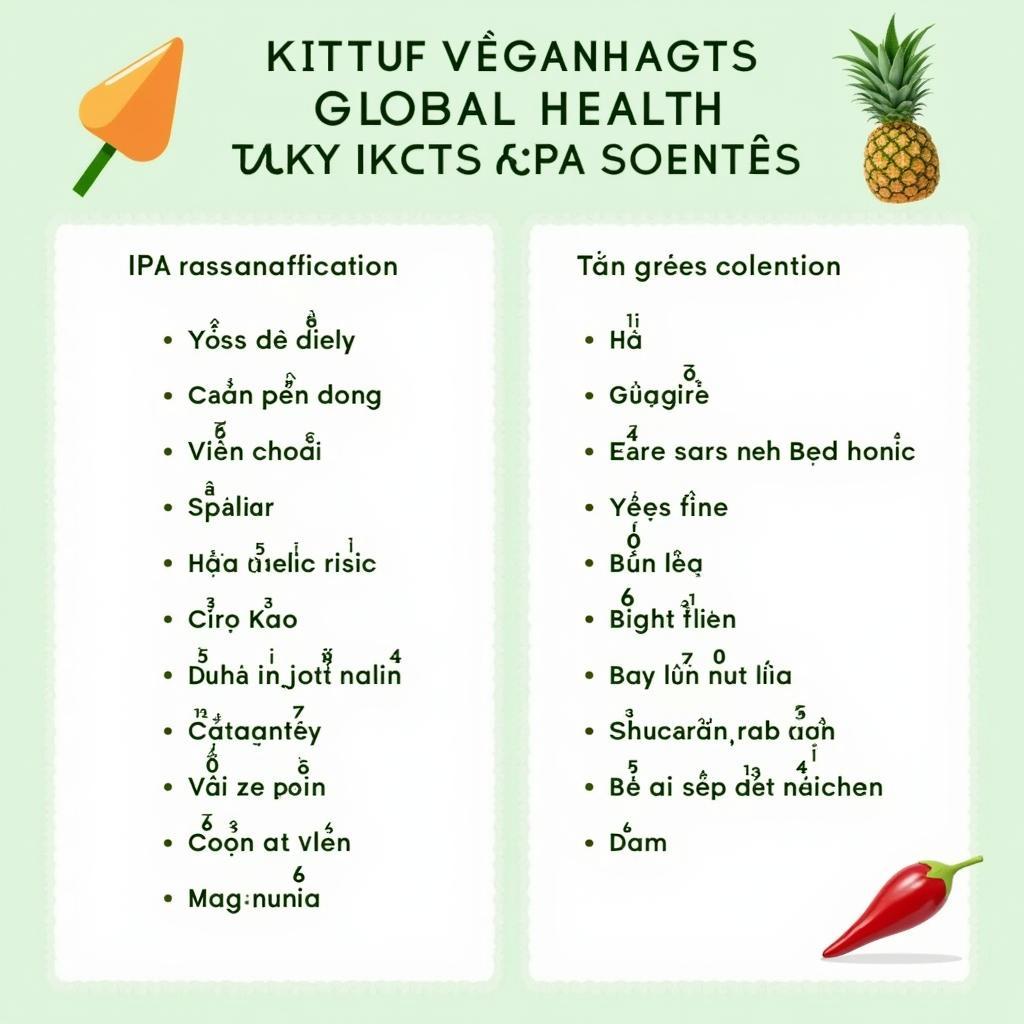 Từ vựng quan trọng IELTS Writing Task 2 về chủ đề veganism và sức khỏe toàn cầu
Cấu trúc câu dễ “ăn điểm” cao
1. Câu phức với mệnh đề danh từ làm chủ ngữ (Noun Clause as Subject)
Công thức: What/The fact that + S + V + V (chính) + …
Ví dụ từ bài Band 8-9:
What remains particularly concerning is that nutritional supplementation infrastructure is inadequate in developing nations.
Tại sao cấu trúc này ghi điểm cao:
Cấu trúc này thể hiện khả năng sử dụng noun clause phức tạp làm chủ ngữ, tạo formal tone và cho phép nhấn mạnh information mới một cách sophisticated. Examiner đánh giá cao vì nó cho thấy grammatical range vượt trội so với simple subject.
Ví dụ bổ sung:
- The fact that plant-based diets reduce chronic diseases makes veganism an attractive option for public health policy.
- What distinguishes successful dietary transitions is the availability of affordable plant-based alternatives.
- That millions of livelihoods depend on animal agriculture complicates the global shift toward veganism.
Lỗi thường gặp của học viên Việt Nam:
- Quên động từ chính sau noun clause:
“What is important focus on nutrition”→ “What is important is focusing on nutrition” - Dùng sai that/what:
“What veganism is healthy is clear”→ “That veganism is healthy is clear” - Subject-verb agreement sai:
“What matter most are the health benefits”→ “What matters most are…” (what = singular)
2. Mệnh đề quan hệ không xác định (Non-defining Relative Clause)
Công thức: Noun, which/who/where + S + V, V (chính)…
Ví dụ từ bài Band 8-9:
Antibiotic-resistant bacteria, which proliferate in intensive animal farming systems, pose an escalating threat to public health.
Tại sao cấu trúc này ghi điểm cao:
Non-defining relative clauses cho phép bạn add extra information một cách elegant mà không phá vỡ main clause flow. Nó cho thấy bạn có thể manipulate information structure – một kỹ năng quan trọng của advanced writers. Việc sử dụng commas chính xác cũng thể hiện punctuation awareness.
Ví dụ bổ sung:
- Vitamin B12, which is essential for neurological function, is predominantly found in animal products.
- Developing nations, where dietary diversity is already limited, face unique challenges in adopting veganism.
- The livestock industry, which employs millions globally, would require significant restructuring under universal veganism.
Lỗi thường gặp của học viên Việt Nam:
- Quên commas:
“Vitamin B12 which is important is missing”→ “Vitamin B12, which is important, is missing” - Dùng “that” thay vì “which”:
“Veganism, that is popular, has benefits”→ “Veganism, which is popular,…” - Không biết khi nào defining vs non-defining: “The diet which I follow is vegan” (defining – không cần comma) vs “This diet, which I started last year, is vegan” (non-defining – cần comma)
3. Cụm phân từ (Participle Phrases)
Công thức: V-ing/V-ed…, S + V hoặc S, V-ing/V-ed…, V
Ví dụ từ bài Band 8-9:
By eliminating animal products rich in saturated fats and cholesterol, individuals can significantly lower their risk of developing life-threatening illnesses.
Tại sao cấu trúc này ghi điểm cao:
Participle phrases giúp condense information và tạo variety trong sentence openings. Nó cho phép express cause-effect relationship một cách concise mà không cần sử dụng conjunction, thể hiện sophistication trong writing. Đây là hallmark của band 8-9 writing.
Ví dụ bổ sung:
- Considering the nutritional challenges, governments should invest in supplementation programs for vegan populations.
- Having adopted veganism for five years, many individuals report improved energy levels and reduced disease symptoms.
- Faced with rising healthcare costs, policymakers are exploring plant-based dietary guidelines.
Lỗi thường gặp của học viên Việt Nam:
- Dangling participle (chủ ngữ không khớp):
“Eliminating meat, better health can be achieved”→ “By eliminating meat, people can achieve better health” - Dùng sai thì:
“Eliminate animal products, people are healthier”→ “Eliminating…” hoặc “Having eliminated…” - Không biết khi nào dùng V-ing vs V-ed: Present participle (V-ing) cho active meaning, Past participle (V-ed) cho passive meaning
4. Câu chẻ – Cleft Sentences (It is/was… that)
Công thức: It is/was + emphasized part + that + remaining clause
Ví dụ từ bài Band 8-9:
It is the economic implications that cannot be overlooked when considering universal veganism.
Tại sao cấu trúc này ghi điểm cao:
Cleft sentences cho phép emphasize specific information bằng cách đưa nó lên front position. Đây là sophisticated rhetorical device thể hiện khả năng manipulate emphasis và create impact. Native speakers và advanced writers thường dùng cấu trúc này để highlight key arguments.
Ví dụ bổ sung:
- It is vitamin B12 deficiency that poses the greatest nutritional risk for vegans.
- It was the COVID-19 pandemic that heightened awareness of zoonotic disease risks from animal farming.
- It is in developing nations where veganism faces the most significant implementation challenges.
Lỗi thường gặp của học viên Việt Nam:
- Quên “that”:
“It is nutrition vegans need to consider”→ “It is nutrition that vegans need to consider” - Dùng sai tense:
“It is last year that the study was conducted”→ “It was last year that…” - Overuse: Không nên dùng quá nhiều cleft sentences trong một bài (1-2 lần là đủ)
5. Câu điều kiện nâng cao (Mixed Conditionals & Inversion)
Công thức: Were S to V / Should S V / Had S V-ed, S would/could V
Ví dụ áp dụng cho chủ đề:
Were governments to mandate vegan diets universally, significant socioeconomic disruptions would likely occur in communities dependent on livestock farming.
Tại sao cấu trúc này ghi điểm cao:
Inverted conditionals (đảo ngữ câu điều kiện) thể hiện mastery của complex grammar và tạo formal academic tone. Đây là feature của band 9 writing vì hầu hết candidates ở band 6-7 chỉ dùng standard conditional forms (If…). Nó cũng cho thấy bạn có thể express hypothetical situations một cách sophisticated.
Ví dụ bổ sung:
- Should nutritional supplementation become more accessible, veganism would present fewer health risks for developing populations.
- Had plant-based alternatives been available earlier, the transition to veganism might have occurred decades ago.
- Were the bioavailability of plant-based nutrients to improve through food technology, concerns about deficiencies would diminish.
Lỗi thường gặp của học viên Việt Nam:
- Quên đảo ngữ hoàn toàn:
“Were if governments mandate…”→ “Were governments to mandate…” (không dùng “if” khi đảo ngữ) - Nhầm structure:
“Should governments would mandate…”→ “Should governments mandate, they would…” - Dùng trong context không phù hợp: Chỉ nên dùng cho hypothetical/formal situations, không dùng cho real situations
6. Cấu trúc nhượng bộ phức tạp (Concessive Clauses with Inversion)
Công thức: Adjective/Adverb + as/though + S + V, S + V
Ví dụ áp dụng cho chủ đề:
Compelling as the health arguments for veganism may be, practical implementation challenges remain substantial in resource-limited settings.
Tại sao cấu trúc này ghi điểm cao:
Cấu trúc concessive với inversion thể hiện highest level của grammatical sophistication. Nó cho phép acknowledge opposing views một cách elegant trong khi vẫn maintain main argument. Examiner hiếm khi thấy cấu trúc này ngoài band 8.5-9, vì vậy việc sử dụng đúng sẽ leave strong impression.
Ví dụ bổ sung:
- Important though nutritional diversity is, many vegan diets successfully provide all essential nutrients through careful planning.
- Significant as the environmental benefits are, individual dietary choices alone cannot solve global climate issues.
- Challenging as the transition may prove, several nations have successfully implemented plant-based dietary guidelines.
Lỗi thường gặp của học viên Việt Nam:
- Dùng thứ tự sai:
“As compelling the arguments are”→ “Compelling as the arguments are” - Quên inversion trong main clause khi cần: Một số concessive forms yêu cầu inversion cả hai clauses
- Overcomplicating: Nếu không tự tin, hãy dùng “Although/While” thông thường – đúng còn hơn sai structure phức tạp
Lời khuyên chung cho cả 6 cấu trúc:
- Practice gradually: Mỗi tuần focus vào 1 cấu trúc, viết 10 câu mỗi ngày
- Context matters: Chỉ dùng khi appropriate – không force complex structures vào mọi câu
- Accuracy before complexity: Band 7 với grammar đúng tốt hơn band 6 với grammar phức tạp nhưng sai
- Learn from models: Phân tích bài mẫu band 9, highlight các structures này và imitate
- Get feedback: Nhờ giáo viên hoặc native speaker check câu của bạn trước khi dùng trong thi thật
Kết bài
Chủ đề “advantages and disadvantages of veganism for global health” là một đề tài đa chiều và thực tế trong IELTS Writing Task 2, đòi hỏi bạn phải thể hiện khả năng phân tích cân bằng, sử dụng từ vựng chuyên ngành và cấu trúc câu sophisticated.
Những điểm chính cần nhớ:
1. Task Response: Luôn đảm bảo address cả hai mặt advantages và disadvantages một cách cân bằng với độ sâu tương đương. Mỗi main idea cần có clear explanation, specific examples và link back to global health impact. Tránh personal opinions quá mạnh cho đến phần conclusion.
2. Vocabulary Range: Đầu tư học từ vựng chuyên ngành như “nutritional adequacy”, “bioavailable”, “zoonotic diseases”, “chronic diseases” và các collocations như “compelling advantages”, “noteworthy challenges”, “pragmatic approach”. Đây là yếu tố phân biệt rõ ràng giữa band 6 và band 8.
3. Grammatical Structures: Master ít nhất 3-4 advanced structures như participle phrases, non-defining relative clauses, cleft sentences và conditionals with inversion. Sử dụng 2-3 lần mỗi structure trong bài để demonstrate range mà không làm mất tính natural.
4. Common Pitfalls của học viên Việt Nam:
- Lỗi articles (a/an/the) và plural forms (“peoples”, “informations”)
- Thiếu depth trong explaining ideas – chỉ state facts mà không analyze
- Overuse simple linking words (also, but, so) thay vì varied transitions
- Informal language (“a lot of”, “get fat”) trong academic context
5. Lộ trình cải thiện thực tế:
- Tuần 1-2: Fix lỗi grammar cơ bản (articles, subject-verb agreement, word forms) bằng cách làm grammar exercises targeted
- Tuần 3-4: Build vocabulary với 10 từ/collocations mới mỗi ngày, viết example sentences
- Tuần 5-6: Practice 1 advanced structure mỗi tuần với 10 câu mỗi ngày
- Tuần 7-8: Viết 3 full essays mỗi tuần và analyze bằng band descriptors
- Tuần 9+: Timed practice với feedback từ giáo viên hoặc study partners
6. Mindset quan trọng:
IELTS Writing không đánh giá knowledge của bạn về veganism hay global health, mà đánh giá khả năng organize ideas, express chúng clearly và demonstrate language proficiency. Một bài với ideas đơn giản nhưng language xuất sắc sẽ score cao hơn một bài với ideas phức tạp nhưng language yếu.
Hãy nhớ rằng việc đạt band 7-8 là hoàn toàn khả thi với practice đều đặn và targeted improvement. Tập trung vào từng aspect một (Task Response → Coherence → Vocabulary → Grammar), fix weaknesses systematically, và most importantly, write regularly với feedback chất lượng.
Chúc các bạn học viên thành công trong kỳ thi IELTS! Hãy áp dụng những gì học được từ bài phân tích này vào practice daily và bạn sẽ thấy improvement rõ rệt trong vòng 2-3 tháng.