Mở bài
Chủ đề “Role Of Art In Social Change” – Vai trò của nghệ thuật trong thay đổi xã hội là một trong những chủ đề xuất hiện thường xuyên trong IELTS Reading, đặc biệt trong các phần thi từ năm 2018 đến nay. Đây là chủ đề thuộc lĩnh vực Arts and Culture, thường chiếm khoảng 15-20% các bài đọc trong kỳ thi IELTS Academic.
Bài viết này cung cấp cho bạn một bộ đề thi IELTS Reading hoàn chỉnh với 3 passages có độ khó tăng dần, từ Easy đến Hard, bao gồm tổng cộng 40 câu hỏi đa dạng giống như thi thật. Bạn sẽ học được cách xử lý các dạng câu hỏi phổ biến như True/False/Not Given, Matching Headings, Multiple Choice, và Summary Completion. Mỗi câu hỏi đều có đáp án chi tiết kèm giải thích rõ ràng về cách tìm thông tin và kỹ thuật paraphrase. Ngoài ra, bạn sẽ được trang bị một kho từ vựng học thuật quan trọng về nghệ thuật và xã hội, giúp nâng cao vốn từ cho cả kỹ năng Reading và Writing.
Đề thi này phù hợp cho học viên có trình độ từ band 5.0 trở lên, đặc biệt hữu ích cho những ai đang nhắm đến band điểm 6.5-7.5.
Hướng dẫn làm bài IELTS Reading
Tổng Quan Về IELTS Reading Test
IELTS Reading Test kéo dài 60 phút và bao gồm 3 passages với tổng cộng 40 câu hỏi. Điểm đặc biệt là bạn không có thêm thời gian để chuyển đáp án sang Answer Sheet, do đó cần quản lý thời gian cực kỳ chặt chẽ.
Phân bổ thời gian khuyến nghị:
- Passage 1: 15-17 phút (13 câu hỏi)
- Passage 2: 18-20 phút (13 câu hỏi)
- Passage 3: 23-25 phút (14 câu hỏi)
Lưu ý rằng độ khó tăng dần từ Passage 1 đến Passage 3, vì vậy đừng dành quá nhiều thời gian cho phần đầu và để phần khó nhất bị thiếu thời gian.
Các Dạng Câu Hỏi Trong Đề Này
Đề thi mẫu này bao gồm 7 dạng câu hỏi phổ biến nhất trong IELTS Reading:
- Multiple Choice – Trả lời câu hỏi bằng cách chọn A, B, C, hoặc D
- True/False/Not Given – Xác định thông tin đúng, sai, hay không được đề cập
- Matching Sentence Endings – Nối vế câu cho phù hợp
- Matching Headings – Chọn tiêu đề phù hợp cho mỗi đoạn
- Summary Completion – Điền từ vào chỗ trống trong đoạn tóm tắt
- Matching Features – Nối thông tin với người/tổ chức tương ứng
- Short-answer Questions – Trả lời câu hỏi ngắn
IELTS Reading Practice Test
PASSAGE 1 – Art as a Catalyst for Social Transformation
Độ khó: Easy (Band 5.0-6.5)
Thời gian đề xuất: 15-17 phút
Throughout history, art has served as more than just a form of entertainment or aesthetic pleasure. It has functioned as a powerful tool for social commentary, political resistance, and community mobilization. From ancient cave paintings that communicated hunting techniques to modern street art that challenges governmental policies, the relationship between art and social change remains deeply interconnected.
The impact of art on society can be observed through various mechanisms. Firstly, art provides a visual language that transcends literacy barriers. During the Mexican Revolution in the early 20th century, muralists like Diego Rivera created large-scale public artworks that educated citizens about their history and rights. These murals were strategically positioned in public buildings where illiterate workers could see them, effectively communicating complex political messages without requiring the audience to read a single word.
Secondly, art generates emotional responses that can motivate people to action. The Vietnam War era in the United States witnessed an explosion of protest music that gave voice to anti-war sentiments. Songs by artists such as Bob Dylan and Joan Baez didn’t just reflect opposition to the war; they helped crystallize and amplify public discontent, contributing to one of the largest social movements in American history. The emotional power of music mobilized millions of people who might otherwise have remained politically inactive.
Photography has also played a crucial role in documenting social injustices and prompting reform. In the 1960s, photographs of civil rights protests in the American South, showing peaceful demonstrators being attacked with fire hoses and police dogs, shocked the nation and the world. These images provided undeniable evidence of brutality and discrimination, making it impossible for people to ignore the struggle for racial equality. The visual testimony of photographers like Charles Moore accelerated legislative changes, including the passage of the Civil Rights Act of 1964.
Theater and performance art offer another avenue for social transformation by creating immersive experiences that challenge audiences to examine their own beliefs and biases. Augusto Boal, a Brazilian theater director, developed “Theater of the Oppressed” in the 1970s—a form of interactive theater where audience members could stop performances and suggest alternative actions for characters facing oppression. This technique has been used worldwide to address issues ranging from domestic violence to land rights, empowering communities to imagine and rehearse solutions to their own problems.
Contemporary digital art and social media have revolutionized the speed and reach of art as activism. Hashtag movements often incorporate visual elements—from protest graphics to viral videos—that spread awareness about social issues within hours rather than years. The #BlackLivesMatter movement, for instance, has been accompanied by powerful visual art that appears on protest signs, social media profiles, and building murals, creating a cohesive visual identity that strengthens the movement’s message and solidarity.
However, the relationship between art and social change is not always straightforward. Critics argue that art can be co-opted by the very power structures it seeks to challenge. When protest art becomes fashionable or commercially successful, its radical message may be diluted or transformed into mere decoration. Street artist Banksy’s work, originally created as anti-establishment commentary, now sells for millions of dollars at auctions, raising questions about whether art can maintain its transformative power when it enters mainstream markets.
Despite these challenges, evidence suggests that art continues to play a vital role in inspiring social change. Whether through raising awareness, building community solidarity, or providing alternative narratives to dominant ideologies, artistic expression remains an indispensable component of social movements around the world. As technology evolves and new art forms emerge, the potential for art to shape society only grows stronger.
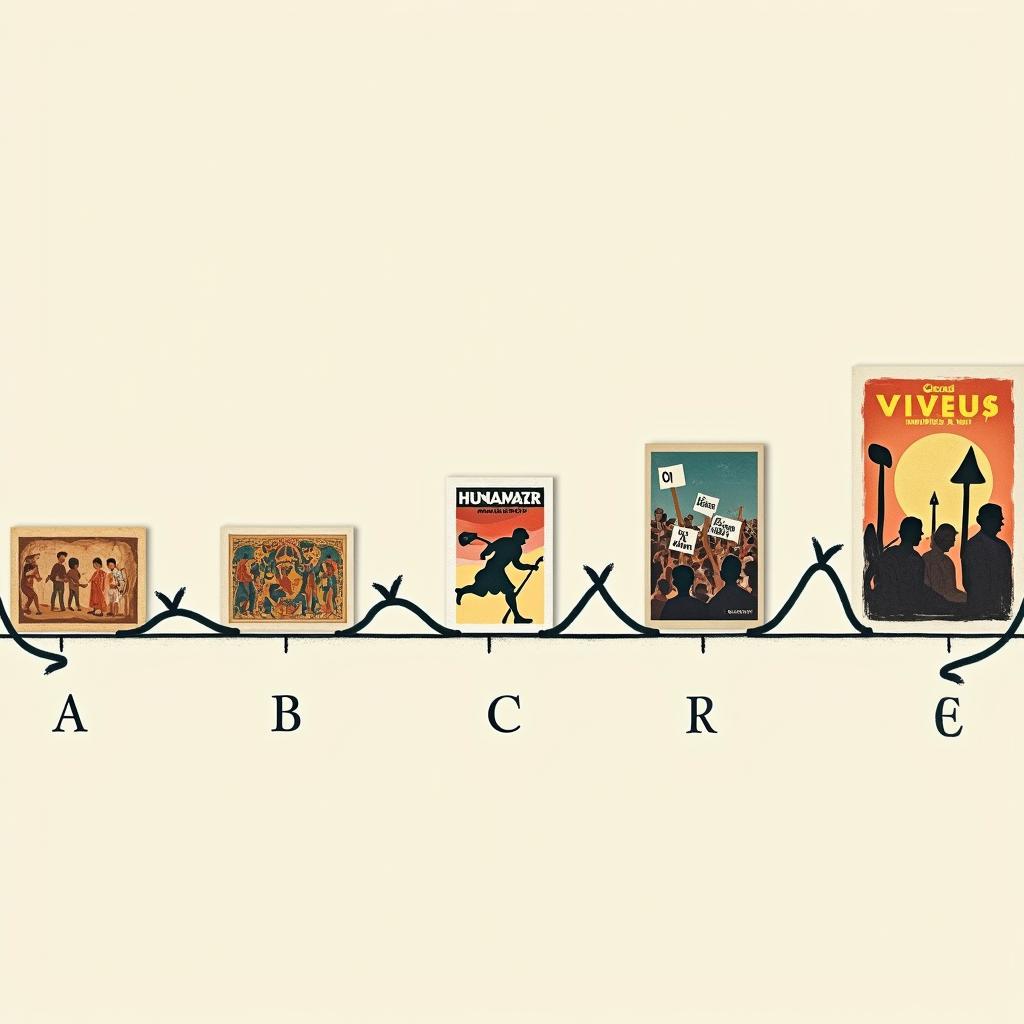 Lịch sử vai trò của nghệ thuật trong thay đổi xã hội qua các thời kỳ từ cổ đại đến hiện đại
Questions 1-5
Do the following statements agree with the information given in Passage 1?
Write:
- TRUE if the statement agrees with the information
- FALSE if the statement contradicts the information
- NOT GIVEN if there is no information on this
- Diego Rivera’s murals were designed to educate people who could not read.
- Anti-war music during the Vietnam era had no significant impact on public opinion.
- Charles Moore was arrested for taking photographs of civil rights protests.
- Theater of the Oppressed was originally developed in South America.
- Banksy personally supports the sale of his artwork at expensive auctions.
Questions 6-9
Complete the sentences below.
Choose NO MORE THAN TWO WORDS from the passage for each answer.
- Art provides a __ that can be understood even by people who cannot read.
- During the Vietnam War, protest music helped to __ public opposition to the conflict.
- Photographs from the 1960s civil rights movement offered __ of discrimination and violence.
- The #BlackLivesMatter movement has created a __ through its visual artwork.
Questions 10-13
Choose the correct letter, A, B, C, or D.
-
According to the passage, what was one purpose of Diego Rivera’s murals?
A. To decorate public buildings
B. To earn money for the revolution
C. To teach citizens about their rights
D. To demonstrate painting techniques -
What does the passage suggest about photography’s role in the civil rights movement?
A. It replaced the need for written journalism
B. It helped bring about legal reforms
C. It was less effective than other art forms
D. It primarily served as historical documentation -
What concern does the passage raise about protest art becoming commercially successful?
A. Artists may earn too much money
B. The artwork may lose its original purpose
C. Museums may refuse to display it
D. The quality of the art may decline -
What is the main argument of the final paragraph?
A. Technology will eventually replace traditional art forms
B. Art’s influence on society is decreasing over time
C. Art remains important for driving social change
D. New art forms are superior to historical ones
PASSAGE 2 – The Psychology Behind Art’s Influence on Social Movements
Độ khó: Medium (Band 6.0-7.5)
Thời gian đề xuất: 18-20 phút
The question of how and why art catalyzes social change has long intrigued psychologists, sociologists, and cultural theorists. While the connection between artistic expression and societal transformation is well-documented, the underlying psychological mechanisms that make art such a potent force for change are more nuanced than they might initially appear. Understanding these mechanisms reveals why certain artistic movements succeed in galvanizing public opinion while others fail to gain traction.
Central to art’s persuasive power is its ability to activate what psychologists call “narrative transportation”—a phenomenon where individuals become so cognitively and emotionally absorbed in a story that their attitudes and beliefs shift accordingly. Unlike straightforward factual presentations, which often trigger defensive psychological responses when they challenge existing beliefs, art smuggles ideas past our rational defenses by engaging us emotionally first. A 2013 study by psychologist Melanie Green found that participants who read a story about a Muslim woman facing discrimination showed significantly reduced prejudice compared to those who read factual information about discrimination, precisely because the narrative form circumvented their initial resistance.
This mechanism explains why propagandistic art has been employed by both progressive social movements and authoritarian regimes throughout history. Soviet social realism, Nazi aesthetic programs, and American New Deal murals all understood that art could reshape public consciousness more effectively than direct instruction. However, the ethical implications of this power remain contested terrain. When does art that promotes social change become manipulation? The line between persuasion and propaganda often depends on whether the viewer shares the artist’s values—what appears as consciousness-raising to supporters may seem like indoctrination to opponents.
Art also functions as what sociologist Ann Swidler terms a “toolkit” for social action. Rather than directly causing behavioral change, art provides symbolic resources—images, narratives, metaphors—that people can use to make sense of their experiences and coordinate collective action. The iconography of the clenched fist, for instance, has been appropriated by labor movements, anti-racist organizations, and pro-democracy protests across different cultures and time periods. This symbol doesn’t create solidarity by itself; instead, it gives people a shared visual language to express existing feelings of resistance and to recognize fellow activists.
The concept of “aesthetic activism” has gained scholarly attention in recent years, particularly regarding how art creates what political scientist James Scott calls “hidden transcripts”—forms of resistance that can operate beneath the radar of authorities. In repressive political contexts, artists often use metaphor, allegory, and ambiguity to critique power structures while maintaining plausible deniability. Chinese artist Ai Weiwei’s installations, which incorporate traditional craftsmanship and cultural symbols, simultaneously celebrate Chinese heritage and critique governmental policies, making them difficult for authorities to dismiss without appearing to reject Chinese culture itself. This strategic ambiguity allows art to circulate dangerous ideas while evading censorship.
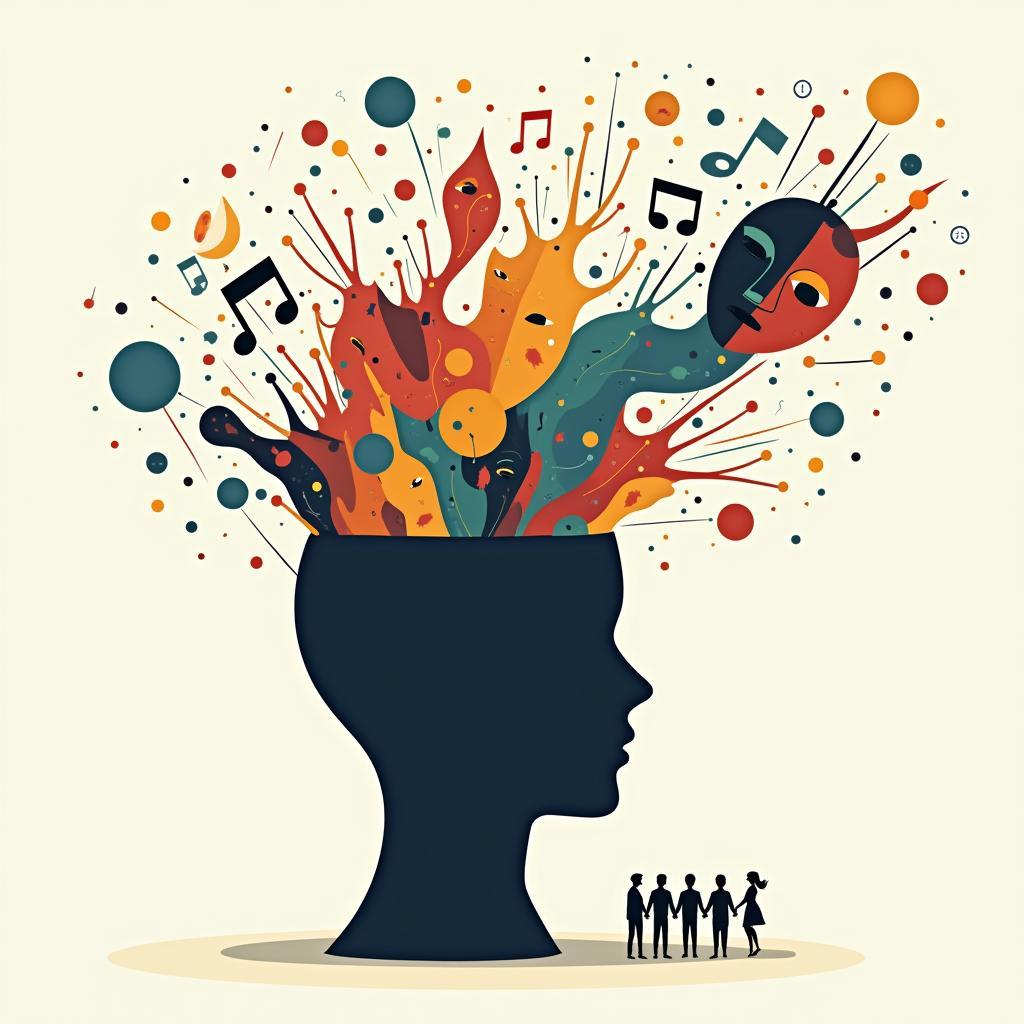 Tâm lý học đằng sau ảnh hưởng của nghệ thuật đối với các phong trào xã hội và thay đổi hành vi
Furthermore, art generates what anthropologist Victor Turner describes as “communitas”—a sense of immediate community and belonging that emerges during collective experiences. When thousands attend a benefit concert for a social cause, or when neighbors collaborate on a community mural, the experience of creating or consuming art together builds social bonds that can be mobilized for political action. These bonds are particularly powerful because they’re forged through shared emotion rather than shared ideology alone, making them more resilient to internal disagreement about tactics or specific goals.
The neuroscience of aesthetic experience provides additional insight into art’s social impact. Brain imaging studies show that viewing art activates the reward centers of our brains, releasing dopamine and creating pleasurable associations with whatever ideas the artwork conveys. This neurological reward system may explain why social movements that incorporate creative expression—from protest songs to choreographed demonstrations—tend to maintain member engagement better than those relying solely on meetings and pamphlets. The pleasure of aesthetic experience literally rewires our neural pathways, strengthening our commitment to the associated cause.
However, scholars also warn against overstating art’s autonomy as a force for change. Art critic Claire Bishop argues that art becomes socially effective only when embedded within larger networks of activism, including grassroots organizing, legal advocacy, and policy work. Artistic interventions that lack these connections often remain symbolically powerful but practically impotent, generating discussion without producing tangible outcomes. The most successful instances of art-driven social change—from the AIDS activist art collective Gran Fury to the contemporary climate justice movement’s creative protests—combine aesthetic innovation with strategic political organizing.
The digital age has complicated these dynamics considerably. On one hand, social media platforms enable artistic activism to reach unprecedented audiences instantaneously. A single powerful image can achieve viral distribution, raising awareness about issues that might otherwise remain obscure. On the other hand, the constant flow of online content may produce “slacktivism”—a phenomenon where people substitute meaningful engagement with mere symbolic gestures like sharing images or signing online petitions. The ease of digital participation can create an illusion of impact while actually diluting the intensity of commitment that sustained social movements require.
Questions 14-18
Choose the correct letter, A, B, C, or D.
-
What is “narrative transportation” according to the passage?
A. The physical movement of art between locations
B. A state where stories influence people’s beliefs
C. The translation of art into different languages
D. The historical development of artistic narratives -
Why does the passage mention Soviet social realism and Nazi aesthetic programs?
A. To show that only authoritarian regimes use art politically
B. To demonstrate that art has limited influence on society
C. To illustrate that various political systems have used art to influence public opinion
D. To argue that propaganda art is always unethical -
According to Ann Swidler’s concept, art functions primarily by:
A. directly forcing people to change their behavior
B. providing resources people use to understand and organize action
C. creating entirely new emotions that didn’t exist before
D. replacing traditional forms of political communication -
What does the passage say about Ai Weiwei’s art?
A. It openly attacks the Chinese government
B. It has been banned by Chinese authorities
C. It uses ambiguity to both celebrate and critique Chinese culture
D. It focuses exclusively on traditional craftsmanship -
According to Claire Bishop, when is art most effective at creating social change?
A. When it is displayed in prestigious galleries
B. When it is combined with organized activism
C. When it focuses purely on aesthetic beauty
D. When it avoids any connection to politics
Questions 19-23
Complete the summary below.
Choose NO MORE THAN TWO WORDS from the passage for each answer.
Art influences social movements through several psychological mechanisms. One key process is 19. __, where people become deeply engaged with stories. This approach works better than presenting facts alone because it avoids triggering 20. __ that make people resist new ideas. Art also provides what sociologists call a 21. __ of symbolic resources that help people coordinate action together. In repressive societies, artists use 22. __ to criticize authorities while avoiding censorship. Additionally, collective artistic experiences create 23. __, a special feeling of community that strengthens social bonds within movements.
Questions 24-26
Do the following statements agree with the claims of the writer in Passage 2?
Write:
- YES if the statement agrees with the claims of the writer
- NO if the statement contradicts the claims of the writer
- NOT GIVEN if it is impossible to say what the writer thinks about this
- The distinction between persuasive art and propaganda is entirely objective and clear.
- Brain imaging research shows that viewing art activates pleasure centers in the brain.
- Social media has made artistic activism more effective in all situations.
PASSAGE 3 – Redefining Efficacy: Contemporary Debates on Art’s Role in Social Justice
Độ khó: Hard (Band 7.0-9.0)
Thời gian đề xuất: 23-25 phút
The discourse surrounding art’s capacity to engender substantive social change has evolved considerably in recent decades, moving from relatively uncritical celebrations of artistic activism toward more theoretically sophisticated examinations of art’s complex—and sometimes contradictory—relationships with power, privilege, and progressive politics. Contemporary scholars increasingly question not whether art influences society, but rather what kind of influence it exerts, under what conditions, and in whose interests. This critical turn reflects a broader maturation in how academics, artists, and activists conceptualize the intersection of aesthetics and politics.
Central to these contemporary debates is the question of what philosopher Jacques Rancière terms “the distribution of the sensible”—the ways in which societies determine what can be seen, said, and thought, and who is authorized to participate in these determinations. For Rancière, political art doesn’t simply convey messages about injustice; rather, it reconfigures the perceptual field itself, making visible what was previously relegated to invisibility and giving voice to those previously condemned to silence. This conceptualization shifts emphasis from art’s content to its formal operations—the ways it disrupts established categories and hierarchies of experience. An example might be participatory art projects that position marginalized communities as creators rather than subjects, thereby challenging conventional distributions of artistic authority and expertise.
However, this theoretical framework has faced trenchant criticism from scholars concerned with material outcomes rather than symbolic reconfigurations. Political theorist Chantal Mouffe argues that Rancière’s approach risks aestheticizing politics at the expense of engaging with concrete institutional structures that perpetuate inequality. From Mouffe’s agonistic perspective, truly political art must intervene in actual hegemonic struggles, crystallizing antagonisms and helping to construct collective political identities capable of challenging dominant power blocs. Art that merely gestures toward alternative possibilities without connecting to organized oppositional movements remains, in her view, politically impotent regardless of its theoretical sophistication.
The debate extends to questions of artistic autonomy versus instrumentalization. Some theorists, particularly those working within the tradition of Frankfurt School critical theory, maintain that art’s critical power derives precisely from its autonomy—its refusal to be reduced to utilitarian functions or direct political messaging. Theodor Adorno famously argued that genuinely radical art resists society through its form rather than its content, creating experiences of non-identity and negativity that implicitly critique the administered world of late capitalism. From this perspective, explicitly political art that subordinates aesthetic concerns to immediate activist goals risks becoming mere propaganda, losing the critical distance necessary for genuine social critique.
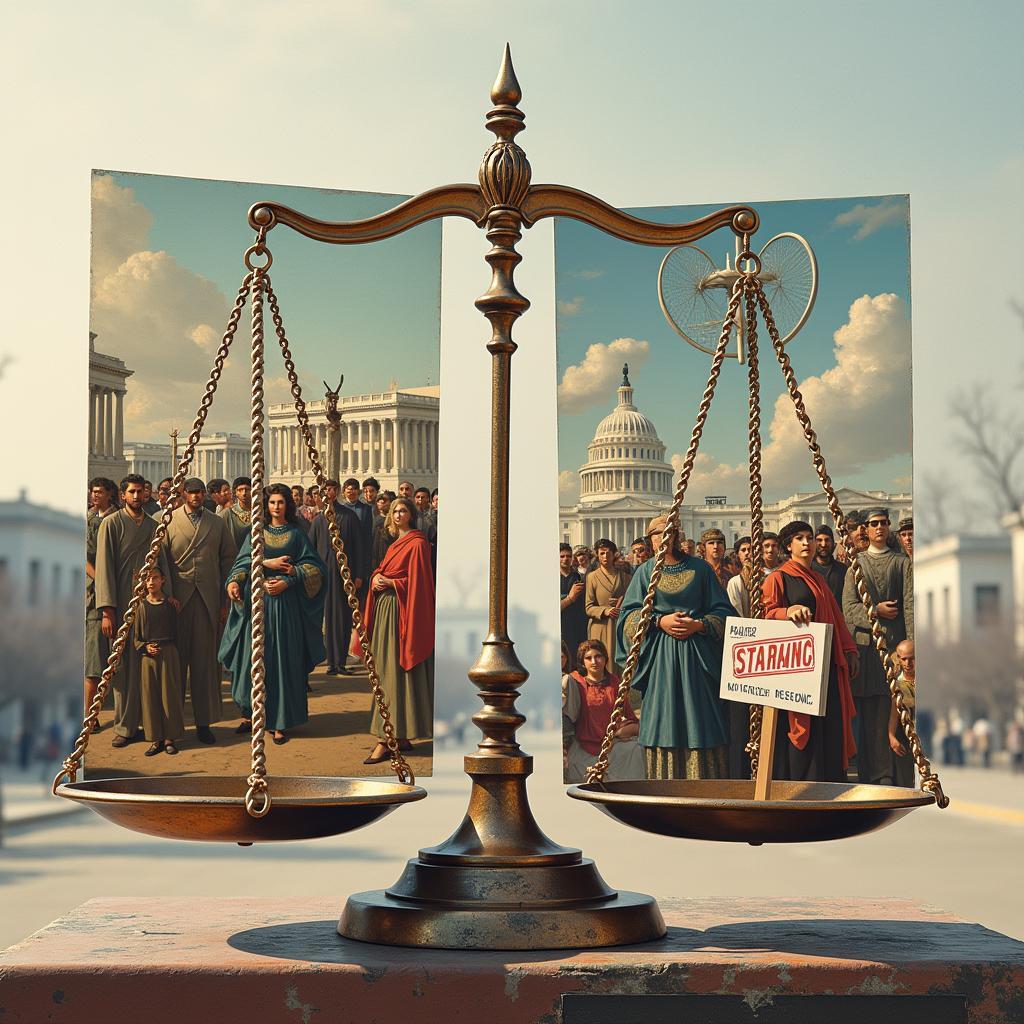 Tranh luận đương đại về vai trò của nghệ thuật trong công lý xã hội và thay đổi chính trị
Conversely, critics of aesthetic autonomy argue that this position itself reflects class privilege and institutional insularity. Scholar Grant Kester contends that the autonomy paradigm presupposes viewers with sufficient cultural capital to decode complex formal innovations, thereby excluding the very populations most affected by social injustices. Kester advocates for what he terms “dialogical aesthetics”—collaborative artistic practices that prioritize communication, relationship-building, and local knowledge over formal experimentation. Such practices, exemplified by artist collectives working with incarcerated populations or undocumented immigrants, seek to collapse the distinction between artwork and activism, treating aesthetic production as inseparable from community organizing.
The question of efficacy metrics presents another site of contestation. How should we evaluate whether art successfully contributes to social change? Traditional assessments might look for legislative reforms, policy changes, or shifts in public opinion surveys. However, these metrics potentially undervalue forms of change that occur across longer temporal scales or operate at more subtle registers. Feminist scholars have emphasized art’s role in transforming everyday consciousness and interpersonal relationships—shifts that may not register in conventional political measurements but nonetheless constitute fundamental social transformation. The difficulty of quantifying such changes makes definitive conclusions about artistic efficacy methodologically elusive.
Furthermore, the globalization of contemporary art has generated debates about cultural imperialism and the universalization of Western aesthetic norms. When international institutions promote “socially engaged art” modeled on Western contemporary art practices, they may inadvertently marginalize indigenous artistic traditions that have long served social functions within their own cultural contexts. Anthropologist Arnd Schneider argues for “symmetrical anthropology” that recognizes diverse ways art contributes to social cohesion and change across different societies, rather than privileging particular forms associated with Euro-American art worlds.
The rise of what has been termed “artwashing”—whereby institutions use art to deflect criticism or sanitize controversial practices—adds another layer of complexity. Oil companies sponsor environmental art exhibitions; governments facing accusations of human rights abuses fund cultural festivals; gentrifying neighborhoods deploy public art to increase property values while displacing existing communities. These phenomena suggest that art’s relationship to social change may be fundamentally ambivalent, capable of serving both emancipatory and oppressive functions depending on institutional contexts and power relations.
Recent scholarship has also examined the psychological toll that activist art can exact on creators and communities. Artist and scholar adrienne maree brown argues that movements overly focused on trauma representation risk retraumatizing marginalized populations and perpetuating scarcity mindset. She advocates for what she calls “pleasure activism”—artistic practices that center joy, healing, and imagining liberatory futures rather than exclusively documenting oppression. This approach challenges assumptions that effective political art must be confrontational or didactic, suggesting instead that nurturing sustainable resistance requires attention to activists’ emotional and spiritual well-being.
Ultimately, contemporary scholarship suggests that questions about art and social change resist conclusive answers. Art’s political efficacy appears deeply contextual, varying according to historical moment, institutional framework, cultural context, and the specific nature of the social issues addressed. Rather than seeking universal theories, scholars increasingly embrace situated analyses that examine how particular artistic interventions operate within concrete circumstances. This approach acknowledges art as one element within complex assemblages of social change—neither autonomous savior nor mere reflection of external forces, but rather an actor within networks of material conditions, discursive formations, and collective struggles that together shape society’s trajectory.
Questions 27-31
Complete each sentence with the correct ending, A-H, below.
- According to Rancière, political art primarily works by
- Chantal Mouffe believes that effective political art must
- Adorno argued that truly radical art achieves its power through
- Grant Kester suggests that the focus on artistic autonomy
- Feminist scholars emphasize that art can transform
A. engage with organized opposition movements and real power structures.
B. everyday consciousness in ways difficult to measure conventionally.
C. its formal qualities rather than explicit political content.
D. the emotional well-being of activists and community members.
E. changing what can be perceived and who can participate in discourse.
F. excludes populations without sufficient cultural education.
G. traditional aesthetic values of beauty and harmony.
H. financial support from governmental and corporate institutions.
Questions 32-36
Classify the following ideas as being associated with:
A. Jacques Rancière
B. Chantal Mouffe
C. Theodor Adorno
D. Grant Kester
E. adrienne maree brown
Write the correct letter, A, B, C, D, or E.
- Art should prioritize community dialogue over formal innovation
- Political art must help construct collective identities that challenge power
- Art gains critical power from maintaining distance from utilitarian purposes
- Activist movements should center joy and healing rather than only trauma
- Art reconfigures society’s perceptual and discursive boundaries
Questions 37-40
Answer the questions below.
Choose NO MORE THAN THREE WORDS from the passage for each answer.
- What term describes the practice of institutions using art to distract from problematic behaviors?
- What type of analysis do contemporary scholars prefer over universal theories when studying art and social change?
- What does Arnd Schneider advocate for in understanding how different cultures use art?
- According to the passage, art functions as one element within what kind of larger systems that shape social change?
Answer Keys – Đáp Án
PASSAGE 1: Questions 1-13
- TRUE
- FALSE
- NOT GIVEN
- TRUE
- NOT GIVEN
- visual language
- crystallize/amplify
- undeniable evidence
- cohesive visual identity
- C
- B
- B
- C
PASSAGE 2: Questions 14-26
- B
- C
- B
- C
- B
- narrative transportation
- defensive (psychological) responses
- toolkit
- metaphor/allegory/ambiguity (any one acceptable)
- communitas
- NO
- YES
- NOT GIVEN
PASSAGE 3: Questions 27-40
- E
- A
- C
- F
- B
- D
- B
- C
- E
- A
- artwashing
- situated analyses
- symmetrical anthropology
- complex assemblages
Giải Thích Đáp Án Chi Tiết
Passage 1 – Giải Thích
Câu 1: TRUE
- Dạng câu hỏi: True/False/Not Given
- Từ khóa: Diego Rivera’s murals, educate people who could not read
- Vị trí trong bài: Đoạn 2, dòng 3-6
- Giải thích: Bài đọc nêu rõ “These murals were strategically positioned in public buildings where illiterate workers could see them, effectively communicating complex political messages without requiring the audience to read a single word.” Đây là paraphrase của “designed to educate people who could not read” – murals được đặt ở nơi công cộng để truyền tải thông điệp chính trị cho những người không biết chữ.
Câu 2: FALSE
- Dạng câu hỏi: True/False/Not Given
- Từ khóa: anti-war music, Vietnam era, no significant impact
- Vị trí trong bài: Đoạn 3, dòng 3-5
- Giải thích: Câu hỏi nói nhạc phản chiến “had no significant impact” nhưng bài viết khẳng định ngược lại: “they helped crystallize and amplify public discontent, contributing to one of the largest social movements in American history.” Đây là mâu thuẫn trực tiếp với thông tin trong câu hỏi.
Câu 5: NOT GIVEN
- Dạng câu hỏi: True/False/Not Given
- Từ khóa: Banksy, personally supports, sale of artwork, expensive auctions
- Vị trí trong bài: Đoạn 7
- Giải thích: Bài viết chỉ đề cập “Banksy’s work now sells for millions of dollars at auctions” nhưng không nói về việc ông có ủng hộ hay phản đối việc này. Đây là thông tin không được đề cập.
Câu 6: visual language
- Dạng câu hỏi: Sentence Completion
- Từ khóa: art provides, understood by people who cannot read
- Vị trí trong bài: Đoạn 2, dòng 1
- Giải thích: “Art provides a visual language that transcends literacy barriers” – chính xác là cụm từ cần điền.
Câu 10: C
- Dạng câu hỏi: Multiple Choice
- Từ khóa: Diego Rivera’s murals, purpose
- Vị trí trong bài: Đoạn 2
- Giải thích: Đáp án C “To teach citizens about their rights” được paraphrase từ “educated citizens about their history and rights.” Đáp án A sai vì mục đích chính không phải trang trí; B không được đề cập; D sai vì không phải để dạy kỹ thuật vẽ.
Câu 11: B
- Dạng câu hỏi: Multiple Choice
- Từ khóa: photography, civil rights movement
- Vị trí trong bài: Đoạn 4, câu cuối
- Giải thích: “The visual testimony of photographers like Charles Moore accelerated legislative changes, including the passage of the Civil Rights Act of 1964” – điều này chứng minh photography đã “helped bring about legal reforms.”
Câu 13: C
- Dạng câu hỏi: Multiple Choice
- Từ khóa: main argument, final paragraph
- Vị trí trong bài: Đoạn 8
- Giải thích: Đoạn cuối khẳng định “art continues to play a vital role in inspiring social change” và “the potential for art to shape society only grows stronger” – điều này tương ứng với đáp án C.
Passage 2 – Giải Thích
Câu 14: B
- Dạng câu hỏi: Multiple Choice
- Từ khóa: narrative transportation
- Vị trí trong bài: Đoạn 2, dòng 1-3
- Giải thích: Định nghĩa rõ ràng: “a phenomenon where individuals become so cognitively and emotionally absorbed in a story that their attitudes and beliefs shift accordingly” – đây là trạng thái mà câu chuyện ảnh hưởng đến niềm tin của mọi người.
Câu 15: C
- Dạng câu hỏi: Multiple Choice
- Từ khóa: Soviet social realism, Nazi aesthetic programs
- Vị trí trong bài: Đoạn 3
- Giải thích: Các ví dụ này được đưa ra để chứng minh “art could reshape public consciousness more effectively than direct instruction” – cho thấy cả các hệ thống chính trị khác nhau (progressive movements và authoritarian regimes) đều sử dụng nghệ thuật để ảnh hưởng dư luận.
Câu 18: B
- Dạng câu hỏi: Multiple Choice
- Từ khóa: Claire Bishop, art most effective
- Vị trí trong bài: Đoạn 8, câu đầu
- Giải thích: “Claire Bishop argues that art becomes socially effective only when embedded within larger networks of activism, including grassroots organizing, legal advocacy, and policy work” – rõ ràng là khi kết hợp với các hoạt động tổ chức có tổ chức.
Câu 19: narrative transportation
- Dạng câu hỏi: Summary Completion
- Từ khóa: people become deeply engaged with stories
- Vị trí trong bài: Đoạn 2
- Giải thích: Đoạn tóm tắt paraphrase “become so cognitively and emotionally absorbed” thành “become deeply engaged.”
Câu 22: metaphor/allegory/ambiguity
- Dạng câu hỏi: Summary Completion
- Từ khóa: repressive societies, artists use, criticize authorities, avoiding censorship
- Vị trí trong bài: Đoạn 5, dòng 3-4
- Giải thích: “In repressive political contexts, artists often use metaphor, allegory, and ambiguity to critique power structures while maintaining plausible deniability” – bất kỳ từ nào trong ba từ này đều được chấp nhận.
Câu 24: NO
- Dạng câu hỏi: Yes/No/Not Given
- Từ khóa: distinction between persuasive art and propaganda, objective and clear
- Vị trí trong bài: Đoạn 3, dòng 5-7
- Giải thích: Tác giả viết “The line between persuasion and propaganda often depends on whether the viewer shares the artist’s values” – điều này mâu thuẫn với việc phân biệt là “entirely objective and clear.”
Câu 26: NOT GIVEN
- Dạng câu hỏi: Yes/No/Not Given
- Từ khóa: social media, artistic activism, more effective in all situations
- Vị trí trong bài: Đoạn 9
- Giải thích: Mặc dù đoạn 9 thảo luận về social media, nó đưa ra cả mặt tích cực (reach unprecedented audiences) và tiêu cực (slacktivism), không khẳng định nó “more effective in all situations.”
Passage 3 – Giải Thích
Câu 27: E
- Dạng câu hỏi: Matching Sentence Endings
- Từ khóa: Rancière, political art primarily works
- Vị trí trong bài: Đoạn 2
- Giải thích: Rancière nói về “reconfigures the perceptual field itself, making visible what was previously relegated to invisibility and giving voice to those previously condemned to silence” – tương ứng với đáp án E “changing what can be perceived and who can participate in discourse.”
Câu 28: A
- Dạng câu hỏi: Matching Sentence Endings
- Từ khóa: Chantal Mouffe, effective political art must
- Vị trí trong bài: Đoạn 3
- Giải thích: Mouffe cho rằng “truly political art must intervene in actual hegemonic struggles” và “Art that merely gestures toward alternative possibilities without connecting to organized oppositional movements remains politically impotent” – điều này khớp với đáp án A.
Câu 32: D
- Dạng câu hỏi: Matching Features
- Từ khóa: prioritize community dialogue over formal innovation
- Vị trí trong bài: Đoạn 5
- Giải thích: Grant Kester “advocates for what he terms ‘dialogical aesthetics’—collaborative artistic practices that prioritize communication, relationship-building, and local knowledge over formal experimentation.”
Câu 35: E
- Dạng câu hỏi: Matching Features
- Từ khóa: center joy and healing rather than only trauma
- Vị trí trong bài: Đoạn 9
- Giải thích: adrienne maree brown “advocates for what she calls ‘pleasure activism’—artistic practices that center joy, healing, and imagining liberatory futures rather than exclusively documenting oppression.”
Câu 37: artwashing
- Dạng câu hỏi: Short-answer Question
- Từ khóa: term, institutions using art, distract from problematic behaviors
- Vị trí trong bài: Đoạn 8, câu đầu
- Giải thích: “The rise of what has been termed ‘artwashing’—whereby institutions use art to deflect criticism or sanitize controversial practices.”
Câu 40: complex assemblages
- Dạng câu hỏi: Short-answer Question
- Từ khóa: art functions, one element, larger systems, shape social change
- Vị trí trong bài: Đoạn 10, câu cuối
- Giải thích: “This approach acknowledges art as one element within complex assemblages of social change.”
Từ Vựng Quan Trọng Theo Passage
Passage 1 – Essential Vocabulary
| Từ vựng | Loại từ | Phiên âm | Nghĩa tiếng Việt | Ví dụ từ bài | Collocation |
|---|---|---|---|---|---|
| catalyst | n | /ˈkætəlɪst/ | chất xúc tác, động lực thúc đẩy | art as a catalyst for social transformation | catalyst for change |
| mechanism | n | /ˈmekənɪzəm/ | cơ chế, phương thức | various mechanisms through which art impacts society | social mechanism |
| transcend | v | /trænˈsend/ | vượt qua, vượt trội | art provides a visual language that transcends literacy barriers | transcend boundaries |
| mobilize | v | /ˈmoʊbəlaɪz/ | huy động, động viên | emotional power of music mobilized millions | mobilize support |
| crystallize | v | /ˈkrɪstəlaɪz/ | làm sáng tỏ, cụ thể hóa | songs helped crystallize public discontent | crystallize opinion |
| undeniable | adj | /ˌʌndɪˈnaɪəbl/ | không thể phủ nhận | photographs provided undeniable evidence | undeniable proof |
| immersive | adj | /ɪˈmɜːrsɪv/ | đắm chìm, nhập vai | theater creates immersive experiences | immersive experience |
| empower | v | /ɪmˈpaʊər/ | trao quyền, làm mạnh mẽ | technique empowering communities | empower people |
| revolutionize | v | /ˌrevəˈluːʃənaɪz/ | cách mạng hóa | digital art has revolutionized activism | revolutionize the industry |
| cohesive | adj | /koʊˈhiːsɪv/ | gắn kết, mạch lạc | creating a cohesive visual identity | cohesive strategy |
| co-opt | v | /koʊ ˈɑːpt/ | lợi dụng, biến chất | art can be co-opted by power structures | co-opt a movement |
| dilute | v | /daɪˈluːt/ | làm loãng, làm suy yếu | radical message may be diluted | dilute the impact |
Passage 2 – Essential Vocabulary
| Từ vựng | Loại từ | Phiên âm | Nghĩa tiếng Việt | Ví dụ từ bài | Collocation |
|---|---|---|---|---|---|
| catalyze | v | /ˈkætəlaɪz/ | xúc tác, thúc đẩy | how art catalyzes social change | catalyze a reaction |
| galvanize | v | /ˈɡælvənaɪz/ | kích thích mạnh mẽ | certain artistic movements succeed in galvanizing public opinion | galvanize support |
| nuanced | adj | /ˈnuːɑːnst/ | tinh tế, nhiều tầng ý nghĩa | mechanisms are more nuanced than they appear | nuanced understanding |
| cognitive | adj | /ˈkɑːɡnətɪv/ | thuộc về nhận thức | become cognitively and emotionally absorbed | cognitive process |
| circumvent | v | /ˌsɜːrkəmˈvent/ | lách, tránh né | narrative form circumvented their initial resistance | circumvent restrictions |
| propagandistic | adj | /ˌprɑːpəɡænˈdɪstɪk/ | mang tính t선전, tuyên truyền | propagandistic art has been employed | propagandistic message |
| contested | adj | /kənˈtestɪd/ | gây tranh cãi | ethical implications remain contested terrain | contested issue |
| iconography | n | /ˌaɪkəˈnɑːɡrəfi/ | hệ thống biểu tượng | the iconography of the clenched fist | religious iconography |
| plausible deniability | phrase | /ˈplɔːzəbl dɪˌnaɪəˈbɪləti/ | khả năng phủ nhận hợp lý | using allegory while maintaining plausible deniability | maintain plausible deniability |
| communitas | n | /kəˈmjuːnɪtæs/ | tình cảm cộng đồng | art generates communitas | sense of communitas |
| resilient | adj | /rɪˈzɪliənt/ | bền bỉ, kiên cường | bonds more resilient to internal disagreement | resilient structure |
| tangible | adj | /ˈtændʒəbl/ | hữu hình, cụ thể | generating discussion without producing tangible outcomes | tangible results |
| slacktivism | n | /ˈslæktɪvɪzəm/ | hành động xã hội hời hợt | social media may produce slacktivism | fall into slacktivism |
| viral distribution | phrase | /ˈvaɪrəl ˌdɪstrɪˈbjuːʃn/ | phân phối lan truyền | single image can achieve viral distribution | go viral |
| substitute | v | /ˈsʌbstɪtuːt/ | thay thế | people substitute meaningful engagement | substitute for |
Passage 3 – Essential Vocabulary
| Từ vựng | Loại từ | Phiên âm | Nghĩa tiếng Việt | Ví dụ từ bài | Collocation |
|---|---|---|---|---|---|
| engender | v | /ɪnˈdʒendər/ | gây ra, tạo ra | art’s capacity to engender substantive social change | engender trust |
| discourse | n | /ˈdɪskɔːrs/ | diễn ngôn, thảo luận | contemporary discourse surrounding art | public discourse |
| perceptual | adj | /pərˈseptʃuəl/ | thuộc về nhận thức, tri giác | art reconfigures the perceptual field | perceptual ability |
| relegate | v | /ˈrelɪɡeɪt/ | đẩy xuống, hạ thấp | making visible what was relegated to invisibility | relegate to obscurity |
| trenchant | adj | /ˈtrentʃənt/ | sắc bén, gay gắt | this framework has faced trenchant criticism | trenchant critique |
| aestheticizing | v | /esˈθetɪsaɪzɪŋ/ | thẩm mỹ hóa | approach risks aestheticizing politics | aestheticizing violence |
| hegemonic | adj | /ˌhedʒɪˈmɑːnɪk/ | bá quyền, thống trị | intervene in hegemonic struggles | hegemonic power |
| antagonism | n | /ænˈtæɡənɪzəm/ | sự đối kháng | crystallizing antagonisms | political antagonism |
| instrumentalization | n | /ˌɪnstrəmentəlaɪˈzeɪʃn/ | công cụ hóa | questions of autonomy versus instrumentalization | instrumentalization of art |
| utilitarian | adj | /ˌjuːtɪlɪˈteriən/ | thực dụng, công lợi | refusal to be reduced to utilitarian functions | utilitarian approach |
| implicitly | adv | /ɪmˈplɪsɪtli/ | một cách ngầm hiểu | art that implicitly critiques | implicitly suggest |
| subordinate | v | /səˈbɔːrdɪneɪt/ | đặt dưới, hạ thấp | explicitly political art that subordinates aesthetic concerns | subordinate to |
| dialogical | adj | /ˌdaɪəˈlɑːdʒɪkl/ | mang tính đối化, hội thoại | Kester advocates for dialogical aesthetics | dialogical approach |
| contestation | n | /ˌkɑːnteˈsteɪʃn/ | sự tranh chấp | presents another site of contestation | site of contestation |
| methodologically | adv | /ˌmeθədəˈlɑːdʒɪkli/ | về mặt phương pháp luận | definitive conclusions are methodologically elusive | methodologically sound |
| imperialism | n | /ɪmˈpɪriəlɪzəm/ | chủ nghĩa đế quốc | debates about cultural imperialism | cultural imperialism |
| inadvertently | adv | /ˌɪnədˈvɜːrtəntli/ | vô tình, không cố ý | may inadvertently marginalize | inadvertently cause |
| ambivalent | adj | /æmˈbɪvələnt/ | mơ hồ, lưỡng lự | relationship may be fundamentally ambivalent | ambivalent feelings |
| emancipatory | adj | /ɪˈmænsɪpətɔːri/ | giải phóng | serving both emancipatory and oppressive functions | emancipatory potential |
| didactic | adj | /daɪˈdæktɪk/ | mang tính giảng dạy | assumes effective art must be didactic | didactic approach |
 Từ vựng IELTS Reading chủ đề nghệ thuật và thay đổi xã hội quan trọng cho band điểm cao
Kết bài
Chủ đề “Role of art in social change” không chỉ là một nội dung phổ biến trong IELTS Reading mà còn phản ánh tầm quan trọng của nghệ thuật trong xã hội đương đại. Qua bộ đề thi mẫu này với 3 passages có độ khó tăng dần, bạn đã được trải nghiệm đầy đủ các dạng câu hỏi từ cơ bản đến nâng cao, giống như trong kỳ thi thật.
Passage 1 giúp bạn làm quen với chủ đề và luyện tập các dạng câu hỏi cơ bản. Passage 2 đi sâu vào các cơ chế tâm lý học, yêu cầu kỹ năng hiểu ngầm và paraphrase tốt hơn. Passage 3 thách thức bạn với ngôn ngữ học thuật phức tạp và các lý thuyết triết học, phù hợp cho mục tiêu band 7.5+.
Phần đáp án chi tiết không chỉ cung cấp câu trả lời đúng mà còn giải thích rõ ràng vị trí thông tin, cách paraphrase, và tại sao các đáp án khác không chính xác. Đây là yếu tố then chốt giúp bạn tự đánh giá và cải thiện kỹ năng làm bài.
Kho từ vựng được tổng hợp theo từng passage với đầy đủ phiên âm, nghĩa, ví dụ và collocation sẽ là tài liệu quý giá cho cả Writing Task 2 khi bạn viết về chủ đề Arts, Culture, hoặc Society. Hãy dành thời gian học thuộc những từ này và thực hành sử dụng chúng trong ngữ cảnh phù hợp.
Chúc bạn ôn tập hiệu quả và đạt band điểm mong muốn trong kỳ thi IELTS sắp tới!