Mở Bài
Trong kỷ nguyên số hóa, podcast đã trở thành một phương tiện truyền thông mạnh mẽ, đặc biệt trong việc nâng cao nhận thức văn hóa giữa các cộng đồng toàn cầu. Chủ đề về vai trò của podcast trong việc thúc đẩy sự hiểu biết văn hóa ngày càng xuất hiện thường xuyên trong các đề thi IELTS Reading, đặc biệt là từ năm 2020 trở lại đây, khi công nghệ truyền thông số và giáo dục đa văn hóa trở thành tâm điểm của xã hội hiện đại.
Bài viết này cung cấp một đề thi IELTS Reading hoàn chỉnh với ba passages được thiết kế tỉ mỉ theo cấu trúc thi thật, từ mức độ dễ đến khó, giúp bạn làm quen với các dạng câu hỏi đa dạng như Multiple Choice, True/False/Not Given, Matching Headings, và Summary Completion. Bạn sẽ nhận được đáp án chi tiết kèm giải thích logic, phân tích cách paraphrase từ khóa, và bộ từ vựng academic thiết yếu được trích xuất từ bài đọc.
Đề thi này phù hợp cho học viên từ band 5.0 trở lên, đặc biệt hữu ích cho những bạn đang hướng đến band điểm 7.0-8.0. Hãy phân bố thời gian hợp lý: 15-17 phút cho Passage 1, 18-20 phút cho Passage 2, và 23-25 phút cho Passage 3 để tối ưu hiệu quả làm bài.
1. Hướng Dẫn Làm Bài IELTS Reading
Tổng Quan Về IELTS Reading Test
IELTS Reading là phần thi kéo dài 60 phút với ba passages và tổng cộng 40 câu hỏi. Mỗi câu trả lời đúng được tính một điểm, không có điểm âm cho câu sai. Độ khó tăng dần từ Passage 1 đến Passage 3, yêu cầu bạn phải điều chỉnh chiến lược đọc và quản lý thời gian hiệu quả.
Phân bổ thời gian khuyến nghị:
- Passage 1: 15-17 phút (độ khó Easy, band 5.0-6.5)
- Passage 2: 18-20 phút (độ khó Medium, band 6.0-7.5)
- Passage 3: 23-25 phút (độ khó Hard, band 7.0-9.0)
Lưu ý dành 2-3 phút cuối để kiểm tra và chuyển đáp án sang answer sheet, đảm bảo không mắc lỗi chính tả hoặc bỏ sót câu hỏi.
Các Dạng Câu Hỏi Trong Đề Này
Đề thi mẫu này bao gồm 7 dạng câu hỏi phổ biến nhất trong IELTS Reading:
- Multiple Choice – Lựa chọn đáp án đúng từ các phương án cho sẵn
- True/False/Not Given – Xác định thông tin đúng, sai hay không được đề cập
- Matching Information – Nối thông tin với đoạn văn tương ứng
- Matching Headings – Chọn tiêu đề phù hợp cho mỗi đoạn
- Summary Completion – Điền từ vào chỗ trống trong đoạn tóm tắt
- Matching Features – Nối đặc điểm với người/tổ chức/khái niệm
- Short-answer Questions – Trả lời câu hỏi ngắn theo yêu cầu
2. IELTS Reading Practice Test
PASSAGE 1 – The Rise of Podcasts as Cultural Bridges
Độ khó: Easy (Band 5.0-6.5)
Thời gian đề xuất: 15-17 phút
In the past decade, podcasts have emerged as one of the most accessible and influential forms of digital media, transforming how people consume information and entertainment. Unlike traditional radio broadcasts, podcasts offer listeners the flexibility to choose content that matches their interests and listen at their own convenience. This on-demand nature has made podcasts particularly effective in promoting cultural awareness across different communities and geographical boundaries.
The podcasting phenomenon began in the early 2000s when audio files could be easily downloaded and played on portable devices. However, it was not until the widespread adoption of smartphones around 2010 that podcasts truly gained momentum. Today, there are over two million active podcasts worldwide, covering topics ranging from science and history to personal storytelling and cultural exploration. This diversity of content has created unprecedented opportunities for people to learn about cultures different from their own without leaving their homes.
One of the most significant advantages of podcasts in fostering cultural understanding is their intimate nature. Unlike videos or written articles, podcasts create a sense of personal connection between the host and the listener. When people hear someone speaking directly into their ears, often sharing personal experiences or cultural insights, they develop a deeper emotional engagement with the content. This psychological proximity makes listeners more receptive to learning about unfamiliar cultural practices and perspectives.
Language learning podcasts have become particularly popular tools for cultural immersion. Programs like “Coffee Break Spanish” and “ChinesePod” not only teach vocabulary and grammar but also incorporate cultural context, explaining why certain phrases are used in specific situations and what they reveal about the values of native speakers. Research conducted by the University of Michigan found that students who regularly listened to language podcasts demonstrated a 35% improvement in their understanding of cultural nuances compared to those who relied solely on textbooks.
Furthermore, podcasts have given marginalized communities a platform to share their stories and perspectives. Indigenous peoples, immigrant populations, and other groups often underrepresented in mainstream media now have the means to broadcast their narratives directly to global audiences. The podcast “One From the Vaults,” for example, features Aboriginal Australian storytellers sharing traditional tales and contemporary experiences, helping non-Indigenous listeners understand their rich cultural heritage. This democratization of storytelling challenges stereotypes and promotes more nuanced understanding of different cultures.
The production costs associated with podcasting are remarkably low compared to other media formats. A high-quality podcast can be created with basic equipment—a decent microphone, audio editing software, and a quiet room. This accessibility means that individuals and small organizations with limited budgets can produce content that reaches thousands or even millions of listeners. In developing countries, where traditional media infrastructure may be limited, podcasts have become vital tools for preserving and sharing cultural knowledge with both local and international audiences.
Educational institutions have also recognized the potential of podcasts for cross-cultural education. Many universities now incorporate podcast assignments into their curriculum, requiring students to either analyze existing cultural podcasts or create their own. These projects encourage students to research different cultures deeply, develop interviewing skills, and learn how to present complex cultural concepts in accessible formats. The British Council has reported that such initiatives have led to measurable improvements in students’ intercultural competence.
Narrative storytelling podcasts like “This American Life” and “The Moth” have proven especially effective at building empathy across cultural divides. By featuring true stories from people of diverse backgrounds, these programs allow listeners to experience life from perspectives very different from their own. Neurological studies have shown that listening to personal narratives activates the same brain regions involved in empathy and social understanding, suggesting that podcasts may actually rewire how we think about people from different cultures.
However, some scholars have raised concerns about the potential for podcasts to create echo chambers, where people only listen to content that reinforces their existing beliefs. Additionally, language barriers can limit the global reach of podcasts, as most content is produced in English or other major languages. Despite these challenges, the overall trend suggests that podcasts will continue to play an increasingly important role in promoting cultural awareness as technology improves and more diverse voices enter the podcasting landscape.
Questions 1-13
Questions 1-5
Do the following statements agree with the information given in the passage?
Write:
- TRUE if the statement agrees with the information
- FALSE if the statement contradicts the information
- NOT GIVEN if there is no information on this
-
Podcasts became widely popular immediately after they were first introduced in the early 2000s.
-
There are currently more than two million podcasts being regularly produced around the world.
-
Listening to podcasts creates a more personal connection than watching videos.
-
The University of Michigan study showed that podcast listeners improved their cultural understanding by over one-third.
-
Most podcasts require expensive professional equipment to produce.
Questions 6-9
Complete the sentences below.
Choose NO MORE THAN TWO WORDS from the passage for each answer.
-
Language learning podcasts help students understand ___ in addition to teaching vocabulary and grammar.
-
The podcast “One From the Vaults” features stories told by ___ from Australia.
-
Universities are now asking students to create podcasts as part of their ___.
-
Listening to personal stories on podcasts can activate brain areas related to ___ according to scientific research.
Questions 10-13
Choose the correct letter, A, B, C or D.
- According to the passage, what made podcasts truly popular?
- A. The invention of audio files
- B. The widespread use of smartphones
- C. Lower production costs
- D. Support from universities
- What does the passage suggest about marginalized communities and podcasts?
- A. They prefer traditional media over podcasts
- B. They need financial support to create podcasts
- C. They can now share their stories with global audiences
- D. They face language barriers when producing podcasts
- The British Council found that podcast projects in education led to:
- A. Better technical skills
- B. Improved intercultural competence
- C. Higher student enrollment
- D. Increased podcast production
- What concern do some scholars have about podcasts?
- A. They are too expensive to produce
- B. They may reinforce existing beliefs
- C. They lack educational value
- D. They are declining in popularity
PASSAGE 2 – Podcast Networks and Cultural Exchange Programs
Độ khó: Medium (Band 6.0-7.5)
Thời gian đề xuất: 18-20 phút
The proliferation of podcasting as a medium for cultural exchange has prompted numerous organizations to develop structured networks and programs designed to maximize its impact on intercultural understanding. These initiatives range from grassroots movements connecting individuals across borders to institutionally-backed platforms that facilitate systematic cultural dialogue. Understanding how these networks operate provides insight into the evolving landscape of digital cultural diplomacy.
One particularly innovative model is the “Cultural Conversation Exchange” (CCE) program, established in 2018 by a consortium of international NGOs. The CCE pairs podcasters from different countries who then collaborate on producing bilingual episodes exploring parallel cultural phenomena. For instance, an episode might feature a Japanese host and a Brazilian host discussing how their respective societies celebrate coming-of-age rituals. The format requires each host to conduct research into the other’s culture, interview local participants, and then synthesize their findings in a dialogue that highlights both similarities and differences. Early assessments of the program indicate that participants develop significantly stronger cross-cultural communication skills and report lasting friendships that extend beyond the podcast recordings.
The technological infrastructure supporting cultural podcast networks has become increasingly sophisticated. Platforms such as “Global Voices Podcast Network” employ algorithmic curation to recommend podcasts to listeners based on their cultural background and expressed interests in learning about specific regions or traditions. This personalized approach increases engagement rates; users who receive tailored recommendations are 60% more likely to complete an episode and 40% more likely to explore additional content about that culture. However, critics argue that algorithmic curation may inadvertently create filter bubbles, limiting serendipitous discoveries of unexpected cultural content.
Monetization strategies for cultural podcasts present unique challenges. Unlike commercial podcasts that can rely on advertising revenue or subscription models, many cultural education podcasts operate on non-profit bases, dependent on grants and donations. The “Cultures Connect” initiative addressed this issue by creating a hybrid model: premium content is available through subscriptions, with revenues subsidizing free basic episodes that ensure accessibility for audiences in low-income regions. This approach has proven sustainable, generating sufficient funds to commission high-quality productions while maintaining the project’s educational mission.
Several academic institutions have developed theoretical frameworks for understanding how podcasts function as agents of cultural transmission. Professor Elena Martinez at the Universidad Autónoma de Madrid proposes the “Layered Immersion Theory,” which suggests that podcasts provide three distinct levels of cultural engagement. The first layer is informational, delivering factual knowledge about cultural practices, history, and traditions. The second layer is emotional, achieved through storytelling that evokes empathy and personal connection. The third layer is reflective, occurring when listeners contemplate their own cultural assumptions in light of what they have learned. Martinez’s research indicates that podcasts that successfully integrate all three layers produce the most significant shifts in listeners’ intercultural attitudes.
The role of “cultural translators”—individuals who possess deep knowledge of multiple cultures and can mediate between them—has proven critical to successful cultural podcasts. These translators go beyond linguistic interpretation, providing contextual explanations that help audiences understand why certain practices or beliefs are meaningful within their cultural contexts. The podcast “Between Worlds,” hosted by bicultural journalists, exemplifies this approach. Each episode examines a cultural practice that might seem incomprehensible to outsiders, unpacking its historical origins, social functions, and contemporary relevance. This interpretive framework prevents the oversimplification or exoticization of cultural practices.
Measurement methodologies for assessing the impact of cultural podcasts on listeners’ attitudes have advanced considerably. Rather than relying solely on self-reported surveys, researchers now employ behavioral metrics such as whether listeners subsequently engage with cultural organizations, attend cultural events, or alter their media consumption patterns to include more diverse sources. A longitudinal study conducted by the Institute for Digital Cultural Studies tracked 2,000 regular cultural podcast listeners over three years, finding that 68% had made tangible changes in their lives to increase their cross-cultural interactions, including learning new languages, traveling to countries featured in podcasts, or forming friendships with people from those cultures.
Collaboration between cultural podcast networks and traditional cultural institutions—such as museums, cultural centers, and heritage sites—has yielded mutually beneficial outcomes. Museums have discovered that producing podcast series about their collections attracts new audiences who might not visit physically but become virtually engaged with cultural artifacts. The British Museum’s “A History of the World in 100 Podcasts” series has been downloaded over 15 million times, with analytics showing that 40% of listeners subsequently explored the museum’s online collections. Conversely, cultural podcasters gain access to expert knowledge and primary source materials that enhance the authenticity and depth of their content.
Despite these successes, disparities in podcast accessibility remain a significant concern. While podcast listenership has grown dramatically in North America and Europe, penetration rates in Africa, Central Asia, and parts of Southeast Asia remain below 15%. This digital divide reflects broader issues of internet infrastructure, smartphone affordability, and data costs. Some organizations are addressing this by developing low-bandwidth podcast formats and partnering with local radio stations to broadcast podcast content, thereby bridging the gap between digital and traditional media.
 Mạng lưới podcast văn hóa kết nối các cộng đồng toàn cầu qua thiết bị di động
Questions 14-26
Questions 14-18
The passage describes several developments in cultural podcasting. Match each development (14-18) with the organization or program (A-H) responsible for it.
NB: You may use any letter more than once.
A. Cultural Conversation Exchange (CCE)
B. Global Voices Podcast Network
C. Cultures Connect
D. Universidad Autónoma de Madrid
E. Between Worlds podcast
F. Institute for Digital Cultural Studies
G. British Museum
H. Local radio stations
-
Developed a theory about three levels of cultural engagement through podcasts
-
Created a financial model combining paid and free content
-
Pairs podcasters from different nations to produce joint episodes
-
Produced a popular podcast series about historical artifacts
-
Conducted research tracking behavioral changes in podcast listeners over time
Questions 19-22
Choose the correct letter, A, B, C or D.
- According to the passage, algorithmic curation increases engagement but:
- A. Costs too much money
- B. May limit unexpected discoveries
- C. Requires too much user data
- D. Reduces audio quality
- What does Professor Elena Martinez’s “Layered Immersion Theory” suggest?
- A. Podcasts work best when they focus only on facts
- B. Emotional storytelling is more important than information
- C. Effective cultural podcasts integrate information, emotion, and reflection
- D. Listeners prefer podcasts with multiple hosts
- The role of “cultural translators” in podcasts is to:
- A. Translate languages accurately
- B. Provide context and explain cultural significance
- C. Host bilingual episodes
- D. Edit audio content
- Museums benefit from producing podcasts because they:
- A. Reduce operational costs
- B. Attract visitors who engage with content online
- C. Replace physical exhibitions
- D. Generate advertising revenue
Questions 23-26
Complete the summary below.
Choose NO MORE THAN TWO WORDS from the passage for each answer.
Cultural podcasts face challenges related to funding and accessibility. Many operate on a (23) basis and depend on financial support from grants. Meanwhile, in regions like Africa and Central Asia, (24) rates remain low due to problems with internet infrastructure and smartphone costs. To address this (25) , some organizations are creating podcast formats that use less bandwidth and working with (26) to broadcast content through traditional means.
PASSAGE 3 – The Sociocultural Dynamics of Podcast-Mediated Intercultural Discourse
Độ khó: Hard (Band 7.0-9.0)
Thời gian đề xuất: 23-25 phút
The emergence of podcasting as a salient medium for facilitating intercultural dialogue represents a paradigmatic shift in how cultural knowledge is disseminated, negotiated, and internalized within increasingly globalized yet fragmented societies. This phenomenon warrants rigorous examination through multidisciplinary lenses, incorporating insights from communication theory, anthropology, cognitive psychology, and digital sociology to fully apprehend the mechanisms through which podcast-mediated cultural exchange influences both individual cognition and collective cultural consciousness.
Contemporary scholarship on mediated cultural transmission has increasingly focused on what communication theorists term “parasocial relationships”—the illusory sense of intimacy that audiences develop with media personalities. In the context of cultural podcasts, this phenomenon assumes particular salience. Unlike visual media, which engender parasocial interactions primarily through facial recognition and gestural interpretation, podcasts construct intimacy through vocal characteristics, narrative cadence, and the phenomenological experience of having a voice speaking directly into one’s auditory consciousness. Dr. Yuki Tanaka’s groundbreaking research at Kyoto University demonstrates that listeners exhibit neurological activation patterns similar to those observed during face-to-face conversations with trusted acquaintances, suggesting that the parasocial bonds formed through podcasts may be neurologically indistinguishable from actual social relationships. This has profound implications for cultural learning, as individuals tend to be more receptive to perspective-taking and belief revision when information is conveyed by someone they perceive as a trusted interlocutor.
The temporal flexibility inherent in podcast consumption introduces complex variables into the study of cultural learning. Unlike synchronous media experiences—such as live lectures or broadcasts—podcasts permit listeners to engage with content during liminal states: while commuting, exercising, performing household tasks, or preparing for sleep. Cognitive psychologists have long recognized that learning states are influenced by contextual factors, including the listener’s attentional capacity, emotional baseline, and environmental distractions. Preliminary research by the Max Planck Institute for Human Cognitive and Brain Sciences suggests that cultural content consumed during repetitive physical activities—particularly rhythmic movements like walking or running—may be encoded more deeply into long-term memory than content consumed during sedentary attention. This finding challenges conventional assumptions about optimal learning conditions and suggests that the “incidental” nature of podcast listening may actually enhance rather than diminish information retention.
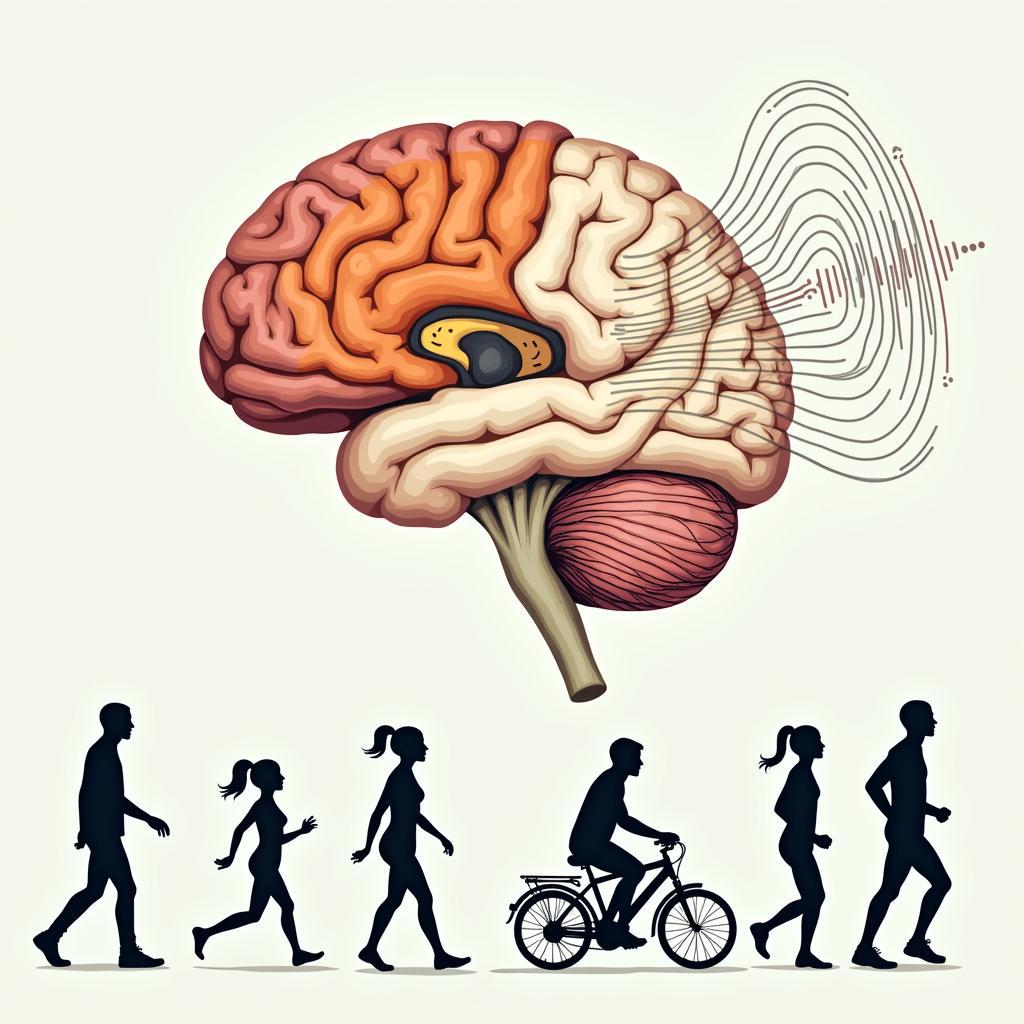 Cơ chế tâm lý học của việc tiếp nhận văn hóa qua podcast trong hoạt động hàng ngày
The democratization of content production—frequently cited as podcasting’s most transformative characteristic—presents both emancipatory possibilities and potential pitfalls for intercultural understanding. On one hand, the removal of traditional gatekeepers enables marginalized voices to circumvent institutional barriers that have historically constrained their narrative agency. The proliferation of podcasts produced by diaspora communities, indigenous groups, and religious minorities has undeniably enriched the global cultural conversation, introducing epistemological frameworks and lived experiences that challenge Eurocentric or otherwise hegemonic paradigms. However, this same democratization has facilitated the dissemination of cultural information by individuals lacking anthropological training, ethical frameworks for cultural representation, or meaningful accountability mechanisms. The resulting landscape is characterized by both unprecedented authenticity—as cultural insiders share their own stories—and increased risk of oversimplification, essentialism, or the commodification of cultural practices divorced from their original contexts.
Algorithmic mediation of podcast discovery constitutes another critical dimension warranting scholarly attention. While search algorithms and recommendation systems theoretically offer personalized pathways to cultural knowledge, they simultaneously function as invisible curators whose operational logic reflects the commercial imperatives and unconscious biases of their designers. Research conducted by the Digital Ethics Laboratory at Stanford University reveals that podcast recommendation algorithms demonstrate systematic bias toward content produced in dominant languages, by creators from economically developed nations, and featuring production values accessible only to those with significant resources. Furthermore, these algorithms tend to reinforce existing listening patterns rather than promote serendipitous cross-cultural encounters, as the optimization of “engagement metrics” prioritizes content similar to what users have previously consumed. This algorithmic sorting effectively creates stratified information ecosystems in which listeners from privileged demographics enjoy abundant access to diverse cultural content, while those from marginalized communities encounter a narrower range of perspectives.
The pedagogical efficacy of cultural podcasts compared to traditional educational modalities remains a subject of considerable debate. Proponents argue that podcasts’ narrative structures, authentic voices, and flexible consumption patterns make them inherently superior to conventional textbooks or lectures for fostering cultural empathy. Dr. Amara Okafor’s comparative study at the University of Lagos found that students who learned about West African cultural practices through a structured podcast curriculum demonstrated significantly higher levels of nuanced understanding and lower levels of stereotypical thinking than those who received equivalent information through traditional pedagogical methods. However, skeptics point out that podcasts’ unstructured nature—the lack of formal assessment, guided reflection, or instructor mediation—may result in superficial engagement where listeners retain entertaining anecdotes but fail to internalize the deeper conceptual frameworks necessary for genuine intercultural competence. This tension reflects broader debates within education about the relative merits of formal versus informal learning environments.
The economic sustainability of cultural podcasting presents formidable challenges that threaten the medium’s long-term viability as a tool for cultural awareness. While commercial podcasts can leverage advertising revenue or listener support, cultural educational content often lacks clear monetization pathways. The thematic specificity and educational focus of cultural podcasts typically yield smaller audiences than entertainment-focused alternatives, making them unattractive to advertisers seeking broad demographics. Furthermore, many potential listeners for cultural content reside in regions with limited disposable income, rendering subscription models impractical. Some cultural podcasts have sought institutional sponsorship from universities, cultural foundations, or governmental cultural agencies, but this introduces questions about editorial independence and the potential for soft propaganda when state-funded entities control cultural narratives. The Cultures Across Borders initiative has proposed a “digital cultural commons” model, wherein podcasts are funded through international philanthropic consortiums with explicit governance structures designed to preserve creator autonomy while ensuring financial sustainability. However, the feasibility of scaling this model remains unproven.
Methodological challenges in researching podcast impacts on cultural awareness compound the difficulty of evaluating the medium’s effectiveness. Traditional quantitative metrics—such as download numbers or listener retention rates—provide limited insight into whether podcasts actually modify cultural attitudes or merely entertain existing enthusiasts. Qualitative methodologies, including in-depth interviews and ethnographic observation, offer richer data but face scalability limitations and questions of generalizability. The temporal dimension of attitude change presents additional complications; meaningful intercultural learning may manifest only months or years after initial exposure, necessitating longitudinal research designs that are both resource-intensive and vulnerable to confounding variables. Recent methodological innovations employing network analysis to track how podcast listening correlates with changes in social connections, media consumption patterns, and civic engagement offer promising avenues for more nuanced assessment, though these approaches remain in nascent stages of development.
Despite these multifaceted challenges, the transformative potential of podcasts for promoting cultural awareness appears substantial. As technological infrastructure continues to expand, production tools become more accessible, and diverse voices increasingly claim space within the podcasting ecosystem, the medium seems poised to play an increasingly central role in shaping intercultural understanding in the twenty-first century. However, realizing this potential will require concerted efforts to address issues of accessibility, quality control, algorithmic bias, and economic sustainability—challenges that demand collaboration among technologists, educators, content creators, policymakers, and communities themselves.
Questions 27-40
Questions 27-31
Match each researcher or institution (27-31) with their finding or contribution (A-H).
NB: You may use any letter more than once.
A. Found that students learned West African culture better through podcasts than traditional methods
B. Discovered neurological patterns similar to face-to-face conversation during podcast listening
C. Revealed algorithmic bias favoring content from developed nations
D. Suggested that learning during physical activity improves memory retention
E. Proposed the “digital cultural commons” funding model
F. Tracked behavioral changes in podcast listeners
G. Developed the Layered Immersion Theory
H. Studied parasocial relationships in media
-
Dr. Yuki Tanaka (Kyoto University)
-
Max Planck Institute for Human Cognitive and Brain Sciences
-
Digital Ethics Laboratory (Stanford University)
-
Dr. Amara Okafor (University of Lagos)
-
Cultures Across Borders initiative
Questions 32-36
Do the following statements agree with the claims of the writer in the passage?
Write:
- YES if the statement agrees with the claims of the writer
- NO if the statement contradicts the claims of the writer
- NOT GIVEN if it is impossible to say what the writer thinks about this
-
Podcasts create intimacy through vocal characteristics rather than visual recognition.
-
The democratization of podcast content always leads to better cultural understanding.
-
Algorithmic recommendation systems intentionally discriminate against marginalized creators.
-
Formal assessment is necessary for podcasts to be effective educational tools.
-
The “digital cultural commons” model has been successfully implemented on a large scale.
Questions 37-40
Complete each sentence with the correct ending, A-G, below.
-
Parasocial relationships formed through podcasts
-
Cultural content consumed during repetitive physical activities
-
Commercial podcasts focused on entertainment
-
Traditional quantitative metrics like download numbers
A. may be encoded more deeply into long-term memory.
B. provide limited information about actual attitude changes.
C. require significant financial resources to produce.
D. may be neurologically similar to real social connections.
E. attract larger audiences than cultural educational content.
F. depend entirely on institutional funding.
G. eliminate the need for face-to-face cultural interaction.
3. Answer Keys – Đáp Án
PASSAGE 1: Questions 1-13
- FALSE
- TRUE
- NOT GIVEN
- TRUE
- FALSE
- cultural context
- Aboriginal Australian storytellers
- curriculum
- empathy (and social understanding)
- B
- C
- B
- B
PASSAGE 2: Questions 14-26
- D
- C
- A
- G
- F
- B
- C
- B
- B
- non-profit
- penetration
- digital divide
- radio stations
PASSAGE 3: Questions 27-40
- B
- D
- C
- A
- E
- YES
- NO
- NOT GIVEN
- NOT GIVEN
- NO
- D
- A
- E
- B
4. Giải Thích Đáp Án Chi Tiết
Passage 1 – Giải Thích
Câu 1: FALSE
- Dạng câu hỏi: True/False/Not Given
- Từ khóa: podcasts, widely popular, immediately, early 2000s
- Vị trí trong bài: Đoạn 2, dòng 1-3
- Giải thích: Câu hỏi nói podcasts “became widely popular immediately” (trở nên phổ biến rộng rãi ngay lập tức) khi ra đời đầu những năm 2000. Tuy nhiên, bài đọc nói rõ “it was not until the widespread adoption of smartphones around 2010 that podcasts truly gained momentum” (phải đến khi smartphone được sử dụng rộng rãi vào khoảng 2010 thì podcasts mới thực sự phát triển mạnh). Như vậy có khoảng 10 năm từ khi ra đời đến khi thực sự phổ biến, không phải “immediately”. Đây là paraphrase giữa “gained momentum” = “became popular”.
Câu 4: TRUE
- Dạng câu hỏi: True/False/Not Given
- Từ khóa: University of Michigan study, podcast listeners, cultural understanding, over one-third
- Vị trí trong bài: Đoạn 4, dòng cuối
- Giải thích: Bài đọc nêu rõ “students who regularly listened to language podcasts demonstrated a 35% improvement” (học sinh nghe podcast thường xuyên có sự cải thiện 35%). “Over one-third” (hơn một phần ba) tương đương với khoảng trên 33%, và 35% chính xác là hơn một phần ba. Đây là paraphrase giữa “35% improvement” và “over one-third”.
Câu 6: cultural context
- Dạng câu hỏi: Sentence Completion
- Từ khóa: language learning podcasts, vocabulary and grammar
- Vị trí trong bài: Đoạn 4, dòng 2-3
- Giải thích: Câu trong bài viết “not only teach vocabulary and grammar but also incorporate cultural context” chỉ ra rằng ngoài từ vựng và ngữ pháp, các podcast học ngôn ngữ còn kết hợp “cultural context”. Đây chính xác là hai từ cần điền, nằm trong giới hạn “NO MORE THAN TWO WORDS”.
Câu 10: B
- Dạng câu hỏi: Multiple Choice
- Từ khóa: what made podcasts truly popular
- Vị trí trong bài: Đoạn 2, dòng 3-4
- Giải thích: Bài đọc nêu rõ “it was not until the widespread adoption of smartphones around 2010 that podcasts truly gained momentum”. Đáp án A (audio files) chỉ là công nghệ ban đầu nhưng không làm cho podcast phổ biến. Đáp án C (lower production costs) được nhắc đến sau trong bài nhưng không phải yếu tố làm podcasts “truly popular”. Đáp án D (university support) cũng được nhắc đến nhưng là sự phát triển sau này. Chỉ có B đúng với nội dung bài.
Câu 13: B
- Dạng câu hỏi: Multiple Choice
- Từ khóa: scholars, concern
- Vị trí trong bài: Đoạn cuối, dòng 1-2
- Giải thích: Đoạn cuối nêu rõ “some scholars have raised concerns about the potential for podcasts to create echo chambers, where people only listen to content that reinforces their existing beliefs” (một số học giả lo ngại về khả năng podcasts tạo ra buồng vang, nơi mọi người chỉ nghe nội dung củng cố niềm tin hiện có). Đây chính xác là paraphrase của đáp án B “may reinforce existing beliefs”.
Passage 2 – Giải Thích
Câu 14: D
- Dạng câu hỏi: Matching Information
- Từ khóa: theory, three levels, cultural engagement
- Vị trí trong bài: Đoạn 5, dòng 1-2
- Giải thích: Bài đọc nêu rõ “Professor Elena Martinez at the Universidad Autónoma de Madrid proposes the ‘Layered Immersion Theory,’ which suggests that podcasts provide three distinct levels of cultural engagement”. Đây là thông tin khớp với câu hỏi “Developed a theory about three levels of cultural engagement”.
Câu 19: B
- Dạng câu hỏi: Multiple Choice
- Từ khóa: algorithmic curation, increases engagement, but
- Vị trí trong bài: Đoạn 3, dòng cuối
- Giải thích: Bài đọc nêu “However, critics argue that algorithmic curation may inadvertently create filter bubbles, limiting serendipitous discoveries of unexpected cultural content”. Từ “serendipitous discoveries” (khám phá ngẫu nhiên) được paraphrase thành “unexpected discoveries” trong đáp án B. Các đáp án khác không được đề cập đến mối quan hệ này.
Câu 23: non-profit
- Dạng câu hỏi: Summary Completion
- Từ khóa: operate, basis, grants
- Vị trí trong bài: Đoạn 4, dòng 2-3
- Giải thích: Câu trong bài “many cultural education podcasts operate on non-profit bases, dependent on grants and donations” cung cấp chính xác từ cần điền là “non-profit”. Đây là paraphrase của “operate on a ___ basis”.
Câu 26: radio stations
- Dạng câu hỏi: Summary Completion
- Từ khóa: broadcast content, traditional means
- Vị trí trong bài: Đoạn cuối, dòng cuối
- Giải thích: Bài đọc nêu “partnering with local radio stations to broadcast podcast content, thereby bridging the gap between digital and traditional media”. Từ “radio stations” chính xác là từ cần điền, đề cập đến phương tiện truyền thống (traditional means).
Passage 3 – Giải Thích
Câu 27: B
- Dạng câu hỏi: Matching Features
- Từ khóa: Dr. Yuki Tanaka, Kyoto University
- Vị trí trong bài: Đoạn 2, dòng 5-7
- Giải thích: Bài đọc nêu rõ “Dr. Yuki Tanaka’s groundbreaking research at Kyoto University demonstrates that listeners exhibit neurological activation patterns similar to those observed during face-to-face conversations”. Đây khớp chính xác với đáp án B “Discovered neurological patterns similar to face-to-face conversation during podcast listening”.
Câu 32: YES
- Dạng câu hỏi: Yes/No/Not Given
- Từ khóa: podcasts, create intimacy, vocal characteristics, visual recognition
- Vị trí trong bài: Đoạn 2, dòng 3-5
- Giải thích: Bài đọc nêu “Unlike visual media… podcasts construct intimacy through vocal characteristics, narrative cadence, and the phenomenological experience of having a voice speaking directly”. Câu này khẳng định rõ ràng rằng podcasts tạo ra sự thân mật qua đặc điểm giọng nói (vocal characteristics) thay vì nhận diện thị giác. Đây chính xác là ý kiến của tác giả.
Câu 33: NO
- Dạng câu hỏi: Yes/No/Not Given
- Từ khóa: democratization, podcast content, always, better cultural understanding
- Vị trí trong bài: Đoạn 4
- Giải thích: Bài đọc nêu “The democratization of content production… presents both emancipatory possibilities and potential pitfalls” và sau đó đề cập đến “increased risk of oversimplification, essentialism, or the commodification of cultural practices”. Điều này cho thấy tác giả không đồng ý rằng democratization “always” (luôn luôn) dẫn đến hiểu biết văn hóa tốt hơn – nó có cả mặt tích cực và tiêu cực.
Câu 36: NO
- Dạng câu hỏi: Yes/No/Not Given
- Từ khóa: digital cultural commons, successfully implemented, large scale
- Vị trí trong bài: Đoạn 7, dòng cuối
- Giải thích: Bài đọc kết thúc đoạn về mô hình này bằng câu “However, the feasibility of scaling this model remains unproven” (tính khả thi của việc mở rộng mô hình này vẫn chưa được chứng minh). Điều này mâu thuẫn trực tiếp với việc mô hình đã được “successfully implemented on a large scale”.
Câu 37: D
- Dạng câu hỏi: Sentence Completion/Matching Endings
- Từ khóa: parasocial relationships, formed through podcasts
- Vị trí trong bài: Đoạn 2, dòng 6-8
- Giải thích: Bài đọc nêu “the parasocial bonds formed through podcasts may be neurologically indistinguishable from actual social relationships”. Đây được paraphrase trong đáp án D “may be neurologically similar to real social connections”.
Câu 40: B
- Dạng câu hỏi: Sentence Completion/Matching Endings
- Từ khóa: traditional quantitative metrics, download numbers
- Vị trí trong bài: Đoạn 8, dòng 1-3
- Giải thích: Bài đọc nêu rõ “Traditional quantitative metrics—such as download numbers or listener retention rates—provide limited insight into whether podcasts actually modify cultural attitudes”. Điều này khớp chính xác với đáp án B “provide limited information about actual attitude changes”. Đây là paraphrase giữa “limited insight into whether podcasts modify attitudes” và “limited information about attitude changes”.
5. Từ Vựng Quan Trọng Theo Passage
Passage 1 – Essential Vocabulary
| Từ vựng | Loại từ | Phiên âm | Nghĩa tiếng Việt | Ví dụ từ bài | Collocation |
|---|---|---|---|---|---|
| emerged | v | /ɪˈmɜːdʒd/ | Nổi lên, xuất hiện | Podcasts have emerged as one of the most accessible forms | emerge as, emerge from |
| flexibility | n | /ˌfleksəˈbɪləti/ | Tính linh hoạt | Podcasts offer listeners the flexibility to choose content | offer flexibility, flexibility in |
| on-demand | adj | /ɒn dɪˈmɑːnd/ | Theo yêu cầu, khi cần | This on-demand nature has made podcasts effective | on-demand service, on-demand content |
| gained momentum | phrase | /ɡeɪnd məʊˈmentəm/ | Tăng tốc, phát triển mạnh | Podcasts truly gained momentum around 2010 | gain momentum, lose momentum |
| unprecedented | adj | /ʌnˈpresɪdentɪd/ | Chưa từng có | This diversity has created unprecedented opportunities | unprecedented level, unprecedented scale |
| fostering | v | /ˈfɒstərɪŋ/ | Nuôi dưỡng, thúc đẩy | Advantages in fostering cultural understanding | foster relationships, foster development |
| intimate nature | phrase | /ˈɪntɪmət ˈneɪtʃə/ | Tính chất thân mật | The intimate nature of podcasts | intimate connection, intimate knowledge |
| emotional engagement | phrase | /ɪˈməʊʃənl ɪnˈɡeɪdʒmənt/ | Sự gắn kết về mặt cảm xúc | They develop deeper emotional engagement | emotional engagement with, level of engagement |
| cultural immersion | phrase | /ˈkʌltʃərəl ɪˈmɜːʃn/ | Sự đắm chìm văn hóa | Tools for cultural immersion | cultural immersion program, complete immersion |
| cultural nuances | phrase | /ˈkʌltʃərəl ˈnjuːɑːnsɪz/ | Sắc thái văn hóa | Understanding of cultural nuances | appreciate nuances, subtle nuances |
| marginalized communities | phrase | /ˈmɑːdʒɪnəlaɪzd kəˈmjuːnətiz/ | Cộng đồng thiểu số, bị gạt ra ngoài lề | Podcasts have given marginalized communities a platform | support marginalized communities |
| democratization | n | /dɪˌmɒkrətaɪˈzeɪʃn/ | Sự dân chủ hóa | The democratization of storytelling | democratization of information, democratization process |
Passage 2 – Essential Vocabulary
| Từ vựng | Loại từ | Phiên âm | Nghĩa tiếng Việt | Ví dụ từ bài | Collocation |
|---|---|---|---|---|---|
| proliferation | n | /prəˌlɪfəˈreɪʃn/ | Sự gia tăng nhanh chóng | The proliferation of podcasting as a medium | rapid proliferation, proliferation of |
| structured networks | phrase | /ˈstrʌktʃəd ˈnetwɜːks/ | Mạng lưới có cấu trúc | Organizations develop structured networks | build structured networks |
| facilitate | v | /fəˈsɪlɪteɪt/ | Tạo điều kiện, hỗ trợ | Platforms that facilitate systematic dialogue | facilitate communication, facilitate learning |
| innovative model | phrase | /ˈɪnəvətɪv ˈmɒdl/ | Mô hình sáng tạo | An innovative model is the CCE program | innovative business model |
| collaborate | v | /kəˈlæbəreɪt/ | Cộng tác, hợp tác | Podcasters collaborate on producing episodes | collaborate with, collaborate on |
| synthesize | v | /ˈsɪnθəsaɪz/ | Tổng hợp, kết hợp | They synthesize their findings in a dialogue | synthesize information, synthesize data |
| algorithmic curation | phrase | /ˌælɡəˈrɪðmɪk kjʊəˈreɪʃn/ | Sự sắp xếp bằng thuật toán | Platforms employ algorithmic curation | algorithmic recommendation |
| personalized approach | phrase | /ˈpɜːsənəlaɪzd əˈprəʊtʃ/ | Cách tiếp cận cá nhân hóa | This personalized approach increases engagement | highly personalized, personalized service |
| filter bubbles | phrase | /ˈfɪltə ˈbʌblz/ | Bong bóng lọc (thông tin) | May create filter bubbles | escape filter bubbles, trapped in filter bubbles |
| monetization strategies | phrase | /ˌmʌnɪtaɪˈzeɪʃn ˈstrætədʒiz/ | Chiến lược kiếm tiền | Monetization strategies present challenges | effective monetization, monetization model |
| hybrid model | phrase | /ˈhaɪbrɪd ˈmɒdl/ | Mô hình kết hợp | Created a hybrid model for funding | hybrid approach, hybrid system |
| theoretical frameworks | phrase | /ˌθɪəˈretɪkl ˈfreɪmwɜːks/ | Khung lý thuyết | Institutions have developed theoretical frameworks | theoretical framework for, within the framework |
| cultural translators | phrase | /ˈkʌltʃərəl trænzˈleɪtəz/ | Người dịch thuật văn hóa | Role of cultural translators has proven critical | act as cultural translators |
| behavioral metrics | phrase | /bɪˈheɪvjərəl ˈmetrɪks/ | Các chỉ số hành vi | Researchers employ behavioral metrics | track behavioral metrics |
| digital divide | phrase | /ˈdɪdʒɪtl dɪˈvaɪd/ | Khoảng cách số | This digital divide reflects broader issues | bridge the digital divide, narrow the divide |
Passage 3 – Essential Vocabulary
| Từ vựng | Loại từ | Phiên âm | Nghĩa tiếng Việt | Ví dụ từ bài | Collocation |
|---|---|---|---|---|---|
| salient | adj | /ˈseɪliənt/ | Nổi bật, đáng chú ý | Podcasting as a salient medium | salient feature, salient point |
| paradigmatic shift | phrase | /ˌpærədɪɡˈmætɪk ʃɪft/ | Sự thay đổi mang tính mô hình | Represents a paradigmatic shift | paradigm shift, major shift |
| disseminated | v | /dɪˈsemɪneɪtɪd/ | Được truyền bá | How cultural knowledge is disseminated | disseminate information, widely disseminated |
| multidisciplinary | adj | /ˌmʌltɪˈdɪsəplɪnəri/ | Đa ngành, liên ngành | Through multidisciplinary lenses | multidisciplinary approach, multidisciplinary research |
| apprehend | v | /ˌæprɪˈhend/ | Hiểu, nắm bắt | To fully apprehend the mechanisms | apprehend the meaning, apprehend the concept |
| parasocial relationships | phrase | /ˌpærəˈsəʊʃl rɪˈleɪʃnʃɪps/ | Mối quan hệ giả xã hội | What theorists term parasocial relationships | form parasocial relationships |
| illusory | adj | /ɪˈluːsəri/ | Ảo tưởng, hư ảo | The illusory sense of intimacy | illusory nature, illusory perception |
| phenomenological | adj | /fɪˌnɒmɪnəˈlɒdʒɪkl/ | Thuộc về hiện tượng học | The phenomenological experience of having a voice | phenomenological approach |
| neurological | adj | /ˌnjʊərəˈlɒdʒɪkl/ | Thuộc về thần kinh | Exhibit neurological activation patterns | neurological examination, neurological disorder |
| indistinguishable | adj | /ˌɪndɪˈstɪŋɡwɪʃəbl/ | Không thể phân biệt | Neurologically indistinguishable from actual relationships | virtually indistinguishable, indistinguishable from |
| liminal states | phrase | /ˈlɪmɪnl steɪts/ | Trạng thái trung gian, ranh giới | Engage with content during liminal states | liminal space, liminal experience |
| encoded | v | /ɪnˈkəʊdɪd/ | Được mã hóa, lưu trữ | May be encoded more deeply into memory | encode information, encoded message |
| democratization | n | /dɪˌmɒkrətaɪˈzeɪʃn/ | Sự dân chủ hóa | The democratization of content production | democratization process, digital democratization |
| emancipatory | adj | /ɪˈmænsɪpətəri/ | Giải phóng | Presents emancipatory possibilities | emancipatory politics, emancipatory potential |
| epistemological | adj | /ɪˌpɪstəməˈlɒdʒɪkl/ | Thuộc về tri thức luận | Introducing epistemological frameworks | epistemological approach, epistemological foundation |
| hegemonic | adj | /ˌheɡəˈmɒnɪk/ | Thuộc về bá quyền | Challenge hegemonic paradigms | hegemonic power, hegemonic discourse |
| commodification | n | /kəˌmɒdɪfɪˈkeɪʃn/ | Sự thương mại hóa | Risk of commodification of cultural practices | cultural commodification, commodification process |
| pedagogical efficacy | phrase | /ˌpedəˈɡɒdʒɪkl ˈefɪkəsi/ | Hiệu quả sư phạm | The pedagogical efficacy of cultural podcasts | pedagogical approach, teaching efficacy |
| longitudinal research | phrase | /ˌlɒndʒɪˈtjuːdɪnl rɪˈsɜːtʃ/ | Nghiên cứu dọc | Necessitating longitudinal research designs | longitudinal study, longitudinal data |
| nascent stages | phrase | /ˈnæsnt ˈsteɪdʒɪz/ | Giai đoạn sơ khai | Remain in nascent stages of development | nascent industry, nascent technology |
Kết Bài
Qua đề thi mẫu này, bạn đã được trải nghiệm một bộ IELTS Reading hoàn chỉnh với chủ đề “The Role Of Podcasts In Promoting Cultural Awareness” – một topic đang ngày càng phổ biến trong các kỳ thi IELTS hiện đại. Ba passages với độ khó tăng dần đã cung cấp cho bạn cái nhìn toàn diện về cách IELTS đánh giá khả năng đọc hiểu từ mức cơ bản đến nâng cao.
Đáp án chi tiết kèm giải thích logic đã giúp bạn hiểu rõ không chỉ câu trả lời đúng mà còn phương pháp tư duy để tiếp cận mỗi dạng câu hỏi. Điều quan trọng là bạn cần nhận ra cách IELTS paraphrase từ khóa giữa câu hỏi và passage – đây chính là kỹ năng then chốt để đạt band điểm cao.
Bộ từ vựng academic được tổng hợp từ ba passages không chỉ giúp bạn làm giàu vốn từ mà còn cung cấp collocations và context sử dụng thực tế. Hãy học các từ này trong ngữ cảnh và thực hành sử dụng chúng trong Writing Task 2 để tối đa hóa hiệu quả học tập.
Hãy nhớ rằng, việc luyện tập thường xuyên với các đề thi chất lượng cao như thế này, tương tự như How is technology transforming global education systems?, sẽ giúp bạn quen dần với áp lực thời gian, cải thiện tốc độ đọc và nâng cao khả năng xác định thông tin chính xác. Đối với những người quan tâm đến How is AI being used in personalized education?, bạn sẽ thấy có nhiều điểm tương đồng với chủ đề công nghệ và văn hóa trong đề thi này. Với sự kiên trì và phương pháp đúng đắn, band điểm Reading 7.0-8.0 hoàn toàn nằm trong tầm tay bạn!