
Xu hướng mua sắm trực tuyến đang thay đổi hoàn toàn cách thức tiêu dùng toàn cầu, và đây là một chủ đề vô cùng phổ biến trong các kỳ thi IELTS Writing Task 2 gần đây. Theo thống kê từ IELTS-Blog và IDP, các đề bài về thương mại điện tử, công nghệ và thay đổi xã hội xuất hiện với tần suất cao, đặc biệt trong năm 2023-2024.
Chủ đề “Online shopping vs Traditional stores” không chỉ kiểm tra khả năng ngôn ngữ mà còn đánh giá tư duy phản biện của bạn về một hiện tượng đang diễn ra trong cuộc sống hàng ngày. Bài viết này sẽ trang bị cho bạn những kỹ năng cần thiết để xử lý dạng đề này một cách hiệu quả nhất.
Trong bài viết này, bạn sẽ học được:
- 3 bài mẫu hoàn chỉnh cho các band điểm 5-6, 6.5-7 và 8-9
- Phân tích chi tiết theo 4 tiêu chí chấm điểm của IELTS
- Từ vựng chuyên ngành và cấu trúc câu “ăn điểm” cao
- Những lỗi sai phổ biến của học viên Việt Nam và cách khắc phục
Các đề thi thực tế đã xuất hiện:
- “The Increasing Popularity Of Online Shopping Has Led To The Decline Of Traditional Brick-and-mortar Stores. Discuss The Potential Advantages And Disadvantages Of This Trend For Businesses And Consumers.” (Reported in 2023)
- “Some people think that online shopping is replacing shopping in stores. Do you think it is a positive or negative development?” (British Council 2022)
- “Discuss the advantages and disadvantages of shopping online compared to shopping in physical stores.” (IDP 2023)
Đề Writing Part 2 Thực Hành
The increasing popularity of online shopping has led to the decline of traditional brick-and-mortar stores. Discuss the potential advantages and disadvantages of this trend for businesses and consumers.
Dịch đề: Sự gia tăng phổ biến của mua sắm trực tuyến đã dẫn đến sự suy giảm của các cửa hàng truyền thống. Thảo luận về những ưu điểm và nhược điểm tiềm năng của xu hướng này đối với doanh nghiệp và người tiêu dùng.
Phân tích đề bài:
Dạng câu hỏi: Đây là dạng “Discuss both advantages and disadvantages” – một trong những dạng phổ biến nhất trong IELTS Writing Task 2. Bạn cần thảo luận cân bằng cả hai mặt của vấn đề.
Yêu cầu cụ thể:
- Phải đề cập đến cả ưu điểm VÀ nhược điểm (không thiên lệch một chiều)
- Phân tích tác động đối với HAI đối tượng: businesses (doanh nghiệp) VÀ consumers (người tiêu dùng)
- Cần có quan điểm rõ ràng về xu hướng này
Giải thích thuật ngữ quan trọng:
- “Brick-and-mortar stores”: Cửa hàng truyền thống có địa điểm vật lý (gạch và vữa)
- “Decline”: Sự suy giảm, giảm sút
- “Trend”: Xu hướng, khuynh hướng phát triển
Những lỗi thường gặp của học viên Việt Nam:
- Chỉ tập trung vào một đối tượng (consumers) mà bỏ qua businesses
- Viết quá nhiều về advantages mà ít về disadvantages hoặc ngược lại
- Đưa ra quan điểm cá nhân quá mạnh (“I totally agree/disagree”) trong khi đề bài yêu cầu “discuss”
- Thiếu ví dụ cụ thể để minh họa cho luận điểm
Cách tiếp cận chiến lược:
-
Introduction: Paraphrase đề bài + Thesis statement (nêu rõ sẽ thảo luận cả hai mặt cho cả hai đối tượng)
-
Body 1: Advantages cho businesses và consumers
- Topic sentence
- Advantage 1 cho businesses + explanation + example
- Advantage 1 cho consumers + explanation + example
-
Body 2: Disadvantages cho businesses và consumers
- Topic sentence
- Disadvantage 1 cho businesses + explanation + example
- Disadvantage 1 cho consumers + explanation + example
-
Conclusion: Tóm tắt lại các điểm chính + Có thể đưa ra nhận định cân bằng
Lưu ý: Bạn có thể tách riêng businesses và consumers thành 2 đoạn riêng nếu muốn (4 body paragraphs), nhưng cách trên sẽ giúp bài viết gọn gàng và dễ quản lý hơn trong 40 phút.
Bài Mẫu Band 8-9
Giới thiệu: Bài viết dưới đây thể hiện những đặc điểm của một bài luận xuất sắc ở band 8-9: ý tưởng sâu sắc, phát triển mạch lạc, từ vựng phong phú chính xác, và ngữ pháp đa dạng với rất ít lỗi. Bài viết trả lời đầy đủ yêu cầu của đề bài với cách tiếp cận cân bằng và có chiều sâu phân tích.
The proliferation of e-commerce has fundamentally transformed retail landscapes worldwide, with traditional physical stores experiencing a notable downturn in footfall and revenue. While this digital shift presents compelling opportunities for both merchants and shoppers, it also brings forth significant challenges that warrant careful consideration.
From a business perspective, the advantages of online retail are substantial. E-commerce platforms dramatically reduce overhead costs associated with maintaining physical premises, including rent, utilities, and in-store staff salaries. Furthermore, digital storefronts enable businesses to access global markets without geographical constraints, potentially expanding their customer base exponentially. For instance, a small Vietnamese handicraft business can now sell directly to consumers in Europe or America through platforms like Etsy or Amazon, something virtually impossible with traditional retail models.
For consumers, online shopping offers unparalleled convenience and choice. Shoppers can compare prices across multiple vendors within minutes, read authentic customer reviews, and make purchases at any time without leaving their homes. This is particularly beneficial for individuals with mobility issues, busy professionals, or those living in remote areas with limited access to physical stores. Additionally, the competitive nature of online markets often translates into lower prices and frequent promotional offers.
However, these advantages come at a cost. Traditional retailers face existential threats as online competitors capture market share, leading to widespread store closures and job losses in the retail sector. The decline of high-street shops also has broader societal implications, contributing to the deterioration of community spaces and local economies. Small, family-owned businesses often lack the resources and expertise to establish effective online presence, placing them at a severe disadvantage.
Consumers, too, encounter drawbacks. The inability to physically examine products before purchase can result in disappointment, returns, and waste. Moreover, the convenience of online shopping has facilitated impulsive buying behaviors and increased consumer debt. There are also growing concerns about data privacy, with online retailers collecting extensive personal information that may be vulnerable to breaches or misuse. The environmental impact of increased packaging and delivery transportation cannot be overlooked either.
In conclusion, while the shift toward online shopping offers clear benefits in terms of cost efficiency, convenience, and market access, it simultaneously poses challenges related to employment, community cohesion, and consumer protection. A balanced approach that preserves the strengths of both retail models may ultimately serve society best, with physical stores evolving to offer experiential value that complements digital convenience.
(Word count: 412)
 Bài mẫu IELTS Writing Task 2 về mua sắm trực tuyến đạt band điểm 8-9 với phân tích chi tiết
Phân Tích Band Điểm
| Tiêu chí | Band | Nhận xét |
|---|---|---|
| Task Response (Hoàn thành yêu cầu) | 9.0 | Bài viết trả lời đầy đủ và toàn diện cả hai phần của câu hỏi, thảo luận rõ ràng về advantages và disadvantages cho cả businesses và consumers. Mỗi luận điểm được phát triển sâu sắc với ví dụ cụ thể (Vietnamese handicraft business). Quan điểm rõ ràng và nhất quán xuyên suốt bài, kết luận mang tính cân bằng và sâu sắc. |
| Coherence & Cohesion (Mạch lạc & Liên kết) | 9.0 | Cấu trúc bài viết logic và dễ theo dõi với progression tự nhiên từ advantages sang disadvantages. Sử dụng đa dạng cohesive devices một cách tinh tế (“Furthermore”, “Additionally”, “However”, “Moreover”). Mỗi đoạn có topic sentence rõ ràng và phát triển ý mạch lạc. Referencing và substitution được sử dụng hiệu quả để tránh lặp từ. |
| Lexical Resource (Từ vựng) | 9.0 | Từ vựng phong phú, chính xác và phù hợp với chủ đề học thuật. Sử dụng collocations tự nhiên như “notable downturn in footfall”, “overhead costs”, “existential threats”. Paraphrasing xuất sắc (e-commerce/online retail/digital storefronts). Từ vựng ở cấp độ cao nhưng không gượng ép (“proliferation”, “warrant”, “exponentially”). Không có lỗi sai đáng kể. |
| Grammatical Range & Accuracy (Ngữ pháp) | 9.0 | Đa dạng cấu trúc câu với sự kết hợp linh hoạt giữa câu đơn, phức và ghép. Sử dụng thành thạo các cấu trúc phức tạp như present participle phrases (“leading to widespread store closures”), passive voice, relative clauses. Các thì động từ chính xác và phù hợp. Không có lỗi ngữ pháp đáng kể, câu văn tự nhiên và academic. |
Các Yếu Tố Giúp Bài Này Được Chấm Điểm Cao
-
Paraphrasing xuất sắc ngay từ câu mở đầu: Thay vì lặp lại “online shopping” và “brick-and-mortar stores”, tác giả sử dụng “proliferation of e-commerce” và “traditional physical stores” – thể hiện vốn từ vựng phong phú.
-
Cấu trúc rõ ràng với signposting phrases: Các cụm như “From a business perspective”, “For consumers”, “However, these advantages come at a cost” giúp người đọc dễ dàng theo dõi luồng ý tưởng.
-
Ví dụ cụ thể và thuyết phục: Việc đề cập đến “Vietnamese handicraft business” selling on Etsy/Amazon không chỉ minh họa luận điểm mà còn cho thấy khả năng liên hệ thực tế của thí sinh.
-
Phân tích chiều sâu, không chỉ liệt kê: Bài viết không dừng lại ở việc nêu ưu/nhược điểm mà còn giải thích tác động rộng hơn (“broader societal implications”, “deterioration of community spaces”).
-
Sử dụng từ vựng academic tự nhiên: Các cụm như “warrant careful consideration”, “virtually impossible”, “unparalleled convenience” cho thấy khả năng sử dụng ngôn ngữ học thuật một cách tự nhiên, không gượng ép.
-
Kết luận mang tính tổng hợp cao: Không chỉ tóm tắt lại các điểm đã nêu mà còn đưa ra nhận định cân bằng về future direction (“A balanced approach that preserves the strengths of both retail models”).
-
Cohesion tinh tế qua referencing: Sử dụng “this digital shift”, “these advantages”, “such concerns” để tránh lặp từ và tạo sự liên kết giữa các câu.
Bài Mẫu Band 6.5-7
Giới thiệu: Bài viết band 6.5-7 thể hiện khả năng sử dụng tiếng Anh tốt với ý tưởng rõ ràng và cấu trúc hợp lý. Tuy nhiên, bài viết có thể thiếu độ sâu trong phân tích, từ vựng chưa đa dạng bằng band 8-9, và có một số lỗi nhỏ về ngữ pháp không ảnh hưởng đến sự hiểu nghĩa.
In recent years, online shopping has become increasingly popular, and this has caused many traditional stores to close down. This trend has both positive and negative effects on businesses and customers, which I will discuss in this essay.
One major advantage for businesses is that selling products online is cheaper than running a physical store. Companies do not need to pay for expensive rent, electricity bills, or hire many staff members. This means they can save a lot of money and use these savings to offer lower prices to customers. For example, many online retailers like Lazada or Shopee can sell products at discounted prices because they have lower operating costs.
For consumers, shopping online is very convenient. People can buy things anytime they want, even at midnight, without going outside. They can also compare prices from different websites easily and find the best deals. This is especially helpful for busy people who do not have time to visit many stores. Additionally, online shopping gives access to products that may not be available in local stores.
However, there are also disadvantages. Many traditional stores are closing because they cannot compete with online shops, and this leads to unemployment. Shop assistants, security guards, and other retail workers lose their jobs. Small businesses owned by families often struggle the most because they do not have the knowledge or money to create good websites for online selling.
Customers also face some problems with online shopping. They cannot see or touch the products before buying them, so sometimes the quality is disappointing. Another problem is that returning items can be difficult and time-consuming. There are also concerns about security and privacy because customers need to share their credit card information and personal details online, which could be stolen by hackers.
In conclusion, while online shopping brings benefits like cost savings for businesses and convenience for consumers, it also creates problems such as job losses and concerns about product quality and security. Both businesses and consumers need to be aware of these issues.
(Word count: 356)
Phân Tích Band Điểm
| Tiêu chí | Band | Nhận xét |
|---|---|---|
| Task Response (Hoàn thành yêu cầu) | 7.0 | Bài viết đề cập đầy đủ cả advantages và disadvantages cho cả hai đối tượng (businesses và consumers). Tuy nhiên, phần phát triển ý còn đơn giản, chưa có chiều sâu phân tích như band 8-9. Ví dụ cụ thể có (Lazada, Shopee) nhưng chưa được elaborated đầy đủ. Quan điểm có nhưng chưa thực sự mạnh mẽ. |
| Coherence & Cohesion (Mạch lạc & Liên kết) | 6.5 | Cấu trúc bài rõ ràng và dễ theo dõi với phân đoạn hợp lý. Sử dụng linking words nhưng còn đơn giản và có phần mechanical (“One major advantage”, “However”, “In conclusion”). Progression giữa các ý tưởng rõ ràng nhưng chưa thực sự smooth như band cao hơn. Một số chỗ có thể cải thiện cohesion bằng cách sử dụng referencing tốt hơn. |
| Lexical Resource (Từ vựng) | 6.5 | Từ vựng đủ để truyền đạt ý tưởng rõ ràng với một số collocations tốt (“operating costs”, “best deals”, “job losses”). Tuy nhiên, phạm vi từ vựng còn hạn chế với nhiều từ/cụm từ lặp lại (“online shopping” xuất hiện quá nhiều lần thay vì paraphrase). Sử dụng từ vựng tương đối đơn giản (“very convenient”, “many stores”) thay vì sophisticated vocabulary. Không có lỗi sai nghiêm trọng. |
| Grammatical Range & Accuracy (Ngữ pháp) | 7.0 | Sử dụng kết hợp các loại câu đơn và phức với một số cấu trúc tốt (relative clauses, modal verbs). Kiểm soát ngữ pháp tốt với phần lớn câu không có lỗi. Tuy nhiên, thiếu sự đa dạng của cấu trúc phức tạp hơn (ít dùng passive voice, conditional sentences, participle phrases). Một số câu hơi đơn giản về cấu trúc (“This is especially helpful”, “Another problem is”). |
So Sánh Với Bài Band 8-9
1. Độ phức tạp của từ vựng:
Band 6.5-7: “online shopping has become increasingly popular”
Band 8-9: “The proliferation of e-commerce has fundamentally transformed retail landscapes”
→ Bài band cao hơn sử dụng từ vựng academic và sophisticated hơn (“proliferation”, “fundamentally transformed”) thay vì cụm từ đơn giản.
2. Phát triển ý tưởng:
Band 6.5-7: “Companies do not need to pay for expensive rent, electricity bills, or hire many staff members.”
Band 8-9: “E-commerce platforms dramatically reduce overhead costs associated with maintaining physical premises, including rent, utilities, and in-store staff salaries.”
→ Bài band 8-9 sử dụng thuật ngữ chính xác hơn (“overhead costs”, “physical premises”) và cách diễn đạt formal hơn.
3. Linking devices:
Band 6.5-7: Sử dụng linking words cơ bản: “However”, “Additionally”, “In conclusion”
Band 8-9: Sử dụng đa dạng hơn: “Furthermore”, “From a business perspective”, “Moreover”, “these advantages come at a cost”
→ Bài band cao có cohesive devices tinh tế và natural hơn, không mechanical.
4. Ví dụ minh họa:
Band 6.5-7: “For example, many online retailers like Lazada or Shopee can sell products at discounted prices”
Band 8-9: “For instance, a small Vietnamese handicraft business can now sell directly to consumers in Europe or America through platforms like Etsy or Amazon”
→ Ví dụ của band 8-9 cụ thể hơn, có chiều sâu và liên quan trực tiếp đến luận điểm về “global market access”.
5. Độ phức tạp câu:
Band 6.5-7: Nhiều câu đơn giản ghép nhau
Band 8-9: Sử dụng phức tạp hơn với embedded clauses, participial phrases
6. Paraphrasing:
Band 6.5-7: Lặp lại “online shopping” nhiều lần
Band 8-9: Đa dạng: “e-commerce”, “digital storefronts”, “online retail”, “digital shift”
Bài Mẫu Band 5-6
Giới thiệu: Bài viết band 5-6 thể hiện khả năng giao tiếp cơ bản trong tiếng Anh với ý tưởng đơn giản và rõ ràng. Tuy nhiên, bài viết có nhiều lỗi về ngữ pháp, từ vựng hạn chế, và phát triển ý chưa đầy đủ. Những lỗi này có thể gây chút khó khăn cho người đọc nhưng vẫn có thể hiểu được ý chính.
Nowadays, many people like to buy things on the internet and this make traditional shops have problems. In this essay, I will talk about good things and bad things of this situation for shops and people who buy.
First, shopping online have many good points for business. They can save money because they don’t need to rent shop and pay for workers. Online shop is more cheap to run than normal shop. Also, they can sell to people in different countries, not just in their city. This is good for making more money.
For customers, online shopping is very convenience. We can buy anything at home and don’t need to go to shop. We can buy in the night time or early morning. It save time and is easy. Also, we can see many shops and compare the price. Sometimes online shops have discount and we can buy cheaper.
But there are also bad things. Many traditional shops are closing now because people buy online. The people who work in these shops lose their job. This is a big problem for them and their family. Small shops cannot compete with big online companies like Shopee or Lazada because they don’t know how to make website.
For customer also have problems. When we buy online, we cannot touch or see the real product. Sometimes the product is different from the picture on website and we feel disappointed. Also, if we want to return the product, it is difficult and take long time. Another thing is security. We need to give credit card number online and maybe someone can steal it.
In conclusion, online shopping have advantage and disadvantage for both business and customer. It is convenient and cheap but also make some problems like job loss and security. We should think carefully about this trend.
(Word count: 320)
Phân Tích Band Điểm
| Tiêu chí | Band | Nhận xét |
|---|---|---|
| Task Response (Hoàn thành yêu cầu) | 6.0 | Bài viết đề cập đến cả advantages và disadvantages cho cả businesses và consumers như yêu cầu đề bài. Tuy nhiên, các ý tưởng được phát triển rất đơn giản và thiếu chi tiết cụ thể. Không có ví dụ minh họa đầy đủ hoặc elaboration sâu. Quan điểm không rõ ràng ở phần conclusion. Bài viết đáp ứng được yêu cầu cơ bản nhưng chưa thực sự impressive. |
| Coherence & Cohesion (Mạch lạc & Liên kết) | 5.5 | Có cấu trúc cơ bản với introduction, body paragraphs và conclusion. Tuy nhiên, việc sử dụng linking devices còn rất hạn chế và repetitive (“First”, “Also”, “But”, “In conclusion”). Một số chỗ thiếu cohesion giữa các câu, khiến bài viết hơi choppy. Phân đoạn chưa thực sự logic (đoạn về customers hơi ngắn và thiếu phát triển). Referencing và substitution rất hạn chế. |
| Lexical Resource (Từ vựng) | 5.5 | Từ vựng hạn chế với nhiều từ/cụm từ lặp lại (“online shopping”, “buy”, “shop”). Sử dụng từ vựng cơ bản và đơn giản (“good things”, “bad things”, “big problem”). Có một số lỗi word choice (“convenience” thay vì “convenient”, “more cheap” thay vì “cheaper”). Collocation không tự nhiên (“shopping online have good points”). Tuy nhiên, từ vựng vẫn đủ để truyền đạt ý nghĩa cơ bản. |
| Grammatical Range & Accuracy (Ngữ pháp) | 5.5 | Nhiều lỗi ngữ pháp đáng kể: subject-verb agreement (“this make”, “shopping online have”), word form (“convenience” thay vì “convenient”), article errors (“at home” thiếu context), comparative form (“more cheap”). Chủ yếu sử dụng câu đơn giản, ít cấu trúc phức. Một số câu thiếu subject hoặc có cấu trúc không hoàn chỉnh. Tuy có nhiều lỗi nhưng vẫn có thể hiểu được ý nghĩa. |
Những Lỗi Sai Của Bài – Phân Tích & Giải Thích
| Lỗi sai | Loại lỗi | Sửa lại | Giải thích |
|---|---|---|---|
| “this make traditional shops” | Subject-verb agreement | “this makes traditional shops” | Chủ ngữ “this” là số ít nên động từ phải thêm “s/es”. Đây là lỗi phổ biến của học viên Việt Nam vì tiếng Việt không có sự thay đổi động từ theo ngôi. |
| “shopping online have many good points” | Subject-verb agreement | “shopping online has many good points” | Gerund “shopping online” là chủ ngữ số ít, cần dùng “has”. Luôn nhớ: gerund làm chủ ngữ = số ít. |
| “Online shop is more cheap” | Comparative form | “Online shops are cheaper” | “Cheap” là tính từ ngắn, dùng “-er” chứ không dùng “more”. Ngoài ra, “shop” nên ở số nhiều trong ngữ cảnh này để nói về shops nói chung. |
| “online shopping is very convenience” | Word form | “online shopping is very convenient” | Sau “is” cần tính từ “convenient” chứ không phải danh từ “convenience”. Lỗi phổ biến do không phân biệt rõ word forms. |
| “It save time” | Subject-verb agreement | “It saves time” | Chủ ngữ “it” là ngôi thứ ba số ít, động từ phải thêm “s”. |
| “For customer also have problems” | Sentence structure | “Customers also have problems” / “There are also problems for customers” | Câu thiếu subject rõ ràng. “For customer” là prepositional phrase không thể làm subject. Cần restructure lại câu. |
| “online shopping have advantage” | Subject-verb agreement + Article | “online shopping has advantages” | Sửa cả động từ (has) và thêm “s” cho danh từ đếm được “advantage” hoặc dùng “an advantage”. |
| “discount” | Article/Number | “discounts” hoặc “a discount” | Danh từ đếm được cần có article hoặc ở dạng số nhiều. |
| “We need to give credit card number” | Article | “We need to give our credit card number” / “credit card numbers” | Danh từ cụ thể cần có article hoặc possessive adjective. |
| “maybe someone can steal it” | Word choice/Register | “it might be stolen” | Dùng passive voice sẽ formal hơn và phù hợp với văn phong học thuật hơn là “someone can steal”. |
Cách Cải Thiện Từ Band 5-6 Lên Band 7
1. Sửa lỗi ngữ pháp cơ bản:
- Tập trung vào subject-verb agreement: Luôn kiểm tra xem subject là số ít hay số nhiều, ngôi nào
- Nắm vững word forms: Phân biệt noun/adjective/verb/adverb (ví dụ: convenience vs convenient)
- Học thuộc comparative và superlative forms
- Thực hành: Viết lại bài của mình và highlight tất cả các động từ, kiểm tra xem chúng có agree với subject không
2. Mở rộng vốn từ vựng:
- Thay vì “good things/bad things”, học các từ như “advantages/benefits/merits” và “disadvantages/drawbacks/downsides”
- Tránh lặp từ bằng cách học synonyms: “buy” → “purchase”, “shop” → “store/retailer”, “cheap” → “affordable/cost-effective”
- Học collocations thay vì từ đơn lẻ: “competitive prices”, “reduce overheads”, “face challenges”
- Thực hành: Tạo mind map với chủ đề, viết ra tất cả từ vựng liên quan và collocations
3. Sử dụng linking devices đa dạng hơn:
- Thay vì chỉ dùng “First, Second, Finally”, học các cụm như:
- “From a business perspective”, “In terms of consumers”
- “Furthermore”, “Moreover”, “In addition” (thay vì lặp “Also”)
- “However”, “Nevertheless”, “On the other hand”
- “Consequently”, “As a result”, “Therefore”
- Lưu ý: Đừng dùng quá nhiều linking words một cách mechanical, cần tự nhiên
4. Phát triển ý tưởng đầy đủ hơn:
-
Công thức: Topic sentence → Explanation → Example → Impact/Result
-
Mỗi ý chính cần ít nhất 3-4 câu để elaborate
-
Ví dụ cải thiện:
Band 5-6: “Online shop is more cheap to run than normal shop.”
Band 7: “E-commerce businesses benefit from significantly lower operating costs compared to traditional retailers. Without the need for physical premises, they save on rent, utilities, and maintenance expenses, allowing them to offer more competitive prices to consumers.”
5. Sử dụng cấu trúc câu phức tạp hơn:
- Học và thực hành các loại câu:
- Complex sentences với relative clauses: “Online shopping, which has grown rapidly in recent years, offers…”
- Conditional sentences: “If businesses fail to adapt to digital platforms, they may lose market share.”
- Participle phrases: “Having lower overhead costs, online retailers can afford to reduce prices.”
- Thực hành: Lấy 5 câu đơn trong bài của bạn và cố gắng combine chúng thành câu phức
6. Paraphrase từ đề bài:
- Đừng copy nguyên từ đề bài trong introduction
- Đề bài: “online shopping” → Paraphrase: “e-commerce”, “digital retail”, “internet-based purchasing”
- Đề bài: “traditional brick-and-mortar stores” → Paraphrase: “physical retailers”, “conventional shops”, “high-street stores”
7. Cải thiện phần conclusion:
- Đừng chỉ tóm tắt lại “có advantages và disadvantages”
- Thêm final thought hoặc implication: “While this trend is inevitable, finding a balance between online and offline retail may be the key to sustainable commerce.”
8. Kiểm tra kỹ trước khi nộp bài:
- Dành 3-5 phút cuối để đọc lại và sửa lỗi
- Checklist: Articles (a/an/the), Subject-verb agreement, Verb tenses, Plural forms, Word forms
- Đếm số từ: Đảm bảo đạt ít nhất 250 từ
 Lộ trình cải thiện IELTS Writing Task 2 từ band 5-6 lên 7-8 với các bước cụ thể
Từ Vựng Quan Trọng Cần Nhớ
| Từ/Cụm từ | Loại từ | Phiên âm | Nghĩa tiếng Việt | Ví dụ | Collocations |
|---|---|---|---|---|---|
| brick-and-mortar store | noun phrase | /brɪk ənd ˈmɔːrtər stɔːr/ | cửa hàng truyền thống có địa điểm vật lý | Many brick-and-mortar stores are closing due to online competition. | traditional brick-and-mortar, physical brick-and-mortar locations |
| proliferation | noun | /prəˌlɪfəˈreɪʃn/ | sự gia tăng nhanh chóng, sự tăng sinh | The proliferation of e-commerce has changed shopping habits. | rapid proliferation, proliferation of technology, nuclear proliferation |
| overhead costs | noun phrase | /ˈoʊvərhed kɔːsts/ | chi phí hoạt động cố định (thuê mặt bằng, tiện ích) | Online businesses have lower overhead costs than physical stores. | reduce overhead costs, minimize overheads, operational overhead |
| footfall | noun | /ˈfʊtfɔːl/ | lượng khách hàng đến cửa hàng | High-street shops have experienced declining footfall. | declining footfall, increase footfall, footfall traffic |
| existential threat | noun phrase | /ˌeɡzɪˈstenʃl θret/ | mối đe dọa đến sự tồn tại | Small retailers face an existential threat from online giants. | pose an existential threat, existential crisis, existential risk |
| impulse buying | noun phrase | /ˈɪmpʌls ˈbaɪɪŋ/ | mua sắm theo cảm tính, mua hàng bốc đồng | Online shopping encourages impulse buying through targeted ads. | impulse purchase, resist impulse buying, impulse buying behavior |
| seamless experience | noun phrase | /ˈsiːmləs ɪkˈspɪəriəns/ | trải nghiệm liền mạch, không gián đoạn | Apps provide a seamless shopping experience. | create a seamless experience, seamless integration, seamless transition |
| competitive advantage | noun phrase | /kəmˈpetətɪv ədˈvæntɪdʒ/ | lợi thế cạnh tranh | Lower prices give online retailers a competitive advantage. | gain competitive advantage, maintain competitive advantage, sustainable competitive advantage |
| deterioration | noun | /dɪˌtɪəriəˈreɪʃn/ | sự suy thoái, xuống cấp | The deterioration of high streets affects local communities. | economic deterioration, deterioration in quality, gradual deterioration |
| exponentially | adverb | /ˌekspəˈnenʃəli/ | theo cấp số nhân, tăng rất nhanh | Online sales have grown exponentially in recent years. | grow exponentially, increase exponentially, expand exponentially |
| downturn | noun | /ˈdaʊntɜːrn/ | sự suy giảm, thời kỳ đi xuống | Traditional retail is experiencing a downturn. | economic downturn, sharp downturn, downturn in sales |
| market penetration | noun phrase | /ˈmɑːrkɪt ˌpenəˈtreɪʃn/ | sự thâm nhập thị trường | E-commerce allows for faster market penetration. | achieve market penetration, market penetration strategy, deep market penetration |
| consumer behavior | noun phrase | /kənˈsuːmər bɪˈheɪvjər/ | hành vi người tiêu dùng | Technology has dramatically changed consumer behavior. | analyze consumer behavior, changing consumer behavior, consumer behavior patterns |
| high street | noun phrase | /haɪ striːt/ | khu phố mua sắm chính (ở Anh) | The British high street is struggling to survive. | high-street shops, high-street retailers, revive the high street |
| logistical challenges | noun phrase | /ləˈdʒɪstɪkl ˈtʃælɪndʒɪz/ | thách thức về logistics, vận chuyển | Online retailers face logistical challenges in remote areas. | overcome logistical challenges, significant logistical challenges, logistical nightmare |
Cấu Trúc Câu Dễ “Ăn Điểm” Cao
1. Cấu trúc: Present Participle Phrase (Mệnh đề phân từ)
Công thức: V-ing + Object/Complement, Main Clause
Tại sao ghi điểm cao: Cấu trúc này cho thấy khả năng kết hợp hai ý tưởng trong một câu một cách tinh tế, thể hiện sự thành thạo ngữ pháp và tạo sự đa dạng trong câu văn. Nó giúp bài viết academic và sophisticated hơn so với việc dùng hai câu đơn.
Ví dụ từ bài Band 8-9:
Having lower overhead costs, online retailers can offer more competitive prices to consumers.
Ví dụ bổ sung:
-
Recognizing the shift in consumer preferences, many traditional stores have started developing their online presence.
-
Offering convenience and 24/7 accessibility, e-commerce platforms appeal to modern busy lifestyles.
-
Facing declining sales, brick-and-mortar retailers must adapt or risk closure.
Lỗi thường gặp của học viên Việt Nam:
- Quên thêm dấu phзапятая sau participle phrase
- Sử dụng sai subject cho main clause (dangling modifier): ❌ “Having lower costs, prices can be reduced” → ✓ “Having lower costs, retailers can reduce prices”
- Dùng past participle khi cần present participle hoặc ngược lại
2. Cấu trúc: Non-defining Relative Clause (Mệnh đề quan hệ không xác định)
Công thức: Noun, which/who + clause, Verb
Tại sao ghi điểm cao: Thể hiện khả năng cung cấp thông tin bổ sung một cách elegant và natural. Đây là dấu hiệu của writing nâng cao, giúp tránh viết nhiều câu ngắn và choppy.
Ví dụ từ bài Band 8-9:
Online shopping, which has grown rapidly in recent years, offers unparalleled convenience.
Ví dụ bổ sung:
-
E-commerce platforms, which require minimal physical infrastructure, can reach global markets easily.
-
Small businesses, which often lack digital marketing expertise, struggle to compete with large online retailers.
-
Traditional stores, which provide tactile shopping experiences, still attract certain customer segments.
Lỗi thường gặp của học viên Việt Nam:
- Quên dấu запятая trước và sau relative clause (non-defining PHẢI có запятая)
- Nhầm lẫn giữa defining và non-defining: không biết khi nào dùng “which” và khi nào dùng “that”
- Dùng “what” thay vì “which” (❌ “Online shopping, what is convenient…” → ✓ “which is convenient”)
3. Cấu trúc: Conditional Complex Sentence (Câu điều kiện phức)
Công thức: If + Subject + should/were to + V, Subject + would/could + V
Tại sao ghi điểm cao: Câu điều kiện nâng cao (đặc biệt type 2 và mixed conditionals) thể hiện khả năng suy nghĩ giả định và phân tích consequences, rất quan trọng trong IELTS Writing Task 2. Cấu trúc inversion càng làm tăng band điểm.
Ví dụ từ bài Band 8-9:
Were traditional stores to invest in online platforms, they could potentially compete more effectively with e-commerce giants.
Ví dụ bổ sung:
-
Should governments fail to regulate online commerce, consumer protection could be seriously compromised.
-
If small retailers were to embrace digital transformation, they would have better chances of survival.
-
Had brick-and-mortar stores adapted earlier, they might not be facing such severe challenges today. (Mixed conditional)
Lỗi thường gặp của học viên Việt Nam:
- Nhầm lẫn giữa các loại conditional (type 1, 2, 3)
- Sử dụng sai thì trong main clause và if-clause
- Khi dùng inversion (Were/Should/Had), vẫn giữ “if” (❌ “If were traditional stores…” → ✓ “Were traditional stores…”)
4. Cấu trúc: Cleft Sentence (Câu chẻ – nhấn mạnh)
Công thức: It is/was + [focal element] + that/who + clause hoặc What + clause + is/was + [focal element]
Tại sao ghi điểm cao: Câu chẻ thể hiện kỹ năng nhấn mạnh thông tin quan trọng một cách tinh tế và academic. Đây là cấu trúc ít người dùng nên khi sử dụng đúng sẽ làm nổi bật bài viết.
Ví dụ từ bài Band 8-9:
It is the convenience and competitive pricing that make online shopping so appealing to modern consumers.
Ví dụ bổ sung:
-
What concerns traditional retailers most is the rapid shift in consumer behavior.
-
It was the pandemic that accelerated the transition to online shopping.
-
What online platforms cannot provide is the personal touch and immediate gratification of physical stores.
Lỗi thường gặp của học viên Việt Nam:
- Nhầm lẫn giữa “that” và “what” trong câu chẻ
- Sử dụng sai thì động từ (❌ “It is the pandemic that accelerate…” → ✓ “accelerates”)
- Cấu trúc không hoàn chỉnh (❌ “What online shopping is convenient” → ✓ “What makes online shopping attractive is its convenience”)
5. Cấu trúc: Passive Voice with Modal Verbs (Bị động với động từ khuyết thiếu)
Công thức: Modal verb + be + Past Participle
Tại sao ghi điểm cao: Passive voice giúp bài viết formal và objective hơn, đặc biệt khi kết hợp với modal verbs để diễn tả possibility, necessity hoặc advice. Đây là đặc điểm của academic writing.
Ví dụ từ bài Band 8-9:
Consumer data privacy concerns should be addressed through stricter regulations.
Ví dụ bổ sung:
-
The environmental impact of increased packaging and delivery cannot be overlooked in discussions about e-commerce.
-
Support measures must be implemented to help traditional businesses transition to digital platforms.
-
The quality of online products can be verified through customer reviews and ratings.
-
Job losses in the retail sector could be mitigated by retraining programs.
Lỗi thường gặp của học viên Việt Nam:
- Quên “be” sau modal verb (❌ “should addressed” → ✓ “should be addressed”)
- Sử dụng sai past participle forms (❌ “can be solve” → ✓ “can be solved”)
- Lạm dụng passive voice khiến bài viết awkward (cần cân bằng giữa active và passive)
6. Cấu trúc: Concessive Clause with “While/Although” (Mệnh đề nhượng bộ)
Công thức: While/Although + clause, main clause hoặc Main clause while/although + clause
Tại sao ghi điểm cao: Cấu trúc này thể hiện khả năng present contrasting ideas một cách sophisticated, rất phù hợp với dạng đề “discuss advantages and disadvantages”. Nó giúp bài viết balanced và nuanced.
Ví dụ từ bài Band 8-9:
While online shopping offers convenience, it cannot replicate the sensory experience of physical stores.
Ví dụ bổ sung:
-
Although e-commerce provides access to global markets, small businesses often lack the resources to compete effectively.
-
Traditional retailers maintain loyal customer bases despite facing pressure from online competitors.
-
While digital platforms reduce operating costs, they require significant investment in technology and cybersecurity.
-
Even though online shopping saves time, the inability to inspect products physically remains a significant drawback.
Lỗi thường gặp của học viên Việt Nam:
- Dùng “despite” + clause thay vì “despite” + noun/gerund (❌ “despite it is convenient” → ✓ “despite being convenient” hoặc “although it is convenient”)
- Nhầm lẫn “although” và “however” (không thể dùng “although” ở giữa hai câu độc lập)
- Lặp lại “but” sau “although” (❌ “Although online shopping is convenient, but it has drawbacks” → ✓ “Although online shopping is convenient, it has drawbacks”)
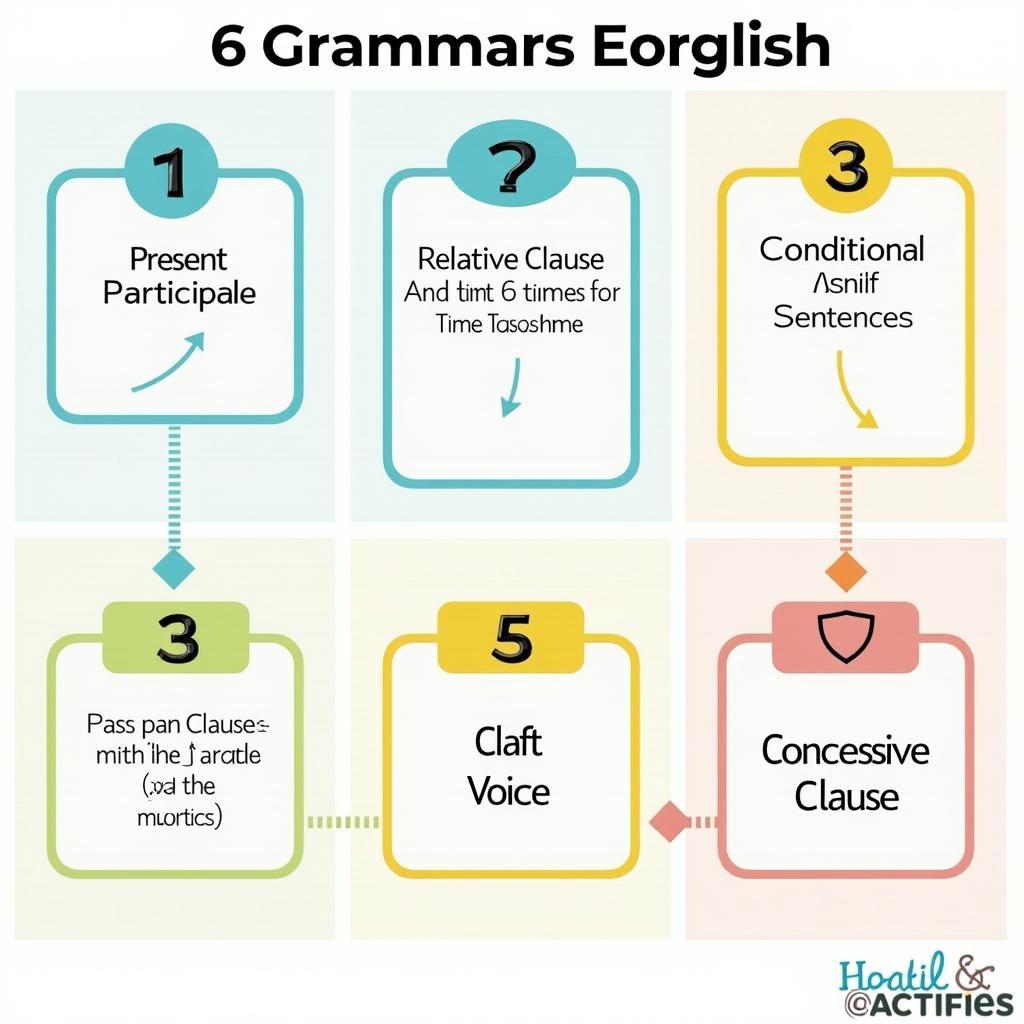 Sáu cấu trúc ngữ pháp quan trọng giúp tăng band điểm IELTS Writing Task 2
Kết Bài
Chủ đề về sự thay đổi từ cửa hàng truyền thống sang mua sắm trực tuyến không chỉ là một topic phổ biến trong IELTS Writing Task 2 mà còn phản ánh một xu hướng toàn cầu đang diễn ra trong cuộc sống hàng ngày của chúng ta. Qua bài viết này, bạn đã được trang bị một bộ công cụ hoàn chỉnh để xử lý dạng đề “Discuss advantages and disadvantages” một cách hiệu quả.
Những điểm quan trọng cần nhớ:
-
Cấu trúc bài rõ ràng là nền tảng: Luôn đảm bảo có introduction với paraphrasing và thesis statement, hai body paragraphs phát triển đầy đủ ý tưởng, và conclusion tổng kết có ý nghĩa.
-
Cân bằng giữa advantages và disadvantages: Đừng thiên vị quá nhiều về một phía. Đề bài yêu cầu “discuss” nghĩa là phải thảo luận công bằng cả hai mặt.
-
Phát triển ý sâu, không chỉ liệt kê: Mỗi luận điểm cần có explanation, example và impact. Công thức Topic Sentence → Explanation → Example → Result/Impact sẽ giúp bạn có body paragraphs chất lượng.
-
Từ vựng quan trọng hơn số lượng: Thay vì cố nhồi nhét nhiều từ khó, hãy tập trung vào collocations tự nhiên và paraphrasing hiệu quả. 15 cụm từ sử dụng đúng cách tốt hơn 50 từ vựng dùng sai ngữ cảnh.
-
Cấu trúc câu đa dạng tạo sự khác biệt: Kết hợp câu đơn, phức và các cấu trúc nâng cao như participle phrases, relative clauses, conditionals, cleft sentences. Nhưng nhớ rằng: tự nhiên và chính xác quan trọng hơn phức tạp giả tạo.
-
Học từ lỗi sai: Bài mẫu band 5-6 không chỉ để so sánh mà còn để bạn nhận diện những lỗi mà mình có thể đang mắc phải. Đặc biệt chú ý các lỗi phổ biến của học viên Việt Nam về subject-verb agreement, articles, word forms.
Lộ trình học tập hiệu quả:
-
Tuần 1-2: Nắm vững cấu trúc bài và các yêu cầu của từng dạng đề. Phân tích kỹ 3 bài mẫu trong bài viết này, highlight các điểm hay và note lại.
-
Tuần 3-4: Học thuộc 15 cụm từ vựng quan trọng với collocations và tạo example sentences của riêng mình. Mỗi ngày viết 5 câu sử dụng các cụm này.
-
Tuần 5-6: Thực hành 6 cấu trúc câu cao điểm. Mỗi ngày viết 3-5 câu với mỗi cấu trúc cho đến khi sử dụng thành thạo và tự nhiên.
-
Tuần 7-8: Viết hoàn chỉnh 2-3 bài với các đề tương tự, tự chấm điểm theo 4 tiêu chí hoặc nhờ giáo viên/bạn bè feedback. Xác định điểm yếu và tập trung cải thiện.
Lời khuyên cuối cùng:
Đừng cố viết một bài “hoàn hảo” ngay từ đầu. IELTS Writing là một kỹ năng cần thời gian và practice đều đặn. Mỗi lần viết, bạn sẽ cải thiện một chút. Hãy tập trung vào việc truyền đạt ý tưởng rõ ràng, sử dụng ngôn ngữ chính xác và cấu trúc logic. Band điểm cao sẽ đến một cách tự nhiên khi bạn đã thành thạo những yếu tố này.
Hãy nhớ rằng, examiner không tìm kiếm những từ vựng “wow” hay cấu trúc phức tạp nhất. Họ muốn thấy một bài viết communicate ideas effectively, với ngôn ngữ appropriate và accurate. Đó chính là bí quyết để đạt band 7, 8 và thậm chí 9.
Chúc bạn học tốt và đạt được band điểm mong muốn trong kỳ thi IELTS sắp tới! Hãy kiên nhẫn, thực hành đều đặn và tin tưởng vào quá trình của mình.
