Trong bối cảnh biến đổi khí hậu ngày càng nghiêm trọng và nền kinh tế toàn cầu đang trong giai đoạn phục hồi sau đại dịch, chủ đề về việc làm xanh (green jobs) đã trở thành một trong những đề tài nóng hổi và xuất hiện ngày càng thường xuyên trong đề thi IELTS Writing Task 2. Các đề bài xoay quanh chủ đề này thường yêu cầu thí sinh phân tích vai trò của các công việc thân thiện với môi trường trong việc tái thiết và phát triển kinh tế bền vững.
Qua 20 năm giảng dạy IELTS, tôi nhận thấy nhiều học viên Việt Nam gặp khó khăn với dạng đề này do thiếu hiểu biết về các khái niệm kinh tế-môi trường và cách triển khai ý một cách logic, mạch lạc. Bài viết này sẽ giúp bạn:
- Hiểu rõ cách phân tích và tiếp cận đề bài về green jobs và economic recovery
- Học hỏi từ 3 bài mẫu ở các band điểm khác nhau (Band 5-6, Band 6.5-7, Band 8-9)
- Nắm vững từ vựng chuyên ngành và cấu trúc câu giúp nâng cao band điểm
- Nhận biết những lỗi sai phổ biến và cách khắc phục hiệu quả
Dưới đây là một số đề thi thực tế đã xuất hiện liên quan đến chủ đề này:
- “Some people believe that environmental problems should be solved on a global scale while others believe it is better to deal with them nationally. Discuss both views.” (British Council, 2022)
- “Government investment in the arts is a waste of money. Governments must invest this money in public services instead. To what extent do you agree or disagree?” (IDP, 2023 – có thể mở rộng về green infrastructure)
- “Many countries are investing in renewable energy and green technologies. What are the advantages and disadvantages of this trend?” (IELTS-Blog, 2023)
Đề Writing Task 2 thực hành
Some people argue that creating green jobs should be a top priority for governments seeking economic recovery, while others believe traditional industries remain more important for employment and growth. Discuss both views and give your own opinion.
Dịch đề: Một số người cho rằng việc tạo ra các công việc xanh nên là ưu tiên hàng đầu của chính phủ trong việc phục hồi kinh tế, trong khi những người khác tin rằng các ngành công nghiệp truyền thống vẫn quan trọng hơn cho việc làm và tăng trưởng. Thảo luận cả hai quan điểm và đưa ra ý kiến của bạn.
Phân tích đề bài:
Đây là dạng câu hỏi Discussion + Opinion – một trong những dạng phổ biến nhất trong IELTS Writing Task 2. Yêu cầu của đề bài gồm ba phần:
- Thảo luận quan điểm ủng hộ việc ưu tiên green jobs
- Thảo luận quan điểm ủng hộ traditional industries
- Đưa ra ý kiến cá nhân của bạn
Các thuật ngữ quan trọng cần hiểu:
- Green jobs: Các công việc trong lĩnh vực năng lượng tái tạo, bảo tồn môi trường, công nghệ sạch, quản lý chất thải bền vững
- Economic recovery: Quá trình phục hồi nền kinh tế sau suy thoái, khủng hoảng
- Traditional industries: Các ngành công nghiệp truyền thống như sản xuất, khai thác, xây dựng thông thường
Những lỗi thường gặp của học viên Việt Nam:
- Chỉ tập trung vào một quan điểm và bỏ qua quan điểm còn lại
- Không đưa ra ý kiến cá nhân rõ ràng hoặc đưa ra quá muộn
- Thiếu ví dụ cụ thể để minh họa cho các luận điểm
- Sử dụng từ vựng chung chung thay vì từ vựng chuyên ngành
- Không liên kết được giữa green jobs và economic recovery một cách logic
Cách tiếp cận chiến lược:
Bạn nên cấu trúc bài viết theo 4 đoạn:
- Introduction: Paraphrase đề bài + nêu rõ bài viết sẽ thảo luận cả hai quan điểm + thesis statement (ý kiến của bạn)
- Body 1: Phân tích quan điểm ủng hộ green jobs (2-3 lý do với ví dụ)
- Body 2: Phân tích quan điểm ủng hộ traditional industries (2-3 lý do với ví dụ)
- Conclusion: Tóm tắt lại và nhấn mạnh quan điểm cá nhân
Quan trọng là phải cân bằng giữa hai quan điểm nhưng vẫn thể hiện rõ lập trường của mình.
Bài mẫu Band 8-9
Bài viết ở mức Band 8-9 thể hiện sự xuất sắc trong tất cả các tiêu chí: ý tưởng sâu sắc, cấu trúc chặt chẽ, từ vựng đa dạng và ngữ pháp phức tạp nhưng chính xác. Dưới đây là một bài mẫu điển hình:
In the wake of global economic challenges, the debate over whether governments should prioritize green jobs or traditional industries for economic recovery has intensified. While some advocate for sustainable employment sectors, others maintain that conventional industries remain the backbone of economic growth. This essay will examine both perspectives before arguing that a balanced approach favoring green jobs offers superior long-term benefits.
Proponents of green job creation present compelling arguments centered on sustainability and future-proofing economies. Firstly, investments in renewable energy, sustainable agriculture, and environmental conservation generate employment opportunities while simultaneously addressing the climate crisis. For instance, Germany’s Energiewende program has created over 300,000 jobs in solar and wind sectors, demonstrating that environmental priorities need not compromise employment. Moreover, green industries are inherently innovation-driven, fostering technological advancement and positioning nations competitively in emerging global markets. This forward-thinking approach ensures economic resilience against future environmental regulations and shifting consumer preferences toward sustainable products.
Conversely, advocates for traditional industries emphasize their immediate economic impact and established infrastructure. Manufacturing, mining, and conventional construction sectors offer readily available employment for large workforces, particularly in regions where workers lack specialized green skills. Furthermore, these industries contribute substantially to GDP through established supply chains and international trade relationships. Countries like China have leveraged traditional manufacturing to lift millions from poverty, illustrating the undeniable power of conventional industrial development. The argument goes that abandoning these proven economic engines for unproven green alternatives risks unemployment and economic instability during vulnerable recovery periods.
In my view, however, prioritizing green jobs represents a more pragmatic strategy for sustainable recovery. While traditional industries provide short-term stability, they perpetuate environmental degradation that will ultimately undermine economic foundations through climate-related disasters, resource depletion, and healthcare costs. The transition need not be abrupt; governments can implement retraining programs to help traditional workers acquire green skills, thereby ensuring that economic recovery is both inclusive and environmentally responsible.
In conclusion, although traditional industries offer immediate employment benefits, the imperative of climate action and long-term economic security makes green job creation the more judicious priority. By investing strategically in sustainable sectors while supporting workforce transitions, governments can achieve economic recovery that endures beyond the current generation.
(Word count: 318)
Phân tích Band điểm
| Tiêu chí | Band | Nhận xét |
|---|---|---|
| Task Response (Hoàn thành yêu cầu) | 9.0 | Bài viết đáp ứng đầy đủ và vượt trội yêu cầu đề bài. Cả hai quan điểm được phân tích sâu sắc với các luận điểm cụ thể và ví dụ thực tế (Đức, Trung Quốc). Quan điểm cá nhân được thể hiện rõ ràng ngay từ thesis statement và được phát triển nhất quán xuyên suốt bài. Độ dài 318 từ cho thấy khả năng triển khai ý phong phú. |
| Coherence & Cohesion (Mạch lạc & Liên kết) | 9.0 | Cấu trúc bài logic hoàn hảo với sự phân chia đoạn rõ ràng. Mỗi đoạn có một central idea được phát triển mạch lạc. Các linking devices đa dạng và tinh tế (In the wake of, Conversely, Moreover, thereby ensuring) không gây cảm giác rập khuôn. Progression of ideas tự nhiên, mỗi câu nối tiếp nhau logic. |
| Lexical Resource (Từ vựng) | 9.0 | Từ vựng học thuật phong phú và chính xác tuyệt đối (intensified, future-proofing, inherently innovation-driven, economic resilience, pragmatic strategy). Collocations tự nhiên (compelling arguments, readily available, undeniable power). Paraphrasing xuất sắc: “green jobs” → “sustainable employment sectors”, “traditional industries” → “conventional industrial development”. Không có lỗi từ vựng. |
| Grammatical Range & Accuracy (Ngữ pháp) | 9.0 | Sử dụng đa dạng và chính xác các cấu trúc phức: câu phức nhiều mệnh đề, mệnh đề quan hệ rút gọn (centered on sustainability), phân từ (demonstrating, illustrating, thereby ensuring), câu bị động, đảo ngữ ẩn. Không có lỗi ngữ pháp. Câu dài vẫn rõ nghĩa và mạch lạc. Punctuation hoàn hảo. |
Các yếu tố giúp bài này được chấm điểm cao
-
Thesis statement mạnh mẽ và định hướng rõ ràng: Ngay trong phần mở bài, tác giả không chỉ giới thiệu chủ đề mà còn thể hiện rõ lập trường “a balanced approach favoring green jobs offers superior long-term benefits”, giúp giám khảo biết được hướng đi của bài luận.
-
Sử dụng ví dụ thực tế cụ thể: Bài viết không dừng lại ở lý thuyết suông mà đưa ra các ví dụ có số liệu và địa danh cụ thể như “Germany’s Energiewende program has created over 300,000 jobs” và “China have leveraged traditional manufacturing to lift millions from poverty”, tăng tính thuyết phục.
-
Từ vựng học thuật cao cấp nhưng tự nhiên: Các cụm từ như “future-proofing economies”, “inherently innovation-driven”, “economic resilience” không chỉ thể hiện vốn từ phong phú mà còn sử dụng đúng ngữ cảnh, không gượng ép.
-
Liên kết ý tưởng tinh tế: Thay vì dùng các linking words đơn giản như “Firstly, Secondly”, bài viết sử dụng cách nối ý phức tạp hơn như “This forward-thinking approach ensures…”, “The argument goes that…”, “While traditional industries provide short-term stability…” tạo sự liền mạch.
-
Cân bằng giữa hai quan điểm: Mặc dù có lập trường thiên về green jobs, tác giả vẫn dành một đoạn văn đầy đủ để phân tích quan điểm đối lập một cách khách quan, thể hiện tư duy phản biện tốt.
-
Kết bài không chỉ tóm tắt mà còn mở rộng: Đoạn kết không lặp lại y nguyên những gì đã nói mà paraphrase lại và thêm yếu tố “supporting workforce transitions” để đưa ra giải pháp cụ thể, cho thấy tầm nhìn toàn diện.
-
Sử dụng cấu trúc câu phức tạp một cách chính xác: Các câu dài với nhiều mệnh đề phụ thuộc (như câu cuối Body 2) vẫn đảm bảo rõ nghĩa và không có lỗi ngữ pháp, thể hiện khả năng kiểm soát ngôn ngữ xuất sắc.
 Bài mẫu IELTS Writing Task 2 về việc làm xanh đạt band điểm cao 8-9 với phân tích chi tiết
Bài mẫu Band 6.5-7
Bài viết ở mức Band 6.5-7 thể hiện sự hiểu biết tốt về đề bài và khả năng triển khai ý logic, tuy nhiên vẫn còn một số hạn chế về độ sâu sắc trong phân tích, sự đa dạng từ vựng và cấu trúc câu so với Band 8-9.
The question of whether governments should focus on creating green jobs or supporting traditional industries for economic recovery is widely debated today. Both sides have their own advantages, and this essay will discuss these views before giving my opinion.
On the one hand, many people believe that green jobs should be the main priority for governments. The most important reason is that these jobs help protect the environment while also creating employment opportunities. For example, jobs in solar energy and wind power can reduce carbon emissions and at the same time provide work for many people. In addition, green industries represent the future of the global economy. Countries that invest in renewable energy now will have a competitive advantage in the coming years when environmental regulations become stricter. This means that prioritizing green jobs is not only good for the planet but also makes economic sense.
On the other hand, some argue that traditional industries are still more important for economic growth. These industries, such as manufacturing and construction, have existed for a long time and employ millions of workers worldwide. They contribute significantly to a country’s GDP and are essential for international trade. Furthermore, many workers in these sectors do not have the skills needed for green jobs, so switching to green industries quickly could lead to unemployment. For developing countries especially, traditional industries provide immediate economic benefits that are necessary for poverty reduction.
In my opinion, I believe that green jobs should be given more importance, but governments should not completely abandon traditional industries. The best approach is to gradually transition from traditional to green sectors by providing training programs for workers. This way, countries can achieve economic recovery while also addressing environmental problems.
In conclusion, although both perspectives have merit, I think focusing on green jobs is more beneficial in the long run. However, a balanced strategy that includes support for traditional workers is necessary for successful economic recovery.
(Word count: 287)
Phân tích Band điểm
| Tiêu chí | Band | Nhận xét |
|---|---|---|
| Task Response (Hoàn thành yêu cầu) | 6.5 | Bài viết đáp ứng đầy đủ yêu cầu đề bài với cả hai quan điểm được thảo luận và có ý kiến cá nhân. Tuy nhiên, các ý tưởng còn khá general và thiếu chiều sâu. Ví dụ về solar energy và wind power chưa đủ cụ thể (không có số liệu, địa danh). Main ideas được present nhưng chưa được fully extended và supported bằng chi tiết thuyết phục. |
| Coherence & Cohesion (Mạch lạc & Liên kết) | 7.0 | Cấu trúc bài rõ ràng với 4 đoạn logic. Mỗi đoạn có topic sentence và supporting ideas. Linking devices được sử dụng đúng (On the one hand, Furthermore, In addition) nhưng còn mechanical và thiếu đa dạng. Một số chỗ chuyển ý hơi đột ngột, chẳng hạn câu cuối Body 2 chuyển sang developing countries chưa có cầu nối mượt mà. |
| Lexical Resource (Từ vựng) | 6.5 | Từ vựng đủ để truyền đạt ý nhưng còn hạn chế về range. Một số collocations tốt (competitive advantage, immediate economic benefits, poverty reduction) nhưng cũng có từ vựng general (help protect, good for the planet, makes economic sense). Paraphrasing có nhưng chưa đa dạng: “green jobs” được lặp lại nhiều. Không có lỗi từ vựng nghiêm trọng. |
| Grammatical Range & Accuracy (Ngữ pháp) | 7.0 | Sử dụng mix giữa câu đơn và câu phức. Có một số cấu trúc phức tốt (Countries that invest…, This means that…, so switching to…). Đa số câu đúng ngữ pháp nhưng thiếu variety. Không có complex structures như phân từ, đảo ngữ, câu chẻ. Một số lỗi nhỏ về article và word choice nhưng không ảnh hưởng nghiêm trọng đến communication. |
So sánh với bài Band 8-9
1. Độ sâu sắc của ý tưởng:
- Band 8-9: “Germany’s Energiewende program has created over 300,000 jobs in solar and wind sectors” – cụ thể, có số liệu, địa danh
- Band 6.5-7: “jobs in solar energy and wind power can reduce carbon emissions” – general, thiếu chi tiết thuyết phục
2. Từ vựng và collocations:
- Band 8-9: “future-proofing economies”, “inherently innovation-driven”, “economic resilience”, “pragmatic strategy”
- Band 6.5-7: “help protect the environment”, “makes economic sense”, “have existed for a long time” – từ vựng đơn giản hơn, ít academic
3. Cấu trúc câu:
- Band 8-9: Sử dụng phân từ, mệnh đề quan hệ rút gọn, đảo ngữ ẩn: “investments in renewable energy, sustainable agriculture, and environmental conservation generate employment opportunities while simultaneously addressing the climate crisis”
- Band 6.5-7: Câu đơn giản hơn với cấu trúc cơ bản: “They contribute significantly to a country’s GDP and are essential for international trade”
4. Liên kết ý:
- Band 8-9: “This forward-thinking approach ensures…”, “The argument goes that…”, “thereby ensuring” – linking tinh tế, tự nhiên
- Band 6.5-7: “On the one hand”, “Furthermore”, “In addition” – mechanical, thiếu variation
5. Thesis statement:
- Band 8-9: “This essay will examine both perspectives before arguing that a balanced approach favoring green jobs offers superior long-term benefits” – clear position ngay từ đầu
- Band 6.5-7: “this essay will discuss these views before giving my opinion” – generic, không thể hiện position rõ ràng
6. Kết bài:
- Band 8-9: Paraphrase lại main points và thêm yếu tố mới “supporting workforce transitions” – mở rộng tư duy
- Band 6.5-7: “a balanced strategy that includes support for traditional workers is necessary” – đơn giản, lặp lại ý đã nói
7. Độ chính xác ngôn ngữ:
- Band 8-9: Không có lỗi ngữ pháp hay từ vựng
- Band 6.5-7: Một số chỗ dùng từ chưa natural như “switching to green industries quickly” (nên dùng “rapid transition”)
Bài mẫu Band 5-6
Bài viết ở mức Band 5-6 thể hiện khả năng truyền đạt ý cơ bản nhưng còn nhiều hạn chế về ngữ pháp, từ vựng, và cách triển khai ý. Đây là mức điểm phổ biến của nhiều học viên Việt Nam khi mới bắt đầu luyện thi.
Nowadays, many people think that government should create green jobs to help economic recovery. However, other people believe traditional industries is more important. I will discuss both side and give my opinion.
Firstly, green jobs have many benefits for environment and economy. When government invest in green jobs, they can create many new job for people and also protect the nature. For example, if we build more solar panel and wind energy, we can make electricity without pollution and many people can work in this field. This is very good for future because the world need more clean energy. Also, green jobs can help country to develop new technology and compete with other country in the world.
However, traditional industries also very important for economy. Many people working in factory, construction and mining for long time. These industry make a lot of money for the country and help to trade with another countries. If government stop support traditional industries, many worker will lost their job because they don’t have skill for green job. Especially in poor country, traditional industries help people to have work and reduce poverty. So it is difficult to change to green industries very fast.
In my opinion, I think both green jobs and traditional industries are important. Government should support green jobs because it good for environment, but they also need to help traditional industries. They can give training to worker so they can work in green industries later. This way can help economy and environment at same time.
In conclusion, green jobs and traditional industries both have advantage. Government need to find balance between them to make economy better and also protect environment.
(Word count: 268)
Phân tích Band điểm
| Tiêu chí | Band | Nhận xét |
|---|---|---|
| Task Response (Hoàn thành yêu cầu) | 5.5 | Bài viết đáp ứng cơ bản yêu cầu đề bài với cả hai quan điểm được đề cập và có ý kiến cá nhân. Tuy nhiên, các ý tưởng rất general và thiếu chiều sâu. Ví dụ không cụ thể (chỉ nói “solar panel and wind energy” mà không có số liệu, địa danh). Main ideas được present nhưng under-developed, thiếu details và explanation thuyết phục. |
| Coherence & Cohesion (Mạch lạc & Liên kết) | 5.5 | Có cấu trúc cơ bản 4-5 đoạn nhưng paragraph organization chưa clear. Một số đoạn thiếu topic sentence rõ ràng. Linking devices limited và repetitive (Firstly, However, Also, So). Một số chỗ ideas không follow logic, ví dụ đoạn 2 nhảy từ clean energy sang technology và competition without clear connection. Referencing còn confusing (they, this, it không rõ đối tượng). |
| Lexical Resource (Từ vựng) | 5.5 | Từ vựng còn basic và limited range. Lặp từ nhiều (green jobs xuất hiện 7 lần, industries 8 lần). Một số collocation errors: “invest in green jobs” (nên là invest in green sectors/technologies), “lost their job” (sai thì), “good for future” (thiếu article). Spelling đúng nhưng word choice không natural. Không có paraphrasing, cứ dùng từ trong đề. |
| Grammatical Range & Accuracy (Ngữ pháp) | 5.0 | Chủ yếu dùng simple sentences và một số complex sentences basic. Nhiều lỗi ngữ pháp ảnh hưởng đến meaning: “traditional industries is” (lỗi subject-verb agreement), “if government stop support” (lỗi verb form), “worker will lost” (sai thì), “they don’t have skill” (thiếu article), “give training to worker” (thiếu article). Có attempt complex sentences nhưng thường sai. Punctuation cơ bản đúng. |
Những lỗi sai của bài – phân tích & giải thích
| Lỗi sai | Loại lỗi | Sửa lại | Giải thích |
|---|---|---|---|
| “traditional industries is more important” | Subject-verb agreement | “traditional industries are more important” | “Industries” là danh từ số nhiều nên động từ phải là “are”, không phải “is”. Đây là lỗi cơ bản nhưng rất phổ biến ở học viên Việt Nam vì tiếng Việt không có sự phân biệt này. |
| “I will discuss both side” | Article + Plural noun | “I will discuss both sides” | “Both” đi với danh từ số nhiều, do đó phải là “sides”. Học viên Việt Nam thường quên thêm -s vì tiếng Việt không có dạng số nhiều của danh từ. |
| “government invest in green jobs” | Article + Verb form | “the government invests in green jobs” hoặc “governments invest” | Cần có article “the” trước “government” khi nói về một chính phủ cụ thể, hoặc dùng số nhiều “governments” nếu nói chung. Động từ “invest” phải thêm -s vì chủ ngữ số ít. |
| “create many new job for people” | Plural noun | “create many new jobs for people” | “Many” đi với danh từ đếm được số nhiều, phải là “jobs”. Lỗi này xuất hiện nhiều trong bài vì học viên không có thói quen kiểm tra singular/plural. |
| “worker will lost their job” | Verb tense | “workers will lose their jobs” | Sau “will” phải dùng động từ nguyên mẫu “lose”, không phải past tense “lost”. Đồng thời “worker” và “job” phải ở dạng số nhiều để phù hợp nghĩa. |
| “they don’t have skill for green job” | Article | “they don’t have skills for green jobs” | Cần dùng số nhiều “skills” và “jobs” vì đang nói về nhiều kỹ năng và công việc. Đây là lỗi không sử dụng article và plural form đúng cách. |
| “if government stop support traditional industries” | Verb form | “if the government stops supporting traditional industries” | Thiếu article “the”, động từ “stop” cần thêm -s, và cần dùng gerund “supporting” sau “stop” hoặc dùng cấu trúc “stop to support”. |
| “reduce poverty” (context: poor country) | Word choice | “alleviate poverty” hoặc “reduce poverty in developing countries” | “Reduce poverty” không sai ngữ pháp nhưng dùng “alleviate poverty” academic hơn. “Poor country” nên thay bằng “developing countries” để formal hơn. |
| “This is very good for future” | Article | “This is very good for the future” | Cần có article “the” trước “future” khi nói về tương lai nói chung. Học viên Việt Nam thường bỏ qua articles vì tiếng Việt không có. |
| “compete with other country” | Plural noun | “compete with other countries” | “Other” theo sau là danh từ số nhiều khi nói chung chung, phải là “countries”. |
| “trade with another countries” | Word choice | “trade with other countries” | “Another” dùng cho số ít, phải dùng “other” cho số nhiều. Đây là lỗi confusion giữa another/other rất phổ biến. |
| “give training to worker” | Article | “provide training to workers” hoặc “train workers” | Thiếu article và số nhiều cho “workers”. Ngoài ra, “provide training” hoặc “train” là collocations tự nhiên hơn “give training”. |
Cách Cải Thiện Từ Band 6 Lên Band 7
1. Nâng cao Task Response:
- Thay vì ví dụ chung chung như “build more solar panel”, hãy đưa ra ví dụ cụ thể: “According to the International Energy Agency, China created 4 million jobs in renewable energy sector between 2015 and 2020”
- Develop mỗi idea với explanation đầy đủ: Main idea → Explanation → Example → Impact
- Đảm bảo mỗi body paragraph có ít nhất 2 main ideas được phát triển kỹ
2. Cải thiện Coherence & Cohesion:
- Học cách dùng referencing đúng: thay vì lặp “green jobs” nhiều lần, dùng “these sustainable employment opportunities”, “this sector”, “such initiatives”
- Sử dụng linking words đa dạng hơn: thay “However” → “Conversely”, “Nevertheless”, “On the contrary”
- Đảm bảo mỗi đoạn có topic sentence rõ ràng ở đầu
3. Mở rộng Lexical Resource:
- Học collocations theo chủ đề: “stimulate economic growth”, “sustainable development”, “workforce transition”, “climate-resilient economy”
- Paraphrase từ khóa trong đề: “green jobs” → “environmentally-friendly employment”, “eco-conscious careers”, “sustainable sectors”
- Tránh lặp từ: sử dụng synonyms một cách chính xác
4. Tăng cường Grammatical Range:
- Luyện viết complex sentences với nhiều mệnh đề: “While traditional industries provide immediate employment, green jobs offer long-term sustainability that benefits both economy and environment”
- Sử dụng relative clauses: “Green technologies, which require significant initial investment, ultimately generate substantial returns”
- Thực hành passive voice khi phù hợp: “Renewable energy projects are being implemented across developed nations”
- Học cách dùng participle phrases: “Recognizing the urgency of climate change, governments are increasingly prioritizing green investments”
5. Khắc phục lỗi Grammar cơ bản:
- Kiểm tra subject-verb agreement trong mọi câu trước khi nộp bài
- Chú ý articles (a/an/the): học thuộc các rules cơ bản và luyện tập thường xuyên
- Phân biệt countable/uncountable nouns và dùng singular/plural đúng
- Kiểm tra verb tenses: đảm bảo thì động từ nhất quán trong cả bài
6. Luyện tập có hệ thống:
- Viết ít nhất 1 bài mỗi ngày và tự sửa lỗi grammar cơ bản
- Đọc bài mẫu Band 7-8 và phân tích cách họ triển khai ý, dùng từ, xây dựng câu
- Học 10-15 từ vựng chuyên ngành mỗi ngày và tạo câu ví dụ riêng
- Tìm giáo viên hoặc bạn học để exchange feedback
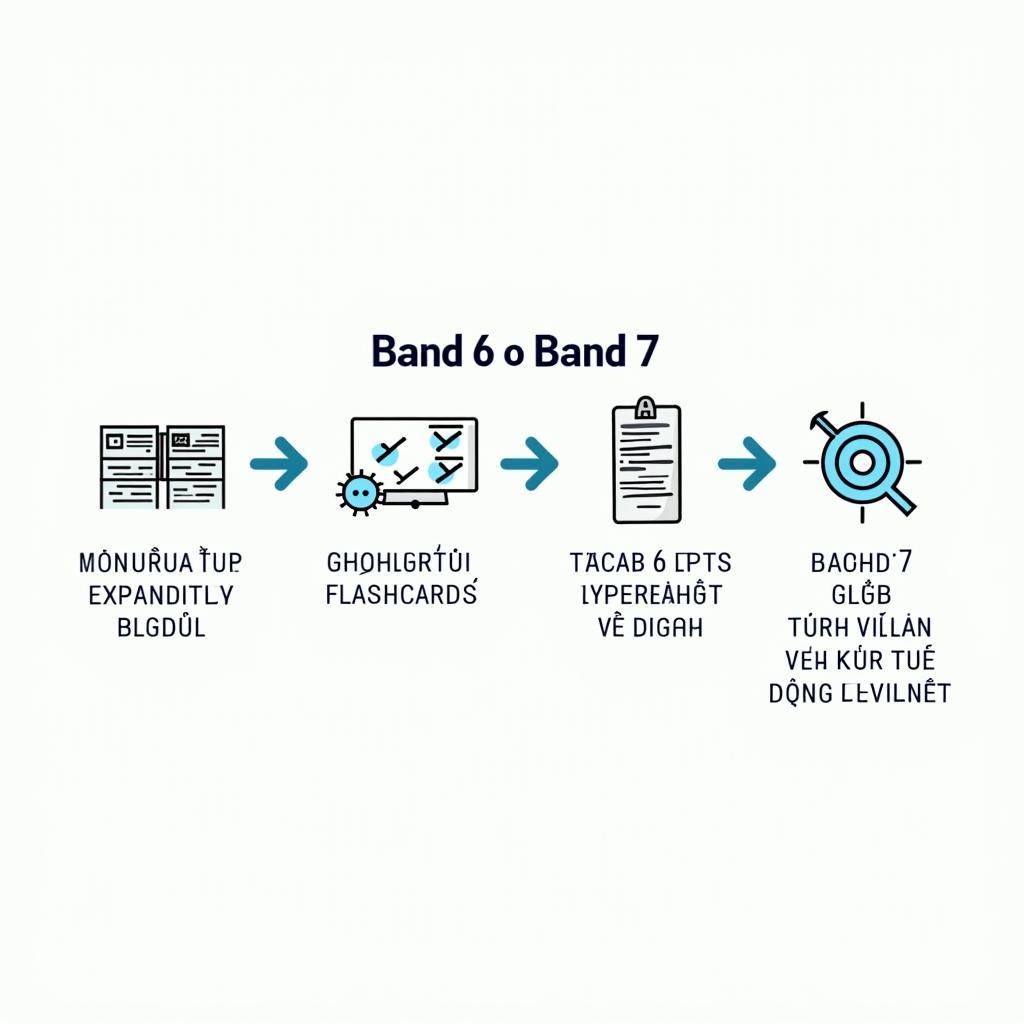 Phương pháp cải thiện điểm số IELTS Writing từ band 6 lên band 7 với các bước cụ thể
Từ vựng quan trọng cần nhớ
| Từ/Cụm từ | Loại từ | Phiên âm | Nghĩa tiếng Việt | Ví dụ | Collocations |
|---|---|---|---|---|---|
| green jobs | noun phrase | /ɡriːn dʒɒbz/ | Việc làm xanh, công việc thân thiện với môi trường | The government’s investment in renewable energy has created thousands of green jobs in rural areas. | create green jobs, generate green jobs, green job creation, transition to green jobs |
| economic recovery | noun phrase | /ˌiːkəˈnɒmɪk rɪˈkʌvəri/ | Sự phục hồi kinh tế | Post-pandemic economic recovery requires strategic investment in sustainable sectors. | stimulate economic recovery, post-crisis economic recovery, economic recovery plan, swift economic recovery |
| sustainable development | noun phrase | /səˈsteɪnəbl dɪˈveləpmənt/ | Phát triển bền vững | Sustainable development balances economic growth with environmental protection. | promote sustainable development, achieve sustainable development, sustainable development goals, long-term sustainable development |
| renewable energy | noun phrase | /rɪˈnjuːəbl ˈenədʒi/ | Năng lượng tái tạo | Investment in renewable energy has tripled over the past decade. | harness renewable energy, renewable energy sector, renewable energy sources, transition to renewable energy |
| future-proofing | noun/verb | /ˈfjuːtʃə pruːfɪŋ/ | Đảm bảo phù hợp/bền vững trong tương lai | Future-proofing our economy means investing in technologies that will remain relevant. | future-proofing strategies, future-proofing economies, future-proof investments |
| workforce transition | noun phrase | /ˈwɜːkfɔːs trænˈzɪʃən/ | Sự chuyển đổi lực lượng lao động | Workforce transition programs help traditional workers acquire green skills. | support workforce transition, smooth workforce transition, workforce transition initiatives, manage workforce transition |
| climate-resilient | adjective | /ˈklaɪmət rɪˈzɪliənt/ | Có khả năng chống chịu với biến đổi khí hậu | Building a climate-resilient economy requires significant structural changes. | climate-resilient infrastructure, climate-resilient development, climate-resilient agriculture |
| economic resilience | noun phrase | /ˌiːkəˈnɒmɪk rɪˈzɪliəns/ | Khả năng phục hồi kinh tế | Economic resilience depends on diversifying industries beyond fossil fuels. | strengthen economic resilience, enhance economic resilience, build economic resilience |
| GDP (Gross Domestic Product) | noun | /ˌdʒiː diː ˈpiː/ | Tổng sản phẩm quốc nội | Traditional manufacturing sectors contribute approximately 20% to the national GDP. | contribute to GDP, boost GDP, GDP growth, GDP per capita |
| carbon emissions | noun phrase | /ˈkɑːbən ɪˈmɪʃənz/ | Khí thải carbon | Reducing carbon emissions is essential for mitigating climate change. | reduce carbon emissions, cut carbon emissions, carbon emissions reduction, zero carbon emissions |
| competitive advantage | noun phrase | /kəmˈpetɪtɪv ədˈvɑːntɪdʒ/ | Lợi thế cạnh tranh | Early adoption of green technologies provides nations with competitive advantage. | gain competitive advantage, maintain competitive advantage, competitive advantage in global markets |
| innovation-driven | adjective | /ˌɪnəˈveɪʃən ˈdrɪvən/ | Được thúc đẩy bởi đổi mới sáng tạo | Green industries are inherently innovation-driven, fostering technological advancement. | innovation-driven economy, innovation-driven growth, innovation-driven solutions |
| environmental degradation | noun phrase | /ɪnˌvaɪrənˈmentl ˌdeɡrəˈdeɪʃən/ | Suy thoái môi trường | Unchecked industrial expansion leads to severe environmental degradation. | prevent environmental degradation, combat environmental degradation, environmental degradation issues |
| retraining programs | noun phrase | /riːˈtreɪnɪŋ ˈprəʊɡræmz/ | Chương trình đào tạo lại | Governments must implement comprehensive retraining programs for displaced workers. | offer retraining programs, comprehensive retraining programs, vocational retraining programs |
| pragmatic strategy | noun phrase | /præɡˈmætɪk ˈstrætədʒi/ | Chiến lược thực dụng | A pragmatic strategy involves gradual transition rather than abrupt industrial shifts. | adopt pragmatic strategy, pragmatic strategy approach, develop pragmatic strategy |
Cấu trúc câu dễ “ăn điểm” cao
1. Cấu trúc: While/Although/Whereas + clause, main clause
Công thức: Sử dụng mệnh đề nhượng bộ (concessive clause) để thể hiện sự tương phản giữa hai ý tưởng, cho thấy khả năng tư duy phản biện và cân bằng quan điểm.
Ví dụ từ bài Band 8-9:
While traditional industries provide short-term stability, they perpetuate environmental degradation that will ultimately undermine economic foundations.
Tại sao cấu trúc này ghi điểm cao:
Cấu trúc này cho thấy bạn có khả năng nhìn nhận vấn đề từ nhiều góc độ khác nhau. Thay vì phủ nhận hoàn toàn một quan điểm, bạn thừa nhận điểm mạnh của nó (provide short-term stability) trước khi đưa ra argument chính (perpetuate environmental degradation). Điều này thể hiện mature thinking và academic tone, hai yếu tố quan trọng cho Band 8+.
Ví dụ bổ sung:
- Although traditional manufacturing creates immediate employment, green industries offer long-term career prospects with better working conditions.
- Whereas fossil fuel sectors generate substantial revenue, renewable energy investments yield both economic and environmental dividends.
- While retraining programs require initial government expenditure, they ultimately reduce unemployment costs and welfare dependency.
Lỗi thường gặp của học viên Việt Nam:
Nhiều học viên có xu hướng dùng “Although… but…” trong cùng một câu (ví dụ: “Although green jobs are important, but traditional industries also necessary”). Đây là lỗi sai nghiêm trọng vì trong tiếng Anh không thể dùng cả hai từ này cùng lúc. Chỉ dùng “Although” HOẶC “but”, không dùng cả hai.
2. Cấu trúc: Not only… but also…
Công thức: Sử dụng cấu trúc tương quan (correlative structure) để nhấn mạnh hai lợi ích hoặc hai khía cạnh tích cực của một vấn đề, tạo sự thuyết phục cao.
Ví dụ từ bài Band 8-9:
Investments in renewable energy, sustainable agriculture, and environmental conservation generate employment opportunities while simultaneously addressing the climate crisis. (Đây là biến thể của not only…but also)
Tại sao cấu trúc này ghi điểm cao:
Cấu trúc này giúp bạn present hai benefits trong một câu một cách elegant và concise, thể hiện lexical sophistication. Nó cho thấy bạn không chỉ nhìn nhận vấn đề theo một chiều mà hiểu được multiple impacts của một policy hay action. Giám khảo đánh giá cao khả năng này vì nó phản ánh critical thinking.
Ví dụ bổ sung:
- Green job initiatives not only reduce unemployment rates but also contribute to achieving national climate targets.
- Transitioning to sustainable sectors not only future-proofs economies but also improves public health outcomes through reduced pollution.
- Investment in green technologies not only creates high-skilled employment but also positions nations competitively in emerging global markets.
Lỗi thường gặp của học viên Việt Nam:
Học viên thường quên đảo ngữ khi “Not only” đứng đầu câu. Đúng: “Not only does this policy create jobs, but it also…” Sai: “Not only this policy creates jobs, but it also…”. Ngoài ra, nhiều bạn quên “also” trong phần thứ hai, chỉ viết “but” là không đầy đủ.
3. Cấu trúc: Participle phrases (Phân từ đầu câu)
Công thức: V-ing/V-ed + phrase, + main clause. Sử dụng phân từ (participle) để rút gọn mệnh đề phụ, tạo câu văn ngắn gọn nhưng sophisticated.
Ví dụ từ bài Band 8-9:
Countries like China have leveraged traditional manufacturing to lift millions from poverty, illustrating the undeniable power of conventional industrial development.
Tại sao cấu trúc này ghi điểm cao:
Participle phrases là dấu hiệu của advanced grammar control. Thay vì viết hai câu riêng biệt hoặc dùng “and” để nối, bạn compact information lại một cách natural và fluent. Cấu trúc này thường xuất hiện trong academic writing và báo chí, cho thấy bạn đã vượt qua mức intermediate. Giám khảo nhận thấy ngay sự khác biệt về grammatical range.
Ví dụ bổ sung:
- Recognizing the urgency of climate action, governments are increasingly prioritizing investments in sustainable infrastructure.
- Having witnessed the economic devastation of fossil fuel dependency, many nations are diversifying their energy portfolios.
- Supported by comprehensive retraining programs, workers can successfully transition from declining industries to green sectors.
Lỗi thường gặp của học viên Việt Nam:
Lỗi dangling participle rất phổ biến. Ví dụ sai: “Walking to school, the rain started falling” (câu này hiểu là “the rain” đang đi bộ đến trường). Phải đảm bảo subject của participle phrase và main clause là cùng một đối tượng. Đúng: “Walking to school, I noticed the rain started falling.”
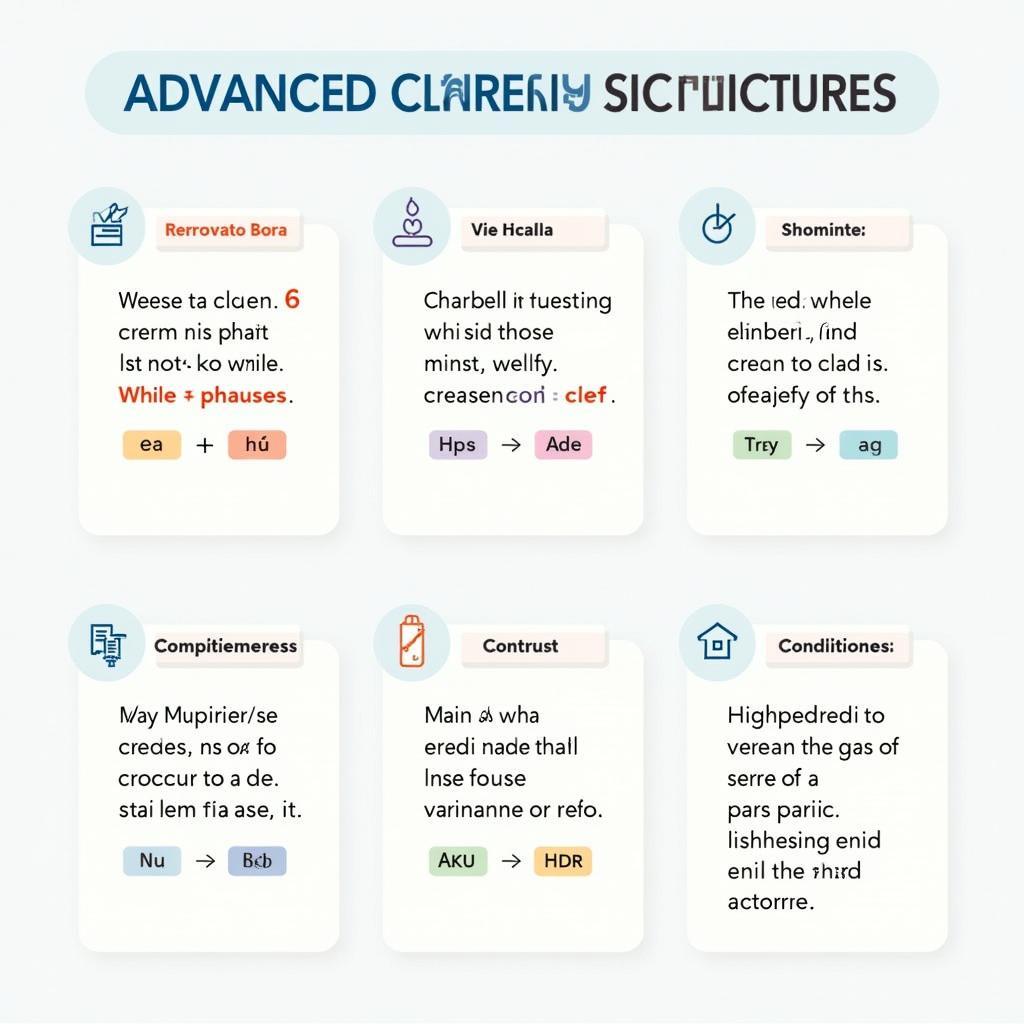 Các cấu trúc ngữ pháp giúp tăng band điểm IELTS Writing Task 2 với ví dụ minh họa
4. Cấu trúc: Cleft sentences (Câu chẻ) – It is/was… that/who…
Công thức: It + be + focus element + that/who + remaining clause. Sử dụng để nhấn mạnh một thành phần cụ thể trong câu.
Ví dụ liên quan đến đề bài:
It is the long-term sustainability of green sectors that makes them superior to traditional industries for economic recovery.
Tại sao cấu trúc này ghi điểm cao:
Cleft sentences là công cụ mạnh mẽ để tạo emphasis và focus attention vào điểm bạn muốn nhấn mạnh. Thay vì câu bình thường “The long-term sustainability of green sectors makes them superior…”, cấu trúc cleft giúp reader/examiner immediately notice yếu tố quan trọng nhất. Đây là rhetorical device thường thấy trong academic writing và political speeches, cho thấy linguistic maturity cao.
Ví dụ bổ sung:
- It is through comprehensive retraining programs that governments can ensure smooth workforce transition to green industries.
- It was Germany’s Energiewende initiative that demonstrated the viability of large-scale renewable energy adoption.
- It is not merely job creation but sustainable employment that should drive economic recovery policies.
Lỗi thường gặp của học viên Việt Nam:
Nhiều học viên dùng sai “that” và “who”. Nhớ: dùng “who” cho người, “that” cho vật/sự việc. Ví dụ sai: “It is the workers that need retraining” → Đúng: “It is the workers who need retraining”. Ngoài ra, một số bạn quên chia động từ “be” theo thì: “It was… that demonstrates” là sai, phải là “It was… that demonstrated”.
5. Cấu trúc: Conditional sentences – Mixed/Third conditional
Công thức: If + past perfect, would/could + present/future; hoặc các biến thể phức tạp khác của câu điều kiện.
Ví dụ liên quan đến đề bài:
If governments had invested in green infrastructure earlier, economies would be more resilient to current climate-related disruptions.
Tại sao cấu trúc này ghi điểm cao:
Advanced conditional structures (đặc biệt là mixed và third conditional) cho thấy bạn có thể diễn đạt các hypothetical situations phức tạp và consequences của chúng. Đây là dấu hiệu của sophisticated thinking và grammatical range ở mức cao. Third conditional đặc biệt useful khi analyze past decisions và imagine alternative outcomes – một kỹ năng critical thinking quan trọng trong academic writing.
Ví dụ bổ sung:
- Should governments prioritize green sectors, long-term economic stability would be considerably enhanced. (Inverted conditional)
- Had traditional industries adapted to environmental standards sooner, the transition to green economy would have been less disruptive.
- Were workforce retraining programs more widely available, unemployment during industrial transitions could be significantly mitigated.
Lỗi thường gặp của học viên Việt Nam:
Nhầm lẫn giữa các loại câu điều kiện. Ví dụ sai: “If government will invest in green jobs, economy will improve” → Đúng: “If the government invests in green jobs, the economy will improve” (type 1) hoặc “If the government invested…, the economy would improve” (type 2). Học viên Việt Nam cũng thường quên dùng “had + past participle” trong type 3.
6. Cấu trúc: Inversion (Đảo ngữ)
Công thức: Negative adverb/Only/Not only + auxiliary verb + subject + main verb. Đảo trợ động từ lên trước chủ ngữ để tạo emphasis.
Ví dụ liên quan đến đề bài:
Not only do green industries create employment, but they also address environmental challenges simultaneously.
Hoặc: Rarely have economic policies offered such comprehensive benefits as green job initiatives.
Tại sao cấu trúc này ghi điểm cao:
Inversion là hallmark của advanced English proficiency. Nó thường xuất hiện trong formal writing và oratory để tạo dramatic effect và emphasis. Khi dùng đúng, inversion instantly elevates your writing từ intermediate lên advanced level. Giám khảo nhận ra ngay rằng bạn đã master được các grammatical structures phức tạp, điều này directly contributes to Band 8-9 trong Grammatical Range & Accuracy.
Ví dụ bổ sung:
- Seldom has an economic strategy aligned so perfectly with environmental imperatives as the green jobs movement.
- Under no circumstances should governments abandon environmental considerations in pursuit of short-term economic gains.
- Only through sustained investment in sustainable sectors can nations achieve genuine long-term prosperity.
Lỗi thường gặp của học viên Việt Nam:
Lỗi phổ biến nhất là quên đảo ngữ hoặc đảo sai. Ví dụ sai: “Not only green industries create jobs…” → Đúng: “Not only do green industries create jobs…”. Một số bạn cũng lạm dụng inversion, dùng quá nhiều trong một bài khiến văn phong không tự nhiên. Chỉ nên dùng 1-2 lần trong toàn bài để tạo impact.
Kết bài
Chủ đề về vai trò của việc làm xanh trong phục hồi kinh tế là một đề tài thời sự và có khả năng cao sẽ tiếp tục xuất hiện trong các kỳ thi IELTS Writing Task 2 trong tương lai. Qua bài viết này, bạn đã được trang bị:
Kiến thức về cách tiếp cận đề bài: Hiểu rõ cách phân tích đề Discussion + Opinion, cách cân bằng giữa hai quan điểm và thể hiện ý kiến cá nhân một cách rõ ràng ngay từ đầu bài.
Ba bài mẫu ở các band điểm khác nhau: Từ Band 5-6 với những lỗi sai phổ biến, đến Band 6.5-7 với sự tiến bộ đáng kể, và cuối cùng là Band 8-9 với sự xuất sắc toàn diện. Việc so sánh các bài này giúp bạn nhận ra clearly sự khác biệt giữa các band và roadmap để cải thiện.
Phân tích chi tiết về 4 tiêu chí chấm điểm: Task Response, Coherence & Cohesion, Lexical Resource, và Grammatical Range & Accuracy. Hiểu được các tiêu chí này giúp bạn tự đánh giá và điều chỉnh writing approach của mình.
Kho từ vựng chuyên ngành quan trọng: 15 từ/cụm từ thiết yếu về economic recovery, green jobs, sustainable development cùng collocations và cách sử dụng trong context thực tế. Đây là foundation để bạn viết về bất kỳ đề environment-economy nào.
Sáu cấu trúc câu nâng cao: Từ while-clauses, participle phrases, đến cleft sentences và inversion – những công cụ grammatical giúp bạn thể hiện grammatical range ở mức Band 7+. Quan trọng là bạn cũng được cảnh báo về những lỗi thường gặp để tránh.
Hướng dẫn cải thiện cụ thể: Từ Band 6 lên Band 7 với các bước thực hành có hệ thống, từ việc học vocabulary theo chủ đề, luyện grammar structures, đến cách develop ideas với examples cụ thể.
Để đạt được tiến bộ thực sự trong IELTS Writing Task 2, bạn cần:
- Thực hành đều đặn: Viết ít nhất 3-4 bài mỗi tuần với các chủ đề khác nhau
- Tự sửa bài có ý thức: Sau khi viết, hãy dành 10-15 phút check lại grammar errors, đặc biệt là articles, subject-verb agreement, và verb tenses
- Học từ vựng theo context: Không học từ đơn lẻ mà học cả collocations và cách dùng trong câu
- Phân tích bài mẫu tốt: Đọc các bài Band 8-9 và tự hỏi tại sao họ viết như vậy, học cách họ organize ideas và use language
- Nhận feedback từ giáo viên hoặc bạn học: Tự đánh giá có thể bỏ sót nhiều lỗi, cần có người review và góp ý
Nhớ rằng, IELTS Writing không phải là về việc viết fancy hay complicated. Nó là về việc communicate ideas clearly, coherently, và accurately với appropriate academic tone. Band 8-9 không có nghĩa là phải dùng toàn từ khó hiểu mà là precision, naturalness, và sophistication trong cách express ý tưởng.
Chủ đề green jobs và economic recovery không chỉ quan trọng trong IELTS mà còn là một trong những issues quan trọng nhất của thế giới hiện đại. Việc hiểu sâu về chủ đề này không chỉ giúp bạn viết bài tốt hơn mà còn mở rộng world knowledge – một yếu tố cực kỳ valuable cho toàn bộ kỳ thi IELTS và cả trong cuộc sống.
Chúc bạn học tốt và đạt được band điểm mong muốn! Hãy kiên trì, practice smartly, và tin vào quá trình cải thiện của mình. Mỗi bài viết bạn hoàn thành là một bước tiến gần hơn đến mục tiêu.