Trong những năm gần đây, công nghệ tài chính (fintech) đã trở thành một chủ đề nóng trong kỳ thi IELTS Writing Task 2, đặc biệt là các câu hỏi liên quan đến ứng dụng ngân hàng, quản lý tài chính cá nhân và sự thay đổi trong cách thức giao dịch tiền bạc. Chủ đề này xuất hiện thường xuyên vì phản ánh xu hướng phát triển công nghệ trong đời sống thực tế và yêu cầu thí sinh có khả năng phân tích, đánh giá tác động của công nghệ đến xã hội hiện đại.
Trong bài viết này, bạn sẽ được học:
- 3 bài mẫu hoàn chỉnh ở các band điểm khác nhau (Band 5-6, Band 6.5-7, và Band 8-9)
- Phân tích chi tiết về tiêu chí chấm điểm theo chuẩn IELTS chính thức
- Bộ từ vựng chuyên ngành fintech và technology cùng cách sử dụng
- Các cấu trúc câu giúp tăng điểm nhanh chóng
- Những lỗi sai phổ biến của học viên Việt Nam và cách khắc phục
Một số đề thi thực tế đã xuất hiện gần đây:
- “Some people think that the increasing use of computers and mobile phones for communication has a negative effect on young people’s reading and writing skills. To what extent do you agree or disagree?” (British Council, 2023)
- “Digital technology has made it easier for people to manage their finances. Do the advantages outweigh the disadvantages?” (IDP, 2023)
- “Many people now use banking apps to manage their money instead of going to banks. Is this a positive or negative development?” (IELTS-Blog, 2022)
Đề Writing Task 2 thực hành
The development of banking apps and online financial services has made it easier for people to manage their money without visiting physical banks. Do the advantages of this development outweigh the disadvantages?
Dịch đề: Sự phát triển của các ứng dụng ngân hàng và dịch vụ tài chính trực tuyến đã giúp mọi người quản lý tiền bạc dễ dàng hơn mà không cần đến ngân hàng trực tiếp. Những lợi ích của sự phát triển này có lớn hơn những bất lợi không?
Phân tích đề bài:
Đây là dạng câu hỏi Advantages/Disadvantages với yêu cầu đánh giá và so sánh. Điểm quan trọng cần lưu ý:
- Dạng câu hỏi: “Do the advantages outweigh the disadvantages?” – yêu cầu thí sinh phải có lập trường rõ ràng (có hay không) và giải thích tại sao.
- Phạm vi chủ đề: Banking apps và online financial services – cần tập trung vào việc quản lý tài chính cá nhân, không mở rộng sang các lĩnh vực khác như e-commerce hay social media.
- Đối tượng: “People” – tức là người dùng nói chung, có thể đề cập đến các nhóm khác nhau như người trẻ, người già, doanh nghiệp nhỏ.
Những lỗi thường gặp của học viên Việt Nam:
- Viết về công nghệ nói chung thay vì tập trung vào banking apps
- Chỉ liệt kê ưu/nhược điểm mà không so sánh hoặc đưa ra quan điểm rõ ràng
- Thiếu ví dụ cụ thể để minh họa cho các luận điểm
- Sử dụng từ vựng quá đơn giản hoặc lặp từ “advantages” và “disadvantages” quá nhiều
Cách tiếp cận chiến lược:
- Mở bài: Paraphrase đề + nêu quan điểm rõ ràng
- Body 1: Trình bày 2-3 lợi ích chính với giải thích và ví dụ
- Body 2: Trình bày 1-2 bất lợi + giải thích tại sao chúng ít quan trọng hơn
- Kết bài: Khẳng định lại quan điểm + tóm tắt ngắn gọn
Bài mẫu Band 8-9
Bài viết Band 8-9 cần thể hiện sự tinh tế trong cách phát triển ý tưởng, sử dụng từ vựng đa dạng chính xác, và cấu trúc câu phức tạp một cách tự nhiên. Dưới đây là một ví dụ điển hình:
The proliferation of mobile banking applications and digital financial platforms has fundamentally transformed how individuals manage their monetary affairs, eliminating the need for traditional branch visits. While this technological shift presents certain drawbacks, I firmly believe that the benefits it confers substantially outweigh any potential disadvantages.
The primary advantage of banking apps lies in their unparalleled convenience and accessibility. Users can now conduct transactions, monitor account balances, and transfer funds instantaneously from virtually anywhere, whether commuting to work or travelling abroad. This 24/7 availability not only saves considerable time but also empowers individuals to make informed financial decisions in real-time. For instance, a freelancer in Vietnam can immediately invoice international clients and track incoming payments without waiting for bank opening hours, thereby enhancing cash flow management significantly. Furthermore, these applications typically offer sophisticated budgeting tools and spending analytics that provide valuable insights into consumption patterns, enabling users to identify unnecessary expenditure and cultivate better saving habits.
Another compelling benefit concerns enhanced financial inclusion. Digital banking services have extended financial access to underserved populations, particularly those in remote areas where physical bank branches are scarce or non-existent. Rural communities can now participate in the formal financial system, accessing credit facilities and savings accounts that were previously beyond their reach. This democratization of financial services has proven instrumental in reducing economic disparities and fostering entrepreneurship among marginalized groups.
Admittedly, these developments are not without concerns. Cybersecurity threats and data breaches pose legitimate risks, as hackers increasingly target digital platforms to steal sensitive personal information. Additionally, elderly individuals or those with limited technological literacy may find these systems challenging to navigate, potentially leading to financial exclusion of vulnerable demographics. However, these drawbacks are being progressively addressed through advanced encryption technologies, biometric authentication, and user-friendly interface designs. Banks are also investing heavily in customer education programs to ensure all segments of society can benefit from digital services.
In conclusion, while acknowledging the security and accessibility challenges, I maintain that the advantages of banking apps decisively surpass their limitations. The convenience, financial inclusion, and analytical capabilities they offer represent a transformative advancement that ultimately serves the broader public interest, provided that adequate safeguards continue to be developed and implemented.
(Word count: 398)
Phân tích Band điểm
| Tiêu chí | Band | Nhận xét |
|---|---|---|
| Task Response (Hoàn thành yêu cầu) | 9 | Bài viết trả lời đầy đủ tất cả các phần của câu hỏi với quan điểm rõ ràng xuyên suốt bài. Các ý tưởng được phát triển chi tiết với ví dụ cụ thể (freelancer ở Việt Nam, vùng nông thôn). Kết luận khẳng định lại lập trường một cách thuyết phục. |
| Coherence & Cohesion (Mạch lạc & Liên kết) | 9 | Cấu trúc bài rõ ràng với sự phân đoạn logic. Sử dụng đa dạng các linking devices một cách tinh tế (While, Furthermore, Admittedly, However). Mỗi đoạn có topic sentence rõ ràng và supporting ideas được sắp xếp chặt chẽ. |
| Lexical Resource (Từ vựng) | 9 | Từ vựng phong phú với các collocations học thuật chính xác (proliferation of, confers substantially, unparalleled convenience, cultivate better saving habits, democratization of financial services). Sử dụng paraphrasing hiệu quả, tránh lặp từ. |
| Grammatical Range & Accuracy (Ngữ pháp) | 9 | Sử dụng đa dạng cấu trúc câu phức với độ chính xác cao: câu phức với mệnh đề quan hệ, câu chẻ, cấu trúc phân từ, câu điều kiện. Không có lỗi ngữ pháp đáng kể. Các câu dài được kiểm soát tốt về mặt cú pháp. |
Các yếu tố giúp bài này được chấm điểm cao
-
Quan điểm rõ ràng và nhất quán: Ngay từ mở bài, tác giả đã nêu rõ “I firmly believe that the benefits substantially outweigh any potential disadvantages” và duy trì lập trường này xuyên suốt, không mâu thuẫn hay mơ hồ.
-
Phát triển ý tưởng sâu sắc: Mỗi luận điểm không chỉ được nêu ra mà còn được giải thích chi tiết với chuỗi explain-example-effect. Ví dụ: convenience → giải thích cụ thể → ví dụ freelancer → tác động đến cash flow.
-
Sử dụng ví dụ cụ thể và có liên quan: Bài viết đưa ra ví dụ thực tế như “freelancer in Vietnam” và “rural communities”, cho thấy hiểu biết về bối cảnh xã hội và khả năng áp dụng lý thuyết vào thực tế.
-
Cân bằng trong trình bày: Mặc dù nghiêng về một phía (advantages), bài viết vẫn công nhận và phân tích các disadvantages một cách trung thực trong đoạn 4, sau đó giải thích tại sao chúng ít quan trọng hơn.
-
Từ vựng học thuật chính xác: Sử dụng các cụm từ như “proliferation of”, “democratization of financial services”, “cultivate better saving habits” thể hiện khả năng sử dụng ngôn ngữ học thuật một cách tự nhiên, không gượng ép.
-
Cohesive devices tinh tế: Không lạm dụng các từ nối cơ bản như “Firstly, Secondly” mà sử dụng các linking phrases phức tạp hơn như “Another compelling benefit concerns”, “Admittedly, these developments are not without concerns”.
-
Cấu trúc câu đa dạng: Kết hợp câu đơn, câu phức, câu ghép một cách tự nhiên. Sử dụng các cấu trúc nâng cao như “not only…but also”, mệnh đề quan hệ, cụm phân từ, giúp bài viết mạch lạc và academic.
 Ứng dụng ngân hàng hiện đại giúp quản lý tài chính cá nhân hiệu quả cho bài thi IELTS Writing Task 2
Bài mẫu Band 6.5-7
Bài viết Band 6.5-7 thể hiện sự hiểu biết tốt về đề bài với ý tưởng rõ ràng nhưng chưa được phát triển sâu sắc như Band 8-9. Từ vựng và ngữ pháp đa dạng nhưng vẫn còn một số lỗi nhỏ:
The rise of banking applications and online financial services has changed the way people handle their money without going to physical banks. In my opinion, I believe that this development has more advantages than disadvantages.
To begin with, banking apps provide great convenience for users. People can check their account balance, transfer money, and pay bills anytime they want without waiting in long queues at banks. This is especially useful for busy workers who do not have time to visit banks during working hours. For example, in Vietnam, many young professionals use banking apps like MBBank or Vietcombank to pay for their monthly expenses while sitting at home. Moreover, these apps often have features that help people manage their budget, such as spending reports and saving goals, which can improve financial awareness.
Another important advantage is that digital banking increases financial access for people living in rural areas. In the past, people in remote villages had to travel long distances to reach the nearest bank branch. Now, they can simply use their smartphones to access banking services. This has helped many small business owners to receive payments from customers more easily and grow their businesses. Therefore, online banking has contributed to reducing the gap between urban and rural areas in terms of financial services.
However, there are some disadvantages to consider. Security concerns are one of the main problems because hackers can steal personal information and money from people’s accounts. Many users, especially elderly people, are worried about using these apps because they are not familiar with technology. Additionally, technical problems such as app crashes or network issues can prevent people from accessing their money when they need it urgently.
Despite these drawbacks, I think the benefits are more significant. Banks are constantly improving their security systems with methods like fingerprint recognition and face ID to protect users. They also provide customer support and tutorials to help older people learn how to use the apps safely.
In conclusion, although banking apps have some disadvantages related to security and technical issues, the advantages of convenience and financial inclusion outweigh these problems. As technology continues to develop, these services will become even safer and more user-friendly.
(Word count: 393)
Phân tích Band điểm
| Tiêu chí | Band | Nhận xét |
|---|---|---|
| Task Response (Hoàn thành yêu cầu) | 7 | Trả lời đầy đủ câu hỏi với quan điểm rõ ràng. Các ý tưởng được trình bày đầy đủ nhưng phần phát triển còn hơi chung chung. Ví dụ có nhưng chưa được khai thác sâu để tạo tác động thuyết phục mạnh mẽ. |
| Coherence & Cohesion (Mạch lạc & Liên kết) | 6.5 | Cấu trúc bài rõ ràng với phân đoạn hợp lý. Sử dụng linking words phù hợp (To begin with, Moreover, However, Despite) nhưng còn hơi cơ bản. Một số chỗ chuyển ý chưa mượt mà hoàn toàn. |
| Lexical Resource (Từ vựng) | 6.5 | Từ vựng đủ để truyền đạt ý tưởng với một số collocations tốt (great convenience, financial access, security concerns). Tuy nhiên có hiện tượng lặp từ (people, banking apps) và thiếu paraphrasing tinh tế. Một số cụm từ còn đơn giản. |
| Grammatical Range & Accuracy (Ngữ pháp) | 7 | Sử dụng mix tốt các loại câu đơn và câu phức. Có một số cấu trúc phức tạp như mệnh đề quan hệ và mệnh đề phụ thuộc. Lỗi nhỏ: “In my opinion, I believe” (redundant), nhưng không ảnh hưởng nghiêm trọng đến communication. |
So sánh với bài Band 8-9
Về Task Response:
- Band 8-9: “The proliferation of mobile banking applications has fundamentally transformed…” – Sử dụng từ vựng mạnh mẽ và cách diễn đạt học thuật hơn.
- Band 6.5-7: “The rise of banking applications has changed the way…” – Đơn giản hơn, ít ấn tượng hơn.
Về phát triển ý tưởng:
- Band 8-9: Mỗi luận điểm có chuỗi: Main idea → Explanation → Specific example → Effect/Consequence. Ví dụ freelancer được mô tả cụ thể với tác động đến cash flow management.
- Band 6.5-7: Ví dụ có nhưng ngắn gọn và chung chung hơn: “many young professionals use banking apps like MBBank” – thiếu chi tiết về cách họ sử dụng và tác động cụ thể.
Về từ vựng:
- Band 8-9: “Unparalleled convenience”, “democratization of financial services”, “cultivate better saving habits” – academic và chính xác.
- Band 6.5-7: “Great convenience”, “increases financial access”, “manage their budget” – đúng nhưng kém tinh tế hơn.
Về ngữ pháp:
- Band 8-9: Câu phức với nhiều mệnh đề: “Users can now conduct transactions, monitor account balances, and transfer funds instantaneously from virtually anywhere, whether commuting to work or travelling abroad.”
- Band 6.5-7: Câu đơn giản hơn: “People can check their account balance, transfer money, and pay bills anytime they want without waiting in long queues.”
Về Cohesion:
- Band 8-9: “Another compelling benefit concerns…”, “Admittedly, these developments are not without concerns” – sophisticated linking.
- Band 6.5-7: “To begin with”, “Moreover”, “However” – functional nhưng cơ bản hơn.
Bài mẫu Band 5-6
Bài viết Band 5-6 cho thấy người viết có hiểu đề bài và cố gắng trả lời nhưng còn nhiều hạn chế về từ vựng, ngữ pháp và cách phát triển ý:
Nowadays, many people using banking apps and online services to manage money. They don’t need go to bank anymore. I think this have both advantage and disadvantage but advantage is more than disadvantage.
First, banking app is very convenient. People can check money in account and send money to other people very easy. They can do this at home or at work, they don’t need go to bank and wait long time. For example, my friend use VietcomBank app for pay electric bill and water bill every month. It save time very much. Also, these app help people know how much money they spend, so they can save money better.
Second advantage is people in countryside can use bank now. Before, they must go very far to find bank, maybe 20 or 30 kilometer. But now they can use phone to do banking. This is good for business people in village because they can receive money from customer fast.
But banking app also have disadvantage. The big problem is safe. Sometimes hacker can steal money from account if people not careful. My mother she don’t want use banking app because she worry about this. She think it not safe. Another problem is sometime the app is not working because internet problem or the system have error. When this happen, people cannot get their money.
However, I think the advantage is bigger. Bank now have many way to make app safe, like fingerprint or face recognize. And they teach people how to use app safe. The internet now also better than before, so the app not have many problem.
To conclude, banking app and online service have some disadvantage about safe and technical problem, but the advantage about convenient and help countryside people is more important. I think this is good development for society.
(Word count: 316)
Phân tích Band điểm
| Tiêu chí | Band | Nhận xét |
|---|---|---|
| Task Response (Hoàn thành yêu cầu) | 5.5 | Có cố gắng trả lời câu hỏi và nêu quan điểm, nhưng các ý tưởng phát triển chưa đầy đủ. Ví dụ còn mơ hồ và chưa thực sự minh họa rõ luận điểm. Thiếu sự phân tích sâu về lý do tại sao advantages outweigh disadvantages. |
| Coherence & Cohesion (Mạch lạc & Liên kết) | 5 | Có cấu trúc cơ bản nhưng việc chuyển ý còn vụng về. Sử dụng linking words đơn giản (First, Second, But, However) nhưng thiếu sự đa dạng. Một số câu không liên kết mượt mà với nhau. Tham chiếu (referencing) yếu. |
| Lexical Resource (Từ vựng) | 5 | Từ vựng hạn chế với nhiều lỗi về word choice và collocation (“save time very much”, “safe” thay vì “safety/security”). Lặp từ nghiêm trọng (people, app, money). Thiếu từ vựng chuyên ngành, chỉ dùng từ cơ bản. |
| Grammatical Range & Accuracy (Ngữ pháp) | 5 | Nhiều lỗi ngữ pháp cơ bản ảnh hưởng đến comprehension: thiếu mạo từ, sai thì động từ, lỗi subject-verb agreement, lỗi cấu trúc câu. Chủ yếu sử dụng câu đơn giản với ít cấu trúc phức. |
Những lỗi sai của bài – phân tích & giải thích
| Lỗi sai | Loại lỗi | Sửa lại | Giải thích |
|---|---|---|---|
| “many people using banking apps” | Thì động từ | “many people use banking apps” / “many people are using banking apps” | Câu thiếu động từ chính. “Using” là động từ dạng V-ing không thể đứng một mình làm động từ chính. Cần dùng thì hiện tại đơn (use) để nói về thói quen chung hoặc hiện tại tiếp diễn (are using) để nhấn mạnh xu hướng đang diễn ra. |
| “don’t need go to bank” | Cấu trúc động từ | “don’t need to go to the bank” | Sau “need” phải dùng “to + infinitive”. Ngoài ra thiếu mạo từ “the” trước “bank” khi nói về ngân hàng nói chung. |
| “this have both advantage” | Subject-verb agreement | “this has both advantages” | “This” là chủ ngữ số ít nên động từ phải là “has”. “Advantage” là danh từ đếm được, sau “both” phải dùng số nhiều “advantages”. |
| “send money to other people very easy” | Word form | “send money to other people very easily” | “Easy” là tính từ, cần dùng trạng từ “easily” để bổ nghĩa cho động từ “send”. |
| “my friend use VietcomBank app for pay” | Giới từ | “my friend uses VietcomBank app to pay” | Sai thì (friend là số ít nên dùng “uses”). Sau “app” cần dùng “to pay” (to-infinitive) để chỉ mục đích, không dùng “for pay”. |
| “It save time very much” | Subject-verb agreement & Collocation | “It saves a lot of time” | “It” là số ít nên động từ phải là “saves”. Cụm “save time very much” không tự nhiên, nên dùng “save a lot of time” hoặc “save much time”. |
| “people in countryside” | Mạo từ | “people in the countryside” | “Countryside” (nông thôn) cần có mạo từ “the” khi nói về vùng nông thôn nói chung. |
| “they must go very far” | Collocation | “they had to travel very far” | “Must go very far” nghe không tự nhiên. Nên dùng “had to travel” để nói về quá khứ. |
| “The big problem is safe” | Word form | “The big problem is safety” | “Safe” là tính từ, cần dùng danh từ “safety” sau động từ “is” trong cấu trúc này. |
| “My mother she don’t want use” | Redundancy & Grammar | “My mother doesn’t want to use” | “My mother she” là thừa đại từ. “Don’t” phải là “doesn’t” với chủ ngữ số ít. Sau “want” cần “to + verb”. |
| “She think it not safe” | Grammar | “She thinks it is not safe” | Thiếu động từ “is”. Câu đúng cần có cấu trúc đầy đủ: subject + verb + that + clause. |
| “the app is not working because internet problem” | Article & Noun phrase | “the app does not work because of internet problems” | Nên dùng “does not work” thay vì “is not working” cho tình huống chung. “Because” + clause, cần dùng “because of” + noun phrase. “Internet problem” cần mạo từ hoặc dùng số nhiều. |
| “many way to make app safe” | Article & Word form | “many ways to make the app secure” | “Way” là danh từ đếm được, sau “many” phải là “ways”. Cần mạo từ “the” trước “app”. “Safe” nên đổi thành “secure” hoặc dùng noun “safer”. |
| “face recognize” | Word form | “face recognition” | “Recognize” là động từ, cần dùng danh từ “recognition” trong ngữ cảnh này (facial recognition technology). |
Cách cải thiện từ Band 6 lên Band 7
1. Cải thiện ngữ pháp cơ bản:
- Rà soát lại các thì động từ cơ bản (hiện tại đơn, hiện tại hoàn thành, quá khứ đơn)
- Chú ý subject-verb agreement (chủ ngữ số ít/số nhiều)
- Nắm vững cách dùng mạo từ a/an/the
- Học cấu trúc to-infinitive và V-ing sau các động từ phổ biến
2. Mở rộng vốn từ vựng:
- Học từ vựng theo chủ đề (technology, finance, society)
- Tập paraphrase các từ khóa trong đề bài thay vì lặp lại
- Học collocations tự nhiên: thay vì “save time very much” → “save considerable time”
- Sử dụng synonyms: people → individuals, users; good → beneficial, advantageous
3. Phát triển ý tưởng đầy đủ hơn:
- Áp dụng công thức: Main idea → Explain → Example → Effect
- Với mỗi advantage/disadvantage, giải thích “why” và “how”
- Ví dụ cụ thể hơn: thay vì “my friend uses app” → “According to a recent survey, 70% of Vietnamese urban residents now rely on mobile banking”
4. Cải thiện cohesion:
- Học thêm linking words nâng cao: Furthermore, Moreover, Consequently, Nevertheless
- Sử dụng pronouns và synonyms để tham chiếu: banking apps → these platforms, this technology
- Đảm bảo mỗi đoạn có topic sentence rõ ràng
5. Thực hành writing có kế hoạch:
- Dành 5 phút lên outline trước khi viết
- Viết ít nhất 2-3 bài/tuần và nhờ người khác chữa
- Phân tích bài mẫu band cao để học cách họ phát triển ý
- Tập viết lại câu của mình bằng nhiều cách khác nhau
 Phân tích chi tiết các lỗi ngữ pháp thường gặp trong IELTS Writing Task 2 về chủ đề công nghệ tài chính
Từ vựng quan trọng cần nhớ
| Từ/Cụm từ | Loại từ | Phiên âm | Nghĩa tiếng Việt | Ví dụ | Collocations |
|---|---|---|---|---|---|
| proliferation | noun | /prəˌlɪfəˈreɪʃn/ | sự gia tăng nhanh chóng, sự phổ biến rộng rãi | The proliferation of mobile banking apps has changed consumer behavior. | rapid proliferation, nuclear proliferation, proliferation of technology |
| confer | verb | /kənˈfɜːr/ | mang lại, trao tặng (lợi ích, quyền lợi) | Digital banking confers numerous advantages to modern consumers. | confer benefits, confer advantages, confer a degree/title |
| unparalleled | adjective | /ʌnˈpærəleld/ | vô song, không gì sánh được | Banking apps offer unparalleled convenience in managing finances. | unparalleled success, unparalleled convenience, unparalleled opportunity |
| cultivate | verb | /ˈkʌltɪveɪt/ | phát triển, vun đắp (thói quen, kỹ năng) | These tools help users cultivate better saving habits. | cultivate relationships, cultivate habits, cultivate skills |
| democratization | noun | /dɪˌmɒkrətaɪˈzeɪʃn/ | sự dân chủ hóa, làm cho phổ thông | The democratization of financial services benefits rural communities. | democratization of education, democratization of technology, democratization process |
| underserved populations | noun phrase | /ˌʌndəˈsɜːvd ˌpɒpjuˈleɪʃnz/ | những nhóm dân cư thiếu dịch vụ, chưa được phục vụ đầy đủ | Digital banking extends access to underserved populations. | reach underserved populations, serve underserved populations, target underserved markets |
| financial inclusion | noun phrase | /faɪˈnænʃl ɪnˈkluːʒn/ | hòa nhập tài chính (tiếp cận dịch vụ tài chính cho mọi người) | Mobile banking promotes financial inclusion in developing countries. | promote financial inclusion, enhance financial inclusion, financial inclusion initiatives |
| cash flow management | noun phrase | /kæʃ fləʊ ˈmænɪdʒmənt/ | quản lý dòng tiền | Effective cash flow management is crucial for small businesses. | improve cash flow management, cash flow management tools, poor cash flow management |
| cybersecurity threats | noun phrase | /ˈsaɪbəsɪˌkjʊərəti θrets/ | các mối đe dọa an ninh mạng | Banks must address cybersecurity threats to protect customer data. | address cybersecurity threats, mitigate cybersecurity threats, growing cybersecurity threats |
| data breach | noun phrase | /ˈdeɪtə briːtʃ/ | rò rỉ dữ liệu, vi phạm bảo mật dữ liệu | A major data breach can compromise millions of user accounts. | prevent data breaches, major data breach, suffer a data breach |
| biometric authentication | noun phrase | /ˌbaɪəʊˈmetrɪk ɔːˌθentɪˈkeɪʃn/ | xác thực sinh trắc học (vân tay, khuôn mặt) | Biometric authentication enhances security for mobile banking users. | biometric authentication systems, implement biometric authentication, advanced biometric authentication |
| technological literacy | noun phrase | /ˌteknəˈlɒdʒɪkl ˈlɪtərəsi/ | kiến thức công nghệ, khả năng sử dụng công nghệ | Improving technological literacy helps elderly people use banking apps. | improve technological literacy, lack of technological literacy, digital/technological literacy programs |
| instantaneously | adverb | /ˌɪnstənˈteɪniəsli/ | ngay lập tức, tức thì | Users can transfer money instantaneously through mobile apps. | happen instantaneously, respond instantaneously, available instantaneously |
| consumption patterns | noun phrase | /kənˈsʌmpʃn ˈpætənz/ | các mô hình tiêu dùng | Banking apps help users analyze their consumption patterns. | analyze consumption patterns, changing consumption patterns, consumption patterns and trends |
| marginalized groups | noun phrase | /ˈmɑːdʒɪnəlaɪzd ɡruːps/ | các nhóm bị thiệt thòi, bên lề xã hội | Fintech services can empower marginalized groups economically. | support marginalized groups, marginalized groups and communities, rights of marginalized groups |
Cấu trúc câu dễ “ăn điểm” cao
1. Câu phức với mệnh đề phụ thuộc (Complex sentences with subordinate clauses)
Công thức: Main clause + subordinate clause (while/whereas/although/even though)
Ví dụ từ bài Band 8-9:
While this technological shift presents certain drawbacks, I firmly believe that the benefits it confers substantially outweigh any potential disadvantages.
Tại sao cấu trúc này ghi điểm cao:
Cấu trúc này thể hiện khả năng cân bằng hai mặt đối lập trong cùng một câu, cho thấy tư duy phản biện và khả năng tổng hợp thông tin phức tạp. Examiners đánh giá cao việc thí sinh có thể thừa nhận một điểm nhưng vẫn giữ vững lập trường của mình một cách tinh tế.
Ví dụ bổ sung:
- Although cybersecurity concerns remain valid, the continuous improvement in encryption technology has significantly reduced these risks.
- Even though elderly citizens may struggle initially with digital platforms, comprehensive training programs can bridge this technological gap.
- Whereas traditional banking required physical presence during business hours, mobile applications provide 24/7 accessibility regardless of location.
Lỗi thường gặp của học viên Việt Nam:
- Dùng “Although…but…” trong cùng một câu (sai vì không được dùng cả hai từ nối cùng lúc)
- Đặt dấu phẩy sai vị trí hoặc không có dấu phẩy khi cần
- Không cân bằng về độ dài/tầm quan trọng giữa hai mệnh đề
2. Mệnh đề quan hệ không xác định (Non-defining relative clauses)
Công thức: Noun + , + which/who/where + additional information + , + main clause continues
Ví dụ từ bài Band 8-9:
Digital banking services have extended financial access to underserved populations, particularly those in remote areas where physical bank branches are scarce or non-existent.
Tại sao cấu trúc này ghi điểm cao:
Mệnh đề quan hệ không xác định giúp bổ sung thông tin một cách tự nhiên và mượt mà, tránh phải viết nhiều câu ngắn rời rạc. Điều này thể hiện sự sophistication trong việc liên kết ý tưởng và tạo flow tự nhiên cho bài viết.
Ví dụ bổ sung:
- Banking apps, which often include budgeting tools and spending analytics, empower users to make informed financial decisions.
- Rural entrepreneurs, who previously had limited access to credit facilities, can now apply for loans through digital platforms.
- Vietnam, where smartphone penetration has exceeded 70%, has seen remarkable growth in mobile banking adoption.
Lỗi thường gặp của học viên Việt Nam:
- Quên dấu phẩy trước và sau mệnh đề quan hệ không xác định
- Nhầm lẫn giữa “which” và “that” (that không dùng cho non-defining relative clauses)
- Dùng sai đại từ quan hệ (where cho địa điểm, when cho thời gian, which cho vật)
3. Cụm phân từ (Participial phrases)
Công thức: V-ing/V-ed + object/complement, + main clause HOẶC Main clause + , + V-ing/V-ed phrase
Ví dụ từ bài Band 8-9:
Users can now conduct transactions, monitor account balances, and transfer funds instantaneously from virtually anywhere, whether commuting to work or travelling abroad.
Tại sao cấu trúc này ghi điểm cao:
Cụm phân từ giúp câu văn ngắn gọn hơn, academic hơn và tạo sự đa dạng trong cấu trúc. Nó cho phép người viết bổ sung thông tin mà không cần tạo câu mới, thể hiện khả năng sử dụng ngôn ngữ tinh tế và hiệu quả.
Ví dụ bổ sung:
- Recognizing these security concerns, financial institutions have invested heavily in advanced encryption technologies.
- Having analyzed their spending patterns, users can identify areas where they tend to overspend.
- Designed with user-friendly interfaces, modern banking apps accommodate even those with limited technological experience.
Lỗi thường gặp của học viên Việt Nam:
- Dangling modifier (chủ ngữ của cụm phân từ và mệnh đề chính không khớp)
- Không biết khi nào dùng V-ing (chủ động) và khi nào dùng V-ed (bị động)
- Quên dấu phẩy ngăn cách cụm phân từ với mệnh đề chính
4. Câu chẻ (Cleft sentences)
Công thức: It is/was + noun/noun phrase + that/who + clause
Ví dụ từ bài Band 8-9:
It is the convenience, financial inclusion, and analytical capabilities that they offer which represent a transformative advancement.
Tại sao cấu trúc này ghi điểm cao:
Câu chẻ giúp nhấn mạnh một thông tin cụ thể, tạo focus rõ ràng cho người đọc. Đây là dấu hiệu của academic writing maturity, cho thấy người viết biết cách kiểm soát emphasis và information structure trong câu.
Ví dụ bổ sung:
- It is precisely this accessibility that has revolutionized personal finance management for millions of users worldwide.
- What distinguishes modern banking apps from traditional services is their ability to provide real-time financial insights.
- It was the introduction of biometric security features that significantly increased user confidence in mobile banking.
Lỗi thường gặp của học viên Việt Nam:
- Dùng sai cấu trúc: viết “It is…which…” thay vì “It is…that…”
- Không biết phân biệt giữa “It is…that…” và “What…is…”
- Lạm dụng cấu trúc này làm bài viết trở nên unnatural
5. Câu điều kiện nâng cao (Advanced conditionals)
Công thức: Had + subject + past participle, subject + would/could/might + have + past participle (Mixed conditionals hoặc inversion)
Ví dụ tương tự:
Had financial technology not evolved so rapidly, millions of people in rural areas would still lack access to basic banking services.
Tại sao cấu trúc này ghi điểm cao:
Câu điều kiện nâng cao với đảo ngữ thể hiện khả năng sử dụng ngữ pháp phức tạp một cách chính xác. Nó cũng cho phép người viết đưa ra các tình huống giả định để làm nổi bật tầm quan trọng của luận điểm.
Ví dụ bổ sung:
- Were security measures to fail, users’ financial information could be compromised, leading to significant economic losses.
- Should technological literacy programs be implemented effectively, elderly citizens would benefit equally from digital banking services.
- Had traditional banks not adapted to digital transformation, they would have lost significant market share to fintech startups.
Lỗi thường gặp của học viên Việt Nam:
- Nhầm lẫn về thì động từ trong các mệnh đề (if-clause và main clause)
- Không biết cách đảo ngữ trong câu điều kiện
- Dùng không đúng ngữ cảnh (câu điều kiện quá giả định cho tình huống thực tế)
6. Đảo ngữ (Inversion)
Công thức: Negative adverb + auxiliary verb + subject + main verb
Ví dụ từ bài Band 8-9:
Not only does mobile banking save time, but it also empowers users to make informed financial decisions in real-time.
Tại sao cấu trúc này ghi điểm cao:
Đảo ngữ là một trong những dấu hiệu rõ ràng nhất của high-level English proficiency. Nó tạo dramatic effect, nhấn mạnh thông tin và làm cho bài viết trở nên formal và sophisticated hơn.
Ví dụ bổ sung:
- Rarely have technological innovations had such a profound impact on everyday financial management.
- Under no circumstances should users share their banking passwords with others, regardless of the relationship.
- Only by continuously updating security protocols can financial institutions maintain customer trust.
Lỗi thường gặp của học viên Việt Nam:
- Quên đảo auxiliary verb và subject
- Dùng đảo ngữ với các trạng từ không yêu cầu đảo ngữ
- Nhầm lẫn về thì động từ khi sử dụng đảo ngữ
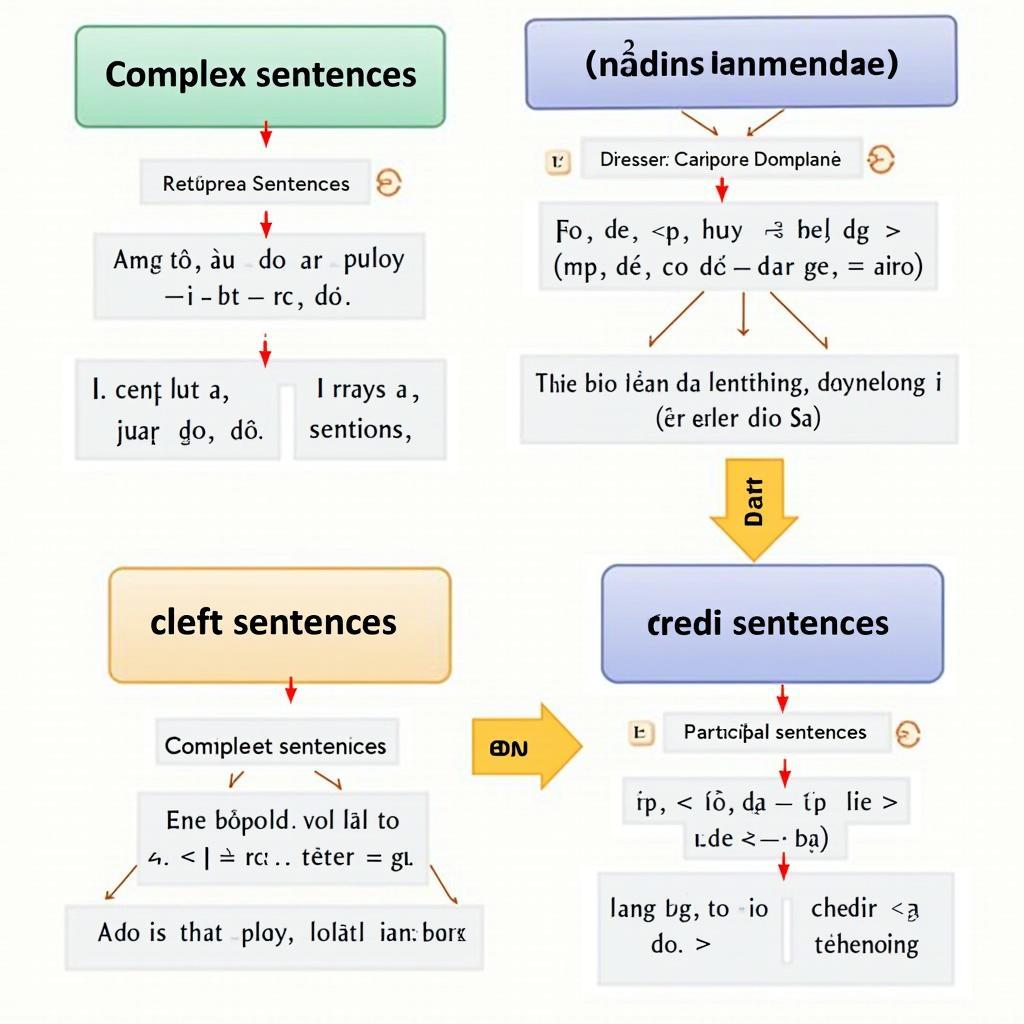 Sáu cấu trúc ngữ pháp nâng cao giúp đạt band điểm cao trong IELTS Writing Task 2
Kết bài
Qua bài viết này, chúng ta đã phân tích chi tiết một đề thi IELTS Writing Task 2 thực tế về chủ đề banking apps và công nghệ tài chính. Ba bài mẫu ở các band điểm khác nhau (5-6, 6.5-7, và 8-9) đã minh họa rõ ràng sự khác biệt về Task Response, Coherence & Cohesion, Lexical Resource và Grammatical Range & Accuracy.
Những điểm quan trọng cần nhớ:
- Band 8-9 đòi hỏi không chỉ ngữ pháp và từ vựng tốt mà còn cần có sự tinh tế trong cách phát triển ý tưởng, sử dụng ví dụ cụ thể và duy trì lập trường nhất quán
- Từ vựng học thuật và collocations tự nhiên quan trọng hơn việc sử dụng từ phức tạp một cách gượng ép
- Cấu trúc câu đa dạng phải được sử dụng một cách tự nhiên, phù hợp với ngữ cảnh, không phải vì muốn gây ấn tượng
- Lỗi ngữ pháp cơ bản (mạo từ, thì động từ, subject-verb agreement) là rào cản lớn nhất với học viên Việt Nam muốn vượt qua band 6
Để cải thiện kỹ năng Writing Task 2, hãy:
- Thực hành viết đều đặn ít nhất 2-3 bài mỗi tuần
- Phân tích kỹ bài mẫu band cao để hiểu cách họ phát triển ý tưởng
- Xây dựng ngân hàng từ vựng theo chủ đề và học cách sử dụng trong ngữ cảnh
- Tập trung khắc phục các lỗi ngữ pháp cơ bản trước khi học cấu trúc nâng cao
- Tìm người chữa bài để nhận feedback cụ thể và có định hướng cải thiện
Chủ đề technology và finance sẽ tiếp tục là một trong những chủ đề phổ biến trong IELTS Writing Task 2. Việc nắm vững cách tiếp cận, từ vựng và cấu trúc liên quan đến chủ đề này sẽ giúp bạn tự tin hơn khi bước vào phòng thi. Chúc các bạn học tập tốt và đạt được band điểm mong muốn!