
Mở bài
Chủ đề về ảnh hưởng văn hóa đến sự tham gia của học sinh trong giáo dục thể thao là một trong những chủ đề phổ biến trong kỳ thi IELTS Reading, đặc biệt thuộc nhóm Education và Society. Đề tài này thường xuất hiện ở mức độ trung bình đến khó, yêu cầu thí sinh có khả năng phân tích các yếu tố xã hội-văn hóa ảnh hưởng đến hành vi và lựa chọn của học sinh.
Trong bài viết này, bạn sẽ được luyện tập với một bộ đề thi IELTS Reading hoàn chỉnh gồm 3 passages với độ khó tăng dần từ Easy đến Hard. Bạn sẽ làm quen với các dạng câu hỏi đa dạng như Multiple Choice, True/False/Not Given, Matching Headings, Summary Completion và nhiều dạng khác được thiết kế hoàn toàn giống thi thật. Mỗi passage đều có đáp án chi tiết kèm giải thích cụ thể về vị trí thông tin và cách paraphrase, giúp bạn hiểu rõ tại sao đáp án đó đúng.
Ngoài ra, bài viết còn cung cấp bảng từ vựng quan trọng được phân loại theo từng passage, kèm phiên âm, nghĩa tiếng Việt và collocation thực tế. Bộ đề này phù hợp cho học viên từ band 5.0 trở lên, đặc biệt hữu ích cho những bạn đang hướng đến band 6.5-7.5.
1. Hướng dẫn làm bài IELTS Reading
Tổng Quan Về IELTS Reading Test
Bài thi IELTS Reading kéo dài 60 phút với 3 passages và tổng cộng 40 câu hỏi. Mỗi câu trả lời đúng được tính 1 điểm, không có điểm âm cho câu sai. Điều quan trọng là bạn cần phân bổ thời gian hợp lý để hoàn thành cả 3 passages.
Phân bổ thời gian khuyến nghị:
- Passage 1 (Easy): 15-17 phút – Đây là passage dễ nhất, bạn nên tận dụng để làm nhanh và chính xác
- Passage 2 (Medium): 18-20 phút – Độ khó trung bình, cần đọc kỹ và chú ý paraphrase
- Passage 3 (Hard): 23-25 phút – Passage khó nhất, dành nhiều thời gian nhất và cần tư duy phân tích cao
Lưu ý: Nên dành 2-3 phút cuối để kiểm tra và chuyển đáp án vào Answer Sheet.
Các Dạng Câu Hỏi Trong Đề Này
Bộ đề thi mẫu này bao gồm 7 dạng câu hỏi phổ biến trong IELTS Reading:
- Multiple Choice – Câu hỏi trắc nghiệm với 3-4 lựa chọn
- True/False/Not Given – Xác định thông tin đúng, sai hoặc không được nhắc đến
- Matching Information – Nối thông tin với đoạn văn tương ứng
- Yes/No/Not Given – Xác định ý kiến/quan điểm của tác giả
- Matching Headings – Chọn tiêu đề phù hợp cho mỗi đoạn
- Summary Completion – Điền từ vào chỗ trống trong đoạn tóm tắt
- Short-answer Questions – Trả lời câu hỏi ngắn với số từ giới hạn
Mỗi dạng câu hỏi đều có kỹ thuật làm bài riêng, và bạn sẽ được thực hành tất cả trong đề thi mẫu này.
2. IELTS Reading Practice Test
PASSAGE 1 – Sports Participation Across Different Cultures
Độ khó: Easy (Band 5.0-6.5)
Thời gian đề xuất: 15-17 phút
Physical education has become an integral component of school curricula worldwide, yet the ways in which students engage with sports activities vary dramatically across different cultural contexts. In many Western countries, such as the United States and Australia, sports education is viewed as essential for developing well-rounded individuals. These nations typically offer a diverse range of sporting options, from traditional team sports like basketball and soccer to individual pursuits such as swimming and athletics. Students are encouraged to explore various activities to find those that match their interests and abilities.
The cultural emphasis on individualism in Western societies often translates into sports education programs that prioritize personal achievement and self-improvement. Coaches and teachers frequently focus on helping each student reach their maximum potential, regardless of their starting skill level. This approach aims to build self-confidence and resilience through sports participation. Competitive elements are present but are balanced with inclusive practices that ensure all students, regardless of ability, can participate meaningfully.
In contrast, many Asian cultures approach sports education with a different philosophical framework. Countries like Japan and South Korea place significant emphasis on collective harmony and group cohesion. School sports programs often revolve around team-based activities that foster cooperation and mutual support. The concept of “wa” in Japanese culture, which emphasizes harmony and unity, influences how sports are taught and practiced. Students learn that their individual performance should contribute to the team’s success rather than overshadow it. This collective orientation can sometimes discourage students who prefer individual sports, as these may be viewed as less socially valuable.
Gender expectations also play a crucial role in shaping sports participation patterns across cultures. In some Middle Eastern and South Asian countries, traditional gender norms significantly restrict girls’ access to sports education. Conservative interpretations of modesty requirements may limit the types of physical activities deemed appropriate for female students. Schools in these regions often provide segregated facilities or modified programs to accommodate these cultural values while still offering some form of physical education. However, progressive movements in recent years have been challenging these restrictions, advocating for equal sports opportunities for all students.
The influence of religious beliefs on sports participation cannot be overlooked. Certain religious communities have specific guidelines about appropriate physical activities, dress codes, and mixed-gender interaction. For instance, some Christian schools in conservative communities may prohibit certain competitive sports viewed as overly aggressive. Meanwhile, Islamic schools often implement separate sports programs for boys and girls, with female students participating in activities led by female instructors and conducted in private settings. These adaptations demonstrate how educational institutions navigate the intersection of religious values and physical education requirements.
Socioeconomic factors intertwine with cultural influences to create additional barriers to sports participation. In many developing countries, limited resources mean schools lack proper facilities, equipment, and trained instructors. When families struggle with economic hardship, sports education often becomes a low priority compared to academic subjects that more directly impact future employment prospects. Cultural attitudes that view sports as recreational rather than educational can exacerbate this situation. Parents in such contexts may discourage their children from spending time on sports, preferring they focus on studies that might lift the family’s economic status.
Indigenous cultures bring yet another dimension to sports education. Native communities in countries like Canada, Australia, and New Zealand often have traditional physical activities that predate modern sports. Educational programs that incorporate these traditional games help preserve cultural heritage while providing physical education. For example, the Maori people of New Zealand have successfully integrated “Ki-o-Rahi,” a traditional ball game, into school sports programs. This approach validates Indigenous cultural identity while fulfilling physical education requirements, creating a sense of pride and belonging among Indigenous students.
Climate and geographical conditions also interact with cultural factors to influence sports participation. Scandinavian countries, with their long winters and snowy conditions, naturally gravitate toward winter sports like skiing and ice skating. These activities become embedded in the cultural identity and are enthusiastically taught in schools. Conversely, tropical nations often emphasize water sports and outdoor activities suited to their warm climates. Such environmental adaptations become part of the cultural sporting identity, influencing which activities schools prioritize and which students naturally excel at based on their familiarity with these conditions.
Questions 1-5: Multiple Choice
Choose the correct letter, A, B, C or D.
1. According to the passage, Western sports education programs primarily focus on:
A. Team harmony and collective achievement
B. Individual development and personal goals
C. Traditional cultural activities
D. Competitive excellence only
2. The Japanese concept of “wa” in sports education emphasizes:
A. Individual athletic superiority
B. Competition between students
C. Group unity and cooperation
D. Separation of abilities
3. In some Middle Eastern countries, girls’ sports participation is affected by:
A. Lack of interest from students
B. Insufficient funding for programs
C. Traditional views on modesty
D. Academic scheduling conflicts
4. Indigenous sports programs in countries like New Zealand aim to:
A. Replace modern sports entirely
B. Preserve cultural heritage while providing exercise
C. Compete with traditional education
D. Exclude non-Indigenous students
5. Socioeconomic factors affect sports participation because:
A. Rich students are naturally more athletic
B. Sports facilities are only built in wealthy areas
C. Poor families prioritize academic subjects for economic reasons
D. Cultural attitudes are determined by wealth
Questions 6-9: True/False/Not Given
Do the following statements agree with the information given in the passage?
Write:
- TRUE if the statement agrees with the information
- FALSE if the statement contradicts the information
- NOT GIVEN if there is no information on this
6. All Western countries offer exactly the same range of sports in their schools.
7. Asian sports education values team success over individual achievement.
8. Religious schools in all countries prohibit competitive sports.
9. Climate and geography influence which sports are commonly taught in schools.
Questions 10-13: Matching Information
Match the following descriptions (10-13) with the correct cultural group (A-F) mentioned in the passage.
A. Western cultures
B. Asian cultures
C. Middle Eastern cultures
D. Indigenous cultures
E. Scandinavian cultures
F. Islamic schools
10. Implement gender-separated sports programs with female instructors for girls
11. Focus on activities like skiing that match their environmental conditions
12. Incorporate traditional games to maintain cultural identity
13. Emphasize personal achievement and building individual confidence
PASSAGE 2 – Cultural Barriers and Facilitators in Youth Sports Education
Độ khó: Medium (Band 6.0-7.5)
Thời gian đề xuất: 18-20 phút
The relationship between cultural background and sports participation among school-age children represents a complex interplay of values, expectations, and structural constraints. Recent educational research has illuminated how deeply embedded cultural beliefs shape not only which students participate in physical education but also how they perceive their own athletic capabilities and the value of sports in their lives. Understanding these nuanced cultural influences is imperative for educators seeking to create inclusive and effective sports programs that serve diverse student populations.
Parental attitudes, heavily influenced by cultural norms, serve as one of the most significant determinants of children’s sports participation. In cultures that prioritize academic achievement above all else, particularly in East Asian contexts, parents often view sports as a distraction from studies rather than a complementary activity. This perspective stems from deeply rooted educational philosophies that equate success with scholarly accomplishment and professional career prospects. Students from these backgrounds frequently report experiencing pressure to minimize time spent on physical activities, especially as they approach crucial examination periods. Research conducted across multiple Asian countries reveals that children whose parents hold these views participate in extracurricular sports at significantly lower rates than their peers whose families value holistic development.
However, this pattern is not monolithic. Emerging evidence suggests that acculturation processes can modify these attitudes among immigrant families. Second-generation immigrant children often exhibit sports participation rates that more closely resemble those of the host culture rather than their parents’ culture of origin. This shift indicates that cultural influences, while powerful, are not immutable. Exposure to different value systems through schools and peer groups can gradually alter perceptions about the legitimacy of sports as an educational endeavor. Nevertheless, many children navigate competing expectations between home and school cultures, sometimes leading to internal conflict about how to allocate their time and energy.
Gender-based cultural expectations create particularly pronounced disparities in sports participation. While gender gaps in physical education exist across most societies, they are dramatically amplified in cultures with rigid gender role definitions. In certain South Asian and Middle Eastern communities, the transition to adolescence often coincides with significantly reduced sports participation among girls. Cultural concerns about physical modesty, opposite-sex interaction, and appropriate feminine behavior can effectively exclude teenage girls from many sports activities. Schools attempting to address these barriers have experimented with various accommodations, including single-sex sports sessions, culturally appropriate athletic wear, and female-only coaching staff. The effectiveness of these interventions varies considerably depending on the specific community context and the extent to which they genuinely address underlying cultural concerns rather than simply paying lip service to them.
Tương tự như multilingual education importance, việc hiểu và tôn trọng sự đa dạng văn hóa trong giáo dục thể thao đòi hỏi các nhà giáo dục phải có cách tiếp cận nhạy cảm và linh hoạt.
The concept of “body image” and its cultural construction also mediates sports participation patterns. Western cultures often promote an idealized athletic physique, which can be motivating for some students but alienating for others who feel they don’t conform to these standards. In contrast, some Asian cultures traditionally valorize slender, less muscular body types, particularly for women, leading some female students to avoid sports that might develop visible musculature. These culturally specific beauty ideals intersect with sports education in ways that can either encourage or discourage participation. Teachers often report that students from certain cultural backgrounds express reluctance to engage in activities like weightlifting or gymnastics due to concerns about altering their physical appearance in ways that might be culturally undesirable.
Competitive orientation represents another dimension where cultural variation significantly manifests. While competition is often viewed as inherent to sports in many Western contexts, some cultures emphasize recreational and social aspects of physical activity over winning and losing. Students from collectivist cultures may feel uncomfortable with sports structures that explicitly rank participants or single out individuals for recognition. This discomfort can lead to withdrawal from certain sports or reluctance to perform at full capacity to avoid standing out. Progressive physical education programs have begun incorporating more cooperative games and non-competitive activities to accommodate these diverse comfort levels, though balancing the competitive and collaborative elements remains challenging.
Religious observances create temporal and practical constraints that disproportionately affect students from certain cultural backgrounds. Muslim students observing Ramadan face particular challenges participating in physically demanding activities during fasting hours. Jewish students may need exemptions from weekend sporting events that conflict with Sabbath observances. Hindu students might require vegetarian options for nutrition programs linked to sports training. Schools that fail to anticipate and accommodate these needs inadvertently create barriers to participation. Culturally responsive institutions proactively develop policies that respect religious requirements while maintaining equitable access to sports programs. This might include flexible scheduling, alternative training times, or modified participation requirements during religious observance periods.
The sociolinguistic dimension of sports education also warrants attention. In multicultural schools, language barriers can impede students’ ability to understand instructions, grasp game rules, or communicate effectively with teammates and coaches. Students from non-dominant language backgrounds sometimes experience marginalization in sports settings where rapid verbal communication is essential. This issue compounds when coaches and physical education teachers lack cultural competency or multilingual capabilities. Schools addressing this challenge have implemented visual demonstrations, multilingual instruction materials, and peer mentoring systems that pair students with shared linguistic backgrounds. These strategies help ensure that language does not become an insurmountable barrier to sports participation.
Questions 14-18: Yes/No/Not Given
Do the following statements agree with the views of the writer in the passage?
Write:
- YES if the statement agrees with the views of the writer
- NO if the statement contradicts the views of the writer
- NOT GIVEN if it is impossible to say what the writer thinks about this
14. Cultural influences on sports participation are impossible to change.
15. Gender-based barriers to sports participation are more severe in cultures with strict gender role definitions.
16. All Western cultures have exactly the same body image ideals.
17. Competitive sports structures may be uncomfortable for students from collectivist cultures.
18. Language barriers have no significant impact on sports participation in multicultural schools.
Questions 19-23: Matching Headings
Choose the correct heading for paragraphs B-F from the list of headings below.
List of Headings:
i. Religious requirements affecting sports schedules
ii. The role of parents in shaping children’s sports involvement
iii. Language challenges in multicultural sports education
iv. Physical appearance concerns across cultures
v. Gender differences in sports access
vi. The impact of competitive versus cooperative values
vii. Economic factors limiting participation
viii. Traditional sports in modern curricula
19. Paragraph B
20. Paragraph D
21. Paragraph E
22. Paragraph F
23. Paragraph G
Questions 24-26: Summary Completion
Complete the summary below using words from the box.
Word Box:
modify, immigrant, decline, barriers, competitive, accommodations, language, flexible, visual, eliminate
Second-generation (24) __ children often show different sports participation patterns compared to their parents, suggesting that cultural attitudes can (25) __ over time. Schools have attempted various (26) __ to address cultural barriers, including single-sex sessions and culturally appropriate clothing options.
PASSAGE 3 – Pedagogical Approaches to Culturally Responsive Sports Education
Độ khó: Hard (Band 7.0-9.0)
Thời gian đề xuất: 23-25 phút
The paradigm shift toward culturally responsive pedagogy in physical education represents a fundamental reconceptualization of how educators approach the teaching of sports and physical activities in increasingly diverse educational environments. This pedagogical framework, which draws upon critical theory and multicultural education principles, challenges the traditional assumption that a universal approach to sports education can adequately serve students from varied cultural backgrounds. Instead, it posits that effective physical education must actively recognize, validate, and incorporate the cultural contexts students bring to the gymnasium, thereby creating more equitable and engaging learning environments.
Contemporary scholarship in this field distinguishes between surface-level cultural acknowledgment and deep structural transformation of sports education programs. Superficial approaches might involve occasional celebration of culturally specific games or sports during designated multicultural awareness events, essentially treating culture as an additive element to an otherwise unchanged curriculum. In contrast, substantive culturally responsive practice requires systematic examination of how pedagogical methods, assessment criteria, curricular content, and even the physical space of sports facilities might embed cultural assumptions that inadvertently privilege certain students while marginalizing others. This deeper approach necessitates ongoing critical reflection by educators about their own cultural positioning and how it shapes their teaching practices and expectations of student behavior and performance.
Empirical research into culturally responsive sports education has yielded several salient findings that challenge conventional wisdom. A longitudinal study conducted across twenty ethnically diverse schools in the United Kingdom documented that students from minority ethnic backgrounds demonstrated significantly higher engagement levels and persistence in physical education when teachers explicitly incorporated culturally relevant activities and modified instructional approaches to align with students’ cultural communication styles. Specifically, students from cultures emphasizing collective achievement showed increased participation when teachers employed more group-based cooperative learning structures rather than predominantly individualistic competitive frameworks. However, the research also revealed considerable complexity: students’ responses to culturally adapted pedagogy varied based on factors including their degree of cultural identification, generational status, and individual personality characteristics, underscoring that cultural responsiveness cannot rely on static stereotypes about how members of particular cultural groups invariably behave or prefer to learn.
The implementation of culturally responsive sports education confronts several formidable obstacles. Institutional inertia and entrenched pedagogical traditions often resist innovation, particularly when proposed changes require significant investment in teacher professional development and curricular redesign. Many physical education teachers, trained in traditional sport-science paradigms, possess limited preparation in cultural competency or critical pedagogical approaches. Furthermore, the standardized nature of many physical education assessment frameworks can undermine culturally responsive practices by imposing uniform performance benchmarks that fail to account for culturally influenced variations in students’ prior experiences with particular sports or movement patterns. Teachers attempting to implement more culturally inclusive approaches sometimes encounter resistance from administrators concerned about deviating from established curricula or from parents who perceive accommodations for cultural diversity as diluting educational standards.
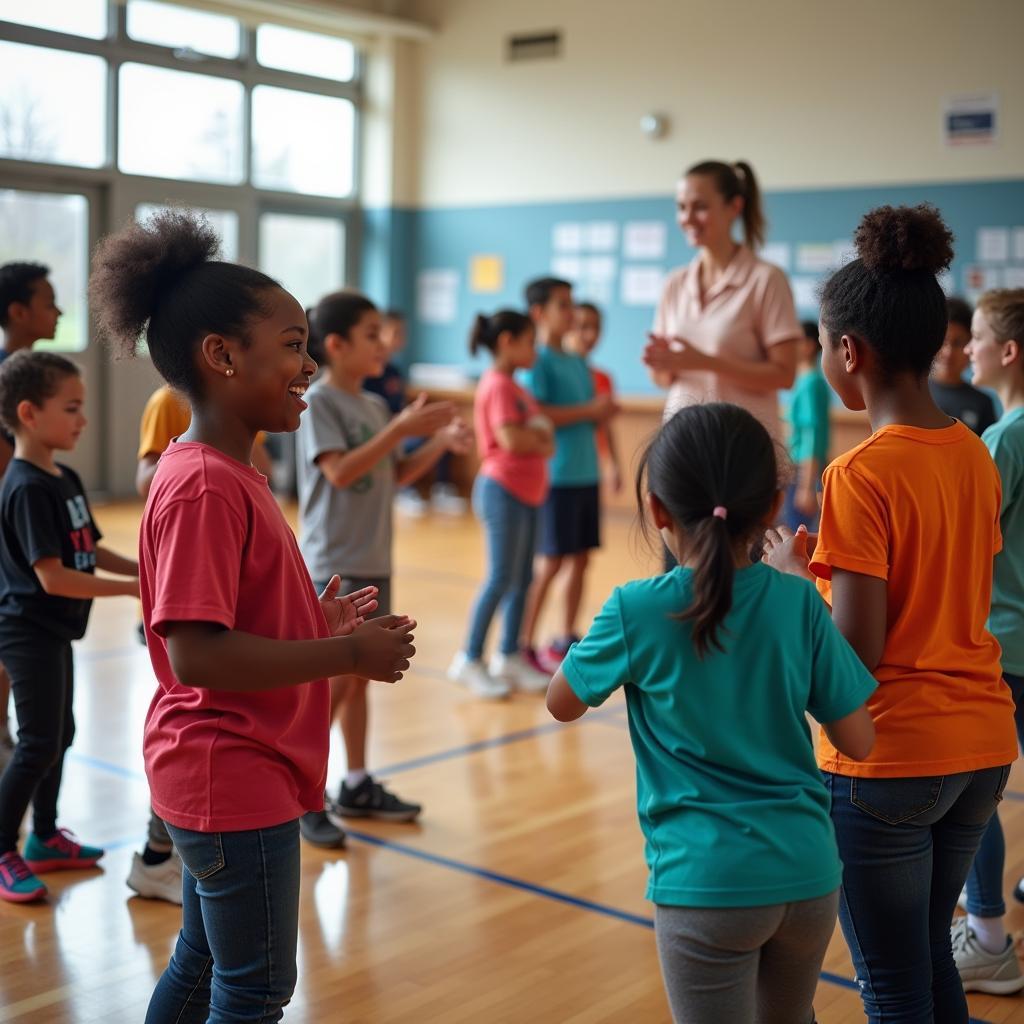 Lớp học giáo dục thể thao đa văn hóa với học sinh từ nhiều nền văn hóa khác nhau
Theoretical frameworks underpinning culturally responsive sports pedagogy draw from multiple intellectual traditions. Sociocultural learning theory, particularly the work of Vygotsky and subsequent scholars, emphasizes how learning occurs through social interaction within cultural contexts, suggesting that sports education must leverage students’ cultural tools and community practices as resources for learning. Critical pedagogy, influenced by thinkers like Paulo Freire, directs attention to how education can either reproduce social inequalities or serve as a vehicle for empowerment and social justice. Applied to sports education, this perspective highlights how traditional physical education programs may perpetuate hierarchies of athletic ability that correlate with cultural background, effectively legitimizing some students’ physical capital while devaluing others’. Feminist theory contributes insights about how gendered cultural norms intersect with sports participation, illuminating the need for pedagogical approaches that challenge rather than reinforce restrictive gender stereotypes about appropriate physical activities and athletic comportment.
Innovative pedagogical strategies emerging from culturally responsive frameworks offer promising avenues for addressing participation disparities. “Cultural borrowing” approaches involve systematically integrating sports and games from students’ heritage cultures into the standard curriculum, thereby validating diverse cultural knowledge and potentially increasing engagement from students who perceive their cultural backgrounds as valued. However, critics caution that such approaches risk essentializing cultures or appropriating sacred or traditionally significant activities in ways that strip them of their deeper meaning. “Adaptive pedagogy” focuses on modifying teaching methods rather than content, employing instructional approaches that accommodate different cultural communication styles, learning preferences, and comfort levels with public performance or competitive contexts. This might manifest as offering multiple pathways to demonstrate competency, incorporating more small-group cooperative learning, or reducing emphasis on public individual performance assessments that some students from collectivist cultures find anxiety-provoking.
Đối với những ai quan tâm đến việc how to practice healthy living, việc tham gia vào các hoạt động thể thao phù hợp với bối cảnh văn hóa của mình không chỉ mang lại lợi ích về thể chất mà còn tăng cường sự tự tin và cảm giác thuộc về cộng đồng.
The assessment of culturally responsive sports education presents methodological challenges. Traditional metrics of program success, such as standardized fitness tests or participation rates in competitive interscholastic sports, may not adequately capture the outcomes valued by culturally responsive approaches, which prioritize inclusive participation, cultural affirmation, and development of lifelong physical activity habits over competitive excellence. Some researchers advocate for alternative assessment modalities including student self-reports of engagement and belonging, qualitative analysis of how students talk about their physical education experiences, and community-based participatory evaluation that incorporates perspectives from culturally diverse families. However, such qualitative and context-specific assessment approaches can be labor-intensive and may lack the perceived objectivity and comparability that administrators and policymakers often demand.
Looking toward the future, the trajectory of culturally responsive sports education will likely be shaped by several converging trends. Demographic shifts in many countries toward greater ethnic and cultural diversity will intensify the imperative for inclusive pedagogical approaches. Simultaneously, growing recognition of health disparities correlated with ethnicity and socioeconomic status positions sports education as a potential intervention point for promoting equity in physical health outcomes. Technological advances may offer new tools for personalizing physical education in ways that accommodate cultural preferences, though they also risk reinforcing individualistic paradigms that conflict with collectivist cultural values. Ultimately, the realization of truly culturally responsive sports education will require not merely technical pedagogical adjustments but a fundamental commitment to educational equity and recognition that diversity represents a resource rather than a challenge to be managed.
Questions 27-31: Multiple Choice
Choose the correct letter, A, B, C or D.
27. According to the passage, superficial approaches to cultural responsiveness involve:
A. Completely redesigning the sports curriculum
B. Including occasional multicultural games during special events
C. Systematic examination of pedagogical methods
D. Critical reflection on teachers’ cultural positioning
28. The UK longitudinal study found that minority ethnic students showed increased engagement when:
A. They were separated from mainstream students
B. Teachers used culturally relevant activities and adapted instruction
C. Competitive frameworks were intensified
D. Individual achievements were emphasized
29. What does the passage identify as a major obstacle to implementing culturally responsive sports education?
A. Students’ lack of interest in sports
B. Insufficient sports equipment
C. Teachers’ limited training in cultural competency
D. Parents’ excessive involvement
30. According to critical pedagogy perspectives, traditional physical education programs may:
A. Improve all students equally
B. Perpetuate social inequalities based on cultural background
C. Eliminate athletic hierarchies
D. Create completely fair assessment systems
31. The passage suggests that future culturally responsive sports education will be influenced by:
A. Decreasing cultural diversity in schools
B. Elimination of health disparities
C. Demographic shifts toward greater diversity
D. Rejection of technological advances
Questions 32-36: Matching Features
Match each theoretical framework (A-E) with the correct description (32-36).
Theoretical Frameworks:
A. Sociocultural learning theory
B. Critical pedagogy
C. Feminist theory
D. Sport-science paradigm
E. Multicultural education
32. Examines how gendered cultural norms affect sports participation
33. Emphasizes that learning occurs through social interaction within cultural contexts
34. Highlights how education can either reproduce inequalities or promote empowerment
35. Traditional approach that many PE teachers were trained in
36. Focuses on how physical education can perpetuate hierarchies of athletic ability
Questions 37-40: Short-answer Questions
Answer the questions below using NO MORE THAN THREE WORDS from the passage for each answer.
37. What type of approaches does the passage say may risk treating culture as an additive element to an unchanged curriculum?
38. What term describes the systematic integration of sports from students’ heritage cultures into the curriculum?
39. What kind of assessment does the passage mention as an alternative to standardized fitness tests?
40. According to the passage, what do alternative assessment approaches sometimes lack that administrators demand?
3. Answer Keys – Đáp Án
PASSAGE 1: Questions 1-13
- B
- C
- C
- B
- C
- FALSE
- TRUE
- FALSE
- TRUE
- F
- E
- D
- A
PASSAGE 2: Questions 14-26
- NO
- YES
- NOT GIVEN
- YES
- NO
- ii
- v
- iv
- vi
- i
- immigrant
- modify
- accommodations
PASSAGE 3: Questions 27-40
- B
- B
- C
- B
- C
- C
- A
- B
- D
- B
- Superficial approaches
- Cultural borrowing
- Student self-reports
- Perceived objectivity
4. Giải Thích Đáp Án Chi Tiết
Passage 1 – Giải Thích
Câu 1: B
- Dạng câu hỏi: Multiple Choice
- Từ khóa: Western sports education programs, primarily focus
- Vị trí trong bài: Đoạn 2, dòng 1-3
- Giải thích: Passage nói rõ “The cultural emphasis on individualism in Western societies often translates into sports education programs that prioritize personal achievement and self-improvement.” Đây là paraphrase của đáp án B (Individual development and personal goals). Các đáp án khác không phản ánh đúng trọng tâm của chương trình phương Tây.
Câu 2: C
- Dạng câu hỏi: Multiple Choice
- Từ khóa: Japanese concept “wa”, emphasizes
- Vị trí trong bài: Đoạn 3, dòng 4-6
- Giải thích: Passage giải thích “The concept of ‘wa’ in Japanese culture, which emphasizes harmony and unity, influences how sports are taught.” Từ “harmony and unity” được paraphrase thành “Group unity and cooperation” trong đáp án C.
Câu 6: FALSE
- Dạng câu hỏi: True/False/Not Given
- Từ khóa: All Western countries, exactly the same range
- Vị trí trong bài: Đoạn 1, dòng 3-5
- Giải thích: Passage chỉ nói “These nations typically offer a diverse range of sporting options” nhưng không nói tất cả các nước phương Tây đều giống hệt nhau. Câu hỏi dùng từ “exactly the same” là quá tuyệt đối, nên đáp án là FALSE.
Câu 7: TRUE
- Dạng câu hỏi: True/False/Not Given
- Từ khóa: Asian sports education, team success, individual achievement
- Vị trí trong bài: Đoạn 3, dòng 6-8
- Giải thích: Passage nói “Students learn that their individual performance should contribute to the team’s success rather than overshadow it.” Điều này khẳng định rằng thành công của đội được đặt lên trên thành tích cá nhân, nên đáp án là TRUE.
Câu 10: F
- Dạng câu hỏi: Matching Information
- Từ khóa: gender-separated sports programs, female instructors
- Vị trí trong bài: Đoạn 5, dòng 6-8
- Giải thích: Passage nói “Islamic schools often implement separate sports programs for boys and girls, with female students participating in activities led by female instructors” khớp hoàn toàn với mô tả câu hỏi.
Passage 2 – Giải Thích
Câu 14: NO
- Dạng câu hỏi: Yes/No/Not Given
- Từ khóa: Cultural influences, impossible to change
- Vị trí trong bài: Đoạn 3, dòng 2-5
- Giải thích: Passage nói “This shift indicates that cultural influences, while powerful, are not immutable. Exposure to different value systems… can gradually alter perceptions” – điều này mâu thuẫn với việc “impossible to change”, nên đáp án là NO.
Câu 15: YES
- Dạng câu hỏi: Yes/No/Not Given
- Từ khóa: Gender-based barriers, more severe, strict gender role definitions
- Vị trí trong bài: Đoạn 4, dòng 1-3
- Giải thích: Passage khẳng định “While gender gaps in physical education exist across most societies, they are dramatically amplified in cultures with rigid gender role definitions.” Điều này đồng ý với quan điểm của người viết, nên đáp án là YES.
Câu 19: ii
- Dạng câu hỏi: Matching Headings
- Đoạn B: Đoạn này tập trung vào “Parental attitudes” và cách chúng ảnh hưởng đến sự tham gia thể thao của trẻ
- Giải thích: Câu đầu tiên của đoạn B nói rõ “Parental attitudes… serve as one of the most significant determinants of children’s sports participation”, khớp hoàn toàn với heading ii.
Câu 24: immigrant
- Dạng câu hỏi: Summary Completion
- Vị trí trong bài: Đoạn 3, dòng 2
- Giải thích: Passage sử dụng cụm “second-generation immigrant children”, đáp án cần điền là “immigrant”.
Passage 3 – Giải Thích
Câu 27: B
- Dạng câu hỏi: Multiple Choice
- Từ khóa: superficial approaches, cultural responsiveness
- Vị trí trong bài: Đoạn 2, dòng 2-4
- Giải thích: Passage mô tả “Superficial approaches might involve occasional celebration of culturally specific games or sports during designated multicultural awareness events” – đây chính là đáp án B được paraphrase.
Câu 28: B
- Dạng câu hỏi: Multiple Choice
- Từ khóa: UK longitudinal study, minority ethnic students, increased engagement
- Vị trí trong bài: Đoạn 3, dòng 2-6
- Giải thích: Nghiên cứu cho thấy “students from minority ethnic backgrounds demonstrated significantly higher engagement levels… when teachers explicitly incorporated culturally relevant activities and modified instructional approaches”, khớp với đáp án B.
Câu 32: C
- Dạng câu hỏi: Matching Features
- Vị trí trong bài: Đoạn 5, dòng cuối
- Giải thích: Passage nói “Feminist theory contributes insights about how gendered cultural norms intersect with sports participation”, nên đáp án là C (Feminist theory).
Câu 37: Superficial approaches
- Dạng câu hỏi: Short-answer Questions (không quá 3 từ)
- Vị trí trong bài: Đoạn 2, dòng 2-4
- Giải thích: Passage nói rõ “Superficial approaches might involve… treating culture as an additive element to an otherwise unchanged curriculum.”
Câu 40: Perceived objectivity
- Dạng câu hỏi: Short-answer Questions (không quá 3 từ)
- Vị trí trong bài: Đoạn 7, dòng cuối
- Giải thích: Passage kết thúc bằng “such qualitative and context-specific assessment approaches… may lack the perceived objectivity and comparability that administrators and policymakers often demand.”
5. Từ Vựng Quan Trọng Theo Passage
Passage 1 – Essential Vocabulary
| Từ vựng | Loại từ | Phiên âm | Nghĩa tiếng Việt | Ví dụ từ bài | Collocation |
|---|---|---|---|---|---|
| integral | adj | /ˈɪntɪɡrəl/ | không thể thiếu, toàn vẹn | Physical education has become an integral component of school curricula | integral part/component of |
| engage with | phrasal verb | /ɪnˈɡeɪdʒ wɪð/ | tham gia, gắn kết với | the ways in which students engage with sports activities | engage with activities/people |
| well-rounded | adj | /wel ˈraʊndɪd/ | toàn diện, cân đối | developing well-rounded individuals | well-rounded education/person |
| prioritize | verb | /praɪˈɒrətaɪz/ | ưu tiên | programs that prioritize personal achievement | prioritize goals/needs |
| foster | verb | /ˈfɒstə(r)/ | nuôi dưỡng, thúc đẩy | activities that foster cooperation | foster development/cooperation |
| collective harmony | noun phrase | /kəˈlektɪv ˈhɑːməni/ | sự hòa hợp tập thể | emphasis on collective harmony | maintain/achieve collective harmony |
| contribute to | phrasal verb | /kənˈtrɪbjuːt tuː/ | đóng góp vào | performance should contribute to the team’s success | contribute to success/development |
| gender norms | noun phrase | /ˈdʒendə(r) nɔːmz/ | chuẩn mực giới | traditional gender norms | challenge/reinforce gender norms |
| significantly restrict | verb phrase | /sɪɡˈnɪfɪkəntli rɪˈstrɪkt/ | hạn chế đáng kể | significantly restrict girls’ access | significantly restrict access/opportunities |
| accommodate | verb | /əˈkɒmədeɪt/ | điều chỉnh để phù hợp | to accommodate these cultural values | accommodate needs/differences |
| intersection | noun | /ˌɪntəˈsekʃn/ | sự giao thoa, điểm giao nhau | the intersection of religious values | at the intersection of |
| exacerbate | verb | /ɪɡˈzæsəbeɪt/ | làm trầm trọng thêm | can exacerbate this situation | exacerbate problems/tensions |
Passage 2 – Essential Vocabulary
| Từ vựng | Loại từ | Phiên âm | Nghĩa tiếng Việt | Ví dụ từ bài | Collocation |
|---|---|---|---|---|---|
| complex interplay | noun phrase | /ˈkɒmpleks ˌɪntəˈpleɪ/ | sự tương tác phức tạp | complex interplay of values | complex interplay between/of |
| embedded | adj | /ɪmˈbedɪd/ | ăn sâu, gắn chặt | deeply embedded cultural beliefs | deeply embedded in/within |
| determinant | noun | /dɪˈtɜːmɪnənt/ | yếu tố quyết định | significant determinants of participation | key/major determinant of |
| distraction | noun | /dɪˈstrækʃn/ | sự phân tâm | view sports as a distraction from studies | distraction from work/studies |
| acculturation | noun | /əˌkʌltʃəˈreɪʃn/ | sự đồng hóa văn hóa | acculturation processes can modify attitudes | acculturation process/effects |
| navigate | verb | /ˈnævɪɡeɪt/ | điều hướng, vượt qua | children navigate competing expectations | navigate challenges/difficulties |
| pronounced disparities | noun phrase | /prəˈnaʊnst dɪˈspærətiz/ | sự chênh lệch rõ rệt | particularly pronounced disparities | pronounced differences/disparities |
| coincide with | phrasal verb | /ˌkəʊɪnˈsaɪd wɪð/ | trùng hợp với | transition often coincides with reduced participation | coincide with events/changes |
| alienating | adj | /ˈeɪliəneɪtɪŋ/ | gây xa lánh | can be alienating for others | alienating experience/effect |
| reluctance | noun | /rɪˈlʌktəns/ | sự miễn cưỡng | express reluctance to engage | reluctance to do something |
| withdrawal | noun | /wɪðˈdrɔːəl/ | sự rút lui | can lead to withdrawal from sports | withdrawal from activities |
| inadvertently | adv | /ˌɪnədˈvɜːtəntli/ | vô ý, không cố ý | inadvertently create barriers | inadvertently cause/create |
| proactively | adv | /prəʊˈæktɪvli/ | một cách chủ động | proactively develop policies | proactively address/manage |
| impede | verb | /ɪmˈpiːd/ | cản trở | language barriers can impede students | impede progress/development |
| marginalization | noun | /ˌmɑːdʒɪnəlaɪˈzeɪʃn/ | sự gạt ra ngoài lề | experience marginalization in sports | social/cultural marginalization |
Passage 3 – Essential Vocabulary
| Từ vựng | Loại từ | Phiên âm | Nghĩa tiếng Việt | Ví dụ từ bài | Collocation |
|---|---|---|---|---|---|
| paradigm shift | noun phrase | /ˈpærədaɪm ʃɪft/ | sự thay đổi mô hình | paradigm shift toward culturally responsive pedagogy | paradigm shift in thinking |
| reconceptualization | noun | /ˌriːkənˌseptʃuəlaɪˈzeɪʃn/ | sự tái khái niệm hóa | fundamental reconceptualization of education | reconceptualization of concepts |
| posit | verb | /ˈpɒzɪt/ | đặt ra, cho rằng | it posits that effective education must… | posit a theory/argument |
| inadvertently privilege | verb phrase | /ˌɪnədˈvɜːtəntli ˈprɪvəlɪdʒ/ | vô tình ưu ái | embed assumptions that inadvertently privilege certain students | inadvertently privilege groups |
| salient | adj | /ˈseɪliənt/ | nổi bật, đáng chú ý | several salient findings | salient features/points |
| longitudinal study | noun phrase | /ˌlɒŋɡɪˈtjuːdɪnl ˈstʌdi/ | nghiên cứu dài hạn | A longitudinal study conducted across schools | conduct a longitudinal study |
| underscore | verb | /ˌʌndəˈskɔː(r)/ | nhấn mạnh | underscoring that responsiveness cannot rely | underscore the importance |
| formidable obstacles | noun phrase | /ˈfɔːmɪdəbl ˈɒbstəklz/ | trở ngại đáng kể | confronts several formidable obstacles | face/overcome formidable obstacles |
| institutional inertia | noun phrase | /ˌɪnstɪˈtjuːʃənl ɪˈnɜːʃə/ | sự trì trệ thể chế | institutional inertia and entrenched traditions | overcome institutional inertia |
| entrenched | adj | /ɪnˈtrentʃt/ | ăn sâu, bền vững | entrenched pedagogical traditions | deeply entrenched beliefs |
| underpin | verb | /ˌʌndəˈpɪn/ | làm nền tảng, hỗ trợ | Theoretical frameworks underpinning pedagogy | underpin theory/argument |
| leverage | verb | /ˈliːvərɪdʒ/ | tận dụng | must leverage students’ cultural tools | leverage resources/opportunities |
| perpetuate | verb | /pəˈpetʃueɪt/ | duy trì, kéo dài | may perpetuate hierarchies | perpetuate stereotypes/inequalities |
| legitimate | verb | /lɪˈdʒɪtɪmeɪt/ | hợp pháp hóa | effectively legitimizing some students’ capital | legitimate claims/practices |
| essentializing | verb | /ɪˌsenʃəˈlaɪzɪŋ/ | bản chất hóa | risk essentializing cultures | essentializing identities/cultures |
| anxiety-provoking | adj | /æŋˈzaɪəti prəˈvəʊkɪŋ/ | gây lo lắng | find anxiety-provoking assessments | anxiety-provoking situations |
| methodological challenges | noun phrase | /ˌmeθədəˈlɒdʒɪkl ˈtʃælɪndʒɪz/ | thách thức về phương pháp | presents methodological challenges | face methodological challenges |
| trajectory | noun | /trəˈdʒektəri/ | quỹ đạo, xu hướng phát triển | the trajectory of culturally responsive education | career/development trajectory |
Kết bài
Chủ đề về ảnh hưởng văn hóa đến sự tham gia của học sinh trong giáo dục thể thao là một trong những chủ đề quan trọng và thường xuyên xuất hiện trong kỳ thi IELTS Reading. Qua bộ đề thi mẫu này, bạn đã được trải nghiệm đầy đủ ba mức độ khó từ Easy đến Hard, với tổng cộng 40 câu hỏi đa dạng bao gồm Multiple Choice, True/False/Not Given, Yes/No/Not Given, Matching Headings, Matching Features, Summary Completion và Short-answer Questions.
Ba passages đã cung cấp cái nhìn toàn diện về cách văn hóa ảnh hưởng đến giáo dục thể thao từ nhiều góc độ khác nhau: từ những khác biệt văn hóa cơ bản giữa các quốc gia, đến những rào cản và yếu tố tạo thuận lợi trong môi trường đa văn hóa, cho đến các phương pháp giảng dạy tiên tiến nhằm tạo ra môi trường giáo dục thể thao bao trùm và công bằng hơn. Mỗi passage không chỉ giúp bạn rèn luyện kỹ năng đọc hiểu mà còn mở rộng kiến thức về một vấn đề xã hội đương đại quan trọng.
Phần đáp án chi tiết kèm giải thích đã chỉ ra vị trí cụ thể của thông tin trong bài, cách paraphrase giữa câu hỏi và passage, cũng như lý do tại sao các đáp án đó đúng. Điều này giúp bạn không chỉ kiểm tra kết quả mà còn học được phương pháp làm bài hiệu quả. Bảng từ vựng chi tiết với hơn 40 từ và cụm từ quan trọng, kèm phiên âm, nghĩa và collocation, sẽ là tài liệu quý giá để bạn xây dựng vốn từ vựng học thuật cần thiết cho kỳ thi IELTS.
Hãy luyện tập thường xuyên với các đề thi mẫu như thế này, chú ý quản lý thời gian và áp dụng các kỹ thuật đọc hiểu như skimming, scanning và identifying paraphrase. Với sự kiên trì và phương pháp đúng đắn, bạn hoàn toàn có thể đạt được band điểm mục tiêu trong phần IELTS Reading. Chúc bạn ôn thi thật tốt và thành công trong kỳ thi sắp tới!



[…] to learn from different traditions while respecting their cultural contexts. Tương tự như cultural influences on student participation in sports education, phương pháp giảng dạy khoa học cũng phản ánh sâu sắc các giá trị văn hóa […]
[…] các chủ đề liên quan như vai trò của thể thao trong giáo dục đa văn hóa tại Cultural influences on student participation in sports education cũng sẽ giúp bạn có thêm kiến thức nền tảng cho phần thi Reading. Chúc bạn […]