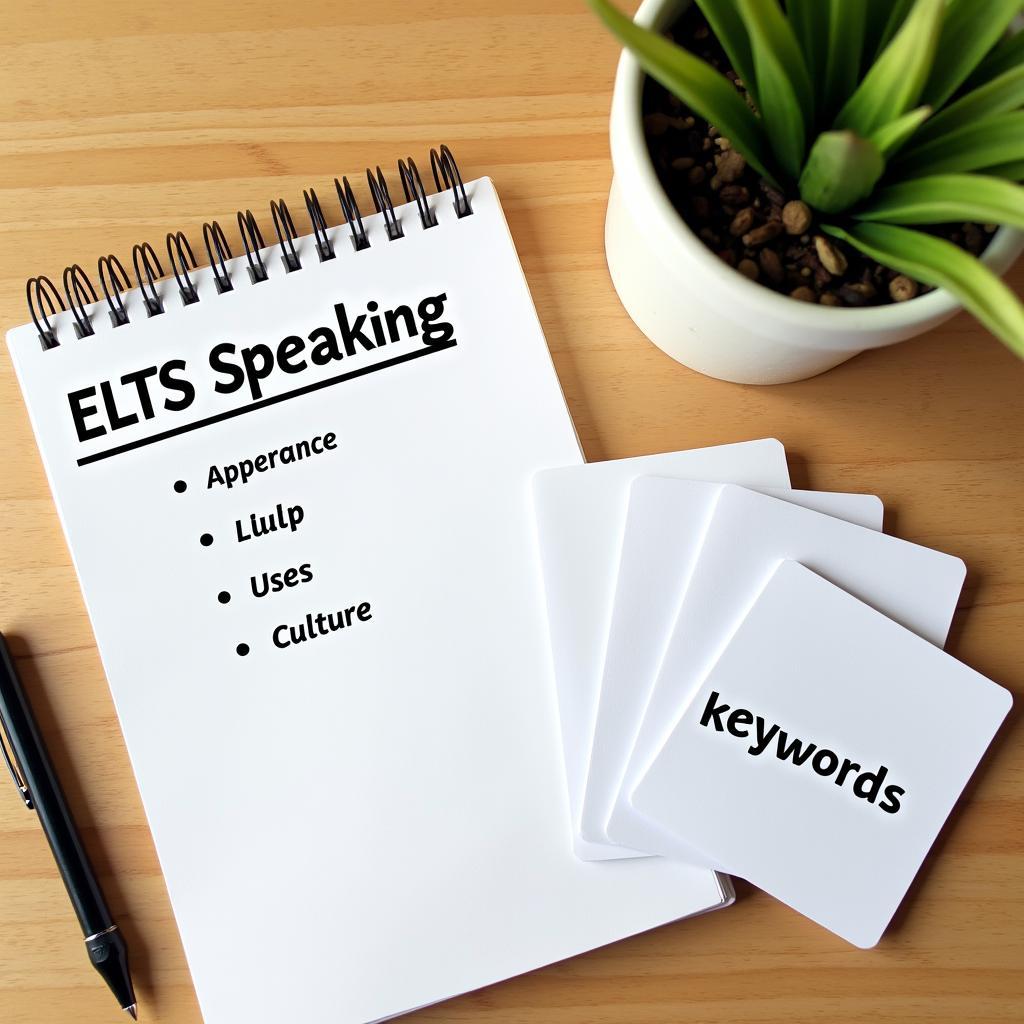
Mở bài
Chủ đề “Describe A Person Who Helped You Become More Resilient” là một đề bài thuộc nhóm “Describe a person” – một trong những dạng câu hỏi phổ biến nhất trong IELTS Speaking Part 2. Đây là chủ đề đặc biệt thú vị vì nó không chỉ yêu cầu bạn miêu tả một người mà còn phải thể hiện được sự phát triển cá nhân, khả năng vượt qua khó khăn và ảnh hưởng tích cực của người đó đến cuộc sống bạn.
Từ “resilient” (khả năng phục hồi, bền bỉ) là một từ vựng học thuật quan trọng, thể hiện khả năng vượt qua nghịch cảnh và trở nên mạnh mẽ hơn. Đề bài này cho phép bạn kể về một người thầy, cha mẹ, bạn bè, đồng nghiệp, hoặc thậm chí một người lạ đã giúp bạn phát triển phẩm chất này.
Tần suất xuất hiện: Chủ đề về “người có ảnh hưởng tích cực” xuất hiện thường xuyên trong các kỳ thi IELTS từ 2020 đến 2024, với các biến thể như “describe a person who inspired you”, “describe someone who helped you” hoặc “describe a person who taught you something important”. Dự đoán khả năng xuất hiện trong tương lai: Cao.
Những gì bạn sẽ học được từ bài viết này:
- 10+ câu hỏi thực tế cho cả 3 Part liên quan đến chủ đề resilience và personal growth
- 3 bài mẫu chi tiết theo band điểm 6-7, 7.5-8, và 8.5-9 với phân tích chuyên sâu
- 25+ từ vựng và cụm từ ăn điểm về chủ đề phát triển cá nhân và tính cách
- Chiến lược trả lời hiệu quả cho từng dạng câu hỏi
- Lời khuyên từ góc nhìn Examiner với hơn 20 năm kinh nghiệm chấm thi
IELTS Speaking Part 1: Introduction and Interview
Tổng Quan Về Part 1
Part 1 của IELTS Speaking kéo dài 4-5 phút với các câu hỏi ngắn về cuộc sống hàng ngày, sở thích, công việc và gia đình. Đối với chủ đề resilience và personal development, examiner thường không hỏi trực tiếp mà sẽ hỏi gián tiếp qua các câu hỏi về challenges, difficulties, hoặc learning experiences.
Đặc điểm của Part 1:
- Câu hỏi ngắn gọn, dễ hiểu
- Yêu cầu trả lời tự nhiên như đang trò chuyện
- Mỗi câu trả lời nên kéo dài 2-3 câu (10-20 giây)
- Không cần quá phức tạp, nhưng phải mở rộng hơn “Yes/No”
Chiến lược: Sử dụng công thức Direct Answer + Explain + Example để câu trả lời vừa đủ độ dài và tự nhiên.
Lỗi thường gặp của học viên Việt Nam:
- Trả lời quá ngắn: “Yes, I do” hoặc “No, I don’t” rồi im lặng
- Dùng từ vựng quá đơn giản như “good”, “bad”, “happy”
- Không có ví dụ cụ thể từ trải nghiệm bản thân
- Suy nghĩ quá lâu trước khi trả lời (hơn 3 giây)
Các Câu Hỏi Thường Gặp
Question 1: Do you think you are a resilient person?
Question 2: How do you usually deal with difficult situations?
Question 3: Who do you turn to when you face challenges?
Question 4: Do you think it’s important to learn from failures?
Question 5: Have you ever had to overcome a significant challenge?
Question 6: Do you prefer to solve problems on your own or ask for help?
Question 7: What kind of difficulties do young people face in your country?
Question 8: Do you think people today are more resilient than in the past?
Question 9: How do your family members support each other during hard times?
Question 10: What qualities do you admire most in other people?
Phân Tích và Gợi Ý Trả Lời Chi Tiết
Question: Do you think you are a resilient person?
🎯 Cách tiếp cận:
- Trả lời Yes/No rõ ràng
- Đưa ra lý do hoặc ví dụ ngắn gọn
- Thể hiện sự tự nhận thức (self-awareness)
📝 Sample Answer – Band 6-7:
“Yes, I think I’m quite resilient. I usually don’t give up easily when I face problems. For example, when I failed my driving test twice, I kept practicing and finally passed on the third attempt.”
Phân tích:
- Điểm mạnh: Trả lời trực tiếp, có ví dụ cụ thể, sử dụng cấu trúc “when… I…” tự nhiên
- Hạn chế: Từ vựng đơn giản (quite, don’t give up, problems), thiếu từ vựng về resilience
- Tại sao Band 6-7: Câu trả lời rõ ràng và đủ độ dài, nhưng vocabulary và grammar chưa đa dạng. Ví dụ phù hợp nhưng chưa impressive.
📝 Sample Answer – Band 8-9:
“I’d say I’ve developed a fair amount of resilience over the years. I tend to bounce back from setbacks rather quickly because I’ve learned to view challenges as opportunities for growth. For instance, when I faced rejection from my dream university, instead of dwelling on it, I used that as motivation to improve my skills, which ultimately led me to an even better opportunity.”
Phân tích:
- Điểm mạnh:
- Vocabulary nâng cao: “developed a fair amount of”, “bounce back”, “setbacks”, “dwelling on”, “as motivation”
- Cấu trúc phức tạp: “I’ve learned to view…”, “instead of dwelling on it”
- Ý tưởng sâu sắc: Không chỉ kể chuyện mà còn thể hiện philosophy về challenges
- Ví dụ cụ thể với outcome tích cực
- Tại sao Band 8-9:
- Fluency: Tự nhiên, không hesitation, sử dụng “I’d say”, “rather”, “ultimately” để tạo flow
- Vocabulary: Collocations tự nhiên như “bounce back from setbacks”, “view challenges as opportunities”
- Grammar: Mixed tenses (present perfect, simple past) chính xác
- Pronunciation: Từ vựng được chọn có word stress rõ ràng (re-SI-lience, SET-backs)
💡 Key Vocabulary & Expressions:
- bounce back (phrasal verb): phục hồi nhanh chóng sau khó khăn
- setback (n): trở ngại, thất bại tạm thời
- dwell on something (phrasal verb): suy nghĩ mãi về điều gì đó (tiêu cực)
- as motivation (phrase): như động lực
Question: How do you usually deal with difficult situations?
🎯 Cách tiếp cận:
- Mô tả approach/method của bạn
- Đưa ra 2-3 strategies cụ thể
- Có thể thêm tần suất (usually, often, sometimes)
📝 Sample Answer – Band 6-7:
“When I have difficult situations, I usually try to stay calm first. Then I think about what I can do to solve the problem. Sometimes I talk to my friends or family to get their advice. This helps me feel better and find solutions.”
Phân tích:
- Điểm mạnh: Structure logic (first… then… sometimes), có nhiều hơn một strategy
- Hạn chế: Vocabulary cơ bản (difficult situations, stay calm, solve the problem), grammar đơn giản
- Tại sao Band 6-7: Trả lời đầy đủ với sequence rõ ràng, nhưng thiếu sophistication trong cách diễn đạt
📝 Sample Answer – Band 8-9:
“My go-to strategy is to take a step back and assess the situation objectively before reacting. I find that giving myself some breathing space helps me avoid impulsive decisions. After that, I usually break down the problem into smaller, manageable parts and tackle them one by one. If it’s something beyond my expertise, I’m not afraid to reach out to people who might have more experience or a different perspective.”
Phân tích:
- Điểm mạnh:
- Vocabulary đa dạng và precise: “go-to strategy”, “assess objectively”, “breathing space”, “impulsive decisions”
- Phrasal verbs tự nhiên: “take a step back”, “break down”, “tackle”, “reach out”
- Grammar phức tạp: “If it’s something beyond…, I’m not afraid to…”
- Thể hiện maturity trong problem-solving approach
- Tại sao Band 8-9:
- Fluency: Flow tự nhiên với linking phrases
- Vocabulary: Topic-specific words (assess, objectively, manageable) kết hợp phrasal verbs
- Grammar: Conditional sentence, gerund phrases
- Ideas: Systematic approach thể hiện critical thinking
💡 Key Vocabulary & Expressions:
- go-to strategy (phrase): chiến lược ưa thích, hay dùng nhất
- take a step back (idiom): lùi lại một bước để nhìn nhận khách quan hơn
- assess objectively (collocation): đánh giá một cách khách quan
- breathing space (phrase): không gian/thời gian để thở, nghỉ ngơi
- break down (phrasal verb): chia nhỏ (vấn đề)
- tackle (verb): giải quyết, xử lý
- reach out (phrasal verb): liên hệ, nhờ giúp đỡ
Question: Who do you turn to when you face challenges?
🎯 Cách tiếp cận:
- Nêu người cụ thể (hoặc loại người)
- Giải thích tại sao chọn người đó
- Có thể nói về vai trò của họ
📝 Sample Answer – Band 6-7:
“I usually turn to my older sister when I have problems. She is very understanding and always gives me good advice. She has more life experience than me, so she can help me see things from different angles.”
Phân tích:
- Điểm mạnh: Specific person, có lý do rõ ràng, dễ hiểu
- Hạn chế: Vocabulary thông thường (good advice, life experience, different angles)
- Tại sao Band 6-7: Câu trả lời complete và logical nhưng lacks sophistication
📝 Sample Answer – Band 8-9:
“I’d say my go-to person is definitely my mentor at work. She has this remarkable ability to put things into perspective and help me navigate through complex situations without being judgmental. What I particularly appreciate is that she doesn’t just hand me solutions on a silver platter – instead, she guides me to figure things out myself, which has really strengthened my problem-solving skills over time.”
Phân tích:
- Điểm mạnh:
- Idioms và expressions: “hand me solutions on a silver platter”, “put things into perspective”
- Vocabulary tinh tế: “remarkable ability”, “navigate through”, “judgmental”
- Grammar: Relative clause (that she doesn’t just…), emphatic structure (What I particularly appreciate)
- Deep insight: Không chỉ nói ai mà còn giải thích cách họ giúp và impact lâu dài
- Tại sao Band 8-9:
- Fluency: Natural expressions như “I’d say”, “definitely”
- Vocabulary: Academic words (navigate, strengthen) kết hợp idiomatic language
- Grammar: Complex sentences với embedding
- Ideas: Shows appreciation và understanding về effective mentorship
💡 Key Vocabulary & Expressions:
- put things into perspective (idiom): giúp nhìn nhận vấn đề đúng tầm quan trọng
- navigate through (collocation): điều hướng qua (khó khăn)
- hand someone something on a silver platter (idiom): đưa cho ai đó một cách dễ dàng (không cần nỗ lực)
- figure things out (phrasal verb): tự tìm ra giải pháp
- strengthen problem-solving skills (collocation): tăng cường kỹ năng giải quyết vấn đề
IELTS Speaking Part 2: Long Turn (Cue Card)
Tổng Quan Về Part 2
Part 2 là phần quan trọng nhất của IELTS Speaking, chiếm thời gian 3-4 phút (1 phút chuẩn bị + 2 phút nói). Đây là lúc bạn thể hiện khả năng độc thoại (monologue) một cách mạch lạc và chi tiết.
Thời gian chuẩn bị: 1 phút
- Đọc kỹ đề và tất cả bullet points
- Ghi chú keywords, KHÔNG viết câu hoàn chỉnh
- Lên outline nhanh theo thứ tự bullet points
- Nghĩ về opening và ending ấn tượng
Thời gian nói: 2-3 phút
- Không bị ngắt giữa chừng
- Nên nói đủ 2 phút (examiner sẽ ngắt nếu quá 2 phút 30 giây)
- Trả lời đầy đủ TẤT CẢ bullet points
- Phần “explain” thường là phần quan trọng nhất để ghi điểm cao
Chiến lược:
- Introduction (5-10 giây): Paraphrase lại câu hỏi và introduce người bạn sẽ nói về
- Main content (90-110 giây): Cover tất cả bullet points với details và examples
- Conclusion (5-10 giây): Summary ngắn gọn hoặc nhấn mạnh significance
- Sử dụng past tense nếu kể về experience trong quá khứ
- Sử dụng signposting language để structure rõ ràng
Lỗi thường gặp:
- Không sử dụng hết 1 phút chuẩn bị (chỉ đọc đề rồi ngồi đợi)
- Nói dưới 1 phút 30 giây (quá ngắn)
- Bỏ sót một hoặc nhiều bullet points
- Nói lan man không theo structure
- Học thuộc template và áp dụng cứng nhắc
Cue Card
Describe a person who helped you become more resilient
You should say:
- Who this person is/was
- How you know/knew this person
- What challenges you were facing at that time
- And explain how this person helped you become more resilient
Phân Tích Đề Bài
Dạng câu hỏi: Describe a person – Đây là một trong những dạng phổ biến nhất, yêu cầu miêu tả một người cụ thể và ảnh hưởng của họ.
Thì động từ:
- Có thể dùng present tense nếu người đó vẫn còn trong cuộc sống bạn và mối quan hệ vẫn tiếp diễn
- Nên dùng past tense cho phần kể về challenges và how they helped (vì đó là events cụ thể trong quá khứ)
- Có thể mix tenses tự nhiên: present để miêu tả người đó hiện tại, past để kể story
Bullet points phải cover:
- Who this person is/was: Identity, relationship với bạn, basic information
- How you know/knew this person: Context của mối quan hệ, khi nào gặp
- What challenges you were facing: Miêu tả cụ thể situation khó khăn lúc đó
- Explain how they helped: Đây là phần QUAN TRỌNG NHẤT – phải giải thích chi tiết actions, advice, support và impact
Câu “explain” quan trọng: Phần explain thường chiếm 40-50% thời gian nói và là phần ghi điểm cao nhất. Bạn cần:
- Nói về BOTH actions của người đó VÀ impact lên bạn
- Đưa ra specific examples, không nói chung chung
- Thể hiện personal growth và transformation
- Sử dụng vocabulary về emotions, personal development, resilience
📝 Sample Answer – Band 6-7
Thời lượng: Khoảng 1 phút 45 giây – 2 phút
“I’d like to talk about my high school teacher, Ms. Lan, who really helped me become stronger when I faced difficulties.
I knew Ms. Lan when I was in grade 11. She was my English teacher and also my homeroom teacher. She was in her 40s and had many years of teaching experience.
At that time, I was going through a very hard period in my life. My parents were having serious problems in their marriage and eventually got divorced. This affected my studies a lot. I couldn’t concentrate in class and my grades dropped significantly. I felt very sad and confused about everything. I even thought about quitting school because I couldn’t handle the pressure.
Ms. Lan noticed that something was wrong with me. She called me to her office and talked to me privately. She was very understanding and didn’t judge me. She told me that everyone faces challenges in life and it’s important to stay strong. She said that education was my way to have a better future, regardless of what was happening at home.
After that conversation, Ms. Lan checked on me regularly. She gave me extra time to submit my assignments and helped me catch up with the lessons I had missed. She also shared her own story about overcoming difficulties when she was young. This made me feel that I wasn’t alone.
Thanks to Ms. Lan’s support, I gradually recovered. I learned that problems are temporary but giving up would affect my future permanently. Her patience and kindness taught me to be more resilient and not to give up when things get tough. Now whenever I face challenges, I remember her words and try to stay strong.”
Phân Tích Band Điểm
| Tiêu chí | Band | Nhận xét |
|---|---|---|
| Fluency & Coherence | 6-7 | Structure rõ ràng theo bullet points, có linking words cơ bản (At that time, After that, Thanks to). Có một số hesitation nhỏ nhưng không ảnh hưởng nhiều đến message. |
| Lexical Resource | 6-7 | Từ vựng adequate và appropriate: “going through a hard period”, “concentrate”, “handle the pressure”, “recover”. Có một số collocations tốt nhưng chưa nhiều từ vựng sophisticated. Paraphrase đơn giản. |
| Grammatical Range & Accuracy | 6-7 | Mix của simple và complex sentences. Sử dụng past tense chính xác, có một số relative clauses (who really helped, that something was wrong). Có conditional (would affect) nhưng structures chưa đa dạng. |
| Pronunciation | 6-7 | Clear và understandable, word stress cơ bản chính xác. Có thể có accent Việt Nam nhưng không gây hiểu lầm. |
Điểm mạnh:
- ✅ Trả lời đầy đủ tất cả bullet points theo thứ tự logic
- ✅ Story authentic và touching, có emotional connection
- ✅ Miêu tả cụ thể challenges và actions của Ms. Lan
- ✅ Có conclusion tốt về personal growth
- ✅ Thời lượng phù hợp (gần 2 phút)
Hạn chế:
- ⚠️ Vocabulary chưa impressive, nhiều từ common (very hard, very sad, very understanding)
- ⚠️ Grammar structures chưa varied, thiếu advanced constructions
- ⚠️ Thiếu idioms hoặc less common expressions
- ⚠️ Phần explain về “resilience” có thể develop sâu hơn với specific qualities và skills learned
📝 Sample Answer – Band 7.5-8
Thời lượng: Khoảng 2 phút 10 giây
“I’d like to share with you about my older cousin, Minh, who played a pivotal role in helping me develop resilience during one of the most challenging chapters of my life.
I’ve known Minh since childhood as we grew up in the same extended family, but it wasn’t until I was going through a particularly rough patch in my early twenties that I truly came to appreciate his wisdom and support. He’s about seven years older than me and had already navigated through similar difficulties, which made him an ideal person to turn to.
The challenge I was facing was quite overwhelming at the time. I had just graduated from university with high hopes, but the job market was extremely competitive. After sending out dozens of applications and attending countless interviews, I kept receiving rejections. This took a serious toll on my confidence and I started spiraling into self-doubt. I began questioning my abilities and whether I had made the right choices in my education and career path.
Minh’s approach to helping me was both practical and psychological. First, he reframed my perspective on failure. He explained that each rejection wasn’t a reflection of my worth but rather a stepping stone toward finding the right opportunity. He shared his own experiences of being turned down multiple times before landing his current position. What really struck a chord with me was when he said, ‘Resilience isn’t about never falling down; it’s about getting back up with more wisdom each time.’
Beyond just words of encouragement, Minh took concrete actions. He helped me revamp my CV and polish my interview skills through mock interviews. He also introduced me to his professional network, which eventually led to informational interviews that broadened my horizons. More importantly, he checked in regularly, celebrating small wins with me and keeping me accountable to my job search routine.
Through Minh’s mentorship, I underwent a significant transformation. I learned that resilience is a skill that can be developed through practice and the right mindset. His combination of empathy, practical guidance, and tough love taught me to view setbacks as temporary rather than permanent. Today, I find myself bouncing back from disappointments much faster, and I’ve even started mentoring younger students facing similar challenges, paying forward the support I received.”
Phân Tích Band Điểm
| Tiêu chí | Band | Nhận xét |
|---|---|---|
| Fluency & Coherence | 7.5-8 | Speaks fluently với minimal hesitation. Excellent use của cohesive devices (First, Beyond, More importantly, Through). Story flows naturally với clear progression. |
| Lexical Resource | 7.5-8 | Wide range của vocabulary: “pivotal role”, “navigated through”, “took a toll”, “spiraling into”, “struck a chord”. Skillful use của collocations và paraphrasing. Some less common expressions (rough patch, reframe perspective, paying forward). |
| Grammatical Range & Accuracy | 7.5-8 | Variety of complex structures: relative clauses, conditionals implied, passive voice, gerunds. Accurate use của mixed tenses. Some sophisticated constructions (it wasn’t until…, which made him…). |
| Pronunciation | 7.5-8 | Clear pronunciation với effective use của intonation và stress. Minimal Vietnamese accent influence, easy to understand throughout. |
So Sánh Với Band 6-7
| Khía cạnh | Band 6-7 | Band 7.5-8 |
|---|---|---|
| Vocabulary | “faced difficulties” → “went through a hard period” | “going through a particularly rough patch” → “navigated through challenging chapters” |
| Grammar | “She told me that everyone faces challenges” | “He explained that each rejection wasn’t a reflection of my worth but rather a stepping stone” |
| Ideas | “I learned that problems are temporary” | “I underwent a significant transformation… learned to view setbacks as temporary rather than permanent, and started paying forward the support” |
| Coherence | Basic linking: After that, Thanks to | Sophisticated linking: Beyond just, More importantly, Through his mentorship |
📝 Sample Answer – Band 8.5-9
Thời lượng: 2 phút 20 giây – 2 phút 35 giây
“I’d like to tell you about my grandmother, who stands out as the most instrumental figure in shaping my resilience during what I can only describe as a defining moment in my life.
My grandmother, who’s now in her mid-seventies, has been a constant presence throughout my upbringing, but it was during my second year at university when her influence truly came to the fore. At that juncture, I was grappling with what felt like an insurmountable challenge – I had been diagnosed with a chronic health condition that not only derailed my academic progress but also cast doubt on my entire future trajectory. The physical symptoms were debilitating enough, but the psychological impact was even more profound. I found myself caught in a downward spiral of anxiety and despondency, convinced that my dreams were slipping through my fingers.
What made my grandmother’s approach so transformative was that she didn’t resort to empty platitudes or try to minimize my struggles. Instead, she drew upon her own harrowing experiences of having survived war and poverty in her youth. She had this remarkable capacity to validate my pain while simultaneously showing me that adversity, however daunting, could be a catalyst for growth rather than a dead end.
Her method of building my resilience was multifaceted. On a practical level, she helped me break down what seemed like an overwhelming situation into manageable increments. She taught me to focus on what I could control – my attitude, my daily routines, my treatment compliance – rather than fixating on the uncertainties. But perhaps more profoundly, she instilled in me a completely different paradigm for conceptualizing challenges. She used to say, ‘Resilience isn’t innate; it’s forged in the crucible of difficulty,’ and she exemplified this through her own life story.
What particularly resonates with me even now is how she taught me to reframe my narrative. Rather than seeing myself as a victim of circumstances, she encouraged me to view my health challenge as an opportunity to develop psychological fortitude and emotional intelligence. She introduced me to concepts like post-traumatic growth – the idea that people can emerge from adversity not just intact but fundamentally strengthened and more compassionate.
The ripple effects of her mentorship have been far-reaching. Not only did I successfully manage my health condition and complete my degree, but I’ve also cultivated a more adaptive mindset that serves me in all areas of life. I’ve learned to embrace discomfort as a precursor to growth, to see setbacks as temporary setbacks rather than permanent states, and most importantly, to extend the same compassion to others facing their own battles. In many ways, she didn’t just help me weather a particular storm; she equipped me with the navigational tools to handle whatever turbulent waters life might throw my way in the future.”
Phân Tích Band Điểm
| Tiêu chí | Band | Nhận xét |
|---|---|---|
| Fluency & Coherence | 8.5-9 | Speaks fluently và effortlessly với no perceptible effort. Sophisticated use của cohesive devices và discourse markers. Coherent structure với complex ideas presented logically. Natural progression với excellent paragraphing mentally. |
| Lexical Resource | 8.5-9 | Wide và sophisticated range: “instrumental figure”, “came to the fore”, “insurmountable”, “despondency”, “harrowing”, “catalyst”, “paradigm”, “forged in the crucible”. Precise và natural collocations. Effective use của idiomatic language. Skillful paraphrasing throughout. |
| Grammatical Range & Accuracy | 8.5-9 | Full range của structures used naturally và accurately: complex sentences với multiple clauses, inversion (Not only did I…), cleft sentences (What made… was that, What particularly resonates…). Perfect control của tenses và aspects. Sophisticated use của passive, conditionals implied, relative clauses. |
| Pronunciation | 8.5-9 | Pronunciation features consistently effective. Native-like intonation patterns. Strategic use của stress và rhythm for emphasis. Clear articulation của complex vocabulary. |
Tại Sao Bài Này Xuất Sắc
🎯 Fluency Hoàn Hảo:
- Không có hesitation, speaks như đang kể một story đã suy nghĩ kỹ
- Natural fillers và discourse markers: “I can only describe as”, “at that juncture”, “in many ways”
- Excellent pacing với pauses được đặt strategic cho emphasis
📚 Vocabulary Tinh Vi:
- “Stands out as the most instrumental figure” – Thay vì “important person”, sử dụng “instrumental figure” (very formal và precise)
- “Cast doubt on my entire future trajectory” – “Trajectory” là academic word cho path/direction
- “Empty platitudes” – Sophisticated expression cho meaningless comforting words
- “Forged in the crucible of difficulty” – Metaphorical language shows linguistic sophistication
- “Post-traumatic growth” – Technical term cho psychological concept
- “Ripple effects” – Metaphor cho long-term impacts
📝 Grammar Đa Dạng:
- Complex sentence: “What made my grandmother’s approach so transformative was that she didn’t resort to empty platitudes or try to minimize my struggles”
- Inversion for emphasis: “Not only did I successfully manage my health condition and complete my degree, but I’ve also cultivated…”
- Relative clauses embedded naturally: “my grandmother, who’s now in her mid-seventies”
- Perfect participle: “having survived war and poverty”
- Sophisticated conditional: “whatever turbulent waters life might throw my way”
💡 Ideas Sâu Sắc:
- Không chỉ kể story mà còn analyze the psychology behind resilience building
- Reference đến concepts như “post-traumatic growth” và “paradigm shift”
- Shows meta-cognition: “reframe my narrative”, “cultivated a more adaptive mindset”
- Demonstrates lasting impact: “ripple effects”, “navigational tools for future challenges”
- Uses powerful metaphors consistently: “crucible”, “turbulent waters”, “weathering storms”
Follow-up Questions (Rounding Off Questions)
Sau khi bạn hoàn thành Part 2, examiner thường hỏi thêm 1-2 câu ngắn để chuyển sang Part 3. Đây là các câu hỏi đơn giản liên quan trực tiếp đến story bạn vừa kể.
Question 1: Do you still keep in touch with this person?
Band 6-7 Answer:
“Yes, I do. We talk regularly, maybe once or twice a week. I still ask for advice when I face new challenges.”
Band 8-9 Answer:
“Absolutely. We’ve maintained a close relationship over the years. In fact, she’s become not just a mentor but a dear friend. We catch up at least weekly, and I still turn to her whenever I’m at a crossroads in life. It’s a relationship I truly cherish.”
💡 Key expressions: maintain a close relationship, catch up (= meet/talk to stay updated), at a crossroads (= facing important decision), cherish (= value highly)
Question 2: Would you like to help others in the same way?
Band 6-7 Answer:
“Yes, definitely. I think it’s important to help others when they have difficulties, just like how I was helped before.”
Band 8-9 Answer:
“Without a doubt. I actually feel a sense of obligation to pay it forward. Having experienced firsthand how transformative the right support can be, I’ve made a conscious effort to mentor younger individuals who might be going through similar struggles. There’s something deeply fulfilling about being able to make a difference in someone’s resilience journey.”
💡 Key expressions: pay it forward (= help others because you were helped), conscious effort (= deliberate attempt), make a difference (= have positive impact), sense of obligation (= feeling you should do something)
IELTS Speaking Part 3: Two-way Discussion
Tổng Quan Về Part 3
Part 3 là phần abstract và challenging nhất của IELTS Speaking, kéo dài 4-5 phút. Khác với Part 1 và 2, Part 3 yêu cầu bạn thảo luận về các vấn đề rộng hơn liên quan đến chủ đề Part 2, với mức độ tư duy phản biện cao hơn.
Đặc điểm của Part 3:
- Câu hỏi trừu tượng, philosophical hơn
- Yêu cầu analysis, comparison, evaluation
- Thường hỏi về society, trends, future, cultural differences
- Cần đưa ra opinions có support bằng reasons và examples
Yêu cầu:
- Phân tích sâu: Không chỉ trả lời Yes/No mà phải explain why
- So sánh: Past vs Present, different groups, different perspectives
- Đánh giá: Pros and cons, advantages and disadvantages
- Dự đoán: Future trends, potential solutions
- Quan điểm cân bằng: Acknowledge complexity, different viewpoints
Chiến lược trả lời:
- Answer directly – Trả lời ngay câu hỏi (Yes/No/Depends)
- Explain/Elaborate – Giải thích với reasons
- Provide examples – Đưa examples từ society, không chỉ personal
- Add nuance – Thêm “however”, “on the other hand” để show balanced thinking
- Conclude – Optional mini-conclusion nếu câu trả lời dài
Độ dài: Mỗi câu trả lời nên 30-60 giây (3-6 câu), dài hơn đáng kể so với Part 1.
Lỗi thường gặp của học viên Việt Nam:
- Trả lời quá ngắn giống Part 1 (1-2 câu)
- Không đưa ra reasons và explanations cụ thể
- Thiếu từ vựng trừu tượng (abstract nouns, conceptual vocabulary)
- Chỉ nói về personal experience thay vì societal perspective
- Không acknowledge complexity hoặc different viewpoints
- Overuse “I think” mà không có tentative language (might, could, tend to)
Các Câu Hỏi Thảo Luận Sâu
Part 3 thường chia thành 2-3 themes liên quan đến chủ đề Part 2. Với topic “resilience”, các themes có thể là:
Theme 1: Personal Development and Resilience
Question 1: What are the most important qualities that help people become more resilient?
🎯 Phân tích câu hỏi:
- Dạng: Opinion/Evaluation – yêu cầu identify và explain qualities
- Key words: “most important qualities”, “help people”, “resilient”
- Cách tiếp cận: List 2-3 qualities → Explain each briefly → Có thể rank hoặc compare
📝 Sample Answer – Band 6-7:
“I think there are several important qualities. First is optimism – people who think positively can handle problems better. Second is flexibility, because if you can adapt to changes, you won’t be affected too much. Also, having determination is important because resilient people don’t give up easily. These qualities help people overcome difficulties and become stronger.”
Phân tích:
- Structure: Clear listing với First, Second, Also
- Vocabulary: Adequate – optimism, flexibility, determination (đều là abstract nouns tốt)
- Tại sao Band 6-7: Trả lời đầy đủ với multiple points, nhưng explanations chưa deep và thiếu examples từ society. Grammar đơn giản với mostly simple sentences.
📝 Sample Answer – Band 8-9:
“Well, I’d say resilience is multifaceted, but if I had to pinpoint the cornerstone qualities, I’d highlight three aspects.
First and foremost, emotional regulation – the ability to manage and process difficult emotions rather than being overwhelmed by them. People who can sit with discomfort without resorting to avoidance tend to bounce back faster from setbacks.
Secondly, what psychologists call a ‘growth mindset‘ – viewing challenges as opportunities rather than threats. This cognitive reframing is absolutely crucial because it determines whether someone sees failure as a permanent condition or a temporary setback.
Lastly, I’d emphasize social connectedness. Research consistently shows that people with strong support networks are significantly more resilient. It’s not about going it alone but knowing when to reach out for help. In Vietnamese culture, we might call this ‘đoàn kết‘ – the sense of collective strength.
What ties these together is that they’re all learnable skills rather than fixed traits, which I find quite empowering.”
Phân tích:
- Structure: Introduction → 3 clear points với elaboration → Conclusion tying them together
- Vocabulary:
- Sophisticated: “multifaceted”, “pinpoint”, “cornerstone”, “cognitive reframing”, “collective strength”
- Technical terms: “emotional regulation”, “growth mindset”, “social connectedness”
- Precise verbs: “manage and process”, “resort to”, “emphasize”
- Grammar:
- Complex structures: “the ability to manage… rather than being overwhelmed”
- Relative clauses: “people who can sit with discomfort”
- Conditional implied: “if I had to pinpoint”
- Cleft sentence: “What ties these together is that…”
- Critical Thinking:
- References psychology research
- Cultural connection (Vietnamese context)
- Emphasizes learnable nature (shows understanding of development)
- Balanced view of different aspects
💡 Key Language Features:
- Discourse markers: “Well”, “First and foremost”, “Secondly”, “Lastly”, “What ties these together”
- Tentative language: “I’d say”, “tend to”, “I find”
- Abstract nouns: “emotional regulation”, “cognitive reframing”, “social connectedness”, “collective strength”
- Collocations: “bounce back from setbacks”, “growth mindset”, “support networks”, “reach out for help”
Question 2: Do you think resilience can be taught, or is it something people are born with?
🎯 Phân tích câu hỏi:
- Dạng: Opinion với two alternatives – nature vs nurture debate
- Key words: “taught” vs “born with”, “resilience”
- Cách tiếp cận: Take a stance (hoặc balanced view) → Explain với evidence/reasoning → Acknowledge the other side
📝 Sample Answer – Band 6-7:
“I believe resilience can be both. Some people are naturally more positive and strong, maybe because of their personality or genes. But I also think resilience can be learned through experience and education. For example, schools can teach students how to deal with stress and failure. So it’s a combination of natural ability and what we learn in life.”
Phân tích:
- Structure: Direct answer (both) → Two sides explained → Example → Conclusion
- Vocabulary: Basic – naturally, personality, genes, learned, combination
- Tại sao Band 6-7: Takes a balanced position và gives reasons, nhưng lacks depth trong argumentation và sophisticated vocabulary
📝 Sample Answer – Band 8-9:
“This is a fascinating question that touches on the classic nature versus nurture debate. While I acknowledge there might be some genetic predisposition toward certain personality traits like optimism, I’m firmly in the camp that resilience is largely acquired rather than innate.
The compelling evidence for this comes from multiple sources. Neuroscience research has shown that the brain exhibits neuroplasticity – it can rewire itself based on experiences and learning. This means that coping mechanisms and stress-response patterns can actually be reshaped through deliberate practice and the right interventions.
Moreover, if resilience were purely hardwired, we wouldn’t see such dramatic variations in how people respond to adversity across different cultures and time periods. The fact that targeted programs – whether in schools, workplaces, or clinical settings – have been shown to measurably improve people’s capacity to weather difficulties suggests it’s very much a teachable skillset.
That said, I wouldn’t entirely discount the role of early childhood experiences and perhaps certain temperamental factors. Someone who’s had consistent support and positive modeling in their formative years might find it easier to develop resilience. But even people who lacked these advantages can cultivate these qualities later in life with the right frameworks and support systems.
At the end of the day, viewing resilience as learnable is not just scientifically sound but also profoundly hopeful – it means we’re not constrained by our starting points.”
Phân tích:
- Structure:
- Acknowledge complexity → Clear stance
- Evidence 1 (neuroscience) → Evidence 2 (cultural variations)
- Counter-argument acknowledged → Final perspective
- Vocabulary:
- Academic: “genetic predisposition”, “neuroplasticity”, “coping mechanisms”, “formative years”
- Precise adjectives: “compelling evidence”, “dramatic variations”, “consistent support”
- Sophisticated expressions: “firmly in the camp”, “hardwired”, “discount the role”
- Grammar:
- Conditional: “if resilience were purely hardwired, we wouldn’t see…”
- Passive voice: “has been shown to”, “can be reshaped”
- Complex noun phrases: “the fact that targeted programs have been shown to…”
- Cleft sentence: “it means we’re not constrained by…”
- Critical Thinking:
- References scientific research
- Considers multiple perspectives
- Uses evidence-based reasoning
- Acknowledges nuance while maintaining clear position
- Philosophical conclusion about implications
💡 Key Language Features:
- Opening strategy: “This is a fascinating question that touches on…”
- Stating position: “I’m firmly in the camp that…”
- Introducing evidence: “The compelling evidence for this comes from…”
- Conceding point: “That said, I wouldn’t entirely discount…”
- Concluding: “At the end of the day…”
Theme 2: Social and Educational Perspectives
Question 3: How can schools and universities better prepare students to be more resilient?
🎯 Phân tích câu hỏi:
- Dạng: Suggestion/Problem-Solution
- Key words: “schools and universities”, “better prepare”, “resilient”
- Cách tiếp cận: Identify current gaps → Suggest 2-3 practical solutions → Explain benefits
📝 Sample Answer – Band 6-7:
“I think schools should include resilience training in their curriculum. They could teach students about managing stress and dealing with failure. Also, teachers should create a supportive environment where students feel safe to make mistakes. Universities could provide counseling services and workshops about mental health. These things would help students learn how to handle pressure better.”
Phân tích:
- Structure: Suggestions listed với explanations
- Vocabulary: Functional – resilience training, managing stress, supportive environment
- Tại sao Band 6-7: Practical suggestions nhưng lacks sophistication trong presentation và depth trong reasoning
📝 Sample Answer – Band 8-9:
“Educational institutions, I believe, need to fundamentally rethink their approach from focusing solely on academic achievement to cultivating holistic development.
One crucial intervention would be embedding resilience education throughout the curriculum rather than treating it as an add-on. This could involve teaching students concrete coping strategies – things like cognitive reframing techniques, mindfulness practices, and problem-solving frameworks. The key is making it practical and applicable rather than purely theoretical.
Beyond formal instruction, I think there’s immense value in normalizing struggle and destigmatizing failure. Currently, many educational systems inadvertently create a culture of perfectionism where students feel they can’t afford to falter. Shifting this paradigm might involve celebrating ‘productive failures‘ – instances where students learned valuable lessons despite not achieving perfect results. Some progressive universities are already implementing ‘failure résumés‘ where students document what they’ve learned from setbacks.
Furthermore, educational institutions should actively foster peer support networks and mentorship programs. Research shows that social capital is one of the strongest predictors of resilience, yet it’s often overlooked in academic settings focused on individual achievement.
Lastly, I’d advocate for better equipping educators themselves with tools and training to model resilience. Students don’t just learn from what we teach; they learn from what we embody. Teachers who can openly discuss their own challenges and recovery strategies provide invaluable modeling.
The underlying principle should be that resilience, like any other competency, requires sustained practice in a safe environment where risk-taking is encouraged and mistakes are viewed as learning opportunities rather than failures.”
Phân tích:
- Structure:
- Introduction với clear thesis
- 4 main suggestions (embedded education, normalizing failure, peer networks, teacher training)
- Each point thoroughly explained với rationale
- Conclusion tying back to principle
- Vocabulary:
- Academic: “holistic development”, “cognitive reframing”, “social capital”, “predictors”
- Sophisticated: “inadvertently”, “destigmatizing”, “paradigm”, “embody”, “underlying principle”
- Domain-specific: “mindfulness practices”, “problem-solving frameworks”, “productive failures”
- Grammar:
- Complex sentences với multiple clauses
- Gerund phrases: “embedding resilience education”, “normalizing struggle”, “equipping educators”
- Passive constructions: “is often overlooked”, “are viewed as”
- Relative clauses: “where students learned valuable lessons”
- Critical Thinking:
- Identifies systemic issues (culture of perfectionism)
- Provides innovative solutions (failure résumés)
- References research (social capital as predictor)
- Considers multiple stakeholders (students, teachers, institutions)
- Emphasizes paradigm shift, not just tactics
💡 Key Language Features:
- Introducing suggestions: “One crucial intervention would be…”, “Furthermore…”, “Lastly, I’d advocate for…”
- Explaining importance: “The key is…”, “There’s immense value in…”
- Causal language: “This could involve…”, “might involve…”
- Contrasting: “rather than”, “despite”, “yet”
- Emphasizing: “fundamentally”, “actively”, “invaluable”
Question 4: Why do you think some people handle stress better than others?
🎯 Phân tích câu hỏi:
- Dạng: Explain reasons – Why question
- Key words: “some people”, “handle stress better”, “than others” (comparison)
- Cách tiếp cận: Identify multiple factors → Explain each → Possibly conclude about interaction of factors
📝 Sample Answer – Band 6-7:
“There are several reasons for this. First, people have different personalities – some are naturally calm while others get anxious easily. Second, past experience matters. People who have faced difficulties before know how to deal with stress better. Also, family background is important because if someone grew up in a supportive family, they learned good coping skills. So it’s a combination of personality, experience, and upbringing.”
Phân tích:
- Structure: Multiple reasons listed và explained briefly
- Vocabulary: Appropriate but common – personality, past experience, family background, coping skills
- Tại sao Band 6-7: Clear multi-factor answer nhưng explanations are somewhat superficial và lack sophisticated analysis
📝 Sample Answer – Band 8-9:
“This disparity stems from a complex interplay of biological, psychological, and social factors – what researchers call the biopsychosocial model.
On the biological level, there’s emerging evidence that people have different baseline stress responses based on factors like cortisol regulation and nervous system sensitivity. Some individuals simply have more reactive stress systems, which isn’t their fault but can be modulated through lifestyle interventions.
Psychologically, I’d say cognitive patterns play an enormous role. People with what’s called ‘internal locus of control‘ – the belief that they have agency over their circumstances – typically navigate stress more effectively than those who feel at the mercy of external forces. Similarly, explanatory style matters: whether someone attributes setbacks to temporary, specific causes versus permanent, pervasive ones fundamentally shapes their stress response.
The social dimension is equally critical yet often underestimated. People embedded in robust support networks have built-in buffers against stress. In collectivist societies like Vietnam, this might manifest as extended family support, whereas in more individualistic cultures, it might be friend groups or professional networks. The quality of these connections – not just quantity – determines how much protective factor they provide.
I’d also highlight the often-overlooked role of accumulated advantage or disadvantage. Someone who’s had access to good education, stable housing, and healthcare is simply better resourced to handle stress than someone contending with multiple systemic disadvantages simultaneously. This isn’t about individual strength but structural factors beyond personal control.
What’s crucial to understand is that these factors don’t operate in isolation – they interact dynamically. Someone with a reactive nervous system but strong coping strategies and good social support might handle stress much better than someone with a calmer biological baseline but lacking these resources. This complexity is why simplistic comparisons about who’s ‘stronger’ or ‘weaker’ are often misleading.”
Phân tích:
- Structure:
- Introduction naming the framework (biopsychosocial model)
- Three main factors (biological, psychological, social) thoroughly explained
- Additional factor (structural/socioeconomic)
- Conclusion about interaction and complexity
- Vocabulary:
- Academic/Technical: “biopsychosocial model”, “cortisol regulation”, “locus of control”, “explanatory style”, “accumulated advantage”
- Sophisticated: “disparity”, “interplay”, “modulated”, “embedded”, “buffers”, “contending with”
- Precise verbs: “stems from”, “navigate”, “attributes”, “manifest as”, “highlight”
- Grammar:
- Complex noun phrases: “the belief that they have agency”, “people embedded in robust support networks”
- Passive voice: “is often overlooked”, “are often misleading”
- Comparative structures: “more effectively than”, “better resourced to handle”
- Relative clauses: “what researchers call”, “whether someone attributes”
- Critical Thinking:
- Multi-dimensional analysis (biological, psychological, social, structural)
- References research frameworks and terminology
- Considers systemic factors beyond individual control
- Emphasizes complexity and interaction of factors
- Challenges simplistic views (“who’s stronger”)
- Shows sociological awareness (collectivist vs individualistic cultures)
💡 Key Language Features:
- Academic framing: “what researchers call”, “emerging evidence”, “what’s called”
- Introducing factors: “On the biological level”, “Psychologically”, “The social dimension”
- Emphasizing importance: “plays an enormous role”, “equally critical”, “What’s crucial to understand”
- Hedging/Tentative language: “typically”, “might manifest as”, “often overlooked”
- Sophisticated connectors: “Similarly”, “whereas”, “This isn’t about… but…”, “This complexity is why…”
Theme 3: Societal Changes and Cultural Aspects
Question 5: Do you think modern life makes it harder or easier for people to develop resilience compared to the past?
🎯 Phân tích câu hỏi:
- Dạng: Compare (past vs present) + Opinion
- Key words: “modern life”, “harder or easier”, “compared to the past”
- Cách tiếp cận: Present both sides → Make a judgment (or say “depends”) → Support with reasoning and examples
📝 Sample Answer – Band 6-7:
“I think it’s both harder and easier. Modern life is more stressful because of technology and work pressure. People are always connected and have less time to relax. However, we also have more resources now, like mental health support and information online. In the past, people faced physical hardships but had stronger communities. So I’d say each era has different challenges that require resilience.”
Phân tích:
- Structure: Balanced view → Examples for both sides → Conclusion
- Vocabulary: Basic – stressful, pressure, resources, physical hardships, communities
- Tại sao Band 6-7: Acknowledges complexity và provides examples, nhưng analysis lacks depth và vocabulary is not sophisticated
📝 Sample Answer – Band 8-9:
“This is quite paradoxical actually – modern life presents both unprecedented challenges to resilience and unprecedented resources for building it, creating a rather contradictory landscape.
On one hand, contemporary existence is characterized by what I’d call ‘chronic low-grade stress.’ The relentless connectivity afforded by technology means we’re perpetually accessible and struggling with information overload. The gig economy has introduced massive economic precarity for many workers. Social media creates constant comparison and what psychologists call ‘FOMO‘ – fear of missing out. These are qualitatively different stressors than those faced by previous generations.
Moreover, traditional community structures that historically served as resilience buffers have significantly eroded in many societies. The atomization of modern life – people living far from extended families, weaker neighborhood ties, more transient relationships – means many people are navigating challenges with far less social capital than their grandparents had.
Conversely, we shouldn’t romanticize the past. Previous generations faced existential threats like famine, war, and deadly diseases without modern medical care or social safety nets. The brutality of physical labor, limited educational opportunities, and rigid social hierarchies meant many people lived with constrained options and little agency.
What’s different now is accessibility to knowledge and interventions. We understand the science of resilience in ways previous generations didn’t. There’s growing awareness of mental health, abundant resources for skill-building, and in many countries, stronger institutional support systems. Telehealth means even rural residents can access psychological services.
My take is that modern life makes developing resilience potentially harder due to chronic stressors and social fragmentation, but it makes learning about and systematically building resilience potentially easier through knowledge and resources. The irony is that we need resilience more than ever but have to be more intentional about cultivating it since it’s no longer a natural byproduct of community life. It’s become a conscious skill to develop rather than something organically acquired.”
Phân tích:
- Structure:
- Introduction noting paradox
- Modern challenges (connectivity, economic precarity, social media, community erosion)
- Acknowledgment of past hardships (avoiding romanticization)
- Modern advantages (knowledge, awareness, resources)
- Nuanced conclusion about the contradiction
- Vocabulary:
- Sophisticated: “paradoxical”, “unprecedented”, “contradictory landscape”, “chronic low-grade stress”, “atomization”, “existential threats”
- Technical: “FOMO”, “social capital”, “telehealth”, “psychological services”
- Academic: “characterized by”, “qualitatively different”, “eroded”, “constrained options”
- Precise: “relentless connectivity”, “economic precarity”, “rigid social hierarchies”
- Grammar:
- Complex sentences với multiple subordinate clauses
- Passive: “afforded by technology”, “served as”, “organically acquired”
- Comparative structures: “far less social capital than”, “more than ever”
- Parallel structures: “makes developing… harder but makes learning… easier”
- Gerund phrases: “navigating challenges”, “cultivating it”
- Critical Thinking:
- Acknowledges paradox and contradiction
- Avoids oversimplification (doesn’t romanticize past OR present)
- Considers multiple dimensions (technological, economic, social, institutional)
- References psychology research (FOMO)
- Makes sophisticated distinction (developing vs learning about resilience)
- Identifies the shift from organic to intentional skill development
- Shows sociological understanding of social fragmentation
💡 Key Language Features:
- Presenting paradox: “This is quite paradoxical”, “creating a contradictory landscape”
- Balanced argumentation: “On one hand”, “Conversely”, “What’s different now”
- Avoiding oversimplification: “we shouldn’t romanticize”, “The irony is”
- Nuanced conclusion: “My take is that”, “makes X harder but Y easier”
- Abstract concepts: “chronic low-grade stress”, “social capital”, “natural byproduct”, “conscious skill”
Question 6: Are there cultural differences in how people develop and show resilience?
🎯 Phân tích câu hỏi:
- Dạng: Yes/No + Explain với comparison
- Key words: “cultural differences”, “develop and show”, “resilience”
- Cách tiếp cận: Answer yes → Explain differences với examples from different cultures → Possibly discuss implications
📝 Sample Answer – Band 6-7:
“Yes, definitely. In Asian cultures like Vietnam, people often rely on family support when facing difficulties. We value community and helping each other. In Western cultures, people might be more independent and solve problems on their own. Also, the way people express emotions is different – some cultures encourage talking about feelings while others prefer to keep things private. These cultural values shape how people deal with challenges.”
Phân tích:
- Structure: Direct answer → Examples of cultural differences → Impact on resilience
- Vocabulary: Adequate – rely on, family support, independent, express emotions, cultural values
- Tại sao Band 6-7: Clear comparison với relevant examples, nhưng somewhat stereotypical và lacks nuanced analysis
📝 Sample Answer – Band 8-9:
“Absolutely, and this is a fascinating area where cultural psychology reveals profound variations that often go unrecognized in Western-centric resilience research.
Perhaps most fundamentally, there’s a distinction between individualistic and collectivistic orientations. In more individualistic societies – typically Western countries – resilience is often framed in terms of personal autonomy, self-reliance, and internal strength. The cultural narrative celebrates the individual who ‘pulls themselves up by their bootstraps‘ and overcomes adversity independently. This can create both empowerment and isolation – empowerment in the sense of agency, but isolation when seeking help is stigmatized as weakness.
In contrast, in collectivistic cultures like Vietnam, resilience is more likely to be conceptualized as a communal resource rather than an individual trait. There’s this concept of ‘đồng cam cộng khổ‘ – sharing joys and hardships together – which reflects a fundamentally different understanding. Resilience emerges from the strength of relationships and collective weathering of difficulties. This can provide tremendous support but might also create pressure to conform or suppress individual needs for group harmony.
Another dimension is emotional expression and coping styles. Some cultures favor externalizing emotions – talking through problems, seeking validation from others. Others lean toward internalization – the stoic endurance we might see in traditional East Asian cultures, captured in the Japanese concept of ‘gaman‘ or the Vietnamese ‘chịu đựng.’ Neither approach is inherently superior; they’re simply culturally-specific strategies that have evolved in different contexts.
Interestingly, religious and philosophical frameworks also shape resilience patterns. Buddhist cultures might emphasize acceptance and impermanence, viewing suffering as an inevitable part of existence that requires equanimity rather than active resistance. Abrahamic traditions might frame suffering as a test or opportunity for redemption. These worldviews fundamentally influence how people make meaning from adversity.
What’s crucial is recognizing that cross-cultural research shows all cultures produce resilient individuals, just through different pathways. The danger lies in universalizing one culture’s model and pathologizing others. For instance, Western therapeutic models emphasizing verbal processing and individual agency might be ill-suited or even harmful when uncritically applied in contexts where collective identity and indirect communication are valued.
In our increasingly globalized world, many people are navigating hybrid cultural frameworks, which adds another layer of complexity but also creates opportunities for cultural synthesis – drawing on multiple resilience traditions.”
Phân tích:
- Structure:
- Introduction establishing significance
- Four main dimensions: individualism vs collectivism, emotional expression, religious frameworks, cross-cultural considerations
- Each dimension thoroughly explained với concrete examples
- Critical analysis about implications
- Conclusion about globalization and synthesis
- Vocabulary:
- Academic: “cultural psychology”, “profound variations”, “conceptualized”, “communal resource”, “cross-cultural research”, “pathologizing”
- Sophisticated: “go unrecognized”, “stigmatized”, “tremendous support”, “equanimity”, “ill-suited”, “uncritically applied”
- Cultural terminology: “đồng cam cộng khổ”, “gaman”, “chịu đựng” (with Vietnamese and Japanese concepts)
- Abstract: “autonomy”, “self-reliance”, “cultural narrative”, “worldviews”, “cultural synthesis”
- Grammar:
- Complex sentences với multiple embedded clauses
- Passive constructions: “is often framed”, “is stigmatized”, “have evolved”
- Comparative structures: “more likely to be”, “neither approach is inherently superior”
- Gerund phrases: “seeking help”, “talking through problems”, “emphasizing acceptance”
- Conditional: “when uncritically applied”
- Critical Thinking:
- Critiques Western-centric bias in research
- Acknowledges pros and cons of each cultural approach
- Uses specific cultural concepts from different traditions
- Discusses practical implications (therapeutic models)
- Avoids cultural superiority (“neither approach is inherently superior”)
- Considers modern globalization context
- Shows deep understanding of cultural psychology
- Recognizes complexity and avoids stereotypes
💡 Key Language Features:
- Academic framing: “cultural psychology reveals”, “cross-cultural research shows”
- Introducing dimensions: “Perhaps most fundamentally”, “In contrast”, “Another dimension”, “Interestingly”
- Cultural concepts: Uses native language terms with explanation
- Balanced analysis: “can provide… but might also”, “neither approach is inherently superior”
- Critical perspective: “The danger lies in”, “ill-suited or even harmful when”
- Nuanced conclusion: “adds another layer of complexity but also creates opportunities”
Theme 4: Future Trends and Solutions
Question 7: What role should governments play in helping citizens develop resilience?
🎯 Phân tích câu hỏi:
- Dạng: Opinion về role/responsibility – Should question
- Key words: “role”, “governments”, “helping citizens”, “develop resilience”
- Cách tiếp cận: State overall position → Explain specific roles/actions → Possibly discuss limitations or balance with individual responsibility
📝 Sample Answer – Band 6-7:
“I think governments have an important role. They should provide good education and healthcare systems so people can handle difficulties better. Also, they should create jobs and economic stability because financial security helps people feel less stressed. Governments could also offer mental health services and support programs for people facing hardships. However, individuals also need to take personal responsibility for building their own resilience.”
Phân tích:
- Structure: Position statement → Several government roles → Balance with individual responsibility
- Vocabulary: Functional – provide, create, offer, financial security, personal responsibility
- Tại sao Band 6-7: Covers multiple areas và acknowledges balance, nhưng lacks depth trong explaining mechanisms và sophisticated vocabulary
📝 Sample Answer – Band 8-9:
“I believe governments have a fundamental obligation to create the structural conditions that enable resilience, though this must be carefully balanced against fostering dependency or eroding individual agency.
At the most basic level, governments should ensure robust social safety nets – universal healthcare, unemployment benefits, affordable education. These aren’t handouts but rather essential infrastructure that prevents catastrophic spirals when people face setbacks. When someone knows that a health crisis won’t bankrupt them or job loss won’t mean homelessness, they have the psychological bandwidth to bounce back rather than operating in survival mode.
Beyond material support, I’d argue for proactive investment in resilience-building programs. This might include integrating social-emotional learning into public education curricula from an early age, subsidizing community mental health services, and funding workplace resilience training. Scandinavian countries have done this quite effectively, treating mental wellness as public health infrastructure rather than purely individual concern.
Governments should also address systemic barriers that disproportionately impact certain groups’ ability to develop resilience – things like discriminatory practices, inadequate resources in marginalized communities, or labor policies that create chronic instability. Resilience can’t just be an individual project when structural inequities stack the deck against particular populations.
However – and this is crucial – there’s a fine line between supporting resilience and creating learned helplessness through excessive intervention. The goal should be creating enabling conditions rather than prescriptive programs that strip away autonomy. Behavioral economics research suggests that giving people resources and frameworks while preserving choice and agency tends to be most effective.
I’d also emphasize the government role in regulating factors that undermine resilience. This might mean labor protections that prevent exploitative work conditions, tech regulations addressing social media’s impact on mental health, or environmental policies that reduce climate anxiety – all systemic-level interventions that shape the landscape in which individual resilience develops.
Ultimately, I envision the ideal governmental role as creating a resilience-enabling ecosystem – providing the resources, knowledge, and structural conditions that make resilience achievable for all citizens, while respecting that the actual cultivation of resilience remains a personal and communal endeavor.”
Phân tích:
- Structure:
- Introduction stating balanced position
- Basic safety nets (with rationale about psychological bandwidth)
- Proactive programs (with Scandinavian example)
- Addressing systemic barriers and inequities
- Important caveat about avoiding dependency
- Regulatory role
- Comprehensive conclusion about ecosystem approach
- Vocabulary:
- Academic: “fundamental obligation”, “structural conditions”, “catastrophic spirals”, “psychological bandwidth”, “disproportionately”, “systemic-level interventions”
- Sophisticated: “fostering dependency”, “eroding individual agency”, “handouts”, “subsidizing”, “prescriptive programs”, “cultivation”
- Policy-related: “social safety nets”, “labor protections”, “tech regulations”, “environmental policies”
- Economics: “behavioral economics”, “enabling conditions”
- Grammar:
- Complex sentences với multiple levels of embedding
- Conditional: “when someone knows that…, they have…”
- Gerund phrases: “preventing catastrophic spirals”, “treating mental wellness as”, “creating learned helplessness”
- Parallel structures: “providing the resources, knowledge, and structural conditions”
- Relative clauses: “factors that undermine resilience”, “programs that strip away autonomy”
- Critical Thinking:
- Acknowledges tension between support and dependency
- References specific successful models (Scandinavian countries)
- Considers equity and systemic barriers
- Draws on behavioral economics research
- Discusses multiple levels of intervention (individual, community, systemic)
- Recognizes complexity and avoids simplistic solutions
- Makes distinction between government role and individual responsibility
- Shows policy awareness (labor, tech, environmental regulations)
💡 Key Language Features:
- Presenting balanced view: “must be carefully balanced against”, “However – and this is crucial”
- Establishing importance: “At the most basic level”, “Beyond material support”, “I’d also emphasize”
- Making distinctions: “aren’t handouts but rather essential infrastructure”, “rather than purely individual concern”
- Introducing evidence: “research suggests”, “Behavioral economics research”
- Sophisticated conclusion: “Ultimately, I envision”, “resilience-enabling ecosystem”
Question 8: Looking to the future, what challenges might require greater resilience from people?
🎯 Phân tích câu hỏi:
- Dạng: Prediction/Speculation về future
- Key words: “looking to the future”, “challenges”, “require greater resilience”
- Cách tiếp cận: Identify 2-3 major future challenges → Explain why each requires resilience → Possibly discuss implications
📝 Sample Answer – Band 6-7:
“I think there will be several challenges. First is climate change, which will cause more natural disasters and environmental problems. People will need to adapt to changing weather and possibly move to different areas. Second is technology changes, like AI taking over jobs. Workers will need to learn new skills constantly. Also, I think social isolation might increase because people spend more time online instead of face-to-face. These challenges will require people to be flexible and strong.”
Phân tích:
- Structure: Introduction → Three challenges listed và explained → Brief conclusion
- Vocabulary: Appropriate – climate change, natural disasters, adapt, AI, social isolation, flexible
- Tại sao Band 6-7: Identifies relevant challenges và explains briefly, nhưng analysis lacks depth và vocabulary is somewhat basic
📝 Sample Answer – Band 8-9:
“Looking ahead, I see several converging challenges that will test human resilience in unprecedented ways, and interestingly, many are self-created rather than natural.
Climate change is perhaps the most existential threat. We’re already seeing cascading effects – displacement from rising sea levels, agricultural disruption from extreme weather, resource scarcity triggering geopolitical tensions. This isn’t a distant future scenario; it’s unfolding now. What makes this particularly demanding of resilience is the long-term, chronic nature of the threat combined with considerable uncertainty about specific impacts. People will need to develop what I’d call ‘existential resilience‘ – the capacity to maintain hope and agency in the face of planetary-scale problems that can feel overwhelming.
The economic landscape is undergoing seismic shifts. Automation and AI will displace traditional employment at an accelerating pace. This means people will need perpetual adaptability – the norm might become reinventing one’s career multiple times throughout life rather than following a linear path. The psychological toll of chronic economic uncertainty and the erosion of stable, long-term employment will require new forms of resilience around identity and self-worth that aren’t tethered to traditional career trajectories.
I’d also highlight what we might call ‘information ecosystem collapse‘ – the proliferation of misinformation, deepfakes, and polarization making it increasingly difficult to establish shared reality. This epistemic crisis requires resilience of a different sort: the ability to tolerate ambiguity, think critically, and maintain relationships across ideological divides. As echo chambers deepen and conspiracy theories proliferate, cognitive resilience becomes crucial.
Social fragmentation and loneliness – what some researchers call an ‘epidemic‘ – will likely intensify. Despite hyperconnectivity through technology, genuine community bonds are weakening. Younger generations especially are showing alarming rates of social anxiety and difficulty forming deep relationships. Building resilience will increasingly require intentional cultivation of social connections that don’t happen organically as they might have in the past.
Additionally, we’ll need psychological resilience to handle accelerating change itself. The pace of technological, social, and cultural change means the world people grow old in will be radically different from the one they grew up in – more so than any previous generation. This perpetual state of flux can be deeply disorienting.
What’s particularly challenging is that these aren’t isolated challenges – they’re interconnected and mutually reinforcing. Climate crisis exacerbates economic instability, which fuels political polarization, which undermines collective action on climate. Navigating this complex web will require resilience not just at individual but collective levels – communities and societies that can adapt, cooperate, and innovate under extraordinary pressure.”
Phân tích:
- Structure:
- Introduction framing challenges as converging and self-created
- Five major challenge areas: climate, economic, information/epistemic, social, pace of change
- Each thoroughly explained với specific mechanisms và implications
- Conclusion emphasizing interconnection và need for collective resilience
- Vocabulary:
- Academic: “existential threat”, “cascading effects”, “seismic shifts”, “epistemic crisis”, “hyperconnectivity”, “mutually reinforcing”
- Sophisticated: “displacement”, “geopolitical tensions”, “perpetual adaptability”, “tethered to”, “proliferation”, “echo chambers”
- Technical: “deepfakes”, “polarization”, “conspiracy theories”, “cognitive resilience”
- Precise: “chronic nature”, “linear path”, “psychological toll”, “alarming rates”, “perpetual state of flux”
- Creative coinages: “existential resilience”, “information ecosystem collapse”
- Grammar:
- Complex sentences với multiple clauses
- Gerund phrases: “displacement from rising sea levels”, “maintain hope and agency”, “reinventing one’s career”
- Relative clauses: “the world people grow old in”, “that don’t happen organically”
- Parallel structures: “adapt, cooperate, and innovate”
- Passive: “are being displaced”, “will be required”
- Comparative: “more so than any previous generation”, “radically different from”
- Critical Thinking:
- Identifies complex, interconnected challenges
- Goes beyond obvious answers (not just “technology and jobs”)
- Introduces sophisticated concepts (epistemic crisis, existential resilience)
- References research (epidemic of loneliness)
- Considers psychological dimensions of each challenge
- Acknowledges systemic interconnections
- Discusses both individual and collective resilience needs
- Shows awareness of generational differences
- Avoids simplistic optimism or pessimism
💡 Key Language Features:
- Future framing: “Looking ahead”, “We’re already seeing”, “This isn’t a distant future scenario”
- Introducing challenges: “Perhaps the most…”, “I’d also highlight”, “Additionally”
- Emphasizing significance: “What makes this particularly demanding”, “What’s particularly challenging”
- Explaining mechanisms: “combined with”, “which exacerbates”, “which fuels”, “which undermines”
- Sophisticated hedging: “what I’d call”, “what we might call”, “some researchers call”
- Concluding emphasis: “Navigating this complex web will require…”
Từ vựng và cụm từ quan trọng
Topic-Specific Vocabulary
| Từ vựng/Cụm từ | Loại từ | Phiên âm | Nghĩa tiếng Việt | Ví dụ | Collocation |
|---|---|---|---|---|---|
| resilience | n | /rɪˈzɪliəns/ | khả năng phục hồi, tính kiên cường | Building resilience takes time and practice. | build/develop/show resilience, emotional resilience |
| bounce back | phrasal verb | /baʊns bæk/ | phục hồi nhanh chóng | She bounced back from the failure remarkably quickly. | bounce back from setbacks/failure/adversity |
| setback | n | /ˈsetbæk/ | trở ngại, thất bại tạm thời | Losing the contract was a major setback. | suffer/experience/overcome a setback, major/serious setback |
| adversity | n | /ædˈvɜːrsəti/ | nghịch cảnh, hoàn cảnh khó khăn | She showed great strength in the face of adversity. | face/overcome/triumph over adversity, in the face of adversity |
| perseverance | n | /ˌpɜːrsəˈvɪrəns/ | sự kiên trì, bền bỉ | Success requires perseverance and hard work. | show/demonstrate/require perseverance |
| fortitude | n | /ˈfɔːrtɪtuːd/ | sự gan dạ, lòng can đảm | She faced her illness with remarkable fortitude. | mental/emotional/moral fortitude |
| navigate | v | /ˈnævɪɡeɪt/ | điều hướng qua (khó khăn) | Learning to navigate challenges is essential. | navigate through difficulties/challenges/complex situations |
| weather (the storm) | v | /ˈweðər/ | vượt qua (khó khăn) | The company weathered the economic crisis. | weather the storm/crisis/difficulties |
| cope with | phrasal verb | /kəʊp wɪð/ | đối phó với, xử lý | She developed strategies to cope with stress. | cope with stress/pressure/challenges/adversity |
| cultivate | v | /ˈkʌltɪveɪt/ | trau dồi, phát triển | We need to cultivate resilience in young people. | cultivate resilience/skills/relationships/mindset |
| growth mindset | n | /ɡrəʊθ ˈmaɪndset/ | tư duy phát triển | People with a growth mindset see failures as learning opportunities. | develop/adopt/have a growth mindset |
| mental toughness | n | /ˈmentl ˈtʌfnəs/ | sức mạnh tinh thần | Athletes need mental toughness to succeed. | develop/build/demonstrate mental toughness |
| emotional regulation | n | /ɪˈməʊʃənl ˌreɡjuˈleɪʃn/ | điều chỉnh cảm xúc | Emotional regulation is key to resilience. | improve/practice/master emotional regulation |
| post-traumatic growth | n | /pəʊst trɔːˈmætɪk ɡrəʊθ/ | phát triển sau sang chấn | Some people experience post-traumatic growth after hardship. | experience/demonstrate/research post-traumatic growth |
| adaptive capacity | n | /əˈdæptɪv kəˈpæsəti/ | khả năng thích nghi | Adaptive capacity helps us handle change. | increase/develop/strengthen adaptive capacity |
| psychological fortitude | n | /ˌsaɪkəˈlɒdʒɪkl ˈfɔːrtɪtuːd/ | sức mạnh tâm lý | She showed psychological fortitude during treatment. | develop/demonstrate/require psychological fortitude |
| grit | n | /ɡrɪt/ | nghị lực, sự kiên trì | Grit is often more important than talent. | show/develop/have grit |
| tenacity | n | /təˈnæsəti/ | tính kiên trì, bền bỉ | Her tenacity helped her overcome obstacles. | show/demonstrate/admire someone’s tenacity |
| hardship | n | /ˈhɑːrdʃɪp/ | hoàn cảnh khó khăn | They endured many hardships during the war. | endure/face/overcome hardship, economic/financial hardship |
| transformative | adj | /trænsˈfɔːrmətɪv/ | mang tính chuyển đổi | It was a transformative experience. | transformative experience/impact/effect/journey |
Idiomatic Expressions & Advanced Phrases
| Cụm từ | Nghĩa | Ví dụ sử dụng | Band điểm |
|---|---|---|---|
| pull yourself up by your bootstraps | tự lực vượt qua khó khăn (không cần giúp đỡ) | The cultural narrative celebrates those who pull themselves up by their bootstraps. | 8-9 |
| weather the storm | vượt qua giai đoạn khó khăn | With strong support, we can weather any storm. | 7-8 |
| what doesn’t kill you makes you stronger | điều gì không giết được bạn sẽ làm bạn mạnh mẽ hơn | She truly believes that what doesn’t kill you makes you stronger. | 6-7 |
| rise from the ashes | hồi sinh từ đống tro tàn | The company rose from the ashes of bankruptcy. | 7.5-8 |
| fall seven times, stand up eight | 넘어지면 일곱 번, 일어나면 여덟 번 (ngạn ngữ Nhật) | The Japanese proverb “fall seven times, stand up eight” captures resilience perfectly. | 8-9 |
| take a step back | lùi lại một bước để nhìn nhận khách quan | Sometimes you need to take a step back to see the bigger picture. | 7-8 |
| at a crossroads | đứng trước ngã rẽ quan trọng | I was at a crossroads in my career when she helped me. | 7.5-8 |
| hit rock bottom | chạm đáy, rơi vào hoàn cảnh tồi tệ nhất | He hit rock bottom before he started rebuilding his life. | 7-8 |
| turn a corner | bắt đầu cải thiện sau thời kỳ khó khăn | After months of struggle, she finally turned a corner. | 7-8 |
| keep your head above water | cố gắng sống sót, duy trì trong khó khăn | During that period, I was just trying to keep my head above water. | 7-8 |
| go through hell and back | trải qua khó khăn cực độ | She went through hell and back but emerged stronger. | 7.5-8 |
| forged in the crucible of difficulty | được rèn giũa trong lò luyện của khó khăn | True character is forged in the crucible of difficulty. | 8.5-9 |
| pay it forward | trả ơn bằng cách giúp đỡ người khác | Having been helped myself, I now try to pay it forward. | 7.5-8 |
Discourse Markers (Từ Nối Ý Trong Speaking)
Để bắt đầu câu trả lời:
- Well,… – Khi cần suy nghĩ một chút trước khi trả lời
- Actually,… – Khi đưa ra góc nhìn có thể bất ngờ hoặc khác với mong đợi
- To be honest,… / Honestly,… – Khi nói thật, thẳng thắn
- I’d say that… – Khi đưa ra quan điểm cá nhân
- From my perspective,… – Từ góc nhìn của tôi
- In my experience,… – Dựa trên kinh nghiệm của tôi
Để bổ sung ý:
- On top of that,… / What’s more,… – Thêm vào đó, hơn nữa
- Not to mention… – Chưa kể đến
- Furthermore,… / Moreover,… – Hơn nữa (formal hơn)
- Beyond that,… – Ngoài ra
- Additionally,… – Thêm vào đó (academic)
Để đưa ra quan điểm cân bằng:
- On the one hand,… On the other hand,… – Một mặt… mặt khác…
- While it’s true that…, we also need to consider… – Mặc dù đúng là… nhưng ta cũng cần xem xét…
- That said,… / Having said that,… – Tuy nhiên, dù vậy
- Conversely,… – Ngược lại
- In contrast,… – Trái ngược
Để giải thích và làm rõ:
- What I mean is… – Ý tôi là…
- In other words,… – Nói cách khác
- To put it another way,… – Nói theo cách khác
- Specifically,… – Cụ thể là
- For instance,… / For example,… – Ví dụ
Để kết luận:
- All in all,… – Tóm lại
- At the end of the day,… – Cuối cùng thì
- Ultimately,… – Cuối cùng, xét cho cùng
- In essence,… – Về bản chất
- The bottom line is… – Điều cốt lõi là
Grammatical Structures Ấn Tượng
1. Conditional Sentences (Câu điều kiện phức tạp):
-
Mixed conditional: “If I hadn’t had her support, I wouldn’t be where I am today.” (Nếu không có sự hỗ trợ của cô ấy, tôi đã không ở vị trí như hôm nay)
-
Third conditional với inversion: “Had she not intervened, I might have given up entirely.” (Nếu cô ấy không can thiệp, tôi có lẽ đã từ bỏ hoàn toàn)
-
Implied conditional: “With the right support, anyone can develop resilience.” (Với sự hỗ trợ đúng đắn, ai cũng có thể phát triển tính kiên cường)
2. Relative Clauses (Mệnh đề quan hệ):
-
Non-defining: “My grandmother, who survived the war, taught me true resilience.” (Bà tôi, người đã sống sót qua chiến tranh, dạy tôi về tính kiên cường thật sự)
-
Reduced relative clause: “People facing adversity often develop unexpected strengths.” (Người đối mặt với nghịch cảnh thường phát triển những điểm mạnh bất ngờ)
3. Passive Voice (Câu bị động nâng cao):
-
It is thought/believed/said that… “It is widely believed that resilience can be learned.” (Người ta tin rằng tính kiên cường có thể được học)
-
Having been + past participle: “Having been through similar challenges, she understood my situation perfectly.” (Đã trải qua những thử thách tương tự, cô ấy hiểu hoàn cảnh của tôi một cách hoàn hảo)
4. Cleft Sentences (Câu chẻ – để nhấn mạnh):
-
What I find most impressive is… “What I find most impressive is her ability to remain optimistic.” (Điều ấn tượng nhất tôi thấy là khả năng giữ thái độ lạc quan của cô ấy)
-
It was… that… “It was her unwavering support that helped me bounce back.” (Chính sự hỗ trợ kiên định của cô ấy đã giúp tôi phục hồi)
-
The thing that… is… “The thing that made the biggest difference was her belief in me.” (Điều tạo ra sự khác biệt lớn nhất là niềm tin của cô ấy vào tôi)
5. Gerund và Infinitive Phrases:
-
Rather than + gerund: “Rather than dwelling on the problem, she focused on solutions.” (Thay vì suy nghĩ mãi về vấn đề, cô ấy tập trung vào giải pháp)
-
By + gerund (chỉ phương thức): “By reframing challenges as opportunities, we can build resilience.” (Bằng cách xem thử thách như cơ hội, chúng ta có thể xây dựng tính kiên cường)
Bài viết này cung cấp một hướng dẫn toàn diện về cách trả lời chủ đề “describe a person who helped you become more resilient” trong IELTS Speaking. Hy vọng với các bài mẫu chi tiết, phân tích band điểm, và kho từ vựng phong phú, bạn sẽ tự tin hơn khi đối mặt với đề tài này trong phòng thi thực tế.
Hãy nhớ rằng, điều quan trọng nhất không phải là học thuộc các câu trả lời mẫu, mà là hiểu được cấu trúc, cách sử dụng từ vựng tự nhiên, và phát triển khả năng diễn đạt ý tưởng của riêng bạn một cách mạch lạc và thuyết phục. Chúc bạn đạt band điểm cao trong kỳ thi IELTS Speaking!