
Chủ đề về đồ nội thất trong nhà là một trong những đề tài quen thuộc và thường xuyên xuất hiện trong kỳ thi IELTS Speaking, đặc biệt ở Part 2. Với tính chất gần gũi với cuộc sống hàng ngày, đây là cơ hội tuyệt vời để thí sinh thể hiện khả năng miêu tả chi tiết và chia sẻ cảm xúc cá nhân một cách tự nhiên.
Theo thống kê từ các đề thi thực tế, chủ đề “furniture” xuất hiện với tần suất khá cao trong các kỳ thi IELTS từ năm 2020 đến nay, chiếm khoảng 15-20% trong các đề thi về Home & Living. Khả năng xuất hiện trong tương lai được đánh giá ở mức Cao, do tính chất phổ biến và khả năng mở rộng đa dạng của chủ đề này.
Trong bài viết này, bạn sẽ học được:
- Các câu hỏi thường gặp trong cả 3 Part của IELTS Speaking liên quan đến furniture
- Bài mẫu chi tiết theo nhiều band điểm từ 6-7, 7.5-8 đến 8.5-9 với phân tích chuyên sâu
- Kho từ vựng và cụm từ ăn điểm giúp nâng cao band score
- Chiến lược trả lời hiệu quả từ góc nhìn của một IELTS Examiner
- Những lỗi thường gặp của học viên Việt Nam và cách khắc phục
Khi chuẩn bị cho chủ đề này, bạn nên chú ý đến việc không chỉ miêu tả bề ngoài của món đồ nội thất mà còn giải thích ý nghĩa, giá trị tinh thần và những kỷ niệm gắn liền với nó. Điều này sẽ giúp bài nói của bạn trở nên sinh động và đạt điểm cao hơn về mặt ideas và coherence. Nếu bạn quan tâm đến cách miêu tả các địa điểm đặc biệt, có thể tham khảo thêm Describe a place where you go to be creative để học cách xây dựng ý tưởng sâu sắc hơn.
IELTS Speaking Part 1: Introduction and Interview
Tổng Quan Về Part 1
Part 1 của IELTS Speaking thường kéo dài từ 4-5 phút, trong đó giám khảo sẽ hỏi các câu hỏi ngắn gọn về cuộc sống hàng ngày, sở thích cá nhân và môi trường xung quanh bạn. Đối với chủ đề furniture, câu hỏi thường xoay quanh nhà cửa, phòng ốc và những món đồ nội thất yêu thích.
Đặc điểm của Part 1:
- Câu hỏi ngắn gọn, dễ hiểu, liên quan đến kinh nghiệm cá nhân
- Thời gian trả lời lý tưởng: 2-3 câu cho mỗi câu hỏi
- Không cần trả lời quá dài hoặc quá phức tạp
Chiến lược hiệu quả:
- Trả lời trực tiếp câu hỏi trước, sau đó mở rộng với lý do hoặc ví dụ
- Sử dụng thì hiện tại đơn cho thói quen, hiện tại hoàn thành cho kinh nghiệm
- Thể hiện sự tự nhiên, không cần dùng từ vựng quá phức tạp
Lỗi thường gặp của học viên Việt Nam:
- Trả lời quá ngắn chỉ với “Yes” hoặc “No” mà không giải thích
- Dùng từ vựng quá đơn giản như “good”, “nice”, “beautiful” lặp đi lặp lại
- Thiếu ví dụ cụ thể từ kinh nghiệm bản thân
- Không biết cách mở rộng câu trả lời một cách tự nhiên
Các Câu Hỏi Thường Gặp
Question 1: Do you have a lot of furniture in your home?
Question 2: What kind of furniture is most common in your country?
Question 3: Did you choose the furniture in your room yourself?
Question 4: What’s your favorite piece of furniture in your house?
Question 5: Do you prefer modern or traditional furniture?
Question 6: Have you ever bought furniture online?
Question 7: How often do you rearrange the furniture in your room?
Question 8: Do you think furniture is important in making a house feel like home?
Phân Tích và Gợi Ý Trả Lời Chi Tiết
Question: Do you have a lot of furniture in your home?
🎯 Cách tiếp cận:
- Trả lời trực tiếp về số lượng (nhiều/ít/vừa phải)
- Đưa ra lý do tại sao có nhiều/ít
- Thêm ví dụ cụ thể về một vài món đồ chính
📝 Sample Answer – Band 6-7:
I think we have a moderate amount of furniture. We have the basic things like beds, tables, and chairs. My parents don’t like buying too much furniture because our house is not very big.
Phân tích:
- Điểm mạnh: Trả lời đúng trọng tâm, có lý do cơ bản
- Hạn chế: Từ vựng còn đơn giản (basic things, not very big), thiếu chi tiết cụ thể
- Tại sao Band 6-7: Đáp ứng yêu cầu nhưng chưa impressive, ngữ pháp đúng nhưng đơn giản, thiếu collocations tự nhiên
📝 Sample Answer – Band 8-9:
I’d say we have a reasonable amount of furniture at home, nothing too excessive or cluttered. We’ve got all the essentials like a comfortable sofa set in the living room, a solid dining table, and well-chosen bedroom pieces. My parents are quite minimalist in their approach, so they prefer keeping things functional yet stylish rather than filling every corner with unnecessary items.
Phân tích:
- Điểm mạnh: Sử dụng từ vựng chính xác và đa dạng (reasonable amount, excessive, cluttered, essentials, minimalist), cấu trúc câu phức tạp hơn với mệnh đề quan hệ và so sánh, thể hiện quan điểm rõ ràng về phong cách nội thất
- Tại sao Band 8-9: Fluency tốt với discourse marker “I’d say”, vocabulary tinh tế và precise (functional yet stylish), grammar range đa dạng, ideas mạch lạc với sự kết nối tự nhiên giữa các ý
💡 Key Vocabulary & Expressions:
- reasonable amount: lượng vừa phải, hợp lý
- excessive: quá mức, thừa thãi
- cluttered: lộn xộn, chật chội
- essentials: những thứ thiết yếu, cần thiết
- minimalist: tối giản, theo phong cách tối giản
- functional yet stylish: vừa có chức năng vừa đẹp mắt
Question: What’s your favorite piece of furniture in your house?
🎯 Cách tiếp cận:
- Nói rõ món đồ nội thất yêu thích
- Giải thích tại sao thích (thoải mái, đẹp, có ý nghĩa)
- Thêm chi tiết về việc sử dụng hoặc kỷ niệm gắn liền
📝 Sample Answer – Band 6-7:
My favorite furniture is my study desk. I use it every day to study and do homework. It’s very comfortable and has many drawers to keep my books. I like it because it helps me focus on my work.
Phân tích:
- Điểm mạnh: Có structure rõ ràng (what → why → how), trả lời đầy đủ câu hỏi
- Hạn chế: Vocabulary basic (very comfortable, many drawers, helps me focus), thiếu chi tiết sinh động, câu văn đơn giản
- Tại sao Band 6-7: Adequate response nhưng chưa engaging, thiếu personal touch và descriptive language
📝 Sample Answer – Band 8-9:
Without a doubt, it would be my vintage wooden desk in my bedroom. I inherited it from my grandfather, and it has this warm, rustic charm that modern furniture just can’t replicate. What I particularly appreciate about it is the craftsmanship – every detail is hand-carved and tells a story. I spend hours there every evening, and there’s something about sitting at that desk that makes me feel grounded and focused. It’s not just furniture; it’s a piece of family history.
Phân tích:
- Điểm mạnh: Vocabulary sophisticated và emotive (vintage, inherited, rustic charm, craftsmanship, hand-carved, grounded), grammar đa dạng với relative clauses và compound sentences, ideas sâu sắc với emotional connection và personal significance
- Tại sao Band 8-9: Fluency xuất sắc với “Without a doubt”, lexical resource impressive với collocations tự nhiên, grammar phức tạp và chính xác, pronunciation dễ dàng với rhythm tự nhiên, content engaging và personal
💡 Key Vocabulary & Expressions:
- vintage: cổ điển, có tuổi đời
- inherited: thừa kế
- rustic charm: vẻ đẹp mộc mạc, giản dị
- particularly appreciate: đặc biệt đánh giá cao
- craftsmanship: tay nghề thủ công, kỹ thuật làm thủ công
- hand-carved: chạm khắc bằng tay
- grounded and focused: tập trung và có sự ổn định
- piece of family history: một phần lịch sử gia đình
Question: Do you prefer modern or traditional furniture?
🎯 Cách tiếp cận:
- Đưa ra lựa chọn rõ ràng hoặc balanced view
- Giải thích lý do dựa trên phong cách cá nhân
- So sánh ưu điểm của mỗi loại
📝 Sample Answer – Band 6-7:
I prefer modern furniture because it looks clean and simple. Traditional furniture is nice but sometimes it’s too big and old-fashioned for me. Modern furniture fits better in small spaces like my room.
Phân tích:
- Điểm mạnh: Có preference rõ ràng, đưa ra lý do cơ bản
- Hạn chế: Vocabulary lặp lại (nice, too big), thiếu depth trong comparison, simple sentence structures
- Tại sao Band 6-7: Clear position nhưng limited development, lacks nuance và sophisticated expression
📝 Sample Answer – Band 8-9:
I’m actually drawn to a blend of both styles. While I love the sleek, minimalist aesthetic of modern furniture – especially its space-saving design and clean lines – I also appreciate the character and warmth that traditional pieces bring to a space. I think the key is finding the right balance. For instance, in my living room, we have a contemporary sofa paired with an antique coffee table, and this eclectic mix creates a unique ambiance that feels both fresh and homely. It’s all about personal taste rather than strictly following one style.
Phân tích:
- Điểm mạnh: Vocabulary phong phú và precise (drawn to, blend, sleek, minimalist aesthetic, clean lines, character, contemporary, antique, eclectic mix, unique ambiance), grammar sophisticated với while clauses và complex sentences, ideas nuanced và balanced showing critical thinking, examples cụ thể và relevant
- Tại sao Band 8-9: Demonstrates flexibility in language use, natural collocations (space-saving design, clean lines, personal taste), excellent coherence với logical connectors, shows sophisticated thinking với balanced perspective
💡 Key Vocabulary & Expressions:
- drawn to: bị thu hút bởi
- blend of both styles: sự kết hợp của cả hai phong cách
- sleek, minimalist aesthetic: thẩm mỹ tối giản, gọn gàng
- space-saving design: thiết kế tiết kiệm không gian
- clean lines: đường nét gọn gàng, sạch sẽ
- character and warmth: cá tính và sự ấm áp
- eclectic mix: sự kết hợp chiết trung
- unique ambiance: không gian độc đáo
- personal taste: gu thẩm mỹ cá nhân
 Bàn làm việc gỗ cổ điển đẹp trong phòng ngủ IELTS Speaking mẫu furniture
IELTS Speaking Part 2: Long Turn (Cue Card)
Tổng Quan Về Part 2
Part 2 là phần quan trọng nhất trong IELTS Speaking, yêu cầu bạn nói liên tục trong 2-3 phút về một chủ đề cụ thể. Đây là cơ hội để bạn thể hiện khả năng tổ chức ý tưởng, sử dụng từ vựng đa dạng và duy trì sự mạch lạc trong một độc thoại dài.
Thời gian chuẩn bị: 1 phút (dùng để ghi chú keywords, KHÔNG viết câu hoàn chỉnh)
Thời gian nói: 2-3 phút không bị ngắt (examiner chỉ dừng bạn khi hết thời gian)
Đặc điểm:
- Độc thoại có cấu trúc với các bullet points cụ thể
- Cần cover tất cả các yêu cầu trong cue card
- Phần “explain” thường là phần quan trọng nhất để ghi điểm
Chiến lược thành công:
- Sử dụng đủ 1 phút chuẩn bị để ghi keywords cho mỗi bullet point
- Nói ít nhất 1.5-2 phút, tốt nhất là gần 3 phút
- Trả lời đầy đủ TẤT CẢ bullet points, không bỏ sót
- Sử dụng thì động từ phù hợp (thường là quá khứ khi kể về kinh nghiệm)
- Thêm chi tiết cụ thể, ví dụ và cảm xúc cá nhân
- Sử dụng discourse markers để kết nối ý
Lỗi thường gặp:
- Không tận dụng hết thời gian chuẩn bị, bắt đầu suy nghĩ khi đang nói
- Nói dưới 1.5 phút rồi im lặng
- Bỏ sót một hoặc nhiều bullet points
- Nói lạc đề, không focus vào yêu cầu
- Thiếu phần “explain” – phần quan trọng nhất để thể hiện critical thinking
Cue Card
Describe a piece of furniture in your home
You should say:
- What it is and where it is located
- What it looks like
- How you use it
- And explain why it is important or special to you
Phân Tích Đề Bài
Dạng câu hỏi: Describe an object – miêu tả một vật dụng cụ thể trong nhà
Thì động từ: Chủ yếu là hiện tại đơn (vì đồ vật vẫn còn và bạn vẫn sử dụng nó), có thể dùng quá khứ đơn khi kể về nguồn gốc hoặc kỷ niệm gắn liền
Bullet points phải cover:
- What it is and where it is located: Xác định rõ món đồ gì, ở đâu trong nhà (phòng khách, phòng ngủ, góc nào…)
- What it looks like: Miêu tả ngoại hình – màu sắc, chất liệu, kích thước, phong cách thiết kế
- How you use it: Cách sử dụng hàng ngày, tần suất sử dụng, mục đích
- Explain why important/special: Đây là phần QUAN TRỌNG NHẤT – cần giải thích ý nghĩa tinh thần, giá trị cảm xúc, kỷ niệm gắn liền
Câu “explain” quan trọng:
Phần này chiếm tối thiểu 30-40% thời gian nói. Đừng chỉ nói “I like it because it’s comfortable” – hãy đào sâu vào emotional connection, memories, personal significance. Đây là nơi bạn ghi điểm cao về ideas và coherence.
📝 Sample Answer – Band 6-7
Thời lượng: Khoảng 1.5-2 phút
I’d like to talk about my bookshelf which is in my bedroom. It’s located right next to my bed, so I can easily reach it when I want to read something before sleep.
The bookshelf is quite simple. It’s made of brown wood and has five shelves. It’s about two meters tall and one meter wide. The design is very basic – just straight lines and nothing special. I bought it from a furniture store near my house about three years ago.
I use this bookshelf to store my books, of course. I have many different types of books like novels, textbooks, and magazines. I arrange them by topic – English books on the top shelf, Vietnamese books in the middle, and textbooks at the bottom. Sometimes I also put some decorative items like small plants or photo frames on it to make it look nicer.
This bookshelf is important to me for several reasons. First, it helps me keep my room organized and tidy. Before I had it, my books were everywhere and my room looked messy. Second, I really love reading, so having a place to keep all my books makes me happy. When I look at my bookshelf full of books, I feel satisfied because it shows all the knowledge I’ve collected over the years. It’s also convenient because I can find any book I need very quickly.
Phân Tích Band Điểm
| Tiêu chí | Band | Nhận xét |
|---|---|---|
| Fluency & Coherence | 6.5 | Có cấu trúc rõ ràng theo bullet points, sử dụng một số linking words (First, Second) nhưng còn mechanical. Có một vài pauses nhẹ khi suy nghĩ từ vựng. |
| Lexical Resource | 6-6.5 | Từ vựng adequate cho topic (bookshelf, store, arrange, decorative items, organized, tidy) nhưng còn basic và lặp lại. Thiếu collocations tự nhiên và less common vocabulary. |
| Grammatical Range & Accuracy | 6.5 | Sử dụng cấu trúc câu đa dạng với relative clauses (which is in my bedroom), so sánh, và compound sentences. Có một số lỗi nhỏ nhưng không ảnh hưởng communication. |
| Pronunciation | 6.5 | Phát âm rõ ràng, intonation cơ bản phù hợp. Có thể có một số lỗi về word stress nhưng không gây hiểu nhầm. |
Điểm mạnh:
- ✅ Cover đầy đủ tất cả bullet points trong cue card
- ✅ Cấu trúc logic, dễ follow
- ✅ Có attempt để add details (màu sắc, kích thước, cách sắp xếp)
- ✅ Thời lượng đủ yêu cầu tối thiểu
Hạn chế:
- ⚠️ Từ vựng còn basic và predictable (simple, basic, nice, happy, satisfied)
- ⚠️ Thiếu sophisticated expressions và idiomatic language
- ⚠️ Phần explain chưa đủ sâu về emotional connection
- ⚠️ Thiếu descriptive details làm bài nói chưa vivid
📝 Sample Answer – Band 7.5-8
Thời lượng: Khoảng 2-2.5 phút
I’d like to describe my antique armchair, which has become somewhat of a centerpiece in my living room. It’s strategically positioned near the window where natural light floods in during the day, creating the perfect reading spot.
This armchair is truly distinctive. It’s upholstered in a rich burgundy velvet that has aged beautifully over time, developing a lovely patina. The frame is made of solid oak with intricate carved details on the armrests and legs. What really catches the eye is the button-tufted backrest, which gives it that classic Victorian aesthetic. It’s quite substantial in size – definitely not your typical modern compact furniture – but that’s precisely what gives it such presence in the room.
I use this armchair almost daily, primarily as my go-to spot for reading in the evenings. There’s something incredibly soothing about sinking into its plush cushions after a long day. I’ve also designated it as my meditation corner – the way it faces the window provides a calming view of the garden, which helps me unwind. On weekends, I often curl up there with a cup of tea and a good book, and I can easily lose track of time.
The significance of this piece goes beyond its functionality, though. I inherited it from my grandmother who passed away two years ago. She used to sit in this exact chair while knitting or reading to me when I was a child. Every time I sit in it now, I feel connected to her memory. It’s not just furniture; it’s a tangible link to my childhood and family history. The wear marks on the armrests, the slight fading of the fabric in certain spots – these imperfections tell stories of years of use and love. In a way, having this armchair makes my house feel more like a home, filled with warmth and nostalgia rather than just being a living space.
Phân Tích Band Điểm
| Tiêu chí | Band | Nhận xét |
|---|---|---|
| Fluency & Coherence | 7.5-8 | Speaks fluently với minimal hesitation, sử dụng discourse markers tự nhiên, các ý được liên kết mạch lạc và có progression rõ ràng từ description đến personal significance. |
| Lexical Resource | 7.5-8 | Sử dụng less common và idiomatic vocabulary (centerpiece, floods in, patina, button-tufted, go-to spot, sinking into, tangible link), collocations tự nhiên (aged beautifully, catches the eye, lose track of time). |
| Grammatical Range & Accuracy | 7.5-8 | Wide range of structures bao gồm relative clauses, participle clauses, complex sentences. Có sự kiểm soát tốt, ít lỗi và không ảnh hưởng meaning. |
| Pronunciation | 7.5-8 | Clear pronunciation với appropriate intonation và word stress. Sử dụng sentence stress effectively để nhấn mạnh ý quan trọng. |
So Sánh Với Band 6-7
| Khía cạnh | Band 6-7 | Band 7.5-8 |
|---|---|---|
| Vocabulary | “brown wood”, “simple”, “basic” | “solid oak”, “intricate carved details”, “rich burgundy velvet”, “button-tufted backrest” |
| Grammar | “It’s about two meters tall” (simple) | “It’s strategically positioned near the window where natural light floods in” (complex với relative clause) |
| Ideas | “helps me keep my room organized” | “tangible link to my childhood”, “imperfections tell stories”, “warmth and nostalgia” |
| Description | Basic physical description | Vivid sensory details + emotional depth |
Tương tự như khi miêu tả describe an interesting outdoor activity you tried, việc thêm chi tiết cảm xúc và kỷ niệm cá nhân là yếu tố quan trọng giúp nâng band điểm.
📝 Sample Answer – Band 8.5-9
Thời lượng: 2.5-3 phút đầy đủ
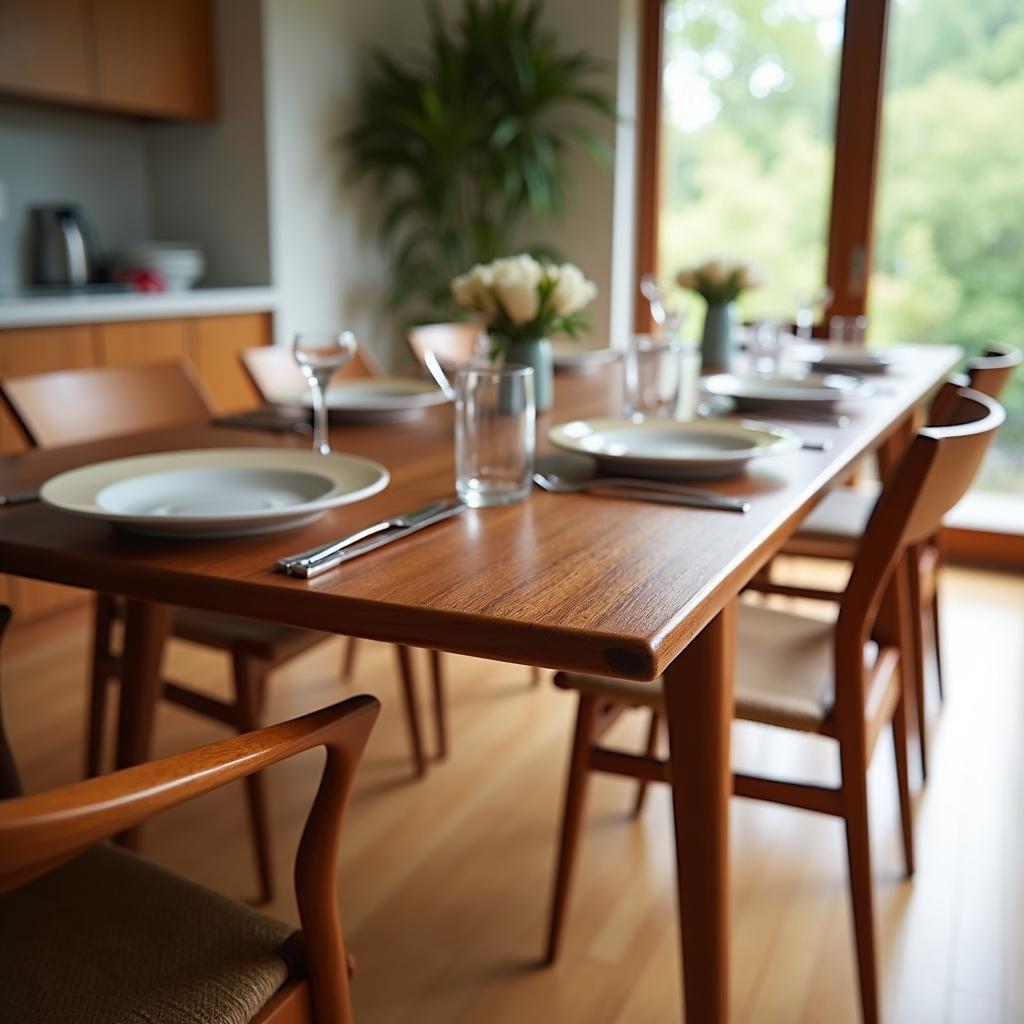
I’d like to talk about what I consider to be the crown jewel of my home – a mid-century modern teak dining table that occupies pride of place in our dining area. It’s nestled in an alcove between the kitchen and living room, where it serves as both a functional dining surface and a natural gathering point for family and friends.
Aesthetically, this table is absolutely stunning. It’s crafted from premium Danish teak with the most exquisite grain patterns running through the wood – each swirl and whorl is like a fingerprint, making it utterly unique. The tabletop has been meticulously hand-finished to achieve this warm, honeyed glow that deepens in color as the light shifts throughout the day. It sits atop four tapered legs that splay outward slightly, giving it that quintessential mid-century silhouette. What I particularly love is the built-in extension mechanism – you can pull out both ends to accommodate up to eight people comfortably, which is ingeniously designed for someone who frequently hosts gatherings.
Functionally, this table is the epicenter of our household. We use it for everything from everyday meals to special celebrations. My mornings typically start here with breakfast while I skim through the news, and in the evenings, it transforms into my workspace where I tackle emails or wrap up projects. But beyond these mundane uses, it’s become our ritual space – where we hold our Sunday family brunches, where friends congregate during dinner parties, where my nephew does his homework when he visits. The table has witnessed countless conversations, debates, laughter, and even the occasional tears.
However, what elevates this piece from merely being beautiful furniture to something truly irreplaceable is its provenance and sentimental value. I acquired it five years ago from an estate sale, and it turns out the original owner was a Danish furniture designer who’d brought it from Copenhagen in the 1960s. Remarkably, it came with a handwritten note detailing its history, which I’ve framed and hung nearby. But more personally, this table marked a turning point in my life – I bought it right after getting my first promotion, as a symbolic gesture of investing in my home and creating a space for meaningful connections. It represented my transition from viewing where I lived as just a place to sleep, to consciously curating an environment that reflects my values and fosters relationships.
Every scratch, dent, and watermark that has accumulated over the years adds character rather than diminishing its value. There’s a small burn mark from where a candle dripped during last year’s birthday dinner, a faint pen mark from when my nephew absentmindedly doodled while studying – these imperfections are badges of the life that’s been lived around this table. In our increasingly disposable culture, where furniture is often mass-produced and easily replaced, owning something with such craftsmanship, history, and evolving personal significance feels like anchoring myself to something enduring and authentic. It’s not just a piece of furniture; it’s a silent witness to my life’s most important moments and a daily reminder of what I value most – quality, connection, and continuity.
Phân Tích Band Điểm
| Tiêu chí | Band | Nhận xét |
|---|---|---|
| Fluency & Coherence | 9 | Speaks fluently và effortlessly với sophisticated discourse markers, coherence hoàn hảo với clear topic development từ physical description → function → emotional significance, natural progression of ideas. |
| Lexical Resource | 9 | Exceptional vocabulary range với precise và nuanced word choice (occupies pride of place, quintessential, provenance, curating, anchoring), idiomatic expressions sử dụng tự nhiên (crown jewel, turning point, silent witness), collocations sophisticated và accurate. |
| Grammatical Range & Accuracy | 9 | Full range of structures sử dụng naturally và appropriately, complex sentences với multiple clauses, varied sentence structures, virtually error-free. |
| Pronunciation | 9 | Clear pronunciation với natural intonation patterns, appropriate stress và rhythm, easy to understand với native-like features. |
Tại Sao Bài Này Xuất Sắc
🎯 Fluency Hoàn Hảo:
- Không có hesitation, speaks continuously và confidently
- Natural pausing for effect chứ không phải do thiếu từ vựng
- Smooth transitions giữa các phần với discourse markers tinh vi
📚 Vocabulary Tinh Vi:
- “occupies pride of place” – idiomatic expression thể hiện vị trí quan trọng
- “quintessential mid-century silhouette” – precise description cho furniture style
- “provenance and sentimental value” – sophisticated terms cho origin và emotional worth
- “symbolic gesture”, “conscious curating” – abstract concepts expressed precisely
- “badges of the life”, “silent witness” – metaphorical language adds depth
📝 Grammar Đa Dạng:
- “It sits atop four tapered legs that splay outward slightly, giving it that quintessential…” – complex sentence với relative clause và participle phrase
- “What elevates this piece from merely being beautiful furniture to something truly irreplaceable is…” – cleft sentence structure
- “I acquired it five years ago… and it turns out the original owner was…” – narrative past tenses với time expressions
- “In our increasingly disposable culture, where furniture is often mass-produced…” – opening với prepositional phrase và relative clause
💡 Ideas Sâu Sắc:
- Không chỉ describe mà còn analyze deeper meaning
- Personal narrative woven throughout
- Philosophical reflection về modern culture vs. enduring values
- Multiple layers of significance: aesthetic, functional, emotional, cultural
 Bàn ăn gỗ teak cao cấp phong cách mid-century hiện đại cho IELTS Speaking
Follow-up Questions (Rounding Off Questions)
Sau khi bạn hoàn thành phần độc thoại 2 phút, examiner có thể hỏi thêm 1-2 câu ngắn để transition sang Part 3. Đây là cơ hội để bạn thêm một chút thông tin hoặc clarify điểm nào đó.
Question 1: How long have you had this piece of furniture?
Band 6-7 Answer:
I’ve had it for about five years now. I bought it when I moved to my current house.
Band 8-9 Answer:
I’ve had it for roughly five years now, and interestingly, it has aged gracefully – if anything, it looks even better now than when I first brought it home. The wood has developed a richer patina with time and use.
Question 2: Would you ever consider replacing it?
Band 6-7 Answer:
No, I don’t think so. It’s very special to me and still in good condition, so there’s no reason to replace it.
Band 8-9 Answer:
Absolutely not – it’s one of those irreplaceable pieces that I plan to hold onto indefinitely. Even if I move houses in the future, this would be one of the first things I’d take with me. Its sentimental value far outweighs any practical considerations, and honestly, you just don’t find craftsmanship like this anymore.
IELTS Speaking Part 3: Two-way Discussion
Tổng Quan Về Part 3
Part 3 là phần thử thách nhất của IELTS Speaking, kéo dài 4-5 phút với các câu hỏi trừu tượng và sâu sắc hơn. Khác với Part 1 (personal) và Part 2 (descriptive), Part 3 yêu cầu bạn phân tích, đánh giá và thảo luận về các vấn đề xã hội rộng hơn liên quan đến chủ đề.
Đặc điểm:
- Câu hỏi mang tính phân tích, so sánh, đánh giá
- Yêu cầu critical thinking và ability to discuss abstract ideas
- Cần đưa ra quan điểm có lý lẽ, không chỉ ý kiến đơn giản
- Examples nên từ xã hội, xu hướng chung, không chỉ kinh nghiệm cá nhân
Yêu cầu:
- Trả lời dài hơn Part 1 (3-5 câu trở lên)
- Phân tích nhiều góc độ của vấn đề
- Thừa nhận complexity, tránh câu trả lời “đen trắng”
- Support opinions với reasons và examples
- Sử dụng language of speculation, comparison, evaluation
Chiến lược:
- Sử dụng discourse markers để gain thinking time (Well, That’s an interesting question, I think…)
- Structure: Direct answer → Reason 1 + example → Reason 2 + example → Conclusion/Nuance
- Acknowledge different perspectives trước khi đưa ra quan điểm
- Sử dụng tentative language (tends to, might, could be argued that…)
- Link back to personal experience khi appropriate nhưng generalize ra broader context
Lỗi thường gặp của học viên Việt Nam:
- Trả lời quá ngắn như Part 1, thiếu phân tích
- Chỉ đưa ra opinion mà không có supporting reasons
- Thiếu từ vựng trừu tượng để discuss abstract concepts
- Không biết cách express uncertainty hoặc balanced views
- Over-generalizing mà không nuance
Các Câu Hỏi Thảo Luận Sâu
Các câu hỏi Part 3 thường được nhóm theo themes khác nhau liên quan đến chủ đề furniture và home environment.
Theme 1: Furniture Industry & Consumer Behavior
Question 1: Why do you think some people are willing to spend a lot of money on furniture while others prefer cheaper options?
🎯 Phân tích câu hỏi:
- Dạng: Compare/Contrast + Explain causes
- Key words: willing to spend, a lot of money, prefer cheaper options
- Cách tiếp cận: Present both perspectives với reasons, acknowledge multiple factors (financial, values, lifestyle)
📝 Sample Answer – Band 6-7:
I think it depends on different things. Some people have more money, so they can buy expensive furniture. They think quality is important and expensive furniture lasts longer. Other people don’t have much money or they think furniture is not that important, so they buy cheap ones. Also, young people often buy cheaper furniture because they move house frequently.
Phân tích:
- Structure: Has basic comparison của hai groups nhưng presentation còn simple
- Vocabulary: Basic terms (expensive, cheap, quality, lasts longer) adequate nhưng not sophisticated
- Tại sao Band 6-7: Addresses the question với reasonable points nhưng lacks depth, limited range of vocabulary, simple grammatical structures
📝 Câu trả lời mẫu – Band 8-9:
Well, I think this really boils down to a combination of financial capacity and personal priorities. On one end of the spectrum, you have people who view furniture as a long-term investment – they’re willing to pay a premium for quality craftsmanship because they understand that well-made pieces will stand the test of time and actually prove more cost-effective in the long run. These individuals often prioritize durability over affordability and see their furniture choices as a reflection of their lifestyle and values.
On the flip side, there are those who opt for budget-friendly options for perfectly valid reasons. For instance, young professionals who frequently relocate for career opportunities might find it impractical to invest heavily in furniture they’d have to haul around or potentially leave behind. There’s also a growing minimalist mindset, particularly among millennials, where people are deliberately choosing not to accumulate expensive possessions, preferring flexibility over permanence.
Beyond financial considerations, I’d argue there’s also a generational and cultural component to this. Older generations who experienced post-war scarcity tend to place higher value on durability and quality, while younger consumers have grown up in an era of fast furniture and planned obsolescence, where the expectation is that you’ll replace things relatively frequently anyway. Additionally, the rise of online retailers offering affordable, stylish alternatives has democratized interior design, making it easier for people to furnish their homes attractively without breaking the bank.
Phân tích:
- Structure: Perfectly organized: Introduction với general statement → Group 1 analysis → Group 2 analysis → Deeper factors (generational/cultural)
- Vocabulary: Sophisticated và precise (boils down to, pay a premium, stand the test of time, haul around, democratized, breaking the bank)
- Grammar: Complex structures với conditionals, relative clauses, participial phrases perfectly executed
- Critical Thinking: Shows nuanced understanding với multiple factors, acknowledges complexity, provides specific examples
💡 Key Language Features:
- Discourse markers: “Well,” “On one end of the spectrum,” “On the flip side,” “Beyond financial considerations”
- Tentative language: “I think,” “I’d argue,” “might find,” “tend to”
- Abstract nouns: “financial capacity,” “personal priorities,” “minimalist mindset,” “planned obsolescence”
- Sophisticated collocations: “boils down to,” “stand the test of time,” “cost-effective in the long run,” “breaking the bank”
Question 2: How has the furniture industry changed in recent years?
🎯 Phân tích câu hỏi:
- Dạng: Describe changes/trends over time
- Key words: furniture industry, changed, recent years
- Cách tiếp cận: Identify major trends (technology, sustainability, consumer behavior), give examples, analyze implications
📝 Sample Answer – Band 6-7:
The furniture industry has changed a lot. Now, many people buy furniture online, which is more convenient. Companies also make more modern designs that young people like. Also, furniture is cheaper now because of big companies like IKEA. People care more about the environment too, so some companies use eco-friendly materials.
Phân tích:
- Structure: Lists changes nhưng lacks coherence và depth of analysis
- Vocabulary: Adequate (convenient, modern designs, eco-friendly) nhưng repetitive và basic
- Tại sao Band 6-7: Covers main points nhưng surface-level analysis, limited vocabulary range, simple sentences
📝 Câu trả lời mẫu – Band 8-9:
The furniture industry has undergone quite a dramatic transformation over the past decade or so, driven largely by technological advances and shifting consumer expectations. Perhaps the most conspicuous change has been the proliferation of e-commerce – companies like Wayfair and IKEA have revolutionized how people shop for furniture, making it possible to browse thousands of options from home and have items delivered and even assembled at your doorstep. This has fundamentally disrupted traditional brick-and-mortar furniture stores.
Another significant shift has been toward sustainability and ethical production. There’s been a marked increase in consumer awareness about the environmental footprint of furniture manufacturing, which has prompted many brands to pivot toward using reclaimed wood, recycled materials, and low-VOC finishes. Companies are now touting their eco-credentials as a major selling point, which would have been virtually unheard of a generation ago.
I’d also point to the democratization of design through companies like IKEA and other flat-pack furniture retailers. They’ve made contemporary, minimalist design accessible to the masses rather than being the exclusive domain of the wealthy. This has raised design expectations across the board – even budget-conscious consumers now expect their furniture to be both functional and aesthetically pleasing.
Lastly, there’s been this interesting trend toward modular and multifunctional furniture, especially in response to shrinking urban living spaces. Designers are creating pieces that can serve multiple purposes – sofas that convert into beds, tables with built-in storage – catering to the reality that many people, particularly in cities like Hong Kong or Tokyo, are living in increasingly compact spaces.
Phân tích:
- Structure: Exemplary organization with clear topic sentences for each major change, logical progression of ideas
- Vocabulary: Highly sophisticated (proliferation, revolutionized, fundamentally disrupted, marked increase, environmental footprint, touting eco-credentials, democratization, exclusive domain, modular and multifunctional)
- Grammar: Full range including passive constructions, relative clauses, participial phrases, all used naturally
- Critical Thinking: Shows deep understanding of industry trends với specific examples, analyzes causes and implications, demonstrates awareness of broader societal changes
💡 Key Language Features:
- Discourse markers: “Perhaps the most conspicuous,” “Another significant shift,” “I’d also point to,” “Lastly”
- Phrases for describing change: “undergone a dramatic transformation,” “fundamentally disrupted,” “prompted brands to pivot toward,” “raised expectations”
- Hedging language: “quite,” “largely,” “or so,” “virtually”
Theme 2: Cultural Differences & Social Trends
Question 3: How do furniture preferences differ between generations in your country?
🎯 Phân tích câu hỏi:
- Dạng: Compare/Contrast across different groups
- Key words: furniture preferences, differ, generations
- Cách tiếp cận: Compare older vs. younger generations, give specific examples of preferences, explain underlying reasons
📝 Sample Answer – Band 6-7:
Different generations like different furniture. Older people prefer traditional furniture like wooden chairs and tables because they think it’s more valuable. Young people like modern furniture that is simple and cheap. Also, older people buy furniture to keep for a long time, but young people change their furniture more often because they follow trends.
Phân tích:
- Structure: Basic comparison present nhưng lacks sophistication
- Vocabulary: Simple và repetitive (like, prefer, traditional, modern, simple, cheap)
- Tại sao Band 6-7: Addresses question adequately nhưng analysis superficial, limited vocabulary, lacks specific cultural context
📝 Câu trả lời mẫu – Band 8-9:
There’s definitely a pronounced generational divide when it comes to furniture preferences in Vietnam, and I think it stems from fundamentally different values and life experiences. The older generation, particularly those who came of age during the post-war period, tend to gravitate toward solid, traditional wooden furniture – the kind made from hardwoods like rosewood or mahogany. For them, furniture isn’t just functional; it’s a status symbol and a tangible asset that can be passed down through generations. They often favor ornate, carved pieces that exude a sense of permanence and gravitas.
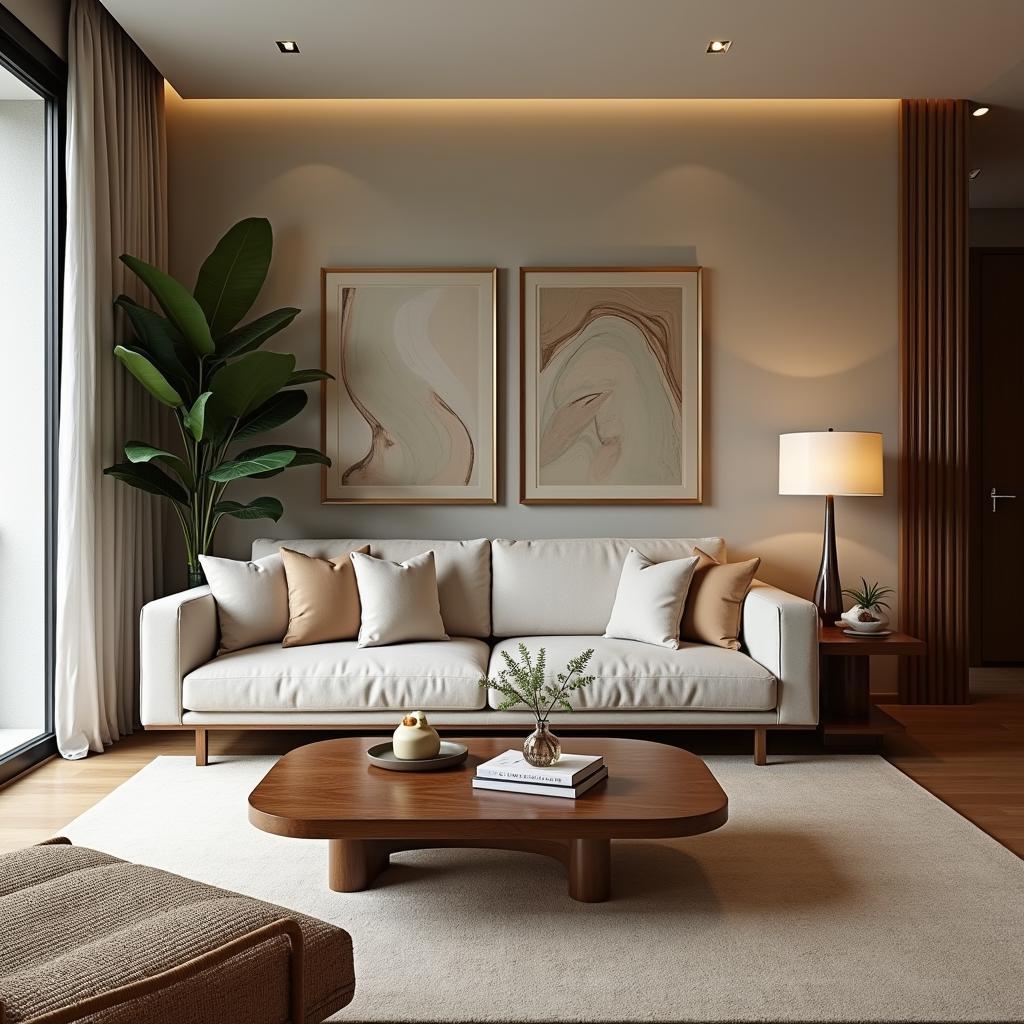
In stark contrast, younger Vietnamese, especially millennials and Gen Z, are embracing a more minimalist, Scandinavian-inspired aesthetic. They’re drawn to clean lines, neutral palettes, and multifunctional pieces that maximize space efficiency. I think this partly reflects the reality of urban apartment living, where space is at a premium, but it also speaks to a broader cultural shift toward prioritizing experiences over possessions. Young people today are less interested in accumulating heirlooms and more focused on creating flexible living spaces that can adapt as their lives change.
Interestingly, there’s also a growing middle ground – what you might call the “New Vietnamese” style – where younger homeowners are blending traditional Vietnamese elements like lacquerware or rattan with contemporary designs. This hybrid approach suggests a desire to honor cultural roots while still embracing modernity. I’ve noticed this particularly in boutique furniture stores in Hanoi and Ho Chi Minh City, where designers are reimagining traditional Vietnamese furniture forms with modern materials and silhouettes.
Another factor worth mentioning is economic circumstances. Older generations who’ve accumulated wealth over decades can afford to invest in premium pieces, whereas younger people, often saddled with student loans or struggling with high cost of living, gravitate toward affordable, fast-furniture options from brands like IKEA or local equivalents. However, I’d say there’s an emerging counter-trend among some environmentally conscious young people who are seeking out vintage or second-hand furniture, rejecting the throwaway culture in favor of more sustainable consumption patterns.
Phân tích:
- Structure: Masterful organization với clear comparison, specific Vietnamese cultural context, acknowledgment of nuances and emerging trends
- Vocabulary: Exceptional range and precision (pronounced divide, gravitate toward, ornate carved pieces, exude permanence, Scandinavian-inspired aesthetic, maximize space efficiency, accumulating heirlooms, hybrid approach, saddled with, throwaway culture)
- Grammar: Full range used naturally including complex conditionals, relative clauses, participial constructions
- Critical Thinking: Demonstrates sophisticated understanding with multiple factors analyzed (cultural, economic, environmental), specific local context, recognition of emerging trends
💡 Key Language Features:
- Comparative structures: “In stark contrast,” “Another factor worth mentioning,” “However, I’d say”
- Causal language: “stems from,” “reflects,” “speaks to”
- Tentative expressions: “I think,” “suggests,” “I’d say,” “you might call”
- Sophisticated vocabulary for trends: “emerging counter-trend,” “cultural shift,” “hybrid approach”
 Phòng khách kết hợp nội thất truyền thống và hiện đại Việt Nam IELTS
Theme 3: Environmental & Economic Impact
Question 4: What impact does the furniture industry have on the environment?
🎯 Phân tích câu hỏi:
- Dạng: Analyze impact/effects
- Key words: furniture industry, impact, environment
- Cách tiếp cận: Identify multiple environmental impacts (deforestation, chemicals, waste), discuss both problems and potential solutions
📝 Sample Answer – Band 6-7:
The furniture industry is not good for the environment. Companies cut down many trees to make wooden furniture, which causes deforestation. Also, furniture factories produce pollution and waste. When people throw away old furniture, it becomes garbage and creates more environmental problems. Some companies are trying to be more eco-friendly now by using recycled materials.
Phân tích:
- Structure: Lists impacts nhưng lacks depth of analysis và connection between points
- Vocabulary: Basic environmental terms (cut down trees, deforestation, pollution, waste, eco-friendly, recycled materials)
- Tại sao Band 6-7: Addresses question với relevant points nhưng analysis superficial, vocabulary adequate nhưng not sophisticated
📝 Câu trả lời mẫu – Band 8-9:
The furniture industry’s environmental footprint is actually quite substantial, though it often flies under the radar compared to more high-profile polluters like the automotive or fashion industries. I’d say the most pressing concern is deforestation – the industry is a major driver of forest loss, particularly in tropical regions where valuable hardwoods like teak and mahogany are harvested, often unsustainably. This doesn’t just deplete natural resources; it also destroys biodiversity and disrupts carbon sequestration, exacerbating climate change.
Beyond that, the manufacturing processes themselves are problematic from an environmental standpoint. The production of furniture involves substantial energy consumption and often relies on petroleum-based adhesives, synthetic finishes, and formaldehyde-containing materials that release volatile organic compounds into the atmosphere. These chemical emissions contribute to air pollution and can have detrimental health effects on factory workers and consumers alike.
Perhaps equally concerning is the end-of-life waste problem. We’ve cultivated this disposable furniture culture, where pieces are designed with built-in obsolescence rather than longevity. When furniture reaches landfills – and millions of tons do every year – materials like particle board, foam, and synthetic fabrics take decades to decompose, leaching chemicals into soil and groundwater in the process.
That said, there are some encouraging developments. The industry is seeing a growing emphasis on circular economy principles – companies are experimenting with take-back programs, refurbishment services, and designing for disassembly to facilitate recycling. There’s also been a marked uptick in the use of sustainably certified wood through organizations like the Forest Stewardship Council, and some innovative manufacturers are pioneering the use of alternative materials like bamboo, reclaimed wood, or even mycelium-based composites that are both durable and biodegradable.
Still, I think we’re only scratching the surface of what needs to happen. Meaningful change requires not just industry initiatives but also regulatory frameworks that incentivize sustainable practices and, perhaps most crucially, a fundamental shift in consumer mindset away from viewing furniture as disposable toward valuing quality and longevity. It’s a complex issue without easy solutions, but the trajectory seems to be moving in a more environmentally conscious direction, even if the pace is frustratingly slow.
Phân tích:
- Structure: Exceptional organization with clear progression: major environmental impacts → manufacturing issues → waste problems → positive developments → critical reflection on future needs
- Vocabulary: Highly sophisticated environmental terminology (flies under the radar, carbon sequestration, exacerbating, volatile organic compounds, leaching chemicals, circular economy principles, designing for disassembly, mycelium-based composites, scratching the surface)
- Grammar: Full range of structures including passive voice for processes, complex noun phrases, conditional structures, all used naturally and appropriately
- Critical Thinking: Demonstrates comprehensive understanding với multiple dimensions analyzed, balances problems with solutions, shows awareness of complexity, provides specific examples and technical knowledge, offers nuanced perspective on future
💡 Key Language Features:
- Discourse markers: “Beyond that,” “Perhaps equally concerning,” “That said,” “Still”
- Language of cause and effect: “driver of,” “exacerbating,” “contribute to,” “facilitate”
- Hedging and qualifying: “actually quite,” “often flies under,” “I’d say,” “I think,” “perhaps most crucially”
- Evaluation language: “pressing concern,” “problematic,” “encouraging developments,” “frustratingly slow”
Question 5: Do you think it’s better to buy locally-made furniture or imported furniture? Why?
🎯 Phân tích câu hỏi:
- Dạng: Compare/Evaluate + Give opinion with reasons
- Key words: better, locally-made, imported, why
- Cách tiếp cận: Present advantages của cả hai options, consider multiple factors (quality, price, environmental, economic), give balanced view
📝 Sample Answer – Band 6-7:
I think both have advantages. Local furniture is good because it supports local businesses and workers. It also doesn’t need to be transported far, so it’s better for the environment. However, imported furniture sometimes has better quality and more modern designs. It can also be cheaper because of mass production. I think it depends on what people need and their budget.
Phân tích:
- Structure: Basic comparison present với some reasons
- Vocabulary: Simple and general (good, better, quality, modern designs, cheaper)
- Tại sao Band 6-7: Addresses both sides nhưng analysis lacks depth, vocabulary adequate nhưng not sophisticated, misses opportunity for nuanced discussion
📝 Câu trả lời mẫu – Band 8-9:
That’s a nuanced question, and I think the answer really depends on what we’re prioritizing – economic, environmental, or quality considerations. Each option has its merits and drawbacks, and the “better” choice isn’t always clear-cut.
From an economic perspective, buying locally-made furniture has some compelling advantages. It keeps money circulating within the local economy, supports domestic craftspeople and manufacturers, and sustains jobs in the community. In countries like Vietnam, for instance, there’s a rich tradition of furniture craftsmanship that deserves to be preserved and supported. When you buy from local artisans, you’re often getting bespoke pieces with attention to detail that mass-produced imports simply can’t match. However, local furniture can be prohibitively expensive for average consumers, especially in developing economies where labor costs are rising.
On the environmental front, the picture is more complex than it might initially appear. While it’s true that locally-made furniture eliminates the carbon footprint associated with long-distance shipping and reduces packaging waste, imported furniture isn’t necessarily worse if it’s produced more efficiently or using more sustainable practices. For example, some Scandinavian manufacturers have stringent environmental standards and carbon-offset programs that might actually result in a lower overall environmental impact than locally-made alternatives produced with less eco-conscious methods. It’s not just about distance; it’s about the entire lifecycle of the product.
Quality-wise, there’s this perception that European or North American furniture is superior, and in some cases, that may be justified – established brands often have rigorous quality control and decades of refined manufacturing processes. But this can also be a form of bias because many countries, including several in Southeast Asia, produce exceptional quality furniture that rivals or even surpasses Western imports. The real issue is consumer awareness – people need to look beyond brand names and assess actual materials, construction methods, and durability.
Personally, I’d advocate for a pragmatic, case-by-case approach. For everyday functional pieces, I’d lean toward well-made local options that support the economy and minimize environmental costs. For specialized items where local options might be limited or don’t meet specific needs, thoughtfully chosen imports from companies with demonstrated sustainability credentials can be justified. Ultimately, what matters most is moving away from the disposable furniture mindset altogether – whether local or imported, we should be investing in durable, well-crafted pieces that will stand the test of time rather than churning through cheap furniture every few years.
Phân tích:
- Structure: Masterful organization với clear framework (economic → environmental → quality → personal view), each paragraph explores one dimension thoroughly, acknowledges complexity and nuances throughout
- Vocabulary: Exceptional sophistication and precision (nuanced, compelling advantages, bespoke pieces, prohibitively expensive, stringent standards, carbon-offset programs, entire lifecycle, rigorous quality control, pragmatic case-by-case approach, demonstrated sustainability credentials, churning through)
- Grammar: Full range including complex conditionals, comparative structures, cleft sentences, all used naturally
- Critical Thinking: Shows highly sophisticated thinking với acknowledgment of complexity, challenges assumptions (local not always better environmentally), balances multiple perspectives, provides specific examples, offers practical balanced conclusion
💡 Key Language Features:
- Discourse markers for balanced argument: “From an economic perspective,” “On the environmental front,” “Quality-wise,” “Personally”
- Hedging and nuance: “depends on,” “not always clear-cut,” “more complex than it might appear,” “in some cases,” “ultimately”
- Comparative structures: “simply can’t match,” “rivals or even surpasses,” “lower overall impact than”
- Evaluation language: “compelling advantages,” “merits and drawbacks,” “justified,” “what matters most”
Theme 4: Future Trends & Technology
Question 6: How do you think technology will change the way we buy and use furniture in the future?
🎯 Phân tích câu hỏi:
- Dạng: Predict future trends + speculation
- Key words: technology, change, buy and use furniture, future
- Cách tiếp cận: Discuss current technological trends và extrapolate to future, consider multiple aspects (shopping, customization, smart features), use speculative language
📝 Sample Answer – Band 6-7:
I think technology will change furniture shopping a lot. People will use apps and websites more to buy furniture. Maybe we can use VR to see how furniture looks in our house before buying. Also, furniture might become smarter with technology inside, like tables that can charge phones or sofas with speakers. 3D printing might make it easier to make custom furniture too.
Phân tích:
- Structure: Lists potential changes nhưng lacks cohesion và depth of speculation
- Vocabulary: Basic tech terms (apps, websites, VR, smarter, 3D printing) adequate nhưng not sophisticated
- Tại sao Band 6-7: Addresses future với some relevant predictions nhưng superficial analysis, lacks speculative language variety, simple structures
📝 Câu trả lời mẫu – Band 8-9:
I think we’re on the cusp of some really transformative changes in how we interact with furniture, driven by several converging technologies. The shopping experience is already being revolutionized by augmented reality applications – companies like IKEA have already rolled out apps that let you virtually place furniture in your space using your smartphone camera. I envision this technology becoming far more sophisticated, to the point where you could take a 3D scan of your entire room and experiment with different furniture arrangements, styles, and colors in a hyper-realistic virtual environment before making any purchases. This could dramatically reduce the trial-and-error aspect of furniture buying and minimize returns.
In terms of manufacturing and customization, I think we’re going to see 3D printing and on-demand production really take off. Rather than choosing from limited stock options, consumers might be able to specify exact dimensions, materials, and design elements, and have pieces fabricated to order. This could democratize access to bespoke furniture while also reducing waste from unsold inventory. Some companies are already experimenting with digital fabrication techniques where they can produce intricate designs that would be prohibitively expensive or even impossible with traditional methods.
The furniture itself is likely to become increasingly “smart” and integrated into our connected home ecosystems. We’re already seeing early iterations like desks with wireless charging surfaces, sofas with built-in USB ports, or beds that track sleep patterns and adjust firmness automatically. I wouldn’t be surprised if, within the next decade, we see furniture that can adapt its form based on who’s using it or what activity they’re doing – imagine a modular sofa that reconfigures itself based on whether you’re watching a movie, working on a laptop, or hosting guests. There’s also potential for furniture embedded with sensors that could monitor your posture and provide health feedback, which could be particularly valuable as more people work from home.
On a more speculative note, I think we might see the emergence of truly sustainable, bio-fabricated materials – furniture literally grown rather than manufactured, using things like mycelium or lab-cultured leather. This could address both environmental concerns and open up entirely new aesthetic possibilities.
That said, I think there will also be a counter-trend – a backlash against over-technologization where some consumers deliberately seek out analog, handcrafted furniture as a form of resistance to our increasingly digital lives. We might see a bifurcation of the market between high-tech, adaptive furniture for some consumers and artisanal, traditional pieces for others.
Ultimately, while the technology is exciting, I think the real question is whether these innovations will trickle down to become affordable and accessible to average consumers, or if they’ll remain luxury items for the wealthy. History suggests that there’s often a significant lag between when technology becomes technically feasible and when it becomes economically viable for mass adoption. But the trajectory is clear – furniture is moving from being passive objects to active participants in our living spaces.
Phân tích:
- Structure: Exceptional organization với clear progression through different technological aspects, speculative elements balanced with current trends, acknowledgment of counter-trends shows sophisticated thinking
- Vocabulary: Highly sophisticated and precise technology-related vocabulary (on the cusp of, converging technologies, augmented reality, hyper-realistic virtual environment, on-demand production, digital fabrication techniques, connected home ecosystems, early iterations, bio-fabricated materials, bifurcation, trickle down)
- Grammar: Full range of future forms (will, going to, likely to, might, could, wouldn’t be surprised if), complex conditionals, passive constructions, all used appropriately and naturally
- Critical Thinking: Demonstrates exceptional forward-thinking với multiple dimensions explored, balances optimism with skepticism, considers social and economic implications beyond just technical possibilities, acknowledges counter-trends and complexity
💡 Key Language Features:
- Speculative language: “I envision,” “I think we’re going to see,” “likely to become,” “I wouldn’t be surprised if,” “might see,” “could address”
- Discourse markers for organizing predictions: “In terms of,” “On a more speculative note,” “That said,” “Ultimately”
- Tentative expressions: “already being revolutionized,” “really take off,” “potential for,” “history suggests”
- Technical vocabulary seamlessly integrated: “augmented reality,” “3D printing,” “on-demand production,” “digital fabrication,” “connected home ecosystems,” “bio-fabricated materials”
Khi thảo luận về xu hướng công nghệ trong tương lai, việc liên hệ với các chủ đề khác cũng rất hữu ích. Ví dụ, bạn có thể tham khảo cách phân tích xu hướng trong Describe a recent technological innovation để học thêm cách diễn đạt về sự phát triển công nghệ.
 Ứng dụng công nghệ thực tế ảo để thử đồ nội thất IELTS Speaking
Từ vựng và cụm từ quan trọng
Topic-Specific Vocabulary
| Từ vựng/Cụm từ | Loại từ | Phiên âm | Nghĩa tiếng Việt | Ví dụ | Collocation |
|---|---|---|---|---|---|
| vintage | adj | /ˈvɪn.tɪdʒ/ | cổ điển, có tuổi đời | This vintage armchair was made in the 1960s. | vintage furniture, vintage style, vintage piece |
| upholstered | adj | /ʌpˈhəʊl.stəd/ | bọc vải, bọc nệm | The chair is upholstered in soft velvet. | upholstered furniture, upholstered in leather/fabric |
| craftsmanship | n | /ˈkrɑːfts.mən.ʃɪp/ | tay nghề thủ công, kỹ thuật làm | The craftsmanship of this table is exceptional. | fine craftsmanship, traditional craftsmanship, quality craftsmanship |
| minimalist | adj/n | /ˈmɪn.ɪ.məl.ɪst/ | tối giản | I prefer minimalist furniture with clean lines. | minimalist design, minimalist aesthetic, minimalist approach |
| functional | adj | /ˈfʌŋk.ʃən.əl/ | có chức năng, thiết thực | This desk is both functional and stylish. | functional design, functional furniture, highly functional |
| clutter/cluttered | n/adj | /ˈklʌt.ə(r)/ /ˈklʌt.əd/ | sự lộn xộn / lộn xộn | Try to avoid cluttering your room with too much furniture. | cluttered space, free from clutter, reduce clutter |
| heirloom | n | /ˈeə.luːm/ | vật thừa kế, gia bảo | This cabinet is a family heirloom passed down for generations. | family heirloom, heirloom piece, treasured heirloom |
| ergonomic | adj | /ˌɜː.ɡəˈnɒm.ɪk/ | thiết kế phù hợp với cơ thể | An ergonomic chair can prevent back pain. | ergonomic design, ergonomic furniture, ergonomically designed |
| modular | adj | /ˈmɒd.jə.lər/ | có thể lắp ráp, mô-đun | Modular furniture is perfect for small apartments. | modular furniture, modular design, modular units |
| bespoke | adj | /bɪˈspəʊk/ | đặt làm riêng, tùy chỉnh | They specialize in bespoke furniture tailored to individual needs. | bespoke furniture, bespoke design, bespoke pieces |
| sustainable | adj | /səˈsteɪ.nə.bəl/ | bền vững | More people are choosing sustainable furniture materials. | sustainable materials, sustainable production, environmentally sustainable |
| reclaimed | adj | /rɪˈkleɪmd/ | tái sử dụng, tái chế | The table is made from reclaimed wood. | reclaimed wood, reclaimed materials, reclaimed timber |
| depreciate | v | /dɪˈpriː.ʃi.eɪt/ | giảm giá trị | Cheap furniture depreciates quickly. | depreciate in value, rapidly depreciate |
| aesthetics | n | /iːsˈθet.ɪks/ | thẩm mỹ | The aesthetics of modern furniture appeal to young people. | pleasing aesthetics, modern aesthetics, visual aesthetics |
| refurbish | v | /ˌriːˈfɜː.bɪʃ/ | tân trang lại, sửa chữa | They refurbished the antique dresser beautifully. | refurbish furniture, refurbished pieces, fully refurbished |
| wear and tear | n phrase | /weər ənd teər/ | hao mòn do sử dụng | The sofa shows signs of wear and tear. | normal wear and tear, minimal wear and tear |
| centerpiece | n | /ˈsen.tə.piːs/ | vật trung tâm, điểm nhấn | The dining table is the centerpiece of our home. | room’s centerpiece, stunning centerpiece |
| ambiance | n | /ˈæm.bi.əns/ | không khí, bầu không khí | The furniture creates a warm ambiance in the room. | create ambiance, cozy ambiance, unique ambiance |
Idiomatic Expressions & Advanced Phrases
| Cụm từ | Nghĩa | Ví dụ sử dụng | Band điểm |
|---|---|---|---|
| stand the test of time | bền lâu, vượt qua thời gian | Quality furniture will stand the test of time and prove more economical. | 7.5-9 |
| on the cusp of | đang trên bờ vực của, sắp xảy ra | We’re on the cusp of a revolution in smart furniture technology. | 8-9 |
| flies under the radar | không được chú ý nhiều | The environmental impact of furniture often flies under the radar. | 8-9 |
| breaking the bank | tốn rất nhiều tiền | You can furnish your home attractively without breaking the bank. | 7.5-8.5 |
| scratching the surface | chỉ mới bắt đầu, chưa đào sâu | Current sustainability efforts are just scratching the surface of what’s needed. | 8-9 |
| boils down to | quy về, tóm lại là | The decision really boils down to personal priorities and budget. | 7.5-8.5 |
| trickle down | lan tỏa xuống, phổ biến dần | Advanced technology will eventually trickle down to become more affordable. | 8-9 |
| occupies pride of place | chiếm vị trí quan trọng nhất | The antique dresser occupies pride of place in our bedroom. | 8-9 |
| aesthetically pleasing | đẹp mắt về mặt thẩm mỹ | Modern furniture is both functional and aesthetically pleasing. | 7-7.5 |
| bang for your buck | đáng đồng tiền bát gạo | IKEA furniture gives you good bang for your buck. | 7-7.5 |
| form and function | hình thức và chức năng | Good design balances both form and function perfectly. | 7.5-8 |
| from scratch | từ đầu, hoàn toàn mới | They built all their furniture from scratch using reclaimed materials. | 7-7.5 |
Discourse Markers (Từ Nối Ý Trong Speaking)
Để bắt đầu câu trả lời:
- 📝 Well,… – Sử dụng khi cần thời gian suy nghĩ ngắn: “Well, I think furniture preferences vary significantly…”
- 📝 Actually,… – Khi đưa ra góc nhìn khác hoặc thông tin surprising: “Actually, locally-made furniture isn’t always more expensive…”
- 📝 To be honest,… – Khi nói thật về quan điểm cá nhân: “To be honest, I’ve never really thought about the environmental impact until recently…”
- 📝 I’d say that… – Khi đưa ra nhận định: “I’d say that younger generations prefer minimalist designs…”
- 📝 That’s an interesting question,… – Để gain time và show engagement: “That’s an interesting question. I think technology will fundamentally change…”
Để bổ sung ý:
- 📝 On top of that,… – Thêm vào đó: “On top of that, smart furniture offers convenience…”
- 📝 What’s more,… – Hơn nữa: “What’s more, sustainable materials are becoming more affordable…”
- 📝 Not to mention… – Chưa kể đến: “Not to mention the sentimental value attached to inherited furniture…”
- 📝 Beyond that,… – Ngoài ra: “Beyond that, there’s the issue of waste management…”
- 📝 Another thing worth mentioning is… – Một điều đáng nói khác là: “Another thing worth mentioning is the craftsmanship involved…”
Để đưa ra quan điểm cân bằng:
- 📝 On the one hand,… On the other hand,… – Một mặt… mặt khác: “On the one hand, imported furniture offers variety. On the other hand, it has a larger carbon footprint.”
- 📝 While it’s true that…, we also need to consider… – Mặc dù đúng là… nhưng cũng cần xem xét: “While it’s true that modern furniture is affordable, we also need to consider its durability.”
- 📝 That said,… – Tuy nhiên: “That said, there are some encouraging developments in sustainable manufacturing.”
Để kết luận:
- 📝 All in all,… – Tóm lại: “All in all, I believe quality should outweigh quantity when buying furniture.”
- 📝 At the end of the day,… – Cuối cùng thì: “At the end of the day, personal preference matters most.”
- 📝 Ultimately,… – Rốt cuộc: “Ultimately, the best choice depends on individual circumstances.”
Grammatical Structures Ấn Tượng
1. Conditional Sentences (Câu điều kiện):
Mixed conditional: Kết hợp quá khứ và hiện tại để show consequences
- Formula: If + past perfect, would/could + infinitive
- Ví dụ: “If I hadn’t inherited this armchair from my grandmother, I probably wouldn’t appreciate vintage furniture as much as I do now.”
Inversion: Đảo ngữ để formal hơn và emphatic
- Formula: Had + S + past participle, S + would/could…
- Ví dụ: “Had I known how quickly cheap furniture deteriorates, I would have invested in better quality pieces from the start.”
2. Relative Clauses (Mệnh đề quan hệ):
Non-defining relative clauses: Thêm thông tin bổ sung
- Formula: …, which/who + clause,…
- Ví dụ: “My bookshelf, which I bought three years ago, has become an essential part of my daily routine.”
Reduced relative clauses: Rút gọn để sophisticated hơn
- Formula: S + past participle/present participle…
- Ví dụ: “Furniture made from reclaimed wood is both environmentally friendly and aesthetically unique.”
3. Passive Voice (Câu bị động):
It is thought/believed/said that… – Để express general opinions
- Ví dụ: “It is widely believed that quality furniture is a worthwhile long-term investment.”
Passive with modal verbs – Để speculate hoặc suggest possibilities
- Ví dụ: “Smart furniture could be integrated into our homes within the next decade.”
4. Cleft Sentences (Câu chẻ):
What I find most…, is… – Để emphasize specific aspect
- Ví dụ: “What I find most appealing about minimalist furniture is its versatility and timeless design.”
The thing that…, is… – Tương tự, nhấn mạnh điều quan trọng
- Ví dụ: “The thing that really matters when choosing furniture is not just aesthetics but also durability and comfort.”
It is… that… – Để focus vào element cụ thể
- Ví dụ: “It is the emotional connection to my grandmother’s armchair that makes it irreplaceable, not its monetary value.”
Lời khuyên cuối cùng:
Khi chuẩn bị cho IELTS Speaking với chủ đề furniture, hãy nhớ rằng examiner không chỉ đánh giá khả năng ngôn ngữ mà còn đánh giá khả năng tư duy và diễn đạt ý tưởng của bạn. Đừng học thuộc template – thay vào đó, hãy thực hành nói về đồ nội thất trong nhà bạn một cách tự nhiên, thêm chi tiết cảm xúc và kỷ niệm cá nhân. Điều này sẽ làm cho bài nói của bạn authentic và impressive hơn nhiều.
Hãy luyện tập với bạn bè hoặc record lại để tự đánh giá. Chú ý đến pronunciation, đặc biệt là word stress và sentence rhythm. Và quan trọng nhất, hãy tự tin – examiner muốn nghe câu chuyện của bạn, không phải một bài speech được học thuộc lòng.
Nếu bạn quan tâm đến cách miêu tả các địa điểm đặc biệt khác, có thể tham khảo describe a famous restaurant in your city để học thêm kỹ năng miêu tả chi tiết và sinh động.
Chúc bạn thi tốt và đạt được band điểm mơ ước!


