Chủ đề về nhân vật công chúng mà bạn kính trọng là một trong những đề tài phổ biến nhất trong IELTS Speaking, đặc biệt ở Part 2 và Part 3. Theo thống kê từ các trung tâm thi IELTS tại Việt Nam và trên thế giới, chủ đề này xuất hiện với tần suất cao trong khoảng 70% số kỳ thi từ năm 2022 đến 2024. Dự đoán khả năng xuất hiện trong tương lai vẫn ở mức cao do tính phổ biến và khả năng đánh giá toàn diện năng lực ngôn ngữ của thí sinh.
Chủ đề “Describe A Public Figure You Respect” không chỉ đơn thuần yêu cầu bạn miêu tả một người nổi tiếng. Examiners muốn đánh giá khả năng sử dụng từ vựng miêu tả tính cách, thành tựu, ảnh hưởng xã hội, cũng như kỹ năng diễn đạt cảm xúc và quan điểm cá nhân một cách tự nhiên. Đây là cơ hội tuyệt vời để bạn thể hiện vốn từ vựng về qualities, achievements và social impact.
Trong bài viết này, bạn sẽ học được: Các câu hỏi thường gặp trong cả 3 Part liên quan đến public figures; Bài mẫu chi tiết với 3 mức band điểm khác nhau (6-7, 7.5-8, 8.5-9) kèm phân tích cụ thể; Hơn 50 từ vựng và cụm từ ăn điểm với pronunciation guide; Chiến lược trả lời hiệu quả từ góc nhìn của một Examiner; Những lỗi thường gặp của học viên Việt Nam và cách khắc phục; Tips để mở rộng câu trả lời một cách tự nhiên và ấn tượng.
IELTS Speaking Part 1: Introduction and Interview
Tổng Quan Về Part 1
Part 1 của IELTS Speaking thường kéo dài 4-5 phút với các câu hỏi về cuộc sống hàng ngày, sở thích và kinh nghiệm cá nhân. Đối với chủ đề về public figures hoặc famous people, câu hỏi thường xoay quanh thói quen tiếp cận thông tin, quan điểm về sự nổi tiếng và ảnh hưởng của những người này đến cuộc sống của bạn.
Chiến lược chính cho Part 1 là trả lời trực tiếp câu hỏi trong 2-3 câu, bao gồm: câu trả lời trực tiếp, lý do hoặc giải thích, và một ví dụ cụ thể nếu có thể. Tránh trả lời quá ngắn gọn như “Yes” hoặc “No”, cũng như tránh nói quá dài làm mất thời gian cho các phần quan trọng hơn.
Lỗi thường gặp của học viên Việt Nam:
- Trả lời chỉ một câu ngắn, thiếu elaboration
- Sử dụng từ vựng quá đơn giản như “good”, “nice”, “famous”
- Thiếu ví dụ cụ thể từ kinh nghiệm bản thân
- Không sử dụng discourse markers để tạo độ tự nhiên
- Ngần ngại, nhiều pauses không cần thiết
Các Câu Hỏi Thường Gặp
Question 1: Do you follow any celebrities or famous people on social media?
Question 2: Who is your favorite famous person?
Question 3: Have you ever met a famous person in real life?
Question 4: Do you think it’s important for young people to have role models?
Question 5: What kind of famous people do you admire most?
Question 6: Do you read news about celebrities?
Question 7: Would you like to be famous in the future?
Question 8: How have famous people influenced your life?
Phân Tích và Gợi Ý Trả Lời Chi Tiết
Question: Do you follow any celebrities or famous people on social media?
🎯 Cách tiếp cận:
- Trả lời Yes/No trực tiếp
- Nêu tên người hoặc loại người bạn follow
- Giải thích lý do ngắn gọn
- Có thể thêm tần suất hoặc platform cụ thể
📝 Sample Answer – Band 6-7:
“Yes, I do. I follow some Vietnamese singers on Instagram because I like their music. I also follow a few football players like Cristiano Ronaldo. I check their posts maybe once or twice a week when I have free time.”
Phân tích:
- Điểm mạnh: Trả lời rõ ràng, có ví dụ cụ thể (singers, Cristiano Ronaldo), đề cập platform (Instagram) và frequency (once or twice a week)
- Hạn chế: Từ vựng còn basic (like, check), thiếu reasons cụ thể tại sao follow, chưa có emotional connection
- Tại sao Band 6-7: Đủ thông tin nhưng chưa sophisticated, grammar đơn giản, thiếu collocations
📝 Sample Answer – Band 8-9:
“Actually, yes. I’m quite an active follower of several public figures, particularly environmental activists like Greta Thunberg and some renowned scientists on Twitter. I find their thought-provoking posts really enlightening, and they help me stay informed about global issues. I’d say I scroll through their updates almost daily, as their perspectives really resonate with my personal values.”
Phân tích:
- Điểm mạnh:
- Từ vựng nâng cao: “active follower”, “renowned”, “thought-provoking”, “enlightening”, “resonate with”
- Collocations tự nhiên: “stay informed”, “scroll through”, “personal values”
- Grammar đa dạng: “I find their posts enlightening” (find + object + adjective), “I’d say” (tentative language)
- Ý tưởng sâu sắc: không chỉ follow để giải trí mà còn để học hỏi và cập nhật thông tin
- Tại sao Band 8-9:
- Fluency: Natural flow với “Actually”, “I’d say”, “almost daily”
- Vocabulary: Precise và sophisticated (environmental activists, renowned scientists, thought-provoking)
- Grammar: Complex structures với relative clause và compound sentences
- Coherence: Logical progression từ who → why → how often
💡 Key Vocabulary & Expressions:
- active follower: người theo dõi tích cực
- renowned: nổi tiếng, có uy tín
- thought-provoking: kích thích tư duy
- enlightening: mang tính khai sáng
- resonate with: có sự đồng điệu, hưởng ứng với
- stay informed: cập nhật thông tin
Question: What kind of famous people do you admire most?
🎯 Cách tiếp cận:
- Nêu loại người nổi tiếng (category)
- Giải thích qualities bạn admire
- Đưa ra ví dụ cụ thể nếu có thể
📝 Sample Answer – Band 6-7:
“I admire people who work hard to help others, like doctors or teachers who become famous. I think they are good role models because they do useful things for society. For example, I respect people who volunteer and make the world better.”
Phân tích:
- Điểm mạnh: Có structure rõ ràng (who → why → example), ý tưởng tích cực về social contribution
- Hạn chế: Từ vựng repetitive và basic (good, useful, better), thiếu specific qualities, ví dụ chưa concrete
- Tại sao Band 6-7: Communicates ý tốt nhưng limited range of vocabulary, simple sentence structures
📝 Sample Answer – Band 8-9:
“I have a deep admiration for individuals who use their platform for social good, particularly philanthropists and humanitarian workers who’ve achieved recognition through their selfless contributions. What really strikes me about these people is their unwavering commitment to making a tangible difference in disadvantaged communities. Take Malala Yousafzai, for instance – she embodies the kind of courage and dedication I find truly inspiring.”
Phân tích:
- Điểm mạnh:
- Vocabulary tinh vi: “deep admiration”, “platform”, “social good”, “philanthropists”, “humanitarian workers”, “unwavering commitment”, “tangible difference”
- Collocations xuất sắc: “selfless contributions”, “strikes me”, “embodies courage”
- Grammar phức tạp: relative clause “who’ve achieved recognition”, participle phrase “particularly philanthropists”
- Ý tưởng cụ thể: đưa ra Malala làm example và highlight specific quality (courage, dedication)
- Tại sao Band 8-9:
- Fluency: Seamless với “What really strikes me”, “Take…for instance”
- Vocabulary: Wide range and precise (philanthropists, humanitarian, unwavering, tangible, embodies)
- Grammar: Sophisticated structures với multiple clauses
- Pronunciation: Stress on key words tạo emphasis tự nhiên
💡 Key Vocabulary & Expressions:
- have a deep admiration for: rất khâm phục
- social good: lợi ích xã hội
- philanthropist: nhà từ thiện
- humanitarian worker: nhân viên nhân đạo
- unwavering commitment: cam kết không lay chuyển
- tangible difference: sự khác biệt hữu hình, cụ thể
- embody: hiện thân, thể hiện
Question: Would you like to be famous in the future?
🎯 Cách tiếp cận:
- Trả lời Yes/No/Maybe với explanation
- Nêu pros and cons nếu trả lời maybe
- Personal reasons liên quan đến lifestyle preference
📝 Sample Answer – Band 6-7:
“Not really. I think being famous is difficult because you don’t have privacy. Famous people always have reporters following them and people taking photos. I prefer to live a normal, quiet life with my family and friends.”
Phân tích:
- Điểm mạnh: Stance rõ ràng, có reason (privacy issue), đưa ra personal preference
- Hạn chế: Từ vựng basic (difficult, normal, quiet), thiếu elaboration về consequences, chưa có nuanced view
- Tại sao Band 6-7: Clear communication nhưng limited vocabulary range, simple explanations
📝 Sample Answer – Band 8-9:
“Honestly, I’m quite ambivalent about it. While I can see the appeal of having influence and the ability to drive positive change on a large scale, I’m also acutely aware of the downsides – the constant scrutiny, invasion of privacy, and the pressure to maintain a certain public persona. If I’m being frank, I’d prefer to make an impact in my field without the media spotlight. I think you can be influential without being household name, and that strikes a better balance for me personally.”
Tương tự như describe a person who has a positive influence on others, những người có ảnh hưởng tích cực không nhất thiết phải là những người nổi tiếng trên phương tiện truyền thông.
Phân tích:
- Điểm mạnh:
- Vocabulary xuất sắc: “ambivalent”, “appeal”, “drive positive change”, “acutely aware”, “scrutiny”, “invasion of privacy”, “public persona”, “household name”
- Idiomatic expressions: “If I’m being frank”, “strikes a better balance”
- Grammar phức tạp: “While I can see…” (concessive clause), “I’d prefer to…” (conditional preference)
- Critical thinking: balanced view với both sides, nuanced conclusion
- Tại sao Band 8-9:
- Fluency: Natural discourse markers (Honestly, While, If I’m being frank)
- Vocabulary: Precise and sophisticated với topic-specific terms
- Grammar: Complex sentences với multiple subordinate clauses
- Ideas: Sophisticated reasoning, weighing pros and cons thoughtfully
💡 Key Vocabulary & Expressions:
- ambivalent: lưỡng lự, có cảm xúc mâu thuẫn
- drive positive change: thúc đẩy thay đổi tích cực
- acutely aware: nhận thức sâu sắc
- constant scrutiny: sự giám sát liên tục
- invasion of privacy: xâm phạm quyền riêng tư
- public persona: hình ảnh công chúng
- household name: cái tên quen thuộc với mọi nhà
- strike a balance: đạt được sự cân bằng
IELTS Speaking Part 2: Long Turn (Cue Card)
Tổng Quan Về Part 2
Part 2 là phần quan trọng nhất của IELTS Speaking, kéo dài 3-4 phút bao gồm 1 phút chuẩn bị và 2-3 phút nói không bị gián đoạn. Đây là lúc bạn thể hiện khả năng duy trì độ trôi chảy, sử dụng từ vựng đa dạng và tổ chức ý tưởng mạch lạc.
Chiến lược hiệu quả:
- Sử dụng đủ 1 phút chuẩn bị để ghi chú keywords cho mỗi bullet point (không viết câu hoàn chỉnh)
- Nói đủ 2 phút, tối thiểu 1 phút 45 giây (nếu dưới 1.5 phút sẽ bị trừ điểm Fluency)
- Trả lời đầy đủ TẤT CẢ các bullet points, đặc biệt câu “explain” cuối cùng là quan trọng nhất
- Sử dụng thì động từ phù hợp (thường là quá khứ nếu nói về experience, hiện tại nếu nói về người vẫn còn ảnh hưởng)
- Tạo connection giữa các ý bằng linking words
- Thêm personal feelings và reflections để câu trả lời sinh động
Lỗi thường gặp:
- Không sử dụng hết thời gian chuẩn bị hoặc chuẩn bị không hiệu quả
- Nói quá ngắn (dưới 1.5 phút) hoặc hết ý trước khi hết thời gian
- Bỏ sót bullet points, đặc biệt câu “explain”
- Thuộc lòng template và áp dụng cứng nhắc
- Nói theo kiểu “đọc essay” thay vì natural conversation
- Quá focus vào grammar mà mất tự nhiên
 Học viên đang chuẩn bị bài IELTS Speaking Part 2 về nhân vật công chúng
Cue Card
Describe a public figure you respect
You should say:
- Who this person is
- What this person does
- How you know about this person
- And explain why you respect this person
Phân Tích Đề Bài
-
Dạng câu hỏi: Describe a person (miêu tả về một người)
-
Thì động từ: Chủ yếu hiện tại (vì người này vẫn còn hoạt động), có thể dùng quá khứ khi kể về achievements hoặc how you know them
-
Bullet points phải cover:
- Who: Tên, nghề nghiệp, quốc tịch của người này
- What: Lĩnh vực họ hoạt động, công việc cụ thể họ làm
- How: Cách bạn biết đến họ (through media, social media, books, news, etc.)
- Why (explain): Đây là phần quan trọng nhất – cần giải thích cụ thể qualities, achievements, values khiến bạn respect
-
Câu “explain” quan trọng: Đây là nơi bạn ghi điểm cao nhất. Cần demonstrate critical thinking, personal values, và ability to articulate abstract concepts như integrity, dedication, impact on society. Đừng chỉ nói “because he/she is famous” mà phải đi sâu vào specific qualities và how they inspire you.
📝 Sample Answer – Band 6-7
Thời lượng: Khoảng 1 phút 50 giây
“I’d like to talk about Elon Musk, who is a very famous businessman. He is the CEO of Tesla and SpaceX, two big companies that are very successful.
I first knew about Elon Musk from the news and social media about five years ago. He often posts on Twitter and talks about his companies and new ideas. His companies make electric cars and rockets, which I think are very interesting.
I respect Elon Musk for several reasons. First, he is very hard-working and smart. He started many companies and made them successful. Second, he has big dreams about the future. He wants to help the environment by making electric cars popular, and he also wants to send people to Mars. I think these are important goals.
Another reason I respect him is that he takes risks. Many people said his ideas were impossible, but he didn’t give up. He kept working hard and proved them wrong. He also shares his ideas with the public and inspires young people to be interested in science and technology.
I think Elon Musk is a good role model because he shows that if you work hard and believe in your dreams, you can achieve great things. His work is making the world better, and that’s why I respect him very much.”
Phân Tích Band Điểm
| Tiêu chí | Band | Nhận xét |
|---|---|---|
| Fluency & Coherence | 6-7 | Có sequencing rõ ràng (First, Second, Another reason), nhưng còn hơi mechanical. Một vài hesitations nhỏ có thể xuất hiện. Linking words basic (and, but, because). |
| Lexical Resource | 6-7 | Từ vựng adequate cho topic (CEO, electric cars, rockets, environment, role model) nhưng chưa sophisticated. Có một số collocations (hard-working, take risks, big dreams) nhưng còn limited range. |
| Grammatical Range & Accuracy | 6-7 | Mix của simple và complex sentences. Có relative clauses (which I think, who is) và subordinate clauses (because, if). Một vài lỗi minor có thể xuất hiện nhưng không ảnh hưởng communication. |
| Pronunciation | 6-7 | Clear và understandable với occasional mispronunciation. Sentence stress có thể chưa tự nhiên hoàn toàn. Intonation đơn giản. |
Điểm mạnh:
- ✅ Trả lời đầy đủ tất cả bullet points
- ✅ Structure rõ ràng với introduction, body, conclusion
- ✅ Có examples cụ thể (Tesla, SpaceX, electric cars, Mars)
- ✅ Giải thích reasons một cách logical
Hạn chế:
- ⚠️ Từ vựng còn basic và repetitive (very famous, very successful, very interesting)
- ⚠️ Thiếu personal connection depth – chưa nói impact cụ thể đến bản thân
- ⚠️ Linking words còn simple (first, second, another reason)
- ⚠️ Chưa có idiomatic expressions hoặc advanced vocabulary
- ⚠️ Grammar structures chưa đủ đa dạng và sophisticated
📝 Sample Answer – Band 7.5-8
Thời lượng: Khoảng 2 phút 10 giây
“I’d like to tell you about Dr. Jane Goodall, who is a world-renowned primatologist and conservationist. She’s probably best known for her groundbreaking research on chimpanzees in Tanzania, which has revolutionized our understanding of animal behavior and intelligence.
I first came across Dr. Goodall’s work when I was reading a National Geographic article about wildlife conservation during my university years. I was immediately captivated by her story – how she went to Africa in her twenties with no formal training and ended up making remarkable discoveries that challenged scientific thinking at the time. Since then, I’ve followed her work through documentaries, her books, and her speaking engagements.
What I deeply respect about Dr. Goodall is her unwavering dedication to both science and conservation. She’s spent over 60 years studying chimpanzees, often in challenging conditions, and her patience and meticulous observation have yielded insights that continue to shape the field of primatology. But beyond her scientific contributions, what truly sets her apart is her compassion and her ability to bridge the gap between scientific research and public awareness.
At 90 years old, she’s still traveling around the world, giving lectures and raising awareness about environmental issues. Her Roots & Shoots program has inspired millions of young people globally to take action for their communities and the environment. This combination of scientific rigor and grassroots activism is what makes her so extraordinary in my eyes.
Dr. Goodall has taught me that one person really can make a difference, and that persistence and genuine care for the natural world can lead to lasting impact. She embodies the kind of purposeful life I aspire to live.”
Phân Tích Band Điểm
| Tiêu chí | Band | Nhận xét |
|---|---|---|
| Fluency & Coherence | 7.5-8 | Smooth delivery với natural linking (probably best known for, Since then, But beyond, This combination). Coherent progression từ introduction → discovery → respect → impact. Minimal hesitation. |
| Lexical Resource | 7.5-8 | Wide range với topic-specific vocabulary (primatologist, conservationist, groundbreaking, revolutionized, meticulous observation). Good collocations (unwavering dedication, bridge the gap, lasting impact). Less common words used naturally (captivated, yielded insights, embodies). |
| Grammatical Range & Accuracy | 7.5-8 | Variety of complex structures: relative clauses (which has revolutionized, that challenged), participle phrases (often in challenging conditions), reported speech elements. Good use of present perfect for continuing situations (has spent, has inspired). Mostly error-free. |
| Pronunciation | 7.5-8 | Clear with effective use of intonation patterns. Word stress accurate (pri-MA-to-lo-gist, con-ser-VA-tion-ist). Natural rhythm and appropriate pausing. |
So Sánh Với Band 6-7
| Khía cạnh | Band 6-7 | Band 7.5-8 |
|---|---|---|
| Vocabulary | “very famous businessman”, “big dreams”, “important goals” | “world-renowned primatologist”, “groundbreaking research”, “unwavering dedication”, “meticulous observation” |
| Grammar | “He is very hard-working and smart. He started many companies.” (simple coordination) | “She’s spent over 60 years studying chimpanzees, often in challenging conditions, and her patience has yielded insights…” (complex sentence với multiple clauses) |
| Ideas | Surface-level (hard-working, smart, takes risks) | Deeper analysis (scientific contributions + compassion + bridging research and awareness + lasting impact) |
| Personal Connection | Generic (good role model, makes world better) | Specific (taught me one person can make difference, embodies purposeful life I aspire to) |
📝 Sample Answer – Band 8.5-9
Thời lượng: 2 phút 30 giây
“I’d like to talk about Malala Yousafzai, the Pakistani education activist who, at just 17, became the youngest person ever to receive the Nobel Peace Prize. Her story is one of extraordinary courage in the face of unimaginable adversity, and she’s become a global symbol of the fight for girls’ education and human rights.
I first learned about Malala in 2012 when news broke about the assassination attempt on her life by the Taliban in Pakistan. She was only 15 at the time, targeted simply for advocating that girls should have access to education. What struck me most was that even after this harrowing experience, which left her critically injured and required extensive medical treatment in the UK, she didn’t retreat into silence. Instead, she emerged with even greater resolve, telling the world that one child, one teacher, one book, and one pen can change the world.
What I profoundly respect about Malala goes far beyond her bravery, though that in itself is remarkable. It’s her unwavering moral clarity at such a young age – she understood something fundamental that many adults fail to grasp: that education is not just a pathway to personal advancement, but a cornerstone of human dignity and societal progress. Through the Malala Fund, she’s not just advocating from a distance; she’s actively championing education projects in countries where girls face the greatest barriers to schooling.
What particularly resonates with me is how she’s navigated the enormous platform thrust upon her without losing her authenticity or her focus. She could have easily capitalized on her fame in superficial ways, but instead, she’s leveraged her visibility to shine a light on the millions of girls who remain voiceless. She completed her education at Oxford, demonstrating through personal example the very principles she advocates for, and continues to be a tireless advocate despite facing ongoing security threats.
Malala has fundamentally changed how I think about courage and purpose. She’s shown me that age is no barrier to making a meaningful contribution, that speaking truth to power is not just about grand gestures but about consistent, principled action, and that resilience isn’t simply about surviving hardship – it’s about transforming adversity into a force for good. In a world that often feels cynical and divided, she represents the possibility of idealism grounded in practical action, and that’s profoundly inspiring to me.”
Phân Tích Band Điểm
| Tiêu chí | Band | Nhận xét |
|---|---|---|
| Fluency & Coherence | 9 | Seamless flow với sophisticated discourse markers (What struck me most, goes far beyond, particularly resonates with me). Exceptional coherence với clear thematic development. No apparent effort in delivery. Natural storytelling progression. |
| Lexical Resource | 9 | Sophisticated vocabulary used precisely (unimaginable adversity, harrowing experience, unwavering moral clarity, cornerstone of human dignity, tireless advocate). Idiomatic language (speaking truth to power, shine a light on, grounded in practical action). Collocations xuất sắc (emerged with greater resolve, navigated the platform, capitalized on fame, leverage visibility). Natural paraphrasing (courage/bravery, advocate/champion). |
| Grammatical Range & Accuracy | 9 | Full range of structures: complex subordination (even after this harrowing experience, which left her critically injured…), cleft sentences (What I profoundly respect… It’s her unwavering moral clarity), conditional concepts (She could have easily capitalized…, but instead), participle clauses (demonstrating through personal example). Consistently accurate throughout. |
| Pronunciation | 9 | Fully operational với nuanced intonation patterns to convey meaning and attitude. Effective use of stress and rhythm for emphasis (one CHILD, one TEACHER). Features of native-like pronunciation including thought groups and natural pausing. |
Tại Sao Bài Này Xuất Sắc
🎯 Fluency Hoàn Hảo:
Bài nói flows tự nhiên như một câu chuyện, không có dấu hiệu của memorization hay hesitation. Discourse markers được sử dụng tinh tế để guide listener qua các ideas (What struck me most, What I profoundly respect, What particularly resonates with me). Có sự build-up emotional rõ ràng từ introduction đến climax ở phần explain.
📚 Vocabulary Tinh Vi:
- Ví dụ: “unwavering moral clarity” – không chỉ nói “she knows right from wrong” mà elevate lên level abstract concept, cho thấy precision trong thought
- “cornerstone of human dignity” – metaphorical language thể hiện sophisticated thinking
- “leverage visibility to shine a light on” – business term (leverage) được apply creatively cho social advocacy context
- “idealism grounded in practical action” – oxymoron-like phrase thể hiện nuanced understanding
📝 Grammar Đa Dạng:
- Ví dụ: “What struck me most was that even after this harrowing experience, which left her critically injured and required extensive medical treatment in the UK, she didn’t retreat into silence” – câu này combine multiple complex elements: cleft sentence structure (What…was that), concessive clause (even after), relative clause (which left her), parallel structure (injured and required), và vivid metaphor (retreat into silence)
- Use của present perfect để show continuing relevance: “she’s not just advocating…; she’s actively championing…”
- Conditional reasoning: “She could have easily capitalized on her fame in superficial ways, but instead…” showing counterfactual thinking
💡 Ideas Sâu Sắc:
Không chỉ kể story của Malala mà analyze deeper meanings: education as cornerstone of dignity (not just opportunity), courage as consistent action (not just one moment), resilience as transformation (not just survival). Kết nối personal reflection một cách profound: how Malala changed speaker’s thinking về courage, purpose, và possibility. Final thought về “idealism grounded in practical action” shows philosophical depth và mature worldview.
Follow-up Questions (Rounding Off Questions)
Examiner có thể hỏi thêm 1-2 câu ngắn sau Part 2 trước khi chuyển sang Part 3. Đây là cầu nối tự nhiên và cơ hội để bạn elaborate thêm về topic.
Question 1: Has this person influenced your career choices or life decisions?
Band 6-7 Answer:
“Yes, a little bit. After learning about this person, I became more interested in social issues and want to help others more. I think about trying to make a difference in my community.”
Band 8-9 Answer:
“Absolutely. I’d say this person has profoundly shaped my perspective on what constitutes a meaningful career. Rather than purely focusing on financial success or status, I’ve become much more conscious of wanting work that aligns with my values and contributes positively to society. It’s made me rethink my priorities quite fundamentally.”
Question 2: Do you think you’ll continue to follow this person’s work in the future?
Band 6-7 Answer:
“Yes, definitely. I will keep reading news about them and watching their interviews. I think they will continue to do important work, so I want to know what they are doing.”
Band 8-9 Answer:
“Without a doubt. I see them as someone whose journey I’ll continue to track throughout my life. Their work transcends a particular moment or issue – it really speaks to fundamental questions about human dignity and justice that will remain relevant regardless of changing circumstances. Plus, I find their evolving perspective as they navigate new challenges genuinely intellectually stimulating.”
 Thí sinh tự tin trả lời câu hỏi IELTS Speaking Part 3 về nhân vật công chúng
IELTS Speaking Part 3: Two-way Discussion
Tổng Quan Về Part 3
Part 3 là phần thách thức nhất của IELTS Speaking, kéo dài 4-5 phút với các câu hỏi trừu tượng và phức tạp hơn. Đây là nơi Examiners đánh giá khả năng analyze, compare, evaluate và express complex ideas của bạn.
Yêu cầu:
- Phân tích vấn đề từ nhiều góc độ khác nhau
- So sánh, đối chiếu các khía cạnh
- Đưa ra quan điểm cá nhân có lý lẽ rõ ràng
- Xem xét causes, effects, solutions của các vấn đề xã hội
- Speculate về future trends
Chiến lược:
- Mở rộng câu trả lời đủ dài (4-6 câu, khoảng 30-45 giây mỗi answer)
- Sử dụng discourse markers để structure ideas (Well, Actually, On the one hand…)
- Đưa ra examples từ society, research, history – không chỉ personal experience
- Acknowledge complexity và different perspectives (It depends on…, To some extent…)
- Không ngại thừa nhận nếu question khó: “That’s an interesting question. I haven’t thought about it deeply before, but I’d say…”
Lỗi thường gặp của học viên Việt Nam:
- Trả lời quá ngắn, thiếu elaboration và analysis
- Chỉ đưa ra opinion mà không có supporting reasons hoặc examples
- Thiếu từ vựng abstract và academic để discuss complex topics
- Không structure câu trả lời logically
- Tránh né câu hỏi khó hoặc trả lời “I don’t know”
- Nói quá personal thay vì discuss broader social issues
Các Câu Hỏi Thảo Luận Sâu
Theme 1: Role Models and Social Influence
Question 1: Why do you think people choose certain public figures as role models?
🎯 Phân tích câu hỏi:
- Dạng: Cause/Reason question (Why)
- Key words: choose, public figures, role models
- Cách tiếp cận: Identify multiple reasons, discuss psychological và social factors, có thể categorize theo age groups hoặc types of influence
📝 Sample Answer – Band 6-7:
“I think people choose public figures as role models because they are successful and famous. Young people especially like to follow celebrities who are rich or talented in sports or music. Also, if someone has a good personality and helps others, people will respect them and want to be like them. Another reason is that media shows us these people a lot, so we know about their lives and achievements.”
Phân tích:
- Structure: Có multiple reasons nhưng còn list-like
- Vocabulary: Basic (successful, famous, rich, talented, good personality)
- Ideas: Surface-level reasons, chưa explore deeper psychological or sociological factors
- Tại sao Band 6-7: Adequate response với several relevant ideas nhưng limited depth và sophistication
📝 Câu trả lời mẫu – Band 8-9:
“Well, I think the selection of role models is quite a complex psychological process that’s influenced by multiple factors. Primarily, people tend to gravitate toward public figures who embody qualities they either possess or aspire to develop. For instance, someone facing adversity might find inspiration in a figure who’s overcome significant obstacles, as it provides tangible proof that their own challenges are surmountable.
Beyond personal identification, there’s also a social dimension to this. Role models often serve as cultural touchstones – figures who represent values that resonate within a particular community or generation. Young people, especially, are drawn to individuals who challenge conventional norms or achieve success through unconventional paths, perhaps because it offers them alternative narratives to traditional definitions of success.
What’s more, in our media-saturated environment, the visibility and accessibility of public figures play a crucial role. We’re exposed to carefully curated aspects of their lives through social media and news coverage, which creates a sense of intimacy and relatability that wasn’t possible with previous generations of public figures. This perceived closeness can make them seem like more attainable role models than historical figures we only know through textbooks.”
Phân tích:
- Structure: Highly organized: psychological factors → social factors → media influence. Mỗi point được develop fully với examples và explanations
- Vocabulary: Sophisticated và precise (complex psychological process, gravitate toward, embody, tangible proof, cultural touchstones, unconventional paths, media-saturated environment, perceived closeness)
- Grammar: Complex structures với subordinate clauses, relative clauses, participial phrases. Effective use của passive và abstract nouns
- Critical Thinking: Multi-layered analysis covering individual psychology, social dynamics, và media effects. Acknowledges complexity và avoids oversimplification
💡 Key Language Features:
- Discourse markers: Well, Primarily, Beyond, What’s more
- Hedging language: tend to, often, perhaps, can
- Abstract nouns: identification, dimension, visibility, accessibility, intimacy, relatability
- Collocations: overcome obstacles, tangible proof, challenge norms, alternative narratives
Question 2: Do you think celebrities have a responsibility to be good role models?
🎯 Phân tích câu hỏi:
- Dạng: Opinion question với ethical dimension
- Key words: responsibility, good role models
- Cách tiếp cận: Take a stance nhưng acknowledge counter-argument, discuss implications của both perspectives
📝 Sample Answer – Band 6-7:
“Yes, I think famous people should be good role models because many young people follow them. If celebrities do bad things, their fans might copy them. Famous people have a lot of influence, so they should use it in a positive way. However, I also think they are just normal people and can make mistakes sometimes.”
Phân tích:
- Structure: Clear position với reason, có acknowledge counter-view ở cuối
- Ideas: Relevant nhưng basic (influence on young people, making mistakes)
- Tại sao Band 6-7: Addresses question adequately nhưng lacks depth và nuanced reasoning
📝 Câu trả lời mẫu – Band 8-9:
“This is quite a contentious issue, and I can see merit in both perspectives. On the one hand, I’d argue that anyone who wields significant influence over public opinion, particularly young people, does bear some degree of responsibility for their behavior and messaging. When you have millions of impressionable followers, the ripple effects of your actions – whether positive or negative – are amplified exponentially. In that sense, celebrities are in a unique position to promote constructive values and should be mindful of this influence.
That said, I think we need to be careful about placing unrealistic expectations on public figures. They’re ultimately human beings who didn’t necessarily sign up for the role of moral exemplar when they became famous. An athlete, for instance, might have exceptional talent in their sport without possessing exemplary character in all aspects of their life. Expecting perfection would be both unfair and counterproductive.
Perhaps a more nuanced view would be that celebrities have a responsibility to be honest and authentic rather than artificially perfect. When they stumble, acknowledging mistakes and demonstrating accountability can actually be more valuable than maintaining a flawless facade. This teaches audiences that growth and redemption are possible, which is arguably a more important lesson than simply modeling perfection.”
Trong bối cảnh này, describe a family member who inspires you cũng cho thấy rằng những tấm gương không nhất thiết phải hoàn hảo mà quan trọng là tính chân thực và khả năng vượt qua thử thách.
Phân tích:
- Structure: Exceptional organization: present both sides (On the one hand… That said…), then synthesize into nuanced conclusion (Perhaps a more nuanced view…)
- Vocabulary: Sophisticated (contentious issue, wields influence, impressionable, amplified exponentially, unrealistic expectations, exemplary character, flawless facade, accountability)
- Grammar: Variety of complex structures including conditional reasoning, participle phrases, relative clauses
- Critical Thinking: Demonstrates sophisticated reasoning by presenting balanced argument, acknowledging complexity, và proposing nuanced solution. Shows ability to synthesize opposing views
💡 Key Language Features:
- Presenting balanced view: On the one hand… That said… Perhaps a more nuanced view
- Hedging: I’d argue, arguably, ultimately
- Metaphorical language: ripple effects, stumble, flawless facade
- Abstract concepts: accountability, redemption, growth
Theme 2: Fame and Success
Question 1: How has the concept of fame changed with social media?
🎯 Phân tích câu hỏi:
- Dạng: Change/Comparison question (past vs. present)
- Key words: concept of fame, changed, social media
- Cách tiếp cận: Compare traditional fame với modern fame, discuss democratization of fame, implications của change
📝 Sample Answer – Band 6-7:
“Social media has changed fame a lot. In the past, only people on TV or in movies were famous. Now, anyone can become famous on the internet through YouTube or Instagram. People can get millions of followers just by posting videos or photos. Also, famous people now can talk directly to their fans on social media, which was not possible before. However, this kind of fame might not last as long as traditional fame.”
Phân tích:
- Structure: Clear comparison (past vs. now), with some consequences mentioned
- Ideas: Relevant points about democratization và direct communication
- Tại sao Band 6-7: Addresses key changes but lacks sophisticated analysis of deeper implications
📝 Câu trả lời mẫu – Band 8-9:
“Social media has fundamentally revolutionized the very nature of fame, making it more democratic yet paradoxically more fleeting. Traditionally, fame was largely gatekept by established institutions – film studios, record labels, publishing houses – which meant it was both difficult to attain and relatively enduring once achieved. These barriers ensured a certain level of achievement or talent was necessary to become a household name.
In contrast, today’s social media landscape has dismantled these barriers, enabling what we might call micro-fame or niche celebrity. Anyone with a smartphone and internet connection can potentially amass a significant following, sometimes overnight, through viral content. This democratization is empowering in many ways – it gives voice to marginalized communities and allows diverse talents to find audiences without traditional intermediaries.
However, this shift comes with trade-offs. Modern fame tends to be more volatile and performance-dependent – you’re only as relevant as your last post. There’s also a blurring of boundaries between public and private life, as social media fame often depends on sharing intimate aspects of one’s existence. Furthermore, the metrics-driven nature of social media – likes, shares, followers – has transformed fame from a byproduct of achievement into sometimes an end in itself, which raises questions about authenticity and sustainable career trajectories.
Ultimately, I’d say social media hasn’t just changed who can be famous, but also what fame means and what it demands from those who seek it.”
Phân tích:
- Structure: Exceptional – sets up comparison framework, explores multiple dimensions (access, nature, consequences), then synthesizes insight
- Vocabulary: Highly sophisticated (revolutionized, gatekept, dismantled, micro-fame, amass overnight, volatility, intermediaries, metrics-driven, byproduct)
- Grammar: Complex structures throughout – participle phrases (making it more democratic yet…), comparative structures, conditional elements
- Critical Thinking: Goes beyond surface changes to explore deeper implications – democratization vs. volatility, empowerment vs. pressure, achievement vs. metrics. Final synthesis shows philosophical depth
💡 Key Language Features:
- Presenting evolution: Traditionally… In contrast… However… Ultimately
- Academic vocabulary: gatekept, dismantled, volatile, intermediaries
- Metaphorical expressions: blurring of boundaries, byproduct of achievement
- Analyzing trade-offs: empowering in many ways… However, this shift comes with trade-offs
Question 2: Is it easier or harder to become famous today compared to the past?
📝 Sample Answer – Band 6-7:
“I think it’s both easier and harder. It’s easier because of social media – you don’t need to be on TV or in movies anymore. Many people become internet famous just by making videos. But it’s also harder because there are so many people trying to be famous now. There’s a lot of competition, so it’s difficult to stand out and get noticed.”
📝 Câu trả lời mẫu – Band 8-9:
“This is actually quite a paradoxical situation. On the surface, the barrier to entry is undeniably lower – the technological tools and distribution platforms needed to reach large audiences are now ubiquitously available and often free. A teenager in a rural area can theoretically reach millions through TikTok or YouTube without any institutional backing or financial investment.
Yet paradoxically, I’d argue it’s simultaneously become much harder to achieve meaningful, lasting fame. The sheer volume of content creators means the attention economy is incredibly saturated. What used to be a relatively narrow field of competitors – those who could access traditional media channels – has exploded into millions of aspiring influencers. Breaking through that noise requires not just talent or charisma, but also strategic savvy, consistency, and often a degree of luck that’s difficult to replicate.
Moreover, the definition of success has shifted. While it’s easier to accumulate followers, converting that into sustainable income or genuine cultural impact remains challenging. Many so-called influencers struggle financially despite impressive follower counts, suggesting that surface-level fame doesn’t necessarily translate to the economic security or lasting recognition that traditional celebrity once provided.
So I’d say the pathway has widened, making fame more accessible in a limited sense, but the destination – meaningful, enduring recognition – is arguably as elusive as ever, just for different reasons.”
Theme 3: Public Figures and Social Responsibility
Question 1: Should public figures be held to higher standards of behavior than ordinary people?
🎯 Phân tích câu hỏi:
- Dạng: Should/Opinion question với ethical reasoning
- Key words: held to higher standards, public figures vs. ordinary people
- Cách tiếp cận: Explore accountability, influence, privacy concerns, balance different considerations
📝 Sample Answer – Band 6-7:
“I think yes, public figures should behave better than normal people because many people watch them and follow their example. If a famous person does something wrong, it can have a bad influence on society, especially on young people. Also, public figures get many benefits from being famous like money and opportunities, so they should accept more responsibility. However, they are also human and deserve some private life.”
📝 Câu trả lời mẫu – Band 8-9:
“This question touches on the tension between public accountability and individual rights, and I think any answer requires nuance. To some extent, yes, I believe those with significant public platforms do carry heightened responsibilities. Their actions have disproportionate impact – a celebrity’s behavior can influence thousands or millions of people, particularly vulnerable groups like young people who are still forming their values and identity. When you wield that kind of power, whether you sought it or not, there’s an ethical imperative to exercise it thoughtfully.
However, we must be careful not to dehumanize public figures or deny them fundamental rights to privacy and personal autonomy. The expectation should be proportional to their sphere of influence and relevant to their public role. An athlete, for instance, should demonstrate sportsmanship and respect in their professional conduct, but their political views or personal relationships shouldn’t necessarily be subject to the same scrutiny unless they’re actively using their platform for advocacy in those areas.
What concerns me is when we create impossible standards that no one could realistically meet, or when we conflate a person’s professional talents with their moral character. This can lead to disillusionment when public figures inevitably fall short, and more problematically, it distracts from systemic issues by personalizing problems that are often structural.
Perhaps the key distinction is between expecting higher behavior in their public capacity and in areas where they directly influence others, versus expecting perfection in every aspect of their private lives. The former is reasonable; the latter is both unfair and counterproductive.”
Đối với những ai muốn tìm hiểu thêm về describe a famous writer you admire, bạn sẽ thấy rằng các nhà văn nổi tiếng cũng phải đối mặt với những tiêu chuẩn tương tự về trách nhiệm xã hội thông qua tác phẩm của họ.
Phân tích:
- Structure: Highly sophisticated – acknowledges complexity, presents qualified agreement, explores problems with extreme position, synthesizes nuanced conclusion
- Vocabulary: Advanced (tension, nuance, heightened responsibilities, disproportionate impact, ethical imperative, dehumanize, conflate, disillusionment, counterproductive)
- Grammar: Full range including conditional reasoning, relative clauses, participle phrases, abstract noun phrases
- Critical Thinking: Exceptional depth – considers multiple stakeholders, explores consequences of different positions, identifies problems with simplistic answers, proposes balanced framework
Question 2: In what ways can famous people contribute to society beyond their professional work?
📝 Sample Answer – Band 6-7:
“Famous people can help society in many ways. They can donate money to charity and help poor people or people in disaster areas. They can also use their fame to raise awareness about important issues like environment or education. Some celebrities visit hospitals or schools to encourage people. Also, they can be good examples by living healthy lifestyles and being kind to others.”
📝 Câu trả lời mẫu – Band 8-9:
“Public figures possess several unique assets that position them to contribute meaningfully beyond their immediate professional domains. Most obviously, their visibility and influence allow them to amplify messages and causes that might otherwise struggle for attention. When someone like Leonardo DiCaprio champions environmental causes or Emma Watson advocates for gender equality, they’re essentially lending their cultural capital to amplify marginalized voices and bring urgent issues into mainstream discourse. This agenda-setting power shouldn’t be underestimated in our attention-scarce media environment.
Beyond awareness-raising, many celebrities leverage their financial resources and networks to create tangible impact. The most effective approaches go beyond one-off donations to establishing foundations that address root causes of social problems. For instance, rather than simply donating to existing charities, some create sustainable programs that tackle issues systematically – whether that’s building schools, funding research, or providing venture capital to social enterprises.
Perhaps less obviously, public figures can contribute through modeling behavior and normalizing conversations around sensitive topics. When a celebrity opens up about mental health struggles, for example, it can destigmatize these issues and encourage others to seek help. This kind of cultural influence operates at a deeper level than explicit advocacy – it shapes social norms and creates permission structures for others to speak up or seek support.
That said, I think the most valuable contributions come when celebrities use their platform to elevate expert voices rather than positioning themselves as authorities on complex issues they may not fully understand. The role should be megaphone rather than sole voice – using fame to direct attention to those doing the substantive work of social change.”
Theme 4: Cultural Impact and Representation
Question 1: Why is it important to have diverse representation among public figures?
📝 Sample Answer – Band 6-7:
“I think diverse representation is very important because people from different backgrounds need to see people like them who are successful. If only one type of person is famous, other groups might feel they cannot achieve their dreams. Having diverse public figures shows that everyone has opportunities and can be successful regardless of their background. It also helps reduce stereotypes and discrimination in society.”
📝 Câu trả lời mẫu – Band 8-9:
“Diverse representation among public figures is crucial for several interconnected reasons, both practical and psychological. At the most fundamental level, it’s a matter of accurately reflecting the society we live in. When public spaces – whether entertainment, politics, business, or sports – are dominated by a narrow demographic, it distorts our collective understanding of human potential and perpetuates the misconception that certain qualities or achievements are inherently linked to particular backgrounds.
On a psychological level, representation profoundly impacts what’s called the ‘aspiration ceiling‘ – the limit of what people believe is attainable for someone like them. When young people consistently see figures who share their gender, ethnicity, or background achieving at high levels, it expands their sense of possibility. This isn’t merely about inspiration in an abstract sense; research shows it has measurable effects on educational persistence, career choices, and even psychological well-being. Conversely, the absence of representation can internalize the message that certain paths are simply ‘not for people like us.’
Beyond individual psychology, diverse representation enriches society as a whole. Different backgrounds bring different perspectives, problem-solving approaches, and creative visions. When we have homogeneous leadership or cultural production, we’re essentially operating with a fraction of our collective intelligence. Many breakthroughs and innovations come from people who see problems through unconventional lenses precisely because their experiences deviate from the mainstream.
Moreover, diverse representation helps dismantle stereotypes more effectively than any amount of abstract education. When audiences repeatedly encounter successful people who defy narrow categorizations – whether it’s women in STEM fields, people of color in leadership, or individuals from working-class backgrounds in elite professions – these lived examples gradually erode prejudices in ways that lecturing about tolerance simply cannot.”
Từ vựng và cụm từ quan trọng
Topic-Specific Vocabulary
| Từ vựng/Cụm từ | Loại từ | Phiên âm | Nghĩa tiếng Việt | Ví dụ | Collocation |
|---|---|---|---|---|---|
| public figure | noun phrase | /ˈpʌblɪk ˈfɪɡə/ | nhân vật công chúng | Malala is a respected public figure globally. | prominent/influential/controversial public figure |
| role model | noun | /rəʊl ˈmɒdl/ | tấm gương, hình mẫu | She serves as a role model for young women. | positive/negative/inspiring role model, serve as a role model |
| groundbreaking | adjective | /ˈɡraʊndbreɪkɪŋ/ | mang tính đột phá | Her groundbreaking research changed the field. | groundbreaking work/research/achievement/discovery |
| revolutionize | verb | /ˌrevəˈluːʃənaɪz/ | cách mạng hóa, thay đổi căn bản | Social media has revolutionized how we communicate. | revolutionize an industry/field/way of thinking |
| unwavering dedication | noun phrase | /ʌnˈweɪvərɪŋ ˌdedɪˈkeɪʃən/ | sự cống hiến không lay chuyển | Her unwavering dedication to the cause inspired many. | show/demonstrate unwavering dedication |
| humanitarian | adjective/noun | /hjuːˌmænɪˈteəriən/ | thuộc về nhân đạo; nhà nhân đạo | He’s known for his humanitarian work in conflict zones. | humanitarian crisis/aid/work/values |
| advocate | verb/noun | /ˈædvəkeɪt/ | vận động, ủng hộ; người ủng hộ | She advocates tirelessly for children’s rights. | advocate for/against something, strong/vocal advocate |
| influence | noun/verb | /ˈɪnfluəns/ | ảnh hưởng | Public figures have enormous influence on youth. | have/wield/exert influence, positive/negative influence |
| embody | verb | /ɪmˈbɒdi/ | hiện thân, thể hiện | She embodies the values of compassion and courage. | embody values/principles/ideals/qualities |
| compassion | noun | /kəmˈpæʃən/ | lòng thương cảm | His compassion for the suffering moved many people. | show/demonstrate/feel compassion, deep/genuine compassion |
| resilience | noun | /rɪˈzɪliəns/ | sức bền, khả năng phục hồi | Her resilience in face of adversity is remarkable. | show/demonstrate resilience, build resilience |
| integrity | noun | /ɪnˈteɡrəti/ | sự chính trực | He’s admired for his integrity and honesty. | personal/professional integrity, maintain integrity |
| philanthropist | noun | /fɪˈlænθrəpɪst/ | nhà từ thiện | Bill Gates is known as a major philanthropist. | generous/prominent/wealthy philanthropist |
| stigmatize | verb | /ˈstɪɡmətaɪz/ | kỳ thị, đánh dấu nhãn hiệu xấu | We shouldn’t stigmatize people with mental health issues. | stigmatize groups/individuals/conditions |
| aspiration | noun | /ˌæspəˈreɪʃən/ | nguyện vọng, khát vọng | She has high aspirations for her career. | career/personal aspirations, fulfill/achieve aspirations |
| perseverance | noun | /ˌpɜːsɪˈvɪərəns/ | sự kiên trì | His perseverance through difficulties is inspiring. | show/demonstrate perseverance, require perseverance |
| breakthrough | noun | /ˈbreɪkθruː/ | đột phá | The scientist made a major breakthrough in cancer research. | major/significant/groundbreaking breakthrough |
| legacy | noun | /ˈleɡəsi/ | di sản, thành tựu để lại | Her legacy continues to inspire future generations. | leave/create a legacy, lasting/enduring legacy |
| recognition | noun | /ˌrekəɡˈnɪʃən/ | sự công nhận | He finally received recognition for his contributions. | gain/receive/deserve recognition, widespread recognition |
| marginalized | adjective | /ˈmɑːdʒɪnəlaɪzd/ | bị gạt ra rìa, bị thiệt thòi | The activist works with marginalized communities. | marginalized groups/communities/voices/populations |
Idiomatic Expressions & Advanced Phrases
| Cụm từ | Nghĩa | Ví dụ sử dụng | Band điểm |
|---|---|---|---|
| make a difference | tạo ra sự khác biệt, có tác động | Public figures can use their platform to make a real difference in society. | 7.0-8.0 |
| break barriers | phá vỡ rào cản | She broke barriers as the first woman in her field. | 7.5-8.5 |
| pave the way for | mở đường cho | His achievements paved the way for future generations. | 7.5-8.5 |
| set an example | nêu gương | Leaders should set an example through their actions. | 7.0-7.5 |
| speak truth to power | nói sự thật với quyền lực | Activists must be willing to speak truth to power. | 8.5-9.0 |
| shine a light on | làm sáng tỏ, thu hút sự chú ý đến | Her documentary shines a light on social injustice. | 8.0-8.5 |
| think outside the box | suy nghĩ sáng tạo, khác thường | Innovators need to think outside the box to solve complex problems. | 7.0-7.5 |
| against all odds | bất chấp mọi khó khăn | She succeeded against all odds to become a leader. | 7.5-8.0 |
| walk the talk | làm đúng những gì nói | Authentic leaders walk the talk rather than just making promises. | 7.5-8.0 |
| bridge the gap | thu hẹp khoảng cách | Education can bridge the gap between different social classes. | 7.5-8.5 |
| food for thought | điều đáng suy ngẫm | His speech provided real food for thought on social issues. | 7.5-8.0 |
| broaden one’s horizons | mở rộng tầm nhìn | Traveling and meeting diverse people broadens your horizons. | 7.0-7.5 |
Discourse Markers (Từ Nối Ý Trong Speaking)
Để bắt đầu câu trả lời:
- 📝 Well,… – Khi cần một chút thời gian suy nghĩ hoặc để làm mềm câu trả lời
- 📝 Actually,… – Khi đưa ra góc nhìn có phần bất ngờ hoặc khác với expected answer
- 📝 To be honest,… / If I’m being frank,… – Khi nói thật, thừa nhận điều gì đó một cách chân thành
- 📝 I’d say that… / I would argue that… – Khi đưa ra quan điểm có suy nghĩ
Để bổ sung ý:
- 📝 On top of that,… / What’s more,… – Thêm vào đó, hơn nữa
- 📝 Not to mention… – Chưa kể đến
- 📝 Beyond that,… / Moreover,… – Ngoài ra
- 📝 In addition to this,… – Thêm vào điều này
Để đưa ra quan điểm cân bằng:
- 📝 On the one hand,… On the other hand,… – Một mặt… mặt khác
- 📝 While it’s true that…, we also need to consider… – Mặc dù đúng là… chúng ta cũng cần xem xét
- 📝 To some extent,… However,… – Ở một mức độ nào đó… Tuy nhiên
- 📝 That said,… – Dù vậy thì…
Để kết luận:
- 📝 All in all,… / All things considered,… – Xét tất cả, tóm lại
- 📝 At the end of the day,… – Cuối cùng thì
- 📝 Ultimately,… – Cuối cùng, rốt cuộc
- 📝 In the final analysis,… – Nếu phân tích cuối cùng
Để đưa ra ví dụ:
- 📝 For instance,… / For example,… – Ví dụ như
- 📝 Take… for instance – Lấy… làm ví dụ
- 📝 A case in point is… – Một ví dụ điển hình là
- 📝 To illustrate this,… – Để minh họa điều này
Để thể hiện suy nghĩ hoặc độ không chắc chắn:
- 📝 I suppose… / I guess… – Tôi cho là
- 📝 It seems to me that… – Có vẻ với tôi là
- 📝 From my perspective,… – Từ góc nhìn của tôi
- 📝 As far as I can tell,… – Theo như tôi biết
Grammatical Structures Ấn Tượng
1. Conditional Sentences (Câu điều kiện):
Mixed conditional (Type 2 + Type 3):
- Formula: If + past simple, would + verb / If + past perfect, would + verb now
- Ví dụ: “If more public figures used their platforms responsibly, we would see greater social progress today.”
- “If Malala hadn’t survived the attack, millions of girls today would have lost a powerful advocate.”
Inversion for emphasis:
- Formula: Had/Were/Should + subject + verb, would/could…
- Ví dụ: “Had she not demonstrated such courage, the movement might never have gained momentum.”
- “Were more celebrities to engage in meaningful advocacy, social change could accelerate.”
2. Relative Clauses (Mệnh đề quan hệ):
Non-defining relative clauses:
- Formula: …, which/who/whose…,
- Ví dụ: “Malala, whose dedication to education is unparalleled, has inspired millions globally.”
- “The documentary, which shed light on hidden issues, won critical acclaim.”
3. Passive Voice (Câu bị động):
Impersonal passive structures:
- Formula: It is thought/believed/said/reported that…
- Ví dụ: “It is widely believed that public figures have a responsibility to their audiences.”
- “It has been argued that fame comes with inherent obligations.”
4. Cleft Sentences (Câu chẻ – nhấn mạnh):
What-clefts:
- Formula: What + clause + is/was…
- Ví dụ: “What I find most inspiring about her is her unwavering commitment despite personal risks.”
- “What really sets him apart is his ability to connect with ordinary people.”
The thing that:
- Formula: The thing that + clause + is…
- Ví dụ: “The thing that makes her remarkable is not just her achievements, but her humility.”
5. Participle Clauses:
- Ví dụ: “Having overcome tremendous obstacles, she now dedicates her life to helping others.”
- “Faced with criticism, the activist remained resolute in her convictions.”
6. Inversion after negative adverbials:
- Formula: Never/Rarely/Seldom + auxiliary + subject + verb
- Ví dụ: “Never before have we seen such rapid democratization of fame.”
- “Rarely do public figures demonstrate such authenticity.”
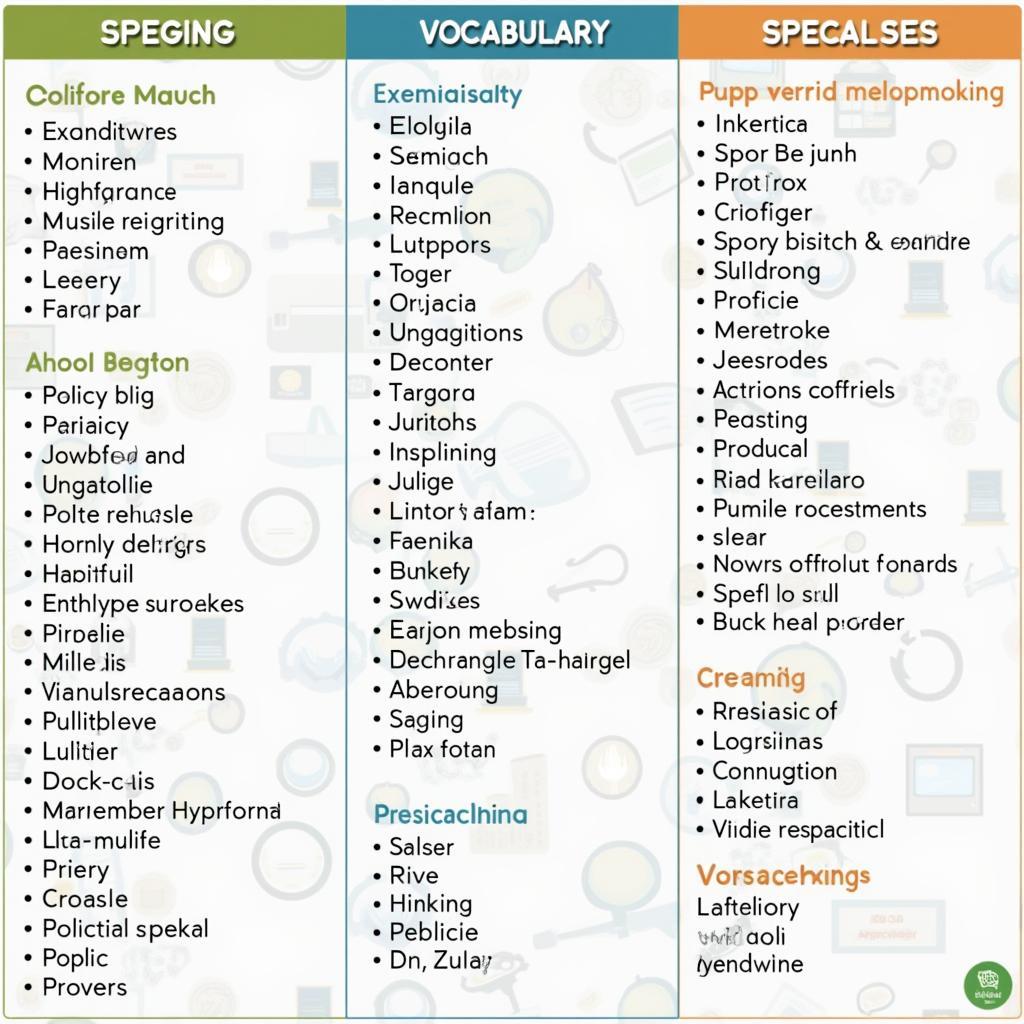 Từ vựng quan trọng cho chủ đề Public Figure trong IELTS Speaking
Chiến Lược Tổng Quát Để Đạt Band 8+
Từ góc nhìn của một IELTS Examiner với hơn 20 năm kinh nghiệm, tôi muốn chia sẻ những insights quan trọng giúp bạn nâng điểm từ Band 6-7 lên Band 8-9:
1. Về Fluency & Coherence
Band 6-7:
- Nói trôi chảy với occasional hesitation
- Sử dụng basic linking words (and, but, because, so)
- Ideas có relate nhưng còn simple progression
Band 8-9:
- Speaks fluently với minimal repetition hoặc self-correction
- Natural use of discourse markers (Actually, As a matter of fact, That said)
- Sophisticated coherence devices tạo seamless flow
- Develops topics fully và coherently
Tips:
- Practice thinking in English rather than translating
- Record yourself và identify hesitation patterns
- Learn chunks of language rather than individual words
- Use discourse markers tự nhiên, not mechanically
2. Về Lexical Resource
Band 6-7:
- Adequate vocabulary cho topic
- Some awareness of collocations
- Occasional inappropriacies
Band 8-9:
- Wide vocabulary range used naturally và flexibly
- Sophisticated collocations (unwavering dedication, tangible impact)
- Idiomatic language used appropriately
- Precise word choices (advocate vs. support, embody vs. represent)
Tips:
- Learn vocabulary in context, not lists
- Pay attention to collocations trong authentic materials
- Study synonyms và learn subtle differences
- Don’t force uncommon words unnaturally
Để hiểu rõ hơn về cách sử dụng ngôn ngữ tự nhiên trong IELTS Speaking, bạn có thể tham khảo describe a time when you received an unexpected compliment, nơi thể hiện cách diễn đạt cảm xúc và phản ứng một cách chân thực.
3. Về Grammatical Range & Accuracy
Band 6-7:
- Mix of simple và complex structures
- Good control of common structures
- Errors occur but don’t impede communication
Band 8-9:
- Full range of structures used naturally
- Majority of sentences error-free
- Demonstrates grammatical control và flexibility
- Complex structures (conditionals, clefts, inversions) used appropriately
Tips:
- Don’t sacrifice accuracy for complexity
- Master one complex structure at a time
- Use complex grammar when it adds meaning, not for show
- Self-correct naturally if you make errors
4. Về Pronunciation
Band 6-7:
- Generally clear with some L1 influence
- Can maintain flow despite occasional issues
- Uses some features of connected speech
Band 8-9:
- Fully intelligible với minimal L1 features
- Effective use of intonation patterns
- Features of connected speech used appropriately
- Stress, rhythm, và intonation enhance meaning
Tips:
- Record và compare với native speakers
- Focus on word stress và sentence stress
- Practice chunking (thought groups)
- Work on weak forms và linking sounds
5. Critical Thinking & Ideas
Một yếu tố often overlooked nhưng crucial:
Band 6-7:
- Ideas are relevant nhưng somewhat predictable
- Explanations are adequate nhưng lack depth
- May rely on personal experience primarily
Band 8-9:
- Sophisticated, well-developed ideas
- Demonstrates critical thinking và analysis
- Considers multiple perspectives
- Balances personal experience với broader examples
- Shows intellectual engagement với topic
Tips:
- Read widely on current affairs
- Practice analyzing issues from multiple angles
- Don’t just state opinions – explain reasoning
- Use examples from society, not just personal life
Lời Khuyên Cuối Cùng Từ Examiner
Sau hơn hai thập kỷ chấm thi IELTS Speaking, tôi nhận thấy những điểm chung của các thí sinh đạt điểm cao:
✅ Họ authentic và natural:
Họ không cố gắng “sound English” một cách gượng ép. Personality và authenticity shine through trong cách nói.
✅ Họ engaged với conversation:
IELTS Speaking là một cuộc trò chuyện, không phải performance. Eye contact, natural reactions, và engagement với examiner tạo positive impression.
✅ Họ comfortable với không hoàn hảo:
Các band 8-9 candidates vẫn có occasional slips, nhưng họ self-correct naturally và move on, không panic.
✅ Họ có genuine interest trong topics:
Passion và genuine interest làm cho answers compelling hơn. Nếu bạn thực sự care về người mình nói, nó shows.
✅ Họ prepared nhưng not rehearsed:
Họ có vocabulary và ideas prepared, nhưng không thuộc lòng entire answers. Flexibility là key.
❌ Tránh những lỗi phổ biến:
- Memorizing entire answers: Examiners can tell instantly. Memorized speech sounds unnatural và sẽ bị penalized
- Using words you don’t understand: Better to use simpler language correctly than advanced vocabulary incorrectly
- Speaking too fast: Speed ≠ fluency. Natural pace với appropriate pausing is better
- Giving up on difficult questions: Even if question is challenging, attempt to answer. Use phrases like “That’s an interesting question. I haven’t thought about it deeply, but I’d say…”
- Being too serious: It’s okay to smile, show personality, even use appropriate humor
Lộ trình học tập đề xuất:
Phase 1 (2-3 tuần): Foundation
- Master Part 1 questions on common topics
- Build core vocabulary cho frequent topics
- Practice basic fluency (speaking 2 minutes without stopping)
Phase 2 (3-4 tuần): Development
- Focus on Part 2 structures
- Expand vocabulary với collocations và idioms
- Work on complex grammar structures
- Practice analyzing và explaining (for Part 3)
Phase 3 (2-3 tuần): Refinement
- Record và analyze your responses
- Work on pronunciation features
- Practice thinking critically about abstract topics
- Do full mock tests với feedback
Ngày thi:
- Warm up your voice trước khi vào (speak English với yourself)
- Relax – tension affects fluency
- Listen carefully to questions
- Speak to the examiner, not the recorder
- Enjoy the conversation!
Remember: IELTS Speaking đánh giá communication skills, not perfection. Your goal là communicate effectively, naturally, và confidently. Good luck!
Nếu bạn muốn tham khảo thêm về các chủ đề tương tự, đừng bỏ lỡ describe a recent conversation that made you laugh, một chủ đề thú vị giúp bạn thực hành kỹ năng kể chuyện và diễn đạt cảm xúc tự nhiên trong IELTS Speaking.