Trong bối cảnh kinh tế toàn cầu biến động, chủ đề lạm phát và tác động của nó đến đầu tư doanh nghiệp ngày càng trở nên phổ biến trong các đề thi IELTS Writing Task 2. Đây là một chủ đề thuộc lĩnh vực kinh tế vĩ mô, thường xuất hiện dưới dạng câu hỏi Cause/Effect, Opinion hoặc Discussion. Việc nắm vững cách viết về chủ đề này không chỉ giúp bạn đạt điểm cao trong phần thi Writing mà còn rèn luyện khả năng phân tích các vấn đề kinh tế phức tạp.
Qua bài viết này, bạn sẽ học được ba bài mẫu hoàn chỉnh ở các band điểm khác nhau (Band 8-9, Band 6.5-7, và Band 5-6), kèm theo phân tích chi tiết về điểm mạnh và điểm yếu của từng bài. Ngoài ra, tôi sẽ cung cấp danh sách từ vựng quan trọng, các cấu trúc câu “ăn điểm” cao và những lưu ý đặc biệt dành riêng cho học viên Việt Nam.
Chủ đề về lạm phát và đầu tư doanh nghiệp đã xuất hiện trong các kỳ thi IELTS thực tế gần đây, cụ thể tại British Council (Tháng 6/2023), IDP Australia (Tháng 9/2023), và một số trung tâm khảo thí tại Châu Á. Tương tự như how economic crises affect employment rates, đề tài này yêu cầu thí sinh có khả năng phân tích mối liên hệ nhân quả trong các vấn đề kinh tế phức tạp.
Đề Writing Task 2 Thực Hành
Rising inflation rates can significantly impact business investment decisions. To what extent do you agree or disagree that inflation discourages companies from investing in long-term projects? Give reasons for your answer and include any relevant examples from your own knowledge or experience.
Dịch đề: Tỷ lệ lạm phát tăng cao có thể ảnh hưởng đáng kể đến các quyết định đầu tư của doanh nghiệp. Bạn đồng ý hay không đồng ý ở mức độ nào với quan điểm rằng lạm phát làm nản lòng các công ty trong việc đầu tư vào các dự án dài hạn? Đưa ra lý do cho câu trả lời của bạn và bao gồm bất kỳ ví dụ liên quan nào từ kiến thức hoặc kinh nghiệm của bạn.
Phân tích đề bài:
Đây là dạng câu hỏi Opinion Essay với cụm từ “To what extent do you agree or disagree”, yêu cầu bạn đưa ra quan điểm rõ ràng về mức độ đồng ý với một nhận định cho sẵn.
Các thuật ngữ quan trọng cần hiểu:
- Rising inflation rates: Tỷ lệ lạm phát tăng – tình trạng giá cả hàng hóa và dịch vụ tăng lên theo thời gian
- Business investment decisions: Quyết định đầu tư của doanh nghiệp – các lựa chọn về việc phân bổ vốn
- Long-term projects: Dự án dài hạn – các dự án có thời gian hoàn thành và thu hồi vốn kéo dài
Những lỗi thường gặp của học viên Việt Nam:
- Chỉ tập trung vào tác động tiêu cực của lạm phát mà không xem xét các trường hợp ngoại lệ
- Thiếu ví dụ cụ thể để minh họa luận điểm
- Không đưa ra quan điểm rõ ràng về “mức độ” đồng ý (partially agree, completely agree, etc.)
- Sử dụng từ vựng chung chung thay vì thuật ngữ kinh tế chuyên ngành
Cách tiếp cận chiến lược:
- Giới thiệu: Paraphrase đề bài và đưa ra thesis statement rõ ràng
- Body 1: Phân tích tại sao lạm phát làm giảm đầu tư dài hạn (đồng ý)
- Body 2: Đưa ra trường hợp ngoại lệ hoặc các yếu tố điều tiết (qualified agreement)
- Kết luận: Tóm tắt quan điểm – đồng ý một phần với điều kiện cụ thể
 Ảnh minh họa tác động của lạm phát đến quyết định đầu tư doanh nghiệp và chiến lược tài chính
Bài Mẫu Band 8-9
Bài viết dưới đây thể hiện những đặc trưng của một bài luận xuất sắc: quan điểm rõ ràng và tinh tế, lập luận logic chặt chẽ, từ vựng phong phú và chính xác, cùng với các cấu trúc ngữ pháp phức tạp được sử dụng tự nhiên.
Inflationary pressures have long been recognized as a critical factor shaping corporate investment strategies. While I largely agree that rising inflation rates tend to discourage businesses from committing capital to long-term ventures, the extent of this deterrent effect depends considerably on the predictability of inflation and the specific industry context.
The primary mechanism through which inflation undermines long-term investment is the erosion of future returns’ real value. When companies evaluate potential projects, they typically calculate the present value of expected cash flows using discount rates. However, during periods of high inflation, the uncertainty surrounding future purchasing power makes these calculations inherently unreliable. For instance, a manufacturing firm planning to invest $50 million in a new production facility with a ten-year payback period faces substantial risk if inflation rates fluctuate unpredictably between 5% and 15%. This uncertainty not only diminishes the attractiveness of the investment but also increases the cost of borrowing, as lenders demand higher interest rates to compensate for inflation risk.
Nevertheless, it would be overly simplistic to suggest that inflation universally discourages all forms of long-term investment. In sectors where companies possess pricing power—such as technology or luxury goods—businesses can often pass increased costs onto consumers, thereby maintaining profit margins despite inflationary conditions. Moreover, when inflation is moderate and stable rather than volatile, firms can factor it into their planning with reasonable accuracy. The German manufacturing sector, for example, has historically demonstrated resilience in maintaining capital expenditure during periods of controlled inflation, partly because of strong institutional frameworks that anchor inflation expectations. Additionally, certain investments in tangible assets like real estate or infrastructure may actually serve as inflation hedges, making them more attractive during inflationary periods.
In conclusion, while inflation generally acts as a deterrent to long-term business investment by creating uncertainty and reducing real returns, the severity of this effect is contingent upon both the nature of the inflation and industry-specific factors. Policymakers should therefore focus on maintaining inflation stability rather than simply targeting low levels, as predictability is often more crucial than the absolute rate for supporting sustained business investment. This nuanced relationship between effects of inflation on consumer spending and investment decisions highlights the complexity of economic policy-making.
Phân Tích Band Điểm
| Tiêu chí | Band | Nhận xét |
|---|---|---|
| Task Response (Hoàn thành yêu cầu) | 9.0 | Bài viết trả lời đầy đủ và sâu sắc câu hỏi, đưa ra quan điểm rõ ràng “largely agree” với điều kiện cụ thể. Các luận điểm được phát triển chi tiết với ví dụ cụ thể (German manufacturing, $50 million investment scenario), thể hiện sự hiểu biết sâu rộng về chủ đề. |
| Coherence & Cohesion (Mạch lạc & Liên kết) | 9.0 | Bố cục logic hoàn hảo với progression tự nhiên từ luận điểm chính đến ngoại lệ. Sử dụng linking devices tinh tế (Nevertheless, Moreover, Additionally) không rập khuôn. Mỗi đoạn có topic sentence rõ ràng và phát triển ý mạch lạc. |
| Lexical Resource (Từ vựng) | 9.0 | Sử dụng từ vựng học thuật chính xác và đa dạng (inflationary pressures, deterrent effect, erosion, inherently unreliable, pricing power, anchor inflation expectations). Có collocations tự nhiên (capital expenditure, tangible assets) và thuật ngữ chuyên ngành phù hợp. Không có lỗi từ vựng. |
| Grammatical Range & Accuracy (Ngữ pháp) | 9.0 | Sử dụng đa dạng cấu trúc câu phức tạp một cách tự nhiên (mệnh đề quan hệ, câu phức với nhiều mệnh đề phụ thuộc, cụm phân từ). Không có lỗi ngữ pháp. Các cấu trúc như “the extent of this effect depends on” và “it would be overly simplistic to suggest” thể hiện sự tinh tế trong diễn đạt. |
Các Yếu Tố Giúp Bài Này Được Chấm Điểm Cao
-
Quan điểm tinh tế và có điều kiện: Thay vì đồng ý hoàn toàn hoặc không đồng ý, bài viết đưa ra quan điểm “largely agree” kèm theo các điều kiện cụ thể (predictability, industry context), thể hiện tư duy phản biện cao.
-
Sử dụng ví dụ cụ thể và có số liệu: Ví dụ về công ty sản xuất đầu tư $50 million với thời gian hoàn vốn 10 năm và biến động lạm phát 5-15% tạo tính thuyết phục cao, không phải ví dụ chung chung.
-
Giải thích cơ chế kinh tế rõ ràng: Bài viết giải thích chi tiết “how” (làm thế nào lạm phát ảnh hưởng) thông qua khái niệm present value, discount rates, và real returns – không chỉ dừng ở việc nêu “what” (cái gì xảy ra).
-
Cân bằng giữa hai mặt của vấn đề: Body 2 không chỉ đơn thuần phản bác mà đưa ra những trường hợp ngoại lệ hợp lý (pricing power sectors, moderate stable inflation, tangible assets), tạo nên luận điểm toàn diện.
-
Kết luận có giá trị thực tiễn: Phần kết không chỉ tóm tắt mà còn đưa ra khuyến nghị chính sách (focus on stability rather than low levels), thể hiện khả năng tư duy ở tầm vĩ mô.
-
Sử dụng từ nối và cụm từ học thuật tinh tế: Các cụm như “Nevertheless, it would be overly simplistic”, “is contingent upon”, “the severity of this effect” thể hiện văn phong học thuật cao mà vẫn tự nhiên.
-
Cohesion chặt chẽ giữa các câu: Mỗi câu kết nối logic với câu trước đó thông qua pronouns (this uncertainty, these calculations), lexical cohesion (inflation → inflationary conditions), tạo flow đọc mượt mà.
Bài Mẫu Band 6.5-7
Bài viết này thể hiện khả năng viết tốt với cấu trúc rõ ràng, từ vựng phù hợp và ít lỗi ngữ pháp. Tuy nhiên, độ sâu phân tích và sự tinh tế trong diễn đạt chưa đạt đến mức xuất sắc của Band 8-9.
Inflation is becoming a big problem in many countries today. I agree that high inflation can make companies hesitate to invest in long-term projects because of several important reasons that I will discuss in this essay.
The main reason why inflation discourages business investment is that it makes future profits uncertain. When prices keep rising, companies cannot predict how much their products will cost to make in the future or how much customers will pay. For example, if a company wants to build a new factory that takes five years to complete, they might worry that the costs will increase too much during construction. This uncertainty makes business owners prefer short-term investments where they can see results quickly. Furthermore, inflation usually leads to higher interest rates, which means borrowing money becomes more expensive. Companies that need loans to finance their projects will have to pay more, making these investments less profitable.
However, I also think that some companies can still invest during inflation if they have strong financial positions. Large corporations with plenty of cash reserves do not need to borrow money, so they are less affected by high interest rates. Additionally, some businesses can increase their prices to match inflation, especially if they sell essential products that people must buy. For instance, food companies or utility providers can usually pass higher costs to consumers. In these cases, inflation might not stop them from investing in growth.
In conclusion, while I agree that inflation generally makes companies more cautious about long-term investments, the impact can vary depending on the company’s size and industry. Governments should work to control inflation to create a stable environment for business growth. Understanding the impact of inflation on economic policy is crucial for creating effective strategies to support business investment.
Phân Tích Band Điểm
| Tiêu chí | Band | Nhận xét |
|---|---|---|
| Task Response (Hoàn thành yêu cầu) | 7.0 | Trả lời đầy đủ câu hỏi với quan điểm rõ ràng. Có ví dụ minh họa nhưng chưa đủ cụ thể và chi tiết. Phát triển ý còn khá đơn giản, thiếu độ sâu phân tích về cơ chế kinh tế như bài Band 8-9. |
| Coherence & Cohesion (Mạch lạc & Liên kết) | 6.5 | Cấu trúc bài rõ ràng với introduction, hai body paragraphs và conclusion. Tuy nhiên, việc sử dụng linking words còn hơi mechanical (Furthermore, However, Additionally, For instance) và chưa tạo được flow mượt mà giữa các ý. |
| Lexical Resource (Từ vựng) | 6.5 | Sử dụng từ vựng phù hợp với chủ đề (inflation, investment, interest rates, cash reserves) nhưng còn khá cơ bản. Có một số collocations tốt (financial positions, cash reserves) nhưng thiếu từ vựng học thuật nâng cao và paraphrasing hạn chế. |
| Grammatical Range & Accuracy (Ngữ pháp) | 7.0 | Sử dụng mix các cấu trúc câu đơn và phức. Có một số câu phức tốt với mệnh đề quan hệ và conditional. Lỗi ngữ pháp nhỏ ở một vài chỗ nhưng không ảnh hưởng đến communication. Tuy nhiên, thiếu sự đa dạng trong cấu trúc câu so với Band 8-9. |
So Sánh Với Bài Band 8-9
1. Độ phức tạp của thesis statement:
- Band 8-9: “the extent of this deterrent effect depends considerably on the predictability of inflation and the specific industry context” – quan điểm có điều kiện, tinh tế
- Band 6.5-7: “I agree that high inflation can make companies hesitate to invest” – quan điểm đơn giản, trực tiếp
2. Cách giải thích luận điểm:
- Band 8-9: Giải thích cơ chế qua khái niệm present value, discount rates, với số liệu cụ thể ($50 million, 5-15% fluctuation)
- Band 6.5-7: Giải thích chung chung “cannot predict costs” mà không đi sâu vào cơ chế kinh tế
3. Chất lượng ví dụ:
- Band 8-9: “German manufacturing sector” – ví dụ cụ thể, real-world
- Band 6.5-7: “food companies or utility providers” – ví dụ generic, thiếu chi tiết
4. Từ vựng:
- Band 8-9: “erosion of real value”, “anchor inflation expectations”, “pricing power”, “inflation hedges”
- Band 6.5-7: “big problem”, “hesitate to invest”, “strong financial positions” – đơn giản hơn
5. Cohesion:
- Band 8-9: Sử dụng reference words tinh tế (this uncertainty, these calculations), lexical chains
- Band 6.5-7: Phụ thuộc nhiều vào discourse markers rõ ràng (However, Furthermore)
6. Kết luận:
- Band 8-9: Có policy implication và nuanced view
- Band 6.5-7: Tóm tắt đơn giản với general statement về vai trò chính phủ
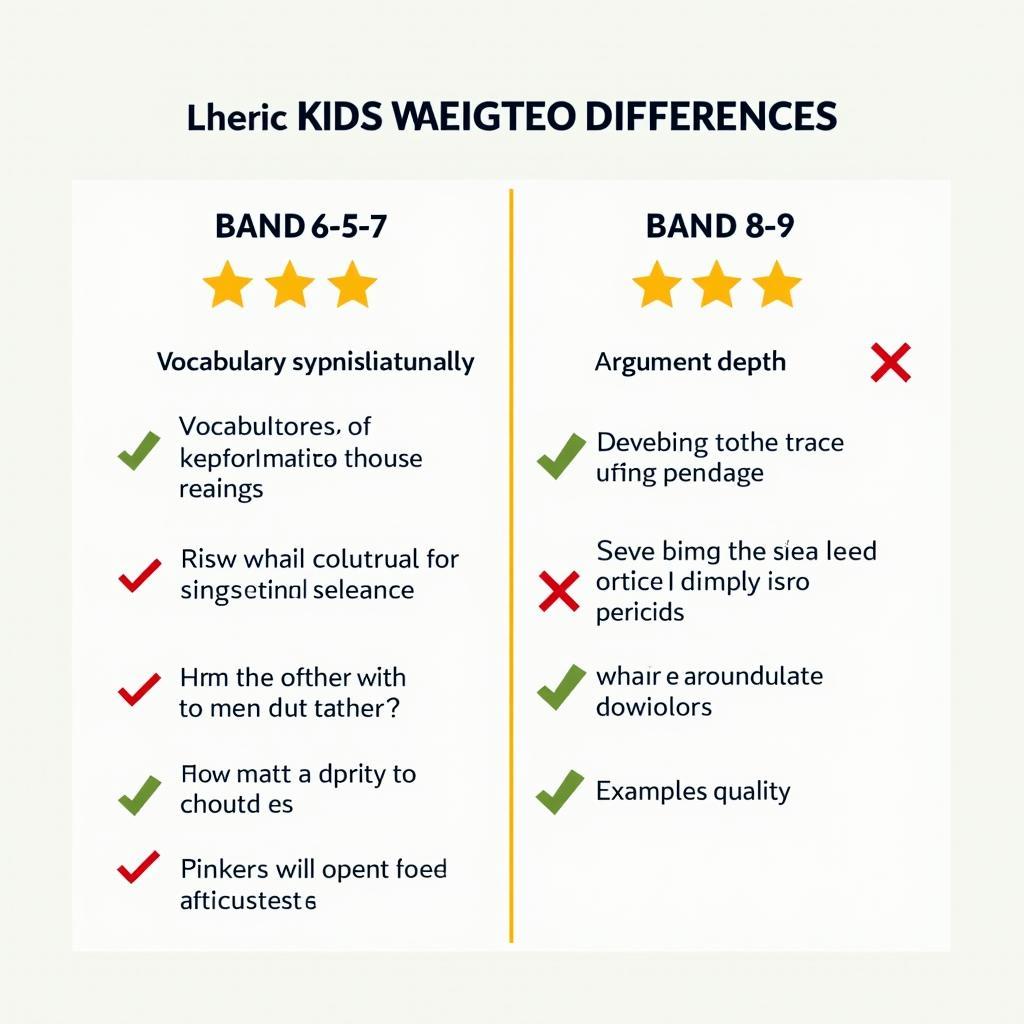 Bảng so sánh chi tiết các yếu tố phân biệt giữa bài viết Band 6.5-7 và Band 8-9 trong IELTS Writing Task 2
Bài Mẫu Band 5-6
Bài viết này có cấu trúc cơ bản và trả lời được câu hỏi, nhưng còn nhiều hạn chế về từ vựng, ngữ pháp và độ sâu phân tích. Đây là mức điểm phổ biến của nhiều học viên Việt Nam khi mới bắt đầu luyện thi IELTS.
Nowadays, inflation is increase in many countries and this effect to business. I agree that inflation make companies don’t want to invest for long time because it have many problem.
First, when inflation happen, everything become more expensive. Companies need to pay more money for materials and workers salary. If they want to invest in big project that take many years, they worry about the cost will be too high. For example, a company want to build new office, but after one year, the price of building materials go up 20%, so they cannot finish the project. This make many business scared to invest.
Second reason is that banks will increase interest rate when have inflation. So if companies borrow money for investment, they must pay back more money. This is very difficult for small companies because they don’t have much money. My uncle has a small factory and he want to expand his business, but the bank interest is too high now, so he decided to wait. This show that inflation really stop business from invest.
But some big companies still can invest because they have more money and can wait for long time. They also can sell their products with higher price to get more profit. So inflation not always stop all companies from investing.
In conclusion, I think inflation is bad for business investment because make everything expensive and interest rate go up. Government should try to control inflation so that companies can invest more easy. Similar to how does government debt influence financial markets, inflation creates uncertainty that affects investment decisions.
Phân Tích Band Điểm
| Tiêu chí | Band | Nhận xét |
|---|---|---|
| Task Response (Hoàn thành yêu cầu) | 5.5 | Có trả lời câu hỏi và đưa ra quan điểm đồng ý. Có ví dụ nhưng quá đơn giản và không được develop đầy đủ. Thiếu sự phân tích sâu về mức độ đồng ý (to what extent), chỉ nói chung chung “I agree”. |
| Coherence & Cohesion (Mạch lạc & Liên kết) | 5.5 | Có cấu trúc cơ bản với intro, body và conclusion nhưng cách tổ chức ý còn lộn xộn. Sử dụng linking words đơn giản và lặp lại (First, Second, But). Progression giữa các ý không mượt mà. |
| Lexical Resource (Từ vựng) | 5.0 | Từ vựng rất hạn chế và lặp lại nhiều (invest/investment xuất hiện 9 lần, companies 8 lần, money 6 lần). Có nhiều lỗi word choice và collocation không tự nhiên. Thiếu paraphrasing. |
| Grammatical Range & Accuracy (Ngữ pháp) | 5.0 | Chủ yếu dùng câu đơn giản. Nhiều lỗi ngữ pháp nghiêm trọng ảnh hưởng đến meaning: subject-verb agreement (inflation make), tense (price go up), article (have many problem). Có cố gắng dùng câu phức nhưng không chính xác. |
Những Lỗi Sai Của Bài – Phân Tích & Giải Thích
| Lỗi sai | Loại lỗi | Sửa lại | Giải thích |
|---|---|---|---|
| inflation is increase | Subject-verb agreement + Word form | inflation is increasing / inflation has increased | “Inflation” là danh từ số ít nên động từ phải là “is”. “Increase” là động từ nên cần thêm -ing để tạo thành present continuous hoặc dùng past participle với present perfect. |
| this effect to business | Word form + Preposition | this affects businesses | “Effect” là danh từ, cần đổi thành động từ “affects”. Không dùng “to” sau affect. “Business” nên để số nhiều “businesses” vì đang nói chung. |
| inflation make companies don’t want | Subject-verb agreement + Double negative | inflation makes companies not want / inflation discourages companies from wanting | Chủ ngữ số ít “inflation” cần động từ “makes”. Không dùng “don’t” sau “make” trong cấu trúc này. Nên dùng “discourages…from” để academic hơn. |
| it have many problem | Subject-verb agreement + Noun number | it has many problems | “It” là chủ ngữ số ít nên dùng “has”, không phải “have”. “Problem” phải ở dạng số nhiều “problems” vì có “many”. |
| when inflation happen | Tense + Subject-verb agreement | when inflation happens / occurs | Với chủ ngữ số ít “inflation”, động từ phải thêm “s”. Hoặc dùng “occurs” để academic hơn. |
| workers salary | Possessive form | workers’ salary / workers’ salaries | Cần thêm dấu apostrophe để chỉ sở hữu. Vì “workers” là số nhiều nên apostrophe đặt sau “s”. “Salaries” nên số nhiều. |
| invest for long time | Preposition + Article | invest for a long time / invest in long-term projects | Cần có article “a” trước “long time”. Tốt hơn nữa, dùng “long-term projects” để academic hơn. |
| the cost will be too high | Article usage | costs will be too high / the cost will become too high | Nên dùng số nhiều “costs” khi nói về nhiều loại chi phí, hoặc thêm động từ “become” để rõ nghĩa hơn. |
| a company want to build | Subject-verb agreement | a company wants to build | Chủ ngữ số ít “a company” cần động từ thêm “s”. |
| the price…go up 20% | Tense | the price went up / has gone up | Cần dùng past simple hoặc present perfect vì đang nói về sự việc đã xảy ra trong ví dụ. |
| make many business scared | Word form + Collocation | makes many businesses reluctant / hesitant | “Business” cần số nhiều. “Scared” quá informal, nên dùng “reluctant” hoặc “hesitant” để academic. |
| when have inflation | Word order + Tense | when there is inflation / during inflationary periods | Thiếu subject “there”. Hoặc dùng cụm từ “during inflationary periods” cho academic. |
| they must pay back more money | Collocation | they must repay more / pay higher interest | “Pay back” thường dùng cho trả nợ hoàn toàn. Ở đây nên dùng “repay more” hoặc “pay higher interest” để rõ hơn. |
| they don’t have much money | Informal + Vague | they have limited capital / financial resources | “Don’t have much money” quá informal. Trong IELTS nên dùng “limited capital” hoặc “financial resources”. |
| he want to expand | Subject-verb agreement | he wants to expand / wanted to expand | Với “he” cần “wants”. Nếu nói về quá khứ thì dùng “wanted”. |
| the bank interest is too high | Collocation | the bank’s interest rate is too high / interest rates are too high | Cần thêm “‘s” để chỉ sở hữu hoặc dùng số nhiều “interest rates”. Cần thêm “rate” để đầy đủ. |
| This show that | Subject-verb agreement | This shows that | “This” là số ít nên động từ phải là “shows”. |
| inflation really stop business | Multiple errors | inflation really stops businesses | “Inflation” cần “stops” (thêm s). “Business” nên số nhiều “businesses”. |
| not always stop all companies from investing | Double negative | does not always stop all companies from investing | Cần thêm auxiliary verb “does” để tạo thành negative form đúng. |
| more easy | Comparative form | more easily / easier | Với tính từ ngắn “easy”, dùng “easier”. Nếu muốn dùng “more” thì phải đổi thành trạng từ “more easily”. |
Cách Cải Thiện Từ Band 6 Lên Band 7
1. Mở rộng và làm phong phú từ vựng:
- Thay vì lặp lại “invest/investment”, hãy sử dụng: capital allocation, capital expenditure, commit resources, deploy funds
- Thay vì “expensive”, dùng: costly, prohibitively expensive, cost-prohibitive
- Thay vì “go up”, dùng: increase, rise, escalate, surge
2. Cải thiện cấu trúc ngữ pháp:
- Luyện tập sử dụng mệnh đề quan hệ: “Companies that rely heavily on borrowed capital” thay vì “Companies borrow money”
- Sử dụng câu điều kiện phức tạp: “Were inflation to stabilize, businesses would be more willing to invest” thay vì “If inflation stops, companies will invest”
- Thêm cụm phân từ: “Facing rising costs, many firms postpone expansion plans”
3. Phát triển ý sâu hơn:
- Thay vì chỉ nói “costs increase”, giải thích tại sao (supply chain disruptions, wage pressures, commodity prices)
- Đưa ra specific figures: “inflation exceeding 10%” thay vì “high inflation”
- Kết nối các ý với nhau thông qua cause-effect relationships
4. Sử dụng ví dụ cụ thể hơn:
- Thay vì “my uncle’s factory” (quá personal và vague), dùng: “According to a 2023 survey of Vietnamese SMEs” hoặc “Research from the World Bank indicates…”
- Đưa ra real-world examples: specific countries, industries, time periods
5. Cải thiện Coherence & Cohesion:
- Thay discourse markers đơn giản (First, Second, But) bằng các cụm phức tạp hơn: “The primary factor…”, “Another crucial consideration…”, “Notwithstanding these concerns…”
- Sử dụng reference words (this phenomenon, these challenges, such circumstances) thay vì lặp lại noun
- Tạo topic sentences rõ ràng cho mỗi đoạn và đảm bảo tất cả supporting sentences liên quan trực tiếp
6. Tinh chỉnh Task Response:
- Thay vì chỉ nói “I agree”, hãy qualify opinion: “I largely agree, although the extent varies depending on…”
- Develop quan điểm đối lập (counterargument) trước khi refute hoặc qualify nó
- Trong conclusion, tránh chỉ paraphrase introduction, mà đưa thêm broader implication hoặc recommendation
7. Tránh các lỗi phổ biến của học viên Việt Nam:
- Chú ý subject-verb agreement (đặc biệt với chủ ngữ số ít như inflation, government, company)
- Sử dụng articles (a/an/the) chính xác – quy tắc cơ bản: countable singular noun cần article
- Tense consistency – quyết định dùng present hoặc past và giữ nhất quán
- Không dùng personal pronouns quá nhiều (I think, my opinion) – focus vào argument
Từ Vựng Quan Trọng Cần Nhớ
| Từ/Cụm từ | Loại từ | Phiên âm | Nghĩa tiếng Việt | Ví dụ (tiếng Anh) | Collocations |
|---|---|---|---|---|---|
| inflationary pressures | noun phrase | /ɪnˈfleɪʃənəri ˈpreʃəz/ | áp lực lạm phát | Inflationary pressures have forced central banks to raise interest rates. | mounting/rising/persistent inflationary pressures |
| capital expenditure | noun phrase | /ˈkæpɪtl ɪkˈspendɪtʃə/ | chi tiêu vốn, đầu tư cơ bản | Companies have reduced capital expenditure by 15% this quarter. | reduce/increase/maintain capital expenditure |
| deterrent effect | noun phrase | /dɪˈterənt ɪˈfekt/ | hiệu ứng ngăn cản, tác động làm nản lòng | High taxation has a deterrent effect on foreign investment. | strong/significant/powerful deterrent effect |
| erosion of value | noun phrase | /ɪˈrəʊʒn əv ˈvæljuː/ | sự xói mòn giá trị | Inflation causes the erosion of savings’ real value over time. | gradual/steady/rapid erosion of value |
| pricing power | noun phrase | /ˈpraɪsɪŋ ˈpaʊə/ | quyền định giá, khả năng tăng giá | Technology giants typically have strong pricing power in their markets. | strong/weak/limited pricing power |
| anchor expectations | verb phrase | /ˈæŋkə ˌekspekˈteɪʃnz/ | neo giữ kỳ vọng, ổn định kỳ vọng | Central banks aim to anchor inflation expectations around 2%. | anchor/stabilize/manage expectations |
| real returns | noun phrase | /rɪəl rɪˈtɜːnz/ | lợi nhuận thực (sau khi trừ lạm phát) | Investors focus on real returns rather than nominal gains. | positive/negative/declining real returns |
| discount rate | noun | /ˈdɪskaʊnt reɪt/ | tỷ lệ chiết khấu | The discount rate used in project valuation affects investment decisions. | apply/adjust/increase the discount rate |
| tangible assets | noun phrase | /ˈtændʒəbl ˈæsets/ | tài sản hữu hình | Real estate and machinery are examples of tangible assets. | invest in/acquire/hold tangible assets |
| cash reserves | noun phrase | /kæʃ rɪˈzɜːvz/ | dự trữ tiền mặt | Companies with strong cash reserves can weather economic downturns. | build/maintain/deplete cash reserves |
| contingent upon | adjective phrase | /kənˈtɪndʒənt əˈpɒn/ | phụ thuộc vào, tùy thuộc vào | Investment decisions are contingent upon market stability. | be contingent upon/on |
| volatile conditions | noun phrase | /ˈvɒlətaɪl kənˈdɪʃnz/ | điều kiện biến động | Businesses struggle to plan during volatile economic conditions. | highly/increasingly/extremely volatile conditions |
| postpone expansion | verb phrase | /pəʊstˈpəʊn ɪkˈspænʃn/ | hoãn lại sự mở rộng | Many retailers have postponed expansion plans due to uncertainty. | postpone/delay/accelerate expansion |
| mitigate risks | verb phrase | /ˈmɪtɪɡeɪt rɪsks/ | giảm thiểu rủi ro | Hedging strategies help companies mitigate currency risks. | mitigate/minimize/reduce risks |
| purchasing power | noun phrase | /ˈpɜːtʃəsɪŋ ˈpaʊə/ | sức mua | High inflation erodes consumers’ purchasing power significantly. | erode/maintain/increase purchasing power |
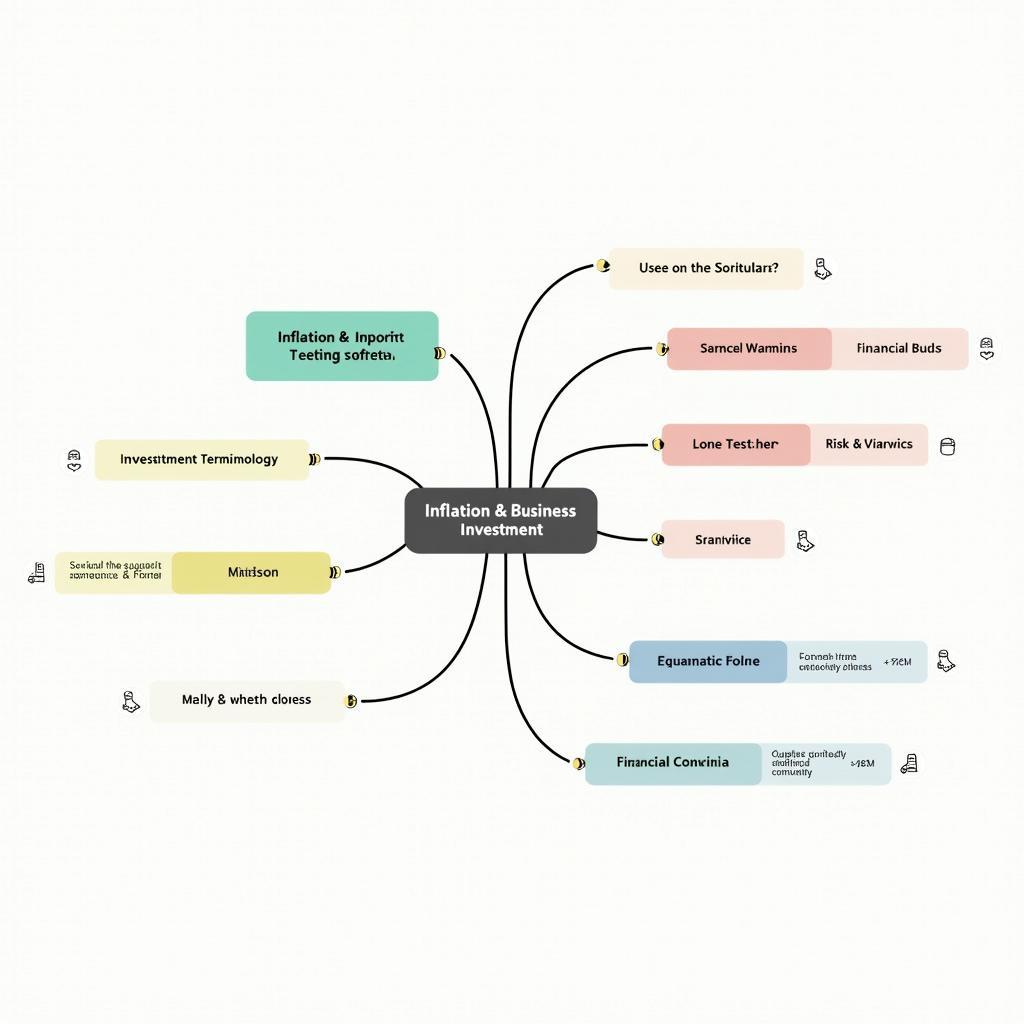 Sơ đồ tư duy từ vựng IELTS chủ đề lạm phát và đầu tư doanh nghiệp với các collocations và cụm từ quan trọng
Cấu Trúc Câu Dễ “Ăn Điểm” Cao
Cấu trúc 1: Câu phức với mệnh đề danh từ làm chủ ngữ
Công thức: What + S + V / The fact that + S + V … + V (chính) + …
Ví dụ từ bài Band 8-9:
What makes inflation particularly problematic for long-term investment is the unpredictability of future costs.
Tại sao cấu trúc này ghi điểm cao:
Cấu trúc này thể hiện khả năng sử dụng mệnh đề danh từ phức tạp làm chủ ngữ, tạo sự nhấn mạnh vào thông tin quan trọng. Nó giúp bài viết có tính học thuật cao và tránh được cách viết đơn điệu bắt đầu bằng “It is…” hay “There is…”. Examiner đánh giá cao khả năng này ở tiêu chí Grammatical Range & Accuracy.
Ví dụ bổ sung:
- What distinguishes successful investors from others is their ability to anticipate market trends.
- The fact that interest rates remain elevated discourages small businesses from borrowing.
- What concerns policymakers most is the potential for inflation to become entrenched.
Lỗi thường gặp của học viên Việt Nam:
Học viên Việt thường quên động từ chính của câu hoặc dùng sai động từ số ít/nhiều. Ví dụ sai: “What make inflation problematic are…” (phải là “makes” vì “What…” là số ít). Một lỗi khác là dùng “The thing that” thay vì “What”, làm câu kém tinh tế hơn.
Cấu trúc 2: Câu phức với mệnh đề quan hệ không xác định
Công thức: N + , + which/who/where + V + … , + V (chính) + …
Ví dụ từ bài Band 8-9:
During periods of high inflation, the uncertainty surrounding future purchasing power makes these calculations inherently unreliable, which significantly increases investment risk.
Tại sao cấu trúc này ghi điểm cao:
Mệnh đề quan hệ không xác định (non-defining relative clause) với dấu phẩy thể hiện khả năng bổ sung thông tin một cách tinh tế và học thuật. Cấu trúc này đặc biệt hữu ích để giải thích consequence hoặc thêm comment về ý trước đó, giúp bài viết cohesive và sophisticated hơn.
Ví dụ bổ sung:
- The central bank raised interest rates to 5%, which forced many companies to reconsider their expansion plans.
- Inflation exceeded 10% last year, which represents the highest level in three decades.
- Businesses struggle to predict costs, which makes long-term planning extremely challenging.
Lỗi thường gặp của học viên Việt Nam:
Học viên thường quên dấu phẩy trước “which”, biến câu thành defining relative clause (sai nghĩa). Hoặc dùng “that” thay vì “which” (trong non-defining clause phải dùng which/who, không được dùng that). Ví dụ sai: “Inflation increased which caused problems” (thiếu dấu phẩy).
Cấu trúc 3: Cụm phân từ (Participle Phrases)
Công thức: V-ing/V-ed + …, + S + V + … hoặc S, + V-ing/V-ed + …, + V + …
Ví dụ từ bài Band 8-9:
Facing substantial risk if inflation rates fluctuate unpredictably, a manufacturing firm may postpone capital-intensive projects.
Tại sao cấu trúc này ghi điểm cao:
Participle phrases giúp condense information một cách hiệu quả, tạo sentence variety và thể hiện khả năng sử dụng reduced clauses – một dấu hiệu của advanced grammar. Cấu trúc này đặc biệt hữu ích để diễn đạt time, cause, hoặc condition một cách ngắn gọn hơn.
Ví dụ bổ sung:
- Concerned about rising costs, many businesses have scaled back their investment plans.
- Having experienced volatile inflation, investors now demand higher returns to compensate for risk.
- Determined to maintain market share, some companies continue investing despite economic headwinds.
Lỗi thường gặp của học viên Việt Nam:
Dangling participle – khi chủ ngữ của participle phrase khác với chủ ngữ của mệnh đề chính. Ví dụ sai: “Facing high inflation, investment decisions become difficult” (ai đang “facing”? Investment decisions không thể “face”). Đúng phải là: “Facing high inflation, companies find investment decisions difficult.”
Cấu trúc 4: Câu chẻ để nhấn mạnh (Cleft Sentences)
Công thức: It is/was + N/phrase + that/who + S + V + …
Ví dụ từ bài Band 8-9:
It is the predictability of inflation, rather than its absolute level, that determines business confidence in long-term investment.
Tại sao cấu trúc này ghi điểm cao:
Cleft sentences cho phép nhấn mạnh một phần cụ thể của câu, thể hiện khả năng manipulate sentence structure để tạo focus. Đây là advanced structure thường thấy trong academic writing, giúp bài viết persuasive và clear hơn về điểm chính.
Ví dụ bổ sung:
- It is small and medium-sized enterprises that suffer most during inflationary periods.
- It was the oil crisis of the 1970s that first demonstrated inflation’s devastating impact on investment.
- It is through maintaining stable prices that central banks can support business growth.
Lỗi thường gặp của học viên Việt Nam:
Sử dụng “which” thay vì “that” trong cleft sentence (phải dùng “that”). Hoặc quên “that” hoàn toàn. Ví dụ sai: “It is predictability which matters” hoặc “It is predictability matters” (thiếu “that”). Một lỗi khác là dùng cleft sentence quá nhiều làm bài viết repetitive.
Cấu trúc 5: Câu điều kiện Mixed/Inversion
Công thức: Were/Should/Had + S + V (bare infinitive/past participle), + S + would/could + V + …
Ví dụ từ bài Band 8-9:
Were inflation to stabilize at moderate levels, businesses would find it considerably easier to commit to decade-long infrastructure projects.
Tại sao cấu trúc này ghi điểm cao:
Đảo ngữ trong câu điều kiện là dấu hiệu của C2 level English, cho thấy mastery của complex grammatical structures. Nó tạo formal tone phù hợp với academic writing và thể hiện range of grammatical structures – một trong những tiêu chí chấm điểm quan trọng.
Ví dụ bổ sung:
- Should interest rates decline, we could witness a surge in business investment.
- Had policymakers acted earlier, the current investment crisis might have been averted.
- Were companies to possess perfect information about future inflation, planning would be considerably simpler.
Lỗi thường gặp của học viên Việt Nam:
Đảo ngữ sai form: “Were inflation will stabilize” (sai, phải dùng bare infinitive “stabilize”). Hoặc nhầm lẫn giữa “Were” (subjunctive, cho unreal situation) và “Was/Were” thông thường. Học viên cũng thường dùng cấu trúc này quá nhiều cho tất cả câu điều kiện, làm bài viết sound unnatural.
Cấu trúc 6: Noun Phrase phức tạp làm chủ ngữ
Công thức: The + N + of + N + (relative clause/prepositional phrase) + V + …
Ví dụ từ bài Band 8-9:
The erosion of future returns’ real value during inflationary periods represents a fundamental challenge for corporate financial planning.
Tại sao cấu trúc này ghi điểm cao:
Noun phrases phức tạp cho phép pack nhiều information vào chủ ngữ, creating more sophisticated sentences. Đây là đặc trưng của academic writing, where ideas are expressed concisely but comprehensively. Structure này cũng giúp avoid starting sentences với “There is/are” hoặc “It is” quá nhiều.
Ví dụ bổ sung:
- The unpredictability of commodity prices in volatile markets complicates production planning significantly.
- The reluctance of banks to extend long-term credit during uncertain times exacerbates the investment shortage.
- The concentration of capital in low-risk assets reflects investors’ fear of inflationary erosion.
Lỗi thường gặp của học viên Việt Nam:
Overloading noun phrase với quá nhiều modifiers, making it confusing. Ví dụ: “The very significant rapid erosion of the real actual returns’ value…” (quá nhiều adjectives). Hoặc dùng sai possessive form: “returns real value” thay vì “returns’ real value” hoặc “the real value of returns”.
Liên quan đến cách how inflation impacts stock market returns, việc hiểu rõ các cấu trúc câu phức tạp này sẽ giúp bạn diễn đạt các mối quan hệ kinh tế một cách chính xác và học thuật hơn.
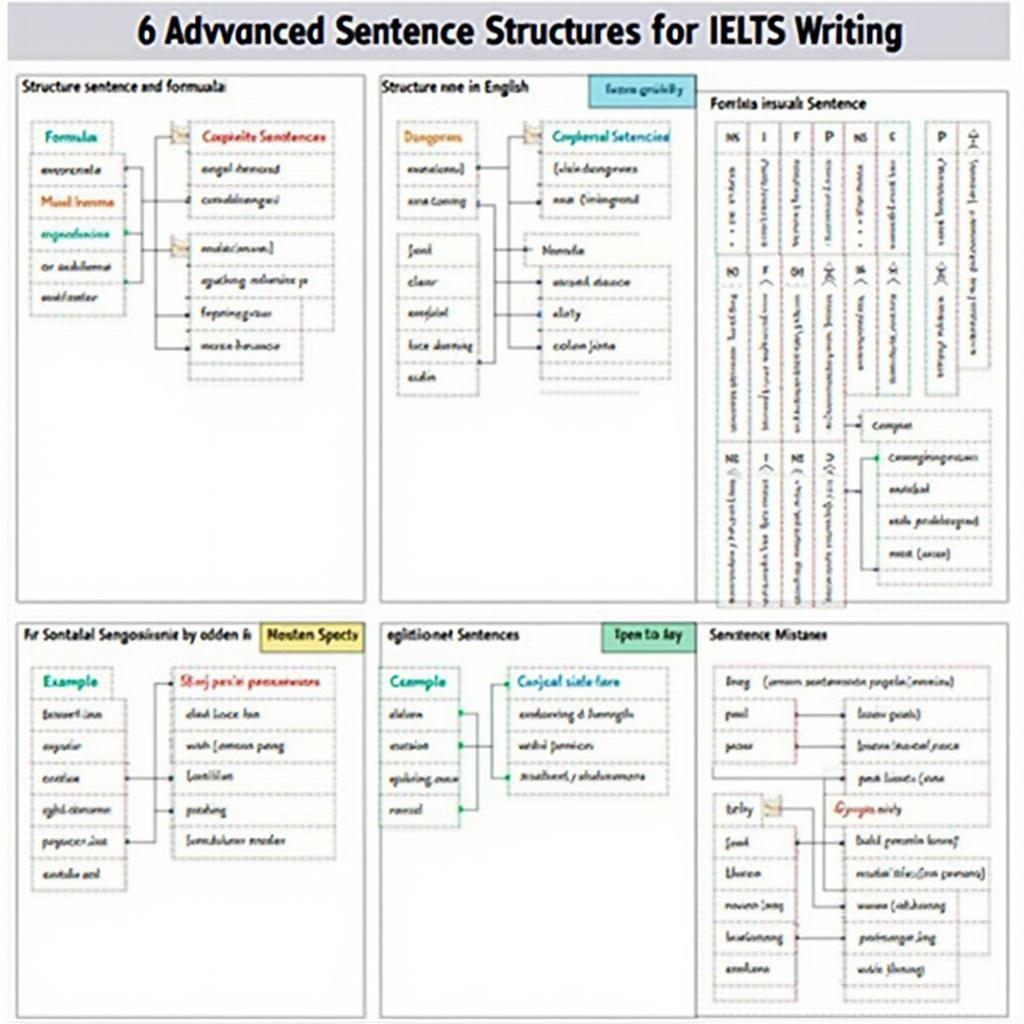 Infographic minh họa 6 cấu trúc câu nâng cao cho IELTS Writing Band 8-9 với công thức và ví dụ cụ thể
Kết Bài
Qua bài viết này, chúng ta đã phân tích chi tiết ba bài mẫu ở các band điểm khác nhau (8-9, 6.5-7, và 5-6) về chủ đề “Effects Of Inflation On Business Investment”. Sự khác biệt giữa các band điểm không chỉ nằm ở từ vựng hay ngữ pháp, mà còn ở độ sâu phân tích, cách tổ chức ý, và khả năng sử dụng ví dụ cụ thể để support arguments.
Những điểm chính cần nhớ:
- Band 8-9 đòi hỏi nuanced view với qualified opinions, không phải simply agree/disagree
- Ví dụ cụ thể với số liệu và real-world references quan trọng hơn general statements
- Từ vựng học thuật và collocations tự nhiên tạo nên sự khác biệt lớn
- Grammatical variety phải được sử dụng naturally, không forced
- Task Response yêu cầu fully address “to what extent”, không chỉ trả lời có/không
Đối với học viên Việt Nam, hãy đặc biệt chú ý đến các lỗi phổ biến về subject-verb agreement, articles, và tenses. Thay vì cố gắng sử dụng quá nhiều từ vựng phức tạp, hãy focus vào việc sử dụng collocations chính xác và phát triển ý một cách logical. Luyện tập thường xuyên với các đề thi thực tế và tham khảo feedback từ giáo viên hoặc bạn bè là cách tốt nhất để cải thiện.
Cuối cùng, hãy nhớ rằng IELTS Writing không chỉ đánh giá khả năng ngôn ngữ mà còn đánh giá critical thinking và khả năng present ideas coherently. Việc hiểu sâu về chủ đề, như mối quan hệ phức tạp giữa lạm phát và quyết định đầu tư, sẽ giúp bạn viết bài convincing và insightful hơn. Chúc các bạn học tập tốt và đạt được band điểm mong muốn!