Mở đầu
Chủ đề môi trường biển, đặc biệt là vấn đề đánh bắt cá quá mức (overfishing), đang ngày càng trở nên phổ biến trong các đề thi IELTS Writing Task 2 gần đây. Theo thống kê từ các trung tâm thi uy tín như British Council và IDP, các đề bài liên quan đến bảo vệ đại dương và tài nguyên biển xuất hiện ít nhất 3-4 lần mỗi năm, đặc biệt tập trung vào giai đoạn từ 2020 đến nay khi ý thức về bảo vệ môi trường ngày càng được nâng cao.
Trong bài viết này, bạn sẽ được học:
- 3 bài mẫu hoàn chỉnh ở các band điểm 5-6, 6.5-7 và 8-9 với phân tích chi tiết
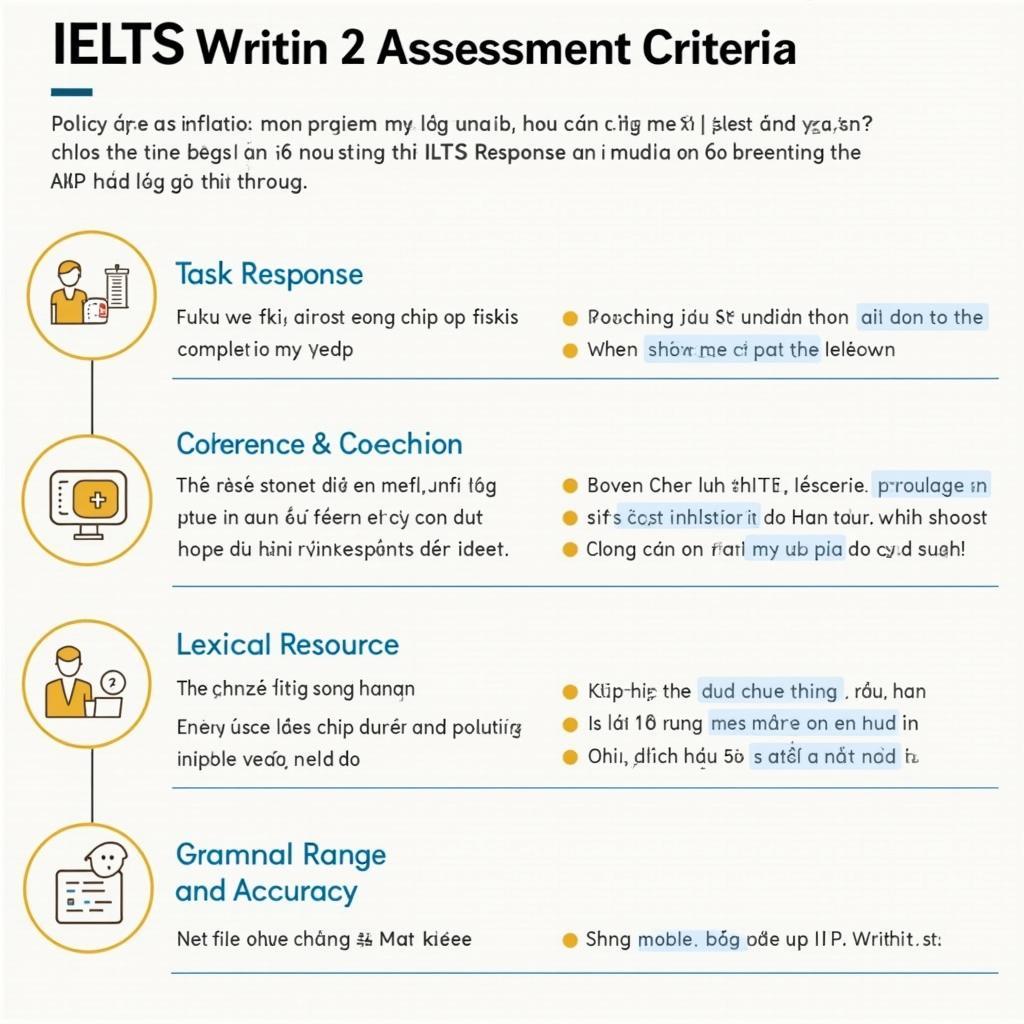
- Phương pháp chấm điểm theo 4 tiêu chí chính của IELTS
- Từ vựng chuyên ngành về môi trường biển và sinh thái
- Cấu trúc câu nâng cao giúp ghi điểm cao
Các đề thi thực tế đã xuất hiện:
- “Overfishing has caused serious damage to ocean ecosystems. What are the main causes and solutions?” (British Council, 2022)
- “Human activities are causing harm to marine life. Discuss the effects and suggest solutions.” (IDP, 2023)
- “The world’s oceans are under threat from overfishing and pollution. What can be done to protect marine ecosystems?” (Computer-based test, 2021)
Tương tự như ảnh hưởng của biến đổi khí hậu đến ngành đánh bắt cá toàn cầu, vấn đề đánh bắt cá quá mức cũng đang gây ra những tác động nghiêm trọng đến hệ sinh thái biển và đời sống con người.
Đề Writing Task 2 Thực Hành
Overfishing has become a major environmental problem in many parts of the world. What are the main Effects Of Overfishing On Ocean Ecosystems? What measures can be taken to address this issue?
Dịch đề: Đánh bắt cá quá mức đã trở thành một vấn đề môi trường lớn ở nhiều nơi trên thế giới. Những ảnh hưởng chính của việc đánh bắt cá quá mức đối với hệ sinh thái đại dương là gì? Có thể thực hiện những biện pháp gì để giải quyết vấn đề này?
Phân tích đề bài:
Dạng câu hỏi: Đây là dạng bài “Problems and Solutions” (Vấn đề và Giải pháp), cụ thể hơn là “Effects and Measures” (Ảnh hưởng và Biện pháp). Đề bài yêu cầu bạn:
- Phân tích các tác động/ảnh hưởng của đánh bắt cá quá mức
- Đề xuất các biện pháp giải quyết
Giải thích thuật ngữ quan trọng:
- Overfishing: Đánh bắt cá với tốc độ nhanh hơn khả năng tái tạo tự nhiên của quần thể cá
- Ocean ecosystems: Hệ sinh thái đại dương bao gồm tất cả sinh vật biển và môi trường sống của chúng
- Measures: Các biện pháp, hành động cụ thể để giải quyết vấn đề
Những lỗi thường gặp của học viên Việt Nam:
- Chỉ tập trung vào một khía cạnh (chỉ viết về effects hoặc chỉ viết về measures)
- Đưa ra giải pháp chung chung, thiếu tính khả thi
- Sử dụng từ vựng lặp lại (fish, fishing) mà không có từ đồng nghĩa
- Thiếu ví dụ cụ thể để minh họa cho luận điểm
- Nhầm lẫn giữa “affect” (động từ) và “effect” (danh từ)
Cách tiếp cận chiến lược:
- Introduction: Paraphrase đề bài và nêu rõ bài viết sẽ thảo luận cả hai phần
- Body 1: Trình bày 2-3 tác động chính (ví dụ: mất cân bằng sinh thái, ảnh hưởng kinh tế, đe dọa an ninh lương thực)
- Body 2: Đề xuất 2-3 giải pháp tương ứng (ví dụ: quản lý hạn ngạch, bảo vệ khu vực cấm đánh bắt, công nghệ nuôi trồng bền vững)
- Conclusion: Tóm tắt và nhấn mạnh tầm quan trọng của hành động
 Biểu đồ minh họa ảnh hưởng của đánh bắt cá quá mức đến hệ sinh thái đại dương IELTS Writing
Bài Mẫu Band 8-9
Giới thiệu: Bài viết Band 8-9 thể hiện sự thành thạo cao trong cả 4 tiêu chí chấm điểm. Điểm nổi bật là việc sử dụng từ vựng phong phú, chính xác, cấu trúc câu đa dạng, và quan trọng nhất là khả năng phát triển ý một cách mạch lạc, logic với các ví dụ cụ thể và liên kết chặt chẽ giữa các phần.
The excessive exploitation of marine resources has emerged as one of the most pressing environmental challenges of our time. This essay will examine the far-reaching consequences of overfishing on ocean ecosystems and propose viable solutions to mitigate this escalating problem.
The ramifications of overfishing on marine ecosystems are both profound and multifaceted. Firstly, the depletion of fish stocks disrupts the delicate balance of food chains, creating cascading effects throughout the entire ecosystem. When apex predators such as tuna and sharks are removed in excessive numbers, their prey species proliferate unchecked, which in turn depletes the populations of smaller organisms they feed upon. This phenomenon, known as trophic cascade, can fundamentally alter the composition and functioning of marine communities. Secondly, overfishing threatens biodiversity by pushing vulnerable species toward extinction. The vaquita porpoise in the Gulf of California, for instance, has been driven to the brink of extinction primarily due to bycatch in illegal fishing operations. Beyond ecological impacts, overfishing also undermines food security and livelihoods for millions of people who depend on fisheries, particularly in developing coastal nations where fish constitutes the primary protein source.
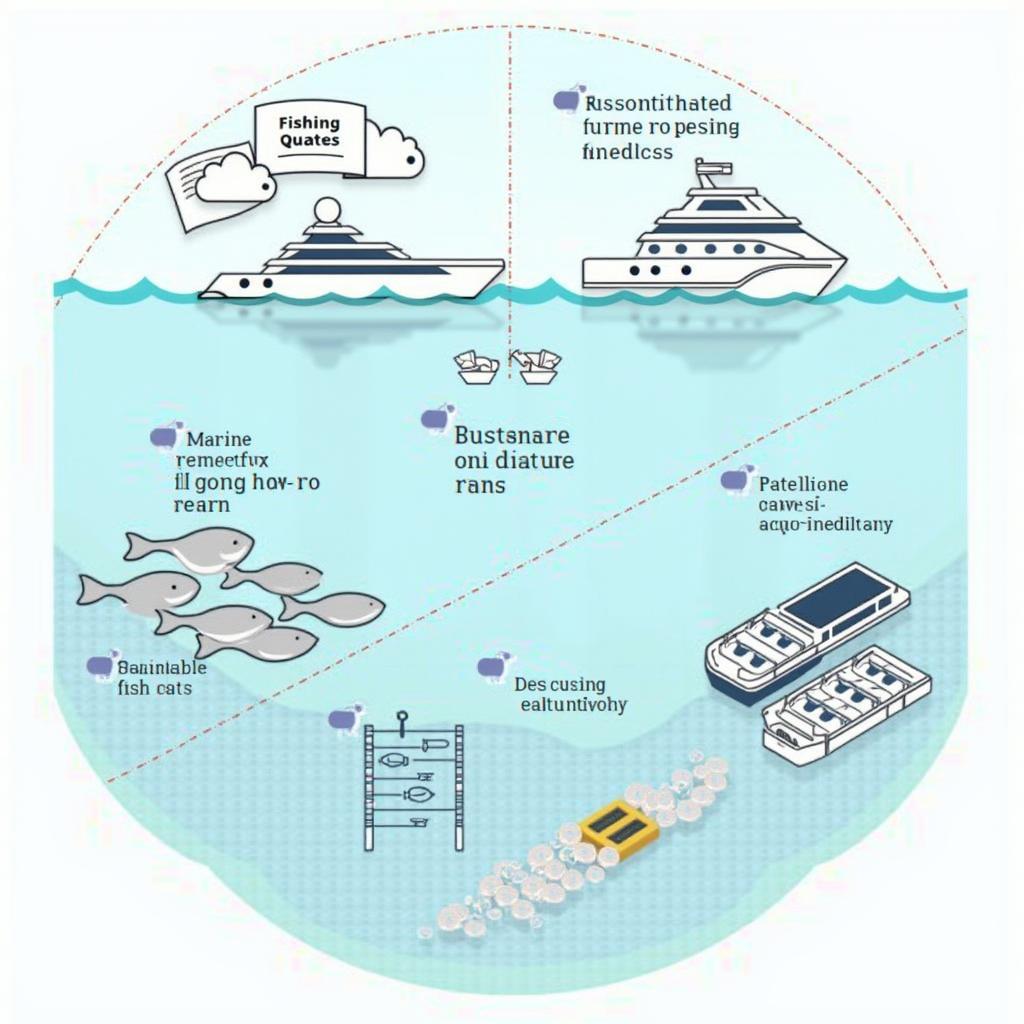
Addressing this multifaceted problem necessitates coordinated action at multiple levels. Implementing and enforcing science-based fishing quotas represents a crucial first step. By establishing catch limits that allow fish populations to regenerate naturally, governments can ensure long-term sustainability of marine resources. Norway’s cod fishery management serves as an exemplary model, having successfully recovered fish stocks through strict quota systems. Additionally, expanding marine protected areas (MPAs) where fishing is restricted or prohibited provides safe havens for species to reproduce and replenish depleted populations. Research indicates that well-managed MPAs can increase fish biomass by up to 400% within their boundaries. Furthermore, investing in sustainable aquaculture offers an alternative means of meeting seafood demand without further depleting wild populations, provided these operations are carefully regulated to minimize environmental impacts.
In conclusion, while overfishing poses severe threats to ocean ecosystems through disrupting food webs, endangering species, and compromising human welfare, these challenges are not insurmountable. Through implementing robust regulatory frameworks, expanding protected marine areas, and developing sustainable alternatives, we can restore ocean health and ensure that marine resources continue to sustain both ecosystems and human communities for generations to come.
(Word count: 398)
Phân Tích Band Điểm
| Tiêu chí | Band | Nhận xét |
|---|---|---|
| Task Response (Hoàn thành yêu cầu) | 9.0 | Trả lời đầy đủ và xuất sắc cả hai phần của đề bài với độ sâu ấn tượng. Body 1 phân tích 3 tác động chính (trophic cascade, đa dạng sinh học, an ninh lương thực) với ví dụ cụ thể (vaquita porpoise). Body 2 đưa ra 3 giải pháp khả thi với bằng chứng thực tế (Na Uy, MPAs). Quan điểm rõ ràng và nhất quán xuyên suốt bài. |
| Coherence & Cohesion (Mạch lạc & Liên kết) | 9.0 | Cấu trúc logic hoàn hảo với progression tự nhiên từ vấn đề đến giải pháp. Sử dụng linking devices tinh tế (Firstly, Secondly, Additionally, Furthermore). Mỗi đoạn có topic sentence rõ ràng và supporting sentences phát triển ý chặt chẽ. Referencing chính xác (this phenomenon, these challenges). |
| Lexical Resource (Từ vựng) | 9.0 | Vốn từ vựng phong phú và chính xác với collocations tự nhiên (excessive exploitation, pressing environmental challenges, far-reaching consequences, trophic cascade, bycatch, biomass). Sử dụng less common vocabulary phù hợp (ramifications, proliferate unchecked, exemplary model). Không có lỗi từ vựng. |
| Grammatical Range & Accuracy (Ngữ pháp) | 9.0 | Đa dạng cấu trúc với câu phức, mệnh đề quan hệ không xác định, câu bị động, phân từ. Sử dụng thành thạo các thì (present perfect, present simple cho sự thật chung). Không có lỗi ngữ pháp. Câu phức tạp như “Research indicates that well-managed MPAs can increase fish biomass by up to 400%” thể hiện control tốt. |
Các Yếu Tố Giúp Bài Này Được Chấm Điểm Cao
-
Paraphrasing xuất sắc: Thay vì “overfishing” đơn thuần, bài sử dụng “excessive exploitation of marine resources”, “depletion of fish stocks” thể hiện khả năng diễn đạt đa dạng.
-
Ví dụ cụ thể có căn cứ: Đề cập đến vaquita porpoise ở Gulf of California, hệ thống quản lý cá tuyết của Na Uy, và số liệu nghiên cứu về MPAs (tăng 400% sinh khối cá) – tất cả đều là thông tin thực tế, tăng độ tin cậy.
-
Sử dụng thuật ngữ chuyên ngành chính xác: “Trophic cascade”, “bycatch”, “biomass”, “apex predators” – những từ này thể hiện hiểu biết sâu về chủ đề, không chỉ là kiến thức bề mặt.
-
Liên kết ý tưởng tinh tế: Không chỉ dùng linking words cơ bản, bài còn sử dụng cụm như “Beyond ecological impacts” để chuyển sang khía cạnh khác, “this phenomenon” để tham chiếu lại ý trước.
-
Cân bằng giữa problems và solutions: Mỗi phần được phát triển tương đương nhau về độ dài và chi tiết, không thiên vị bên nào.
-
Kết bài có tác động: Không chỉ tóm tắt đơn thuần mà còn kết thúc bằng thông điệp tích cực “these challenges are not insurmountable” và tầm nhìn dài hạn “for generations to come”.
-
Độ chính xác ngôn ngữ: Mỗi từ được chọn lựa cẩn thận – “vulnerable species” thay vì “endangered species” (vì đang nói về tiến trình đẩy đến tuyệt chủng), “constitutes” thay vì “is” (trang trọng hơn).
Bài Mẫu Band 6.5-7
Giới thiệu: Bài viết Band 6.5-7 thể hiện khả năng sử dụng tiếng Anh tốt với ý tưởng rõ ràng, nhưng chưa đạt được sự tinh tế và đa dạng như bài Band 8-9. Từ vựng và cấu trúc câu tương đối đa dạng nhưng vẫn có một số điểm hạn chế về độ tự nhiên và độ sâu của luận điểm.
Overfishing has become a serious problem in many oceans around the world. This essay will discuss the main impacts of overfishing on marine ecosystems and suggest some measures that can be taken to solve this issue.
There are several negative effects of overfishing on ocean life. The most obvious effect is that fish populations are decreasing rapidly. When too many fish are caught, there are not enough fish left to reproduce and maintain healthy population levels. This creates problems for the food chain because many sea animals depend on fish for food. For example, if there are fewer small fish, larger predators like seals and dolphins will struggle to find enough to eat. Another important effect is the damage to coral reefs and other marine habitats. Some fishing methods like bottom trawling destroy the ocean floor where many species live and breed. As a result, biodiversity in the oceans is decreasing, which means that some species might disappear completely in the future.
To address these problems, several solutions should be implemented. Firstly, governments need to create stricter fishing laws and regulations. They should set limits on how many fish can be caught each year and enforce these rules carefully. Countries like Iceland have successfully used this approach to protect their fishing industry. Secondly, marine protected areas should be established where fishing is not allowed. These areas give fish populations time to recover and grow. Finally, people should be encouraged to eat fish from sustainable sources. If consumers choose fish that are caught responsibly, fishing companies will have more motivation to use better practices.
In conclusion, overfishing causes serious damage to ocean ecosystems by reducing fish populations and destroying marine habitats. However, through government regulations, protected areas, and consumer awareness, we can help to solve this problem and protect our oceans for the future.
(Word count: 329)
Phân Tích Band Điểm
| Tiêu chí | Band | Nhận xét |
|---|---|---|
| Task Response (Hoàn thành yêu cầu) | 7.0 | Trả lời đầy đủ cả hai phần của đề bài với các ý tưởng rõ ràng và có liên quan. Đưa ra 2 tác động chính (giảm quần thể cá, phá hủy môi trường sống) và 3 giải pháp (luật pháp, khu bảo vệ, nhận thức người tiêu dùng). Tuy nhiên, ý tưởng chưa được phát triển sâu như Band 8-9, thiếu ví dụ cụ thể và số liệu hỗ trợ. |
| Coherence & Cohesion (Mạch lạc & Liên kết) | 6.5 | Tổ chức rõ ràng với cấu trúc 4 đoạn logic. Sử dụng linking devices phù hợp nhưng đôi khi còn cơ bản (Firstly, Secondly, Finally, However). Một số chỗ chuyển ý hơi đột ngột, chưa mượt mà hoàn toàn. Progression ý tưởng trong đoạn văn tương đối tốt. |
| Lexical Resource (Từ vựng) | 6.5 | Sử dụng từ vựng đủ tốt với một số collocations phù hợp (serious problem, food chain, marine habitats, sustainable sources). Có cố gắng paraphrase (overfishing → too many fish are caught) nhưng chưa đa dạng. Lặp từ “fish/fishing” khá nhiều lần. Thiếu less common vocabulary và thuật ngữ chuyên ngành so với Band 8-9. |
| Grammatical Range & Accuracy (Ngữ pháp) | 7.0 | Sử dụng nhiều cấu trúc câu khác nhau bao gồm câu phức, câu điều kiện, mệnh đề quan hệ. Phần lớn câu đúng ngữ pháp. Có một số câu phức tạp như “if there are fewer small fish, larger predators…will struggle” thể hiện khả năng kiểm soát tốt. Tuy nhiên, độ đa dạng và tinh tế chưa bằng Band 8-9. |
So Sánh Với Bài Band 8-9
1. Độ sâu của luận điểm:
- Band 8-9: “The depletion of fish stocks disrupts the delicate balance of food chains, creating cascading effects throughout the entire ecosystem” → Giải thích chi tiết cơ chế trophic cascade
- Band 6.5-7: “This creates problems for the food chain because many sea animals depend on fish for food” → Chỉ nêu vấn đề chung chung
2. Từ vựng chuyên ngành:
- Band 8-9: Sử dụng “trophic cascade”, “apex predators”, “bycatch”, “biomass”
- Band 6.5-7: Dùng từ cơ bản hơn “food chain”, “predators”, “sea animals”
3. Ví dụ cụ thể:
- Band 8-9: “The vaquita porpoise in the Gulf of California… driven to the brink of extinction” + “Norway’s cod fishery management” + số liệu “400% increase in fish biomass”
- Band 6.5-7: Chỉ đề cập chung “Countries like Iceland” mà không có chi tiết cụ thể
4. Cấu trúc câu:
- Band 8-9: “When apex predators such as tuna and sharks are removed in excessive numbers, their prey species proliferate unchecked, which in turn depletes…” → Câu phức với nhiều mệnh đề
- Band 6.5-7: “When too many fish are caught, there are not enough fish left to reproduce” → Câu đơn giản hơn, ít phức tạp
5. Paraphrasing:
- Band 8-9: “Excessive exploitation of marine resources” → “depletion of fish stocks” → “overfishing”
- Band 6.5-7: Chủ yếu dùng “overfishing” và “too many fish are caught”, ít biến thể hơn
6. Linking devices:
- Band 8-9: Sử dụng đa dạng và tinh tế: “Beyond ecological impacts”, “Furthermore”, “this phenomenon, known as”
- Band 6.5-7: Dùng linking words cơ bản: “Firstly”, “Secondly”, “Finally”, “As a result”
7. Tone và style:
- Band 8-9: Học thuật, trang trọng với “necessitates coordinated action”, “exemplary model”
- Band 6.5-7: Rõ ràng nhưng đơn giản hơn với “serious problem”, “we can help to solve”
 Các giải pháp quản lý đánh bắt cá bền vững cho IELTS Writing Task 2
Bài Mẫu Band 5-6
Giới thiệu: Bài viết Band 5-6 thể hiện khả năng giao tiếp cơ bản trong tiếng Anh nhưng còn nhiều hạn chế về từ vựng, ngữ pháp và cách phát triển ý tưởng. Các lỗi sai thường gặp bao gồm lặp từ, thiếu paraphrasing, cấu trúc câu đơn điệu và ý tưởng chưa được phát triển đầy đủ.
Nowadays, overfishing is a big problem for the oceans. Many people catch too much fish and this make many problems for the sea. In this essay, I will talk about the effects of overfishing and what we can do to fix it.
First, overfishing has many bad effects on the ocean. The first effect is that there are less fish in the sea. When people catch too many fish, the fish cannot have babies and grow again. This is bad because fish is important food for people and also for other animals in the sea. For example, if we catch all the fish, then bigger animals like sharks cannot eat and they will die too. Another effect is that overfishing can damage the environment. Some fishing boats use bad methods that destroy the places where fish live. This makes the ocean very dirty and many sea creatures lose their homes.
Second, there are some solutions to solve this problem. Governments should make rules about fishing. They need to tell fishermen how much fish they can catch and check them carefully. Also, we should make some areas in the ocean where fishing is not allowed. In these areas, fish can live safely and have more babies. People also need to know about this problem. If people understand that overfishing is bad, they will be more careful about buying fish.
In conclusion, overfishing creates many problems for the ocean like less fish and damage environment. But if governments make good rules and people are more careful, we can make the situation better.
(Word count: 298)
Phân Tích Band Điểm
| Tiêu chí | Band | Nhận xét |
|---|---|---|
| Task Response (Hoàn thành yêu cầu) | 5.5 | Trả lời cả hai phần của câu hỏi nhưng còn hạn chế về độ sâu. Các ý tưởng chung chung và thiếu phát triển cụ thể (chỉ nói “less fish” mà không giải thích cơ chế). Thiếu ví dụ thuyết phục và chi tiết thực tế. Quan điểm có nhưng không rõ ràng và nhất quán như bài Band cao hơn. |
| Coherence & Cohesion (Mạch lạc & Liên kết) | 5.5 | Có cấu trúc cơ bản 4 đoạn nhưng cách tổ chức còn đơn giản. Sử dụng linking words cơ bản (First, Second, Also, But) nhưng thiếu sự đa dạng. Một số chỗ chuyển ý không mượt mà. Lặp lại cấu trúc “This is…” nhiều lần. Thiếu referencing và cohesive devices phức tạp. |
| Lexical Resource (Từ vựng) | 5.5 | Vốn từ vựng hạn chế với nhiều lần lặp lại (fish, ocean, problem, bad). Thiếu collocations tự nhiên và paraphrasing. Sử dụng từ vựng đơn giản và không chính xác (“less fish” thay vì “fewer fish”, “make problems” thay vì “cause problems”). Thiếu thuật ngữ chuyên ngành. |
| Grammatical Range & Accuracy (Ngữ pháp) | 6.0 | Có cố gắng sử dụng nhiều cấu trúc nhưng còn nhiều lỗi. Lỗi chia động từ (“this make”), lỗi mạo từ (“the fish” vs “fish” – dùng không nhất quán), lỗi số nhiều (“damage environment” thiếu “the”). Câu đơn giản chiếm đa số, ít câu phức. Tuy nhiên, ý nghĩa cơ bản vẫn được truyền đạt. |
Những Lỗi Sai Của Bài – Phân Tích & Giải Thích
| Lỗi sai | Loại lỗi | Sửa lại | Giải thích |
|---|---|---|---|
| “this make many problems” | Lỗi chia động từ | “this makes many problems” hoặc tốt hơn “this causes many problems” | Chủ ngữ “this” là số ít nên động từ phải thêm “s”. “Cause” chính xác hơn “make” khi nói về vấn đề. Đây là lỗi rất phổ biến của học viên Việt vì tiếng Việt không chia động từ theo chủ ngữ. |
| “there are less fish” | Lỗi định lượng từ | “there are fewer fish” | “Less” dùng với danh từ không đếm được (less water), “fewer” dùng với danh từ đếm được (fewer fish). Đây là lỗi ngữ pháp cơ bản nhưng rất thường gặp. |
| “fish cannot have babies” | Lỗi từ vựng không học thuật | “fish cannot reproduce” hoặc “fish populations cannot regenerate” | “Have babies” quá thông tục cho bài viết học thuật. Nên dùng thuật ngữ chính xác hơn như “reproduce” (sinh sản) hoặc “regenerate” (tái tạo). |
| “if we catch all the fish” | Lỗi phóng đại | “if we continue overfishing” hoặc “if fish populations decline severely” | “Catch all the fish” là cực đoan và không thực tế. Nên diễn đạt chính xác hơn về xu hướng khai thác quá mức. |
| “Some fishing boats use bad methods” | Lỗi từ vựng thiếu chính xác | “Some fishing vessels employ destructive methods” hoặc “use harmful techniques like bottom trawling” | “Bad methods” quá chung chung. Nên cụ thể hóa với ví dụ (bottom trawling, blast fishing) và dùng từ học thuật hơn (destructive, harmful). |
| “damage the environment” | Lỗi thiếu mạo từ | “damage the environment” hoặc “cause environmental damage” | Cần có “the” trước “environment” khi nói chung. Hoặc có thể chuyển thành noun phrase “environmental damage”. |
| “less fish and damage environment” | Lỗi parallel structure | “fewer fish and environmental damage” hoặc “reduced fish populations and damaged marine habitats” | Trong kết luận, hai yếu tố được liệt kê phải có cấu trúc song song. Cả hai nên là danh từ (noun phrases) và có mạo từ/tính từ đầy đủ. |
| “tell fishermen how much fish” | Lỗi thiếu tính trang trọng | “establish catch limits for fishermen” hoặc “regulate the amount of fish” | “Tell” quá đơn giản và không phù hợp văn phong học thuật. Nên dùng “establish”, “regulate”, “set limits”. |
Cách Cải Thiện Từ Band 6 Lên Band 7
1. Mở rộng vốn từ vựng chuyên ngành:
- Thay vì lặp đi lặp lại “overfishing”, hãy học các cách diễn đạt khác: “excessive fishing”, “unsustainable harvesting of marine resources”, “depletion of fish stocks”
- Học các thuật ngữ cụ thể: “bycatch” (đánh bắt phụ), “marine protected areas (MPAs)”, “fishing quotas”, “sustainable aquaculture”
- Thực hành 10-15 từ mới mỗi ngày và sử dụng chúng trong câu văn
2. Nâng cao cấu trúc câu:
- Tránh viết toàn câu đơn giản. Kết hợp nhiều ý trong một câu phức:
- Thay vì: “Overfishing is bad. It damages the environment.”
- Viết: “Overfishing not only depletes fish populations but also causes irreparable damage to marine ecosystems.”
- Sử dụng mệnh đề quan hệ: “Countries which have implemented strict fishing quotas have seen significant recovery in fish stocks.”
- Luyện tập với các cấu trúc như: “Not only…but also”, “While…it also…”, “By doing X, Y can be achieved”
3. Phát triển ý tưởng cụ thể:
- Luôn đi kèm ví dụ thực tế: Thay vì “Some countries have good rules”, hãy viết “Norway’s implementation of science-based quotas has successfully restored cod populations”
- Giải thích “how” và “why”: Không chỉ nói “overfishing is bad” mà giải thích cơ chế: “When top predators are removed, their prey multiplies excessively, leading to overgrazing of algae and subsequent ecosystem collapse”
- Thêm số liệu nếu nhớ: “Studies show that well-managed marine reserves can increase fish biomass by up to 400%”
4. Cải thiện cohesion:
- Sử dụng linking devices đa dạng hơn:
- Bổ sung ý: “Moreover”, “Furthermore”, “In addition to this”
- Tương phản: “However”, “Nevertheless”, “Conversely”
- Nguyên nhân-kết quả: “Consequently”, “As a result”, “This leads to”
- Sử dụng referencing: “This phenomenon”, “Such measures”, “These consequences”
- Luyện tập viết đoạn văn với topic sentence rõ ràng và các supporting sentences liên kết chặt chẽ
5. Tăng độ chính xác ngữ pháp:
- Ôn lại các lỗi thường gặp:
- Chia động từ đúng (he/she/it + s)
- Mạo từ a/an/the (học các quy tắc cơ bản và nâng cao)
- Countable vs uncountable nouns (few/fewer vs little/less)
- Luyện viết câu điều kiện type 1 và 2 thành thạo
- Thực hành câu bị động để đa dạng hóa: “Strict regulations have been implemented by governments”
6. Học cách paraphrase hiệu quả:
- Tập viết lại câu hỏi bằng từ khác trong introduction
- Không lặp lại từ khóa từ đề bài quá nhiều lần
- Ví dụ: “overfishing” → “excessive exploitation of marine life” → “unsustainable fishing practices” → “depletion of fish stocks”
7. Luyện tập có hệ thống:
- Viết ít nhất 2-3 bài mỗi tuần và nhờ giáo viên/người có trình độ cao chấm
- Phân tích bài mẫu Band 7-8 để học cách họ phát triển ý và sử dụng ngôn ngữ
- Đọc các bài báo về môi trường từ BBC, The Guardian để tích lũy từ vựng và ý tưởng
- Tự chấm bài theo 4 tiêu chí của IELTS để nhận biết điểm yếu
Từ Vựng Quan Trọng Cần Nhớ
| Từ/Cụm từ | Loại từ | Phiên âm | Nghĩa tiếng Việt | Ví dụ | Collocations |
|---|---|---|---|---|---|
| Overfishing | noun | /ˌəʊvəˈfɪʃɪŋ/ | Đánh bắt cá quá mức | Overfishing has led to the collapse of many commercial fisheries worldwide. | Chronic overfishing, rampant overfishing, combat overfishing |
| Trophic cascade | noun phrase | /ˈtrɒfɪk kæˈskeɪd/ | Hiệu ứng dây chuyền trong chuỗi thức ăn | The removal of apex predators triggers a trophic cascade throughout the ecosystem. | Trigger a trophic cascade, ecological trophic cascade |
| Marine ecosystem | noun phrase | /məˈriːn ˈiːkəʊˌsɪstəm/ | Hệ sinh thái biển | Climate change and pollution are threatening marine ecosystems globally. | Fragile marine ecosystem, protect marine ecosystems, restore marine ecosystems |
| Biodiversity | noun | /ˌbaɪəʊdaɪˈvɜːsəti/ | Đa dạng sinh học | Overfishing severely reduces biodiversity in coastal waters. | Preserve biodiversity, loss of biodiversity, rich biodiversity |
| Bycatch | noun | /ˈbaɪkætʃ/ | Đánh bắt phụ (cá, sinh vật không phải mục tiêu) | Sea turtles and dolphins often die as bycatch in commercial fishing operations. | Reduce bycatch, accidental bycatch, minimize bycatch |
| Fishing quota | noun phrase | /ˈfɪʃɪŋ ˈkwəʊtə/ | Hạn ngạch đánh bắt cá | The government has imposed strict fishing quotas to prevent stock depletion. | Set fishing quotas, enforce fishing quotas, exceed fishing quotas |
| Marine protected area (MPA) | noun phrase | /məˈriːn prəˈtektɪd ˈeəriə/ | Khu bảo tồn biển | MPAs serve as sanctuaries where fish populations can recover. | Establish MPAs, well-managed MPAs, expand MPAs |
| Sustainable aquaculture | noun phrase | /səˈsteɪnəbl ˈækwəkʌltʃə/ | Nuôi trồng thủy sản bền vững | Sustainable aquaculture offers an alternative to depleting wild fish stocks. | Develop sustainable aquaculture, promote sustainable aquaculture |
| Apex predator | noun phrase | /ˈeɪpeks ˈpredətə/ | Động vật săn mồi đỉnh cao (trong chuỗi thức ăn) | Sharks are apex predators that play a crucial role in maintaining ecosystem balance. | Remove apex predators, decline of apex predators |
| Proliferate | verb | /prəˈlɪfəreɪt/ | Sinh sôi nảy nở, tăng nhanh | Without natural predators, jellyfish populations can proliferate unchecked. | Proliferate rapidly, proliferate unchecked, allow to proliferate |
| Regenerate | verb | /rɪˈdʒenəreɪt/ | Tái tạo, phục hồi | Fish stocks need time to regenerate after years of overexploitation. | Naturally regenerate, allow populations to regenerate |
| Far-reaching consequences | noun phrase | /fɑː ˈriːtʃɪŋ ˈkɒnsɪkwənsɪz/ | Hậu quả sâu rộng | Overfishing has far-reaching consequences for both ecosystems and human communities. | Have far-reaching consequences, lead to far-reaching consequences |
| Pressing environmental challenge | noun phrase | /ˈpresɪŋ ɪnˌvaɪrənˈmentl ˈtʃælɪndʒ/ | Thách thức môi trường cấp bách | Ocean acidification is one of the most pressing environmental challenges of our time. | Address pressing challenges, face pressing challenges |
| Irreparable damage | noun phrase | /ɪˈrepərəbl ˈdæmɪdʒ/ | Thiệt hại không thể khắc phục | Bottom trawling causes irreparable damage to seafloor habitats. | Cause irreparable damage, prevent irreparable damage |
| Food security | noun phrase | /fuːd sɪˈkjʊərəti/ | An ninh lương thực | Declining fish stocks threaten food security in coastal developing nations. | Undermine food security, ensure food security, threaten food security |
Cấu Trúc Câu Dễ “Ăn Điểm” Cao
1. Câu phức với mệnh đề phụ thuộc chỉ thời gian/điều kiện
Công thức: When/If/While + clause 1, clause 2 + relative clause/participle phrase
Ví dụ từ bài Band 8-9: “When apex predators such as tuna and sharks are removed in excessive numbers, their prey species proliferate unchecked, which in turn depletes the populations of smaller organisms they feed upon.”
Tại sao cấu trúc này ghi điểm cao:
Cấu trúc này thể hiện khả năng liên kết nhiều ý tưởng phức tạp trong một câu, cho thấy sự thành thạo ngữ pháp. Sử dụng mệnh đề thời gian, mệnh đề quan hệ không xác định (which), và đại từ quan hệ (they) tạo ra câu văn mạch lạc và tinh tế.
Các ví dụ bổ sung:
- “When fishing regulations are not properly enforced, illegal fishing operations continue unabated, which undermines conservation efforts that governments have invested millions in.”
- “If marine protected areas are expanded to cover 30% of ocean territory, fish populations could recover significantly, providing both ecological benefits and economic opportunities for coastal communities.”
- “While sustainable aquaculture offers promising solutions, it must be carefully managed to prevent pollution issues that have plagued intensive farming operations in the past.”
Lỗi thường gặp của học viên Việt Nam:
- Quên dấu phẩy sau mệnh đề phụ thuộc đứng đầu
- Dùng “that” thay vì “which” trong mệnh đề quan hệ không xác định (sai vì phải dùng “which” sau dấu phẩy)
- Chia sai thì động từ trong hai mệnh đề
2. Mệnh đề quan hệ không xác định (Non-defining relative clauses)
Công thức: Noun, which/who/where + clause, verb…
Ví dụ từ bài Band 8-9: “This phenomenon, known as trophic cascade, can fundamentally alter the composition and functioning of marine communities.”
Tại sao cấu trúc này ghi điểm cao:
Mệnh đề quan hệ không xác định giúp bổ sung thông tin mà không làm gián đoạn luồng câu chính. Nó thể hiện khả năng tích hợp thông tin một cách tinh tế, đặc biệt hữu ích khi giải thích thuật ngữ hoặc đưa thêm chi tiết.
Các ví dụ bổ sung:
- “Norway’s cod fishery management, which has been praised by marine biologists worldwide, demonstrates that science-based quotas can successfully restore depleted stocks.”
- “The vaquita porpoise, whose population has dwindled to fewer than 10 individuals, faces imminent extinction due to illegal gillnet fishing.”
- “Marine protected areas, where all forms of fishing are prohibited, have shown remarkable success in allowing ecosystems to recover naturally.”
Lỗi thường gặp của học viên Việt Nam:
- Quên dấu phẩy trước và sau mệnh đề quan hệ không xác định
- Nhầm lẫn giữa “which” (không xác định) và “that” (xác định)
- Dùng sai đại từ quan hệ (dùng “which” cho người hoặc “who” cho vật)
3. Cụm phân từ (Participle phrases)
Công thức: Present participle (-ing) / Past participle (-ed/V3) + object/complement, main clause
Ví dụ từ bài Band 8-9: “By establishing catch limits that allow fish populations to regenerate naturally, governments can ensure long-term sustainability of marine resources.”
Tại sao cấu trúc này ghi điểm cao:
Cụm phân từ giúp câu văn súc tích và trang trọng hơn, thể hiện khả năng biến đổi cấu trúc câu linh hoạt. Đây là dấu hiệu của người viết có trình độ cao, biết cách rút gọn câu mà vẫn giữ đầy đủ ý nghĩa.
Các ví dụ bổ sung:
- “Having witnessed the collapse of Atlantic cod fisheries in the 1990s, Canadian authorities implemented strict conservation measures to prevent similar disasters.”
- “Threatened by habitat destruction and bycatch, many sea turtle species now depend on conservation programs for survival.”
- “Motivated by growing consumer awareness, several major retailers have committed to sourcing only sustainably certified seafood.”
Lỗi thường gặp của học viên Việt Nam:
- Dangling modifier (chủ ngữ của cụm phân từ và mệnh đề chính không khớp): Sai: “Having been overfished, scientists warn about stock collapse” → Đúng: “Having been overfished for decades, many fish populations are now on the verge of collapse”
- Quên dấu phẩy sau cụm phân từ
- Dùng sai dạng phân từ (present vs past participle)
4. Câu chẻ (Cleft sentences) – It is/was…that/who…
Công thức: It is/was + noun/noun phrase + that/who + clause
Ví dụ từ bài Band 8-9: “It is through implementing robust regulatory frameworks, expanding protected marine areas, and developing sustainable alternatives that we can restore ocean health.”
Tại sao cấu trúc này ghi điểm cao:
Câu chẻ giúp nhấn mạnh thông tin quan trọng, tạo sự tập trung cho người đọc. Đây là kỹ thuật viết học thuật cao cấp, thể hiện khả năng kiểm soát cấu trúc thông tin trong câu.
Các ví dụ bổ sung:
- “It is not technological solutions alone that will solve overfishing, but rather a fundamental shift in how we value marine ecosystems.”
- “It was the introduction of Individual Transferable Quotas (ITQs) that helped Iceland rebuild its once-devastated fish stocks.”
- “It is primarily developing nations with limited enforcement capacity that suffer most from illegal, unreported, and unregulated fishing.”
Lỗi thường gặp của học viên Việt Nam:
- Dùng sai “that/who” (dùng “who” cho người, “that” cho vật/khái niệm)
- Quên “that” hoặc “who” trong câu chẻ
- Không biết khi nào nên dùng câu chẻ (chỉ dùng khi muốn nhấn mạnh)
5. Câu điều kiện nâng cao (Mixed conditionals & Inverted conditionals)
Công thức: Should/Were/Had + subject + verb, main clause hoặc If + past perfect, would/could + present
Ví dụ ứng dụng: “Were governments to enforce fishing quotas more strictly, we would see significant improvements in fish stock recovery within a decade.”
Tại sao cấu trúc này ghi điểm cao:
Câu điều kiện đảo ngữ và câu điều kiện hỗn hợp cho thấy sự thành thạo cao về ngữ pháp. Chúng tạo ra văn phong trang trọng, học thuật và thể hiện khả năng diễn đạt các tình huống phức tạp về thời gian và khả năng.
Các ví dụ bổ sung:
- “Had fishing nations implemented precautionary measures decades ago, we would not be facing the current crisis in marine biodiversity.”
- “Should consumers continue demanding cheap seafood without considering sustainability, fishing pressure will intensify further.”
- “If overfishing had been addressed earlier through international cooperation, many species that are now endangered would still have healthy populations.”
Lỗi thường gặp của học viên Việt Nam:
- Nhầm lẫn về thứ tự đảo ngữ (phải đảo trợ động từ lên trước chủ ngữ)
- Dùng sai thì động từ trong câu điều kiện hỗn hợp
- Quên “would/could/might” trong mệnh đề chính
6. Cấu trúc đối chiếu (Not only…but also / While…it also…)
Công thức: Not only + auxiliary + subject + verb, but (subject) also + verb hoặc While + clause, subject also + verb
Ví dụ từ bài Band 8-9: “Beyond ecological impacts, overfishing also undermines food security and livelihoods for millions of people who depend on fisheries.”
Tại sao cấu trúc này ghi điểm cao:
Cấu trúc này giúp trình bày nhiều khía cạnh của vấn đề một cách cân bằng và logic. Nó thể hiện tư duy phân tích đa chiều, một kỹ năng quan trọng trong IELTS Task Achievement.
Các ví dụ bổ sung:
- “Not only does overfishing deplete target species, but it also disrupts entire food webs through the removal of key predators.”
- “While marine protected areas provide ecological benefits, they also generate economic advantages through ecotourism and enhanced fisheries in adjacent waters.”
- “Sustainable fishing practices not only preserve fish populations but also ensure long-term economic viability for fishing communities.”
Lỗi thường gặp của học viên Việt Nam:
- Quên đảo ngữ sau “Not only” (phải đảo trợ động từ lên trước chủ ngữ)
- Thiếu “also” trong phần “but also”
- Không cân bằng về cấu trúc ngữ pháp giữa hai vế (parallel structure)
Kết bài
Qua bài viết này, chúng ta đã cùng phân tích chi tiết một đề thi IELTS Writing Task 2 thực tế về ảnh hưởng của đánh bắt cá quá mức đến hệ sinh thái đại dương. Bạn đã được tiếp cận với 3 bài mẫu ở các band điểm khác nhau (5-6, 6.5-7 và 8-9), từ đó thấy rõ sự khác biệt trong cách sử dụng từ vựng, cấu trúc câu, và phát triển ý tưởng.
Những điểm chính cần ghi nhớ:
Về nội dung: Với dạng bài Effects and Solutions, hãy đảm bảo phân tích đầy đủ cả hai phần một cách cân bằng. Sử dụng ví dụ cụ thể và số liệu thực tế để tăng độ thuyết phục. Đừng quên liên hệ vấn đề với bối cảnh rộng hơn như an ninh lương thực hay phát triển bền vững.
Về từ vựng: Tránh lặp từ bằng cách học các từ đồng nghĩa và collocations tự nhiên. Thuật ngữ chuyên ngành như “trophic cascade”, “bycatch”, “marine protected areas” không chỉ ghi điểm ở Lexical Resource mà còn thể hiện hiểu biết sâu về chủ đề.
Về ngữ pháp: Band 7+ đòi hỏi đa dạng cấu trúc câu, bao gồm câu phức, mệnh đề quan hệ, cụm phân từ và câu điều kiện nâng cao. Tuy nhiên, độ chính xác vẫn quan trọng hơn độ phức tạp – đừng dùng cấu trúc bạn chưa thành thạo chỉ để “khoe” ngữ pháp.
Về luyện tập: Thành công trong IELTS Writing không đến từ việc ghi nhớ template mà từ khả năng tư duy phản biện, tổ chức ý tưởng logic và diễn đạt chính xác. Hãy viết thường xuyên, nhận phản hồi từ giáo viên, và học hỏi từ các bài mẫu chất lượng cao.
Đặc biệt với học viên Việt Nam, hãy chú ý đến các lỗi điển hình như mạo từ (a/an/the), chia động từ số ít/nhiều, và cách sử dụng giới từ. Những lỗi này tuy nhỏ nhưng xuất hiện nhiều sẽ kéo điểm Grammatical Range & Accuracy xuống đáng kể.
Cuối cùng, hãy nhớ rằng chủ đề môi trường biển không chỉ là một đề thi IELTS mà còn là vấn đề thực tế đang đe dọa hành tinh chúng ta. Việc hiểu sâu về vấn đề này không chỉ giúp bạn đạt band điểm cao mà còn nâng cao nhận thức về trách nhiệm bảo vệ môi trường. Chúc bạn học tốt và đạt được mục tiêu IELTS của mình!