Nhiều thí sinh Việt Nam thường băn khoăn về số từ cần nói trong IELTS Speaking Part 2. Khác với Writing có yêu cầu số từ cụ thể, Speaking Part 2 không đếm số từ mà tập trung vào thời gian nói (2-3 phút) và chất lượng nội dung. Tuy nhiên, việc hiểu rõ mối quan hệ giữa số từ và thời gian nói sẽ giúp bạn tự tin hơn khi chuẩn bị.
Trong bài viết này, bạn sẽ học được:
- Số từ trung bình cần đạt trong 2 phút nói Part 2
- Mối quan hệ giữa số từ, tốc độ nói và band điểm
- Bài mẫu chi tiết từ Band 6-7 đến 8.5-9 với phân tích số từ
- Chiến lược kiểm soát thời gian và nội dung hiệu quả
- Lời khuyên từ góc nhìn Examiner về việc nên tập trung vào yếu tố nào
Tần suất xuất hiện: Câu hỏi về độ dài câu trả lời Part 2 là mối quan tâm phổ biến của 85% thí sinh. Hiểu rõ điều này giúp bạn tự tin hơn trong phòng thi.
Dự đoán: Xu hướng chấm điểm IELTS Speaking hiện nay ưu tiên chất lượng hơn số lượng, nhưng độ dài câu trả lời vẫn là yếu tố quan trọng phản ánh khả năng Fluency của thí sinh.
Số Từ Chuẩn Trong IELTS Speaking Part 2
Công Thức Tính Số Từ Dựa Trên Thời Gian
Một thí sinh IELTS nói với tốc độ tự nhiên (không quá nhanh, không quá chậm) thường đạt:
- Tốc độ chậm: 100-120 từ/phút → 200-240 từ trong 2 phút
- Tốc độ trung bình: 130-150 từ/phút → 260-300 từ trong 2 phút (lý tưởng)
- Tốc độ nhanh: 160-180 từ/phút → 320-360 từ trong 2 phút
Từ góc nhìn Examiner: Tôi đã chấm hàng nghìn bài thi và nhận thấy thí sinh đạt Band 7.5+ thường nói từ 260-320 từ trong 2 phút, với tốc độ vừa phải, có pausing tự nhiên, và pronunciation rõ ràng.
Tại Sao Không Nên Quá Tập Trung Vào Số Từ
❌ Lỗi thường gặp của học viên Việt Nam:
- Nói quá nhanh để “nhồi” nhiều từ vào → mất pronunciation và fluency
- Lặp lại ý tưởng để kéo dài thời gian → giảm điểm Lexical Resource
- Lo lắng về số từ thay vì chất lượng nội dung
✅ Thay vào đó, hãy tập trung vào:
- Trả lời đầy đủ tất cả bullet points
- Phát triển ý tưởng có chiều sâu
- Sử dụng từ vựng đa dạng và chính xác
- Duy trì tốc độ nói tự nhiên với pronunciation tốt
 Thí sinh IELTS Speaking Part 2 kiểm soát thời gian nói hiệu quả để đạt band điểm cao
IELTS Speaking Part 1: Introduction and Interview
Tổng Quan Về Part 1
- Thời gian: 4-5 phút
- Đặc điểm: Câu hỏi ngắn về cuộc sống hàng ngày, sở thích, công việc, học tập
- Số câu hỏi: 10-12 câu thuộc 2-3 chủ đề khác nhau
- Độ dài mỗi câu trả lời: 2-4 câu (khoảng 20-40 từ)
- Chiến lược: Trả lời trực tiếp, sau đó mở rộng bằng lý do hoặc ví dụ
Lỗi thường gặp:
- Trả lời quá ngắn (Yes/No) → chỉ 5-10 từ
- Nói quá dài (hơn 1 phút) → examiner sẽ ngắt lời
- Học thuộc template cứng nhắc
Các Câu Hỏi Thường Gặp
Topic: Daily Routine & Time Management
Question 1: Do you prefer to study in the morning or in the evening?
Question 2: How do you usually manage your time?
Question 3: Is it important to have a daily routine?
Question 4: What time do you usually wake up?
Topic: Technology & Communication
Question 5: How often do you use your smartphone?
Question 6: Do you prefer texting or calling?
Question 7: Has technology made communication easier?
Question 8: What apps do you use most frequently?
Để có cái nhìn chi tiết hơn về cách xây dựng cấu trúc bài nói logic và mạch lạc, bạn có thể tham khảo should i outline essay in the introduction ielts, nơi chia sẻ những nguyên tắc tổ chức ý tưởng áp dụng được cho cả Speaking.
Phân Tích và Gợi Ý Trả Lời Chi Tiết
Question: Do you prefer to study in the morning or in the evening?
🎯 Cách tiếp cận:
- Trả lời trực tiếp (Morning/Evening)
- Giải thích lý do (tại sao)
- Đưa ra ví dụ cụ thể từ kinh nghiệm cá nhân
📝 Sample Answer – Band 6-7:
“I prefer studying in the morning. I feel more energetic at that time. In the evening, I’m usually tired after a long day.”
Phân tích:
- Điểm mạnh: Trả lời rõ ràng, có lý do cơ bản
- Hạn chế: Từ vựng đơn giản (energetic, tired), thiếu ví dụ cụ thể, câu ngắn
- Số từ: 21 từ
- Tại sao Band 6-7: Đủ để trả lời câu hỏi nhưng chưa demonstrate được lexical range hoặc grammatical complexity
📝 Sample Answer – Band 8-9:
“I’m definitely a morning person when it comes to studying. I find that my concentration levels are at their peak in the early hours, usually between 6 and 9 AM. By evening, I’ve mentally exhausted from the day’s activities, so I tend to retain information much better in the morning. Plus, there are fewer distractions at that time.”
Phân tích:
- Điểm mạnh:
- Từ vựng tinh tế: “morning person”, “concentration levels are at their peak”, “mentally exhausted”, “retain information”, “fewer distractions”
- Cấu trúc đa dạng: “when it comes to”, “I find that”, “tend to”
- Có specific time frame (6-9 AM)
- Comparison giữa morning và evening
- Số từ: 59 từ
- Tại sao Band 8-9:
- Fluency: Câu trả lời trôi chảy với linking natural
- Vocabulary: Collocations chính xác và sophisticated
- Grammar: Mix của simple và complex structures
- Content: Detailed và có depth
💡 Key Vocabulary & Expressions:
- morning person: người làm việc hiệu quả vào buổi sáng
- concentration levels are at their peak: mức độ tập trung đạt đỉnh
- mentally exhausted: kiệt sức về mặt tinh thần
- retain information: ghi nhớ thông tin
- fewer distractions: ít sự phân tâm hơn
Question: How do you usually manage your time?
🎯 Cách tiếp cận:
- Mô tả phương pháp cụ thể
- Đưa ra example hoặc benefit
- Có thể đề cập đến tools/techniques
📝 Sample Answer – Band 6-7:
“I usually make a to-do list every day. I write down important tasks and try to complete them. Sometimes I use my phone to set reminders.”
Phân tích:
- Điểm mạnh: Clear method (to-do list), có mention về technology
- Hạn chế: Vocabulary basic (important tasks, complete, reminders), thiếu details về how exactly
- Số từ: 26 từ
- Tại sao Band 6-7: Adequate nhưng lacks sophistication
📝 Sample Answer – Band 8-9:
“I’m quite disciplined about time management. Every Sunday evening, I map out my week using a digital planner, prioritizing tasks based on deadlines and importance. I also block out specific time slots for different activities, which helps me stay on track. If something unexpected comes up, I reshuffle my schedule accordingly. This system has really helped me boost my productivity.”
Phân tích:
- Điểm mạnh:
- Phrasal verbs: “map out”, “block out”, “stay on track”, “reshuffle”
- Specific method: digital planner, time blocking, prioritizing
- Shows flexibility: “if something unexpected comes up”
- Clear benefit: “boost my productivity”
- Số từ: 64 từ
- Tại sao Band 8-9: Demonstrates strong command of language với natural expressions và clear structure
💡 Key Vocabulary & Expressions:
- disciplined: có kỷ luật
- map out: lập kế hoạch chi tiết
- prioritizing tasks: sắp xếp thứ tự ưu tiên công việc
- block out time slots: chặn khoảng thời gian cụ thể
- stay on track: giữ đúng tiến độ
- reshuffle: sắp xếp lại
- boost productivity: tăng năng suất
Question: Has technology made communication easier?
🎯 Cách tiếp cận:
- Yes/No + qualify your answer
- Đưa ra specific examples
- Có thể mention both advantages và potential drawbacks
📝 Sample Answer – Band 6-7:
“Yes, I think technology has made communication much easier. Now we can talk to people far away through video calls. We can also send messages quickly.”
Phân tích:
- Điểm mạnh: Clear position, có examples (video calls, messages)
- Hạn chế: Simple vocabulary, lacks nuance, generic examples
- Số từ: 29 từ
- Tại sao Band 6-7: Adequate but not impressive
📝 Sample Answer – Band 8-9:
“Without a doubt, technology has revolutionized the way we communicate. We can now stay connected with people across the globe instantaneously through various platforms like WhatsApp or Zoom. Having said that, I think it’s also made communication somewhat superficial at times – people tend to fire off quick messages rather than having meaningful conversations. So it’s a bit of a mixed blessing.”
Phân tích:
- Điểm mạnh:
- Strong opener: “Without a doubt”
- Sophisticated vocabulary: “revolutionized”, “instantaneously”, “superficial”, “meaningful”
- Balanced view: positive + negative aspects
- Natural expressions: “having said that”, “fire off”, “mixed blessing”
- Shows critical thinking
- Số từ: 68 từ
- Tại sao Band 8-9:
- Shows ability to discuss both sides
- Natural discourse markers
- Precise vocabulary
- Demonstrates mature thinking
💡 Key Vocabulary & Expressions:
- without a doubt: không còn nghi ngờ gì
- revolutionized: cách mạng hóa
- stay connected: giữ liên lạc
- instantaneously: tức thì
- superficial: nông cạn, hời hợt
- fire off messages: gửi tin nhắn nhanh chóng (informal)
- meaningful conversations: cuộc trò chuyện có ý nghĩa
- mixed blessing: vừa tốt vừa xấu
IELTS Speaking Part 2: Long Turn (Cue Card)
Tổng Quan Về Part 2
- Thời gian chuẩn bị: 1 phút (take notes)
- Thời gian nói: 2-3 phút liên tục (không bị ngắt)
- Số từ trung bình: 260-320 từ cho câu trả lời Band 7.5+
- Tốc độ nói lý tưởng: 130-150 từ/phút
Đặc điểm:
- Độc thoại (monologue) về một topic cụ thể
- Phải cover tất cả bullet points trong cue card
- Examiner sẽ không interrupt cho đến khi bạn nói xong hoặc hết thời gian
Chiến lược:
- 1 phút chuẩn bị: Ghi keywords cho mỗi bullet point (không viết câu hoàn chỉnh)
- Introduction (15-20 giây): Giới thiệu topic
- Body (1.5-2 phút): Trả lời từng bullet point với details
- Conclusion (10-15 giây): Tóm tắt hoặc personal feeling
Lỗi thường gặp:
- Viết quá nhiều trong 1 phút chuẩn bị → mất thời gian, không nhìn vào Examiner
- Nói dưới 1.5 phút → thiếu content, ảnh hưởng Fluency score
- Bỏ sót bullet points → không đủ tiêu chí
- Nói quá 2.5 phút → Examiner có thể ngắt lời
Cue Card
Describe a person who is very determined to succeed
You should say:
- Who this person is
- How you know this person
- What this person does to show their determination
- And explain why you admire this person’s determination
Phân Tích Đề Bài
- Dạng câu hỏi: Describe a person (miêu tả người)
- Thì động từ chủ yếu: Hiện tại (vì người này vẫn đang determined) + Quá khứ (khi kể về specific examples)
- Bullet points phải cover:
- Identity: Người này là ai
- Connection: Bạn biết họ như thế nào
- Actions: Họ làm gì để thể hiện quyết tâm (phần quan trọng nhất)
- Explanation: Tại sao bạn ngưỡng mộ (cần có depth)
Câu “explain” quan trọng: Đây là phần ghi điểm cao vì cần critical thinking, personal reflection, và vocabulary về qualities/values.
Nếu bạn muốn xem thêm cách xử lý một cue card tương tự về miêu tả người, hãy tham khảo Describe a person who is very determined to succeed để có thêm góc nhìn đa dạng.
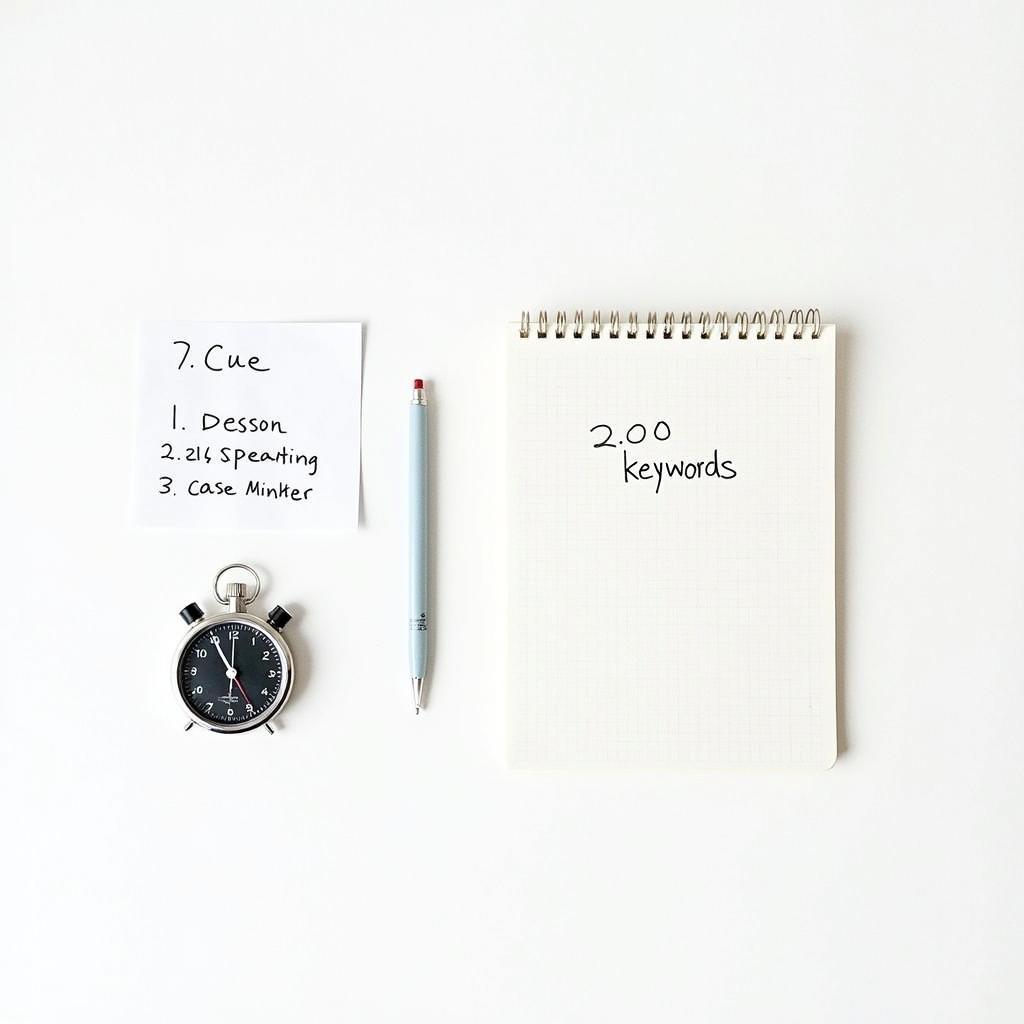 Chiến lược trả lời IELTS Speaking Part 2 hiệu quả với notes và thời gian
📝 Sample Answer – Band 6-7
Thời lượng: Khoảng 1.5-2 phút (210-240 từ)
“I’d like to talk about my older brother, Nam. He’s 28 years old and currently works as a software engineer.
I’ve known him my whole life, of course, since he’s my brother. We grew up together in Hanoi, and I’ve always looked up to him.
Nam is very determined to succeed in his career. Every day, he wakes up at 5 AM to study new programming languages before going to work. He also takes online courses in the evenings and on weekends. Even when he’s tired, he never gives up. Last year, he failed an important certification exam, but he didn’t feel disappointed. Instead, he studied harder and passed it the second time.
He also sets clear goals for himself. For example, he wants to become a senior developer in two years, so he’s working on difficult projects to gain experience. He reads a lot of technical books and participates in coding competitions.
I really admire his determination because he never makes excuses. Many people say they’re too busy or too tired to improve themselves, but my brother always finds time. His hard work has paid off – he got promoted last month. He inspires me to be more disciplined in my own studies. I think his determination will help him achieve great success in the future.”
Số từ: 231 từ
Phân Tích Band Điểm
| Tiêu chí | Band | Nhận xét |
|---|---|---|
| Fluency & Coherence | 6-7 | Có linking devices cơ bản (also, even when, for example), structure rõ ràng theo bullet points, nhưng thiếu sophistication trong transitions |
| Lexical Resource | 6-7 | Vocabulary adequate (looked up to, gives up, paid off) nhưng chủ yếu common words, ít collocations phức tạp |
| Grammatical Range & Accuracy | 6-7 | Mix của simple và complex sentences (Even when…, so he’s working…), có một vài errors nhỏ có thể xảy ra khi nói |
| Pronunciation | 6-7 | (Giả định) Clear và understandable, có thể có slight accent |
Điểm mạnh:
- ✅ Cover đầy đủ tất cả bullet points
- ✅ Có specific examples (wakes up at 5 AM, failed exam, got promoted)
- ✅ Structure logic, dễ follow
- ✅ Có personal reflection ở cuối
Hạn chế:
- ⚠️ Vocabulary còn basic (very determined, hard work, great success)
- ⚠️ Thiếu idiomatic expressions
- ⚠️ Descriptions chưa vivid, thiếu emotional depth
- ⚠️ Một số ý còn general (reads books, takes courses)
📝 Sample Answer – Band 7.5-8
Thời lượng: Khoảng 2-2.5 phút (280-300 từ)
“I’d like to talk about my former colleague, Linh, who epitomizes what it means to be truly driven and goal-oriented.
I got to know Linh when we worked together at a marketing agency about two years ago. She was a junior graphic designer at the time, fresh out of university, but what set her apart was her unwavering commitment to excellence.
What really demonstrates her determination is how she approaches every challenge. While most people in our office would call it a day at 6 PM, Linh would regularly put in extra hours to perfect her designs, often going the extra mile to learn new software tools. I remember she once pulled an all-nighter to redesign an entire campaign because she wasn’t satisfied with her initial work – and this was after the client had already approved it! She’s also incredibly proactive about seeking feedback and implementing suggestions, never taking criticism personally.
Beyond her daily work, Linh has been systematically building her skillset. She enrolled in several online courses in UI/UX design and even learned basic coding to better understand how her designs would be implemented. Despite facing setbacks – like being rejected for a senior position twice – she bounced back each time with renewed energy.
What I find most admirable about her determination is that it’s not just about career advancement. She genuinely derives satisfaction from mastering her craft and creating work that makes an impact. Her tenacity has certainly paid dividends – she’s now heading up the design team at a major tech company. To me, she’s a perfect example of how sustained effort and resilience can propel someone to success.”
Số từ: 292 từ
Phân Tích Band Điểm
| Tiêu chí | Band | Nhận xét |
|---|---|---|
| Fluency & Coherence | 7.5-8 | Smooth flow với sophisticated linking (Beyond her daily work, Despite facing…), coherent development of ideas, natural progression |
| Lexical Resource | 7.5-8 | Wide range với collocations (unwavering commitment, going the extra mile, paid dividends, heading up), idiomatic expressions (call it a day, bounced back, pulled an all-nighter) |
| Grammatical Range & Accuracy | 7.5-8 | Variety của structures (relative clauses, participles, complex conditionals), minimal errors, natural use of tenses |
| Pronunciation | 7.5-8 | (Giả định) Clear, natural stress và intonation patterns |
So Sánh Với Band 6-7
| Khía cạnh | Band 6-7 | Band 7.5-8 |
|---|---|---|
| Vocabulary | “very determined”, “hard work” | “epitomizes determination”, “unwavering commitment”, “tenacity” |
| Grammar | “he never gives up” | “never taking criticism personally” (participle phrase) |
| Ideas | “wakes up at 5 AM to study” | “systematically building her skillset”, “derives satisfaction from mastering her craft” |
| Examples | Generic: “reads books” | Specific: “pulled an all-nighter to redesign campaign”, “rejected twice but bounced back” |
📝 Sample Answer – Band 8.5-9
Thời lượng: 2.5-3 phút đầy đủ (320-340 từ)
“I’d like to talk about my former university professor, Dr. Nguyen, who is, without exaggeration, one of the most determined and tenacious individuals I’ve ever encountered.
I first met Dr. Nguyen when I was in my second year studying Economics. He taught Macroeconomics, and from day one, it was evident that he brought an extraordinary level of passion to his work. What I didn’t know initially was his remarkable backstory – he grew up in a rural province with limited educational resources, yet against all odds, he worked his way up to become a leading scholar in his field.
His determination manifests itself in multiple ways. Academically, he’s relentlessly pursuing knowledge – despite already holding a PhD and being in his late 50s, he’s currently undertaking another doctoral degree in Development Economics. He firmly believes that there’s always room for growth, and this belief permeates everything he does. I’ve witnessed him meticulously revising his lecture materials each semester, incorporating the latest research findings and real-world case studies, when many professors simply recycle the same content year after year.
What truly sets him apart, though, is his resilience in the face of adversity. When his groundbreaking research paper was rejected by three prestigious journals, he didn’t become disheartened. Instead, he took the criticism on board, refined his methodology, and ultimately got it published in one of the top-tier economics journals. He often tells his students, “Every setback is merely a setup for a comeback,” and he genuinely embodies this philosophy.
What I find particularly inspiring about Dr. Nguyen’s determination is that it’s coupled with humility and a genuine desire to uplift others. He’s mentored countless students from disadvantaged backgrounds, often going above and beyond to secure scholarships and opportunities for them. His determination isn’t self-serving – it’s about making a meaningful contribution to society and paying forward the opportunities he was given.
His journey has taught me that true determination isn’t just about stubbornly pursuing goals – it’s about maintaining unwavering commitment while remaining adaptable, continuously learning, and staying grounded in your values. He’s living proof that with sustained dedication and the right mindset, one can overcome seemingly insurmountable obstacles and achieve remarkable success.”
Số từ: 358 từ
Phân Tích Band Điểm
| Tiêu chí | Band | Nhận xét |
|---|---|---|
| Fluency & Coherence | 8.5-9 | Fully coherent với sophisticated discourse markers, seamless topic development, natural digressions và returns to main points, speaks at length without effort |
| Lexical Resource | 8.5-9 | Wide vocabulary range với precise usage, sophisticated collocations (manifests itself, permeates everything, took criticism on board), effective use of idiomatic language (against all odds, living proof), skillful paraphrasing |
| Grammatical Range & Accuracy | 8.5-9 | Full range of structures với natural và appropriate use, consistent grammatical control, only rare “slips”, complex subordination và participle clauses |
| Pronunciation | 8.5-9 | (Giả định) Easy to understand throughout, appropriate use of features (stress, rhythm, intonation), L1 accent has minimal effect on intelligibility |
Tại Sao Bài Này Xuất Sắc
🎯 Fluency Hoàn Hảo:
- Develops topic extensively without hesitation
- Natural pausing chỉ for emphasis, không phải vì lack of language
- Smooth transitions giữa các ideas (What I didn’t know initially…, What truly sets him apart…)
- Self-correction minimal và natural
📚 Vocabulary Tinh Vi:
- “without exaggeration” – hedging language shows sophistication
- “manifests itself in multiple ways” – academic register nhưng natural trong speech
- “permeates everything” – precise verb choice thay vì “affects everything”
- “disheartened” thay vì simple “sad” hoặc “disappointed”
- “self-serving” – demonstrates understanding of nuanced concepts
- “paying forward” – idiomatic expression used precisely
📝 Grammar Đa Dạng:
- Complex relative clauses: “…who is, without exaggeration, one of the most determined individuals I’ve ever encountered”
- Participle phrases: “incorporating the latest research findings”
- Inversion: “What I find particularly inspiring…is that…”
- Cleft sentences: “What truly sets him apart…is his resilience”
- Conditional implications: “when many professors simply recycle…” (showing contrast)
💡 Ideas Sâu Sắc:
- Goes beyond surface description to explore underlying philosophy: “Every setback is merely a setup for a comeback”
- Shows character complexity: determination + humility
- Demonstrates critical thinking: không chỉ “determined to succeed” mà còn “determination coupled with values”
- Personal growth reflection: “His journey has taught me that…” shows mature insight
🎭 Story-telling Excellence:
- Engaging narrative arc: introduction → backstory → manifestations → defining moment → broader impact → personal reflection
- Specific anecdotes: rejected papers, mentoring students
- Vivid details: “late 50s”, “three prestigious journals”, “top-tier economics journals”
- Emotional resonance: admiration clearly conveyed without being overstated
Follow-up Questions (Rounding Off Questions)
Examiner có thể hỏi thêm 1-2 câu ngắn sau Part 2 để transition sang Part 3:
Question 1: Do you think you have similar determination to this person?
Band 6-7 Answer:
“I try to be determined like him, but I think I need to work harder. Sometimes I give up too easily when things are difficult.”
Band 8-9 Answer:
“I’d like to think I’m working towards developing that level of determination. While I’m certainly more persistent than I used to be, I still have a long way to go before I can match his unwavering commitment. I’m learning to view obstacles as opportunities rather than roadblocks.”
Question 2: How important is determination for achieving success?
Band 6-7 Answer:
“I think determination is very important for success. If you give up easily, you cannot reach your goals. Successful people are always determined.”
Band 8-9 Answer:
“I’d say determination is absolutely fundamental to success, though it’s not the only factor. While talent and opportunity certainly play a role, it’s sustained determination that helps people push through inevitable setbacks and stay the course when things get challenging. That being said, determination needs to be balanced with adaptability – sometimes knowing when to pivot is just as important as persevering.”
IELTS Speaking Part 3: Two-way Discussion
Tổng Quan Về Part 3
- Thời gian: 4-5 phút
- Số câu hỏi: 4-6 câu
- Độ dài mỗi câu trả lời: 4-6 câu (60-90 từ cho Band 7+)
- Đặc điểm: Thảo luận trừu tượng, academic về chủ đề rộng hơn liên quan đến Part 2
Yêu cầu:
- Phân tích vấn đề từ nhiều góc độ
- So sánh và đối chiếu (compare & contrast)
- Đưa ra opinions có lý lẽ rõ ràng
- Discuss causes, effects, solutions
- Generalize từ specific examples
Chiến lược:
- Pause briefly (2-3 giây) để suy nghĩ – điều này natural và acceptable
- Signal your thinking: “That’s an interesting question…”, “Well, let me think…”
- Structure your answer:
- Direct answer to question
- Reason 1 + elaboration/example
- Reason 2 + elaboration/example
- Conclusion/qualification (if appropriate)
- Use discourse markers: Well, Actually, On the one hand…, Having said that…
- Show different perspectives: Some people argue…, while others believe…
Lỗi thường gặp:
- Trả lời quá ngắn (chỉ 1-2 câu) → không demonstrate được language range
- Chỉ đưa ra personal experiences thay vì general analysis
- Thiếu từ vựng trừu tượng (abstract nouns, academic vocabulary)
- Không acknowledge complexity của issue
- Hesitation quá nhiều vì không chuẩn bị ý tưởng
Các Câu Hỏi Thảo Luận Sâu
Nếu bạn muốn khám phá thêm về cách phát triển ý tưởng sáng tạo cho các chủ đề trừu tượng, hãy xem Describe a place where you go to be creative để học cách mở rộng vocabulary và ideas.
Theme 1: Characteristics of Success
Question 1: What qualities do successful people usually have?
🎯 Phân tích câu hỏi:
- Dạng: General characteristics (listing + explanation)
- Key words: qualities, successful people
- Cách tiếp cận: List 2-3 qualities, explain mỗi cái với examples hoặc elaboration
📝 Sample Answer – Band 6-7:
“I think successful people usually have several important qualities. First, they are hardworking and don’t give up easily. Second, they are good at planning and time management. Third, they can work well with other people. These qualities help them achieve their goals and overcome difficulties in their careers.”
Số từ: 50 từ
Phân tích:
- Structure: Lists qualities clearly với “First, Second, Third”
- Vocabulary: Basic (hardworking, don’t give up, good at planning)
- Tại sao Band 6-7: Adequate response nhưng lacks depth, sophisticated vocabulary, và specific examples. Quá general và predictable.
📝 Sample Answer – Band 8-9:
“Well, that’s quite a broad question, but I’d say there are several key traits that tend to be common among successful individuals. First and foremost, I think they possess exceptional resilience – the ability to bounce back from setbacks and view failures as learning opportunities rather than dead ends. Take entrepreneurs, for instance – most have experienced multiple business failures before achieving success.
Secondly, successful people are typically highly self-disciplined and goal-oriented. They have the capacity to delay gratification and stay focused on long-term objectives even when faced with short-term temptations. This might mean sacrificing immediate pleasures for future gains.
What’s more, I’ve noticed that genuinely successful people – not just those who are superficially wealthy – often have strong interpersonal skills. They know how to build meaningful relationships, inspire others, and collaborate effectively. After all, very few achievements are truly individual – most require leveraging the strengths and support of others.
Having said that, I don’t think there’s a one-size-fits-all formula for success. Different fields and contexts might call for different qualities, and sometimes unconventional traits can lead to breakthrough achievements.”
Số từ: 194 từ
Phân tích:
- Structure: Well-organized với clear signposting (First and foremost, Secondly, What’s more, Having said that), balanced view with qualification at end
- Vocabulary:
- Abstract nouns: resilience, capacity, gratification
- Precise collocations: bounce back from setbacks, delay gratification, leverage strengths
- Academic register: genuinely, superficially, unconventional traits
- Grammar:
- Relative clauses: “those who are superficially wealthy”
- Participle phrases: “sacrificing immediate pleasures”
- Dashes for elaboration: “the ability to bounce back – “
- Critical Thinking:
- Acknowledges complexity: “there’s no one-size-fits-all formula”
- Provides qualification: “not just superficially wealthy”
- Shows nuanced understanding: “different contexts call for different qualities”
💡 Key Language Features:
- Discourse markers: Well, First and foremost, Secondly, What’s more, Having said that, After all
- Tentative language: I’d say, tend to be, I think, I’ve noticed
- Academic vocabulary: exceptional, capacity, leverage, unconventional, breakthrough
- Cohesive devices: Take entrepreneurs for instance, This might mean
Question 2: Do you think determination is more important than talent?
🎯 Phân tích câu hỏi:
- Dạng: Compare & contrast (determination vs talent)
- Key words: more important, determination, talent
- Cách tiếp cận:
- Không nên chỉ chọn một (too simplistic)
- Discuss both, acknowledge situation-dependent
- Show balanced, nuanced view
📝 Sample Answer – Band 6-7:
“I think both are important, but determination might be more important. Even if someone has talent, they need determination to improve and succeed. However, talent can also help people learn things faster. So I believe we need both determination and talent to be really successful.”
Số từ: 48 từ
Phân tích:
- Structure: Attempts balanced view nhưng development weak
- Vocabulary: Repetitive (determination, talent used multiple times), simple expressions
- Tại sao Band 6-7: Basic comparison nhưng lacks sophisticated reasoning và examples
📝 Sample Answer – Band 8-9:
“That’s actually a fascinating debate that’s been discussed extensively in psychology. In my view, it’s not really an either-or situation – both play crucial roles, but their relative importance varies depending on the field and circumstances.
On the one hand, determination can often compensate for a lack of natural talent. Research suggests that deliberate practice and sustained effort can help people develop expertise in most domains. The classic example is athletes like Michael Jordan, who was initially cut from his high school basketball team but went on to become arguably the greatest player ever through sheer dedication.
On the other hand, in certain fields, innate talent does seem to provide a significant advantage. For instance, in areas like mathematics or music, some people appear to have natural aptitudes that allow them to grasp concepts more intuitively. That said, even in these fields, talent alone isn’t sufficient – it needs to be cultivated through hard work.
Ultimately, I’d argue that determination is slightly more crucial because it’s the driving force that actualizes potential. Talent might determine how quickly someone picks something up, but determination decides how far they’ll go. As the saying goes, “Hard work beats talent when talent doesn’t work hard.” Many gifted individuals never reach their potential due to lack of drive, while less naturally talented people rise to the top through relentless effort.”
Số từ: 234 từ
Phân tích:
- Structure:
- Opens by acknowledging debate complexity
- Presents both sides systematically (On the one hand… On the other hand…)
- Concludes with personal stance with reasoning
- Uses clear progression of ideas
- Vocabulary:
- Collocations: compensate for, deliberate practice, innate talent, natural aptitudes, actualizes potential
- Academic phrases: relative importance varies, depending on circumstances, cultivated through
- Idiomatic: classic example, sheer dedication, driving force, rise to the top
- Grammar:
- Complex conditionals: “talent might determine… but determination decides…”
- Relative clauses: “athletes like Michael Jordan, who was initially cut from…”
- Participle phrases: “depending on the field”
- Passive voice: “it needs to be cultivated”
- Critical Thinking:
- Rejects false dichotomy: “not really an either-or situation”
- Context-dependent analysis: “relative importance varies”
- Uses research reference: “Research suggests…”
- Employs concrete examples: Michael Jordan
- Quotes saying to support argument
- Acknowledges nuance: “slightly more crucial” (not absolute)
💡 Key Language Features:
- Hedging: In my view, appear to have, seem to provide, I’d argue
- Comparing structures: On the one hand… On the other hand, while, whereas
- Cause-effect: due to, through, because
- Examples introduction: For instance, The classic example is, As the saying goes
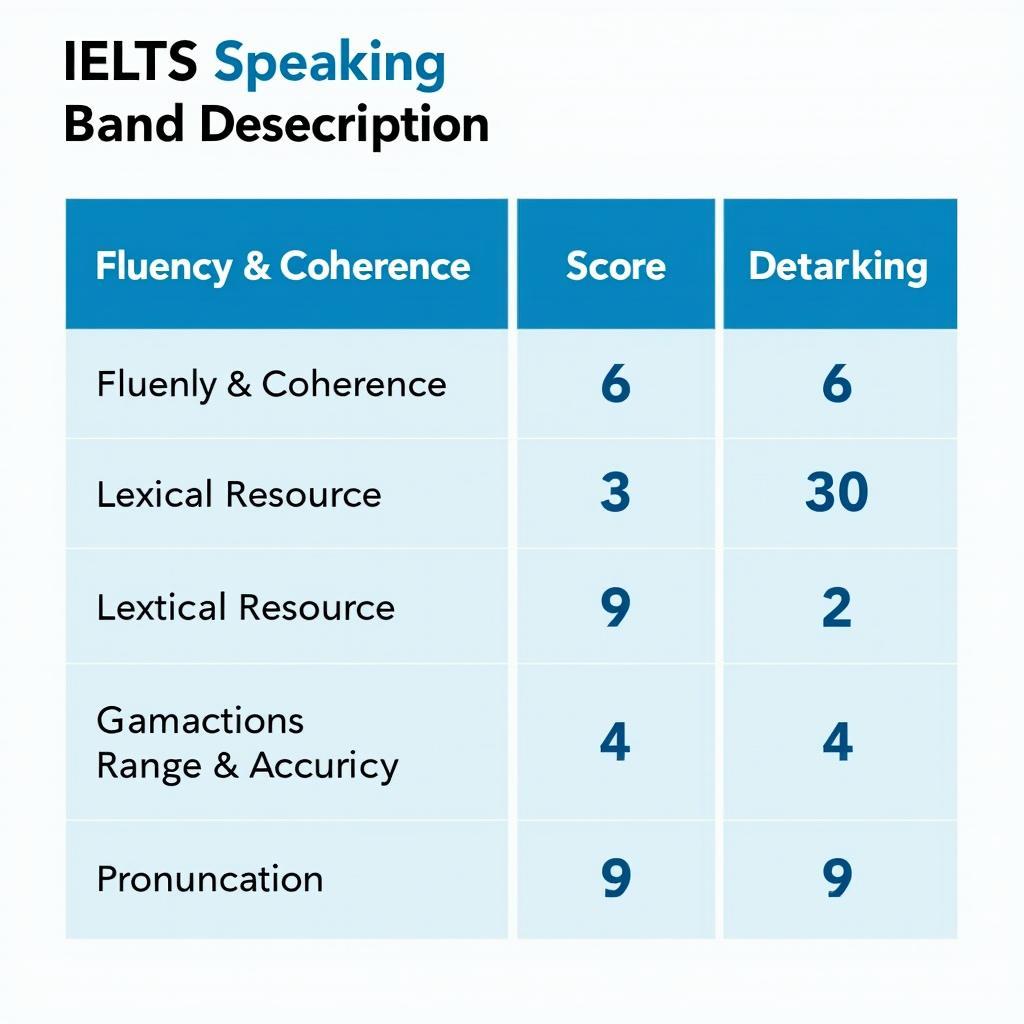 Phân tích band điểm IELTS Speaking theo 4 tiêu chí chấm điểm chính
Theme 2: Education and Development
Question 3: How can schools help students develop determination?
🎯 Phân tích câu hỏi:
- Dạng: Solutions/Methods (How can…)
- Key words: schools, help, develop determination
- Cách tiếp cận: Suggest 2-3 practical methods với explanation của effectiveness
📝 Sample Answer – Band 6-7:
“Schools can help students in many ways. Teachers can give students challenging tasks so they learn not to give up. Schools can also teach students about successful people who worked hard. They should praise students when they try hard, not just when they get good grades.”
Số từ: 48 từ
Phân tích:
- Structure: Lists methods clearly
- Vocabulary: Basic (challenging tasks, give up, work hard, praise)
- Tại sao Band 6-7: Answers the question adequately nhưng lacks depth và sophisticated vocabulary
📝 Sample Answer – Band 8-9:
“There are several approaches schools could take to foster determination in students. Firstly, I think the educational system needs to shift away from purely results-oriented assessment toward recognizing effort and progress. When students are evaluated solely on outcomes, those who don’t immediately succeed often become discouraged and develop a fixed mindset – believing their abilities are static. Instead, teachers should implement what psychologists call a “growth mindset” approach, emphasizing that abilities can be developed through dedication and hard work.
Another effective strategy would be to incorporate more project-based learning where students tackle long-term challenges. These projects should be designed to include inevitable obstacles that require perseverance to overcome. Through this process, students learn that setbacks are a natural part of achievement, not signs of inadequacy.
Moreover, schools could bring in guest speakers – people from various professions who can share their journeys, including their failures and how they pushed through difficulties. Hearing real-life stories of determination can be far more impactful than abstract lessons.
What’s crucial, though, is that schools create a supportive environment where taking risks and making mistakes are normalized rather than stigmatized. When students feel psychologically safe to fail, they’re more likely to develop resilience and determination.”
Số từ: 217 từ
Phân tích:
- Structure: Multiple suggestions với clear signposting, each explained with rationale
- Vocabulary:
- Education-specific: results-oriented, growth mindset, project-based learning, psychologically safe
- Sophisticated verbs: foster, shift away from, incorporate, stigmatized, normalized
- Academic collocations: evaluated solely on, inevitable obstacles, far more impactful
- Grammar: Complex sentences với subordination, participle phrases, relative clauses
- Critical Thinking:
- References psychological theory: “growth mindset”
- Explains mechanism: “When students feel psychologically safe to fail, they’re more likely to…”
- Contrasts approaches: “shift away from… toward…”
Theme 3: Cultural and Social Factors
Question 4: Do you think attitudes toward success differ between generations?
🎯 Phân tích câu hỏi:
- Dạng: Compare & contrast (generational differences)
- Key words: attitudes, success, differ, generations
- Cách tiếp cận: Compare older vs younger generation’s views, explain reasons for differences
📝 Sample Answer – Band 6-7:
“Yes, I think there are differences. Older people usually think success means having a stable job and earning money. But young people today want more than money. They want work-life balance and to do work they enjoy. This is because society has changed and young people have different priorities.”
Số từ: 51 từ
Phân tích:
- Structure: Clear comparison (Older people… But young people…)
- Vocabulary: Simple (stable job, earning money, work-life balance, priorities)
- Tại sao Band 6-7: Adequate comparison nhưng lacks depth, specific examples, và sophisticated language
📝 Sample Answer – Band 8-9:
“Absolutely, and I think these differences are quite pronounced. From what I’ve observed, older generations – particularly those who came of age in the post-war period or during periods of economic uncertainty – tend to equate success with financial stability and traditional markers like home ownership, a respectable career, and providing for one’s family. This makes sense given they experienced or witnessed economic hardship, so security was paramount.
In contrast, younger generations, especially Millennials and Gen Z, seem to have a more holistic definition of success. While financial stability is still important, they place greater emphasis on personal fulfillment, meaningful work, and making a positive impact on society. They’re more likely to value experiences over possessions and prioritize work-life balance over climbing the corporate ladder. This shift in values partly stems from growing up in a more prosperous period but also reflects broader social changes – like increased awareness of mental health and environmental sustainability.
What’s interesting is that this generational divide sometimes causes tension when older people perceive younger people as lacking ambition or being entitled, while younger people might view their elders as overly materialistic or stuck in outdated paradigms. In reality, both perspectives have merit – they’re simply shaped by different historical and social contexts.
That said, I think we’re seeing some convergence as older generations adapt to changing norms and younger people face economic realities that weren’t as pressing for previous generations.”
Số từ: 254 từ
Phân tích:
- Structure:
- Clear generational comparison với specific characteristics
- Explains reasons for differences
- Discusses implications (tension between generations)
- Concludes with nuanced observation about convergence
- Vocabulary:
- Generational terms: Millennials, Gen Z, post-war period, came of age
- Sophisticated expressions: equate success with, more holistic definition, place greater emphasis on, stems from
- Social analysis: tension, outdated paradigms, shaped by, convergence
- Grammar:
- Complex structures with multiple clauses
- Participle phrases: “growing up in…”, “facing economic realities…”
- Relative clauses: “older people, who witnessed…”
- Dashes for elaboration
- Critical Thinking:
- Analyzes root causes: “makes sense given they experienced…”
- Shows balanced understanding: “both perspectives have merit”
- Acknowledges complexity: “this sometimes causes tension”
- Notes evolving trends: “we’re seeing some convergence”
💡 Key Language Features:
- Generalizing: tend to, are likely to, seem to
- Contrasting: In contrast, while, whereas
- Cause-effect: stems from, reflects, shaped by
- Qualifying: What’s interesting is, That said, In reality
Question 5: Is the definition of success changing in modern society?
🎯 Phân tích câu hỏi:
- Dạng: Change over time + Opinion
- Key words: definition, success, changing, modern society
- Cách tiếp cận: Discuss traditional vs modern definitions, explain drivers of change, give personal view
📝 Sample Answer – Band 6-7:
“Yes, I think the definition of success is changing. In the past, success meant having money and a good job. Now, people think success includes being happy and having good relationships. Social media has also changed how people see success because they compare themselves with others online.”
Số từ: 49 từ
Phân tích:
- Structure: Past vs present comparison
- Vocabulary: Basic vocabulary (money, good job, happy, relationships)
- Tại sao Band 6-7: Adequate answer nhưng surface-level analysis, lacks sophistication
📝 Sample Answer – Band 8-9:
“Without a doubt, the concept of success is undergoing significant transformation in contemporary society. Traditionally, success was narrowly defined in predominantly material and hierarchical terms – wealth accumulation, career advancement, social status, and tangible achievements like property ownership. It was very much an externally-validated form of success.
However, we’re now seeing a paradigm shift toward more nuanced and individualized definitions. Several factors are driving this evolution. Firstly, there’s growing recognition that material wealth doesn’t necessarily correlate with happiness or fulfillment – a realization reinforced by research on well-being and life satisfaction. People are increasingly questioning the traditional narrative of “success at all costs” when they see high-achieving individuals suffering from burnout, mental health issues, or fractured relationships.
Secondly, technology and social media have paradoxically both broadened and complicated our understanding of success. On one hand, they’ve exposed us to diverse role models and alternative life paths beyond traditional careers. On the other hand, they’ve created unprecedented pressure through constant comparison and the curated presentation of others’ seemingly perfect lives.
Thirdly, there’s a generational component. Younger generations, having witnessed their parents’ sacrifice personal fulfillment for financial security, are actively redefining success to include work-life integration, personal autonomy, meaningful contributions, and alignment with personal values.
What I find most notable is the shift from quantifiable metrics to qualitative measures – from “How much do you earn?” to “How fulfilled do you feel?” or “What impact are you making?” Success is becoming less about what you have and more about who you are and how you contribute to the world.
That being said, I don’t think traditional markers have been entirely abandoned – rather, they’ve been integrated into a more comprehensive framework where financial stability is seen as one component of overall well-being, not the sole indicator of success.”
Số từ: 328 từ
Phân tích:
- Structure:
- Clear thesis: “undergoing significant transformation”
- Systematic development: traditional definition → factors driving change (3 factors) → current state → balanced conclusion
- Sophisticated transitions between ideas
- Vocabulary:
- Academic register: undergoing transformation, paradigm shift, nuanced, quantifiable metrics, qualitative measures
- Precise collocations: narrowly defined, externally-validated, growing recognition, fractured relationships
- Topic-specific: well-being, life satisfaction, burnout, work-life integration
- Advanced verbs: correlate with, reinforced by, paradoxically, curated, sacrifice
- Grammar:
- Complex subordination: “when they see high-achieving individuals suffering from…”
- Participle phrases: “having witnessed their parents’ sacrifice…”
- Dashes for elaboration and examples
- Passive constructions: “is becoming less about”
- Comparative structures: “less about… more about”
- Critical Thinking:
- Multi-causal analysis: lists và explains 3 driving factors
- Acknowledges paradox: “paradoxically both broadened and complicated”
- Shows evolution of thinking: “witnessed… are actively redefining”
- Recognizes complexity: “more comprehensive framework”
- Balanced conclusion: doesn’t claim complete abandonment of old values
- Evidence-based: “reinforced by research”
💡 Key Language Features:
- Signposting: Firstly, Secondly, Thirdly, What I find most notable, That being said
- Hedging: I don’t think, rather, seen as one component
- Academic style: Without a doubt, However, There’s growing recognition
- Contrast: from… to…, less about… more about, On one hand… On the other hand
Nếu bạn muốn tìm hiểu thêm về cách technology ảnh hưởng đến cuộc sống và cách thảo luận chủ đề này, hãy xem Describe a technology that has changed your life để mở rộng vocabulary về công nghệ.
Question 6: How do natural disasters affect people’s determination and resilience?
🎯 Phân tích câu hỏi:
- Dạng: Effects/Impact (How do… affect)
- Key words: natural disasters, determination, resilience
- Cách tiếp cận: Discuss both positive and negative effects, use examples
📝 Sample Answer – Band 6-7:
“Natural disasters can affect people in different ways. Some people become stronger and more determined after experiencing disasters. They want to rebuild their lives. However, other people may feel hopeless and lose motivation. It depends on their personality and the support they receive from family and community.”
Số từ: 48 từ
Phân tích:
- Structure: Shows two contrasting effects
- Vocabulary: Basic (become stronger, feel hopeless, lose motivation, support)
- Tại sao Band 6-7: Answers adequately nhưng lacks depth, specific examples, và sophisticated analysis
📝 Sample Answer – Band 8-9:
“This is actually a complex question because natural disasters can have profoundly different impacts on people’s determination and resilience, depending on various factors.
In many cases, natural disasters can paradoxically strengthen people’s determination. When communities face adversity together, it often fosters a sense of solidarity and collective purpose. For example, after the 2011 tsunami in Japan, we saw remarkable displays of resilience as communities rallied together to rebuild. The shared trauma seemed to galvanize people into action, demonstrating what psychologists call “post-traumatic growth” – where individuals emerge from difficult experiences with enhanced strength and a renewed sense of purpose.
However, it would be naive to romanticize this. The reality is that natural disasters can also be utterly devastating to people’s mental fortitude. Those who lose loved ones, homes, or livelihoods may experience prolonged trauma that undermines their resilience. Without adequate support systems – both material and psychological – many people can fall into despair and struggle to rebuild their lives. The cumulative effect of repeated disasters, particularly in vulnerable regions, can lead to what’s called “disaster fatigue” where people’s capacity to bounce back diminishes over time.
What seems crucial is the presence of strong social networks and effective institutional support. When people feel they’re not facing the aftermath alone – when there’s coordinated relief efforts, community solidarity, and accessible resources – they’re far more likely to demonstrate resilience and determination. Conversely, when support is lacking or recovery is prolonged, even the most determined individuals can become worn down.
From a broader perspective, I think natural disasters serve as tests of both individual character and societal structures. They reveal not just personal determination but also the resilience of our communities and the effectiveness of our support systems.”
Số từ: 307 từ
Phân tích:
- Structure:
- Acknowledges complexity upfront
- Presents positive effects với concrete example (Japan tsunami)
- Balances với negative effects và explanations
- Identifies key determining factor (support systems)
- Concludes với broader philosophical observation
- Vocabulary:
- Psychological terms: post-traumatic growth, collective purpose, disaster fatigue, mental fortitude
- Sophisticated expressions: paradoxically strengthen, galvanize people, naive to romanticize, utterly devastating
- Academic collocations: shared trauma, cumulative effect, prolonged trauma, coordinated relief efforts
- Precise verbs: undermines, foster, emerge from, diminishes
- Grammar:
- Complex conditionals: “When people feel… they’re far more likely to…”
- Relative clauses: “what psychologists call…”, “where individuals emerge from…”
- Participle phrases: “depending on various factors”
- Dashes for examples and elaboration
- Concessive clauses: “even the most determined individuals…”
- Critical Thinking:
- Presents both sides systematically
- Uses concrete example (Japan tsunami 2011)
- References psychological concepts (post-traumatic growth, disaster fatigue)
- Identifies key variables (support systems, social networks)
- Avoids oversimplification: “naive to romanticize”
- Concludes với broader implications
Khi thảo luận về tác động của thiên tai, có thể hữu ích khi tham khảo describe a natural disaster you have experienced or heard about để có thêm vocabulary và cách diễn đạt về chủ đề này.
Từ vựng và cụm từ quan trọng
Topic-Specific Vocabulary
| Từ vựng/Cụm từ | Loại từ | Phiên âm | Nghĩa tiếng Việt | Ví dụ | Collocation |
|---|---|---|---|---|---|
| determination | n | /dɪˌtɜːrmɪˈneɪʃn/ | sự quyết tâm | Her determination helped her overcome all obstacles. | show/demonstrate determination, strong determination, unwavering determination, lack of determination |
| resilience | n | /rɪˈzɪliəns/ | khả năng phục hồi, sự kiên cường | The community’s resilience after the disaster was remarkable. | build resilience, demonstrate resilience, mental resilience, emotional resilience |
| tenacity | n | /təˈnæsəti/ | sự bền bỉ, kiên trì | His tenacity in pursuing his goals impressed everyone. | remarkable tenacity, show tenacity, with tenacity |
| perseverance | n | /ˌpɜːrsəˈvɪrəns/ | sự kiên trì, bền chí | Success requires perseverance and hard work. | show perseverance, through perseverance, require perseverance |
| drive | n | /draɪv/ | động lực, động cơ thúc đẩy | She has an incredible drive to succeed. | inner drive, competitive drive, lack drive, driven by |
| ambition | n | /æmˈbɪʃn/ | khát vọng, tham vọng | His ambition is to become a leading researcher. | burning ambition, career ambition, achieve one’s ambition, lack ambition |
| dedication | n | /ˌdedɪˈkeɪʃn/ | sự tận tâm, cống hiến | Her dedication to her work is admirable. | show dedication, complete dedication, dedication to, require dedication |
| commitment | n | /kəˈmɪtmənt/ | sự cam kết, tận tâm | His commitment to excellence never wavers. | strong commitment, unwavering commitment, demonstrate commitment, lack of commitment |
| self-discipline | n | /ˌself ˈdɪsəplɪn/ | tính kỷ luật bản thân | Success requires self-discipline and focus. | develop self-discipline, lack self-discipline, require self-discipline |
| goal-oriented | adj | /ɡoʊl ˈɔːriəntɪd/ | hướng tới mục tiêu | She’s very goal-oriented and always achieves what she sets out to do. | highly goal-oriented, become goal-oriented |
| driven | adj | /ˈdrɪvn/ | có động lực mạnh mẽ | He’s an extremely driven individual. | highly driven, career-driven, success-driven |
| persistent | adj | /pərˈsɪstənt/ | kiên trì, bền bỉ | You need to be persistent to succeed in this field. | remain persistent, highly persistent, persistent effort |
| bounce back | phrasal v | /baʊns bæk/ | phục hồi, vượt qua khó khăn | She always bounces back from setbacks quickly. | bounce back from, ability to bounce back |
| push through | phrasal v | /pʊʃ θruː/ | vượt qua, kiên trì đối mặt | We need to push through these difficulties. | push through difficulties, push through challenges |
| give up | phrasal v | /ɡɪv ʌp/ | từ bỏ | She never gives up, no matter how hard it gets. | never give up, give up on, refuse to give up |
| stay the course | idiom | /steɪ ðə kɔːrs/ | kiên trì theo đuổi đến cùng | Despite challenges, he stayed the course. | stay the course, ability to stay the course |
| go the extra mile | idiom | /ɡoʊ ði ˈekstrə maɪl/ | nỗ lực thêm, làm nhiều hơn yêu cầu | She always goes the extra mile to help her students. | willing to go the extra mile |
| against all odds | idiom | /əˈɡenst ɔːl ɑːdz/ | bất chấp mọi khó khăn | He succeeded against all odds. | succeed against all odds, achieve against all odds |
| setback | n | /ˈsetbæk/ | trở ngại, thất bại tạm thời | Despite facing many setbacks, she continued. | face setbacks, overcome setbacks, major setback, temporary setback |
| obstacle | n | /ˈɑːbstəkl/ | chướng ngại vật | She overcame many obstacles to reach her goal. | overcome obstacles, face obstacles, major obstacle, insurmountable obstacle |
Idiomatic Expressions & Advanced Phrases
| Cụm từ | Nghĩa | Ví dụ sử dụng | Band điểm |
|---|---|---|---|
| call it a day | kết thúc công việc trong ngày | Most people call it a day at 5 PM, but he continues working. | 7-8 |
| pull an all-nighter | thức cả đêm để làm việc | She pulled an all-nighter to finish the project. | 7-8 |
| put in extra hours | làm thêm giờ | He regularly puts in extra hours to perfect his work. | 7-8 |
| a mixed blessing | vừa tốt vừa xấu | Technology is a mixed blessing for communication. | 7.5-8.5 |
| fire off messages | gửi tin nhắn nhanh chóng | People tend to fire off quick messages rather than calling. | 7-8 |
| cut from the team | bị loại khỏi đội | He was initially cut from the team but trained harder. | 7-8 |
| living proof | bằng chứng sống | She’s living proof that hard work pays off. | 7.5-8.5 |
| pay dividends | mang lại kết quả tốt | His dedication has paid dividends throughout his career. | 8-9 |
| heading up | đứng đầu, lãnh đạo | She’s now heading up the design department. | 7.5-8.5 |
| come of age | trưởng thành, bước vào tuổi trưởng thành | Those who came of age during economic hardship value stability. | 8-9 |
| stuck in outdated paradigms | mắc kẹt trong tư duy lỗi thời | Older generations are sometimes seen as stuck in outdated paradigms. | 8.5-9 |
| at all costs | bằng mọi giá | The traditional narrative of success at all costs is being questioned. | 7.5-8.5 |
Discourse Markers (Từ Nối Ý Trong Speaking)
Để bắt đầu câu trả lời:
- 📝 Well,… – Dùng khi cần thời gian suy nghĩ ngắn
- 📝 Actually,… – Khi đưa ra góc nhìn có phần khác/bất ngờ
- 📝 To be honest,… – Khi muốn nói thẳng/chân thật
- 📝 I’d say that… – Khi đưa ra quan điểm cá nhân
- 📝 That’s an interesting question… – Thừa nhận câu hỏi hay và mua thời gian suy nghĩ
- 📝 Without a doubt,… – Thể hiện sự chắc chắn
- 📝 From what I’ve observed,… – Dựa trên quan sát cá nhân
Để bổ sung ý:
- 📝 On top of that,… – Thêm vào đó
- 📝 What’s more,… – Hơn nữa
- 📝 Not to mention… – Chưa kể đến
- 📝 Moreover,… – Hơn thế nữa (formal hơn)
- 📝 Furthermore,… – Hơn nữa (academic)
- 📝 In addition to that,… – Thêm vào đó
Để đưa ra quan điểm cân bằng:
- 📝 On the one hand,… On the other hand,… – Một mặt… mặt khác
- 📝 While it’s true that…, we also need to consider… – Mặc dù đúng là… nhưng cũng cần xem xét
- 📝 Having said that,… – Tuy nhiên (sau khi đã nói điều gì đó)
- 📝 That being said,… – Dù vậy thì
- 📝 Conversely,… – Ngược lại
Để kết luận:
- 📝 All in all,… – Tóm lại
- 📝 At the end of the day,… – Cuối cùng thì
- 📝 Ultimately,… – Cuối cùng, xét cho cùng
- 📝 In the final analysis,… – Xét tổng thể
Để đưa ra ví dụ:
- 📝 For instance,… – Ví dụ
- 📝 Take… for example,… – Lấy… làm ví dụ
- 📝 A classic example is… – Một ví dụ điển hình là
- 📝 To illustrate this point,… – Để minh họa điểm này
Để thể hiện sự tentative (không quá khẳng định):
- 📝 I think… – Tôi nghĩ
- 📝 I’d say… – Tôi cho là
- 📝 It seems to me that… – Có vẻ như
- 📝 I tend to believe that… – Tôi có xu hướng tin rằng
- 📝 In my view,… – Theo quan điểm của tôi
- 📝 From my perspective,… – Từ góc nhìn của tôi
Grammatical Structures Ấn Tượng
1. Conditional Sentences (Câu điều kiện):
Mixed conditional:
- Formula: If + Past Perfect, Subject + would + V (base form)
- Ví dụ: “If he had given up after his first failure, he wouldn’t be a successful entrepreneur today.”
- Sử dụng: Diễn tả điều kiện trong quá khứ ảnh hưởng đến hiện tại
Inversion (Đảo ngữ):
- Formula: Had + Subject + Past Participle, Subject + would have…
- Ví dụ: “Had she not shown such determination, she would have never achieved her goals.”
- Sử dụng: Formal hơn, ấn tượng trong academic contexts
2. Relative Clauses (Mệnh đề quan hệ):
Non-defining relative clauses:
- Formula: Subject + , who/which + verb + , + main clause
- Ví dụ: “My professor, who has published over 50 papers, still works 12 hours a day.”
- Sử dụng: Thêm thông tin không thiết yếu, tạo câu phức tạp hơn
3. Passive Voice (Câu bị động):
It is thought/believed/said that…
- Formula: It + is + past participle + that + clause
- Ví dụ: “It is widely believed that determination is more important than natural talent.”
- Sử dụng: Diễn đạt ý kiến chung, tránh “I think” quá nhiều
4. Cleft Sentences (Câu chẻ):
What I find most… is…
- Formula: What + Subject + verb + is/are + noun phrase
- Ví dụ: “What I find most admirable is his ability to bounce back from failures.”
- Sử dụng: Nhấn mạnh một phần của câu
The thing that… is…
- Formula: The thing that + clause + is + noun phrase
- Ví dụ: “The thing that sets successful people apart is their unwavering determination.”
- Sử dụng: Focus attention vào yếu tố cụ thể
5. Participle Phrases (Cụm phân từ):
Present participle (-ing):
- Ví dụ: “Working 80 hours a week, she managed to complete her PhD in three years.”
- Sử dụng: Diễn tả hành động đồng thời hoặc nguyên nhân
Past participle (-ed):
- Ví dụ: “Determined to succeed, he never let obstacles stop him.”
- Sử dụng: Mô tả trạng thái hoặc cảm xúc
6. Inversion for Emphasis:
Not only… but also…
- Ví dụ: “Not only did he work hard, but he also inspired others to do the same.”
- Sử dụng: Nhấn mạnh hai hành động/đặc điểm
Seldom/Rarely/Never at the beginning:
- Ví dụ: “Rarely have I seen such dedication in a student.”
- Sử dụng: Formal, dramatic emphasis
 Vocabulary và cấu trúc ngữ pháp giúp đạt band điểm cao IELTS Speaking
Chiến Lược Kiểm Soát Thời Gian và Nội Dung
Cách Luyện Tập Kiểm Soát Số Từ
Bước 1: Ghi âm và phân tích (Tuần 1-2)
- Chọn một cue card
- Chuẩn bị 1 phút và nói
- Ghi âm lại
- Transcribe (viết ra) những gì bạn đã nói
- Đếm số từ và thời gian
- Tính tốc độ: Số từ ÷ số phút
Mục tiêu:
- Nếu < 200 từ/2 phút → Cần mở rộng ideas hơn
- Nếu 200-300 từ/2 phút → Tốt, tiếp tục cải thiện quality
- Nếu > 350 từ/2 phút → Nói hơi nhanh, cần chậm lại để improve pronunciation
Bước 2: Mở rộng nội dung (Tuần 3-4)
Technique: DEED Method
- Describe: Mô tả cơ bản
- Elaborate: Giải thích chi tiết
- Example: Đưa ra ví dụ cụ thể
- Deeper meaning: Ý nghĩa sâu hơn/cảm xúc
Ví dụ áp dụng DEED:
Bullet point: “What this person does to show their determination”
❌ Weak (Band 6): “She works hard every day.”
- Số từ: 5
- Vấn đề: Quá chung chung, không có details
✅ Good (Band 7-8):
“Describe: She consistently puts in 12-hour workdays. Elaborate: Unlike many of her colleagues who leave at 5 PM, she voluntarily stays late to ensure every project meets the highest standards. Example: Last month, she even worked through the weekend to redesign a client presentation that she felt wasn’t perfect yet. Deeper: I think this shows not just determination but genuine pride in her work.”
- Số từ: 68
- Strengths: Specific, detailed, shows depth
Bước 3: Cân bằng giữa các bullet points (Tuần 5-6)
Phân bổ thời gian trong 2 phút:
- Introduction: 15-20 giây (20-30 từ)
- Bullet point 1: 25-30 giây (35-45 từ)
- Bullet point 2: 25-30 giây (35-45 từ)
- Bullet point 3: 30-40 giây (50-60 từ) ← Thường là phần quan trọng nhất
- Bullet point 4 (explain): 30-40 giây (50-70 từ) ← Phần ghi điểm cao nhất
- Conclusion (optional): 10-15 giây (15-25 từ)
Total: ~260-300 từ
Tips quan trọng:
- Không nhất thiết phải có conclusion nếu đã nói đủ 2 phút
- Bullet point cuối (explain why/how you feel) thường cần nhiều detail nhất
- Nếu hết ý ở bullet point 3, hãy expand bullet point 4 nhiều hơn
Kỹ Thuật Khi Gặp Khó Khăn Trong Phòng Thi
Tình huống 1: Blank mind – Không biết nói gì tiếp
❌ Sai lầm thường gặp:
- Im lặng hoàn toàn → Fluency score giảm mạnh
- Lặp lại những gì đã nói → Lexical Resource giảm
- Nói “I don’t know” và dừng lại → Fail
✅ Giải pháp:
Option 1: Use filler phrases tự nhiên
- “Let me think about that for a moment…”
- “That’s an interesting question…”
- “Well, how can I put this…”
Option 2: Paraphrase lại câu hỏi
- Question: “Explain why you admire this person”
- Paraphrase: “So, regarding why I find this person so admirable, I think there are several reasons…”
- Mua được 5-7 giây để suy nghĩ ý tiếp theo
Option 3: Generalize nếu thiếu details
- “I think in general, people like him/her…”
- “From what I’ve observed in similar situations…”
- “Based on my experience, this kind of…”
Tình huống 2: Nói chưa đủ 1.5 phút
Dấu hiệu:
- Đã trả lời hết bullet points nhưng chỉ nói được ~1 phút
- Examiner còn nhìn đồng hồ, chưa ngắt lời
✅ Giải pháp:
Expand bằng comparisons:
- “Compared to other people I know…”
- “Unlike most people his/her age…”
- “While many people would give up, he/she…”
Add personal reflection:
- “This has really made me think about…”
- “Watching him/her has taught me that…”
- “It’s inspired me to…”
Provide contrasting example:
- “I know some people who, in similar situations, would…”
- “This is quite different from…”
Tình huống 3: Examiner ngắt lời khi chưa kết thúc
Hiểu đúng:
- Đây là điều bình thường, KHÔNG phải dấu hiệu xấu
- Examiner ngắt lời sau 2 phút để giữ đúng format thi
- Việc bị ngắt lời không ảnh hưởng band score
✅ Response đúng:
- Dừng nói ngay lập tức (không cố nói tiếp)
- Không cần xin lỗi hay giải thích
- Chuyển sang Part 3 một cách tự nhiên
- Maintain eye contact và smile
Checklist Trước Khi Vào Phòng Thi
Về mindset:
- ☑️ Nhớ rằng: Quality > Quantity
- ☑️ 260-300 từ trong 2 phút là lý tưởng, không phải minimum
- ☑️ Pausing tự nhiên để suy nghĩ là ĐƯỢC PHÉP
- ☑️ Không cần “perfect” – cần natural và coherent
- ☑️ Examiner muốn bạn succeed, không phải fail
Về kỹ thuật:
- ☑️ Sử dụng hết 1 phút chuẩn bị để note keywords
- ☑️ Note theo bullet points: 2-3 keywords cho mỗi bullet
- ☑️ Nhìn vào examiner khi nói (glance xuống notes occasionally)
- ☑️ Nói với tốc độ tự nhiên: 130-150 từ/phút
- ☑️ Pronunciation rõ ràng > nói nhanh
Về nội dung:
- ☑️ Cover đầy đủ tất cả bullet points
- ☑️ Expand bullet point 3 và 4 nhiều nhất (explain why/how you feel)
- ☑️ Có specific details, không chỉ general statements
- ☑️ Show range of vocabulary và grammar
- ☑️ Maintain coherence với linking words
Lời khuyên cuối từ Examiner:
Sau 20 năm chấm thi, tôi nhận thấy thí sinh đạt Band 8+ không phải là những người nói nhiều từ nhất, mà là những người:
- Communicate ideas clearly với structure logic
- Use language precisely và naturally
- Demonstrate depth of thinking trong explanations
- Maintain fluency without excessive hesitation
- Show personality và genuine engagement với topic
Đừng đếm từ trong phòng thi. Thay vào đó, tập trung vào việc tell a compelling story với rich details và thoughtful reflections. Khi bạn làm điều này tự nhiên, số từ sẽ tự nhiên đạt mức lý tưởng.
Remember: IELTS Speaking đánh giá khả năng communication của bạn, không phải khả năng đếm từ. Hãy nói như bạn đang kể chuyện cho một người bạn quan tâm và lắng nghe – đó là cách tốt nhất để đạt điểm cao.
Chúc bạn thành công trong kỳ thi IELTS Speaking!