Mở Bài
Chủ đề về sự chuyển đổi của truyền thông xã hội trong các chiến dịch chính trị là một trong những đề tài phổ biến nhất trong bài thi IELTS Reading những năm gần đây. Với sự phát triển vượt bậc của công nghệ số và mạng xã hội, các chiến dịch chính trị đã có những thay đổi cơ bản về cách tiếp cận cử tri, truyền tải thông điệp và xây dựng hình ảnh. Chủ đề này không chỉ phản ánh xu hướng xã hội đương đại mà còn yêu cầu người học có khả năng phân tích, so sánh và đánh giá thông tin phức tạp.
Bài viết này cung cấp cho bạn một đề thi IELTS Reading hoàn chỉnh với ba passages từ dễ đến khó, bao gồm 40 câu hỏi đa dạng theo đúng format thi thật. Bạn sẽ được trang bị đáp án chi tiết kèm giải thích rõ ràng, từ vựng quan trọng theo từng passage và các kỹ thuật làm bài hiệu quả. Đề thi này phù hợp cho học viên có trình độ từ band 5.0 trở lên, giúp bạn làm quen với dạng bài về công nghệ, truyền thông và xã hội – một trong những chủ đề xuất hiện thường xuyên nhất trong IELTS Reading.
1. Hướng Dẫn Làm Bài IELTS Reading
Tổng Quan Về IELTS Reading Test
IELTS Reading Test kéo dài 60 phút và bao gồm 3 passages với tổng cộng 40 câu hỏi. Mỗi passage có độ dài khoảng 700-900 từ và độ khó tăng dần. Điểm số được tính dựa trên số câu trả lời đúng, không có điểm trừ cho câu sai.
Phân bổ thời gian khuyến nghị:
- Passage 1: 15-17 phút (độ khó dễ)
- Passage 2: 18-20 phút (độ khó trung bình)
- Passage 3: 23-25 phút (độ khó cao)
Lưu ý dành 2-3 phút cuối để chép đáp án vào Answer Sheet. Không có thời gian extra cho việc này.
Các Dạng Câu Hỏi Trong Đề Này
Đề thi mẫu này bao gồm các dạng câu hỏi phổ biến nhất:
- Multiple Choice: Chọn đáp án đúng từ các phương án cho sẵn
- True/False/Not Given: Xác định thông tin đúng, sai hay không được đề cập
- Matching Information: Nối thông tin với đoạn văn tương ứng
- Sentence Completion: Hoàn thành câu với từ trong bài
- Matching Headings: Nối tiêu đề với đoạn văn phù hợp
- Summary Completion: Điền từ vào tóm tắt
- Matching Features: Nối đặc điểm với người/tổ chức
2. IELTS Reading Practice Test
PASSAGE 1 – The Rise of Social Media in Political Communication
Độ khó: Easy (Band 5.0-6.5)
Thời gian đề xuất: 15-17 phút
In the past two decades, social media platforms have fundamentally changed how politicians communicate with voters. Before the advent of platforms like Facebook, Twitter, and Instagram, political campaigns relied heavily on traditional media channels such as television, radio, and newspapers. These conventional methods required substantial financial resources and offered limited opportunities for direct interaction between candidates and their supporters.
The transformation began in earnest during the 2008 United States presidential election, when Barack Obama’s campaign harnessed the power of social media to engage younger voters. His team created compelling content that could be easily shared across multiple platforms, resulting in a viral effect that amplified their message far beyond what traditional advertising could achieve. This approach not only reduced campaign costs but also created a sense of personal connection between the candidate and millions of voters who might never attend a physical rally or town hall meeting.
Social media platforms offer several distinct advantages over traditional campaign methods. First, they allow for instantaneous communication. When a candidate wants to respond to criticism or announce a new policy, they can do so immediately without waiting for a press conference or interview opportunity. Second, these platforms provide unprecedented access to demographic data, enabling campaigns to target specific groups with tailored messages. A campaign can create different content for young professionals in urban areas versus retired individuals in rural communities, ensuring each message resonates with its intended audience.
The interactive nature of social media has also changed voter expectations. Citizens now expect to be able to engage directly with political figures, asking questions and voicing concerns in real-time. This has created both opportunities and challenges for campaigns. While genuine engagement can build trust and loyalty, the constant scrutiny means that any mistake or controversial statement can spread rapidly, potentially causing significant damage to a campaign.
Fundraising represents another area where social media has had a profound impact. Small-dollar donations from thousands or even millions of individuals have become increasingly important, sometimes surpassing large contributions from wealthy donors. Platforms like Twitter and Facebook make it easy for campaigns to share donation links, and the viral nature of social media means that a single compelling appeal can reach millions of potential donors within hours. During the 2020 U.S. presidential election, some candidates raised over 50% of their campaign funds through online contributions, with the average donation being less than $30.
However, the rise of social media in politics has not been without controversy. The spread of misinformation and fake news has become a serious concern. False stories can circulate widely before fact-checkers have an opportunity to debunk them. This has led to calls for stricter regulation of political content on social media platforms, though implementing such measures without infringing on free speech remains a challenge. Many experts argue that examining the cultural influence of social media helps us understand these broader societal impacts on political discourse.
Platform algorithms also play a significant role in shaping political discourse. These algorithms are designed to show users content that will keep them engaged, which often means showing them posts that confirm their existing beliefs. This can create echo chambers where people are primarily exposed to viewpoints they already agree with, potentially increasing political polarization. Some researchers suggest that this algorithmic sorting has contributed to the growing divide between different political groups in many democratic societies.
Despite these challenges, most political analysts agree that social media has democratized political communication in important ways. Candidates who lack the financial backing of major party establishments can still reach large audiences if they can create compelling content that resonates with voters. Grassroots movements can organize and mobilize supporters more effectively than ever before. The key question moving forward is how democratic societies can maximize the benefits of social media in politics while minimizing its potential harms.
Questions 1-5: Multiple Choice
Choose the correct letter, A, B, C, or D.
-
According to the passage, what was a major limitation of traditional campaign methods?
A) They were too expensive
B) They offered limited direct interaction
C) They reached too few people
D) They were not effective -
The 2008 U.S. presidential election is mentioned as an example of:
A) The failure of social media campaigns
B) The high cost of modern campaigns
C) The first major successful use of social media in politics
D) The decline of traditional media -
What advantage of social media does the passage emphasize regarding communication speed?
A) Campaigns can respond to events immediately
B) Voters receive information faster
C) News spreads more slowly
D) Press conferences are no longer needed -
According to the passage, echo chambers are created by:
A) Voters deliberately avoiding opposing views
B) Campaigns targeting specific demographics
C) Platform algorithms showing similar content
D) Traditional media bias -
The passage suggests that social media has democratized politics by:
A) Eliminating the need for campaign funds
B) Allowing candidates without major backing to reach audiences
C) Removing all political parties
D) Making all candidates equally successful
Questions 6-9: True/False/Not Given
Do the following statements agree with the information in the passage?
Write:
- TRUE if the statement agrees with the information
- FALSE if the statement contradicts the information
- NOT GIVEN if there is no information on this
- Before social media, political campaigns had no way to reach young voters.
- Social media allows campaigns to create different messages for different demographic groups.
- Most campaign funds in 2020 came from wealthy individual donors.
- All social media platforms have the same algorithm for displaying content.
Questions 10-13: Sentence Completion
Complete the sentences below. Choose NO MORE THAN TWO WORDS from the passage for each answer.
- Obama’s 2008 campaign created a __ that spread their message widely.
- The __ of social media allows citizens to engage directly with politicians.
- False information can __ before fact-checkers can verify it.
- Some researchers believe algorithmic sorting has increased __ in democratic societies.
PASSAGE 2 – Strategic Innovations in Digital Campaigning
Độ khó: Medium (Band 6.0-7.5)
Thời gian đề xuất: 18-20 phút
The evolution of social media as a political tool has necessitated the development of increasingly sophisticated strategies. Modern political campaigns now employ teams of data scientists, content creators, and social media specialists who work together to craft narratives that can capture public attention in an increasingly crowded digital landscape. This professionalization of digital campaigning represents a fundamental shift from the early days of social media politics, when simply having a presence on these platforms was considered innovative.
Microtargeting has become one of the most powerful yet controversial techniques in digital political campaigns. By analyzing vast datasets that include information about users’ online behavior, purchasing habits, geographic location, and demographic characteristics, campaigns can create highly specific audience segments. Each segment then receives customized content designed to appeal to their particular interests and concerns. For instance, a campaign might identify voters who are concerned about environmental issues and show them content about the candidate’s climate change policies, while showing different voters content about economic growth or healthcare reform. This level of precision was simply unattainable with traditional broadcast media, where the same message reached diverse audiences with varying priorities.
The psychological dimensions of social media campaigning have also received increasing attention from both practitioners and researchers. Campaigns have learned that emotional content tends to generate more engagement than purely factual information. Posts that evoke strong feelings, whether positive emotions like hope and pride or negative ones like fear and anger, are more likely to be shared, commented upon, and remembered. This has led some campaigns to prioritize emotional appeal over substantive policy discussion, raising concerns about the quality of political discourse. Research examining what are the effects of social media on political participation has revealed both positive and negative consequences of these emotional engagement strategies.
Influencer partnerships have emerged as another significant innovation in digital political campaigning. Rather than relying solely on official campaign accounts, political organizations now collaborate with social media personalities who have large, engaged followings. These influencers can promote candidates or causes to their audiences in ways that feel more authentic and less overtly political than traditional campaign advertising. A popular lifestyle blogger mentioning a candidate’s position on education policy, for example, may reach and influence voters who would tune out conventional political messaging. However, this blurring of the lines between organic content and paid promotion has raised ethical questions about transparency and authenticity in political communication.
The real-time nature of social media has transformed how campaigns respond to breaking news and unexpected events. Sophisticated campaigns now operate war rooms where staff monitor social media around the clock, ready to capitalize on opportunities or contain potential crises. When an opponent makes a mistake or when news breaks that relates to campaign themes, these teams can craft responses and deploy content within minutes. This rapid response capability has become essential, as public opinion can shift quickly in the social media age, and campaigns that fail to respond promptly to events may find themselves losing control of the narrative.
Live streaming has added another dimension to digital campaigning. Platforms like Facebook Live, Instagram Live, and YouTube Live allow candidates to broadcast events directly to supporters without media filtration. These unedited broadcasts create a sense of intimacy and authenticity that heavily produced campaign advertisements cannot match. Supporters feel they are getting unfiltered access to the candidate, even though strategic considerations still guide what is shown and when. Town halls, rallies, and even behind-the-scenes moments from the campaign trail can be shared instantly with global audiences.
The metrics by which campaign success is measured have also evolved. Beyond traditional polling data, campaigns now track engagement rates, share metrics, sentiment analysis, and trending topics. Advanced analytics platforms can determine not just how many people saw a particular message, but how they reacted to it, what demographic groups were most responsive, and how it influenced their likelihood to vote or donate. This data-driven approach allows for continuous optimization of campaign strategies, with successful tactics being amplified and underperforming ones being adjusted or abandoned.
Nevertheless, the increasing sophistication of digital campaigning has created new challenges. The barrier to entry for effective social media campaigning has risen substantially as techniques become more complex. Campaigns with limited resources may struggle to compete with well-funded operations that can afford teams of specialists and advanced analytics tools. There is also growing concern about the manipulation of democratic processes through coordinated inauthentic behavior, such as bot networks that amplify certain messages or harass opponents. The role of social media’s role in misinformation campaigns has become a critical concern for democratic institutions worldwide.
 Chiến dịch truyền thông xã hội chính trị hiện đại với công nghệ phân tích dữ liệu và targeting cử tri
Questions 14-18: Matching Information
Match each statement with the correct paragraph (A-H). You may use any letter more than once.
A – Paragraph 1
B – Paragraph 2
C – Paragraph 3
D – Paragraph 4
E – Paragraph 5
F – Paragraph 6
G – Paragraph 7
H – Paragraph 8
- A description of how campaigns monitor and react to current events quickly
- An explanation of how different voters receive customized political messages
- A discussion of concerns about unfair advantages in digital campaigning
- Information about using popular online personalities for political promotion
- Details about measuring campaign effectiveness through various data points
Questions 19-23: Yes/No/Not Given
Do the following statements agree with the views of the writer in the passage?
Write:
- YES if the statement agrees with the views of the writer
- NO if the statement contradicts the views of the writer
- NOT GIVEN if it is impossible to say what the writer thinks about this
- Emotional content is more effective than factual information in generating social media engagement.
- All political influencers clearly disclose their partnerships with campaigns.
- Live streaming provides completely unfiltered access to candidates.
- Data-driven approaches always lead to more successful campaigns.
- The complexity of modern digital campaigning creates disadvantages for less wealthy campaigns.
Questions 24-26: Summary Completion
Complete the summary below. Choose NO MORE THAN TWO WORDS from the passage for each answer.
Modern political campaigns employ specialized teams including data scientists and (24) __ to develop sophisticated strategies. One controversial technique called (25) __ uses detailed data analysis to create specific audience segments that receive customized content. Campaigns also operate (26) __ where staff monitor social media continuously to respond to events quickly.
PASSAGE 3 – The Socio-Political Implications of Algorithm-Driven Campaign Communication
Độ khó: Hard (Band 7.0-9.0)
Thời gian đề xuất: 23-25 phút
The ubiquity of social media in contemporary political campaigns has precipitated fundamental questions about the nature of democratic deliberation and civic engagement in the digital age. While proponents argue that these platforms have democratized political participation by lowering barriers to entry and enabling previously marginalized voices to be heard, critics contend that the algorithmic curation of political content has created fragmented information ecosystems that undermine the shared reality necessary for productive democratic discourse. This tension between the emancipatory potential and disruptive consequences of social media in politics represents one of the most pressing challenges facing liberal democracies in the twenty-first century.
The architecture of social media platforms, predicated on engagement maximization rather than information quality, has inadvertently created conditions conducive to political polarization. Algorithmic recommendation systems, designed to keep users engaged by showing them content similar to what they have previously interacted with, create feedback loops that can reinforce existing beliefs and intensify partisan divisions. Research in political psychology has demonstrated that individuals exhibit a confirmation bias, showing preference for information that aligns with their pre-existing views. When combined with algorithms that systematically deliver such confirming information while filtering out contradictory perspectives, the result is the creation of ideological echo chambers that impede cross-partisan understanding and compromise formation.
The phenomenon of filter bubbles extends beyond mere exposure to like-minded content; it fundamentally alters how individuals perceive the political landscape. When users primarily encounter information that reinforces their worldview, they may develop skewed perceptions of public opinion, believing their views to be more widely shared than they actually are. This false consensus effect, amplified by algorithmic content curation, can lead to increased intolerance of opposing viewpoints and reduced willingness to engage in the compromise essential to democratic governance. Furthermore, the visibility metrics employed by social media platforms, where the most engaged-with content receives greater prominence, create incentive structures that reward sensationalism and extreme positions over nuanced analysis and moderate stances.
The implications for democratic theory are profound. Classical democratic thought, from John Stuart Mill to Jürgen Habermas, has emphasized the importance of a public sphere where citizens engage in rational-critical debate about matters of common concern. This ideal presupposes that participants have access to a shared set of facts and engage with diverse perspectives before forming judgments. The fragmentation of the information environment facilitated by social media challenges this model fundamentally. When different segments of the electorate consume fundamentally different information, shaped by algorithmic preferences and targeted content strategies, the common ground necessary for productive political discourse erodes.
Microtargeting techniques, while technologically impressive, raise substantial ethical concerns about manipulation and autonomy in democratic decision-making. The capacity to deliver precisely calibrated messages to specific individuals based on psychological profiles and behavioral data transforms political communication from a process of public persuasion to one of private influence. Unlike traditional campaign advertisements, which are broadcast publicly and thus subject to scrutiny and rebuttal, microtargeted messages operate beneath the surface of public discourse. Different voters may receive contradictory promises or entirely different framings of the same policy, making it difficult for the electorate as a whole to hold candidates accountable for their positions. This opacity in political communication represents a departure from democratic norms of transparency and public accountability.
The asymmetry of information between campaigns and voters has reached unprecedented levels. While campaigns amass detailed psychological and behavioral profiles of individual voters, those voters typically have little understanding of how their data is being used or what inferences are being drawn about them. This information asymmetry creates a power imbalance that some scholars argue is incompatible with the egalitarian principles underlying democratic theory. The commodification of personal data in the service of political targeting raises questions about whether citizens are being treated as autonomous agents capable of rational deliberation or as objects to be manipulated through sophisticated psychological techniques. Concerns about social implications of data security in political contexts have grown significantly.
The transnational nature of social media platforms has also created jurisdictional challenges for democratic governance. Platforms based in one country host political content that affects elections in many others, yet regulatory frameworks remain primarily national in scope. This misalignment between the global reach of platforms and the territorial limits of regulation creates opportunities for foreign interference in domestic political processes, as evidenced by well-documented cases of state-sponsored disinformation campaigns targeting elections in numerous democracies. The concentration of power in the hands of a few technology corporations, whose decisions about content moderation and algorithmic design can significantly influence political outcomes, raises questions about corporate accountability and the appropriate balance between free expression and platform governance.
Moving forward, addressing these challenges will require multifaceted approaches that balance competing values. Enhanced transparency in algorithmic functioning and political advertising could help voters understand how information is curated and who is attempting to influence them. Platform design changes that prioritize exposure to diverse viewpoints rather than mere engagement might help mitigate echo chamber effects. Media literacy initiatives could help citizens develop skills for critically evaluating online political content. However, all such interventions must be carefully designed to avoid unintended consequences and respecting fundamental rights to free expression. The challenge is to harness the democratizing potential of social media while mitigating its polarizing effects, ensuring that these powerful communication technologies ultimately strengthen rather than undermine democratic institutions and practices. Questions about museums in the digital era future parallel similar concerns about preserving democratic discourse in an increasingly algorithm-driven information landscape.
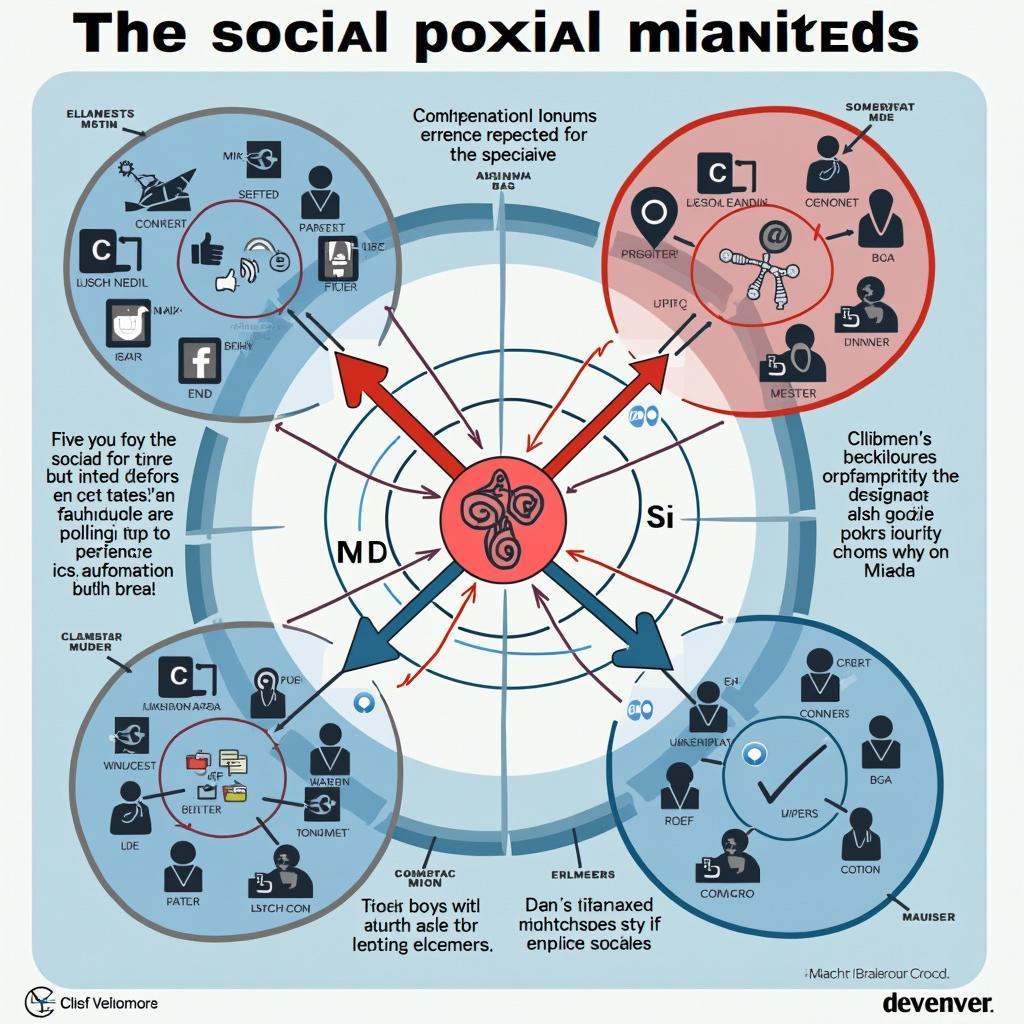 Phân tích ảnh hưởng của thuật toán mạng xã hội đến phân cực chính trị và buồng vang
Questions 27-31: Multiple Choice
Choose the correct letter, A, B, C, or D.
-
According to the passage, what is the main tension regarding social media in politics?
A) Between cost and effectiveness
B) Between democratization and disruption
C) Between old and young voters
D) Between different political parties -
The passage suggests that algorithmic recommendation systems contribute to polarization by:
A) Showing users random content
B) Creating feedback loops that reinforce existing beliefs
C) Eliminating all opposing viewpoints
D) Making political content less visible -
According to the passage, the “false consensus effect” is:
A) When users know their views are minority opinions
B) When algorithms show only factual information
C) When people overestimate how widely their views are shared
D) When social media platforms agree on content policies -
What does the passage suggest about microtargeting and accountability?
A) It makes candidates more accountable to voters
B) It operates publicly and transparently
C) It makes accountability difficult because messages are not public
D) It has no effect on democratic accountability -
The passage indicates that the transnational nature of social media creates challenges because:
A) Different countries have different languages
B) Platforms are global but regulations are national
C) Technology companies refuse to cooperate
D) Elections happen at different times worldwide
Questions 32-36: Matching Features
Match each concern or effect (Questions 32-36) with the correct concept from the box below (A-H).
A – Filter bubbles
B – Microtargeting
C – Algorithmic curation
D – Confirmation bias
E – Information asymmetry
F – Platform governance
G – Media literacy
H – False consensus effect
- Psychological tendency to prefer information aligning with existing views
- Different voters receiving contradictory promises from the same candidate
- Campaigns knowing more about voters than voters know about themselves
- Users developing skewed perceptions of how widely their views are shared
- Decisions by technology corporations significantly influencing political outcomes
Questions 37-40: Summary Completion
Complete the summary below. Choose NO MORE THAN THREE WORDS from the passage for each answer.
Classical democratic thought emphasized the importance of a (37) __ where citizens engage in rational debate based on shared facts. However, social media has created (38) __ that challenge this model. The techniques used in modern campaigns transform political communication from public persuasion to (39) __. Moving forward, solutions might include enhanced transparency, platform design changes, and (40) __ to help citizens evaluate online content critically.
3. Answer Keys – Đáp Án
PASSAGE 1: Questions 1-13
- B
- C
- A
- C
- B
- FALSE
- TRUE
- FALSE
- NOT GIVEN
- viral effect
- interactive nature
- circulate widely
- political polarization
PASSAGE 2: Questions 14-26
- E
- B
- H
- D
- G
- YES
- NOT GIVEN
- NO
- NOT GIVEN
- YES
- content creators
- microtargeting
- war rooms
PASSAGE 3: Questions 27-40
- B
- B
- C
- C
- B
- D
- B
- E
- H
- F
- public sphere
- fragmented information ecosystems
- private influence
- media literacy initiatives
4. Giải Thích Đáp Án Chi Tiết
Passage 1 – Giải Thích
Câu 1: B – They offered limited direct interaction
- Dạng câu hỏi: Multiple Choice
- Từ khóa: major limitation, traditional campaign methods
- Vị trí trong bài: Đoạn 1, câu thứ 2
- Giải thích: Bài đọc nói rõ “These conventional methods required substantial financial resources and offered limited opportunities for direct interaction between candidates and their supporters.” Đây là paraphrase của đáp án B. Mặc dù A cũng được đề cập (expensive) nhưng không phải là trọng tâm chính của câu.
Câu 2: C – The first major successful use of social media in politics
- Dạng câu hỏi: Multiple Choice
- Từ khóa: 2008 U.S. presidential election
- Vị trí trong bài: Đoạn 2
- Giải thích: Đoạn văn mô tả “The transformation began in earnest during the 2008 United States presidential election” và giải thích cách Obama’s campaign sử dụng social media thành công, tạo ra “viral effect” và giảm chi phí. Đây là ví dụ điển hình về việc sử dụng mạng xã hội thành công đầu tiên ở quy mô lớn.
Câu 3: A – Campaigns can respond to events immediately
- Dạng câu hỏi: Multiple Choice
- Từ khóa: communication speed
- Vị trí trong bài: Đoạn 3
- Giải thích: “First, they allow for instantaneous communication. When a candidate wants to respond to criticism or announce a new policy, they can do so immediately without waiting for a press conference or interview opportunity.” Từ “instantaneous” và “immediately” là bằng chứng cho đáp án A.
Câu 6: FALSE
- Dạng câu hỏi: True/False/Not Given
- Từ khóa: before social media, no way to reach young voters
- Vị trí trong bài: Đoạn 1
- Giải thích: Bài đọc nói rằng traditional media (TV, radio, newspapers) được sử dụng trước đây, có nghĩa là vẫn có cách tiếp cận voters, chỉ là không hiệu quả bằng. Câu này quá tuyệt đối nên FALSE.
Câu 7: TRUE
- Dạng câu hỏi: True/False/Not Given
- Từ khóa: different messages, different demographic groups
- Vị trí trong bài: Đoạn 3
- Giải thích: “A campaign can create different content for young professionals in urban areas versus retired individuals in rural communities, ensuring each message resonates with its intended audience.” Câu này trực tiếp xác nhận statement.
Câu 10: viral effect
- Dạng câu hỏi: Sentence Completion
- Từ khóa: Obama’s 2008 campaign created
- Vị trí trong bài: Đoạn 2
- Giải thích: “resulting in a viral effect that amplified their message far beyond what traditional advertising could achieve.” Đây là cụm từ chính xác trong bài.
Câu 13: political polarization
- Dạng câu hỏi: Sentence Completion
- Từ khóa: algorithmic sorting, increased
- Vị trí trong bài: Đoạn 7
- Giải thích: “Some researchers suggest that this algorithmic sorting has contributed to the growing divide between different political groups” – “growing divide” được paraphrase thành “increased political polarization” trong câu cuối đoạn.
Passage 2 – Giải Thích
Câu 14: E (Paragraph 5)
- Dạng câu hỏi: Matching Information
- Từ khóa: monitor and react to current events quickly
- Vị trí trong bài: Đoạn 5
- Giải thích: Đoạn 5 mô tả “war rooms where staff monitor social media around the clock, ready to capitalize on opportunities or contain potential crises” và “craft responses and deploy content within minutes.” Đây chính là việc theo dõi và phản ứng nhanh với sự kiện.
Câu 15: B (Paragraph 2)
- Dạng câu hỏi: Matching Information
- Từ khóa: customized political messages, different voters
- Vị trí trong bài: Đoạn 2
- Giải thích: Cả đoạn 2 nói về microtargeting và cách “Each segment then receives customized content designed to appeal to their particular interests and concerns” với ví dụ cụ thể về environmental issues vs economic growth.
Câu 17: D (Paragraph 4)
- Dạng câu hỏi: Matching Information
- Từ khóa: popular online personalities, political promotion
- Vị trí trong bài: Đoạn 4
- Giải thích: Đoạn 4 bàn về “Influencer partnerships” và “collaborate with social media personalities who have large, engaged followings” để promote candidates.
Câu 19: YES
- Dạng câu hỏi: Yes/No/Not Given
- Từ khóa: emotional content, more effective, factual information
- Vị trí trong bài: Đoạn 3
- Giải thích: “Campaigns have learned that emotional content tends to generate more engagement than purely factual information.” Writer rõ ràng đồng ý với statement này dựa trên research được đề cập.
Câu 21: NO
- Dạng câu hỏi: Yes/No/Not Given
- Từ khóa: live streaming, completely unfiltered access
- Vị trí trong bài: Đoạn 6
- Giải thích: Mặc dù bài nói về “unfiltered access,” nhưng cũng nói rõ “even though strategic considerations still guide what is shown and when.” Writer không đồng ý là hoàn toàn unfiltered, nên đáp án là NO.
Câu 23: YES
- Dạng câu hỏi: Yes/No/Not Given
- Từ khóa: complexity, disadvantages, less wealthy campaigns
- Vị trí trong bài: Đoạn 8
- Giải thích: “Campaigns with limited resources may struggle to compete with well-funded operations that can afford teams of specialists and advanced analytics tools.” Writer rõ ràng cho rằng sự phức tạp tạo ra bất lợi cho campaigns nghèo hơn.
Câu 24: content creators
- Dạng câu hỏi: Summary Completion
- Từ khóa: specialized teams, data scientists
- Vị trí trong bài: Đoạn 1
- Giải thích: “Modern political campaigns now employ teams of data scientists, content creators, and social media specialists” – cụm từ xuất hiện trong list.
Passage 3 – Giải Thích
Câu 27: B – Between democratization and disruption
- Dạng câu hỏi: Multiple Choice
- Từ khóa: main tension, social media in politics
- Vị trí trong bài: Đoạn 1
- Giải thích: “This tension between the emancipatory potential and disruptive consequences of social media in politics” – emancipatory potential = democratization, disruptive consequences = disruption. Đây là tension được nhấn mạnh xuyên suốt passage.
Câu 28: B – Creating feedback loops that reinforce existing beliefs
- Dạng câu hỏi: Multiple Choice
- Từ khóa: algorithmic recommendation systems, contribute to polarization
- Vị trí trong bài: Đoạn 2
- Giải thích: “Algorithmic recommendation systems…create feedback loops that can reinforce existing beliefs and intensify partisan divisions.” Đây là mechanism được giải thích rõ ràng.
Câu 29: C – When people overestimate how widely their views are shared
- Dạng câu hỏi: Multiple Choice
- Từ khóa: false consensus effect
- Vị trí trong bài: Đoạn 3
- Giải thích: “This false consensus effect, amplified by algorithmic content curation, can lead to increased intolerance” được giải thích trước đó là “believing their views to be more widely shared than they actually are.”
Câu 30: C – It makes accountability difficult because messages are not public
- Dạng câu hỏi: Multiple Choice
- Từ khóa: microtargeting, accountability
- Vị trí trong bài: Đoạn 5
- Giải thích: “Unlike traditional campaign advertisements, which are broadcast publicly and thus subject to scrutiny and rebuttal, microtargeted messages operate beneath the surface of public discourse…making it difficult for the electorate as a whole to hold candidates accountable.”
Câu 32: D – Confirmation bias
- Dạng câu hỏi: Matching Features
- Từ khóa: psychological tendency, prefer information aligning with existing views
- Vị trí trong bài: Đoạn 2
- Giải thích: “Research in political psychology has demonstrated that individuals exhibit a confirmation bias, showing preference for information that aligns with their pre-existing views.” Definition hoàn toàn khớp.
Câu 33: B – Microtargeting
- Dạng câu hỏi: Matching Features
- Từ khóa: different voters, contradictory promises, same candidate
- Vị trí trong bài: Đoạn 5
- Giải thích: “Different voters may receive contradictory promises or entirely different framings of the same policy” – đây là kết quả trực tiếp của microtargeting được mô tả trong đoạn 5.
Câu 37: public sphere
- Dạng câu hỏi: Summary Completion
- Từ khóa: classical democratic thought, citizens engage in rational debate
- Vị trí trong bài: Đoạn 4
- Giải thích: “Classical democratic thought…has emphasized the importance of a public sphere where citizens engage in rational-critical debate about matters of common concern.” Exact phrase từ bài.
Câu 39: private influence
- Dạng câu hỏi: Summary Completion
- Từ khóa: transforms political communication from public persuasion to
- Vị trí trong bài: Đoạn 5
- Giải thích: “transforms political communication from a process of public persuasion to one of private influence.” Đây là paraphrase quan trọng về sự thay đổi bản chất của political communication.
5. Từ Vựng Quan Trọng Theo Passage
Passage 1 – Essential Vocabulary
| Từ vựng | Loại từ | Phiên âm | Nghĩa tiếng Việt | Ví dụ từ bài | Collocation |
|---|---|---|---|---|---|
| advent | n | /ˈædvent/ | sự xuất hiện, sự ra đời | Before the advent of platforms like Facebook | the advent of technology |
| harness | v | /ˈhɑːnɪs/ | khai thác, tận dụng | Obama’s campaign harnessed the power of social media | harness the power/potential |
| amplify | v | /ˈæmplɪfaɪ/ | khuếch đại, phóng đại | amplified their message far beyond | amplify a message/signal |
| viral effect | n phrase | /ˈvaɪrəl ɪˈfekt/ | hiệu ứng lan truyền | resulting in a viral effect | go viral, viral content |
| resonate | v | /ˈrezəneɪt/ | gây được tiếng vang, cộng hưởng | ensuring each message resonates with its audience | resonate with someone |
| demographic data | n phrase | /ˌdeməˈɡræfɪk ˈdeɪtə/ | dữ liệu nhân khẩu học | unprecedented access to demographic data | collect/analyze demographic data |
| scrutiny | n | /ˈskruːtəni/ | sự xem xét kỹ lưỡng | the constant scrutiny means that | under scrutiny, close scrutiny |
| fundraising | n | /ˈfʌndreɪzɪŋ/ | việc gây quỹ | Fundraising represents another area | fundraising campaign/event |
| misinformation | n | /ˌmɪsɪnfəˈmeɪʃn/ | thông tin sai lệch | The spread of misinformation | spread/combat misinformation |
| echo chamber | n phrase | /ˈekəʊ ˈtʃeɪmbə/ | buồng vang (môi trường chỉ có 1 quan điểm) | This can create echo chambers | trapped in an echo chamber |
| polarization | n | /ˌpəʊləraɪˈzeɪʃn/ | sự phân cực | increasing political polarization | political/social polarization |
| democratized | v | /dɪˈmɒkrətaɪzd/ | dân chủ hóa | social media has democratized political communication | democratize access/information |
Passage 2 – Essential Vocabulary
| Từ vựng | Loại từ | Phiên âm | Nghĩa tiếng Việt | Ví dụ từ bài | Collocation |
|---|---|---|---|---|---|
| sophisticated | adj | /səˈfɪstɪkeɪtɪd/ | tinh vi, phức tạp | increasingly sophisticated strategies | sophisticated system/technology |
| microtargeting | n | /ˈmaɪkrəʊˌtɑːɡɪtɪŋ/ | nhắm mục tiêu vi mô | Microtargeting has become one of the most powerful techniques | microtargeting techniques/strategies |
| segment | n | /ˈseɡmənt/ | phân khúc | create highly specific audience segments | market segment, audience segment |
| unattainable | adj | /ˌʌnəˈteɪnəbl/ | không thể đạt được | This level of precision was simply unattainable | unattainable goal/standard |
| evoke | v | /ɪˈvəʊk/ | gợi lên, khơi gợi | Posts that evoke strong feelings | evoke emotions/memories |
| influencer | n | /ˈɪnfluənsə/ | người có ảnh hưởng (trên mạng) | collaborate with social media influencers | social media influencer |
| authentic | adj | /ɔːˈθentɪk/ | chân thực, xác thực | feel more authentic and less overtly political | authentic experience/content |
| transparency | n | /trænsˈpærənsi/ | tính minh bạch | raised ethical questions about transparency | transparency in government |
| war room | n phrase | /wɔː ruːm/ | phòng tác chiến | Sophisticated campaigns now operate war rooms | campaign war room |
| capitalize on | v phrase | /ˈkæpɪtəlaɪz ɒn/ | tận dụng cơ hội | ready to capitalize on opportunities | capitalize on a trend/opportunity |
| intimacy | n | /ˈɪntɪməsi/ | sự thân mật, gần gũi | create a sense of intimacy | create/establish intimacy |
| sentiment analysis | n phrase | /ˈsentɪmənt əˈnæləsɪs/ | phân tích cảm xúc | sentiment analysis and trending topics | conduct sentiment analysis |
| metrics | n | /ˈmetrɪks/ | số liệu đo lường | The metrics by which campaign success is measured | performance metrics, key metrics |
| barrier to entry | n phrase | /ˈbæriə tə ˈentri/ | rào cản gia nhập | The barrier to entry has risen substantially | lower/raise barriers to entry |
| bot network | n phrase | /bɒt ˈnetwɜːk/ | mạng lưới bot | coordinated inauthentic behavior, such as bot networks | deploy bot networks |
Passage 3 – Essential Vocabulary
| Từ vựng | Loại từ | Phiên âm | Nghĩa tiếng Việt | Ví dụ từ bài | Collocation |
|---|---|---|---|---|---|
| ubiquity | n | /juːˈbɪkwəti/ | sự phổ biến khắp nơi | The ubiquity of social media | the ubiquity of technology |
| precipitate | v | /prɪˈsɪpɪteɪt/ | gây ra, thúc đẩy | has precipitated fundamental questions | precipitate a crisis/change |
| deliberation | n | /dɪˌlɪbəˈreɪʃn/ | sự cân nhắc kỹ lưỡng | democratic deliberation and civic engagement | careful deliberation, after deliberation |
| proponent | n | /prəˈpəʊnənt/ | người ủng hộ | proponents argue that these platforms | proponents of democracy |
| marginalized | adj | /ˈmɑːdʒɪnəlaɪzd/ | bị thiểu số hóa, bị gạt ra lề | enabling previously marginalized voices | marginalized groups/communities |
| curation | n | /kjʊəˈreɪʃn/ | việc tuyển chọn và tổ chức | algorithmic curation of political content | content curation |
| undermine | v | /ˌʌndəˈmaɪn/ | làm suy yếu, phá hoại | undermine the shared reality | undermine democracy/trust |
| emancipatory | adj | /ɪˈmænsɪpətɔːri/ | giải phóng | the emancipatory potential | emancipatory politics/movements |
| predicated on | adj phrase | /ˈpredɪkeɪtɪd ɒn/ | dựa trên nền tảng | architecture predicated on engagement maximization | predicated on the assumption |
| conducive | adj | /kənˈdjuːsɪv/ | tạo điều kiện thuận lợi | created conditions conducive to political polarization | conducive to learning/growth |
| inadvertently | adv | /ˌɪnədˈvɜːtəntli/ | vô ý, không chủ đích | inadvertently created conditions | inadvertently reveal/cause |
| feedback loop | n phrase | /ˈfiːdbæk luːp/ | vòng phản hồi | create feedback loops that can reinforce beliefs | positive/negative feedback loop |
| confirmation bias | n phrase | /ˌkɒnfəˈmeɪʃn ˈbaɪəs/ | thiên kiến xác nhận | individuals exhibit a confirmation bias | suffer from confirmation bias |
| filter bubble | n phrase | /ˈfɪltə ˈbʌbl/ | bong bóng lọc (chỉ nhận thông tin phù hợp) | The phenomenon of filter bubbles | trapped in a filter bubble |
| skewed perception | n phrase | /skjuːd pəˈsepʃn/ | nhận thức lệch lạc | develop skewed perceptions of public opinion | create skewed perceptions |
| false consensus effect | n phrase | /fɔːls kənˈsensəs ɪˈfekt/ | hiệu ứng đồng thuận giả | This false consensus effect | demonstrate false consensus effect |
| sensationalism | n | /senˈseɪʃənəlɪzəm/ | chủ nghĩa giật gân | incentive structures that reward sensationalism | media sensationalism |
| presuppose | v | /ˌpriːsəˈpəʊz/ | giả định trước | This ideal presupposes that participants have access | presuppose knowledge/understanding |
| fragmentation | n | /ˌfræɡmenˈteɪʃn/ | sự phân mảnh | The fragmentation of the information environment | media fragmentation |
| calibrated | adj | /ˈkælɪbreɪtɪd/ | được hiệu chỉnh chính xác | precisely calibrated messages | carefully calibrated approach |
| autonomy | n | /ɔːˈtɒnəmi/ | quyền tự chủ | manipulation and autonomy in democratic decision-making | individual autonomy, personal autonomy |
| opacity | n | /əʊˈpæsəti/ | tính không minh bạch | This opacity in political communication | opacity of the system |
| asymmetry | n | /eɪˈsɪmətri/ | sự bất đối xứng | The asymmetry of information | information asymmetry |
| amass | v | /əˈmæs/ | tích lũy, thu thập | While campaigns amass detailed profiles | amass wealth/data |
| egalitarian | adj | /ɪˌɡælɪˈteəriən/ | bình đẳng | incompatible with the egalitarian principles | egalitarian society/values |
| commodification | n | /kəˌmɒdɪfɪˈkeɪʃn/ | việc thương mại hóa | The commodification of personal data | commodification of culture/information |
| jurisdictional | adj | /ˌdʒʊərɪsˈdɪkʃənl/ | thuộc về quyền tài phán | created jurisdictional challenges | jurisdictional issues/disputes |
| misalignment | n | /ˌmɪsəˈlaɪnmənt/ | sự không phù hợp | This misalignment between global reach and territorial limits | strategic misalignment |
| multifaceted | adj | /ˌmʌltiˈfæsɪtɪd/ | nhiều mặt, đa chiều | require multifaceted approaches | multifaceted problem/approach |
Kết Bài
Chủ đề về sự chuyển đổi của truyền thông xã hội trong chiến dịch chính trị không chỉ phản ánh những thay đổi công nghệ mà còn đặt ra nhiều câu hỏi quan trọng về tương lai của dân chủ và quyền công dân. Ba passages trong đề thi này đã đưa bạn từ những hiểu biết cơ bản về cách mạng xã hội thay đổi chính trị, qua các kỹ thuật phức tạp trong chiến dịch số, đến những vấn đề triết học sâu sắc về thuật toán và dân chủ.
Với độ khó tăng dần từ Easy đến Hard, đề thi này giúp bạn làm quen với đầy đủ các dạng câu hỏi thường gặp trong IELTS Reading: Multiple Choice, True/False/Not Given, Matching Information, Sentence Completion, Yes/No/Not Given, Matching Features và Summary Completion. Đáp án chi tiết kèm theo giải thích cụ thể về vị trí thông tin và cách paraphrase sẽ giúp bạn hiểu rõ tại sao một đáp án đúng và học được phương pháp tìm thông tin hiệu quả.
Bộ từ vựng được tổng hợp theo từng passage với phiên âm, nghĩa tiếng Việt và collocation sẽ là tài liệu quý giá để bạn nâng cao vốn từ học thuật. Hãy lưu ý rằng việc hiểu và sử dụng được các từ vựng này không chỉ giúp trong phần Reading mà còn hỗ trợ đáng kể cho Writing Task 2, đặc biệt khi viết về các chủ đề liên quan đến công nghệ, truyền thông và xã hội.
Để đạt kết quả tốt nhất, bạn nên làm bài test này trong điều kiện thi thật với giới hạn thời gian 60 phút, sau đó đối chiếu đáp án và đọc kỹ phần giải thích để hiểu rõ những sai lầm của mình. Hãy nhớ rằng, kỹ năng Reading không được cải thiện chỉ qua một lần làm bài mà cần sự luyện tập kiên trì và phương pháp đúng đắn.
Chúc các bạn ôn tập hiệu quả và đạt band điểm cao trong kỳ thi IELTS sắp tới!