Tầm quan trọng của chủ đề Artificial Intelligence trong IELTS Writing Task 2
Chủ đề trí tuệ nhân tạo (AI) đã trở thành một trong những đề tài được IELTS ưa chuộng trong những năm gần đây, xuất hiện với tần suất ngày càng cao tại các kỳ thi thực tế. Sự bùng nổ của công nghệ AI như ChatGPT, các hệ thống tự động hóa và robot thông minh đã khiến chủ đề này trở nên cực kỳ thiết thực và phù hợp với xu hướng toàn cầu.
Trong bài viết này, bạn sẽ được trang bị đầy đủ kiến thức và kỹ năng để chinh phục dạng đề về AI, bao gồm:
- 3 bài mẫu hoàn chỉnh ở các band điểm khác nhau (Band 5-6, Band 6.5-7, Band 8-9)
- Phân tích chi tiết từng tiêu chí chấm điểm theo chuẩn IELTS chính thức
- Bộ từ vựng và cấu trúc câu “ăn điểm” cao được rút ra từ bài mẫu thực tế
- Những lỗi sai phổ biến của học viên Việt Nam và cách khắc phục
Một số đề thi thực tế về AI đã xuất hiện gần đây:
- “Artificial intelligence is increasingly being used to replace human workers. Do the advantages outweigh the disadvantages?” (thi tại Việt Nam, tháng 9/2023)
- “Some people believe that developments in artificial intelligence will have a positive impact on society, while others think it will have negative effects. Discuss both views and give your opinion.” (thi tại British Council, tháng 3/2024)
- “The use of AI in education is becoming more common. What are the benefits and drawbacks of this trend?” (thi tại IDP, tháng 11/2023)
Đề Writing Task 2 thực hành
As artificial intelligence becomes more sophisticated and widespread, many people are concerned about its growing influence on society. What problems might this cause, and what measures can be taken to deal with these problems?
Dịch đề: Khi trí tuệ nhân tạo trở nên tinh vi và phổ biến hơn, nhiều người lo ngại về ảnh hưởng ngày càng tăng của nó đối với xã hội. Những vấn đề nào có thể xảy ra và những biện pháp nào có thể được thực hiện để giải quyết những vấn đề này?
Phân tích đề bài:
Đây là dạng bài Problem-Solution Essay, yêu cầu bạn:
- Chỉ ra các vấn đề (problems) mà sự phát triển của AI gây ra
- Đề xuất các giải pháp (solutions/measures) để giải quyết những vấn đề đó
Các thuật ngữ quan trọng:
- “sophisticated”: tinh vi, phức tạp về mặt công nghệ
- “widespread”: lan rộng, phổ biến khắp nơi
- “growing influence”: ảnh hưởng ngày càng tăng
- “measures”: các biện pháp, hành động cụ thể
Những lỗi thường gặp của học viên Việt Nam:
- Chỉ tập trung vào problems mà quên phân tích solutions một cách cân bằng
- Đưa ra solutions không liên quan trực tiếp đến problems đã nêu
- Sử dụng ví dụ chung chung, không cụ thể về AI
- Lạm dụng từ “AI” mà không paraphrase
Cách tiếp cận chiến lược:
- Mở bài: Paraphrase đề bài + nêu rõ cấu trúc bài viết (sẽ bàn về 2-3 problems và solutions tương ứng)
- Body 1: Trình bày 2 vấn đề chính với giải thích và ví dụ cụ thể
- Body 2: Đưa ra các giải pháp tương ứng với từng vấn đề đã nêu
- Kết bài: Tóm tắt lại problems và solutions, có thể thêm nhận định cá nhân
Bài mẫu Band 8-9
Bài viết Band 8-9 thể hiện khả năng sử dụng ngôn ngữ tinh tế, lập luận logic chặt chẽ và từ vựng phong phú. Tất cả các yêu cầu của đề bài được đáp ứng một cách toàn diện với sự phát triển ý tưởng sâu sắc.
The rapid advancement of artificial intelligence has ushered in an era of unprecedented technological capabilities, yet this progress is accompanied by legitimate concerns about its pervasive influence on modern society. While AI presents numerous challenges, particularly in the realms of employment and privacy, these issues can be effectively addressed through proactive regulatory frameworks and comprehensive educational reforms.
Perhaps the most pressing concern surrounding AI’s proliferation is the potential displacement of human workers across various industries. As machine learning algorithms become increasingly adept at performing tasks traditionally executed by humans—from manufacturing and data analysis to customer service and even creative endeavours—millions of jobs face obsolescence. The World Economic Forum estimates that by 2025, automation could displace 85 million jobs globally, creating widespread unemployment and socioeconomic instability. Furthermore, the integration of AI systems into everyday life raises profound privacy concerns. Sophisticated facial recognition technologies and data mining algorithms enable unprecedented surveillance capabilities, potentially eroding fundamental civil liberties and creating what some scholars describe as a “surveillance state.”
To mitigate these challenges, governments must implement forward-thinking policies that balance innovation with social responsibility. Firstly, establishing robust retraining programmes is essential to help displaced workers transition into emerging sectors that AI cannot easily replicate, such as emotional intelligence-based professions, creative industries, and technology maintenance roles. Singapore’s SkillsFuture initiative exemplifies this approach, providing citizens with credits to pursue lifelong learning and acquire skills relevant to the AI-driven economy. Secondly, stringent data protection legislation, similar to the European Union’s General Data Protection Regulation, should be adopted universally to safeguard individual privacy rights. Such frameworks must mandate transparency in AI algorithms and establish clear accountability mechanisms for organisations that deploy these technologies, ensuring that innovation does not come at the expense of personal freedoms.
In conclusion, while the growing influence of artificial intelligence undoubtedly presents significant challenges related to employment security and privacy protection, these problems are not insurmountable. Through strategic workforce development initiatives and comprehensive regulatory oversight, societies can harness AI’s benefits while minimizing its potential harms, ultimately creating a future where technological progress and human wellbeing coexist harmoniously.
Số từ: 318 words
Phân tích Band điểm
| Tiêu chí | Band | Nhận xét |
|---|---|---|
| Task Response (Hoàn thành yêu cầu) | 9.0 | Bài viết đáp ứng đầy đủ và xuất sắc cả hai phần của đề bài. Problems được trình bày rõ ràng với hai vấn đề chính (thất nghiệp và quyền riêng tư), kèm theo giải thích sâu sắc và số liệu cụ thể. Solutions được đề xuất một cách logic, có tính khả thi cao và liên kết trực tiếp với từng vấn đề đã nêu. |
| Coherence & Cohesion (Mạch lạc & Liên kết) | 9.0 | Cấu trúc bài viết logic hoàn hảo với luồng ý tưởng rõ ràng từ đầu đến cuối. Sử dụng đa dạng linking devices một cách tự nhiên (While, Furthermore, Firstly, Secondly, In conclusion). Mỗi đoạn có một ý chính rõ ràng và các câu được liên kết chặt chẽ với nhau. |
| Lexical Resource (Từ vựng) | 9.0 | Từ vựng phong phú, chính xác và tinh tế với các collocations học thuật xuất sắc (unprecedented technological capabilities, pervasive influence, proactive regulatory frameworks). Có sử dụng paraphrase hiệu quả (AI → machine learning algorithms → sophisticated technologies). Không có lỗi từ vựng nào. |
| Grammatical Range & Accuracy (Ngữ pháp) | 9.0 | Sử dụng đa dạng cấu trúc câu phức tạp một cách chính xác và tự nhiên (mệnh đề quan hệ, cụm phân từ, câu chẻ, câu điều kiện). Không có lỗi ngữ pháp. Các câu dài được kiểm soát tốt, dễ theo dõi. |
Các yếu tố giúp bài này được chấm điểm cao
-
Mở bài ấn tượng với paraphrase tinh tế: Thay vì lặp lại đề bài, bài viết sử dụng “rapid advancement” thay cho “becomes more sophisticated”, “ushered in an era” thay cho “growing influence”, và “legitimate concerns” thay cho “people are concerned”.
-
Sử dụng số liệu cụ thể từ nguồn uy tín: Việc trích dẫn World Economic Forum với con số “85 million jobs by 2025” tạo độ tin cậy và thể hiện kiến thức thực tế về vấn đề.
-
Ví dụ cụ thể về giải pháp: Đề cập đến SkillsFuture của Singapore và GDPR của EU cho thấy hiểu biết sâu rộng và khả năng áp dụng kiến thức thực tế.
-
Liên kết logic giữa problems và solutions: Vấn đề thất nghiệp → giải pháp retraining programmes; Vấn đề privacy → giải pháp data protection legislation. Sự tương ứng này thể hiện tư duy logic xuất sắc.
-
Từ vựng học thuật đa dạng: Sử dụng các từ và cụm từ ở mức độ cao như “obsolescence”, “profound”, “mitigate”, “stringent”, “insurmountable”, “coexist harmoniously”.
-
Cấu trúc câu phức tạp nhưng rõ ràng: Câu “As machine learning algorithms become increasingly adept at performing tasks traditionally executed by humans—from manufacturing and data analysis to customer service and even creative endeavours—millions of jobs face obsolescence” thể hiện khả năng kiểm soát câu dài với dấu gạch ngang để bổ sung thông tin.
-
Kết bài mạnh mẽ với tầm nhìn tương lai: Không chỉ tóm tắt lại ý chính mà còn đưa ra triển vọng tích cực “where technological progress and human wellbeing coexist harmoniously”.
 Bài mẫu IELTS Writing Task 2 về trí tuệ nhân tạo đạt band điểm cao với phân tích chi tiết các tiêu chí chấm điểm
Bài mẫu Band 6.5-7
Bài viết Band 6.5-7 đáp ứng được yêu cầu của đề bài với ý tưởng rõ ràng, nhưng chưa có sự phát triển ý sâu sắc như Band 8-9. Từ vựng và ngữ pháp đa dạng nhưng còn một số lỗi nhỏ.
The development of artificial intelligence is happening very quickly in modern society, and many people worry about how it affects our lives. This essay will discuss the main problems caused by AI and suggest some solutions to address them.
There are two significant problems that AI can cause in society. The first major issue is unemployment. When companies use AI and robots to do work, many people lose their jobs because machines can do the same work faster and cheaper. For example, in factories, robots can now assemble products that workers used to make by hand, which means fewer jobs for factory workers. The second problem is related to personal information and privacy. AI systems collect a lot of data about people, such as their shopping habits, location, and personal preferences. This information can be used in the wrong way, and people might not have control over their own data. Companies like Facebook have been criticised for how they use people’s personal information.
To solve these problems, governments and companies need to take action. For the unemployment problem, governments should provide training programmes to help workers learn new skills that are needed in the modern economy. Workers can be trained to work in areas where humans are still better than machines, such as healthcare and education. In addition, to protect privacy, there should be strict laws about how companies can collect and use personal data. These laws should make companies explain clearly what data they collect and give people the right to refuse. The government should also punish companies that break these rules.
In conclusion, while AI creates problems like job losses and privacy concerns, these issues can be managed through better education and training for workers, as well as stronger laws to protect people’s data. If we take these steps, we can benefit from AI technology while reducing its negative effects.
Số từ: 285 words
Phân tích Band điểm
| Tiêu chí | Band | Nhận xét |
|---|---|---|
| Task Response (Hoàn thành yêu cầu) | 7.0 | Bài viết đáp ứng đầy đủ cả hai phần của đề bài với hai problems rõ ràng và solutions tương ứng. Tuy nhiên, sự phát triển ý còn đơn giản, thiếu chiều sâu. Ví dụ về Facebook chưa được giải thích cụ thể về cách AI thu thập dữ liệu. |
| Coherence & Cohesion (Mạch lạc & Liên kết) | 6.5 | Cấu trúc rõ ràng với các đoạn văn logic. Sử dụng linking devices cơ bản (The first, The second, In addition, In conclusion) nhưng còn đơn điệu. Một số chỗ chuyển ý hơi cứng nhắc, chưa mượt mà như “For the unemployment problem”. |
| Lexical Resource (Từ vựng) | 6.5 | Từ vựng đủ để truyền đạt ý tưởng nhưng chưa đa dạng và tinh tế. Có một số collocations tốt (personal information, training programmes, strict laws) nhưng còn lặp từ (people xuất hiện 8 lần, problem/problems 6 lần). Thiếu paraphrase. |
| Grammatical Range & Accuracy (Ngữ pháp) | 7.0 | Sử dụng khá đa dạng cấu trúc câu với cả câu đơn và câu phức. Có mệnh đề quan hệ, câu điều kiện. Hầu hết các câu đều chính xác, chỉ có một vài lỗi nhỏ về cách diễn đạt (“is happening very quickly” nên dùng “is advancing rapidly”). |
So sánh với bài Band 8-9
Về mở bài:
- Band 8-9: “The rapid advancement of artificial intelligence has ushered in an era of unprecedented technological capabilities, yet this progress is accompanied by legitimate concerns” – Sử dụng từ vựng tinh tế và cấu trúc phức tạp
- Band 6.5-7: “The development of artificial intelligence is happening very quickly” – Diễn đạt đơn giản, từ vựng cơ bản
Về phát triển ý:
- Band 8-9: Có số liệu cụ thể (85 million jobs by 2025), giải thích sâu về tác động (socioeconomic instability, surveillance state)
- Band 6.5-7: Chỉ nêu ý chung chung (machines can do work faster and cheaper), thiếu dữ liệu hỗ trợ
Về giải pháp:
- Band 8-9: Đưa ra ví dụ cụ thể về chương trình thực tế (Singapore’s SkillsFuture, EU’s GDPR)
- Band 6.5-7: Chỉ đề xuất ý tưởng chung (training programmes, strict laws) không có ví dụ thực tế
Về từ vựng:
- Band 8-9: unprecedented, proliferation, obsolescence, stringent, insurmountable
- Band 6.5-7: very quickly, significant, major issue, in the wrong way
Về liên kết:
- Band 8-9: While…yet, Perhaps the most pressing, Furthermore, Firstly…Secondly
- Band 6.5-7: The first, The second, In addition, In conclusion (cơ bản hơn)
Bài mẫu Band 5-6
Bài viết Band 5-6 hoàn thành yêu cầu cơ bản của đề bài nhưng có nhiều hạn chế về từ vựng, ngữ pháp và sự phát triển ý tưởng. Các lỗi sai còn ảnh hưởng đến việc hiểu nghĩa.
Nowadays, AI is becoming more popular in the world and many people think it can make problems for society. In this essay, I will discuss about the problems that AI can make and give some solutions.
First problem is about jobs. When AI is used in companies, many people will lost their jobs because AI can do the work instead of human. For example, in the factory, robots can make products and people don’t need to work there anymore. This is very bad for society because many people will not have money to buy things and live. Another problem is AI can know too much information about us. AI can collect our informations from internet like what we buy, where we go, and what we like. This make people worry because maybe someone use this information in bad way.
To solve this problems, government should do something. For job problem, government can make training for people to learn new skill. People can learn about computer or other things that AI cannot do. Then they can find new job. For information problem, government should make law to protect people’s information. Companies must ask people before they collect information and cannot use it for bad purpose. If companies don’t follow the law, they should be punish.
In conclusion, AI can cause many problems like losing jobs and information problems. But if government make training and make law, these problems can be solved. I think AI is good technology but we need to control it carefully.
Số từ: 267 words
Phân tích Band điểm
| Tiêu chí | Band | Nhận xét |
|---|---|---|
| Task Response (Hoàn thành yêu cầu) | 5.5 | Bài viết đề cập đến cả problems và solutions nhưng phát triển ý còn rất hạn chế. Các vấn đề được nêu chung chung, thiếu giải thích chi tiết. Solutions đơn giản và không có ví dụ cụ thể để minh họa. |
| Coherence & Cohesion (Mạch lạc & Liên kết) | 5.5 | Cấu trúc cơ bản với mở bài, thân bài và kết bài nhưng chưa tự nhiên. Sử dụng linking devices rất đơn giản và lặp lại (First problem, Another problem, For job problem, For information problem). Thiếu sự liên kết mượt mà giữa các câu. |
| Lexical Resource (Từ vựng) | 5.0 | Từ vựng hạn chế với nhiều từ lặp lại (problem 7 lần, people 9 lần, information 6 lần). Có lỗi về word form (informations, lost thay vì lose). Sử dụng từ vựng rất đơn giản (bad, good, things) thay vì từ cụ thể hơn. |
| Grammatical Range & Accuracy (Ngữ pháp) | 5.5 | Chủ yếu sử dụng câu đơn giản. Có nhiều lỗi ngữ pháp ảnh hưởng đến ý nghĩa (will lost, this problems, informations, be punish). Thiếu sự đa dạng về cấu trúc câu. Modal verbs và thì động từ còn dùng sai. |
Những lỗi sai của bài – phân tích & giải thích
| Lỗi sai | Loại lỗi | Sửa lại | Giải thích |
|---|---|---|---|
| will lost their jobs | Lỗi dạng động từ | will lose their jobs | Sau “will” phải dùng động từ nguyên mẫu (V1), không dùng quá khứ (V2). “Lost” là dạng quá khứ của “lose”. |
| our informations | Lỗi danh từ không đếm được | our information | “Information” là danh từ không đếm được, không có dạng số nhiều. Không thêm “s” vào sau. |
| this problems | Lỗi số ít/số nhiều | these problems | “Problems” là số nhiều nên phải dùng “these”, không dùng “this” (dành cho số ít). |
| make training | Lỗi collocation | provide training / offer training programmes | Động từ đi với “training” thường là “provide” hoặc “offer”, không dùng “make”. |
| make law | Lỗi collocation | enact laws / introduce legislation | Với “law”, ta dùng “enact”, “pass” hoặc “introduce”, không dùng “make”. |
| they should be punish | Lỗi câu bị động | they should be punished | Sau “be” trong câu bị động phải dùng quá khứ phân từ (V3/ed). “Punish” phải chuyển thành “punished”. |
| losing jobs | Lỗi diễn đạt | job losses / unemployment | “Losing jobs” là gerund phrase không tự nhiên trong ngữ cảnh này. Nên dùng danh từ “job losses” hoặc “unemployment”. |
| discuss about | Lỗi giới từ | discuss | Động từ “discuss” là ngoại động từ, không cần giới từ “about” đi theo. |
| maybe someone use | Lỗi cấu trúc câu | someone might use | “Maybe” là trạng từ, không dùng làm động từ modal. Nên dùng “might/may/could”. |
Cách Cải Thiện Từ Band 6 Lên Band 7
1. Mở rộng vốn từ vựng và tránh lặp từ:
- Thay vì lặp “problem” nhiều lần, hãy dùng: issue, concern, challenge, difficulty
- Thay “people” bằng: individuals, workers, citizens, employees (tùy ngữ cảnh)
- Thay “bad” bằng: negative, harmful, detrimental, adverse
2. Sử dụng collocations tự nhiên:
- Học các cụm từ đi với nhau: provide training (không phải make training), enact laws (không phải make law), address concerns (không phải solve concerns)
- Luyện tập với Oxford Collocation Dictionary
3. Cải thiện cấu trúc câu:
- Kết hợp câu đơn thành câu phức: “AI can do the work. People will lose jobs” → “When AI takes over tasks, people will inevitably lose their jobs”
- Sử dụng relative clauses: “Companies collect data. This data includes personal information” → “Companies collect data, which often includes sensitive personal information”
4. Phát triển ý tưởng với giải thích và ví dụ:
- Sau khi nêu một vấn đề, hãy giải thích “Why is this a problem?” và “What are the consequences?”
- Đưa ra ví dụ cụ thể từ thực tế (các công ty, quốc gia, số liệu thống kê)
5. Học và áp dụng linking devices đa dạng:
- Thay vì chỉ dùng “First, Second”, hãy dùng: Perhaps the most significant issue…, Furthermore, Moreover, Additionally
- Tránh bắt đầu câu với “And”, “But” trong writing học thuật
6. Chú ý ngữ pháp cơ bản:
- Phân biệt rõ danh từ đếm được/không đếm được
- Thành thạo câu bị động (be + V3/ed)
- Sử dụng đúng thì động từ và modal verbs
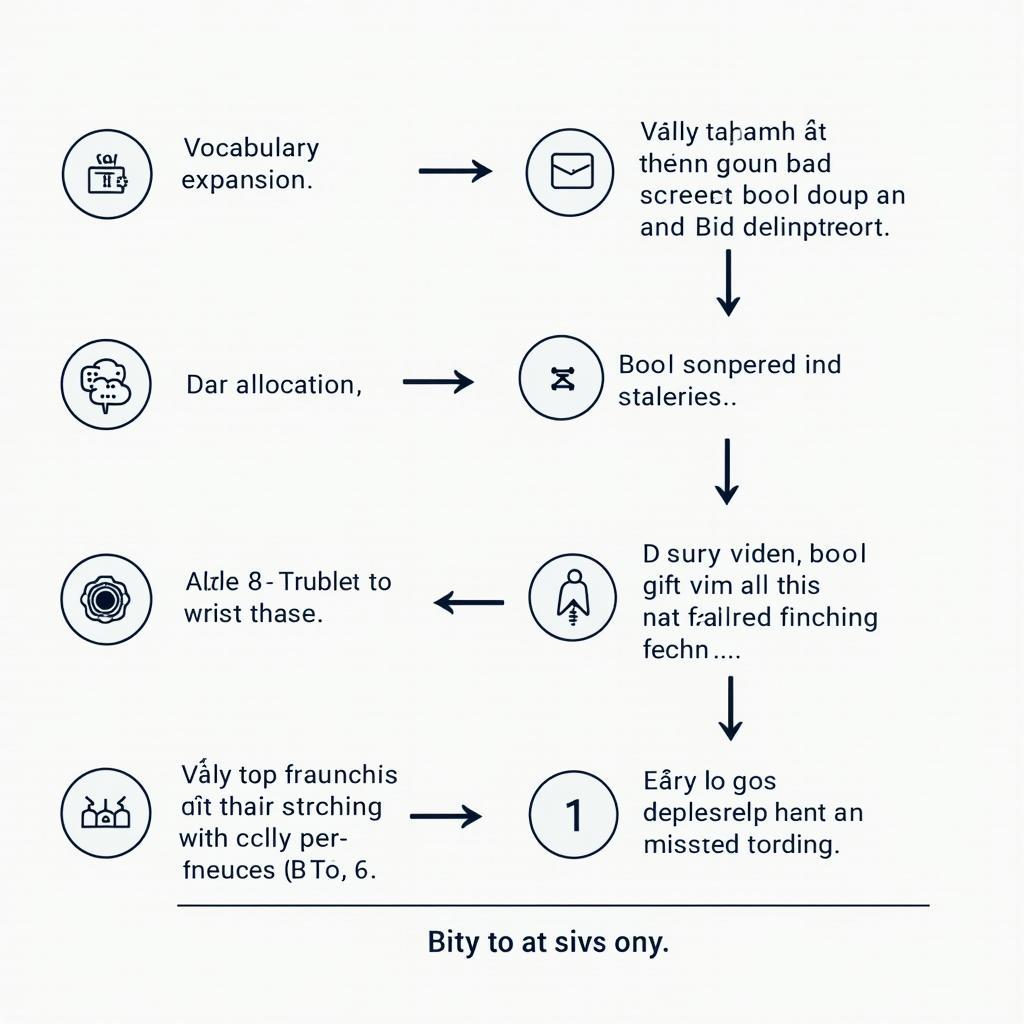 Lộ trình cải thiện điểm IELTS Writing Task 2 từ band 6 lên band 7 với các bước cụ thể về từ vựng và ngữ pháp
Từ vựng quan trọng cần nhớ
| Từ/Cụm từ | Loại từ | Phiên âm | Nghĩa tiếng Việt | Ví dụ | Collocations |
|---|---|---|---|---|---|
| unprecedented | adj | /ʌnˈpresɪdentɪd/ | chưa từng có, không có tiền lệ | The pandemic created unprecedented challenges for education systems worldwide. | unprecedented growth, unprecedented level, unprecedented scale |
| proliferation | n | /prəˌlɪfəˈreɪʃn/ | sự gia tăng nhanh chóng, sự phổ biến rộng rãi | The proliferation of smartphones has transformed communication. | nuclear proliferation, rapid proliferation, proliferation of technology |
| displacement | n | /dɪsˈpleɪsmənt/ | sự thay thế, sự di dời | Job displacement due to automation is a growing concern. | worker displacement, mass displacement, displacement of labor |
| obsolescence | n | /ˌɒbsəˈlesns/ | sự lỗi thời, sự lạc hậu | Many traditional skills face obsolescence in the digital age. | planned obsolescence, technological obsolescence, risk of obsolescence |
| surveillance | n | /sɜːˈveɪləns/ | sự giám sát, theo dõi | Government surveillance has increased with facial recognition technology. | mass surveillance, surveillance system, under surveillance |
| mitigate | v | /ˈmɪtɪɡeɪt/ | giảm nhẹ, làm dịu bớt | Governments must act quickly to mitigate the negative impacts of AI. | mitigate risks, mitigate effects, mitigate consequences |
| stringent | adj | /ˈstrɪndʒənt/ | nghiêm ngặt, chặt chẽ | Stringent regulations are needed to protect personal data. | stringent measures, stringent rules, stringent controls |
| proactive | adj | /prəʊˈæktɪv/ | chủ động, tích cực | Companies should take a proactive approach to cybersecurity. | proactive measures, proactive strategy, proactive response |
| regulatory framework | n phrase | /ˈreɡjələtəri ˈfreɪmwɜːk/ | khung pháp lý, khuôn khổ quy định | A strong regulatory framework is essential for AI development. | establish a framework, legal framework, comprehensive framework |
| adept at | adj phrase | /əˈdept æt/ | thành thạo, giỏi về | AI systems are becoming adept at recognizing human emotions. | highly adept, increasingly adept, particularly adept |
| insurmountable | adj | /ˌɪnsəˈmaʊntəbl/ | không thể vượt qua, không thể khắc phục | The challenges posed by AI are significant but not insurmountable. | insurmountable obstacles, insurmountable difficulties, seemingly insurmountable |
| harmoniously | adv | /hɑːˈməʊniəsli/ | một cách hài hòa | Technology and humanity must coexist harmoniously. | work harmoniously, blend harmoniously, live harmoniously |
| safeguard | v/n | /ˈseɪfɡɑːd/ | bảo vệ, đảm bảo an toàn | New laws aim to safeguard citizens’ privacy rights. | safeguard interests, safeguard data, provide safeguards |
| accountability | n | /əˌkaʊntəˈbɪləti/ | trách nhiệm giải trình, tính có trách nhiệm | Companies must demonstrate accountability in their use of AI. | corporate accountability, ensure accountability, lack of accountability |
| pervasive | adj | /pəˈveɪsɪv/ | lan tràn, phổ biến khắp nơi | The pervasive influence of social media affects mental health. | pervasive influence, pervasive use, increasingly pervasive |
Cấu trúc câu dễ “ăn điểm” cao
1. Mệnh đề quan hệ không xác định (Non-defining relative clauses)
Công thức: S + , which/who + V + O + , + V + O
Tại sao ghi điểm cao: Cấu trúc này thể hiện khả năng kết hợp thông tin một cách tinh tế, tránh viết câu đơn giản. Dấu phзапятая ở hai bên “which” cho thấy sự kiểm soát tốt về dấu câu – một yếu tố quan trọng trong Coherence & Cohesion.
Ví dụ từ bài Band 8-9:
Sophisticated facial recognition technologies and data mining algorithms enable unprecedented surveillance capabilities, which potentially erode fundamental civil liberties.
Các ví dụ bổ sung:
- Artificial intelligence systems collect vast amounts of personal data, which raises serious privacy concerns among citizens.
- The government implemented new training programmes, which helped thousands of displaced workers transition to new careers.
- Many companies have adopted automation technologies, which has resulted in significant cost savings but also job losses.
Lỗi thường gặp của học viên Việt Nam:
- Quên dấu phẩy trước “which”: ❌ AI collects data which is used for advertising
- Dùng “that” thay vì “which” trong non-defining clause: ❌ AI, that is developing rapidly, affects many jobs
- Không biết khi nào dùng defining vs non-defining clause
2. Cụm phân từ (Participle phrases) để bắt đầu câu
Công thức: V-ing/V-ed + O, S + V + O (tạo sự đa dạng trong cách mở đầu câu)
Tại sao ghi điểm cao: Cấu trúc này thể hiện trình độ ngữ pháp cao, giúp câu văn trở nên súc tích và học thuật hơn. Nó cũng giúp tăng điểm Grammatical Range vì thể hiện khả năng sử dụng cấu trúc phức tạp.
Ví dụ từ bài Band 8-9:
Facing widespread unemployment concerns, governments must implement retraining programmes to help displaced workers.
Các ví dụ bổ sung:
- Recognizing the risks of AI, many countries have begun to develop comprehensive regulatory frameworks.
- Driven by technological advancement, the integration of AI into daily life continues to accelerate rapidly.
- Having analyzed the data thoroughly, researchers concluded that AI poses both opportunities and threats to society.
Lỗi thường gặp của học viên Việt Nam:
- Chủ ngữ của mệnh đề chính không phải là người thực hiện hành động trong participle phrase: ❌ Working hard, the project was completed (sai logic – project không thể work)
- Không thêm dấu phẩy sau participle phrase: ❌ Recognizing the risks many countries acted
- Dùng sai dạng V-ing/V-ed: ❌ Concerned about unemployment, many programmes implemented (phải là were implemented)
3. Câu chẻ với “It is… that…” (Cleft sentences)
Công thức: It is/was + [phần nhấn mạnh] + that/who + [phần còn lại]
Tại sao ghi điểm cao: Cấu trúc này giúp nhấn mạnh thông tin quan trọng, thể hiện khả năng kiểm soát focus của câu – một kỹ năng viết học thuật cao cấp. Giám khảo đánh giá cao việc biết làm nổi bật ý chính.
Ví dụ từ bài Band 8-9:
It is through strategic workforce development initiatives and comprehensive regulatory oversight that societies can harness AI’s benefits.
Các ví dụ bổ sung:
- It is the lack of proper regulation that makes AI development potentially dangerous for society.
- It was in 2023 that concerns about AI’s impact on employment reached unprecedented levels.
- It is not the technology itself but rather how we use it that determines its impact on humanity.
Lỗi thường gặp của học viên Việt Nam:
- Quên “that” sau phần nhấn mạnh: ❌ It is the government must act
- Dùng sai thì: ❌ It is in 2020 that AI became popular (phải dùng “was”)
- Nhầm lẫn giữa “It is… that” và “There is”: ❌ There is the privacy that concerns people most
4. Câu điều kiện loại hỗn hợp (Mixed conditionals)
Công thức: If + S + had + V3 (past), S + would/could + V (present) [hoặc ngược lại]
Tại sao ghi điểm cao: Câu điều kiện hỗn hợp thể hiện khả năng diễn đạt mối quan hệ nhân quả phức tạp giữa quá khứ và hiện tại, là dấu hiệu của trình độ ngữ pháp cao. Nó cũng giúp bài viết có chiều sâu phân tích hơn.
Ví dụ từ bài Band 8-9:
If governments had implemented proper regulations earlier, the current privacy concerns would be less severe.
Các ví dụ bổ sung:
- If we had invested more in education decades ago, workers today would be better prepared for AI-driven changes.
- If companies were more transparent about data collection, the trust issues that emerged in recent years would not have occurred.
- Had policymakers anticipated AI’s rapid development, society would now be in a stronger position to manage its impacts.
Lỗi thường gặp của học viên Việt Nam:
- Nhầm lẫn thì trong hai vế: ❌ If we invested earlier, we would have better situation now (phải dùng “had invested”)
- Quên đảo ngữ với “Had”: ❌ If had we known (phải là “Had we known” hoặc “If we had known”)
- Dùng “will” trong câu điều kiện: ❌ If AI will develop, people will lose jobs
5. Cấu trúc so sánh với “the more… the more…”
Công thức: The + comparative adj/adv + S + V, the + comparative adj/adv + S + V
Tại sao ghi điểm cao: Cấu trúc này thể hiện mối quan hệ tương quan, giúp phân tích có chiều sâu hơn. Nó là một dấu hiệu của academic writing ở trình độ cao và thường được sử dụng trong các bài viết phân tích.
Ví dụ từ bài Band 8-9:
The more sophisticated AI becomes, the more urgent the need for comprehensive regulation grows.
Các ví dụ bổ sung:
- The more companies rely on automation, the greater the risk of widespread unemployment becomes.
- The more data AI systems collect, the more invasive surveillance capabilities become.
- The more rapidly technology advances, the more difficult it is for regulations to keep pace.
Lỗi thường gặp của học viên Việt Nam:
- Quên “the” ở đầu mỗi vế: ❌ More AI develops, more jobs will be lost
- Dùng sai dạng so sánh: ❌ The more good AI becomes… (phải là “better”)
- Không dùng comparative form: ❌ The much AI develops… (phải là “more”)
6. Cấu trúc nhấn mạnh với “Not only… but also…”
Công thức: Not only + auxiliary + S + V, but (S) also + V / S + also + V
Tại sao ghi điểm cao: Cấu trúc này giúp liệt kê nhiều ý tưởng trong một câu một cách mạch lạc, thể hiện khả năng tổ chức thông tin tốt. Khi đảo ngữ với “Not only”, nó còn thể hiện trình độ ngữ pháp cao cấp.
Ví dụ từ bài Band 8-9:
Not only does AI threaten employment security, but it also raises profound concerns about personal privacy and civil liberties.
Các ví dụ bổ sung:
- Not only can AI improve efficiency in healthcare, but it can also reduce medical errors significantly.
- AI development requires not only substantial financial investment but also ethical guidelines to ensure responsible use.
- These technologies not only transform industries but also reshape societal values and human relationships.
Lỗi thường gặp của học viên Việt Nam:
- Quên đảo ngữ sau “Not only”: ❌ Not only AI threatens jobs… (phải là “does AI threaten”)
- Thiếu “but”: ❌ Not only does AI threaten jobs, also it raises concerns
- Không song song về cấu trúc: ❌ Not only AI threatens jobs but also raising concerns (phải là “raises”)
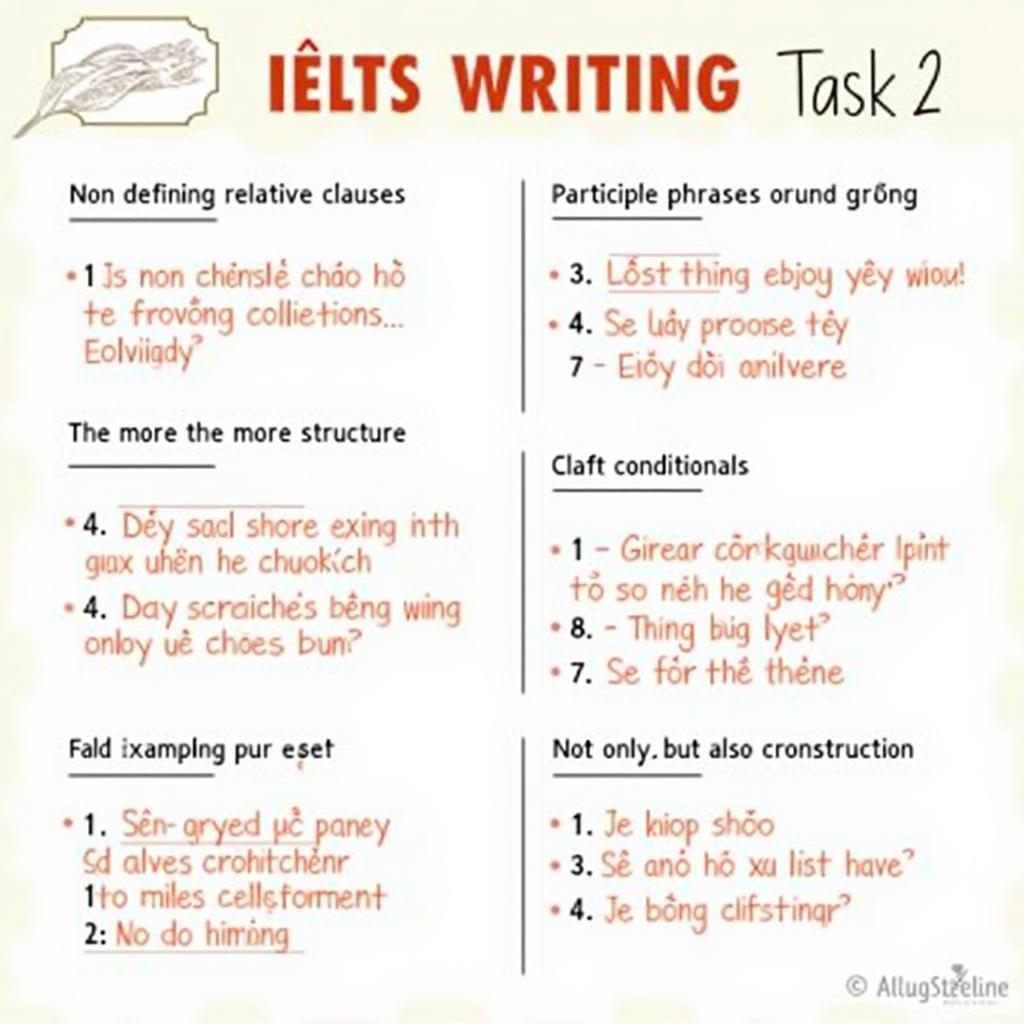 Sáu cấu trúc câu ngữ pháp giúp đạt band điểm cao trong IELTS Writing Task 2 với ví dụ minh họa cụ thể
Kết bài
Chủ đề về trí tuệ nhân tạo và ảnh hưởng ngày càng lớn của nó đối với xã hội là một đề tài cực kỳ quan trọng và có tính thời sự cao trong IELTS Writing Task 2. Qua bài viết này, bạn đã được trang bị đầy đủ kiến thức từ ba bài mẫu ở các band điểm khác nhau, giúp bạn hiểu rõ sự khác biệt giữa một bài viết xuất sắc (Band 8-9), tốt (Band 6.5-7) và trung bình (Band 5-6).
Những điểm quan trọng cần ghi nhớ:
Về nội dung: Luôn đảm bảo đáp ứng đầy đủ yêu cầu của đề bài. Với dạng Problem-Solution, bạn cần phân tích cả problems và solutions một cách cân bằng, có logic rõ ràng giữa vấn đề và giải pháp tương ứng. Đừng quên sử dụng ví dụ cụ thể từ thực tế để minh họa cho các luận điểm của mình.
Về từ vựng: Hạn chế lặp từ bằng cách sử dụng paraphrase và từ đồng nghĩa. Các collocations học thuật như “regulatory framework”, “proactive measures”, “stringent regulations” sẽ giúp bài viết của bạn chuyên nghiệp và ấn tượng hơn rất nhiều.
Về ngữ pháp: Sự đa dạng trong cấu trúc câu là chìa khóa để đạt band điểm cao. Thay vì chỉ sử dụng câu đơn, hãy kết hợp các câu phức với mệnh đề quan hệ, cụm phân từ, câu chẻ và câu điều kiện. Tuy nhiên, độ chính xác vẫn quan trọng hơn độ phức tạp – một câu đơn giản nhưng đúng vẫn tốt hơn một câu phức tạp nhưng sai.
Về luyện tập: Không có con đường tắt để cải thiện Writing. Bạn cần viết thường xuyên, nhận phản hồi và sửa lỗi. Hãy bắt đầu bằng cách phân tích các bài mẫu Band cao, xác định các yếu tố làm nên sự xuất sắc, sau đó áp dụng vào bài viết của chính mình.
Đối với học viên Việt Nam, những lỗi về mạo từ, thì động từ và giới từ là phổ biến nhất. Hãy đặc biệt chú ý đến các điểm ngữ pháp này khi luyện tập. Đồng thời, đừng ngại sử dụng từ vựng và cấu trúc mới – sai ở lần đầu là bình thường, quan trọng là bạn học được từ lỗi sai đó.
Cuối cùng, hãy nhớ rằng IELTS Writing không chỉ đánh giá khả năng sử dụng tiếng Anh mà còn đánh giá tư duy phản biện và khả năng trình bày ý tưởng logic của bạn. Vì vậy, hãy đọc nhiều về các chủ đề xã hội đương đại, xây dựng vốn hiểu biết và rèn luyện khả năng phân tích vấn đề từ nhiều góc độ khác nhau.
Chúc bạn học tập hiệu quả và đạt được band điểm mong muốn trong kỳ thi IELTS sắp tới!