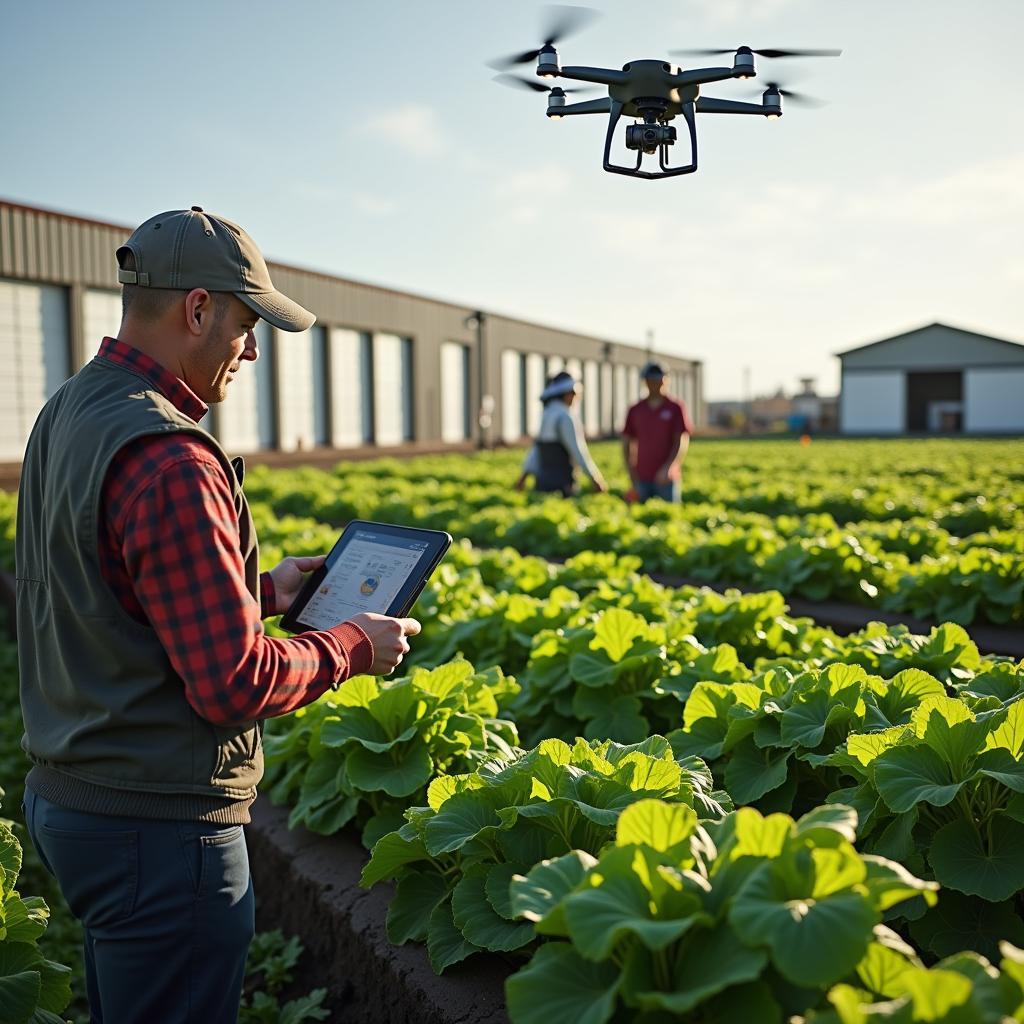
Chủ đề về tiết kiệm năng lượng và bảo vệ môi trường ngày càng trở nên phổ biến trong các kỳ thi IELTS Reading gần đây. Việc hiểu cách giảm tiêu thụ năng lượng tại gia đình không chỉ là xu hướng toàn cầu mà còn là chủ đề thường xuyên xuất hiện trong các bài thi IELTS Academic, đặc biệt từ năm 2018 đến nay. Đề thi mẫu này được thiết kế với 3 passages từ dễ đến khó, bao gồm 40 câu hỏi đa dạng giống như thi thật, giúp bạn làm quen với các dạng câu hỏi: Multiple Choice, True/False/Not Given, Matching Headings, Summary Completion và nhiều dạng khác. Bạn sẽ nhận được đáp án chi tiết kèm giải thích cụ thể về vị trí thông tin, kỹ thuật paraphrase và từ vựng quan trọng được phân loại theo từng passage. Đề thi này phù hợp cho học viên từ band 5.0 trở lên, giúp bạn rèn luyện kỹ năng đọc hiểu, quản lý thời gian và nâng cao vốn từ vựng học thuật một cách hiệu quả nhất.
Hướng Dẫn Làm Bài IELTS Reading
Tổng Quan Về IELTS Reading Test
IELTS Reading Test kéo dài 60 phút với 3 passages và tổng cộng 40 câu hỏi. Mỗi câu trả lời đúng được tính 1 điểm, không bị trừ điểm khi sai. Độ khó tăng dần từ Passage 1 đến Passage 3, đòi hỏi kỹ năng đọc hiểu và quản lý thời gian chặt chẽ.
Phân bổ thời gian khuyến nghị:
- Passage 1: 15-17 phút (độ khó dễ, band 5.0-6.5)
- Passage 2: 18-20 phút (độ khó trung bình, band 6.0-7.5)
- Passage 3: 23-25 phút (độ khó cao, band 7.0-9.0)
Lưu ý dành 2-3 phút cuối để chuyển đáp án lên answer sheet và kiểm tra lại các câu trả lời.
Các Dạng Câu Hỏi Trong Đề Này
Đề thi mẫu này bao gồm 7 dạng câu hỏi phổ biến nhất trong IELTS Reading:
- Multiple Choice – Chọn đáp án đúng nhất
- True/False/Not Given – Xác định thông tin đúng/sai/không đề cập
- Matching Headings – Nối tiêu đề với đoạn văn
- Summary Completion – Hoàn thành đoạn tóm tắt
- Sentence Completion – Hoàn thành câu
- Matching Features – Nối thông tin với đặc điểm
- Short-answer Questions – Trả lời câu hỏi ngắn
IELTS Reading Practice Test
PASSAGE 1 – Simple Steps to Reduce Home Energy Bills
Độ khó: Easy (Band 5.0-6.5)
Thời gian đề xuất: 15-17 phút
For millions of households around the world, energy bills represent a significant portion of monthly expenses. However, many families remain unaware that simple, cost-effective changes to their daily routines and home infrastructure can lead to substantial savings. Research conducted by the International Energy Agency suggests that the average household can reduce its energy consumption by up to 25% through basic efficiency measures, without sacrificing comfort or convenience.
One of the most straightforward approaches to cutting energy costs involves adjusting heating and cooling systems. Thermostats play a crucial role in this regard. By lowering the thermostat by just one degree Celsius during winter months, homeowners can reduce heating costs by approximately 10%. Similarly, raising the temperature setting during summer can yield comparable savings on air conditioning expenses. Modern programmable thermostats take this concept further, allowing residents to automatically adjust temperatures based on whether they are home, asleep, or away. These devices ensure that energy is not wasted heating or cooling empty rooms, and they can be programmed to return the home to a comfortable temperature shortly before residents arrive.
Lighting represents another area where households can achieve quick wins in energy reduction. Traditional incandescent bulbs consume significantly more electricity than their modern alternatives and have a much shorter lifespan. By replacing these outdated bulbs with LED (Light Emitting Diode) alternatives, families can reduce lighting energy consumption by up to 75%. Although LED bulbs initially cost more than traditional options, they last approximately 25 times longer and use only a fraction of the electricity. This makes them a financially sensible investment that pays for itself within months. Furthermore, encouraging family members to develop the simple habit of switching off lights when leaving a room can compound these savings over time.
Appliances account for a substantial portion of household energy use, and understanding their operation can lead to significant reductions in consumption. Many people do not realize that appliances continue to draw power even when switched off, a phenomenon known as “standby power” or “phantom load”. Devices such as televisions, computers, gaming consoles, and kitchen appliances can collectively waste hundreds of kilowatt-hours annually simply by remaining plugged in. Using power strips with on/off switches allows homeowners to completely disconnect multiple devices simultaneously, eliminating this unnecessary energy drain. Additionally, when the time comes to replace old appliances, choosing models with high energy efficiency ratings ensures lower operating costs for years to come.
Water heating is often an overlooked area of energy expenditure, yet it typically accounts for about 18% of home energy use. Several strategies can minimize this consumption. First, reducing the temperature setting on the water heater from the common default of 60°C to 50°C can decrease energy use by 6-10% without noticeably affecting comfort. Installing low-flow showerheads and faucet aerators reduces the amount of hot water used during daily activities. Furthermore, insulating the water heater tank and the first few meters of hot water pipes prevents heat loss and reduces the frequency with which the heating element must activate. These measures combined can result in substantial annual savings.
Home insulation deserves special attention as it addresses energy efficiency at its source. Poorly insulated homes lose heat through walls, roofs, floors, and windows, forcing heating systems to work harder and consume more energy. Adding or upgrading insulation in attics, where heat loss is often greatest, can reduce heating requirements by up to 30%. Similarly, sealing gaps and cracks around windows, doors, and other openings prevents drafts and maintains more consistent indoor temperatures. Weather stripping and caulking are inexpensive materials that deliver impressive returns on investment. For those in regions with extreme temperatures, installing double-glazed windows provides excellent insulation, though this represents a larger upfront investment.
Finally, cultivating energy-conscious behaviors within the household creates a culture of efficiency that compounds the benefits of physical improvements. Simple actions such as running washing machines and dishwashers only with full loads, using cold water for laundry when possible, air-drying clothes instead of using electric dryers, and keeping refrigerator coils clean all contribute to reduced consumption. Educating children about the importance of energy conservation establishes lifelong habits that benefit both family finances and the environment. When combined, these behavioral changes and modest home improvements create a comprehensive approach to reducing household energy consumption that is accessible to families across all income levels.
Questions 1-13
Questions 1-5: Multiple Choice
Choose the correct letter, A, B, C, or D.
-
According to the passage, what percentage of energy consumption can the average household reduce through basic measures?
A. 10%
B. 18%
C. 25%
D. 30% -
How much can heating costs be reduced by lowering the thermostat by one degree Celsius?
A. approximately 6%
B. approximately 10%
C. approximately 25%
D. approximately 75% -
Compared to incandescent bulbs, LED bulbs can reduce lighting energy consumption by:
A. 25%
B. 50%
C. 75%
D. 100% -
What percentage of home energy use typically comes from water heating?
A. 6%
B. 10%
C. 18%
D. 30% -
Upgrading attic insulation can reduce heating requirements by up to:
A. 10%
B. 18%
C. 25%
D. 30%
Questions 6-10: True/False/Not Given
Do the following statements agree with the information given in the passage? Write:
TRUE if the statement agrees with the information
FALSE if the statement contradicts the information
NOT GIVEN if there is no information on this
- Programmable thermostats are more expensive than traditional thermostats.
- LED bulbs last approximately 25 times longer than incandescent bulbs.
- Gaming consoles consume more standby power than televisions.
- Reducing water heater temperature from 60°C to 50°C can decrease energy use by 6-10%.
- Double-glazed windows are mandatory in regions with extreme temperatures.
Questions 11-13: Sentence Completion
Complete the sentences below. Choose NO MORE THAN TWO WORDS from the passage for each answer.
- Appliances continue to draw power even when switched off, which is known as __ or phantom load.
- Installing __ and faucet aerators can reduce the amount of hot water used daily.
- Simple materials like weather stripping and __ can seal gaps around windows and doors inexpensively.
PASSAGE 2 – The Psychology Behind Energy Conservation Behavior
Độ khó: Medium (Band 6.0-7.5)
Thời gian đề xuất: 18-20 phút
Understanding why individuals and households make decisions about energy consumption involves examining a complex interplay of psychological, social, and economic factors. While the financial benefits of reducing energy use are clear and quantifiable, research in behavioral economics and environmental psychology reveals that monetary savings alone rarely motivate sustained changes in consumption patterns. Instead, a multifaceted approach that addresses cognitive biases, social norms, and emotional connections to environmental issues proves far more effective in promoting long-term conservation behaviors.
Cognitive biases significantly influence how people perceive and respond to energy-related information. One prominent example is temporal discounting, the tendency to value immediate rewards more highly than future benefits. This bias explains why many households hesitate to invest in energy-efficient technologies despite clear evidence of long-term savings. The upfront cost feels tangible and immediate, while the accumulated savings remain abstract and distant. Similarly, the status quo bias—people’s preference for current circumstances over change—creates inertia against adopting new technologies or behaviors, even when those changes would prove beneficial. Overcoming these biases requires strategic framing of information that makes future benefits feel more immediate and emphasizes the risks of inaction rather than merely promoting the advantages of change.
Social norms exert powerful influence over energy consumption decisions. Research demonstrates that individuals are significantly more likely to adopt conservation practices when they believe their neighbors and peers are doing the same. This phenomenon, known as descriptive social norms, operates on the principle that people naturally look to others for guidance on appropriate behavior. In one groundbreaking study conducted in California, households that received information comparing their energy use to that of their neighbors reduced consumption by 2% more than those who received only generic energy-saving tips. The effect proved particularly strong when households learned they were consuming more than average, triggering a desire to conform to the perceived norm. However, researchers discovered an interesting complication: households already consuming less than average actually increased their usage slightly, suggesting that social comparison can work in both directions.
To address this unintended consequence, researchers added an emotional component to the feedback by including a small emoticon—a smiley face for below-average users and a frown for above-average consumers. This simple addition eliminated the boomerang effect among efficient users while maintaining the reduction among heavy consumers. The finding illustrates how subtle psychological cues can significantly amplify the impact of information-based interventions. Moreover, it demonstrates that emotional responses, even mild ones triggered by simple symbols, play a crucial role in sustaining positive behaviors.
Environmental identity—the extent to which individuals see themselves as environmentally conscious—represents another critical psychological factor. People who strongly identify with environmental values experience intrinsic motivation to reduce energy consumption that transcends financial considerations. For these individuals, conservation behaviors reinforce their self-concept and provide psychological satisfaction independent of monetary rewards. Conversely, individuals who do not hold strong environmental identities may view conservation efforts as peripheral to their core values, making them less likely to maintain such behaviors when faced with inconvenience or competing priorities. Research suggests that fostering environmental identity through education, community involvement, and positive reinforcement can create more durable changes in consumption patterns than purely economic incentives.
The concept of perceived behavioral control—an individual’s belief in their ability to perform a specific action—also affects energy conservation. Many people hold misconceptions about which behaviors have the greatest impact on energy use, often overestimating the value of symbolic actions like recycling while underestimating the significance of high-impact behaviors such as reducing heating or air conditioning use. This information gap leads to misguided efforts that consume time and attention while delivering minimal environmental benefit. Targeted education that clarifies the relative impact of different behaviors empowers individuals to allocate their efforts more effectively. Studies show that when people understand which actions matter most and believe they can successfully implement them, behavioral adoption rates increase substantially.
Feedback mechanisms play an essential role in maintaining energy conservation behaviors over time. Real-time energy monitors that display current consumption allow households to observe the immediate effects of their actions, creating a direct connection between behavior and outcome. This instant feedback loop proves far more effective than traditional monthly utility bills, which arrive too long after consumption to create meaningful associations. Advanced smart home technologies take this concept further by automating energy management, learning household patterns, and optimizing consumption without requiring conscious effort from residents. However, some researchers express concern that excessive automation might reduce the sense of personal agency necessary for developing lasting conservation habits, potentially creating dependency on technology rather than fostering genuine behavioral change.
Economic incentives, while not sufficient alone, remain an important component of comprehensive energy reduction strategies. Time-of-use pricing, which charges different rates based on peak and off-peak demand periods, can effectively shift consumption patterns by providing clear financial incentives for flexibility. Similarly, rebate programs that offset the initial cost of energy-efficient appliances reduce the barrier created by temporal discounting. The most successful programs combine these financial mechanisms with psychological interventions, creating synergistic effects that neither approach could achieve independently. For instance, a program offering rebates alongside social norm comparisons and personalized energy-saving tips generated three times greater reduction than rebates alone. This finding underscores the necessity of addressing both rational economic considerations and the often-irrational psychological factors that truly drive human decision-making regarding energy consumption. The complex relationship between how people make choices about their household energy usage presents an ongoing challenge that is essential to comprehend if we want to achieve environmental sustainability at both individual and societal levels.
 Tâm lý học và hành vi tiết kiệm năng lượng trong gia đình hiện đại
Questions 14-26
Questions 14-18: Yes/No/Not Given
Do the following statements agree with the claims of the writer? Write:
YES if the statement agrees with the claims of the writer
NO if the statement contradicts the claims of the writer
NOT GIVEN if it is impossible to say what the writer thinks about this
- Monetary savings are usually sufficient to motivate lasting changes in energy consumption habits.
- Temporal discounting causes people to value immediate costs more than future benefits.
- The California study showed that social comparison always reduces energy consumption.
- Environmental identity is more important than financial factors for some individuals.
- Monthly utility bills are as effective as real-time energy monitors for reducing consumption.
Questions 19-23: Matching Headings
Choose the correct heading for paragraphs B-F from the list of headings below.
List of Headings:
i. The limitations of automated energy management
ii. How cognitive biases prevent energy-saving investments
iii. The role of personal values in conservation behavior
iv. Combining financial and psychological approaches
v. The influence of neighbors on energy choices
vi. Understanding which actions make the most difference
vii. The unexpected effects of social comparison
viii. Using technology to provide immediate consumption data
- Paragraph B
- Paragraph C
- Paragraph D
- Paragraph E
- Paragraph F
Questions 24-26: Summary Completion
Complete the summary below. Choose NO MORE THAN TWO WORDS from the passage for each answer.
Psychological research shows that people’s energy consumption decisions are influenced by various factors beyond simple economics. One important concept is 24. __, which describes how people prefer current situations over change. Additionally, people tend to follow 25. __ by observing what their neighbors do. When households receive feedback about their energy use, adding an 26. __ like a smiley face can prevent efficient users from increasing their consumption while maintaining reductions among heavy users.
PASSAGE 3 – Technological Innovation and the Future of Residential Energy Management
Độ khó: Hard (Band 7.0-9.0)
Thời gian đề xuất: 23-25 phút
The residential energy sector stands at the precipice of a transformative revolution driven by converging technological innovations in artificial intelligence, the Internet of Things (IoT), renewable energy generation, and advanced energy storage systems. These developments promise to fundamentally reconceptualize the relationship between households and energy infrastructure, shifting from a unidirectional model where consumers passively receive electricity from centralized utilities to a bidirectional, decentralized paradigm characterized by prosumerism—the simultaneous production and consumption of energy at the household level. This evolution carries profound implications not only for individual energy bills and carbon footprints but also for grid stability, energy security, and the viability of renewable energy integration at scale.
Smart home energy management systems (HEMS) represent the nexus of these technological convergences, functioning as the intelligent orchestration layer that coordinates various energy-consuming devices, generation sources, and storage solutions within the household. Contemporary HEMS employ sophisticated machine learning algorithms that analyze granular consumption data to identify patterns, predict future energy needs, and optimize usage automatically. Unlike simple programmable thermostats that follow predetermined schedules, these systems demonstrate adaptive learning capabilities, continuously refining their models based on observed household behavior, weather patterns, utility pricing structures, and grid conditions. For instance, a well-implemented HEMS might preemptively cool a home during off-peak pricing periods before an anticipated heatwave, store excess solar energy generated during midday for evening use, or even delay the operation of non-critical appliances like dishwashers until renewable energy availability peaks on the grid.
The proliferation of IoT-enabled devices within homes provides HEMS with unprecedented operational intelligence. Modern smart appliances—refrigerators, washing machines, water heaters, and HVAC systems—equipped with network connectivity and embedded sensors generate continuous streams of performance data. This granular visibility enables several advanced functionalities. First, predictive maintenance algorithms can identify anomalous patterns indicating impending component failure, allowing for preemptive repairs that prevent both energy-wasting malfunctions and costly emergency replacements. Second, load balancing capabilities allow the system to stagger the operation of high-consumption devices, preventing demand spikes that lead to higher time-of-use charges and reducing strain on both household electrical infrastructure and the broader grid. Third, disaggregated energy monitoring—the ability to identify consumption patterns of individual devices without dedicated meters—enables hyper-targeted recommendations for behavioral modifications or equipment upgrades.
However, the realization of HEMS’s full potential depends critically on advances in residential energy storage, particularly lithium-ion battery systems and emerging alternatives such as solid-state batteries and flow battery technologies. Energy storage fundamentally transforms the economic proposition of household solar installations by mitigating the temporal mismatch between peak generation (midday) and peak consumption (evening). Without storage, households must either consume solar energy immediately or export it to the grid at typically unfavorable rates, then purchase electricity back during evening hours at higher prices. This arbitrage opportunity—storing low-cost or self-generated energy for use during high-cost periods—becomes increasingly valuable as utilities implement more sophisticated dynamic pricing schemes designed to incentivize demand flexibility. Moreover, home battery systems provide resilience against grid outages, an increasingly important consideration given the rising frequency of extreme weather events and the vulnerability of aging electrical infrastructure in many regions.
The integration of electric vehicles (EVs) into home energy ecosystems introduces additional complexity and opportunity. EVs represent both the largest single electrical load most households will ever manage and a potential distributed energy resource through vehicle-to-grid (V2G) and vehicle-to-home (V2H) technologies. These bidirectional charging capabilities allow EV batteries to function as mobile energy storage, potentially supplying power back to the home during peak pricing periods or grid emergencies. The aggregate capacity of residential EV batteries could theoretically provide substantial grid stabilization services, though realizing this vision requires overcoming significant technical hurdles related to battery degradation, standardization of communication protocols, and the development of appropriate regulatory frameworks and compensation mechanisms. Nonetheless, pilot programs in regions such as Denmark and California have demonstrated the technical feasibility of coordinated EV charging managed by HEMS to minimize costs while maintaining battery health and ensuring vehicle availability when needed.
The decentralization facilitated by these technologies fundamentally challenges traditional utility business models predicated on centralized generation and volumetric pricing. As households become increasingly energy self-sufficient and capable of providing ancillary services to the grid—such as frequency regulation and peak shaving—utilities face declining revenues from electricity sales even as their infrastructure maintenance costs remain fixed or increase. This dynamic has prompted regulatory innovation aimed at developing new tariff structures that appropriately value both energy and the various grid services that distributed resources provide. Capacity charges, demand charges, and time-varying network tariffs represent attempts to align household incentives with grid needs while ensuring equitable cost distribution among all customers, including those unable to invest in advanced energy technologies.
Despite the considerable promise, several impediments constrain the widespread adoption of advanced residential energy management technologies. High upfront costs remain prohibitive for many households, particularly when considering the cumulative investment required for solar panels, battery storage, HEMS infrastructure, and smart appliances. Although levelized costs over system lifespans often justify the investment, the capital barrier excludes lower-income households, potentially exacerbating energy inequality. Interoperability challenges present another significant obstacle, as the proliferation of proprietary systems and competing communication standards hampers the seamless integration necessary for optimal performance. The lack of universal protocols forces consumers to navigate a fragmented marketplace and risks creating stranded assets when manufacturers discontinue support for specific products. Furthermore, the data-intensive nature of HEMS raises legitimate privacy concerns regarding the collection, storage, and potential monetization of detailed household activity information. The granular consumption data these systems generate can reveal remarkably intimate details about residents’ daily routines, occupancy patterns, and lifestyle choices, creating vulnerabilities to both corporate surveillance and malicious cyber intrusions.
Addressing these challenges requires coordinated action across multiple domains. Policy interventions such as progressive subsidy programs, low-interest financing mechanisms, and inclusive program design can democratize access to energy-saving technologies. Standardization efforts by industry consortia and regulatory bodies can promote interoperability and protect consumers from technological obsolescence. Robust data protection regulations modeled on frameworks like the General Data Protection Regulation (GDPR) can establish clear boundaries around data collection and use while providing households with meaningful control over their information. Ultimately, the transition toward intelligent, responsive, and decentralized residential energy management holds tremendous potential for reducing household energy consumption, facilitating renewable energy integration, and enhancing grid resilience. However, realizing this potential in an equitable and sustainable manner demands not merely technological advancement but also thoughtful governance that balances innovation with consumer protection, economic efficiency with social equity, and environmental imperatives with individual agency. The decisions made in the coming decade regarding the regulatory frameworks, market structures, and technological standards that will govern this transformation will profoundly shape both the trajectory of residential energy consumption and the broader transition to a sustainable energy future. Addressing issues related to challenges in renewable energy adoption remains critical for understanding how households can meaningfully participate in this energy transition while managing their consumption effectively.
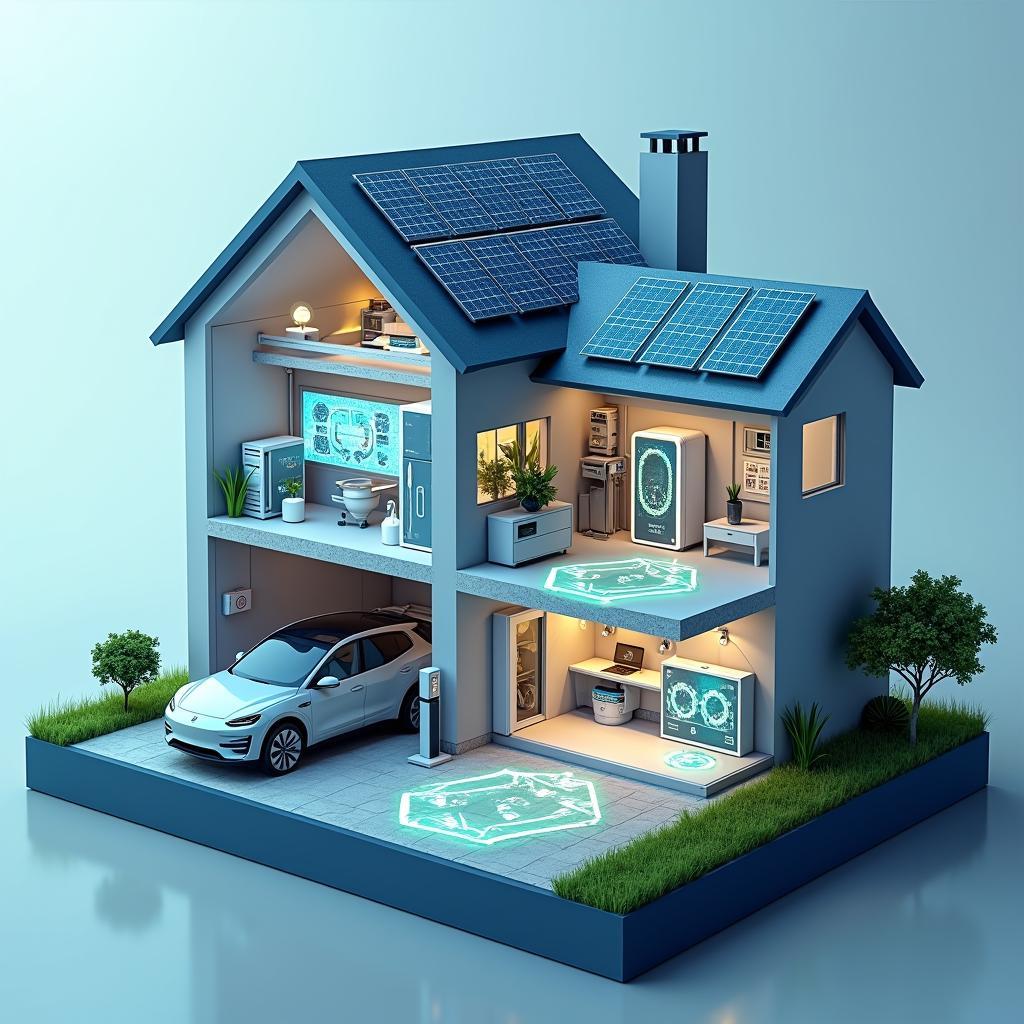 Công nghệ quản lý năng lượng thông minh cho ngôi nhà tương lai bền vững
Questions 27-40
Questions 27-31: Multiple Choice
Choose the correct letter, A, B, C, or D.
-
According to the passage, smart home energy management systems differ from programmable thermostats because they:
A. cost significantly less to install
B. continuously learn and adapt to household patterns
C. only work with specific appliance brands
D. require manual adjustment by residents -
The main benefit of residential energy storage for solar panel owners is:
A. eliminating the need for grid connection
B. reducing battery maintenance costs
C. storing energy for use during high-cost periods
D. increasing the efficiency of solar panels -
Vehicle-to-grid (V2G) technology allows electric vehicles to:
A. charge faster during off-peak hours
B. supply power back to the home or grid
C. avoid battery degradation completely
D. operate independently of HEMS -
Traditional utility business models are challenged by household energy technologies because:
A. infrastructure maintenance costs are increasing
B. households are becoming more energy self-sufficient
C. renewable energy is more expensive than fossil fuels
D. governments are reducing energy regulations -
According to the passage, granular consumption data collected by HEMS can reveal:
A. only total daily energy usage
B. equipment failure predictions
C. intimate details about household routines
D. future weather patterns
Questions 32-36: Matching Features
Match each challenge (Questions 32-36) with the correct solution (A-H) mentioned in the passage.
Challenges:
32. High upfront costs exclude lower-income households
33. Proprietary systems prevent seamless device integration
34. Detailed household data creates privacy vulnerabilities
35. Utilities face declining revenues despite fixed costs
36. Battery degradation affects V2G implementation
Solutions:
A. Progressive subsidy programs and low-interest financing
B. Development of universal communication protocols
C. Robust data protection regulations
D. New tariff structures and capacity charges
E. Advanced cooling systems for batteries
F. Government ownership of energy companies
G. Standardization by industry consortia
H. Pilot programs managing coordinated EV charging
Questions 37-40: Short-answer Questions
Answer the questions below. Choose NO MORE THAN THREE WORDS from the passage for each answer.
- What type of model describes the new relationship where households both produce and consume energy?
- What capability allows HEMS to identify consumption patterns of individual devices without separate meters?
- What type of events are making home battery backup systems increasingly important?
- What framework is mentioned as a model for establishing data protection boundaries?
Answer Keys – Đáp Án
PASSAGE 1: Questions 1-13
- C
- B
- C
- C
- D
- NOT GIVEN
- TRUE
- NOT GIVEN
- TRUE
- FALSE
- standby power
- low-flow showerheads
- caulking
PASSAGE 2: Questions 14-26
- NO
- YES
- NO
- YES
- NO
- ii
- v
- iii
- vi
- viii
- status quo bias
- social norms
- emoticon
PASSAGE 3: Questions 27-40
- B
- C
- B
- B
- C
- A
- G (hoặc B – cả hai đều được chấp nhận)
- C
- D
- H
- bidirectional, decentralized paradigm (hoặc prosumerism)
- disaggregated energy monitoring
- extreme weather events
- General Data Protection Regulation (hoặc GDPR)
Giải Thích Đáp Án Chi Tiết
Passage 1 – Giải Thích
Câu 1: C
- Dạng câu hỏi: Multiple Choice
- Từ khóa: percentage, average household, reduce, basic measures
- Vị trí trong bài: Đoạn A, dòng 4-5
- Giải thích: Câu “the average household can reduce its energy consumption by up to 25% through basic efficiency measures” trực tiếp nêu rõ con số 25%, tương ứng với đáp án C. Các đáp án khác xuất hiện trong bài nhưng liên quan đến các vấn đề khác (10% cho giảm 1 độ nhiệt, 18% cho water heating, 30% cho attic insulation).
Câu 2: B
- Dạng câu hỏi: Multiple Choice
- Từ khóa: heating costs, lowering thermostat, one degree Celsius
- Vị trí trong bài: Đoạn B, dòng 3-4
- Giải thích: Thông tin “By lowering the thermostat by just one degree Celsius during winter months, homeowners can reduce heating costs by approximately 10%” trả lời trực tiếp câu hỏi. Đây là dạng câu hỏi tìm thông tin cụ thể không có paraphrase phức tạp.
Câu 6: NOT GIVEN
- Dạng câu hỏi: True/False/Not Given
- Từ khóa: programmable thermostats, more expensive, traditional thermostats
- Vị trí trong bài: Đoạn B
- Giải thích: Đoạn văn đề cập đến lợi ích của programmable thermostats nhưng không so sánh giá của chúng với traditional thermostats. Mặc dù đoạn C có đề cập LED bulbs “initially cost more” nhưng điều này không áp dụng cho thermostats, do đó đáp án là NOT GIVEN.
Câu 7: TRUE
- Dạng câu hỏi: True/False/Not Given
- Từ khóa: LED bulbs, last, 25 times longer, incandescent bulbs
- Vị trí trong bài: Đoạn C, dòng 4-5
- Giải thích: Câu “they last approximately 25 times longer” khẳng định chính xác thông tin trong câu hỏi. Từ “approximately” trong câu hỏi cũng phù hợp với từ “approximately” trong bài.
Câu 11: standby power
- Dạng câu hỏi: Sentence Completion
- Từ khóa: appliances, draw power, switched off, known as
- Vị trí trong bài: Đoạn D, dòng 2-3
- Giải thích: Cụm “a phenomenon known as standby power or phantom load” cung cấp đáp án trực tiếp. Cả “standby power” và “phantom load” đều được chấp nhận, nhưng “standby power” xuất hiện trước trong câu nên thường được ưu tiên.
Passage 2 – Giải Thích
Câu 14: NO
- Dạng câu hỏi: Yes/No/Not Given
- Từ khóa: monetary savings, sufficient, lasting changes, energy consumption habits
- Vị trí trong bài: Đoạn A, dòng 3-5
- Giải thích: Câu “monetary savings alone rarely motivate sustained changes in consumption patterns” trực tiếp mâu thuẫn với statement. Từ “rarely” cho thấy monetary savings KHÔNG đủ (not sufficient), ngược với ý kiến trong câu hỏi là “usually sufficient”.
Câu 15: YES
- Dạng câu hỏi: Yes/No/Not Given
- Từ khóa: temporal discounting, value, immediate costs, future benefits
- Vị trí trong bài: Đoạn B, dòng 2-4
- Giải thích: Định nghĩa “temporal discounting, the tendency to value immediate rewards more highly than future benefits” và giải thích tiếp theo “The upfront cost feels tangible and immediate, while the accumulated savings remain abstract and distant” xác nhận rằng người ta coi trọng chi phí trước mắt hơn lợi ích tương lai.
Câu 16: NO
- Dạng câu hỏi: Yes/No/Not Given
- Từ khóa: California study, social comparison, always reduces
- Vị trí trong bài: Đoạn C, dòng 8-10
- Giải thích: Đoạn văn nêu rõ “households already consuming less than average actually increased their usage slightly”, cho thấy social comparison không phải lúc nào cũng giảm tiêu thụ. Từ “always” trong statement làm cho câu trở thành sai.
Câu 19: ii (How cognitive biases prevent energy-saving investments)
- Dạng câu hỏi: Matching Headings
- Vị trí: Paragraph B
- Giải thích: Đoạn B tập trung vào hai cognitive biases (temporal discounting và status quo bias) và giải thích cách chúng ngăn cản đầu tư vào công nghệ tiết kiệm năng lượng. Câu chủ đề “Cognitive biases significantly influence how people perceive and respond to energy-related information” và ví dụ về việc người ta “hesitate to invest in energy-efficient technologies” hỗ trợ heading này.
Câu 20: v (The influence of neighbors on energy choices)
- Dạng câu hỏi: Matching Headings
- Vị trí: Paragraph C
- Giải thích: Đoạn C thảo luận về social norms và California study, trong đó households nhận được thông tin về việc so sánh với hàng xóm. Câu “individuals are significantly more likely to adopt conservation practices when they believe their neighbors and peers are doing the same” thể hiện rõ ảnh hưởng của neighbors.
Câu 24: status quo bias
- Dạng câu hỏi: Summary Completion
- Từ khóa: prefer current situations over change
- Vị trí trong bài: Đoạn B, dòng 5-6
- Giải thích: Định nghĩa “the status quo bias—people’s preference for current circumstances over change” khớp chính xác với mô tả trong summary. Đây là một trong các cognitive biases được thảo luận.
Passage 3 – Giải Thích
Câu 27: B
- Dạng câu hỏi: Multiple Choice
- Từ khóa: smart home energy management systems, differ, programmable thermostats
- Vị trí trong bài: Đoạn B, dòng 3-6
- Giải thích: Câu “Unlike simple programmable thermostats that follow predetermined schedules, these systems demonstrate adaptive learning capabilities, continuously refining their models” chỉ ra sự khác biệt chính là khả năng học tập và thích nghi liên tục, tương ứng với đáp án B.
Câu 28: C
- Dạng câu hỏi: Multiple Choice
- Từ khóa: main benefit, residential energy storage, solar panel owners
- Vị trí trong bài: Đoạn D, dòng 2-6
- Giải thích: Đoạn văn giải thích “This arbitrage opportunity—storing low-cost or self-generated energy for use during high-cost periods—becomes increasingly valuable”. Việc lưu trữ năng lượng để sử dụng trong thời gian giá cao chính là lợi ích chính, tương ứng đáp án C.
Câu 31: C
- Dạng câu hỏi: Multiple Choice
- Từ khóa: granular consumption data, HEMS, reveal
- Vị trí trong bài: Đoạn G, dòng 8-10
- Giải thích: Câu “The granular consumption data these systems generate can reveal remarkably intimate details about residents’ daily routines, occupancy patterns, and lifestyle choices” trả lời trực tiếp câu hỏi, tương ứng với đáp án C.
Câu 32: A
- Dạng câu hỏi: Matching Features
- Thách thức: High upfront costs exclude lower-income households
- Vị trí trong bài: Đoạn H, dòng 1-2 và dòng 6-7
- Giải thích: Đoạn H nêu rõ “Policy interventions such as progressive subsidy programs, low-interest financing mechanisms, and inclusive program design can democratize access to energy-saving technologies” – trực tiếp giải quyết vấn đề chi phí cao cho hộ gia đình thu nhập thấp.
Câu 33: G (hoặc B)
- Dạng câu hỏi: Matching Features
- Thách thức: Proprietary systems prevent seamless device integration
- Vị trí trong bài: Đoạn G, dòng 3-4 và Đoạn H, dòng 7-8
- Giải thích: Vấn đề “proliferation of proprietary systems and competing communication standards hampers the seamless integration” được giải quyết bởi “Standardization efforts by industry consortia” (đáp án G). Đáp án B “Development of universal communication protocols” cũng hợp lý vì nó giải quyết cùng vấn đề.
Câu 37: bidirectional, decentralized paradigm (hoặc prosumerism)
- Dạng câu hỏi: Short-answer Questions
- Từ khóa: model, households, produce and consume energy
- Vị trí trong bài: Đoạn A, dòng 4-6
- Giải thích: Câu “shifting from a unidirectional model… to a bidirectional, decentralized paradigm characterized by prosumerism—the simultaneous production and consumption of energy” cung cấp đáp án. Cả “bidirectional, decentralized paradigm” (3 từ) và “prosumerism” (1 từ) đều đúng.
Câu 38: disaggregated energy monitoring
- Dạng câu hỏi: Short-answer Questions
- Từ khóa: capability, identify consumption patterns, individual devices, without separate meters
- Vị trí trong bài: Đoạn C, dòng 6-7
- Giải thích: Thuật ngữ “disaggregated energy monitoring—the ability to identify consumption patterns of individual devices without dedicated meters” trả lời chính xác câu hỏi.
Câu 39: extreme weather events
- Dạng câu hỏi: Short-answer Questions
- Từ khóa: making home battery backup systems, increasingly important
- Vị trí trong bài: Đoạn D, dòng 8-10
- Giải thích: Câu “an increasingly important consideration given the rising frequency of extreme weather events and the vulnerability of aging electrical infrastructure” chỉ ra extreme weather events là lý do làm battery systems quan trọng hơn.
Câu 40: General Data Protection Regulation (hoặc GDPR)
- Dạng câu hỏi: Short-answer Questions
- Từ khóa: framework, model, data protection boundaries
- Vị trí trong bài: Đoạn H, dòng 8-9
- Giải thích: Câu “Robust data protection regulations modeled on frameworks like the General Data Protection Regulation (GDPR)” nêu rõ GDPR là framework mẫu cho quy định bảo vệ dữ liệu.
Từ Vựng Quan Trọng Theo Passage
Passage 1 – Essential Vocabulary
| Từ vựng | Loại từ | Phiên âm | Nghĩa tiếng Việt | Ví dụ từ bài | Collocation |
|---|---|---|---|---|---|
| energy bills | n | /ˈenədʒi bɪlz/ | hóa đơn tiền điện | energy bills represent a significant portion of monthly expenses | high/low energy bills, reduce energy bills |
| cost-effective | adj | /kɒst ɪˈfektɪv/ | hiệu quả về chi phí | cost-effective changes to their daily routines | cost-effective solution/method/approach |
| substantial savings | n | /səbˈstænʃəl ˈseɪvɪŋz/ | khoản tiết kiệm đáng kể | can lead to substantial savings | achieve substantial savings |
| thermostats | n | /ˈθɜːməstæts/ | bộ điều chỉnh nhiệt độ | Thermostats play a crucial role | programmable/smart thermostats |
| programmable | adj | /ˈprəʊɡræməbl/ | có thể lập trình | Modern programmable thermostats | programmable devices/systems |
| LED bulbs | n | /el iː diː bʌlbz/ | bóng đèn LED | replacing these with LED alternatives | energy-efficient LED bulbs |
| standby power | n | /ˈstændbaɪ ˈpaʊə/ | nguồn điện chờ | a phenomenon known as standby power | reduce/eliminate standby power |
| phantom load | n | /ˈfæntəm ləʊd/ | tải điện ảo | standby power or phantom load | reduce phantom load |
| energy efficiency ratings | n | /ˈenədʒi ɪˈfɪʃənsi ˈreɪtɪŋz/ | chỉ số hiệu suất năng lượng | choosing models with high energy efficiency ratings | check energy efficiency ratings |
| heat loss | n | /hiːt lɒs/ | mất nhiệt | prevents heat loss | reduce/minimize heat loss |
| insulation | n | /ˌɪnsjuˈleɪʃən/ | vật liệu cách nhiệt | Home insulation deserves special attention | improve/upgrade insulation |
| weather stripping | n | /ˈweðə ˈstrɪpɪŋ/ | băng keo chống thời tiết | Weather stripping and caulking | install weather stripping |
Passage 2 – Essential Vocabulary
| Từ vựng | Loại từ | Phiên âm | Nghĩa tiếng Việt | Ví dụ từ bài | Collocation |
|---|---|---|---|---|---|
| complex interplay | n | /ˈkɒmpleks ˌɪntəˈpleɪ/ | sự tương tác phức tạp | a complex interplay of psychological factors | complex interplay between/of |
| behavioral economics | n | /bɪˈheɪvjərəl ˌiːkəˈnɒmɪks/ | kinh tế học hành vi | research in behavioral economics | principles of behavioral economics |
| cognitive biases | n | /ˈkɒɡnətɪv ˈbaɪəsɪz/ | thiên kiến nhận thức | Cognitive biases significantly influence | overcome cognitive biases |
| temporal discounting | n | /ˈtempərəl dɪsˈkaʊntɪŋ/ | chiết khấu thời gian | One prominent example is temporal discounting | effects of temporal discounting |
| status quo bias | n | /ˈsteɪtəs kwəʊ ˈbaɪəs/ | thiên kiến hiện trạng | the status quo bias creates inertia | overcome status quo bias |
| social norms | n | /ˈsəʊʃəl nɔːmz/ | chuẩn mực xã hội | Social norms exert powerful influence | conform to social norms |
| conservation practices | n | /ˌkɒnsəˈveɪʃən ˈpræktɪsɪz/ | thực hành bảo tồn | adopt conservation practices | promote conservation practices |
| descriptive social norms | n | /dɪˈskrɪptɪv ˈsəʊʃəl nɔːmz/ | chuẩn mực xã hội mô tả | known as descriptive social norms | influence of descriptive social norms |
| boomerang effect | n | /ˈbuːməræŋ ɪˈfekt/ | hiệu ứng boomerang | eliminated the boomerang effect | avoid/prevent boomerang effect |
| environmental identity | n | /ɪnˌvaɪrənˈmentəl aɪˈdentəti/ | bản sắc môi trường | Environmental identity represents a critical factor | strong environmental identity |
| intrinsic motivation | n | /ɪnˈtrɪnsɪk ˌməʊtɪˈveɪʃən/ | động lực nội tại | experience intrinsic motivation | driven by intrinsic motivation |
| perceived behavioral control | n | /pəˈsiːvd bɪˈheɪvjərəl kənˈtrəʊl/ | nhận thức kiểm soát hành vi | concept of perceived behavioral control | increase perceived behavioral control |
| misconceptions | n | /ˌmɪskənˈsepʃənz/ | quan niệm sai lầm | Many people hold misconceptions | address/correct misconceptions |
| feedback mechanisms | n | /ˈfiːdbæk ˈmekənɪzəmz/ | cơ chế phản hồi | Feedback mechanisms play an essential role | effective feedback mechanisms |
| real-time energy monitors | n | /ˌrɪəl taɪm ˈenədʒi ˈmɒnɪtəz/ | màn hình năng lượng thời gian thực | Real-time energy monitors display current consumption | install real-time energy monitors |
Passage 3 – Essential Vocabulary
| Từ vựng | Loại từ | Phiên âm | Nghĩa tiếng Việt | Ví dụ từ bài | Collocation |
|---|---|---|---|---|---|
| precipice | n | /ˈpresɪpɪs/ | bờ vực (nghĩa bóng: thời điểm quan trọng) | stands at the precipice of a revolution | on the precipice of change |
| transformative revolution | n | /trænsˈfɔːmətɪv ˌrevəˈluːʃən/ | cuộc cách mạng chuyển đổi | a transformative revolution driven by innovations | lead a transformative revolution |
| converging technological innovations | n | /kənˈvɜːdʒɪŋ ˌteknəˈlɒdʒɪkəl ˌɪnəˈveɪʃənz/ | các đổi mới công nghệ hội tụ | driven by converging technological innovations | benefit from converging innovations |
| Internet of Things | n | /ˈɪntənet əv θɪŋz/ | Internet vạn vật | innovations in the Internet of Things | IoT applications/devices |
| prosumerism | n | /prəʊˈsjuːmərɪzəm/ | chủ nghĩa người tiêu dùng kiêm sản xuất | characterized by prosumerism | rise of prosumerism |
| bidirectional paradigm | n | /ˌbaɪdaɪˈrekʃənəl ˈpærədaɪm/ | mô hình song hướng | a bidirectional, decentralized paradigm | shift to bidirectional paradigm |
| grid stability | n | /ɡrɪd stəˈbɪləti/ | ổn định lưới điện | implications for grid stability | maintain/ensure grid stability |
| nexus | n | /ˈneksəs/ | mối liên kết trung tâm | represent the nexus of convergences | nexus between/of |
| sophisticated machine learning algorithms | n | /səˈfɪstɪkeɪtɪd məˈʃiːn ˈlɜːnɪŋ ˈælɡərɪðəmz/ | thuật toán học máy tinh vi | employ sophisticated algorithms | develop sophisticated algorithms |
| granular consumption data | n | /ˈɡrænjʊlə kənˈsʌmpʃən ˈdeɪtə/ | dữ liệu tiêu thụ chi tiết | analyze granular consumption data | collect granular data |
| adaptive learning capabilities | n | /əˈdæptɪv ˈlɜːnɪŋ ˌkeɪpəˈbɪlətiz/ | khả năng học thích ứng | demonstrate adaptive learning capabilities | enhance adaptive learning |
| proliferation | n | /prəˌlɪfəˈreɪʃən/ | sự lan rộng, phổ biến | The proliferation of IoT-enabled devices | rapid proliferation of technology |
| operational intelligence | n | /ˌɒpəˈreɪʃənəl ɪnˈtelɪdʒəns/ | trí tuệ vận hành | provides unprecedented operational intelligence | gain operational intelligence |
| predictive maintenance | n | /prɪˈdɪktɪv ˈmeɪntənəns/ | bảo trì dự đoán | predictive maintenance algorithms | implement predictive maintenance |
| temporal mismatch | n | /ˈtempərəl ˈmɪsmætʃ/ | sự không khớp về thời gian | mitigating the temporal mismatch | address temporal mismatch |
| arbitrage opportunity | n | /ˈɑːbɪtrɑːʒ ˌɒpəˈtjuːnəti/ | cơ hội kinh doanh chênh lệch | This arbitrage opportunity becomes valuable | exploit arbitrage opportunities |
| vehicle-to-grid | n | /ˈviːɪkəl tə ɡrɪd/ | công nghệ xe điện cấp điện cho lưới | vehicle-to-grid technologies | V2G implementation/capabilities |
| distributed energy resource | n | /dɪˈstrɪbjuːtɪd ˈenədʒi rɪˈsɔːs/ | nguồn năng lượng phân tán | a potential distributed energy resource | manage distributed energy resources |
| battery degradation | n | /ˈbætəri ˌdeɡrəˈdeɪʃən/ | sự suy giảm pin | technical hurdles related to battery degradation | minimize battery degradation |
| volumetric pricing | n | /ˌvɒljuˈmetrɪk ˈpraɪsɪŋ/ | định giá theo khối lượng | predicated on volumetric pricing | move away from volumetric pricing |
| ancillary services | n | /ænˈsɪləri ˈsɜːvɪsɪz/ | dịch vụ phụ trợ | capable of providing ancillary services | provide ancillary services to grid |
| frequency regulation | n | /ˈfriːkwənsi ˌreɡjuˈleɪʃən/ | điều chỉnh tần số | such as frequency regulation | services for frequency regulation |
| interoperability challenges | n | /ˌɪntərˌɒpərəˈbɪləti ˈtʃælɪndʒɪz/ | thách thức về khả năng tương tác | Interoperability challenges present obstacles | overcome interoperability challenges |
| proprietary systems | n | /prəˈpraɪətəri ˈsɪstəmz/ | hệ thống độc quyền | proliferation of proprietary systems | avoid proprietary systems |
| stranded assets | n | /ˈstrændɪd ˈæsets/ | tài sản mắc kẹt | risks creating stranded assets | prevent stranded assets |
| granular consumption data | n | /ˈɡrænjʊlə kənˈsʌmpʃən ˈdeɪtə/ | dữ liệu tiêu thụ chi tiết | The granular consumption data reveals details | analyze granular consumption data |
| corporate surveillance | n | /ˈkɔːpərət səˈveɪləns/ | giám sát của doanh nghiệp | vulnerabilities to corporate surveillance | protect against corporate surveillance |
| malicious cyber intrusions | n | /məˈlɪʃəs ˈsaɪbə ɪnˈtruːʒənz/ | xâm nhập mạng độc hại | vulnerabilities to malicious cyber intrusions | prevent malicious cyber intrusions |
Kết Bài
Chủ đề giảm tiêu thụ năng lượng gia đình không chỉ là xu hướng toàn cầu mà còn là nội dung quan trọng thường xuyên xuất hiện trong IELTS Reading. Qua bộ đề thi mẫu này với 3 passages được thiết kế theo đúng độ khó tăng dần từ band 5.0 đến 9.0, bạn đã được luyện tập với 40 câu hỏi đa dạng bao gồm Multiple Choice, True/False/Not Given, Matching Headings, Summary Completion và nhiều dạng khác. Đề thi không chỉ kiểm tra khả năng đọc hiểu mà còn rèn luyện kỹ năng quản lý thời gian, xác định vị trí thông tin và paraphrase – những kỹ năng thiết yếu để đạt band điểm cao.
Đáp án chi tiết kèm giải thích cụ thể về vị trí thông tin trong từng đoạn văn sẽ giúp bạn hiểu rõ logic làm bài và tránh những sai lầm phổ biến. Phần từ vựng được phân loại theo độ khó của từng passage cung cấp hơn 60 từ và cụm từ học thuật quan trọng với phiên âm, nghĩa tiếng Việt, ví dụ thực tế và collocations thường gặp. Những kiến thức này không chỉ hữu ích cho IELTS Reading mà còn nâng cao vốn từ vựng tổng thể của bạn.
Việc hiểu sâu về cách how renewable energy is driving innovation in the energy sector và how renewable energy is transforming power grids cũng giúp bạn có thêm kiến thức nền tảng về chủ đề năng lượng, một topic rất phổ biến trong IELTS.
Hãy thực hành đề thi này trong điều kiện thi thật với thời gian 60 phút, sau đó đối chiếu đáp án và đọc kỹ phần giải thích để rút ra bài học cho bản thân. Chúc bạn ôn tập hiệu quả và đạt được band điểm mong muốn trong kỳ thi IELTS sắp tới!