Giới thiệu về chủ đề
Sức khỏe tâm thần tại nơi làm việc đang trở thành một trong những chủ đề nóng hổi và được quan tâm rộng rãi trong các kỳ thi IELTS những năm gần đây. Với sự gia tăng áp lực công việc, căng thẳng và các vấn đề liên quan đến cân bằng cuộc sống – công việc, các đề thi về mental health awareness in the workplace thường xuyên xuất hiện, đặc biệt từ năm 2020 trở đi khi đại dịch COVID-19 làm nổi bật tầm quan trọng của sức khỏe tinh thần.
Trong bài viết này, bạn sẽ được học:
- 3 bài mẫu hoàn chỉnh (Band 5-6, Band 6.5-7, và Band 8-9) với phân tích chi tiết
- Phân tích chấm điểm theo 4 tiêu chí chính của IELTS
- Từ vựng chuyên ngành và collocations quan trọng
- Cấu trúc câu nâng cao giúp tăng band điểm
- Những lỗi thường gặp của học viên Việt Nam và cách khắc phục
Các đề thi thực tế đã xuất hiện về chủ đề này bao gồm:
- “Employers should take more responsibility for the mental health of their employees. To what extent do you agree or disagree?” (British Council, tháng 3/2022)
- “Some people think that companies should provide gym facilities for employees. Others believe that it is not necessary. Discuss both views and give your opinion.” (IDP, tháng 9/2021 – có liên quan đến sức khỏe nhân viên)
- “Mental health problems are becoming increasingly common in modern society. What are the causes and what measures can be taken to address this issue?” (IELTS Academic, tháng 6/2023)
Đề Writing Task 2 thực hành
Many people believe that employers have a responsibility to promote mental health awareness in the workplace. Others argue that mental health is a personal matter and should not be the concern of employers.
Discuss both views and give your own opinion.
Give reasons for your answer and include any relevant examples from your own knowledge or experience. Write at least 250 words.
Dịch đề: Nhiều người tin rằng nhà tuyển dụng có trách nhiệm thúc đẩy nhận thức về sức khỏe tâm thần tại nơi làm việc. Những người khác lại cho rằng sức khỏe tâm thần là vấn đề cá nhân và không nên là mối quan tâm của nhà tuyển dụng.
Thảo luận cả hai quan điểm và đưa ra ý kiến của bạn.
Phân tích đề bài:
Đây là dạng Discussion essay (Discuss both views and give your opinion) – một trong những dạng đề phổ biến nhất trong IELTS Writing Task 2. Yêu cầu cụ thể bao gồm:
- Thảo luận quan điểm thứ nhất: Nhà tuyển dụng có trách nhiệm thúc đẩy nhận thức về sức khỏe tâm thần
- Thảo luận quan điểm thứ hai: Sức khỏe tâm thần là vấn đề riêng tư, cá nhân
- Đưa ra ý kiến cá nhân: Bạn đồng ý với quan điểm nào hoặc có lập trường cân bằng
Các thuật ngữ quan trọng cần hiểu:
- Mental health awareness: Nhận thức về sức khỏe tâm thần (không chỉ là điều trị bệnh tâm thần)
- Promote: Thúc đẩy, khuyến khích (không phải “force” – bắt buộc)
- Responsibility: Trách nhiệm (có thể là đạo đức, pháp lý, hoặc xã hội)
- Personal matter: Vấn đề cá nhân, riêng tư
Những lỗi thường gặp của học viên Việt Nam:
- Chỉ tập trung vào một quan điểm mà bỏ qua quan điểm còn lại
- Không đưa ra ý kiến cá nhân rõ ràng
- Nhầm lẫn “mental health” với “mental illness” (bệnh tâm thần)
- Sử dụng ví dụ quá chung chung, thiếu cụ thể
- Lạm dụng cụm từ “I think” mà không có lập luận vững chắc
Cách tiếp cận chiến lược:
Để đạt điểm cao, bạn nên:
- Introduction: Paraphrase đề bài + nêu rõ cấu trúc bài viết + thesis statement (quan điểm của bạn)
- Body 1: Thảo luận quan điểm thứ nhất với 2-3 lý do và ví dụ cụ thể
- Body 2: Thảo luận quan điểm thứ hai với 2-3 lý do và ví dụ cụ thể
- Conclusion: Tóm tắt cả hai quan điểm + khẳng định lại ý kiến cá nhân một cách mạnh mẽ
 Thảo luận hai quan điểm về trách nhiệm nâng cao nhận thức sức khỏe tâm thần của nhà tuyển dụng trong môi trường công sở hiện đại
Bài mẫu Band 8-9
Bài viết Band 8-9 thể hiện sự xuất sắc trong tất cả các tiêu chí chấm điểm. Đặc điểm nổi bật bao gồm: quan điểm rõ ràng và nhất quán, lập luận logic chặt chẽ, từ vựng đa dạng và chính xác, cấu trúc ngữ pháp phức tạp với ít lỗi sai, và khả năng liên kết ý tưởng một cách tự nhiên.
The question of whether employers should actively foster mental health awareness among their workforce or whether this remains strictly within the personal domain has become increasingly pertinent in modern workplaces. While I acknowledge that mental wellbeing is fundamentally an individual concern, I firmly believe that employers bear a significant responsibility to create supportive environments that promote psychological health.
Those who argue against employer involvement in mental health initiatives often cite privacy concerns and boundary issues. They contend that psychological wellbeing falls under personal matters that should not be subject to organizational scrutiny or intervention. Furthermore, some businesses, particularly small enterprises with limited resources, may view mental health programs as financially burdensome and beyond their core operational mandate. There is also a legitimate concern that excessive employer involvement might inadvertently create pressure on employees to disclose sensitive personal information, potentially leading to discrimination or stigmatization in the workplace.
However, the reality of contemporary work life necessitates a more proactive approach from employers. Firstly, workplace stressors—including demanding deadlines, long hours, and job insecurity—are significant contributors to mental health challenges. Given that employers directly control these factors, they possess both the capacity and moral obligation to mitigate their negative impacts. For instance, technology companies like Google and Microsoft have implemented comprehensive mental health programs, including access to counseling services and stress management workshops, resulting in measurably improved employee satisfaction and productivity. Tương tự như why public health campaigns are important, workplace mental health initiatives create awareness that benefits the entire organizational community.
Moreover, fostering mental health awareness yields substantial organizational benefits. Research consistently demonstrates that mentally healthy employees exhibit higher productivity, reduced absenteeism, and greater organizational loyalty. From an economic perspective, investing in mental health support programs proves cost-effective compared to the expenses associated with high employee turnover and reduced performance. Additionally, creating a psychologically safe workplace culture attracts top talent in an increasingly competitive job market.
In conclusion, while respecting individual privacy is paramount, the interconnected nature of workplace environments and mental wellbeing makes employer involvement not just beneficial but necessary. Organizations should implement sensitive, voluntary programs that provide resources and support without imposing intrusive monitoring, thereby striking an appropriate balance between organizational responsibility and personal autonomy.
(389 words)
Phân tích Band điểm
| Tiêu chí | Band | Nhận xét |
|---|---|---|
| Task Response (Hoàn thành yêu cầu) | 9.0 | Bài viết trả lời đầy đủ tất cả yêu cầu của đề bài, thảo luận cân bằng cả hai quan điểm với độ sâu phân tích cao. Quan điểm cá nhân được nêu rõ ngay từ phần mở bài và được nhắc lại mạnh mẽ ở kết luận. Các ý tưởng được phát triển đầy đủ với ví dụ cụ thể (Google, Microsoft) và dữ liệu nghiên cứu. |
| Coherence & Cohesion (Mạch lạc & Liên kết) | 9.0 | Cấu trúc bài viết logic và rõ ràng với sự phân đoạn hợp lý. Các liên từ và cụm từ nối được sử dụng tinh tế và đa dạng (While, However, Furthermore, Moreover). Mỗi đoạn có topic sentence rõ ràng và supporting sentences liên kết chặt chẽ. Progression của ý tưởng tự nhiên và dễ theo dõi. |
| Lexical Resource (Từ vựng) | 9.0 | Từ vựng phong phú, chính xác và tinh tế với nhiều collocations học thuật (foster mental health awareness, psychological wellbeing, organizational scrutiny, mitigate negative impacts, psychologically safe workplace). Paraphrasing xuất sắc với các từ đồng nghĩa (mental health/psychological health/mental wellbeing). Không có lỗi từ vựng. |
| Grammatical Range & Accuracy (Ngữ pháp) | 9.0 | Sử dụng đa dạng cấu trúc ngữ pháp phức tạp một cách tự nhiên: mệnh đề quan hệ (that promote psychological health), câu phức (While I acknowledge…, I firmly believe…), phân từ (including access to…, resulting in…), cấu trúc bị động (should be subject to). Hoàn toàn không có lỗi ngữ pháp đáng kể. |
Các yếu tố giúp bài này được chấm điểm cao
-
Thesis statement mạnh mẽ và cân bằng: Câu “While I acknowledge that mental wellbeing is fundamentally an individual concern, I firmly believe that employers bear a significant responsibility” thể hiện sự hiểu biết sâu sắc cả hai mặt vấn đề, đồng thời nêu rõ lập trường cá nhân.
-
Sử dụng evidence cụ thể: Bài viết không chỉ đưa ra quan điểm mà còn hỗ trợ bằng ví dụ thực tế (Google, Microsoft) và tham chiếu đến nghiên cứu khoa học (“Research consistently demonstrates…”), tăng tính thuyết phục.
-
Vocabulary range xuất sắc: Thay vì lặp lại “mental health”, bài viết sử dụng đa dạng từ đồng nghĩa như “psychological wellbeing”, “mental wellbeing”, “psychological health”, cho thấy vốn từ vựng phong phú.
-
Cấu trúc câu phức tạp và tự nhiên: Các câu như “Given that employers directly control these factors, they possess both the capacity and moral obligation to mitigate their negative impacts” kết hợp nhiều mệnh đề một cách mượt mà.
-
Liên kết ý tưởng tinh tế: Sử dụng các discourse markers nâng cao (Furthermore, Moreover, Additionally) không làm gián đoạn luồng ý mà làm rõ hơn mối quan hệ giữa các ý tưởng.
-
Concession và counter-argument: Đoạn thứ hai thể hiện khả năng nhìn nhận đa chiều bằng cách công nhận những mối quan ngại hợp lý của quan điểm đối lập (privacy concerns, financial burden).
-
Kết luận tổng hợp và forward-looking: Đoạn kết không chỉ tóm tắt mà còn đưa ra hướng giải quyết cân bằng (“implement sensitive, voluntary programs”), thể hiện tư duy phản biện cao.
Bài mẫu Band 6.5-7
Bài viết Band 6.5-7 thể hiện trình độ trung cấp khá với khả năng trả lời đề bài đầy đủ, cấu trúc rõ ràng, từ vựng và ngữ pháp đa dạng nhưng vẫn còn một số hạn chế về độ tinh tế và phức tạp so với Band 8-9.
In today’s modern workplace, the debate about whether companies should be responsible for promoting mental health awareness or whether it is purely a personal issue has become more common. In my opinion, while mental health is indeed a personal matter, employers should play an active role in supporting their employees’ psychological wellbeing.
On the one hand, some people believe that mental health should remain a private concern. They argue that what happens in someone’s mind is their own business and employers should not interfere. This view suggests that companies are primarily responsible for business operations and profitability, not for managing employees’ personal lives. Additionally, some workers might feel uncomfortable discussing their mental health issues with their employers because they worry about being judged or treated differently. For example, an employee with anxiety might fear that their boss will think they cannot handle their job responsibilities.
On the other hand, there are strong reasons why employers should promote mental health awareness. Firstly, work-related stress is a major cause of mental health problems. Long working hours, tight deadlines, and high pressure can negatively affect employees’ psychological state. Since these factors are directly related to the workplace, companies have a responsibility to address them. Secondly, when employees have better mental health, they perform better at work. Studies show that happy and mentally healthy workers are more productive and take fewer sick days. Companies like Apple have introduced wellness programs that include mental health support, which has led to improved employee satisfaction.
Furthermore, creating a supportive work environment benefits both employees and employers. When companies show that they care about their workers’ wellbeing, employees feel more valued and loyal to the organization. This can reduce staff turnover and create a more positive workplace culture. Điều này có điểm tương đồng với how to develop emotional intelligence in children khi cả hai đều nhấn mạnh tầm quan trọng của việc phát triển sức khỏe tinh thần từ sớm.
In conclusion, although mental health is a personal issue, I believe employers have an important role to play in promoting mental health awareness. By providing support and creating a healthy work environment, companies can help their employees while also benefiting their business.
(390 words)
Phân tích Band điểm
| Tiêu chí | Band | Nhận xét |
|---|---|---|
| Task Response (Hoàn thành yêu cầu) | 7.0 | Bài viết trả lời đầy đủ các yêu cầu của đề bài, thảo luận cả hai quan điểm và nêu rõ ý kiến cá nhân. Tuy nhiên, việc phát triển ý tưởng ở đoạn thứ hai (quan điểm đối lập) còn hơi ngắn và thiếu chiều sâu so với đoạn ủng hộ quan điểm chính. Ví dụ đưa ra tương đối cụ thể nhưng chưa được elaborate kỹ càng như bài Band 8-9. |
| Coherence & Cohesion (Mạch lạc & Liên kết) | 7.0 | Cấu trúc bài viết rõ ràng với phân đoạn hợp lý. Sử dụng các linking words phổ biến (On the one hand, On the other hand, Firstly, Secondly, Furthermore) một cách chính xác nhưng chưa đa dạng và tinh tế như Band 8-9. Mỗi đoạn có topic sentence nhưng sự kết nối giữa các câu đôi khi còn đơn giản. |
| Lexical Resource (Từ vựng) | 6.5 | Từ vựng tương đối đa dạng với một số collocations tốt (promote mental health awareness, psychological wellbeing, work-related stress). Tuy nhiên, vẫn lặp lại một số từ (mental health, employees, companies) và thiếu sự paraphrase tinh tế. Một số cụm từ còn đơn giản (happy workers, boss) so với trình độ học thuật cao hơn. |
| Grammatical Range & Accuracy (Ngữ pháp) | 7.0 | Sử dụng đa dạng cấu trúc câu bao gồm câu phức, mệnh đề quan hệ, và một số cấu trúc nâng cao. Có một vài lỗi nhỏ về cấu trúc câu nhưng không ảnh hưởng đến sự hiểu nghĩa. Phần lớn câu văn được viết chính xác về mặt ngữ pháp. |
So sánh với bài Band 8-9
1. Độ phức tạp của thesis statement:
- Band 8-9: “While I acknowledge that mental wellbeing is fundamentally an individual concern, I firmly believe that employers bear a significant responsibility to create supportive environments that promote psychological health.”
- Band 6.5-7: “In my opinion, while mental health is indeed a personal matter, employers should play an active role in supporting their employees’ psychological wellbeing.”
- Phân tích: Bài Band 8-9 sử dụng cấu trúc “acknowledge… believe” thể hiện sự cân nhắc sâu sắc hơn, đồng thời động từ “bear a significant responsibility” và “create supportive environments” mang tính học thuật cao hơn “play an active role”.
2. Cách phát triển lập luận:
- Band 8-9: Mỗi quan điểm được phát triển với 3-4 lý do cụ thể, kèm evidence và explanation chi tiết. Ví dụ: “Research consistently demonstrates that mentally healthy employees exhibit higher productivity, reduced absenteeism, and greater organizational loyalty.”
- Band 6.5-7: Lập luận ngắn gọn hơn với 2 lý do chính và ví dụ đơn giản hơn: “Studies show that happy and mentally healthy workers are more productive and take fewer sick days.”
- Phân tích: Bài Band 8-9 sử dụng ngôn ngữ học thuật chính xác hơn và cung cấp nhiều chi tiết hỗ trợ hơn.
3. Từ vựng và paraphrasing:
- Band 8-9: Sử dụng đa dạng từ đồng nghĩa (mental health → psychological wellbeing → mental wellbeing → psychological health) và collocations tinh tế (organizational scrutiny, mitigate negative impacts, psychologically safe workplace).
- Band 6.5-7: Lặp lại “mental health” nhiều lần, từ vựng đơn giản hơn (boss, happy workers, good for business).
- Phân tích: Bài Band 8-9 thể hiện vốn từ vựng phong phú hơn đáng kể.
4. Cấu trúc ngữ pháp:
- Band 8-9: Sử dụng nhiều cấu trúc phức tạp tự nhiên: “Given that employers directly control these factors, they possess both the capacity and moral obligation…”
- Band 6.5-7: Cấu trúc đơn giản hơn: “Since these factors are directly related to the workplace, companies have a responsibility to address them.”
- Phân tích: Cả hai đều chính xác nhưng Band 8-9 phức tạp và tinh tế hơn.
5. Depth of analysis:
- Band 8-9: Phân tích sâu cả hai mặt vấn đề, đề cập đến các mối quan ngại về privacy, discrimination, small business constraints.
- Band 6.5-7: Phân tích tương đối cơ bản, tập trung vào lo ngại về việc bị đánh giá (being judged).
- Phân tích: Bài Band 8-9 thể hiện tư duy phản biện và nhận thức vấn đề toàn diện hơn.
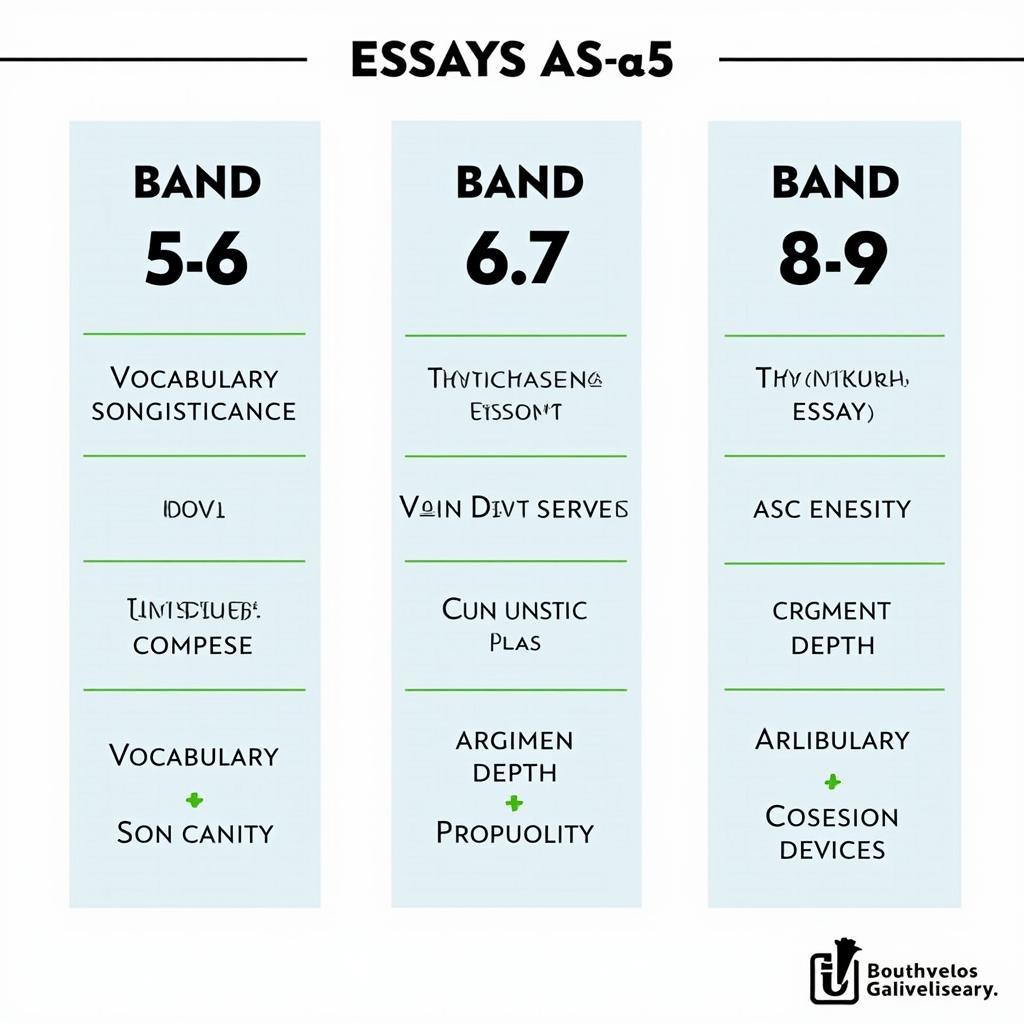 So sánh chi tiết đặc điểm bài viết IELTS Writing Task 2 đạt band điểm từ 6.5 đến 9.0 về chủ đề sức khỏe tâm thần
Bài mẫu Band 5-6
Bài viết Band 5-6 thể hiện trình độ trung cấp với khả năng truyền đạt ý tưởng cơ bản nhưng còn nhiều hạn chế về từ vựng, ngữ pháp, và sự phát triển ý tưởng.
Nowadays, mental health is becoming a big problem in society. Some people think that employers should help workers with their mental health, but others think it is personal and companies should not get involved. This essay will discuss both sides and give my opinion.
First, some people believe mental health is a private thing. They think that employers should only focus on work and not interfere in employees’ personal lives. If companies try to help with mental health, some workers might feel uncomfortable because they don’t want to share their personal problems with their boss. For example, if someone has depression, they might not want their colleagues to know about it because they are afraid of discrimination.
However, I think employers should care about mental health of their workers. The main reason is that work can cause stress and mental problems. When people work too much hours and have many pressure, they can get mental health issues. So companies should take responsibility for this. Also, if employees are happy, they will work better and the company will get more profit. Many big companies like Google provide mental health services for their staff and this help them to have good workers.
Another reason is that mental health awareness can make workplace better. When employers show they care about workers’ wellbeing, the employees will feel more satisfied with their job. This can reduce the number of people who leave the company. In Vietnam, many young workers nowadays care a lot about mental health, so if companies don’t support this, they might lose good employees.
In conclusion, although some people think mental health is personal matter, I believe employers should promote mental health awareness at workplace. This is good for both employees and companies. Companies should provide support programs and create good working environment.
(305 words)
Phân tích Band điểm
| Tiêu chí | Band | Nhận xét |
|---|---|---|
| Task Response (Hoàn thành yêu cầu) | 6.0 | Bài viết trả lời đề bài và đưa ra quan điểm cá nhân, nhưng việc phát triển ý tưởng còn hạn chế và đôi khi lặp lại. Ví dụ được đưa ra nhưng chưa được giải thích kỹ càng. Quan điểm đối lập được đề cập nhưng quá ngắn gọn và thiếu chiều sâu phân tích. |
| Coherence & Cohesion (Mạch lạc & Liên kết) | 5.5 | Cấu trúc cơ bản rõ ràng nhưng việc sử dụng linking devices còn đơn giản và lặp lại (First, However, Also, Another reason). Một số câu thiếu sự kết nối logic mượt mà. Tham chiếu đại từ (this, they) đôi khi không rõ ràng gây nhầm lẫn về đối tượng được nhắc đến. |
| Lexical Resource (Từ vựng) | 5.5 | Từ vựng cơ bản và bị lặp lại nhiều (mental health, companies, workers, employees). Có một số lỗi word choice (“too much hours” thay vì “too many hours”, “many pressure” thay vì “much pressure”). Thiếu collocations và từ vựng học thuật. Sử dụng các từ đơn giản như “big problem”, “good workers” thay vì từ vựng chính xác hơn. |
| Grammatical Range & Accuracy (Ngữ pháp) | 5.5 | Sử dụng chủ yếu câu đơn và một số câu phức đơn giản. Có nhiều lỗi ngữ pháp: “too much hours” (many), “have many pressure” (much), “this help them” (helps), “care a lot about” (redundant). Lỗi về mạo từ và giới từ cũng xuất hiện. Tuy nhiên, các lỗi này không làm cản trở nghiêm trọng việc hiểu nghĩa. |
Những lỗi sai của bài – phân tích & giải thích
| Lỗi sai | Loại lỗi | Sửa lại | Giải thích |
|---|---|---|---|
| “work too much hours” | Lỗi định lượng từ | “work too many hours” | “Hours” là danh từ đếm được số nhiều nên phải dùng “many” chứ không phải “much”. “Much” dùng cho danh từ không đếm được như “much time”, “much water”. Đây là lỗi phổ biến của học viên Việt vì tiếng Việt không phân biệt much/many. |
| “have many pressure” | Lỗi định lượng từ | “have much pressure” hoặc “face many pressures” | “Pressure” ở nghĩa “áp lực” là danh từ không đếm được nên dùng “much”. Nếu muốn dùng “many” thì phải là “many pressures” (nhiều áp lực khác nhau). |
| “this help them” | Lỗi chia động từ | “this helps them” | Chủ ngữ “this” là số ít nên động từ phải thêm “s”. Đây là lỗi cơ bản về subject-verb agreement. |
| “mental health of their workers” | Lỗi sở hữu cách | “their workers’ mental health” hoặc giữ nguyên | Cả hai cách đều đúng nhưng “workers’ mental health” tự nhiên và học thuật hơn trong văn viết. |
| “get more profit” | Lỗi collocation | “make more profit” hoặc “generate more profit” | Động từ đi với “profit” thường là “make”, “generate”, “earn”, không phải “get”. Đây là lỗi collocation phổ biến. |
| “at workplace” | Lỗi mạo từ | “in the workplace” | “Workplace” thường đi với “the” và giới từ “in”. “At work” thì không cần “the” nhưng “at workplace” là sai. |
| “good working environment” | Lỗi word choice | “positive/supportive working environment” | “Good” quá đơn giản và không specific. Trong academic writing nên dùng từ cụ thể hơn như “positive”, “supportive”, “healthy”. |
| “care a lot about mental health” | Lỗi phong cách | “prioritize mental health” hoặc “value mental health highly” | “Care a lot about” quá informal cho IELTS Writing. Nên dùng từ vựng formal hơn. |
Cách Cải Thiện Từ Band 6 Lên Band 7
1. Nâng cao từ vựng và collocations:
- Thay vì: “mental health is becoming a big problem”
- Nên viết: “mental health issues are becoming increasingly prevalent” hoặc “psychological wellbeing is emerging as a significant concern”
- Lý do: Từ vựng học thuật và collocation tự nhiên hơn
2. Sử dụng cấu trúc câu phức tạp hơn:
- Thay vì: “If companies try to help with mental health, some workers might feel uncomfortable because they don’t want to share their personal problems.”
- Nên viết: “Should companies attempt to address mental health concerns, some employees might feel uncomfortable, particularly those who are reluctant to disclose personal matters to their supervisors.”
- Lý do: Sử dụng đảo ngữ với “Should”, mệnh đề quan hệ, và từ vựng formal hơn
3. Phát triển ý tưởng đầy đủ hơn:
- Thay vì chỉ nói “work can cause stress”
- Nên elaborate: “Workplace stressors, including excessive workloads, unrealistic deadlines, and job insecurity, are well-documented contributors to mental health challenges. Given that employers directly control these factors, they have both the capacity and responsibility to implement mitigating measures.”
- Lý do: Cung cấp specific details và establish causal relationship rõ ràng
4. Sử dụng linking devices đa dạng:
- Thay vì lặp lại “First, Another reason, In conclusion”
- Nên dùng: “To begin with, Furthermore, Moreover, Additionally, Consequently, In light of these considerations”
- Lý do: Thể hiện vốn từ vựng phong phú và kỹ năng liên kết ý tưởng tốt hơn
5. Cung cấp evidence cụ thể hơn:
- Thay vì: “Many big companies like Google provide mental health services”
- Nên viết: “Leading corporations such as Google and Microsoft have implemented comprehensive wellness programs, including on-site counseling services and flexible working arrangements, which have demonstrably improved both employee satisfaction and organizational productivity.”
- Lý do: Evidence cụ thể và elaborate hơn với outcome measurable
6. Tránh lỗi ngữ pháp cơ bản:
- Ôn lại: Countable/Uncountable nouns (much/many), Subject-verb agreement, Articles (a/an/the), Prepositions
- Thực hành: Viết xong bài, đọc lại cẩn thận từng câu để check các lỗi này
- Tip cho học viên Việt: Đặc biệt chú ý đến mạo từ và giới từ vì tiếng Việt không có những thành phần này
7. Nâng cao academic tone:
- Tránh: “I think”, “In my opinion” (chỉ dùng 1-2 lần)
- Thay bằng: “It is evident that”, “From my perspective”, “This essay will argue that”
- Lý do: Academic writing cần objective và formal hơn
Để hiểu rõ hơn về cách phát triển kỹ năng viết học thuật, bạn có thể tìm hiểu thêm về the role of arts in education để thấy cách các kỹ năng tư duy phản biện được áp dụng trong viết luận.
Từ vựng quan trọng cần nhớ
| Từ/Cụm từ | Loại từ | Phiên âm | Nghĩa tiếng Việt | Ví dụ | Collocations |
|---|---|---|---|---|---|
| mental health awareness | noun phrase | /ˈmentl helθ əˈweənəs/ | nhận thức về sức khỏe tâm thần | Employers should promote mental health awareness in the workplace. | raise/foster/promote mental health awareness, lack of mental health awareness |
| psychological wellbeing | noun phrase | /ˌsaɪkəˈlɒdʒɪkl ˈwelbiːɪŋ/ | sức khỏe/hạnh phúc tâm lý | Employee psychological wellbeing directly impacts organizational productivity. | enhance/support/prioritize psychological wellbeing, threats to psychological wellbeing |
| workplace stressors | noun phrase | /ˈwɜːkpleɪs ˈstresəz/ | các yếu tố gây căng thẳng tại nơi làm việc | Excessive workloads are common workplace stressors. | identify/address/mitigate workplace stressors, exposure to workplace stressors |
| organizational scrutiny | noun phrase | /ˌɔːɡənaɪˈzeɪʃənl ˈskruːtəni/ | sự giám sát của tổ chức | Some employees fear organizational scrutiny of their personal lives. | subject to organizational scrutiny, under organizational scrutiny |
| mitigate negative impacts | verb phrase | /ˈmɪtɪɡeɪt ˈneɡətɪv ˈɪmpækts/ | giảm thiểu tác động tiêu cực | Companies should implement policies to mitigate negative impacts of stress. | effectively/successfully mitigate, measures to mitigate |
| psychologically safe workplace | adjective + noun | /ˌsaɪkəˈlɒdʒɪkli seɪf ˈwɜːkpleɪs/ | nơi làm việc an toàn về mặt tâm lý | Creating a psychologically safe workplace encourages open communication. | foster/establish/maintain a psychologically safe workplace |
| employee absenteeism | noun phrase | /ɪmˈplɔɪiː ˌæbsənˈtiːɪzəm/ | tình trạng nhân viên vắng mặt | Mental health issues contribute to increased employee absenteeism. | reduce/combat employee absenteeism, high levels of employee absenteeism |
| organizational loyalty | noun phrase | /ˌɔːɡənaɪˈzeɪʃənl ˈlɔɪəlti/ | lòng trung thành với tổ chức | Mental health support programs enhance organizational loyalty. | foster/demonstrate/strengthen organizational loyalty |
| intrusive monitoring | adjective + noun | /ɪnˈtruːsɪv ˈmɒnɪtərɪŋ/ | việc theo dõi xâm phạm | Employers should avoid intrusive monitoring of employees’ personal matters. | excessive/inappropriate intrusive monitoring, concerns about intrusive monitoring |
| stigmatization | noun | /ˌstɪɡmətaɪˈzeɪʃn/ | sự kỳ thị, gắn nhãn tiêu cực | Fear of stigmatization prevents many from seeking mental health support. | prevent/reduce stigmatization, lead to stigmatization |
| comprehensive wellness programs | adjective + noun phrase | /ˌkɒmprɪˈhensɪv ˈwelnəs ˈprəʊɡræmz/ | các chương trình chăm sóc sức khỏe toàn diện | Tech companies often offer comprehensive wellness programs. | implement/provide comprehensive wellness programs, benefits of comprehensive wellness programs |
| foster | verb | /ˈfɒstə(r)/ | thúc đẩy, nuôi dưỡng | Organizations should foster a culture of openness about mental health. | foster awareness/understanding/development, actively foster |
| paramount | adjective | /ˈpærəmaʊnt/ | quan trọng nhất, tối thượng | Respecting employee privacy is paramount in mental health initiatives. | of paramount importance, remain paramount |
| pertinent | adjective | /ˈpɜːtɪnənt/ | thích hợp, liên quan | This issue has become increasingly pertinent in modern workplaces. | highly/particularly pertinent, pertinent to |
Các cụm từ nối học thuật quan trọng:
| Cụm từ | Loại | Phiên âm | Nghĩa | Ví dụ | Sử dụng |
|---|---|---|---|---|---|
| Given that | Linking phrase | /ˈɡɪvn ðæt/ | Vì, do, xét rằng | Given that employers control workplace conditions, they bear responsibility for mental health. | Dùng để giới thiệu nguyên nhân/lý do một cách formal |
| From this perspective | Transition phrase | /frɒm ðɪs pəˈspektɪv/ | Từ góc nhìn này | From this perspective, employer involvement is not just beneficial but necessary. | Dùng để chuyển sang góc nhìn khác |
| In light of | Prepositional phrase | /ɪn laɪt ɒv/ | Xét đến, căn cứ vào | In light of these considerations, a balanced approach is required. | Dùng để tổng hợp thông tin đã nêu |
Các cặp từ đồng nghĩa để paraphrase:
- Mental health = psychological wellbeing = mental wellbeing = psychological health
- Employers = organizations = companies = businesses = corporations
- Promote = foster = encourage = cultivate = advance
- Responsibility = obligation = duty = accountability
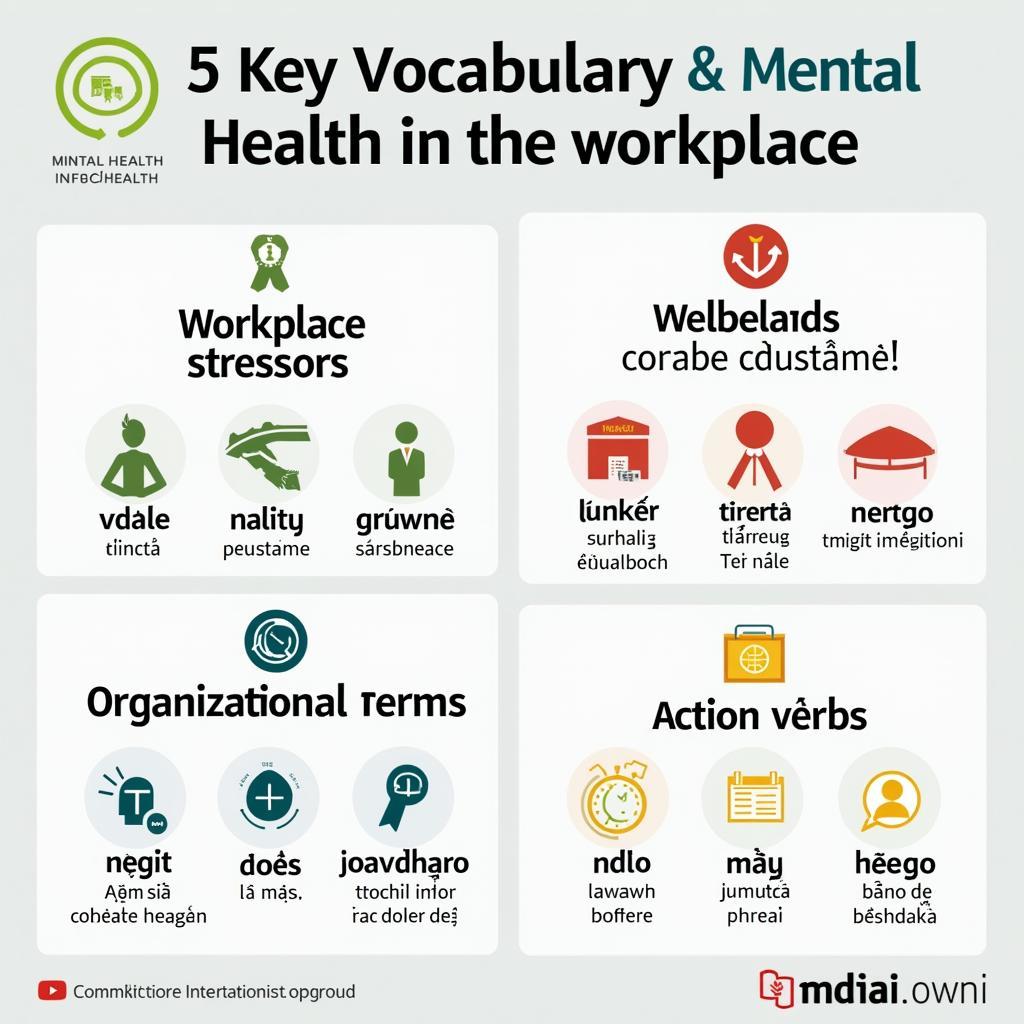 Infographic từ vựng quan trọng về sức khỏe tâm thần tại nơi làm việc cho IELTS Writing Task 2
Cấu trúc câu dễ “ăn điểm” cao
1. Cấu trúc Concessive với While/Although
Công thức: While/Although + [clause 1 acknowledging opposing view], [clause 2 presenting main argument]
Ví dụ từ bài Band 8-9:
“While I acknowledge that mental wellbeing is fundamentally an individual concern, I firmly believe that employers bear a significant responsibility to create supportive environments.”
Tại sao cấu trúc này ghi điểm cao:
- Thể hiện khả năng nhìn nhận đa chiều vấn đề (critical thinking)
- Cho thấy sự cân bằng trong lập luận trước khi nêu quan điểm chính
- Sử dụng động từ học thuật “acknowledge” và “firmly believe” thể hiện độ chính xác cao
- Cấu trúc này rất phổ biến trong academic writing và được examiner đánh giá cao
Ví dụ bổ sung:
- “Although privacy concerns are legitimate, the benefits of workplace mental health programs far outweigh potential drawbacks.”
- “While some businesses may view these initiatives as costly, research demonstrates substantial long-term returns on investment.”
- “Though individual responsibility plays a role, organizational support systems are equally crucial for mental wellbeing.”
Lỗi thường gặp của học viên Việt Nam:
- Dùng “Despite” + noun thay vì “Although” + clause (Despite of… – SAI)
- Không có dấu phẩy giữa hai mệnh đề
- Mệnh đề chính quá yếu, không thể hiện rõ quan điểm
2. Mệnh đề quan hệ không xác định (Non-defining relative clauses)
Công thức: [Main clause], which/who [provides additional information], [continuation]
Ví dụ từ bài Band 8-9:
“Technology companies like Google and Microsoft have implemented comprehensive mental health programs, including access to counseling services and stress management workshops, resulting in measurably improved employee satisfaction and productivity.”
Tại sao cấu trúc này ghi điểm cao:
- Thêm thông tin bổ sung một cách mượt mà mà không cần viết câu mới
- Thể hiện sự liên kết ý tưởng chặt chẽ
- Tạo câu phức tạp nhưng vẫn dễ hiểu
- Sử dụng present participle (resulting in) để thể hiện kết quả
Ví dụ bổ sung:
- “Mental health issues, which affect approximately one in four employees globally, have significant economic implications.”
- “Workplace wellness programs, particularly those addressing psychological health, demonstrate strong returns on investment.”
- “Japanese companies have introduced measures to combat karoshi (death from overwork), recognizing its devastating impact on both individuals and society.”
Lỗi thường gặp của học viên Việt Nam:
- Không có dấu phẩy trước which/who trong non-defining clause
- Nhầm lẫn giữa “which” (cho vật/ý tưởng) và “who” (cho người)
- Sử dụng “that” thay vì “which” trong non-defining clause (SAI)
3. Cấu trúc nhấn mạnh với Given that/Considering that
Công thức: Given that/Considering that + [established fact], [logical conclusion/recommendation]
Ví dụ từ bài Band 8-9:
“Given that employers directly control these factors, they possess both the capacity and moral obligation to mitigate their negative impacts.”
Tại sao cấu trúc này ghi điểm cao:
- Thể hiện logical reasoning (lý luận logic) rõ ràng
- Linking clause một cách học thuật và formal
- Cho thấy khả năng phân tích cause-effect
- “Given that” formal hơn “Because” rất nhiều trong academic writing
Ví dụ bổ sung:
- “Given that workplace stress is a primary contributor to mental health problems, employers cannot remain passive observers.”
- “Considering that early intervention significantly reduces long-term costs, preventive programs represent wise investments.”
- “Given the demonstrated correlation between employee wellbeing and organizational performance, mental health initiatives benefit all stakeholders.”
Lỗi thường gặp của học viên Việt Nam:
- Viết “Give that” thay vì “Given that”
- Không có dấu phẩy sau mệnh đề “Given that…”
- Sử dụng “because” quá nhiều thay vì đa dạng với “given that”, “since”, “as”
4. Câu chẻ (Cleft sentences) với “It is… that…”
Công thức: It is [emphasized element] that [rest of sentence]
Ví dụ từ bài Band 8-9:
“It is the interconnected nature of workplace environments and mental wellbeing that makes employer involvement not just beneficial but necessary.”
Tại sao cấu trúc này ghi điểm cao:
- Nhấn mạnh thông tin quan trọng một cách hiệu quả
- Tạo variety trong sentence structure
- Formal và academic tone cao
- Cho phép nhấn mạnh các yếu tố khác nhau trong câu
Ví dụ bổ sung:
- “It is not individual weakness but systemic workplace issues that often precipitate mental health crises.”
- “It is through comprehensive support programs that organizations can most effectively address psychological wellbeing.”
- “It is the stigma surrounding mental health, rather than lack of resources, that prevents many employees from seeking help.”
Lỗi thường gặp của học viên Việt Nam:
- Nhầm lẫn “It is… that…” với “It is… which…”
- Không đảm bảo subject-verb agreement sau “that”
- Sử dụng quá nhiều trong một bài làm câu văn không tự nhiên
5. Cấu trúc phân từ (Participle phrases) để nối ý
Công thức: [Main clause], [present participle -ing] [additional information/result]
Ví dụ từ bài Band 8-9:
“Technology companies like Google and Microsoft have implemented comprehensive mental health programs, including access to counseling services and stress management workshops, resulting in measurably improved employee satisfaction and productivity.”
Tại sao cấu trúc này ghi điểm cao:
- Kết nối ý tưởng một cách súc tích
- Thể hiện cause-effect relationship rõ ràng
- Tránh viết nhiều câu ngắn, tạo flow tốt hơn
- Là dấu hiệu của advanced grammar
Ví dụ bổ sung:
- “Many organizations now offer flexible working arrangements, recognizing that work-life balance significantly affects mental health.”
- “Employers have begun training managers in mental health awareness, thereby creating more supportive leadership cultures.”
- “Some companies conduct regular wellbeing surveys, using the data to tailor support programs to employee needs.”
Lỗi thường gặp của học viên Việt Nam:
- Dangling participle (chủ ngữ của participle phrase khác với chủ ngữ của main clause)
- Ví dụ SAI: “Walking into the office, the pressure was immediately felt.” (Pressure không thể walk)
- ĐÚNG: “Walking into the office, employees immediately felt the pressure.”
- Nhầm lẫn giữa present participle (-ing) và past participle (-ed)
6. Đảo ngữ với Should (Conditional inversion)
Công thức: Should + [subject] + [verb], [consequence]
Ví dụ áp dụng:
“Should companies neglect mental health concerns, they risk facing decreased productivity, increased turnover, and potential legal liabilities.”
Tại sao cấu trúc này ghi điểm cao:
- Formal và sophisticated grammar
- Thể hiện conditional relationship một cách tinh tế
- Tạo variety và không lặp lại “If… then…” nhiều lần
- Được sử dụng phổ biến trong formal academic và business writing
Ví dụ bổ sung:
- “Should employers implement proactive mental health strategies, they would likely observe significant improvements in organizational culture.”
- “Should stigma surrounding mental health persist, many employees will continue to suffer in silence.”
- “Should organizations fail to address workplace stressors, the consequences extend beyond individual wellbeing to affect overall business performance.”
Lỗi thường gặp của học viên Việt Nam:
- Nhầm với câu hỏi: Viết “Should companies…?” với dấu hỏi
- Quên đảo ngữ: Viết “If companies should…” (không tự nhiên)
- Không có dấu phẩy giữa hai mệnh đề
- Sử dụng thì sai ở mệnh đề chính (should… will thay vì should… would)
Lưu ý quan trọng khi sử dụng các cấu trúc trên:
- Không lạm dụng: Mỗi cấu trúc nên xuất hiện 1-2 lần trong một bài 300 từ
- Đảm bảo accuracy trước complexity: Viết đúng quan trọng hơn viết phức tạp
- Phù hợp ngữ cảnh: Chỉ sử dụng khi thực sự phù hợp với ý tưởng đang trình bày
- Kết hợp với simple sentences: Một bài viết tốt cần mix giữa câu đơn, câu phức để tạo rhythm tự nhiên
- Practice makes perfect: Viết nhiều bài thực hành với các cấu trúc này cho đến khi sử dụng tự nhiên
Cũng giống như việc how technology affects children’s social skills đòi hỏi sự cân bằng, việc sử dụng cấu trúc câu phức tạp cũng cần sự cân nhắc và phù hợp với ngữ cảnh.
Kết bài
Chủ đề “nâng cao nhận thức về sức khỏe tâm thần tại nơi làm việc” không chỉ là một đề tài phổ biến trong IELTS Writing Task 2 mà còn phản ánh một xu hướng quan trọng trong xã hội hiện đại. Qua bài viết này, chúng ta đã cùng nhau phân tích chi tiết ba bài mẫu ở các band điểm khác nhau (5-6, 6.5-7, và 8-9), giúp bạn hiểu rõ sự khác biệt về chất lượng giữa các mức độ.
Những điểm chính cần ghi nhớ:
-
Task Response là then chốt: Đảm bảo trả lời đầy đủ tất cả yêu cầu của đề bài, thảo luận cân bằng cả hai quan điểm và nêu rõ lập trường cá nhân.
-
Phát triển ý tưởng sâu sắc: Không chỉ liệt kê lý do mà cần elaborate với examples, explanations và evidence cụ thể.
-
Từ vựng học thuật và chính xác: Sử dụng collocations tự nhiên, paraphrase đa dạng, và tránh lặp lại từ đơn giản.
-
Cấu trúc ngữ pháp đa dạng: Kết hợp câu đơn, câu phức, và các cấu trúc nâng cao như concessive clauses, participle phrases, và cleft sentences.
-
Coherence và Cohesion: Sử dụng linking devices tinh tế, đảm bảo logical flow giữa các ý tưởng và đoạn văn.
-
Tránh các lỗi phổ biến: Đặc biệt chú ý đến subject-verb agreement, articles, countable/uncountable nouns – những lỗi điển hình của học viên Việt Nam.
Hành trình cải thiện từ Band 6 lên Band 8:
- Band 5-6 → 6.5-7: Tập trung khắc phục lỗi ngữ pháp cơ bản, mở rộng vốn từ vựng, và phát triển ý tưởng đầy đủ hơn
- Band 6.5-7 → 8-9: Nâng cao độ tinh tế trong lập luận, sử dụng từ vựng học thuật cao cấp, và demonstrate critical thinking thông qua concession và counter-arguments
Lời khuyên thực tế để thực hành:
- Viết thường xuyên: Ít nhất 2-3 bài/tuần với các chủ đề khác nhau
- Phân tích bài mẫu: Đọc kỹ các bài Band 8-9 để học cách họ structure arguments và sử dụng language
- Self-correction: Sau khi viết, đọc lại và tự sửa lỗi trước khi nhờ người khác check
- Build vocabulary systematically: Học từ vựng theo chủ đề với collocations và example sentences
- Time management: Luyện viết trong 40 phút để quen với time pressure của kỳ thi thực tế
Nhớ rằng, việc đạt band điểm cao trong IELTS Writing không phải chuyện một sớm một chiều, mà là kết quả của quá trình học tập và thực hành kiên trì. Tương tự như should governments ban plastic bags and encourage the use of eco-friendly alternatives?, mỗi chủ đề đều yêu cầu sự chuẩn bị kỹ lưỡng về cả nội dung lẫn ngôn ngữ.
Hãy sử dụng các bài mẫu trong bài viết này như reference materials, học hỏi các techniques và structures, nhưng đồng thời phát triển phong cách viết riêng của bạn. Chúc bạn học tốt và đạt được band điểm mong muốn trong kỳ thi IELTS!
Tip cuối cùng: Đừng ngại mắc lỗi trong quá trình học. Mỗi lỗi sai là một cơ hội để học và cải thiện. Quan trọng nhất là bạn hiểu tại sao mình sai và làm thế nào để sửa, từ đó không lặp lại lỗi đó trong tương lai.