
Mở đầu
Chủ đề “ethical consumerism” (tiêu dùng có đạo đức) đang ngày càng trở nên phổ biến trong các đề thi IELTS Writing Task 2 gần đây, đặc biệt là từ năm 2022 đến nay. Đây là một chủ đề thuộc nhóm Environment & Society, thường xuất hiện dưới dạng Opinion Essay, Problem-Solution Essay hoặc Discussion Essay. Việc nắm vững cách viết về chủ đề này không chỉ giúp bạn tự tin hơn trong phòng thi mà còn mở rộng hiểu biết về các vấn đề xã hội đương đại.
Trong bài viết này, bạn sẽ học được:
- 3 bài mẫu từ Band 5-6, Band 6.5-7 đến Band 8-9 với phân tích chi tiết
- Cách phân tích đề bài và lập dàn ý hiệu quả
- 15+ từ vựng chuyên ngành và collocations học thuật
- 6 cấu trúc câu “ăn điểm” để nâng band điểm
- Những lỗi sai phổ biến của học viên Việt Nam và cách khắc phục
Một số đề thi thực tế đã xuất hiện:
- “Some people think it is the government’s responsibility to encourage ethical consumerism, while others believe individuals should take action. Discuss both views and give your opinion.” (tháng 3/2023)
- “What are the main factors that prevent people from buying ethically produced goods, and what solutions can be suggested?” (tháng 9/2022)
Đề Writing Part 2 Thực Hành
Some believe that governments should promote ethical consumerism through regulations and campaigns, while others think it is primarily the responsibility of individuals and businesses. Discuss both views and give your own opinion.
Dịch đề: Một số người cho rằng chính phủ nên thúc đẩy tiêu dùng có đạo đức thông qua các quy định và chiến dịch truyền thông, trong khi những người khác cho rằng đây chủ yếu là trách nhiệm của cá nhân và doanh nghiệp. Thảo luận cả hai quan điểm và đưa ra ý kiến của bạn.
Phân tích đề bài:
Đây là dạng Discussion Essay với yêu cầu thảo luận cả hai quan điểm và đưa ra ý kiến cá nhân. Cấu trúc chuẩn cần có:
- Introduction: Giới thiệu chủ đề và nêu rõ bài viết sẽ thảo luận cả hai góc nhìn
- Body 1: Quan điểm thứ nhất (vai trò của chính phủ)
- Body 2: Quan điểm thứ hai (vai trò của cá nhân và doanh nghiệp)
- Body 3 (tùy chọn) hoặc lồng ghép trong Conclusion: Ý kiến cá nhân
- Conclusion: Tóm tắt và khẳng định lập trường
Các thuật ngữ quan trọng:
- Ethical consumerism: Việc mua sắm có ý thức về tác động đạo đức, môi trường và xã hội
- Regulations: Các quy định, luật lệ bắt buộc
- Campaigns: Các chiến dịch truyền thông, nâng cao nhận thức
Lỗi thường gặp của học viên Việt Nam:
- Chỉ thảo luận một quan điểm và bỏ qua quan điểm còn lại
- Không đưa ra ý kiến cá nhân rõ ràng
- Sử dụng từ vựng lặp lại (government, people, buy)
- Thiếu ví dụ cụ thể để minh họa
Cách tiếp cận chiến lược:
- Dành 5 phút phân tích đề và lập dàn ý
- Đảm bảo cân bằng giữa hai quan điểm
- Đưa ra ý kiến cá nhân rõ ràng (có thể ủng hộ một bên hoặc quan điểm cân bằng)
- Sử dụng ví dụ thực tế (fair trade, organic products, carbon footprint)
Bài Mẫu Band 8-9
Giới thiệu
Bài viết Band 8-9 thể hiện khả năng sử dụng ngôn ngữ tinh tế, lập luận chặt chẽ và cấu trúc mạch lạc. Các đặc điểm nổi bật bao gồm: từ vựng đa dạng với nhiều collocations học thuật, cấu trúc câu phức tạp nhưng tự nhiên, và khả năng phân tích sâu sắc với ví dụ cụ thể.
The question of who bears primary responsibility for promoting ethical consumerism has become increasingly pertinent in today’s globalized economy. While some argue that governments should take the lead through legislative measures and public awareness initiatives, others contend that individuals and corporations must drive this transformation. In my view, a collaborative approach involving all stakeholders is essential for meaningful progress.
Those who advocate for government intervention present compelling arguments. Firstly, governments possess the regulatory authority to establish mandatory standards that ensure products meet ethical criteria, such as fair labor practices or environmental sustainability. For instance, the European Union’s legislation requiring companies to disclose their supply chain transparency has significantly reduced exploitative practices in various industries. Moreover, governments can leverage public resources to launch educational campaigns that raise consumer awareness about the impact of their purchasing decisions, thereby creating a more informed citizenry capable of making ethical choices.
Conversely, proponents of individual and corporate responsibility emphasize the power of grassroots movements and market forces. Individuals, through their collective purchasing power, can incentivize businesses to adopt ethical practices by choosing to support companies that align with their values. The remarkable growth of the fair-trade market demonstrates how consumer demand can reshape entire industries without government mandate. Similarly, forward-thinking businesses that voluntarily adopt ethical standards often gain competitive advantages, attracting conscientious consumers and building brand loyalty. This market-driven approach can be more dynamic and responsive than bureaucratic regulations.
In my opinion, the most effective strategy combines governmental oversight with individual agency and corporate innovation. Governments should establish baseline standards and provide the infrastructure for transparency, while individuals must exercise their consumer power thoughtfully, and businesses should view ethical practices not as compliance burdens but as opportunities for innovation and differentiation. The success of Scandinavian countries in promoting sustainable consumption illustrates how this synergy between public policy, consumer consciousness, and business initiative can create transformative change.
In conclusion, while both government action and individual responsibility have distinct merits, ethical consumerism can only flourish through coordinated efforts from all societal actors. This integrated approach ensures both the regulatory framework necessary for accountability and the cultural shift required for lasting behavioral change.
Phân Tích Band Điểm
| Tiêu chí | Band | Nhận xét |
|---|---|---|
| Task Response (Hoàn thành yêu cầu) | 9 | Bài viết thảo luận đầy đủ và cân bằng cả hai quan điểm với độ sâu phân tích cao. Ý kiến cá nhân rõ ràng và được phát triển xuyên suốt. Các ví dụ cụ thể (EU legislation, fair-trade market, Scandinavian countries) minh họa hiệu quả cho lập luận. |
| Coherence & Cohesion (Mạch lạc & Liên kết) | 9 | Cấu trúc logic với progression tự nhiên từ quan điểm này sang quan điểm khác. Sử dụng đa dạng các từ nối (Firstly, Moreover, Conversely, Similarly, In conclusion) và các cohesive devices tinh tế. Mỗi đoạn có topic sentence rõ ràng và supporting ideas liên kết chặt chẽ. |
| Lexical Resource (Từ vựng) | 9 | Phạm vi từ vựng rộng với nhiều collocations học thuật chính xác (bears primary responsibility, regulatory authority, grassroots movements, collective purchasing power). Sử dụng paraphrasing hiệu quả và từ vựng chuyên ngành phù hợp. Không có lỗi từ vựng đáng kể. |
| Grammatical Range & Accuracy (Ngữ pháp) | 9 | Đa dạng cấu trúc câu phức tạp (relative clauses, participle phrases, conditional structures). Sử dụng thành thạo các thì động từ và cấu trúc bị động. Lỗi sai ngữ pháp gần như không có, câu văn tự nhiên và mượt mà. |
Các Yếu Tố Giúp Bài Này Được Chấm Điểm Cao
-
Introduction mạnh mẽ với thesis statement rõ ràng: Câu mở đầu sử dụng cụm “increasingly pertinent” thể hiện vốn từ học thuật, đồng thời thesis statement nêu rõ lập trường “collaborative approach” ngay từ đầu.
-
Sử dụng discourse markers đa dạng và tinh tế: Thay vì dùng “Firstly, Secondly” đơn giản, bài viết sử dụng “Those who advocate…”, “Conversely, proponents of…” cho thấy khả năng diễn đạt linh hoạt.
-
Ví dụ cụ thể và có giá trị: EU legislation, fair-trade market, Scandinavian countries là những ví dụ thực tế giúp lập luận thuyết phục hơn thay vì chỉ nói chung chung.
-
Paraphrasing hiệu quả: “Ethical consumerism” được paraphrase thành “purchasing decisions with ethical impact”, “sustainable consumption”, “conscientious consumer choices” tránh lặp từ.
-
Cấu trúc câu phức tạp nhưng tự nhiên: Sử dụng thành thạo mệnh đề quan hệ, cụm phân từ và các cấu trúc nhấn mạnh như “It is… that…” mà không làm câu văn trở nên gượng ép.
-
Quan điểm cá nhân được phát triển thành một đoạn riêng: Thay vì chỉ nêu ngắn gọn trong conclusion, tác giả dành cả body paragraph 3 để phát triển ý kiến với lập luận và ví dụ minh họa.
-
Kết luận tổng hợp và khẳng định lại thesis: Conclusion không chỉ lặp lại ý mà còn nhấn mạnh tầm quan trọng của “coordinated efforts” và “integrated approach”, tạo ấn tượng mạnh.
 Bài mẫu IELTS Writing Task 2 về tiêu dùng có đạo đức đạt band 8-9 với phân tích chi tiết các yếu tố giúp đạt điểm cao
Bài Mẫu Band 6.5-7
Giới thiệu
Bài viết Band 6.5-7 thể hiện khả năng trình bày ý tưởng rõ ràng và có tổ chức tốt, tuy nhiên từ vựng và cấu trúc câu chưa đa dạng và tinh tế như Band 8-9. Các ý tưởng được phát triển nhưng đôi khi còn thiếu chiều sâu phân tích.
The debate about who should promote ethical consumerism is an important topic today. Some people think that governments should take action through laws and awareness programs, while others believe that individuals and companies should be responsible. This essay will discuss both sides and give my personal opinion.
On one hand, governments have an important role in promoting ethical consumerism. They can make laws that force companies to follow ethical standards. For example, governments can require businesses to show where their products come from and how they are made. This helps consumers make better choices when they shop. Additionally, governments can organize campaigns to educate people about the importance of buying ethical products. These campaigns can use television, social media, and schools to reach many people and change their buying habits.
On the other hand, many people argue that individuals and businesses should take responsibility for ethical consumerism. When consumers choose to buy products from ethical companies, they send a strong message to the market. If more people buy fair-trade coffee or organic vegetables, more companies will produce these products. Furthermore, businesses that decide to adopt ethical practices can attract more customers who care about social and environmental issues. For instance, many young people today prefer to buy from companies that treat workers fairly and protect the environment.
In my opinion, both governments and individuals need to work together to promote ethical consumerism effectively. Governments should create the basic rules and provide information to help people understand the issues. At the same time, individuals must make conscious decisions about their purchases, and businesses should see ethical practices as good opportunities rather than just extra costs. When everyone works together, we can create real change in how people consume products.
In conclusion, while government action and individual responsibility both have advantages, ethical consumerism requires cooperation from all parts of society. This combined approach will create both the rules needed for accountability and the cultural changes necessary for long-term success.
Phân Tích Band Điểm
| Tiêu chí | Band | Nhận xét |
|---|---|---|
| Task Response (Hoàn thành yêu cầu) | 7 | Bài viết đề cập đầy đủ cả hai quan điểm và có ý kiến cá nhân rõ ràng. Tuy nhiên, các ví dụ còn khá chung chung (fair-trade coffee, organic vegetables) và độ sâu phân tích chưa bằng Band 8-9. Vẫn hoàn thành tốt yêu cầu đề bài. |
| Coherence & Cohesion (Mạch lạc & Liên kết) | 7 | Cấu trúc rõ ràng với các đoạn văn được tổ chức logic. Sử dụng linking words cơ bản nhưng hiệu quả (On one hand, On the other hand, Additionally, Furthermore, In conclusion). Tuy nhiên, thiếu sự linh hoạt trong cách nối ý so với Band 8-9. |
| Lexical Resource (Từ vựng) | 6.5 | Từ vựng đủ để truyền đạt ý tưởng nhưng chưa đa dạng và tinh tế. Có một số collocations tốt (ethical standards, buying habits, conscious decisions) nhưng cũng lặp lại một số từ (ethical, people, companies). Không có lỗi từ vựng nghiêm trọng. |
| Grammatical Range & Accuracy (Ngữ pháp) | 7 | Sử dụng kết hợp câu đơn và câu phức, có một số cấu trúc tốt (conditional, relative clauses). Lỗi ngữ pháp nhỏ không ảnh hưởng đến sự hiểu nghĩa. Tuy nhiên, độ phức tạp và sự đa dạng của cấu trúc câu chưa cao như Band 8-9. |
So Sánh Với Bài Band 8-9
Điểm khác biệt chính:
-
Introduction:
- Band 8-9: “The question of who bears primary responsibility has become increasingly pertinent” (sử dụng cụm danh từ phức tạp và từ vựng học thuật)
- Band 6.5-7: “The debate about who should promote ethical consumerism is an important topic today” (đơn giản hơn, từ vựng cơ bản)
-
Từ vựng và Collocations:
- Band 8-9: “regulatory authority”, “grassroots movements”, “collective purchasing power”, “competitive advantages”
- Band 6.5-7: “important role”, “better choices”, “strong message”, “good opportunities”
-
Độ sâu phân tích:
- Band 8-9: Đưa ra ví dụ cụ thể (EU legislation) và giải thích tác động chi tiết
- Band 6.5-7: Ví dụ chung chung hơn (fair-trade coffee) và giải thích đơn giản
-
Cấu trúc câu:
- Band 8-9: “Individuals, through their collective purchasing power, can incentivize businesses…” (sử dụng prepositional phrase ngay giữa câu)
- Band 6.5-7: “When consumers choose to buy products from ethical companies, they send a strong message” (cấu trúc đơn giản hơn)
-
Linking devices:
- Band 8-9: Sử dụng đa dạng (Conversely, Moreover, Similarly) và các cụm như “Those who advocate for…”
- Band 6.5-7: Sử dụng cơ bản (On one hand, On the other hand, Additionally)
Bài Mẫu Band 5-6
Giới thiệu
Bài viết Band 5-6 có khả năng trình bày ý tưởng cơ bản nhưng còn nhiều hạn chế về từ vựng, ngữ pháp và sự phát triển ý. Các lỗi sai phổ biến của học viên thường xuất hiện ở band điểm này.
Nowadays, ethical consumerism is become more important. Some people think government should do something about it, but other people think individual and company should do. In this essay, I will discuss both view and give my opinion.
First, government have important role for promoting ethical consumerism. Government can make the law to control company. For example, government can check the company is use child labor or not. If company use child labor, government can punish them. Also, government can make advertisement in TV to tell people about ethical consumerism. When people watch TV, they can learn about this problem and they will change their shopping habit.
Second, individual and business also have responsibility. If people only buy ethical product, company will make more ethical product because they want to earn money. For example, if many people buy organic food, supermarket will sell more organic food. Also, some company want to be ethical because they want customer like them. These company treat worker good and don’t pollute environment. Young people like buy from these company.
In my opinion, I think government and individual should work together. Government should make rule and teach people. Individual should buy ethical product. Company should be ethical too. If everyone do together, ethical consumerism will be better.
In conclusion, government action and individual responsibility are both important for ethical consumerism. Everyone should cooperate together to make change in society.
Phân Tích Band Điểm
| Tiêu chí | Band | Nhận xét |
|---|---|---|
| Task Response (Hoàn thành yêu cầu) | 5.5 | Bài viết đề cập cả hai quan điểm và có ý kiến cá nhân, nhưng các ý tưởng được phát triển rất đơn giản và thiếu chi tiết. Ví dụ chung chung (child labor, organic food) và không được giải thích đầy đủ. Độ dài đạt yêu cầu nhưng nội dung còn mỏng. |
| Coherence & Cohesion (Mạch lạc & Liên kết) | 5.5 | Cấu trúc cơ bản có (introduction, body, conclusion) nhưng sự liên kết giữa các ý còn yếu. Sử dụng linking words rất cơ bản (First, Second, Also, In conclusion). Một số chỗ chuyển ý đột ngột, thiếu mượt mà. |
| Lexical Resource (Từ vựng) | 5 | Từ vựng hạn chế và lặp lại nhiều (government, people, company, ethical). Có lỗi word choice (do something, earn money, like buy). Thiếu collocations học thuật. Một số lỗi spelling nhỏ không ảnh hưởng nghiêm trọng. |
| Grammatical Range & Accuracy (Ngữ pháp) | 5.5 | Nhiều lỗi ngữ pháp: thiếu s/es (government have, people think), sai thì (is become), thiếu mạo từ (make the law), lỗi cấu trúc câu (company is use). Chủ yếu sử dụng câu đơn giản, ít câu phức. Tuy nhiên, phần lớn câu vẫn có thể hiểu được. |
Những Lỗi Sai Của Bài – Phân Tích & Giải Thích
| Lỗi sai | Loại lỗi | Sửa lại | Giải thích |
|---|---|---|---|
| is become | Sai thì động từ | is becoming | “Become” là động từ thường, khi dùng với thì hiện tại tiếp diễn phải thêm “-ing”. Không thể dùng “is + V_nguyên thể”. |
| government should do something about it | Word choice không học thuật | governments should take action / implement measures | “Do something” quá không trang trọng cho văn phong học thuật. Nên dùng “take action”, “implement measures” hoặc “introduce policies”. |
| both view | Thiếu s số nhiều | both views | “Both” chỉ hai thứ nên danh từ theo sau phải ở dạng số nhiều “views”. |
| government have | Thiếu s số ít | governments have / the government has | Nếu dùng “government” số ít thì động từ phải là “has”. Nếu dùng “governments” số nhiều thì động từ là “have”. |
| make the law | Sai mạo từ | make laws / introduce legislation | Không dùng “the law” mang tính chung chung. Nên dùng “laws” (số nhiều, không có “the”) hoặc “legislation” (danh từ không đếm được). |
| company is use | Sai cấu trúc | the company uses / companies use | Không thể dùng “is + V_nguyên thể”. Nếu muốn dùng thì hiện tại tiếp diễn phải là “is using”. Tuy nhiên, ngữ cảnh này nên dùng thì hiện tại đơn “uses”. |
| they want customer like them | Thiếu “to” | they want customers to like them | Cấu trúc “want + O + to V”. Phải có “to” trước động từ. Ngoài ra “customer” cần thêm “s” vì là số nhiều. |
| treat worker good | Sai từ loại và thiếu s | treat workers well | “Good” là tính từ, cần dùng trạng từ “well” để bổ nghĩa cho động từ “treat”. “Worker” cần thêm “s” vì nhiều công nhân. |
| Young people like buy | Thiếu “to” | Young people like to buy / like buying | Sau “like” phải dùng “to V” hoặc “V-ing”, không thể dùng V_nguyên thể trực tiếp. |
| should work together…should cooperate together | Lặp ý | Chỉ cần dùng một trong hai | “Work together” và “cooperate together” có nghĩa tương tự nhau, không cần dùng cả hai. Bên cạnh đó, “cooperate” đã có nghĩa “làm việc cùng nhau” nên không cần thêm “together” nữa. |
Cách Cải Thiện Từ Band 6 Lên Band 7
Để nâng điểm từ Band 6 lên Band 7, học viên cần tập trung vào những điểm sau:
1. Mở rộng và đa dạng hóa từ vựng:
- Thay thế các từ cơ bản bằng từ vựng học thuật: “important” → “significant/crucial/vital”, “do” → “implement/undertake/adopt”
- Học và sử dụng collocations: “raise awareness”, “purchasing decisions”, “sustainable practices”, “consumer behavior”
- Tránh lặp từ bằng cách sử dụng synonyms và paraphrasing
2. Cải thiện cấu trúc ngữ pháp:
- Rà soát lại các lỗi cơ bản: chia động từ theo chủ ngữ, sử dụng đúng thì, mạo từ a/an/the
- Tăng cường sử dụng câu phức: mệnh đề quan hệ (which, that, who), mệnh đề trạng ngữ (because, although, while)
- Thực hành viết câu với cụm phân từ (participle phrases) và cấu trúc bị động
3. Phát triển ý sâu hơn với ví dụ cụ thể:
- Thay vì viết chung chung “government can make law”, hãy cụ thể hóa: “governments can introduce legislation requiring supply chain transparency, as seen in the EU’s recent regulations”
- Giải thích tác động của ví dụ: không chỉ nêu ví dụ mà còn phân tích tại sao nó quan trọng
4. Cải thiện coherence và cohesion:
- Sử dụng linking words đa dạng hơn: “Furthermore”, “Moreover”, “Conversely”, “In addition to this”
- Đảm bảo mỗi đoạn có topic sentence rõ ràng và các supporting sentences liên kết chặt chẽ
- Sử dụng referencing (this, these, such) để tránh lặp danh từ
5. Luyện tập thường xuyên:
- Viết ít nhất 2-3 bài mỗi tuần và nhờ giáo viên hoặc bạn học chấm bài
- Phân tích bài mẫu Band 7-8 để học cách triển khai ý và sử dụng ngôn ngữ
- Làm bài tập ngữ pháp tập trung vào các lỗi sai thường gặp của mình
Tương tự như ảnh hưởng của xu hướng thời trang toàn cầu đến văn hóa địa phương, chủ đề tiêu dùng có đạo đức cũng đòi hỏi bạn phải có khả năng phân tích các yếu tố xã hội và đưa ra ví dụ thực tế để minh họa cho lập luận của mình.
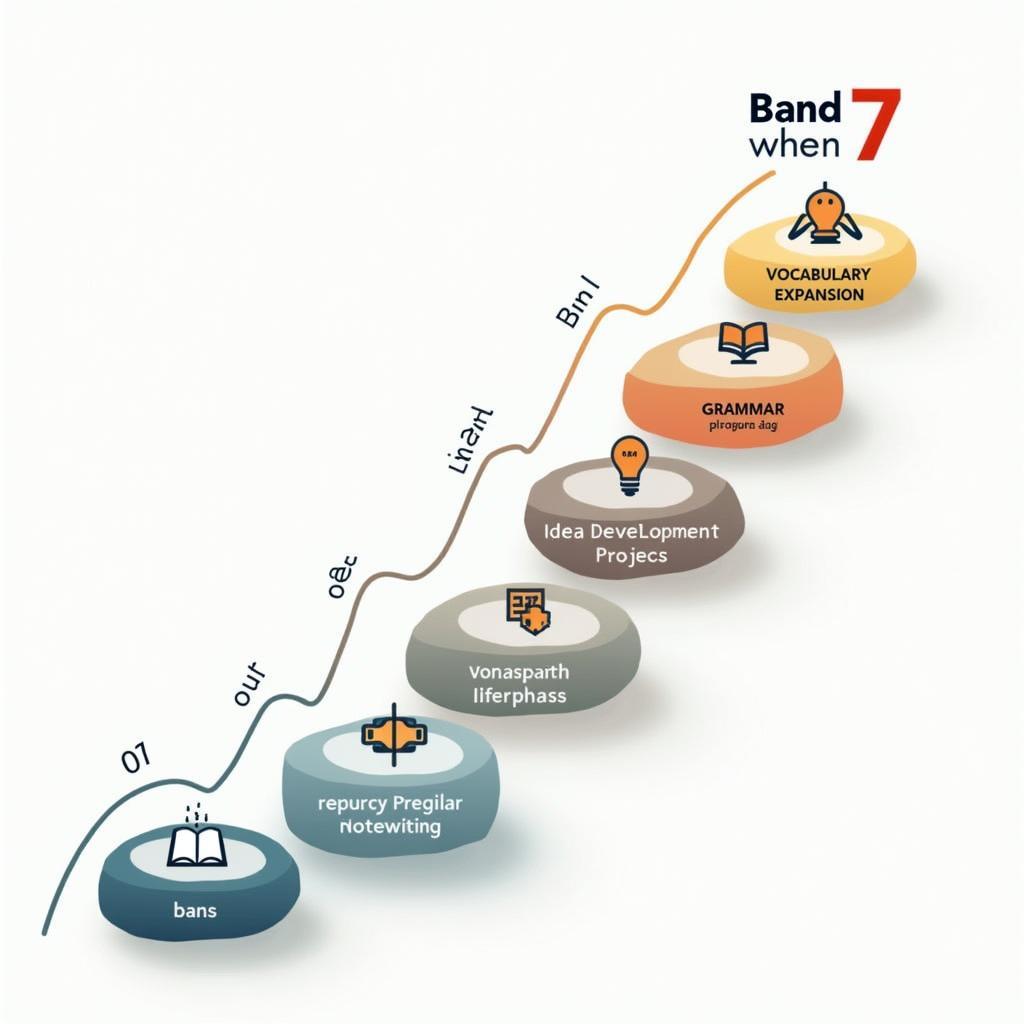 Cách cải thiện điểm số từ Band 6 lên Band 7 trong IELTS Writing Task 2 với các bước cụ thể và lời khuyên thực tế
Từ Vựng Quan Trọng Cần Nhớ
| Từ/Cụm từ | Loại từ | Phiên âm | Nghĩa tiếng Việt | Ví dụ | Collocations |
|---|---|---|---|---|---|
| ethical consumerism | noun phrase | /ˈeθɪkəl kənˈsjuːmərɪzəm/ | Tiêu dùng có đạo đức | Ethical consumerism has gained momentum in recent years. | promote ethical consumerism, practice ethical consumerism |
| regulatory authority | noun phrase | /ˈreɡjələtəri ɔːˈθɒrəti/ | Quyền lực điều tiết, ban quản lý | Governments possess the regulatory authority to establish standards. | exercise regulatory authority, regulatory authority over |
| supply chain transparency | noun phrase | /səˈplaɪ tʃeɪn trænsˈpærənsi/ | Tính minh bạch của chuỗi cung ứng | Supply chain transparency helps consumers make informed choices. | ensure supply chain transparency, lack of supply chain transparency |
| grassroots movement | noun phrase | /ˈɡrɑːsruːts ˈmuːvmənt/ | Phong trào quần chúng | Grassroots movements can drive social change effectively. | grassroots movement for change, support grassroots movements |
| collective purchasing power | noun phrase | /kəˈlektɪv ˈpɜːtʃəsɪŋ ˈpaʊər/ | Sức mua tập thể | Consumers can leverage their collective purchasing power. | harness collective purchasing power, collective purchasing power of |
| fair labor practices | noun phrase | /feər ˈleɪbər ˈpræktɪsɪz/ | Thực hành lao động công bằng | Companies should ensure fair labor practices throughout their operations. | implement fair labor practices, commitment to fair labor practices |
| raise awareness | verb phrase | /reɪz əˈweənəs/ | Nâng cao nhận thức | Campaigns can raise awareness about environmental issues. | raise public awareness, raise awareness of/about |
| incentivize | verb | /ɪnˈsentɪvaɪz/ | Khuyến khích, tạo động lực | Tax breaks can incentivize businesses to adopt sustainable practices. | incentivize companies/consumers, financially incentivize |
| sustainable consumption | noun phrase | /səˈsteɪnəbl kənˈsʌmpʃən/ | Tiêu dùng bền vững | Sustainable consumption requires changes in consumer behavior. | promote sustainable consumption, patterns of sustainable consumption |
| competitive advantage | noun phrase | /kəmˈpetətɪv ədˈvɑːntɪdʒ/ | Lợi thế cạnh tranh | Ethical practices can provide a competitive advantage. | gain/achieve competitive advantage, sustainable competitive advantage |
| conscientious consumer | noun phrase | /ˌkɒnʃiˈenʃəs kənˈsjuːmər/ | Người tiêu dùng có ý thức | Conscientious consumers prioritize social and environmental impact. | appeal to conscientious consumers, conscientious consumer choices |
| market-driven | adjective | /ˈmɑːkɪt ˈdrɪvən/ | Được thúc đẩy bởi thị trường | A market-driven approach can be more responsive than regulation. | market-driven change, market-driven economy |
| carbon footprint | noun phrase | /ˈkɑːbən ˈfʊtprɪnt/ | Dấu chân carbon (lượng khí thải CO2) | Reducing our carbon footprint is essential for environmental protection. | reduce carbon footprint, minimize carbon footprint |
| exploitative practices | noun phrase | /ɪkˈsplɔɪtətɪv ˈpræktɪsɪz/ | Các hành vi bóc lột | Legislation aims to eliminate exploitative practices in industries. | exploitative labor practices, end exploitative practices |
| coordinated efforts | noun phrase | /kəʊˈɔːdɪneɪtɪd ˈefəts/ | Nỗ lực phối hợp | Coordinated efforts from all stakeholders are necessary. | require coordinated efforts, through coordinated efforts |
Cấu Trúc Câu Dễ “Ăn Điểm” Cao
1. Cấu trúc nhấn mạnh với “It is… that…”
Công thức: It is + noun/adjective + that + clause
Ví dụ từ bài Band 8-9:
It is through collective action that meaningful change can be achieved.
Tại sao cấu trúc này ghi điểm cao:
Cấu trúc “It is… that…” (câu chẻ) giúp nhấn mạnh một phần cụ thể của câu, thể hiện khả năng sử dụng ngữ pháp phức tạp. Đây là cách viết học thuật giúp tăng tính thuyết phục cho lập luận.
Ví dụ bổ sung:
- It is the government’s responsibility that ensures baseline standards are met.
- It is only through consumer awareness that businesses will change their practices.
- It is in developing countries that exploitative labor practices are most prevalent.
Lỗi thường gặp:
Học viên Việt Nam thường quên “that” hoặc dùng sai thì động từ sau “that”. Ví dụ sai: “It is the government that have responsibility” (phải là “has” vì chủ ngữ là “government” số ít).
2. Mệnh đề quan hệ không xác định (Non-defining relative clause)
Công thức: Noun + , which/who + clause + ,
Ví dụ từ bài Band 8-9:
The European Union’s legislation, which requires companies to disclose their supply chain transparency, has significantly reduced exploitative practices.
Tại sao cấu trúc này ghi điểm cao:
Mệnh đề quan hệ không xác định giúp bổ sung thông tin mà không làm gián đoạn luồng ý chính, thể hiện khả năng viết câu phức tạp và tự nhiên. Dấu phзапрcả hai bên mệnh đề là đặc điểm quan trọng để phân biệt với mệnh đề xác định.
Ví dụ bổ sung:
- Fair-trade products, which guarantee fair wages for producers, have become increasingly popular.
- Scandinavian countries, which have strong environmental policies, demonstrate successful sustainable consumption.
- Consumer boycotts, which can significantly impact corporate profits, often lead to policy changes.
Lỗi thường gặp:
Học viên Việt Nam thường quên dấu phẩy hoặc dùng “that” thay vì “which” trong mệnh đề không xác định. Ví dụ sai: “The EU legislation that requires transparency…” (nếu là non-defining thì phải dùng “which”).
3. Cụm phân từ (Participle phrases)
Công thức: V-ing/V3 + phrase + , main clause
Ví dụ từ bài Band 8-9:
Leveraging public resources, governments can launch educational campaigns that raise consumer awareness.
Tại sao cấu trúc này ghi điểm cao:
Cụm phân từ giúp kết hợp hai hành động trong một câu một cách súc tích, thể hiện khả năng viết câu phức và tiết kiệm từ. Đây là dấu hiệu của người viết thành thạo.
Ví dụ bổ sung:
- Recognizing the importance of ethical practices, many businesses have adopted transparent policies.
- Driven by consumer demand, companies are increasingly investing in sustainable production.
- Understanding the environmental impact, conscientious consumers prioritize eco-friendly products.
Lỗi thường gặp:
Học viên Việt Nam thường dùng sai chủ ngữ giữa cụm phân từ và mệnh đề chính (dangling participle). Ví dụ sai: “Leveraging public resources, campaigns can be launched” (chủ ngữ của “leveraging” phải là người thực hiện hành động, không phải “campaigns”).
4. Câu điều kiện hỗn hợp (Mixed conditional)
Công thức: If + past perfect, would + V-inf (hoặc các biến thể)
Ví dụ từ bài Band 8-9:
If governments had implemented stricter regulations earlier, exploitative practices would be less prevalent today.
Tại sao cấu trúc này ghi điểm cao:
Câu điều kiện hỗn hợp thể hiện khả năng diễn đạt mối quan hệ phức tạp giữa quá khứ và hiện tại, cho thấy sự thành thạo về thì động từ và logic tư duy.
Ví dụ bổ sung:
- If consumers had been more aware of ethical issues, market demand for sustainable products would be stronger now.
- If businesses had prioritized sustainability from the beginning, environmental damage would be significantly reduced today.
Lỗi thường gặp:
Học viên Việt Nam thường nhầm lẫn giữa các loại câu điều kiện và dùng sai thì. Ví dụ sai: “If governments implemented regulations, exploitative practices would have reduced” (sai thì và logic).
5. Đảo ngữ (Inversion)
Công thức: Only/Not only + auxiliary verb + subject + main verb
Ví dụ từ bài Band 8-9:
Not only do governments possess regulatory authority, but they also have the resources to educate the public.
Tại sao cấu trúc này ghi điểm cao:
Đảo ngữ là cấu trúc nâng cao giúp nhấn mạnh và tạo sự đa dạng trong văn phong, thể hiện trình độ ngữ pháp cao. Đây là một trong những cấu trúc đặc trưng của văn viết học thuật.
Ví dụ bổ sung:
- Only by working together can governments and individuals create lasting change.
- Not only does ethical consumerism benefit society, but it also promotes environmental sustainability.
- Rarely do consumers consider the full impact of their purchasing decisions.
Lỗi thường gặp:
Học viên Việt Nam thường quên đảo trợ động từ và chủ ngữ, hoặc dùng sai trợ động từ. Ví dụ sai: “Not only governments possess authority” (phải là “do governments possess”).
6. Cấu trúc so sánh phức tạp
Công thức: The + comparative…, the + comparative…
Ví dụ từ bài Band 8-9:
The more consumers demand ethical products, the more likely businesses are to adopt sustainable practices.
Tại sao cấu trúc này ghi điểm cao:
Cấu trúc “The more… the more…” thể hiện mối quan hệ tương quan phức tạp, cho thấy khả năng phân tích và diễn đạt logic cao. Đây là cấu trúc ít phổ biến nhưng rất hiệu quả trong văn viết học thuật.
Ví dụ bổ sung:
- The more transparent companies are about their supply chains, the more trust they build with consumers.
- The stricter the regulations, the fewer exploitative practices occur.
- The greater the public awareness, the stronger the demand for ethical products becomes.
Lỗi thường gặp:
Học viên Việt Nam thường quên “the” ở cả hai vế hoặc dùng sai dạng so sánh. Ví dụ sai: “More consumers demand products, more businesses adopt practices” (thiếu “the” ở cả hai vế và thiếu tính từ so sánh).
 Sáu cấu trúc câu quan trọng giúp đạt điểm cao trong IELTS Writing Task 2 với ví dụ minh họa và giải thích chi tiết
Kết Bài
Chủ đề “How To Promote Ethical Consumerism” là một đề tài quan trọng và ngày càng phổ biến trong IELTS Writing Task 2. Qua bài viết này, bạn đã được trang bị đầy đủ kiến thức từ phân tích đề bài, 3 bài mẫu với các band điểm khác nhau (5-6, 6.5-7, 8-9), đến từ vựng chuyên ngành và các cấu trúc câu “ăn điểm” cao.
Những điểm chính cần ghi nhớ:
- Luôn phân tích kỹ đề bài và xác định đúng dạng câu hỏi (Discussion, Opinion, Problem-Solution)
- Phát triển ý sâu với ví dụ cụ thể và giải thích chi tiết thay vì viết chung chung
- Đa dạng hóa từ vựng bằng cách sử dụng synonyms, collocations và paraphrasing
- Nâng cao độ phức tạp của ngữ pháp với các cấu trúc như mệnh đề quan hệ, cụm phân từ, đảo ngữ
- Rà soát kỹ các lỗi cơ bản về chia động từ, mạo từ và giới từ – những lỗi phổ biến của học viên Việt Nam
Để cải thiện điểm số, hãy thực hành viết thường xuyên, phân tích bài mẫu Band cao, và đặc biệt chú ý đến việc tự chấm bài hoặc nhờ giáo viên đánh giá để nhận biết điểm yếu của mình. Hãy nhớ rằng, việc hiểu rõ tiêu chí chấm điểm và luyện tập có mục tiêu sẽ giúp bạn tiến bộ nhanh chóng hơn việc chỉ viết nhiều mà không có phản hồi.
Chúc bạn học tập hiệu quả và đạt được band điểm mong muốn trong kỳ thi IELTS!

