Mở Bài
Chủ đề về giảm thiểu lãng phí trong sản xuất thực phẩm (How To Reduce Waste In Food Production) đang ngày càng trở nên cấp thiết trong bối cảnh toàn cầu hóa và biến đổi khí hậu. Đây là một chủ đề xuất hiện khá thường xuyên trong kỳ thi IELTS Reading, đặc biệt trong các bài thi từ năm 2018 đến nay, với tần suất khoảng 2-3 lần mỗi năm. Chủ đề này thường liên quan đến các vấn đề về môi trường, công nghệ nông nghiệp, và phát triển bền vững.
Trong bài viết này, bạn sẽ được thực hành với một bộ đề thi IELTS Reading hoàn chỉnh gồm 3 passages với độ khó tăng dần từ Easy đến Hard. Bộ đề bao gồm 40 câu hỏi đa dạng về dạng bài, hoàn toàn giống với format thi thật. Bạn cũng sẽ nhận được đáp án chi tiết kèm giải thích cụ thể, giúp hiểu rõ cách paraphrase và xác định thông tin trong bài. Ngoài ra, bộ từ vựng quan trọng được tổng hợp theo từng passage sẽ giúp bạn mở rộng vốn từ học thuật hiệu quả.
Đề thi này phù hợp cho học viên có trình độ từ band 5.0 trở lên, đặc biệt hữu ích cho những ai đang nhắm đến band điểm 6.5-7.5 và muốn làm quen với các chủ đề môi trường trong IELTS Reading.
Hướng Dẫn Làm Bài IELTS Reading
Tổng Quan Về IELTS Reading Test
Bài thi IELTS Reading kéo dài trong 60 phút với 3 passages và tổng cộng 40 câu hỏi. Mỗi câu trả lời đúng được tính là 1 điểm, không bị trừ điểm khi sai. Độ khó của các passages tăng dần, với Passage 1 thường dễ nhất và Passage 3 khó nhất.
Phân bổ thời gian khuyến nghị:
- Passage 1: 15-17 phút (13 câu hỏi)
- Passage 2: 18-20 phút (13 câu hỏi)
- Passage 3: 23-25 phút (14 câu hỏi)
Lưu ý rằng bạn cần tự quản lý thời gian vì không có thời gian riêng để chuyển đáp án sang answer sheet. Hãy viết đáp án trực tiếp vào answer sheet trong khi làm bài để tránh mất thời gian.
Các Dạng Câu Hỏi Trong Đề Này
Bộ đề thi này bao gồm 7 dạng câu hỏi phổ biến trong IELTS Reading:
- Multiple Choice – Chọn đáp án đúng từ 3-4 lựa chọn
- True/False/Not Given – Xác định thông tin đúng, sai hay không được nhắc đến
- Yes/No/Not Given – Xác định ý kiến của tác giả
- Matching Headings – Nối tiêu đề với đoạn văn phù hợp
- Sentence Completion – Hoàn thành câu với thông tin từ bài đọc
- Summary Completion – Điền từ vào đoạn tóm tắt
- Short-answer Questions – Trả lời câu hỏi ngắn với số từ giới hạn
IELTS Reading Practice Test
PASSAGE 1 – The Food Waste Challenge in Modern Agriculture
Độ khó: Easy (Band 5.0-6.5)
Thời gian đề xuất: 15-17 phút
Food waste has become one of the most pressing environmental issues of our time. Every year, approximately one-third of all food produced globally for human consumption is lost or wasted. This amounts to roughly 1.3 billion tonnes of food, which could feed nearly 2 billion people. The problem is particularly acute in the food production sector, where waste occurs at multiple stages from farm to processing facility.
In developing countries, food losses occur primarily during the early and middle stages of the food supply chain. Poor infrastructure, lack of proper storage facilities, and inadequate transportation systems mean that much of the harvest never reaches consumers. For instance, in sub-Saharan Africa, up to 40% of crops are lost before they even leave the farm due to insufficient post-harvest facilities. Fruits and vegetables are especially vulnerable, as they require careful handling and specific storage conditions to prevent spoilage.
The situation in developed nations presents a different picture. Here, waste happens predominantly at the retail and consumer levels, but production waste remains significant. Cosmetic standards imposed by supermarkets mean that perfectly edible produce is rejected simply because it does not meet aesthetic requirements. A carrot that is too curved or an apple with slight discoloration might never make it to store shelves. These standards are estimated to result in up to 25% of some crops being wasted before they reach consumers.
Climate change is exacerbating the food waste problem in agricultural production. Unpredictable weather patterns, increased frequency of droughts and floods, and rising temperatures all contribute to crop losses. Farmers are finding it increasingly difficult to predict optimal planting and harvesting times, leading to lower yields and higher waste rates. Additionally, pests and diseases that thrive in warmer conditions are destroying crops at unprecedented rates.
Technology offers promising solutions to reduce waste in food production. Precision agriculture uses sensors, drones, and satellite imagery to help farmers monitor crop health, optimize irrigation, and apply fertilizers more efficiently. This approach can reduce crop losses by identifying problems early, allowing farmers to take corrective action before entire fields are affected. In Japan, some farmers are using AI-powered systems that can predict the optimal harvest time for each crop, reducing waste from premature or delayed harvesting by up to 30%.
Cold chain management has emerged as a critical factor in reducing post-harvest losses. This involves maintaining products at specific low temperatures throughout the journey from farm to consumer. Countries that have invested heavily in cold chain infrastructure, such as the Netherlands and Israel, report significantly lower rates of food waste in production. Innovative packaging solutions, including modified atmosphere packaging and edible coatings, are extending the shelf life of fresh produce and reducing spoilage during transportation.
Several countries have implemented successful programs to address production waste. France has introduced legislation requiring supermarkets to redistribute unsold food to charities rather than discarding it. In South Korea, a comprehensive food waste reduction system includes financial incentives for farmers who adopt waste-reducing practices. The country has managed to reduce its food waste by 30% over the past decade through a combination of policy interventions and public awareness campaigns.
Consumer awareness plays an indirect but important role in reducing production waste. When consumers become more willing to purchase “ugly” fruits and vegetables, retailers adjust their cosmetic standards, which in turn reduces the amount of produce rejected at farms. Some supermarket chains in Europe have launched successful campaigns promoting imperfect produce at discounted prices, demonstrating that consumers will accept less-than-perfect appearance if the price is right.
Looking forward, addressing food waste in production requires a multi-faceted approach combining technology, infrastructure investment, policy changes, and shifts in consumer behavior. International organizations like the FAO (Food and Agriculture Organization) are working with governments and industry stakeholders to develop comprehensive strategies. The goal is not only to reduce the environmental impact of food waste but also to enhance food security in regions where hunger remains a serious problem. Đối với những ai quan tâm đến challenges of sustainable agriculture, nội dung này sẽ hữu ích trong việc hiểu rõ hơn về các thách thức trong hệ thống sản xuất lương thực toàn cầu.
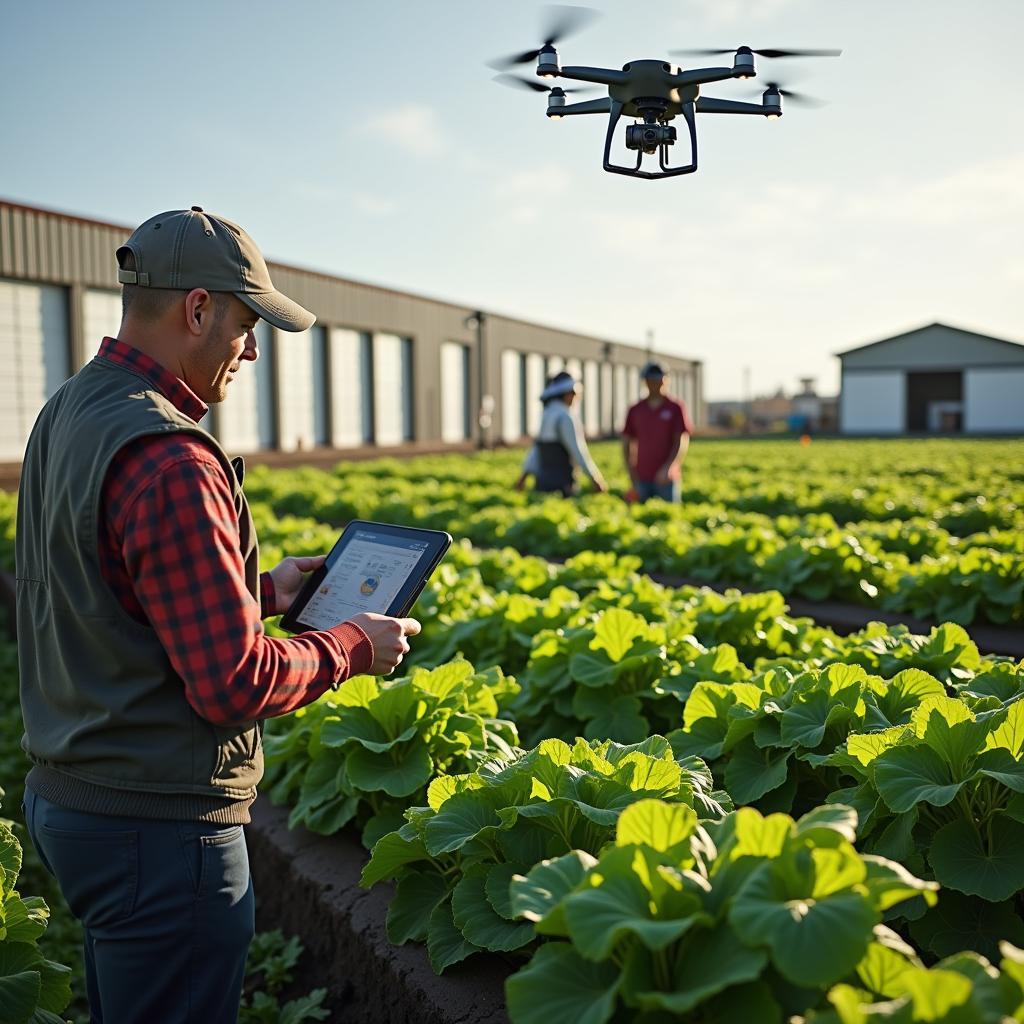 Giảm lãng phí thực phẩm trong sản xuất nông nghiệp hiện đại với công nghệ và quản lý
Questions 1-13
Questions 1-5: Multiple Choice
Choose the correct letter, A, B, C or D.
-
According to the passage, what percentage of global food production is wasted annually?
- A. 25%
- B. One-third
- C. 40%
- D. 50%
-
In developing countries, food waste primarily occurs
- A. at the consumer level
- B. in supermarkets
- C. during early supply chain stages
- D. after retail purchase
-
What is the main reason for crop rejection in developed countries?
- A. Poor quality
- B. Disease and pests
- C. Transportation problems
- D. Cosmetic standards
-
Precision agriculture helps reduce waste by
- A. changing consumer behavior
- B. identifying crop problems early
- C. improving packaging materials
- D. reducing transportation costs
-
Which country has reduced food waste by 30% over a decade?
- A. France
- B. Japan
- C. South Korea
- D. The Netherlands
Questions 6-9: True/False/Not Given
Do the following statements agree with the information given in the passage?
Write:
- TRUE if the statement agrees with the information
- FALSE if the statement contradicts the information
- NOT GIVEN if there is no information on this
- Fruits and vegetables require more careful handling than other crops.
- Climate change has made it easier for farmers to predict planting times.
- AI-powered systems in Japan can reduce harvest waste by up to 30%.
- All European supermarkets now sell imperfect produce at lower prices.
Questions 10-13: Sentence Completion
Complete the sentences below.
Choose NO MORE THAN THREE WORDS from the passage for each answer.
- In sub-Saharan Africa, up to 40% of crops are lost due to insufficient __.
- Maintaining products at specific low temperatures throughout transportation is called __.
- France requires supermarkets to give unsold food to __ instead of throwing it away.
- The FAO is developing strategies to improve __ in regions affected by hunger.
PASSAGE 2 – Technological Innovations in Reducing Food Production Waste
Độ khó: Medium (Band 6.0-7.5)
Thời gian đề xuất: 18-20 phút
The intersection of technology and agriculture has given rise to a new era of sustainable food production practices aimed at minimizing waste throughout the supply chain. As global populations continue to expand and climate pressures intensify, the agricultural sector is increasingly turning to sophisticated technological solutions to address the endemic problem of food waste. These innovations span from farm-level interventions to complex systems that integrate multiple stakeholders across the entire food production ecosystem.
Vertical farming represents one of the most revolutionary approaches to waste reduction in food production. Unlike traditional agriculture, which is subject to unpredictable weather patterns and seasonal variations, vertical farms operate in controlled indoor environments where every variable – from temperature and humidity to light and nutrients – can be precisely regulated. This level of control results in dramatically reduced crop losses. Studies conducted by the Association for Vertical Farming indicate that these facilities achieve up to 95% reduction in water usage compared to conventional farming, while simultaneously producing yields that are 10 to 20 times higher per square meter. The elimination of pesticide requirements in these controlled environments also means that no produce is lost to chemical contamination or pest damage.
The implementation of blockchain technology in food supply chains is transforming transparency and traceability, both crucial factors in reducing waste. By creating an immutable digital record of every transaction and movement of food products, blockchain enables rapid identification of inefficiencies and bottlenecks that contribute to waste. When contamination or quality issues arise, the technology allows for precise identification of affected batches, preventing the unnecessary disposal of entire shipments. A pilot program in China involving major retailers and food producers demonstrated a 50% reduction in food waste attributed to improved traceability and faster response times to quality concerns. This level of granular oversight was previously impossible with traditional paper-based or even basic digital tracking systems.
Biotechnology is opening new frontiers in waste reduction through the development of crop varieties with enhanced resilience and extended shelf life. Genetic modification and advanced breeding techniques are producing tomatoes that ripen more slowly, potatoes that bruise less easily, and apples that resist browning when cut. These innovations directly address major sources of waste in both production and distribution. However, the adoption of such technologies faces significant regulatory hurdles and public skepticism, particularly in European markets where consumer resistance to genetically modified organisms remains strong. Tương tự như the role of technology in reducing water waste, hiện tượng này cho thấy công nghệ đóng vai trò then chốt trong việc giải quyết các vấn đề về tài nguyên và bền vững.
The concept of the “Internet of Things” (IoT) has found particularly valuable applications in agricultural waste reduction. Networks of interconnected sensors deployed throughout farms and storage facilities continuously monitor conditions and provide real-time data to farmers and supply chain managers. Soil moisture sensors optimize irrigation, preventing both water waste and crop loss from over or under-watering. Temperature and humidity monitors in storage facilities trigger automatic adjustments to preserve optimal conditions, significantly extending produce shelf life. One comprehensive study across multiple farms in California found that IoT implementation reduced water usage by 30% while simultaneously decreasing crop losses by 25%, demonstrating the dual benefits of precision monitoring.
Artificial intelligence and machine learning algorithms are proving instrumental in predicting and preventing waste before it occurs. These systems analyze vast amounts of historical data combined with real-time information about weather patterns, market demand, and crop conditions to provide actionable insights to farmers. For example, AI systems can recommend optimal planting densities, forecast harvest yields with remarkable accuracy, and even predict market prices to help farmers make informed decisions about which crops to plant and when to harvest them. A Norwegian company has developed an AI platform that analyzes images of crops to detect diseases and nutrient deficiencies at stages far earlier than human observation can identify, allowing for targeted interventions that save entire harvests.
The development of advanced processing technologies is enabling the valorization of what was previously considered waste. High-pressure processing, pulsed electric field treatment, and ultrasound technology can extend the shelf life of processed foods without the need for chemical preservatives. Meanwhile, innovative upcycling processes are transforming agricultural by-products into valuable resources. Fruit and vegetable peels, previously discarded, are being converted into natural food colorings, dietary fiber supplements, and even bioplastics. A facility in the Netherlands processes 50,000 tonnes of food industry residuals annually, converting them into high-value ingredients for animal feed, cosmetics, and pharmaceuticals, demonstrating the economic viability of waste valorization.
Collaborative platforms leveraging digital technology are connecting different actors in the food supply chain to redistribute surplus production that would otherwise go to waste. Mobile applications and web-based systems match farmers who have excess production with processors, retailers, or charitable organizations who can use it. In India, an app-based platform has connected over 5,000 farmers with buyers, helping to reduce post-harvest losses by 40% in participating regions. These platforms address one of the fundamental challenges in food waste – the information asymmetry that prevents surplus food from reaching those who need it.
Despite these technological advances, significant barriers to adoption remain. The high initial investment costs of many technologies place them out of reach for smallholder farmers in developing countries, who account for a substantial portion of global food production. Issues of digital literacy, inadequate infrastructure, and limited access to electricity and internet connectivity further complicate the implementation of advanced technologies in many regions. Addressing the food waste challenge comprehensively will require not only continued technological innovation but also policies and programs that ensure equitable access to these solutions across different economic contexts and geographic regions.
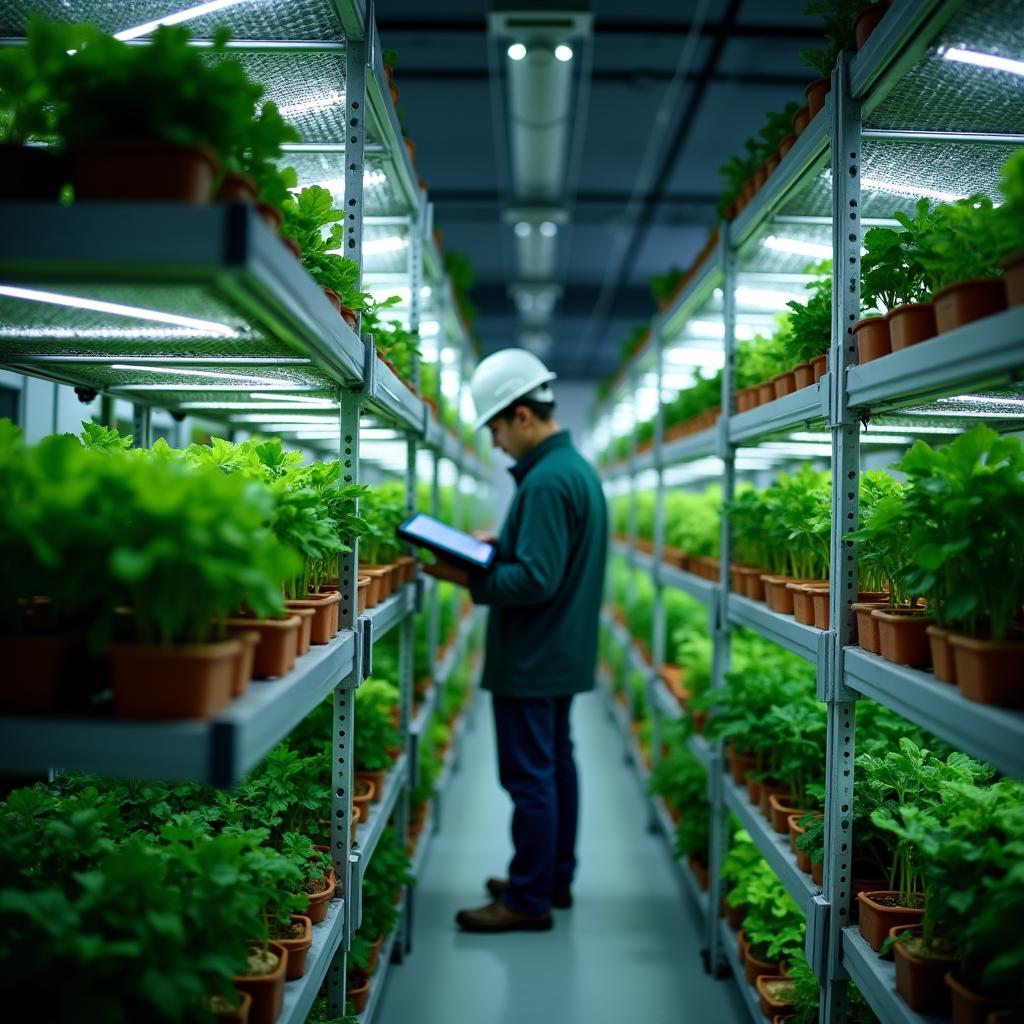 Công nghệ nông nghiệp thông minh giảm thiểu lãng phí thực phẩm trong sản xuất
Questions 14-26
Questions 14-18: Yes/No/Not Given
Do the following statements agree with the views of the writer in the passage?
Write:
- YES if the statement agrees with the views of the writer
- NO if the statement contradicts the views of the writer
- NOT GIVEN if it is impossible to say what the writer thinks about this
- Vertical farming is more efficient than traditional agriculture in terms of water usage.
- Blockchain technology has completely eliminated food waste in China.
- European consumers are generally accepting of genetically modified foods.
- IoT sensors can both reduce water consumption and decrease crop losses.
- All farmers worldwide now have access to AI prediction systems.
Questions 19-22: Matching Headings
The passage has eight paragraphs (excluding the first paragraph). Choose the correct heading for paragraphs B-E from the list of headings below.
List of Headings:
- i. The promise and limitations of genetic crop improvements
- ii. Converting waste products into commercial opportunities
- iii. Controlled environment agriculture and waste elimination
- iv. Digital platforms connecting supply and demand
- v. Smart sensors revolutionizing farm management
- vi. Improving traceability through distributed ledger systems
- vii. Obstacles preventing widespread technology adoption
- viii. Predictive systems for agricultural decision-making
- Paragraph B (Vertical farming…)
- Paragraph C (The implementation of blockchain…)
- Paragraph D (Biotechnology is opening…)
- Paragraph E (The concept of the Internet of Things…)
Questions 23-26: Summary Completion
Complete the summary below.
Choose NO MORE THAN TWO WORDS from the passage for each answer.
Advanced processing technologies and upcycling are creating value from agricultural waste. Techniques such as high-pressure processing can extend food shelf life without using 23. __. Furthermore, innovative processes are transforming by-products like fruit peels into useful products including natural colorings and 24. __. A Netherlands facility processes 50,000 tonnes of food waste yearly, converting it into ingredients for animal feed and 25. __. However, many smallholder farmers cannot access these technologies due to high 26. __ and lack of infrastructure.
PASSAGE 3 – Systemic Approaches to Food Waste Reduction: Policy, Economics, and Social Innovation
Độ khó: Hard (Band 7.0-9.0)
Thời gian đề xuất: 23-25 phút
The challenge of food waste in production transcends purely technological solutions, encompassing complex interactions between economic incentives, regulatory frameworks, social norms, and institutional structures. While innovation in agricultural technology provides crucial tools for waste reduction, the systemic nature of food waste necessitates comprehensive approaches that address the underlying economic and social drivers of wasteful practices. Contemporary scholarship in food systems research increasingly emphasizes the need for multi-scalar interventions that operate simultaneously at individual, organizational, and policy levels to create the conditions necessary for sustainable food production paradigms.
Economic theory provides valuable insights into the persistence of food waste in production systems. The phenomenon can be partially explained through the concept of externalities – costs that are not reflected in market prices. When producers dispose of waste, the environmental and social costs of that waste are typically borne by society rather than by the producers themselves. This market failure creates insufficient economic incentive for waste reduction. From a production standpoint, it may be economically rational for a farmer to discard produce that fails to meet cosmetic standards rather than seek alternative markets, even if that produce is perfectly nutritious. The transaction costs involved in identifying buyers for non-standard produce, combined with the relatively low commodity prices for such products, mean that waste becomes the profit-maximizing option under current market structures.
The institutional economics perspective highlights how established norms and power relationships within food supply chains perpetuate waste. Large retailers exercise considerable power over producers, dictating stringent quality specifications that prioritize appearance over nutritional value or environmental impact. These requirements are not necessarily driven by consumer preferences, as evidenced by successful “ugly produce” campaigns, but rather by retailers’ desire to maintain brand consistency and minimize handling complexity. Producers, lacking bargaining power in concentrated retail markets, accept these terms despite the waste they generate. This asymmetric power dynamic suggests that voluntary initiatives by producers alone will prove insufficient; rather, regulatory intervention or collective action by producers may be necessary to shift these entrenched practices.
Policy instruments for reducing food waste in production can be categorized along a spectrum from market-based mechanisms to direct regulation. Carbon pricing schemes that incorporate food waste into emissions calculations could theoretically incentivize waste reduction by making it economically costly. Tax incentives for donations of surplus production, as implemented in France and Italy, alter the economic calculus by making donation more attractive than disposal. Regulatory approaches, such as landfill bans for organic waste or mandatory waste reporting, create compliance costs that motivate waste prevention. However, the effectiveness of these instruments varies considerably depending on enforcement capacity, baseline waste levels, and the specific characteristics of different agricultural sectors. A comparative analysis of policy approaches across OECD countries reveals that the most successful waste reduction outcomes emerge from policy mixes that combine multiple instruments tailored to specific contexts rather than relying on single interventions.
The concept of the circular economy offers a compelling framework for reimagining food production systems to minimize waste. Rather than the linear “take-make-dispose” model that characterizes conventional agriculture, circular approaches seek to design waste out of the system entirely by treating by-products as inputs for other processes. In practical terms, this might involve integrating crop production with livestock operations so that crop residues become animal feed, while animal waste provides fertilizer for crops. Some innovative enterprises are developing more complex circular systems: black soldier fly larvae operations that convert food waste into protein for animal feed, or biodigesters that transform organic waste into energy and nutrient-rich digestate for soil amendment. The Netherlands has emerged as a leader in circular agriculture, with government policy explicitly promoting these integrated systems through research funding and regulatory facilitation. However, scaling circular approaches faces challenges including the need for spatial proximity between complementary operations, technical complexity, and significant capital requirements.
Behavioral economics insights are informing new approaches to waste reduction that account for the psychological and social factors influencing decision-making. Research demonstrates that farmers’ waste-related behaviors are shaped not only by economic considerations but also by social norms, identity, and cognitive biases. Farmers who identify strongly with stewardship values or whose social networks emphasize waste reduction are significantly more likely to adopt waste-minimizing practices, even when the immediate economic benefits are minimal. Nudge interventions that make waste more visible or that frame waste reduction in terms of efficiency and professionalism rather than environmental sacrifice have shown promising results in pilot programs. Peer learning networks and demonstration farms that showcase successful waste reduction practices leverage social influence to drive adoption more effectively than purely informational approaches.
The role of civil society organizations and social movements in driving change toward waste reduction deserves particular attention. Grassroots initiatives such as gleaning networks, which organize volunteers to harvest crops that farmers would otherwise abandon in fields, simultaneously address food waste and food insecurity. Food policy councils bringing together diverse stakeholders are formulating comprehensive local and regional strategies that align production practices with waste reduction goals. Consumer campaigns challenging cosmetic standards have created political pressure on retailers and, indirectly, on the production systems that supply them. These bottom-up initiatives complement top-down policy interventions and may be particularly important in contexts where regulatory capacity is limited or where vested interests resist policy change. Một ví dụ chi tiết về challenges in protecting marine biodiversity là những nỗ lực bảo vệ đa dạng sinh học cũng đòi hỏi sự phối hợp đa chiều tương tự giữa chính sách và hành động cộng đồng.
Knowledge systems and information infrastructure constitute another critical dimension of systemic approaches to waste reduction. Many farmers lack access to actionable information about waste reduction techniques, alternative markets for non-standard produce, or the environmental impacts of their waste. Extension services, traditionally focused on production maximization, are gradually reorienting toward sustainability outcomes including waste reduction. Digital platforms can democratize access to knowledge, but evidence suggests that face-to-face knowledge exchange remains particularly effective for promoting practice change among farmers. Participatory research approaches that involve farmers in developing and testing waste reduction strategies appear to generate more robust and context-appropriate solutions than purely top-down technology transfer models.
Ultimately, achieving substantial reductions in food production waste requires a fundamental transformation of food systems toward sustainability-oriented innovation regimes. This transformation involves not merely adopting new technologies but reshaping the entire constellation of technologies, institutions, business models, cultural practices, and policies that constitute the food system. Transition theory from sustainability science suggests that such transformations emerge through the interaction of pressures on existing systems (such as climate change and resource constraints), the development of radical innovations in protected spaces (such as research programs and demonstration projects), and the exploitation of windows of opportunity when crises or other events destabilize prevailing arrangements. From this perspective, current attention to food waste represents a potential window of opportunity for broader food system transformation, but realizing this potential requires sustained effort across multiple domains and stakeholder groups. The question is not whether individual interventions can reduce waste – clearly many can – but whether these interventions can coalesce into the systemic changes necessary to address the scale and complexity of the food waste challenge.
 Hệ thống giảm lãng phí thực phẩm thông qua chính sách và kinh tế tuần hoàn
Questions 27-40
Questions 27-31: Multiple Choice
Choose the correct letter, A, B, C or D.
-
According to the passage, food waste in production persists mainly because
- A. farmers lack modern technology
- B. environmental costs are not included in market prices
- C. consumers demand perfect-looking produce
- D. regulations are too strict
-
The term “asymmetric power dynamic” refers to
- A. unequal relationships between retailers and producers
- B. differences in waste levels across countries
- C. variations in policy effectiveness
- D. conflicts between economic and environmental goals
-
The most effective waste reduction policies are those that
- A. focus solely on market-based mechanisms
- B. rely on voluntary producer initiatives
- C. combine multiple tailored interventions
- D. prioritize regulatory approaches over incentives
-
Circular economy approaches face challenges including
- A. lack of government support
- B. consumer resistance
- C. need for operations to be located near each other
- D. insufficient research funding
-
According to behavioral economics research, farmers are more likely to reduce waste when
- A. they receive financial compensation
- B. their social networks value waste reduction
- C. regulations require it
- D. technology makes it easier
Questions 32-36: Matching Features
Match the following concepts (32-36) with the correct descriptions (A-H).
Concepts:
32. Market failure
33. Policy mixes
34. Circular economy
35. Nudge interventions
36. Transition theory
Descriptions:
A. Psychological techniques to influence farmer behavior
B. Systems where by-products become inputs for other processes
C. When costs are not reflected in prices
D. Farmers working together to negotiate better terms
E. Combination of multiple policy instruments
F. Process of fundamental food system transformation
G. Technology transfer from developed to developing countries
H. Consumer education campaigns
Questions 37-40: Short-answer Questions
Answer the questions below.
Choose NO MORE THAN THREE WORDS from the passage for each answer.
- What do gleaning networks organize volunteers to do?
- What type of information infrastructure has traditionally focused on maximizing production?
- What kind of knowledge exchange is particularly effective for changing farmer practices?
- What does current attention to food waste represent according to transition theory?
Answer Keys – Đáp Án
PASSAGE 1: Questions 1-13
- B
- C
- D
- B
- C
- TRUE
- FALSE
- TRUE
- NOT GIVEN
- post-harvest facilities
- cold chain management
- charities
- food security
PASSAGE 2: Questions 14-26
- YES
- NO
- NO
- YES
- NOT GIVEN
- iii
- vi
- i
- v
- chemical preservatives
- bioplastics
- pharmaceuticals
- investment costs
PASSAGE 3: Questions 27-40
- B
- A
- C
- C
- B
- C
- E
- B
- A
- F
- harvest crops
- Extension services
- face-to-face knowledge exchange
- window of opportunity
Giải Thích Đáp Án Chi Tiết
Passage 1 – Giải Thích
Câu 1: B
- Dạng câu hỏi: Multiple Choice
- Từ khóa: percentage, global food production, wasted annually
- Vị trí trong bài: Đoạn 1, dòng 2-3
- Giải thích: Bài đọc nói rõ “approximately one-third of all food produced globally for human consumption is lost or wasted”. Đây là paraphrase trực tiếp của đáp án B. Các đáp án khác (25%, 40%, 50%) là các con số xuất hiện trong bài nhưng liên quan đến các ngữ cảnh khác.
Câu 2: C
- Dạng câu hỏi: Multiple Choice
- Từ khóa: developing countries, food waste, primarily occurs
- Vị trí trong bài: Đoạn 2, dòng 1-2
- Giải thích: Bài viết nêu rõ “In developing countries, food losses occur primarily during the early and middle stages of the food supply chain”. Đây chính là paraphrase của đáp án C “during early supply chain stages”.
Câu 3: D
- Dạng câu hỏi: Multiple Choice
- Từ khóa: main reason, crop rejection, developed countries
- Vị trí trong bài: Đoạn 3, dòng 2-4
- Giải thích: Đoạn văn chỉ ra “Cosmetic standards imposed by supermarkets mean that perfectly edible produce is rejected simply because it does not meet aesthetic requirements”. Đây là lý do chính khiến nông sản bị loại bỏ ở các nước phát triển.
Câu 6: TRUE
- Dạng câu hỏi: True/False/Not Given
- Từ khóa: fruits and vegetables, careful handling
- Vị trí trong bài: Đoạn 2, dòng cuối
- Giải thích: Bài viết nêu rõ “Fruits and vegetables are especially vulnerable, as they require careful handling and specific storage conditions to prevent spoilage”. Từ “especially vulnerable” và “require careful handling” chứng minh câu này là TRUE.
Câu 7: FALSE
- Dạng câu hỏi: True/False/Not Given
- Từ khóa: climate change, easier, predict planting times
- Vị trí trong bài: Đoạn 4, dòng 3-4
- Giải thích: Bài đọc nói “Farmers are finding it increasingly difficult to predict optimal planting and harvesting times”, điều này trái ngược hoàn toàn với câu khẳng định trong câu hỏi rằng khí hậu làm việc dự đoán dễ dàng hơn.
Câu 10: post-harvest facilities
- Dạng câu hỏi: Sentence Completion
- Từ khóa: sub-Saharan Africa, 40%, crops lost
- Vị trí trong bài: Đoạn 2, dòng 4-5
- Giải thích: Cụm từ chính xác trong bài là “insufficient post-harvest facilities”. Đây là nguyên nhân dẫn đến việc mất mát 40% mùa màng ở châu Phi hạ Sahara.
Câu 11: cold chain management
- Dạng câu hỏi: Sentence Completion
- Từ khóa: maintaining products, low temperatures, transportation
- Vị trí trong bài: Đoạn 6, dòng 1-2
- Giải thích: Bài viết định nghĩa rõ ràng: “Cold chain management…involves maintaining products at specific low temperatures throughout the journey from farm to consumer”.
Passage 2 – Giải Thích
Câu 14: YES
- Dạng câu hỏi: Yes/No/Not Given
- Từ khóa: vertical farming, more efficient, water usage, traditional agriculture
- Vị trí trong bài: Đoạn 2, dòng 5-7
- Giải thích: Tác giả rõ ràng khẳng định “these facilities achieve up to 95% reduction in water usage compared to conventional farming”, cho thấy quan điểm đồng ý với việc vertical farming hiệu quả hơn về mặt sử dụng nước.
Câu 15: NO
- Dạng câu hỏi: Yes/No/Not Given
- Từ khóa: blockchain, completely eliminated, food waste, China
- Vị trí trong bài: Đoạn 3, dòng 5-6
- Giải thích: Bài viết chỉ nói “demonstrated a 50% reduction in food waste”, không phải “completely eliminated”. Quan điểm của tác giả mâu thuẫn với câu khẳng định trong câu hỏi.
Câu 16: NO
- Dạng câu hỏi: Yes/No/Not Given
- Từ khóa: European consumers, accepting, genetically modified foods
- Vị trí trong bài: Đoạn 4, dòng cuối
- Giải thích: Tác giả nêu rõ “consumer resistance to genetically modified organisms remains strong” ở thị trường châu Âu, điều này hoàn toàn trái ngược với việc người tiêu dùng chấp nhận.
Câu 19: iii (Controlled environment agriculture and waste elimination)
- Dạng câu hỏi: Matching Headings
- Vị trí: Paragraph B về vertical farming
- Giải thích: Đoạn văn tập trung vào việc vertical farming hoạt động trong môi trường được kiểm soát (controlled indoor environments) và cách điều này giảm thiểu lãng phí thực phẩm, phù hợp với heading iii.
Câu 23: chemical preservatives
- Dạng câu hỏi: Summary Completion
- Từ khóa: extend food shelf life without using
- Vị trí trong bài: Đoạn 7, dòng 2
- Giải thích: Bài viết nêu rõ các công nghệ “can extend the shelf life of processed foods without the need for chemical preservatives”.
Passage 3 – Giải Thích
Câu 27: B
- Dạng câu hỏi: Multiple Choice
- Từ khóa: food waste in production persists, mainly because
- Vị trí trong bài: Đoạn 2, dòng 2-4
- Giải thích: Đoạn văn giải thích về “externalities – costs that are not reflected in market prices” và “environmental and social costs…are borne by society rather than by the producers themselves”. Đây chính là lý do chính được nêu trong đáp án B.
Câu 28: A
- Dạng câu hỏi: Multiple Choice
- Từ khóa: asymmetric power dynamic, refers to
- Vị trí trong bài: Đoạn 3, dòng 5-7
- Giải thích: Thuật ngữ này được sử dụng sau khi tác giả mô tả mối quan hệ giữa các nhà bán lẻ lớn và người sản xuất, trong đó “large retailers exercise considerable power over producers” và “producers, lacking bargaining power”. Đây rõ ràng là mối quan hệ không cân bằng quyền lực.
Câu 30: C
- Dạng câu hỏi: Multiple Choice
- Từ khóa: circular economy approaches, face challenges including
- Vị trí trong bài: Đoạn 5, dòng cuối
- Giải thích: Bài viết nêu rõ “challenges including the need for spatial proximity between complementary operations”. “Spatial proximity” được paraphrase thành “located near each other” trong đáp án C.
Câu 32: C (Market failure – When costs are not reflected in prices)
- Dạng câu hỏi: Matching Features
- Vị trí trong bài: Đoạn 2
- Giải thích: Bài viết định nghĩa market failure là hiện tượng “costs that are not reflected in market prices”, khớp chính xác với description C.
Câu 37: harvest crops
- Dạng câu hỏi: Short-answer Questions
- Từ khóa: gleaning networks, organize volunteers
- Vị trí trong bài: Đoạn 7, dòng 2-3
- Giải thích: Bài viết nêu rõ “gleaning networks, which organize volunteers to harvest crops that farmers would otherwise abandon in fields”. Đáp án chính xác là “harvest crops”.
Câu 40: window of opportunity
- Dạng câu hỏi: Short-answer Questions
- Từ khóa: current attention to food waste, represent, transition theory
- Vị trí trong bài: Đoạn cuối, dòng 5-6
- Giải thích: Tác giả nêu rõ “current attention to food waste represents a potential window of opportunity for broader food system transformation”.
Từ Vựng Quan Trọng Theo Passage
Passage 1 – Essential Vocabulary
| Từ vựng | Loại từ | Phiên âm | Nghĩa tiếng Việt | Ví dụ từ bài | Collocation |
|---|---|---|---|---|---|
| acute | adj | /əˈkjuːt/ | Nghiêm trọng, cấp tính | The problem is particularly acute in the food production sector | acute problem, acute shortage |
| food supply chain | n | /fuːd səˈplaɪ tʃeɪn/ | Chuỗi cung ứng thực phẩm | Food losses occur primarily during the early stages of the food supply chain | global food supply chain, disrupt the supply chain |
| vulnerable | adj | /ˈvʌlnərəbl/ | Dễ bị tổn thương, mỏng manh | Fruits and vegetables are especially vulnerable | vulnerable to damage, highly vulnerable |
| cosmetic standards | n | /kɒzˈmetɪk ˈstændədz/ | Tiêu chuẩn về ngoại quan | Cosmetic standards imposed by supermarkets | meet cosmetic standards, strict cosmetic standards |
| exacerbating | v | /ɪɡˈzæsəbeɪtɪŋ/ | Làm trầm trọng thêm | Climate change is exacerbating the food waste problem | exacerbate the situation, exacerbating factor |
| precision agriculture | n | /prɪˈsɪʒn ˈæɡrɪkʌltʃə/ | Nông nghiệp chính xác | Precision agriculture uses sensors and drones | adopt precision agriculture, precision agriculture technology |
| AI-powered systems | n | /eɪ.aɪ ˈpaʊəd ˈsɪstəmz/ | Hệ thống được hỗ trợ bởi AI | AI-powered systems that can predict optimal harvest time | implement AI-powered systems, advanced AI-powered systems |
| cold chain management | n | /kəʊld tʃeɪn ˈmænɪdʒmənt/ | Quản lý chuỗi lạnh | Cold chain management has emerged as a critical factor | effective cold chain management, cold chain infrastructure |
| policy interventions | n | /ˈpɒləsi ˌɪntəˈvenʃnz/ | Can thiệp chính sách | Through a combination of policy interventions | government policy interventions, targeted policy interventions |
| consumer awareness | n | /kənˈsjuːmə əˈweənəs/ | Nhận thức của người tiêu dùng | Consumer awareness plays an important role | raise consumer awareness, increase consumer awareness |
| multi-faceted approach | n | /ˌmʌltiˈfæsɪtɪd əˈprəʊtʃ/ | Cách tiếp cận đa chiều | Requires a multi-faceted approach | adopt a multi-faceted approach, comprehensive multi-faceted approach |
| insufficient | adj | /ˌɪnsəˈfɪʃnt/ | Không đủ, thiếu | Insufficient post-harvest facilities | insufficient resources, insufficient evidence |
Passage 2 – Essential Vocabulary
| Từ vựng | Loại từ | Phiên âm | Nghĩa tiếng Việt | Ví dụ từ bài | Collocation |
|---|---|---|---|---|---|
| sustainable food production | n | /səˈsteɪnəbl fuːd prəˈdʌkʃn/ | Sản xuất thực phẩm bền vững | New era of sustainable food production practices | promote sustainable food production, achieve sustainable food production |
| endemic problem | n | /enˈdemɪk ˈprɒbləm/ | Vấn đề tồn tại lâu dài | Address the endemic problem of food waste | tackle endemic problem, endemic problem of poverty |
| vertical farming | n | /ˈvɜːtɪkl ˈfɑːmɪŋ/ | Canh tác theo chiều dọc | Vertical farming represents revolutionary approach | invest in vertical farming, vertical farming technology |
| elimination | n | /ɪˌlɪmɪˈneɪʃn/ | Sự loại bỏ hoàn toàn | The elimination of pesticide requirements | complete elimination, elimination of waste |
| blockchain technology | n | /ˈblɒktʃeɪn tekˈnɒlədʒi/ | Công nghệ chuỗi khối | Implementation of blockchain technology | adopt blockchain technology, blockchain technology application |
| granular oversight | n | /ˈɡrænjʊlə ˈəʊvəsaɪt/ | Giám sát chi tiết | This level of granular oversight was impossible | provide granular oversight, granular oversight mechanism |
| biotechnology | n | /ˌbaɪəʊtekˈnɒlədʒi/ | Công nghệ sinh học | Biotechnology is opening new frontiers | advances in biotechnology, agricultural biotechnology |
| regulatory hurdles | n | /ˈreɡjələtəri ˈhɜːdlz/ | Rào cản quy định | Face significant regulatory hurdles | overcome regulatory hurdles, navigate regulatory hurdles |
| Internet of Things (IoT) | n | /ˈɪntənet əv θɪŋz/ | Internet vạn vật | The concept of IoT has valuable applications | implement IoT, IoT sensors |
| dual benefits | n | /ˈdjuːəl ˈbenɪfɪts/ | Lợi ích kép | Demonstrating the dual benefits | achieve dual benefits, provide dual benefits |
| actionable insights | n | /ˈækʃnəbl ˈɪnsaɪts/ | Thông tin có thể hành động | Provide actionable insights to farmers | generate actionable insights, deliver actionable insights |
| upcycling processes | n | /ˈʌpsaɪklɪŋ ˈprəʊsesɪz/ | Quy trình tái chế nâng cấp | Innovative upcycling processes | develop upcycling processes, implement upcycling processes |
| information asymmetry | n | /ˌɪnfəˈmeɪʃn əˈsɪmətri/ | Thông tin bất cân xứng | Address the information asymmetry | reduce information asymmetry, information asymmetry problem |
| barriers to adoption | n | /ˈbæriəz tuː əˈdɒpʃn/ | Rào cản việc áp dụng | Significant barriers to adoption remain | overcome barriers to adoption, reduce barriers to adoption |
| valorization | n | /ˌvæləraɪˈzeɪʃn/ | Tạo giá trị từ phế phẩm | Enabling the valorization of waste | waste valorization, valorization process |
Passage 3 – Essential Vocabulary
| Từ vựng | Loại từ | Phiên âm | Nghĩa tiếng Việt | Ví dụ từ bài | Collocation |
|---|---|---|---|---|---|
| systemic nature | n | /sɪˈstemɪk ˈneɪtʃə/ | Tính hệ thống | The systemic nature of food waste | recognize systemic nature, address systemic nature |
| multi-scalar interventions | n | /ˈmʌlti ˈskeɪlə ˌɪntəˈvenʃnz/ | Can thiệp đa cấp độ | Need for multi-scalar interventions | implement multi-scalar interventions, design multi-scalar interventions |
| externalities | n | /ˌekstɜːˈnælətiz/ | Chi phí ngoại sinh | Explained through the concept of externalities | negative externalities, environmental externalities |
| market failure | n | /ˈmɑːkɪt ˈfeɪljə/ | Thất bại thị trường | This market failure creates insufficient incentive | address market failure, correct market failure |
| profit-maximizing option | n | /ˈprɒfɪt ˈmæksɪmaɪzɪŋ ˈɒpʃn/ | Lựa chọn tối đa hóa lợi nhuận | Waste becomes the profit-maximizing option | choose profit-maximizing option, pursue profit-maximizing option |
| asymmetric power dynamic | n | /ˌæsɪˈmetrɪk ˈpaʊə daɪˈnæmɪk/ | Động lực quyền lực bất cân xứng | This asymmetric power dynamic | create asymmetric power dynamic, challenge asymmetric power dynamic |
| policy instruments | n | /ˈpɒləsi ˈɪnstrəmənts/ | Công cụ chính sách | Policy instruments for reducing waste | effective policy instruments, apply policy instruments |
| market-based mechanisms | n | /ˈmɑːkɪt beɪst ˈmekənɪzəmz/ | Cơ chế thị trường | From market-based mechanisms to regulation | implement market-based mechanisms, market-based mechanisms approach |
| policy mixes | n | /ˈpɒləsi ˈmɪksɪz/ | Kết hợp chính sách | Most successful outcomes emerge from policy mixes | develop policy mixes, effective policy mixes |
| circular economy | n | /ˈsɜːkjələr ɪˈkɒnəmi/ | Kinh tế tuần hoàn | The concept of circular economy | transition to circular economy, circular economy model |
| innovative enterprises | n | /ˈɪnəvətɪv ˈentəpraɪzɪz/ | Doanh nghiệp đổi mới | Some innovative enterprises are developing | support innovative enterprises, foster innovative enterprises |
| spatial proximity | n | /ˈspeɪʃl prɒkˈsɪməti/ | Sự gần gũi về không gian | Need for spatial proximity | require spatial proximity, benefit from spatial proximity |
| cognitive biases | n | /ˈkɒɡnətɪv ˈbaɪəsɪz/ | Thiên kiến nhận thức | Influenced by cognitive biases | overcome cognitive biases, cognitive biases affect |
| nudge interventions | n | /nʌdʒ ˌɪntəˈvenʃnz/ | Can thiệp nhẹ nhàng | Nudge interventions that make waste visible | design nudge interventions, effective nudge interventions |
| civil society organizations | n | /ˈsɪvl səˈsaɪəti ˌɔːɡənaɪˈzeɪʃnz/ | Tổ chức xã hội dân sự | The role of civil society organizations | support civil society organizations, civil society organizations initiative |
| bottom-up initiatives | n | /ˈbɒtəm ʌp ɪˈnɪʃətɪvz/ | Sáng kiến từ dưới lên | These bottom-up initiatives | encourage bottom-up initiatives, bottom-up initiatives complement |
| sustainability-oriented innovation | n | /səˌsteɪnəˈbɪləti ˈɔːrientɪd ˌɪnəˈveɪʃn/ | Đổi mới hướng đến bền vững | Transformation toward sustainability-oriented innovation | promote sustainability-oriented innovation, sustainability-oriented innovation regime |
| transition theory | n | /trænˈzɪʃn ˈθɪəri/ | Lý thuyết chuyển đổi | Transition theory from sustainability science | apply transition theory, transition theory suggests |
Kết Bài
Chủ đề giảm thiểu lãng phí trong sản xuất thực phẩm không chỉ là một trong những vấn đề môi trường cấp bách nhất hiện nay mà còn thường xuyên xuất hiện trong các đề thi IELTS Reading với nhiều góc độ tiếp cận khác nhau. Qua bộ đề thi mẫu này, bạn đã được trải nghiệm đầy đủ ba mức độ khó từ Easy (Passage 1) đến Medium (Passage 2) và Hard (Passage 3), với tổng cộng 40 câu hỏi đa dạng về dạng bài.
Passage 1 giới thiệu tổng quan về vấn đề lãng phí thực phẩm và các giải pháp cơ bản, Passage 2 đi sâu vào các công nghệ hiện đại như vertical farming, blockchain và AI, trong khi Passage 3 phân tích sâu sắc về các yếu tố hệ thống, kinh tế và chính sách. Sự tăng dần về độ phức tạp này phản ánh chính xác cấu trúc của bài thi IELTS Reading thực tế.
Đáp án chi tiết kèm giải thích đã chỉ ra cách xác định thông tin chính xác trong bài, phương pháp paraphrase hiệu quả, và chiến lược làm bài cho từng dạng câu hỏi. Đặc biệt, phần từ vựng được tổng hợp theo từng passage với ví dụ cụ thể và collocations sẽ giúp bạn nâng cao vốn từ học thuật một cách có hệ thống.
Hãy thực hành bộ đề này trong điều kiện thi thật (60 phút không ngắt quãng) để đánh giá chính xác trình độ của mình. Sau đó, dành thời gian phân tích kỹ những câu sai để hiểu rõ điểm yếu cần cải thiện. Việc luyện tập thường xuyên với các đề thi chất lượng như thế này sẽ giúp bạn tự tin hơn và đạt được band điểm mục tiêu trong kỳ thi IELTS sắp tới.