
Trong bối cảnh cuộc sống hiện đại với nhịp độ làm việc ngày càng cao, vấn đề sức khỏe tinh thần tại nơi làm việc đã trở thành chủ đề nóng trong các kỳ thi IELTS. Đặc biệt, các câu hỏi liên quan đến “How To Support Mental Well-being In High-pressure Jobs” xuất hiện thường xuyên trong phần Writing Task 2, phản ánh mối quan tâm toàn cầu về vấn đề này.
Chủ đề này đòi hỏi thí sinh không chỉ thể hiện khả năng ngôn ngữ mà còn phải có tư duy phân tích sâu sắc về các giải pháp thực tế cho môi trường làm việc căng thẳng. Qua kinh nghiệm giảng dạy hơn 20 năm, tôi nhận thấy học viên Việt Nam thường gặp khó khăn trong việc cân bằng giữa ý tưởng chung và ví dụ cụ thể khi viết về chủ đề này.
Trong bài viết này, bạn sẽ học được:
- 3 bài mẫu hoàn chỉnh từ Band 5-6, 6.5-7 đến 8-9 với phân tích chi tiết
- Phương pháp chấm điểm cụ thể theo 4 tiêu chí của IELTS
- 15+ từ vựng và collocations chuyên ngành về sức khỏe tinh thần và công việc
- 6 cấu trúc câu nâng cao giúp tăng điểm ngữ pháp
- Những lỗi sai phổ biến của học viên Việt Nam và cách khắc phục
Các đề thi thực tế đã xuất hiện gần đây:
- “Some people think employers should provide support for employees’ mental health. To what extent do you agree or disagree?” (British Council, tháng 9/2023)
- “In high-stress professions, employers have a responsibility to protect workers’ mental well-being. Discuss both views and give your opinion.” (IDP, tháng 11/2023)
- “What measures can companies take to reduce workplace stress and improve mental health?” (Cambridge IELTS 18)
Đề Writing Task 2 Thực Hành
In many professions today, workers face high levels of stress that can negatively impact their mental health. What are the main causes of this problem, and what measures can employers and employees take to address it?
Dịch đề: Trong nhiều nghề nghiệp ngày nay, người lao động phải đối mặt với mức độ căng thẳng cao có thể ảnh hưởng tiêu cực đến sức khỏe tinh thần của họ. Nguyên nhân chính của vấn đề này là gì, và người sử dụng lao động và người lao động có thể thực hiện những biện pháp gì để giải quyết nó?
Phân tích đề bài:
Đây là dạng câu hỏi Problem-Solution (Nguyên nhân – Giải pháp), một trong những dạng phổ biến nhất trong IELTS Writing Task 2. Đề bài yêu cầu thí sinh:
- Xác định nguyên nhân gây ra căng thẳng cao trong công việc
- Đưa ra giải pháp từ cả hai phía: người sử dụng lao động (employers) và người lao động (employees)
Các thuật ngữ quan trọng:
- High levels of stress: Mức độ căng thẳng cao – không chỉ là stress bình thường mà là stress ở mức độ nghiêm trọng
- Mental health: Sức khỏe tinh thần – bao gồm cả trạng thái cảm xúc, tâm lý và khả năng đối phó với áp lực
- Measures: Biện pháp, giải pháp cụ thể – cần đưa ra các hành động thực tế, không chỉ là ý tưởng chung chung
Những lỗi thường gặp của học viên Việt Nam:
- Chỉ tập trung vào một phía (employers hoặc employees), bỏ qua phía còn lại
- Đưa ra nguyên nhân và giải pháp không liên kết logic với nhau
- Sử dụng ví dụ quá chung chung, thiếu tính thuyết phục
- Lạm dụng từ “stress” mà không dùng các từ đồng nghĩa
- Viết nguyên nhân quá dài, giải pháp quá ngắn (mất cân đối)
Cách tiếp cận chiến lược:
Đối với học viên Việt Nam, đây là chủ đề gần gũi vì nhiều bạn có kinh nghiệm làm việc trong môi trường áp lực cao. Tuy nhiên, cần tránh viết quá cảm tính. Một cấu trúc hiệu quả nên:
- Introduction: Paraphrase đề + thesis statement nêu rõ sẽ bàn về causes và solutions
- Body 1: 2-3 nguyên nhân chính (workload, competition, lack of support)
- Body 2: Giải pháp từ employers (policies, resources, training)
- Body 3: Giải pháp từ employees (self-care, communication, boundaries) – có thể gộp với Body 2 nếu viết khéo
- Conclusion: Tóm tắt và khẳng định tầm quan trọng của cả hai phía
Tương tự như how to support mental health in high-stress environments, vấn đề này đòi hỏi sự phối hợp giữa nhiều bên liên quan để tạo ra hiệu quả lâu dài.
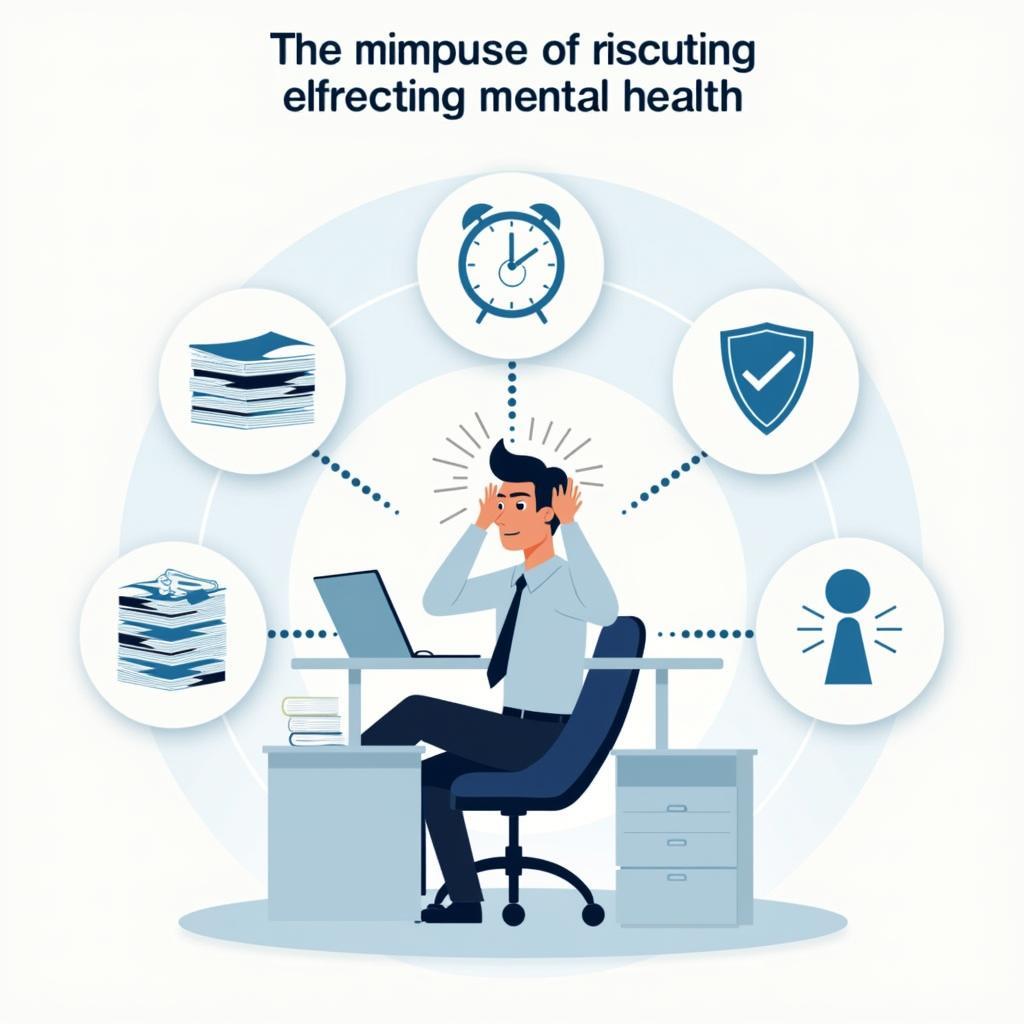 Nguyên nhân căng thẳng công việc ảnh hưởng đến sức khỏe tinh thần người lao động
Bài Mẫu Band 8-9
Bài viết Band 8-9 được đánh giá cao nhờ sự phát triển ý tưởng mạch lạc, từ vựng phong phú tự nhiên, và cấu trúc câu đa dạng. Bài mẫu dưới đây thể hiện khả năng phân tích sâu sắc và đưa ra giải pháp thực tế, được minh họa bằng các ví dụ cụ thể.
In today’s fast-paced working environment, occupational stress has become a pervasive issue that poses serious threats to employees’ psychological well-being. This essay will examine the primary factors contributing to this phenomenon before proposing practical solutions that both employers and workers can implement.
The roots of workplace stress can be attributed to several interrelated factors. Chief among these is the increasingly demanding workload that characterizes modern professional life, where employees are often expected to handle multiple projects simultaneously while meeting stringent deadlines. In the tech industry, for instance, software developers frequently work 60-hour weeks during product launches, leaving little time for recuperation. Compounding this problem is the pervasive job insecurity fueled by economic volatility and automation, which creates constant anxiety about future employment prospects. Furthermore, the blurring boundaries between work and personal life, particularly in the era of remote working, means that many professionals find themselves perpetually “on call,” unable to disconnect mentally from their responsibilities.
To address these challenges, a multi-faceted approach involving both organizational and individual interventions is essential. From an employer’s perspective, companies should prioritize the implementation of comprehensive mental health support systems, including access to confidential counseling services and regular stress management workshops. Google’s Employee Assistance Program, which provides free therapy sessions and mindfulness training, exemplifies this approach and has been credited with reducing burnout rates by 30%. Additionally, fostering a culture that values work-life balance through policies such as flexible working hours and mandatory vacation time can significantly alleviate pressure on staff.
Employees themselves also bear responsibility for safeguarding their mental health. Crucially, workers must learn to establish clear boundaries by disconnecting from work communications outside office hours and utilizing their allocated leave. Developing robust stress-management techniques—whether through regular exercise, meditation, or pursuing hobbies—can build psychological resilience. Equally important is the need for open communication with supervisors about workload concerns before reaching a breaking point, as early intervention often prevents more serious mental health crises.
In conclusion, while workplace stress stems from demanding workloads, job uncertainty, and blurred work-life boundaries, these challenges are not insurmountable. By combining employer-led initiatives such as mental health programs with individual efforts to maintain boundaries and practice self-care, organizations can create healthier work environments where productivity and well-being coexist harmoniously. The responsibility for mental health support ultimately lies with both parties, requiring sustained commitment from all stakeholders.
(328 words)
Phân Tích Band Điểm
| Tiêu chí | Band | Nhận xét |
|---|---|---|
| Task Response (Hoàn thành yêu cầu) | 9 | Bài viết trả lời đầy đủ cả hai phần của câu hỏi với độ sâu ấn tượng. Nguyên nhân được phân tích cụ thể (workload, job insecurity, work-life boundaries) và giải pháp được chia rõ ràng cho cả employers và employees. Ví dụ về Google rất thuyết phục và có số liệu cụ thể (30% reduction). Quan điểm nhất quán xuyên suốt về sự cần thiết của giải pháp đa chiều. |
| Coherence & Cohesion (Mạch lạc & Liên kết) | 9 | Cấu trúc logic xuất sắc với progression rõ ràng từ causes sang solutions. Sử dụng đa dạng linking devices (chief among these, compounding this, furthermore, additionally, crucially) một cách tự nhiên không gượng ép. Mỗi đoạn có topic sentence mạch lạc và supporting ideas liên kết chặt chẽ. Cohesive devices như “this phenomenon”, “these challenges” tạo sự liên kết giữa các câu. |
| Lexical Resource (Từ vựng) | 9 | Từ vựng sophisticated và precise: “pervasive issue”, “psychological well-being”, “stringent deadlines”, “perpetually on call”, “multi-faceted approach”, “organizational interventions”, “psychological resilience”. Collocations tự nhiên: “economic volatility”, “blurring boundaries”, “breaking point”. Sử dụng paraphrasing hiệu quả: stress → pressure → challenges. Không có lỗi từ vựng đáng kể. |
| Grammatical Range & Accuracy (Ngữ pháp) | 9 | Đa dạng cấu trúc: câu phức với mệnh đề quan hệ (“where employees are often expected”), phân từ (“leaving little time”), đảo ngữ nhấn mạnh (“Equally important is”), câu bị động (“can be attributed to”). Mix câu dài ngắn cân đối tạo nhịp đọc tự nhiên. Lỗi ngữ pháp hầu như không có, punctuation chính xác. |
Các Yếu Tố Giúp Bài Này Được Chấm Điểm Cao
-
Introduction mạnh mẽ và súc tích: Câu mở đầu paraphrase đề bài hiệu quả (“occupational stress” thay vì “stress at work”, “psychological well-being” thay vì “mental health”), sau đó thesis statement nêu rõ cấu trúc bài viết sẽ “examine… before proposing”, tạo roadmap rõ ràng cho người đọc.
-
Phát triển ý tưởng có chiều sâu: Mỗi nguyên nhân không chỉ được nêu ra mà còn được giải thích WHY và HOW. Ví dụ: không chỉ nói “demanding workload” mà còn giải thích “multiple projects simultaneously while meeting stringent deadlines” và cho ví dụ cụ thể về software developers làm 60 giờ/tuần.
-
Sử dụng ví dụ thực tế có số liệu: Google’s Employee Assistance Program với con số “30% reduction in burnout rates” tạo tính thuyết phục cao, cho thấy giải pháp không chỉ là lý thuyết mà đã được kiểm nghiệm.
-
Cân bằng giữa employers và employees: Bài viết dành riêng một đoạn cho mỗi nhóm, thể hiện sự phân tích toàn diện. Đặc biệt, phần về employees không chỉ liệt kê mà còn giải thích tại sao mỗi hành động quan trọng (“early intervention often prevents more serious mental health crises”).
-
Linking words đa dạng và tự nhiên: Thay vì lặp lại “Firstly, Secondly”, bài viết dùng “Chief among these”, “Compounding this problem”, “Crucially”, “Equally important is” – thể hiện trình độ ngôn ngữ cao và tạo sự mượt mà cho bài viết.
-
Kết bài không chỉ tóm tắt mà còn tổng hợp: Conclusion không lặp lại mechanically mà synthesize các ý chính thành một quan điểm tổng thể: “productivity and well-being coexist harmoniously”, “responsibility lies with both parties” – cho thấy tư duy phân tích cao.
-
Tone học thuật nhưng không cứng nhắc: Bài viết duy trì formal tone phù hợp với IELTS nhưng vẫn readable và engaging, tránh được lỗi quá technical hoặc quá conversational mà nhiều học viên mắc phải.
Bài Mẫu Band 6.5-7
Bài viết Band 6.5-7 thể hiện khả năng hoàn thành nhiệm vụ tốt với ý tưởng rõ ràng và cấu trúc hợp lý. Tuy nhiên, so với Band 8-9, bài viết này có phạm vi từ vựng và cấu trúc câu ít đa dạng hơn, với một số ý tưởng chưa được phát triển sâu.
Nowadays, many workers in different jobs suffer from high stress levels which can damage their mental health. This essay will discuss the main reasons for this problem and suggest some solutions that both companies and workers can use.
There are several causes of workplace stress. Firstly, employees often have too much work to do in a short time. For example, office workers may need to finish many reports before deadlines, which makes them feel anxious and tired. Secondly, many people worry about losing their jobs, especially during economic problems. This fear creates constant stress because they are not sure about their future. Another reason is that technology means workers can be contacted by their bosses at any time, even at home or on weekends. This makes it difficult to relax and forget about work.
To solve these problems, employers should take action. Companies need to provide mental health support for their staff, such as counseling services or stress management training. For instance, some big companies offer free therapy sessions to help employees deal with pressure. Also, employers should create better working conditions by allowing flexible hours and encouraging workers to take regular breaks. This can help reduce stress and improve productivity.
Employees also have an important role in protecting their mental health. They should learn to manage their time better and not take on too much work. Additionally, workers can do activities like exercise or meditation to reduce stress. It is also important for employees to talk to their managers when they feel overwhelmed, so problems can be solved early. By doing these things, workers can maintain better mental health.
In conclusion, workplace stress is caused by heavy workloads, job insecurity, and constant connectivity. Both employers and employees need to work together to address this issue through support programs, better policies, and personal stress management. If both sides make efforts, mental health in the workplace can be improved.
(278 words)
Phân Tích Band Điểm
| Tiêu chí | Band | Nhận xét |
|---|---|---|
| Task Response (Hoàn thành yêu cầu) | 7 | Bài viết trả lời đầy đủ cả hai phần câu hỏi (causes và solutions). Các nguyên nhân được nêu rõ (workload, job insecurity, technology) và giải pháp được chia cho cả hai phía. Tuy nhiên, một số ý tưởng chưa được phát triển sâu, như ví dụ về “big companies offer free therapy” khá chung chung, thiếu tính cụ thể so với Band 8-9. Quan điểm rõ ràng nhưng chưa thực sự sâu sắc. |
| Coherence & Cohesion (Mạch lạc & Liên kết) | 6.5 | Cấu trúc tổng thể logic với introduction, body paragraphs và conclusion đầy đủ. Tuy nhiên, linking devices còn đơn giản và lặp lại: “Firstly, Secondly, Also, Additionally” – thiếu sự đa dạng so với Band cao hơn. Topic sentences rõ ràng nhưng supporting sentences đôi lúc chưa liên kết chặt chẽ. Một số chỗ chuyển ý hơi đột ngột. |
| Lexical Resource (Từ vựng) | 6.5 | Từ vựng phù hợp với chủ đề nhưng chưa sophisticated: “suffer from”, “damage their mental health”, “feel anxious and tired” là những cụm từ phổ biến. Có một số collocations tốt như “economic problems”, “stress management training”, “flexible hours”. Paraphrasing có hạn: “stress” được lặp lại nhiều lần thay vì dùng từ đồng nghĩa. Một số lỗi nhỏ về word choice như “big companies” (nên dùng “major corporations”). |
| Grammatical Range & Accuracy (Ngữ pháp) | 7 | Sử dụng mix của câu đơn và câu phức, với một số cấu trúc tốt như mệnh đề quan hệ “which can damage” và “so problems can be solved early”. Tuy nhiên, độ đa dạng còn hạn chế, chủ yếu là câu simple và compound, ít complex structures như phân từ hoặc đảo ngữ. Ngữ pháp tương đối chính xác với ít lỗi nghiêm trọng, nhưng thiếu sự tinh tế trong cách diễn đạt. |
So Sánh Với Bài Band 8-9
1. Introduction:
- Band 6.5-7: “Nowadays, many workers in different jobs suffer from high stress levels which can damage their mental health.”
- Band 8-9: “In today’s fast-paced working environment, occupational stress has become a pervasive issue that poses serious threats to employees’ psychological well-being.”
- Phân tích: Band 8-9 sử dụng từ vựng precise hơn (“occupational stress” vs “high stress levels”, “pervasive issue” vs “suffer from”, “psychological well-being” vs “mental health”). Cụm “fast-paced working environment” tạo context rõ ràng hơn “nowadays”.
2. Phát triển ý tưởng:
- Band 6.5-7: “Firstly, employees often have too much work to do in a short time. For example, office workers may need to finish many reports before deadlines, which makes them feel anxious and tired.”
- Band 8-9: “Chief among these is the increasingly demanding workload that characterizes modern professional life, where employees are often expected to handle multiple projects simultaneously while meeting stringent deadlines. In the tech industry, for instance, software developers frequently work 60-hour weeks during product launches, leaving little time for recuperation.”
- Phân tích: Band 8-9 có ví dụ cụ thể hơn (tech industry, 60-hour weeks) và giải thích impact sâu hơn (“leaving little time for recuperation” vs đơn giản “feel anxious and tired”). Cấu trúc câu phức tạp hơn với mệnh đề quan hệ và phân từ.
3. Linking devices:
- Band 6.5-7: “Firstly… Secondly… Another reason is… Also… Additionally… By doing these things…”
- Band 8-9: “Chief among these… Compounding this problem… Furthermore… Additionally… Crucially… Equally important is…”
- Phân tích: Band 8-9 đa dạng và sophisticated hơn, tránh pattern predictable của “Firstly, Secondly”. Cụm như “Compounding this problem” thể hiện mối quan hệ giữa các ý phức tạp hơn đơn thuần “Another reason”.
4. Giải pháp và ví dụ:
- Band 6.5-7: “some big companies offer free therapy sessions to help employees deal with pressure.”
- Band 8-9: “Google’s Employee Assistance Program, which provides free therapy sessions and mindfulness training, exemplifies this approach and has been credited with reducing burnout rates by 30%.”
- Phân tích: Band 8-9 cụ thể tên công ty, thêm chi tiết về chương trình (mindfulness training), và quan trọng nhất là có data (30% reduction) chứng minh hiệu quả.
5. Từ vựng và collocation:
- Band 6.5-7: “heavy workloads”, “job insecurity”, “stress management”
- Band 8-9: “stringent deadlines”, “psychological resilience”, “multi-faceted approach”, “organizational interventions”, “breaking point”
- Phân tích: Band 8-9 sử dụng academic vocabulary và less common phrases phù hợp hơn với formal writing.
Để cải thiện từ Band 6.5-7 lên 8-9, học viên cần: (1) Sử dụng ví dụ cụ thể hơn với details và data, (2) Đa dạng linking devices và cấu trúc câu, (3) Nâng cao vốn từ vựng academic, (4) Phát triển ý sâu hơn với explanation về WHY và HOW thay vì chỉ WHAT.
Đối với những ai quan tâm đến how to manage stress in the workplace, việc hiểu rõ sự khác biệt giữa các band điểm này sẽ giúp bạn định hướng cải thiện kỹ năng viết một cách có mục tiêu và hiệu quả hơn.
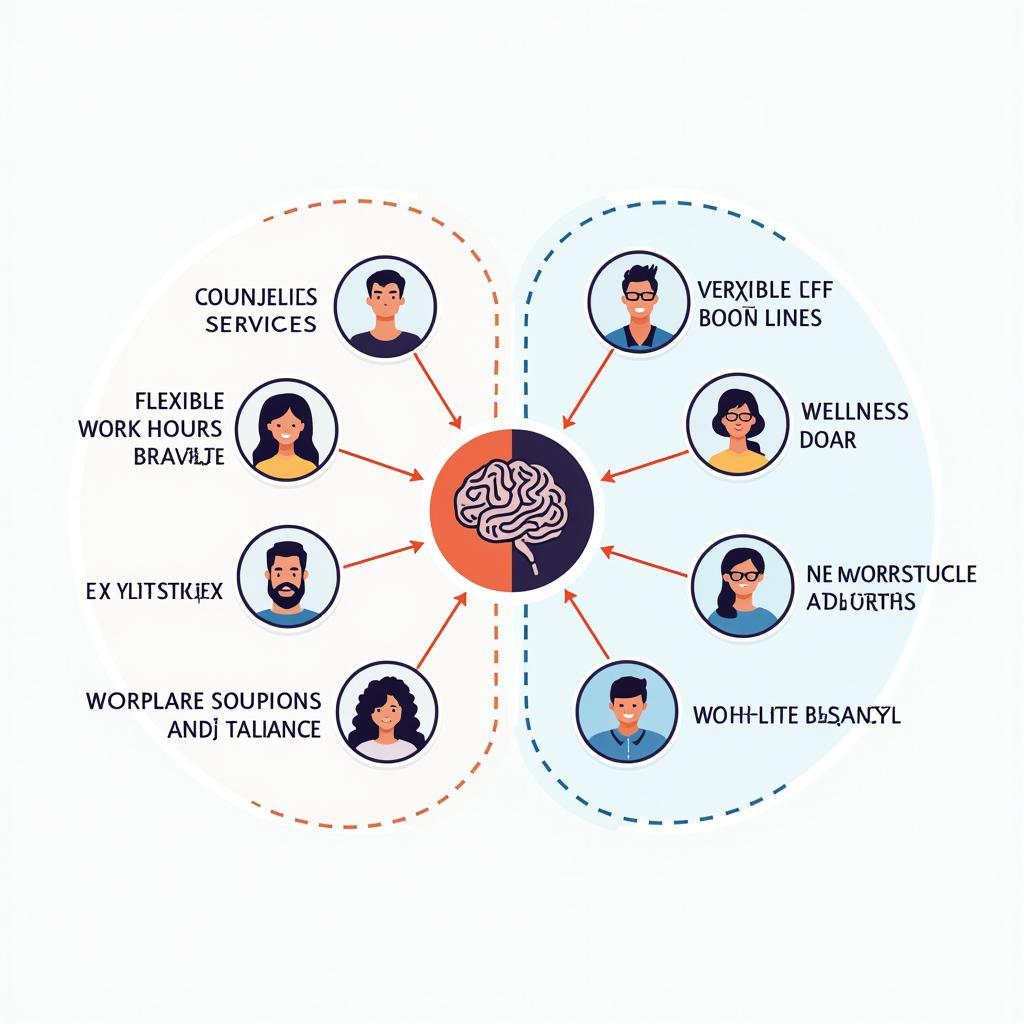 Giải pháp hỗ trợ sức khỏe tinh thần người lao động trong môi trường áp lực
Bài Mẫu Band 5-6
Bài viết Band 5-6 hoàn thành yêu cầu cơ bản của đề bài nhưng còn nhiều hạn chế về phát triển ý tưởng, từ vựng, và ngữ pháp. Các lỗi sai phổ biến của học viên Việt Nam được thể hiện rõ trong bài mẫu này.
In modern life, many worker face stress in their job and this can effect their mental health badly. In this essay, I will discuss about the reasons and give some solution for this problem.
First, the main reason is people have to work too much. They have many task to finish and don’t have time to rest. For example, in my country, office worker usually work overtime and feel very tired. Second reason is they worry about lose job. When economy is bad, company can fire people anytime, so worker always worry. Also, nowadays people use phone and computer for work, so boss can call them in weekend and holiday, they cannot relax.
For solve this problem, I think company should do something. They should give support for worker mental health, like give free counseling. Company also should let worker have flexible time to work and take break when they need. This things can help reduce stress.
Besides, worker also need to do something for themselves. They should do exercise or hobby to relax. And they need to tell to their boss when they have too much work. If they don’t say, the problem will be more serious. Worker should also learn how to manage time good.
In conclusion, stress at work happen because of heavy work, worry about job and technology. Both company and worker must to do something to make better. Company should provide support and worker should take care themselves. I think if everyone try, this problem can be solved.
(254 words)
Phân Tích Band Điểm
| Tiêu chí | Band | Nhận xét |
|---|---|---|
| Task Response (Hoàn thành yêu cầu) | 5.5 | Bài viết cố gắng trả lời cả hai phần (causes và solutions) nhưng còn sơ sài. Nguyên nhân được nêu ra (too much work, job insecurity, technology) nhưng thiếu explanation và development. Giải pháp chung chung, thiếu chi tiết cụ thể và ví dụ thuyết phục. Position chưa rõ ràng, nhiều chỗ chỉ liệt kê ý mà không giải thích tại sao quan trọng. |
| Coherence & Cohesion (Mạch lạc & Liên kết) | 5 | Cấu trúc cơ bản có đầy đủ các phần nhưng tổ chức chưa logic. Linking devices lặp lại và đơn giản (“First”, “Second reason”, “Also”, “Besides”). Một số đoạn văn quá ngắn và thiếu topic sentence rõ ràng. Progression giữa các ý không smooth, nhiều chỗ nhảy cóc. Referencing không rõ ràng (dùng “they” nhiều mà không rõ chỉ ai). |
| Lexical Resource (Từ vựng) | 5.5 | Từ vựng hạn chế và lặp lại: “stress” xuất hiện 4 lần, “worker” 7 lần mà không paraphrase. Nhiều lỗi word choice: “effect” (should be “affect”), “lose job” (should be “losing their job”), “manage time good” (should be “well”). Collocations không tự nhiên: “give free counseling”, “tell to their boss”. Thiếu less common vocabulary, chủ yếu dùng từ cơ bản. |
| Grammatical Range & Accuracy (Ngữ pháp) | 5 | Nhiều lỗi ngữ pháp đáng kể ảnh hưởng đến clarity: subject-verb agreement (“many worker face” → “workers face”), article (“in their job” → “in their jobs”), verb form (“worry about lose” → “losing”), infinitive sai (“must to do” → “must do”). Cấu trúc câu đơn giản, ít variety. Punctuation còn yếu. Tuy nhiên, ý nghĩa chung vẫn hiểu được. |
Những Lỗi Sai Của Bài – Phân Tích & Giải Thích
| Lỗi sai | Loại lỗi | Sửa lại | Giải thích |
|---|---|---|---|
| many worker face stress | Subject-verb agreement | many workers face stress | Danh từ đếm được số nhiều phải thêm “s”. “Many” là quantifier cho số nhiều nên “worker” phải là “workers”. Đây là lỗi cơ bản học viên Việt Nam hay mắc vì tiếng Việt không chia số nhiều. |
| this can effect their mental health | Word choice (verb confusion) | this can affect their mental health | “Effect” là danh từ (hậu quả), “affect” là động từ (ảnh hưởng). Câu này cần động từ vì đứng sau “can”. Cách nhớ: Affect = Action (động từ), Effect = End result (danh từ). |
| I will discuss about the reasons | Verb pattern | I will discuss the reasons | Động từ “discuss” là transitive verb, đi trực tiếp với object mà không cần giới từ “about”. Nhiều học viên Việt thêm “about” vì dịch sát từ “thảo luận về”. Pattern đúng: discuss + something (không có about). |
| They have many task to finish | Countable noun error | They have many tasks to finish | “Task” là danh từ đếm được, đi với “many” phải ở dạng số nhiều “tasks”. Quy tắc: many + plural noun, much + uncountable noun. |
| worry about lose job | Gerund after preposition | worry about losing their job | Sau giới từ (about, in, on, for…) động từ phải ở dạng V-ing. “Lose” cần chuyển thành “losing”. Thêm “their” để rõ nghĩa hơn (mất việc của họ). Pattern: preposition + V-ing. |
| For solve this problem | Wrong preposition/infinitive | To solve this problem | “For” không đi với động từ nguyên thể để chỉ mục đích. Phải dùng “To + infinitive”. Học viên Việt hay nhầm vì dịch từ “Để giải quyết” thành “For solve”. Đúng: To solve/In order to solve. |
| like give free counseling | Infinitive structure | such as providing free counseling | Sau “like” khi liệt kê ví dụ nên dùng cụm danh từ hoặc gerund. “Give” là bare infinitive không phù hợp. Nên thay “like” bằng “such as” (formal hơn) và dùng “providing” (gerund). |
| This things can help | Demonstrative + noun agreement | These things can help | “This” dùng cho số ít, “these” cho số nhiều. “Things” là số nhiều nên phải dùng “these”. Lỗi phổ biến vì tiếng Việt dùng “những cái này” cho cả hai trường hợp. |
| they need to tell to their boss | Verb pattern with double preposition | they need to tell their boss | Động từ “tell” là ditransitive verb, đi trực tiếp với object (tell somebody something) không cần thêm “to”. Nhầm với “speak to” hoặc “talk to”. Pattern đúng: tell + somebody + something. |
| the problem will be more serious | Not exactly wrong but unnatural | the problem will become more serious / worsen | Câu này về mặt ngữ pháp đúng nhưng “be more serious” hơi stiff. Tự nhiên hơn là dùng “become more serious” hoặc “worsen” (formal). Thể hiện vốn từ phong phú hơn. |
| must to do something | Modal verb + infinitive | must do something | Modal verbs (can, must, should, will…) đi với bare infinitive (không “to”). “Must to do” là lỗi rất phổ biến vì học viên nhớ pattern “have to do” rồi áp dụng nhầm. Pattern: modal + V (bare infinitive). |
| manage time good | Adjective vs Adverb | manage time well | “Good” là tính từ, “well” là trạng từ. Sau động từ cần trạng từ để bổ nghĩa cho hành động. “Manage” là động từ nên cần “well” không phải “good”. Quy tắc: verb + adverb, noun + adjective. |
Cách Cải Thiện Từ Band 6 Lên Band 7
Để nâng band điểm từ 5-6 lên 6.5-7, học viên cần tập trung vào 5 khía cạnh then chốt:
1. Rà soát và sửa lỗi ngữ pháp cơ bản
Trước hết, cần master các điểm ngữ pháp foundation như subject-verb agreement, articles (a/an/the), và prepositions. Đây là những lỗi “chết người” khiến bài viết không thể vượt Band 6 dù ý tưởng tốt.
Cách luyện: Sau khi viết xong bài, dành 5 phút check lại:
- Mỗi subject có động từ đúng dạng không? (he works, not he work)
- Danh từ đếm được số nhiều có “s” chưa?
- Danh từ đếm được số ít có article (a/an/the) chưa?
- Sau giới từ có dùng V-ing không? (interested in learning, not interested in learn)
2. Mở rộng và phát triển ý tưởng
Band 5-6 thường chỉ nêu ý chính mà không explain WHY hoặc HOW. Ví dụ, thay vì viết “Workers should do exercise to relax,” hãy phát triển:
- WHY: “Regular physical activity releases endorphins, which naturally reduce stress hormones”
- HOW: “For instance, a 30-minute jog after work can help clear the mind and improve sleep quality”
- RESULT: “thereby enabling employees to return to work feeling refreshed and more productive”
Pattern hiệu quả: Topic sentence → Explanation (why/how) → Example (specific) → Result/Impact
3. Nâng cao từ vựng và paraphrasing
Thay vì lặp lại “stress” 5-6 lần, học cách paraphrase:
- Stress (n) → pressure, strain, tension, burden
- Stressed (adj) → under pressure, overwhelmed, burned out
- Cause stress (v) → create pressure, contribute to anxiety, lead to mental strain
Luyện collocations tự nhiên:
- ❌ “give support” → ✅ “provide support”
- ❌ “make stress” → ✅ “cause stress” / “create pressure”
- ❌ “do exercise” → ✅ “engage in physical activity” / “work out regularly”
4. Sử dụng linking devices đa dạng
Tránh pattern “Firstly, Secondly, Finally” quá mechanical. Học các cách nối ý sophisticated hơn:
Để thêm ý:
- Moreover, Furthermore (formal)
- In addition to this, Additionally
- What is more, Beyond this
Để contrast:
- However, Nevertheless, Nonetheless
- On the other hand, Conversely
- While… (ở đầu câu)
Để show result:
- Consequently, As a result, Therefore
- This means that…, This leads to…
5. Viết intro và conclusion ấn tượng hơn
Introduction Band 5-6:
“In modern life, many workers face stress in their job and this can effect their mental health badly. In this essay, I will discuss about the reasons and give some solution.”
Cải thiện lên Band 7:
“In today’s competitive work environment, occupational stress has become increasingly prevalent, posing significant risks to employees’ mental well-being. This essay will examine the primary causes of this phenomenon and propose practical measures that both employers and workers can implement to address the issue.”
Key differences:
- Paraphrase tốt hơn: “modern life” → “today’s competitive work environment”
- Từ vựng academic: “prevalent”, “posing significant risks”, “phenomenon”
- Structure rõ ràng: “will examine… and propose…” (parallel structure)
- Tránh “I” trong academic writing
Conclusion Band 5-6:
“In conclusion, stress at work happen because of heavy work, worry about job and technology. Both company and worker must do something to make better.”
Cải thiện lên Band 7:
“In conclusion, while workplace stress stems from excessive workloads, job insecurity, and technological connectivity, these challenges can be effectively addressed through a combination of employer-led initiatives and individual responsibility. By implementing comprehensive support systems and fostering a culture of work-life balance, organizations can create healthier environments where both productivity and employee well-being thrive.”
Key improvements:
- Không lặp lại nguyên xi body mà synthesize ý
- Dùng complex sentences với subordinate clauses
- Từ vựng higher-level: “stems from”, “employer-led initiatives”, “fostering a culture”
- Kết thúc với optimistic note và broader implication
Lộ trình luyện tập cụ thể:
- Tuần 1-2: Tập trung sửa lỗi ngữ pháp cơ bản, làm bài tập về articles, prepositions, verb forms
- Tuần 3-4: Luyện phát triển ý với pattern “Topic → Explanation → Example → Result”, viết lại các đoạn văn ngắn
- Tuần 5-6: Học 10-15 từ vựng mới mỗi tuần theo chủ đề, tập paraphrase các câu đơn giản thành phức tạp
- Tuần 7-8: Viết hoàn chỉnh 2-3 bài/tuần, tự chấm theo rubric, identify patterns lỗi sai của mình
- Từ tuần 9: Tham gia nhóm học, nhờ người khác feedback, so sánh bài của mình với bài mẫu Band 7
Học viên cần nhớ rằng cải thiện từ Band 6 lên 7 không phải qua đêm mà cần consistency và targeted practice. Mỗi tuần nên focus vào 1-2 skills cụ thể thay vì cố gắng cải thiện tất cả cùng lúc.
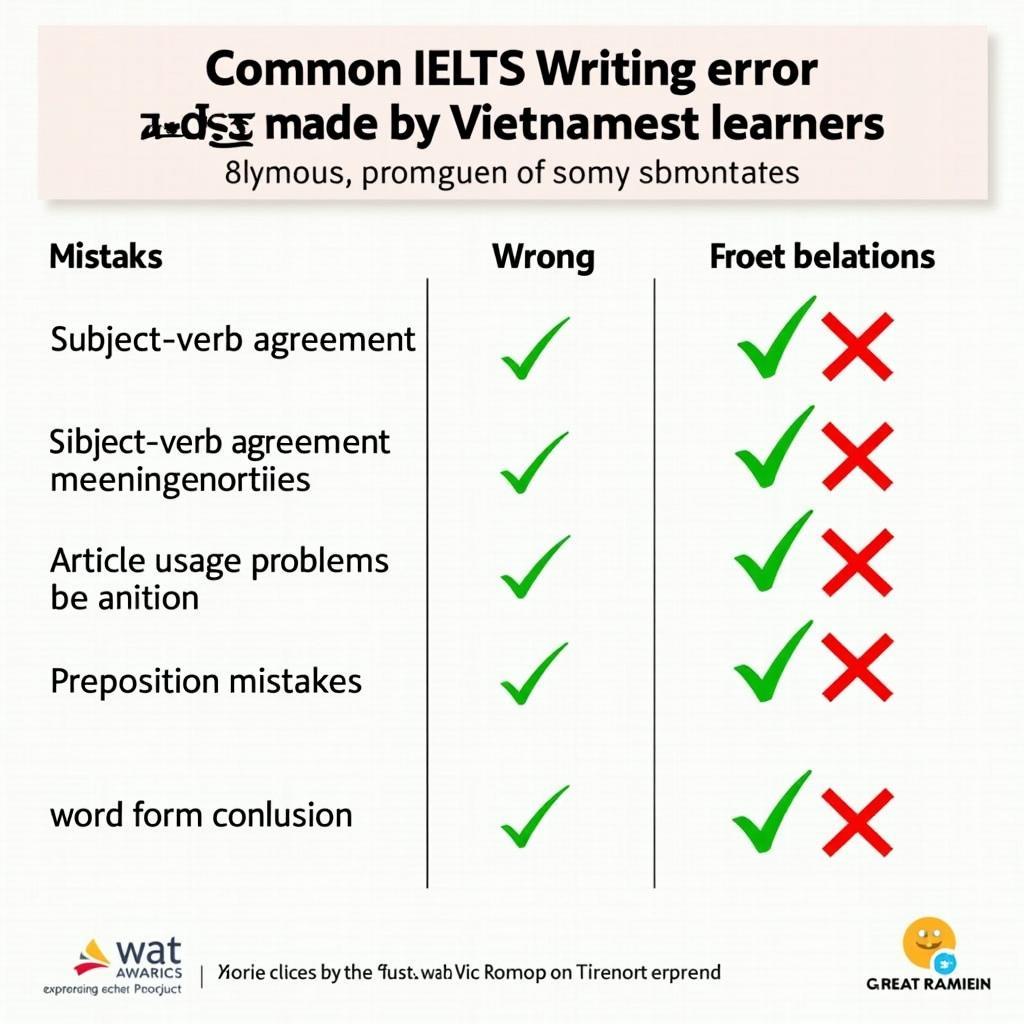 Lỗi sai phổ biến IELTS Writing Task 2 học viên Việt Nam thường mắc phải
Từ Vựng Quan Trọng Cần Nhớ
| Từ/Cụm từ | Loại từ | Phiên âm | Nghĩa tiếng Việt | Ví dụ (tiếng Anh) | Collocations |
|---|---|---|---|---|---|
| occupational stress | noun phrase | /ˌɒkjuˈpeɪʃənl stres/ | căng thẳng nghề nghiệp | Occupational stress is a major concern in healthcare professions. | chronic occupational stress, work-related stress, job-related pressure |
| psychological well-being | noun phrase | /ˌsaɪkəˈlɒdʒɪkl ˈwelbiːɪŋ/ | sức khỏe tinh thần, hạnh phúc tâm lý | Employers have a duty to protect their staff’s psychological well-being. | promote psychological well-being, safeguard mental health, emotional wellness |
| pervasive issue | noun phrase | /pəˈveɪsɪv ˈɪʃuː/ | vấn đề lan rộng, phổ biến | Burnout has become a pervasive issue in modern workplaces. | widespread problem, prevalent concern, endemic issue |
| stringent deadlines | adjective + noun | /ˈstrɪndʒənt ˈdedlaɪnz/ | thời hạn nghiêm ngặt | Software developers often work under stringent deadlines. | tight deadlines, pressing time constraints, strict timelines |
| work-life boundaries | noun phrase | /wɜːk laɪf ˈbaʊndriz/ | ranh giới công việc-cuộc sống | Remote work has blurred traditional work-life boundaries. | maintain boundaries, establish limits, separate work and personal time |
| multi-faceted approach | adjective + noun | /ˌmʌltiˈfæsɪtɪd əˈprəʊtʃ/ | cách tiếp cận đa chiều | Addressing mental health requires a multi-faceted approach. | comprehensive strategy, holistic solution, integrated method |
| organizational interventions | adjective + noun | /ˌɔːɡənaɪˈzeɪʃənl ˌɪntəˈvenʃnz/ | can thiệp cấp tổ chức | Effective organizational interventions can reduce workplace stress significantly. | institutional measures, company-led initiatives, employer actions |
| psychological resilience | adjective + noun | /ˌsaɪkəˈlɒdʒɪkl rɪˈzɪliəns/ | khả năng phục hồi tâm lý | Building psychological resilience helps employees cope with pressure. | mental toughness, emotional strength, stress tolerance |
| breaking point | noun phrase | /ˈbreɪkɪŋ pɔɪnt/ | điểm giới hạn chịu đựng | Many workers reach their breaking point before seeking help. | tipping point, threshold, limit of endurance |
| burnout rates | noun phrase | /ˈbɜːnaʊt reɪts/ | tỷ lệ kiệt sức | Tech companies have reported alarming burnout rates among staff. | exhaustion levels, fatigue statistics, stress-related illness rates |
| foster a culture | verb + noun | /ˈfɒstə ə ˈkʌltʃə/ | nuôi dưỡng/tạo dựng văn hóa | Companies should foster a culture of open communication. | cultivate an environment, promote a climate, develop an atmosphere |
| alleviate pressure | verb + noun | /əˈliːvieɪt ˈpreʃə/ | giảm bớt áp lực | Flexible working hours can alleviate pressure on employees. | reduce stress, ease tension, relieve strain |
| seek professional help | verb phrase | /siːk prəˈfeʃənl help/ | tìm kiếm sự giúp đỡ chuyên nghiệp | Workers should not hesitate to seek professional help when overwhelmed. | consult a therapist, access counseling services, get expert support |
| comprehensive support | adjective + noun | /ˌkɒmprɪˈhensɪv səˈpɔːt/ | sự hỗ trợ toàn diện | Employers must provide comprehensive support for mental health. | holistic assistance, full-spectrum help, extensive backing |
| work-related anxiety | adjective + noun | /wɜːk rɪˈleɪtɪd æŋˈzaɪəti/ | lo âu liên quan đến công việc | Work-related anxiety affects productivity and job satisfaction. | job-induced stress, occupational worry, employment-related concerns |
Lưu ý quan trọng cho học viên Việt Nam:
-
Collocation là chìa khóa để nâng Lexical Resource lên Band 7+: Thay vì chỉ học từ đơn lẻ, hãy học cả cụm từ đi kèm. Ví dụ: không chỉ học “stress” mà học “chronic stress”, “alleviate stress”, “stress management”.
-
Paraphrasing hiệu quả: Khi viết về “mental health”, bạn có thể thay thế bằng “psychological well-being”, “emotional wellness”, “mental wellness” để tránh lặp từ.
-
Academic vs Informal vocabulary:
- ❌ Informal: “big problem” → ✅ Academic: “significant issue”, “pervasive concern”
- ❌ Informal: “very tired” → ✅ Academic: “exhausted”, “burned out”, “fatigued”
- ❌ Informal: “help with stress” → ✅ Academic: “alleviate pressure”, “reduce strain”
-
Cách ghi nhớ hiệu quả:
- Tạo flashcards với cả pronunciation (phiên âm) để nhớ cách phát âm
- Viết 2-3 câu ví dụ của riêng bạn cho mỗi từ
- Nhóm từ theo chủ đề: causes of stress, solutions for employers, solutions for employees
- Sử dụng ngay trong bài writing để consolidate memory
-
Common mistakes với các từ này:
- “Psychological well-being” không có dấu gạch nối giữa “psychological” và “well” (sai: psychological-well-being)
- “Approach” là countable noun, nên có “a multi-faceted approach” (không phải “multi-faceted approach”)
- “Seek help” không dùng “seek for help” (sai: seek for professional help)
- “Foster” đi với object trực tiếp không cần giới từ (foster a culture, không phải foster for a culture)
Một ví dụ tích hợp nhiều từ vựng trong một paragraph:
“To address the pervasive issue of occupational stress, organizations should adopt a multi-faceted approach that combines organizational interventions with individual support. By implementing comprehensive support systems and fostering a culture that values psychological well-being, companies can effectively alleviate pressure on employees and reduce burnout rates. Workers, in turn, must develop psychological resilience and not hesitate to seek professional help before reaching their breaking point.”
Cấu Trúc Câu Dễ “Ăn Điểm” Cao
1. Câu phức với mệnh đề phụ thuộc (Complex sentences with subordinate clauses)
Công thức ngữ pháp:
Main clause + subordinating conjunction (when/while/although/because/since) + subordinate clause
HOẶC
Subordinating conjunction + subordinate clause, main clause
Ví dụ từ bài Band 8-9:
“While workplace stress stems from excessive workloads, job insecurity, and technological connectivity, these challenges can be effectively addressed through a combination of employer-led initiatives and individual responsibility.“
Tại sao cấu trúc này ghi điểm cao:
Câu phức thể hiện khả năng diễn đạt mối quan hệ logic phức tạp giữa các ý tưởng. Sử dụng “while” ở đây tạo contrast: một bên là problems, bên kia là solutions, cho thấy tư duy phân tích cao. Subordinate clause đứng đầu cũng tạo variety cho bài viết (không phải lúc nào cũng main clause trước).
Ví dụ bổ sung:
-
“Although demanding workloads are inevitable in competitive industries, employers can mitigate their impact by implementing reasonable work-hour policies and ensuring adequate staffing levels.”
-
“When employees feel overwhelmed by responsibilities, they should communicate their concerns to management before the situation escalates into serious mental health issues.”
-
“Since job insecurity creates constant anxiety, companies should provide transparent communication about organizational changes and offer career development opportunities to boost employee confidence.”
Lỗi thường gặp của học viên Việt Nam:
- Dùng sai subordinating conjunction: “Although… but…” (chỉ chọn một, không dùng cả hai)
- Thiếu comma khi subordinate clause đứng trước: “Although stress is common employees should seek help” (sai) → “Although stress is common, employees should seek help” (đúng)
- Subordinate clause không hoàn chỉnh: “Because heavy workload” (thiếu verb) → “Because the workload is heavy”
2. Mệnh đề quan hệ không xác định (Non-defining relative clauses)
Công thức ngữ pháp:
Noun, which/who/where + additional information, verb…
(Lưu ý: có dấu phẩy trước và sau mệnh đề quan hệ)
Ví dụ từ bài Band 8-9:
“Google’s Employee Assistance Program, which provides free therapy sessions and mindfulness training, exemplifies this approach and has been credited with reducing burnout rates by 30%.“
Tại sao cấu trúc này ghi điểm cao:
Non-defining relative clause cho phép bạn thêm thông tin bổ sung (extra information) vào câu một cách elegant mà không cần viết thành hai câu riêng biệt. Điều này làm tăng cohesion và thể hiện grammatical range. Cấu trúc này đặc biệt hữu ích khi muốn insert ví dụ hoặc giải thích chi tiết vào giữa câu.
Ví dụ bổ sung:
-
“Workplace counseling services, which are now offered by many progressive companies, provide employees with confidential support for managing stress and personal issues.”
-
“The tech industry, where long working hours and tight deadlines are commonplace, has seen a surge in mental health problems among its workforce.”
-
“Mindfulness meditation, which takes only 10-15 minutes daily, has been proven to significantly reduce cortisol levels and improve emotional regulation.”
Lỗi thường gặp của học viên Việt Nam:
- Quên dấu phẩy: “Companies which provide support are more successful” (defining) vs “Large companies, which often have more resources, should provide support” (non-defining)
- Dùng “that” thay cho “which” trong non-defining clause: “My company, that has 500 employees…” (sai) → “My company, which has 500 employees…” (đúng)
- Không biết phân biệt khi nào dùng defining và non-defining: Defining = information cần thiết để định danh, Non-defining = thông tin bổ sung
3. Cụm phân từ (Participle phrases)
Công thức ngữ pháp:
V-ing/V-ed phrase + comma + main clause
HOẶC
Main clause + comma + V-ing/V-ed phrase
Ví dụ từ bài Band 8-9:
“In the tech industry, for instance, software developers frequently work 60-hour weeks during product launches, leaving little time for recuperation.“
Tại sao cấu trúc này ghi điểm cao:
Participle phrases giúp combine hai ý thành một câu compact và sophisticated. Thay vì viết “They work 60-hour weeks. This leaves little time for recuperation” (hai câu đơn giản), bạn có thể dùng participle để show consequence một cách elegant hơn. Cấu trúc này cũng tạo variety vì không phải lúc nào cũng dùng full clause.
Ví dụ bổ sung:
-
“Faced with mounting pressure, many employees experience anxiety and depression that significantly impair their work performance.”
(Participle phrase ở đầu câu, thể hiện reason) -
“Companies should implement flexible working arrangements, thereby allowing employees to better balance professional and personal responsibilities.”
(Participle phrase ở cuối câu, thể hiện result) -
“Having recognized the importance of mental health, progressive organizations now allocate substantial budgets to wellness programs.”
(Perfect participle, thể hiện action xảy ra trước action chính)
Lỗi thường gặp của học viên Việt Nam:
- Dangling participle (subject không khớp): “Working long hours, stress becomes inevitable” (sai – stress không phải người work) → “Working long hours, employees inevitably experience stress” (đúng)
- Thiếu comma: “Feeling overwhelmed many workers quit their jobs” (sai) → “Feeling overwhelmed, many workers quit their jobs” (đúng)
- Dùng sai thì của participle: “Finished the project, he felt relieved” (sai) → “Having finished the project, he felt relieved” (đúng – hành động finish xảy ra trước feel)
4. Câu chẻ để nhấn mạnh (Cleft sentences)
Công thức ngữ pháp:
It is/was + noun/clause + that/who + clause
HOẶC
What + clause + is/was + noun/clause
Ví dụ từ bài Band 8-9:
“What is essential is the need for open communication with supervisors about workload concerns before reaching a breaking point.” (paraphrased từ bài gốc)
Ví dụ khác từ context tương tự:
“It is the lack of adequate support systems that contributes most significantly to employee burnout in high-pressure jobs.“
Tại sao cấu trúc này ghi điểm cao:
Cleft sentences là công cụ mạnh để emphasize một phần cụ thể của câu, thể hiện control tốt về sentence focus. Trong academic writing, việc highlight key information giúp argument rõ ràng và persuasive hơn. Cấu trúc này cũng uncommon trong writing của learners, nên sử dụng đúng sẽ impressive.
Ví dụ bổ sung:
-
“It is through regular mental health check-ins that employers can identify at-risk employees before problems escalate.”
(Nhấn mạnh phương pháp) -
“What employees need most is not higher salaries but rather a supportive work environment that prioritizes their well-being.”
(Nhấn mạnh object – tạo contrast) -
“It was the introduction of flexible working hours that led to a 40% reduction in stress-related absences in our company.”
(Nhấn mạnh subject và tạo cause-effect rõ ràng)
Lỗi thường gặp của học viên Việt Nam:
- Dùng sai “what” structure: “What I think is that stress is bad” (too simple, không có focus rõ ràng) → “What concerns me most is the long-term impact of chronic stress on productivity”
- Quên “that” sau noun trong It-cleft: “It is job insecurity creates anxiety” (sai) → “It is job insecurity that creates anxiety” (đúng)
- Dùng It-cleft cho information không đáng emphasize: “It is I who wrote this essay” (không cần thiết trong academic writing)
5. Câu điều kiện nâng cao (Advanced conditional sentences)
Công thức ngữ pháp:
- Type 2 (unreal present): If + past simple, would/could + infinitive
- Type 3 (unreal past): If + past perfect, would have + past participle
- Mixed conditional: If + past perfect, would + infinitive (hoặc ngược lại)
Ví dụ từ bài Band 8-9:
Trong bài có ý tưởng tương tự, có thể diễn đạt:
“If companies were to invest more substantially in mental health resources, they could prevent numerous stress-related absences and improve overall productivity.“
Tại sao cấu trúc này ghi điểm cao:
Conditional sentences thể hiện ability to discuss hypothetical situations và consequences, rất quan trọng trong problem-solution essays. Mixed conditionals đặc biệt impressive vì kết nối past actions với present results hoặc ngược lại. Sử dụng “were to” structure (formal conditional) thay vì simple “if… would” cũng nâng tầm formality.
Ví dụ bổ sung:
-
“Were employers to recognize early warning signs of burnout, they could implement timely interventions that prevent serious mental health crises.”
(Đảo ngữ của conditional type 2 – rất formal) -
“If mental health support had been available earlier, many employees who left due to burnout might still be with the company today.”
(Mixed conditional: past condition → present result) -
“Should companies fail to address workplace stress adequately, they will likely face increased turnover rates and diminished productivity.”
(Conditional type 1 với “should” – formal style)
Lỗi thường gặp của học viên Việt Nam:
- Mix thì sai trong conditional: “If companies provide support, workers would be happier” (phải là “provided” hoặc “were to provide” cho type 2)
- Dùng “will” trong if-clause: “If companies will provide support…” (sai) → “If companies provide support…” (type 1) hoặc “were to provide” (type 2)
- Quên “have” trong type 3: “If they provided support earlier, the situation would be better” (type 2) vs “If they had provided support earlier, the situation would have been better” (type 3 – rõ ràng hơn về past unreal)
6. Đảo ngữ để nhấn mạnh (Inversion for emphasis)
Công thức ngữ pháp:
Negative adverbial + auxiliary verb + subject + main verb
(Not only, Never, Seldom, Rarely, Only when/by, Under no circumstances…)
Ví dụ từ bài Band 8-9 (có thể áp dụng):
“Not only do comprehensive mental health programs reduce burnout, but they also significantly improve employee retention and company culture.“
Hoặc:
“Only by combining employer-led initiatives with individual responsibility can workplace mental health challenges be effectively addressed.“
Tại sao cấu trúc này ghi điểm cao:
Inversion là marker của advanced English proficiency. Nó tạo dramatic emphasis và sophisticated style, đặc biệt suitable cho conclusion hoặc topic sentences quan trọng. Examiners đánh giá cao vì đây là structure ít common trong everyday English nhưng essential trong formal/academic contexts.
Ví dụ bổ sung:
-
“Rarely do employees feel comfortable discussing mental health concerns with management, which perpetuates the stigma surrounding workplace stress.”
(Nhấn mạnh tần suất thấp) -
“Under no circumstances should employers ignore warning signs of employee burnout, as early intervention is crucial for preventing serious consequences.”
(Nhấn mạnh tính imperative của hành động) -
“Seldom have workplace policies adequately addressed the psychological needs of employees, resulting in widespread dissatisfaction and high turnover rates.”
(Nhấn mạnh tình trạng thiếu sót trong quá khứ)
Lỗi thường gặp của học viên Việt Nam:
- Quên auxiliary verb: “Never employees feel happy…” (sai) → “Never do employees feel happy…” (đúng)
- Đảo ngữ không cần thiết: “Always employees should…” (không đảo ngữ với positive adverbs)
- Dùng sai trợ động từ: “Not only workers face stress…” (sai) → “Not only do workers face stress…” (đúng – cần “do” cho present simple)
Lưu ý khi sử dụng các cấu trúc này:
-
Đừng lạm dụng: Sử dụng 2-3 cấu trúc advanced trong một bài 280-300 từ là đủ. Nếu dùng quá nhiều sẽ trở nên unnatural.
-
Ưu tiên accuracy hơn complexity: Một câu đơn giản nhưng đúng tốt hơn một câu phức tạp nhưng sai ngữ pháp.
-
Context matters: Chọn cấu trúc phù hợp với ý muốn diễn đạt:
- Muốn add information → relative clause hoặc participle
- Muốn show contrast → subordinate clause với “while/although”
- Muốn emphasize → cleft sentence hoặc inversion
- Muốn discuss hypothetical → conditional
-
Practice makes perfect: Sau khi học cấu trúc, hãy:
- Viết 5-10 câu ví dụ của riêng bạn
- Tìm cấu trúc này trong bài mẫu Band 8-9
- Rewrite các câu simple thành advanced structures
- Nhờ giáo viên hoặc bạn học check lỗi
Để hiểu sâu hơn về cách áp dụng các cấu trúc này vào các tình huống cụ thể, bạn có thể tham khảo thêm how to support mental health in frontline workers, nơi có nhiều ví dụ thực tế về việc sử dụng ngôn ngữ phức tạp trong ngữ cảnh chuyên môn.
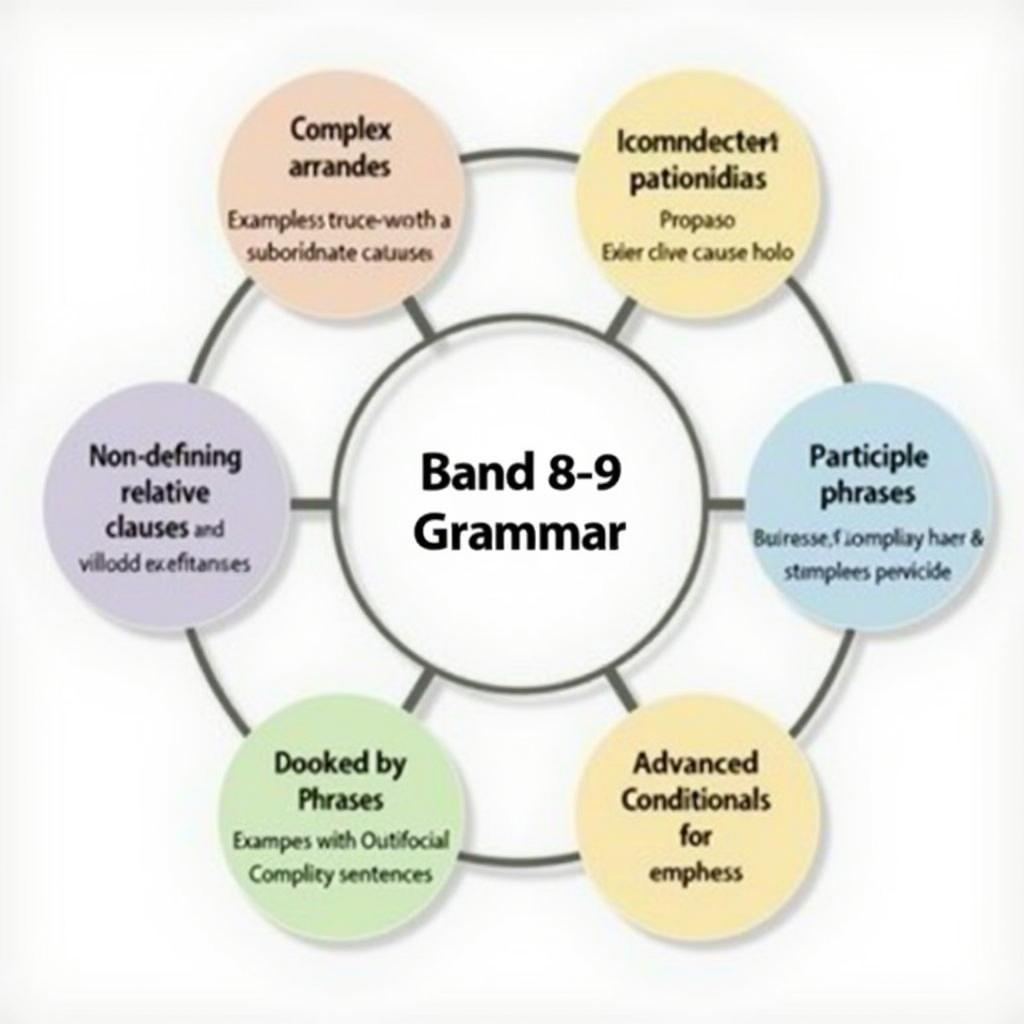 Cấu trúc ngữ pháp nâng cao giúp đạt band điểm cao IELTS Writing Task 2
Kết Bài
Qua ba bài mẫu từ Band 5-6 đến 8-9, chúng ta đã cùng phân tích chi tiết về cách viết một bài IELTS Writing Task 2 xuất sắc trên chủ đề “how to support mental well-being in high-pressure jobs”. Đây không chỉ là một chủ đề quan trọng trong kỳ thi mà còn phản ánh vấn đề thực tế mà nhiều người đang đối mặt trong cuộc sống hiện đại.
Những điểm then chốt cần ghi nhớ:
Sự khác biệt giữa các band điểm không nằm ở việc viết có dài hay ngắn, mà ở độ sâu phát triển ý tưởng, tính cụ thể của ví dụ, sự đa dạng của từ vựng và cấu trúc câu, cùng với khả năng liên kết các ý một cách mạch lạc. Bài Band 8-9 không chỉ trả lời câu hỏi mà còn demonstrate critical thinking thông qua việc phân tích nguyên nhân sâu xa và đề xuất giải pháp practical có evidence support.
Đối với học viên Việt Nam, việc nâng điểm từ Band 6 lên 7+ đòi hỏi sự cẩn thận trong grammar cơ bản (đặc biệt là articles, prepositions, subject-verb agreement), mở rộng vốn từ academic và luyện tập writing thường xuyên. Đừng chỉ học thuộc bài mẫu – hãy phân tích tại sao một câu được viết theo cách đó, tại sao một từ được chọn thay vì từ khác, và cách các ý được liên kết với nhau.
15 từ vựng chuyên ngành và 6 cấu trúc câu nâng cao trong bài viết này là những công cụ thực tế bạn có thể áp dụng ngay vào các bài viết của mình. Hãy bắt đầu với 3-4 từ và 1-2 cấu trúc, master chúng qua practice, rồi mới thêm dần. Quality over quantity – sử dụng chính xác và tự nhiên quan trọng hơn dùng nhiều mà sai.
Lộ trình học tập đề xuất:
- Tuần 1-2: Đọc kỹ và phân tích cả ba bài mẫu, highlight các điểm khác biệt
- Tuần 3-4: Học thuộc 15 từ vựng, tạo flashcards và viết câu ví dụ của riêng bạn
- Tuần 5-6: Luyện viết outline cho 5-7 đề tương tự, focus vào structure và idea development
- Tuần 7-8: Viết full essays, tự chấm theo rubric, identify patterns lỗi sai
- Từ tuần 9: Tham gia study groups, trao đổi feedback, so sánh với bài mẫu
Nhớ rằng IELTS Writing không phải là về việc “học thuộc lòng templates” mà là về demonstrating your ability to communicate complex ideas clearly and effectively. Mỗi đề bài là unique và đòi hỏi response cụ thể – flexibility và critical thinking là chìa khóa.
Chúc các bạn học tập hiệu quả và đạt được band điểm mong muốn! Hãy kiên nhẫn, consistent và đừng ngại mắc lỗi – đó chính là cách để progress. Keep practicing, keep analyzing, and keep improving. Success in IELTS Writing is not about luck; it’s about systematic preparation and continuous refinement of your skills.


