
Bất bình đẳng gia tăng trong các khu vực đô thị là một trong những chủ đề xã hội nóng hổi thường xuyên xuất hiện trong kỳ thi IELTS Writing Task 2. Với xu hướng đô thị hóa nhanh chóng trên toàn cầu, đặc biệt tại các quốc gia đang phát triển như Việt Nam, vấn đề khoảng cách giàu nghèo trong thành phố ngày càng trở nên cấp thiết và được IELTS quan tâm đặc biệt.
Chủ đề này không chỉ kiểm tra khả năng ngôn ngữ mà còn đánh giá tư duy phản biện và nhận thức xã hội của thí sinh. Theo thống kê từ các trung tâm thi IELTS tại Việt Nam, đề tài liên quan đến bất bình đẳng đô thị xuất hiện trung bình 3-4 lần mỗi năm với các góc độ khác nhau như nhà ở, giáo dục, việc làm và cơ hội phát triển.
Trong bài viết này, bạn sẽ được học:
- 3 bài mẫu hoàn chỉnh từ Band 5-6, Band 6.5-7 đến Band 8-9 với phân tích chi tiết
- Cách phân tích đề bài và lập dàn ý hiệu quả
- Bảng chấm điểm cụ thể theo 4 tiêu chí của IELTS
- 15+ từ vựng chủ đề và collocations quan trọng
- 6 cấu trúc câu “ăn điểm” cao với ví dụ thực tế
Các đề thi thực tế đã được xác minh:
- “In many cities, the gap between rich and poor is widening. What problems does this cause, and what can be done to solve them?” (British Council, tháng 3/2023)
- “Urban inequality is increasing in most developed countries. Discuss the causes and propose solutions.” (IDP, tháng 9/2022)
- “Some people think that governments should take measures to reduce the wealth gap in urban areas. To what extent do you agree or disagree?” (IELTS-Blog, tháng 1/2024)
Đề Writing Task 2 Thực Hành
In many cities around the world, the gap between rich and poor is widening. What problems does this create, and what solutions can you suggest to tackle rising inequality in urban areas?
Dịch đề: Ở nhiều thành phố trên thế giới, khoảng cách giữa người giàu và người nghèo đang ngày càng gia tăng. Điều này tạo ra những vấn đề gì, và bạn có thể đề xuất những giải pháp nào để giải quyết tình trạng bất bình đẳng gia tăng trong các khu vực đô thị?
Phân tích đề bài:
Đây là dạng bài Problem-Solution Essay (Vấn đề – Giải pháp), một trong những dạng phổ biến nhất trong IELTS Writing Task 2. Đề bài yêu cầu bạn:
- Xác định các vấn đề do bất bình đẳng đô thị gây ra (problems)
- Đề xuất giải pháp khả thi để giảm thiểu tình trạng này (solutions)
Các thuật ngữ quan trọng cần hiểu:
- “The gap between rich and poor” = wealth inequality = income disparity (bất bình đẳng về thu nhập/tài sản)
- “Widening” = expanding = increasing (gia tăng, mở rộng)
- “Urban areas” = cities = metropolitan regions (khu vực đô thị)
- “Tackle” = address = deal with = solve (giải quyết, đối phó)
Những lỗi thường gặp của học viên Việt Nam:
- Chỉ tập trung vào problems mà quên phần solutions (hoặc ngược lại)
- Đưa ra solutions quá chung chung, thiếu tính khả thi
- Sử dụng ví dụ không liên quan trực tiếp đến đô thị
- Nhầm lẫn giữa “causes” (nguyên nhân) và “problems” (hậu quả/vấn đề)
- Lặp từ “rich” và “poor” quá nhiều thay vì dùng từ đồng nghĩa
Cách tiếp cận chiến lược:
Bài viết nên có cấu trúc 4 đoạn:
- Introduction: Paraphrase đề bài + nêu rõ sẽ bàn về problems và solutions
- Body 1: 2-3 problems chính với giải thích và ví dụ cụ thể
- Body 2: 2-3 solutions tương ứng với giải thích về hiệu quả
- Conclusion: Tóm tắt problems và solutions, có thể thêm nhận định tổng quát
Lưu ý: Mỗi problem/solution cần được phát triển đầy đủ với explanation (giải thích) và example/evidence (ví dụ/chứng cứ).
 Biểu đồ minh họa các giải pháp giảm bất bình đẳng trong khu vực đô thị với các yếu tố giáo dục, nhà ở và việc làm
Bài Mẫu Band 8-9
Bài viết Band 8-9 thể hiện sự thành thạo xuất sắc về ngôn ngữ với từ vựng phong phú, cấu trúc câu đa dạng, ý tưởng sâu sắc và mạch lạc hoàn hảo. Bài dưới đây minh họa cách xử lý đề bài một cách chuyên nghiệp với luận điểm rõ ràng, ví dụ cụ thể và giải pháp khả thi.
The widening wealth divide in urban centres has become one of the most pressing socioeconomic challenges of our time. This essay will examine the principal problems stemming from this inequality and propose viable solutions to mitigate its detrimental effects.
The most immediate consequence of escalating urban inequality is the creation of segregated communities, where affluent neighbourhoods exist in stark contrast to impoverished areas. This spatial polarisation not only breeds social tension and resentment but also perpetuates a cycle of disadvantage. Children from low-income families, for instance, typically attend underfunded schools and lack access to quality education, thereby limiting their future prospects. Furthermore, rising inequality exacerbates health disparities, as disadvantaged populations often cannot afford adequate healthcare or nutritious food, leading to higher rates of chronic diseases. These compounding problems ultimately undermine social cohesion and create environments where crime and social unrest flourish.
To address these challenges, governments must implement multi-faceted policy interventions. Firstly, progressive taxation systems coupled with targeted wealth redistribution can help fund essential public services in disadvantaged areas. Singapore’s model of subsidised housing, which ensures that 80% of residents own affordable homes, demonstrates how strategic government intervention can prevent spatial segregation. Secondly, investing in accessible education and vocational training programmes can equip marginalised communities with marketable skills, enabling upward mobility. Cities like Copenhagen have successfully reduced inequality by providing free university education and generous grants to students from low-income backgrounds. Additionally, implementing living wage policies and strengthening labour protections can ensure that workers earn sufficient income to afford decent housing and basic necessities, thereby narrowing the income gap.
In conclusion, urban inequality generates profound social and health problems that threaten the fabric of metropolitan societies. Only through comprehensive government action – including progressive taxation, education investment, and fair wage policies – can cities create more equitable environments where all residents have opportunities to thrive.
Số từ: 318 từ
Phân Tích Band Điểm
| Tiêu chí | Band | Nhận xét |
|---|---|---|
| Task Response (Hoàn thành yêu cầu) | 9.0 | Bài viết trả lời đầy đủ cả hai phần của đề bài với độ sâu xuất sắc. Problems được phân tích với các hậu quả cụ thể (segregation, education gap, health disparities) và solutions được phát triển chi tiết với ví dụ thực tế từ Singapore và Copenhagen. Quan điểm nhất quán và được duy trì xuyên suốt bài. |
| Coherence & Cohesion (Mạch lạc & Liên kết) | 9.0 | Cấu trúc bài logic hoàn hảo với progression tự nhiên từ problems sang solutions. Sử dụng cohesive devices tinh tế (“Furthermore”, “Firstly”, “Additionally”, “thereby”) không gượng ép. Mỗi đoạn có topic sentence rõ ràng và phát triển ý mạch lạc. Referencing chính xác (“This spatial polarisation”, “These compounding problems”). |
| Lexical Resource (Từ vựng) | 9.0 | Từ vựng học thuật phong phú và chính xác tuyệt đối (“spatial polarisation”, “multi-faceted policy interventions”, “progressive taxation”, “upward mobility”). Collocations tự nhiên (“pressing socioeconomic challenges”, “stark contrast”, “undermines social cohesion”). Không có lỗi từ vựng, sử dụng paraphrasing xuất sắc để tránh lặp từ. |
| Grammatical Range & Accuracy (Ngữ pháp) | 9.0 | Đa dạng cấu trúc câu phức tạp hoàn toàn chính xác: relative clauses (“where affluent neighbourhoods exist”), participle phrases (“thereby limiting”), complex sentences với nhiều mệnh đề. Không có lỗi ngữ pháp. Sử dụng thành thạo các thì và thể (present simple cho general truths, present perfect cho recent trends). |
Các Yếu Tố Giúp Bài Này Được Chấm Điểm Cao
-
Sophistication trong cách diễn đạt: Thay vì nói đơn giản “inequality causes problems”, bài viết sử dụng “The most immediate consequence of escalating urban inequality” – thể hiện khả năng nominalisation và academic tone.
-
Ví dụ cụ thể có tên địa danh thực tế: Singapore và Copenhagen không chỉ là ví dụ mơ hồ mà được đưa ra với số liệu cụ thể (“80% of residents own affordable homes”), tăng tính thuyết phục và chuyên nghiệp.
-
Linking logic chặt chẽ giữa problems và solutions: Solutions ở body 2 liên kết trực tiếp với problems ở body 1 (segregation → subsidised housing; education gap → free university; low income → living wage policies).
-
Sử dụng cause-effect relationship tinh tế: “Children from low-income families…typically attend underfunded schools…thereby limiting their future prospects” – cho thấy hiểu biết sâu về logic hậu quả.
-
Collocations học thuật chính xác: “pressing socioeconomic challenges”, “spatial polarisation”, “compounding problems”, “multi-faceted policy interventions”, “upward mobility” – tất cả đều là cụm từ được sử dụng trong academic discourse.
-
Paraphrasing xuất sắc: “Gap between rich and poor” → “wealth divide”, “widening inequality” → “escalating urban inequality”, “tackle” → “mitigate”, “problems” → “consequences”, “challenges”.
-
Conclusion mạnh mẽ và decisive: Không chỉ tóm tắt mà còn nhấn mạnh sự cấp thiết (“threaten the fabric of metropolitan societies”, “Only through comprehensive government action”) – thể hiện stance rõ ràng.
Bài Mẫu Band 6.5-7
Bài viết Band 6.5-7 thể hiện khả năng sử dụng ngôn ngữ tốt với ý tưởng rõ ràng, nhưng chưa đạt độ tinh tế và sâu sắc như Band 8-9. Từ vựng và ngữ pháp đa dạng ở mức khá, có một vài lỗi nhỏ không ảnh hưởng đến communication.
Nowadays, the difference between wealthy and poor people in cities is getting bigger. This essay will discuss the main problems caused by this situation and suggest some solutions to reduce inequality in urban areas.
There are several serious problems caused by growing inequality in cities. Firstly, it creates social divisions where rich and poor people live in completely separate areas. This means that poor families often do not have access to good schools or healthcare, which makes it difficult for them to improve their situation. For example, in many big cities, children from low-income families go to schools with fewer resources and less qualified teachers, so they cannot compete fairly for good jobs in the future. Another problem is that inequality can lead to higher crime rates because people who cannot afford basic necessities may turn to illegal activities. This makes cities less safe and reduces the quality of life for everyone.
To solve these problems, governments and city authorities should take several actions. One important solution is to invest more money in public services in poor neighbourhoods, such as schools, hospitals, and community centres. This would help to give everyone better opportunities regardless of their background. Another solution is to create more affordable housing so that low-income families can live in decent conditions without spending all their money on rent. For instance, some European cities have built social housing projects that provide cheap accommodation for people with lower incomes. Additionally, governments could introduce higher minimum wages to ensure that workers earn enough to support their families and have a reasonable standard of living.
In conclusion, urban inequality causes serious social problems and affects people’s access to education and healthcare. However, through government investment in public services, affordable housing, and fair wages, cities can become more equal places where everyone has the chance to succeed.
Số từ: 287 từ
Phân Tích Band Điểm
| Tiêu chí | Band | Nhận xét |
|---|---|---|
| Task Response (Hoàn thành yêu cầu) | 7.0 | Bài viết trả lời đầy đủ cả hai phần của đề bài với các ý chính rõ ràng. Problems và solutions được đưa ra hợp lý nhưng thiếu độ sâu và chi tiết so với Band 8-9. Ví dụ có nhưng còn chung chung (“some European cities” thay vì tên cụ thể). Quan điểm duy trì nhất quán. |
| Coherence & Cohesion (Mạch lạc & Liên kết) | 6.5 | Cấu trúc bài rõ ràng với introduction, 2 body paragraphs và conclusion. Sử dụng linking words đơn giản nhưng hiệu quả (“Firstly”, “Another problem”, “Additionally”). Tuy nhiên, progression giữa các ý chưa mượt mà bằng Band 8-9, thiếu referencing tinh tế. Một số chỗ còn mechanical (“One important solution is to…”). |
| Lexical Resource (Từ vựng) | 6.5 | Từ vựng đủ để truyền đạt ý tốt với một số collocations tốt (“social divisions”, “access to good schools”, “quality of life”). Tuy nhiên, thiếu từ vựng học thuật cao cấp và có xu hướng lặp lại (“problem” xuất hiện nhiều lần, “people” được dùng quá thường xuyên). Paraphrasing còn đơn giản. |
| Grammatical Range & Accuracy (Ngữ pháp) | 7.0 | Sử dụng mix của câu đơn và câu phức khá tốt. Có relative clauses (“where rich and poor people live”), conditionals, và một số cấu trúc phức. Hầu hết câu đúng ngữ pháp. Một số chỗ còn đơn giản (“This means that…”, “For example…”) thay vì dùng cấu trúc tinh tế hơn. |
So Sánh Với Bài Band 8-9
1. Sophistication của vocabulary:
Band 6.5-7: “the difference between wealthy and poor people in cities is getting bigger”
Band 8-9: “The widening wealth divide in urban centres”
→ Band 8-9 sử dụng nominalisation (“wealth divide” thay vì “difference between wealthy and poor”) và từ vựng formal hơn (“urban centres” thay vì “cities”).
2. Độ cụ thể của ví dụ:
Band 6.5-7: “some European cities have built social housing projects”
Band 8-9: “Singapore’s model of subsidised housing, which ensures that 80% of residents own affordable homes”
→ Band 8-9 đưa ra tên địa danh cụ thể kèm số liệu, tăng tính academic và persuasive.
3. Complexity của cấu trúc câu:
Band 6.5-7: “Another problem is that inequality can lead to higher crime rates because people who cannot afford basic necessities may turn to illegal activities.”
Band 8-9: “Furthermore, rising inequality exacerbates health disparities, as disadvantaged populations often cannot afford adequate healthcare or nutritious food, leading to higher rates of chronic diseases.”
→ Band 8-9 sử dụng participle phrase (“leading to…”) và academic vocabulary (“exacerbates”, “disparities”, “disadvantaged populations”) thay vì cấu trúc “because” đơn giản.
4. Linking và cohesion:
Band 6.5-7: Sử dụng “Firstly”, “Another problem”, “Additionally” – functional nhưng mechanical
Band 8-9: Sử dụng “Furthermore”, “thereby”, “Only through” – tự nhiên và sophisticated hơn
5. Paraphrasing:
Band 6.5-7: Lặp “problem” nhiều lần, “people” xuất hiện thường xuyên
Band 8-9: “Challenges” → “consequences”, “wealth divide” → “inequality” → “income gap”, tránh lặp từ hoàn toàn
6. Academic tone:
Band 6.5-7: “gives everyone better opportunities”
Band 8-9: “equip marginalised communities with marketable skills, enabling upward mobility”
→ Band 8-9 sử dụng terminology chính xác hơn (“marginalised communities”, “upward mobility”).
Tương tự như rising housing costs in cities, vấn đề bất bình đẳng đô thị cần được phân tích toàn diện từ nhiều góc độ khác nhau để có giải pháp hiệu quả.
Bài Mẫu Band 5-6
Bài viết Band 5-6 thể hiện khả năng truyền đạt ý tưởng cơ bản nhưng còn nhiều hạn chế về từ vựng, ngữ pháp và cách tổ chức ý. Đây là mức điểm phổ biến của nhiều học viên Việt Nam khi mới bắt đầu luyện thi IELTS.
In many cities, rich people and poor people are becoming more different. This is a big problem. In this essay, I will talk about the problems and some solutions.
There is many problems because of inequality in cities. First, poor people cannot get good education. Their children go to bad schools and cannot learn well. So they cannot get good jobs when they grow up. Rich people’s children go to expensive schools and they can get good jobs easily. This make the gap bigger. Another problem is about health. Poor people don’t have money to go hospital when they are sick, so they become more sick. Also, some poor people do crime because they need money. This makes cities dangerous.
The government should do something to solve these problems. First, they should give more money for schools in poor areas. If schools have money, they can buy books and hire good teachers. This will help children to study better. Second solution is about houses. Government can build cheap houses for poor families so they don’t need to pay too much money for rent. In my country Vietnam, some poor people live in very small houses and it is not good. Also, government should make companies pay more salary to workers. If workers have enough money, they can buy food and clothes for their family and they don’t need to do bad things.
In conclusion, inequality in cities cause many problems like education, health and crime. Government need to help poor people by building schools, houses and giving them better salary. If they do this, cities will be better.
Số từ: 264 từ
Phân Tích Band Điểm
| Tiêu chí | Band | Nhận xét |
|---|---|---|
| Task Response (Hoàn thành yêu cầu) | 6.0 | Bài viết cố gắng trả lời cả hai phần của đề bài với problems và solutions cơ bản. Tuy nhiên, các ý tưởng chưa được phát triển đầy đủ, thiếu giải thích sâu và ví dụ cụ thể. Một số ý còn mơ hồ (“bad schools”, “do crime”). Position không rõ ràng do thiếu thesis statement mạnh. |
| Coherence & Cohesion (Mạch lạc & Liên kết) | 5.5 | Có cấu trúc cơ bản 4 đoạn nhưng progression giữa các ý còn đơn giản và thiếu logic. Linking words được sử dụng (“First”, “Another”, “Also”, “Second”) nhưng còn mechanical và lặp lại. Thiếu cohesive devices tinh tế, referencing không chính xác (“This make” không rõ “this” là gì). Một số câu không liên kết tốt. |
| Lexical Resource (Từ vựng) | 5.5 | Từ vựng còn hạn chế và đơn giản (“rich people”, “poor people”, “bad schools”, “good jobs”). Lặp từ rất nhiều (“poor people” xuất hiện 6 lần, “money” 6 lần). Thiếu collocations và từ vựng học thuật. Có một số lỗi word choice (“become more sick” nên là “become sicker” hoặc “get worse”). |
| Grammatical Range & Accuracy (Ngữ pháp) | 5.5 | Phần lớn là câu đơn giản, ít complex sentences. Có nhiều lỗi ngữ pháp: subject-verb agreement (“There is many problems” → “There are many problems”, “This make” → “This makes”, “inequality…cause” → “causes”), thiếu articles (“go to hospital” → “go to the hospital”), verb form (“need to help” → “needs to help”). Tuy nhiên, ý nghĩa vẫn truyền đạt được. |
Những Lỗi Sai Của Bài – Phân Tích & Giải Thích
| Lỗi sai | Loại lỗi | Sửa lại | Giải thích |
|---|---|---|---|
| “are becoming more different” | Word choice | “The gap between them is widening” hoặc “inequality is increasing” | “Different” không phải từ chính xác để mô tả khoảng cách kinh tế. Cần dùng “gap”, “divide” hoặc “inequality”. |
| “There is many problems” | Subject-verb agreement | “There are many problems” | “Problems” là danh từ số nhiều nên phải dùng “are”, không dùng “is”. Đây là lỗi cơ bản của học viên Việt Nam do tiếng Việt không phân biệt số ít/nhiều rõ ràng. |
| “get good education” | Missing article | “get a good education” hoặc “access quality education” | “Education” ở đây cần mạo từ “a”. Alternatively, dùng “access” thì không cần article nhưng học thuật hơn. |
| “go to bad schools” | Informal language | “attend underfunded schools” hoặc “study at poorly-resourced schools” | “Bad schools” quá informal và không academic. Cần diễn đạt chính xác hơn là thiếu nguồn lực. |
| “This make the gap bigger” | Subject-verb agreement | “This makes the gap bigger” | “This” là chủ ngữ số ít nên động từ phải thêm “s”. Lỗi phổ biến vì tiếng Việt không chia động từ theo ngôi. |
| “don’t have money to go hospital” | Missing article | “don’t have money to go to the hospital” | Cần giới từ “to” và mạo từ “the” trước “hospital”. “Go hospital” là lỗi điển hình của học viên Việt Nam. |
| “become more sick” | Comparative form | “become sicker” hoặc “get worse” | Tính từ ngắn như “sick” tạo so sánh bằng “-er”, không dùng “more”. Hoặc dùng “their health deteriorates” (academic hơn). |
| “some poor people do crime” | Collocation error | “some poor people commit crimes” hoặc “engage in criminal activities” | “Do crime” là collocation sai. Động từ đúng là “commit” khi nói về tội phạm. |
| “The government should do something” | Vague language | “Governments should implement targeted policies” hoặc “take concrete measures” | “Do something” quá mơ hồ và không academic. Cần specific action words. |
| “give more money for schools” | Preposition error + informal | “allocate more funding to schools” hoặc “invest more in education” | Giới từ đúng là “to” không phải “for” trong context này. “Give money” cũng nên thay bằng “allocate funding/resources” để academic hơn. |
| “pay too much money for rent” | Redundancy | “pay excessive rent” hoặc “spend too much on rent” | “Pay money for rent” redundant vì “pay rent” đã ngụ ý tiền. Dùng “excessive” thay “too much” sẽ formal hơn. |
| “inequality…cause many problems” | Subject-verb agreement | “inequality causes many problems” | “Inequality” là danh từ số ít nên động từ phải là “causes”. Lỗi lặp lại trong conclusion cho thấy không nắm vững quy tắc. |
| “Government need to help” | Subject-verb agreement | “Governments need to help” hoặc “The government needs to help” | Nếu dùng “government” số ít thì động từ phải là “needs”. Hoặc dùng “governments” số nhiều với “need”. |
| “building schools, houses and giving them better salary” | Parallel structure + collocation | “constructing schools and affordable housing, and ensuring fair wages” | Không parallel: “building” và “giving” không cùng object type. “Better salary” nên là “better salaries/wages” hoặc “fair wages”. |
Cách Cải Thiện Từ Band 5-6 Lên Band 7
1. Nâng cao từ vựng:
- Thay “rich people/poor people” → “affluent citizens/disadvantaged communities”, “low-income families”, “vulnerable populations”
- Thay “big problem” → “pressing issue”, “significant challenge”
- Thay “good/bad” → “high-quality/inadequate”, “well-funded/underfunded”
- Học collocations: “access to education”, “commit crimes”, “allocate resources”, “implement policies”
2. Cải thiện grammar:
- Luyện subject-verb agreement: chú ý chủ ngữ số ít/nhiều, đặc biệt với “government/governments”, “there is/are”
- Sử dụng articles (a/an/the) đúng: học rules cơ bản về khi nào dùng, khi nào không dùng
- Luyện câu phức: sử dụng relative clauses (which, that, who), conjunctions (although, while, whereas), participles
3. Phát triển ý tưởng:
- Mỗi problem/solution cần có: Main idea → Explanation → Example → Impact
- Ví dụ: “Poor education (main) → Schools lack resources (explanation) → In Ho Chi Minh City, schools in District 12 have 50 students per class (example) → Students cannot receive individual attention (impact)”
4. Cải thiện cohesion:
- Đa dạng linking words: thay “First, Second” → “Firstly/To begin with, Furthermore/Moreover, Additionally”
- Sử dụng referencing: “this situation”, “these challenges”, “such measures” thay vì lặp lại danh từ
- Dùng synonyms để tránh lặp: “problem → issue → challenge”, “solution → measure → approach”
5. Academic tone:
- Tránh personal pronouns: “I will talk about” → “This essay will examine”
- Tránh informal language: “do something” → “take action/implement measures”
- Sử dụng passive voice khi phù hợp: “Schools should be provided with adequate funding”
6. Cấu trúc câu:
- Luyện viết câu phức với nhiều clauses: “While affluent families can afford private education, low-income households struggle to provide basic school supplies, thereby perpetuating the cycle of poverty.”
- Sử dụng conditional sentences: “If governments invested more in public education, children from disadvantaged backgrounds would have better opportunities.”
Để hiểu rõ hơn về income inequality solutions in developing nations, bạn cần nghiên cứu các mô hình can thiệp chính sách đã được chứng minh hiệu quả.
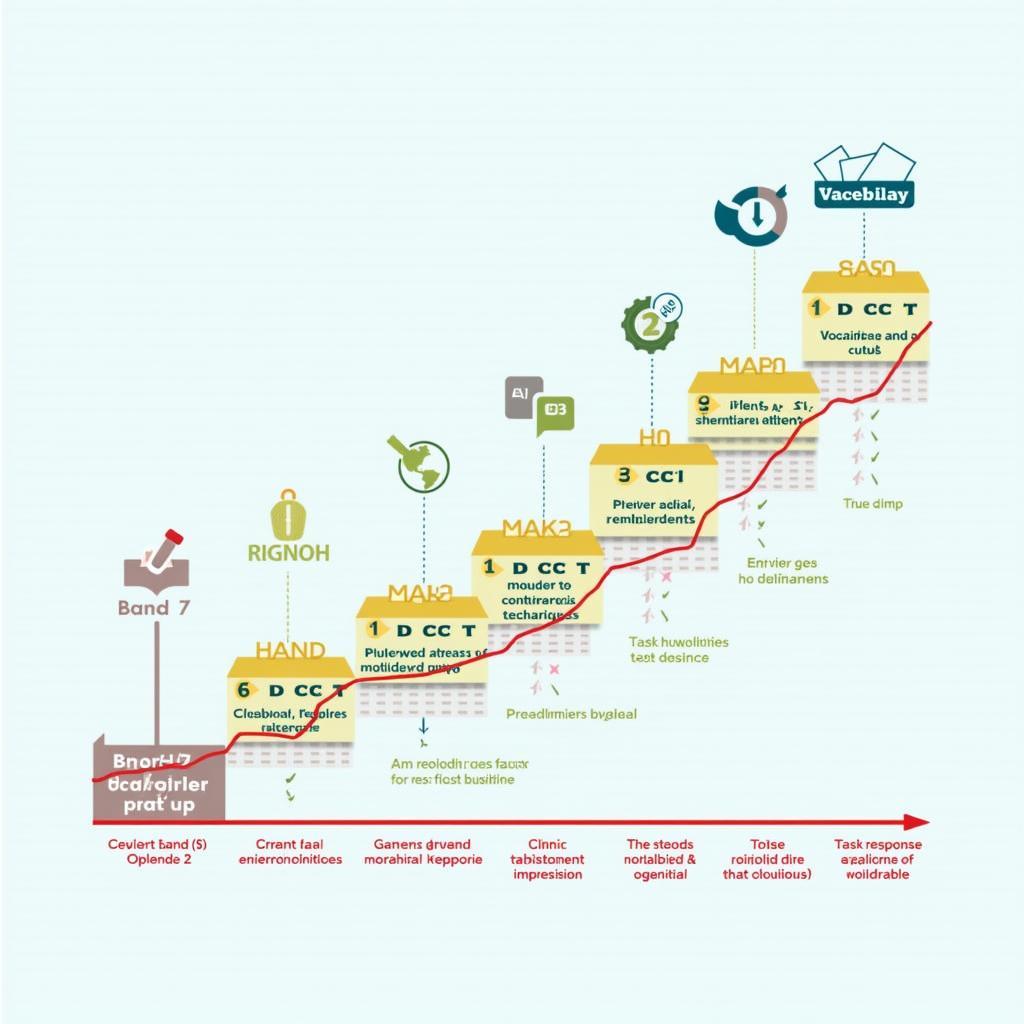 Lộ trình cải thiện điểm IELTS Writing Task 2 từ band 5 lên band 7 với các bước cụ thể
Từ Vựng Quan Trọng Cần Nhớ
| Từ/Cụm từ | Loại từ | Phiên âm | Nghĩa tiếng Việt | Ví dụ (tiếng Anh) | Collocations |
|---|---|---|---|---|---|
| Wealth divide | Noun phrase | /welθ dɪˈvaɪd/ | Khoảng cách giàu nghèo | The widening wealth divide threatens social stability. | Narrow/bridge/widen the wealth divide |
| Urban inequality | Noun phrase | /ˈɜːbən ˌɪnɪˈkwɒləti/ | Bất bình đẳng đô thị | Urban inequality has become more pronounced in recent decades. | Tackle/address/reduce urban inequality |
| Spatial polarisation | Noun phrase | /ˈspeɪʃəl ˌpəʊləraɪˈzeɪʃən/ | Sự phân cực không gian (giàu nghèo sống tách biệt) | Spatial polarisation creates segregated communities in major cities. | Prevent/exacerbate spatial polarisation |
| Disadvantaged communities | Noun phrase | /ˌdɪsədˈvɑːntɪdʒd kəˈmjuːnətiz/ | Cộng đồng thiệt thòi, dễ bị tổn thương | Government should allocate more resources to disadvantaged communities. | Support/empower/marginalise disadvantaged communities |
| Progressive taxation | Noun phrase | /prəˈɡresɪv tækˈseɪʃən/ | Thuế lũy tiến (người giàu đóng thuế cao hơn) | Progressive taxation helps redistribute wealth more equitably. | Implement/adopt progressive taxation system |
| Upward mobility | Noun phrase | /ˈʌpwəd məʊˈbɪləti/ | Khả năng thăng tiến xã hội | Quality education is crucial for upward mobility. | Enable/facilitate/limit upward mobility |
| Social cohesion | Noun phrase | /ˈsəʊʃəl kəʊˈhiːʒən/ | Sự gắn kết xã hội | Rising inequality undermines social cohesion. | Strengthen/promote/threaten social cohesion |
| Affordable housing | Noun phrase | /əˈfɔːdəbəl ˈhaʊzɪŋ/ | Nhà ở giá phải chăng | Cities need to invest in affordable housing projects. | Provide/develop/lack affordable housing |
| Income disparity | Noun phrase | /ˈɪnkʌm dɪˈspærəti/ | Chênh lệch thu nhập | Income disparity between different socioeconomic groups is growing. | Reduce/narrow/widen income disparity |
| Living wage | Noun phrase | /ˈlɪvɪŋ weɪdʒ/ | Mức lương đủ sống | Workers should earn a living wage that covers basic necessities. | Pay/guarantee/establish a living wage |
| Segregated neighbourhoods | Noun phrase | /ˈseɡrɪɡeɪtɪd ˈneɪbəhʊdz/ | Khu phố bị chia cắt (theo giai tầng) | Segregated neighbourhoods limit social interaction across classes. | Create/prevent segregated neighbourhoods |
| Mitigate effects | Verb phrase | /ˈmɪtɪɡeɪt ɪˈfekts/ | Giảm thiểu tác động | Governments must implement policies to mitigate the effects of inequality. | Mitigate adverse/negative/detrimental effects |
| Exacerbate problems | Verb phrase | /ɪɡˈzæsəbeɪt ˈprɒbləmz/ | Làm trầm trọng thêm vấn đề | Poor urban planning can exacerbate problems of inequality. | Exacerbate existing/underlying/social problems |
| Perpetuate a cycle | Verb phrase | /pəˈpetʃueɪt ə ˈsaɪkəl/ | Duy trì/kéo dài một vòng luẩn quẩn | Lack of education perpetuates the cycle of poverty. | Perpetuate/break/interrupt the cycle of poverty |
| Multi-faceted approach | Noun phrase | /ˌmʌltiˈfæsɪtɪd əˈprəʊtʃ/ | Cách tiếp cận đa chiều | Solving urban inequality requires a multi-faceted approach. | Adopt/require/implement a multi-faceted approach |
Lưu ý cho học viên:
- Học từ vựng trong context, không học thuộc lòng từ đơn lẻ
- Chú ý cách phát âm để tránh nhầm lẫn khi nghe listening
- Collocations rất quan trọng – học cụm từ đi cùng nhau để tự nhiên hơn
- Luyện viết câu với từng từ mới để nhớ lâu hơn
Cấu Trúc Câu Dễ “Ăn Điểm” Cao
1. Mệnh đề quan hệ không xác định (Non-defining relative clauses)
Công thức: Chủ ngữ + dấu phẩy + which/who + động từ + …, + mệnh đề chính tiếp theo
Ví dụ từ bài Band 8-9:
“Singapore’s model of subsidised housing, which ensures that 80% of residents own affordable homes, demonstrates how strategic government intervention can prevent spatial segregation.”
Tại sao cấu trúc này ghi điểm cao:
Non-defining relative clauses cho phép bạn thêm thông tin bổ sung vào câu một cách tự nhiên mà không làm gián đoạn luồng ý chính. Điều này thể hiện khả năng viết câu phức tạp với nhiều layers of information, đặc trưng của band 7+. Việc sử dụng dấu phẩy đúng cách cũng cho thấy sự tinh tế trong punctuation.
Ví dụ bổ sung:
- “Copenhagen’s education system, which provides free tuition to all students, has significantly reduced inequality.”
- “Progressive taxation, which requires wealthy individuals to pay higher tax rates, helps fund social programmes.”
- “Urban gentrification, which often displaces low-income residents, exacerbates spatial polarisation.”
Lỗi thường gặp của học viên Việt Nam:
- Quên dấu phẩy trước “which” (viết “Singapore’s model which ensures…” là SAI)
- Dùng “that” thay vì “which” trong non-defining clause (không được phép)
- Không biết khi nào dùng defining vs non-defining clause
2. Cụm phân từ (Participle phrases)
Công thức: Chủ ngữ + động từ chính + …, + V-ing/V-ed + bổ ngữ
Ví dụ từ bài Band 8-9:
“Children from low-income families typically attend underfunded schools, thereby limiting their future prospects.”
Tại sao cấu trúc này ghi điểm cao:
Participle phrases cho phép diễn đạt quan hệ nguyên nhân-kết quả một cách ngắn gọn và tinh tế, tránh phải dùng “because”, “so” nhiều lần. Cấu trúc này thể hiện sự mature trong writing và là dấu hiệu của band 8-9. “Thereby” là linking word học thuật cao, thường thấy trong academic papers.
Ví dụ bổ sung:
- “Governments invest in vocational training programmes, enabling disadvantaged youth to acquire marketable skills.”
- “Inequality creates segregated communities, leading to reduced social interaction between classes.”
- “Rising housing costs push low-income families to suburbs, resulting in longer commutes and reduced quality of life.”
Lỗi thường gặp của học viên Việt Nam:
- Dangling participles: V-ing không cùng chủ ngữ với mệnh đề chính (VD: “Walking down the street, the buildings were tall” – SAI vì buildings không thể walk)
- Dùng “which” thay vì participle phrase (dài dòng hơn và kém academic)
- Không biết cách dùng “thereby”, “thus”, “hence” trước participle
3. Câu chẻ (Cleft sentences) để nhấn mạnh
Công thức: It is/was + cụm cần nhấn mạnh + that/who + phần còn lại
Ví dụ ứng dụng:
“It is the lack of access to quality education that perpetuates the cycle of poverty in urban areas.”
Tại sao cấu trúc này ghi điểm cao:
Cleft sentences cho phép bạn nhấn mạnh một phần thông tin quan trọng, thể hiện khả năng control information focus. Đây là advanced grammar structure thường thấy trong writing band 8+. Nó giúp bài viết có variation và tránh bị monotonous.
Ví dụ bổ sung:
- “It is through progressive taxation that governments can redistribute wealth more equitably.”
- “It was Singapore’s strategic housing policies that prevented severe spatial segregation.”
- “What concerns me most is the growing health disparity between rich and poor neighbourhoods.”
- “What cities need is comprehensive investment in public infrastructure.”
Lỗi thường gặp của học viên Việt Nam:
- Dùng “there is” thay vì “it is” (không nhấn mạnh được)
- Quên “that” sau cụm nhấn mạnh
- Overuse – dùng quá nhiều cleft sentences làm bài không tự nhiên (chỉ nên dùng 1-2 lần/bài)
4. Câu điều kiện phức tạp (Mixed conditionals)
Công thức: If + past perfect + …, + would/could + V (hiện tại) hoặc If + past simple + …, would/could have + V-ed
Ví dụ ứng dụng:
“If governments had invested more in affordable housing decades ago, spatial segregation would not be as severe today.”
Tại sao cấu trúc này ghi điểm cao:
Mixed conditionals thể hiện khả năng nối liền quá khứ và hiện tại, showing sophisticated understanding về cause-effect relationships across time. Đây là dấu hiệu rõ ràng của band 7.5+. Nó cũng cho thấy critical thinking – phân tích what-if scenarios.
Ví dụ bổ sung:
- “If education systems were more equitable, many current social problems could have been prevented.”
- “Had cities implemented progressive zoning policies earlier, we would see less spatial polarisation now.”
- “If workers earned living wages, crime rates in disadvantaged areas would be significantly lower.”
Lỗi thường gặp của học viên Việt Nam:
- Nhầm lẫn giữa conditional types (dùng type 2 khi cần mixed conditional)
- Sai thì động từ trong if-clause và main clause
- Không biết khi nào dùng mixed conditional (khi nối past cause với present result hoặc ngược lại)
5. Đảo ngữ (Inversion) để formal hơn
Công thức: Rarely/Seldom/Only by/Not only + auxiliary verb + chủ ngữ + động từ chính
Ví dụ ứng dụng:
“Only through comprehensive government action can cities create more equitable environments where all residents have opportunities to thrive.”
Tại sao cấu trúc này ghi điểm cao:
Inversion làm cho writing trở nên formal và emphatic. Đây là advanced structure chỉ xuất hiện ở band 8-9. Nó thể hiện command of English syntax và tạo variation trong sentence patterns. Tuy nhiên, chỉ nên dùng 1 lần/bài để không quá formal.
Ví dụ bổ sung:
- “Not only does inequality create social divisions, but it also undermines economic productivity.”
- “Rarely do we see such pronounced spatial segregation as in contemporary megacities.”
- “Under no circumstances should governments ignore the widening wealth gap.”
- “Never before has urban inequality been as pressing an issue as it is today.”
Lỗi thường gặp của học viên Việt Nam:
- Quên đảo auxiliary verb lên trước chủ ngữ (viết “Only through action governments can create…” – SAI)
- Dùng inversion trong casual writing (không phù hợp context)
- Không biết các từ nào trigger inversion (rarely, seldom, never, not only, only by, under no circumstances)
6. Complex sentences với nhiều mệnh đề phụ thuộc
Công thức: Although/While + mệnh đề 1, chủ ngữ chính + động từ + …, which/thereby + mệnh đề 3
Ví dụ từ bài Band 8-9:
“While affluent neighbourhoods enjoy excellent amenities, impoverished areas often lack basic infrastructure, thereby creating environments where opportunities are severely limited.”
Tại sao cấu trúc này ghi điểm cao:
Câu có 3+ clauses thể hiện grammatical range ở mức cao nhất. Nó cho phép bạn present contrasts và consequences trong một câu mạch lạc, showing ability to handle complex ideas. Đây là hallmark của band 9 writing – nhiều information packed efficiently trong một complex sentence.
Ví dụ bổ sung:
- “Although governments recognize the severity of urban inequality, implementation of effective policies remains slow, which means that the wealth gap continues to widen.”
- “While education is widely acknowledged as key to upward mobility, underfunded schools in disadvantaged areas cannot provide quality instruction, thereby perpetuating intergenerational poverty.”
- “Despite significant economic growth in urban centres, wealth distribution remains highly unequal, leading to social tensions that threaten long-term stability.”
Lỗi thường gặp của học viên Việt Nam:
- Run-on sentences: nối quá nhiều clauses mà không có punctuation đúng
- Mất mạch ý giữa các clauses (clauses không liên quan logic với nhau)
- Dùng “but” và “although” cùng lúc (VD: “Although…but…” – SAI vì redundant)
- Không balance các clauses (một clause quá dài, một clause quá ngắn làm câu mất cân đối)
Kết Bài
Chủ đề giải quyết bất bình đẳng gia tăng trong đô thị là một đề tài phức tạp nhưng cực kỳ quan trọng trong IELTS Writing Task 2. Qua bài viết này, bạn đã được trang bị:
Ba bài mẫu hoàn chỉnh ở các band điểm khác nhau (5-6, 6.5-7, 8-9) với phân tích chi tiết về điểm mạnh và hạn chế của từng bài. Điều này giúp bạn hiểu rõ sự khác biệt giữa các mức điểm và biết mình đang ở đâu trên scale.
Bảng chấm điểm cụ thể theo 4 tiêu chí chính của IELTS (Task Response, Coherence & Cohesion, Lexical Resource, Grammatical Range & Accuracy) với nhận xét chi tiết bằng tiếng Việt, giúp bạn tự đánh giá bài viết của mình chính xác hơn.
15+ từ vựng và collocations chủ đề với phiên âm, nghĩa tiếng Việt, ví dụ và các cụm từ đi kèm. Việc nắm vững những từ này sẽ giúp bạn diễn đạt ý tưởng về urban inequality một cách tự nhiên và academic.
6 cấu trúc câu “ăn điểm” cao bao gồm non-defining relative clauses, participle phrases, cleft sentences, mixed conditionals, inversion và complex sentences nhiều mệnh đề. Đây là những công cụ ngữ pháp thiết yếu để đạt band 7+.
Phân tích lỗi sai thực tế của học viên Việt Nam với giải thích chi tiết về cách sửa và tại sao sai. Học từ lỗi là cách nhanh nhất để cải thiện.
Để thành công với chủ đề này, hãy nhớ rằng IELTS không chỉ đánh giá khả năng ngôn ngữ mà còn đánh giá tư duy logic và khả năng phát triển ý tưởng. Bạn cần:
- Phân tích đề bài kỹ lưỡng: Xác định đúng dạng câu hỏi (problem-solution, discussion, opinion) và yêu cầu cụ thể
- Lập dàn ý rõ ràng: Mỗi body paragraph nên có một main idea được support bằng explanation và example
- Sử dụng ví dụ cụ thể: Tên địa danh thực tế, số liệu (nếu nhớ) hoặc ví dụ từ kinh nghiệm sẽ làm bài convincing hơn nhiều
- Paraphrase linh hoạt: Tránh lặp từ bằng cách sử dụng synonyms và restructure câu
- Quản lý thời gian: 5 phút planning, 30 phút writing, 5 phút checking
Lời khuyên cuối cùng dành cho học viên Việt Nam: Đừng cố viết quá phức tạp nếu chưa nắm vững grammar cơ bản. Một bài viết với câu đơn giản nhưng accurate sẽ được chấm cao hơn một bài đầy complex sentences nhưng sai ngữ pháp. Hãy bắt đầu từ foundation vững chắc, sau đó dần dần thêm vào sophisticated structures.
Hãy thực hành viết thường xuyên với các đề tài tương tự và nhờ giáo viên hoặc bạn bè góp ý. Mỗi lần viết là một cơ hội để cải thiện. Chúc bạn đạt band điểm mục tiêu trong kỳ thi IELTS sắp tới!


[…] tự như cách tiếp cận các vấn đề kinh tế trong How to tackle rising inequality in urban areas, việc phân tích vấn đề y tế cũng đòi hỏi khả năng nhìn nhận đa chiều và […]