Mở Bài
Chủ đề “How Urban Farming Can Address Food Shortages” (Nông nghiệp đô thị giải quyết tình trạng thiếu lương thực) đang ngày càng xuất hiện thường xuyên trong các đề thi IELTS Reading gần đây. Đây là một chủ đề thuộc lĩnh vực sustainable development (phát triển bền vững) và urban planning (quy hoạch đô thị) – hai chủ đề “hot” mà IELTS đặc biệt ưa chuộng trong những năm gần đây.
Bài viết này cung cấp cho bạn một đề thi IELTS Reading hoàn chỉnh với 3 passages có độ khó tăng dần từ Easy đến Hard, bao gồm đầy đủ 40 câu hỏi với nhiều dạng bài khác nhau như Multiple Choice, True/False/Not Given, Matching Headings, Summary Completion và nhiều hơn nữa. Mỗi passage được thiết kế dựa trên format của các đề thi Cambridge IELTS thực tế, giúp bạn làm quen với cấu trúc đề thi chuẩn.
Bên cạnh đó, bạn sẽ nhận được đáp án chi tiết với giải thích cụ thể về cách tìm thông tin trong bài, kỹ thuật paraphrase, và phương pháp loại trừ đáp án sai. Phần từ vựng quan trọng được trình bày dưới dạng bảng với phiên âm, nghĩa tiếng Việt và ví dụ thực tế sẽ giúp bạn mở rộng vốn từ vựng học thuật. Đề thi này phù hợp cho học viên từ band 5.0 trở lên, đặc biệt hữu ích cho những bạn đang hướng tới band 6.5-7.5.
Hướng Dẫn Làm Bài IELTS Reading
Tổng Quan Về IELTS Reading Test
IELTS Reading test kéo dài 60 phút với 3 passages và tổng cộng 40 câu hỏi. Mỗi câu trả lời đúng được tính 1 điểm, không bị trừ điểm khi trả lời sai. Độ khó của các passages tăng dần từ Passage 1 (dễ nhất) đến Passage 3 (khó nhất).
Phân bổ thời gian khuyến nghị:
- Passage 1: 15-17 phút (13 câu hỏi) – Độ khó Easy, band 5.0-6.5
- Passage 2: 18-20 phút (13 câu hỏi) – Độ khó Medium, band 6.0-7.5
- Passage 3: 23-25 phút (14 câu hỏi) – Độ khó Hard, band 7.0-9.0
Lưu ý quan trọng: Bạn cần tự chuyển đáp án từ đề thi sang phiếu trả lời, và thời gian này đã được tính trong 60 phút. Do đó, hãy dành 2-3 phút cuối để kiểm tra và chuyển đáp án cẩn thận.
Các Dạng Câu Hỏi Trong Đề Này
Đề thi mẫu này bao gồm 7 dạng câu hỏi phổ biến nhất trong IELTS Reading:
- Multiple Choice (Câu hỏi trắc nghiệm) – Passages 1 & 3
- True/False/Not Given – Passage 1
- Matching Information – Passage 1
- Yes/No/Not Given – Passage 2
- Matching Headings – Passage 2
- Summary Completion – Passage 2
- Matching Features – Passage 3
- Short-answer Questions – Passage 3
Mỗi dạng câu hỏi yêu cầu kỹ năng đọc hiểu khác nhau, từ scanning (quét thông tin), skimming (đọc lướt nắm ý chính) đến critical reading (đọc phê phán, phân tích).
IELTS Reading Practice Test
PASSAGE 1 – The Rise of Urban Agriculture
Độ khó: Easy (Band 5.0-6.5)
Thời gian đề xuất: 15-17 phút
As the world’s population continues to grow at an unprecedented rate, cities are expanding rapidly, and the demand for food is increasing exponentially. By 2050, it is estimated that nearly 70% of the global population will live in urban areas, placing enormous pressure on traditional agricultural systems. This demographic shift has prompted urban planners, environmentalists, and food security experts to explore innovative solutions to feed growing urban populations. One such solution that has gained considerable traction in recent years is urban farming.
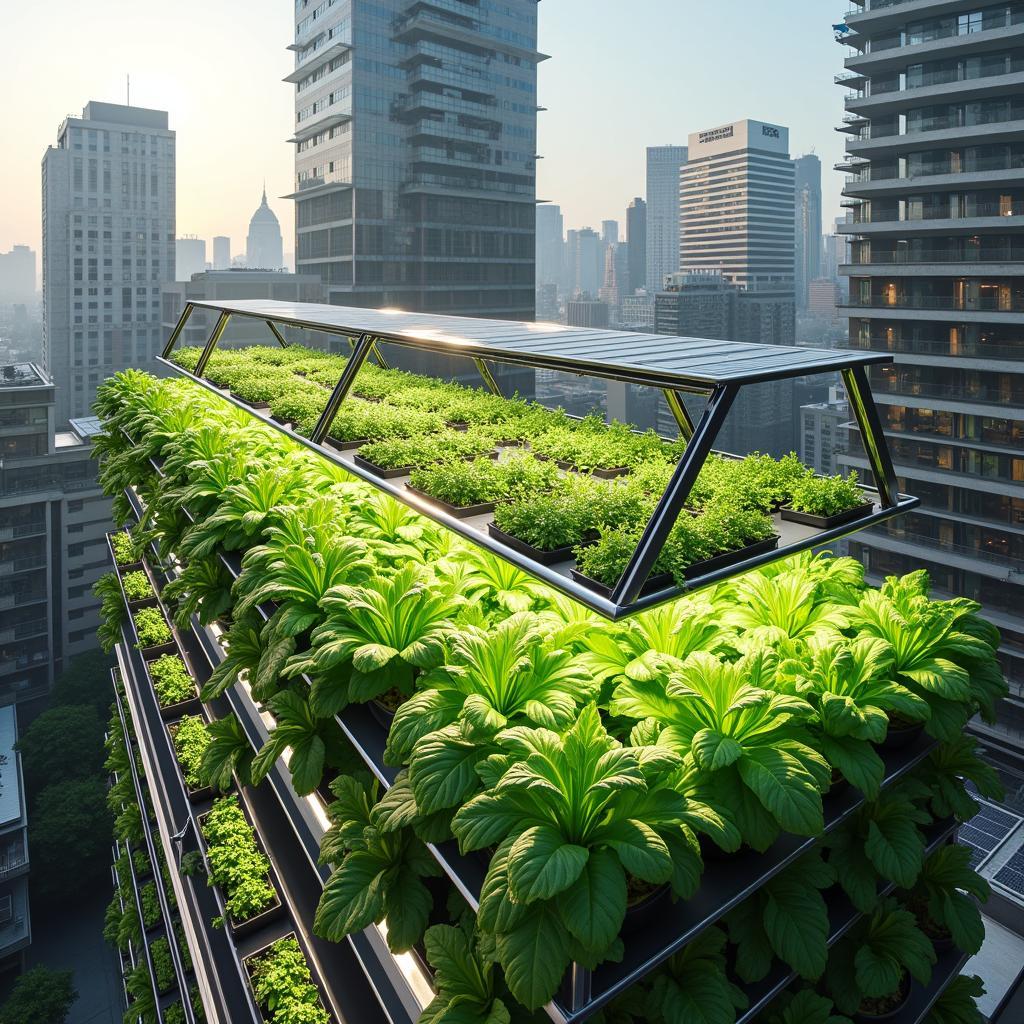
Urban farming, also known as urban agriculture, refers to the practice of cultivating, processing, and distributing food in or around urban areas. Unlike traditional rural farming, urban agriculture takes place in cities and towns, utilizing unconventional spaces such as rooftops, balconies, vacant lots, and even vertical structures on building facades. This approach to food production represents a fundamental shift in how we think about agriculture and its relationship with urban development.
The concept of urban farming is not entirely new. Throughout history, people living in cities have grown food in whatever spaces were available to them. However, the modern incarnation of urban agriculture is far more sophisticated, incorporating advanced technologies and sustainable practices. Hydroponic systems, which grow plants in nutrient-rich water solutions without soil, have become increasingly popular in urban settings. Similarly, aquaponic systems combine fish farming with plant cultivation, creating a symbiotic relationship where fish waste provides nutrients for plants, while plants filter the water for fish. These innovative methods allow for year-round production regardless of climate conditions and use significantly less water than traditional farming.
One of the most compelling advantages of urban farming is its potential to address food security issues in cities. In many urban areas, particularly in low-income neighborhoods, access to fresh, nutritious food is limited. These areas, often referred to as “food deserts,” rely heavily on processed and packaged foods from convenience stores, leading to poor nutrition and health problems. Urban farms can help bridge this gap by providing communities with fresh vegetables, fruits, and herbs grown locally. This not only improves the nutritional quality of food available to urban residents but also reduces the carbon footprint associated with transporting food from rural areas to cities.
The environmental benefits of urban farming extend beyond reduced transportation emissions. Urban agricultural spaces contribute to biodiversity in cities by creating habitats for pollinators such as bees and butterflies. They also help mitigate the urban heat island effect, where cities become significantly warmer than surrounding rural areas due to the concentration of heat-absorbing surfaces like concrete and asphalt. Green spaces created through urban farming can lower temperatures, improve air quality, and manage stormwater runoff. Additionally, composting organic waste from urban farms reduces the amount of waste sent to landfills, contributing to more sustainable waste management practices.
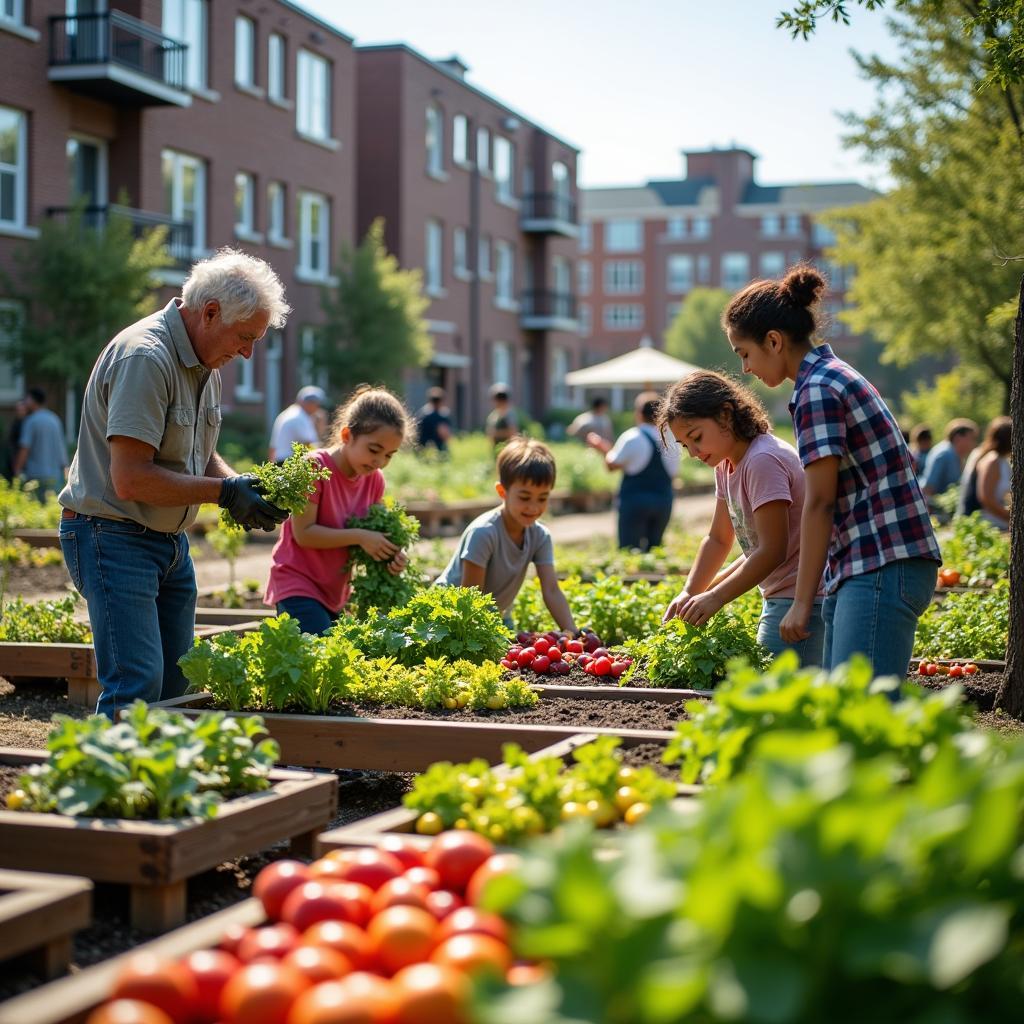
Beyond its practical benefits, urban farming also has significant social and educational value. Community gardens and urban farms serve as gathering places where neighbors can connect, share knowledge, and work together toward common goals. They provide opportunities for hands-on learning about where food comes from and how it is grown, which is particularly valuable for children who may have limited exposure to agricultural processes. Many urban farming initiatives also offer training programs and employment opportunities for young people and those seeking to develop new skills, contributing to local economic development.
Despite its numerous advantages, urban farming faces several challenges. Limited space is perhaps the most obvious constraint, as land in urban areas is expensive and highly sought after for various purposes. Soil contamination from previous industrial activities can make some urban sites unsuitable for growing food without extensive remediation. Additionally, urban farmers must navigate complex zoning regulations and building codes that were not designed with agriculture in mind. Access to water, initial setup costs, and the need for specialized knowledge can also present barriers, particularly for individuals or communities with limited resources.
Nevertheless, cities around the world are increasingly recognizing the value of urban agriculture and implementing policies to support its growth. Some municipalities offer tax incentives for property owners who dedicate space to urban farming, while others have modified zoning laws to permit agricultural activities in previously restricted areas. Public-private partnerships are emerging to provide funding and technical assistance to urban farming projects. As technology continues to advance and public awareness of food security issues grows, urban farming is likely to play an increasingly important role in creating resilient, sustainable urban food systems for the future.
Questions 1-5
Choose the correct letter, A, B, C, or D.
1. According to the passage, by 2050, what percentage of people will live in cities?
A. 50%
B. 60%
C. 70%
D. 80%
2. Which of the following is NOT mentioned as a location for urban farming?
A. Rooftops
B. Balconies
C. Underground spaces
D. Vacant lots
3. What do hydroponic systems use instead of soil?
A. Sand and gravel
B. Nutrient-rich water solutions
C. Compost mixtures
D. Chemical fertilizers
4. The term “food deserts” refers to:
A. Areas where no food is available
B. Regions with hot, dry climates
C. Low-income neighborhoods with limited access to fresh food
D. Rural farming areas
5. According to the passage, urban farming helps reduce carbon footprint by:
A. Using renewable energy sources
B. Reducing transportation distances
C. Eliminating pesticide use
D. Growing only organic produce
Questions 6-9
Do the following statements agree with the information given in the passage?
Write:
- TRUE if the statement agrees with the information
- FALSE if the statement contradicts the information
- NOT GIVEN if there is no information on this
6. Urban farming is a completely new concept that did not exist before the 21st century.
7. Aquaponic systems create a beneficial relationship between fish and plants.
8. Urban farms can help improve air quality in cities.
9. All urban farming projects receive government funding.
Questions 10-13
Match each benefit with the correct category.
Choose the correct letter, A, B, or C.
Categories:
- A. Environmental benefits
- B. Social benefits
- C. Economic benefits
10. Creates habitats for pollinators
11. Provides community gathering spaces
12. Offers employment opportunities
13. Reduces urban heat island effect
PASSAGE 2 – Innovative Technologies Transforming Urban Food Production
Độ khó: Medium (Band 6.0-7.5)
Thời gian đề xuất: 18-20 phút
The convergence of agricultural science and cutting-edge technology is revolutionizing the way cities approach food production. As urbanization continues to accelerate globally, traditional farming methods are proving increasingly inadequate to meet the nutritional needs of dense metropolitan populations. This inadequacy has catalyzed the development of sophisticated urban farming technologies that maximize productivity while minimizing spatial and environmental constraints. These innovations are not merely incremental improvements on existing practices; they represent a paradigmatic shift in agricultural methodology that could fundamentally alter humanity’s relationship with food production.
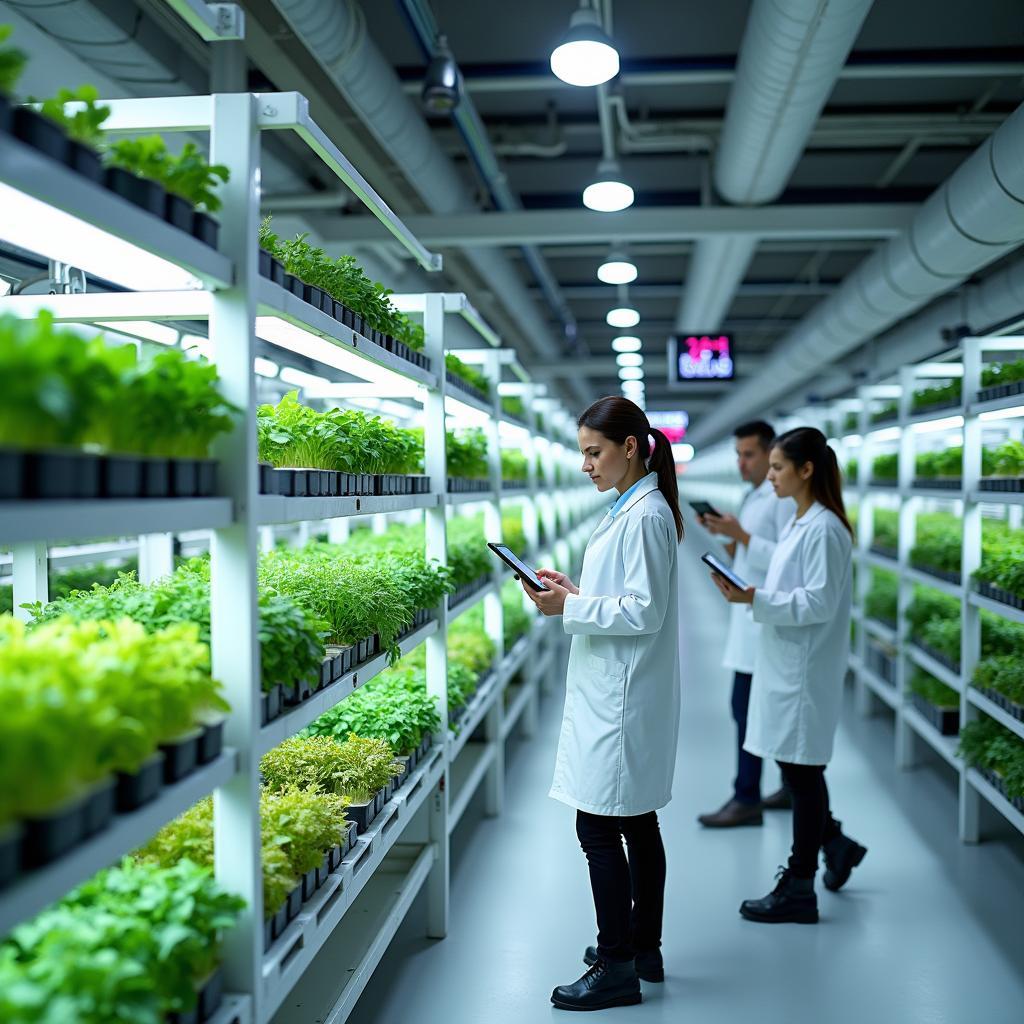
Vertical farming stands at the forefront of this agricultural revolution. Unlike conventional horizontal farms that require extensive land area, vertical farms stack growing platforms in multi-level structures, dramatically increasing the amount of food that can be produced per square meter. These facilities typically employ controlled environment agriculture (CEA) techniques, where every aspect of the growing conditions—including temperature, humidity, light intensity, and nutrient delivery—is precisely regulated through automated systems. LED lighting tailored to specific wavelengths optimizes photosynthesis, while climate control systems maintain ideal growing conditions year-round, independent of external weather patterns. This level of control eliminates the unpredictability associated with traditional farming, resulting in consistent yields and product quality.
The economic viability of vertical farms has improved substantially as technology has advanced. Early vertical farming operations struggled with prohibitively high energy costs, particularly for lighting. However, the development of energy-efficient LED systems and the declining cost of renewable energy have made these operations increasingly economically feasible. Furthermore, vertical farms can be located in close proximity to consumers, dramatically reducing transportation costs and allowing produce to reach markets within hours of harvest, ensuring maximum freshness and nutritional value. Some urban vertical farms have reported yields per square meter that are 200 to 400 times greater than traditional field agriculture, demonstrating the tremendous potential of this approach.
Precision agriculture technologies are being adapted from large-scale rural operations to urban farming contexts. Internet of Things (IoT) sensors continuously monitor soil moisture, nutrient levels, pH balance, and plant health, transmitting real-time data to farmers who can make immediate adjustments to optimize growing conditions. Artificial intelligence algorithms analyze this data to identify patterns and make predictions about optimal planting times, potential pest problems, and harvest schedules. Robotic systems are being developed to automate labor-intensive tasks such as seeding, transplanting, and harvesting, addressing one of urban farming’s most significant challenges: the high cost of manual labor in cities.
The integration of renewable energy systems with urban farms further enhances their sustainability credentials. Solar panels installed on greenhouse roofs or adjacent structures can provide a significant portion of the electricity needed to power lighting, climate control, and automation systems. Some innovative projects are exploring the use of biodigesters that convert organic waste from urban farms and nearby communities into biogas for heating and electricity generation, creating closed-loop systems that minimize external inputs and waste outputs. These synergistic approaches demonstrate how urban agriculture can contribute to broader urban sustainability goals beyond food production alone.
Aquaponics, mentioned briefly in relation to basic urban farming, deserves particular attention for its sophisticated applications in urban contexts. Advanced aquaponic facilities use multi-trophic integration, incorporating not just fish and plants but also beneficial bacteria that convert fish waste into plant-available nutrients, and sometimes additional organisms like snails or prawns that help maintain system balance. These complex ecosystems require careful management but offer remarkable efficiency, producing both protein (from fish) and vegetables using up to 90% less water than conventional agriculture. Several urban aquaponic facilities have achieved commercial success, supplying fresh fish and produce to local restaurants and markets while demonstrating the scalability of this technology.
Despite these promising developments, significant barriers to widespread adoption remain. The initial capital investment required to establish technologically advanced urban farms can be substantial, potentially reaching millions of dollars for large-scale vertical farming operations. This financial barrier limits participation primarily to well-funded organizations and companies, potentially excluding community groups and individual entrepreneurs who might otherwise contribute to local food production. Additionally, there is a knowledge gap: operating these sophisticated systems requires expertise in agriculture, engineering, and data management—skills not commonly found in a single individual or even small teams.
Regulatory frameworks have struggled to keep pace with technological innovation in urban agriculture. Building codes, health regulations, and zoning laws were developed with traditional agriculture in mind and often do not adequately address the unique characteristics of high-tech urban farms. For instance, questions about water usage, waste disposal, energy consumption, and even the classification of these facilities—are they agricultural or industrial?—create regulatory uncertainty that can deter investment and innovation. Progressive cities are beginning to develop specific policies for urban agriculture, but this remains an evolving area requiring ongoing dialogue between farmers, technologists, urban planners, and policymakers.
The future trajectory of urban farming technology appears increasingly linked to developments in biotechnology and genetic engineering. While controversial, these fields offer possibilities such as crops specifically bred for indoor growing conditions, enhanced nutritional profiles, or accelerated growth rates. As urban populations continue to expand and climate change introduces greater volatility into traditional agriculture, the technologies being developed for urban farming may prove crucial not merely as supplements to rural food production but as essential components of global food security infrastructure.
Questions 14-18
The passage contains eight paragraphs, A-H. Which paragraph contains the following information?
Write the correct letter, A-H.
14. A description of how different living organisms work together in a complex system
15. Information about the financial challenges of starting advanced urban farms
16. An explanation of how artificial intelligence is used in modern farming
17. Details about energy production from organic materials
18. A comparison of crop yields between vertical and traditional farming
Questions 19-23
Do the following statements agree with the claims of the writer in the passage?
Write:
- YES if the statement agrees with the claims of the writer
- NO if the statement contradicts the claims of the writer
- NOT GIVEN if it is impossible to say what the writer thinks about this
19. Vertical farming represents a minor modification of traditional agricultural practices.
20. The cost of operating vertical farms has decreased due to improvements in LED technology.
21. All urban farms should focus exclusively on vegetable production rather than fish.
22. Current building regulations adequately address the needs of high-tech urban farms.
23. Future developments in biotechnology may become essential for global food security.
Questions 24-26
Complete the summary below.
Choose NO MORE THAN TWO WORDS from the passage for each answer.
Vertical farming uses (24) ____ techniques to control all growing conditions precisely. The facilities maintain perfect environments through automated systems that regulate factors like temperature and (25) ____. This approach eliminates the (26) ____ that traditional farmers face due to changing weather, resulting in consistent production throughout the year.
PASSAGE 3 – Urban Agriculture and the Socioeconomic Restructuring of Food Systems
Độ khó: Hard (Band 7.0-9.0)
Thời gian đề xuất: 23-25 phút
The proliferation of urban agricultural initiatives represents far more than a pragmatic response to food security challenges; it embodies a fundamental reconceptualization of the relationship between urban populations and their food sources, challenging the hegemonic structures of industrial agriculture that have dominated food production for the past century. This transformation operates simultaneously across multiple dimensions—technological, economic, social, and political—creating complex intersectionalities that demand sophisticated analytical frameworks to fully comprehend. While proponents celebrate urban farming’s potential to democratize food production and create more resilient local food systems, critics caution that without careful attention to issues of equity and access, these initiatives risk replicating existing patterns of inequality rather than dismantling them.
The political economy of urban agriculture reveals tensions between competing visions of urban development and resource allocation. Urban land, particularly in desirable locations with good soil and sun exposure, represents valuable real estate that generates competing claims from developers, city planners, and agricultural advocates. This competition occurs within neoliberal urban governance structures that typically prioritize market-driven development and tax revenue generation over social and environmental considerations. Consequently, urban agriculture often occupies marginal spaces—vacant lots, brownfield sites, or temporary installations on land awaiting more “productive” development. This spatial marginalization reinforces the perception of urban farming as a temporary or supplementary activity rather than a legitimate, permanent land use deserving protection and investment.
The commodification of urban agriculture introduces additional complexities. While community gardens and non-profit urban farms often emphasize collective benefit and community empowerment, commercial urban farming operations operate according to market logic, seeking profitability and competitive advantages. This bifurcation creates a stratified landscape of urban agricultural activity with different purposes, beneficiaries, and sustainability trajectories. High-tech vertical farms, requiring substantial capital investment, typically target premium market segments, selling produce to upscale restaurants and affluent consumers willing to pay higher prices for ultra-fresh, locally grown food. This business model, while economically rational, does little to address food insecurity among economically marginalized populations, potentially exacerbating rather than ameliorating urban food inequities.
Gentrification dynamics further complicate urban agriculture’s role in addressing food shortages. Urban farms and community gardens can enhance neighborhood aesthetics and desirability, potentially triggering or accelerating gentrification processes that ultimately displace the very communities these initiatives intended to serve. This paradoxical outcome—where interventions designed to benefit low-income neighborhoods inadvertently contribute to residents’ displacement—highlights the importance of situating urban agriculture within broader frameworks of housing policy, tenant protection, and equitable development. Some progressive cities have begun implementing anti-displacement measures alongside urban agriculture initiatives, including community land trusts that permanently remove land from market speculation, ensuring long-term affordability and community control.
The knowledge systems underpinning urban agriculture reveal epistemological tensions between traditional agricultural knowledge, often rooted in intergenerational transmission and place-based experience, and the technical expertise required for high-tech urban farming systems. This tension raises questions about whose knowledge is valued and legitimized within urban agricultural spaces. Indigenous food sovereignty movements and advocates for traditional ecological knowledge argue that urban agriculture should incorporate ancestral growing practices and native plant species, connecting urban residents with cultural heritage and biodiverse food traditions. However, the emphasis on technological innovation and efficiency in much urban agriculture discourse can marginalize these alternative knowledge systems, privileging scientific and technical expertise over experiential and cultural knowledge.
The governance structures of urban agricultural spaces significantly influence their inclusivity and impact on food security. Community-controlled spaces, governed through participatory decision-making processes, tend to prioritize social objectives such as food access, education, and community building. These spaces often implement sliding-scale payment systems, accept food assistance benefits, and dedicate portions of production to food banks or meal programs serving vulnerable populations. Conversely, privately owned urban farms, particularly for-profit enterprises, operate with less accountability to community needs and may prioritize financial sustainability over food access objectives. This dichotomy suggests that the governance model adopted by urban agricultural initiatives substantially determines their contribution to alleviating urban food insecurity.
Labor practices within urban agriculture merit critical examination, as they reveal power dynamics that can either challenge or reproduce exploitative relationships characteristic of industrial agriculture. Some urban farms have been criticized for relying on unpaid volunteer labor or underpaying workers, particularly interns and apprentices, under the guise of providing educational opportunities. This practice, while potentially defensible in non-profit community gardens operating on minimal budgets, becomes problematic when commercial operations extract labor value without fair compensation. Labor justice advocates argue that truly equitable urban agriculture must provide living wages, safe working conditions, and opportunities for workers to gain ownership stakes or decision-making power within agricultural enterprises.
The scalar limitations of urban agriculture must be acknowledged when assessing its potential to substantially address food shortages. Even with maximally optimized production using advanced technologies, urban farms cannot completely replace rural agriculture in feeding urban populations. Studies suggest that even under ideal conditions, urban agriculture might provide 5-10% of a city’s food needs, with higher percentages possible for certain categories like leafy greens and herbs. This reality positions urban farming not as a panacea for food insecurity but as one component of a multi-pronged strategy that must also include improvements to rural agriculture, supply chain infrastructure, food assistance programs, and economic policies that ensure adequate income for food purchases. Overestimating urban agriculture’s capacity risks diverting attention and resources from these complementary interventions.
Nevertheless, urban agriculture’s value extends beyond quantifiable food production metrics. Its contributions to environmental education, community resilience, mental health, and social cohesion represent significant benefits that justify continued support and expansion, even acknowledging its limitations in directly feeding cities. The challenge lies in developing urban agriculture in ways that maximize equitable access, respect diverse knowledge systems, protect against displacement, ensure fair labor practices, and integrate with rather than substitute for necessary reforms to the broader food system. Achieving this requires ongoing critical reflection, community engagement, and policy innovation that recognizes urban agriculture’s complexity and multidimensionality.
Questions 27-31
Choose the correct letter, A, B, C, or D.
27. According to the passage, urban agriculture represents:
A. A simple solution to food production problems
B. A complex transformation across multiple dimensions
C. An unnecessary complication of traditional farming
D. A temporary trend in urban planning
28. The author suggests that urban land for farming is typically:
A. Prioritized by city governments
B. Located in the most valuable areas
C. Found in marginal or temporary spaces
D. Subsidized by federal programs
29. High-tech vertical farms are described as:
A. Primarily serving low-income communities
B. Targeting premium market segments
C. Focusing on affordable food production
D. Operating as non-profit organizations
30. The relationship between urban farms and gentrification is characterized as:
A. Completely beneficial
B. Entirely negative
C. Paradoxical and complex
D. Economically neutral
31. According to the passage, urban agriculture can realistically provide what percentage of a city’s food needs?
A. 1-2%
B. 5-10%
C. 15-20%
D. 25-30%
Questions 32-36
Match each concept with the correct description.
Choose the correct letter, A-G.
Concepts:
32. Community land trusts
33. Sliding-scale payment systems
34. Traditional ecological knowledge
35. Labor justice
36. Food sovereignty movements
Descriptions:
A. Advocacy for ancestral growing practices and native species
B. Ensuring workers receive fair wages and safe conditions
C. Permanent removal of land from market speculation
D. Pricing based on customers’ ability to pay
E. Government subsidies for urban farmers
F. Mandatory volunteer requirements
G. International trade agreements
Questions 37-40
Answer the questions below.
Choose NO MORE THAN THREE WORDS from the passage for each answer.
37. What type of governance structures typically promote market-driven development over social considerations?
38. What term describes the situation where benefits intended for low-income neighborhoods cause residents to be forced out?
39. What two types of knowledge systems are described as being in tension with each other?
40. What should urban agriculture integrate with rather than replace, according to the passage?
Answer Keys – Đáp Án
PASSAGE 1: Questions 1-13
- C
- C
- B
- C
- B
- FALSE
- TRUE
- TRUE
- NOT GIVEN
- A
- B
- C
- A
PASSAGE 2: Questions 14-26
- F
- G
- D
- E
- C
- NO
- YES
- NOT GIVEN
- NO
- YES
- controlled environment agriculture
- humidity
- unpredictability
PASSAGE 3: Questions 27-40
- B
- C
- B
- C
- B
- C
- D
- A
- B
- A
- neoliberal urban governance (structures)
- paradoxical outcome
- traditional (agricultural) knowledge / technical expertise
- broader food system
Giải Thích Đáp Án Chi Tiết
Passage 1 – Giải Thích
Câu 1: C
- Dạng câu hỏi: Multiple Choice
- Từ khóa: 2050, percentage, live in cities
- Vị trí trong bài: Đoạn 1, dòng 3-4
- Giải thích: Bài viết nói rõ “By 2050, it is estimated that nearly 70% of the global population will live in urban areas”. Từ “nearly 70%” tương đương với đáp án C. Đây là câu hỏi dễ vì thông tin được trích dẫn trực tiếp, không cần paraphrase.
Câu 2: C
- Dạng câu hỏi: Multiple Choice (Negative question – NOT mentioned)
- Từ khóa: location for urban farming
- Vị trí trong bài: Đoạn 2, dòng 4-6
- Giải thích: Passage liệt kê “rooftops, balconies, vacant lots, and even vertical structures on building facades” nhưng không hề nhắc đến “underground spaces”. Với dạng câu hỏi NOT mentioned, cần đọc kỹ toàn bộ danh sách và loại trừ các đáp án có xuất hiện.
Câu 3: B
- Dạng câu hỏi: Multiple Choice
- Từ khóa: hydroponic systems, instead of soil
- Vị trí trong bài: Đoạn 3, dòng 4-5
- Giải thích: “Hydroponic systems, which grow plants in nutrient-rich water solutions without soil” – thông tin rõ ràng. Cần chú ý cụm “without soil” để xác định đây là phương pháp thay thế đất.
Câu 4: C
- Dạng câu hỏi: Multiple Choice
- Từ khóa: food deserts
- Vị trí trong bài: Đoạn 4, dòng 3-4
- Giải thích: Passage giải thích “These areas, often referred to as ‘food deserts,’ rely heavily on processed and packaged foods” và trước đó đề cập “low-income neighborhoods” với “limited access to fresh, nutritious food”. Đây là ví dụ về paraphrase: “limited access” = “limited access to fresh food”.
Câu 5: B
- Dạng câu hỏi: Multiple Choice
- Từ khóa: reduce carbon footprint
- Vị trí trong bài: Đoạn 4, dòng 6-8
- Giải thích: “reduces the carbon footprint associated with transporting food from rural areas to cities” – giảm khoảng cách vận chuyển chính là cách giảm carbon footprint. Paraphrase: “transporting from rural to urban” = “reducing transportation distances”.
Câu 6: FALSE
- Dạng câu hỏi: True/False/Not Given
- Từ khóa: completely new concept, did not exist before 21st century
- Vị trí trong bài: Đoạn 3, dòng 1-2
- Giải thích: “The concept of urban farming is not entirely new. Throughout history, people living in cities have grown food…” – phủ định trực tiếp với statement. Câu hỏi dùng “completely new” và “did not exist before 21st century” nhưng bài nói “not entirely new” và “throughout history” → FALSE.
Câu 7: TRUE
- Dạng câu hỏi: True/False/Not Given
- Từ khóa: aquaponic systems, beneficial relationship, fish and plants
- Vị trí trong bài: Đoạn 3, dòng 6-8
- Giải thích: “aquaponic systems combine fish farming with plant cultivation, creating a symbiotic relationship where fish waste provides nutrients for plants, while plants filter the water for fish” – “symbiotic relationship” = “beneficial relationship”. Đây là paraphrase vocabulary.
Câu 8: TRUE
- Dạng câu hỏi: True/False/Not Given
- Từ khóa: improve air quality
- Vị trí trong bài: Đoạn 5, dòng 4-5
- Giải thích: “Green spaces created through urban farming can lower temperatures, improve air quality, and manage stormwater runoff” – thông tin trực tiếp khớp với statement.
Câu 9: NOT GIVEN
- Dạng câu hỏi: True/False/Not Given
- Từ khóa: all urban farming projects, government funding
- Vị trí trong bài: Không có thông tin cụ thể
- Giải thích: Mặc dù đoạn cuối có nhắc “tax incentives” và “funding”, nhưng không có thông tin về việc TẤT CẢ dự án đều nhận được funding. Từ “all” là dấu hiệu cần cảnh giác – nếu không có xác nhận rõ ràng thì thường là NOT GIVEN.
Câu 10: A (Environmental benefits)
- Dạng câu hỏi: Matching Information
- Từ khóa: habitats for pollinators
- Vị trí trong bài: Đoạn 5, dòng 2-3
- Giải thích: “Urban agricultural spaces contribute to biodiversity in cities by creating habitats for pollinators” – rõ ràng là lợi ích môi trường.
Câu 11: B (Social benefits)
- Dạng câu hỏi: Matching Information
- Từ khóa: community gathering spaces
- Vị trí trong bài: Đoạn 6, dòng 2-3
- Giải thích: “Community gardens and urban farms serve as gathering places where neighbors can connect” – đây là lợi ích xã hội, tạo không gian cộng đồng.
Câu 12: C (Economic benefits)
- Dạng câu hỏi: Matching Information
- Từ khóa: employment opportunities
- Vị trí trong bài: Đoạn 6, dòng 5-6
- Giải thích: “offer training programs and employment opportunities… contributing to local economic development” – việc làm là lợi ích kinh tế.
Câu 13: A (Environmental benefits)
- Dạng câu hỏi: Matching Information
- Từ khóa: urban heat island effect
- Vị trí trong bài: Đoạn 5, dòng 3-5
- Giải thích: “help mitigate the urban heat island effect” và “Green spaces… can lower temperatures” – đây là lợi ích môi trường, giảm nhiệt độ đô thị.
 Hệ thống nông nghiệp đô thị hiện đại với công nghệ canh tác trên mái nhà cao tầng
Passage 2 – Giải Thích
Câu 14: F
- Dạng câu hỏi: Matching Information to Paragraphs
- Từ khóa: different living organisms, work together, complex system
- Vị trí trong bài: Đoạn F (paragraph 6)
- Giải thích: Đoạn này mô tả “multi-trophic integration, incorporating not just fish and plants but also beneficial bacteria… and sometimes additional organisms like snails or prawns” – hệ thống phức tạp với nhiều sinh vật khác nhau hợp tác.
Câu 15: G
- Dạng câu hỏi: Matching Information to Paragraphs
- Từ khóa: financial challenges, starting advanced urban farms
- Vị trí trong bài: Đoạn G (paragraph 7)
- Giải thích: “The initial capital investment required… can be substantial, potentially reaching millions of dollars” và “This financial barrier limits participation” – mô tả rõ ràng về thách thức tài chính.
Câu 16: D
- Dạng câu hỏi: Matching Information to Paragraphs
- Từ khóa: artificial intelligence, modern farming
- Vị trí trong bài: Đoạn D (paragraph 4)
- Giải thích: “Artificial intelligence algorithms analyze this data to identify patterns and make predictions about optimal planting times, potential pest problems, and harvest schedules” – giải thích cụ thể về AI trong nông nghiệp.
Câu 17: E
- Dạng câu hỏi: Matching Information to Paragraphs
- Từ khóa: energy production, organic materials
- Vị trí trong bài: Đoạn E (paragraph 5)
- Giải thích: “biodigesters that convert organic waste from urban farms and nearby communities into biogas for heating and electricity generation” – mô tả sản xuất năng lượng từ chất hữu cơ.
Câu 18: C
- Dạng câu hỏi: Matching Information to Paragraphs
- Từ khóa: comparison, crop yields, vertical and traditional
- Vị trí trong bài: Đoạn C (paragraph 3)
- Giải thích: “yields per square meter that are 200 to 400 times greater than traditional field agriculture” – so sánh trực tiếp năng suất giữa hai phương pháp.
Câu 19: NO
- Dạng câu hỏi: Yes/No/Not Given
- Từ khóa: minor modification, traditional practices
- Vị trí trong bài: Đoạn 1, cuối đoạn
- Giải thích: Passage nói “not merely incremental improvements” và “represent a paradigmatic shift” – đây là sự thay đổi căn bản, không phải “minor modification”. Từ khóa “merely” và “paradigmatic” cho thấy quan điểm của tác giả phủ định statement → NO.
Câu 20: YES
- Dạng câu hỏi: Yes/No/Not Given
- Từ khóa: cost decreased, LED technology
- Vị trí trong bài: Đoạn 3, dòng 2-4
- Giải thích: “struggled with prohibitively high energy costs, particularly for lighting. However, the development of energy-efficient LED systems… have made these operations increasingly economically feasible” – chi phí giảm nhờ LED → YES.
Câu 21: NOT GIVEN
- Dạng câu hỏi: Yes/No/Not Given
- Từ khóa: should focus exclusively, vegetables rather than fish
- Vị trí trong bài: Không có thông tin
- Giải thích: Passage mô tả cả aquaponics (sản xuất cả cá và rau) nhưng không có ý kiến của tác giả về việc nên tập trung vào loại nào. Từ “should” và “exclusively” là dấu hiệu của ý kiến/khuyến nghị mà passage không đề cập → NOT GIVEN.
Câu 22: NO
- Dạng câu hỏi: Yes/No/Not Given
- Từ khóa: current building regulations, adequately address
- Vị trí trong bài: Đoạn H (paragraph 8), dòng 1-3
- Giải thích: “Regulatory frameworks have struggled to keep pace” và “Building codes… often do not adequately address the unique characteristics” – phủ định trực tiếp statement → NO.
Câu 23: YES
- Dạng câu hỏi: Yes/No/Not Given
- Từ khóa: biotechnology, may become essential, global food security
- Vị trí trong bài: Đoạn cuối, dòng 3-5
- Giải thích: “the technologies being developed for urban farming may prove crucial… as essential components of global food security infrastructure” – “may prove crucial” và “essential components” khớp với “may become essential” → YES.
Câu 24: controlled environment agriculture
- Dạng câu hỏi: Summary Completion
- Từ khóa: techniques, control all growing conditions
- Vị trí trong bài: Đoạn B (paragraph 2), dòng 3-4
- Giải thích: “typically employ controlled environment agriculture (CEA) techniques, where every aspect of the growing conditions… is precisely regulated”. Cần viết chính xác cụm từ, có thể viết “CEA” hoặc “controlled environment agriculture”.
Câu 25: humidity
- Dạng câu hỏi: Summary Completion
- Từ khóa: regulate factors, temperature
- Vị trí trong bài: Đoạn B, dòng 4-5
- Giải thích: “temperature, humidity, light intensity, and nutrient delivery” – danh sách các yếu tố được kiểm soát. Summary đã có “temperature” nên cần điền yếu tố khác trong danh sách.
Câu 26: unpredictability
- Dạng câu hỏi: Summary Completion
- Từ khóa: eliminates, traditional farmers face, weather
- Vị trí trong bài: Đoạn B, dòng 6-7
- Giải thích: “This level of control eliminates the unpredictability associated with traditional farming” – từ “unpredictability” chính xác mô tả điều mà summary đề cập về vấn đề thời tiết thay đổi.
Passage 3 – Giải Thích
Câu 27: B
- Dạng câu hỏi: Multiple Choice
- Từ khóa: urban agriculture represents
- Vị trí trong bài: Đoạn 1, dòng 2-3
- Giải thích: “This transformation operates simultaneously across multiple dimensions—technological, economic, social, and political—creating complex intersectionalities” – rõ ràng mô tả sự phức tạp đa chiều, không phải giải pháp đơn giản (A), không phải không cần thiết (C), và không phải xu hướng tạm thời (D).
Câu 28: C
- Dạng câu hỏi: Multiple Choice
- Từ khóa: urban land for farming, typically
- Vị trí trong bài: Đoạn 2, dòng 5-6
- Giải thích: “urban agriculture often occupies marginal spaces—vacant lots, brownfield sites, or temporary installations on land awaiting more ‘productive’ development” – “marginal spaces” và “temporary” khớp với đáp án C.
Câu 29: B
- Dạng câu hỏi: Multiple Choice
- Từ khóa: high-tech vertical farms
- Vị trí trong bài: Đoạn 3, dòng 5-6
- Giải thích: “typically target premium market segments, selling produce to upscale restaurants and affluent consumers” – “premium market segments” = “targeting premium market segments” trong đáp án B.
Câu 30: C
- Dạng câu hỏi: Multiple Choice
- Từ khóa: relationship, urban farms, gentrification
- Vị trí trong bài: Đoạn 4, dòng 3-4
- Giải thích: “This paradoxical outcome—where interventions designed to benefit low-income neighborhoods inadvertently contribute to residents’ displacement” – từ “paradoxical” chỉ ra mối quan hệ phức tạp và nghịch lý.
Câu 31: B
- Dạng câu hỏi: Multiple Choice
- Từ khóa: realistically provide, percentage, city’s food needs
- Vị trí trong bài: Đoạn 8, dòng 2-3
- Giải thích: “urban agriculture might provide 5-10% of a city’s food needs” – thông tin số liệu cụ thể và rõ ràng.
Câu 32: C
- Dạng câu hỏi: Matching Features
- Từ khóa: community land trusts
- Vị trí trong bài: Đoạn 4, dòng 7-8
- Giải thích: “community land trusts that permanently remove land from market speculation” – khớp chính xác với description C.
Câu 33: D
- Dạng câu hỏi: Matching Features
- Từ khóa: sliding-scale payment systems
- Vị trí trong bài: Đoạn 6, dòng 3-4
- Giải thích: “implement sliding-scale payment systems” trong context của community-controlled spaces prioritizing accessibility – điều này có nghĩa là pricing based on ability to pay (description D).
Câu 34: A
- Dạng câu hỏi: Matching Features
- Từ khóa: traditional ecological knowledge
- Vị trí trong bài: Đoạn 5, dòng 4-6
- Giải thích: “advocates for traditional ecological knowledge argue that urban agriculture should incorporate ancestral growing practices and native plant species” – khớp với description A.
Câu 35: B
- Dạng câu hỏi: Matching Features
- Từ khóa: labor justice
- Vị trí trong bài: Đoạn 7, dòng 5-6
- Giải thích: “Labor justice advocates argue that truly equitable urban agriculture must provide living wages, safe working conditions” – khớp với description B.
Câu 36: A
- Dạng câu hỏi: Matching Features
- Từ khóa: food sovereignty movements
- Vị trí trong bài: Đoạn 5, dòng 4-5
- Giải thích: “Indigenous food sovereignty movements and advocates for traditional ecological knowledge argue that urban agriculture should incorporate ancestral growing practices and native plant species” – khớp với description A. Chú ý: cả câu 34 và 36 đều match với A vì chúng được nhắc đến cùng nhau trong passage.
Câu 37: neoliberal urban governance (structures)
- Dạng câu hỏi: Short-answer
- Từ khóa: governance structures, promote market-driven development, social considerations
- Vị trí trong bài: Đoạn 2, dòng 3-4
- Giải thích: “neoliberal urban governance structures that typically prioritize market-driven development and tax revenue generation over social and environmental considerations” – có thể viết “neoliberal urban governance” hoặc “neoliberal urban governance structures” (3 words).
Câu 38: paradoxical outcome
- Dạng câu hỏi: Short-answer
- Từ khóa: benefits for low-income neighborhoods, residents forced out
- Vị trí trong bài: Đoạn 4, dòng 3-4
- Giải thích: “This paradoxical outcome—where interventions designed to benefit low-income neighborhoods inadvertently contribute to residents’ displacement” – term chính xác được sử dụng trong passage.
Câu 39: traditional (agricultural) knowledge / technical expertise
- Dạng câu hỏi: Short-answer
- Từ khóa: two types of knowledge systems, tension
- Vị trí trong bài: Đoạn 5, dòng 1-3
- Giải thích: “epistemological tensions between traditional agricultural knowledge… and the technical expertise required for high-tech urban farming systems” – cần 2 answers vì hỏi về 2 knowledge systems. Có thể viết “traditional knowledge” hoặc “traditional agricultural knowledge” cho answer đầu và “technical expertise” cho answer thứ hai.
Câu 40: broader food system
- Dạng câu hỏi: Short-answer
- Từ khóa: integrate with, rather than replace
- Vị trí trong bài: Đoạn 9, dòng 2-4
- Giải thích: “The challenge lies in developing urban agriculture in ways that… integrate with rather than substitute for necessary reforms to the broader food system” – “broader food system” là exactly 3 words và khớp với ý của câu hỏi.
Từ Vựng Quan Trọng Theo Passage
Passage 1 – Essential Vocabulary
| Từ vựng | Loại từ | Phiên âm | Nghĩa tiếng Việt | Ví dụ từ bài | Collocation |
|---|---|---|---|---|---|
| unprecedented | adj | /ʌnˈpresɪdentɪd/ | chưa từng có, không có tiền lệ | growing at an unprecedented rate | unprecedented growth/scale/level |
| considerable traction | n phrase | /kənˈsɪdərəbl ˈtrækʃn/ | sự chú ý/quan tâm đáng kể | has gained considerable traction | gain/gather traction |
| unconventional | adj | /ˌʌnkənˈvenʃənl/ | không theo thông lệ, độc đáo | utilizing unconventional spaces | unconventional approach/method |
| fundamental shift | n phrase | /ˌfʌndəˈmentl ʃɪft/ | sự thay đổi căn bản | represents a fundamental shift | fundamental change/transformation |
| symbiotic relationship | n phrase | /ˌsɪmbaɪˈɒtɪk rɪˈleɪʃnʃɪp/ | mối quan hệ cộng sinh | creating a symbiotic relationship | symbiotic partnership/association |
| compelling advantages | n phrase | /kəmˈpelɪŋ ədˈvɑːntɪdʒɪz/ | lợi thế hấp dẫn/thuyết phục | most compelling advantages | compelling reason/evidence |
| carbon footprint | n phrase | /ˈkɑːbən ˈfʊtprɪnt/ | dấu chân carbon (lượng CO2 thải ra) | reduces the carbon footprint | reduce/lower carbon footprint |
| biodiversity | n | /ˌbaɪəʊdaɪˈvɜːsəti/ | đa dạng sinh học | contribute to biodiversity | promote/preserve biodiversity |
| mitigate | v | /ˈmɪtɪɡeɪt/ | giảm thiểu, làm dịu bớt | help mitigate the urban heat island effect | mitigate risks/effects/impact |
| hands-on learning | n phrase | /hændz ɒn ˈlɜːnɪŋ/ | học tập thực hành | opportunities for hands-on learning | hands-on experience/training |
| zoning regulations | n phrase | /ˈzəʊnɪŋ ˌreɡjuˈleɪʃnz/ | quy định phân vùng | navigate complex zoning regulations | zoning laws/restrictions |
| resilient | adj | /rɪˈzɪliənt/ | bền vững, có khả năng phục hồi | creating resilient urban food systems | resilient infrastructure/economy |
Passage 2 – Essential Vocabulary
| Từ vựng | Loại từ | Phiên âm | Nghĩa tiếng Việt | Ví dụ từ bài | Collocation |
|---|---|---|---|---|---|
| convergence | n | /kənˈvɜːdʒəns/ | sự hội tụ, kết hợp | convergence of agricultural science | convergence of technology/ideas |
| inadequacy | n | /ɪnˈædɪkwəsi/ | sự không đầy đủ, thiếu sót | proving inadequacy of traditional methods | inadequacy of resources/systems |
| catalyze | v | /ˈkætəlaɪz/ | xúc tác, thúc đẩy | has catalyzed the development | catalyze change/innovation |
| paradigmatic shift | n phrase | /ˌpærədɪɡˈmætɪk ʃɪft/ | sự thay đổi mô thức/mô hình | represent a paradigmatic shift | paradigmatic change/transformation |
| prohibitively high | adj phrase | /prəˈhɪbɪtɪvli haɪ/ | cao cấm đoán (quá đắt) | struggled with prohibitively high costs | prohibitively expensive/costly |
| economically feasible | adj phrase | /ˌiːkəˈnɒmɪkli ˈfiːzəbl/ | khả thi về mặt kinh tế | increasingly economically feasible | economically viable/sustainable |
| tremendous potential | n phrase | /trɪˈmendəs pəˈtenʃl/ | tiềm năng to lớn | demonstrating tremendous potential | tremendous opportunity/growth |
| precision agriculture | n phrase | /prɪˈsɪʒn ˈæɡrɪkʌltʃə/ | nông nghiệp chính xác | precision agriculture technologies | precision farming/technology |
| closed-loop system | n phrase | /kləʊzd luːp ˈsɪstəm/ | hệ thống khép kín | creating closed-loop systems | closed-loop process/economy |
| synergistic approaches | n phrase | /ˌsɪnəˈdʒɪstɪk əˈprəʊtʃɪz/ | các cách tiếp cận cộng hưởng | synergistic approaches demonstrate | synergistic effect/relationship |
| scalability | n | /ˌskeɪləˈbɪləti/ | khả năng mở rộng quy mô | demonstrating the scalability | scalability of technology/model |
| capital investment | n phrase | /ˈkæpɪtl ɪnˈvestmənt/ | đầu tư vốn | initial capital investment required | capital investment in infrastructure |
| regulatory framework | n phrase | /ˈreɡjələtəri ˈfreɪmwɜːk/ | khung pháp lý | regulatory frameworks have struggled | regulatory environment/structure |
| regulatory uncertainty | n phrase | /ˈreɡjələtəri ʌnˈsɜːtnti/ | sự không chắc chắn về quy định | create regulatory uncertainty | regulatory clarity/compliance |
| evolving area | n phrase | /ɪˈvɒlvɪŋ ˈeəriə/ | lĩnh vực đang phát triển | remains an evolving area | evolving landscape/field |
 Hệ thống nông nghiệp thông minh sử dụng AI và IoT giám sát cây trồng đô thị
Passage 3 – Essential Vocabulary
| Từ vựng | Loại từ | Phiên âm | Nghĩa tiếng Việt | Ví dụ từ bài | Collocation |
|---|---|---|---|---|---|
| proliferation | n | /prəˌlɪfəˈreɪʃn/ | sự gia tăng nhanh chóng | proliferation of urban agricultural initiatives | proliferation of weapons/technology |
| reconceptualization | n | /ˌriːkənˌseptʃuəlaɪˈzeɪʃn/ | sự tái khái niệm hóa | fundamental reconceptualization of relationship | reconceptualization of ideas/approaches |
| hegemonic structures | n phrase | /ˌhedʒəˈmɒnɪk ˈstrʌktʃəz/ | cấu trúc thống trị | challenging hegemonic structures | hegemonic power/dominance |
| intersectionalities | n | /ˌɪntəˌsekʃəˈnælətiz/ | tính giao thoa (nhiều yếu tố) | creating complex intersectionalities | intersectionality of race/class |
| democratize | v | /dɪˈmɒkrətaɪz/ | dân chủ hóa | democratize food production | democratize access/information |
| replicate | v | /ˈreplɪkeɪt/ | tái tạo, nhân rộng | risk replicating existing patterns | replicate results/success |
| neoliberal | adj | /ˌniːəʊˈlɪbərəl/ | tân tự do (kinh tế) | neoliberal urban governance structures | neoliberal policies/economics |
| spatial marginalization | n phrase | /ˈspeɪʃl ˌmɑːdʒɪnəlaɪˈzeɪʃn/ | sự gạt ra lề về không gian | spatial marginalization reinforces | social/economic marginalization |
| commodification | n | /kəˌmɒdɪfɪˈkeɪʃn/ | sự hàng hóa hóa | commodification of urban agriculture | commodification of culture/nature |
| stratified landscape | n phrase | /ˈstrætɪfaɪd ˈlændskeɪp/ | bối cảnh phân tầng | creates a stratified landscape | stratified society/system |
| exacerbate | v | /ɪɡˈzæsəbeɪt/ | làm trầm trọng thêm | potentially exacerbating inequities | exacerbate problems/tensions |
| gentrification | n | /ˌdʒentrɪfɪˈkeɪʃn/ | quá trình thượng lưu hóa khu vực | gentrification dynamics complicate | urban gentrification/displacement |
| paradoxical outcome | n phrase | /ˌpærəˈdɒksɪkl ˈaʊtkʌm/ | kết quả nghịch lý | paradoxical outcome where interventions | paradoxical situation/effect |
| epistemological tensions | n phrase | /ɪˌpɪstəməˈlɒdʒɪkl ˈtenʃnz/ | căng thẳng nhận thức luận | epistemological tensions between knowledge | epistemological debate/framework |
| intergenerational transmission | n phrase | /ˌɪntədʒenəˈreɪʃənl trænzˈmɪʃn/ | sự truyền đạt liên thế hệ | rooted in intergenerational transmission | intergenerational transfer/knowledge |
| food sovereignty | n phrase | /fuːd ˈsɒvrɪnti/ | chủ quyền lương thực | Indigenous food sovereignty movements | food security/independence |
| participatory decision-making | n phrase | /pɑːˌtɪsɪpətəri dɪˈsɪʒn ˌmeɪkɪŋ/ | ra quyết định có sự tham gia | governed through participatory decision-making | participatory approach/process |
| sliding-scale | adj | /ˈslaɪdɪŋ skeɪl/ | theo thang trượt (linh hoạt) | implement sliding-scale payment systems | sliding-scale fees/pricing |
| accountability | n | /əˌkaʊntəˈbɪləti/ | trách nhiệm giải trình | operate with less accountability | accountability to stakeholders/public |
| dichotomy | n | /daɪˈkɒtəmi/ | sự hai mặt, phân đôi | This dichotomy suggests | dichotomy between theory/practice |
| power dynamics | n phrase | /ˈpaʊə daɪˈnæmɪks/ | động lực quyền lực | reveal power dynamics | power relations/structures |
| scalar limitations | n phrase | /ˈskeɪlə ˌlɪmɪˈteɪʃnz/ | hạn chế về quy mô | scalar limitations must be acknowledged | scalar effects/analysis |
| panacea | n | /ˌpænəˈsiːə/ | liều thuốc vạn năng | not as a panacea for food insecurity | panacea for problems/solution |
| multi-pronged strategy | n phrase | /ˌmʌlti prɒŋd ˈstrætədʒi/ | chiến lược đa hướng | one component of multi-pronged strategy | multi-pronged approach/attack |
| multidimensionality | n | /ˌmʌltidaɪˌmenʃəˈnæləti/ | tính đa chiều | recognizes urban agriculture’s multidimensionality | multidimensional analysis/perspective |
Kết Bài
Chủ đề “How urban farming can address food shortages” không chỉ là một topic phổ biến trong IELTS Reading mà còn phản ánh một vấn đề cấp thiết của xã hội hiện đại. Qua đề thi mẫu này, bạn đã được trải nghiệm một bài thi IELTS Reading hoàn chỉnh với 3 passages có độ khó tăng dần từ Easy (band 5.0-6.5) qua Medium (band 6.0-7.5) đến Hard (band 7.0-9.0), phản ánh chính xác cấu trúc của đề thi thật.
Đề thi cung cấp 40 câu hỏi thuộc 7 dạng bài khác nhau – từ Multiple Choice, True/False/Not Given, Yes/No/Not Given, Matching Headings, Matching Information, Summary Completion đến Short-answer Questions. Sự đa dạng này giúp bạn làm quen với mọi dạng câu hỏi có thể xuất hiện trong kỳ thi thực tế. Phần giải thích đáp án chi tiết không chỉ cho bạn biết đáp án đúng mà còn hướng dẫn cách tìm thông tin, kỹ thuật paraphrase, và phương pháp loại trừ – những kỹ năng thiết yếu để đạt band điểm cao.
Đặc biệt, bảng từ vựng được tổng hợp từ cả 3 passages với hơn 40 từ/cụm từ học thuật quan trọng, kèm theo phiên âm, nghĩa tiếng Việt, ví dụ thực tế và collocations sẽ giúp bạn không chỉ hiểu nghĩa từ mà còn biết cách sử dụng chúng trong các ngữ cảnh khác nhau. Việc nắm vững những từ vựng này sẽ có lợi không chỉ cho phần Reading mà còn cho cả Writing và Speaking. Nếu bạn quan tâm đến các chủ đề môi trường liên quan, hãy tham khảo thêm What are the effects of climate change on food security? để hiểu rõ hơn về mối liên hệ giữa biến đổi khí hậu và an ninh lương thực toàn cầu.
Để tận dụng tối đa đề thi này, hãy tự giới hạn thời gian khi làm bài (60 phút cho cả 3 passages), sau đó đối chiếu đáp án và đọc kỹ phần giải thích để hiểu rõ lỗi sai của mình. Đừng chỉ tập trung vào số câu đúng – quan trọng hơn là hiểu TẠI SAO đáp án đó đúng và LÀM THẾ NÀO để tìm ra nó một cách hiệu quả. Tương tự như cách nông nghiệp đô thị đóng vai trò quan trọng trong hệ thống lương thực, việc hiểu sâu về What are the consequences of climate change on global food supply? cũng sẽ giúp bạn có cái nhìn toàn diện hơn về các thách thức và giải pháp trong lĩnh vực này.
 Cộng đồng tham gia trồng rau đô thị với trẻ em học tập về nông nghiệp bền vững
Chúc bạn ôn tập hiệu quả và đạt band điểm mong muốn trong kỳ thi IELTS sắp tới! Hãy nhớ rằng, giống như urban farming cần thời gian và nỗ lực để phát triển, việc cải thiện kỹ năng Reading của bạn cũng là một quá trình tích lũy – practice makes perfect!