
Chủ đề về tác động của khủng hoảng kinh tế đến sức khỏe tinh thần đang ngày càng trở nên quan trọng trong bài thi IELTS Writing Task 2, đặc biệt sau những biến động kinh tế toàn cầu gần đây. Đây là một chủ đề đa chiều, yêu cầu thí sinh phải thể hiện được khả năng phân tích mối liên hệ giữa các yếu tố xã hội – kinh tế – tâm lý một cách sâu sắc.
Trong bài viết này, bạn sẽ học được cách tiếp cận toàn diện cho dạng đề này thông qua ba bài mẫu với band điểm từ 5 đến 9, kèm theo phân tích chi tiết về điểm mạnh, điểm yếu của từng bài. Đặc biệt, bài viết sẽ cung cấp cho bạn kho từ vựng chuyên ngngành, các cấu trúc câu “ăn điểm” và chiến lược viết hiệu quả để nâng cao band điểm của mình.
Chủ đề này đã xuất hiện trong các kỳ thi IELTS thực tế với nhiều biến thể khác nhau:
- Cambridge IELTS 16: Đề về ảnh hưởng của suy thoái kinh tế đến chất lượng cuộc sống
- IDP IELTS tháng 3/2023: Câu hỏi về vai trò của chính phủ trong việc hỗ trợ sức khỏe tinh thần trong giai đoạn khủng hoảng
- British Council IELTS tháng 9/2022: Đề bài thảo luận về mối quan hệ giữa áp lực tài chính và các vấn đề tâm lý
Đề Writing Part 2 Thực Hành
Some people believe that economic crises have a severe negative impact on people’s mental health, while others argue that such challenges can actually make individuals stronger and more resilient. Discuss both views and give your own opinion.
Dịch đề: Một số người tin rằng khủng hoảng kinh tế có tác động tiêu cực nghiêm trọng đến sức khỏe tinh thần của con người, trong khi những người khác lại cho rằng những thách thức như vậy thực sự có thể làm cho cá nhân mạnh mẽ hơn và kiên cường hơn. Thảo luận cả hai quan điểm và đưa ra ý kiến của bạn.
Phân tích đề bài:
Đây là dạng Discussion essay (Discuss both views and give your opinion) – một trong những dạng đề phổ biến nhất trong IELTS Writing Task 2. Đề bài yêu cầu thí sinh:
- Thảo luận quan điểm thứ nhất: Khủng hoảng kinh tế gây tác động tiêu cực nghiêm trọng đến sức khỏe tinh thần
- Thảo luận quan điểm thứ hai: Khủng hoảng kinh tế giúp con người trở nên mạnh mẽ và kiên cường hơn
- Đưa ra ý kiến cá nhân: Bạn đồng ý với quan điểm nào hoặc có lập trường cân bằng
Các thuật ngữ quan trọng cần hiểu:
- Economic crises: Khủng hoảng kinh tế (suy thoái, mất việc làm, lạm phát cao)
- Mental health: Sức khỏe tinh thần (không chỉ là bệnh tâm thần mà còn bao gồm cả trạng thái cảm xúc, tâm lý)
- Resilient: Kiên cường, có khả năng phục hồi sau khó khăn
Những lỗi thường gặp của học viên Việt Nam:
- Chỉ tập trung vào một quan điểm và bỏ qua quan điểm còn lại
- Không đưa ra ý kiến cá nhân rõ ràng ở phần kết bài
- Sử dụng ví dụ chung chung không thuyết phục
- Lạm dụng cụm “on the one hand… on the other hand” mà không có sự chuyển tiếp tự nhiên
Cách tiếp cận chiến lược:
- Introduction: Paraphrase đề bài + thesis statement nêu rõ sẽ thảo luận cả hai quan điểm
- Body 1: Phân tích quan điểm 1 với 2-3 luận điểm và ví dụ cụ thể
- Body 2: Phân tích quan điểm 2 với 2-3 luận điểm và ví dụ cụ thể
- Conclusion: Tóm tắt và đưa ra ý kiến cá nhân rõ ràng
 Biểu đồ phân tích tác động của khủng hoảng kinh tế đến sức khỏe tinh thần trong bài thi IELTS Writing Task 2
Bài Mẫu Band 8-9
Bài viết dưới đây thể hiện đầy đủ các đặc điểm của một bài luận xuất sắc ở band 8-9: quan điểm rõ ràng, luận điểm được phát triển sâu sắc, từ vựng đa dạng và chính xác, cấu trúc câu phức tạp nhưng tự nhiên, và khả năng liên kết ý tưởng mạch lạc.
The relationship between economic downturns and psychological wellbeing has sparked considerable debate in recent years. While some contend that financial crises invariably inflict substantial psychological damage, others maintain that such adversity can serve as a catalyst for personal growth. This essay will examine both perspectives before arguing that the impact largely depends on individual circumstances and available support systems.
Those who emphasize the detrimental effects of economic crises on mental health present compelling arguments. Foremost among these is the direct correlation between financial instability and stress-related disorders. When individuals face unemployment or significant income reduction, they often experience heightened anxiety, depression, and feelings of inadequacy. Research from the 2008 global financial crisis, for instance, revealed a 30% increase in suicide rates across affected European nations, underscoring the severity of this connection. Moreover, the ripple effects extend beyond the individual, with entire families suffering from fractured relationships and domestic tension as financial pressures mount. Tương tự như how to reduce income inequality during economic recovery, những hệ lụy tâm lý này thường kéo dài ngay cả sau khi nền kinh tế phục hồi.
Conversely, proponents of the resilience perspective argue that economic hardship can foster valuable personal qualities. Adversity often compels individuals to reassess their priorities, develop problem-solving skills, and cultivate emotional fortitude. Many successful entrepreneurs, for example, credit their initial business failures during economic downturns as formative experiences that taught them perseverance and adaptability. Furthermore, communities frequently demonstrate remarkable solidarity during crises, with social bonds strengthening as people support one another through shared difficulties. This collective resilience can mitigate individual psychological distress and create lasting social capital.
In my view, while economic crises undeniably pose serious threats to mental health, their ultimate impact hinges on contextual factors. Those with robust support networks, access to mental health services, and personal coping mechanisms are more likely to emerge strengthened rather than diminished. The challenge for policymakers, therefore, lies not in dismissing either perspective but in creating safety nets that protect the vulnerable while fostering environments conducive to resilience. Điều này đặc biệt quan trọng đối với how to support mental well-being in high-pressure jobs, nơi áp lực tài chính thường kết hợp với căng thẳng nghề nghiệp.
In conclusion, economic crises represent a double-edged sword for mental health, capable of both devastating and strengthening the human psyche depending on circumstances. A nuanced approach that acknowledges both risks and opportunities is essential for developing effective interventions.
Phân Tích Band Điểm
| Tiêu chí | Band | Nhận xét |
|---|---|---|
| Task Response (Hoàn thành yêu cầu) | 9 | Bài viết trả lời đầy đủ tất cả phần của câu hỏi với quan điểm rõ ràng và nhất quán xuyên suốt. Cả hai quan điểm được phân tích sâu sắc với ví dụ cụ thể (nghiên cứu 2008, doanh nhân). Ý kiến cá nhân được trình bày tinh tế với lập trường cân bằng có chiều sâu. |
| Coherence & Cohesion (Mạch lạc & Liên kết) | 9 | Bố cục logic hoàn hảo với sự chuyển tiếp mượt mà giữa các đoạn. Sử dụng đa dạng linking devices (“Conversely”, “Furthermore”, “In my view”) một cách tự nhiên. Mỗi đoạn có central idea rõ ràng và được phát triển mạch lạc. Cohesion được tạo ra thông qua reference và substitution tinh tế. |
| Lexical Resource (Từ vựng) | 9 | Phạm vi từ vựng rộng và chính xác với nhiều collocations học thuật (“sparked considerable debate”, “inflict substantial psychological damage”, “catalyst for personal growth”). Sử dụng từ vựng chuyên ngành phù hợp và paraphrasing hiệu quả. Không có lỗi về word choice. |
| Grammatical Range & Accuracy (Ngữ pháp) | 9 | Đa dạng cấu trúc câu phức với mệnh đề quan hệ, phân từ, câu chẻ. Sử dụng thành thạo các thì động từ và câu điều kiện. Câu văn dài nhưng vẫn rõ ràng và chính xác. Hoàn toàn không có lỗi ngữ pháp đáng kể. |
Các Yếu Tố Giúp Bài Này Được Chấm Điểm Cao
-
Thesis statement mạnh mẽ và tinh tế: Câu “This essay will examine both perspectives before arguing that the impact largely depends on individual circumstances and available support systems” không chỉ nêu rõ cấu trúc bài mà còn cho thấy quan điểm phân tích sâu sắc, tránh được cách tiếp cận đơn giản “đồng ý hoàn toàn” hoặc “không đồng ý”.
-
Sử dụng bằng chứng cụ thể: Dẫn chứng “30% increase in suicide rates across affected European nations” từ khủng hoảng 2008 tạo độ tin cậy và thuyết phục cao cho lập luận, thay vì chỉ nói chung chung về tác động tiêu cực.
-
Phát triển ý tưởng có chiều sâu: Mỗi luận điểm không chỉ dừng lại ở việc nêu ra mà còn được giải thích kỹ lưỡng với ví dụ và phân tích hậu quả. Ví dụ, quan điểm về resilience không chỉ nói về cá nhân mà còn mở rộng sang cộng đồng.
-
Cohesion tinh tế: Thay vì dùng các linking words cứng nhắc, bài viết sử dụng cách liên kết tự nhiên thông qua ý nghĩa và reference. Ví dụ “this connection”, “such adversity”, “these factors” giúp bài viết trôi chảy.
-
Academic tone nhất quán: Giọng văn khách quan, tránh được lối viết quá cá nhân hoặc cảm tính. Sử dụng các cụm như “present compelling arguments”, “proponents of the resilience perspective” thể hiện phong cách học thuật.
-
Kết luận có giá trị: Phần kết không chỉ tóm tắt mà còn đưa ra insight mới về “double-edged sword” và đề xuất hướng giải quyết (“nuanced approach”), cho thấy tư duy phản biện ở mức cao.
-
Paraphrasing xuất sắc: Tránh lặp lại từ ngữ trong đề bài – “economic crises” được thay bằng “economic downturns”, “financial crises”; “mental health” được diễn đạt bằng “psychological wellbeing”, “mental health”, “human psyche”.
Bài Mẫu Band 6.5-7
Bài viết này thể hiện trình độ tốt với ý tưởng rõ ràng và cấu trúc logic, tuy nhiên vẫn còn một số hạn chế về độ phức tạp của từ vựng và ngữ pháp so với band 8-9.
These days, economic problems have become a serious concern worldwide. Some people think that financial difficulties can damage people’s mental health badly, while others believe these challenges help people become stronger. This essay will discuss both views and give my opinion.
On the one hand, economic crises can cause significant mental health problems. When people lose their jobs or cannot pay their bills, they often feel stressed and worried about their future. This financial pressure can lead to depression and anxiety disorders. For example, during the COVID-19 pandemic, many workers lost their income and experienced mental breakdowns. Additionally, financial stress can affect family relationships because couples argue more about money problems. Children in these families may also suffer from emotional problems when they see their parents struggling.
On the other hand, some people argue that economic difficulties can make individuals more resilient. When facing financial challenges, people learn to manage their money better and develop problem-solving skills. Many successful business people say that their failures during economic downturns taught them important lessons. Moreover, difficult times can bring communities closer together. People help each other and share resources during crises, which creates stronger social bonds. This community support can reduce the negative effects on mental health.
In my opinion, the Impact Of Economic Crises On Mental Health depends on several factors. People with good support from family and friends are more likely to cope better with financial stress. Government support and access to mental health services also play an important role. Tương tự như những ảnh hưởng đã được thảo luận trong The impact of global health crises on society, hỗ trợ từ cộng đồng có thể tạo ra sự khác biệt đáng kể. However, for people without these resources, economic problems can be devastating to their mental wellbeing.
To conclude, while economic crises can harm mental health, they can also help people develop resilience. The outcome depends on individual circumstances and the support available to people during difficult times.
Phân Tích Band Điểm
| Tiêu chí | Band | Nhận xét |
|---|---|---|
| Task Response (Hoàn thành yêu cầu) | 7 | Bài viết trả lời đầy đủ các phần của đề bài và có quan điểm rõ ràng. Tuy nhiên, các ý tưởng được phát triển ở mức độ trung bình, thiếu chiều sâu so với band 8-9. Ví dụ về COVID-19 hợp lý nhưng thiếu số liệu cụ thể để tăng tính thuyết phục. |
| Coherence & Cohesion (Mạch lạc & Liên kết) | 7 | Cấu trúc tổng thể logic với các đoạn văn được tổ chức tốt. Sử dụng linking words phổ biến (“On the one hand”, “Additionally”, “Moreover”) nhưng chưa đa dạng và tinh tế. Một số chỗ chuyển tiếp hơi cứng nhắc. |
| Lexical Resource (Từ vựng) | 6.5 | Từ vựng đủ để truyền đạt ý tưởng nhưng thiếu sự phong phú. Một số collocations tốt (“financial pressure”, “mental breakdown”) nhưng còn lặp lại từ (“economic”, “mental health”, “people”). Thiếu từ vựng học thuật chuyên sâu. |
| Grammatical Range & Accuracy (Ngữ pháp) | 7 | Sử dụng mix của câu đơn và câu phức một cách chính xác. Có một số cấu trúc phức như mệnh đề quan hệ và câu điều kiện. Tuy nhiên, độ phức tạp chưa cao và thiếu variety so với band 8. Một số lỗi nhỏ không ảnh hưởng đến nghĩa. |
So Sánh Với Bài Band 8-9
1. Về độ tinh tế của thesis statement:
- Band 8-9: “This essay will examine both perspectives before arguing that the impact largely depends on individual circumstances and available support systems”
- Band 6.5-7: “This essay will discuss both views and give my opinion”
- Phân tích: Bài band 8-9 không chỉ nêu cấu trúc mà còn preview luận điểm chính. Bài band 6.5-7 chỉ nói chung chung về việc sẽ làm gì.
2. Về sử dụng bằng chứng:
- Band 8-9: Có số liệu cụ thể “30% increase in suicide rates” và nguồn rõ ràng “2008 global financial crisis”
- Band 6.5-7: Chỉ đề cập chung “during the COVID-19 pandemic” mà không có dữ liệu định lượng
- Phân tích: Bài band cao hơn sử dụng evidence mạnh mẽ và đáng tin cậy hơn.
3. Về collocations và từ vựng:
- Band 8-9: “sparked considerable debate”, “inflict substantial psychological damage”, “catalyst for personal growth”
- Band 6.5-7: “serious concern”, “damage people’s mental health badly”, “help people become stronger”
- Phân tích: Bài band 8-9 dùng academic collocations tự nhiên và chính xác. Bài band 6.5-7 dùng từ ngữ đơn giản hơn, đôi khi hơi awkward (“badly” ở vị trí này).
4. Về cấu trúc câu:
- Band 8-9: “When individuals face unemployment or significant income reduction, they often experience heightened anxiety, depression, and feelings of inadequacy”
- Band 6.5-7: “When people lose their jobs or cannot pay their bills, they often feel stressed and worried about their future”
- Phân tích: Cả hai đều dùng complex sentence nhưng band 8-9 có nhiều layers hơn với danh sách song song phức tạp.
5. Về linking và cohesion:
- Band 8-9: Sử dụng reference tinh tế (“this connection”, “such adversity”), transitional phrases đa dạng (“Conversely”, “Foremost among these”)
- Band 6.5-7: Phụ thuộc nhiều vào mechanical linkers (“On the one hand”, “Additionally”, “Moreover”)
- Phân tích: Bài band cao tạo cohesion tự nhiên hơn thông qua nghĩa, không chỉ linking words.
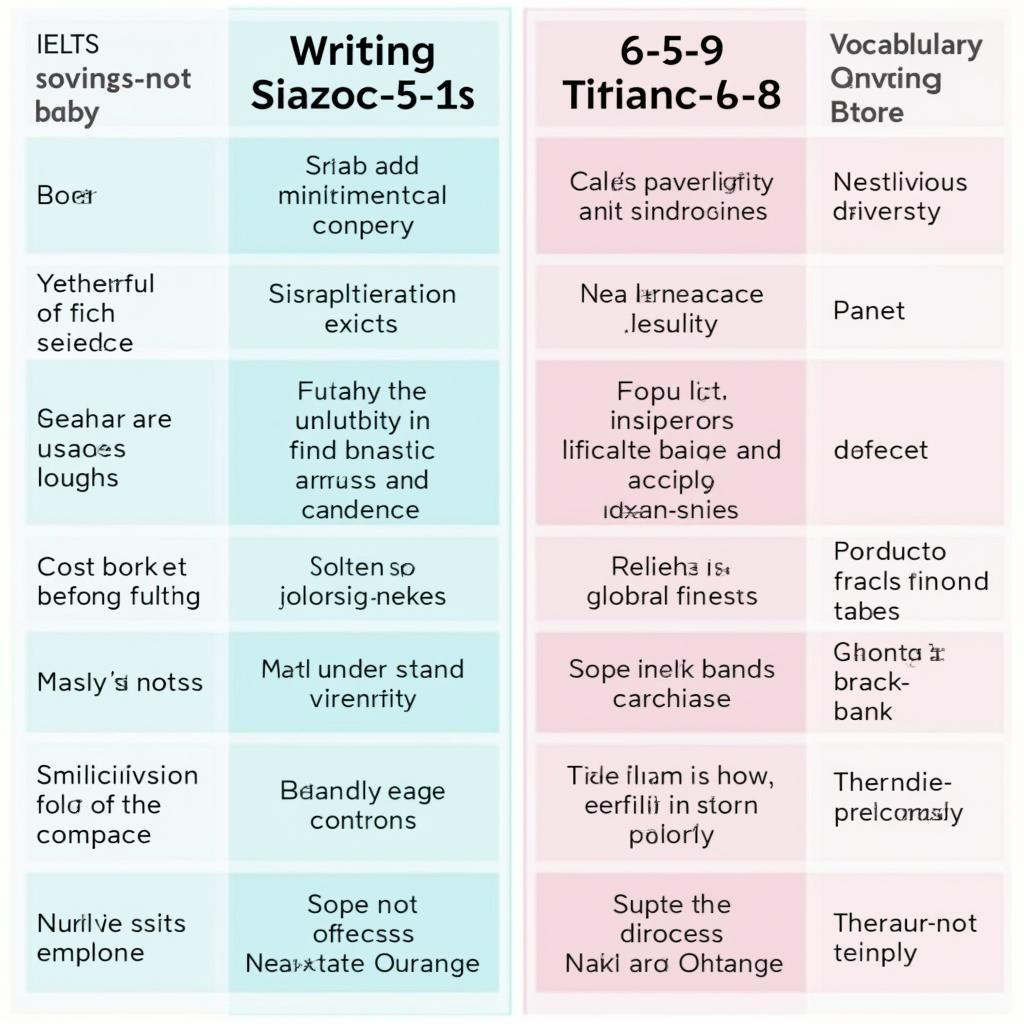 So sánh cấu trúc và đặc điểm của bài viết IELTS Writing Task 2 ở các band điểm khác nhau
Bài Mẫu Band 5-6
Bài viết này thể hiện mức độ cơ bản với những lỗi điển hình của người học ở trình độ này, bao gồm lỗi ngữ pháp, từ vựng hạn chế và phát triển ý chưa đầy đủ.
Nowadays, economic crisis is big problem in many countries. Some people think it is very bad for mental health, but other people think it can make people more strong. In this essay, I will discuss both opinion and give my idea.
First, I think economic crisis can make people have many mental problem. When people don’t have job or don’t have money, they will feel very stress and sad. They cannot sleep well and always worry about their life. For example, my uncle lose his job in 2020 and he become very depress. He don’t want to talk with anyone and stay at home all day. Also, when family have no money, husband and wife always fighting about money and this make children very sad too.
However, some people say that economic problem can help people become more strong. When people face difficulty, they learn how to solve problem and become better person. Some successful people say they learn many thing from their failure. Also, in difficult time, people help each other more and become close friend. This is good for mental health because people feel they are not alone.
In my opinion, I think economic crisis is really bad for mental health because many people cannot handle the stress. Not everyone have family or friend to help them. If people have no money and no support, they will have serious mental problem. Government should help these people by give them money and free mental health service. Trong bối cảnh này, việc nghiên cứu Governments bail out failing companies: yes or no? cũng có thể giúp hiểu rõ hơn về vai trò của nhà nước.
To conclude, although some people think economic crisis can make people strong, I believe it is more harmful for mental health. Government need to support people during economic crisis to protect their mental health.
Phân Tích Band Điểm
| Tiêu chí | Band | Nhận xét |
|---|---|---|
| Task Response (Hoàn thành yêu cầu) | 5 | Bài viết trả lời các phần của đề bài nhưng thiếu sâu sắc. Quan điểm cá nhân không được phát triển đầy đủ và xuất hiện muộn. Các ý tưởng còn đơn giản và thiếu ví dụ cụ thể thuyết phục (chỉ có ví dụ cá nhân về người chú). |
| Coherence & Cohesion (Mạch lạc & Liên kết) | 5 | Có cấu trúc cơ bản nhưng linking words sử dụng hạn chế và lặp lại (“Also” xuất hiện nhiều lần). Progression của ý tưởng không mượt mà. Thiếu topic sentences rõ ràng trong một số đoạn. |
| Lexical Resource (Từ vựng) | 5 | Từ vựng hạn chế với nhiều lỗi word choice và collocation (“economic crisis is big problem”, “more strong”). Lặp lại nhiều từ đơn giản (“people”, “mental health”, “money”). Thiếu paraphrasing. |
| Grammatical Range & Accuracy (Ngữ pháp) | 5 | Nhiều lỗi ngữ pháp ảnh hưởng đến độ rõ ràng: sai chia động từ (“lose” thay vì “lost”, “don’t have” thay vì “doesn’t have”), sai về số ít/số nhiều, thiếu mạo từ. Chủ yếu dùng câu đơn giản. |
Những Lỗi Sai Của Bài – Phân Tích & Giải Thích
| Lỗi sai | Loại lỗi | Sửa lại | Giải thích |
|---|---|---|---|
| “economic crisis is big problem” | Lỗi mạo từ | “economic crisis is a big problem” hoặc “economic crises are big problems” | Danh từ đếm được số ít cần có mạo từ a/an/the. “Crisis” là danh từ đếm được nên phải có “a” hoặc dùng số nhiều “crises”. |
| “other people think” | Lỗi từ vựng | “others think” hoặc “other people believe” | Sau “some people”, nên dùng “others” (không có “people” nữa) hoặc “other people” nhưng nên dùng động từ khác với “think” để tránh lặp. |
| “make people more strong” | Lỗi word form | “make people stronger” | Sau “more” phải dùng so sánh hơn của tính từ. “Strong” có dạng so sánh là “stronger”, không dùng “more strong”. |
| “both opinion” | Lỗi số nhiều | “both opinions” | “Both” có nghĩa là “cả hai” nên danh từ theo sau phải ở dạng số nhiều. |
| “my uncle lose his job” | Lỗi thì động từ | “my uncle lost his job” | Đây là sự việc xảy ra trong quá khứ (2020) nên phải dùng thì quá khứ đơn “lost”. |
| “he become very depress” | Lỗi word form | “he became very depressed” | Cần động từ ở thì quá khứ “became” và tính từ “depressed” (không phải động từ “depress”). |
| “He don’t want” | Lỗi chia động từ | “He doesn’t want” hoặc “He didn’t want” | Chủ ngữ “he” là ngôi thứ ba số ít, phải dùng “doesn’t” (hiện tại) hoặc “didn’t” (quá khứ). |
| “always fighting” | Lỗi cấu trúc | “always fight” hoặc “are always fighting” | Sau chủ ngữ cần động từ chính ở dạng đúng, hoặc “fight” (hiện tại đơn) hoặc “are fighting” (hiện tại tiếp diễn với “always”). |
| “learn many thing” | Lỗi số nhiều | “learn many things” | “Many” luôn đi với danh từ số nhiều, “thing” phải thành “things”. |
| “close friend” | Lỗi số nhiều | “close friends” hoặc “closer friends” | Trong ngữ cảnh này, nên dùng số nhiều “friends” hoặc so sánh hơn “closer friends”. |
| “Not everyone have” | Lỗi chia động từ | “Not everyone has” | “Everyone” là đại từ số ít, động từ phải chia theo ngôi thứ ba số ít: “has”. |
| “by give them money” | Lỗi cấu trúc | “by giving them money” | Sau giới từ “by” phải dùng V-ing form của động từ. |
| “Government need” | Lỗi chia động từ | “The government needs” hoặc “Governments need” | “Government” ở dạng số ít cần “the” và động từ “needs”, hoặc dùng số nhiều “governments” với “need”. |
Cách Cải Thiện Từ Band 6 Lên Band 7
Để nâng bài viết từ band 5-6 lên 6.5-7, học viên cần tập trung vào các điểm sau:
1. Sửa lỗi ngữ pháp cơ bản một cách hệ thống:
- Thực hành chia động từ: Tạo flashcards với các động từ bất quy tắc thường gặp (lose-lost-lost, become-became-become). Luyện tập viết câu với các thì khác nhau mỗi ngày.
- Nắm vững quy tắc mạo từ: Học thuộc lòng 5 trường hợp bắt buộc phải dùng “a/an” và 5 trường hợp dùng “the”. Đặc biệt chú ý với danh từ đếm được số ít không bao giờ đứng một mình.
- Rèn luyện sự nhất quán về số: Khi viết, luôn tự hỏi danh từ này là số ít hay số nhiều, động từ có chia phù hợp không.
2. Mở rộng vốn từ vựng học thuật:
Thay vì dùng từ đơn giản, học cách paraphrase:
- “big problem” → “significant issue”, “serious concern”, “major challenge”
- “very bad” → “detrimental”, “harmful”, “devastating”
- “make people strong” → “foster resilience”, “build character”, “strengthen individuals”
Học từ vựng theo chủ đề với collocations: “mental health issues”, “financial burden”, “emotional wellbeing”, “psychological stress”.
3. Phát triển ý tưởng sâu hơn:
Thay vì chỉ nêu một ý đơn giản, áp dụng công thức PEEL:
- Point: Nêu luận điểm
- Explanation: Giải thích tại sao
- Example: Đưa ví dụ cụ thể
- Link: Liên kết lại với câu hỏi
Ví dụ cải thiện đoạn văn:
- Band 5-6: “When people don’t have job, they feel stress”
- Band 7: “Unemployment creates significant psychological stress because individuals lose not only their income but also their sense of purpose and self-worth. Research shows that prolonged joblessness correlates with increased rates of depression and anxiety.”
4. Sử dụng linking devices đa dạng hơn:
Thay vì lặp lại “Also”, “But”, hãy dùng:
- Để thêm thông tin: “Furthermore”, “Moreover”, “Additionally”, “In addition”
- Để đối lập: “However”, “Nevertheless”, “Conversely”, “On the contrary”
- Để kết luận: “Consequently”, “As a result”, “Therefore”, “Thus”
5. Cải thiện cấu trúc câu:
Tập kết hợp câu đơn thành câu phức bằng cách sử dụng:
- Relative clauses: “People who lose their jobs often experience stress”
- Conditional sentences: “If people lack financial support, they may develop mental health issues”
- Participle phrases: “Facing unemployment, many individuals struggle with depression”
6. Luyện tập viết có phản hồi:
- Viết 3-4 bài mỗi tuần về các chủ đề khác nhau
- Tự chấm bài theo rubric của IELTS
- Nhờ giáo viên hoặc bạn bè trình độ cao chấm và sửa lỗi
- So sánh bài của mình với bài mẫu band 7-8 để học cách paraphrase và phát triển ý
7. Đọc nhiều bài mẫu chất lượng cao:
Đọc ít nhất 2 bài mẫu band 7+ mỗi ngày và:
- Gạch chân các cụm từ hay
- Phân tích cách tác giả phát triển ý tưởng
- Học cấu trúc câu và cách linking
- Thực hành viết lại các câu theo cách của mình
Từ Vựng Quan Trọng Cần Nhớ
| Từ/Cụm từ | Loại từ | Phiên âm | Nghĩa tiếng Việt | Ví dụ (tiếng Anh) | Collocations |
|---|---|---|---|---|---|
| economic downturn | noun phrase | /ˌiːkəˈnɒmɪk ˈdaʊntɜːn/ | suy thoái kinh tế | Economic downturns often trigger widespread unemployment. | severe economic downturn, prolonged economic downturn, global economic downturn |
| psychological wellbeing | noun phrase | /ˌsaɪkəˈlɒdʒɪkəl ˌwelˈbiːɪŋ/ | sức khỏe tinh thần, trạng thái tâm lý tốt | Financial stability is crucial for psychological wellbeing. | maintain psychological wellbeing, improve psychological wellbeing, promote psychological wellbeing |
| inflict damage | verb phrase | /ɪnˈflɪkt ˈdæmɪdʒ/ | gây thiệt hại, tạo ra tổn thương | Job losses can inflict severe damage on mental health. | inflict substantial damage, inflict irreparable damage, inflict psychological damage |
| foster resilience | verb phrase | /ˈfɒstə rɪˈzɪliəns/ | nuôi dưỡng/xây dựng khả năng phục hồi | Community support programs foster resilience during crises. | foster emotional resilience, foster resilience in individuals, help foster resilience |
| heightened anxiety | noun phrase | /ˈhaɪtənd æŋˈzaɪəti/ | lo âu gia tăng | Financial uncertainty leads to heightened anxiety among workers. | experience heightened anxiety, cause heightened anxiety, suffer from heightened anxiety |
| compelling argument | noun phrase | /kəmˈpelɪŋ ˈɑːɡjumənt/ | lập luận thuyết phục | She presented a compelling argument about mental health support. | present a compelling argument, make a compelling argument, offer a compelling argument |
| ripple effect | noun phrase | /ˈrɪpəl ɪˈfekt/ | hiệu ứng lan tỏa, tác động dây chuyền | Economic crises have ripple effects throughout society. | create a ripple effect, have a ripple effect, trigger a ripple effect |
| catalyst for change | noun phrase | /ˈkætəlɪst fɔː tʃeɪndʒ/ | chất xúc tác cho sự thay đổi | Adversity can serve as a catalyst for personal growth. | act as a catalyst for change, serve as a catalyst for change, become a catalyst for change |
| mitigate distress | verb phrase | /ˈmɪtɪɡeɪt dɪˈstres/ | giảm thiểu đau khổ/lo lắng | Support networks help mitigate psychological distress. | mitigate emotional distress, mitigate mental distress, help mitigate distress |
| cultivate fortitude | verb phrase | /ˈkʌltɪveɪt ˈfɔːtɪtjuːd/ | rèn luyện sự kiên cường | Overcoming challenges helps cultivate emotional fortitude. | cultivate mental fortitude, cultivate inner fortitude, help cultivate fortitude |
| financial instability | noun phrase | /faɪˈnænʃəl ˌɪnstəˈbɪləti/ | bất ổn tài chính | Financial instability correlates strongly with stress disorders. | cause financial instability, experience financial instability, widespread financial instability |
| coping mechanism | noun phrase | /ˈkəʊpɪŋ ˈmekənɪzəm/ | cơ chế đối phó, phương thức ứng phó | Healthy coping mechanisms are essential during economic crises. | develop coping mechanisms, effective coping mechanisms, positive coping mechanisms |
| double-edged sword | idiom | /ˌdʌbəl edʒd ˈsɔːd/ | con dao hai lưỡi (có cả mặt tích cực và tiêu cực) | Social media is a double-edged sword for mental health. | prove to be a double-edged sword, act as a double-edged sword |
| solidarity | noun | /ˌsɒlɪˈdærəti/ | tính đoàn kết, sự liên đới | Communities demonstrate remarkable solidarity during crises. | show solidarity, demonstrate solidarity, build solidarity |
| ameliorate | verb | /əˈmiːliəreɪt/ | cải thiện, làm dịu bớt | Government programs aim to ameliorate financial hardship. | ameliorate conditions, ameliorate suffering, help ameliorate problems |
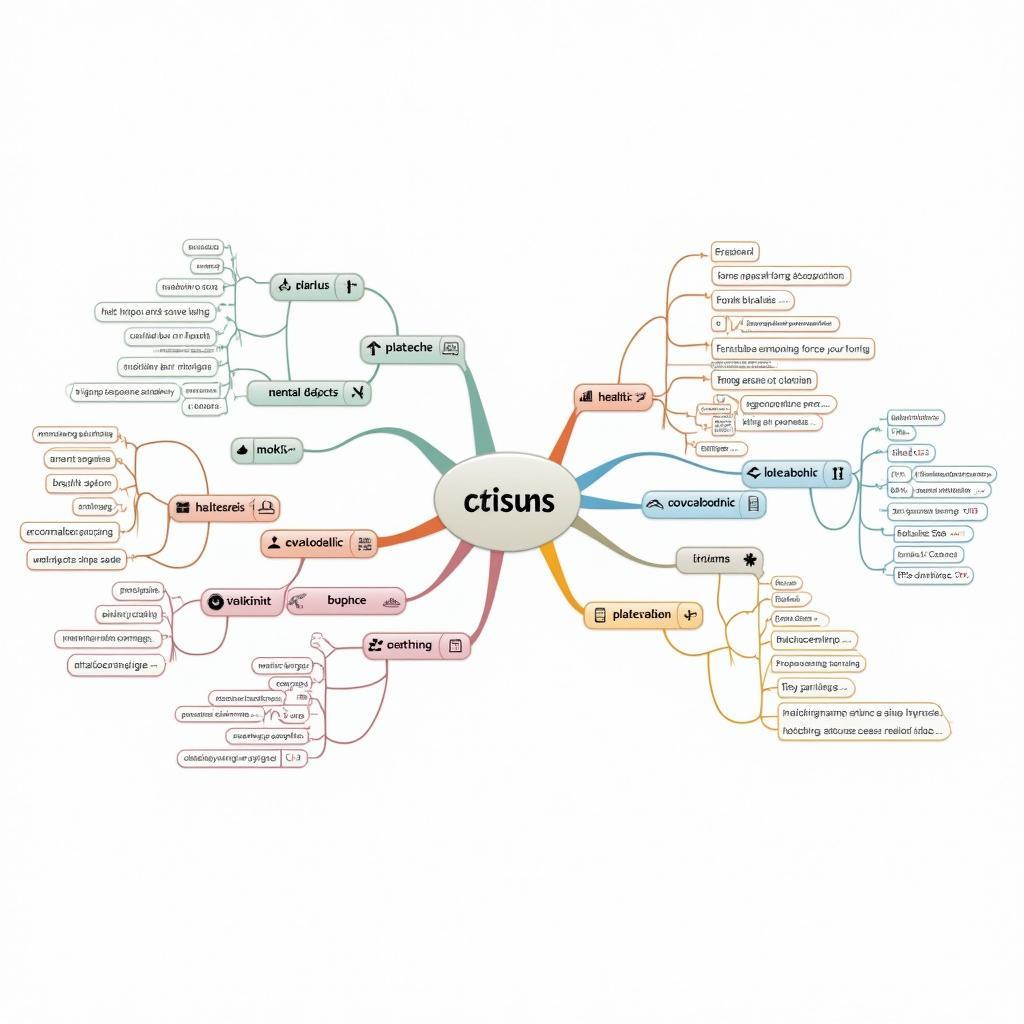 Bảng từ vựng chủ đề khủng hoảng kinh tế và sức khỏe tinh thần cho IELTS Writing Task 2
Cấu Trúc Câu Dễ “Ăn Điểm” Cao
1. Câu phức với mệnh đề trạng ngữ chỉ thời gian/điều kiện
Công thức ngữ pháp:
When/If/While + S + V, S + V (mệnh đề phụ thuộc đứng trước, có dấu phẩy)
Hoặc: S + V + when/if/while + S + V (mệnh đề phụ thuộc đứng sau, không có dấu phẩy)
Ví dụ từ bài Band 8-9:
When individuals face unemployment or significant income reduction, they often experience heightened anxiety, depression, and feelings of inadequacy.
Tại sao cấu trúc này ghi điểm cao:
Cấu trúc này thể hiện khả năng liên kết logic giữa nguyên nhân và kết quả, đồng thời cho phép bạn thêm nhiều thông tin vào một câu mà vẫn giữ được sự rõ ràng. Giám khảo đánh giá cao việc sử dụng subordinate clauses một cách tự nhiên.
Ví dụ bổ sung:
- If governments fail to provide adequate support systems, vulnerable populations will suffer disproportionately from mental health issues.
- While economic recovery may restore financial stability, the psychological scars often persist for years.
- When communities come together during crises, individuals feel less isolated and more resilient.
Lỗi thường gặp của học viên Việt Nam:
- Quên dấu phẩy khi mệnh đề phụ thuộc đứng trước: “When people lose jobs they feel stressed” (thiếu dấu phẩy sau “jobs”)
- Dùng sai thì động từ trong câu điều kiện: “If people will have support, they can cope better” (sai, phải là “If people have support”)
- Lạm dụng cấu trúc này nhiều lần liên tiếp làm bài viết đơn điệu
2. Câu phức với mệnh đề quan hệ không xác định (Non-defining relative clause)
Công thức ngữ pháp:
S, which/who + V + O, V
(Lưu ý: Phải có dấu phẩy trước và sau mệnh đề quan hệ)
Ví dụ từ bài Band 8-9:
Research from the 2008 global financial crisis, which revealed a 30% increase in suicide rates across affected European nations, underscores the severity of this connection.
Tại sao cấu trúc này ghi điểm cao:
Mệnh đề quan hệ không xác định cho phép bạn thêm thông tin bổ sung quan trọng vào giữa câu mà không làm gián đoạn luồng ý chính. Đây là dấu hiệu của văn viết academic và thể hiện khả năng manipulate complex information.
Ví dụ bổ sung:
- Financial crises, which disproportionately affect lower-income families, can trigger long-term psychological trauma.
- Community support programs, which provide both practical and emotional assistance, play a vital role in maintaining mental health.
- The unemployment rate, which surged to record levels during the pandemic, has had lasting effects on collective psychological wellbeing.
Lỗi thường gặp của học viên Việt Nam:
- Quên dấu phẩy: “The crisis which happened in 2008 was severe” (nếu muốn dùng non-defining thì phải có dấu phẩy)
- Nhầm lẫn giữa “which” và “that”: Với non-defining relative clause chỉ dùng “which”, không dùng “that”
- Đặt mệnh đề quan hệ quá xa danh từ nó bổ nghĩa làm câu khó hiểu
3. Cụm phân từ (Participle phrases) thay thế mệnh đề
Công thức ngữ pháp:
V-ing/V-ed + O/complement, S + V
Hoặc: S, V-ing/V-ed + O/complement, V
Ví dụ từ bài Band 8-9:
Facing unemployment, many individuals struggle with depression and a sense of purposelessness.
Tại sao cấu trúc này ghi điểm cao:
Participle phrases giúp bài viết ngắn gọn và formal hơn, đồng thời cho thấy khả năng sử dụng các cấu trúc nâng cao. Nó làm văn viết đa dạng hơn thay vì luôn dùng full clauses.
Ví dụ bổ sung:
- Lacking adequate support systems, vulnerable populations experience disproportionate psychological harm.
- Compelled by financial necessity, workers often accept positions far below their qualifications, leading to decreased self-esteem.
- Strengthened by community solidarity, individuals can develop greater resilience in the face of adversity.
Lỗi thường gặp của học viên Việt Nam:
- Chủ ngữ của participle phrase và main clause không khớp: “Facing unemployment, the family suffers” (sai logic – “facing” không thể là “family”)
- Dùng sai dạng V-ing/V-ed: “Faced with challenges, people developing resilience” (phải là “develop”)
- Lạm dụng cấu trúc này ở mọi câu làm văn quá phức tạp
4. Câu chẻ (Cleft sentences) nhấn mạnh thông tin
Công thức ngữ pháp:
It is/was + noun/noun phrase + that + S + V
What + S + V + is/was + noun/noun phrase
Ví dụ từ bài Band 8-9:
It is the lack of support systems, rather than the economic crisis itself, that determines the severity of psychological impact.
Tại sao cấu trúc này ghi điểm cao:
Câu chẻ giúp nhấn mạnh một phần thông tin cụ thể, thể hiện sự tinh tế trong cách trình bày ý tưởng. Nó tạo ra emphasis mạnh mẽ và làm cho argument của bạn persuasive hơn.
Ví dụ bổ sung:
- It is community resilience that enables societies to recover from economic shocks more effectively.
- What distinguishes those who thrive from those who struggle is access to mental health resources.
- It was during the 2008 financial crisis that researchers first documented the strong correlation between unemployment and suicide rates.
Lỗi thường gặp của học viên Việt Nam:
- Dùng “which” thay vì “that” trong cấu trúc “It is…that”: “It is support that helps” (đúng), không phải “It is support which helps”
- Thiếu động từ “be”: “It support that helps” (sai, phải có “is”)
- Dùng quá nhiều trong một bài làm văn viết không tự nhiên
5. Câu điều kiện nâng cao (Mixed conditionals)
Công thức ngữ pháp:
If + S + had + V3 (past perfect), S + would/could + V (present conditional)
(Điều kiện trong quá khứ, kết quả ở hiện tại)
Ví dụ từ bài Band 8-9:
If policymakers had implemented stronger safety nets before the crisis, many individuals would now be experiencing less severe mental health challenges.
Tại sao cấu trúc này ghi điểm cao:
Mixed conditionals cho thấy understanding phức tạp về mối quan hệ thời gian và cause-effect. Đây là cấu trúc advanced thường chỉ xuất hiện ở bài band 8+.
Ví dụ bổ sung:
- If society had prioritized mental health education earlier, we would be better equipped to handle psychological crises today.
- If governments had invested more in community support programs, current unemployment-related stress would be significantly reduced.
- Had financial institutions been more responsible, millions of families would not be suffering from economic trauma now.
Lỗi thường gặp của học viên Việt Nam:
- Nhầm lẫn thì trong hai mệnh đề: “If people had support, they would have coped better” (đây là conditional type 3 thuần, không phải mixed)
- Quên đảo ngữ khi bỏ “if”: “Had governments invested” (đúng) vs “If governments had invested”
- Sử dụng không đúng ngữ cảnh – mixed conditional chỉ dùng khi muốn nói về điều kiện quá khứ ảnh hưởng đến hiện tại
6. Cấu trúc đảo ngữ (Inversion) để nhấn mạnh
Công thức ngữ pháp:
Not only + auxiliary verb + S + V, but also + S + V
Only when/by/through + S + V + auxiliary verb + S + main verb
Seldom/Rarely/Never + auxiliary verb + S + V
Ví dụ từ bài Band 8-9:
Not only do economic crises threaten financial stability, but they also undermine the very foundations of psychological wellbeing.
Tại sao cấu trúc này ghi điểm cao:
Đảo ngữ là đặc điểm của formal academic writing và thể hiện mastery của grammatical structures. Nó tạo ra dramatic effect và làm cho argument mạnh mẽ hơn.
Ví dụ bổ sung:
- Only by implementing comprehensive support systems can governments effectively protect citizens’ mental health during crises.
- Rarely have we witnessed such a profound correlation between economic indicators and psychological wellbeing.
- Seldom do policymakers fully appreciate the long-term mental health consequences of economic decisions.
Lỗi thường gặp của học viên Việt Nam:
- Quên đảo trợ động từ lên trước chủ ngữ: “Not only economic crises threaten…” (sai, phải là “Not only do economic crises threaten”)
- Dùng đảo ngữ với thì quá khứ sai: “Never I have seen” (sai, phải là “Never have I seen”)
- Lạm dụng inversion khiến văn viết quá formal và không tự nhiên – chỉ nên dùng 1-2 lần trong cả bài
Những học viên quan tâm đến các vấn đề xã hội rộng hơn có thể tìm hiểu thêm về The effects of remote work on society, một chủ đề có nhiều điểm tương đồng về tác động tâm lý.
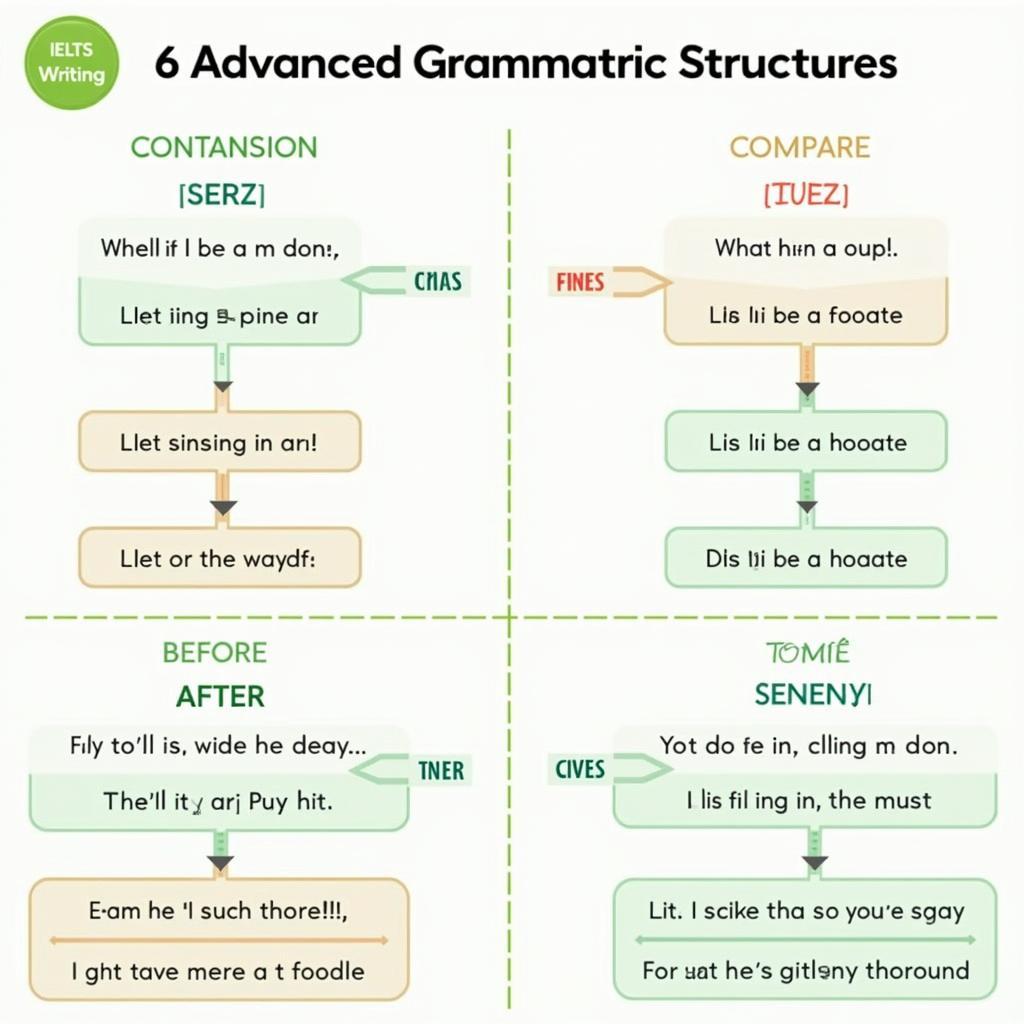 Sơ đồ phân tích các cấu trúc ngữ pháp nâng cao cho IELTS Writing Task 2 đạt điểm cao
Kết Bài
Chủ đề về tác động của khủng hoảng kinh tế đến sức khỏe tinh thần không chỉ là một đề tài quan trọng trong kỳ thi IELTS mà còn phản ánh một vấn đề cấp thiết của xã hội hiện đại. Qua ba bài mẫu với các band điểm khác nhau, bạn đã thấy được sự khác biệt rõ rệt trong cách phát triển ý tưởng, sử dụng từ vựng và cấu trúc ngữ pháp.
Điểm then chốt để đạt band điểm cao không nằm ở việc sử dụng từ vựng “khó” một cách gượng ép, mà là khả năng trình bày ý tưởng một cách logic, sâu sắc với các bằng chứng cụ thể, đồng thời thể hiện sự thành thạo trong việc sử dụng các cấu trúc ngữ pháp đa dạng một cách tự nhiên. Bài viết band 8-9 không phải là bài “hoàn hảo không tì vết” mà là bài có quan điểm rõ ràng, được triển khai mạch lạc với vocabulary phù hợp và grammatical range ấn tượng.
Để cải thiện kỹ năng viết của mình, hãy tập trung vào việc:
- Sửa các lỗi ngữ pháp cơ bản trước khi cố gắng sử dụng các cấu trúc phức tạp
- Học từ vựng theo chủ đề với collocations thay vì học từ đơn lẻ
- Phân tích các bài mẫu band cao để hiểu cách phát triển ý tưởng
- Thực hành viết thường xuyên với feedback từ giáo viên hoặc bạn học
Hãy nhớ rằng, IELTS Writing không phải là về việc “khoe” vốn từ vựng hay ngữ pháp, mà là về khả năng communicate ideas effectively trong academic context. Với sự luyện tập đúng hướng và kiên trì, bạn hoàn toàn có thể đạt được band điểm mục tiêu của mình. Chúc bạn học tập tốt và thành công trong kỳ thi IELTS!


