Mở đầu
Trong bối cảnh biến đổi khí hậu ngày càng nghiêm trọng, chủ đề về tác động môi trường của làm việc từ xa (remote working) đã trở thành một trong những đề tài “nóng” xuất hiện thường xuyên trong IELTS Writing Task 2. Theo thống kê từ IDP và British Council, các đề bài liên quan đến môi trường và công nghệ chiếm khoảng 15-20% tổng số đề thi trong năm 2023-2024, và xu hướng làm việc từ xa sau đại dịch đã làm tăng tần suất xuất hiện của chủ đề này.
Bài viết này sẽ cung cấp cho bạn một cái nhìn toàn diện về cách viết bài IELTS Writing Task 2 với chủ đề Impact Of Remote Working On Environmental Sustainability, bao gồm:
- 3 bài mẫu hoàn chỉnh với các band điểm khác nhau (Band 8-9, Band 6.5-7, và Band 5-6)
- Phân tích chi tiết từng tiêu chí chấm điểm theo band descriptors chính thức
- Bảng từ vựng chuyên ngành với phiên âm và collocations
- Các cấu trúc câu “ăn điểm” cao được giảng viên khuyên dùng
Một số đề thi thực tế đã xuất hiện gần đây:
- “Some people believe that remote working has a positive impact on the environment, while others think the benefits are overstated. Discuss both views and give your opinion.” (tháng 3/2024 – IDP Australia)
- “Working from home reduces carbon emissions from commuting. To what extent do you agree or disagree?” (tháng 11/2023 – British Council)
Đề Writing Task 2 Thực Hành
Some people believe that the shift to remote working will significantly reduce environmental damage, while others argue that the environmental benefits are minimal. Discuss both views and give your own opinion.
Dịch đề: Một số người tin rằng sự chuyển đổi sang làm việc từ xa sẽ giảm đáng kể thiệt hại môi trường, trong khi những người khác cho rằng lợi ích môi trường là rất nhỏ. Thảo luận cả hai quan điểm và đưa ra ý kiến của bạn.
Phân tích đề bài:
Đây là dạng câu hỏi Discussion + Opinion – một trong những dạng phổ biến nhất trong IELTS Writing Task 2. Yêu cầu cụ thể bao gồm:
- Thảo luận quan điểm 1: Remote working giảm đáng kể thiệt hại môi trường
- Thảo luận quan điểm 2: Lợi ích môi trường là rất nhỏ/không đáng kể
- Đưa ra ý kiến cá nhân của bạn
Các thuật ngữ quan trọng cần hiểu:
- “Shift to remote working”: Sự chuyển đổi sang làm việc từ xa (không chỉ là làm việc tại nhà đơn thuần)
- “Significantly reduce”: Giảm đáng kể (cần có ví dụ, số liệu minh họa)
- “Environmental damage”: Thiệt hại môi trường (phạm vi rộng: ô nhiễm không khí, khí thải carbon, tiêu thụ năng lượng…)
- “Minimal”: Rất nhỏ, không đáng kể (cần giải thích tại sao)
Những lỗi thường gặp của học viên Việt Nam:
- Chỉ tập trung vào một khía cạnh môi trường (thường là giảm khí thải từ di chuyển) mà bỏ qua các yếu tố khác
- Không cân bằng giữa hai quan điểm – viết quá nhiều cho quan điểm mình đồng ý
- Đưa ra ý kiến cá nhân quá mơ hồ hoặc không nhất quán với phần thảo luận
- Sử dụng từ vựng quá đơn giản hoặc lặp lại nhiều lần (environment, good, bad…)
Cách tiếp cận chiến lược:
- Đoạn mở bài: Paraphrase đề bài + nêu rõ bạn sẽ thảo luận cả hai quan điểm + thesis statement (ý kiến của bạn)
- Thân bài 1: Thảo luận quan điểm thứ nhất với 2-3 lý do và ví dụ cụ thể
- Thân bài 2: Thảo luận quan điểm thứ hai với 2-3 lý do đối lập
- Kết bài: Tóm tắt và khẳng định lại ý kiến cá nhân một cách mạnh mẽ hơn
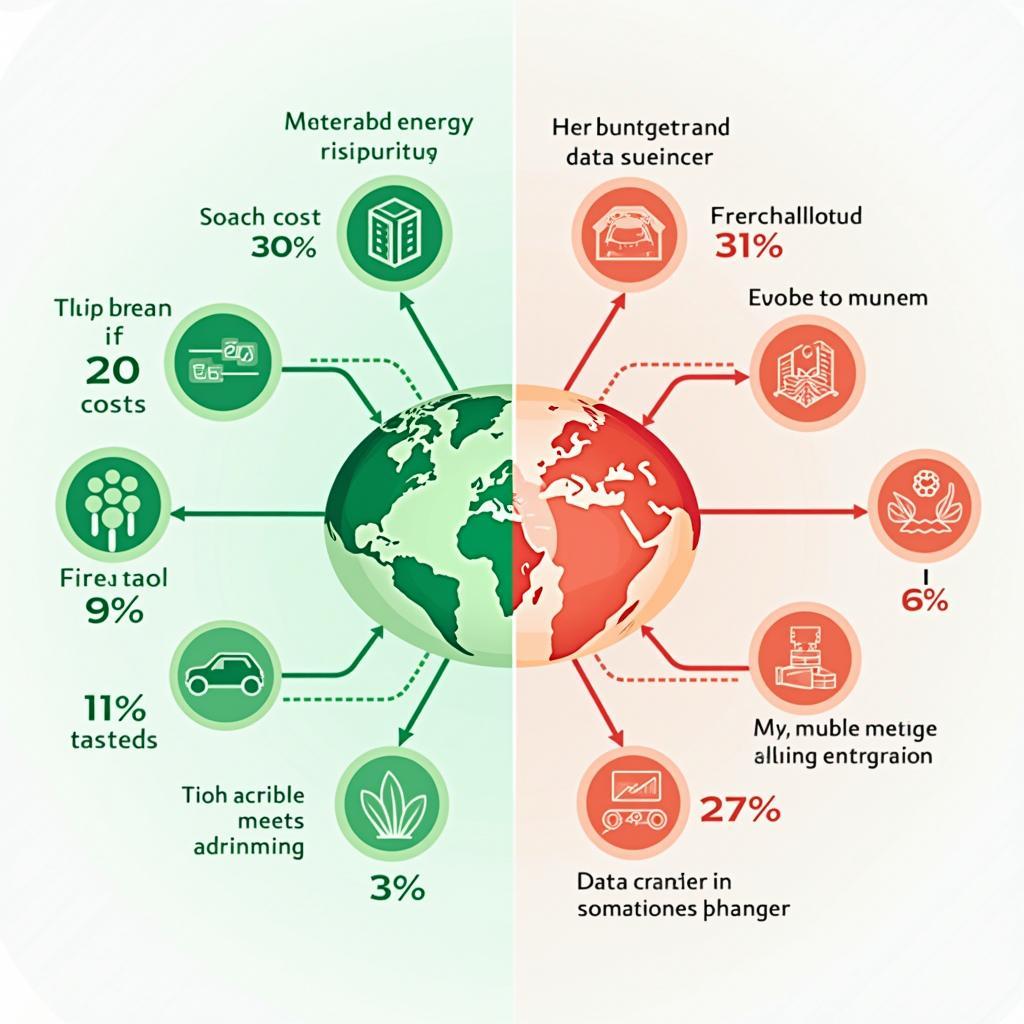
 Minh họa tác động của làm việc từ xa đến môi trường với biểu đồ so sánh khí thải carbon
Bài Mẫu Band 8-9
Bài viết dưới đây thể hiện đầy đủ các đặc điểm của một bài luận Band 8-9: quan điểm rõ ràng, lập luận chặt chẽ, từ vựng phong phú với collocations tự nhiên, cấu trúc câu đa dạng và phức tạp, và khả năng phân tích sâu sắc vấn đề từ nhiều góc độ.
The rise of remote working has sparked considerable debate regarding its environmental implications. While some advocate that telecommuting represents a paradigm shift in reducing ecological footprints, others contend that its environmental advantages are largely overstated. This essay will examine both perspectives before arguing that remote work, despite certain limitations, offers substantial environmental benefits when implemented strategically.
Proponents of remote working emphasize its potential to drastically curtail carbon emissions associated with daily commuting. In major metropolitan areas, millions of workers travel considerable distances, collectively generating significant greenhouse gas emissions. By eliminating or reducing these journeys, remote work can substantially diminish air pollution and traffic congestion. Furthermore, the reduced demand for office space translates into lower energy consumption for heating, cooling, and lighting large commercial buildings. A study by Stanford University found that widespread adoption of remote work could reduce a company’s carbon footprint by up to 54%, primarily through decreased commuting and office energy usage. Additionally, remote work can facilitate a more geographically distributed workforce, potentially reducing urban overcrowding and its associated environmental pressures.
However, skeptics argue that these benefits are offset by increased residential energy consumption and hidden environmental costs. When employees work from home, they utilize heating, air conditioning, and electronic devices throughout the day, which might otherwise remain dormant. This energy use is often less efficient than centralized office systems due to economies of scale in commercial buildings. Moreover, the infrastructure supporting remote work—data centers, cloud computing services, and enhanced telecommunications networks—requires substantial energy and resources. Critics also point out that the rebound effect may occur, where money saved on commuting is spent on additional leisure travel, potentially negating environmental gains. Without comprehensive life-cycle assessments, the true environmental impact remains unclear.
In my view, while the concerns raised by skeptics warrant consideration, the environmental benefits of remote working are significant and demonstrable, provided that appropriate measures are implemented to maximize sustainability. The key lies not in simply shifting work locations, but in coupling remote work with green energy initiatives, energy-efficient home office setups, and conscious lifestyle choices. Governments and organizations should invest in renewable energy infrastructure and provide incentives for employees to adopt environmentally friendly practices at home. When approached holistically, remote working can serve as a valuable tool in mitigating climate change and promoting sustainable development.
In conclusion, although remote working presents certain environmental trade-offs, its potential to reduce transportation emissions and optimize resource utilization makes it a worthwhile strategy in the broader environmental agenda. The challenge lies in implementing it thoughtfully and addressing its limitations through complementary sustainable practices.
Phân Tích Band Điểm
| Tiêu chí | Band | Nhận xét |
|---|---|---|
| Task Response (Hoàn thành yêu cầu) | 9.0 | Bài viết trả lời đầy đủ tất cả các phần của câu hỏi với sự phát triển ý tưởng sâu sắc và cân bằng. Quan điểm cá nhân được nêu rõ ràng và nhất quán xuyên suốt bài. Các lập luận được hỗ trợ bằng ví dụ cụ thể (Stanford University study) và phân tích chi tiết. |
| Coherence & Cohesion (Mạch lạc & Liên kết) | 9.0 | Cấu trúc bài logic và rõ ràng với sự chuyển tiếp mượt mà giữa các ý tưởng. Sử dụng đa dạng các linking devices (Furthermore, However, Moreover, In my view) một cách tự nhiên. Mỗi đoạn có một central idea rõ ràng và được phát triển có hệ thống. Cohesion xuất sắc với referencing và substitution chính xác. |
| Lexical Resource (Từ vựng) | 9.0 | Phạm vi từ vựng rất rộng và tinh tế với các collocations tự nhiên (paradigm shift, ecological footprints, drastically curtail, geographically distributed workforce). Sử dụng less common vocabulary chính xác (telecommuting, rebound effect, life-cycle assessments, economies of scale). Không có lỗi về word choice hay spelling. |
| Grammatical Range & Accuracy (Ngữ pháp) | 9.0 | Sử dụng đa dạng các cấu trúc phức tạp một cách chính xác và linh hoạt: mệnh đề quan hệ (which might otherwise remain dormant), câu bị động, phân từ (provided that…), và các cấu trúc nâng cao khác. Không có lỗi ngữ pháp đáng kể. Câu văn rõ ràng và dễ hiểu mặc dù phức tạp. |
Các Yếu Tố Giúp Bài Này Được Chấm Điểm Cao
-
Thesis statement mạnh mẽ và nuanced: Thay vì đơn giản đồng ý hoặc không đồng ý, bài viết đưa ra quan điểm có điều kiện “remote work offers substantial environmental benefits when implemented strategically”, thể hiện tư duy phản biện cao.
-
Sử dụng evidence cụ thể: Trích dẫn nghiên cứu của Stanford University với số liệu 54% không chỉ tăng tính thuyết phục mà còn chứng minh khả năng sử dụng academic sources.
-
Phân tích counter-arguments sâu sắc: Đoạn thân bài 2 không chỉ đơn giản liệt kê quan điểm đối lập mà còn giải thích các khái niệm phức tạp như “economies of scale” và “rebound effect”, cho thấy hiểu biết sâu rộng về chủ đề.
-
Cohesion tinh tế: Sử dụng pronoun referencing (these benefits, its environmental advantages) và lexical chains (environmental implications → ecological footprints → environmental benefits → environmental costs) để liên kết các ý tưởng một cách tự nhiên.
-
Vocabulary range xuất sắc: Tránh lặp từ bằng cách sử dụng synonyms và paraphrasing (remote working → telecommuting → working from home; reduce → curtail → diminish; environmental benefits → ecological advantages).
-
Conditional structures nâng cao: “provided that appropriate measures are implemented” thể hiện khả năng sử dụng cấu trúc điều kiện phức tạp để diễn đạt ý tưởng có điều kiện.
-
Conclusion có chiều sâu: Không chỉ tóm tắt mà còn đưa ra forward-looking statement “The challenge lies in implementing it thoughtfully”, thể hiện tư duy phê phán và mature perspective.
Bài Mẫu Band 6.5-7
Bài viết dưới đây thể hiện các đặc điểm của Band 6.5-7: hoàn thành tốt yêu cầu đề bài, có cấu trúc rõ ràng, từ vựng và ngữ pháp đủ tốt nhưng chưa tinh tế và đa dạng như Band 8-9.
The increasing trend of remote working has led to discussions about its effects on the environment. Some people think that working from home can greatly reduce environmental problems, while others believe the benefits are not as significant. This essay will discuss both views and give my opinion.
On the one hand, remote working can help reduce pollution from transportation. When people work from home, they do not need to drive or take public transport to the office every day. This means fewer cars on the roads, which leads to lower carbon emissions and better air quality. For example, during the COVID-19 pandemic, many cities reported cleaner air because fewer people were commuting. Additionally, companies can save energy by using smaller office spaces or closing some offices completely. This reduction in office space means less electricity is used for lighting, heating, and air conditioning.
On the other hand, some people argue that the environmental advantages of remote work are limited. When employees work at home, they still use electricity and heating throughout the day. Sometimes, homes are less energy-efficient than modern office buildings, which are designed to save energy. Furthermore, remote work requires a lot of technology infrastructure, such as data centers and internet networks, which consume large amounts of energy. Some people also suggest that workers might travel more for leisure when they save time and money from not commuting, which could cancel out the environmental benefits.
In my opinion, remote working does provide environmental benefits, but these benefits depend on how it is implemented. If companies and individuals make efforts to use renewable energy and energy-efficient equipment at home, the positive impact on the environment can be significant. Governments should also support these efforts by providing incentives for green energy use.
In conclusion, while there are some limitations to the environmental benefits of remote working, I believe it can contribute positively to environmental protection if done properly. Both organizations and individuals need to take responsibility for making remote work more sustainable.
Phân Tích Band Điểm
| Tiêu chí | Band | Nhận xét |
|---|---|---|
| Task Response (Hoàn thành yêu cầu) | 7.0 | Bài viết đã trả lời tất cả các phần của câu hỏi và có quan điểm rõ ràng. Tuy nhiên, việc phát triển ý tưởng chưa được chi tiết và sâu sắc như Band 8-9. Ví dụ về COVID-19 có liên quan nhưng thiếu số liệu cụ thể. Quan điểm cá nhân được nêu nhưng chưa được elaborate đầy đủ. |
| Coherence & Cohesion (Mạch lạc & Liên kết) | 6.5 | Cấu trúc tổng thể logic với các đoạn văn được tổ chức tốt. Sử dụng linking words cơ bản (On the one hand, On the other hand, Additionally, Furthermore) nhưng còn mechanical và thiếu sự đa dạng. Mỗi đoạn có topic sentence rõ ràng nhưng sự chuyển tiếp giữa các câu chưa mượt mà hoàn toàn. |
| Lexical Resource (Từ vựng) | 6.5 | Từ vựng đủ để truyền đạt ý tưởng nhưng thiếu precision và sophistication. Có một số collocations tốt (carbon emissions, air quality, energy-efficient) nhưng cũng có repetition (environmental benefits xuất hiện 4 lần). Thiếu less common vocabulary và paraphrasing. Không có lỗi nghiêm trọng về word choice. |
| Grammatical Range & Accuracy (Ngữ pháp) | 7.0 | Sử dụng mix của câu đơn và câu phức nhưng chưa đa dạng như Band 8-9. Có một số cấu trúc phức tạp (When people work from home, which leads to…) được sử dụng chính xác. Phần lớn các câu không có lỗi, nhưng thiếu các cấu trúc advanced như inversion, cleft sentences, hay participle clauses. |
So Sánh Với Bài Band 8-9
1. Task Response:
- Band 8-9: “While some advocate that telecommuting represents a paradigm shift in reducing ecological footprints, others contend that its environmental advantages are largely overstated.”
- Band 6.5-7: “Some people think that working from home can greatly reduce environmental problems, while others believe the benefits are not as significant.”
- Phân tích: Bài Band 8-9 sử dụng paraphrasing tinh tế và vocabulary sophisticated hơn (paradigm shift, ecological footprints, contend, overstated), trong khi Band 6.5-7 dùng từ vựng đơn giản và trực tiếp hơn.
2. Vocabulary & Collocations:
- Band 8-9: drastically curtail carbon emissions, geographically distributed workforce, economies of scale, rebound effect
- Band 6.5-7: reduce pollution, lower carbon emissions, cancel out the environmental benefits
- Phân tích: Band 8-9 sử dụng less common lexical items và academic collocations, trong khi Band 6.5-7 dùng từ vựng phổ biến hơn và ít precise hơn.
3. Grammatical Structures:
- Band 8-9: “When approached holistically, remote working can serve as a valuable tool in mitigating climate change and promoting sustainable development.” (Participle clause)
- Band 6.5-7: “When employees work at home, they still use electricity and heating throughout the day.” (Simple time clause)
- Phân tích: Band 8-9 sử dụng cấu trúc ngắn gọn và sophisticated hơn với participle phrases, trong khi Band 6.5-7 dùng cấu trúc cơ bản hơn.
4. Development of Ideas:
- Band 8-9: Đưa ra specific evidence (Stanford University study – 54% reduction) và giải thích detailed concepts (economies of scale, rebound effect)
- Band 6.5-7: Đưa ra general example (COVID-19 pandemic) mà không có số liệu cụ thể, giải thích ở mức surface level
- Phân tích: Band 8-9 demonstrate deeper understanding với evidence-based arguments, trong khi Band 6.5-7 dựa vào general knowledge và common sense.
5. Cohesion:
- Band 8-9: Sử dụng referencing tinh tế (these benefits, its limitations) và lexical chains tự nhiên để liên kết ý tưởng
- Band 6.5-7: Chủ yếu dựa vào linking words rõ ràng (On the one hand, Furthermore, In conclusion) mà ít dùng referencing
- Phân tích: Band 8-9 achieve cohesion một cách subtle và natural, trong khi Band 6.5-7 còn mechanical với việc sử dụng discourse markers.
Bài Mẫu Band 5-6
Bài viết dưới đây minh họa các đặc điểm và lỗi sai thường gặp ở Band 5-6: ý tưởng cơ bản được trình bày nhưng thiếu chi tiết, có lỗi ngữ pháp và từ vựng ảnh hưởng đến sự rõ ràng, cấu trúc câu đơn giản và lặp lại.
Nowadays, many people working from home because of technology. Some people say this is good for environment, but other people think it is not so good. I will discuss both side and give my opinion.
First, work from home can reduce the pollution. Many people not need to go to office everyday by car or bus. This make less car in the street, so the air become more clean. For example, in my country during Covid, the air was very clean because people stay at home. Also, company can save the electricity if they don’t need big office. They can turn off light and air conditioner when people work at home.
However, some people think work from home not really help environment. Because when people at home, they use electricity and heating all day. Home is not good for save energy like office building. And also, remote work need many computer and internet, this use a lot of electric. Some people say that people will travel more when they have free time from not go to office, so this is bad for environment too.
In my opinion, I think working from home is good for environment. But people need to be careful about use energy. Government should help people to use green energy at home. Company also should teach employee how to save energy when work at home.
In conclusion, work from home have some problem but I believe it can help the environment. People and company must work together to make it better for environment.
Phân Tích Band Điểm
| Tiêu chí | Band | Nhận xét |
|---|---|---|
| Task Response (Hoàn thành yêu cầu) | 5.5 | Bài viết đã đề cập đến cả hai quan điểm và đưa ra ý kiến cá nhân, nhưng việc phát triển ý tưởng rất hạn chế và thiếu chi tiết. Các lập luận còn ở mức bề mặt, không có ví dụ cụ thể hay giải thích sâu. Ý kiến cá nhân được nêu nhưng không được support đầy đủ. Một số ý tưởng relevant nhưng chưa được elaborate. |
| Coherence & Cohesion (Mạch lạc & Liên kết) | 5.0 | Cấu trúc cơ bản có thể nhận ra (intro-body-conclusion) nhưng còn thiếu chặt chẽ. Sử dụng linking words rất hạn chế và repetitive (Also, And also, But). Thiếu topic sentences rõ ràng trong một số đoạn. Sự chuyển tiếp giữa các ý không smooth. Có vấn đề với pronoun reference (This, it) khiến câu unclear. |
| Lexical Resource (Từ vựng) | 5.5 | Từ vựng hạn chế và lặp lại nhiều (environment xuất hiện 8 lần, work from home 6 lần). Có attempts để sử dụng topic vocabulary (pollution, electricity, green energy) nhưng thiếu precision. Có một số lỗi word choice (make less car, save the electricity). Thiếu collocations và paraphrasing. |
| Grammatical Range & Accuracy (Ngữ pháp) | 5.0 | Chủ yếu sử dụng câu đơn giản với một số câu phức cơ bản. Có nhiều lỗi ngữ pháp ảnh hưởng đến meaning: thiếu subject (work from home can reduce), sai thì (Many people not need), lỗi subject-verb agreement (This make, air become), sai cấu trúc (not really help, not good for save). Tuy nhiên, vẫn có thể hiểu được ý nghĩa chính. |
Những Lỗi Sai Của Bài – Phân Tích & Giải Thích
| Lỗi sai | Loại lỗi | Sửa lại | Giải thích |
|---|---|---|---|
| many people working from home because | Sai thì và thiếu động từ chính | many people are working from home because | Câu cần động từ “to be” (are) để tạo thành present continuous tense. “Working” là present participle, không thể đứng một mình làm động từ chính. |
| discuss both side | Lỗi số nhiều | discuss both sides | “Both” (cả hai) luôn đi với danh từ số nhiều, nên phải là “sides” chứ không phải “side”. |
| Many people not need to go | Thiếu trợ động từ | Many people do not need to go | Trong present simple tense với nghĩa phủ định, phải dùng “do not” (don’t) trước động từ chính “need”. |
| This make less car | Lỗi subject-verb agreement và danh từ | This makes fewer cars | “This” là chủ ngữ số ít nên động từ phải thêm “s” (makes). “Car” cần ở dạng số nhiều (cars). Với danh từ đếm được, dùng “fewer” thay vì “less”. |
| the air become more clean | Lỗi subject-verb agreement | the air becomes cleaner | “Air” là danh từ số ít nên động từ phải là “becomes”. So sánh hơn của “clean” là “cleaner” chứ không phải “more clean”. |
| company can save the electricity | Lỗi mạo từ | companies can save electricity | “Company” cần ở số nhiều vì đang nói chung. “Electricity” là uncountable noun nên không dùng “the” khi nói chung chung. |
| work from home not really help environment | Thiếu trợ động từ và mạo từ | working from home does not really help the environment | Cần “does not” cho câu phủ định. “Working from home” là gerund phrase làm chủ ngữ. “Environment” cần có “the” vì đang nói về môi trường nói chung. |
| when people at home | Thiếu động từ | when people are at home | Mệnh đề phụ thuộc cũng cần có động từ “to be” (are). |
| Home is not good for save energy | Sai cấu trúc sau giới từ | Homes are not as good for saving energy as | Sau giới từ “for” phải dùng gerund (saving). “Home” nên ở số nhiều. Cần có “as…as” để so sánh với office buildings. |
| need many computer | Lỗi số nhiều | need many computers | “Many” (nhiều) đi với danh từ số nhiều nên phải là “computers”. |
| this use a lot of electric | Lỗi danh từ | this uses a lot of electricity | “Electric” là tính từ, danh từ phải là “electricity”. “This” là chủ ngữ số ít nên động từ phải là “uses”. |
| from not go to office | Sai cấu trúc | from not going to the office | Sau giới từ “from” phải dùng gerund “going”. Cần mạo từ “the” trước “office”. |
| I think working from home is good | Redundant | working from home is good / I believe working from home is beneficial | Trong academic writing, tránh dùng “I think” cùng với “In my opinion” vì trùng lặp. Nên dùng một trong hai, hoặc dùng từ mạnh hơn như “I believe” hoặc “I maintain”. |
| about use energy | Sai cấu trúc sau giới từ | about using energy | Sau giới từ “about” phải dùng gerund (V-ing), không phải infinitive. |
| teach employee | Lỗi số nhiều | teach employees | Khi nói chung về nhân viên (không chỉ một người cụ thể), cần dùng số nhiều “employees”. |
| work from home have some problem | Lỗi subject-verb agreement và số nhiều | working from home has some problems | Gerund phrase “working from home” là chủ ngữ số ít nên động từ phải là “has”. “Problem” cần ở số nhiều vì có “some”. |
Cách Cải Thiện Từ Band 5-6 Lên Band 7
1. Khắc phục lỗi ngữ pháp cơ bản:
- Thực hành: Tập trung vào subject-verb agreement, verb tenses, và articles (a/an/the)
- Chiến lược: Sau khi viết xong, đọc lại từng câu và check: Chủ ngữ là gì? Động từ có chia đúng không? Có thiếu mạo từ không?
- Ví dụ cải thiện: “Many people not need” → “Many people do not need” (thêm trợ động từ)
2. Mở rộng và phát triển ý tưởng:
- Thay vì: “This make less car in the street, so the air become more clean.”
- Nên viết: “This reduction in commuter traffic leads to lower vehicle emissions, which directly improves urban air quality and reduces respiratory health problems.”
- Lý do: Band 7 cần elaborate ideas với supporting details và consequences.
3. Tăng cường vốn từ vựng và sử dụng paraphrasing:
- Thay vì lặp lại “work from home”: sử dụng các alternatives như “remote working,” “telecommuting,” “working remotely,” “home-based work”
- Thay vì lặp “environment”: dùng “environmental sustainability,” “ecological impact,” “natural resources,” “carbon footprint”
- Học collocations: environmental benefits, carbon emissions, energy consumption, sustainable practices
4. Cải thiện cohesion và coherence:
- Sử dụng đa dạng linking devices:
- Addition: Furthermore, Moreover, In addition, Additionally
- Contrast: However, Nevertheless, On the contrary, Conversely
- Result: Consequently, As a result, Therefore, Thus
- Dùng referencing: Instead of repeating nouns, use pronouns (it, this, these, such) hoặc paraphrasing
5. Phát triển paragraph structure:
- Topic sentence: Nêu main idea của đoạn văn
- Supporting sentences: 2-3 câu giải thích, đưa ra lý do hoặc ví dụ
- Concluding/linking sentence: Kết nối với ý tiếp theo hoặc tóm tắt
- Ví dụ structure tốt:
“Remote working offers significant environmental advantages, primarily through reduced transportation emissions. (Topic sentence) When employees work from home, they eliminate daily commutes, which collectively generate substantial carbon emissions in urban areas. (Supporting sentence 1) For instance, a study by Global Workplace Analytics found that if those with compatible jobs worked from home just half the time, it would reduce greenhouse gas emissions by 54 million tons annually. (Supporting sentence 2 with evidence) This reduction would be equivalent to taking 10 million cars off the road for an entire year. (Extension of idea)”
6. Sử dụng examples cụ thể thay vì chung chung:
- Thay vì: “For example, in my country during Covid, the air was very clean”
- Nên viết: “For instance, during the COVID-19 lockdowns in 2020, major cities like New Delhi and Los Angeles reported air pollution reductions of up to 60%, demonstrating the direct correlation between reduced commuting and improved air quality.”
7. Luyện tập viết câu phức:
- Học cách combine ideas:
- Simple: “People work at home. They use electricity all day.”
- Better: “When people work at home, they use electricity throughout the day.”
- Band 7: “While working from home eliminates commuting emissions, it may increase residential energy consumption, particularly in homes without energy-efficient infrastructure.”
Nếu bạn hiện đang ở Band 5-6, hãy tập trung vào 3 điều sau đầu tiên: fix basic grammar errors, expand ideas với details, và học vocabulary theo chủ đề. Đây là foundation cần thiết để reach Band 7. Các yếu tố như advanced structures và sophisticated vocabulary có thể học sau khi đã vững chắc những điều cơ bản. Trong lộ trình này, việc khám phá thêm về telework’s impact on corporate culture sẽ giúp bạn có cái nhìn đa chiều hơn về xu hướng làm việc từ xa và mở rộng vốn ý tưởng cho các dạng đề tương tự.
 Học viên luyện tập viết IELTS Writing Task 2 về chủ đề môi trường và công việc từ xa
Từ Vựng Quan Trọng Cần Nhớ
| Từ/Cụm từ | Loại từ | Phiên âm | Nghĩa tiếng Việt | Ví dụ | Collocations |
|---|---|---|---|---|---|
| ecological footprint | noun phrase | /ˌiːkəˈlɒdʒɪkəl ˈfʊtprɪnt/ | Dấu chân sinh thái (lượng tài nguyên thiên nhiên cần thiết để duy trì lối sống) | Remote working can significantly reduce an individual’s ecological footprint. | reduce/minimize/lower ecological footprint; carbon/environmental footprint |
| drastically curtail | verb phrase | /ˈdræstɪkli kɜːˈteɪl/ | Cắt giảm mạnh mẽ, hạn chế nghiêm ngặt | Telecommuting can drastically curtail carbon emissions from daily commuting. | drastically reduce/cut/decrease; curtail emissions/consumption/spending |
| carbon emissions | noun phrase | /ˈkɑːbən ɪˈmɪʃənz/ | Khí thải carbon | The reduction in carbon emissions is one of the primary environmental benefits of remote work. | reduce/cut/lower carbon emissions; greenhouse gas emissions; emission levels |
| energy consumption | noun phrase | /ˈenədʒi kənˈsʌmpʃən/ | Mức tiêu thụ năng lượng | Working from home may increase residential energy consumption. | high/low/excessive energy consumption; reduce/monitor energy consumption |
| sustainable development | noun phrase | /səˈsteɪnəbəl dɪˈveləpmənt/ | Phát triển bền vững | Remote work can contribute to sustainable development goals. | promote/achieve sustainable development; sustainable practices/solutions |
| mitigate climate change | verb phrase | /ˈmɪtɪɡeɪt ˈklaɪmət tʃeɪndʒ/ | Giảm thiểu biến đổi khí hậu | Reducing commuter traffic is one way to mitigate climate change. | mitigate/combat/address climate change; climate action/crisis |
| economies of scale | noun phrase | /ɪˈkɒnəmiz əv skeɪl/ | Lợi thế kinh tế theo quy mô (chi phí trên đơn vị giảm khi quy mô tăng) | Office buildings benefit from economies of scale in energy efficiency. | achieve/realize economies of scale; benefit from economies of scale |
| rebound effect | noun phrase | /rɪˈbaʊnd ɪˈfekt/ | Hiệu ứng phản tác (tiết kiệm ở một nơi dẫn đến tăng tiêu dùng ở nơi khác) | The rebound effect may occur when savings from reduced commuting are spent on additional travel. | rebound effect occurs/happens; environmental/behavioral rebound effect |
| geographically distributed | adjective phrase | /ˌdʒiːəˈɡræfɪkli dɪˈstrɪbjuːtɪd/ | Phân tán về mặt địa lý | Remote work enables a geographically distributed workforce. | geographically distributed workforce/team; widely distributed |
| infrastructure | noun | /ˈɪnfrəstrʌktʃə(r)/ | Cơ sở hạ tầng | The digital infrastructure supporting remote work requires substantial energy. | digital/physical infrastructure; infrastructure development/investment |
| air quality | noun phrase | /eə(r) ˈkwɒləti/ | Chất lượng không khí | Reduced traffic congestion directly improves urban air quality. | improve/deteriorate air quality; poor/good air quality; air quality index |
| greenhouse gas | noun phrase | /ˈɡriːnhaʊs ɡæs/ | Khí nhà kính | Transportation is a major source of greenhouse gas emissions. | greenhouse gas emissions/levels; reduce greenhouse gases |
| life-cycle assessment | noun phrase | /laɪf ˈsaɪkl əˈsesmənt/ | Đánh giá vòng đời (phân tích tác động môi trường toàn bộ chu kỳ) | A comprehensive life-cycle assessment is needed to determine the true environmental impact. | conduct/perform life-cycle assessment; life-cycle analysis |
| renewable energy | noun phrase | /rɪˈnjuːəbəl ˈenədʒi/ | Năng lượng tái tạo | Governments should incentivize the use of renewable energy for home offices. | renewable energy sources/resources; renewable/clean energy |
| urban overcrowding | noun phrase | /ˈɜːbən ˌəʊvəˈkraʊdɪŋ/ | Tình trạng quá tải đô thị | Remote work can potentially reduce urban overcrowding. | urban/city overcrowding; overcrowding issues/problems |
Cấu Trúc Câu Dễ “Ăn Điểm” Cao
1. Cấu trúc với mệnh đề phân từ (Participle clauses)
Công thức: V-ing…, S + V hoặc S + V, V-ing…
Ví dụ từ bài Band 8-9:
“When approached holistically, remote working can serve as a valuable tool in mitigating climate change and promoting sustainable development.”
Tại sao cấu trúc này ghi điểm cao:
Mệnh đề phân từ (participle clauses) cho phép bạn rút gọn câu một cách học thuật và sophisticated hơn. Thay vì viết hai câu riêng biệt hoặc dùng mệnh đề quan hệ dài dòng, bạn có thể kết hợp ý tưởng một cách ngắn gọn và mạnh mẽ hơn. Cấu trúc này thể hiện grammatical range ở mức cao và là dấu hiệu của Band 7+.
Các ví dụ bổ sung:
- “Eliminating daily commutes, remote workers significantly reduce their personal carbon footprints.”
- “Working from energy-efficient homes, employees can minimize their environmental impact.”
- “Having considered both perspectives, I believe remote work offers substantial environmental advantages.”
Lỗi thường gặp của học viên Việt Nam:
- Dangling participle: “Working from home, the electricity bill increases.” (Sai – chủ ngữ không đúng)
- Đúng: “Working from home, people may see their electricity bills increase.” (Chủ ngữ “people” thực hiện hành động “working”)
- Nhiều học viên quên rằng chủ ngữ của mệnh đề phân từ phải là chủ ngữ của mệnh đề chính.
2. Cấu trúc nhấn mạnh với “It is… that” (Cleft sentences)
Công thức: It is/was + noun/phrase + that/who + S + V
Ví dụ từ ngữ cảnh tương tự:
“It is the reduction in commuter traffic that contributes most significantly to the environmental benefits of remote working.”
Tại sao cấu trúc này ghi điểm cao:
Cleft sentences cho phép bạn nhấn mạnh một phần thông tin cụ thể trong câu, tạo ra sự rõ ràng và impact mạnh mẽ hơn. Cấu trúc này thể hiện sophisticated control of grammar và là một công cụ quan trọng trong academic writing để highlight key points.
Các ví dụ bổ sung:
- “It is not just carbon emissions that decrease with remote work; energy consumption in office buildings also drops significantly.”
- “It was during the COVID-19 pandemic that the environmental potential of remote work became most apparent.”
- “It is through strategic implementation that remote working can maximize its environmental benefits.”
Lỗi thường gặp của học viên Việt Nam:
- Dùng sai động từ be: “It are the emissions that…” (Sai)
- Đúng: “It is the emissions that…” (Động từ “is” luôn ở số ít trong cấu trúc này)
- Quên dùng “that” sau phần được nhấn mạnh: “It is the reduction contributes…” (Sai)
- Đúng: “It is the reduction that contributes…”
3. Cấu trúc điều kiện nâng cao (Mixed conditionals & “Provided that”)
Công thức: Provided that/Providing that + S + V, S + will/can/may + V
Ví dụ từ bài Band 8-9:
“The environmental benefits of remote working are significant and demonstrable, provided that appropriate measures are implemented to maximize sustainability.”
Tại sao cấu trúc này ghi điểm cao:
Cấu trúc “provided that” sophisticated hơn “if” và thể hiện điều kiện cần thiết cho một kết quả. Nó cho thấy khả năng express conditional relationships một cách nuanced và precise, đặc biệt quan trọng khi bạn muốn present balanced arguments trong IELTS essays.
Các ví dụ bổ sung:
- “Remote work will deliver environmental benefits, provided that employees adopt energy-efficient practices at home.”
- “The reduction in carbon emissions can be substantial, providing that companies also minimize their digital infrastructure’s energy consumption.”
- “Telecommuting would significantly improve air quality, provided that the rebound effect can be controlled through policy interventions.”
Lỗi thường gặp của học viên Việt Nam:
- Nhầm lẫn “provided that” với “provide”: “Provide that people save energy…” (Sai)
- Đúng: “Provided that people save energy…”
- Dùng sai thì trong mệnh đề kết quả: “Provided that measures are taken, remote work reduced emissions.” (Sai)
- Đúng: “Provided that measures are taken, remote work will reduce/can reduce emissions.”
4. Cấu trúc với mệnh đề quan hệ không xác định (Non-defining relative clauses)
Công thức: S + V, which/who + V, … hoặc S, which/who + V, + V
Ví dụ từ bài Band 8-9:
“In major metropolitan areas, millions of workers travel considerable distances, collectively generating significant greenhouse gas emissions.” (Dạng rút gọn của non-defining relative clause)
Ví dụ đầy đủ:
“Remote working eliminates daily commutes, which collectively account for a substantial portion of urban carbon emissions.”
Tại sao cấu trúc này ghi điểm cao:
Non-defining relative clauses (có dấu phẩy) thêm thông tin bổ sung không thiết yếu nhưng làm phong phú nội dung. Chúng cho phép bạn elaborate ideas một cách tự nhiên và sophisticated, thể hiện khả năng combine complex information trong một câu flowing smoothly.
Các ví dụ bổ sung:
- “Office buildings, which consume substantial amounts of energy for heating and cooling, may become less necessary with widespread remote work adoption.”
- “Data centers, which support the digital infrastructure of remote working, require significant renewable energy investments to remain environmentally sustainable.”
- “The COVID-19 pandemic, which forced millions to work from home, provided valuable insights into the environmental impacts of telecommuting.”
Lỗi thường gặp của học viên Việt Nam:
- Quên dấu phẩy: “Remote work which reduces emissions is beneficial” (Sai – thiếu dấu phẩy)
- Đúng: “Remote work, which reduces emissions, is beneficial.”
- Nhầm lẫn giữa “which” (dùng cho vật) và “who” (dùng cho người): “Employees which work from home…” (Sai)
- Đúng: “Employees who work from home…”
- Dùng “that” trong non-defining relative clause: “Remote work, that reduces emissions, is beneficial.” (Sai – “that” không dùng trong non-defining clauses)
5. Cấu trúc so sánh phức tạp
Công thức: The + comparative…, the + comparative… / Not only… but also…
Ví dụ từ ngữ cảnh:
“The more comprehensively companies implement remote work policies, the greater the potential reduction in overall carbon emissions.”
Tại sao cấu trúc này ghi điểm cao:
Cấu trúc “The + comparative” thể hiện relationship giữa hai yếu tố thay đổi song song, tạo ra câu văn sophisticated và academic. Nó cho phép bạn express complex correlations một cách concise và powerful, đặc biệt hữu ích khi discussing cause-effect relationships.
Các ví dụ bổ sung:
- “The more energy-efficient homes become, the less problematic the increase in residential energy consumption will be.”
- “The better the digital infrastructure, the more effectively remote work can be implemented without environmental costs.”
- “Not only does remote working reduce transportation emissions, but it also decreases the demand for large commercial office spaces.”
Lỗi thường gặp của học viên Việt Nam:
- Quên dùng “the” trước comparative: “More people work remotely, greater the environmental benefits.” (Sai)
- Đúng: “The more people work remotely, the greater the environmental benefits.”
- Dùng sai dạng so sánh: “The more better the policy…” (Sai – “more” và “better” không dùng cùng nhau)
- Đúng: “The better the policy…” hoặc “The more effective the policy…”
6. Cấu trúc nhượng bộ nâng cao (Concessive clauses)
Công thức: While/Although/Though + S + V, S + V / S + V + despite/in spite of + noun/V-ing
Ví dụ từ bài Band 8-9:
“While the concerns raised by skeptics warrant consideration, the environmental benefits of remote working are significant and demonstrable.”
Tại sao cấu trúc này ghi điểm cao:
Concessive clauses cho phép bạn acknowledge counterarguments trước khi present your main point, thể hiện balanced và critical thinking. Đây là kỹ năng essential cho Discussion essays và Opinion essays ở Band 7+, giúp bài viết của bạn appear more nuanced và objective.
Các ví dụ bổ sung:
- “Although residential energy consumption may increase with remote work, this is offset by the substantial reduction in commuting emissions.”
- “Despite the potential for increased home energy use, the overall environmental impact of remote working remains positive.”
- “Even though remote work requires extensive digital infrastructure, proper investment in renewable energy can mitigate this concern.”
Lỗi thường gặp của học viên Việt Nam:
- Dùng cả “Although” và “but” trong cùng một câu: “Although remote work is good, but it has problems.” (Sai – redundant)
- Đúng: “Although remote work is beneficial, it has some limitations.” hoặc “Remote work is beneficial, but it has some limitations.”
- Nhầm lẫn “despite” và “despite of”: “Despite of the benefits…” (Sai)
- Đúng: “Despite the benefits…” hoặc “In spite of the benefits…”
Khi kết hợp các cấu trúc này, bạn cần chú ý đến việc làm cho bài viết của mình natural và không quá phức tạp. Không nên cố gắng nhồi nhét tất cả các cấu trúc advanced vào một bài viết. Thay vào đó, hãy chọn 3-4 cấu trúc phù hợp với ý tưởng của bạn và sử dụng chúng một cách tự nhiên. Điều quan trọng là grammatical accuracy và clarity, chứ không phải complexity for the sake of complexity.
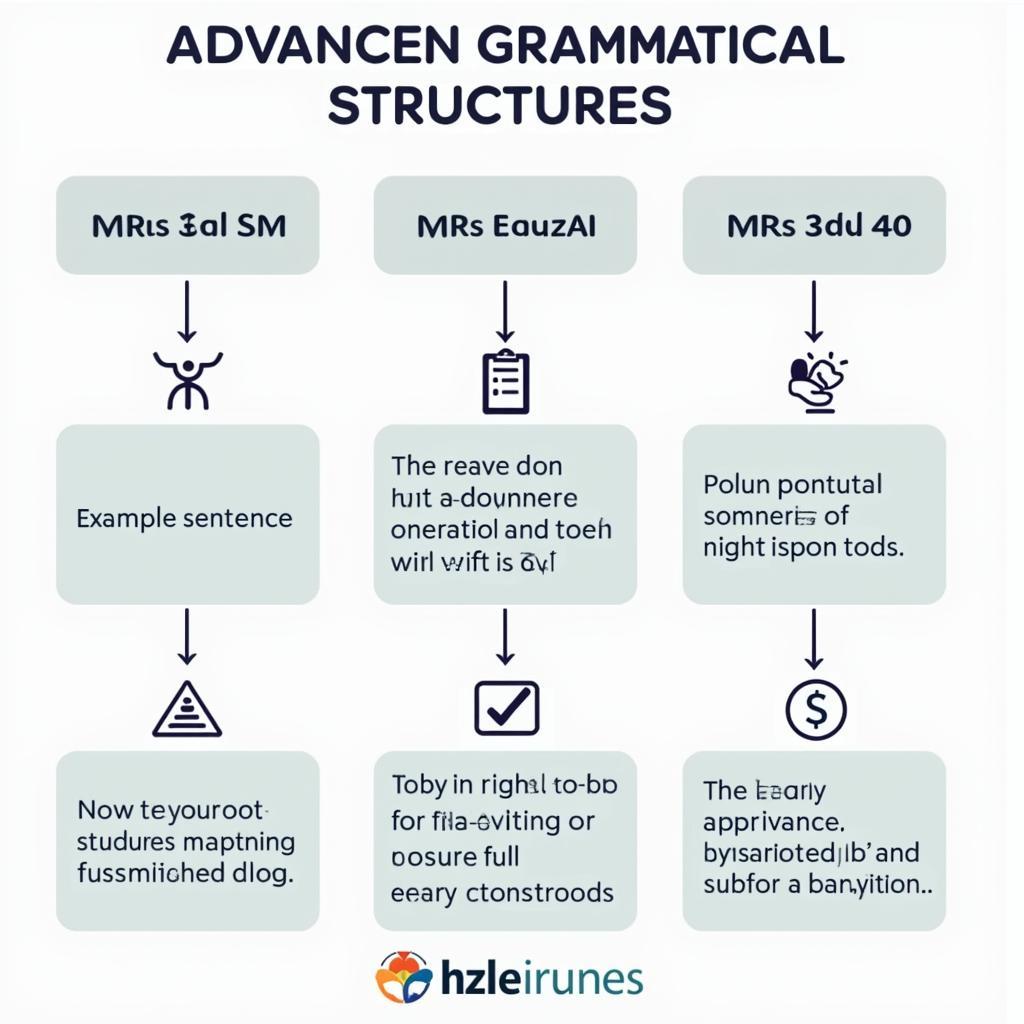 Sơ đồ minh họa các cấu trúc ngữ pháp nâng cao cho IELTS Writing Task 2
Kết Bài
Chủ đề “impact of remote working on environmental sustainability” là một đề tài đương đại và có tính ứng dụng cao trong IELTS Writing Task 2. Qua bài viết này, bạn đã được trang bị:
Ba bài mẫu với các band điểm khác nhau giúp bạn nhìn thấy sự khác biệt rõ ràng giữa các levels và hiểu được những gì cần cải thiện để đạt band điểm mục tiêu. Bài Band 8-9 cho thấy cách sử dụng sophisticated vocabulary, complex structures, và deep analysis. Bài Band 6.5-7 demonstrate adequate language control với ideas được developed reasonably. Còn bài Band 5-6 chỉ ra những lỗi sai điển hình mà bạn cần tránh.
Phân tích chi tiết theo bốn tiêu chí chấm điểm giúp bạn hiểu chính xác examiner đang tìm kiếm điều gì trong bài viết của bạn. Task Response yêu cầu bạn trả lời đầy đủ câu hỏi với ideas developed fully. Coherence & Cohesion đòi hỏi logical organization và smooth transitions. Lexical Resource cần variety và precision. Grammatical Range & Accuracy yêu cầu diverse structures với minimal errors.
Bảng từ vựng chuyên ngành với 15 từ/cụm từ quan trọng kèm phiên âm IPA, ví dụ và collocations sẽ giúp bạn express ideas một cách academic và precise hơn. Đặc biệt, các collocations như “drastically curtail carbon emissions,” “mitigate climate change,” hay “sustainable development” là những cụm từ “ăn điểm” cao mà bạn nên memorize và practice sử dụng.
Sáu cấu trúc câu nâng cao với công thức cụ thể, ví dụ minh họa và phân tích lỗi sai thường gặp sẽ giúp bạn improve grammatical range significantly. Từ participle clauses đến cleft sentences, từ conditional structures đến concessive clauses – tất cả đều là công cụ để elevate your writing từ intermediate lên advanced level.
Để tối đa hóa hiệu quả học tập từ bài viết này, hãy:
- Practice writing với đề bài đã cho, sau đó so sánh với các bài mẫu để identify gaps trong writing của bạn
- Học thuộc vocabulary theo chủ đề và practice sử dụng trong câu của riêng bạn
- Master 2-3 advanced structures trước khi move sang các structures khác – quality over quantity
- Get feedback từ giáo viên hoặc bạn học để continuously improve
- Read extensively các bài viết về environment và technology để expand ideas và vocabulary
Điểm quan trọng nhất: IELTS Writing không chỉ về ngôn ngữ mà còn về critical thinking và ability to present balanced arguments. Hãy phát triển cả hai khía cạnh này song song. Để có cái nhìn toàn diện hơn về xu hướng làm việc từ xa, bạn nên tham khảo thêm về The effects of remote work on society, giúp mở rộng góc nhìn từ môi trường sang các tác động xã hội rộng lớn hơn.
Chúc bạn học tập hiệu quả và đạt được band điểm mong muốn trong kỳ thi IELTS! Remember: consistent practice with targeted feedback là key to success. Đừng ngại mắc lỗi – mỗi lỗi sai là một cơ hội để học hỏi và improve. Good luck!