
Chủ đề năng lượng tái tạo và tác động của nó đến các ngành công nghiệp nhiên liệu hóa thạch là một trong những chủ đề xuất hiện thường xuyên trong kỳ thi IELTS Reading. Với sự chuyển dịch năng lượng toàn cầu đang diễn ra mạnh mẽ, các bài đọc liên quan đến năng lượng sạch, tác động môi trường và sự thay đổi trong cấu trúc kinh tế năng lượng thế giới ngày càng phổ biến trong các đề thi Cambridge IELTS gần đây.
Bài viết này cung cấp một bộ đề thi IELTS Reading hoàn chỉnh với 3 passages từ dễ đến khó, mô phỏng chính xác cấu trúc và độ khó của bài thi thực tế. Bạn sẽ được luyện tập với đa dạng các dạng câu hỏi phổ biến nhất trong IELTS, từ True/False/Not Given, Multiple Choice đến Matching Headings và Summary Completion. Mỗi passage được thiết kế tỉ mỉ với từ vựng và cấu trúc ngữ pháp được làm nổi bật, kèm theo đáp án chi tiết và giải thích cặn kẽ giúp bạn hiểu rõ phương pháp làm bài.
Đề thi này phù hợp với học viên có trình độ từ band 5.0 trở lên, giúp bạn làm quen với áp lực thời gian, rèn luyện kỹ năng skimming và scanning, cũng như nâng cao vốn từ vựng học thuật quan trọng về chủ đề năng lượng và kinh tế. Hãy chuẩn bị đồng hồ bấm giờ và bắt đầu bài thi của bạn!
Hướng dẫn làm bài IELTS Reading
Tổng Quan Về IELTS Reading Test
IELTS Reading Test kéo dài trong 60 phút với 3 passages và tổng cộng 40 câu hỏi. Đây là bài thi đòi hỏi khả năng quản lý thời gian chặt chẽ và kỹ năng đọc hiểu nhanh. Mỗi passage có độ khó tăng dần, từ dễ (Passage 1) đến khó (Passage 3), với các chủ đề đa dạng từ khoa học, xã hội đến công nghệ và môi trường.
Phân bổ thời gian khuyến nghị cho mỗi passage:
- Passage 1: 15-17 phút (độ khó Easy, band 5.0-6.5)
- Passage 2: 18-20 phút (độ khó Medium, band 6.0-7.5)
- Passage 3: 23-25 phút (độ khó Hard, band 7.0-9.0)
Lưu ý rằng bạn cần dành khoảng 2-3 phút cuối để chuyển đáp án lên answer sheet. Không có thời gian bổ sung cho việc này, vì vậy việc luyện tập quản lý thời gian là vô cùng quan trọng.
Các Dạng Câu Hỏi Trong Đề Này
Đề thi mẫu này bao gồm các dạng câu hỏi phổ biến nhất trong IELTS Reading:
- True/False/Not Given: Xác định xem thông tin trong câu có đúng, sai hay không được đề cập trong bài
- Multiple Choice: Chọn đáp án đúng từ các phương án cho sẵn
- Matching Headings: Nối tiêu đề phù hợp với mỗi đoạn văn
- Summary Completion: Điền từ vào chỗ trống để hoàn thành đoạn tóm tắt
- Matching Information: Xác định đoạn văn chứa thông tin được đưa ra
- Short-answer Questions: Trả lời câu hỏi bằng từ/cụm từ ngắn từ bài đọc
Mỗi dạng câu hỏi yêu cầu kỹ năng và chiến lược riêng, vì vậy việc làm quen với tất cả các dạng này là điều cần thiết để đạt band điểm cao.
IELTS Reading Practice Test
PASSAGE 1 – The Dawn of Clean Energy Revolution
Độ khó: Easy (Band 5.0-6.5)
Thời gian đề xuất: 15-17 phút
Over the past two decades, the world has witnessed a remarkable transformation in its energy landscape. Renewable energy sources such as solar, wind, and hydroelectric power have moved from the fringes of the energy sector to become mainstream alternatives to traditional fossil fuels. This shift represents not merely a technological change but a fundamental restructuring of how societies produce and consume energy.
The driving forces behind this renewable energy revolution are multifaceted. First and foremost, growing concerns about climate change have pushed governments and organizations worldwide to seek cleaner alternatives to coal, oil, and natural gas. The burning of fossil fuels releases greenhouse gases into the atmosphere, contributing significantly to global warming. In contrast, renewable energy sources produce little to no carbon emissions during operation, making them environmentally sustainable options for power generation.
Economic factors have also played a crucial role in accelerating the adoption of renewable energy. The cost of solar panels and wind turbines has plummeted dramatically over the last decade. For instance, the price of solar photovoltaic modules has decreased by approximately 90% since 2010, making solar energy economically competitive with fossil fuel-based electricity in many regions. This cost reduction has been achieved through technological innovations, economies of scale, and improvements in manufacturing efficiency.
Government policies and international agreements have provided additional momentum to the renewable energy sector. The Paris Agreement of 2015, signed by 196 countries, committed nations to limiting global temperature increases and reducing carbon footprints. To meet these targets, many countries have introduced subsidies, tax incentives, and renewable energy mandates that favor clean energy development. China, the European Union, and the United States have emerged as leaders in renewable energy investment, collectively accounting for over 70% of global clean energy spending.
The impact of this renewable energy expansion on traditional fossil fuel industries has been profound and disruptive. Coal, once the dominant source of electricity generation worldwide, has experienced a steady decline in many developed nations. In the United Kingdom, for example, coal’s share of electricity generation fell from 40% in 2012 to less than 2% by 2020. Similar trends have been observed in Germany, Spain, and other European countries. This dramatic shift has forced coal mining companies to close operations, resulting in job losses and economic challenges for communities that have historically depended on the coal industry.
The oil and gas sectors, while more resilient than coal, have also felt the pressure from renewable energy growth. The rise of electric vehicles poses a long-term threat to oil demand, as transportation accounts for a significant portion of global oil consumption. Major oil companies have responded by diversifying their portfolios, investing in renewable energy projects, and rebranding themselves as “energy companies” rather than purely oil and gas producers. BP, Shell, and Total have all announced ambitious targets to increase their renewable energy capacity and reduce their carbon intensity.
However, the transition from fossil fuels to renewable energy is not without challenges. Intermittency remains a significant issue for solar and wind power, as these sources depend on weather conditions and time of day. This variability requires backup power systems or energy storage solutions, such as batteries, to ensure a reliable electricity supply. The development of grid infrastructure to accommodate distributed renewable generation also requires substantial investment. Moreover, regions heavily dependent on fossil fuel industries face economic dislocation as traditional energy jobs disappear, necessitating retraining programs and economic diversification strategies.
Despite these obstacles, the momentum behind renewable energy appears irreversible. International organizations like the International Energy Agency project that renewables will account for nearly 95% of the increase in global power capacity through 2026. This growth trajectory suggests that the fossil fuel era is gradually drawing to a close, though the complete transition may take several more decades. The renewable energy revolution represents not just an environmental necessity but an economic opportunity, creating new industries, jobs, and technological innovations that will shape the 21st century energy landscape.
 Năng lượng tái tạo từ gió và mặt trời đang dần thay thế nhiên liệu hóa thạch trong sản xuất điện toàn cầu
Questions 1-13
Questions 1-5
Do the following statements agree with the information given in Passage 1?
Write:
- TRUE if the statement agrees with the information
- FALSE if the statement contradicts the information
- NOT GIVEN if there is no information on this
- Renewable energy sources have become common alternatives to fossil fuels over the last twenty years.
- The primary reason for adopting renewable energy is to reduce production costs.
- Solar panel prices have fallen by about 90% since 2010.
- The Paris Agreement was signed by exactly 200 countries.
- Coal’s contribution to UK electricity generation dropped below 2% by 2020.
Questions 6-9
Complete the sentences below.
Choose NO MORE THAN TWO WORDS from the passage for each answer.
- Renewable energy sources produce very little __ during their operation compared to fossil fuels.
- The decrease in solar technology costs has been achieved through improvements in __, among other factors.
- The rise of __ represents a significant long-term challenge to oil demand.
- Solar and wind power face the challenge of __, meaning their output varies with weather and time.
Questions 10-13
Choose the correct letter, A, B, C, or D.
-
According to the passage, which region accounts for the majority of global clean energy investment?
- A) Southeast Asia
- B) China, EU, and USA combined
- C) Middle Eastern countries
- D) Latin America
-
How have major oil companies responded to renewable energy growth?
- A) By opposing renewable energy policies
- B) By focusing exclusively on oil extraction
- C) By diversifying into renewable energy projects
- D) By reducing their operations entirely
-
What does the passage identify as a major challenge for renewable energy?
- A) High operating costs
- B) Lack of government support
- C) Intermittency of power generation
- D) Public opposition
-
According to the International Energy Agency, renewables will account for what percentage of increased global power capacity through 2026?
- A) 75%
- B) 85%
- C) 90%
- D) 95%
PASSAGE 2 – Economic Disruption and Industry Transformation
Độ khó: Medium (Band 6.0-7.5)
Thời gian đề xuất: 18-20 phút
The ascendancy of renewable energy has triggered a seismic shift in the global energy economy, fundamentally reshaping market dynamics and challenging the hegemony of fossil fuel corporations that have dominated the sector for over a century. This transition, while environmentally imperative, has created complex economic ramifications that extend far beyond the energy sector itself, affecting geopolitical relationships, financial markets, and regional economies worldwide.
The financial implications of the renewable energy transition are particularly striking. Traditional energy companies have experienced substantial depreciation in their asset valuations, a phenomenon economists term “stranded assets.” These are fossil fuel reserves and infrastructure—such as coal mines, oil wells, and gas pipelines—that may become economically unviable before the end of their expected operational lifespan due to changes in market conditions, regulatory frameworks, or technological disruption. Research by Carbon Tracker Initiative estimates that up to $1 trillion worth of fossil fuel assets could be stranded by 2030 if climate policies align with the Paris Agreement targets. This looming devaluation has prompted institutional investors, including pension funds and sovereign wealth funds, to divest from fossil fuel companies and reallocate capital toward renewable energy ventures.
The employment landscape within the energy sector has undergone dramatic transformation. While coal mining and oil extraction jobs have dwindled, the renewable energy industry has emerged as a substantial job creator. According to the International Renewable Energy Agency (IRENA), the renewable energy sector employed approximately 12 million people globally in 2020, a figure that has been growing at an annual rate of 5-6%. Solar photovoltaic installation, in particular, has become one of the fastest-growing occupations in several developed economies. However, this job creation does not always geographically align with job losses in traditional energy sectors, creating regional disparities and transitional challenges for workers in fossil fuel industries who may lack the skills or mobility to secure employment in the emerging green economy.
The geopolitical landscape is being reconfigured as the balance of energy trade shifts from fossil fuels to renewables. Countries that have historically wielded considerable influence through their oil and gas reserves—such as Saudi Arabia, Russia, and Venezuela—face the prospect of diminished strategic importance as global energy systems become less dependent on hydrocarbon imports. Conversely, nations rich in renewable energy potential or those possessing critical minerals essential for clean energy technologies (such as lithium, cobalt, and rare earth elements) are positioned to gain enhanced geopolitical leverage. China’s dominance in rare earth production and its leadership in solar panel manufacturing exemplify this emerging power dynamic.
From a macroeconomic perspective, the renewable energy transition has catalyzed innovation across multiple sectors. The development of energy storage technologies, particularly lithium-ion batteries and emerging alternatives like solid-state batteries and flow batteries, has seen exponential investment growth. This innovation extends beyond energy storage to encompass smart grid technologies, demand-response systems, and artificial intelligence applications for energy management. These technological advances have spillover effects, driving progress in electric vehicles, industrial processes, and building efficiency—sectors that collectively represent substantial portions of global energy consumption.
The financial sector has responded to this transition by developing new investment instruments and risk assessment frameworks. Green bonds, which raise capital specifically for climate-positive projects, have experienced explosive growth, with global issuance reaching approximately $270 billion in 2020. ESG investing (Environmental, Social, and Governance) has moved from a niche strategy to a mainstream approach, with major asset managers like BlackRock and Vanguard incorporating climate risk into their investment decisions. Insurance companies, meanwhile, have begun to reassess their exposure to both the physical risks of climate change and the transition risks associated with fossil fuel assets, adjusting their underwriting practices accordingly.
However, the path to a renewable-dominated energy system is fraught with structural impediments. The fossil fuel industry maintains considerable political influence, particularly in regions where it represents a significant portion of economic output and government revenue. In many developing nations, fossil fuels remain the most economically accessible option for expanding electricity access and supporting industrial development. Additionally, the existing infrastructure for fossil fuel extraction, transportation, and combustion represents trillions of dollars in sunk costs that create institutional inertia against rapid transition.
The concept of a “just transition“—ensuring that the shift to renewable energy does not disproportionately burden workers and communities dependent on fossil fuel industries—has become central to policy discourse. This framework advocates for comprehensive support measures, including retraining programs, economic diversification initiatives, and social safety nets for affected workers and regions. Germany’s coal phase-out plan, which includes €40 billion in support for affected regions over 20 years, represents one of the most ambitious implementations of just transition principles.
Looking ahead, analysts project that the relationship between renewable energy and fossil fuels will continue to evolve dynamically. While renewables are expected to capture an increasingly dominant market share, fossil fuels—particularly natural gas, often characterized as a “bridge fuel“—will likely maintain a residual role in the global energy mix for decades to come. The ultimate pace and extent of this transformation will depend on technological breakthroughs, policy commitments, and society’s collective willingness to prioritize long-term sustainability over short-term economic convenience.
Questions 14-26
Questions 14-18
Complete the summary below.
Choose NO MORE THAN TWO WORDS from the passage for each answer.
The rise of renewable energy has created significant economic challenges for traditional energy companies. Their assets face substantial 14)__ in value, a problem known as 15)__. Major investors, including pension funds, have begun to 16)__ from fossil fuel companies and move their money into renewable energy projects. This shift has been influenced by research suggesting that up to 17)__ worth of fossil fuel assets could become worthless by 2030. The financial sector has responded by creating new investment products such as **18)__, which fund environmentally positive projects.
Questions 19-22
Which paragraph contains the following information?
Write the correct letter, A-H.
NB: You may use any letter more than once.
- Information about countries gaining strategic advantages through renewable resources
- Details about the insurance industry’s response to climate change
- Statistics about employment in the renewable energy sector
- An example of a country implementing support measures for affected communities
Questions 23-26
Do the following statements agree with the claims of the writer in Passage 2?
Write:
- YES if the statement agrees with the claims of the writer
- NO if the statement contradicts the claims of the writer
- NOT GIVEN if it is impossible to say what the writer thinks about this
- Job creation in renewable energy always occurs in the same regions where fossil fuel jobs are lost.
- China has established a leading position in rare earth production and solar panel manufacturing.
- Natural gas is likely to disappear completely from the energy mix within the next decade.
- The speed of the energy transition depends partly on technological innovations and policy decisions.
PASSAGE 3 – Systemic Transformation and Future Trajectories
Độ khó: Hard (Band 7.0-9.0)
Thời gian đề xuất: 23-25 phút
The paradigmatic shift from fossil fuel-based energy systems to renewable alternatives constitutes one of the most profound structural transformations in modern economic history, comparable in scope and consequence to previous industrial revolutions. This transition transcends mere technological substitution; it represents a fundamental reconceptualization of energy systems, moving from centralized, extractive models toward distributed, regenerative paradigms that challenge entrenched institutional frameworks, regulatory architectures, and societal assumptions about energy production and consumption. The multifaceted implications of this transformation extend across temporal scales, from immediate market disruptions to long-term civilizational trajectories, and across spatial dimensions, from localized community impacts to planetary-scale environmental consequences.
The theoretical frameworks employed to analyze this transition draw upon diverse disciplinary perspectives. Evolutionary economics offers insights into how path dependencies and technological lock-ins perpetuate fossil fuel dominance despite the emergence of superior alternatives. The concept of creative destruction, articulated by economist Joseph Schumpeter, aptly describes the simultaneous processes of industrial decline in traditional energy sectors and vigorous expansion in renewable industries. Meanwhile, sociotechnical transitions theory emphasizes that energy systems are not purely technical constructs but are embedded in complex networks of infrastructure, institutions, cultural practices, and political economy. This holistic perspective reveals why energy transitions are inherently protracted processes, typically unfolding over multiple decades despite the availability of technically viable alternatives.
The differential impacts of renewable energy expansion on various fossil fuel subsectors merit granular examination. Coal has proven most vulnerable to renewable competition, particularly in electricity generation where solar and wind directly compete on merit order dispatch in liberalized electricity markets. The marginal cost of renewable electricity approaches zero once infrastructure is established, providing an insurmountable competitive advantage over coal-fired generation, which incurs ongoing fuel costs. This economic reality has precipitated accelerated coal retirements across OECD countries, with the International Energy Agency projecting that coal-fired capacity in advanced economies will decline by more than 50% by 2030 relative to 2020 levels.
Oil presents a more nuanced picture, its fate intricately linked to transportation sector dynamics. While electric vehicles have achieved technological maturity and cost competitiveness in certain market segments, the complete electrification of transportation faces substantial obstacles, particularly in aviation, maritime shipping, and long-haul trucking, where energy density requirements and payload constraints favor liquid hydrocarbon fuels. Consequently, scenarios developed by organizations such as the Energy Transitions Commission suggest that oil demand may peak within the current decade but will likely maintain a substantial absolute volume through mid-century, albeit at levels significantly below business-as-usual projections. This protracted decline trajectory provides oil companies with an extended, albeit shrinking, time horizon for adapting their business models.
Natural gas occupies an ambiguous position in the energy transition, simultaneously characterized as a “bridge fuel” facilitating the shift from coal and as a potential obstacle to full decarbonization. Gas-fired generation offers load-following capabilities that complement intermittent renewables, and natural gas produces approximately 40-50% less CO₂ per unit of electricity than coal. However, concerns regarding methane leakage throughout the gas supply chain—methane being a potent greenhouse gas with a global warming potential exceeding 80 times that of CO₂ over a 20-year timeframe—complicate its environmental credentials. Furthermore, investments in gas infrastructure risk creating stranded assets as renewable energy combined with battery storage or green hydrogen becomes increasingly cost-competitive for providing grid flexibility.
The financial architecture supporting the energy transition has evolved with remarkable rapidity, developing sophisticated mechanisms for capital allocation and risk pricing. The Task Force on Climate-related Financial Disclosures (TCFD), established in 2015, has promulgated standardized frameworks for companies to report climate-related risks, enabling investors to make more informed decisions regarding carbon exposure. Scenario analysis methodologies, incorporating projections of future climate policies, technological developments, and physical climate impacts, have become integral to investment due diligence. This enhanced transparency has accelerated the repricing of fossil fuel assets and the flow of capital toward renewable energy ventures. Bloomberg New Energy Finance reports that global investment in renewable energy capacity consistently exceeds $300 billion annually, surpassing investment in fossil fuel generation capacity by a factor of three to four.
The governance dimensions of the energy transition involve complex negotiations among multiple stakeholders with divergent interests. National governments must balance emission reduction commitments with energy security imperatives, economic competitiveness concerns, and domestic political pressures. International climate negotiations, exemplified by the Conference of the Parties (COP) meetings under the United Nations Framework Convention on Climate Change, struggle with collective action problems inherent in addressing global public goods. The voluntary nature of the Paris Agreement, while facilitating broad participation, limits its capacity to enforce ambitious emissions reductions. Regional variations in renewable resource endowments, technological capabilities, and developmental priorities further complicate the formulation of equitable and effective international frameworks.
The concept of energy democracy has emerged as a normative framework for ensuring that the transition to renewable energy advances social equity alongside environmental sustainability. This perspective emphasizes community ownership of renewable energy projects, participatory decision-making processes, and equitable distribution of the transition’s economic benefits and burdens. Critics of conventional renewable energy deployment argue that corporate-dominated approaches risk replicating the centralized power structures characteristic of fossil fuel systems, albeit with different technologies. The proliferation of community solar programs, energy cooperatives, and municipally-owned renewable utilities represents grassroots efforts to instantiate more democratized energy systems.
Looking toward the long-term horizon, the complete displacement of fossil fuels would mark a civilizational milestone of profound significance. For the first time since the Industrial Revolution, humanity would derive its energy primarily from flows (solar radiation, wind currents, water movement) rather than stocks (accumulated organic matter transformed over geological timescales). This shift carries philosophical implications regarding humanity’s relationship with natural systems and temporal scales of resource utilization. The renewable energy transition also intersects with other transformative trends, including digitalization, decentralization of economic activity, and circular economy principles, potentially contributing to a broader systemic shift toward more sustainable and resilient societal structures. However, realizing this optimistic trajectory requires surmounting formidable obstacles, including political resistance, technological limitations, and the enormous scale and urgency of the transformation demanded by climate science. The ultimate outcome remains contingent on choices yet to be made and technologies yet to be developed, rendering the energy transition one of the most consequential and uncertain processes of our era.
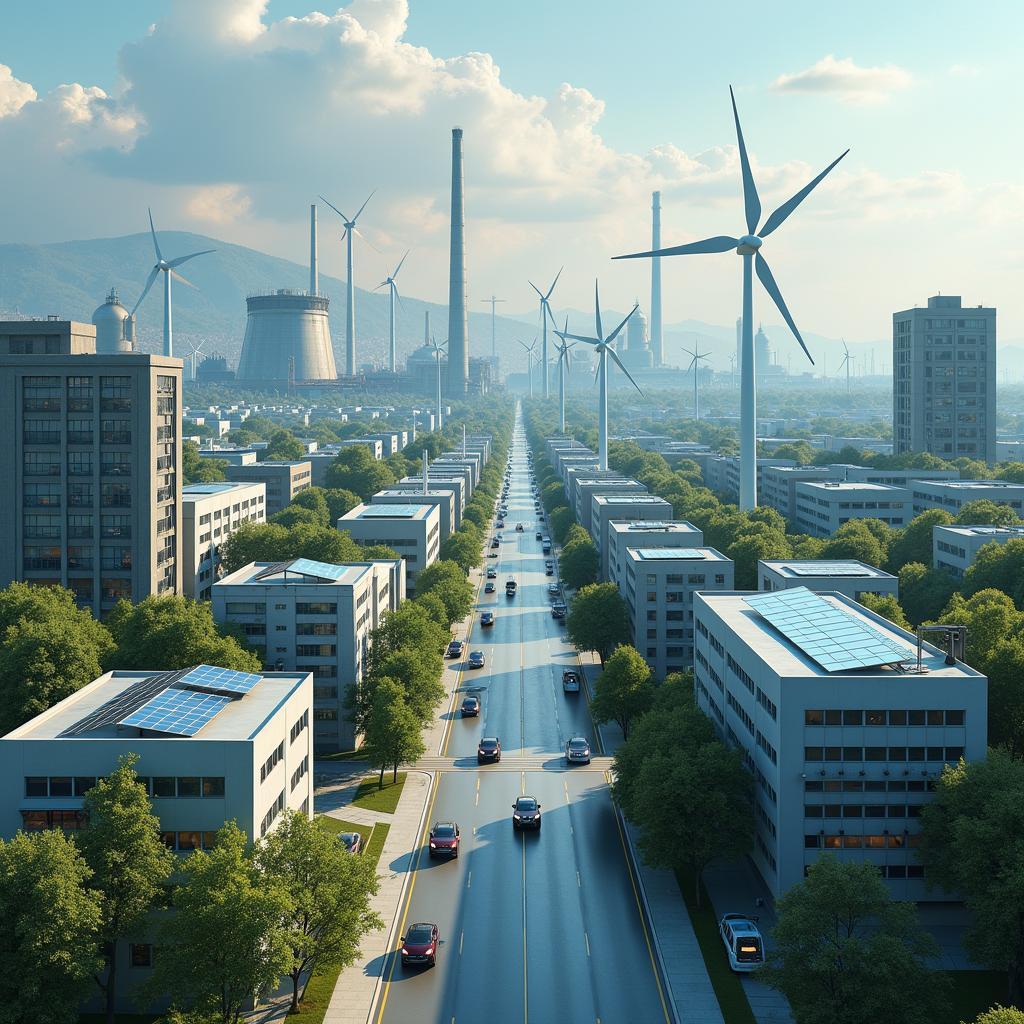 Hệ thống năng lượng tái tạo phân tán và thông minh trong tương lai thay thế mô hình tập trung nhiên liệu hóa thạch
Questions 27-40
Questions 27-31
Choose the correct letter, A, B, C, or D.
-
According to the passage, the transition to renewable energy is best understood as:
- A) A simple replacement of one technology with another
- B) A fundamental restructuring of energy systems and societal frameworks
- C) A temporary phase before returning to fossil fuels
- D) An exclusively environmental phenomenon
-
Which economic theory does the author mention to explain the simultaneous decline of fossil fuels and growth of renewables?
- A) Supply and demand theory
- B) Keynesian economics
- C) Creative destruction
- D) Rational choice theory
-
Why is coal particularly vulnerable to renewable energy competition?
- A) Coal reserves are depleting rapidly
- B) Renewable electricity has near-zero marginal costs
- C) Coal mining is becoming too dangerous
- D) Government regulations exclusively target coal
-
What does the passage suggest about natural gas’s role in the energy transition?
- A) It will be eliminated immediately
- B) It plays an ambiguous role as both facilitator and potential obstacle
- C) It is the best alternative to coal with no drawbacks
- D) It will completely replace coal and oil
-
According to the passage, the Task Force on Climate-related Financial Disclosures (TCFD) has:
- A) Banned investment in fossil fuel companies
- B) Provided standardized frameworks for reporting climate risks
- C) Reduced total investment in energy projects
- D) Eliminated all financial risks in renewable energy
Questions 32-36
Complete each sentence with the correct ending, A-H, below.
- Evolutionary economics examines how __
- Sociotechnical transitions theory suggests that energy systems __
- The Energy Transitions Commission scenarios indicate that oil demand __
- The concept of energy democracy emphasizes __
- The complete displacement of fossil fuels would represent __
A) may peak this decade but continue at substantial volumes through mid-century
B) are embedded in complex networks of infrastructure, institutions, and cultural practices
C) a civilizational shift from using energy stocks to energy flows
D) path dependencies perpetuate fossil fuel dominance
E) will disappear completely within five years
F) community ownership and participatory decision-making in renewable projects
G) should be controlled entirely by large corporations
H) exclusively technical systems without social dimensions
Questions 37-40
Answer the questions below.
Choose NO MORE THAN THREE WORDS from the passage for each answer.
- What type of electricity markets allow renewable energy to compete directly with coal based on marginal cost?
- What is the global warming potential timeframe mentioned for comparing methane to CO₂?
- According to Bloomberg New Energy Finance, annual global investment in renewable energy consistently exceeds what amount?
- What type of programs and utilities represent grassroots efforts to create more democratized energy systems?
Answer Keys – Đáp Án
PASSAGE 1: Questions 1-13
- TRUE
- FALSE
- TRUE
- FALSE
- TRUE
- carbon emissions
- manufacturing efficiency
- electric vehicles
- intermittency
- B
- C
- C
- D
PASSAGE 2: Questions 14-26
- depreciation
- stranded assets
- divest
- $1 trillion / one trillion dollars
- green bonds
- D (Paragraph 4)
- F (Paragraph 6)
- C (Paragraph 3)
- H (Paragraph 8)
- NO
- YES
- NO
- YES
PASSAGE 3: Questions 27-40
- B
- C
- B
- B
- B
- D
- B
- A
- F
- C
- liberalized electricity markets
- 20-year timeframe / 20 years
- $300 billion / 300 billion dollars
- community solar programs / energy cooperatives / municipally-owned renewable utilities (any one acceptable)
Giải Thích Đáp Án Chi Tiết
Passage 1 – Giải Thích
Câu 1: TRUE
- Dạng câu hỏi: True/False/Not Given
- Từ khóa: renewable energy sources, become common alternatives, twenty years
- Vị trí trong bài: Đoạn 1, câu đầu tiên
- Giải thích: Bài đọc nói rõ “Over the past two decades, the world has witnessed a remarkable transformation” và “renewable energy sources…have moved from the fringes of the energy sector to become mainstream alternatives.” Từ “mainstream alternatives” được paraphrase thành “common alternatives”, và “two decades” tương đương “twenty years”.
Câu 2: FALSE
- Dạng câu hỏi: True/False/Not Given
- Từ khóa: primary reason, reduce production costs
- Vị trí trong bài: Đoạn 2, câu đầu tiên
- Giải thích: Bài viết nói “First and foremost, growing concerns about climate change have pushed governments and organizations worldwide to seek cleaner alternatives.” Lý do chính là lo ngại về biến đổi khí hậu (climate change), không phải giảm chi phí sản xuất (reduce production costs). Mặc dù đoạn 3 có đề cập đến yếu tố kinh tế, nhưng đó không phải là “primary reason”.
Câu 3: TRUE
- Dạng câu hỏi: True/False/Not Given
- Từ khóa: solar panel prices, fallen 90%, since 2010
- Vị trí trong bài: Đoạn 3
- Giải thích: Bài viết nói rõ “the price of solar photovoltaic modules has decreased by approximately 90% since 2010.” Thông tin khớp hoàn toàn với câu hỏi.
Câu 4: FALSE
- Dạng câu hỏi: True/False/Not Given
- Từ khóa: Paris Agreement, exactly 200 countries
- Vị trí trong bài: Đoạn 4
- Giải thích: Bài đọc nói “The Paris Agreement of 2015, signed by 196 countries”, không phải 200 quốc gia như câu hỏi nêu.
Câu 5: TRUE
- Dạng câu hỏi: True/False/Not Given
- Từ khóa: coal’s contribution, UK, below 2%, 2020
- Vị trí trong bài: Đoạn 5
- Giải thích: Câu trong bài: “In the United Kingdom, for example, coal’s share of electricity generation fell from 40% in 2012 to less than 2% by 2020.” Thông tin khớp chính xác.
Câu 6: carbon emissions
- Dạng câu hỏi: Sentence Completion
- Từ khóa: produce very little, during operation, compared to fossil fuels
- Vị trí trong bài: Đoạn 2
- Giải thích: “renewable energy sources produce little to no carbon emissions during operation, making them environmentally sustainable options.”
Câu 7: manufacturing efficiency
- Dạng câu hỏi: Sentence Completion
- Từ khóa: decrease in solar technology costs, improvements
- Vị trí trong bài: Đoạn 3
- Giải thích: “This cost reduction has been achieved through technological innovations, economies of scale, and improvements in manufacturing efficiency.”
Câu 8: electric vehicles
- Dạng câu hỏi: Sentence Completion
- Từ khóa: rise, long-term challenge, oil demand
- Vị trí trong bài: Đoạn 6
- Giải thích: “The rise of electric vehicles poses a long-term threat to oil demand.”
Câu 9: intermittency
- Dạng câu hỏi: Sentence Completion
- Từ khóa: solar and wind power, challenge, output varies
- Vị trí trong bài: Đoạn 7
- Giải thích: “Intermittency remains a significant issue for solar and wind power, as these sources depend on weather conditions and time of day.”
Câu 10: B
- Dạng câu hỏi: Multiple Choice
- Vị trí trong bài: Đoạn 4
- Giải thích: “China, the European Union, and the United States have emerged as leaders in renewable energy investment, collectively accounting for over 70% of global clean energy spending.” Ba khu vực này cùng chiếm hơn 70%, chứng tỏ đây là phần lớn đầu tư toàn cầu.
Câu 11: C
- Dạng câu hỏi: Multiple Choice
- Vị trí trong bài: Đoạn 6
- Giải thích: “Major oil companies have responded by diversifying their portfolios, investing in renewable energy projects, and rebranding themselves as ‘energy companies’.”
Câu 12: C
- Dạng câu hỏi: Multiple Choice
- Vị trí trong bài: Đoạn 7
- Giải thích: “Intermittency remains a significant issue for solar and wind power” – đây được nêu là thách thức chính.
Câu 13: D
- Dạng câu hỏi: Multiple Choice
- Vị trí trong bài: Đoạn 8
- Giải thích: “International organizations like the International Energy Agency project that renewables will account for nearly 95% of the increase in global power capacity through 2026.”
Passage 2 – Giải Thích
Câu 14-18: Summary Completion
Câu 14: depreciation
- Vị trí: Đoạn 2, câu thứ hai
- Giải thích: “Traditional energy companies have experienced substantial depreciation in their asset valuations.”
Câu 15: stranded assets
- Vị trí: Đoạn 2
- Giải thích: “a phenomenon economists term ‘stranded assets.'”
Câu 16: divest
- Vị trí: Đoạn 2
- Giải thích: “institutional investors…to divest from fossil fuel companies and reallocate capital toward renewable energy ventures.”
Câu 17: $1 trillion / one trillion dollars
- Vị trí: Đoạn 2
- Giải thích: “Research by Carbon Tracker Initiative estimates that up to $1 trillion worth of fossil fuel assets could be stranded by 2030.”
Câu 18: green bonds
- Vị trí: Đoạn 6
- Giải thích: “Green bonds, which raise capital specifically for climate-positive projects.”
Câu 19-22: Matching Information
Câu 19: D (Paragraph 4)
- Giải thích: Đoạn 4 nói về “nations rich in renewable energy potential or those possessing critical minerals…are positioned to gain enhanced geopolitical leverage” và “China’s dominance in rare earth production.”
Câu 20: F (Paragraph 6)
- Giải thích: Đoạn 6 đề cập “Insurance companies…have begun to reassess their exposure to both the physical risks of climate change and the transition risks.”
Câu 21: C (Paragraph 3)
- Giải thích: Đoạn 3 cung cấp số liệu “the renewable energy sector employed approximately 12 million people globally in 2020.”
Câu 22: H (Paragraph 8)
- Giải thích: Đoạn 8 đưa ra ví dụ “Germany’s coal phase-out plan, which includes €40 billion in support for affected regions over 20 years.”
Câu 23: NO
- Dạng câu hỏi: Yes/No/Not Given
- Vị trí: Đoạn 3
- Giải thích: Bài viết nói rõ “this job creation does not always geographically align with job losses in traditional energy sectors, creating regional disparities.” Điều này mâu thuẫn trực tiếp với câu hỏi nói rằng việc làm luôn xảy ra ở cùng khu vực.
Câu 24: YES
- Dạng câu hỏi: Yes/No/Not Given
- Vị trí: Đoạn 4
- Giải thích: “China’s dominance in rare earth production and its leadership in solar panel manufacturing exemplify this emerging power dynamic.” Tác giả khẳng định điều này.
Câu 25: NO
- Dạng câu hỏi: Yes/No/Not Given
- Vị trí: Đoạn 9
- Giải thích: “fossil fuels—particularly natural gas, often characterized as a ‘bridge fuel’—will likely maintain a residual role in the global energy mix for decades to come.” Tác giả cho rằng nhiên liệu hóa thạch sẽ còn tồn tại trong nhiều thập kỷ, không biến mất hoàn toàn trong thập kỷ tới.
Câu 26: YES
- Dạng câu hỏi: Yes/No/Not Given
- Vị trí: Đoạn 9
- Giải thích: “The ultimate pace and extent of this transformation will depend on technological breakthroughs, policy commitments…” Tác giả đồng ý rằng tốc độ chuyển đổi phụ thuộc vào công nghệ và chính sách.
Passage 3 – Giải Thích
Câu 27: B
- Dạng câu hỏi: Multiple Choice
- Vị trí: Đoạn 1
- Giải thích: Câu đầu tiên của passage nói “The paradigmatic shift from fossil fuel-based energy systems to renewable alternatives…represents a fundamental reconceptualization of energy systems” và “challenge entrenched institutional frameworks, regulatory architectures, and societal assumptions.” Đây không phải là thay thế công nghệ đơn giản mà là tái cấu trúc cơ bản.
Câu 28: C
- Dạng câu hỏi: Multiple Choice
- Vị trí: Đoạn 2
- Giải thích: “The concept of creative destruction, articulated by economist Joseph Schumpeter, aptly describes the simultaneous processes of industrial decline in traditional energy sectors and vigorous expansion in renewable industries.”
Câu 29: B
- Dạng câu hỏi: Multiple Choice
- Vị trí: Đoạn 3
- Giải thích: “The marginal cost of renewable electricity approaches zero once infrastructure is established, providing an insurmountable competitive advantage over coal-fired generation, which incurs ongoing fuel costs.”
Câu 30: B
- Dạng câu hỏi: Multiple Choice
- Vị trí: Đoạn 5
- Giải thích: “Natural gas occupies an ambiguous position in the energy transition, simultaneously characterized as a ‘bridge fuel’ facilitating the shift from coal and as a potential obstacle to full decarbonization.”
Câu 31: B
- Dạng câu hỏi: Multiple Choice
- Vị trí: Đoạn 6
- Giải thích: “The Task Force on Climate-related Financial Disclosures (TCFD)…has promulgated standardized frameworks for companies to report climate-related risks, enabling investors to make more informed decisions.”
Câu 32-36: Matching Sentence Endings
Câu 32: D
- Giải thích: “Evolutionary economics offers insights into how path dependencies and technological lock-ins perpetuate fossil fuel dominance.”
Câu 33: B
- Giải thích: “sociotechnical transitions theory emphasizes that energy systems…are embedded in complex networks of infrastructure, institutions, cultural practices, and political economy.”
Câu 34: A
- Giải thích: “scenarios developed by organizations such as the Energy Transitions Commission suggest that oil demand may peak within the current decade but will likely maintain a substantial absolute volume through mid-century.”
Câu 35: F
- Giải thích: “The concept of energy democracy…emphasizes community ownership of renewable energy projects, participatory decision-making processes.”
Câu 36: C
- Giải thích: “the complete displacement of fossil fuels would mark a civilizational milestone…humanity would derive its energy primarily from flows (solar radiation, wind currents, water movement) rather than stocks (accumulated organic matter).”
Câu 37: liberalized electricity markets
- Dạng câu hỏi: Short-answer Question
- Vị trí: Đoạn 3
- Giải thích: “Coal has proven most vulnerable to renewable competition, particularly in electricity generation where solar and wind directly compete on merit order dispatch in liberalized electricity markets.”
Câu 38: 20-year timeframe / 20 years
- Dạng câu hỏi: Short-answer Question
- Vị trí: Đoạn 5
- Giải thích: “methane being a potent greenhouse gas with a global warming potential exceeding 80 times that of CO₂ over a 20-year timeframe.”
Câu 39: $300 billion / 300 billion dollars
- Dạng câu hỏi: Short-answer Question
- Vị trí: Đoạn 6
- Giải thích: “Bloomberg New Energy Finance reports that global investment in renewable energy capacity consistently exceeds $300 billion annually.”
Câu 40: community solar programs / energy cooperatives / municipally-owned renewable utilities
- Dạng câu hỏi: Short-answer Question
- Vị trí: Đoạn 8
- Giải thích: “The proliferation of community solar programs, energy cooperatives, and municipally-owned renewable utilities represents grassroots efforts to instantiate more democratized energy systems.” (Bất kỳ một trong ba đáp án đều được chấp nhận)
Từ Vựng Quan Trọng Theo Passage
Passage 1 – Essential Vocabulary
| Từ vựng | Loại từ | Phiên âm | Nghĩa tiếng Việt | Ví dụ từ bài | Collocation |
|---|---|---|---|---|---|
| remarkable transformation | n | /rɪˈmɑːkəbl trænsfəˈmeɪʃn/ | sự chuyển đổi đáng chú ý | The world has witnessed a remarkable transformation in its energy landscape | undergo/witness a remarkable transformation |
| mainstream alternatives | n | /ˈmeɪnstriːm ɔːlˈtɜːnətɪvz/ | các phương án chính thống | Renewable energy sources have become mainstream alternatives | become/emerge as mainstream alternatives |
| fossil fuels | n | /ˈfɒsl fjuːəlz/ | nhiên liệu hóa thạch | Traditional fossil fuels like coal and oil | burn/consume fossil fuels |
| greenhouse gases | n | /ˈɡriːnhaʊs ˈɡæsɪz/ | khí nhà kính | The burning of fossil fuels releases greenhouse gases | emit/release greenhouse gases |
| carbon emissions | n | /ˈkɑːbən ɪˈmɪʃnz/ | khí thải carbon | Renewable energy produces little to no carbon emissions | reduce/cut carbon emissions |
| plummeted dramatically | v | /ˈplʌmɪtɪd drəˈmætɪkli/ | giảm mạnh đột ngột | The cost has plummeted dramatically over the last decade | prices/costs plummet dramatically |
| economically competitive | adj | /ˌiːkəˈnɒmɪkli kəmˈpetətɪv/ | cạnh tranh về mặt kinh tế | Solar energy is economically competitive with fossil fuels | become economically competitive |
| renewable energy mandates | n | /rɪˈnjuːəbl ˈenədʒi ˈmændeɪts/ | quy định về năng lượng tái tạo | Countries have introduced renewable energy mandates | implement/enforce renewable energy mandates |
| steady decline | n | /ˈstedi dɪˈklaɪn/ | sự suy giảm đều đặn | Coal has experienced a steady decline | experience/witness a steady decline |
| electric vehicles | n | /ɪˈlektrɪk ˈviːɪklz/ | xe điện | The rise of electric vehicles poses a threat to oil demand | adopt/promote electric vehicles |
| intermittency | n | /ˌɪntəˈmɪtənsi/ | tính gián đoạn | Intermittency remains a significant issue for solar and wind | address/overcome intermittency |
| energy storage solutions | n | /ˈenədʒi ˈstɔːrɪdʒ səˈluːʃnz/ | giải pháp lưu trữ năng lượng | Battery storage solutions ensure reliable electricity supply | develop/implement energy storage solutions |
Passage 2 – Essential Vocabulary
| Từ vựng | Loại từ | Phiên âm | Nghĩa tiếng Việt | Ví dụ từ bài | Collocation |
|---|---|---|---|---|---|
| seismic shift | n | /ˈsaɪzmɪk ʃɪft/ | sự thay đổi mang tính chấn động | The ascendancy of renewable energy has triggered a seismic shift | trigger/cause a seismic shift |
| stranded assets | n | /ˈstrændɪd ˈæsets/ | tài sản bị mắc kẹt | Fossil fuel reserves may become stranded assets | create/leave stranded assets |
| divest | v | /daɪˈvest/ | rút vốn đầu tư | Institutional investors divest from fossil fuel companies | divest from/divest holdings |
| reallocate capital | v | /ˌriːˈæləkeɪt ˈkæpɪtl/ | tái phân bổ vốn | Investors reallocate capital toward renewable energy | reallocate capital to/toward |
| geopolitical leverage | n | /ˌdʒiːəʊpəˈlɪtɪkl ˈliːvərɪdʒ/ | đòn bẩy địa chính trị | Nations are positioned to gain enhanced geopolitical leverage | gain/enhance geopolitical leverage |
| critical minerals | n | /ˈkrɪtɪkl ˈmɪnərəlz/ | khoáng sản quan trọng | Countries possessing critical minerals like lithium and cobalt | extract/possess critical minerals |
| spillover effects | n | /ˈspɪləʊvə ɪˈfekts/ | hiệu ứng lan tỏa | Technological advances have spillover effects in other sectors | create/generate spillover effects |
| green bonds | n | /ɡriːn bɒndz/ | trái phiếu xanh | Green bonds raise capital for climate-positive projects | issue/invest in green bonds |
| ESG investing | n | /ˌiː es ˈdʒiː ɪnˈvestɪŋ/ | đầu tư ESG (môi trường, xã hội, quản trị) | ESG investing has become a mainstream approach | adopt/practice ESG investing |
| structural impediments | n | /ˈstrʌktʃərəl ɪmˈpedɪmənts/ | rào cản cơ cấu | The path faces structural impediments | overcome/address structural impediments |
| just transition | n | /dʒʌst trænˈzɪʃn/ | chuyển đổi công bằng | The concept of just transition has become central to policy | ensure/implement a just transition |
| bridge fuel | n | /brɪdʒ fjuːəl/ | nhiên liệu cầu nối | Natural gas is characterized as a bridge fuel | serve as/act as a bridge fuel |
| sunk costs | n | /sʌŋk kɒsts/ | chi phí đã bỏ ra | Existing infrastructure represents trillions in sunk costs | incur/recover sunk costs |
| institutional inertia | n | /ˌɪnstɪˈtjuːʃənl ɪˈnɜːʃə/ | quán tính thể chế | Sunk costs create institutional inertia against rapid transition | overcome/resist institutional inertia |
Passage 3 – Essential Vocabulary
| Từ vựng | Loại từ | Phiên âm | Nghĩa tiếng Việt | Ví dụ từ bài | Collocation |
|---|---|---|---|---|---|
| paradigmatic shift | n | /ˌpærədɪɡˈmætɪk ʃɪft/ | sự chuyển đổi mô thức | The paradigmatic shift represents a fundamental transformation | undergo/experience a paradigmatic shift |
| entrenched institutional frameworks | n | /ɪnˈtrentʃt ˌɪnstɪˈtjuːʃənl ˈfreɪmwɜːks/ | khung thể chế ăn sâu | The transition challenges entrenched institutional frameworks | challenge/disrupt entrenched frameworks |
| path dependencies | n | /pɑːθ dɪˈpendənsiz/ | sự phụ thuộc lộ trình | Path dependencies perpetuate fossil fuel dominance | create/overcome path dependencies |
| technological lock-ins | n | /ˌteknəˈlɒdʒɪkl ˈlɒk ɪnz/ | sự khóa chặt công nghệ | Technological lock-ins favor existing systems | break/escape technological lock-ins |
| creative destruction | n | /kriˈeɪtɪv dɪˈstrʌkʃn/ | phá hủy sáng tạo | Creative destruction describes industrial decline and expansion | process of creative destruction |
| sociotechnical transitions | n | /ˌsəʊsiəʊˈteknɪkl trænˈzɪʃnz/ | chuyển đổi xã hội-kỹ thuật | Sociotechnical transitions theory emphasizes complex networks | analyze/study sociotechnical transitions |
| merit order dispatch | n | /ˈmerɪt ˈɔːdə dɪˈspætʃ/ | điều độ theo thứ tự ưu tiên | Solar and wind compete on merit order dispatch | operate under merit order dispatch |
| marginal cost | n | /ˈmɑːdʒɪnl kɒst/ | chi phí cận biên | The marginal cost of renewable electricity approaches zero | reduce/minimize marginal cost |
| energy density requirements | n | /ˈenədʒi ˈdensəti rɪˈkwaɪəmənts/ | yêu cầu về mật độ năng lượng | Aviation faces energy density requirements favoring liquid fuels | meet/satisfy energy density requirements |
| methane leakage | n | /ˈmiːθeɪn ˈliːkɪdʒ/ | rò rỉ khí metan | Concerns regarding methane leakage complicate gas credentials | prevent/reduce methane leakage |
| global warming potential | n | /ˈɡləʊbl ˈwɔːmɪŋ pəˈtenʃl/ | tiềm năng nóng lên toàn cầu | Methane has a global warming potential exceeding 80 times CO₂ | measure/compare global warming potential |
| scenario analysis methodologies | n | /səˈnɑːriəʊ əˈnæləsɪs ˌmeθəˈdɒlədʒiz/ | phương pháp phân tích kịch bản | Scenario analysis has become integral to investment decisions | apply/develop scenario analysis methodologies |
| carbon exposure | n | /ˈkɑːbən ɪkˈspəʊʒə/ | mức độ phơi nhiễm carbon | Investors make informed decisions regarding carbon exposure | assess/reduce carbon exposure |
| collective action problems | n | /kəˈlektɪv ˈækʃn ˈprɒbləmz/ | vấn đề hành động tập thể | Climate negotiations struggle with collective action problems | address/overcome collective action problems |
| energy democracy | n | /ˈenədʒi dɪˈmɒkrəsi/ | dân chủ năng lượng | Energy democracy emphasizes community ownership | promote/advance energy democracy |
| distributed energy systems | n | /dɪˈstrɪbjuːtɪd ˈenədʒi ˈsɪstəmz/ | hệ thống năng lượng phân tán | The transition moves toward distributed energy paradigms | develop/implement distributed energy systems |
| circular economy principles | n | /ˈsɜːkjələr ɪˈkɒnəmi ˈprɪnsəplz/ | nguyên tắc kinh tế tuần hoàn | The transition intersects with circular economy principles | apply/adopt circular economy principles |
| contingent | adj | /kənˈtɪndʒənt/ | tùy thuộc, phụ thuộc | The ultimate outcome remains contingent on future choices | be contingent on/upon |
Chiến Lược Làm Bài Hiệu Quả
Quản lý thời gian
Một trong những yếu tố quyết định thành công trong IELTS Reading là khả năng quản lý thời gian hiệu quả. Với 60 phút cho 40 câu hỏi và 3 passages, bạn có trung bình 1.5 phút cho mỗi câu hỏi. Tuy nhiên, thời gian này bao gồm cả việc đọc và hiểu passages, vì vậy bạn cần có chiến lược phân bổ thời gian rõ ràng.
Đối với Passage 1 (độ khó Easy), hãy cố gắng hoàn thành trong 15-17 phút. Đây là passage dễ nhất nên bạn cần tận dụng để tạo đà và xây dựng tự tin. Passage 2 (độ khó Medium) nên được hoàn thành trong 18-20 phút, vì nó có độ phức tạp cao hơn về từ vựng và cấu trúc câu. Passage 3 (độ khó Hard) có thể mất 23-25 phút do tính học thuật cao và yêu cầu suy luận sâu hơn.
Để tìm hiểu thêm về how does renewable energy adoption impact fossil fuel industries, việc hiểu rõ cấu trúc đề thi và chiến lược làm bài sẽ giúp bạn tối ưu hóa thời gian và nâng cao điểm số.
Kỹ thuật Skimming và Scanning
Skimming là kỹ năng đọc lướt để nắm bắt ý chính của bài, trong khi scanning là kỹ năng quét nhanh để tìm thông tin cụ thể. Cả hai kỹ năng này đều vô cùng quan trọng trong IELTS Reading.
Khi bắt đầu mỗi passage, hãy dành 2-3 phút để skim qua toàn bộ bài. Đọc tiêu đề, các heading nếu có, câu đầu tiên của mỗi đoạn, và nhìn qua các từ được in đậm hoặc in nghiêng. Điều này giúp bạn có cái nhìn tổng quan về nội dung, cấu trúc và luồng thông tin của bài đọc.
Sau khi đã hiểu khái quát nội dung, hãy đọc kỹ các câu hỏi trước khi đọc chi tiết passage. Gạch chân các từ khóa trong câu hỏi, sau đó sử dụng kỹ thuật scanning để tìm những từ khóa đó hoặc các từ đồng nghĩa, paraphrase của chúng trong bài đọc. Điều này giúp bạn tiết kiệm thời gian đáng kể so với việc đọc toàn bộ passage một cách tuyến tính.
Xử lý các dạng câu hỏi khó
True/False/Not Given và Yes/No/Not Given thường được coi là những dạng câu hỏi khó nhất trong IELTS Reading. Sự khác biệt giữa False và Not Given, hoặc giữa No và Not Given, đôi khi rất mỏng manh và đòi hỏi kỹ năng phân tích chính xác.
Để làm tốt dạng câu hỏi này, bạn cần hiểu rõ:
- True/Yes: Thông tin trong câu hỏi khớp với thông tin trong bài đọc (có thể được paraphrase)
- False/No: Thông tin trong câu hỏi mâu thuẫn trực tiếp với thông tin trong bài đọc
- Not Given: Thông tin trong câu hỏi không được đề cập đến trong bài đọc, hoặc không đủ thông tin để xác định đúng hay sai
Khi đối diện với dạng câu hỏi này, hãy tìm vị trí chính xác của thông tin trong passage, sau đó so sánh cẩn thận từng chi tiết. Đừng dựa vào kiến thức bên ngoài hoặc suy đoán – chỉ căn cứ vào những gì được viết rõ ràng trong bài.
Paraphrase – Chìa khóa thành công
Một trong những kỹ năng quan trọng nhất trong IELTS Reading là khả năng nhận diện paraphrase. Các câu hỏi trong IELTS hiếm khi sử dụng nguyên văn từ ngữ từ passage; thay vào đó, chúng được diễn đạt lại bằng từ đồng nghĩa hoặc cấu trúc ngữ pháp khác.
Ví dụ, trong bài đọc về how renewable energy innovations are combating climate change, câu trong passage có thể nói “renewable energy sources produce little to no carbon emissions,” trong khi câu hỏi có thể hỏi về “clean energy technologies that generate minimal greenhouse gases.”
Để cải thiện khả năng nhận diện paraphrase, bạn nên:
- Học từ vựng theo nhóm đồng nghĩa (synonyms)
- Luyện tập chuyển đổi giữa các cấu trúc ngữ pháp (active/passive, noun phrases/verb phrases)
- Làm nhiều bài tập để làm quen với các cách paraphrase phổ biến trong IELTS
- Chú ý đến các từ chỉ số lượng, tần suất, và mức độ (many/most/all, sometimes/often/always, etc.)
Lời Khuyên Từ Kinh Nghiệm Giảng Dạy
Xây dựng vốn từ vựng chủ đề
Một trong những lý do khiến học viên gặp khó khăn với IELTS Reading là thiếu vốn từ vựng học thuật. Chủ đề năng lượng tái tạo và tác động của nó đến ngành nhiên liệu hóa thạch là một trong những chủ đề phổ biến, xuất hiện thường xuyên không chỉ trong Reading mà còn trong Writing Task 2.
Khi học từ vựng, đừng chỉ học nghĩa đơn lẻ của từ. Hãy học từ trong ngữ cảnh, kèm theo collocations (các từ thường đi cùng nhau) và ví dụ thực tế. Ví dụ, thay vì chỉ học “renewable energy” nghĩa là “năng lượng tái tạo”, hãy học thêm các cụm như “renewable energy sources,” “renewable energy transition,” “invest in renewable energy,” và “renewable energy capacity.”
Tương tự như chủ đề này, the rise of green energy technologies cũng đòi hỏi vốn từ vựng chuyên ngành phong phú về công nghệ và môi trường.
Luyện tập đều đặn và đa dạng
Thành công trong IELTS Reading không đến từ việc học lý thuyết mà từ việc luyện tập thực hành. Bạn nên cố gắng làm ít nhất 1-2 bài Reading test hoàn chỉnh mỗi tuần, trong điều kiện thi thật (60 phút không gián đoạn, không tra từ điển).
Sau mỗi lần làm bài, hãy dành thời gian để:
- Chấm điểm và xác định câu sai
- Đọc lại passage và tìm hiểu tại sao mình chọn sai
- Phân tích cách paraphrase được sử dụng
- Ghi chú các từ vựng mới và cấu trúc ngữ pháp hay
- Làm lại những câu sai để củng cố hiểu biết
Việc đa dạng hóa nguồn tài liệu luyện tập cũng rất quan trọng. Ngoài các bộ đề Cambridge IELTS chính thức, bạn có thể đọc các bài báo học thuật trên BBC, The Guardian, National Geographic, hoặc Scientific American để làm quen với văn phong học thuật và mở rộng kiến thức nền.
Hiểu rõ tiêu chí chấm điểm
IELTS Reading được chấm điểm dựa trên số câu trả lời đúng, với thang điểm từ 0-9. Mỗi câu đúng được 1 điểm, không bị trừ điểm với câu sai. Điều này có nghĩa là bạn nên cố gắng trả lời tất cả các câu hỏi, ngay cả khi phải đoán, vì không có rủi ro bị trừ điểm.
Để đạt band 6.5-7.0, bạn cần trả lời đúng khoảng 30-32/40 câu. Để đạt band 8.0 trở lên, bạn cần trả lời đúng ít nhất 35/40 câu. Hiểu rõ mục tiêu của mình giúp bạn xác định chiến lược học tập phù hợp.
Đặc biệt, hãy chú ý đến các câu hỏi có hướng dẫn cụ thể về số từ (ví dụ: “NO MORE THAN TWO WORDS”). Nếu câu hỏi yêu cầu không quá hai từ mà bạn viết ba từ, câu trả lời sẽ bị tính sai ngay cả khi nội dung đúng. Đây là một lỗi rất phổ biến nhưng hoàn toàn có thể tránh được nếu đọc kỹ hướng dẫn.
Để hiểu sâu hơn về impact of renewable energy on fossil fuels và các khía cạnh liên quan, việc nắm vững các kỹ năng đọc hiểu và phân tích thông tin là vô cùng cần thiết.
Mẹo Tâm Lý Và Chiến Thuật Thi
Giữ bình tĩnh khi gặp từ khó
Một trong những lo lắng phổ biến nhất của thí sinh IELTS là gặp phải từ vựng không quen thuộc trong bài đọc. Tuy nhiên, bạn cần hiểu rằng IELTS không yêu cầu bạn hiểu 100% từ vựng trong passage. Thậm chí, nhiều câu hỏi có thể được trả lời mà không cần hiểu hết tất cả các từ.
Khi gặp từ khó, hãy thử các chiến lược sau:
- Đoán nghĩa từ ngữ cảnh (context clues)
- Phân tích cấu tạo từ (prefix, suffix, root word)
- Xác định từ loại để hiểu vai trò của từ trong câu
- Bỏ qua nếu từ đó không quan trọng cho câu hỏi bạn đang làm
Hãy nhớ rằng mục tiêu là trả lời đúng câu hỏi, không phải hiểu hết mọi từ trong bài. Đừng để một vài từ khó làm bạn mất tự tin hay lãng phí quá nhiều thời gian.
Đừng để câu trước ảnh hưởng câu sau
Một sai lầm tâm lý phổ biến là để câu hỏi trước ảnh hưởng đến cách làm câu hỏi sau. Nếu bạn không chắc chắn về một câu trả lời, hãy đánh dấu và tiếp tục. Đừng dành quá 2-3 phút cho một câu hỏi. Sau khi hoàn thành tất cả các câu khác, bạn có thể quay lại xem xét lại những câu đã đánh dấu nếu còn thời gian.
Hãy nhớ rằng trong IELTS, mỗi câu hỏi có giá trị như nhau. Dành 5 phút cho một câu khó có nghĩa là bạn có thể bỏ lỡ 3-4 câu dễ khác do không đủ thời gian.
Chuyển đáp án cẩn thận
Nhiều thí sinh mất điểm một cách đáng tiếc vì sai sót khi chuyển đáp án từ question booklet sang answer sheet. Hãy dành 2-3 phút cuối cùng để thực hiện việc này một cách cẩn thận.
Các lỗi phổ biến cần tránh:
- Viết sai chính tả (spelling mistakes)
- Viết quá số từ quy định
- Chuyển nhầm số câu
- Viết chữ không rõ ràng
- Sử dụng bút chì quá mờ hoặc bút mực không được phép
Lời khuyên là chuyển đáp án từng nhóm 5-10 câu thay vì chuyển tất cả cùng lúc ở cuối. Điều này giúp giảm thiểu rủi ro chuyển nhầm và đảm bảo bạn có đủ thời gian.
Tài Nguyên Luyện Tập Bổ Sung
Cambridge IELTS Books
Các bộ sách Cambridge IELTS (từ 1-19) là nguồn tài liệu chính thức và đáng tin cậy nhất cho việc luyện thi. Chúng chứa các đề thi thật đã được sử dụng trong các kỳ thi trước đây, với đáp án chi tiết và audio cho phần Listening.
Bạn nên bắt đầu từ các bộ đề cũ hơn (Cambridge 10-12) để làm quen với format và độ khó, sau đó chuyển sang các bộ đề mới hơn (Cambridge 16-19) khi đã có nền tảng vững chắc. Hãy dành các bộ đề mới nhất để làm bài thi thử (mock test) trong điều kiện như thi thật.
Websites và Apps hữu ích
Ngoài sách giáo trình, có nhiều website và ứng dụng hỗ trợ luyện tập IELTS Reading:
- IELTS Liz (ielts-liz.com): Cung cấp tips, lessons và practice materials miễn phí
- British Council IELTS: Có nhiều bài reading practice với đa dạng chủ đề
- IELTS.org: Website chính thức với thông tin về format và preparation
- Magoosh IELTS, IELTS Prep App: Các ứng dụng di động tiện lợi cho việc luyện tập hàng ngày
Đặc biệt, bạn có thể tìm hiểu thêm về the future of renewable energy in Asia để mở rộng kiến thức về chủ đề năng lượng tái tạo trong bối cảnh khu vực.
Đọc để mở rộng kiến thức
Một cách hiệu quả để cải thiện IELTS Reading là đọc rộng rãi các tài liệu tiếng Anh học thuật. Hãy dành 20-30 phút mỗi ngày để đọc các bài báo về khoa học, công nghệ, môi trường, xã hội từ các nguồn uy tín như:
- BBC Science & Environment
- The Economist
- National Geographic
- Scientific American
- Nature and Science journals (simplified versions)
Việc đọc đều đặn không chỉ giúp bạn làm quen với văn phong học thuật mà còn mở rộng kiến thức nền về nhiều chủ đề, giúp bạn hiểu bài đọc nhanh hơn và chính xác hơn trong kỳ thi thực tế.
Kết luận
Chủ đề tác động của năng lượng tái tạo đến ngành công nghiệp nhiên liệu hóa thạch là một trong những chủ đề quan trọng và thường xuyên xuất hiện trong IELTS Reading. Qua bộ đề thi mẫu này với 3 passages từ dễ đến khó, bạn đã có cơ hội luyện tập với đa dạng các dạng câu hỏi và độ phức tạp ngữ pháp, từ vựng khác nhau.
Passage 1 giới thiệu tổng quan về cuộc cách mạng năng lượng sạch và những tác động ban đầu lên ngành nhiên liệu hóa thạch. Passage 2 đi sâu vào phân tích các tác động kinh tế, việc làm và địa chính trị của sự chuyển đổi này. Cuối cùng, Passage 3 khám phá các khía cạnh lý thuyết, hệ thống và triển vọng dài hạn của quá trình chuyển đổi năng lượng toàn cầu.
Đáp án chi tiết và giải thích kèm theo đã cung cấp cho bạn cái nhìn sâu sắc về cách xác định thông tin, nhận diện paraphrase và áp dụng chiến lược làm bài hiệu quả. Bảng từ vựng theo từng passage giúp bạn xây dựng vốn từ học thuật cần thiết không chỉ cho Reading mà còn cho các phần thi khác.
Hãy nhớ rằng việc làm bài tập chỉ là bước đầu tiên. Quan trọng hơn là bạn cần phân tích kỹ lưỡng những câu sai, hiểu rõ lý do tại sao mình chọn sai, và rút ra bài học cho những lần làm bài sau. Sự tiến bộ trong IELTS Reading đến từ việc luyện tập đều đặn, phản ánh về quá trình làm bài, và không ngừng điều chỉnh chiến lược của mình.
Với sự chuẩn bị bài bản, chiến lược rõ ràng và thái độ tích cực, bạn hoàn toàn có thể đạt được band điểm mục tiêu trong IELTS Reading. Chúc bạn học tốt và thành công trong kỳ thi sắp tới!

