Mở Bài
Chủ đề năng lượng tái tạo và tác động xã hội của nó đang trở thành một trong những chủ đề nóng trong IELTS Reading những năm gần đây. Theo thống kê từ các kỳ thi thực tế, chủ đề liên quan đến năng lượng bền vững, phát triển kinh tế và công bằng xã hội xuất hiện với tần suất ngày càng cao, đặc biệt trong Cambridge IELTS từ quyển 14 trở về sau.
Bài viết này cung cấp cho bạn một đề thi IELTS Reading hoàn chỉnh với ba passages được thiết kế theo đúng chuẩn thi thật, từ mức độ dễ đến khó. Bạn sẽ được luyện tập với đầy đủ các dạng câu hỏi phổ biến như Multiple Choice, True/False/Not Given, Matching Headings, Summary Completion và nhiều dạng khác. Mỗi câu hỏi đều có đáp án chi tiết kèm giải thích cụ thể, giúp bạn hiểu rõ cách paraphrase và xác định thông tin trong bài.
Đề thi này phù hợp cho học viên từ band 5.0 trở lên, với độ khó tăng dần qua từng passage. Ngoài việc luyện tập kỹ năng đọc hiểu, bạn còn được trang bị từ vựng học thuật quan trọng và các chiến lược làm bài hiệu quả. Hãy dành 60 phút để hoàn thành bài test này trong điều kiện giống thi thật để đánh giá chính xác năng lực của mình.
Hướng Dẫn Làm Bài IELTS Reading
Tổng Quan Về IELTS Reading Test
IELTS Reading test kéo dài 60 phút với 3 passages và tổng cộng 40 câu hỏi. Mỗi câu trả lời đúng được 1 điểm, không bị trừ điểm khi sai. Độ khó của các passages tăng dần từ Passage 1 đến Passage 3, với độ dài mỗi bài từ 650-1000 từ.
Phân bổ thời gian khuyến nghị:
- Passage 1: 15-17 phút (câu hỏi 1-13)
- Passage 2: 18-20 phút (câu hỏi 14-26)
- Passage 3: 23-25 phút (câu hỏi 27-40)
Lưu ý quan trọng: Bạn cần tự chuyển đáp án vào Answer Sheet trong thời gian 60 phút, không có thời gian bổ sung. Do đó, hãy quản lý thời gian thật tốt và tránh dành quá nhiều thời gian cho một câu hỏi.
Các Dạng Câu Hỏi Trong Đề Này
Đề thi mẫu này bao gồm 7 dạng câu hỏi phổ biến nhất trong IELTS Reading:
- Multiple Choice: Chọn đáp án đúng nhất từ 3-4 lựa chọn
- True/False/Not Given: Xác định thông tin đúng, sai hay không được nhắc đến
- Matching Headings: Nối tiêu đề phù hợp với từng đoạn văn
- Summary Completion: Điền từ vào chỗ trống trong đoạn tóm tắt
- Matching Features: Nối thông tin với các nguồn/người/địa điểm
- Sentence Completion: Hoàn thành câu với thông tin từ bài đọc
- Short-answer Questions: Trả lời câu hỏi ngắn với số từ giới hạn
IELTS Reading Practice Test
PASSAGE 1 – The Solar Revolution in Rural Communities
Độ khó: Easy (Band 5.0-6.5)
Thời gian đề xuất: 15-17 phút
Access to reliable electricity has long been considered a fundamental prerequisite for economic development. However, for decades, rural communities in developing nations have remained in the dark, both literally and economically. Traditional grid infrastructure requires massive capital investment and often fails to reach remote villages where the population density makes conventional electrification economically unviable. This situation has created a stark divide between urban and rural populations, with the latter experiencing limited opportunities for education, healthcare, and income generation.
The emergence of renewable energy technologies, particularly solar power systems, has begun to transform this landscape dramatically. Unlike traditional power plants that require extensive infrastructure and continuous fuel supply, solar panels can be installed quickly and operate independently in remote locations. The cost of solar photovoltaic panels has decreased by more than 90% over the past decade, making them increasingly affordable for communities that were previously considered too poor to electrify. This technological breakthrough has opened new pathways for poverty alleviation in regions where traditional development approaches have failed.
In Bangladesh, the Infrastructure Development Company Limited (IDCOL) has orchestrated one of the world’s most successful solar home system programmes. Since 2003, more than 6 million households have gained access to electricity through small-scale solar installations. These systems typically include a 20-50 watt solar panel, a battery for energy storage, and LED lights. The programme has been particularly transformative for women, who previously spent hours collecting firewood and suffered from smoke-related health issues. With electric lighting, children can study after dark, and families can engage in income-generating activities during evening hours.
The economic impact extends beyond mere convenience. Research conducted by the World Bank indicates that households with solar electricity in Bangladesh increased their income by an average of 20% within two years of installation. This income boost resulted from several factors: extended working hours for home-based businesses, reduced expenditure on kerosene and candles, and new opportunities for mobile phone charging services. In many villages, enterprising individuals have established small businesses charging neighbours’ phones for a fee, creating a new income stream that didn’t exist before electrification.
Kenya presents another compelling example of how renewable energy can narrow economic gaps. The country has achieved one of the highest rates of solar home system adoption in Africa, with over 30% of off-grid households using solar power. The M-KOPA company has pioneered an innovative pay-as-you-go model that allows customers to purchase solar systems through small daily payments made via mobile money platforms. This approach has made solar energy accessible to families earning less than $2 per day, who previously had no means to afford the upfront cost of a solar installation.
The ripple effects of solar electrification on local economies are substantial. Small shops can now operate refrigerators, allowing them to sell cold drinks and perishable goods, which significantly increases their profit margins. Health clinics in remote areas can refrigerate vaccines, enabling them to provide essential immunization services that were previously impossible. Schools equipped with solar panels can use computers and internet connections, helping to bridge the digital divide between urban and rural education quality. These improvements create a virtuous cycle where better services attract more residents and businesses, further strengthening the local economy.
However, challenges remain in ensuring that renewable energy access truly reduces inequality. Some critics argue that basic solar home systems, while beneficial, provide only minimal electricity insufficient for productive uses like power tools or agricultural equipment. There is concern that without access to higher levels of electricity for manufacturing or processing activities, rural areas may remain trapped in low-value economic activities. Additionally, maintenance and repair of solar systems can be problematic in remote areas lacking trained technicians, potentially leaving communities without power when equipment fails.
Despite these concerns, the evidence suggests that even basic solar access creates significant opportunities for economic advancement. A study of 150 villages across India, Kenya, and the Philippines found that solar electrification led to the creation of an average of 40 new microenterprises per village within three years. These businesses ranged from phone charging stations and barbershops to small-scale food processing operations. The study also found that villages with solar power experienced 15% higher school enrollment rates and 25% better health outcomes compared to similar villages without electricity.
Questions 1-13
Questions 1-5
Do the following statements agree with the information given in Passage 1?
Write:
- TRUE if the statement agrees with the information
- FALSE if the statement contradicts the information
- NOT GIVEN if there is no information on this
- Traditional grid electricity infrastructure is too expensive to extend to sparsely populated rural areas.
- Solar panel prices have fallen by over 90% in the last ten years.
- The IDCOL programme in Bangladesh is the largest solar initiative in the world.
- Women in Bangladesh previously experienced health problems related to cooking smoke.
- All solar home systems in Kenya are purchased through the M-KOPA company.
Questions 6-9
Complete the summary below.
Choose NO MORE THAN TWO WORDS from the passage for each answer.
Solar electricity has brought multiple economic benefits to rural households. In Bangladesh, families with solar power saw their income rise by 20% within two years. This increase came from longer working hours, lower spending on kerosene, and new opportunities like 6. __ __. In Kenya, the 7. __ __ system allows poor families to buy solar equipment through small daily payments. The 8. __ __ of solar electrification include shops selling refrigerated products and health clinics storing vaccines. These improvements create a 9. __ __ that attracts more people and businesses to rural areas.
Questions 10-13
Choose the correct letter, A, B, C or D.
-
According to the passage, what is the main advantage of solar panels over traditional power plants?
A. They produce more electricity
B. They can function independently in isolated locations
C. They are easier to maintain
D. They last longer -
What percentage of Kenyan off-grid households use solar power?
A. 20%
B. 25%
C. 30%
D. 40% -
Critics of basic solar systems argue that they:
A. are too expensive for poor families
B. break down too frequently
C. don’t provide enough power for industrial activities
D. require too much maintenance -
According to the study mentioned, villages with solar power had:
A. 15% more businesses
B. 25% higher incomes
C. 40% better health outcomes
D. 15% higher school enrollment
PASSAGE 2 – Economic Mechanisms of Energy Equity
Độ khó: Medium (Band 6.0-7.5)
Thời gian đề xuất: 18-20 phút
The relationship between energy access and economic inequality represents one of the most intractable challenges facing global development institutions. While the direct benefits of electrification are readily observable, the underlying mechanisms through which renewable energy specifically mitigates economic disparity require more nuanced analysis. Recent scholarship has begun to illuminate these pathways, revealing that the impact of renewable energy on inequality operates through multiple interconnected channels rather than a single causal mechanism.
A. Traditional economic theory suggests that energy access functions primarily as a productivity multiplier, enabling households and enterprises to engage in more lucrative economic activities. However, this framework fails to account for the distributional dynamics that make renewable energy particularly effective at reducing inequality. Unlike centralized fossil fuel infrastructure, which typically requires substantial upfront investment and generates concentrated economic benefits for urban centers and industrial zones, distributed renewable energy systems create more equitably dispersed economic opportunities. This spatial distribution of benefits constitutes a fundamental advantage in addressing regional economic disparities.
B. The concept of energy poverty has evolved considerably over the past two decades. Initially defined simply as lack of access to electricity, contemporary definitions recognize a spectrum of energy deprivation ranging from complete absence of modern energy to inadequate or unreliable supply. This reconceptualization has important implications for understanding how renewable energy interventions affect inequality. A household may have a grid connection yet experience frequent blackouts that prevent productive activities, effectively remaining energy-poor despite nominal access. Decentralized renewable systems, particularly those incorporating battery storage, can provide more reliable power than unreliable grid connections, thus addressing a more sophisticated understanding of energy poverty.
C. The gender dimensions of renewable energy access warrant particular attention. In many developing contexts, women bear disproportionate responsibility for household energy provision, spending significant time collecting biomass fuel. This time poverty restricts their ability to engage in education or income-generating work. Solar home systems and clean cooking technologies directly liberate this time, creating opportunities for economic participation. Furthermore, women often serve as primary users and decision-makers regarding household energy systems, giving them greater agency over household resources. Studies in India and Nepal have documented how women’s control over solar systems has led to increased participation in community governance structures, creating spillover effects that extend beyond purely economic outcomes.
D. The financing mechanisms associated with renewable energy deployment have proven unexpectedly consequential for inequality reduction. Traditional electrification projects typically require governments or utilities to invest capital upfront and recover costs through tariffs over extended periods. This model inadvertently disadvantages poor households who may be excluded due to inability to afford connection fees or demonstrate creditworthiness. In contrast, innovative financing approaches like pay-as-you-go solar and community ownership models have democratized access to energy infrastructure. These models transform energy from a service requiring financial credentials to a product accessible through incremental payments aligned with household cash flow patterns.
E. The M-PESA mobile money revolution in Kenya has synergized remarkably with solar energy dissemination. By enabling secure micropayments via mobile phones, M-PESA solved the last-mile challenge that previously made serving poor rural customers economically unfeasible for solar companies. Customers can make daily payments as small as 50 cents, with the solar system automatically shutting off if payments lapse and reactivating upon payment. This model has achieved repayment rates exceeding 90%, demonstrating that poor households are reliable customers when offered appropriately designed financial products. The success has inspired similar approaches in Tanzania, Uganda, and South Asia, suggesting the model’s transferability across contexts.
F. However, the relationship between renewable energy and inequality is not uniformly positive. Some researchers have identified potential regressive effects whereby renewable energy policies inadvertently benefit wealthier households more than poor ones. Feed-in tariff programmes that compensate households for solar electricity fed into the grid tend to benefit homeowners who can afford rooftop installations, potentially subsidized by all electricity customers including poor renters. Similarly, electric vehicle subsidies predominantly benefit affluent urban households. These examples underscore the importance of policy design in determining whether renewable energy transitions exacerbate or ameliorate inequality.
G. The productive uses of renewable electricity represent a critical frontier in maximizing poverty reduction impacts. While household lighting and phone charging provide immediate quality-of-life improvements, they generate limited income effects. In contrast, electricity for productive applications such as irrigation pumps, grain mills, cold storage, and manufacturing equipment can substantially increase income generation. A study in India found that villages with electricity access specifically for agricultural processing experienced 40% higher income growth compared to villages with only household electricity. This finding suggests that renewable energy interventions must be deliberately designed to support income-generating activities rather than solely focusing on residential consumption.
H. The integration of renewable energy with other development interventions appears to produce synergistic effects greater than the sum of individual programmes. In Ethiopia, a project combining solar-powered irrigation with agricultural extension services and market linkages resulted in tripling of farmer incomes over three years. The renewable energy component enabled dry-season cultivation, while complementary interventions ensured farmers could profitably sell increased production. This holistic approach contrasts with isolated energy interventions and suggests that maximum inequality reduction requires cross-sectoral coordination.
Looking forward, the scalability of renewable energy solutions remains an open question. While pilot projects and small-scale implementations have demonstrated impressive results, whether these can be replicated at national or regional scales involves substantial uncertainties. Issues of supply chain development, technical capacity building, maintenance infrastructure, and sustained financing must be addressed to ensure that promising local successes translate into systemic inequality reduction. Nevertheless, the evidence accumulated over the past decade provides grounds for cautious optimism that appropriately designed renewable energy interventions can serve as powerful tools for promoting more equitable economic development.
Questions 14-26
Questions 14-20
The passage has eight paragraphs, A-H.
Which paragraph contains the following information?
Write the correct letter, A-H.
NB: You may use any letter more than once.
- A comparison between renewable energy and traditional electrification payment methods
- An example of combining renewable energy with other development programs
- A discussion of how renewable energy policies might unintentionally favor wealthy people
- The evolution of how energy poverty is understood
- An explanation of how mobile payment technology enabled solar energy distribution
- The importance of electricity for business activities rather than just home use
- How women benefit particularly from access to renewable energy
Questions 21-23
Complete the sentences below.
Choose NO MORE THAN THREE WORDS from the passage for each answer.
- Unlike fossil fuel infrastructure that benefits cities and industry, renewable energy systems create economic opportunities that are more __.
- In the M-PESA system, the solar equipment will __ if customers do not make payments.
- Research in India showed that villages with electricity for agricultural processing had __ higher income growth.
Questions 24-26
Choose the correct letter, A, B, C or D.
-
According to the passage, traditional definitions of energy poverty focused on:
A. reliability of electricity supply
B. whether people had any electricity access
C. the cost of electricity
D. the quality of energy services -
What does the passage say about pay-as-you-go solar systems?
A. They have repayment rates of over 90%
B. They only work in Kenya
C. They are too expensive for most poor families
D. They require customers to have bank accounts -
The author’s overall view of renewable energy’s potential to reduce inequality is:
A. highly skeptical
B. completely convinced
C. moderately optimistic
D. entirely neutral
PASSAGE 3 – Theoretical Frameworks and Contested Narratives in Energy Justice
Độ khó: Hard (Band 7.0-9.0)
Thời gian đề xuất: 23-25 phút
The intersection of renewable energy deployment and economic inequality has emerged as a contentious domain within development economics, generating divergent theoretical perspectives and competing empirical interpretations. While proponents of renewable energy-led development articulate a compelling narrative of technological leapfrogging and democratized access, critics raise fundamental questions about the sufficiency and sustainability of such interventions in addressing entrenched structural inequalities. This intellectual debate extends beyond mere empirical disagreement to encompass deeper epistemological divisions concerning the nature of poverty, the drivers of inequality, and the role of technological innovation in social transformation.
The capability approach pioneered by economist Amartya Sen provides one influential theoretical lens through which to analyze renewable energy’s relationship with inequality. From this perspective, poverty represents not simply material deprivation but rather the absence of substantive freedoms to achieve valued functionings and life outcomes. Energy access functions as a meta-capability that enables the realization of other capabilities such as education, health, and economic participation. Renewable energy technologies, particularly decentralized modular systems, may enhance capabilities more effectively than traditional centralized infrastructure because they provide poor communities with direct control over energy resources rather than dependence on distant utilities and complex bureaucracies. This autonomy dimension carries intrinsic value beyond purely instrumental benefits, representing what Sen terms an expansion of agency freedom.
However, this capabilities-based interpretation faces challenges from political economy perspectives that emphasize power structures and resource distribution. Scholars in this tradition argue that focusing on micro-level capabilities while ignoring macro-level structural inequalities constitutes a form of analytical reductionism. From a political economy viewpoint, the fundamental determinants of inequality lie in asymmetric control over productive assets, exploitative labor relations, and extractive institutional arrangements. Renewable energy interventions that provide households with solar lanterns or small home systems, while improving daily life, do nothing to alter these underlying structural conditions. Indeed, some critics contend that such interventions may actually perpetuate inequality by providing just enough improvement to forestall more radical demands for comprehensive economic redistribution and systemic reform.
The concept of energy justice has emerged as an attempted synthesis of these competing frameworks, incorporating elements of both capabilities thinking and structural analysis. Energy justice scholarship typically identifies three dimensions: distributional justice (equitable allocation of energy benefits and burdens), procedural justice (fair participation in energy decision-making), and recognition justice (respect for diverse energy needs and cultural contexts). Renewable energy systems are evaluated not simply on efficiency or access metrics but on whether they advance justice across all three dimensions. A solar microgrid project might excel in distributional terms by providing electricity to a previously unserved community, yet fail on procedural grounds if community members had no meaningful input into system design, or fall short on recognition dimensions if the energy provided proves inadequate for culturally specific needs.
Applying this tripartite framework reveals nuanced conclusions about renewable energy’s inequality impacts. Research by Benjamin Sovacool examining over 1,000 energy justice case studies globally found that renewable energy projects frequently performed well on distributional dimensions, bringing energy access to marginalized populations. However, procedural justice outcomes were mixed, with many projects designed by external agencies with limited community consultation. Recognition justice proved most challenging, as standardized technological solutions often failed to accommodate diverse local contexts. In Mongolia, for instance, solar home systems designed for equatorial regions proved inadequate for long winters and shorter days, leaving nomadic herders with insufficient power during the coldest months when energy needs are greatest. This example illustrates how apparently progressive interventions can inadvertently reproduce forms of epistemic marginalization when local knowledge and specific circumstances are disregarded.
The temporal dimensions of inequality reduction through renewable energy warrant careful scrutiny. Short-term improvements in household welfare may mask long-term dynamics that perpetuate or even exacerbate inequality. A phenomenon termed energy enclosure has been documented in several contexts, wherein initial provision of basic renewable energy services later serves to justify excluding communities from grid expansion plans. Utility companies and governments may designate areas with basic solar access as “electrified,” removing them from future infrastructure development priorities despite their electricity consumption remaining far below urban levels. This creates a two-tier system wherein rural populations have minimal solar power while urban areas enjoy grid electricity sufficient for industrial activities, potentially ossifying economic disparities rather than narrowing them.
Furthermore, the global political economy of renewable energy technology raises uncomfortable questions about whether the current renewable energy transition merely reconfigures rather than dismantles colonial-style resource extraction patterns. The materials required for solar panels, batteries, and wind turbines—including lithium, cobalt, and rare earth elements—are predominantly mined in developing countries under conditions that often involve environmental degradation and labor exploitation. Meanwhile, the technological knowledge, manufacturing capacity, and financial returns remain concentrated in wealthy nations and multinational corporations. Some scholars argue this represents green extractivism, wherein the renewable energy transition perpetuates core-periphery dynamics that have historically driven global inequality. From this critical perspective, renewable energy deployment in poor countries, even when improving local access, may simultaneously reinforce their subordinate position within the global economic hierarchy.
The financialization of renewable energy presents another paradox worthy of examination. As renewable energy markets mature, they attract increasingly sophisticated financial instruments including asset-backed securities, green bonds, and yield companies that package renewable energy assets for institutional investors. This financialization process can mobilize capital for expanded deployment, potentially accelerating poverty reduction. However, it also introduces new exclusionary dynamics. When renewable energy systems become yield-generating financial assets, pressure intensifies to prioritize creditworthy customers and profitable markets over the poorest populations with the greatest need but least ability to pay. Several solar companies in East Africa have shifted from serving remote rural areas toward peri-urban markets with denser populations and higher incomes, following investor pressure to improve financial returns. This commercial logic risks creating market-based inequality wherein renewable energy access correlates with ability to pay rather than need, reproducing the very exclusions that renewable energy advocates initially sought to overcome.
Recent empirical work has attempted to quantify renewable energy’s net effect on inequality using sophisticated econometric techniques. A 2022 study by Chen et al. employed instrumental variable methods and panel data from 47 developing countries over 15 years, finding that increased renewable energy capacity was associated with statistically significant but modest reductions in the Gini coefficient, indicating decreased inequality. However, the effect size was smaller than that associated with traditional development interventions such as education expansion or land reform. Moreover, the inequality-reducing effects were strongest in countries with robust regulatory frameworks and complementary social policies, suggesting that renewable energy functions more effectively as a component of comprehensive development strategies rather than a standalone solution.
The hermeneutic challenge in this domain—interpreting diverse evidence and constructing coherent narratives—remains formidable. Individual case studies document dramatic positive transformations in specific communities, while aggregate statistics show more modest system-level effects. Reconciling these disparate scales of analysis requires recognizing that renewable energy interventions interact with pre-existing social structures in context-dependent ways. In contexts characterized by relatively egalitarian social relations, responsive governance, and inclusive markets, renewable energy may catalyze virtuous cycles of expanding access and opportunity. Conversely, in contexts marked by pronounced hierarchies, extractive governance, and exclusionary markets, the same technologies may be captured by elites or provide only marginal benefits to the poor. This conditional nature of renewable energy’s impacts necessitates moving beyond universalist claims toward more contextualized analyses that specify the scope conditions under which renewable energy effectively reduces economic inequality.
Questions 27-40
Questions 27-31
Choose the correct letter, A, B, C or D.
-
According to the passage, the capabilities approach views energy as:
A. a basic human right
B. a meta-capability that enables other capabilities
C. primarily an economic input
D. a form of social justice -
Political economy scholars criticize capabilities-focused interventions for:
A. being too expensive
B. ignoring power structures and resource distribution
C. focusing too much on poverty
D. lacking empirical evidence -
The concept of “energy enclosure” refers to:
A. communities being excluded from grid expansion after receiving basic solar power
B. solar panels being installed in enclosed spaces
C. governments restricting energy access
D. utility companies privatizing energy resources -
The passage suggests that the renewable energy transition might perpetuate colonial patterns through:
A. increasing fossil fuel consumption
B. materials being mined in developing countries while wealth flows to rich nations
C. technology being too expensive
D. environmental regulations being too strict -
According to the 2022 study by Chen et al., renewable energy’s effect on reducing inequality was:
A. larger than education or land reform
B. statistically insignificant
C. significant but modest
D. only observed in wealthy countries
Questions 32-36
Complete the summary using the list of words, A-L, below.
The energy justice framework examines renewable energy across three dimensions. Distributional justice concerns how energy benefits and burdens are 32. __, while procedural justice relates to fair 33. __ in decision-making processes. The third dimension, recognition justice, focuses on respecting diverse energy needs and cultural 34. __. Research by Sovacool found that renewable energy projects often succeeded in distributional terms but had mixed results regarding procedural justice. The 35. __ justice dimension proved most challenging, as standardized solutions frequently failed to suit local circumstances. The example from Mongolia demonstrated how solar systems designed for different 36. __ proved inadequate during harsh winters.
A. participation
B. distributed
C. contexts
D. recognition
E. climates
F. technology
G. allocated
H. investment
I. regions
J. governance
K. outcomes
L. policies
Questions 37-40
Do the following statements agree with the claims of the writer in Passage 3?
Write:
- YES if the statement agrees with the claims of the writer
- NO if the statement contradicts the claims of the writer
- NOT GIVEN if it is impossible to say what the writer thinks about this
- Renewable energy interventions alone are sufficient to eliminate structural economic inequalities.
- The financialization of renewable energy has caused some companies to prioritize profitable markets over the poorest populations.
- All developing countries should prioritize renewable energy over education and land reform.
- The effectiveness of renewable energy in reducing inequality depends on the social and governance context in which it is deployed.
Answer Keys – Đáp Án
PASSAGE 1: Questions 1-13
- TRUE
- TRUE
- NOT GIVEN
- TRUE
- FALSE
- mobile phone charging (services)
- pay-as-you-go (model)
- ripple effects
- virtuous cycle
- B
- C
- C
- D
PASSAGE 2: Questions 14-26
- D
- H
- F
- B
- E
- G
- C
- equitably dispersed
- automatically shut off / shut off
- 40% / forty percent
- B
- A
- C
PASSAGE 3: Questions 27-40
- B
- B
- A
- B
- C
- G
- A
- C
- D
- E
- NO
- YES
- NOT GIVEN
- YES
Giải Thích Đáp Án Chi Tiết
Passage 1 – Giải Thích
Câu 1: TRUE
- Dạng câu hỏi: True/False/Not Given
- Từ khóa: Traditional grid electricity infrastructure, expensive, sparsely populated rural areas
- Vị trí trong bài: Đoạn 1, dòng 3-5
- Giải thích: Bài đọc nói rõ “Traditional grid infrastructure requires massive capital investment and often fails to reach remote villages where the population density makes conventional electrification economically unviable.” Cụm “economically unviable” được paraphrase thành “too expensive” trong câu hỏi.
Câu 2: TRUE
- Dạng câu hỏi: True/False/Not Given
- Từ khóa: Solar panel prices, fallen, over 90%, last ten years
- Vị trí trong bài: Đoạn 2, dòng 4-5
- Giải thích: Thông tin khớp chính xác: “The cost of solar photovoltaic panels has decreased by more than 90% over the past decade.”
Câu 3: NOT GIVEN
- Dạng câu hỏi: True/False/Not Given
- Từ khóa: IDCOL programme, largest solar initiative, world
- Vị trí trong bài: Đoạn 3
- Giải thích: Bài đọc mô tả IDCOL là “one of the world’s most successful” nhưng không nói nó là “largest”. Không có thông tin để xác nhận hay phủ nhận.
Câu 4: TRUE
- Dạng câu hỏi: True/False/Not Given
- Từ khóa: Women, Bangladesh, health problems, cooking smoke
- Vị trí trong bài: Đoạn 3, dòng 6-7
- Giải thích: Bài viết nêu rõ “women, who previously spent hours collecting firewood and suffered from smoke-related health issues.”
Câu 5: FALSE
- Dạng câu hỏi: True/False/Not Given
- Từ khóa: All solar home systems, Kenya, M-KOPA company
- Vị trí trong bài: Đoạn 5, dòng 2-4
- Giải thích: Bài chỉ nói M-KOPA là một công ty tiên phong, không nói tất cả hệ thống đều qua M-KOPA. “Over 30% of off-grid households using solar power” là con số chung, không chỉ riêng M-KOPA.
Câu 6: mobile phone charging (services)
- Dạng câu hỏi: Summary Completion
- Từ khóa: new opportunities
- Vị trí trong bài: Đoạn 4, dòng 3-4
- Giải thích: “new opportunities for mobile phone charging services” là cụm từ chính xác trong bài.
Câu 10: B
- Dạng câu hỏi: Multiple Choice
- Từ khóa: main advantage, solar panels, traditional power plants
- Vị trí trong bài: Đoạn 2, dòng 2-4
- Giải thích: “solar panels can be installed quickly and operate independently in remote locations” – đây là lợi thế chính được nhấn mạnh. Đáp án B paraphrase ý này.
Câu 13: D
- Dạng câu hỏi: Multiple Choice
- Từ khóa: study, villages with solar power
- Vị trí trong bài: Đoạn cuối, dòng 4-6
- Giải thích: “villages with solar power experienced 15% higher school enrollment rates and 25% better health outcomes” – đáp án D (15% higher school enrollment) là chính xác.
 Hệ thống năng lượng mặt trời cung cấp điện cho cộng đồng nông thôn giúp giảm bất bình đẳng kinh tế
Passage 2 – Giải Thích
Câu 14: D
- Dạng câu hỏi: Matching Information to Paragraphs
- Từ khóa: renewable energy, traditional electrification, payment methods
- Giải thích: Đoạn D thảo luận chi tiết về “financing mechanisms” và so sánh giữa mô hình truyền thống (tariffs, connection fees) với các phương pháp mới (pay-as-you-go, incremental payments).
Câu 15: H
- Dạng câu hỏi: Matching Information to Paragraphs
- Từ khóa: combining renewable energy, other development programs
- Giải thích: Đoạn H đưa ra ví dụ Ethiopia “combining solar-powered irrigation with agricultural extension services and market linkages” và nhấn mạnh “holistic approach” và “cross-sectoral coordination”.
Câu 16: F
- Dạng câu hỏi: Matching Information to Paragraphs
- Từ khóa: policies, unintentionally favor wealthy people
- Giải thích: Đoạn F thảo luận “regressive effects” của các chính sách năng lượng tái tạo, đưa ra ví dụ về feed-in tariffs và electric vehicle subsidies “predominantly benefit affluent urban households”.
Câu 17: B
- Dạng câu hỏi: Matching Information to Paragraphs
- Từ khóa: evolution, energy poverty, understood
- Giải thích: Đoạn B nói rõ “The concept of energy poverty has evolved considerably” và giải thích sự thay đổi từ định nghĩa đơn giản đến “spectrum of energy deprivation”.
Câu 18: E
- Dạng câu hỏi: Matching Information to Paragraphs
- Từ khóa: mobile payment technology, solar energy distribution
- Giải thích: Đoạn E mô tả chi tiết về M-PESA và cách nó “synergized” với phổ biến năng lượng mặt trời thông qua micropayments.
Câu 21: equitably dispersed
- Dạng câu hỏi: Sentence Completion
- Từ khóa: fossil fuel infrastructure, cities, industry, renewable energy, economic opportunities
- Vị trí trong bài: Đoạn A, dòng 5-7
- Giải thích: “distributed renewable energy systems create more equitably dispersed economic opportunities” – cụm “equitably dispersed” là đáp án chính xác.
Câu 24: B
- Dạng câu hỏi: Multiple Choice
- Từ khóa: traditional definitions, energy poverty
- Vị trí trong bài: Đoạn B, dòng 2-3
- Giải thích: “Initially defined simply as lack of access to electricity” – đáp án B paraphrase ý này thành “whether people had any electricity access”.
Câu 26: C
- Dạng câu hỏi: Multiple Choice
- Từ khóa: author’s view, renewable energy, reduce inequality
- Vị trí trong bài: Đoạn cuối
- Giải thích: Câu cuối nói “cautious optimism that appropriately designed renewable energy interventions can serve as powerful tools” – thể hiện thái độ “moderately optimistic” (C).
Passage 3 – Giải Thích
Câu 27: B
- Dạng câu hỏi: Multiple Choice
- Từ khóa: capabilities approach, views energy
- Vị trí trong bài: Đoạn 2, dòng 4-5
- Giải thích: “Energy access functions as a meta-capability that enables the realization of other capabilities” – đây chính là đáp án B được diễn đạt trực tiếp.
Câu 28: B
- Dạng câu hỏi: Multiple Choice
- Từ khóa: Political economy scholars, criticize
- Vị trí trong bài: Đoạn 3, dòng 2-5
- Giải thích: “focusing on micro-level capabilities while ignoring macro-level structural inequalities” và “fundamental determinants of inequality lie in asymmetric control over productive assets” – đáp án B tóm tắt chính xác.
Câu 29: A
- Dạng câu hỏi: Multiple Choice
- Từ khóa: energy enclosure
- Vị trí trong bài: Đoạn 6, dòng 3-6
- Giải thích: “initial provision of basic renewable energy services later serves to justify excluding communities from grid expansion plans” – đây là định nghĩa của “energy enclosure”, khớp với đáp án A.
Câu 30: B
- Dạng câu hỏi: Multiple Choice
- Từ khóa: renewable energy transition, perpetuate colonial patterns
- Vị trí trong bài: Đoạn 7, dòng 2-6
- Giải thích: Bài viết mô tả “materials required… are predominantly mined in developing countries” trong khi “technological knowledge, manufacturing capacity, and financial returns remain concentrated in wealthy nations” – đáp án B tóm tắt chính xác.
Câu 31: C
- Dạng câu hỏi: Multiple Choice
- Từ khóa: 2022 study, Chen et al., effect on inequality
- Vị trí trong bài: Đoạn 9, dòng 2-4
- Giải thích: “statistically significant but modest reductions in the Gini coefficient” và “effect size was smaller than that associated with traditional development interventions” – đáp án C (significant but modest) chính xác.
Câu 32-36: Summary Completion
- Câu 32: G (allocated) – “equitable allocation of energy benefits”
- Câu 33: A (participation) – “fair participation in energy decision-making”
- Câu 34: C (contexts) – “respect for diverse energy needs and cultural contexts”
- Câu 35: D (recognition) – Đoạn nói “Recognition justice proved most challenging”
- Câu 36: E (climates) – Ví dụ Mongolia nói về “solar home systems designed for equatorial regions proved inadequate for long winters”
Câu 37: NO
- Dạng câu hỏi: Yes/No/Not Given
- Vị trí trong bài: Đoạn 3 và các đoạn khác
- Giải thích: Tác giả liên tục nhấn mạnh rằng renewable energy “do nothing to alter these underlying structural conditions” và cần “comprehensive development strategies rather than a standalone solution” – mâu thuẫn với việc “sufficient to eliminate”.
Câu 38: YES
- Dạng câu hỏi: Yes/No/Not Given
- Vị trí trong bài: Đoạn 8, dòng 6-8
- Giải thích: “Several solar companies in East Africa have shifted from serving remote rural areas toward peri-urban markets with denser populations and higher incomes, following investor pressure” – khớp chính xác với câu phát biểu.
Câu 39: NOT GIVEN
- Dạng câu hỏi: Yes/No/Not Given
- Giải thích: Tác giả không đưa ra khuyến nghị cụ thể về việc ưu tiên renewable energy hơn education hay land reform. Chỉ so sánh hiệu quả, không đề xuất chính sách ưu tiên.
Câu 40: YES
- Dạng câu hỏi: Yes/No/Not Given
- Vị trí trong bài: Đoạn cuối, dòng 3-7
- Giải thích: “renewable energy interventions interact with pre-existing social structures in context-dependent ways” và “This conditional nature of renewable energy’s impacts necessitates moving beyond universalist claims toward more contextualized analyses” – hoàn toàn khớp với câu phát biểu.
Từ Vựng Quan Trọng Theo Passage
Passage 1 – Essential Vocabulary
| Từ vựng | Loại từ | Phiên âm | Nghĩa tiếng Việt | Ví dụ từ bài | Collocation |
|---|---|---|---|---|---|
| reliable | adj | /rɪˈlaɪəbl/ | đáng tin cậy, ổn định | reliable electricity | reliable supply, reliable service |
| fundamental prerequisite | n phrase | /ˌfʌndəˈmentl ˌpriːˈrekwəzɪt/ | điều kiện tiên quyết cơ bản | a fundamental prerequisite for economic development | prerequisite for success |
| grid infrastructure | n phrase | /ɡrɪd ˈɪnfrəstrʌktʃə/ | hạ tầng lưới điện | Traditional grid infrastructure | infrastructure development |
| stark divide | n phrase | /stɑːk dɪˈvaɪd/ | sự phân chia rõ rệt | stark divide between urban and rural | stark contrast, stark difference |
| transform | v | /trænsˈfɔːm/ | biến đổi, chuyển đổi | transform this landscape dramatically | transform lives, transform society |
| affordable | adj | /əˈfɔːdəbl/ | có khả năng chi trả | increasingly affordable | affordable price, affordable housing |
| poverty alleviation | n phrase | /ˈpɒvəti əˌliːviˈeɪʃn/ | xóa đói giảm nghèo | new pathways for poverty alleviation | alleviation strategy, poverty reduction |
| orchestrate | v | /ˈɔːkɪstreɪt/ | tổ chức, dàn xếp | orchestrated one of the world’s most successful programmes | orchestrate a campaign |
| income-generating activities | n phrase | /ˈɪnkʌm ˈdʒenəreɪtɪŋ ækˈtɪvətiz/ | các hoạt động tạo thu nhập | engage in income-generating activities | income-generating opportunities |
| narrow economic gaps | v phrase | /ˈnærəʊ ˌiːkəˈnɒmɪk ɡæps/ | thu hẹp khoảng cách kinh tế | how renewable energy can narrow economic gaps | narrow the gap, bridge the gap |
| ripple effects | n phrase | /ˈrɪpl ɪˈfekts/ | tác động lan tỏa | The ripple effects of solar electrification | ripple through, cascading effects |
| virtuous cycle | n phrase | /ˈvɜːtʃuəs ˈsaɪkl/ | chu trình tích cực | create a virtuous cycle | vicious cycle (trái nghĩa) |
Passage 2 – Essential Vocabulary
| Từ vựng | Loại từ | Phiên âm | Nghĩa tiếng Việt | Ví dụ từ bài | Collocation |
|---|---|---|---|---|---|
| intractable | adj | /ɪnˈtræktəbl/ | khó giải quyết, nan giải | intractable challenges | intractable problem, intractable conflict |
| underlying mechanisms | n phrase | /ˌʌndəˈlaɪɪŋ ˈmekənɪzəmz/ | các cơ chế cơ bản | the underlying mechanisms | underlying cause, underlying principle |
| nuanced | adj | /ˈnjuːɑːnst/ | tinh tế, nhiều sắc thái | more nuanced analysis | nuanced understanding, nuanced approach |
| productivity multiplier | n phrase | /ˌprɒdʌkˈtɪvəti ˈmʌltɪplaɪə/ | yếu tố nhân tăng năng suất | functions as a productivity multiplier | economic multiplier |
| distributional dynamics | n phrase | /ˌdɪstrɪˈbjuːʃənl daɪˈnæmɪks/ | động lực phân phối | the distributional dynamics | distributional effects |
| equitably dispersed | adj phrase | /ˈekwɪtəbli dɪˈspɜːst/ | phân tán công bằng | more equitably dispersed economic opportunities | equitably distributed, fairly dispersed |
| energy poverty | n phrase | /ˈenədʒi ˈpɒvəti/ | nghèo năng lượng | The concept of energy poverty | fuel poverty, energy deprivation |
| disproportionate | adj | /ˌdɪsprəˈpɔːʃənət/ | không cân xứng, quá mức | disproportionate responsibility | disproportionate impact, disproportionate burden |
| spillover effects | n phrase | /ˈspɪləʊvə ɪˈfekts/ | tác động lan tỏa | creating spillover effects | positive spillover, negative spillover |
| inadvertently | adv | /ˌɪnədˈvɜːtəntli/ | vô tình, không chủ ý | inadvertently disadvantages poor households | inadvertently cause, inadvertently create |
| democratize | v | /dɪˈmɒkrətaɪz/ | dân chủ hóa | democratized access to energy | democratize information, democratize technology |
| incremental payments | n phrase | /ˌɪŋkrəˈmentl ˈpeɪmənts/ | các khoản thanh toán dần dần | accessible through incremental payments | incremental change, incremental approach |
| synergize | v | /ˈsɪnədʒaɪz/ | tạo sự cộng hưởng | synergized remarkably with solar energy | synergize with, synergistic effect |
| regressive effects | n phrase | /rɪˈɡresɪv ɪˈfekts/ | tác động lùi bước | potential regressive effects | regressive tax, regressive policy |
| exacerbate | v | /ɪɡˈzæsəbeɪt/ | làm trầm trọng thêm | exacerbate or ameliorate inequality | exacerbate tensions, exacerbate problems |
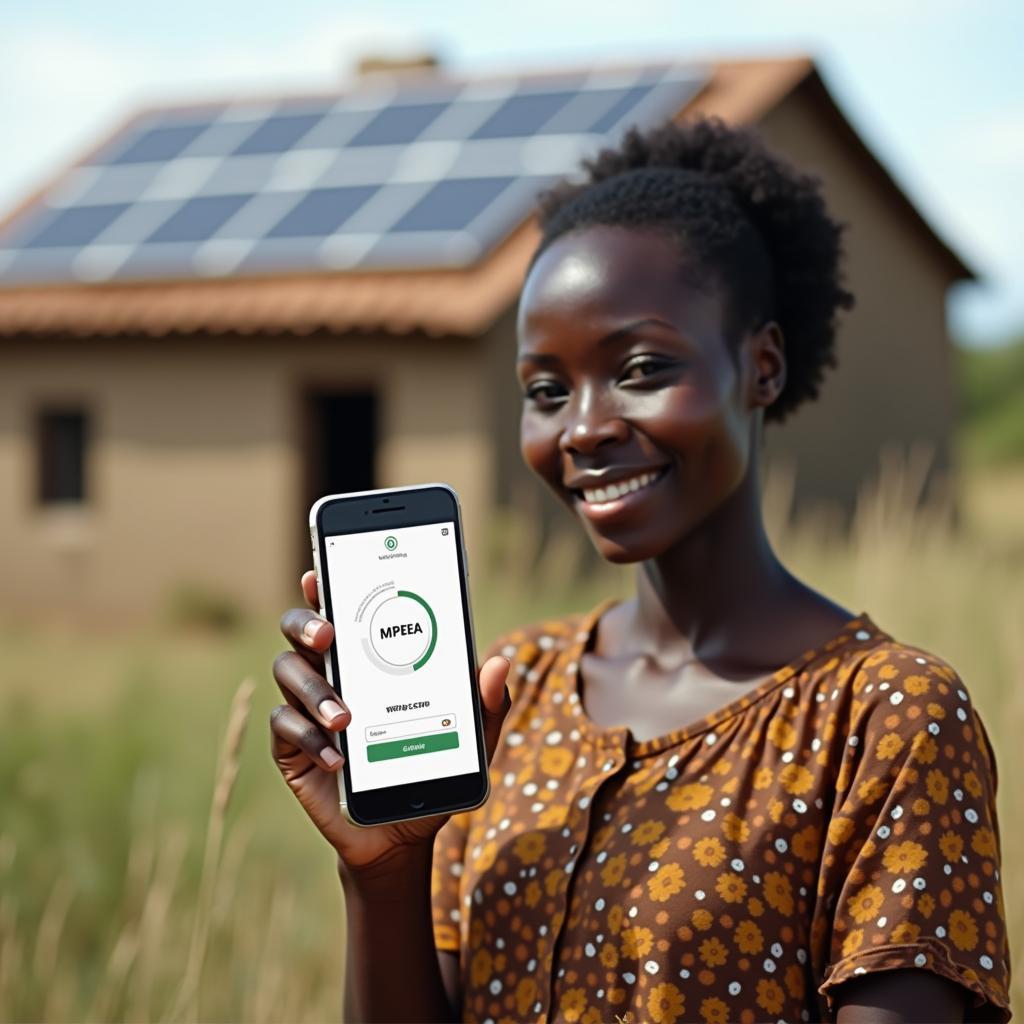 Mô hình tài chính thanh toán từng phần giúp người nghèo tiếp cận năng lượng mặt trời
Passage 3 – Essential Vocabulary
| Từ vựng | Loại từ | Phiên âm | Nghĩa tiếng Việt | Ví dụ từ bài | Collocation |
|---|---|---|---|---|---|
| contentious | adj | /kənˈtenʃəs/ | gây tranh cãi | contentious domain | contentious issue, contentious debate |
| divergent | adj | /daɪˈvɜːdʒənt/ | khác biệt, phân kỳ | divergent theoretical perspectives | divergent views, divergent opinions |
| technological leapfrogging | n phrase | /ˌteknəˈlɒdʒɪkl ˈliːpfrɒɡɪŋ/ | bước nhảy vọt công nghệ | narrative of technological leapfrogging | leapfrog technology, leapfrog development |
| entrenched | adj | /ɪnˈtrentʃt/ | ăn sâu, cố hữu | entrenched structural inequalities | entrenched beliefs, deeply entrenched |
| epistemological | adj | /ɪˌpɪstəməˈlɒdʒɪkl/ | thuộc về nhận thức luận | epistemological divisions | epistemological approach |
| substantive freedoms | n phrase | /səbˈstæntɪv ˈfriːdəmz/ | các quyền tự do thực chất | absence of substantive freedoms | substantive rights, substantive equality |
| meta-capability | n | /ˈmetə ˌkeɪpəˈbɪləti/ | siêu năng lực | functions as a meta-capability | meta-level, meta-analysis |
| analytical reductionism | n phrase | /ˌænəˈlɪtɪkl rɪˈdʌkʃənɪzəm/ | chủ nghĩa giản lược phân tích | a form of analytical reductionism | reductionist approach |
| asymmetric control | n phrase | /ˌeɪsɪˈmetrɪk kənˈtrəʊl/ | kiểm soát bất cân xứng | asymmetric control over productive assets | asymmetric information, asymmetric power |
| exploitative | adj | /ɪkˈsplɔɪtətɪv/ | bóc lột | exploitative labor relations | exploitative practices, exploitative system |
| extractive | adj | /ɪkˈstræktɪv/ | khai thác bóc lột | extractive institutional arrangements | extractive industries, extractive capitalism |
| perpetuate | v | /pəˈpetʃueɪt/ | duy trì, làm kéo dài | may actually perpetuate inequality | perpetuate myths, perpetuate stereotypes |
| forestall | v | /fɔːˈstɔːl/ | ngăn chặn, ngăn ngừa | forestall more radical demands | forestall criticism, forestall problems |
| tripartite | adj | /traɪˈpɑːtaɪt/ | ba bên, ba chiều | tripartite framework | tripartite agreement, tripartite system |
| procedural justice | n phrase | /prəˈsiːdʒərəl ˈdʒʌstɪs/ | công bằng thủ tục | procedural justice outcomes | procedural fairness |
| epistemic marginalization | n phrase | /ˌepɪˈstiːmɪk ˌmɑːdʒɪnəlaɪˈzeɪʃn/ | sự gạt ra lề về nhận thức | forms of epistemic marginalization | epistemic injustice, epistemic violence |
| ossify | v | /ˈɒsɪfaɪ/ | cứng đờ, cố hữu hóa | potentially ossifying economic disparities | ossified structure, ossified thinking |
| financialization | n | /faɪˌnænʃəlaɪˈzeɪʃn/ | tài chính hóa | The financialization of renewable energy | financialization of economy |
| yield-generating | adj | /jiːld ˈdʒenəreɪtɪŋ/ | tạo ra lợi nhuận | yield-generating financial assets | yield-generating investment |
| hermeneutic | adj | /ˌhɜːməˈnjuːtɪk/ | thuộc về giải thích học | hermeneutic challenge | hermeneutic approach, hermeneutic circle |
| contextualized | adj | /kənˈtekstʃuəlaɪzd/ | được đặt trong ngữ cảnh | more contextualized analyses | contextualized understanding |
Kết Bài
Đề thi IELTS Reading mẫu về chủ đề “Impact Of Renewable Energy On Reducing Economic Inequality” mà bạn vừa hoàn thành đại diện cho một trong những xu hướng chủ đề nóng nhất trong các kỳ thi IELTS gần đây. Năng lượng tái tạo không chỉ là vấn đề môi trường mà còn liên quan chặt chẽ đến công bằng xã hội và phát triển kinh tế bền vững – những chủ đề mà Cambridge IELTS thường xuyên khai thác.
Ba passages trong đề thi này đã được thiết kế với độ khó tăng dần từ Easy đến Hard, bao quát đầy đủ các dạng câu hỏi từ cơ bản đến nâng cao. Passage 1 giới thiệu các ví dụ cụ thể và dễ hiểu về tác động tích cực của năng lượng mặt trời ở Bangladesh và Kenya. Passage 2 đi sâu vào các cơ chế kinh tế và khái niệm năng lượng công bằng với từ vựng học thuật phong phú hơn. Passage 3 thách thức người đọc với các lý thuyết phức tạp, quan điểm phê phán và phân tích đa chiều về mối quan hệ giữa năng lượng tái tạo và bất bình đẳng.
Tương tự như các chủ đề liên quan đến Impact of smart technologies on urban living, vấn đề năng lượng tái tạo thể hiện cách công nghệ có thể tạo ra những thay đổi xã hội sâu rộng. Đồng thời, đề thi này cũng có điểm tương đồng với Economic impacts of technological innovation khi phân tích cách một đổi mới công nghệ cụ thể ảnh hưởng đến cấu trúc kinh tế xã hội.
Đáp án chi tiết và giải thích cụ thể cho từng câu hỏi sẽ giúp bạn hiểu rõ cách xác định thông tin trong bài đọc, nhận biết các dạng paraphrase phổ biến, và phát triển chiến lược làm bài hiệu quả. Đặc biệt, phần từ vựng được tổng hợp theo từng passage với phiên âm, nghĩa và collocation sẽ giúp bạn xây dựng vốn từ học thuật cần thiết cho kỳ thi.
Để hiểu sâu hơn về các vấn đề toàn cầu liên quan, bạn có thể tham khảo thêm What are the challenges of achieving climate justice? và What are the consequences of climate change for small island nations?, hai chủ đề có sự giao thoa với năng lượng tái tạo và công bằng xã hội.
Hãy sử dụng đề thi này như một công cụ luyện tập thực chiến, phân tích kỹ các lỗi sai của mình, và áp dụng các kỹ thuật làm bài đã học vào các đề thi khác. Với sự luyện tập đều đặn và phương pháp đúng đắn, bạn hoàn toàn có thể đạt được band điểm mục tiêu trong phần IELTS Reading. Chúc bạn ôn tập hiệu quả và thành công trong kỳ thi sắp tới!