Mở đầu
Tác động của mạng xã hội đến diễn ngôn chính trị là một chủ đề ngày càng phổ biến trong các kỳ thi IELTS Writing Task 2 gần đây. Đề tài này thường xuất hiện dưới dạng câu hỏi Opinion, Discussion hoặc Advantages/Disadvantages, yêu cầu thí sinh phân tích cả mặt tích cực lẫn tiêu cực của mạng xã hội trong việc định hình các cuộc thảo luận chính trị hiện đại.
Trong bài viết này, bạn sẽ được học:
- Ba bài mẫu hoàn chỉnh từ Band 5-6, Band 6.5-7 đến Band 8-9 với phân tích chi tiết
- Cách chấm điểm theo bốn tiêu chí của IELTS
- Từ vựng học thuật và cấu trúc câu “ăn điểm” cao
- Những lỗi thường gặp của học viên Việt Nam và cách khắc phục
Chủ đề này đã xuất hiện trong các đề thi thực tế như:
- Tháng 3/2023: “Social media has replaced traditional news sources as the main way people learn about politics.”
- Tháng 7/2023: “Some people believe social media has made political discourse more democratic, while others think it has made it more divisive.”
- Tháng 11/2023: “To what extent do you agree that social media platforms should regulate political content?”
 Tác động của mạng xã hội đến diễn ngôn chính trị trong đề thi IELTS Writing Task 2
Đề Writing Part 2 Thực Hành
Some people believe that social media has made political discourse more accessible and democratic. Others argue that it has led to the spread of misinformation and increased political polarization. Discuss both views and give your own opinion.
Dịch đề: Một số người tin rằng mạng xã hội đã làm cho diễn ngôn chính trị trở nên dễ tiếp cận và dân chủ hơn. Những người khác cho rằng nó đã dẫn đến sự lan truyền thông tin sai lệch và gia tăng sự phân cực chính trị. Thảo luận cả hai quan điểm và đưa ra ý kiến của bạn.
Phân tích đề bài:
Đây là dạng câu hỏi Discussion + Opinion, một trong những dạng phổ biến nhất trong IELTS Writing Task 2. Yêu cầu cụ thể bao gồm:
- Thảo luận quan điểm thứ nhất: Mạng xã hội làm chính trị dễ tiếp cận và dân chủ hơn
- Thảo luận quan điểm thứ hai: Mạng xã hội gây ra thông tin sai lệch và phân cực
- Đưa ra ý kiến cá nhân: Bạn nghiêng về quan điểm nào hoặc có quan điểm cân bằng
Các thuật ngữ quan trọng cần hiểu:
- Political discourse: Cuộc thảo luận, tranh luận về các vấn đề chính trị
- Accessible: Dễ tiếp cận, dễ tham gia
- Democratic: Mang tính dân chủ, công bằng cho mọi người
- Misinformation: Thông tin sai lệch, tin giả
- Political polarization: Sự phân cực chính trị, chia rẽ quan điểm
Những lỗi thường gặp của học viên Việt Nam:
- Chỉ thảo luận một quan điểm hoặc quên đưa ra ý kiến cá nhân
- Không cân bằng độ dài giữa hai body paragraphs
- Sử dụng ví dụ không phù hợp hoặc quá chung chung
- Nhầm lẫn giữa “accessible” và “easy” trong ngữ cảnh học thuật
Cách tiếp cận chiến lược:
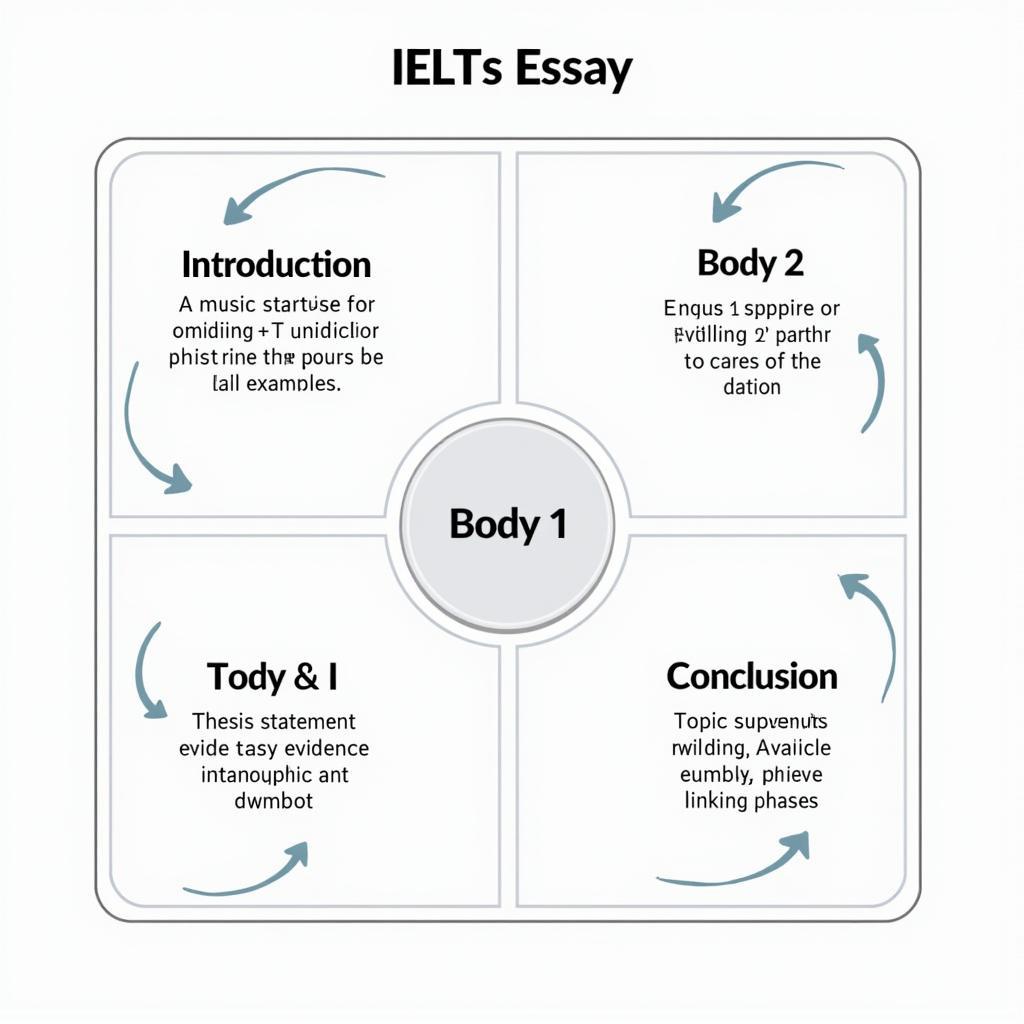
- Introduction: Paraphrase đề bài + thesis statement nêu rõ bạn sẽ thảo luận cả hai mặt
- Body 1: Thảo luận mặt tích cực (2-3 luận điểm)
- Body 2: Thảo luận mặt tiêu cực (2-3 luận điểm)
- Conclusion: Tóm tắt + đưa ra ý kiến cá nhân rõ ràng
Chủ đề này có mối liên hệ chặt chẽ với how social media shapes political discourse, một khía cạnh quan trọng mà thí sinh cần nắm vững để phát triển bài luận một cách toàn diện.
Bài Mẫu Band 8-9
Bài viết Band 8-9 thể hiện khả năng sử dụng ngôn ngữ tinh tế, lập luận chặt chẽ và phát triển ý tưởng một cách logic. Bài mẫu dưới đây minh họa cách tổ chức bài hiệu quả với từ vựng học thuật phong phú và cấu trúc câu đa dạng.
The advent of social media has fundamentally transformed how citizens engage with political matters, sparking considerable debate about whether this shift represents progress or regression. While some advocate that these platforms have democratized political participation, others contend that they have exacerbated societal divisions and undermined informed debate. This essay will examine both perspectives before arguing that social media’s impact, though offering genuine benefits, ultimately poses more risks than advantages to healthy political discourse.
Proponents of social media platforms highlight their unprecedented capacity to lower barriers to political engagement. Previously marginalized voices can now participate in national conversations without requiring institutional endorsement or media gatekeepers. The Arab Spring movements of 2011 exemplify this democratizing potential, where ordinary citizens utilized Twitter and Facebook to organize protests and challenge authoritarian regimes. Furthermore, these platforms enable real-time interaction between politicians and constituents, fostering a more direct form of representation. Citizens can question leaders, share policy critiques, and mobilize grassroots campaigns with minimal resources, thereby enhancing civic participation across socioeconomic boundaries.
However, the darker implications of social media for political discourse warrant serious consideration. The algorithmic architecture of these platforms systematically promotes sensational and divisive content, as engagement metrics prioritize emotional reactions over factual accuracy. This mechanism has facilitated the proliferation of misinformation, with false narratives spreading significantly faster than verified information. Research indicates that fabricated political stories on Facebook generated more engagement than authentic news during the 2016 US election. Moreover, the phenomenon of echo chambers has intensified political polarization, with users predominantly exposed to opinions reinforcing their existing beliefs. This creates fragmented realities where different political factions operate with fundamentally incompatible understandings of facts.
In conclusion, while social media has undeniably expanded opportunities for political participation, its structural flaws in prioritizing engagement over accuracy have contributed to a more polarized and misinformed political landscape. In my view, the benefits of accessibility are increasingly outweighed by the corrosive effects on democratic discourse, suggesting that substantial platform regulation may be necessary to preserve the integrity of political debate.
Số từ: 318 từ
Phân Tích Band Điểm
| Tiêu chí | Band | Nhận xét |
|---|---|---|
| Task Response (Hoàn thành yêu cầu) | 9.0 | Bài viết thảo luận đầy đủ cả hai quan điểm với độ sâu tương đương. Ý kiến cá nhân được nêu rõ trong thesis statement và được củng cố ở conclusion. Các luận điểm được phát triển chi tiết với ví dụ cụ thể (Arab Spring, nghiên cứu về bầu cử 2016). |
| Coherence & Cohesion (Mạch lạc & Liên kết) | 9.0 | Cấu trúc bài rõ ràng với progression logic từ introduction đến conclusion. Sử dụng thành thạo các linking devices (“While some advocate”, “Furthermore”, “However”, “Moreover”) mà không lạm dụng. Mỗi đoạn có topic sentence rõ ràng và phát triển một ý chính. |
| Lexical Resource (Từ vựng) | 9.0 | Từ vựng học thuật đa dạng và chính xác (“advent”, “exacerbated”, “unprecedented capacity”, “algorithmic architecture”). Collocations tự nhiên (“lower barriers”, “grassroots campaigns”, “warrant serious consideration”). Không có lỗi từ vựng nào đáng kể. |
| Grammatical Range & Accuracy (Ngữ pháp) | 9.0 | Sử dụng đa dạng cấu trúc câu phức (relative clauses, participial phrases, conditional structures). Các câu dài được điều khiển tốt với punctuation chính xác. Không có lỗi ngữ pháp nào ảnh hưởng đến ý nghĩa. Passive voice và nominal phrases được dùng phù hợp văn phong học thuật. |
Các Yếu Tố Giúp Bài Này Được Chấm Điểm Cao
-
Thesis statement mạnh mẽ và rõ ràng: Câu cuối đoạn introduction không chỉ nêu sẽ thảo luận cả hai mặt mà còn báo trước quan điểm cá nhân (“ultimately poses more risks than advantages”), giúp giám khảo hiểu ngay lập trường của người viết.
-
Ví dụ cụ thể và có căn cứ: Thay vì nói chung chung, bài viết dẫn chứng Arab Spring 2011 và nghiên cứu về bầu cử Mỹ 2016 – những ví dụ có thật, tăng tính thuyết phục.
-
Collocations học thuật tự nhiên: “lower barriers to engagement”, “warrant serious consideration”, “intensified political polarization” – những cụm từ này thể hiện vốn từ vựng phong phú và sử dụng ngôn ngữ như người bản ngữ có học thức.
-
Cấu trúc câu đa dạng với subordinate clauses: Câu “The algorithmic architecture of these platforms systematically promotes sensational and divisive content, as engagement metrics prioritize emotional reactions over factual accuracy” kết hợp main clause với adverbial clause một cách trôi chảy.
-
Sử dụng concession (nhượng bộ) hiệu quả: Đoạn conclusion bắt đầu bằng “while social media has undeniably expanded opportunities” trước khi nêu quan điểm chính, cho thấy tư duy cân bằng và phức tạp.
-
Topic sentences định hướng rõ ràng: Mỗi body paragraph bắt đầu bằng câu tổng quát nêu ý chính (“Proponents highlight…”, “However, the darker implications…”), giúp người đọc dễ theo dõi luồng ý.
-
Sử dụng nominalization (danh từ hóa): “The proliferation of misinformation”, “the phenomenon of echo chambers” thay vì dùng clause, tạo văn phong học thuật chuyên nghiệp hơn.
Tương tự như impact of social media on global awareness campaigns, bài viết này cũng cần cân nhắc cả hai mặt tích cực và tiêu cực của sự ảnh hưởng của mạng xã hội.
 Cấu trúc bài viết IELTS Writing Task 2 đạt band điểm cao với phân tích chi tiết
Bài Mẫu Band 6.5-7
Bài viết Band 6.5-7 thể hiện khả năng sử dụng ngôn ngữ tốt với ý tưởng rõ ràng, nhưng chưa đạt độ tinh tế và phức tạp như Band 8-9. Các luận điểm được phát triển đầy đủ nhưng từ vựng và cấu trúc câu chưa đa dạng bằng.
In recent years, social media has changed the way people discuss politics. Some people think this is good because it allows more people to participate, while others believe it causes problems like fake news and division. In this essay, I will discuss both sides and give my opinion.
On the one hand, social media platforms have made political discussions more accessible to ordinary citizens. In the past, only politicians and journalists could share their political views widely, but now anyone with a smartphone can express their opinions. For example, young people who were not interested in politics before are now actively sharing their views on Twitter and Facebook. Additionally, social media allows citizens to communicate directly with their political leaders. Many politicians now use Instagram and Twitter to answer questions from voters, which creates a closer relationship between them. This can encourage more people to get involved in politics and understand important issues.
On the other hand, there are serious problems with social media and politics. The biggest issue is the spread of false information. Because anyone can post anything on social media, many fake news stories spread quickly and influence people’s political opinions. During elections, false stories about candidates often get more attention than true news. Another problem is that social media creates echo chambers, where people only see opinions similar to their own. This makes people more extreme in their political beliefs and less willing to listen to different viewpoints. As a result, society becomes more divided and it is harder for people with different political opinions to have constructive conversations.
In conclusion, while social media has made it easier for people to participate in political discussions, it has also created significant problems with misinformation and polarization. In my opinion, the negative effects are more serious than the benefits, and we need to find ways to reduce the spread of fake news while still allowing people to express their views freely.
Số từ: 322 từ
Phân Tích Band Điểm
| Tiêu chí | Band | Nhận xét |
|---|---|---|
| Task Response (Hoàn thành yêu cầu) | 7.0 | Bài viết đáp ứng đầy đủ yêu cầu đề bài với cả hai quan điểm được thảo luận và ý kiến cá nhân rõ ràng. Các ý tưởng được phát triển tương đối đầy đủ nhưng thiếu độ sâu và ví dụ cụ thể so với Band 8-9 (ví dụ về “young people” và “elections” còn chung chung). |
| Coherence & Cohesion (Mạch lạc & Liên kết) | 6.5 | Cấu trúc bài logic với introduction, hai body paragraphs và conclusion rõ ràng. Sử dụng linking words cơ bản hiệu quả (“On the one hand”, “Additionally”, “On the other hand”, “Another problem”). Tuy nhiên, các liên kết trong câu chưa mượt mà bằng Band 8-9, còn mang tính cơ học. |
| Lexical Resource (Từ vựng) | 6.5 | Từ vựng đủ để truyền đạt ý nghĩa rõ ràng với một số collocations tốt (“spread of false information”, “echo chambers”, “constructive conversations”). Tuy nhiên, còn lặp lại từ (“people” xuất hiện quá nhiều lần) và thiếu từ vựng học thuật tinh vi. Một số cụm từ còn đơn giản (“good”, “problems”). |
| Grammatical Range & Accuracy (Ngữ pháp) | 7.0 | Sử dụng mix các cấu trúc câu đơn và phức một cách chính xác. Có mặt relative clauses (“where people only see…”) và conditional structures ẩn. Tuy nhiên, độ phức tạp và đa dạng chưa cao, với nhiều câu theo pattern đơn giản (S+V+O). Không có lỗi ngữ pháp nghiêm trọng. |
So Sánh Với Bài Band 8-9
1. Introduction:
- Band 8-9: “The advent of social media has fundamentally transformed how citizens engage with political matters, sparking considerable debate…”
- Band 6.5-7: “In recent years, social media has changed the way people discuss politics.”
- Phân tích: Band 8-9 sử dụng nominalization (“the advent”), từ vựng học thuật (“fundamentally transformed”, “sparking considerable debate”) và cấu trúc câu phức tạp hơn. Band 6.5-7 dùng cấu trúc và từ vựng đơn giản hơn nhưng vẫn rõ ràng.
2. Topic Sentence:
- Band 8-9: “Proponents of social media platforms highlight their unprecedented capacity to lower barriers to political engagement.”
- Band 6.5-7: “On the one hand, social media platforms have made political discussions more accessible to ordinary citizens.”
- Phân tích: Band 8-9 dùng “unprecedented capacity”, “lower barriers” – collocations học thuật tinh tế. Band 6.5-7 dùng “more accessible” – đơn giản nhưng chính xác. Cả hai đều có topic sentence rõ ràng nhưng Band 8-9 tinh tế hơn.
3. Ví dụ:
- Band 8-9: “The Arab Spring movements of 2011 exemplify this democratizing potential, where ordinary citizens utilized Twitter and Facebook to organize protests…”
- Band 6.5-7: “For example, young people who were not interested in politics before are now actively sharing their views on Twitter and Facebook.”
- Phân tích: Band 8-9 đưa ra ví dụ cụ thể, có thời gian và địa điểm rõ ràng. Band 6.5-7 dùng ví dụ chung chung thiếu tính thuyết phục.
4. Linking và Cohesion:
- Band 8-9: Sử dụng “Furthermore”, “Moreover”, “However” kết hợp với các liên kết trong câu mượt mà
- Band 6.5-7: Phụ thuộc vào “On the one hand/other hand”, “Additionally”, “Another problem” – các liên kết cơ bản và có phần cơ học
- Phân tích: Band 6.5-7 vẫn hiệu quả nhưng Band 8-9 tự nhiên và đa dạng hơn nhiều.
5. Conclusion:
- Band 8-9: “…its structural flaws in prioritizing engagement over accuracy have contributed to a more polarized and misinformed political landscape…”
- Band 6.5-7: “…it has also created significant problems with misinformation and polarization.”
- Phân tích: Band 8-9 sử dụng cấu trúc phức tạp với noun phrase mở rộng (“structural flaws in prioritizing…”) trong khi Band 6.5-7 giữ cấu trúc đơn giản. Cả hai đều truyền đạt ý nghĩa nhưng Band 8-9 thể hiện kiểm soát ngôn ngữ cao hơn.
Để hiểu sâu hơn về cách xây dựng luận điểm phức tạp, bạn có thể tham khảo The effects of social media algorithms on information consumption, một chủ đề liên quan chặt chẽ đến vấn đề echo chambers và misinformation.
Bài Mẫu Band 5-6
Bài viết Band 5-6 thể hiện khả năng truyền đạt ý nghĩa cơ bản nhưng còn nhiều hạn chế về ngữ pháp, từ vựng và tổ chức ý. Các lỗi không gây cản trở nghiêm trọng đến hiểu biết nhưng ảnh hưởng đến độ chính xác và tự nhiên của bài viết.
Nowadays, social media is very popular and many people use it for know about politic. Some people think it is good but other people think it is bad. I will discuss about both ideas and give my opinion.
First, social media is good for politic because everyone can use. Before social media, only the rich people or famous people can say their opinion about politic in television or newspaper. But now, normal people also can write their idea on Facebook or Twitter. For example, in my country, young people like to share about politic problem on social media and many people can see it. Also, politician can talk direct with people on social media. They can answer the question from people, so people feel they are close to politician. This make people more interest in politic.
However, social media also have many problem for politic. The first problem is fake news. Because everyone can post anything on social media, so many fake information is spread very fast. Some people believe the fake news and it effect their thinking about politic. For example, before election, many fake news about candidate is share on social media. Second problem is people only see the same opinion. If you like one politician, social media will show you only the good news about him and bad news about other politician. This make people think their opinion is always correct and other opinion is wrong. So people become more angry with people who have different opinion.
In conclusion, I think social media have both good and bad effect on politic. The good thing is more people can join in politic discussion. But the bad thing is fake news and people become separate. In my opinion, the bad effect is more serious, so we need to control fake news on social media.
Số từ: 305 từ
Phân Tích Band Điểm
| Tiêu chí | Band | Nhận xét |
|---|---|---|
| Task Response (Hoàn thành yêu cầu) | 5.5 | Bài viết cố gắng đáp ứng yêu cầu đề bài với cả hai quan điểm được đề cập và có ý kiến cá nhân. Tuy nhiên, các ý tưởng được phát triển còn hạn chế và chung chung. Ví dụ thiếu cụ thể (“in my country”, “before election”) không có tên địa điểm hoặc thời gian rõ ràng. |
| Coherence & Cohesion (Mạch lạc & Liên kết) | 5.5 | Cấu trúc bài cơ bản được tuân thủ nhưng việc tổ chức ý còn chưa mạch lạc. Sử dụng linking words đơn giản và lặp lại (“First”, “Also”, “However”, “So”). Một số câu không liên kết tốt với nhau, gây rời rạc. Cách chia đoạn hợp lý nhưng progression ý tưởng trong mỗi đoạn chưa rõ ràng. |
| Lexical Resource (Từ vựng) | 5.5 | Từ vựng cơ bản đủ để truyền đạt ý nghĩa nhưng thiếu chính xác và đa dạng. Lặp lại nhiều từ đơn giản (“people”, “good”, “bad”, “social media”). Có nhiều lỗi word choice (“for know”, “politic” thay vì “politics”, “effect” thay vì “affect”) và collocation không tự nhiên (“interest in politic” thay vì “interested in politics”). |
| Grammatical Range & Accuracy (Ngữ pháp) | 5.5 | Sử dụng chủ yếu câu đơn và một số câu phức cơ bản. Có nhiều lỗi ngữ pháp nhưng không gây cản trở nghiêm trọng đến hiểu biết: lỗi về mạo từ, giới từ, động từ chia thì, và cấu trúc câu (“for know”, “everyone can use”, “fake information is spread”, “it effect their thinking”). Thiếu subject-verb agreement trong nhiều câu. |
Những Lỗi Sai Của Bài – Phân Tích & Giải Thích
| Lỗi sai | Loại lỗi | Sửa lại | Giải thích |
|---|---|---|---|
| “for know about politic” | Giới từ + động từ + danh từ số ít | “to learn about politics” | Sau giới từ “for” không dùng động từ nguyên mẫu. Nên dùng “to + infinitive” để chỉ mục đích. “Politic” là tính từ, cần dùng “politics” (danh từ số nhiều) để chỉ lĩnh vực chính trị. |
| “other people think” | Determiner | “others think” hoặc “other people think” | Khi không có danh từ theo sau, nên dùng “others” (đại từ). Nếu giữ “other people” thì cần thêm “the” phía trước: “the other people”. |
| “everyone can use” | Thiếu object | “everyone can use it” | Động từ “use” là ngoại động từ, cần object theo sau. Phải nói rõ “use” cái gì – trong trường hợp này là “it” (social media). |
| “the rich people or famous people” | Mạo từ thừa | “rich people or famous people” | Khi nói về một nhóm người nói chung (không xác định cụ thể), không dùng “the”. “The” chỉ dùng khi nói về một nhóm cụ thể đã được đề cập trước đó. |
| “in my country” | Quá chung chung | “in Vietnam” hoặc ví dụ cụ thể hơn | Trong IELTS Writing, nên tránh “in my country” vì quá mơ hồ. Tốt hơn hết là nêu tên quốc gia cụ thể hoặc đưa ra ví dụ có dữ liệu thực tế. |
| “people more interest in politic” | Cấu trúc từ sai | “people become more interested in politics” | “Interest” ở đây phải là tính từ “interested”. Cần thêm động từ “become” và “politics” (danh từ số nhiều). |
| “social media also have” | Subject-verb agreement | “social media also has” | “Social media” là danh từ không đếm được số ít, nên động từ phải chia theo ngôi thứ 3 số ít: “has” không phải “have”. |
| “fake information is spread” | Passive voice không cần thiết | “fake information spreads” | Trong trường hợp này, active voice tự nhiên hơn. “Spread” có thể dùng intransitive (không cần object) nên không cần passive. |
| “it effect their thinking” | Nhầm lẫn từ loại | “it affects their thinking” | “Effect” là danh từ, “affect” là động từ. Ở đây cần động từ nên phải dùng “affects”. Đây là lỗi rất phổ biến của học viên Việt Nam. |
| “before election” | Thiếu mạo từ | “before elections” hoặc “before an election” | Danh từ đếm được số ít cần mạo từ. Có thể dùng “an election” (một cuộc bầu cử cụ thể) hoặc “elections” (nói chung về các kỳ bầu cử). |
| “angry with people who have different opinion” | Preposition + số của danh từ | “angry with people who have different opinions” | Sau “different” thường dùng danh từ số nhiều vì ám chỉ nhiều loại khác nhau. “Opinion” cần ở dạng số nhiều là “opinions”. |
| “people become separate” | Word choice sai | “people become divided” hoặc “society becomes fragmented” | “Separate” thường là động từ hoặc tính từ dùng cho vật thể. Với con người trong ngữ cảnh chính trị, nên dùng “divided” (chia rẽ) hoặc “polarized” (phân cực). |
 Những lỗi sai phổ biến trong IELTS Writing Task 2 của học viên Việt Nam
Cách Cải Thiện Từ Band 6 Lên Band 7
1. Nâng cao từ vựng:
- Thay thế các từ đơn giản lặp lại bằng synonyms: “people” → “citizens”, “individuals”, “the public”
- Sử dụng collocations học thuật: “have problem” → “pose challenges”, “good effect” → “positive impact”
- Học từ vựng theo chủ đề: political discourse, democratic participation, misinformation, echo chambers
2. Cải thiện cấu trúc câu:
- Kết hợp câu đơn thành câu phức: “Social media is popular. People use it.” → “Social media, which has become increasingly popular, is now used by millions for political information.”
- Sử dụng relative clauses, participial phrases, conditional sentences
- Thực hành viết câu dài hơn (15-20 từ) với nhiều clauses được liên kết tốt
3. Phát triển ý tưởng cụ thể hơn:
- Thay thế ví dụ chung chung bằng dữ liệu cụ thể: thay vì “many people”, hãy nói “according to a 2023 study” hoặc “during the 2020 election”
- Đưa ra con số, thời gian, địa điểm cụ thể khi có thể
- Giải thích “why” và “how” cho mỗi luận điểm, không chỉ nêu “what”
4. Cải thiện cohesion:
- Giảm bớt linking words cơ học (“First”, “Second”), thay vào đó dùng topic sentences mạnh
- Sử dụng referencing (this, these, such) để liên kết ý tưởng giữa các câu
- Đảm bảo mỗi câu kết nối logic với câu trước đó
5. Rà soát ngữ pháp cơ bản:
- Mạo từ (a/an/the): Học thuộc các quy tắc và thực hành đều đặn
- Subject-verb agreement: Xác định chủ ngữ và động từ trong mỗi câu
- Verb tenses: Đảm bảo dùng đúng thì, đặc biệt khi nói về hiện tại và quá khứ
- Prepositions: Học thuộc các prepositional phrases phổ biến
6. Thực hành chấm điểm bài của chính mình:
- Sau khi viết xong, đợi 30 phút rồi đọc lại
- Tự kiểm tra theo 4 tiêu chí của IELTS
- So sánh bài của mình với bài mẫu Band 7-8 để tìm ra điểm khác biệt
- Viết lại bài với những cải thiện đã nhận ra
Mối quan hệ giữa mạng xã hội và quá trình dân chủ cũng được phân tích kỹ lưỡng trong impact of social media on democratic processes, giúp thí sinh có thêm góc nhìn về chủ đề này.
Từ Vựng Quan Trọng Cần Nhớ
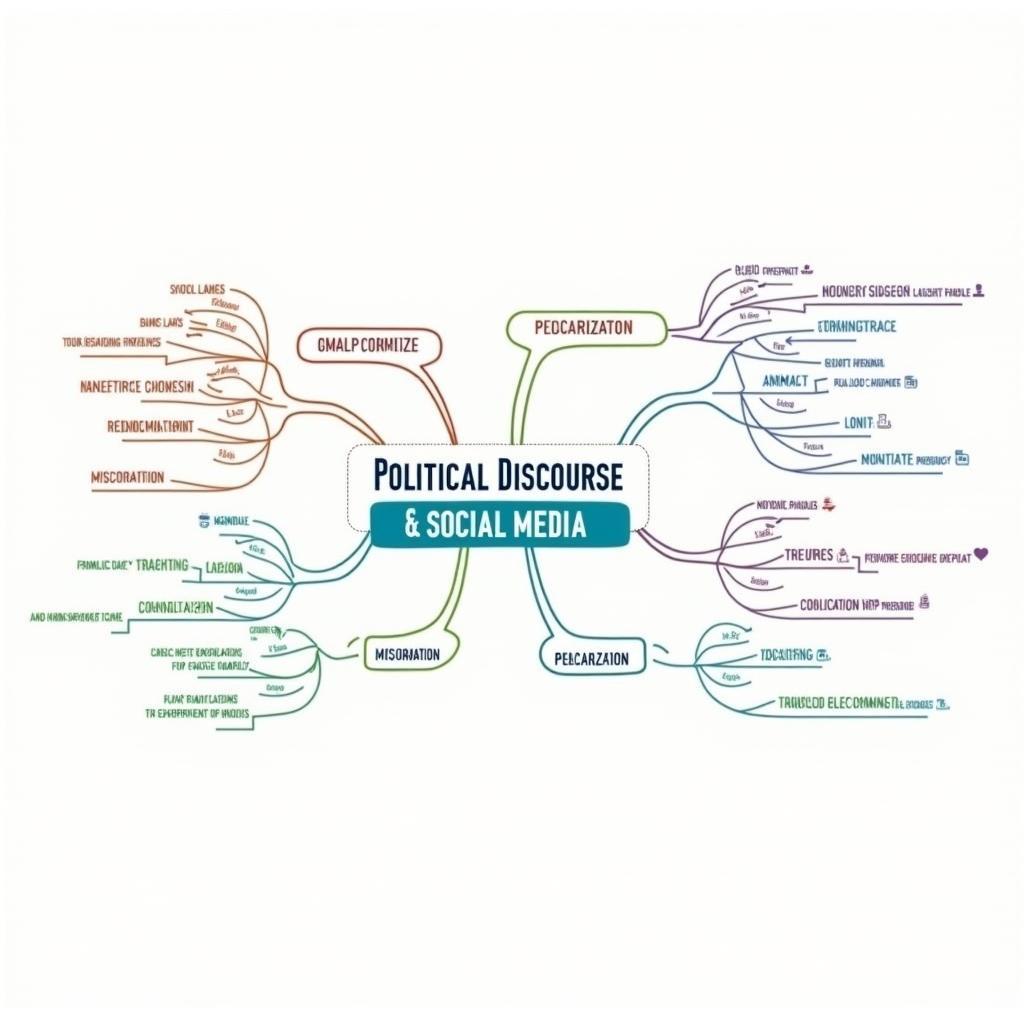
| Từ/Cụm từ | Loại từ | Phiên âm | Nghĩa tiếng Việt | Ví dụ | Collocations |
|---|---|---|---|---|---|
| Political discourse | Noun phrase | /pəˈlɪtɪkəl ˈdɪskɔːrs/ | Diễn ngôn chính trị, các cuộc thảo luận về chính trị | Social media has transformed political discourse significantly. | healthy discourse, public discourse, political debate |
| Democratize | Verb | /dɪˈmɒkrətaɪz/ | Dân chủ hóa, làm cho dễ tiếp cận với mọi người | These platforms democratize access to political information. | democratize access, democratize participation, democratize information |
| Misinformation | Noun | /ˌmɪsɪnfəˈmeɪʃən/ | Thông tin sai lệch, tin không chính xác | The spread of misinformation undermines democratic processes. | spread misinformation, combat misinformation, proliferation of misinformation |
| Political polarization | Noun phrase | /pəˈlɪtɪkəl ˌpəʊləraɪˈzeɪʃən/ | Sự phân cực chính trị, chia rẽ quan điểm | Echo chambers contribute to increased political polarization. | increased polarization, political division, ideological polarization |
| Echo chamber | Noun phrase | /ˈekəʊ ˌtʃeɪmbə(r)/ | Buồng vang (môi trường chỉ tiếp xúc ý kiến giống mình) | Social media algorithms create echo chambers. | create echo chambers, trapped in echo chambers, filter bubbles |
| Grassroots campaign | Noun phrase | /ˈɡrɑːsruːts kæmˈpeɪn/ | Chiến dịch cơ sở, vận động từ dưới lên | Digital platforms enable grassroots campaigns. | launch a grassroots campaign, grassroots movement, grassroots activism |
| Algorithmic architecture | Noun phrase | /ˌælɡəˈrɪðmɪk ˈɑːkɪtektʃə(r)/ | Cấu trúc thuật toán | The algorithmic architecture prioritizes engagement over accuracy. | algorithmic bias, algorithmic systems, algorithm-driven content |
| Civic participation | Noun phrase | /ˈsɪvɪk pɑːˌtɪsɪˈpeɪʃən/ | Sự tham gia công dân vào các vấn đề xã hội | Social media enhances civic participation. | promote civic participation, civic engagement, political participation |
| Institutional endorsement | Noun phrase | /ˌɪnstɪˈtjuːʃənəl ɪnˈdɔːsmənt/ | Sự ủng hộ/chứng thực từ tổ chức | Online voices don’t require institutional endorsement. | require endorsement, official endorsement, public endorsement |
| Fabricated | Adjective | /ˈfæbrɪkeɪtɪd/ | Bịa đặt, giả mạo | Fabricated political stories spread faster than real news. | fabricated evidence, fabricated claims, manufactured information |
| Exacerbate | Verb | /ɪɡˈzæsəbeɪt/ | Làm trầm trọng thêm, làm tồi tệ hơn | Social media may exacerbate societal divisions. | exacerbate problems, exacerbate tensions, aggravate issues |
| Fragmented realities | Noun phrase | /ˈfræɡmentɪd riˈælətiz/ | Thực tế bị phân mảnh (mỗi người có nhận thức khác nhau) | Echo chambers create fragmented realities. | fragmented society, fragmented information, competing realities |
| Marginalized voices | Noun phrase | /ˈmɑːdʒɪnəlaɪzd ˈvɔɪsɪz/ | Những tiếng nói bị lề hóa, thiểu số | Social media amplifies marginalized voices. | underrepresented voices, voiceless communities, give voice to |
| Lower barriers | Verb phrase | /ˈləʊə(r) ˈbæriə(r)z/ | Hạ thấp rào cản, làm dễ tiếp cận hơn | Digital platforms lower barriers to political engagement. | remove barriers, break down barriers, reduce obstacles |
| Warrant consideration | Verb phrase | /ˈwɒrənt kənˌsɪdəˈreɪʃən/ | Đáng được xem xét, cần được chú ý | The negative implications warrant serious consideration. | deserve attention, merit discussion, require examination |
 Từ vựng học thuật về chính trị và mạng xã hội cho IELTS Writing
Cấu Trúc Câu Dễ “Ăn Điểm” Cao
1. Cấu trúc Concession với While/Although
Công thức: While/Although + [mệnh đề nhượng bộ], [mệnh đề chính nêu quan điểm]
Ví dụ từ bài Band 8-9:
While some advocate that these platforms have democratized political participation, others contend that they have exacerbated societal divisions.
Tại sao cấu trúc này ghi điểm cao:
Thể hiện khả năng tư duy phức tạp và cân bằng, thừa nhận một quan điểm trước khi đưa ra lập luận phản biện. Đây là đặc điểm của academic writing chuyên nghiệp, giúp bài viết tránh được tính một chiều.
Ví dụ bổ sung:
- While digital platforms offer unprecedented access to information, the quality and reliability of this information remain questionable.
- Although social media enables direct communication with politicians, this interaction is often superficial and performative rather than substantive.
- While younger generations embrace social media for political news, older demographics still rely primarily on traditional media sources.
Lỗi thường gặp của học viên Việt Nam:
Nhiều học viên quên không có mệnh đề chính sau mệnh đề nhượng bộ, hoặc dùng “but” thừa sau “although/while” (ví dụ: “Although social media is good, but…”). Nhớ rằng: “Although/While” đã có nghĩa “nhưng” rồi, không cần thêm “but”.
2. Nominal Phrases (Danh từ hóa)
Công thức: Biến động từ/tính từ thành danh từ làm chủ ngữ + động từ + tân ngữ
Ví dụ từ bài Band 8-9:
The phenomenon of echo chambers has intensified political polarization.
Tại sao cấu trúc này ghi điểm cao:
Nominalization tạo văn phong học thuật, súc tích và chuyên nghiệp hơn so với việc dùng clause. Thay vì nói “Echo chambers exist and this makes polarization worse”, việc dùng nominal phrase “the phenomenon of echo chambers” ngắn gọn và mạnh mẽ hơn.
Ví dụ bổsung:
- The proliferation of misinformation poses serious challenges to democratic discourse. (thay vì: Misinformation is proliferating and this poses…)
- The advent of social media has transformed political engagement. (thay vì: Social media has come and it has transformed…)
- The algorithmic curation of content reinforces existing biases. (thay vì: Algorithms curate content and this reinforces…)
Lỗi thường gặp của học viên Việt Nam:
Học viên Việt thường lạm dụng clause thay vì danh từ hóa, làm bài viết dài dòng. Ví dụ viết “The fact that echo chambers exist makes people more extreme” thay vì “The existence of echo chambers intensifies extremism”.
3. Relative Clauses Không Xác Định (Non-defining Relative Clauses)
Công thức: Danh từ + , + which/who/where + [thông tin bổ sung] + , + mệnh đề tiếp theo
Ví dụ từ bài Band 8-9:
The Arab Spring movements of 2011, where ordinary citizens utilized Twitter and Facebook to organize protests, exemplify this democratizing potential.
Tại sao cấu trúc này ghi điểm cao:
Cho phép thêm thông tin chi tiết mà không cần viết câu mới, tạo sự liên kết chặt chẽ giữa các ý tưởng. Dấu phẩy (,) bắt buộc ở đây thể hiện kiến thức ngữ pháp chính xác, giúp phân biệt với defining relative clause.
Ví dụ bổ sung:
- Facebook, which has over 2 billion active users, plays a crucial role in shaping political opinions globally.
- Politicians who engage directly with constituents on Twitter, often receive higher approval ratings.
- The 2016 US election, where misinformation spread widely on social media, highlighted the dangers of unregulated platforms.
Lỗi thường gặp của học viên Việt Nam:
Học viên hay quên dấu phẩy hoặc không phân biệt được khi nào cần dùng non-defining (có dấu phẩy) và defining (không dấu phẩy). Nguyên tắc: nếu thông tin bổ sung không thiết yếu để xác định danh từ trước đó, dùng non-defining với dấu phẩy.
4. Cụm Phân Từ (Participial Phrases) Thay Thế Mệnh Đề
Công thức: [Present/Past participle phrase], [mệnh đề chính]
Ví dụ từ bài Band 8-9:
In my view, the benefits of accessibility are increasingly outweighed by the corrosive effects on democratic discourse, suggesting that substantial platform regulation may be necessary.
Tại sao cấu trúc này ghi điểm cao:
Giúp viết câu dài, phức tạp mà vẫn rõ ràng, thể hiện khả năng điều khiển ngữ pháp tốt. Participial phrase thường dùng để nêu nguyên nhân, kết quả hoặc thông tin bổ sung mà không cần conjunction.
Ví dụ bổ sung:
- Lacking traditional gatekeepers, social media allows unverified information to spread rapidly.
- Having experienced the negative effects of echo chambers, many users are now seeking diverse information sources.
- Driven by engagement metrics, algorithms prioritize sensational content over factual accuracy.
Lỗi thường gặp của học viên Việt Nam:
Nhiều học viên tạo ra “dangling participle” – cụm phân từ không liên quan đến chủ ngữ của mệnh đề chính. Ví dụ sai: “Being popular, people use social media” (Ai là popular? Social media hay people?). Đúng: “Being popular, social media is used by many people”.
5. Câu Điều Kiện Hỗn Hợp (Mixed Conditionals)
Công thức: If + [past perfect], [would/could + present] hoặc If + [past simple], [would have + past participle]
Ví dụ áp dụng cho chủ đề:
If social media platforms had implemented stricter fact-checking measures earlier, political discourse would be less polarized today.
Tại sao cấu trúc này ghi điểm cao:
Thể hiện khả năng diễn đạt mối quan hệ nhân quả phức tạp giữa quá khứ và hiện tại, đặc biệt hữu ích khi phân tích nguyên nhân và hậu quả trong các bài Discussion hoặc Problem-Solution.
Ví dụ bổ sung:
- If governments had regulated social media algorithms from the beginning, we would not be facing the current misinformation crisis.
- If citizens were more digitally literate, the 2016 fake news phenomenon would have had less impact.
- If platforms prioritized accuracy over engagement, political divisions would have been less pronounced.
Lỗi thường gặp của học viên Việt Nam:
Nhầm lẫn giữa các loại câu điều kiện và dùng sai thì. Nhiều học viên viết “If social media had regulations, polarization would reduce” (thiếu “have”) hoặc “If social media has regulations, polarization will reduce” (không phù hợp văn phong academic).
6. Đảo Ngữ Với Negative Adverbials
Công thức: [Negative adverbial] + [auxiliary verb] + [subject] + [main verb]
Ví dụ áp dụng cho chủ đề:
Not only does social media provide access to political information, but it also enables direct citizen participation in policy discussions.
Tại sao cấu trúc này ghi điểm cao:
Đảo ngữ là đặc điểm của formal academic writing, thể hiện trình độ ngữ pháp cao. Cấu trúc “Not only… but also…” với đảo ngữ đặc biệt ấn tượng vì kết hợp hai kỹ thuật nâng cao.
Ví dụ bổ sung:
- Rarely have political campaigns been so influenced by online platforms as they are today.
- Never before has misinformation spread so rapidly through society.
- Seldom do social media algorithms prioritize factual accuracy over user engagement.
Lỗi thường gặp của học viên Việt Nam:
Quên đảo ngữ sau các negative adverbials hoặc đảo sai trật tự. Nhiều học viên viết “Not only social media provides…” (sai) thay vì “Not only does social media provide…” (đúng). Cũng hay nhầm “but also it enables” thay vì “but it also enables”.
Để tìm hiểu thêm về cách các yếu tố văn hóa ảnh hưởng đến diễn ngôn xã hội nói chung, bạn có thể tham khảo the influence of pop culture on societal norms, một khía cạnh bổ sung giúp hiểu rõ hơn về mối quan hệ giữa truyền thông và xã hội.
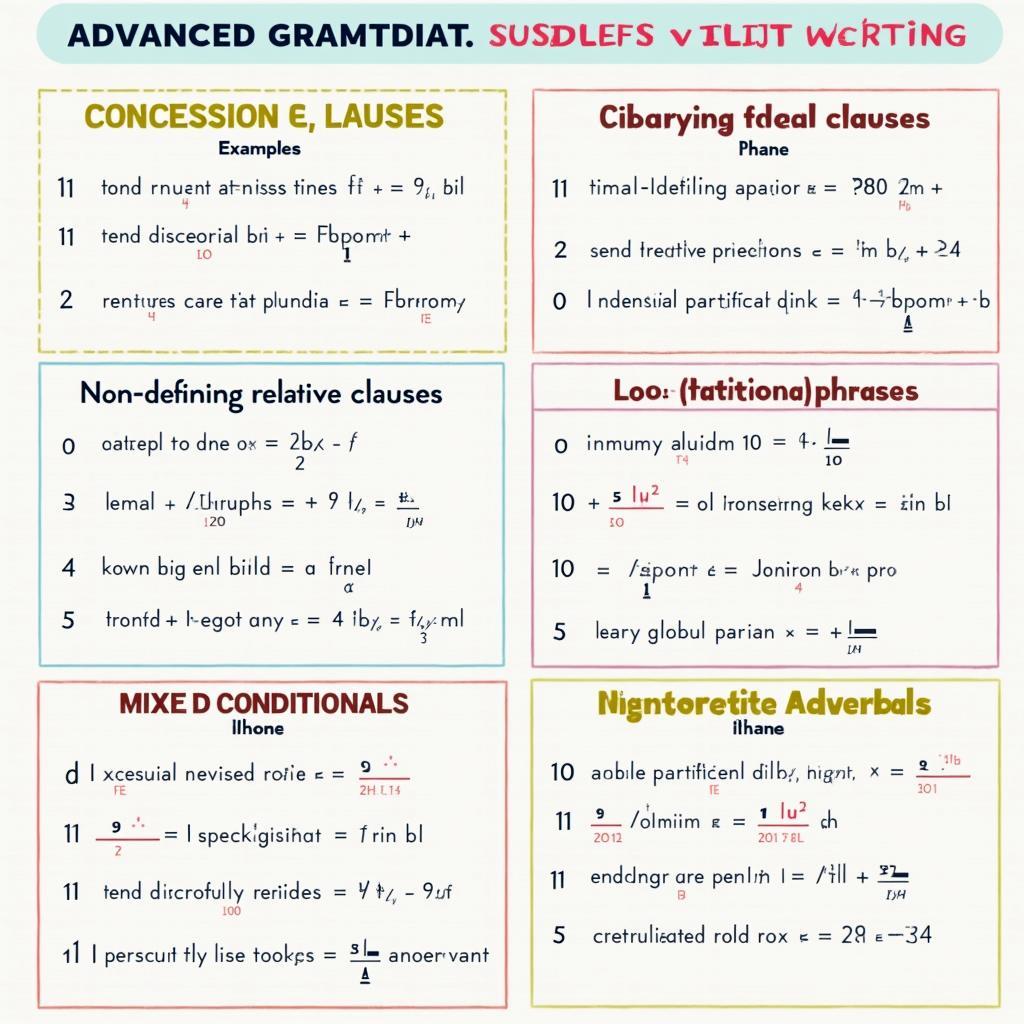 Các cấu trúc ngữ pháp phức tạp giúp tăng band điểm IELTS Writing
Kết Bài
Chủ đề “Impact Of Social Media On Political Discourse” là một đề tài cực kỳ phù hợp và có tính thời sự cao trong IELTS Writing Task 2. Qua ba bài mẫu từ Band 5-6, 6.5-7 đến 8-9, bạn đã thấy rõ sự khác biệt về từ vựng, ngữ pháp, cách tổ chức ý tưởng và độ sâu phân tích giữa các band điểm.
Những điểm quan trọng cần ghi nhớ:
- Task Response: Đảm bảo trả lời đầy đủ tất cả phần của câu hỏi, phát triển ý tưởng cụ thể với ví dụ có căn cứ
- Coherence & Cohesion: Sử dụng linking devices tự nhiên, không cơ học; mỗi đoạn một ý chính rõ ràng
- Lexical Resource: Học từ vựng theo chủ đề, tập trung vào collocations và paraphrasing
- Grammatical Range: Đa dạng hóa cấu trúc câu với relative clauses, participial phrases, conditionals và inversion
Để cải thiện từ Band 6 lên Band 7-8, hãy tập trung vào:
- Sử dụng nominalization thay vì clause khi có thể
- Học và áp dụng collocations học thuật tự nhiên
- Thực hành viết câu phức với nhiều subordinate clauses
- Đưa ra ví dụ cụ thể, có thời gian và địa điểm rõ ràng
- Rà soát kỹ lưỡng các lỗi ngữ pháp cơ bản (mạo từ, giới từ, chia động từ)
Hãy nhớ rằng việc nâng cao điểm IELTS Writing không phải là quá trình ngắn hạn. Bạn cần thực hành đều đặn, phân tích bài mẫu kỹ càng, và quan trọng nhất là học từ những lỗi sai của chính mình. Đừng cố viết quá phức tạp nếu chưa thành thạo – tốt hơn hết là viết chính xác với cấu trúc bạn đã nắm vững, rồi từ từ nâng cao độ phức tạp.
Chúc bạn học tập hiệu quả và đạt được band điểm mong muốn trong kỳ thi IELTS sắp tới!