
Hiện tượng đô thị hóa lan rộng (urban sprawl) đang trở thành một trong những chủ đề nóng được xuất hiện thường xuyên trong đề thi IELTS Writing Task 2, đặc biệt trong những năm gần đây khi vấn đề môi trường ngày càng được quan tâm. Chủ đề này không chỉ kiểm tra khả năng sử dụng ngôn ngữ học thuật mà còn đòi hỏi thí sinh thể hiện sự hiểu biết về những vấn đề toàn cầu đang diễn ra.
Qua hơn 20 năm giảng dạy IELTS, tôi nhận thấy nhiều học viên Việt Nam gặp khó khăn với dạng đề này vì thiếu từ vựng chuyên ngành về môi trường và không biết cách phát triển luận điểm một cách logic. Trong bài viết này, bạn sẽ được học:
- 3 bài mẫu hoàn chỉnh ở các band điểm khác nhau (Band 8-9, Band 6.5-7, Band 5-6) với phân tích chi tiết
- Cách chấm điểm cụ thể theo 4 tiêu chí của IELTS với giải thích tỉ mỉ
- Hơn 15 từ vựng và cụm từ học thuật thiết yếu kèm ví dụ thực tế
- 6 cấu trúc câu “ăn điểm” được giám khảo đánh giá cao
- Những lỗi sai phổ biến của học viên Việt Nam và cách khắc phục
Dưới đây là một số đề thi thực tế về chủ đề này đã xuất hiện:
- Tháng 3/2023 (IDP – Việt Nam): “Urban sprawl is a major issue in many countries. What are the causes and effects of this problem?”
- Tháng 9/2022 (British Council – Châu Á): “Some people think that the expansion of cities into rural areas is inevitable and necessary for economic growth. To what extent do you agree or disagree?”
- Tháng 6/2023 (Computer-based test): “The growth of cities has had significant environmental impacts. What problems does this cause and what solutions can be implemented?”
Hôm nay, chúng ta sẽ tập trung phân tích chi tiết một đề thi điển hình về tác động của đô thị hóa lan rộng đến môi trường.
Đề Writing Task 2 Thực Hành
Urban sprawl has become a significant concern in many countries around the world. What are the main environmental impacts of urban sprawl, and what measures can be taken to address these problems?
Dịch đề: Sự mở rộng đô thị đã trở thành mối quan ngại đáng kể ở nhiều quốc gia trên thế giới. Những tác động môi trường chính của sự mở rộng đô thị là gì, và có thể thực hiện những biện pháp nào để giải quyết những vấn đề này?
Phân tích đề bài:
Đây là dạng Problem-Solution Essay (bài luận vấn đề – giải pháp), một trong những dạng phổ biến nhất trong IELTS Writing Task 2. Đề bài yêu cầu bạn:
- Xác định các tác động môi trường chính của urban sprawl (không phải tất cả tác động, chỉ tập trung vào những tác động chính)
- Đề xuất các biện pháp để giải quyết những vấn đề đó
Các thuật ngữ quan trọng cần hiểu:
- Urban sprawl: Sự lan rộng, mở rộng không kiểm soát của các khu đô thị vào vùng nông thôn xung quanh
- Environmental impacts: Những ảnh hưởng/tác động đến môi trường tự nhiên
- Measures: Các biện pháp, hành động cụ thể
Những lỗi thường gặp của học viên Việt Nam:
- Viết thiên về tác động xã hội, kinh tế thay vì tập trung vào môi trường như đề yêu cầu
- Đưa ra giải pháp chung chung như “government should do something” mà không cụ thể hóa
- Không liên kết rõ ràng giữa vấn đề đã nêu và giải pháp đề xuất
- Sử dụng từ vựng không chính xác về môi trường (ví dụ: pollution vs. contamination)
Cách tiếp cận chiến lược:
- Introduction: Paraphrase đề bài + nêu rõ bài viết sẽ thảo luận về những tác động môi trường và giải pháp
- Body 1: Trình bày 2-3 tác động môi trường chính với giải thích và ví dụ cụ thể
- Body 2: Đề xuất 2-3 giải pháp tương ứng với những vấn đề đã nêu
- Conclusion: Tóm tắt lại vấn đề và nhấn mạnh tầm quan trọng của việc hành động
 Sơ đồ minh họa các tác động chính của đô thị hóa lan rộng đến môi trường tự nhiên trong IELTS Writing Task 2
Bài Mẫu Band 8-9
Giới thiệu: Bài viết Band 8-9 thể hiện khả năng sử dụng ngôn ngữ tinh tế, ý tưởng được phát triển đầy đủ với luận điểm rõ ràng, mạch lạc. Các cấu trúc ngữ pháp phức tạp được sử dụng tự nhiên, từ vựng đa dạng và chính xác về mặt học thuật.
The phenomenon of uncontrolled urban expansion has emerged as a pressing environmental challenge globally. This essay will examine the primary ecological consequences of this development pattern and propose viable solutions to mitigate its detrimental effects.
Among the most significant environmental impacts of urban sprawl is the substantial loss of natural habitats and biodiversity. As cities expand outward into surrounding rural areas, forests, wetlands, and agricultural lands are converted into residential and commercial zones, displacing countless species and disrupting ecological balance. For instance, the rapid expansion of Jakarta has resulted in the destruction of over 60% of its surrounding mangrove forests, which served as crucial breeding grounds for marine life. Furthermore, this horizontal growth pattern generates increased reliance on private vehicles due to inadequate public transportation infrastructure in sprawling suburbs, consequently exacerbating air pollution and greenhouse gas emissions. Studies indicate that residents of sprawling cities typically drive 30% more miles annually than those in compact urban areas, contributing disproportionately to climate change.
Addressing these challenges requires a multifaceted approach involving both regulatory measures and urban planning reforms. Firstly, governments should implement strict zoning regulations that delineate urban growth boundaries, effectively preventing cities from encroaching upon ecologically sensitive areas. Portland, Oregon, has successfully employed this strategy since the 1970s, maintaining its surrounding agricultural land while accommodating population growth through higher-density development. Additionally, investing in comprehensive public transportation networks and promoting mixed-use developments can reduce automobile dependency. By creating walkable neighborhoods where residential, commercial, and recreational facilities coexist, cities can minimize the environmental footprint associated with daily commuting while enhancing residents’ quality of life.
In conclusion, urban sprawl poses significant threats to natural ecosystems and contributes substantially to environmental degradation through habitat loss and increased emissions. However, through strategic urban planning and stringent environmental policies, these impacts can be effectively curtailed, paving the way for more sustainable urban development.
Số từ: 318 từ
Phân Tích Band Điểm
| Tiêu chí | Band | Nhận xét |
|---|---|---|
| Task Response (Hoàn thành yêu cầu) | 9 | Bài viết trả lời đầy đủ cả hai phần của câu hỏi với sự phát triển ý tưởng sâu sắc. Mỗi tác động môi trường được giải thích rõ ràng với số liệu cụ thể (Jakarta – 60% rừng ngập mặn, 30% tăng quãng đường lái xe). Các giải pháp được đề xuất liên kết trực tiếp với vấn đề và có ví dụ thực tế (Portland). |
| Coherence & Cohesion (Mạch lạc & Liên kết) | 9 | Bài viết có cấu trúc logic hoàn hảo với sự chuyển đoạn mượt mà. Sử dụng đa dạng từ nối (Furthermore, Additionally, However) và cụm từ tham chiếu (this development pattern, these challenges). Mỗi đoạn có topic sentence rõ ràng và supporting sentences được sắp xếp hợp lý. |
| Lexical Resource (Từ vựng) | 9 | Từ vựng học thuật phong phú và chính xác: “uncontrolled urban expansion”, “mitigate detrimental effects”, “displacing countless species”, “delineate urban growth boundaries”. Sử dụng collocations tự nhiên và paraphrase hiệu quả. Không có lỗi từ vựng. |
| Grammatical Range & Accuracy (Ngữ pháp) | 9 | Sử dụng đa dạng cấu trúc câu phức tạp: mệnh đề quan hệ không xác định (which served as…), câu bị động (can be effectively curtailed), cụm phân từ (consequently exacerbating…), và câu điều kiện ẩn. Không có lỗi ngữ pháp đáng chú ý. |
Các Yếu Tố Giúp Bài Này Được Chấm Điểm Cao
-
Paraphrase đề bài hiệu quả ngay từ câu mở đầu: Thay vì lặp lại “urban sprawl”, tác giả sử dụng “uncontrolled urban expansion” và “this development pattern”, cho thấy vốn từ vựng phong phú.
-
Sử dụng số liệu và ví dụ cụ thể: Việc đưa ra con số 60% về rừng ngập mặn ở Jakarta và 30% tăng quãng đường lái xe làm cho lập luận trở nên thuyết phục và học thuật hơn.
-
Liên kết vấn đề – giải pháp chặt chẽ: Mỗi giải pháp trong Body 2 tương ứng trực tiếp với vấn đề được nêu ở Body 1 (mất môi trường sống → ranh giới tăng trưởng đô thị; ô nhiễm không khí → giao thông công cộng).
-
Cấu trúc câu phức tạp nhưng tự nhiên: Câu “As cities expand outward into surrounding rural areas, forests, wetlands, and agricultural lands are converted into residential and commercial zones, displacing countless species and disrupting ecological balance” kết hợp mệnh đề trạng ngữ, câu bị động và cụm phân từ một cách mượt mà.
-
Từ vựng học thuật chính xác và đa dạng: Sử dụng các cụm từ như “pressing environmental challenge”, “viable solutions”, “mitigate detrimental effects”, “multifaceted approach” thể hiện khả năng sử dụng ngôn ngữ học thuật tự nhiên.
-
Kết luận tổng hợp và có tầm nhìn: Phần kết không chỉ tóm tắt mà còn nhấn mạnh tính khả thi của giải pháp với cụm “paving the way for more sustainable urban development”.
-
Không có lỗi ngữ pháp hoặc từ vựng: Bài viết thể hiện sự kiểm soát hoàn hảo về ngôn ngữ, một yêu cầu quan trọng cho Band 9.
Bạn có thể tìm hiểu thêm về The effects of urbanization on green spaces để mở rộng kiến thức về các tác động đô thị hóa lên môi trường xanh.
Bài Mẫu Band 6.5-7
Giới thiệu: Bài viết Band 6.5-7 thể hiện khả năng sử dụng ngôn ngữ tốt với ý tưởng rõ ràng, tuy nhiên vẫn còn một số hạn chế về độ tinh tế của từ vựng và sự đa dạng trong cấu trúc câu so với Band 8-9.
Urban sprawl has become a major problem in many countries today. This essay will discuss the main environmental problems caused by urban sprawl and suggest some solutions to deal with these issues.
There are two main environmental impacts of urban sprawl. Firstly, when cities expand into rural areas, they destroy natural habitats and green spaces. Many forests and farmlands are replaced by buildings and roads, which means animals lose their homes and biodiversity decreases. For example, in many Asian cities, urban expansion has led to the loss of important wetlands that were home to many bird species. Secondly, urban sprawl causes more air pollution because people in sprawling cities need to drive longer distances to work and school. When there is no good public transport, everyone uses their own cars, which produces a lot of carbon emissions and makes air quality worse.
To solve these problems, several measures can be taken. The first solution is that governments should create laws to protect important natural areas from urban development. By setting up protected zones around cities, we can prevent construction in areas that are important for wildlife and ecosystems. Another solution is to improve public transportation systems in urban areas. If cities invest in better buses, trains, and metro systems, people will be more willing to use public transport instead of driving. This will help reduce the amount of pollution from vehicles. Additionally, city planners should design more compact neighborhoods where people can walk or cycle to nearby shops and services, which would reduce the need for cars.
In conclusion, urban sprawl has serious environmental impacts including habitat destruction and increased pollution. However, with proper planning and government policies, these problems can be reduced.
Số từ: 310 từ
Phân Tích Band Điểm
| Tiêu chí | Band | Nhận xét |
|---|---|---|
| Task Response (Hoàn thành yêu cầu) | 7 | Bài viết trả lời đầy đủ cả hai phần câu hỏi với các ý tưởng rõ ràng và có ví dụ hỗ trợ. Tuy nhiên, các ví dụ còn chung chung (many Asian cities) và thiếu số liệu cụ thể. Sự phát triển ý tưởng chưa sâu sắc bằng Band 8-9. |
| Coherence & Cohesion (Mạch lạc & Liên kết) | 7 | Cấu trúc bài rõ ràng với sự phân đoạn hợp lý. Sử dụng các từ nối cơ bản (Firstly, Secondly, However) nhưng còn đơn điệu. Có cohesive devices nhưng đôi khi lặp lại (problems, solutions). |
| Lexical Resource (Từ vựng) | 6.5 | Từ vựng phù hợp với chủ đề nhưng còn hạn chế về sự đa dạng. Một số cụm từ tốt như “urban expansion has led to”, “reduce the amount of pollution” nhưng cũng có từ vựng đơn giản như “major problem”, “a lot of”. Thiếu collocations học thuật. |
| Grammatical Range & Accuracy (Ngữ pháp) | 7 | Sử dụng kết hợp câu đơn và câu phức. Có mệnh đề quan hệ (which means, that were home to) và câu điều kiện (If cities invest…). Tuy nhiên, cấu trúc còn lặp lại và thiếu sự đa dạng so với Band 8-9. Không có lỗi ngữ pháp nghiêm trọng. |
So Sánh Với Bài Band 8-9
1. Độ tinh tế của ngôn ngữ:
- Band 6.5-7: “Urban sprawl has become a major problem”
- Band 8-9: “The phenomenon of uncontrolled urban expansion has emerged as a pressing environmental challenge”
- Giải thích: Bài Band 8-9 sử dụng từ vựng học thuật cao cấp hơn và paraphrase hiệu quả hơn.
2. Cách đưa ra ví dụ:
- Band 6.5-7: “For example, in many Asian cities, urban expansion has led to the loss of important wetlands”
- Band 8-9: “For instance, the rapid expansion of Jakarta has resulted in the destruction of over 60% of its surrounding mangrove forests, which served as crucial breeding grounds for marine life”
- Giải thích: Bài Band 8-9 cụ thể hơn với tên thành phố, số liệu chính xác và giải thích chi tiết hơn về tác động.
3. Cấu trúc câu:
- Band 6.5-7: “When there is no good public transport, everyone uses their own cars, which produces a lot of carbon emissions”
- Band 8-9: “This horizontal growth pattern generates increased reliance on private vehicles due to inadequate public transportation infrastructure in sprawling suburbs, consequently exacerbating air pollution and greenhouse gas emissions”
- Giải thích: Bài Band 8-9 sử dụng cấu trúc phức tạp hơn với cụm phân từ và từ nối sophistication cao hơn.
4. Từ vựng học thuật:
- Band 6.5-7: “major problem”, “deal with these issues”, “a lot of pollution”
- Band 8-9: “pressing environmental challenge”, “mitigate its detrimental effects”, “disproportionately to climate change”
- Giải thích: Bài Band 8-9 sử dụng collocations và từ vựng học thuật chính xác hơn.
5. Sự liên kết giữa các ý:
- Band 6.5-7: Sử dụng các từ nối cơ bản (Firstly, Secondly, Additionally)
- Band 8-9: Sử dụng cụm từ liên kết phức tạp hơn (Among the most significant…, Furthermore…, Addressing these challenges requires…)
- Giải thích: Bài Band 8-9 có sự chuyển ý tự nhiên và mượt mà hơn.
Để nâng cao khả năng viết, bạn nên tham khảo thêm về advantages and disadvantages of living in urban areas để có cái nhìn toàn diện hơn về chủ đề đô thị hóa.
 Bảng so sánh chi tiết giữa bài viết IELTS Band 6.5-7 và Band 8-9 về chủ đề tác động môi trường của đô thị hóa
Bài Mẫu Band 5-6
Giới thiệu: Bài viết Band 5-6 thể hiện khả năng truyền đạt ý tưởng cơ bản nhưng còn nhiều hạn chế về từ vựng, ngữ pháp và sự phát triển ý tưởng. Đây là band điểm phổ biến của nhiều học viên Việt Nam khi mới bắt đầu luyện thi.
Nowadays, urban sprawl is happening in many countries and it causes many problems for environment. In this essay, I will discuss about the environmental impacts and how to solve them.
First, urban sprawl has bad effects on environment. When cities become bigger, they need more land, so they cut down trees and destroy forests. This make animals have no place to live and many species will die. Also, when cities grow, people need to travel far distance everyday. Because public transport is not enough, so people use cars alot. Cars make air pollution and it is bad for health and environment. In my country Vietnam, Ho Chi Minh city is getting bigger and the air quality is getting worse because of too many vehicles.
Second, there are some solutions to solve these problems. Government should make rules to protect nature areas. They can stop people from building houses in important forest or near rivers. Also, government need to build more public transport like buses and trains. If there is good public transport, people will not use cars much and pollution will reduce. Another solution is to make city more compact. When houses and shops are close together, people can walk or use bicycle and don’t need to drive car.
In conclusion, urban sprawl cause many environmental problems such as losing forests and air pollution. But government can solve these problems by making good policies and improving public transport.
Số từ: 267 từ
Phân Tích Band Điểm
| Tiêu chí | Band | Nhận xét |
|---|---|---|
| Task Response (Hoàn thành yêu cầu) | 5.5 | Bài viết đề cập đến cả hai phần câu hỏi nhưng sự phát triển ý tưởng còn hạn chế và thiếu chi tiết. Các ví dụ quá chung chung và không được giải thích đầy đủ. Quan điểm có nhưng không được thể hiện rõ ràng. |
| Coherence & Cohesion (Mạch lạc & Liên kết) | 5.5 | Có cấu trúc cơ bản nhưng việc sử dụng cohesive devices còn đơn giản và lặp lại (First, Second, Also). Một số chỗ thiếu liên kết logic giữa các câu. Cách phân đoạn cơ bản đúng nhưng chưa thật sự mạch lạc. |
| Lexical Resource (Từ vựng) | 5.5 | Từ vựng hạn chế và lặp lại nhiều (problems, government, pollution). Có một số lỗi về word choice (“for environment” thay vì “for the environment”). Thiếu từ vựng học thuật. Có spelling error (“alot” thay vì “a lot”). |
| Grammatical Range & Accuracy (Ngữ pháp) | 5.5 | Sử dụng chủ yếu câu đơn và một số câu phức đơn giản. Có nhiều lỗi ngữ pháp: subject-verb agreement (“This make”), article errors (“for environment”), word form (“travel far distance”). Tuy nhiên, các lỗi không làm cản trở hiểu nghĩa nghiêm trọng. |
Những Lỗi Sai Của Bài – Phân Tích & Giải Thích
| Lỗi sai | Loại lỗi | Sửa lại | Giải thích |
|---|---|---|---|
| “it causes many problems for environment” | Article (Mạo từ) | “it causes many problems for the environment” | Danh từ “environment” khi được dùng mang nghĩa chung về môi trường tự nhiên cần có “the” đứng trước. Đây là lỗi rất phổ biến của học viên Việt Nam vì tiếng Việt không có mạo từ. |
| “This make animals” | Subject-Verb Agreement | “This makes animals” | Chủ ngữ “This” là ngôi thứ ba số ít nên động từ phải thêm “s”. Lỗi này xuất hiện khi viết nhanh và không kiểm tra lại. |
| “travel far distance” | Collocation | “travel long distances” | Với “distance”, ta dùng “long/short” chứ không dùng “far/near”. Ngoài ra “distance” ở đây nên ở số nhiều vì nói về việc di chuyển nhiều lần. |
| “public transport is not enough, so” | Punctuation & Structure | “public transport is not sufficient, people use cars” hoặc “Because public transport is insufficient, people…” | Không nên bắt đầu câu với “Because” rồi dùng “so” trong cùng câu đó – đây là lỗi cấu trúc. Chỉ dùng một trong hai từ nối nhân quả. |
| “alot” | Spelling | “a lot” | “A lot” luôn viết tách làm hai từ. Đây là lỗi chính tả phổ biến cần tránh hoàn toàn trong IELTS. |
| “I will discuss about” | Preposition | “I will discuss” | Động từ “discuss” là ngoại động từ, không cần giới từ “about” đằng sau. Nhiều học viên Việt thêm “about” vì bị ảnh hưởng từ “nói về” trong tiếng Việt. |
| “nature areas” | Word Choice | “natural areas” hoặc “nature reserves” | “Nature” là danh từ, không thể bổ nghĩa trực tiếp cho danh từ khác. Phải dùng tính từ “natural” hoặc cụm danh từ “nature reserves” (khu bảo tồn thiên nhiên). |
| “near rivers” | Specificity | “near riverbanks” hoặc “in riparian zones” | Mặc dù không sai ngữ pháp, nhưng “near rivers” quá đơn giản. Dùng “riverbanks” hoặc “riparian zones” thể hiện vốn từ tốt hơn trong văn viết học thuật. |
| “cause many environmental problems such as losing forests” | Word Form | “such as forest loss” hoặc “such as the loss of forests” | Sau “such as” nên dùng danh từ hoặc cụm danh từ, không dùng V-ing trực tiếp. Cần có mạo từ “the” trước “loss”. |
| “When houses and shops are close together” | Article | “When houses and shops are in close proximity” | Mặc dù không hoàn toàn sai, nhưng “close together” quá đơn giản. “In close proximity” là cụm từ học thuật hơn và được chấm điểm cao hơn. |
Cách Cải Thiện Từ Band 6 Lên Band 7
1. Nâng cấp từ vựng với collocations học thuật:
Thay vì dùng các từ đơn giản, hãy học theo cụm:
- “make rules” → “implement regulations” / “enforce policies”
- “bad effects” → “adverse impacts” / “detrimental consequences”
- “getting bigger” → “expanding rapidly” / “experiencing urban sprawl”
- “getting worse” → “deteriorating” / “declining”
2. Sử dụng cấu trúc câu đa dạng hơn:
Thay vì chỉ dùng câu đơn, hãy kết hợp:
- Mệnh đề quan hệ: “Cars make air pollution” → “Cars, which are used extensively in sprawling cities, contribute significantly to air pollution”
- Cụm phân từ: “People use cars a lot” → “Lacking adequate public transport, people increasingly rely on private vehicles”
- Câu bị động: “Government should make rules” → “Strict regulations should be implemented by authorities”
3. Phát triển ý tưởng đầy đủ hơn:
Với mỗi main idea, cần có: Point → Explain → Example
- Point: Urban sprawl destroys natural habitats
- Explain: When cities expand into rural areas, forests are cleared for construction, displacing wildlife
- Example: In Ho Chi Minh City, over 40% of green spaces have been converted to residential areas in the past decade
4. Cải thiện sự liên kết:
Thay vì chỉ dùng “First, Second”, hãy đa dạng hóa:
- “One of the primary environmental impacts…”
- “Another significant consequence…”
- “Furthermore, this expansion leads to…”
- “To address this issue…”
5. Kiểm tra lỗi ngữ pháp cơ bản:
Trước khi nộp bài, dành 2-3 phút kiểm tra:
- Subject-verb agreement (Chủ ngữ – động từ)
- Articles (a/an/the)
- Prepositions (giới từ)
- Spelling (chính tả)
6. Viết câu mở đầu và kết luận chuyên nghiệp hơn:
- Tránh: “Nowadays, urban sprawl is happening…”
- Nên dùng: “The phenomenon of urban sprawl has become increasingly prevalent…”
- Tránh: “In this essay, I will discuss about…”
- Nên dùng: “This essay will examine… and propose…”
7. Thực hành với feedback:
Mỗi tuần viết 3-4 bài và nhờ giáo viên hoặc bạn học chấm. Ghi chú lại các lỗi thường gặp của bản thân và tập trung khắc phục.
Việc cải thiện từ Band 6 lên Band 7 đòi hỏi sự kiên trì và luyện tập đều đặn. Tập trung vào việc nâng cấp từng yếu tố một thay vì cố gắng hoàn hảo tất cả cùng lúc sẽ hiệu quả hơn.
Để hiểu rõ hơn về mối liên hệ giữa đa dạng sinh học và biến đổi khí hậu trong bối cảnh đô thị hóa, hãy đọc thêm bài viết về The importance of biodiversity in combating climate change.
 Lộ trình chi tiết giúp học viên cải thiện điểm IELTS Writing Task 2 từ Band 6 lên Band 7 với các bước cụ thể
Từ Vựng Quan Trọng Cần Nhớ
| Từ/Cụm từ | Loại từ | Phiên âm | Nghĩa tiếng Việt | Ví dụ | Collocations |
|---|---|---|---|---|---|
| Urban sprawl | Noun phrase | /ˈɜːbən sprɔːl/ | Sự mở rộng đô thị không kiểm soát | Urban sprawl has led to the destruction of natural habitats. | rampant urban sprawl, unchecked urban sprawl, combat urban sprawl |
| Habitat destruction | Noun phrase | /ˈhæbɪtæt dɪˈstrʌkʃən/ | Sự phá hủy môi trường sống | Habitat destruction is one of the primary causes of species extinction. | widespread habitat destruction, prevent habitat destruction, result in habitat destruction |
| Biodiversity loss | Noun phrase | /ˌbaɪəʊdaɪˈvɜːsəti lɒs/ | Sự mất đa dạng sinh học | The rapid expansion of cities contributes to significant biodiversity loss. | severe biodiversity loss, mitigate biodiversity loss, biodiversity loss threatens |
| Mitigate | Verb | /ˈmɪtɪɡeɪt/ | Giảm thiểu, làm dịu đi | Governments must implement policies to mitigate the environmental impacts. | mitigate the effects, mitigate environmental damage, effectively mitigate |
| Detrimental effects | Noun phrase | /ˌdetrɪˈmentl ɪˈfekts/ | Những tác động có hại | Urban sprawl has detrimental effects on both wildlife and ecosystems. | serious detrimental effects, minimize detrimental effects, cause detrimental effects |
| Encroach upon | Phrasal verb | /ɪnˈkrəʊtʃ əˈpɒn/ | Xâm lấn, lấn chiếm | Cities continue to encroach upon agricultural land and forests. | gradually encroach upon, encroach upon natural areas, prevent from encroaching |
| Ecological balance | Noun phrase | /ˌiːkəˈlɒdʒɪkəl ˈbæləns/ | Sự cân bằng sinh thái | Urban development disrupts the ecological balance of the region. | maintain ecological balance, disturb ecological balance, restore ecological balance |
| Zoning regulations | Noun phrase | /ˈzəʊnɪŋ ˌreɡjʊˈleɪʃənz/ | Các quy định phân vùng | Strict zoning regulations can prevent uncontrolled urban expansion. | implement zoning regulations, enforce zoning regulations, comprehensive zoning regulations |
| Sustainable development | Noun phrase | /səˈsteɪnəbəl dɪˈveləpmənt/ | Phát triển bền vững | Cities should prioritize sustainable development over rapid expansion. | promote sustainable development, achieve sustainable development, commitment to sustainable development |
| Carbon emissions | Noun phrase | /ˈkɑːbən ɪˈmɪʃənz/ | Khí thải carbon | Sprawling cities generate higher carbon emissions due to increased car use. | reduce carbon emissions, excessive carbon emissions, carbon emissions contribute to |
| Compact urban design | Noun phrase | /kəmˈpækt ˈɜːbən dɪˈzaɪn/ | Thiết kế đô thị tập trung | Compact urban design reduces the need for private vehicle use. | promote compact urban design, benefits of compact urban design, adopt compact urban design |
| Green space preservation | Noun phrase | /ɡriːn speɪs ˌprezəˈveɪʃən/ | Bảo tồn không gian xanh | Green space preservation is essential for maintaining urban biodiversity. | prioritize green space preservation, policies for green space preservation, green space preservation efforts |
| Infrastructure development | Noun phrase | /ˈɪnfrəstrʌktʃər dɪˈveləpmənt/ | Phát triển cơ sở hạ tầng | Proper infrastructure development can minimize environmental damage. | sustainable infrastructure development, invest in infrastructure development, infrastructure development projects |
| Mixed-use development | Noun phrase | /mɪkst juːs dɪˈveləpmənt/ | Phát triển đa chức năng | Mixed-use developments reduce the need for long-distance commuting. | encourage mixed-use development, benefits of mixed-use development, mixed-use development zones |
| Ecosystem degradation | Noun phrase | /ˈiːkəʊsɪstəm ˌdeɡrəˈdeɪʃən/ | Sự suy thoái hệ sinh thái | Urban sprawl accelerates ecosystem degradation in surrounding areas. | severe ecosystem degradation, prevent ecosystem degradation, ecosystem degradation threatens |
Lưu ý khi học từ vựng:
- Học theo cụm (collocations) chứ không học từ đơn lẻ sẽ giúp bạn sử dụng tự nhiên hơn
- Thực hành phát âm theo phiên âm IPA để tránh nhầm lẫn khi nói
- Viết câu ví dụ riêng của bạn để ghi nhớ lâu hơn
- Ôn tập định kỳ theo phương pháp spaced repetition (lặp lại cách quãng)
Cấu Trúc Câu Dễ “Ăn Điểm” Cao
1. Câu phức với mệnh đề trạng ngữ chỉ thời gian/điều kiện
Công thức: As/When/While + S + V, S + V (main clause)
Ví dụ từ bài Band 8-9: “As cities expand outward into surrounding rural areas, forests, wetlands, and agricultural lands are converted into residential and commercial zones.”
Tại sao cấu trúc này ghi điểm cao:
- Thể hiện khả năng sử dụng mệnh đề phụ thuộc để tạo mối quan hệ nhân quả logic
- Giúp câu văn mạch lạc và thể hiện được trình tự sự việc
- Tránh được việc viết nhiều câu ngắn, đơn điệu
Ví dụ bổ sung:
- “When urban sprawl occurs unchecked, natural habitats face irreversible damage.”
- “As population density increases in city centers, housing prices rise proportionally.”
- “While governments prioritize economic growth, environmental concerns are often overlooked.”
Lỗi thường gặp của học viên Việt Nam:
- Quên dấu phзапятой sau mệnh đề phụ thuộc:
“When cities expand forests are destroyed”→ “When cities expand, forests are destroyed” - Dùng sai thì động từ giữa hai mệnh đề:
“When cities will expand, forests are destroyed”→ “When cities expand, forests are destroyed”
2. Mệnh đề quan hệ không xác định (Non-defining relative clause)
Công thức: S + V, which/who + V, …
Ví dụ từ bài Band 8-9: “The rapid expansion of Jakarta has resulted in the destruction of over 60% of its surrounding mangrove forests, which served as crucial breeding grounds for marine life.”
Tại sao cấu trúc này ghi điểm cao:
- Bổ sung thông tin chi tiết mà không phá vỡ luồng câu chính
- Thể hiện khả năng viết câu phức tạp nhưng vẫn rõ ràng
- Tạo sự liên kết chặt chẽ giữa các ý tưởng
Ví dụ bổ sung:
- “Urban planners should adopt sustainable strategies, which can minimize environmental damage.”
- “Portland implemented growth boundaries in the 1970s, which have successfully preserved surrounding farmland.”
- “Public transportation systems, which reduce reliance on private vehicles, play a crucial role in combating pollution.”
Lỗi thường gặp của học viên Việt Nam:
- Quên dấu phẩy trước “which”:
“Portland implemented growth boundaries which have preserved farmland”→ đúng phải là “Portland implemented growth boundaries, which have preserved farmland” - Nhầm lẫn giữa “which” và “that”: Mệnh đề không xác định luôn dùng “which” với dấu phẩy, không dùng “that”
3. Cụm phân từ (Participle phrases)
Công thức: V-ing…, S + V hoặc S + V, V-ing…
Ví dụ từ bài Band 8-9: “This horizontal growth pattern generates increased reliance on private vehicles due to inadequate public transportation infrastructure in sprawling suburbs, consequently exacerbating air pollution and greenhouse gas emissions.”
Tại sao cấu trúc này ghi điểm cao:
- Thể hiện trình độ ngữ pháp cao, khả năng rút gọn câu một cách tinh tế
- Tạo sự lưu loát cho văn viết
- Giúp diễn đạt nhiều ý trong một câu mà không rườm rà
Ví dụ bổ sung:
- “Recognizing the environmental risks, many cities have implemented stricter building codes.”
- “Urban sprawl continues to expand, threatening biodiversity in adjacent ecosystems.”
- “Having experienced severe air pollution, the government invested heavily in public transport.”
Lỗi thường gặp của học viên Việt Nam:
- Chủ ngữ của mệnh đề chính và cụm phân từ không nhất quán:
“Living in sprawling cities, air pollution affects many people”→ “Living in sprawling cities, many people are affected by air pollution” (chủ ngữ phải là “people” chứ không phải “air pollution”) - Dùng sai thì của phân từ:
“The city expanded rapidly, caused environmental damage”→ “The city expanded rapidly, causing environmental damage”
4. Câu chẻ (Cleft sentences) – It is/was… that…
Công thức: It is/was + [phần nhấn mạnh] + that/who + [phần còn lại]
Ví dụ từ bài Band 8-9: “It is through strategic urban planning and stringent environmental policies that these impacts can be effectively curtailed.”
Tại sao cấu trúc này ghi điểm cao:
- Nhấn mạnh thông tin quan trọng của câu
- Tạo sự đa dạng về cấu trúc câu
- Thể hiện khả năng điều chỉnh trọng tâm thông tin một cách linh hoạt
Ví dụ bổ sung:
- “It is the lack of proper zoning regulations that has led to uncontrolled urban sprawl.”
- “It was in the 1970s that Portland first introduced urban growth boundaries.”
- “It is not only habitat loss but also increased pollution that concerns environmentalists.”
Lỗi thường gặp của học viên Việt Nam:
- Dùng “what” thay vì “that”:
“It is urban sprawl what causes environmental damage”→ “It is urban sprawl that causes environmental damage” - Quên đảo ngữ khi nhấn mạnh cụm trạng ngữ:
“It is in cities that people needs more transport”→ “It is in cities that people need more transport”
5. Câu điều kiện nâng cao (Mixed conditionals)
Công thức: If + S + had + V3 (past perfect), S + would + V (present conditional)
Ví dụ: “If governments had implemented stricter zoning laws decades ago, we would not be facing such severe environmental degradation today.”
Tại sao cấu trúc này ghi điểm cao:
- Thể hiện khả năng diễn đạt các tình huống giả định phức tạp
- Kết nối quá khứ với hiện tại một cách logic
- Phù hợp khi phân tích nguyên nhân và hậu quả trong bài IELTS
Ví dụ bổ sung:
- “Had cities invested in public transport earlier, urban sprawl might have been less severe.”
- “If proper planning measures had been taken, many natural habitats would still exist today.”
- “Unless immediate action is taken, future generations will inherit severely degraded ecosystems.”
Lỗi thường gặp của học viên Việt Nam:
- Nhầm lẫn thì giữa hai mệnh đề:
“If governments implemented policies earlier, we would not face problems now”→ “If governments had implemented policies earlier, we would not be facing problems now” - Quên đảo ngữ với “Had”: Có thể viết “Had cities invested…” thay vì “If cities had invested…” để văn viết học thuật hơn
6. Cấu trúc nhấn mạnh với “Not only… but also”
Công thức: Not only + auxiliary + S + V, but S + also + V / but also + V (nếu cùng chủ ngữ)
Ví dụ: “Urban sprawl not only destroys natural habitats but also increases carbon emissions significantly.”
Tại sao cấu trúc này ghi điểm cao:
- Nhấn mạnh hai hậu quả hoặc đặc điểm quan trọng
- Tạo sự cân bằng và nhịp điệu cho câu văn
- Thể hiện khả năng liệt kê ý tưởng một cách sophisticated
Ví dụ bổ sung:
- “Not only does urban sprawl threaten biodiversity, but it also compromises human health through increased pollution.”
- “Compact urban design not only reduces transportation needs but also fosters stronger community connections.”
- “Green space preservation not only benefits wildlife but also enhances residents’ quality of life.”
Lỗi thường gặp của học viên Việt Nam:
- Quên đảo ngữ sau “Not only”:
“Not only urban sprawl destroys habitats”→ “Not only does urban sprawl destroy habitats” (phải đảo trợ động từ lên trước chủ ngữ) - Thiếu “also” trong mệnh đề thứ hai:
“Not only does it destroy habitats, but increases pollution”→ “Not only does it destroy habitats, but it also increases pollution”
Để nắm vững hơn về cách đô thị hóa gây ra các vấn đề môi trường, bạn có thể tham khảo thêm bài viết how does urban sprawl contribute to environmental issues.
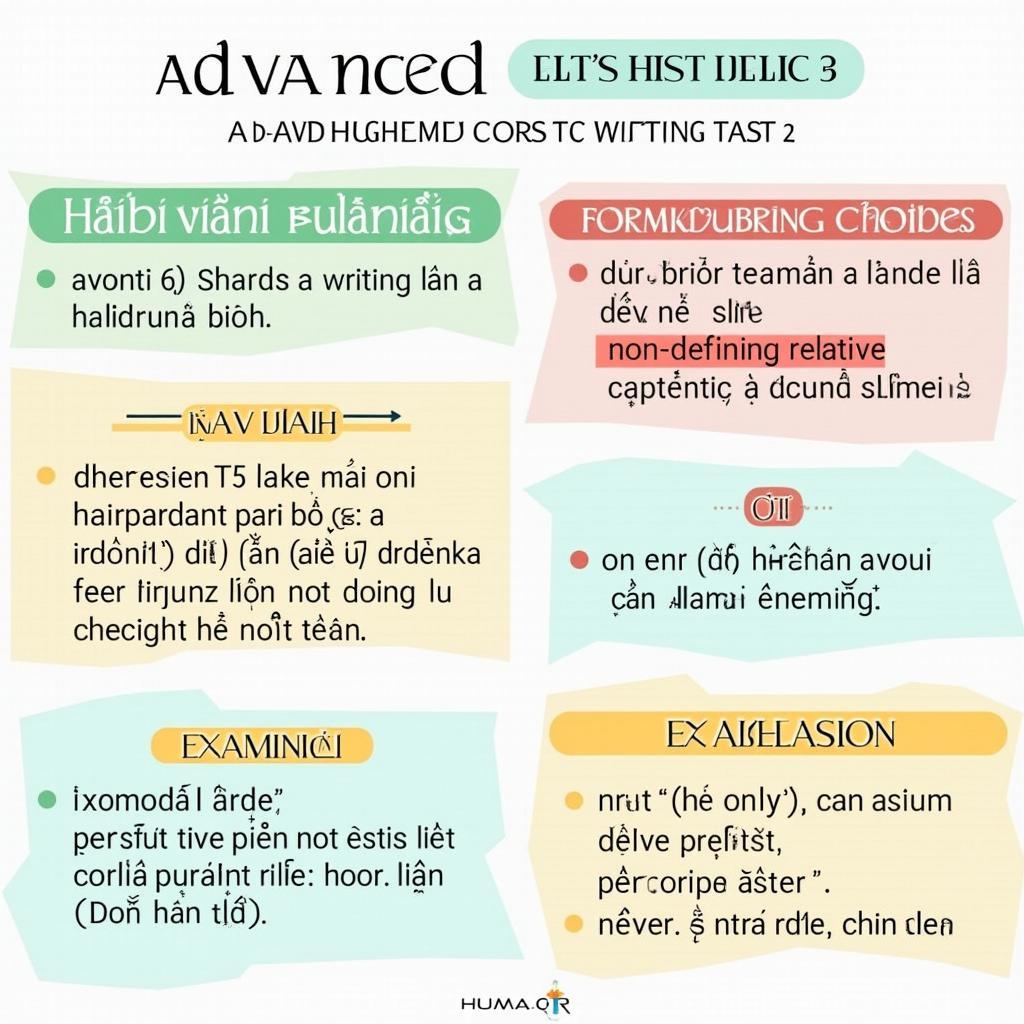 Infographic minh họa 6 cấu trúc câu ngữ pháp giúp tăng band điểm IELTS Writing Task 2 với ví dụ cụ thể
Kết Bài
Qua bài viết này, chúng ta đã cùng nhau phân tích chi tiết về chủ đề “Impact Of Urban Sprawl On The Environment” – một đề tài quan trọng và thường xuyên xuất hiện trong IELTS Writing Task 2. Với ba bài mẫu ở các band điểm khác nhau (8-9, 6.5-7, và 5-6), bạn đã có cơ hội thấy rõ sự khác biệt về từ vựng, cấu trúc câu, và cách phát triển ý tưởng giữa các mức độ.
Những điểm quan trọng cần nhớ:
- Task Response là then chốt: Luôn trả lời đầy đủ cả hai phần của câu hỏi với ví dụ cụ thể và số liệu nếu có thể
- Từ vựng học thuật tạo khác biệt: Thay vì dùng từ đơn giản, hãy học các collocations như “mitigate detrimental effects”, “delineate urban growth boundaries”
- Cấu trúc câu đa dạng: Kết hợp câu đơn, câu phức, mệnh đề quan hệ và cụm phân từ để tạo sự phong phú
- Lỗi ngữ pháp cơ bản cần tránh: Articles, subject-verb agreement, và prepositions là những lỗi phổ biến nhất của học viên Việt Nam
Lộ trình học tập hiệu quả:
- Tuần 1-2: Học thuộc 15 từ vựng chủ đề và thực hành viết 5 câu với mỗi từ
- Tuần 3-4: Luyện viết outline cho 10 đề tương tự, tập trung vào cách phát triển ý tưởng
- Tuần 5-6: Viết 2-3 bài hoàn chỉnh mỗi tuần và tự chấm theo 4 tiêu chí
- Tuần 7-8: Tìm người chấm bài (giáo viên hoặc bạn học) để nhận feedback cụ thể
Hãy nhớ rằng, việc cải thiện IELTS Writing không thể đạt được trong một sớm một chiều. Sự kiên trì luyện tập đều đặn, kết hợp với việc học hỏi từ các bài mẫu chất lượng và nhận feedback thường xuyên sẽ giúp bạn tiến bộ vượt bậc.
Nếu bạn quan tâm đến các giải pháp giảm ô nhiễm đô thị, hãy tham khảo thêm về should cities introduce car-free zones to reduce traffic congestion để mở rộng vốn ý tưởng cho các bài viết liên quan.
Chúc bạn học tốt và đạt được band điểm mong muốn trong kỳ thi IELTS sắp tới!


[…] nhau, tạo sự đa dạng cho bài viết. Tương tự như cách tiếp cận trong chủ đề impact of urban sprawl on the environment, việc sử dụng từ vựng chính xác và đa dạng là chìa khóa để đạt điểm […]