
Giới thiệu về chủ đề Global Health Initiatives trong IELTS Writing
Chủ đề về các sáng kiến sức khỏe toàn cầu (global health initiatives) ngày càng trở nên phổ biến trong kỳ thi IELTS Writing Task 2, đặc biệt sau đại dịch COVID-19. Đây là một chủ đề thuộc nhóm Health & Society, thường xuất hiện dưới dạng câu hỏi Agree/Disagree, Discussion, hoặc Problem-Solution.
Trong bài viết này, bạn sẽ học được:
- Cách phân tích và tiếp cận đề bài về global health initiatives một cách chiến lược
- 3 bài mẫu hoàn chỉnh ở các band điểm 5-6, 6.5-7, và 8-9 với phân tích chi tiết
- Từ vựng chuyên ngành và cấu trúc câu giúp “ăn điểm” cao
- Những lỗi sai phổ biến của học viên Việt Nam và cách khắc phục
Các đề thi thực tế đã xuất hiện gần đây:
- “Some people think that international organizations should be responsible for global health issues. Others believe individual countries should handle their own health problems. Discuss both views and give your opinion.” (IDP, tháng 3/2023)
- “The best way to solve global health problems is to increase funding for research and treatment. To what extent do you agree or disagree?” (British Council, tháng 9/2023)
Hãy cùng khám phá một đề bài điển hình và cách xử lý hiệu quả nhất!
Đề bài Writing Task 2 thực hành
International cooperation on global health initiatives is more important than individual countries managing their own health systems. To what extent do you agree or disagree with this statement?
Dịch đề: Sự hợp tác quốc tế trong các sáng kiến sức khỏe toàn cầu quan trọng hơn việc các quốc gia riêng lẻ quản lý hệ thống y tế của chính họ. Bạn đồng ý hay không đồng ý với quan điểm này ở mức độ nào?
Phân tích đề bài:
Đây là dạng câu hỏi Opinion Essay (Agree/Disagree) với từ khóa “to what extent” – yêu cầu bạn đưa ra quan điểm rõ ràng về mức độ đồng ý.
Các thuật ngữ quan trọng cần hiểu:
- International cooperation: Sự cộng tác giữa nhiều quốc gia
- Global health initiatives: Các chương trình, dự án về sức khỏe có phạm vi toàn cầu (ví dụ: chống dịch bệnh, vaccine toàn cầu)
- Individual countries managing: Các quốc gia tự quản lý độc lập
Những lỗi thường gặp của học viên Việt Nam:
- Chỉ tập trung vào một khía cạnh mà không cân nhắc cả hai mặt của vấn đề
- Sử dụng ví dụ quá chung chung, thiếu tính thuyết phục
- Nhầm lẫn giữa “global health” (sức khỏe toàn cầu) và “health globally” (sức khỏe trên toàn cầu)
- Dùng từ “countries” nhưng quên mạo từ hoặc dùng sai số ít/số nhiều
Cách tiếp cận chiến lược:
Với đề bài này, bạn có 3 hướng triển khai:
- Hoàn toàn đồng ý: Hợp tác quốc tế quan trọng hơn
- Hoàn toàn không đồng ý: Quản lý quốc gia quan trọng hơn
- Đồng ý một phần (Balanced view – khuyến khích): Cả hai đều quan trọng, nhưng trong các tình huống khác nhau
Hướng thứ 3 thường dễ triển khai và thuyết phục hơn vì thể hiện tư duy phản biện toàn diện. Tuy nhiên, cũng có thể viết một bài mẫu liên quan đến chủ đề này như why public health campaigns are important để mở rộng khả năng lập luận của bạn.
Bài mẫu Band 8-9
Giới thiệu: Bài viết Band 8-9 thể hiện sự thành thạo cao về ngôn ngữ với từ vựng phong phú, đa dạng cấu trúc câu phức, lập luận chặt chẽ và ví dụ thuyết phục. Bài viết dưới đây minh họa cách cân bằng giữa hai quan điểm và đưa ra ý kiến cá nhân rõ ràng.
The debate over whether international collaboration on health matters supersedes national healthcare management has gained prominence in recent years. While I acknowledge the critical role of domestic health systems, I firmly believe that global cooperation is paramount in addressing health challenges that transcend borders.
On the one hand, the importance of individual countries maintaining robust healthcare infrastructure cannot be overstated. National governments possess intimate knowledge of their populations’ specific health needs, cultural sensitivities, and economic constraints. For instance, Japan’s aging population requires a healthcare model fundamentally different from Nigeria’s, where infectious diseases among young people remain the primary concern. Furthermore, localized health systems enable rapid response to domestic emergencies without bureaucratic delays inherent in international coordination. The swift containment of SARS in Vietnam in 2003 exemplifies how efficient national systems can prevent epidemics from escalating.
On the other hand, certain health crises inherently demand international cooperation due to their global nature. Infectious diseases, as demonstrated by the COVID-19 pandemic, recognize no borders, rendering isolated national responses insufficient. The development and distribution of vaccines through initiatives like COVAX illustrate how pooled resources and shared expertise can achieve outcomes impossible for individual nations. Moreover, global health challenges such as antimicrobial resistance and climate-related diseases require coordinated research and policy frameworks that transcend national jurisdictions. The eradication of smallpox and near-elimination of polio were only possible through sustained international efforts led by the World Health Organization.
In my view, rather than positioning these approaches as mutually exclusive, the optimal solution lies in their integration. Strong national health systems form the foundation upon which effective international cooperation can build. Countries with well-developed domestic infrastructure are better positioned to contribute to and benefit from global health initiatives. The relationship should be viewed as complementary rather than hierarchical, with international cooperation providing a framework for addressing transnational health threats while respecting national sovereignty in managing localized health issues.
In conclusion, while robust national healthcare systems remain essential for addressing country-specific health needs, the interconnected nature of modern health challenges necessitates international cooperation as the primary mechanism for tackling threats that transcend borders. The most effective approach integrates both levels, leveraging their respective strengths.
(380 từ)
Phân tích Band điểm
| Tiêu chí | Band | Nhận xét |
|---|---|---|
| Task Response (Hoàn thành yêu cầu) | 9.0 | Bài viết trả lời đầy đủ câu hỏi với quan điểm rõ ràng ngay từ mở bài. Cả hai khía cạnh được phân tích sâu sắc với ví dụ cụ thể và thuyết phục (SARS, COVID-19, COVAX, smallpox). Kết luận khẳng định lại quan điểm một cách mạch lạc. |
| Coherence & Cohesion (Mạch lạc & Liên kết) | 9.0 | Cấu trúc bài rõ ràng với các linking words tinh tế (On the one hand, Furthermore, Moreover, In my view). Mỗi đoạn có topic sentence mạnh mẽ và phát triển ý logic. Sử dụng cohesive devices đa dạng mà không lặp lại. |
| Lexical Resource (Từ vựng) | 9.0 | Từ vựng học thuật phong phú và chính xác (supersedes, paramount, transcend borders, intimate knowledge, bureaucratic delays, antimicrobial resistance). Collocations tự nhiên (robust infrastructure, sustained efforts, transnational threats). Không có lỗi từ vựng. |
| Grammatical Range & Accuracy (Ngữ pháp) | 9.0 | Đa dạng cấu trúc câu phức với mệnh đề quan hệ, phân từ, câu bị động, và các cấu trúc nâng cao. Ngữ pháp chính xác hoàn toàn, thể hiện sự kiểm soát tuyệt vời về ngôn ngữ học thuật. |
Các yếu tố giúp bài này được chấm điểm cao
-
Quan điểm balanced và nuanced: Không đơn thuần đồng ý hay không đồng ý, mà đưa ra cách nhìn tinh tế về sự bổ trợ lẫn nhau giữa hai cấp độ hợp tác.
-
Ví dụ cụ thể và đa dạng: Sử dụng nhiều ví dụ thực tế từ các quốc gia khác nhau (Japan, Nigeria, Vietnam) và các sáng kiến toàn cầu cụ thể (COVAX, WHO, eradication of smallpox).
-
Từ vựng học thuật chính xác: Sử dụng các cụm từ chuyên ngành như “transcend borders”, “antimicrobial resistance”, “transnational health threats” một cách tự nhiên.
-
Cấu trúc câu phức tạp nhưng rõ ràng: Kết hợp nhiều mệnh đề trong một câu mà vẫn dễ hiểu, ví dụ: “Countries with well-developed domestic infrastructure are better positioned to contribute to and benefit from global health initiatives.”
-
Liên kết mạch lạc: Mỗi đoạn văn có topic sentence rõ ràng và phát triển ý một cách logic, với các từ nối tinh tế không bị lạm dụng.
-
Paraphrasing hiệu quả: Không lặp lại từ ngữ trong đề bài mà paraphrase khéo léo: “international cooperation” → “global collaboration”, “health initiatives” → “health matters”, “more important” → “paramount”.
-
Kết luận mạnh mẽ: Tóm tắt quan điểm một cách súc tích và đưa ra khuyến nghị về cách tích hợp hai cấp độ hợp tác.
 Bài mẫu IELTS Writing Task 2 về sáng kiến sức khỏe toàn cầu đạt band điểm cao
Bài mẫu Band 6.5-7
Giới thiệu: Bài viết Band 6.5-7 thể hiện khả năng sử dụng ngôn ngữ tốt với từ vựng đa dạng và cấu trúc câu phức hợp lý. Tuy nhiên, có một số hạn chế nhỏ về độ tinh tế trong lập luận và sự đa dạng trong cách diễn đạt.
In recent years, there has been a debate about whether international cooperation on health issues is more important than countries managing their own healthcare systems. I partly agree with this statement because both approaches have their own advantages in different situations.
On one hand, international cooperation is essential for dealing with global health problems. Many diseases such as COVID-19 can spread quickly across borders, so one country alone cannot solve these problems effectively. For example, during the COVID-19 pandemic, countries needed to work together to develop vaccines and share medical knowledge. Organizations like the World Health Organization play an important role in coordinating efforts between countries and providing support to nations that lack resources. Without international cooperation, poor countries would struggle to access vaccines and medical equipment.
On the other hand, individual countries also need strong healthcare systems to address their specific needs. Each country has different health challenges based on their population and environment. For instance, tropical countries face diseases like malaria and dengue fever, while developed countries deal more with chronic diseases like diabetes and heart disease. National governments understand their citizens’ needs better and can respond quickly to local health emergencies. Vietnam’s response to SARS in 2003 showed how a well-organized national system can control disease outbreaks effectively.
In my opinion, the best approach is to combine both international cooperation and strong national health systems. Countries should maintain their own healthcare infrastructure while also participating in global health initiatives. This combination allows nations to handle local problems independently while benefiting from international support for major global health threats. For example, countries can manage routine healthcare services domestically but collaborate internationally on issues like pandemic preparedness and medical research.
In conclusion, while international cooperation is crucial for addressing health challenges that cross borders, strong national healthcare systems remain important for managing local health needs. The ideal solution is to strengthen both levels of healthcare management rather than choosing one over the other.
(358 từ)
Phân tích Band điểm
| Tiêu chí | Band | Nhận xét |
|---|---|---|
| Task Response (Hoàn thành yêu cầu) | 7.0 | Bài viết trả lời đầy đủ câu hỏi với quan điểm rõ ràng. Các ý tưởng được phát triển tốt với ví dụ cụ thể. Tuy nhiên, một số lập luận chưa được mở rộng sâu như bài Band 8-9 (ví dụ: chưa đề cập đến antimicrobial resistance hay climate-related diseases). |
| Coherence & Cohesion (Mạch lạc & Liên kết) | 7.0 | Cấu trúc bài rõ ràng với các đoạn văn được tổ chức logic. Sử dụng linking words phổ biến (On one hand, On the other hand, For example) nhưng chưa đa dạng bằng bài Band 9. Các ý trong đoạn liên kết tốt nhưng đôi khi hơi cơ bản. |
| Lexical Resource (Từ vựng) | 6.5 | Từ vựng đủ để truyền đạt ý tưởng với một số collocations tốt (global health problems, disease outbreaks, healthcare infrastructure). Tuy nhiên, có sự lặp lại (countries xuất hiện nhiều lần, health problems/health challenges) và thiếu từ vựng học thuật nâng cao. |
| Grammatical Range & Accuracy (Ngữ pháp) | 7.0 | Sử dụng được câu phức với mệnh đề phụ thuộc và một số cấu trúc nâng cao. Ngữ pháp chính xác với ít lỗi nhỏ. Tuy nhiên, cấu trúc câu chưa đa dạng và phức tạp bằng bài Band 9 (ít sử dụng mệnh đề quan hệ không xác định, câu chẻ). |
So sánh với bài Band 8-9
Về từ vựng:
Band 6.5-7: “In recent years, there has been a debate about whether international cooperation on health issues is more important…”
Band 8-9: “The debate over whether international collaboration on health matters supersedes national healthcare management has gained prominence…”
→ Bài Band 9 sử dụng từ vựng tinh tế hơn (supersedes thay vì more important, gained prominence thay vì there has been) và paraphrase đề bài tốt hơn.
Về cấu trúc câu:
Band 6.5-7: “Many diseases such as COVID-19 can spread quickly across borders, so one country alone cannot solve these problems effectively.”
Band 8-9: “Infectious diseases, as demonstrated by the COVID-19 pandemic, recognize no borders, rendering isolated national responses insufficient.”
→ Bài Band 9 sử dụng cấu trúc câu phức tạp hơn với phân từ (rendering) và cách diễn đạt hình tượng hơn (recognize no borders).
Về lập luận:
Band 6.5-7: Đưa ra ví dụ tốt về COVID-19 và Vietnam’s SARS response, nhưng lập luận còn ở mức tổng quát.
Band 8-9: Ngoài ví dụ cụ thể, còn đề cập đến các khái niệm chuyên sâu như antimicrobial resistance, climate-related diseases, và phân tích sâu hơn về vai trò của COVAX initiative.
Về linking devices:
Band 6.5-7: Sử dụng các từ nối phổ biến và đơn giản (On one hand, For example, In my opinion).
Band 8-9: Sử dụng các cụm từ nối tinh tế hơn (On the one hand, Furthermore, Moreover, Rather than positioning these approaches as mutually exclusive).
Bài mẫu Band 5-6
Giới thiệu: Bài viết Band 5-6 thể hiện khả năng truyền đạt ý tưởng cơ bản nhưng còn nhiều hạn chế về từ vựng, ngữ pháp và cách tổ chức ý. Bài viết thường có lỗi sai ảnh hưởng đến sự rõ ràng nhưng vẫn có thể hiểu được ý chính.
Nowadays, many people think international cooperation about health is more important than countries manage their own health systems. I agree with this idea because there are many health problems in the world need all countries work together.
First of all, international cooperation is very important for solve global health problems. For example, COVID-19 is a disease that spread to many countries very fast. One country cannot stop this disease alone because people travel to different countries every day. So countries must working together to make vaccine and share informations about the disease. World Health Organization help countries to cooperate and give support to poor countries who don’t have enough money for healthcare. This show that international cooperation is necessary.
However, I think national health systems are also important. Every country has different health problem. In hot countries, people get sick from diseases like malaria. But in cold countries, people have another diseases. So each country need to have their own health system to take care of people. For example, in Vietnam, government know what diseases Vietnamese people have and can help them quickly. If we only have international cooperation, maybe it will take long time to help people because many countries have to make decision together.
But in my opinion, international cooperation still more important than national health systems. This is because many diseases now can spread very quickly around the world. If countries don’t work together, these diseases will kill many people. Also, some countries are very poor and cannot afford good healthcare, so they need help from other countries and international organizations.
In conclusion, although national health systems is important for each country, I believe international cooperation is more important because it can help solve big health problems that affect all countries in the world. Countries should work together more to make healthcare better for everyone.
(332 từ)
Phân tích Band điểm
| Tiêu chí | Band | Nhận xét |
|---|---|---|
| Task Response (Hoàn thành yêu cầu) | 6.0 | Bài viết trả lời câu hỏi và có quan điểm rõ ràng (đồng ý). Tuy nhiên, các ý tưởng được phát triển chưa đầy đủ và thiếu ví dụ cụ thể chi tiết. Một số lập luận còn chung chung và chưa thuyết phục (ví dụ: “many diseases” nhưng không nêu cụ thể). |
| Coherence & Cohesion (Mạch lạc & Liên kết) | 5.5 | Có cấu trúc cơ bản với mở bài, thân bài và kết luận. Tuy nhiên, việc sử dụng linking words còn hạn chế và lặp lại (First of all, For example, However). Một số câu không liên kết mượt mà với nhau, gây cảm giác đứt đoạn. |
| Lexical Resource (Từ vựng) | 5.5 | Từ vựng đủ để truyền đạt ý cơ bản nhưng còn hạn chế và lặp lại nhiều (countries, health problems, important). Có lỗi về từ loại (informations) và collocation không tự nhiên (solve global health problems thay vì address). Thiếu từ vựng học thuật. |
| Grammatical Range & Accuracy (Ngữ pháp) | 5.5 | Sử dụng chủ yếu câu đơn và một số câu phức đơn giản. Có nhiều lỗi ngữ pháp ảnh hưởng đến sự rõ ràng: thiếu động từ to be (national health systems is), sai thì (must working), sai cấu trúc (problems need all countries work together). Tuy nhiên, vẫn có thể hiểu được ý chính. |
Những lỗi sai của bài – phân tích & giải thích
| Lỗi sai | Loại lỗi | Sửa lại | Giải thích |
|---|---|---|---|
| “countries manage their own health systems” | Ngữ pháp – Mệnh đề danh từ | “countries managing their own health systems” hoặc “countries’ management of their own health systems” | Sau giới từ “than” cần dùng danh từ hoặc V-ing, không dùng câu chủ-vị trực tiếp. Đây là lỗi phổ biến của học viên Việt vì tiếng Việt không phân biệt rõ các dạng động từ. |
| “there are many health problems in the world need all countries work together” | Ngữ pháp – Cấu trúc câu | “there are many health problems in the world that need all countries to work together” | Thiếu đại từ quan hệ “that” và động từ nguyên mẫu “to work”. Câu này có hai mệnh đề nên cần có liên từ hoặc đại từ quan hệ. |
| “international cooperation is very important for solve” | Ngữ pháp – Giới từ + V-ing | “international cooperation is very important for solving” | Sau giới từ “for” phải dùng V-ing, không dùng động từ nguyên thể. Học viên Việt thường nhầm vì không quen với quy tắc này. |
| “must working together” | Ngữ pháp – Modal verb | “must work together” | Sau modal verbs (must, can, should…) luôn dùng động từ nguyên thể không “to”. Đây là lỗi cơ bản nhưng rất phổ biến. |
| “share informations” | Từ vựng – Danh từ không đếm được | “share information” | “Information” là danh từ không đếm được, không có dạng số nhiều “informations”. Lỗi này xuất hiện do ảnh hưởng của tiếng Việt (“thông tin” có thể dùng “các thông tin”). |
| “countries who don’t have enough money” | Ngữ pháp – Đại từ quan hệ | “countries that/which don’t have enough money” | Dùng “that/which” cho vật, tổ chức; “who” chỉ dùng cho người. “Countries” là danh từ chỉ tổ chức nên dùng “that” hoặc “which”. |
| “This show that” | Ngữ pháp – Chia động từ | “This shows that” | Chủ ngữ “This” là số ít nên động từ phải thêm “s”. Đây là lỗi sơ ý phổ biến do không chú ý đến sự hòa hợp chủ-vị. |
| “national health systems are also important” (dùng “are”) vs “national health systems is important” (dùng “is” ở kết luận) | Ngữ pháp – Sự nhất quán | “national health systems are important” (luôn dùng “are”) | Cần nhất quán trong việc chia động từ. “Systems” là số nhiều nên luôn dùng “are”. Sự không nhất quán này cho thấy người viết chưa kiểm soát tốt ngữ pháp. |
| “every country need to have” | Ngữ pháp – Chia động từ | “every country needs to have” | “Every + danh từ số ít” luôn đi với động từ số ít. Học viên Việt dễ nhầm vì tiếng Việt không chia động từ theo số. |
| “another diseases” | Ngữ pháp – Định lượng từ | “other diseases” | “Another” dùng cho danh từ số ít, “other” dùng cho danh từ số nhiều. “Diseases” là số nhiều nên phải dùng “other”. |
| “international cooperation still more important” | Ngữ pháp – So sánh | “international cooperation is still more important” | Thiếu động từ “is”. Câu so sánh vẫn cần có động từ chính. Đây là lỗi do dịch trực tiếp từ tiếng Việt (“vẫn quan trọng hơn”). |
Cách cải thiện từ Band 5-6 lên Band 7
1. Khắc phục lỗi ngữ pháp cơ bản:
- Ôn lại cách chia động từ theo chủ ngữ (subject-verb agreement)
- Học thuộc cấu trúc sau modal verbs (must + V nguyên thể)
- Thực hành sử dụng đại từ quan hệ (that/which/who) đúng cách
- Ghi nhớ danh từ đếm được/không đếm được phổ biến
2. Mở rộng và cụ thể hóa lập luận:
Thay vì: “Many diseases now can spread very quickly around the world.”
Nên viết: “Infectious diseases such as COVID-19, Ebola, and influenza can spread rapidly across borders due to increased global travel and interconnected economies.”
3. Sử dụng từ vựng học thuật chính xác hơn:
- “solve problems” → “address challenges” hoặc “tackle issues”
- “very important” → “crucial”, “essential”, “vital”
- “help countries” → “provide support to”, “assist nations”
- “make vaccine” → “develop vaccines”
4. Cải thiện coherence bằng cách sử dụng linking words đa dạng:
Thay vì lặp lại “For example”, sử dụng:
- “For instance”, “To illustrate”, “A case in point is”
- “Furthermore”, “Moreover”, “In addition” (để bổ sung ý)
- “Conversely”, “Nevertheless”, “However” (để đối lập)
5. Phát triển đoạn văn đầy đủ hơn:
Mỗi đoạn nên có:
- Topic sentence (câu chủ đề)
- Explanation (giải thích)
- Example (ví dụ cụ thể)
- Link back to topic (liên hệ lại với chủ đề)
6. Thực hành paraphrasing:
Tránh lặp lại từ trong đề bài. Ví dụ:
- “international cooperation” → “global collaboration”, “worldwide partnership”
- “health systems” → “healthcare infrastructure”, “medical frameworks”
- “important” → “significant”, “crucial”, “paramount”
7. Kiểm tra kỹ bài viết:
Dành 5 phút cuối để:
- Kiểm tra chia động từ
- Sửa lỗi chính tả
- Đảm bảo mỗi câu có chủ ngữ và động từ
- Xem lại mạo từ a/an/the
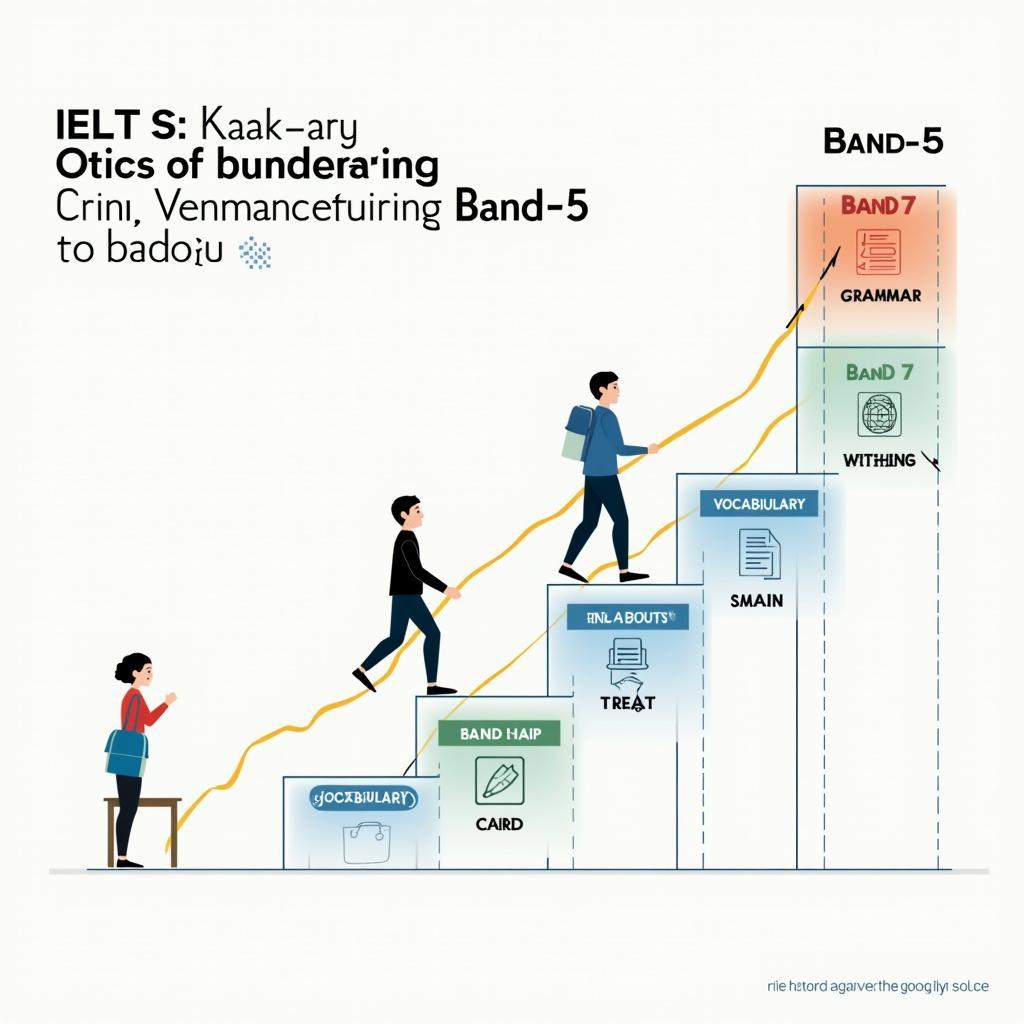 Cách cải thiện điểm số IELTS Writing Task 2 từ band 5 lên band 7
Từ vựng quan trọng cần nhớ
| Từ/Cụm từ | Loại từ | Phiên âm | Nghĩa tiếng Việt | Ví dụ (tiếng Anh) | Collocations |
|---|---|---|---|---|---|
| global health initiatives | noun phrase | /ˈɡləʊbl helθ ɪˈnɪʃətɪvz/ | các sáng kiến sức khỏe toàn cầu | Global health initiatives have become increasingly important in combating pandemics. | launch/implement/support global health initiatives |
| transcend borders | verb phrase | /trænˈsend ˈbɔːdəz/ | vượt qua biên giới | Infectious diseases transcend borders and require international cooperation. | issues/problems/challenges transcend borders |
| paramount | adjective | /ˈpærəmaʊnt/ | tối quan trọng, tối thượng | International cooperation is paramount in addressing global health threats. | of paramount importance/significance |
| robust healthcare infrastructure | noun phrase | /rəʊˈbʌst ˈhelθkeə ˈɪnfrəstrʌktʃə/ | cơ sở hạ tầng y tế vững mạnh | Developing countries need robust healthcare infrastructure to manage local diseases. | build/develop/maintain robust infrastructure |
| antimicrobial resistance | noun phrase | /ˌæntɪmaɪkrəʊˈbaɪəl rɪˈzɪstəns/ | kháng thuốc kháng sinh | Antimicrobial resistance poses a serious threat to global health security. | tackle/address/combat antimicrobial resistance |
| transnational health threats | noun phrase | /trænzˈnæʃənl helθ θrets/ | các mối đe dọa sức khỏe xuyên quốc gia | Climate change creates transnational health threats that require coordinated responses. | face/address/mitigate transnational threats |
| epidemiological surveillance | noun phrase | /ˌepɪˌdiːmiəˈlɒdʒɪkl səˈveɪləns/ | giám sát dịch tễ học | Effective epidemiological surveillance helps detect disease outbreaks early. | conduct/strengthen/establish epidemiological surveillance |
| pooled resources | noun phrase | /puːld rɪˈsɔːsɪz/ | nguồn lực gộp chung | Pooled resources enable faster vaccine development during health emergencies. | share/combine/utilize pooled resources |
| disease eradication | noun phrase | /dɪˈziːz ɪˌrædɪˈkeɪʃn/ | xóa bỏ hoàn toàn bệnh tật | The disease eradication program successfully eliminated smallpox worldwide. | achieve/pursue/support disease eradication |
| localized health emergencies | noun phrase | /ˈləʊkəlaɪzd helθ ɪˈmɜːdʒənsiz/ | các tình huống khẩn cấp về y tế địa phương | Strong national systems can respond quickly to localized health emergencies. | handle/manage/respond to localized emergencies |
| sustained international efforts | noun phrase | /səˈsteɪnd ˌɪntəˈnæʃənl ˈefəts/ | các nỗ lực quốc tế bền vững | Sustained international efforts are essential for eliminating infectious diseases. | require/demand/depend on sustained efforts |
| complementary approaches | noun phrase | /ˌkɒmplɪˈmentri əˈprəʊtʃɪz/ | các phương pháp bổ trợ lẫn nhau | National and international health strategies should be viewed as complementary approaches. | adopt/implement/integrate complementary approaches |
| bureaucratic delays | noun phrase | /ˌbjʊərəˈkrætɪk dɪˈleɪz/ | sự chậm trễ do quan liêu | International coordination sometimes suffers from bureaucratic delays. | avoid/minimize/overcome bureaucratic delays |
| intimate knowledge | noun phrase | /ˈɪntɪmət ˈnɒlɪdʒ/ | hiểu biết sâu sắc, thấu đáo | National governments possess intimate knowledge of their populations’ health needs. | have/possess/demonstrate intimate knowledge |
| coordinated research frameworks | noun phrase | /kəʊˈɔːdɪneɪtɪd rɪˈsɜːtʃ ˈfreɪmwɜːks/ | khung nghiên cứu phối hợp | Coordinated research frameworks accelerate medical breakthroughs in global health. | establish/develop/implement coordinated frameworks |
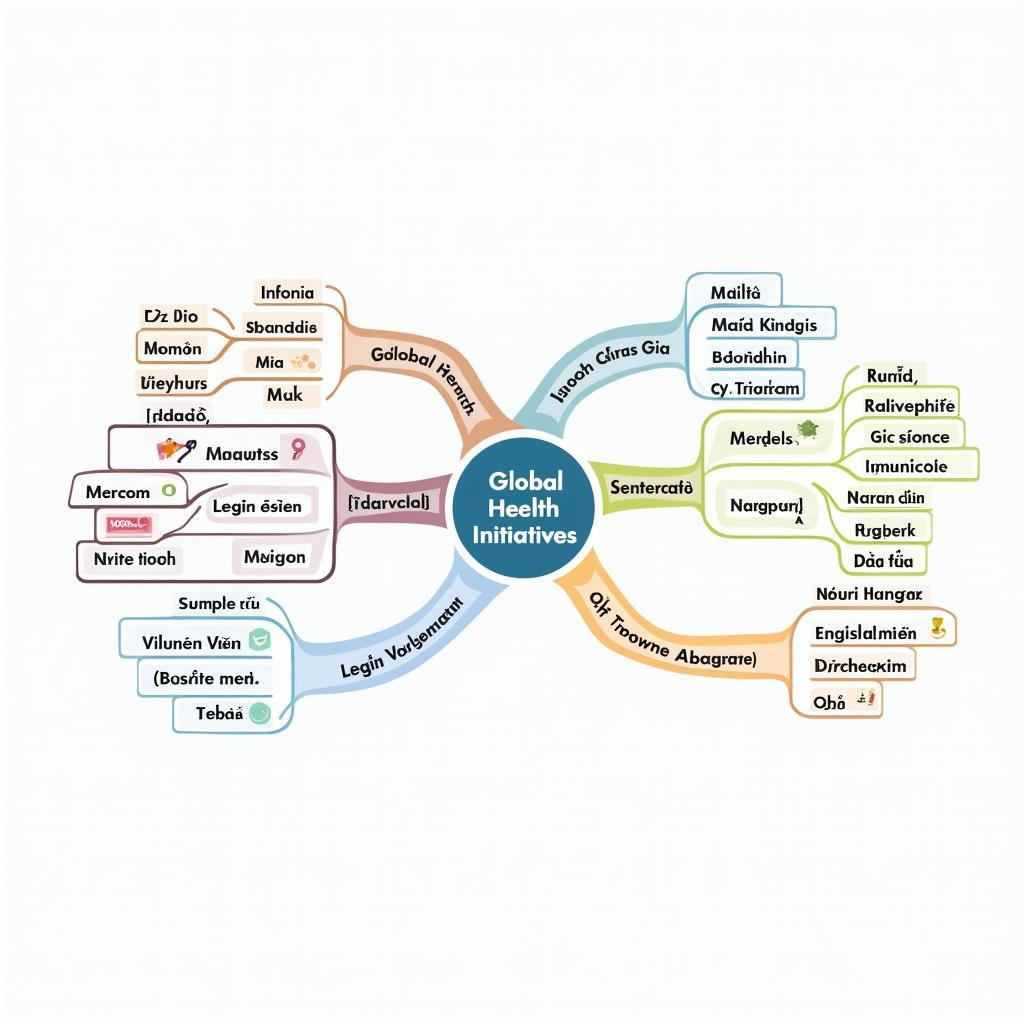 Từ vựng IELTS chủ đề sức khỏe toàn cầu và y tế công cộng
Cấu trúc câu dễ “ăn điểm” cao
1. Câu phức với mệnh đề nhượng bộ (Concessive clause)
Công thức: While/Although/Though + clause 1, clause 2
Ví dụ từ bài Band 8-9:
While I acknowledge the critical role of domestic health systems, I firmly believe that global cooperation is paramount in addressing health challenges that transcend borders.
Tại sao cấu trúc này ghi điểm cao:
Cấu trúc này thể hiện tư duy phản biện và khả năng cân nhắc nhiều khía cạnh của vấn đề. Nó cho thấy người viết không chỉ đưa ra quan điểm một chiều mà còn thừa nhận giá trị của quan điểm đối lập trước khi bảo vệ lập trường của mình. Điều này đặc biệt quan trọng trong các bài Discussion hoặc Opinion essay.
Ví dụ bổ sung:
- Although national healthcare systems play a crucial role, international collaboration remains essential for pandemic preparedness.
- While some argue that countries should prioritize domestic health issues, transnational diseases necessitate global cooperation.
- Though individual nations possess intimate knowledge of local health needs, certain challenges inherently demand collective international action.
Lỗi thường gặp của học viên Việt Nam:
- Dùng cả “Although” và “but” trong cùng một câu (Although… but…) – đây là lỗi dịch trực tiếp từ “Mặc dù… nhưng…”
- Đặt dấu phay sai vị trí hoặc thiếu dấu phay sau mệnh đề phụ thuộc
- Không cân bằng độ quan trọng giữa hai vế câu
2. Mệnh đề quan hệ không xác định (Non-defining relative clause)
Công thức: Noun + , which/who + clause, + main clause tiếp theo
Ví dụ từ bài Band 8-9:
Infectious diseases, as demonstrated by the COVID-19 pandemic, recognize no borders, rendering isolated national responses insufficient.
Tại sao cấu trúc này ghi điểm cao:
Mệnh đề quan hệ không xác định giúp bổ sung thông tin chi tiết mà không làm gián đoạn luồng ý chính của câu. Nó thể hiện khả năng sử dụng ngữ pháp phức tạp một cách tự nhiên và tạo độ mượt mà cho văn bản. Cấu trúc này cũng giúp tránh phải viết nhiều câu ngắn rời rạc.
Ví dụ bổ sung:
- The World Health Organization, which coordinates international health responses, plays a vital role in pandemic management.
- National health systems, which understand local contexts better, can respond more rapidly to domestic emergencies.
- Vaccine development programs, which require substantial investment, often benefit from international funding mechanisms.
Lỗi thường gặp của học viên Việt Nam:
- Quên đặt dấu phẩy trước và sau mệnh đề quan hệ không xác định
- Nhầm lẫn giữa “which” và “that” (that không dùng trong mệnh đề không xác định)
- Dùng “what” thay vì “which” khi muốn thay thế cho cả mệnh đề phía trước
3. Cụm phân từ (Participle phrases)
Công thức: V-ing/V-ed + object/complement, main clause HOẶC Main clause, V-ing/V-ed + object
Ví dụ từ bài Band 8-9:
The development and distribution of vaccines through initiatives like COVAX illustrate how pooled resources and shared expertise can achieve outcomes impossible for individual nations.
Tại sao cấu trúc này ghi điểm cao:
Cụm phân từ giúp kết hợp nhiều ý trong một câu mà không cần dùng liên từ, tạo nên văn phong học thuật và súc tích. Nó thể hiện khả năng kiểm soát ngữ pháp nâng cao và tạo sự đa dạng trong cấu trúc câu, tránh lặp lại các mẫu câu đơn giản.
Ví dụ bổ sung:
- Recognizing the transnational nature of health threats, international organizations have established coordinated response mechanisms.
- Having witnessed the devastating effects of COVID-19, governments now prioritize investment in global health security.
- Countries with limited resources, facing multiple health challenges simultaneously, rely heavily on international assistance programs.
Lỗi thường gặp của học viên Việt Nam:
- Sử dụng cụm phân từ treo (dangling participle) – chủ ngữ của mệnh đề chính không phải là người/vật thực hiện hành động trong cụm phân từ
- Nhầm lẫn giữa V-ing (chủ động) và V-ed (bị động)
- Đặt sai vị trí của cụm phân từ làm ảnh hưởng đến nghĩa câu
4. Câu chẻ nhấn mạnh (Cleft sentences – It is/was… that…)
Công thức: It is/was + thành phần nhấn mạnh + that/who + phần còn lại của câu
Ví dụ từ bài Band 8-9:
It was only through sustained international efforts led by the World Health Organization that the eradication of smallpox became possible.
Tại sao cấu trúc này ghi điểm cao:
Câu chẻ giúp nhấn mạnh một phần cụ thể trong câu, tạo điểm nhấn trong lập luận và thu hút sự chú ý của người đọc. Cấu trúc này thể hiện khả năng điều khiển thông tin trong câu một cách tinh tế và tạo hiệu ứng tu từ mạnh mẽ.
Ví dụ bổ sung:
- It is through international cooperation that developing countries gain access to life-saving vaccines and medical technologies.
- It was the rapid sharing of genetic data that enabled scientists to develop COVID-19 vaccines in record time.
- It is in addressing transnational health threats that global collaboration proves most valuable.
Lỗi thường gặp của học viên Việt Nam:
- Quên dùng “that” sau thành phần được nhấn mạnh
- Sử dụng quá nhiều câu chẻ trong một đoạn văn làm văn phong trở nên cứng nhắc
- Nhầm lẫn giữa “It is… that” (câu chẻ) và “It is… to” (cấu trúc khác)
5. Câu điều kiện hỗn hợp (Mixed conditional)
Công thức: If + past perfect, would + V (nguyên thể) HOẶC If + past simple, would have + V-ed
Ví dụ từ bài Band 8-9:
If countries had not established international health partnerships, the global response to pandemics would be significantly less effective.
Tại sao cấu trúc này ghi điểm cao:
Câu điều kiện hỗn hợp thể hiện mối quan hệ nhân quả phức tạp giữa quá khứ và hiện tại, hoặc giữa giả định hiện tại và kết quả quá khứ. Đây là dấu hiệu của tư duy logic cao và khả năng sử dụng ngữ pháp nâng cao một cách chính xác.
Ví dụ bổ sung:
- If we had invested more in global health infrastructure earlier, many preventable deaths could have been avoided.
- If individual nations managed health issues in isolation, current pandemic response mechanisms would not exist.
- Had international cooperation been prioritized decades ago, we would now have better systems for disease surveillance. Tương tự như the effects of climate change on human health, các vấn đề sức khỏe toàn cầu cũng đòi hỏi sự hợp tác dài hạn và có tầm nhìn xa.
Lỗi thường gặp của học viên Việt Nam:
- Nhầm lẫn thì trong hai vế của câu điều kiện hỗn hợp
- Sử dụng câu điều kiện phức tạp không phù hợp với ngữ cảnh
- Quên đảo ngữ khi bỏ “if” (Had… instead of If… had…)
6. Đảo ngữ với các trạng từ phủ định (Inversion with negative adverbials)
Công thức: Negative adverbial + auxiliary verb + subject + main verb
Ví dụ từ bài Band 8-9:
Not only does international cooperation facilitate vaccine distribution, but it also enables the sharing of critical medical research across borders.
Tại sao cấu trúc này ghi điểm cao:
Đảo ngữ tạo hiệu ứng nhấn mạnh mạnh mẽ và thể hiện phong cách viết học thuật chính thống. Nó cho thấy người viết có khả năng sử dụng các cấu trúc ngữ pháp phức tạp nhất trong tiếng Anh một cách tự nhiên và chính xác. Tuy nhiên, cần sử dụng một cách tiết chế để tránh văn phong quá cứng nhắc.
Ví dụ bổ sung:
- Rarely have we witnessed such successful international collaboration as during the development of COVID-19 vaccines.
- Never before has the need for global health cooperation been more apparent than in the face of emerging infectious diseases.
- Seldom do individual nations possess sufficient resources to address complex health challenges independently.
Lỗi thường gặp của học viên Việt Nam:
- Quên đảo trợ động từ lên trước chủ ngữ sau trạng từ phủ định
- Sử dụng đảo ngữ quá nhiều làm văn phong trở nên không tự nhiên
- Nhầm lẫn các trường hợp cần và không cần đảo ngữ
 Cấu trúc ngữ pháp nâng cao cho IELTS Writing Task 2 band cao
Kết bài
Qua bài viết này, chúng ta đã cùng nhau khám phá chủ đề “Importance Of Global Health Initiatives” – một trong những chủ đề nóng và có tính thời sự cao trong IELTS Writing Task 2. Bạn đã được trang bị ba bài mẫu ở các band điểm khác nhau (5-6, 6.5-7, và 8-9) cùng với phân tích chi tiết về điểm mạnh và hạn chế của từng bài.
Những điểm quan trọng cần ghi nhớ:
Để đạt band điểm cao, bạn cần kết hợp hài hòa bốn yếu tố: Task Response (trả lời đầy đủ yêu cầu với lập luận thuyết phục), Coherence & Cohesion (tổ chức ý mạch lạc với liên kết tự nhiên), Lexical Resource (từ vựng học thuật đa dạng và chính xác), và Grammatical Range & Accuracy (sử dụng cấu trúc câu phức tạp với ít lỗi sai).
Đối với chủ đề global health initiatives, hãy nhớ rằng các giám khảo đánh giá cao những bài viết có tư duy cân bằng, không cực đoan. Thay vì chỉ đồng ý hoàn toàn hoặc phản đối hoàn toàn, hãy thể hiện sự hiểu biết sâu sắc về cả lợi ích của hợp tác quốc tế lẫn vai trò quan trọng của hệ thống y tế quốc gia. Tương tự như cách tiếp cận trong the role of language preservation in cultural identity, việc thừa nhận nhiều góc độ khác nhau sẽ làm cho lập luận của bạn trở nên thuyết phục hơn.
Lời khuyên thực tế từ kinh nghiệm giảng dạy:
Với học viên Việt Nam, tôi nhận thấy ba thách thức lớn nhất là: (1) sử dụng mạo từ (a/an/the) chính xác, (2) chia động từ theo chủ ngữ, và (3) tạo sự đa dạng trong cấu trúc câu. Hãy dành thời gian đặc biệt để khắc phục những điểm yếu này thông qua việc viết thường xuyên và nhận phản hồi từ giáo viên hoặc bạn học.
Một chiến lược hiệu quả là học thuộc 5-7 cụm từ chủ đề cho mỗi topic và thực hành kết hợp chúng với các cấu trúc ngữ pháp nâng cao đã học. Ví dụ, với chủ đề này, bạn có thể ghi nhớ các cụm như “transcend borders”, “pooled resources”, “sustained international efforts” và luyện tập đưa chúng vào các câu phức có mệnh đề quan hệ hoặc cụm phân từ.
Đừng quên rằng việc cải thiện Writing không thể đạt được chỉ sau một đêm. Hãy đặt mục tiêu viết ít nhất 2-3 bài mỗi tuần, tập trung vào việc áp dụng từ vựng và cấu trúc mới học. Sau mỗi bài viết, hãy tự đánh giá theo bốn tiêu chí chấm điểm và xác định điểm cần cải thiện.
Cuối cùng, hãy nhớ rằng mục tiêu của IELTS Writing không chỉ là đạt band điểm cao mà còn là phát triển kỹ năng viết học thuật sẽ hữu ích cho bạn trong suốt quá trình học tập và làm việc sau này. Chủ đề về sức khỏe toàn cầu không chỉ xuất hiện trong kỳ thi mà còn là một vấn đề thực tiễn mà tất cả chúng ta đều cần quan tâm, đặc biệt sau những bài học từ đại dịch COVID-19.
Chúc bạn học tập hiệu quả và đạt được band điểm mong muốn! Hãy kiên trì thực hành và đừng ngại mắc lỗi – mỗi lỗi sai đều là một cơ hội để học hỏi và tiến bộ.


