Giới thiệu chủ đề
Chủ đề năng lượng tái tạo và giảm phát thải carbon là một trong những đề tài môi trường phổ biến nhất trong kỳ thi IELTS Writing Task 2. Với sự quan tâm ngày càng tăng của toàn cầu về biến đổi khí hậu, đề tài này xuất hiện thường xuyên trong các kỳ thi từ năm 2020 đến nay, đặc biệt tại các tháng thi chính như tháng 3, tháng 7 và tháng 11.
Trong bài viết này, bạn sẽ học được những kỹ năng cần thiết để chinh phục dạng đề này, bao gồm: 3 bài mẫu đầy đủ cho các band điểm khác nhau (Band 8-9, Band 6.5-7, Band 5-6), phân tích chi tiết từng tiêu chí chấm điểm, bộ từ vựng quan trọng và các cấu trúc câu “ăn điểm” cao. Đặc biệt, bài viết sẽ chỉ ra những lỗi sai phổ biến của học viên Việt Nam và cách khắc phục hiệu quả.
Dưới đây là một số đề thi thực tế đã xuất hiện:
- Cambridge IELTS 15: “Some people think that the increasing use of computers and mobile phones for communication has a negative effect on young people’s reading and writing skills” (có yếu tố công nghệ và môi trường)
- IELTS Actual Test 2022: “Fossil fuels are the main source of energy around the world. However, people are being encouraged to use alternative energy sources such as wind energy, solar energy and so on. Do you think this is a positive or negative development?”
- IDP Test 2023: “The development of renewable energy sources is essential for reducing carbon emissions. To what extent do you agree or disagree?”
Đề Writing Part 2 thực hành
Some people believe that investing in renewable energy sources, such as solar and wind power, is the most effective way to reduce carbon emissions and combat climate change. Others argue that such investments are too expensive and that governments should focus on other solutions.
Discuss both views and give your own opinion.
Dịch đề: Một số người tin rằng đầu tư vào các nguồn năng lượng tái tạo như năng lượng mặt trời và gió là cách hiệu quả nhất để giảm phát thải carbon và chống biến đổi khí hậu. Những người khác lại cho rằng những khoản đầu tư như vậy quá đắt đỏ và chính phủ nên tập trung vào các giải pháp khác.
Thảo luận cả hai quan điểm và đưa ra ý kiến của bạn.
Phân tích đề bài:
Đây là dạng câu hỏi Discussion + Opinion – một trong những dạng phổ biến nhất trong IELTS Writing Task 2. Yêu cầu của đề bài rất rõ ràng:
- Thảo luận quan điểm thứ nhất: Năng lượng tái tạo là giải pháp hiệu quả nhất
- Thảo luận quan điểm thứ hai: Đầu tư quá tốn kém, nên có giải pháp khác
- Đưa ra quan điểm cá nhân: Bạn đồng ý với quan điểm nào hoặc có lập trường riêng
Các thuật ngữ quan trọng cần hiểu:
- Renewable energy sources: Nguồn năng lượng có khả năng tái tạo, không cạn kiệt
- Carbon emissions: Khí thải carbon, đặc biệt là CO2
- Combat climate change: Chống lại biến đổi khí hậu
- Effective: Hiệu quả về mặt kết quả
- Expensive: Tốn kém về mặt chi phí
Những lỗi thường gặp của học viên Việt Nam:
- Chỉ thảo luận một quan điểm và bỏ qua quan điểm còn lại
- Không đưa ra quan điểm cá nhân rõ ràng
- Sử dụng từ vựng về môi trường không chính xác (ví dụ: “pollution” thay vì “emissions”)
- Thiếu ví dụ cụ thể để minh họa cho luận điểm
- Lạm dụng cụm từ “I think”, “In my opinion” quá nhiều lần
Cách tiếp cận chiến lược:
Một bài viết hoàn chỉnh nên có cấu trúc 4 đoạn:
- Introduction: Paraphrase đề bài + nêu rõ bài viết sẽ thảo luận cả hai quan điểm + thesis statement (quan điểm của bạn)
- Body 1: Thảo luận quan điểm 1 với 2-3 luận điểm và ví dụ cụ thể
- Body 2: Thảo luận quan điểm 2 với 2-3 luận điểm và ví dụ cụ thể
- Conclusion: Tóm tắt hai quan điểm + khẳng định lại quan điểm cá nhân
Bài mẫu Band 8-9
Bài viết Band 8-9 thể hiện sự thành thạo cao về ngôn ngữ với từ vựng phong phú, cấu trúc câu đa dạng và phức tạp, lập luận logic chặt chẽ, và hoàn thành xuất sắc tất cả yêu cầu của đề bài. Các ý tưởng được phát triển đầy đủ với ví dụ cụ thể và có sự liên kết mạch lạc giữa các phần.
The question of whether renewable energy investments represent the optimal approach to addressing carbon emissions has sparked considerable debate. While some advocate for prioritising alternative solutions due to cost concerns, I firmly believe that renewable energy infrastructure constitutes the most viable long-term strategy, despite its initial financial burden.
Proponents of renewable energy investment advance several compelling arguments. Firstly, solar and wind technologies have demonstrated remarkable potential in substantially reducing greenhouse gas emissions. Countries such as Denmark, which derives approximately 50% of its electricity from wind power, have achieved significant reductions in their carbon footprints whilst maintaining economic stability. Moreover, the declining costs of renewable infrastructure make this investment increasingly economically attractive. The International Energy Agency reports that solar energy costs have plummeted by 90% over the past decade, rendering it competitive with fossil fuels in many regions. Additionally, renewable energy creates substantial employment opportunities; the solar industry alone currently employs over 3 million people globally, contributing to both environmental sustainability and economic prosperity.
However, critics argue that the substantial upfront costs of renewable infrastructure strain government budgets, particularly in developing nations. They contend that funds might be better allocated to immediate concerns such as reforestation programmes or energy efficiency improvements in existing buildings, which can yield quicker results at lower costs. Furthermore, the intermittent nature of renewable energy sources necessitates expensive battery storage systems or backup power facilities, adding to the overall financial burden.
Nevertheless, I maintain that renewable energy investments merit priority. Whilst acknowledging the legitimate concerns about initial expenditure, the long-term benefits far outweigh the short-term costs. Unlike temporary measures, renewable infrastructure provides sustainable solutions that address the root cause of carbon emissions. The urgency of climate change, as evidenced by increasingly severe weather patterns globally, demands transformative action rather than incremental improvements. Moreover, technological advancement continues to reduce implementation costs, making renewable energy progressively more accessible even for nations with limited resources.
In conclusion, although alternative approaches merit consideration, renewable energy investment represents the most effective pathway to meaningful carbon reduction. The combination of environmental benefits, economic potential, and technological progress justifies prioritising this approach despite the considerable initial investment required.
Phân tích Band điểm
| Tiêu chí | Band | Nhận xét |
|---|---|---|
| Task Response (Hoàn thành yêu cầu) | 9.0 | Bài viết thảo luận đầy đủ cả hai quan điểm với độ sâu đáng kể. Quan điểm cá nhân rõ ràng, nhất quán và được khẳng định xuyên suốt bài. Các ý tưởng được phát triển hoàn toàn với ví dụ cụ thể (Denmark, IEA statistics, việc làm trong ngành năng lượng mặt trời). |
| Coherence & Cohesion (Mạch lạc & Liên kết) | 9.0 | Cấu trúc logic hoàn hảo với sự chuyển tiếp mượt mà giữa các đoạn. Sử dụng đa dạng các từ nối (Firstly, Moreover, However, Nevertheless) một cách tự nhiên. Mỗi đoạn có một ý chính rõ ràng và được phát triển mạch lạc. |
| Lexical Resource (Từ vựng) | 9.0 | Từ vựng đa dạng và chính xác với nhiều collocations học thuật (sparked considerable debate, optimal approach, viable long-term strategy, plummeted by 90%, environmental sustainability). Không có lỗi từ vựng. Paraphrase hiệu quả xuyên suốt bài. |
| Grammatical Range & Accuracy (Ngữ pháp) | 9.0 | Sử dụng đa dạng cấu trúc câu phức tạp một cách tự nhiên (mệnh đề quan hệ, câu điều kiện, cụm phân từ). Không có lỗi ngữ pháp đáng kể. Kiểm soát hoàn toàn các thì động từ và cấu trúc câu ghép. |
Các yếu tố giúp bài này được chấm điểm cao
-
Thesis statement mạnh mẽ và rõ ràng: Câu “I firmly believe that renewable energy infrastructure constitutes the most viable long-term strategy” thể hiện quan điểm cá nhân ngay từ đầu và sử dụng từ vựng học thuật (constitutes, viable).
-
Sử dụng dữ liệu cụ thể: Bài viết dẫn chứng số liệu thực tế như “Denmark derives approximately 50% of its electricity from wind power”, “solar energy costs have plummeted by 90%” và “over 3 million people” làm cho lập luận thuyết phục hơn.
-
Cấu trúc câu đa dạng: Kết hợp nhiều loại câu từ đơn giản đến phức tạp, sử dụng mệnh đề quan hệ không xác định, cụm phân từ và cấu trúc câu ghép một cách tự nhiên.
-
Collocations học thuật chính xác: Các cụm từ như “sparked considerable debate”, “advance several compelling arguments”, “strain government budgets”, “merit priority” cho thấy vốn từ vựng phong phú và chuyên nghiệp.
-
Paraphrase hiệu quả: Đề bài được paraphrase hoàn toàn trong introduction (investing → investments, reduce carbon emissions → addressing carbon emissions, combat climate change → optimal approach to addressing carbon emissions).
-
Thừa nhận quan điểm đối lập: Sử dụng “Whilst acknowledging the legitimate concerns” để thể hiện tư duy phản biện và khách quan trước khi khẳng định lại quan điểm cá nhân.
-
Kết luận mạnh mẽ: Không chỉ tóm tắt mà còn khẳng định lại quan điểm với ngôn ngữ quyết đoán “represents the most effective pathway”, tạo ấn tượng cuối cùng tốt cho người chấm.
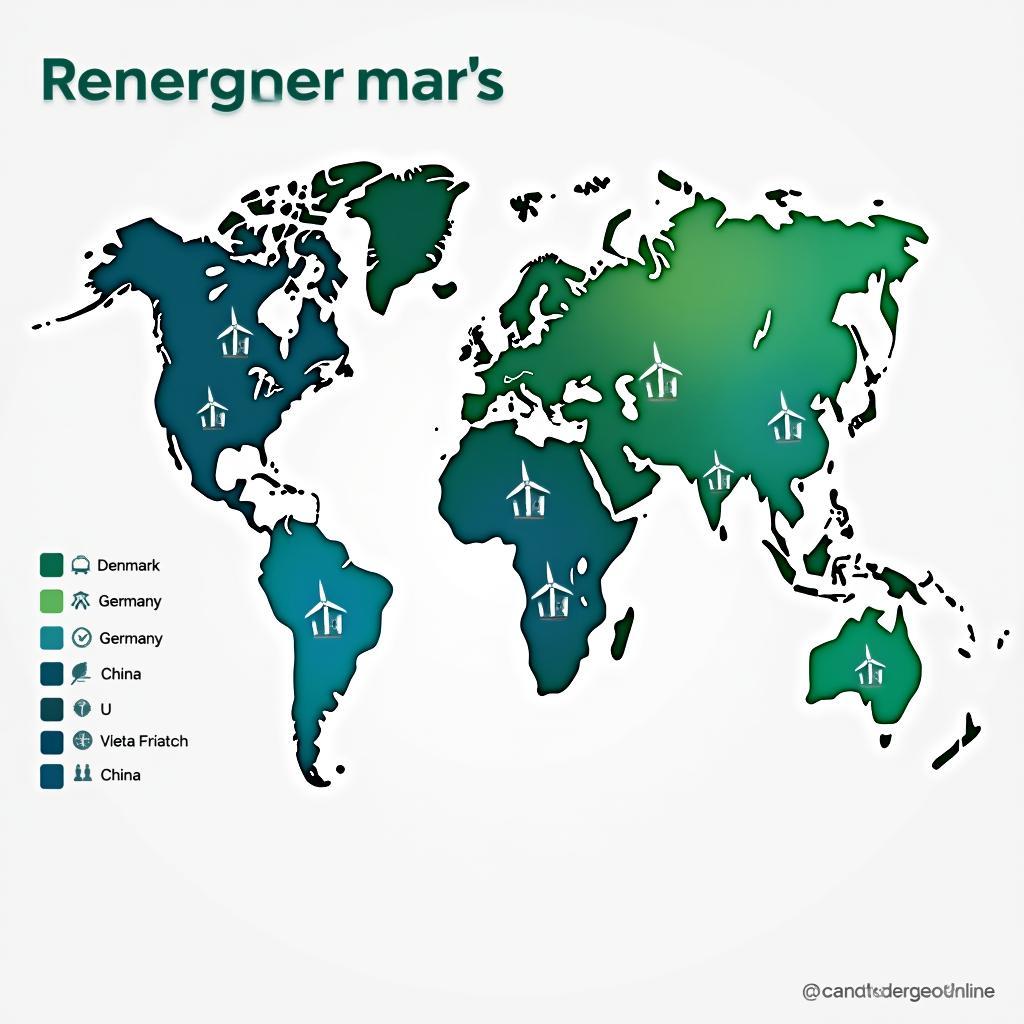 Bản đồ phân bố năng lượng tái tạo và mức độ giảm phát thải carbon toàn cầu theo từng quốc gia
Bài mẫu Band 6.5-7
Bài viết Band 6.5-7 thể hiện khả năng sử dụng ngôn ngữ tốt với từ vựng và cấu trúc câu đủ đa dạng. Các ý tưởng được trình bày rõ ràng nhưng có thể chưa được phát triển sâu như Band 8-9. Vẫn còn một số lỗi nhỏ về ngữ pháp hoặc từ vựng nhưng không ảnh hưởng đến khả năng hiểu.
These days, there is an ongoing debate about whether governments should invest in renewable energy to reduce carbon emissions or focus on other cheaper solutions. In my opinion, although renewable energy requires significant investment, it is still the best option for long-term environmental protection.
On the one hand, renewable energy sources like solar and wind power offer several advantages for reducing carbon emissions. Firstly, they produce clean energy without releasing harmful gases into the atmosphere. For example, countries like Germany have successfully reduced their carbon footprint by installing many wind farms and solar panels across the country. Secondly, renewable energy can help countries become more energy independent and less reliant on fossil fuels from other nations. This not only helps the environment but also improves national security. Finally, the renewable energy sector creates many new jobs in manufacturing, installation, and maintenance, which benefits the economy.
On the other hand, some people argue that renewable energy investments are too expensive and governments should consider other alternatives. The initial cost of building solar farms or wind turbines is very high, especially for developing countries with limited budgets. These funds could be used for other important projects like building hospitals or improving education. Additionally, renewable energy sources are not always reliable because they depend on weather conditions. When there is no sun or wind, countries still need backup power from traditional sources, which adds extra costs. Some experts believe that improving energy efficiency in buildings and transportation might be a more cost-effective approach in the short term.
However, I believe that investing in renewable energy is essential despite the high costs. While it is true that the initial investment is expensive, renewable energy becomes cheaper over time as technology improves and production increases. For instance, the cost of solar panels has decreased significantly in recent years, making it more affordable for many countries. More importantly, the environmental and health benefits of clean energy far outweigh the financial costs. Climate change is becoming more serious every year, and we need to take strong action now rather than waiting for perfect solutions.
In conclusion, although renewable energy requires substantial investment, it remains the most effective way to reduce carbon emissions and protect our planet for future generations. Governments should prioritize renewable energy development while also implementing complementary measures to achieve the best results.
Phân tích Band điểm
| Tiêu chí | Band | Nhận xét |
|---|---|---|
| Task Response (Hoàn thành yêu cầu) | 7.0 | Thảo luận đầy đủ cả hai quan điểm và đưa ra ý kiến cá nhân rõ ràng. Các ý tưởng được phát triển tốt nhưng còn thiếu chi tiết cụ thể ở một số chỗ. Ví dụ về Germany tốt nhưng có thể cần thêm số liệu cụ thể. |
| Coherence & Cohesion (Mạch lạc & Liên kết) | 7.0 | Cấu trúc rõ ràng với các từ nối phù hợp (Firstly, Secondly, On the other hand, However). Mỗi đoạn có chủ đề rõ ràng. Tuy nhiên, một số liên kết giữa các câu còn đơn giản và có thể cải thiện. |
| Lexical Resource (Từ vựng) | 6.5 | Từ vựng đủ đa dạng với một số collocations tốt (carbon footprint, energy independent, cost-effective approach). Có một số lặp từ (expensive/costs xuất hiện nhiều lần) và thiếu từ vựng học thuật cao cấp. |
| Grammatical Range & Accuracy (Ngữ pháp) | 7.0 | Sử dụng được nhiều cấu trúc câu phức tạp (mệnh đề quan hệ, câu điều kiện). Có một số lỗi nhỏ như “These days” (hơi informal), nhưng không ảnh hưởng đến khả năng hiểu. Kiểm soát tốt các thì động từ. |
So sánh với bài Band 8-9
1. Phần Introduction:
- Band 8-9: “The question of whether renewable energy investments represent the optimal approach to addressing carbon emissions has sparked considerable debate” – Sử dụng cấu trúc câu phức tạp với danh động từ và paraphrase hoàn toàn.
- Band 6.5-7: “These days, there is an ongoing debate about whether governments should invest…” – Đơn giản hơn, sử dụng “These days” (hơi informal), paraphrase cơ bản.
2. Từ vựng và Collocations:
- Band 8-9: “viable long-term strategy”, “plummeted by 90%”, “strain government budgets”, “intermittent nature”
- Band 6.5-7: “best option”, “decreased significantly”, “very high cost”, “not always reliable” – Từ vựng đơn giản hơn, ít học thuật hơn.
3. Ví dụ và Dữ liệu:
- Band 8-9: Cụ thể với số liệu (Denmark 50%, costs giảm 90%, 3 triệu việc làm), trích dẫn nguồn (IEA).
- Band 6.5-7: Ví dụ chung chung hơn (Germany, solar panels giá giảm) nhưng không có số liệu cụ thể.
4. Cấu trúc câu:
- Band 8-9: Nhiều câu phức với cụm phân từ, mệnh đề quan hệ không xác định, đảo ngữ.
- Band 6.5-7: Chủ yếu câu phức đơn giản với mệnh đề quan hệ xác định và câu điều kiện cơ bản.
5. Sự liên kết:
- Band 8-9: Sử dụng nhiều từ nối đa dạng và tinh tế (Nevertheless, Moreover, Whilst acknowledging).
- Band 6.5-7: Từ nối quen thuộc và đơn giản hơn (Firstly, Secondly, However, In conclusion).
Để tăng từ Band 6.5-7 lên Band 8-9, học viên cần: cải thiện từ vựng học thuật, sử dụng cấu trúc câu phức tạp hơn, bổ sung dữ liệu cụ thể, và paraphrase hiệu quả hơn.
Bài mẫu Band 5-6
Bài viết Band 5-6 thể hiện khả năng truyền đạt ý tưởng cơ bản nhưng còn nhiều hạn chế về từ vựng, ngữ pháp và sự phát triển ý tưởng. Có nhiều lỗi sai ảnh hưởng đến độ chính xác nhưng vẫn đủ hiểu được nội dung chính.
Nowadays, many people think that renewable energy is important for reducing carbon and help the environment. However, some people say it is too expensive and government should do other things. I will discuss both side and give my opinion.
First of all, renewable energy like solar power and wind power have many benefit. It can help to reduce the pollution in the air and make our planet more clean. For instance, in my country, government install solar panel on many building and this help reduce electricity bill for people. Also, renewable energy is better than coal and oil because it will never finish and we can use it forever. Another good point is that it create job for people who work in this industry.
However, other people believe that renewable energy cost too much money. Building wind farm and solar farm need a lot of money and time. Developing country don’t have enough money to invest in these project. They think government should spend money on more important thing like hospital and school. Also, solar energy only work when have sun and wind energy only work when have wind, so it is not stable. This mean we still need to use normal energy from coal and gas.
In my opinion, I think renewable energy is very important even though it is expensive. The reason is because climate change is a big problem now and we need to do something quickly. If we don’t use renewable energy, the earth will become more hot and this will cause many problem like flood and storm. Money is important but environment is more important for our children future.
In conclusion, renewable energy have both advantage and disadvantage. Even it cost a lot of money at the beginning, but I believe it is the best way to protect environment and reduce carbon emission. Government should invest more money in renewable energy to make our world better.
Phân tích Band điểm
| Tiêu chí | Band | Nhận xét |
|---|---|---|
| Task Response (Hoàn thành yêu cầu) | 5.5 | Đề cập đến cả hai quan điểm và có ý kiến cá nhân nhưng phát triển ý tưởng còn hạn chế. Thiếu ví dụ cụ thể và số liệu thuyết phục. Một số luận điểm chưa được giải thích đầy đủ (ví dụ: “create job” nhưng không nói cụ thể như thế nào). |
| Coherence & Cohesion (Mạch lạc & Liên kết) | 6.0 | Cấu trúc cơ bản rõ ràng với 4 đoạn. Sử dụng một số từ nối đơn giản (First of all, However, Also, In conclusion). Tuy nhiên, một số câu chưa liên kết tốt với nhau và việc chuyển ý còn đột ngột. |
| Lexical Resource (Từ vựng) | 5.5 | Từ vựng hạn chế và lặp lại nhiều (expensive, money, important xuất hiện liên tục). Có lỗi về word choice (benefit thay vì benefits, more clean thay vì cleaner). Thiếu collocations học thuật và paraphrase không hiệu quả. |
| Grammatical Range & Accuracy (Ngữ pháp) | 5.5 | Nhiều lỗi ngữ pháp ảnh hưởng đến độ chính xác: lỗi chia động từ (have thay vì has, cost thay vì costs), lỗi mạo từ (thiếu “the”, “a”), lỗi cấu trúc câu (help reduce thay vì helps reduce). Sử dụng chủ yếu câu đơn và câu ghép đơn giản. |
Những lỗi sai của bài – phân tích & giải thích
| Lỗi sai | Loại lỗi | Sửa lại | Giải thích |
|---|---|---|---|
| “help the environment” | Lỗi mạo từ | “help to protect the environment” | Cần động từ cụ thể hơn và giới từ “to” trước động từ nguyên mẫu khi theo sau “help” trong ngữ cảnh này. |
| “both side” | Lỗi số nhiều | “both sides“ | “Both” đi với danh từ số nhiều, nên “side” phải thêm “s”. |
| “renewable energy…have many benefit” | Lỗi chủ ngữ – động từ | “renewable energy has many benefits“ | “Renewable energy” là danh từ không đếm được nên dùng động từ số ít “has”. “Benefit” là danh từ đếm được nên phải thêm “s”. |
| “make our planet more clean” | Lỗi so sánh | “make our planet cleaner“ | Với tính từ ngắn như “clean”, dạng so sánh hơn là “cleaner”, không dùng “more clean”. |
| “government install” | Lỗi mạo từ và chia động từ | “the government installs/installed“ | Cần mạo từ “the” trước “government” khi nói về chính phủ cụ thể. Động từ cần chia theo thì và chủ ngữ số ít. |
| “it will never finish” | Lỗi từ vựng | “it will never run out/be depleted“ | “Finish” không phù hợp với năng lượng. Nên dùng “run out” (cạn kiệt) hoặc “be depleted” (bị tiêu hao hết). |
| “renewable energy cost too much” | Lỗi chia động từ | “renewable energy costs too much” | Chủ ngữ là danh từ không đếm được nên động từ phải thêm “s”. |
| “Developing country don’t have” | Lỗi số nhiều và động từ | “Developing countries don’t have” | “Country” phải ở dạng số nhiều khi nói chung. “Don’t” đúng cho số nhiều nhưng “doesn’t” cho số ít. |
| “when have sun” | Lỗi cấu trúc câu | “when there is sun/sunlight” | Cần cấu trúc “there is/are” trong câu. “Have” không đúng trong ngữ cảnh này. |
| “normal energy” | Lỗi từ vựng | “conventional/traditional energy” | “Normal energy” không phải thuật ngữ chuyên môn. Nên dùng “conventional” hoặc “traditional energy”. |
| “earth will become more hot” | Lỗi so sánh | “earth will become hotter“ | “Hot” là tính từ ngắn nên dạng so sánh là “hotter”, không dùng “more hot”. |
| “for our children future” | Lỗi sở hữu cách | “for our children’s future” | Cần dấu sở hữu cách (apostrophe + s) để chỉ “tương lai của con cháu chúng ta”. |
| “renewable energy have both advantage” | Lỗi chia động từ và số nhiều | “renewable energy has both advantages and disadvantages“ | Động từ cần chia số ít “has”, và danh từ cần số nhiều “advantages” và “disadvantages”. |
| “Even it cost” | Lỗi liên từ | “Even though/Although it costs“ | “Even” không thể đứng đầu mệnh đề phụ thuộc một mình. Cần “Even though” hoặc “Although”. Động từ “cost” cần thêm “s”. |
Cách Cải Thiện Từ Band 6 Lên Band 7
1. Cải thiện Task Response:
- Phát triển ý tưởng đầy đủ hơn với ví dụ cụ thể và số liệu
- Giải thích rõ ràng mối liên hệ giữa luận điểm và ví dụ
- Đảm bảo mỗi đoạn thân bài có ít nhất 2 luận điểm được phát triển tốt
2. Nâng cao Coherence & Cohesion:
- Sử dụng từ nối đa dạng hơn: Furthermore, Moreover, Nevertheless, Consequently
- Tránh bắt đầu quá nhiều câu bằng “Also” hoặc “And”
- Dùng đại từ và từ đồng nghĩa để tránh lặp từ
3. Mở rộng Lexical Resource:
- Học collocations theo chủ đề (ví dụ: combat climate change, mitigate emissions, sustainable development)
- Sử dụng từ vựng học thuật thay thế cho từ đơn giản: “big problem” → “significant issue”, “very important” → “crucial/essential”
- Paraphrase đề bài hiệu quả trong introduction và conclusion
4. Hoàn thiện Grammatical Range:
- Luyện tập sử dụng mệnh đề quan hệ: “Countries which invest in renewable energy often see long-term benefits”
- Sử dụng câu điều kiện phức tạp hơn: “Had governments invested earlier, we would have achieved greater reductions”
- Kết hợp cụm phân từ: “Recognising the urgency of climate change, many nations have…”
5. Kiểm tra lỗi thường gặp:
- Đọc lại bài viết ít nhất 2 lần để kiểm tra: mạo từ (a/an/the), chia động từ (subject-verb agreement), và số nhiều/ít của danh từ
- Chú ý các động từ không đếm được: “renewable energy has” (không phải “have”)
- Kiểm tra cấu trúc câu so sánh: cleaner (không phải “more clean”), hotter (không phải “more hot”)
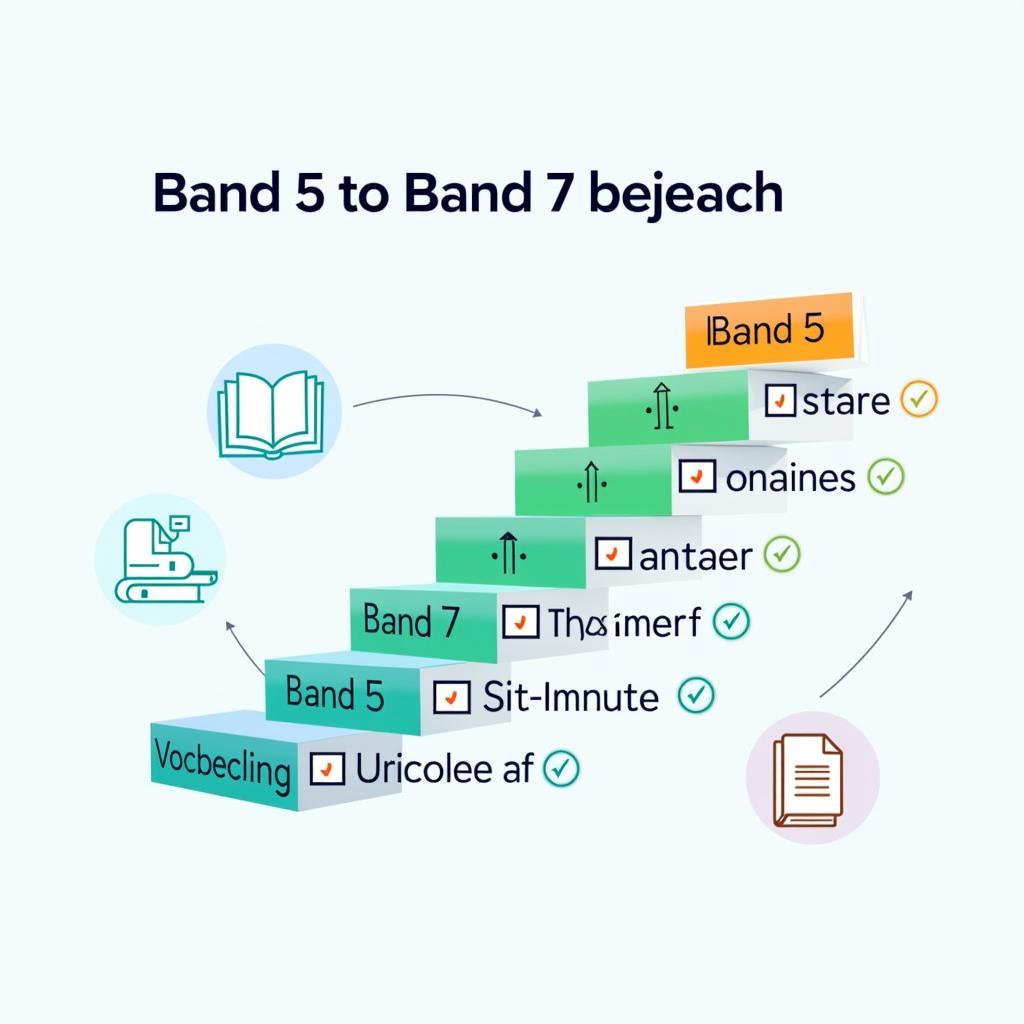 Lộ trình phát triển kỹ năng từ Band 5 lên Band 7 trong IELTS Writing Task 2 về chủ đề năng lượng tái tạo
Từ vựng quan trọng cần nhớ
| Từ/Cụm từ | Loại từ | Phiên âm | Nghĩa tiếng Việt | Ví dụ | Collocations |
|---|---|---|---|---|---|
| renewable energy | noun phrase | /rɪˈnjuːəbl ˈenədʒi/ | năng lượng tái tạo | Renewable energy sources include solar and wind power. | renewable energy sources, invest in renewable energy, transition to renewable energy |
| carbon emissions | noun phrase | /ˈkɑːbən ɪˈmɪʃənz/ | khí thải carbon | Reducing carbon emissions is crucial for combating climate change. | reduce carbon emissions, curb carbon emissions, carbon emissions reduction |
| combat climate change | verb phrase | /ˈkɒmbæt ˈklaɪmət tʃeɪndʒ/ | chống lại biến đổi khí hậu | Governments worldwide are implementing policies to combat climate change. | effectively combat, combat climate change through, measures to combat |
| fossil fuels | noun phrase | /ˈfɒsl ˈfjuːəlz/ | nhiên liệu hóa thạch | Our dependence on fossil fuels must decrease. | reliance on fossil fuels, fossil fuel consumption, transition away from fossil fuels |
| sustainable development | noun phrase | /səˈsteɪnəbl dɪˈveləpmənt/ | phát triển bền vững | Sustainable development balances economic growth with environmental protection. | promote sustainable development, sustainable development goals, path to sustainable development |
| mitigate | verb | /ˈmɪtɪɡeɪt/ | giảm thiểu, làm dịu đi | Clean energy can mitigate the effects of global warming. | mitigate the impact, mitigate risks, mitigate environmental damage |
| viable | adjective | /ˈvaɪəbl/ | khả thi, có thể thực hiện được | Solar power is becoming an increasingly viable alternative. | economically viable, viable solution, viable option |
| intermittent | adjective | /ˌɪntəˈmɪtənt/ | không liên tục, ngắt quãng | The intermittent nature of wind power requires backup systems. | intermittent supply, intermittent energy sources, intermittent availability |
| infrastructure | noun | /ˈɪnfrəstrʌktʃə(r)/ | cơ sở hạ tầng | Renewable energy infrastructure requires substantial investment. | energy infrastructure, build infrastructure, infrastructure development |
| carbon footprint | noun phrase | /ˈkɑːbən ˈfʊtprɪnt/ | dấu chân carbon (lượng khí thải carbon) | Denmark has successfully reduced its carbon footprint. | reduce carbon footprint, minimize carbon footprint, environmental carbon footprint |
| plummet | verb | /ˈplʌmɪt/ | giảm mạnh, sụt giảm đột ngột | Solar panel costs have plummeted in recent years. | prices plummet, costs plummet, plummet by [percentage] |
| strain | verb | /streɪn/ | gây căng thẳng, áp lực lên | Large investments can strain government budgets. | strain resources, financial strain, strain the economy |
| upfront costs | noun phrase | /ˌʌpˈfrʌnt kɒsts/ | chi phí ban đầu | The upfront costs of renewable projects can be substantial. | high upfront costs, upfront investment costs, overcome upfront costs |
| greenhouse gas | noun phrase | /ˈɡriːnhaʊs ɡæs/ | khí nhà kính | Greenhouse gases trap heat in the atmosphere. | greenhouse gas emissions, reduce greenhouse gases, greenhouse gas concentrations |
| energy efficiency | noun phrase | /ˈenədʒi ɪˈfɪʃənsi/ | hiệu quả năng lượng | Improving energy efficiency can reduce overall consumption. | improve energy efficiency, energy efficiency measures, energy efficiency standards |
Cấu trúc câu dễ “ăn điểm” cao
1. Mệnh đề quan hệ không xác định (Non-defining relative clauses)
Công thức: Chủ ngữ + dấu phẩy + which/who + động từ + …, + động từ chính + …
Ví dụ từ bài Band 8-9:
“Countries such as Denmark, which derives approximately 50% of its electricity from wind power, have achieved significant reductions in their carbon footprints.”
Tại sao cấu trúc này ghi điểm cao:
Cấu trúc này thể hiện khả năng kết hợp thông tin phụ một cách tự nhiên mà không làm gián đoạn luồng ý chính. Nó cho thấy người viết có khả năng xử lý các mức độ thông tin khác nhau trong một câu, đây là đặc điểm của Band 8-9. Mệnh đề quan hệ không xác định thường được sử dụng để bổ sung thông tin minh họa hoặc giải thích thêm.
Ví dụ bổ sung:
- “Solar energy, which has become increasingly affordable, now represents a viable alternative to fossil fuels.”
- “The International Energy Agency, which monitors global energy trends, reports significant progress in renewable adoption.”
- “Wind farms, which can generate substantial electricity, require considerable initial investment.”
Lỗi thường gặp của học viên Việt Nam:
- Quên dấu phẩy: “Countries such as Denmark which derives…” (sai) → cần có dấu phẩy trước “which”
- Dùng “that” thay vì “which”: Trong mệnh đề không xác định phải dùng “which/who”, không dùng “that”
- Chia động từ sai: “which derive” (sai khi chủ ngữ là Denmark) → “which derives”
2. Câu với cụm phân từ (Participial phrases)
Công thức: Hiện tại phân từ/Quá khứ phân từ + …, chủ ngữ + động từ chính + …
Ví dụ từ bài Band 8-9:
“Recognising the urgency of climate change, I maintain that renewable energy investments merit priority.”
Tại sao cấu trúc này ghi điểm cao:
Cụm phân từ giúp câu văn trở nên súc tích và học thuật hơn bằng cách kết hợp hai hành động/trạng thái liên quan. Nó thể hiện sự thành thạo trong việc sử dụng các cấu trúc rút gọn, một đặc điểm quan trọng của bài viết Band 8+. Cấu trúc này cũng tạo sự đa dạng về cách bắt đầu câu.
Ví dụ bổ sung:
- “Understanding the limitations of fossil fuels, governments are increasingly investing in renewable alternatives.”
- “Driven by technological advancement, solar energy costs have decreased dramatically.”
- “Having witnessed the devastating effects of climate change, policymakers are taking more decisive action.”
Lỗi thường gặp của học viên Việt Nam:
- Chủ ngữ không nhất quán: “Recognising the problem, renewable energy should be prioritised” (sai) → Chủ ngữ của phân từ và mệnh đề chính phải giống nhau
- Dùng “to V” thay vì “V-ing”: “To recognise the problem, I maintain…” (sai trong ngữ cảnh này)
- Thiếu dấu phẩy: “Recognising the urgency I maintain…” (sai)
3. Câu chẻ (Cleft sentences) nhấn mạnh thông tin
Công thức: It is/was + cụm từ nhấn mạnh + that/who + phần còn lại
Ví dụ từ bài Band 8-9:
“It is the long-term benefits that far outweigh the short-term costs, not the immediate financial burden.”
Tại sao cấu trúc này ghi điểm cao:
Câu chẻ là một công cụ mạnh mẽ để nhấn mạnh một yếu tố cụ thể trong câu, thường được sử dụng để làm nổi bật luận điểm quan trọng hoặc kết luận chính. Cấu trúc này cho thấy khả năng điều khiển ngữ điệu và trọng tâm thông tin một cách tinh tế, đặc trưng của Band 8-9.
Ví dụ bổ sung:
- “It is the environmental benefits that should be our primary consideration, not merely the economic factors.”
- “It was Denmark’s commitment to wind energy that enabled such dramatic emissions reductions.”
- “It is through international cooperation that we can effectively address climate change.”
Lỗi thường gặp của học viên Việt Nam:
- Quên “that”: “It is the long-term benefits far outweigh…” (sai) → cần “that” sau cụm nhấn mạnh
- Dùng sai với chủ ngữ người: “It is the scientists that discovers…” (sai) → nên dùng “who” cho người và chia động từ đúng
- Cấu trúc không hoàn chỉnh: “It is because the costs are high” (thiếu mệnh đề chính)
4. Câu điều kiện hỗn hợp (Mixed conditionals)
Công thức: If + past perfect, would/could + V (hiện tại) HOẶC If + past simple, would have + V3
Ví dụ từ bài Band 8-9:
“Had governments invested earlier in renewable infrastructure, we would now be experiencing significantly lower emission levels.”
Tại sao cấu trúc này ghi điểm cao:
Câu điều kiện hỗn hợp thể hiện khả năng xử lý các mối quan hệ thời gian phức tạp giữa nguyên nhân trong quá khứ và kết quả ở hiện tại (hoặc ngược lại). Đây là một trong những cấu trúc ngữ pháp nâng cao nhất, rất được đánh giá cao trong tiêu chí Grammatical Range & Accuracy.
Ví dụ bổ sung:
- “If renewable technology were less expensive now, developing nations would have adopted it more rapidly in the past decade.”
- “Had policymakers recognised the urgency earlier, current climate conditions would be less severe.”
- “If we had prioritised sustainable development decades ago, we would not be facing such critical environmental challenges today.”
Lỗi thường gặp của học viên Việt Nam:
- Dùng sai thì: “If governments invested earlier, we would experience…” (sai) → cần “had invested” cho quá khứ
- Quên đảo ngữ khi bỏ “if”: “Had governments invested” = “If governments had invested”
- Nhầm lẫn giữa các loại điều kiện: Dùng Type 2 thuần túy khi cần Mixed conditional
Trong bài viết về chủ đề importance of renewable energy in combating climate change, việc thành thạo những cấu trúc câu như vậy sẽ giúp bạn diễn đạt các luận điểm phức tạp một cách chính xác và ấn tượng hơn.
5. Cấu trúc nhượng bộ phức tạp (Complex concessive structures)
Công thức: While/Whilst/Although + mệnh đề, chủ ngữ + vẫn + động từ chính
Ví dụ từ bài Band 8-9:
“Whilst acknowledging the legitimate concerns about initial expenditure, the long-term benefits far outweigh the short-term costs.”
Tại sao cấu trúc này ghi điểm cao:
Cấu trúc nhượng bộ cho thấy tư duy phản biện và khả năng cân nhắc nhiều khía cạnh của vấn đề. Nó thể hiện sự khách quan và chiều sâu trong lập luận, giúp bài viết trở nên thuyết phục hơn. Đây là kỹ năng quan trọng được đánh giá trong Task Response và Coherence & Cohesion.
Ví dụ bổ sung:
- “Despite the considerable initial investment required, renewable energy ultimately proves more cost-effective than fossil fuels.”
- “Although critics emphasise the intermittent nature of solar power, advances in battery technology are addressing these limitations.”
- “While developing nations face budget constraints, international funding mechanisms can facilitate renewable energy adoption.”
Lỗi thường gặp của học viên Việt Nam:
- Dùng “Despite/In spite of” với mệnh đề: “Despite the costs are high” (sai) → “Despite the high costs” hoặc “Although the costs are high”
- Không có mệnh đề chính: “Although renewable energy is expensive” (câu chưa hoàn chỉnh)
- Lặp ý phủ định: “Although it is not cheap, it is not affordable” (lập luận mâu thuẫn)
6. Đảo ngữ nhấn mạnh (Inversion for emphasis)
Công thức: Not only + trợ động từ + chủ ngữ + động từ, but also… / Seldom/Rarely + trợ động từ + chủ ngữ + động từ
Ví dụ từ bài Band 8-9:
“Not only does renewable energy reduce carbon emissions, but it also creates substantial employment opportunities.”
Tại sao cấu trúc này ghi điểm cao:
Đảo ngữ là một trong những cấu trúc tinh tế nhất trong tiếng Anh học thuật, thường chỉ xuất hiện ở các bài viết Band 8-9. Nó tạo ra sự nhấn mạnh mạnh mẽ và thể hiện khả năng điều khiển ngôn ngữ ở mức độ cao. Cấu trúc này cũng làm cho bài viết trở nên trang trọng và chuyên nghiệp hơn.
Ví dụ bổ sung:
- “Rarely have we witnessed such rapid technological advancement in the energy sector.”
- “Never before has the need for sustainable energy been more urgent.”
- “Seldom do short-term economic concerns justify ignoring long-term environmental consequences.”
Lỗi thường gặp của học viên Việt Nam:
- Quên đảo ngữ: “Not only renewable energy reduces…” (sai) → “Not only does renewable energy reduce…”
- Thiếu “but also”: “Not only does it reduce emissions, it creates jobs” (thiếu liên từ)
- Dùng sai với động từ “to be”: “Not only is does renewable energy…” (thừa trợ động từ)
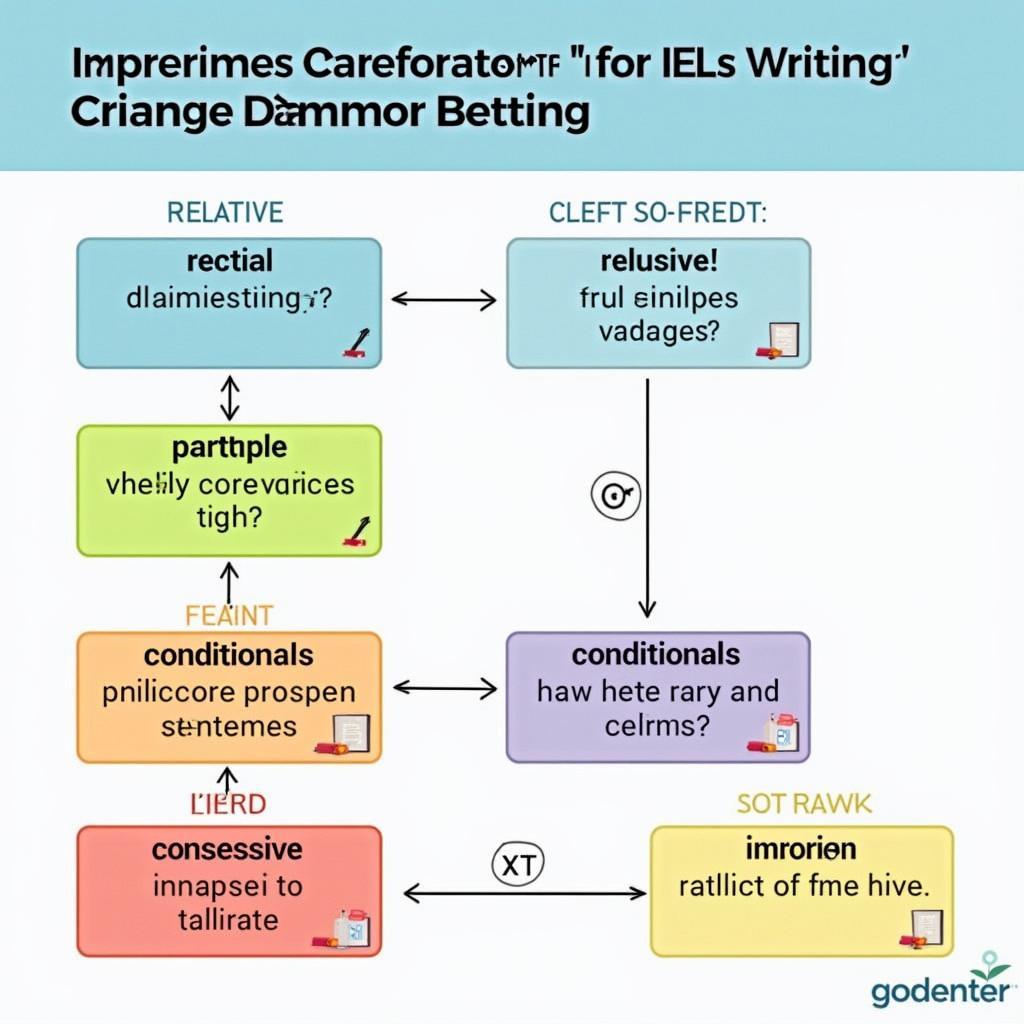 Sơ đồ minh họa 6 cấu trúc câu nâng cao giúp đạt điểm cao trong IELTS Writing Task 2 về năng lượng tái tạo
Khi viết về role of renewable energy in reducing carbon footprints, việc kết hợp đa dạng các cấu trúc câu này sẽ giúp bài viết của bạn nổi bật và thể hiện trình độ ngôn ngữ cao.
Kết bài
Chủ đề năng lượng tái tạo và giảm phát thải carbon là một trong những đề tài môi trường quan trọng và xuất hiện thường xuyên trong IELTS Writing Task 2. Qua bài viết này, chúng ta đã phân tích chi tiết ba bài mẫu ở các band điểm khác nhau, từ đó thấy rõ sự khác biệt về từ vựng, cấu trúc câu, và cách phát triển ý tưởng.
Để đạt được band điểm cao (7-9), bạn cần chú trọng vào việc sử dụng từ vựng học thuật phong phú, cấu trúc câu đa dạng và phức tạp, đồng thời phát triển luận điểm một cách logic với các ví dụ cụ thể và số liệu thuyết phục. Đặc biệt quan trọng là việc paraphrase hiệu quả và tránh những lỗi ngữ pháp cơ bản mà học viên Việt Nam thường gặp phải như lỗi mạo từ, chia động từ và cấu trúc câu so sánh.
Hiểu rõ về how renewable energy projects can reduce global carbon emissions không chỉ giúp bạn viết tốt hơn về chủ đề này mà còn mở rộng kiến thức về các vấn đề môi trường toàn cầu. Hơn nữa, khả năng thảo luận về the role of international cooperation in combating climate change cũng rất hữu ích cho các đề tài liên quan.
Hãy nhớ rằng việc cải thiện từ Band 5-6 lên Band 7+ đòi hỏi thực hành đều đặn và có phương pháp. Tập trung vào việc mở rộng vốn từ vựng theo chủ đề, luyện tập các cấu trúc ngữ pháp nâng cao, và đọc nhiều bài mẫu chất lượng cao để học cách phát triển ý tưởng một cách logic và thuyết phục.
Chủ đề climate change and natural disasters cũng có mối liên hệ chặt chẽ với năng lượng tái tạo, do đó việc nắm vững cả hai chủ đề sẽ giúp bạn sẵn sàng cho nhiều dạng đề khác nhau trong kỳ thi thực tế.
Cuối cùng, đừng quên rằng IELTS Writing không chỉ là về ngôn ngữ mà còn về khả năng tư duy phản biện và trình bày quan điểm một cách rõ ràng, có cơ sở. Hãy thực hành viết thường xuyên, nhờ giáo viên hoặc bạn bè góp ý, và không ngừng cải thiện bản thân. Chúc bạn đạt được band điểm mong muốn trong kỳ thi IELTS!