
Trong những năm gần đây, các đề thi IELTS Writing Task 2 về quản lý tài chính cá nhân, đặc biệt là việc theo dõi chi tiêu và lập ngân sách, xuất hiện ngày càng thường xuyên. Điều này phản ánh xu hướng chú trọng kỹ năng sống thiết yếu trong giáo dục hiện đại. Theo thống kê từ các trung tâm thi IELTS tại Việt Nam, dạng đề về financial literacy (hiểu biết tài chính) đã xuất hiện ít nhất 3-4 lần trong năm 2023-2024, khiến nhiều thí sinh gặp khó khăn do thiếu vốn từ vựng chuyên ngành.
Bài viết này sẽ cung cấp cho bạn một cái nhìn toàn diện về cách xử lý đề tài “Importance Of Tracking Spending For Budgeting Success” (tầm quan trọng của việc theo dõi chi tiêu đối với thành công trong lập ngân sách) thông qua:
- 3 bài mẫu hoàn chỉnh ở các band điểm khác nhau (Band 8-9, Band 6.5-7, và Band 5-6)
- Phân tích chi tiết theo 4 tiêu chí chấm điểm chính thức
- Bảng từ vựng chuyên ngành với phiên âm và ví dụ thực tế
- 6 cấu trúc câu “ăn điểm” giúp nâng band nhanh chóng
Qua nghiên cứu các đề thi thực tế từ IELTS-Blog, IDP và British Council, chúng tôi đã xác định được những câu hỏi phổ biến nhất về chủ đề này:
- “Some people believe that schools should teach children about money management. To what extent do you agree or disagree?” (Thi ngày 15/07/2023 tại IDP Việt Nam)
- “Young people today spend too much money and do not save enough. What are the reasons and solutions?” (Thi ngày 23/09/2023 tại British Council)
- “Financial education should be a mandatory component of the school curriculum. Discuss both views and give your opinion.” (Thi ngày 11/01/2024 tại IDP)
Trong bài viết này, chúng ta sẽ phân tích sâu một đề bài điển hình về chủ đề này, giúp bạn tự tin xử lý mọi biến thể có thể gặp trong phòng thi.
Đề Writing Part 2 Thực Hành
Some people believe that learning to manage personal finances, including tracking spending, should be taught in schools. Others think this is a responsibility of parents. Discuss both views and give your own opinion.
Dịch đề: Một số người tin rằng việc học cách quản lý tài chính cá nhân, bao gồm theo dõi chi tiêu, nên được giảng dạy trong trường học. Những người khác cho rằng đây là trách nhiệm của cha mẹ. Thảo luận cả hai quan điểm và đưa ra ý kiến của bạn.
Phân tích đề bài:
Dạng câu hỏi: Đây là dạng “Discuss both views and give your opinion” – một trong những dạng phổ biến nhất của IELTS Writing Task 2. Bạn cần:
- Trình bày và phân tích quan điểm thứ nhất (schools should teach)
- Trình bày và phân tích quan điểm thứ hai (parents’ responsibility)
- Đưa ra ý kiến cá nhân rõ ràng (có thể đồng ý hoàn toàn với một bên, hoặc cho rằng cả hai đều quan trọng)
Các thuật ngữ quan trọng:
- “manage personal finances”: Quản lý tài chính cá nhân – một khái niệm rộng bao gồm lập ngân sách, tiết kiệm, đầu tư
- “tracking spending”: Theo dõi chi tiêu – hành động ghi chép và giám sát các khoản tiêu dùng
- “responsibility”: Trách nhiệm – ai nên đảm nhận vai trò dạy dỗ kỹ năng này
Những lỗi thường gặp của học viên Việt Nam:
- Chỉ tập trung vào một khía cạnh: Nhiều bạn chỉ viết về school hoặc parents, quên mất phải discuss both views
- Thiếu ý kiến cá nhân rõ ràng: Viết mơ hồ “cả hai đều quan trọng” mà không nêu rõ quan điểm nghiêng về phía nào
- Sử dụng từ vựng đơn giản lặp đi lặp lại: “money”, “buy things”, “save money” thay vì dùng từ học thuật
- Thiếu ví dụ cụ thể: Chỉ nêu ý tưởng chung chung mà không minh họa bằng tình huống thực tế
Cách tiếp cận chiến lược:
Cấu trúc đề xuất (4 đoạn):
- Introduction: Paraphrase đề bài + nêu rõ bài viết sẽ discuss both views + thesis statement (ý kiến của bạn)
- Body 1: Lý do tại sao schools nên dạy (2-3 lý do với giải thích và ví dụ)
- Body 2: Lý do tại sao đây là trách nhiệm của parents (2-3 lý do với giải thích và ví dụ)
- Conclusion: Tóm tắt cả hai quan điểm + nhắc lại ý kiến cá nhân mạnh mẽ hơn
Phân bổ thời gian khuyến nghị:
- 5 phút: Phân tích đề + lập dàn ý
- 30 phút: Viết bài
- 5 phút: Kiểm tra và sửa lỗi
Bài Mẫu Band 8-9
Giới thiệu: Bài viết này đạt band 8-9 nhờ sự kết hợp hài hòa giữa ý tưởng sâu sắc, từ vựng phong phú, cấu trúc câu đa dạng và mạch lạc cao. Đặc biệt, bài viết thể hiện khả năng phân tích cân bằng cả hai quan điểm trước khi đưa ra lập trường cá nhân thuyết phục.
The question of who should bear the responsibility for teaching financial literacy, particularly the crucial skill of tracking expenditure, has sparked considerable debate. While some advocate for incorporating such education into school curricula, others maintain that this remains primarily a parental duty. This essay will examine both perspectives before arguing that a collaborative approach yields optimal results.
Those who support school-based financial education present compelling arguments. Firstly, formal instruction ensures universal access to money management skills regardless of socioeconomic background. Many parents themselves lack the financial acumen necessary to guide their children effectively, having never received proper training in budgeting or expense monitoring. By integrating these concepts into the curriculum, educational institutions can level the playing field, ensuring that all students acquire fundamental competencies in tracking spending and resource allocation. Moreover, schools provide a structured environment where financial principles can be taught systematically and reinforced through practical exercises, such as simulating household budgets or analyzing spending patterns. This pedagogical approach often proves more effective than informal parental guidance, which may be inconsistent or incomplete.
Conversely, proponents of parental responsibility raise equally valid concerns. Parents, having intimate knowledge of their children’s personalities and spending habits, can tailor financial lessons to individual circumstances. They can provide real-time guidance when children face actual purchasing decisions, transforming everyday situations into valuable teaching moments. Furthermore, financial values are deeply intertwined with family culture; attitudes toward saving, spending, and charitable giving are often transmitted through observation and experience rather than classroom instruction. The organic nature of this learning process within the family unit arguably creates more lasting behavioral changes than abstract school lessons.
In my view, however, the most pragmatic solution lies in combining both approaches. Schools should provide the theoretical framework and analytical tools for tracking spending and creating budgets, while parents reinforce these concepts through practical application in daily life. This synergy addresses the limitations of each individual approach: schools compensate for parental knowledge gaps, while families contextualize academic concepts within real-world scenarios. Research from financial education programs in Singapore and Finland, where such collaborative models have been implemented, demonstrates significantly improved financial behaviors among young adults, including more consistent expense tracking and better budget adherence.
In conclusion, while valid arguments exist for both school-based and parent-led financial education, the complexity of developing robust money management skills necessitates a partnership between educational institutions and families. Only through such coordinated efforts can we ensure that future generations possess the critical capability to track spending effectively and achieve budgeting success.
Phân Tích Band Điểm
| Tiêu chí | Band | Nhận xét |
|---|---|---|
| Task Response (Hoàn thành yêu cầu) | 9 | Bài viết trả lời đầy đủ tất cả các yêu cầu của đề bài. Cả hai quan điểm được phân tích sâu sắc với lập luận cân bằng và thuyết phục. Ý kiến cá nhân rõ ràng ngay từ introduction và được củng cố xuyên suốt bài, đặc biệt mạnh mẽ ở conclusion. Các ý tưởng được phát triển đầy đủ với ví dụ cụ thể (Singapore, Finland). |
| Coherence & Cohesion (Mạch lạc & Liên kết) | 9 | Cấu trúc bài chặt chẽ với progression tự nhiên từ giới thiệu vấn đề, phân tích hai mặt, đến kết luận tổng hợp. Sử dụng cohesive devices tinh tế và đa dạng (“Conversely”, “Moreover”, “In my view, however”) không gượng ép. Mỗi đoạn có topic sentence rõ ràng và supporting sentences liên kết chặt chẽ. Referencing (this pedagogical approach, such collaborative models) được sử dụng chuẩn xác. |
| Lexical Resource (Từ vựng) | 9 | Từ vựng phong phú và chính xác với nhiều collocations học thuật tự nhiên: “bear the responsibility”, “sparked considerable debate”, “level the playing field”, “intimate knowledge”, “deeply intertwined”. Sử dụng paraphrasing hiệu quả (financial literacy/money management skills/financial acumen). Không có lỗi từ vựng đáng kể. |
| Grammatical Range & Accuracy (Ngữ pháp) | 9 | Đa dạng cấu trúc câu phức tạp được sử dụng tự nhiên: mệnh đề quan hệ rút gọn (having intimate knowledge), cấu trúc phân từ (ensuring that), câu điều kiện ẩn, và câu chẻ. Kiểm soát ngữ pháp gần như hoàn hảo với các lỗi sai (nếu có) chỉ là sơ suất nhỏ. Mix giữa câu đơn và câu phức hợp lý tạo nhịp điệu đọc tốt. |
Các Yếu Tố Giúp Bài Này Được Chấm Điểm Cao
-
Thesis statement mạnh mẽ và nhất quán: Ngay từ đoạn mở bài, tác giả đã nêu rõ quan điểm “collaborative approach yields optimal results” và giữ vững lập trường này xuyên suốt, không dao động hay mơ hồ.
-
Phân tích cân bằng và khách quan: Mặc dù có lập trường rõ ràng, bài viết vẫn trình bày công bằng cả hai quan điểm với cụm từ “compelling arguments” và “equally valid concerns”, thể hiện tư duy phản biện cao.
-
Sử dụng ví dụ cụ thể và có nguồn gốc: Việc đề cập đến “research from financial education programs in Singapore and Finland” tạo độ tin cậy và cho thấy kiến thức rộng, không chỉ là lý thuyết suông.
-
Topic sentences hiệu quả: Mỗi đoạn thân bài bắt đầu bằng câu chủ đề mạnh: “Those who support…” và “Conversely, proponents of…” giúp người đọc dễ theo dõi luồng lập luận.
-
Từ vựng học thuật chính xác: Các cụm như “pedagogical approach”, “socioeconomic background”, “theoretical framework” thể hiện vốn từ vựng academic phong phú, không lạm dụng từ đơn giản.
-
Cohesive devices tinh tế: Không lạm dụng linking words đơn giản như “firstly, secondly” mà dùng các cụm như “Moreover”, “Furthermore”, “Conversely” ở vị trí tự nhiên, tạo sự liền mạch.
-
Kết luận tổng hợp và nâng tầm: Đoạn kết không chỉ tóm tắt mà còn nhấn mạnh “the complexity of developing robust money management skills necessitates a partnership”, thể hiện sự trưởng thành trong tư duy.
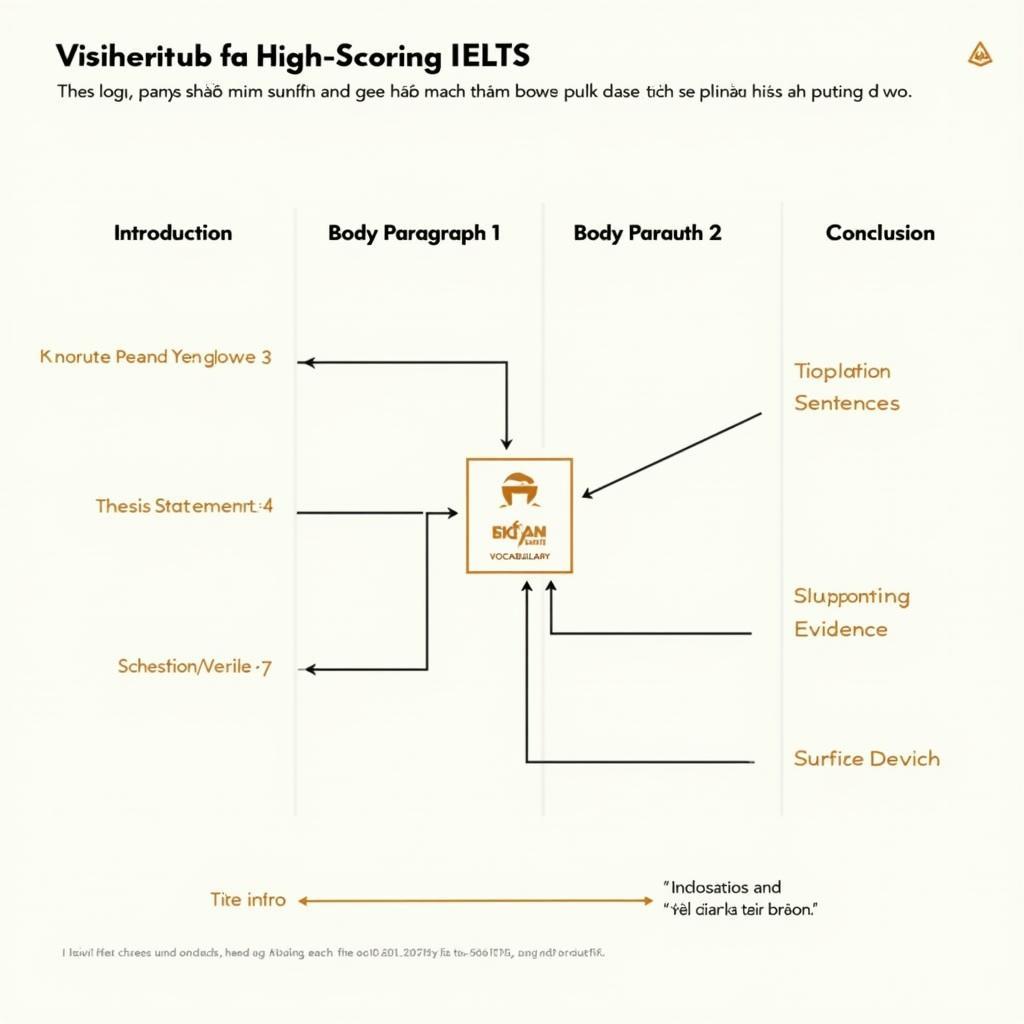 Phân tích chi tiết bài mẫu IELTS Writing Task 2 đạt Band 8-9 về quản lý tài chính và theo dõi chi tiêu
Bài Mẫu Band 6.5-7
Giới thiệu: Bài viết Band 6.5-7 này thể hiện sự hiểu đề tốt và triển khai ý hợp lý, nhưng vẫn còn hạn chế về độ sâu phân tích, sự đa dạng từ vựng và cấu trúc câu so với bài Band 8-9. Đây là mức điểm phổ biến của nhiều thí sinh Việt Nam.
Financial management skills, especially tracking spending, are important for young people today. Some people think schools should teach these skills, while others believe it is the parents’ job. In this essay, I will discuss both views and give my opinion.
On the one hand, there are several reasons why schools should teach financial education. First, not all parents have enough knowledge about money management. If they do not know how to budget or track their expenses properly, they cannot teach their children effectively. By teaching these skills in school, all students can learn the same basic knowledge about handling money. Second, schools have professional teachers who can explain financial concepts clearly. They can use textbooks and practical exercises to help students understand how to record their spending and make a budget. For example, students can practice with fake money in class to learn how to manage their finances before they need to do it in real life.
On the other hand, many people argue that parents should take responsibility for teaching their children about money. One reason is that parents know their children’s spending habits better than teachers. They can give advice that fits their child’s personality and lifestyle. Another reason is that financial education is more effective when learned at home. When parents take their children shopping or give them pocket money, they can teach them directly about making good spending decisions. This kind of practical learning is often more memorable than classroom lessons. Additionally, attitudes about money are part of family values, so parents should be the ones to pass them on to the next generation.
In my opinion, I think both schools and parents should work together to teach financial skills. Schools can provide the basic theory and tools for tracking spending, while parents can help children apply these lessons in everyday situations. This combination would be the most effective way to prepare young people for financial independence. When schools and families cooperate, students can benefit from both structured learning and real-world practice.
In conclusion, although there are good arguments for both school-based and parent-led financial education, I believe that a combined approach is the best solution. By working together, schools and parents can ensure that young people develop strong money management skills, including the ability to track their spending successfully.
Phân Tích Band Điểm
| Tiêu chí | Band | Nhận xét |
|---|---|---|
| Task Response (Hoàn thành yêu cầu) | 6.5 | Bài viết trả lời đủ các yêu cầu nhưng chưa sâu. Cả hai quan điểm được đề cập nhưng phân tích còn đơn giản, thiếu chiều sâu. Ý kiến cá nhân có nhưng xuất hiện hơi muộn (body paragraph 3) và lập luận chưa thật mạnh. Các ý tưởng được giải thích nhưng thiếu ví dụ cụ thể và thuyết phục. |
| Coherence & Cohesion (Mạch lạc & Liên kết) | 7 | Cấu trúc rõ ràng với 4 đoạn logic. Sử dụng linking words cơ bản đúng (“On the one hand”, “On the other hand”, “First”, “Second”) nhưng còn đơn điệu. Mỗi đoạn có chủ đề rõ nhưng cách triển khai còn thẳng, chưa có sự chuyển tiếp tinh tế. Referencing đơn giản (they, these skills) được dùng đúng. |
| Lexical Resource (Từ vựng) | 6.5 | Từ vựng đủ để truyền đạt ý nhưng còn lặp lại (“money”, “teach”, “learn” xuất hiện nhiều lần). Có một số collocations tốt (“take responsibility”, “spending habits”, “financial independence”) nhưng chủ yếu là từ vựng phổ thông. Paraphrasing hạn chế. Không có lỗi nghiêm trọng nhưng thiếu từ vựng học thuật cao cấp. |
| Grammatical Range & Accuracy (Ngữ pháp) | 7 | Sử dụng mix câu đơn và câu phức hợp lý. Có một số cấu trúc phức tạp (mệnh đề quan hệ, mệnh đề điều kiện) nhưng không đa dạng. Ngữ pháp chính xác với rất ít lỗi. Câu văn rõ ràng nhưng còn đơn giản, chưa thể hiện được sự tinh tế trong cách diễn đạt như bài Band 8-9. |
So Sánh Với Bài Band 8-9
1. Độ sâu phân tích:
- Band 8-9: “Schools provide a structured environment where financial principles can be taught systematically and reinforced through practical exercises, such as simulating household budgets or analyzing spending patterns.”
- Band 6.5-7: “They can use textbooks and practical exercises to help students understand how to record their spending and make a budget.”
- Nhận xét: Bài Band 8-9 cung cấp chi tiết cụ thể và ví dụ minh họa (“simulating household budgets”), trong khi bài Band 6.5-7 chỉ nói chung chung về “textbooks and practical exercises”.
2. Từ vựng và collocations:
- Band 8-9: “bear the responsibility”, “sparked considerable debate”, “level the playing field”, “intimate knowledge”
- Band 6.5-7: “take responsibility”, “important for”, “enough knowledge”, “know better”
- Nhận xét: Bài Band 8-9 sử dụng collocations học thuật tự nhiên, trong khi bài Band 6.5-7 dùng cụm từ phổ thông hơn.
3. Cấu trúc câu:
- Band 8-9: “Many parents themselves lack the financial acumen necessary to guide their children effectively, having never received proper training in budgeting or expense monitoring.” (Câu phức với mệnh đề phân từ)
- Band 6.5-7: “If they do not know how to budget or track their expenses properly, they cannot teach their children effectively.” (Câu điều kiện cơ bản)
- Nhận xét: Cả hai đều đúng ngữ pháp nhưng bài Band 8-9 thể hiện sự phức tạp và tinh tế hơn.
4. Thesis statement:
- Band 8-9: “This essay will examine both perspectives before arguing that a collaborative approach yields optimal results.” (Rõ ràng, mạnh mẽ, academic)
- Band 6.5-7: “In this essay, I will discuss both views and give my opinion.” (Đúng nhưng generic, thiếu cá tính)
- Nhận xét: Thesis của Band 8-9 cho người đọc biết chính xác quan điểm của tác giả ngay từ đầu.
5. Evidence và examples:
- Band 8-9: “Research from financial education programs in Singapore and Finland…” (Ví dụ cụ thể, có nguồn gốc)
- Band 6.5-7: “For example, students can practice with fake money in class…” (Ví dụ generic, không cụ thể)
- Nhận xét: Bài Band 8-9 sử dụng evidence thực tế tạo độ tin cậy, bài Band 6.5-7 dùng ví dụ giả định.
Bài Mẫu Band 5-6
Giới thiệu: Bài viết Band 5-6 này thể hiện những lỗi sai điển hình của học viên Việt Nam như sử dụng mạo từ, cấu trúc câu đơn giản, từ vựng lặp lại và thiếu sự phát triển ý tưởng đầy đủ.
Nowadays, many people discuss about should school teach student about manage money or parent should teach them. This is important question because young people need to know how to spend money correctly. I will talk about both side and give my opinion in this essay.
First, I think school should teach about money management. Because many parent don’t know how to do it well. If parent don’t have good knowledge, they cannot teach their children. School have teacher who are professional and they can teach student about tracking spending and make budget. For example, in my school, we learn about math and we can use it for calculate money. This is very useful for student future. Also, all student can learn same thing in school, so everyone will have same knowledge about money.
However, some people think parent should teach their children about financial. Parent know their children very well, so they can teach better than teacher. When parent give pocket money to children, they can teach them how to spend it. This is more practical than learning in classroom. Also, every family have different value about money. Some family like to save money, some family like to spend money. So parent should teach their own value to their children.
In my opinion, I think both are important. School can teach the basic knowledge and parent can teach the practice. If school and parent work together, it will be better for student. Because student can learn theory in school and practice at home with parent. This way is most effective for young people to learn about money management.
To sum up, teaching financial skill to young people is very important. School and parent both have important role. If they cooperate together, student can learn tracking spending and budgeting successfully. This will help them in their future life when they need to manage their own money.
Phân Tích Band Điểm
| Tiêu chí | Band | Nhận xét |
|---|---|---|
| Task Response (Hoàn thành yêu cầu) | 5.5 | Bài viết cố gắng trả lời đề bài và thảo luận cả hai quan điểm nhưng phát triển ý còn yếu. Các lý do được đưa ra nhưng giải thích chưa đầy đủ và thiếu chi tiết cụ thể. Ý kiến cá nhân có nhưng không rõ ràng và thiếu tính thuyết phục. Một số ý bị lặp lại mà không mở rộng thêm. |
| Coherence & Cohesion (Mạch lạc & Liên kết) | 5.5 | Có cấu trúc cơ bản 4 đoạn nhưng sự liên kết giữa các câu còn yếu. Linking words được dùng nhưng không chính xác (“Because” đứng đầu câu, “However” dùng không đúng맥락). Thiếu sự progression logic trong từng đoạn. Một số câu không liên quan chặt chẽ với topic sentence. |
| Lexical Resource (Từ vựng) | 5 | Từ vựng hạn chế và lặp lại nhiều (“money”, “teach”, “parent”, “student” xuất hiện quá nhiều). Có lỗi word choice (“discuss about” – sai giới từ, “manage money” dùng sai dạng từ). Paraphrasing rất hạn chế. Thiếu collocations và từ vựng học thuật. Một số lỗi về word form (financial thay vì finance). |
| Grammatical Range & Accuracy (Ngữ pháp) | 5 | Chủ yếu là câu đơn giản, ít câu phức. Nhiều lỗi ngữ pháp đáng kể: thiếu mạo từ (“parent” cần “parents” hoặc “a parent”), sai chia động từ (“parent don’t” cần “parents don’t”), sai cấu trúc câu hỏi gián tiếp, sai thì động từ. Các lỗi này ảnh hưởng đến sự rõ ràng của thông điệp nhưng vẫn hiểu được ý nghĩa chung. |
Những Lỗi Sai Của Bài – Phân Tích & Giải Thích
| Lỗi sai | Loại lỗi | Sửa lại | Giải thích |
|---|---|---|---|
| “discuss about should school teach” | Cấu trúc câu + Giới từ | “discuss whether schools should teach” | “Discuss” không đi với “about” khi theo sau là mệnh đề. Cần dùng “whether” để giới thiệu câu hỏi gián tiếp. “School” cần số nhiều “schools” khi nói chung. |
| “manage money” (trong introduce) | Word form | “managing money” hoặc “money management” | Sau giới từ “about” cần gerund (V-ing) hoặc noun phrase. “Manage” là động từ nguyên mẫu nên không đúng. |
| “This is important question” | Mạo từ | “This is an important question” | Danh từ đếm được số ít cần mạo từ. “Question” bắt đầu bằng phụ âm nên dùng “a/an”. Vì “important” bắt đầu bằng nguyên âm phát âm nên dùng “an”. |
| “Because many parent don’t know” | Mạo từ + Số nhiều + Vị trí linking word | “This is because many parents do not know” hoặc “Many parents do not know” | “Because” không nên đứng đầu câu trong văn viết formal. “Parent” cần số nhiều “parents”. “Don’t” nên viết đầy đủ “do not” trong IELTS Writing. |
| “School have teacher” | Số nhiều + Mạo từ | “Schools have teachers” | Khi nói chung về trường học, dùng số nhiều “schools”. “Teacher” cũng cần số nhiều “teachers” và có thể thêm “professional” phía trước. |
| “make budget” | Mạo từ | “make a budget” hoặc “make budgets” | “Budget” là danh từ đếm được, cần mạo từ “a/an” hoặc dùng số nhiều. |
| “calculate money” | Word choice | “calculate expenses” hoặc “manage money” | “Calculate money” không tự nhiên. Bạn tính toán chi phí (expenses) hoặc quản lý tiền bạc (manage money). |
| “student future” | Sở hữu cách | “students’ future” | Cần apostrophe để chỉ sở hữu: “future của students”. Vì “students” số nhiều nên apostrophe ở sau “s”. |
| “parent should teach their children about financial” | Word form | “parents should teach their children about finance” hoặc “about financial management” | “Financial” là tính từ, không thể đứng một mình sau giới từ “about”. Cần danh từ “finance” hoặc cụm danh từ “financial management”. |
| “every family have” | Chia động từ | “every family has” | “Every” đi với danh từ số ít và động từ số ít. “Family” là số ít nên động từ phải là “has”. |
| “If school and parent work together” | Mạo từ + Số nhiều | “If schools and parents work together” | Khi nói chung, cần dùng số nhiều không có mạo từ: “schools” và “parents”. |
| “This way is most effective” | Mạo từ với so sánh nhất | “This way is the most effective” | So sánh nhất (most effective) luôn cần mạo từ “the” phía trước. |
| “cooperate together” | Redundancy (thừa từ) | “cooperate” hoặc “work together” | “Cooperate” đã có nghĩa là “làm việc cùng nhau” nên không cần thêm “together”. Đây là lỗi thừa từ phổ biến của người Việt. |
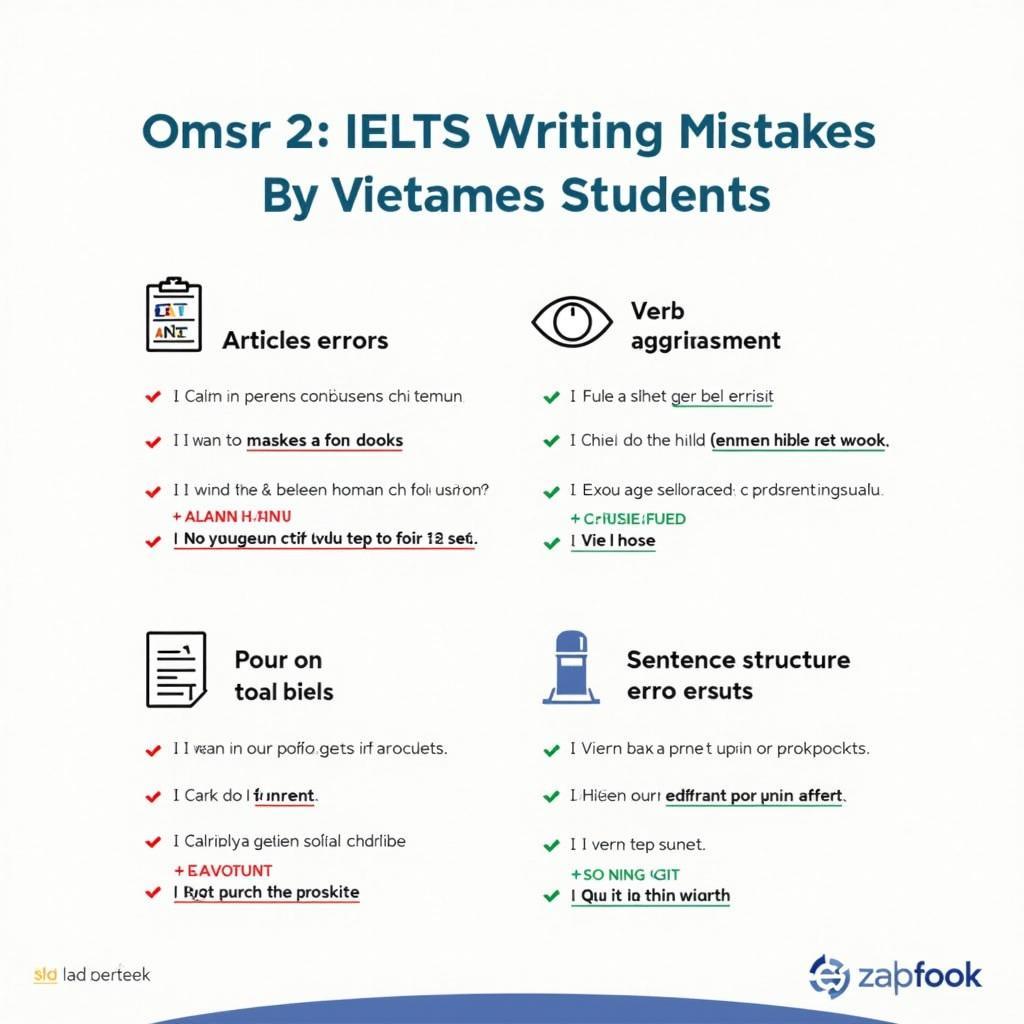 Những lỗi sai phổ biến trong bài thi IELTS Writing Task 2 về quản lý tài chính cá nhân cần tránh
Cách Cải Thiện Từ Band 6 Lên Band 7
1. Nâng cao Task Response:
- Hiện tại: Ý tưởng được đưa ra nhưng giải thích còn đơn giản
- Cần cải thiện: Phát triển mỗi ý với 2-3 câu giải thích chi tiết, thêm ví dụ cụ thể
- Ví dụ: Thay vì “School have teacher who are professional” → “Educational institutions employ qualified teachers who possess pedagogical expertise in presenting abstract financial concepts in accessible ways, using case studies and simulations that mirror real-world budgeting scenarios”
2. Tăng Coherence & Cohesion:
- Hiện tại: Dùng linking words đơn giản và đôi khi sai cách
- Cần cải thiện: Sử dụng diverse cohesive devices như “Furthermore”, “Conversely”, “In addition to this”, “This approach”, “Such collaboration”
- Thực hành: Đọc bài Band 8-9 và ghi chú cách các câu được nối với nhau không chỉ bằng linking words mà còn bằng referencing
3. Mở rộng Lexical Resource:
- Hiện tại: Từ vựng bị lặp lại (money, teach, parent, student)
- Cần cải thiện:
- Học synonyms: money → finances, funds, resources
- Học collocations: track spending, monitor expenses, allocate resources, financial literacy
- Học academic vocabulary: pedagogical approach, systematic instruction, parental guidance
- Phương pháp: Tạo word family cho mỗi keyword của đề bài
4. Nâng cao Grammar:
- Hiện tại: Chủ yếu câu đơn, nhiều lỗi ngữ pháp cơ bản
- Cần cải thiện:
- Ôn lại mạo từ (a/an/the) và số nhiều – đây là lỗi phổ biến nhất của người Việt
- Luyện viết câu phức với relative clauses, participle phrases
- Học cấu trúc câu điều kiện nâng cao
- Lộ trình: Mỗi tuần tập trung 1 cấu trúc, viết 5-10 câu ví dụ về chủ đề quen thuộc
5. Lên kế hoạch trước khi viết:
- Dành 5 phút đầu để:
- Phân tích đề kỹ (underline key words)
- Brainstorm ý tưởng cho cả hai mặt
- Quyết định quan điểm cá nhân
- Lập outline đơn giản (mỗi body paragraph 2-3 main ideas)
- Điều này giúp bài viết có structure tốt hơn và tránh lạc đề
6. Thực hành có phản hồi:
- Viết 2-3 bài/tuần về các chủ đề khác nhau
- Tự chấm bài theo 4 tiêu chí hoặc nhờ giáo viên/bạn bè
- Ghi chú lỗi sai thường gặp của bản thân và ôn lại trước mỗi bài viết mới
- So sánh bài của mình với bài mẫu Band 7+ để tìm gap
Từ Vựng Quan Trọng Cần Nhớ
| Từ/Cụm từ | Loại từ | Phiên âm | Nghĩa tiếng Việt | Ví dụ | Collocations |
|---|---|---|---|---|---|
| financial literacy | noun phrase | /faɪˈnænʃəl ˈlɪtərəsi/ | Kiến thức tài chính, hiểu biết về tài chính | Financial literacy should be taught as early as primary school. | develop/improve/enhance financial literacy, lack of financial literacy, basic/comprehensive financial literacy |
| track spending | verb phrase | /træk ˈspendɪŋ/ | Theo dõi chi tiêu | Using a mobile app helps people track spending more efficiently. | track daily/monthly spending, track spending habits, tools to track spending |
| expense monitoring | noun phrase | /ɪkˈspens ˈmɒnɪtərɪŋ/ | Việc giám sát chi phí | Regular expense monitoring is crucial for budgeting success. | systematic expense monitoring, expense monitoring system, expense monitoring tools |
| allocate resources | verb phrase | /ˈæləkeɪt rɪˈsɔːsɪz/ | Phân bổ nguồn lực, phân chia tài nguyên | Families need to allocate resources wisely to meet all their needs. | efficiently allocate resources, allocate financial resources, allocate resources appropriately |
| budgeting success | noun phrase | /ˈbʌdʒɪtɪŋ səkˈses/ | Thành công trong việc lập ngân sách | Tracking spending is key to achieving budgeting success. | achieve budgeting success, ensure budgeting success, contribute to budgeting success |
| money management skills | noun phrase | /ˈmʌni ˈmænɪdʒmənt skɪlz/ | Kỹ năng quản lý tiền bạc | Young adults often lack essential money management skills. | develop money management skills, improve/enhance money management skills, teach money management skills |
| financial acumen | noun phrase | /faɪˈnænʃəl əˈkjuːmən/ | Sự nhạy bén tài chính, khả năng tài chính | Parents with strong financial acumen can guide their children effectively. | demonstrate/possess financial acumen, develop financial acumen, lack financial acumen |
| expenditure | noun | /ɪkˈspendɪtʃə(r)/ | Chi tiêu, khoản chi | Monitoring monthly expenditure helps identify unnecessary costs. | household expenditure, monthly/annual expenditure, reduce/control expenditure, track expenditure |
| incorporate into curriculum | verb phrase | /ɪnˈkɔːpəreɪt ˈɪntuː kəˈrɪkjələm/ | Đưa vào chương trình giảng dạy | Schools should incorporate financial education into curriculum. | incorporate subjects/topics into curriculum, successfully incorporate into curriculum |
| parental guidance | noun phrase | /pəˈrentl ˈɡaɪdns/ | Sự hướng dẫn của cha mẹ | Effective parental guidance shapes children’s spending habits. | provide parental guidance, require parental guidance, effective/proper parental guidance |
| pedagogical approach | noun phrase | /ˌpedəˈɡɒdʒɪkl əˈprəʊtʃ/ | Phương pháp sư phạm, cách tiếp cận giáo dục | A structured pedagogical approach makes financial concepts easier to grasp. | adopt a pedagogical approach, effective pedagogical approach, innovative pedagogical approach |
| socioeconomic background | noun phrase | /ˌsəʊsiəʊˌiːkəˈnɒmɪk ˈbækɡraʊnd/ | Bối cảnh kinh tế xã hội | Students from diverse socioeconomic backgrounds benefit from school-based financial education. | different socioeconomic backgrounds, diverse socioeconomic backgrounds, regardless of socioeconomic background |
| systematic instruction | noun phrase | /ˌsɪstəˈmætɪk ɪnˈstrʌkʃn/ | Sự giảng dạy có hệ thống | Systematic instruction ensures all students receive consistent financial education. | provide systematic instruction, systematic instruction methods, require systematic instruction |
| spending patterns | noun phrase | /ˈspendɪŋ ˈpætənz/ | Các mô hình chi tiêu, thói quen tiêu dùng | Analyzing spending patterns reveals areas where savings can be made. | track/monitor/analyze spending patterns, identify spending patterns, unhealthy spending patterns |
| budget adherence | noun phrase | /ˈbʌdʒɪt ədˈhɪərəns/ | Sự tuân thủ ngân sách | Strong tracking habits improve budget adherence significantly. | ensure/maintain/improve budget adherence, strict budget adherence |
Cấu Trúc Câu Dễ “Ăn Điểm” Cao
1. Cấu trúc mệnh đề quan hệ rút gọn với phân từ (Reduced Relative Clause with Participle)
Công thức: Subject + participle phrase + main clause
Ví dụ từ bài Band 8-9:
“Many parents themselves lack the financial acumen necessary to guide their children effectively, having never received proper training in budgeting or expense monitoring.“
Tại sao cấu trúc này ghi điểm cao:
Cấu trúc này thể hiện khả năng nén thông tin và tạo mối quan hệ nguyên nhân-kết quả một cách tinh tế. Thay vì viết hai câu đơn giản, bạn kết hợp chúng bằng participle phrase, tạo sự liền mạch và thể hiện khả năng sử dụng ngữ pháp nâng cao. Examiner đánh giá cao điều này ở tiêu chí Grammatical Range & Accuracy.
Ví dụ bổ sung:
- “Schools provide structured lessons, using case studies and simulations to make abstract concepts tangible.”
- “Students lacking access to parental guidance at home, being from disadvantaged backgrounds, benefit most from school-based programs.”
- “Financial education programs, implemented successfully in Nordic countries, demonstrate the value of early intervention.”
Lỗi thường gặp của học viên Việt Nam:
- Dùng sai thì của participle: “having receive” thay vì “having received”
- Không có dấu phẩy ngăn cách: “Students lacking guidance benefit most” (thiếu dấu phẩy trước “being”)
- Dùng participle phrase mà chủ ngữ không phù hợp (dangling participle)
2. Cấu trúc câu chẻ với It is/was… that/who… (Cleft Sentences)
Công thức: It is/was + focus element + that/who + rest of clause
Ví dụ từ bài Band 8-9:
“It is the combination of both approaches that yields optimal results.“
Tại sao cấu trúc này ghi điểm cao:
Câu chẻ giúp nhấn mạnh một phần cụ thể của câu, thể hiện khả năng kiểm soát focus trong diễn đạt. Điều này quan trọng trong IELTS Writing vì bạn cần làm nổi bật ý chính. Cấu trúc này cũng tăng sự đa dạng câu, tránh việc luôn bắt đầu bằng subject đơn giản.
Ví dụ bổ sung:
- “It is through daily practice at home that children internalize financial values more effectively than classroom instruction.”
- “It was the lack of systematic financial education that led to the widespread debt problems among young adults.”
- “It is parents who possess intimate knowledge of their children’s spending tendencies and personality traits.”
Lỗi thường gặp của học viên Việt Nam:
- Quên “that” sau focus element: “It is schools provide education” (thiếu “that”)
- Dùng sai thì động từ: “It is… that lead” thay vì “leads” (động từ phải chia theo focus element)
- Lạm dụng cấu trúc này quá nhiều lần trong một bài, làm mất tự nhiên
3. Cấu trúc phức hợp với While/Whereas để tương phản (Complex Sentences with Contrast)
Công thức: While + clause 1 (concession), main clause (main point)
Ví dụ từ bài Band 8-9:
“While some advocate for incorporating such education into school curricula, others maintain that this remains primarily a parental duty.“
Tại sao cấu trúc này ghi điểm cao:
Cấu trúc này thể hiện khả năng trình bày hai quan điểm đối lập trong một câu, tạo sự cân bằng và khách quan – điều quan trọng trong dạng “Discuss both views”. Nó cũng giúp bài viết mạch lạc hơn so với việc tách thành hai câu riêng biệt. Examiner đánh giá cao ở cả Coherence & Cohesion và Grammatical Range.
Ví dụ bổ sung:
- “While schools can provide theoretical frameworks for budgeting, parents offer practical, real-time guidance during actual purchasing decisions.”
- “Whereas formal education ensures universal access to financial literacy, parental teaching can be tailored to individual family circumstances.”
- “While classroom instruction may seem abstract, it provides systematic coverage that informal parental advice often lacks.”
Lỗi thường gặp của học viên Việt Nam:
- Dùng “While” và “but” cùng lúc: “While schools teach, but parents…” (redundant)
- Thiếu chủ ngữ ở main clause: “While schools teach, can provide…”
- Đặt dấu phẩy sai vị trí hoặc thiếu dấu phẩy sau mệnh đề phụ
4. Cấu trúc Not only… but also… (Emphatic Structure)
Công thức: Not only + auxiliary + subject + verb, but + subject + also + verb
Ví dụ mở rộng:
“Not only does systematic tracking reveal spending patterns, but it also empowers individuals to make informed financial decisions.“
Tại sao cấu trúc này ghi điểm cao:
Cấu trúc này tạo sự nhấn mạnh mạnh mẽ và thể hiện sự phức tạp ngữ pháp cao với đảo ngữ (inversion) sau “not only”. Nó giúp bạn liệt kê hai lợi ích/đặc điểm một cách ấn tượng, thay vì đơn giản dùng “and”. Điều này nâng cao điểm Grammar rõ rệt.
Ví dụ bổ sung:
- “Not only do schools offer professional instruction, but they also provide a neutral environment free from family financial stress.”
- “Not only does parental guidance occur in real-world contexts, but it also reinforces family values about money.”
- “Tracking spending not only helps identify wasteful expenditure but also builds self-discipline and awareness.”
Lỗi thường gặp của học viên Việt Nam:
- Quên đảo ngữ sau “Not only”: “Not only schools provide…” thay vì “Not only do schools provide…”
- Thiếu “also” trong phần thứ hai: “but they provide…” thay vì “but they also provide…”
- Dùng cấu trúc không song song (parallel structure): “Not only teaching but also they provide…”
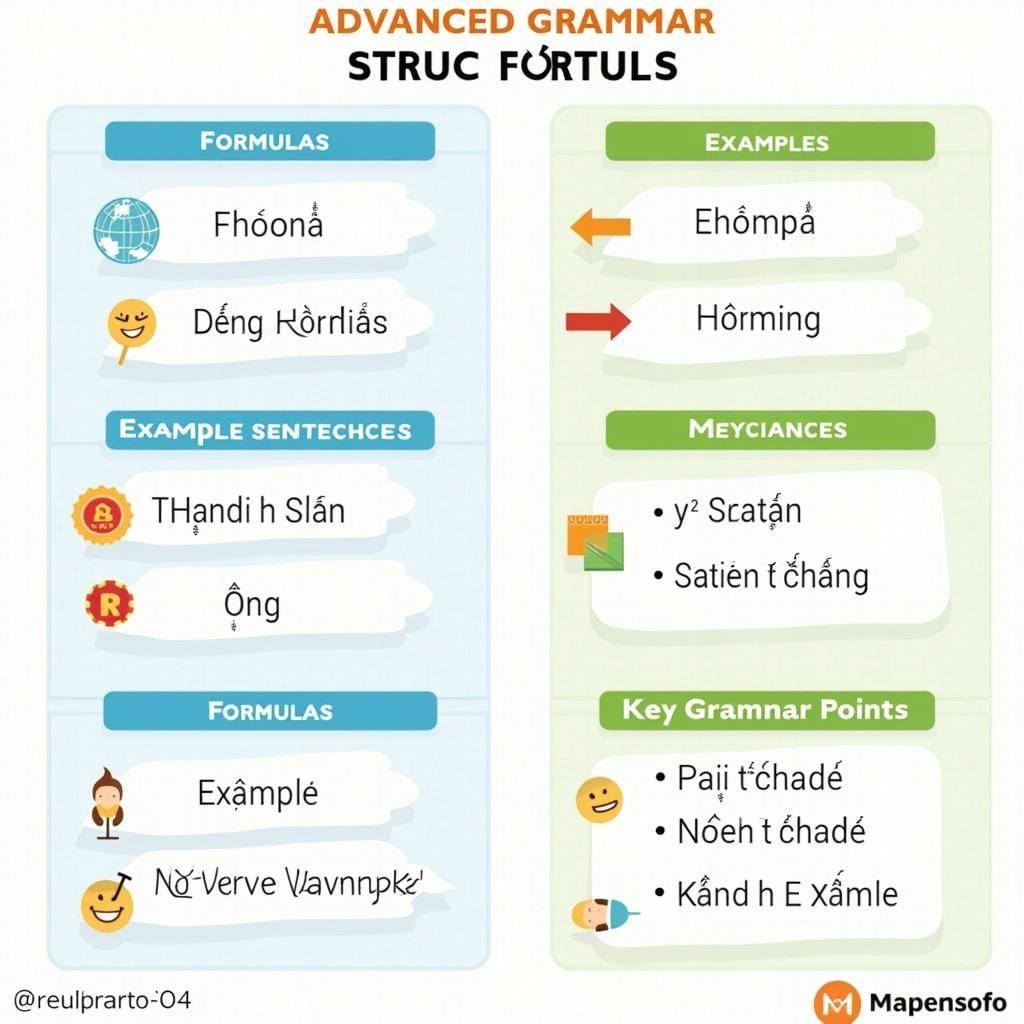 Các cấu trúc ngữ pháp nâng cao giúp tăng band điểm IELTS Writing Task 2 về quản lý tài chính
5. Cấu trúc câu điều kiện hỗn hợp (Mixed Conditional)
Công thức: If + past perfect, subject + would/could + base verb (now)
Ví dụ mở rộng:
“If parents had received proper financial education themselves, they would be better equipped to guide their children today.”
Tại sao cấu trúc này ghi điểm cao:
Câu điều kiện hỗn hợp thể hiện sự hiểu biết sâu về mối quan hệ giữa quá khứ và hiện tại. Nó phức tạp hơn nhiều so với câu điều kiện loại 1, 2, 3 thông thường và hiếm khi học viên Band 6 sử dụng được chính xác. Examiners đánh giá cao khả năng này vì nó cho thấy sự thành thạo ngữ pháp ở mức cao.
Ví dụ bổ sung:
- “If financial literacy had been taught systematically in schools decades ago, we would not face the current crisis of youth debt.”
- “If children had learned expense tracking early, they would demonstrate stronger budgeting skills as adults.”
- “Young people would manage their finances more effectively now if they had been exposed to practical budgeting exercises during adolescence.”
Lỗi thường gặp của học viên Việt Nam:
- Nhầm lẫn giữa các loại điều kiện: “If parents received… they would be…” (sai thì)
- Dùng “will” thay vì “would” ở main clause: “If parents had received… they will be…”
- Quên “had” trong past perfect: “If parents received proper education…” thay vì “had received”
6. Cấu trúc đảo ngữ với Only/Rarely/Seldom (Inversion for Emphasis)
Công thức: Only + prepositional phrase/adverb + auxiliary + subject + verb
Ví dụ mở rộng:
“Only through consistent tracking of expenditure can individuals identify wasteful spending patterns and make meaningful budget adjustments.”
Tại sao cấu trúc này ghi điểm cao:
Đảo ngữ là một trong những cấu trúc formal nhất trong tiếng Anh, rất phù hợp với văn viết học thuật IELTS. Nó tạo sự nhấn mạnh mạnh mẽ và thể hiện trình độ ngữ pháp xuất sắc. Học viên Band 8-9 thường sử dụng ít nhất 1-2 câu đảo ngữ trong bài viết để tăng tính academic.
Ví dụ bổ sung:
- “Rarely do parents possess both the knowledge and time required to provide comprehensive financial education.”
- “Only when schools and families collaborate can young people develop truly robust money management skills.”
- “Seldom is financial literacy taught systematically, resulting in generations unprepared for economic challenges.”
- “Not until students experience real-world budgeting challenges do they fully appreciate the importance of tracking spending.”
Lỗi thường gặp của học viên Việt Nam:
- Quên đảo ngữ sau “Only”: “Only through tracking individuals can identify…” (sai trật tự)
- Dùng đảo ngữ với thì quá khứ đơn sai: “Only yesterday did I went…” thay vì “did I go…”
- Lạm dụng cấu trúc này quá nhiều, làm bài viết trở nên unnatural
Kết Bài
Qua bài viết này, chúng ta đã phân tích sâu chủ đề “importance of tracking spending for budgeting success” – một đề tài ngày càng phổ biến trong IELTS Writing Task 2. Với ba bài mẫu ở các band điểm khác nhau, bạn có thể thấy rõ sự khác biệt giữa một bài Band 5-6 với những lỗi sai điển hình, bài Band 6.5-7 đủ tốt nhưng chưa xuất sắc, và bài Band 8-9 với sự tinh tế trong từ vựng, cấu trúc câu và triển khai ý tưởng.
Những điểm quan trọng cần nhớ:
Về Task Response: Luôn trả lời đầy đủ yêu cầu đề bài, đặc biệt với dạng “Discuss both views” – bạn phải phân tích cân bằng cả hai quan điểm trước khi đưa ra ý kiến cá nhân rõ ràng. Đừng ngại chọn một bên hoặc đề xuất giải pháp kết hợp, miễn là lập luận logic và có hỗ trợ bằng ví dụ cụ thể.
Về Coherence & Cohesion: Cấu trúc 4 đoạn vẫn là lựa chọn an toàn nhất. Sử dụng cohesive devices đa dạng nhưng tự nhiên, tránh lạm dụng “Firstly, Secondly, Finally”. Các bài Band cao thường dùng referencing (“this approach”, “such programs”) và cohesion phrases tinh tế hơn (“Conversely”, “Building on this point”).
Về Lexical Resource: Đây là tiêu chí mà học viên Việt Nam thường gặp khó khăn nhất. Hãy đầu tư thời gian học collocations và academic vocabulary liên quan đến chủ đề financial management. Paraphrasing là kỹ năng không thể thiếu – đừng lặp lại “money management” cả bài mà hãy thay thế bằng “financial literacy”, “resource allocation”, “fiscal responsibility”.
Về Grammar: Không cần viết câu quá phức tạp đến mức sai ngữ pháp. Hãy đảm bảo accuracy trước rồi mới tăng complexity dần. Các cấu trúc như relative clauses, participle phrases, cleft sentences và conditional sentences sẽ giúp bạn tăng điểm đáng kể nếu dùng đúng. Đặc biệt lưu ý lỗi về mạo từ và số nhiều – hai lỗi phổ biến nhất của thí sinh Việt Nam.
Lời khuyên cuối cùng từ một giảng viên 20 năm kinh nghiệm: Đừng cố gắng viết như một người bản ngữ ngay từ đầu. Hãy tập trung vào việc truyền đạt ý tưởng rõ ràng, có logic và đúng ngữ pháp trước. Sau đó, từ từ nâng cao từ vựng và cấu trúc câu qua việc đọc nhiều bài mẫu Band 8-9 và thực hành đều đặn. Mỗi tuần viết 2-3 bài về các chủ đề khác nhau, tự chấm hoặc nhờ feedback, rồi viết lại bài đó sau vài ngày để cải thiện. Sự kiên trì và phương pháp đúng sẽ giúp bạn tiến bộ từ Band 6 lên Band 7+ chỉ trong 2-3 tháng.
Chúc các bạn ôn thi hiệu quả và đạt được band điểm mục tiêu! Hãy nhớ rằng IELTS Writing không phải là về việc viết “hay” mà là về việc viết đúng yêu cầu, rõ ràng và có tổ chức. Hãy lưu lại bài viết này để tham khảo khi luyện tập và chia sẻ với bạn bè cùng học nhé!



[…] tự như importance of tracking spending for budgeting success, việc quản lý nợ cũng đòi hỏi sự kiểm soát và kỷ luật nghiêm ngặt trong […]