Trong thời đại chuyển đổi số hiện nay, vấn đề bảo mật thông tin tại nơi làm việc ngày càng trở nên cấp thiết. Đề tài về an ninh mạng và bảo vệ dữ liệu doanh nghiệp thường xuyên xuất hiện trong kỳ thi IELTS Writing Task 2, đặc biệt từ năm 2022 đến nay khi các vụ tấn công mạng gia tăng đáng kể. Chủ đề này không chỉ kiểm tra khả năng ngôn ngữ mà còn đánh giá hiểu biết của thí sinh về các vấn đề công nghệ đương đại.
Trong bài viết này, bạn sẽ được học:
- 3 bài mẫu hoàn chỉnh ở các band điểm khác nhau (Band 8-9, Band 6.5-7, Band 5-6)
- Phân tích chi tiết từng tiêu chí chấm điểm theo chuẩn IELTS
- Bộ từ vựng chuyên ngành và cấu trúc câu “ăn điểm” cao
- Các lỗi thường gặp của học viên Việt Nam và cách khắc phục
Các đề thi thực tế đã xuất hiện:
- “Some people believe that companies should implement strict digital security measures, while others think this invades employee privacy. Discuss both views and give your opinion.” (IDP, tháng 9/2023)
- “Workplace cybersecurity is becoming increasingly important. What are the main threats and what solutions can be implemented?” (British Council, tháng 3/2023)
Để hiểu rõ hơn về bối cảnh rộng lớn hơn của chủ đề này, impact of AI on data privacy and security cũng là một khía cạnh quan trọng đáng được xem xét trong thời đại công nghệ hiện nay.
Đề Writing Part 2 Thực Hành
Many businesses are facing increasing threats to their digital security. What are the main cybersecurity challenges in the workplace, and what measures can companies take to protect their data and systems? Give reasons for your answer and include any relevant examples from your own knowledge or experience.
Dịch đề: Nhiều doanh nghiệp đang đối mặt với những mối đe dọa ngày càng tăng đối với an ninh kỹ thuật số của họ. Những thách thức chính về an ninh mạng tại nơi làm việc là gì, và các công ty có thể áp dụng những biện pháp nào để bảo vệ dữ liệu và hệ thống của mình? Đưa ra lý do cho câu trả lời của bạn và bao gồm bất kỳ ví dụ có liên quan nào từ kiến thức hoặc kinh nghiệm của bạn.
Phân tích đề bài:
Đây là dạng câu hỏi Problem-Solution Essay (Bài luận vấn đề – giải pháp), yêu cầu thí sinh:
- Xác định và phân tích các thách thức về an ninh mạng trong môi trường làm việc
- Đề xuất các biện pháp cụ thể mà doanh nghiệp có thể thực hiện
Thuật ngữ quan trọng:
- “Cybersecurity challenges”: Các mối đe dọa từ tấn công mạng, virus, lừa đảo trực tuyến, rò rỉ dữ liệu
- “Workplace”: Bối cảnh doanh nghiệp, môi trường văn phòng
- “Measures”: Hành động phòng ngừa, chính sách bảo mật, công nghệ bảo vệ
Những lỗi thường gặp của học viên Việt Nam:
- Viết quá chung chung, thiếu ví dụ cụ thể về các mối đe dọa
- Đề xuất giải pháp không rõ ràng hoặc không thực tế
- Không liên kết được giữa vấn đề và giải pháp tương ứng
- Lạm dụng từ vựng kỹ thuật mà không giải thích rõ ràng
Cách tiếp cận chiến lược:
- Mở bài: Paraphrase đề bài + thesis statement nêu rõ sẽ phân tích các thách thức và giải pháp
- Body 1: 2-3 thách thức chính với ví dụ cụ thể (phishing attacks, ransomware, insider threats)
- Body 2: Các giải pháp tương ứng (employee training, technical solutions, policies)
- Kết bài: Tóm tắt và nhấn mạnh tầm quan trọng của cách tiếp cận toàn diện
 Học viên IELTS đang luyện viết bài luận về an ninh mạng tại nơi làm việc với laptop và tài liệu
Bài Mẫu Band 8-9
Giới Thiệu
Bài viết Band 8-9 thể hiện sự thành thạo xuất sắc về ngôn ngữ với cấu trúc rõ ràng, từ vựng đa dạng và chính xác, cùng khả năng phát triển ý tưởng sâu sắc. Bài viết dưới đây minh họa cách trình bày vấn đề một cách có hệ thống, đưa ra giải pháp thực tế và duy trì sự mạch lạc xuyên suốt.
In today’s digitalized business environment, organizations face an escalating array of cybersecurity threats that can compromise sensitive information and disrupt operations. This essay will examine the primary security challenges confronting modern workplaces and propose practical measures to mitigate these risks.
The workplace cybersecurity landscape is dominated by several critical threats. Foremost among these is phishing, whereby malicious actors employ deceptive emails to trick employees into revealing confidential credentials or installing malware. For instance, a recent report indicated that over 90% of successful data breaches originate from phishing campaigns. Equally concerning is ransomware, which encrypts company data and demands payment for its release, potentially crippling business operations for weeks. Furthermore, insider threats pose a unique challenge, as employees with legitimate access may intentionally or inadvertently leak sensitive information, making detection particularly difficult.
To address these vulnerabilities, companies must adopt a multi-layered security strategy. First and foremost, comprehensive employee training programs are indispensable. Regular cybersecurity awareness sessions can equip staff with the knowledge to identify suspicious emails and follow secure practices when handling data. Additionally, implementing robust technical safeguards such as multi-factor authentication, encryption protocols, and advanced firewall systems can significantly reduce unauthorized access. Moreover, establishing clear security policies and conducting regular audits ensure that protocols are consistently enforced and potential weaknesses are identified before exploitation.
In conclusion, while the digital security threats facing modern workplaces are both diverse and evolving, a combination of employee education, advanced technology, and stringent policies can effectively safeguard organizational assets. Only through a holistic approach can businesses hope to stay ahead of increasingly sophisticated cybercriminals.
(303 từ)
Phân Tích Band Điểm
| Tiêu chí | Band | Nhận xét |
|---|---|---|
| Task Response (Hoàn thành yêu cầu) | 9.0 | Bài viết trả lời đầy đủ cả hai phần của câu hỏi với sự cân bằng xuất sắc. Các thách thức được xác định rõ ràng (phishing, ransomware, insider threats) và giải pháp được trình bày chi tiết tương ứng. Ý tưởng được phát triển sâu sắc với ví dụ cụ thể (90% data breaches từ phishing). Quan điểm rõ ràng trong kết luận về cần thiết của cách tiếp cận toàn diện. |
| Coherence & Cohesion (Mạch lạc & Liên kết) | 9.0 | Cấu trúc bài viết logic và dễ theo dõi. Mỗi đoạn có chủ đề rõ ràng và phát triển mạch lạc. Sử dụng linking devices đa dạng và tinh tế (“Foremost among these”, “Equally concerning”, “Furthermore”, “First and foremost”, “Additionally”, “Moreover”). Chia đoạn hợp lý với progression tự nhiên từ vấn đề sang giải pháp. |
| Lexical Resource (Từ vựng) | 9.0 | Phạm vi từ vựng rộng và chính xác với nhiều collocations chuyên ngành (“escalating array”, “mitigate risks”, “malicious actors”, “deceptive emails”, “crippling business operations”, “multi-layered security strategy”). Sử dụng từ vựng ít phổ biến một cách tự nhiên (“indispensable”, “vulnerabilities”, “exploitation”). Không có lỗi từ vựng đáng chú ý. |
| Grammatical Range & Accuracy (Ngữ pháp) | 9.0 | Sử dụng đa dạng cấu trúc câu phức tạp một cách chính xác (relative clauses, participle phrases, inversion). Kết hợp câu đơn và câu phức hợp lý. Các cấu trúc nâng cao như “whereby”, “Only through” được dùng tự nhiên. Không có lỗi ngữ pháp, dấu câu chính xác hoàn toàn. |
Các Yếu Tố Giúp Bài Này Được Chấm Điểm Cao
-
Mở bài ấn tượng với paraphrasing xuất sắc: Thay vì lặp lại đề bài, tác giả sử dụng “escalating array of cybersecurity threats” thay cho “increasing threats to digital security”, thể hiện khả năng ngôn ngữ linh hoạt.
-
Cấu trúc rõ ràng với topic sentences mạnh mẽ: Mỗi đoạn body bắt đầu với câu chủ đề rõ ràng (“The workplace cybersecurity landscape is dominated…”, “To address these vulnerabilities…”), giúp người đọc dễ dàng theo dõi luồng ý tưởng.
-
Sử dụng ví dụ cụ thể và số liệu: Dẫn chứng “over 90% of successful data breaches originate from phishing campaigns” làm cho lập luận thuyết phục và có cơ sở hơn nhiều so với các phát biểu chung chung.
-
Từ nối đa dạng và tinh tế: Không lặp lại các linking words đơn giản như “firstly, secondly”, mà sử dụng các cụm từ học thuật như “Foremost among these”, “Equally concerning”, “Furthermore” để tạo sự liên kết tự nhiên.
-
Collocations học thuật chính xác: Các cụm từ như “multi-layered security strategy”, “robust technical safeguards”, “protocols are consistently enforced” cho thấy vốn từ vựng chuyên ngành phong phú.
-
Kết luận mạnh mẽ với cấu trúc đảo ngữ: Câu “Only through a holistic approach can businesses hope to stay ahead…” sử dụng inversion để nhấn mạnh, tạo ấn tượng cuối cùng cho người chấm.
-
Cân bằng hoàn hảo giữa các phần: Đoạn về challenges và solutions có độ dài tương đương nhau, mỗi phần đều được phát triển đầy đủ với 3 điểm chính và giải thích chi tiết.
Bài Mẫu Band 6.5-7
Giới Thiệu
Bài viết Band 6.5-7 thể hiện khả năng ngôn ngữ tốt với ý tưởng rõ ràng, nhưng còn hạn chế về độ tinh tế trong từ vựng và cấu trúc câu so với Band 8-9. Bài viết vẫn hoàn thành yêu cầu đề bài nhưng cách trình bày chưa sâu sắc và mạch lạc bằng.
Nowadays, many companies are dealing with growing problems related to digital security. This essay will discuss the main cybersecurity challenges that workplaces face and suggest some solutions that businesses can use to protect their information.
There are several important security problems in modern workplaces. The first challenge is phishing attacks, which happen when hackers send fake emails to employees to steal their passwords or install harmful software. This is a very common problem and many workers do not know how to identify these dangerous emails. Another major issue is ransomware, which is a type of virus that locks all the company’s files until they pay money to the criminals. This can cause serious problems for businesses because they cannot access their important data. In addition, some employees might accidentally or deliberately share confidential information, which creates security risks from inside the company.
To solve these problems, companies need to take several actions. Firstly, they should provide regular training to all employees about cybersecurity. If workers learn how to recognize suspicious emails and understand security rules, they will be less likely to make mistakes. Secondly, businesses should invest in good security technology like strong passwords, authentication systems, and firewalls to prevent hackers from entering their systems. Finally, companies need to create clear security policies and check regularly that everyone is following them properly.
In conclusion, although workplace digital security faces many challenges such as phishing, ransomware, and insider threats, companies can protect themselves by combining employee education, technology, and strict policies. These measures are essential for keeping business data safe in today’s digital world.
(289 từ)
Phân Tích Band Điểm
| Tiêu chí | Band | Nhận xét |
|---|---|---|
| Task Response (Hoàn thành yêu cầu) | 7.0 | Bài viết trả lời đầy đủ cả hai phần câu hỏi và có cấu trúc rõ ràng. Các challenges được liệt kê (phishing, ransomware, insider threats) và solutions tương ứng được đề cập. Tuy nhiên, ý tưởng chưa được phát triển sâu như Band 8-9, thiếu ví dụ cụ thể và số liệu. Giải thích còn ở mức bề mặt. |
| Coherence & Cohesion (Mạch lạc & Liên kết) | 6.5 | Cấu trúc bài viết logic với progression rõ ràng từ problems sang solutions. Tuy nhiên, linking devices còn đơn giản và lặp lại (“Firstly, Secondly, Finally”). Một số chỗ chuyển ý hơi đột ngột. Cách chia đoạn hợp lý nhưng thiếu sự liên kết tinh tế giữa các câu trong đoạn. |
| Lexical Resource (Từ vựng) | 6.5 | Từ vựng đủ để truyền đạt ý tưởng nhưng còn hạn chế về độ đa dạng và chính xác. Một số collocations tốt (“growing problems”, “confidential information”, “security policies”) nhưng cũng có nhiều cụm từ đơn giản và lặp lại (“very common problem”, “serious problems”, “important data”). Thiếu từ vựng học thuật cao cấp. |
| Grammatical Range & Accuracy (Ngữ pháp) | 7.0 | Sử dụng mix của câu đơn và câu phức, đa số chính xác. Có một số cấu trúc phức như conditional sentences và relative clauses. Tuy nhiên, phạm vi cấu trúc còn hạn chế, thiếu các dạng câu nâng cao như participle phrases hay inversion. Có vài lỗi nhỏ về dấu câu nhưng không ảnh hưởng đến ý nghĩa. |
So Sánh Với Bài Band 8-9
1. Mở bài:
- Band 8-9: “organizations face an escalating array of cybersecurity threats that can compromise sensitive information”
- Band 6.5-7: “many companies are dealing with growing problems related to digital security”
- Phân tích: Band 8-9 sử dụng từ vựng chính xác hơn (“escalating array”, “compromise”) trong khi Band 6.5-7 dùng từ đơn giản hơn (“growing problems”, “dealing with”).
2. Cách trình bày ý tưởng:
- Band 8-9: Đưa ra số liệu cụ thể “over 90% of successful data breaches” và giải thích chi tiết cơ chế của phishing
- Band 6.5-7: Chỉ mô tả chung chung “This is a very common problem” mà không có dẫn chứng cụ thể
- Phân tích: Band 8-9 thuyết phục hơn nhờ evidence-based approach
3. Linking devices:
- Band 8-9: “Foremost among these”, “Equally concerning”, “Furthermore”, “First and foremost”
- Band 6.5-7: “The first challenge”, “Another major issue”, “Firstly, Secondly, Finally”
- Phân tích: Band 8-9 sử dụng academic phrases đa dạng hơn, tạo sự liên kết tinh tế hơn
4. Từ vựng chuyên ngành:
- Band 8-9: “malicious actors”, “deceptive emails”, “crippling business operations”, “multi-layered security strategy”, “robust technical safeguards”
- Band 6.5-7: “fake emails”, “harmful software”, “serious problems”, “good security technology”, “strong passwords”
- Phân tích: Band 8-9 dùng collocations học thuật chính xác trong khi Band 6.5-7 dùng từ ngữ đơn giản, đôi khi không chính xác (“good security technology” – “good” là tính từ quá chung chung)
5. Cấu trúc câu:
- Band 8-9: Sử dụng relative clauses, participle phrases, inversion (“whereby malicious actors…”, “Only through a holistic approach…”)
- Band 6.5-7: Chủ yếu là simple và compound sentences, ít complex structures
- Phân tích: Band 8-9 thể hiện grammatical range rộng hơn đáng kể
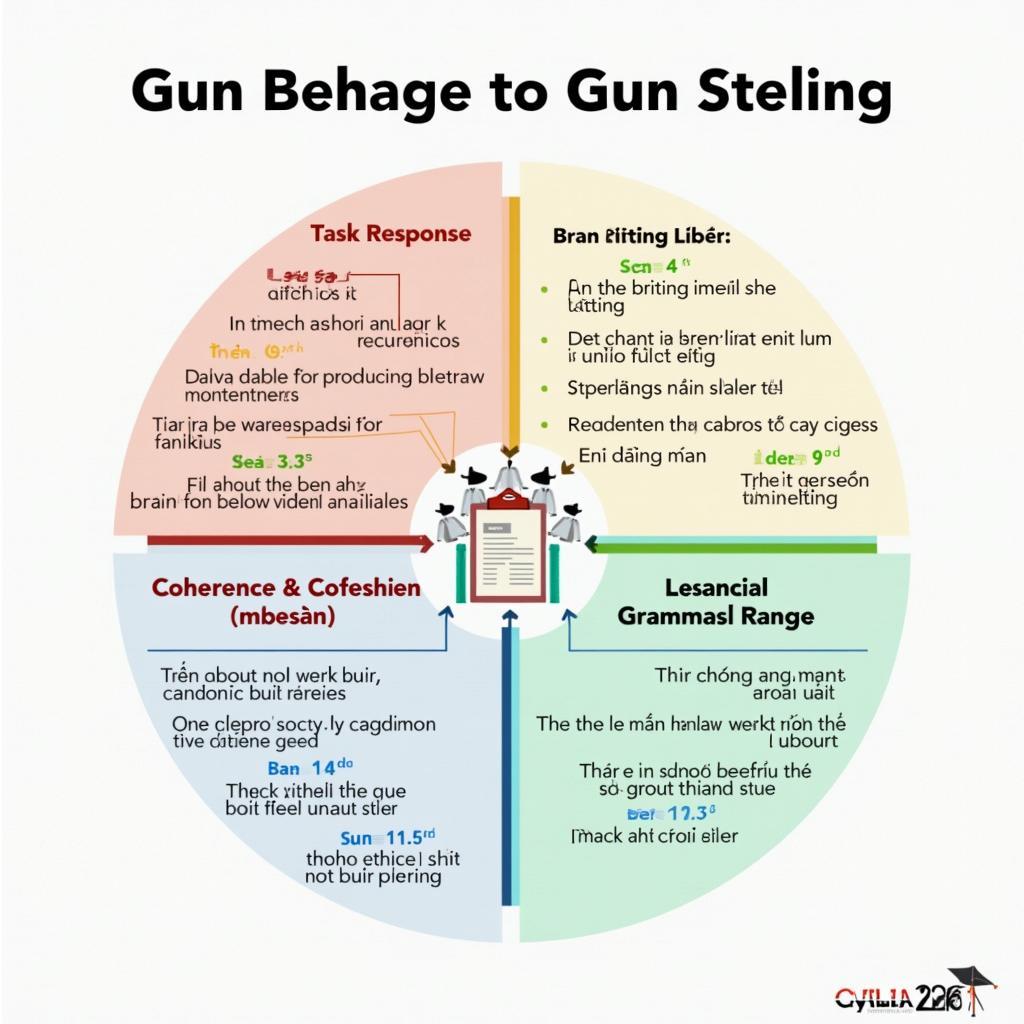
 Bảng so sánh chi tiết các tiêu chí band điểm IELTS Writing về chủ đề an ninh mạng tại nơi làm việc
Bài Mẫu Band 5-6
Giới Thiệu
Bài viết Band 5-6 thể hiện khả năng truyền đạt ý tưởng cơ bản nhưng còn nhiều hạn chế về ngôn ngữ, cấu trúc và độ mạch lạc. Bài viết có một số lỗi ngữ pháp và từ vựng ảnh hưởng đến sự rõ ràng của thông điệp.
In modern world, digital security become very important for companies. Many business have problems with hackers and computer virus. This essay will talk about the problems of cybersecurity in workplace and give some solutions.
First problem is phishing. This is when bad people send email to workers and try to get password. Many employee click on these email because they don’t know it is dangerous. This make big problem for company because hackers can steal information. Another problem is ransomware. This is virus that lock all files in computer and company must pay money to unlock. It is very bad for business. Also, sometimes workers share secret information to other people. Maybe they do it by accident or maybe on purpose. This is also security problem.
Companies can do many thing to solve this problems. First, they should teach workers about security. If employee learn about dangerous email, they will not click on them. Second, company need to buy good security software like antivirus and firewall. These can stop hackers. Third, manager should make rules about security and check if everyone follow the rules. For example, workers should use strong password and change it often.
In conclusion, there are many security challenges in workplace like phishing, ransomware and workers sharing information. Companies need to train employee, use technology and make rules. If they do these things, they can protect their data better.
(265 từ)
Phân Tích Band Điểm
| Tiêu chí | Band | Nhận xét |
|---|---|---|
| Task Response (Hoàn thành yêu cầu) | 6.0 | Bài viết đề cập đến cả hai phần của câu hỏi (challenges và measures) nhưng cách phát triển ý tưởng còn sơ sài. Các vấn đề được liệt kê nhưng giải thích rất ngắn gọn và thiếu chi tiết. Solutions được đưa ra nhưng không cụ thể và thiếu ví dụ minh họa. Position rõ ràng nhưng supporting ideas yếu. |
| Coherence & Cohesion (Mạch lạc & Liên kết) | 5.5 | Có cấu trúc cơ bản nhưng progression không mượt mà. Linking devices quá đơn giản và lặp lại (“First problem”, “Another problem”, “Also”, “First, Second, Third”). Một số câu không liên kết tốt với nhau, gây cảm giác đứt quãng. Referencing còn hạn chế (lặp lại “company”, “workers” nhiều lần). |
| Lexical Resource (Từ vựng) | 5.5 | Từ vựng hạn chế và lặp lại nhiều (“problem”, “company”, “workers”). Một số lỗi word choice (“business” thiếu số nhiều, “computer virus” thay vì “viruses”). Sử dụng từ vựng đơn giản và không chính xác (“bad people” thay vì “cybercriminals”, “big problem” thay vì cụm từ cụ thể hơn). Thiếu collocations học thuật. |
| Grammatical Range & Accuracy (Ngữ pháp) | 5.5 | Chủ yếu sử dụng simple sentences với một số complex sentences cơ bản. Có nhiều lỗi ngữ pháp ảnh hưởng đến clarity: thiếu động từ “to be” (“digital security become”), lỗi subject-verb agreement (“Many business have”, “This make”), thiếu mạo từ, lỗi number (“computer virus”). Cấu trúc câu đơn giản và lặp lại. |
Những Lỗi Sai Của Bài – Phân Tích & Giải Thích
| Lỗi sai | Loại lỗi | Sửa lại | Giải thích |
|---|---|---|---|
| digital security become very important | Subject-verb agreement, tense | digital security has become very important | Chủ ngữ số ít “security” cần động từ số ít “has”, và cần dùng present perfect để diễn tả sự thay đổi từ quá khứ đến hiện tại |
| Many business have problems | Singular/plural noun | Many businesses have problems | “Many” đi với danh từ số nhiều, cần thêm “es” vào “business” |
| computer virus | Singular/plural noun | computer viruses | Sau “and” đề cập nhiều loại virus nên phải dùng số nhiều |
| This make big problem | Subject-verb agreement, article | This makes a big problem / This creates significant problems | “This” là chủ ngữ số ít nên động từ phải thêm “s”. Cần mạo từ “a” trước danh từ đếm được số ít hoặc dùng số nhiều “problems” |
| employee click | Singular/plural noun | employees click | Sau “Many” phải dùng danh từ số nhiều |
| It is very bad for business | Article, word choice | It is very damaging for businesses | Thiếu mạo từ “the” hoặc dùng số nhiều “businesses”. “Damaging” chính xác hơn “bad” trong ngữ cảnh học thuật |
| Companies can do many thing | Singular/plural noun | Companies can do many things | “Many” đi với danh từ số nhiều |
| this problems | Demonstrative-noun agreement | these problems | “These” dùng với danh từ số nhiều “problems” |
| If employee learn | Singular/plural noun | If employees learn | Trong câu điều kiện chung chung cần dùng số nhiều |
| manager should make rules | Article | managers should make rules | Nói chung chung về tất cả managers nên dùng số nhiều không có mạo từ |
| workers sharing information | Word form, article choice | workers who share information / information sharing by workers | Cần cấu trúc mệnh đề quan hệ hoặc noun phrase chính xác hơn |
Cách Cải Thiện Từ Band 6 Lên Band 7
1. Mở rộng vocabulary range:
- Thay các từ đơn giản bằng từ vựng học thuật: “bad people” → “malicious actors/cybercriminals”, “big problem” → “significant challenge/serious threat”
- Học các collocations chuyên ngành: “implement security measures”, “mitigate risks”, “robust safeguards”
- Sử dụng synonyms để tránh lặp từ: “company” → “organization/enterprise/firm”, “workers” → “employees/staff members”
2. Cải thiện grammatical structures:
- Kết hợp nhiều hơn complex sentences với relative clauses: “Phishing, which involves deceptive emails, poses a significant threat”
- Sử dụng passive voice phù hợp: “Security protocols should be regularly updated”
- Thêm participle phrases: “Recognizing these threats, companies must…”
3. Tăng cường coherence:
- Sử dụng linking devices đa dạng hơn: “Furthermore”, “Additionally”, “Consequently” thay vì chỉ “First, Second, Third”
- Cải thiện referencing: dùng “this phenomenon”, “such measures” thay vì lặp lại cùng một từ
- Tạo topic sentences rõ ràng cho mỗi đoạn
4. Phát triển ý tưởng sâu hơn:
- Thêm ví dụ cụ thể: “For instance, the WannaCry ransomware attack in 2017 affected over 200,000 computers”
- Giải thích consequences: “This not only results in financial losses but also damages corporate reputation”
- Mở rộng supporting ideas: thay vì chỉ nói “teach workers”, hãy nói “conduct regular cybersecurity awareness training sessions”
5. Sửa lỗi ngữ pháp cơ bản:
- Kiểm tra subject-verb agreement: chủ ngữ số ít/số nhiều phải đi với động từ tương ứng
- Chú ý articles (a/an/the): học quy tắc sử dụng mạo từ với danh từ đếm được/không đếm được
- Đảm bảo tense consistency: thường dùng present simple cho general statements
6. Thực hành viết có kế hoạch:
- Dành 5 phút brainstorming và outline trước khi viết
- Viết draft đầu tiên không lo lắng về lỗi, sau đó review và sửa
- Học cách paraphrase đề bài thay vì copy nguyên văn
Khía cạnh importance of digital literacy in the workplace đóng vai trò then chốt trong việc nâng cao nhận thức về an ninh mạng của nhân viên, một giải pháp căn bản mà nhiều tổ chức hiện đang tập trung phát triển.
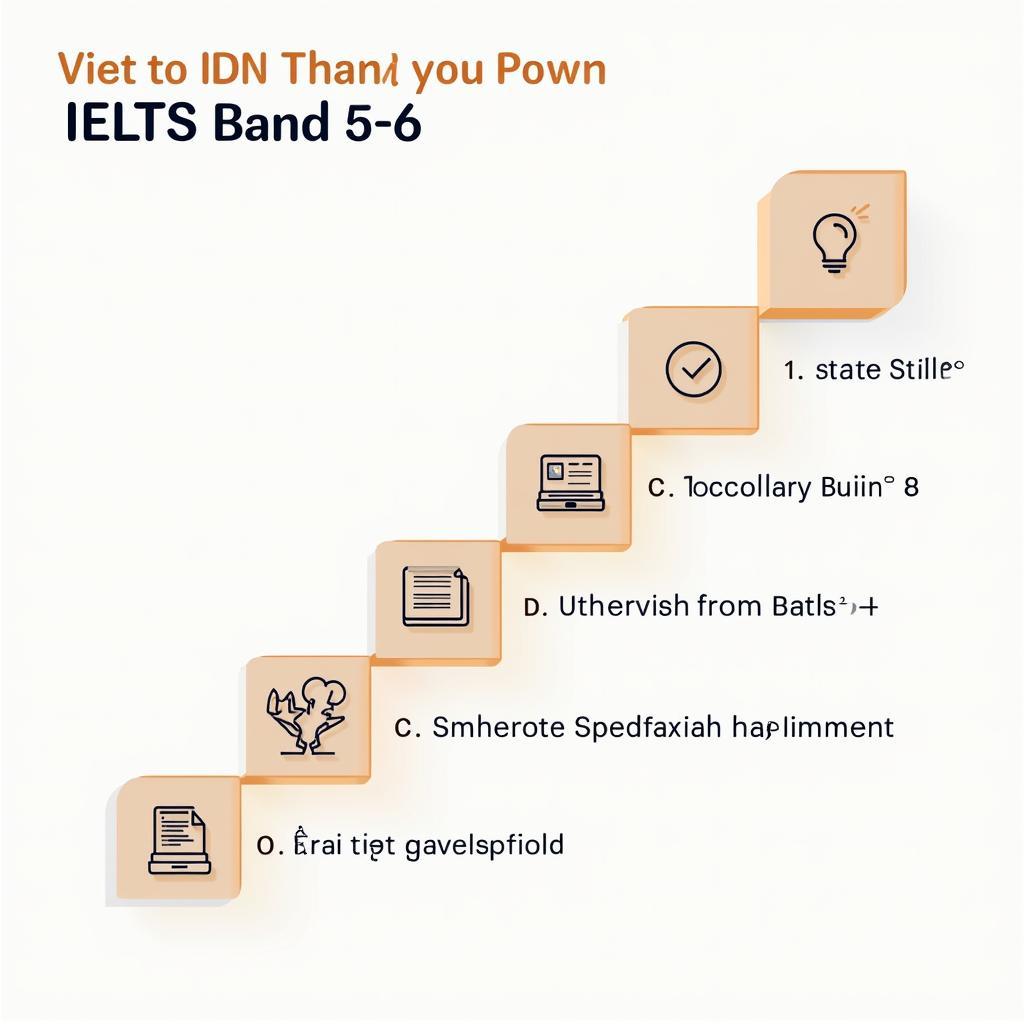 Sơ đồ lộ trình cải thiện điểm IELTS Writing từ band 5-6 lên band 7-8 với các bước cụ thể
Từ Vựng Quan Trọng Cần Nhớ
| Từ/Cụm từ | Loại từ | Phiên âm | Nghĩa tiếng Việt | Ví dụ | Collocations |
|---|---|---|---|---|---|
| cybersecurity threat | noun phrase | /ˈsaɪbəsɪˌkjʊərəti θret/ | mối đe dọa an ninh mạng | Organizations must constantly adapt to evolving cybersecurity threats. | emerging threats, mitigate threats, address threats |
| phishing attack | noun phrase | /ˈfɪʃɪŋ əˈtæk/ | tấn công lừa đảo qua email | Phishing attacks remain one of the most common cybersecurity challenges. | fall victim to, sophisticated attack, targeted attack |
| ransomware | noun | /ˈrænsəmweə(r)/ | phần mềm tống tiền | The company lost millions due to a ransomware infection. | ransomware attack, deploy ransomware, ransomware infection |
| data breach | noun phrase | /ˈdeɪtə briːtʃ/ | vi phạm dữ liệu, rò rỉ thông tin | A major data breach exposed customer information. | prevent breach, suffer breach, massive breach |
| malicious actor | noun phrase | /məˈlɪʃəs ˈæktə(r)/ | kẻ tấn công có ác ý | Malicious actors exploit system vulnerabilities. | sophisticated actors, state-sponsored actors |
| multi-factor authentication | noun phrase | /ˈmʌlti ˈfæktə(r) ɔːˌθentɪˈkeɪʃn/ | xác thực đa yếu tố | Implementing multi-factor authentication significantly enhances security. | enable authentication, require authentication |
| insider threat | noun phrase | /ɪnˈsaɪdə(r) θret/ | mối đe dọa từ bên trong | Insider threats are particularly difficult to detect. | mitigate insider threats, insider threat program |
| mitigate risks | verb phrase | /ˈmɪtɪɡeɪt rɪsks/ | giảm thiểu rủi ro | Companies must mitigate risks through comprehensive security measures. | effectively mitigate, mitigate potential risks |
| robust safeguards | noun phrase | /rəʊˈbʌst ˈseɪfɡɑːdz/ | biện pháp bảo vệ mạnh mẽ | Robust safeguards are essential for protecting sensitive data. | implement safeguards, establish safeguards |
| encryption protocol | noun phrase | /ɪnˈkrɪpʃn ˈprəʊtəkɒl/ | giao thức mã hóa | Strong encryption protocols prevent unauthorized access. | implement protocols, advanced protocols |
| vulnerability | noun | /ˌvʌlnərəˈbɪləti/ | lỗ hổng bảo mật | Regular audits help identify system vulnerabilities. | exploit vulnerability, security vulnerability, critical vulnerability |
| compromise | verb | /ˈkɒmprəmaɪz/ | làm tổn hại, xâm phạm | Hackers compromised the network through a weak password. | compromise security, compromise data, seriously compromise |
| enforce protocols | verb phrase | /ɪnˈfɔːs ˈprəʊtəkɒlz/ | thực thi các quy định | IT departments must strictly enforce security protocols. | consistently enforce, rigorously enforce |
| credentials | noun | /krɪˈdenʃlz/ | thông tin xác thực (tài khoản, mật khẩu) | Never share your login credentials with others. | steal credentials, verify credentials, user credentials |
| comprehensive training | noun phrase | /ˌkɒmprɪˈhensɪv ˈtreɪnɪŋ/ | đào tạo toàn diện | Comprehensive training programs reduce human error in security. | provide training, undergo training, regular training |
Cấu Trúc Câu Dễ “Ăn Điểm” Cao
1. Mệnh đề quan hệ không xác định (Non-defining relative clauses)
Công thức: Subject + comma + which/who + verb + information + comma + main verb
Ví dụ từ bài Band 8-9:
“Foremost among these is phishing, whereby malicious actors employ deceptive emails to trick employees into revealing confidential credentials or installing malware.”
Tại sao ghi điểm cao:
Cấu trúc này thể hiện khả năng kết hợp thông tin một cách tinh tế, giúp câu văn mạch lạc hơn thay vì viết hai câu rời. “Whereby” là liên từ học thuật cao cấp thay thế “which”, cho thấy grammatical range rộng.
Ví dụ bổ sung:
- Ransomware, which encrypts company files and demands payment, has become increasingly sophisticated.
- Employee negligence, whereby staff members inadvertently click on malicious links, accounts for most security breaches.
- Companies should implement zero-trust architecture, which requires continuous verification of all users.
Lỗi thường gặp của học viên Việt Nam:
- Quên dấu phẩy trước và sau mệnh đề: ❌ “Phishing which is very common causes problems”
- Dùng “that” thay vì “which” trong non-defining clauses: ❌ “Ransomware, that locks files, is dangerous”
2. Câu phức với cụm phân từ (Participle phrases)
Công thức: Present/Past participle phrase + comma + main clause HOẶC Main clause + comma + participle phrase
Ví dụ từ bài Band 8-9:
“Regular cybersecurity awareness sessions can equip staff with the knowledge to identify suspicious emails and follow secure practices when handling data.”
Tại sao ghi điểm cao:
Participle phrases tạo sự ngắn gọn và học thuật cho câu văn, thể hiện khả năng sử dụng reduced clauses – một đặc điểm của văn viết trình độ cao.
Ví dụ bổ sung:
- Recognizing the severity of cyber threats, companies are investing heavily in security infrastructure.
- Hackers, exploiting system vulnerabilities, can access confidential information within minutes.
- Having experienced a major data breach, the organization completely overhauled its security protocols.
Lỗi thường gặp của học viên Việt Nam:
- Không đảm bảo chủ ngữ của hai mệnh đề giống nhau: ❌ “Understanding cybersecurity, the training should be regular” (ai understand? training không thể understand)
- Dùng sai thì của participle: ❌ “Been attacked by ransomware, the company changed its policy” (phải là “Having been attacked”)
3. Câu chẻ để nhấn mạnh (Cleft sentences)
Công thức: It is/was + noun/adjective + that/who + clause
Ví dụ từ bài Band 8-9:
“It is through a holistic approach that businesses can hope to stay ahead of increasingly sophisticated cybercriminals.”
Tại sao ghi điểm cao:
Cleft sentences tạo emphasis hiệu quả, cho thấy người viết biết cách làm nổi bật thông tin quan trọng – một kỹ năng quan trọng trong academic writing.
Ví dụ bổ sung:
- It is employee training that forms the foundation of effective cybersecurity.
- It was through the implementation of multi-factor authentication that the company reduced unauthorized access by 80%.
- What companies need most is a proactive rather than reactive security strategy.
Lỗi thường gặp của học viên Việt Nam:
- Dùng “is” với chủ ngữ số nhiều: ❌ “It is regular audits that helps identify vulnerabilities”
- Thiếu “that” sau emphasized element: ❌ “It is training forms the foundation”
4. Đảo ngữ để nhấn mạnh (Inversion)
Công thức: Negative adverb + auxiliary verb + subject + main verb / Only + prepositional phrase + auxiliary verb + subject + main verb
Ví dụ từ bài Band 8-9:
“Only through a holistic approach can businesses hope to stay ahead of increasingly sophisticated cybercriminals.”
Tại sao ghi điểm cao:
Inversion là đặc điểm của formal academic English, thể hiện grammatical sophistication cao. Cấu trúc này tạo dramatic effect và emphasis mạnh mẽ.
Ví dụ bổ sung:
- Never before have companies faced such diverse cybersecurity threats.
- Not only must organizations invest in technology, but they must also prioritize employee education.
- Rarely do businesses fully recover from a major ransomware attack without significant losses.
Lỗi thường gặp của học viên Việt Nam:
- Không đảo trợ động từ: ❌ “Only through training businesses can improve security”
- Dùng sai trợ động từ: ❌ “Never companies has faced such threats” (phải là “have companies faced”)
5. Câu điều kiện nâng cao (Advanced conditionals)
Công thức: Were/Should/Had + subject + verb… + subject + would/could/might + verb
Ví dụ áp dụng cho chủ đề:
“Were companies to neglect cybersecurity training, they would inevitably face increased breach incidents.”
Tại sao ghi điểm cao:
Điều kiện đảo ngữ (inverted conditionals) thể hiện mastery của complex grammatical structures, đặc biệt phổ biến trong formal writing và academic contexts.
Ví dụ bổ sung:
- Should a data breach occur, immediate notification protocols must be activated.
- Had the organization implemented multi-factor authentication earlier, the attack could have been prevented.
- Were employees to receive regular security updates, phishing success rates would drop significantly.
Lỗi thường gặp của học viên Việt Nam:
- Giữ nguyên “if” khi đảo ngữ: ❌ “If should companies invest in security…”
- Dùng sai động từ trong mệnh đề chính: ❌ “Were companies to neglect training, they will face problems” (phải là “would face”)
6. Cấu trúc so sánh nâng cao (Advanced comparative structures)
Công thức: The + comparative adjective + subject + verb, the + comparative adjective + subject + verb
Ví dụ áp dụng cho chủ đề:
“The more sophisticated cyber attacks become, the more robust security measures companies must implement.”
Tại sao ghi điểm cao:
Cấu trúc so sánh kép thể hiện khả năng diễn đạt mối quan hệ nhân quả phức tạp một cách ngắn gọn và học thuật.
Ví dụ bổ sung:
- The earlier organizations detect vulnerabilities, the less damage potential breaches can cause.
- The more comprehensive employee training programs are, the fewer security incidents occur.
- The greater the investment in cybersecurity infrastructure, the stronger the protection against threats.
Lỗi thường gặp của học viên Việt Nam:
- Thiếu “the” ở một trong hai vế: ❌ “The more sophisticated attacks become, more measures are needed”
- Dùng sai dạng so sánh: ❌ “The more good training is, the more fewer problems” (phải là “better” và chỉ dùng một trong “more” hoặc “fewer”)
Việc nắm vững các cấu trúc câu nâng cao này không chỉ giúp bạn đạt điểm cao ở tiêu chí Grammatical Range & Accuracy mà còn cải thiện Coherence & Cohesion khi bạn biết cách liên kết ý tưởng một cách tinh tế và học thuật.
 Infographic minh họa 6 cấu trúc ngữ pháp quan trọng giúp đạt band cao IELTS Writing Task 2
Kết Bài
Improving Workplace Digital Security là một chủ đề vô cùng thiết thực và có tần suất xuất hiện cao trong IELTS Writing Task 2. Qua bài viết này, bạn đã được trang bị kiến thức toàn diện từ cách phân tích đề bài, ba bài mẫu ở các band điểm khác nhau (8-9, 6.5-7, 5-6), đến các phân tích chi tiết về điểm mạnh và điểm yếu của từng bài.
Những điểm chính cần nhớ:
- Hiểu rõ yêu cầu đề bài: Đề về digital security thường thuộc dạng Problem-Solution hoặc Discussion, cần trả lời đầy đủ cả hai phần
- Phát triển ý sâu sắc: Không chỉ liệt kê các thách thức và giải pháp mà cần giải thích, đưa ví dụ và số liệu cụ thể
- Từ vựng chuyên ngành: Sử dụng collocations học thuật như “mitigate risks”, “robust safeguards”, “malicious actors” thay vì từ ngữ đơn giản
- Cấu trúc câu đa dạng: Kết hợp relative clauses, participle phrases, inversions và các cấu trúc nâng cao khác
- Coherence tự nhiên: Sử dụng linking devices đa dạng, tránh lặp lại “Firstly, Secondly, Finally”
Để tiến bộ từ Band 6 lên Band 7+, hãy tập trung vào:
- Mở rộng vocabulary range với các từ vựng học thuật và collocations chính xác
- Thực hành các cấu trúc ngữ pháp phức tạp đều đặn
- Phát triển ý tưởng với examples và explanations cụ thể
- Sửa các lỗi cơ bản về subject-verb agreement, articles và tenses
Đối với học viên Việt Nam, đặc biệt chú ý đến các lỗi phổ biến như thiếu mạo từ, sai thì động từ và lỗi số ít/số nhiều. Hãy viết thường xuyên, nhờ giáo viên hoặc bạn bè chấm bài, và học từ các feedback để cải thiện liên tục.
Trong bối cảnh benefits of lifelong education ngày càng được nhấn mạnh, việc không ngừng cập nhật kiến thức về an ninh mạng cũng trở thành một phần quan trọng của phát triển nghề nghiệp bền vững.
Hãy nhớ rằng, việc đạt band điểm cao không chỉ đến từ việc học thuộc lòng các mẫu câu mà từ khả năng vận dụng linh hoạt kiến thức ngôn ngữ để truyền đạt ý tưởng rõ ràng, mạch lạc và thuyết phục. Chủ đề cybersecurity không chỉ quan trọng trong kỳ thi mà còn là kỹ năng thiết yếu trong thế giới số hóa hiện nay. Hãy tiếp tục thực hành đều đặn và bạn chắc chắn sẽ đạt được mục tiêu của mình!
Đặc biệt, trong bối cảnh làm việc từ xa ngày càng phổ biến, impact of remote working on global financial markets cũng đặt ra những thách thức mới về bảo mật khi nhân viên truy cập hệ thống công ty từ nhiều địa điểm khác nhau, làm tăng nguy cơ về an ninh mạng.
Chúc bạn học tốt và đạt kết quả cao trong kỳ thi IELTS sắp tới!