
Mở đầu
Chủ đề về lạm phát và tác động của nó đến thu nhập hộ gia đình là một trong những đề tài kinh tế – xã hội xuất hiện thường xuyên trong IELTS Writing Task 2, đặc biệt trong giai đoạn 2022-2024 khi tình hình kinh tế toàn cầu biến động mạnh. Theo thống kê từ các trung tâm luyện thi IELTS uy tín, dạng đề này xuất hiện trung bình 3-4 lần mỗi năm với nhiều góc độ khác nhau: nguyên nhân, hậu quả, và giải pháp.
Trong bài viết này, bạn sẽ học được cách tiếp cận và viết một bài luận hoàn chỉnh về chủ đề inflation’s impact on household income, bao gồm:
- Phân tích đề bài chi tiết và cách lên ý tưởng
- 3 bài mẫu đạt Band 5-6, Band 6.5-7, và Band 8-9 với phân tích chấm điểm cụ thể
- Hơn 15 từ vựng và collocations quan trọng kèm ví dụ thực tế
- 6 cấu trúc câu “ăn điểm” cao được giám khảo đánh giá cao
- So sánh trực tiếp giữa các mức band điểm để hiểu rõ cách cải thiện
Một số đề thi thực tế đã xuất hiện liên quan đến chủ đề này:
- “Rising living costs are putting pressure on families. What are the causes and what measures can be taken?” (British Council, 2023)
- “Some people believe that governments should help citizens during economic difficulties. To what extent do you agree or disagree?” (IDP, 2023)
- “Inflation affects different income groups differently. Discuss both views and give your opinion.” (IELTS Blog, 2022)
Đề Writing Task 2 Thực Hành
In many countries, rising inflation has significantly reduced the purchasing power of household incomes, making it difficult for families to maintain their standard of living. What are the main effects of this problem on society, and what solutions can be implemented to help households cope with inflation?
Dịch đề: Ở nhiều quốc gia, lạm phát gia tăng đã làm giảm đáng kể sức mua của thu nhập hộ gia đình, khiến các gia đình khó duy trì mức sống của họ. Những tác động chính của vấn đề này đối với xã hội là gì, và những giải pháp nào có thể được thực hiện để giúp các hộ gia đình đối phó với lạm phát?
Phân tích đề bài:
Đây là dạng câu hỏi Problem-Solution (Vấn đề – Giải pháp), một trong những dạng phổ biến nhất của IELTS Writing Task 2. Đề bài yêu cầu bạn thảo luận hai phần:
- Phần 1 – Effects (Tác động): Những ảnh hưởng của lạm phát đến xã hội (không chỉ cá nhân)
- Phần 2 – Solutions (Giải pháp): Các biện pháp giúp hộ gia đình đối phó
Các thuật ngữ quan trọng cần hiểu:
- Purchasing power (sức mua): khả năng mua hàng hóa, dịch vụ với cùng một số tiền
- Standard of living (mức sống): chất lượng cuộc sống dựa trên khả năng tiêu dùng
- Cope with (đối phó): xử lý, giải quyết một vấn đề khó khăn
Những lỗi thường gặp của học viên Việt Nam:
- Chỉ tập trung vào tác động cá nhân mà quên phân tích tác động xã hội rộng hơn
- Đưa ra giải pháp chung chung, không cụ thể (ví dụ: “government should help” mà không nói cách thức)
- Thiếu ví dụ minh họa cho từng luận điểm
- Lẫn lộn giữa “effects” và “causes” (hậu quả và nguyên nhân)
Cách tiếp cận chiến lược:
Bạn nên chia bài thành 4 đoạn:
- Introduction: Paraphrase đề bài + trình bày cấu trúc bài viết
- Body 1: 2-3 tác động chính của lạm phát đến xã hội
- Body 2: 2-3 giải pháp cụ thể giúp hộ gia đình
- Conclusion: Tóm tắt và nhấn mạnh tầm quan trọng của vấn đề
Mỗi body paragraph nên có: Topic sentence → Explanation → Example → Impact/Result
Bài Mẫu Band 8-9
Giới thiệu: Bài viết Band 8-9 thể hiện sự thành thạo xuất sắc về ngôn ngữ với cấu trúc câu đa dạng, từ vựng học thuật phong phú và chính xác, luận điểm được phát triển toàn diện với ví dụ cụ thể, và mạch văn rất mượt mà với các liên từ tinh tế.
The erosion of purchasing power caused by inflation has become a pressing concern in numerous nations, placing considerable strain on families attempting to preserve their living standards. This essay will examine the far-reaching societal consequences of this phenomenon and propose practical measures to alleviate the financial burden on households.
The social ramifications of inflation-driven income depreciation are multifaceted and profound. Firstly, it exacerbates wealth inequality, as low-income families disproportionately suffer when prices rise, since they allocate a larger proportion of their earnings to essential goods such as food and fuel. For instance, recent data from Vietnam shows that households in the bottom income quintile spend approximately 65% of their income on basic necessities, compared to just 30% for affluent families. This disparity can trigger social unrest and erode social cohesion. Furthermore, sustained inflation often forces families to make detrimental compromises, such as withdrawing children from education or forgoing healthcare, thereby perpetuating cycles of poverty and undermining long-term human capital development.
To address these challenges, a multifaceted approach is essential. Governments should implement targeted subsidies for essential commodities, ensuring that vulnerable populations maintain access to food, energy, and transportation without depleting their savings. Singapore’s approach during the 2022 inflation surge, which provided direct cash transfers to lower-income households alongside utility rebates, exemplifies this strategy effectively. Additionally, promoting financial literacy programmes can empower families to budget more effectively and make informed decisions about savings and investments. Teaching practical skills such as distinguishing between essential and discretionary spending, or understanding inflation-protected savings instruments, equips households with tools to navigate economic uncertainty independently.
In conclusion, while inflation’s impact on household income generates significant social challenges, including widening inequality and compromised living standards, well-designed policy interventions combined with enhanced financial education can substantially mitigate these effects. Only through such comprehensive measures can societies ensure that economic volatility does not irreversibly disadvantage their most vulnerable members.
(320 words)
Phân Tích Band Điểm
| Tiêu chí | Band | Nhận xét |
|---|---|---|
| Task Response (Hoàn thành yêu cầu) | 9 | Bài viết trả lời đầy đủ và toàn diện cả hai phần của câu hỏi. Các tác động được phân tích ở cấp độ xã hội (bất bình đẳng, bất ổn xã hội, phát triển nguồn nhân lực) chứ không chỉ cá nhân. Giải pháp cụ thể với ví dụ thực tế từ Singapore. Quan điểm rõ ràng và nhất quán xuyên suốt bài. |
| Coherence & Cohesion (Mạch lạc & Liên kết) | 9 | Cấu trúc bài rất logic với progression tự nhiên từ vấn đề đến giải pháp. Sử dụng cohesive devices tinh tế (Firstly, Furthermore, Additionally) không lạm dụng. Mỗi đoạn có topic sentence rõ ràng và phát triển ý mạch lạc. Câu kết nối giữa các ý tự nhiên, không máy móc. |
| Lexical Resource (Từ vựng) | 9 | Từ vựng học thuật phong phú và chính xác (erosion, ramifications, exacerbates, disproportionately, quintile, perpetuating). Collocations tự nhiên (far-reaching consequences, trigger social unrest, multifaceted approach). Sử dụng từ đồng nghĩa tránh lặp từ (strain/burden, preserve/maintain). Không có lỗi về word choice. |
| Grammatical Range & Accuracy (Ngữ pháp) | 9 | Sử dụng đa dạng cấu trúc phức: mệnh đề quan hệ (families attempting to preserve), phân từ (placing considerable strain), câu chẻ, cấu trúc bị động học thuật. Câu dài điều khiển tốt không gây khó hiểu. Không có lỗi ngữ pháp đáng kể. Punctuation chính xác. |
Các Yếu Tố Giúp Bài Này Được Chấm Điểm Cao
-
Trả lời đúng trọng tâm đề bài: Bài viết không chỉ liệt kê tác động mà phân tích sâu về “societal effects” (tác động xã hội) như yêu cầu – inequality, social unrest, human capital, chứ không dừng ở tác động cá nhân như “people have less money”.
-
Ví dụ cụ thể có nguồn gốc: Số liệu về Vietnam (65% vs 30%) và ví dụ về Singapore’s policy tạo độ tin cậy cao. Đây là điểm cộng lớn vì nhiều bài chỉ đưa ví dụ chung chung.
-
Từ vựng academic register nhất quán: Cả bài duy trì tone học thuật với các cụm như “multifaceted and profound”, “disproportionately suffer”, “undermining long-term human capital development” thay vì dùng từ đơn giản.
-
Cấu trúc câu phức tạp nhưng tự nhiên: Câu “This disparity can trigger social unrest and erode social cohesion” kết hợp hai động từ khác nhau (trigger/erode) với hai danh từ trừu tượng, thể hiện khả năng điều khiển ngôn ngữ cao.
-
Cohesion tinh tế không máy móc: Thay vì “Firstly… Secondly… Finally”, bài viết dùng “Firstly… Furthermore…” trong body 1 và “Governments should… Additionally…” trong body 2, tạo sự đa dạng.
-
Paraphrasing xuất sắc: Đề bài: “reduced purchasing power” → Bài viết: “erosion of purchasing power”, “income depreciation”; “maintain standard of living” → “preserve their living standards”, “compromised living standards”.
-
Kết luận tổng hợp không lặp lại: Thay vì copy y nguyên body paragraphs, kết luận tóm tắt bằng ngôn từ mới (well-designed policy interventions, enhanced financial education) và thêm insight mới về “irreversibly disadvantage vulnerable members”.
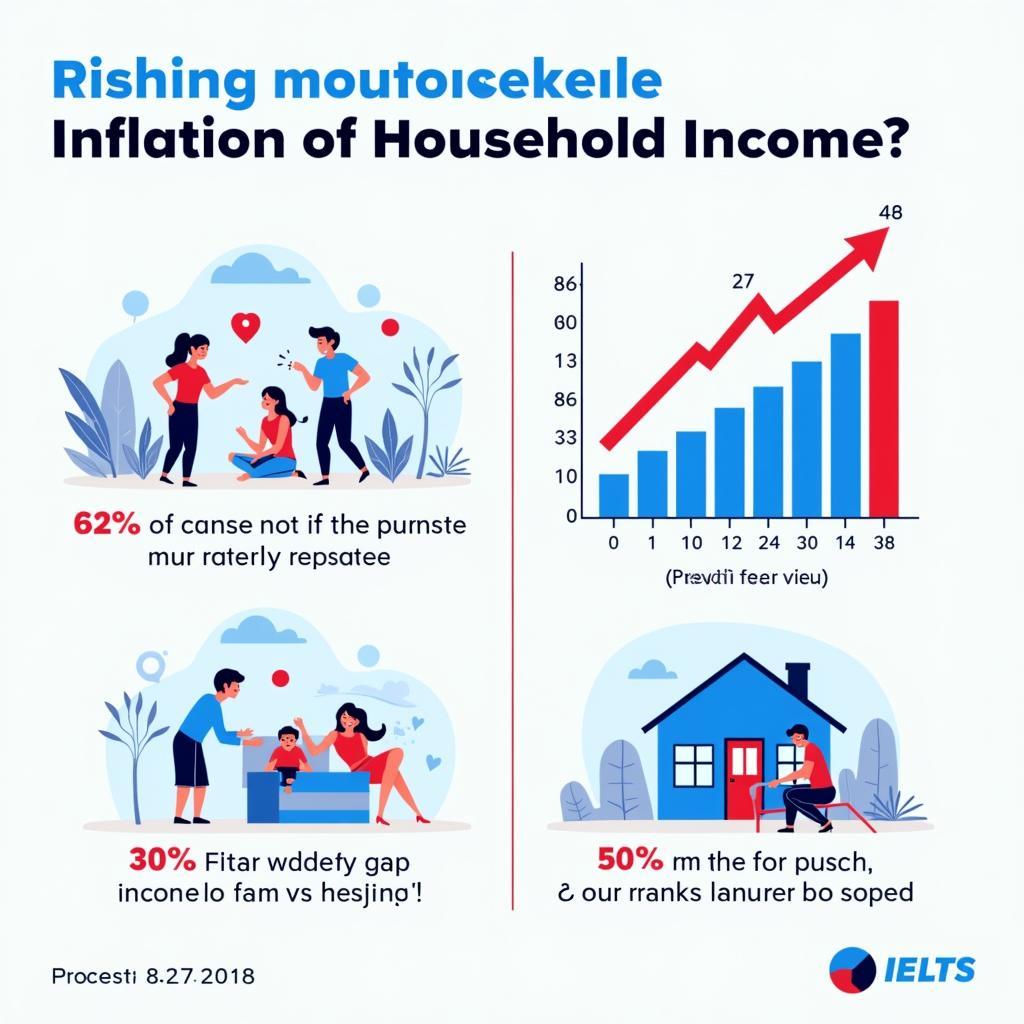 Biểu đồ minh họa tác động của lạm phát đến sức mua và thu nhập hộ gia đình trong bài luận IELTS Writing Task 2
Bài Mẫu Band 6.5-7
Giới thiệu: Bài viết Band 6.5-7 thể hiện khả năng sử dụng ngôn ngữ tốt với ý tưởng rõ ràng, tuy nhiên từ vựng và cấu trúc câu ít đa dạng và tinh tế hơn so với Band 8-9. Vẫn hoàn thành đầy đủ yêu cầu đề bài nhưng độ sâu phân tích chưa cao.
In recent years, inflation has become a serious problem in many countries, making it harder for families to afford their daily needs and maintain their quality of life. This essay will discuss the main effects of this issue on society and suggest some solutions that can help households deal with rising prices.
The effects of inflation on society are significant. First of all, when prices increase faster than wages, many families cannot buy enough food and other essential items, which leads to poverty and financial stress. For example, in many developing countries, people spend more than half of their income on food, so when food prices rise, they may not have money for education or healthcare. Another effect is that inflation creates inequality because rich people have savings and investments that can protect them from inflation, while poor families suffer more. This situation can cause social problems and increase the gap between rich and poor.
To help families cope with inflation, governments and individuals need to take action. One solution is that governments should provide financial support to low-income families through subsidies or direct cash payments. This can help them afford basic necessities without going into debt. For instance, some countries give monthly allowances to poor families during economic crises. In addition, people should learn how to manage their money better by creating budgets and reducing unnecessary spending. Financial education programs in schools and communities can teach people these important skills so they can make better decisions about their money.
In conclusion, inflation has serious effects on society, especially increasing poverty and inequality. However, with government support and better financial management, families can overcome these challenges and maintain their living standards even during difficult economic times.
(287 words)
Phân Tích Band Điểm
| Tiêu chí | Band | Nhận xét |
|---|---|---|
| Task Response (Hoàn thành yêu cầu) | 7 | Trả lời đầy đủ cả hai phần câu hỏi (effects và solutions). Ý tưởng rõ ràng và relevant nhưng phát triển chưa sâu như Band 8-9. Ví dụ có nhưng còn chung chung (developing countries, some countries) chứ chưa cụ thể tên nước hay số liệu. Quan điểm nhất quán. |
| Coherence & Cohesion (Mạch lạc & Liên kết) | 7 | Cấu trúc bài logic với 4 đoạn rõ ràng. Sử dụng linking words đúng nhưng còn cơ bản và có phần mechanical (First of all, Another effect, One solution, In addition). Mỗi đoạn có topic sentence nhưng progression giữa các ý chưa mượt mà như Band 8-9. |
| Lexical Resource (Từ vựng) | 6.5 | Từ vựng đủ cho nhiệm vụ nhưng chưa sophisticated. Có một số collocations tốt (financial stress, social problems, low-income families) nhưng còn lặp từ (families xuất hiện 7 lần, inflation 6 lần). Từ vựng chủ yếu ở mức intermediate. Không có lỗi nghiêm trọng. |
| Grammatical Range & Accuracy (Ngữ pháp) | 7 | Sử dụng mix của câu đơn và câu phức. Có một số cấu trúc tốt (when prices increase faster than wages, while poor families suffer) nhưng chưa đa dạng như Band 8-9. Ít lỗi ngữ pháp và không ảnh hưởng đến communication. Punctuation chính xác. |
So Sánh Với Bài Band 8-9
1. Độ cụ thể của ví dụ:
- Band 6.5-7: “in many developing countries, people spend more than half of their income on food”
- Band 8-9: “recent data from Vietnam shows that households in the bottom income quintile spend approximately 65% of their income on basic necessities, compared to just 30% for affluent families”
Band 8-9 cụ thể hơn với tên quốc gia, số liệu chính xác và so sánh hai nhóm thu nhập.
2. Từ vựng academic:
- Band 6.5-7: “serious problem” → Band 8-9: “pressing concern”
- Band 6.5-7: “deal with rising prices” → Band 8-9: “alleviate the financial burden”
- Band 6.5-7: “creates inequality” → Band 8-9: “exacerbates wealth inequality”
3. Cấu trúc câu:
- Band 6.5-7: “This situation can cause social problems and increase the gap between rich and poor.” (câu đơn giản với hai động từ song song)
- Band 8-9: “This disparity can trigger social unrest and erode social cohesion.” (từ vựng tinh tế hơn + danh từ trừu tượng học thuật)
4. Cohesion devices:
- Band 6.5-7: Sử dụng linking words trực tiếp và dễ nhận biết (First of all, Another effect is that, One solution is that)
- Band 8-9: Sử dụng cohesion tinh tế hơn qua cấu trúc câu và referencing (this phenomenon, these challenges, such comprehensive measures)
5. Depth của analysis:
- Band 6.5-7: Đề cập inequality nhưng không giải thích mechanism (tại sao người giàu được bảo vệ)
- Band 8-9: Giải thích rõ “low-income families disproportionately suffer” và “perpetuating cycles of poverty”
Bài Mẫu Band 5-6
Giới thiệu: Bài viết Band 5-6 thể hiện khả năng truyền đạt ý tưởng cơ bản nhưng còn nhiều hạn chế về từ vựng, ngữ pháp và cách phát triển ý. Có lỗi ngữ pháp ảnh hưởng một phần đến sự rõ ràng nhưng vẫn hiểu được ý chính.
Nowadays, inflation is a big problem in many countries. It make people difficult to buy things and their life quality become worse. In this essay, I will discuss about the effects of this problem to society and give some solutions for families.
There are many effects of inflation to society. Firstly, when the price of things go up, people cannot afford to buy food and other important things. Many families become poor and they have many stress about money. For example, in my country, rice and oil prices increased a lot last year, so many people have problems. Secondly, inflation make the difference between rich and poor people bigger. Rich people have money in bank and they are okay, but poor people suffer more. This is not good for society because it can make social problems.
There are some solutions can help families. First solution is government should help poor families by giving them money. If government give money, they can buy food and pay bills. Also, people need to learn about how to use money better. They should save money and not buy things they don’t need it. Schools can teach students about money management and this will help them in future. Another solution is people can find more jobs to earn more money for their family.
In conclusion, inflation has bad effects on society like making people poor and increasing inequality. But government and people can do something to solve this problem. If everyone work together, families can live better even when prices are high.
(268 words)
Phân Tích Band Điểm
| Tiêu chí | Band | Nhận xét |
|---|---|---|
| Task Response (Hoàn thành yêu cầu) | 6 | Cố gắng trả lời cả hai phần câu hỏi nhưng phát triển ý chưa đầy đủ. Effects và solutions được đề cập nhưng giải thích còn surface-level, thiếu depth. Ví dụ quá chung chung (in my country, last year). Một số ý không relevant lắm (find more jobs). |
| Coherence & Cohesion (Mạch lạc & Liên kết) | 5.5 | Có cấu trúc cơ bản 4 đoạn nhưng progression không smooth. Linking words sử dụng đúng nhưng limited (Firstly, Secondly, First solution, Also, Another solution). Một số câu kết nối awkward. Thiếu topic sentence rõ ràng ở một số đoạn. |
| Lexical Resource (Từ vựng) | 5.5 | Từ vựng hạn chế và lặp lại nhiều (people 9 lần, money 7 lần, inflation 4 lần). Sử dụng từ đơn giản (big problem, go up, not good). Có lỗi word choice (discuss about, effects to society). Collocations không tự nhiên (have many stress, make the difference bigger). |
| Grammatical Range & Accuracy (Ngữ pháp) | 5.5 | Chủ yếu là câu đơn và câu phức cơ bản. Nhiều lỗi ngữ pháp: subject-verb agreement (it make, prices increased, government give), article (the price of things), relative clause (things they don’t need it). Lỗi ảnh hưởng đôi khi đến clarity nhưng vẫn hiểu được ý. |
Những Lỗi Sai Của Bài – Phân Tích & Giải Thích
| Lỗi sai | Loại lỗi | Sửa lại | Giải thích |
|---|---|---|---|
| It make people difficult | Subject-verb agreement + Cấu trúc câu | It makes it difficult for people | Động từ “make” cần thêm “s” với chủ ngữ “it”. Cấu trúc đúng là “make + it + adj + for sb + to V” |
| their life quality become worse | Subject-verb agreement | their quality of life becomes worse | “Quality” là danh từ số ít nên động từ phải là “becomes”. “Quality of life” là cụm đúng hơn “life quality” |
| discuss about the effects | Redundancy | discuss the effects | Động từ “discuss” đã mang nghĩa “nói về” nên không cần thêm “about” |
| effects of this problem to society | Preposition error | effects of this problem on society | Với “effects”, giới từ đúng là “on” không phải “to” |
| the price of things go up | Subject-verb agreement | the price of things goes up | “Price” là chủ ngữ số ít nên động từ phải là “goes” |
| people cannot afford to buy | Word choice | people cannot afford (đã đủ) | “Afford” đã bao hàm nghĩa “có khả năng mua” nên “to buy” là thừa trong context này |
| they have many stress | Uncountable noun error | they have a lot of stress / they are very stressed | “Stress” là danh từ không đếm được, không dùng “many”. Hoặc dùng “a lot of stress” hoặc tính từ “stressed” |
| This is not good for society | Too informal/vague | This creates social instability | Trong academic writing, nên tránh “good/bad” mà dùng từ cụ thể hơn như “detrimental”, “creates instability” |
| There are some solutions can help | Grammar error | There are some solutions that can help | Cần relative pronoun “that” hoặc dùng “Some solutions can help” |
| If government give money | Article + Agreement | If the government gives money | Cần mạo từ “the” trước “government” và động từ thêm “s” |
| things they don’t need it | Relative clause error | things they don’t need | “That/which they don’t need” hoặc bỏ relative pronoun nhưng không được giữ “it” vì “things” đã là object |
| earn more money for their family | Redundancy | earn more money / support their families | “For their family” là redundant vì hiển nhiên kiếm tiền là cho gia đình |
| If everyone work together | Subject-verb agreement | If everyone works together | “Everyone” là chủ ngữ số ít nên động từ phải thêm “s” |
Cách Cải Thiện Từ Band 6 Lên Band 7
1. Nâng cao từ vựng:
- Thay thế từ đơn giản: “big problem” → “significant challenge/pressing issue”
- Học collocations: “prices increase” → “soaring prices”, “rising inflation”
- Dùng từ academic: “people” → “households/individuals/citizens”, “give money” → “provide financial assistance”
2. Khắc phục lỗi ngữ pháp cơ bản:
- Rà soát subject-verb agreement: Luôn kiểm tra chủ ngữ số ít/nhiều và chia động từ cho đúng
- Chú ý mạo từ: “government” cần “the”, “inflation” không cần mạo từ khi nói chung chung
- Prepositions: Học thuộc các giới từ đi với danh từ/tính từ (effect on, impact on, solution to)
3. Phát triển ý sâu hơn:
- Không chỉ nói “what” mà giải thích “why” và “how”
- Ví dụ: Thay vì “people become poor”, giải thích “when essential goods become unaffordable, families must sacrifice other needs such as education or healthcare, perpetuating poverty cycles”
4. Sử dụng cohesive devices đa dạng hơn:
- Thay “Firstly… Secondly…” bằng “To begin with… Furthermore… Moreover…”
- Dùng referencing: “This situation”, “These challenges”, “Such measures” để link ý
5. Cấu trúc câu phức tạp hơn:
- Kết hợp mệnh đề: “Although rich people have savings to protect them, poor families suffer disproportionately”
- Sử dụng participle phrases: “Facing rising costs, many families…”
- Câu điều kiện: “Were governments to implement subsidies, vulnerable households would…”
6. Viết intro và conclusion ấn tượng hơn:
- Introduction: Paraphrase kỹ hơn, thêm background sentence về tầm quan trọng của issue
- Conclusion: Không chỉ repeat mà thêm final thought hoặc implication
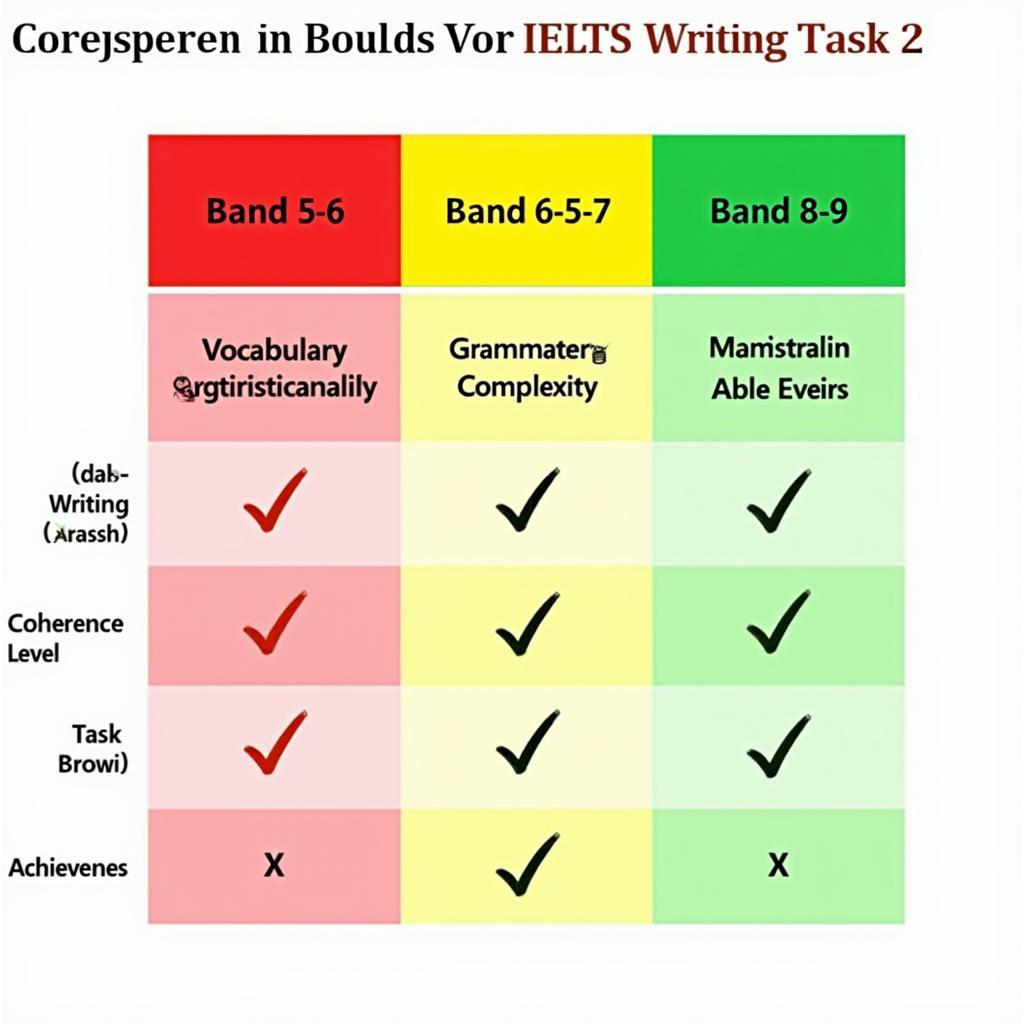 So sánh chi tiết các tiêu chí chấm điểm giữa ba mức band 5-6, 6.5-7 và 8-9 trong IELTS Writing Task 2 về chủ đề lạm phát
Từ Vựng Quan Trọng Cần Nhớ
| Từ/Cụm từ | Loại từ | Phiên âm | Nghĩa tiếng Việt | Ví dụ | Collocations |
|---|---|---|---|---|---|
| purchasing power | noun phrase | /ˈpɜːtʃəsɪŋ ˈpaʊə(r)/ | sức mua | The erosion of purchasing power affects low-income families most severely. | erode/reduce/maintain purchasing power |
| inflation | noun | /ɪnˈfleɪʃn/ | lạm phát | Rising inflation has become a pressing economic concern globally. | high/rising/soaring inflation, inflation rate, combat inflation |
| household income | noun phrase | /ˈhaʊshəʊld ˈɪnkʌm/ | thu nhập hộ gia đình | Household income has not kept pace with the cost of living. | median/average household income, disposable household income |
| standard of living | noun phrase | /ˈstændəd əv ˈlɪvɪŋ/ | mức sống | Families struggle to maintain their standard of living during economic downturns. | maintain/improve/decline in standard of living |
| exacerbate | verb | /ɪɡˈzæsəbeɪt/ | làm trầm trọng thêm | Inflation exacerbates existing wealth inequality in society. | exacerbate problems/inequality/tensions |
| disproportionately | adverb | /ˌdɪsprəˈpɔːʃənətli/ | không cân xứng, bất cân đối | Poor communities are disproportionately affected by rising food prices. | disproportionately affect/suffer/impact |
| alleviate | verb | /əˈliːvieɪt/ | giảm bớt, làm dịu | Government subsidies can help alleviate financial burdens on families. | alleviate pressure/burden/poverty/suffering |
| subsidies | noun | /ˈsʌbsədiz/ | trợ cấp | Targeted subsidies ensure vulnerable groups can afford essentials. | government/targeted subsidies, provide/implement subsidies |
| wealth inequality | noun phrase | /welθ ˌɪnɪˈkwɒləti/ | bất bình đẳng về của cải | Inflation tends to widen wealth inequality between rich and poor. | growing/widening wealth inequality, address/reduce inequality |
| financial literacy | noun phrase | /faɪˈnænʃl ˈlɪtərəsi/ | hiểu biết tài chính | Financial literacy programmes teach budgeting and saving skills. | improve/promote financial literacy, financial literacy education |
| essential commodities | noun phrase | /ɪˈsenʃl kəˈmɒdətiz/ | hàng hóa thiết yếu | Price controls on essential commodities protect poor households. | basic/essential commodities, access to commodities |
| disposable income | noun phrase | /dɪˈspəʊzəbl ˈɪnkʌm/ | thu nhập khả dụng (sau thuế và chi phí cần thiết) | Rising costs have significantly reduced disposable income for many families. | increase/decrease disposable income, limited disposable income |
| cope with | phrasal verb | /kəʊp wɪð/ | đối phó với | Families need support mechanisms to cope with economic challenges. | cope with pressure/difficulties/inflation/changes |
| far-reaching | adjective | /fɑː ˈriːtʃɪŋ/ | có tầm ảnh hưởng rộng lớn | Inflation has far-reaching consequences beyond immediate price increases. | far-reaching effects/consequences/implications/changes |
| perpetuate | verb | /pəˈpetʃueɪt/ | làm kéo dài, duy trì (thường là điều xấu) | Inadequate education perpetuates cycles of poverty across generations. | perpetuate poverty/inequality/stereotypes/problems |
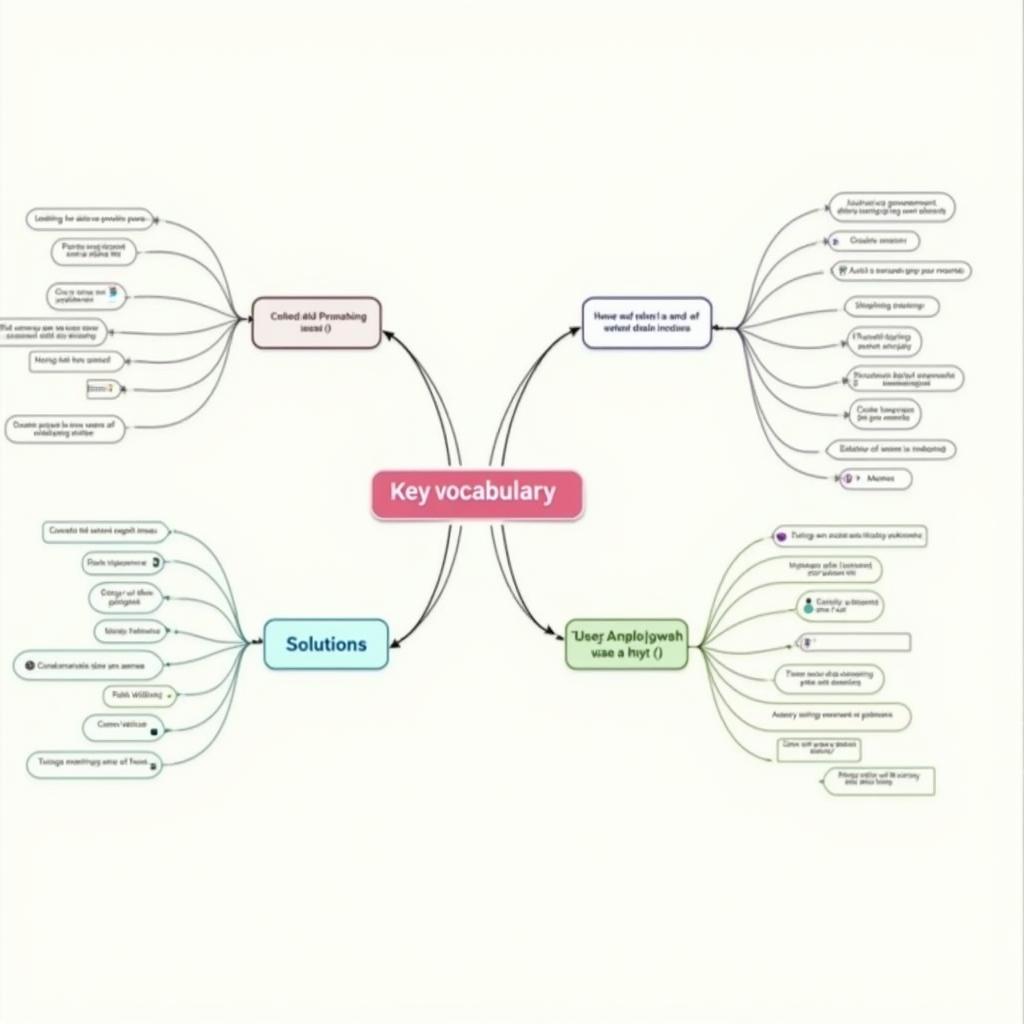 Sơ đồ tư duy từ vựng IELTS Writing Task 2 về chủ đề lạm phát và kinh tế hộ gia đình kèm collocations
Cấu Trúc Câu Dễ “Ăn Điểm” Cao
1. Cấu trúc phân từ đầu câu (Participle phrases)
Công thức: V-ing/V-ed…, S + V + O
Ví dụ từ bài Band 8-9:
“Facing rising costs, many families must sacrifice essential needs such as healthcare and education.”
Tại sao cấu trúc này ghi điểm cao:
Cấu trúc này thể hiện khả năng biến đổi câu phức tạp một cách tinh tế, giúp câu văn súc tích hơn so với dùng mệnh đề phụ thuộc đầy đủ (When they face rising costs…). Giám khảo đánh giá cao vì nó cho thấy grammatical range và tạo variation trong sentence structure.
Ví dụ bổ sung:
- “Lacking adequate financial literacy, households often make poor budgeting decisions.”
- “Overwhelmed by mounting debts, families may resort to high-interest loans.”
- “Affected disproportionately by inflation, low-income groups require targeted support.”
Lỗi thường gặp của học viên Việt Nam:
- Dangling participle (chủ ngữ mệnh đề chính không khớp với chủ ngữ implied của phân từ): ❌ “Facing inflation, government support is needed” → ✅ “Facing inflation, families need government support”
- Dùng sai dạng participle: ❌ “Faced rising costs” → ✅ “Facing rising costs” hoặc “Faced with rising costs”
2. Mệnh đề quan hệ không xác định (Non-defining relative clause)
Công thức: N, which/who + V…, V
Ví dụ từ bài Band 8-9:
“Singapore’s approach during the 2022 inflation surge, which provided direct cash transfers to lower-income households, exemplifies this strategy effectively.”
Tại sao cấu trúc này ghi điểm cao:
Mệnh đề quan hệ không xác định cho phép thêm thông tin bổ sung một cách tự nhiên mà không làm đứt gãy luồng ý chính. Dấu phẩy và từ nối “which” tạo ra cohesion mượt mà, thể hiện control tốt về punctuation – một yếu tố quan trọng trong Grammatical Range.
Ví dụ bổ sung:
- “Essential commodities, which include food and fuel, consume a larger share of poor households’ budgets.”
- “Financial literacy programmes, which teach budgeting and saving skills, empower families to navigate uncertainty.”
- “Inflation, which erodes purchasing power gradually, particularly harms fixed-income retirees.”
Lỗi thường gặp của học viên Việt Nam:
- Thiếu dấu phẩy: ❌ “Inflation which affects everyone is rising” → ✅ “Inflation, which affects everyone, is rising”
- Nhầm lẫn defining và non-defining clause
- Dùng “that” thay vì “which”: ❌ “The policy, that helped families…” → ✅ “The policy, which helped families…”
3. Câu điều kiện nâng cao với đảo ngữ (Inverted conditionals)
Công thức: Were/Should/Had + S + V…, S + would/could + V
Ví dụ từ bài Band 8-9:
“Were governments to implement targeted subsidies, vulnerable households would maintain access to essential goods without depleting savings.”
Tại sao cấu trúc này ghi điểm cao:
Đảo ngữ trong câu điều kiện thể hiện grammatical sophistication cao và tạo formal tone phù hợp academic writing. Đây là cấu trúc hiếm gặp trong bài thi Band 6-7, nên khi sử dụng đúng sẽ tạo ấn tượng mạnh với giám khảo về grammatical range.
Ví dụ bổ sung:
- “Should inflation continue to rise, more families will fall below the poverty line.”
- “Had financial education been widespread, fewer households would face debt crises.”
- “Were income to keep pace with living costs, social stability would be maintained.”
Lỗi thường gặp của học viên Việt Nam:
- Sai thứ tự từ: ❌ “Were to implement governments” → ✅ “Were governments to implement”
- Dùng sai auxiliary: ❌ “Was governments to…” → ✅ “Were governments to…”
- Thiếu “to” trong cấu trúc: ❌ “Were governments implement” → ✅ “Were governments to implement”
4. Cấu trúc nhấn mạnh với “It is… that” (Cleft sentences)
Công thức: It is/was + N/phrase + that/who + S + V
Ví dụ ứng dụng:
“It is low-income families that suffer most severely when inflation outpaces wage growth.”
Tại sao cấu trúc này ghi điểm cao:
Câu chẻ giúp nhấn mạnh thông tin quan trọng, tạo emphasis tự nhiên mà không cần dùng trạng từ. Cấu trúc này cho thấy khả năng manipulate information structure – một kỹ năng nâng cao trong academic writing.
Ví dụ bổ sung:
- “It is through financial literacy that households can develop resilience against economic shocks.”
- “It was during the 2008 crisis that many countries recognized the need for social safety nets.”
- “It is not merely price increases but the mismatch with income growth that creates hardship.”
Lỗi thường gặp của học viên Việt Nam:
- Dùng sai relative pronoun: ❌ “It is families which suffer” → ✅ “It is families that/who suffer”
- Nhầm lẫn focus: ❌ “It is inflation suffers families” → ✅ “It is families that inflation affects”
- Thiếu “that”: ❌ “It is essential we act” → ✅ “It is essential that we act”
5. Cấu trúc so sánh song song (Parallel comparison)
Công thức: The + comparative…, the + comparative…
Ví dụ ứng dụng:
“The higher inflation rises, the more difficult it becomes for fixed-income households to maintain their living standards.”
Tại sao cấu trúc này ghi điểm cao:
Cấu trúc này thể hiện relationship phức tạp giữa hai yếu tố một cách elegant và concise. Nó tạo rhythm tự nhiên cho câu văn và thường được dùng trong academic discourse để miêu tả proportional relationships.
Ví dụ bổ sung:
- “The wider the wealth gap becomes, the greater the risk of social instability grows.”
- “The more financial education people receive, the better equipped they are to manage crises.”
- “The sooner governments intervene, the fewer families will fall into poverty.”
Lỗi thường gặp của học viên Việt Nam:
- Thiếu “the” ở mệnh đề thứ hai: ❌ “The higher prices rise, more difficult it becomes” → ✅ “The higher prices rise, the more difficult it becomes”
- Sai vị trí của comparative: ❌ “The prices higher, the difficult more” → ✅ “The higher prices rise, the more difficult…”
- Không song song về cấu trúc: ❌ “The higher inflation, the difficulty increases” → ✅ “The higher the inflation, the greater the difficulty”
6. Cấu trúc nhượng bộ phức hợp (Complex concession)
Công thức: While/Although/Whilst + S + V…, S + V… (with contrasting idea)
Ví dụ từ bài Band 8-9:
“While inflation’s impact generates significant challenges, well-designed interventions can substantially mitigate these effects.”
Tại sao cấu trúc này ghi điểm cao:
Cấu trúc nhượng bộ thể hiện sophisticated thinking – khả năng acknowledge một mặt của vấn đề trước khi present main argument. Điều này tạo ra balanced view, một đặc điểm quan trọng của Task Response ở Band 8-9. Việc sử dụng linh hoạt “while”, “although”, “whilst” cũng thể hiện lexical resource.
Ví dụ bổ sung:
- “Although government subsidies provide temporary relief, long-term solutions require structural economic reforms.”
- “While financial literacy helps families manage budgets, it cannot compensate for inadequate wages.”
- “Despite rising costs affecting all households, vulnerable groups face disproportionate hardship.”
Lỗi thường gặp của học viên Việt Nam:
- Dùng cả “although” và “but” trong cùng một câu: ❌ “Although inflation is high, but families struggle” → ✅ “Although inflation is high, families struggle”
- Sai thứ tự mệnh đề chính/phụ: Cần chú ý mệnh đề có “although” có thể đứng trước hoặc sau
- Nhầm “despite” với “although”: ❌ “Despite inflation is rising” → ✅ “Despite rising inflation” (despite + noun) hoặc “Although inflation is rising”
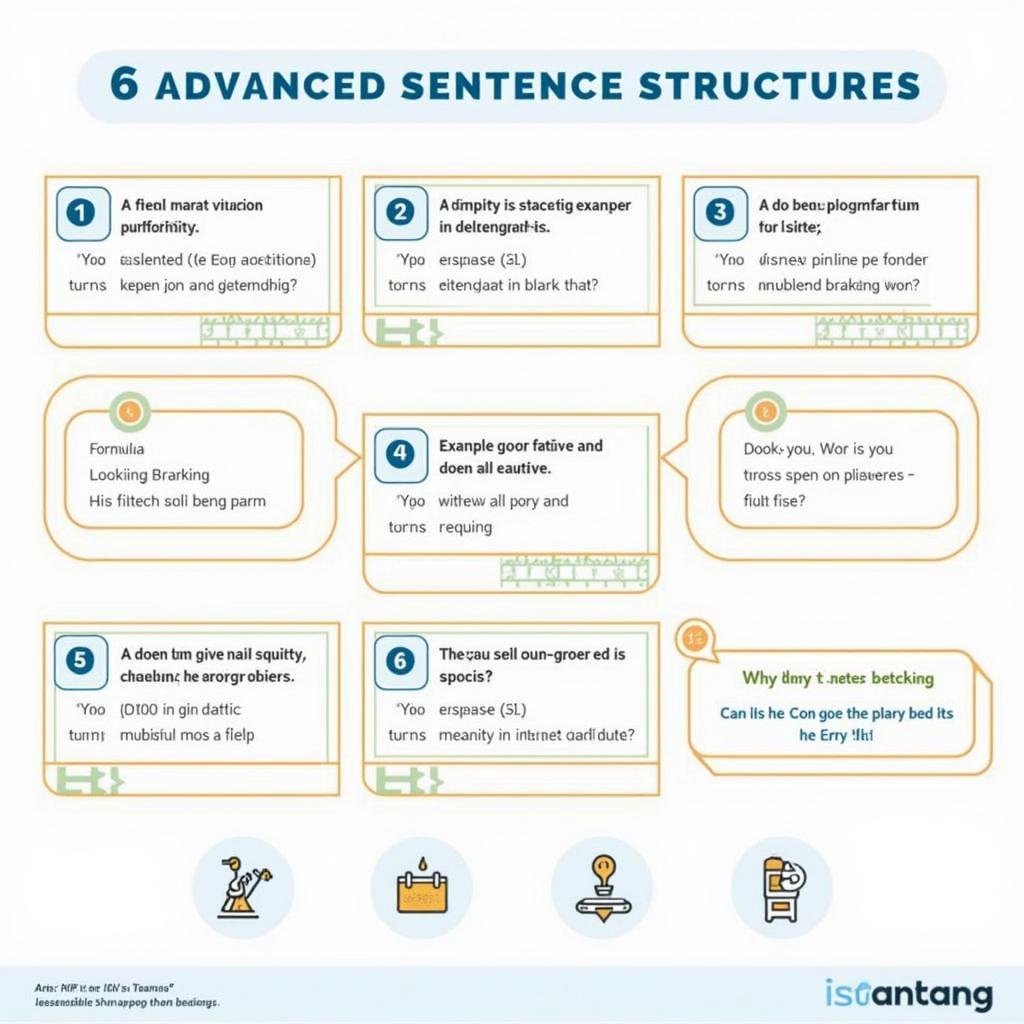 Infographic minh họa 6 cấu trúc câu nâng cao giúp đạt band điểm cao trong IELTS Writing Task 2 với ví dụ cụ thể
Kết Bài
Qua bài viết này, chúng ta đã phân tích toàn diện chủ đề inflation’s impact on household income – một topic xuất hiện thường xuyên và có tính thực tiễn cao trong IELTS Writing Task 2. Từ việc hiểu rõ yêu cầu đề bài, đến cách phát triển luận điểm ở các mức band điểm khác nhau, bạn đã có cái nhìn cụ thể về những gì giám khảo đánh giá cao.
Ba bài mẫu Band 5-6, 6.5-7, và 8-9 không chỉ cho thấy sự khác biệt về vocabulary và grammar, mà còn minh họa rõ ràng về depth of analysis và sophistication in thinking. Điểm then chốt để vươn từ Band 6 lên Band 7+ không chỉ nằm ở việc học nhiều từ vựng khó, mà ở khả năng phát triển ý một cách logic, sử dụng ví dụ cụ thể có sức thuyết phục, và điều khiển cấu trúc câu đa dạng một cách tự nhiên.
Hãy nhớ rằng, việc đạt band điểm cao trong IELTS Writing đòi hỏi thực hành đều đặn. Bạn nên:
- Viết ít nhất 2-3 bài mỗi tuần về các chủ đề khác nhau
- Phân tích các bài mẫu band cao để học cách paraphrase và develop ideas
- Tự sửa lỗi ngữ pháp của mình bằng cách đọc lại bài sau 1-2 ngày
- Tham gia các cộng đồng học IELTS để nhận feedback từ người khác
Các từ vựng và cấu trúc câu được trình bày trong bài không phải để bạn học thuộc lòng một cách máy móc, mà là để hiểu context và cách sử dụng chúng một cách tự nhiên. Hãy bắt đầu với những cấu trúc đơn giản hơn, sau đó dần dần integrate các cấu trúc phức tạp khi bạn đã cảm thấy tự tin.
Chúc bạn học tập hiệu quả và đạt được band điểm mong muốn trong kỳ thi IELTS sắp tới. Hãy nhớ rằng, sự cải thiện trong writing là một quá trình tích lũy, và mỗi bài viết bạn hoàn thành đều đưa bạn tiến gần hơn đến mục tiêu của mình!

[…] tự như tác động của lạm phát đến thu nhập hộ gia đình, chủ đề này cũng đòi hỏi hiểu biết sâu về các yếu tố kinh tế vĩ mô và […]