Mở Bài
Công nghệ đeo được (wearable technology) đã trở thành một trong những chủ đề nổi bật và thường xuyên xuất hiện trong đề thi IELTS Reading những năm gần đây. Từ smartwatches, fitness trackers đến các thiết bị y tế thông minh, công nghệ đeo được đang thay đổi cách chúng ta tương tác với thế giới số. Tuy nhiên, cùng với sự tiện lợi là những vấn đề nghiêm trọng về quyền riêng tư mà nhiều người dùng chưa thực sự nhận thức đầy đủ.
Trong bài viết này, bạn sẽ được trải nghiệm một bộ đề thi IELTS Reading hoàn chỉnh với chủ đề Privacy Issues With Wearable Technology, bao gồm ba passages với độ khó tăng dần từ Easy đến Hard. Mỗi passage được thiết kế dựa trên cấu trúc đề thi IELTS thực tế, với tổng cộng 40 câu hỏi đa dạng các dạng bài phổ biến như Multiple Choice, True/False/Not Given, Matching Headings, và Summary Completion.
Bài viết không chỉ cung cấp đề thi mẫu chất lượng cao mà còn đi kèm đáp án chi tiết, giải thích cụ thể từng câu hỏi, và bảng từ vựng quan trọng giúp bạn nâng cao vốn từ học thuật. Đây là tài liệu lý tưởng dành cho học viên có trình độ từ band 5.0 trở lên, giúp bạn làm quen với format thi thật và rèn luyện kỹ năng đọc hiểu một cách bài bản và hiệu quả.
1. Hướng Dẫn Làm Bài IELTS Reading
Tổng Quan Về IELTS Reading Test
IELTS Reading là một trong bốn kỹ năng được đánh giá trong kỳ thi IELTS, yêu cầu thí sinh hoàn thành 40 câu hỏi trong vòng 60 phút. Bài thi bao gồm ba passages với độ dài và độ khó tăng dần, kiểm tra khả năng đọc hiểu, phân tích thông tin và suy luận logic của thí sinh.
Phân bổ thời gian khuyến nghị:
- Passage 1 (Easy): 15-17 phút – Dành cho việc làm quen và xây dựng tự tin
- Passage 2 (Medium): 18-20 phút – Yêu cầu kỹ năng đọc hiểu sâu hơn
- Passage 3 (Hard): 23-25 phút – Đòi hỏi khả năng phân tích và suy luận cao
Với chủ đề về privacy issues with wearable technology, bạn sẽ gặp các bài đọc đề cập đến công nghệ hiện đại, quyền riêng tư cá nhân, bảo mật dữ liệu và những tác động xã hội của các thiết bị đeo được. Đây là những bài đọc tương tự như What are the social implications of increasing use of wearable technology? đã xuất hiện trong các kỳ thi trước đây.
Các Dạng Câu Hỏi Trong Đề Này
Bộ đề thi này bao gồm 7 dạng câu hỏi phổ biến nhất trong IELTS Reading:
- Multiple Choice – Câu hỏi trắc nghiệm với 3-4 lựa chọn
- True/False/Not Given – Xác định thông tin đúng, sai hay không được nhắc đến
- Yes/No/Not Given – Xác định quan điểm của tác giả
- Matching Headings – Ghép tiêu đề phù hợp với đoạn văn
- Summary Completion – Hoàn thành đoạn tóm tắt
- Matching Features – Ghép thông tin với các đặc điểm
- Short-answer Questions – Trả lời ngắn gọn các câu hỏi
2. IELTS Reading Practice Test
PASSAGE 1 – The Rise of Wearable Technology and Personal Data
Độ khó: Easy (Band 5.0-6.5)
Thời gian đề xuất: 15-17 phút
Wearable technology has become increasingly prevalent in modern society, with millions of people around the world wearing smartwatches, fitness trackers, and other electronic devices on their bodies every day. These devices, which were once considered futuristic gadgets, are now commonplace accessories that monitor everything from our heart rates to our sleeping patterns. The global market for wearable devices reached over $50 billion in 2022, and experts predict it will continue to grow significantly in the coming years.
The appeal of wearable technology lies in its ability to provide users with real-time data about their health and daily activities. Fitness enthusiasts use these devices to track their workouts, count their steps, and measure calories burned throughout the day. Health-conscious individuals appreciate the ability to monitor their heart rate variability, blood oxygen levels, and even sleep quality. Some advanced devices can detect irregular heartbeats and alert users to potential health problems before they become serious. This preventive approach to healthcare has made wearable technology particularly attractive to both young and elderly users.
However, the convenience of wearable technology comes with a significant trade-off: privacy. Every time a user wears a smart device, it collects vast amounts of personal data. This information includes not only health metrics but also location data, communication patterns, and even financial transactions when devices are used for contactless payments. According to a 2023 study by the Digital Privacy Alliance, the average fitness tracker collects over 30 different types of personal data points every single day.
Many users are unaware of the extent to which their data is being collected. When setting up a new wearable device, users are typically asked to agree to lengthy terms and conditions that few people actually read. These agreements often give manufacturers broad permissions to collect, store, and even share user data with third parties. A survey conducted by Consumer Technology Watch found that 78% of wearable device owners had never read the privacy policy of their device, and 65% were surprised to learn how much data their devices were collecting.
 Công nghệ đeo được thu thập dữ liệu cá nhân qua smartwatch và fitness tracker trong đời sống hàng ngày
The data collected by wearable devices can reveal intimate details about a person’s life. For example, fitness trackers that monitor sleep patterns can indicate when someone is home and when their house is empty, information that could be valuable to burglars. Location tracking features can show where someone works, which gym they attend, and even where they go for medical appointments. Some privacy experts have raised concerns that this level of detailed personal information could be used for targeted advertising, insurance pricing, or even by law enforcement agencies without proper legal safeguards.
Despite these concerns, many users feel that the benefits of wearable technology outweigh the privacy risks. They argue that the health insights gained from these devices are worth the potential exposure of their personal data. Others take a more cautious approach, carefully reviewing app permissions and limiting the types of data their devices can collect. Some users have even started using privacy-focused alternatives that collect minimal data and store information locally on the device rather than in the cloud.
Manufacturers of wearable devices are beginning to respond to privacy concerns. Some companies now offer more transparent privacy policies and give users greater control over their data. Features such as data encryption, anonymous usage modes, and the ability to delete stored information are becoming more common. However, critics argue that these measures are insufficient and that stronger regulations are needed to protect consumer privacy in the age of wearable technology. The balance between innovation and privacy protection remains a critical challenge for the industry and policymakers alike.
Questions 1-13
Questions 1-5: Multiple Choice
Choose the correct letter, A, B, C or D.
-
According to the passage, the global market for wearable devices in 2022 was
A. less than $30 billion
B. exactly $50 billion
C. more than $50 billion
D. declining in value -
What do fitness enthusiasts primarily use wearable devices for?
A. making phone calls
B. tracking workouts and activities
C. playing games
D. taking photographs -
According to the Digital Privacy Alliance study, how many types of data does an average fitness tracker collect daily?
A. fewer than 20
B. exactly 25
C. more than 30
D. more than 50 -
What percentage of wearable device owners have never read their device’s privacy policy?
A. 65%
B. 70%
C. 78%
D. 85% -
How are manufacturers responding to privacy concerns?
A. by stopping data collection entirely
B. by offering more transparent policies and user control
C. by reducing device functionality
D. by increasing prices
Questions 6-9: True/False/Not Given
Do the following statements agree with the information given in the passage?
Write:
- TRUE if the statement agrees with the information
- FALSE if the statement contradicts the information
- NOT GIVEN if there is no information on this
- Wearable technology was predicted to decline in popularity after 2022.
- Some advanced wearable devices can detect irregular heartbeats.
- All wearable device manufacturers share user data with government agencies.
- Privacy-focused alternatives store information locally rather than in the cloud.
Questions 10-13: Sentence Completion
Complete the sentences below.
Choose NO MORE THAN TWO WORDS from the passage for each answer.
- Wearable devices can reveal when someone’s house is __ by monitoring sleep patterns.
- Some privacy experts worry that detailed personal information could be used for __ or insurance pricing.
- Users who take a cautious approach carefully review __ before allowing data collection.
- The balance between innovation and privacy protection remains a __ for policymakers.
PASSAGE 2 – Data Security Vulnerabilities in Wearable Devices
Độ khó: Medium (Band 6.0-7.5)
Thời gian đề xuất: 18-20 phút
The proliferation of wearable technology has introduced a new frontier in cybersecurity, one that presents unique challenges distinct from traditional computing devices. Unlike smartphones or laptops, wearable devices are continuously connected to users’ bodies, collecting biometric data and transmitting it to remote servers, often through unsecured wireless networks. This constant connectivity, combined with the sensitive nature of the data being collected, makes wearable devices attractive targets for cybercriminals and creates substantial vulnerabilities that many users and manufacturers have been slow to address adequately.
Security researchers have identified multiple points of vulnerability in the wearable technology ecosystem. The first and perhaps most critical weakness lies in the Bluetooth connectivity that most devices use to synchronize with smartphones. Many wearable devices use outdated Bluetooth protocols that lack robust encryption, making it relatively easy for sophisticated hackers to intercept data transmissions. A 2023 study by the Cybersecurity Research Institute demonstrated that experienced hackers could access data from popular fitness trackers from a distance of up to 30 meters using readily available technology. This vulnerability becomes particularly concerning in crowded public spaces such as airports, shopping centres, or public transportation, where multiple wearable devices are in close proximity.
The authentication mechanisms used by many wearable devices present another significant security concern. Unlike traditional computers that typically require strong passwords or multi-factor authentication, many wearable devices rely on simplified login processes for user convenience. Some devices use only a basic PIN code, while others have no authentication requirement at all, automatically connecting to any paired smartphone within range. This streamlined approach, while enhancing user experience, creates opportunities for unauthorized access. If a wearable device is lost or stolen, the lack of robust authentication means that whoever finds it may gain immediate access to highly personal information, including health records, location history, and even stored payment credentials.
The data storage practices of wearable device manufacturers have also come under scrutiny. Most wearable devices transmit collected data to cloud-based servers, where it is stored for extended periods. While this allows users to access their historical data and enables manufacturers to provide analytical insights, it also creates a centralized repository of sensitive information that becomes a high-value target for data breaches. Several major wearable technology companies have experienced security incidents in recent years, with millions of users’ personal health data being compromised. In 2022, a prominent fitness tracker manufacturer suffered a breach that exposed the workout locations of military personnel, inadvertently revealing the locations of classified military bases around the world. This kind of security problem highlights the potential implications beyond individual privacy concerns, extending to matters of Blockchain in global healthcare systems where data security becomes crucial for national security.
Third-party applications represent yet another layer of vulnerability. Many wearable devices allow users to install additional apps that can access the device’s sensors and stored data. While this extensibility increases the functionality of wearable devices, it also multiplies the potential attack vectors. Researchers have found that many third-party apps for wearable devices request excessive permissions, collecting more data than necessary for their stated purpose. Some apps have been found to contain malicious code designed to exfiltrate user data to unauthorized servers. The fragmented nature of app stores for wearable devices, combined with often inadequate review processes, means that users may unknowingly install compromised applications that put their privacy and security at risk.
The regulatory landscape surrounding wearable device security remains underdeveloped in many jurisdictions. While the European Union’s General Data Protection Regulation (GDPR) has established some baseline requirements for data protection, and similar legislation is being considered in other regions, many countries lack specific regulations governing the security of wearable devices. This regulatory vacuum means that manufacturers often face minimal legal consequences for security lapses, reducing the incentive to invest in robust security measures. Some privacy advocates argue that mandatory security certifications, similar to those required for medical devices, should be implemented for all wearable technology that collects health data, much like how How is AI being used in consumer behavior analysis? requires transparent data handling protocols.
Industry experts recommend several best practices for users concerned about the security of their wearable devices. These include regularly updating device firmware, carefully reviewing and limiting app permissions, using devices with end-to-end encryption, and being selective about which health metrics to track and share. However, many security professionals argue that the burden of security should not rest primarily on consumers, who often lack the technical expertise to make informed decisions. Instead, they advocate for stronger default security settings, mandatory security audits, and greater transparency from manufacturers about how data is collected, stored, and protected.
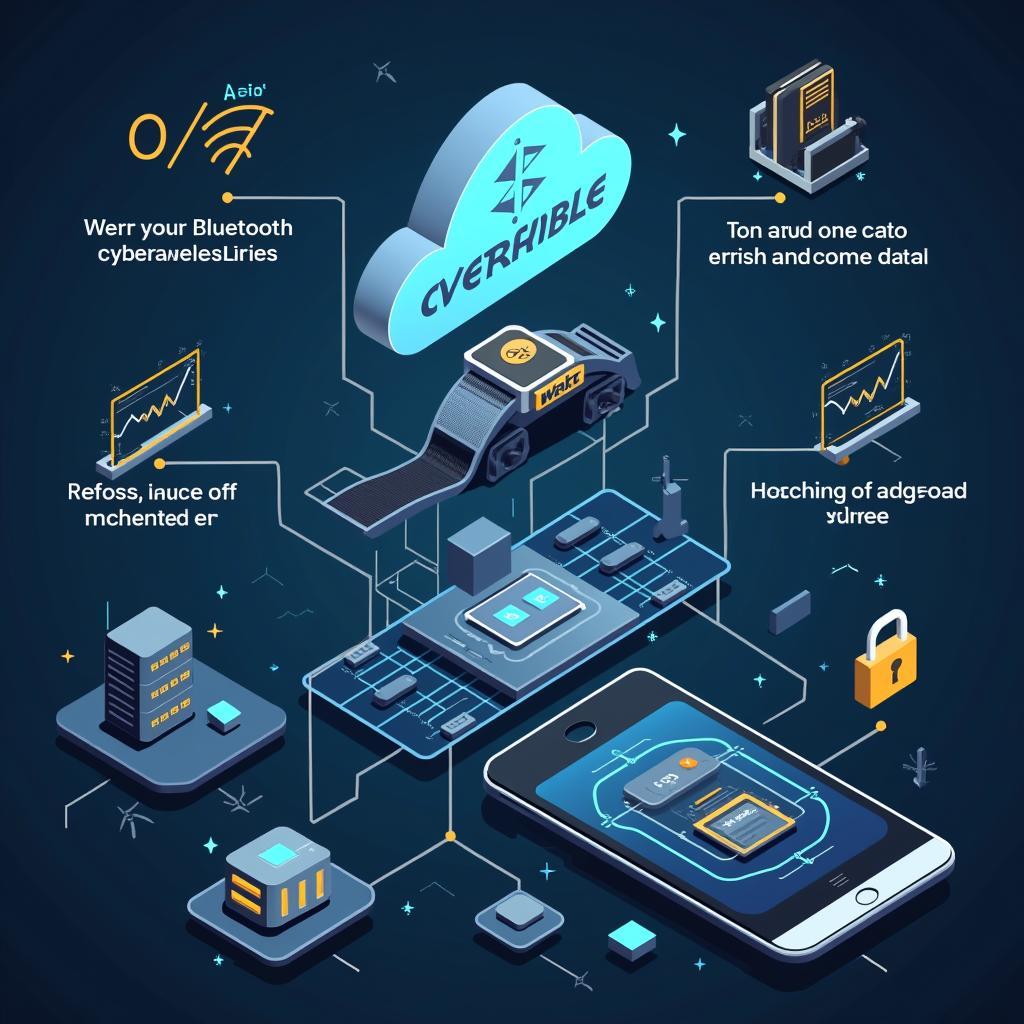 Bảo mật dữ liệu và lỗ hổng an ninh trong hệ thống công nghệ đeo được với mã hóa và xác thực
Looking forward, emerging technologies such as blockchain-based data storage and advanced biometric authentication methods may offer solutions to some of the current security challenges facing wearable devices. However, as devices become more sophisticated and collect even more granular data, new vulnerabilities will inevitably emerge. The ongoing challenge for the wearable technology industry will be to balance innovation with security, ensuring that the convenience and benefits of these devices do not come at the unacceptable cost of user privacy and data protection.
Questions 14-26
Questions 14-18: Yes/No/Not Given
Do the following statements agree with the views of the writer in the passage?
Write:
- YES if the statement agrees with the views of the writer
- NO if the statement contradicts the views of the writer
- NOT GIVEN if it is impossible to say what the writer thinks about this
- Wearable devices present cybersecurity challenges that are completely different from traditional computing devices.
- All wearable device manufacturers use the latest encryption technology.
- The simplified login processes in wearable devices compromise security for user convenience.
- Blockchain technology will definitely solve all security problems in wearable devices.
- Users should bear the primary responsibility for securing their wearable devices.
Questions 19-23: Matching Headings
Choose the correct heading for paragraphs B-F from the list of headings below.
List of Headings:
- i. The problem with Bluetooth connectivity
- ii. Future solutions and ongoing challenges
- iii. Authentication weaknesses in wearable devices
- iv. Regulatory gaps in device security
- v. Cloud storage security concerns
- vi. Best practices for consumers
- vii. Third-party application risks
- viii. The cost of wearable devices
- Paragraph B
- Paragraph C
- Paragraph D
- Paragraph E
- Paragraph F
Questions 24-26: Summary Completion
Complete the summary below.
Choose NO MORE THAN TWO WORDS from the passage for each answer.
Security experts have identified several vulnerabilities in wearable devices. Many devices use (24) __ that lack strong encryption, making data interception possible. The (25) __ used by these devices are often too simple, with some requiring only a basic PIN or no authentication at all. Additionally, many (26) __ request excessive permissions and may contain malicious code, creating further security risks for users.
PASSAGE 3 – The Socioeconomic and Ethical Implications of Privacy Erosion Through Wearable Technology
Độ khó: Hard (Band 7.0-9.0)
Thời gian đề xuất: 23-25 phút
The pervasive adoption of wearable technology has precipitated a paradigm shift in how personal data is collected, commodified, and leveraged by various stakeholders, raising profound questions about the nature of privacy in contemporary society. While the discourse surrounding wearable devices often focuses on immediate security vulnerabilities and individual consent mechanisms, a more nuanced examination reveals systemic implications that transcend personal privacy concerns and touch upon fundamental issues of social equity, economic justice, and the redistribution of power between individuals, corporations, and state institutions. The intersection of wearable technology with existing socioeconomic disparities creates what scholars have termed “surveillance capitalism 2.0” – a system in which the granular, continuous data generated by body-worn devices enables unprecedented levels of behavioral prediction and social control.
The commodification of biometric data represents a particularly insidious form of value extraction that disproportionately affects vulnerable populations. Unlike traditional forms of data collection, which users could theoretically opt out of by limiting their use of digital services, wearable devices create an asymmetric relationship wherein the refusal to participate increasingly results in tangible disadvantages. Insurance companies have begun offering premium discounts to policyholders who share data from fitness trackers, ostensibly to reward healthy behaviors. However, this practice effectively penalizes those who choose not to wear such devices or who cannot afford them, creating a two-tiered system in which privacy becomes a luxury good accessible only to the affluent. Furthermore, individuals with chronic health conditions or disabilities that prevent them from meeting arbitrary activity targets may find themselves facing higher premiums, exacerbating existing health disparities and contradicting principles of risk pooling that underpin traditional insurance models.
The workplace implementation of wearable technology epitomizes the erosion of boundaries between professional and personal spheres and raises critical questions about employee autonomy and consent under duress. An increasing number of employers have initiated “voluntary” wellness programs that encourage or, in some cases, effectively mandate the use of fitness trackers and other wearable devices. While such programs are often framed in terms of promoting employee health and reducing healthcare costs, they simultaneously create comprehensive surveillance systems that monitor workers both during and outside working hours. The data generated can reveal not only physical activity levels but also stress patterns, sleep quality, and location information – all potentially relevant to employment decisions. The notion of consent in such contexts is fundamentally problematic: employees who decline to participate may face implicit or explicit pressure, concerns about career advancement, or even disciplinary action, creating what legal scholars describe as “coerced consent” that undermines the validity of any privacy waiver.
The integration of wearable technology into criminal justice systems and law enforcement practices presents another dimension of concern with far-reaching implications for civil liberties. Several jurisdictions have explored or implemented programs using ankle monitors and other wearable devices for pre-trial monitoring, parole supervision, and even predictive policing initiatives. While proponents argue that such technologies offer alternatives to incarceration and enhance public safety, critics contend that they create a form of perpetual surveillance that extends punishment beyond institutional confinement and normalizes intrusive monitoring of individuals who have completed their sentences. The data collected by these devices – including detailed location histories, behavioral patterns, and physiological responses – can be used to construct profiles that may influence decisions about parole extensions, re-arrest, and future sentencing. The disproportionate impact on marginalized communities, who are already over-represented in criminal justice systems, amplifies existing inequities and raises questions about whether technology is being deployed to reinforce rather than remedy structural discrimination.
The epistemological shift engendered by wearable technology also warrants examination. These devices do not merely passively record information; they actively construct a particular version of selfhood predicated on quantifiable metrics and algorithmic interpretations. The reductionism inherent in translating complex human experiences – such as health, fitness, or emotional states – into numerical data points can lead to what researchers term “dataism”: a belief system that privileges quantified information over qualitative knowledge and subjective experience. This phenomenon has implications for how individuals understand themselves and make decisions about their lives. When health becomes synonymous with step counts and sleep scores, more holistic conceptions of well-being may be marginalized. Moreover, the algorithms that interpret wearable device data are neither neutral nor objective; they embody the assumptions and biases of their creators and can perpetuate normative standards that do not accommodate human diversity, particularly concerning the ways How to support mental health in older adults often requires more nuanced understanding beyond quantified data.
Data portability and interoperability issues create additional layers of complexity in the wearable technology ecosystem. Users often find themselves locked into particular ecosystems of devices and services, with limited ability to transfer their data between platforms or to access it in meaningful formats. This lack of portability concentrates power in the hands of major technology companies, creating network effects that disadvantage smaller competitors and limit consumer choice. The proprietary nature of many wearable device platforms also impedes research and independent auditing, making it difficult for external parties to verify manufacturers’ claims about data security and privacy protection. Some scholars argue for mandatory data portability standards and open-source protocols that would democratize access to personal data and enable users to exercise meaningful control over information generated by their own bodies, similar to initiatives seen in How is AI being used in personalized education? where data transparency is crucial.
 Tác động xã hội và đạo đức của việc xói mòn quyền riêng tư qua công nghệ đeo được trong bảo hiểm và nơi làm việc
Addressing these multifaceted challenges requires a coordinated response that transcends individual privacy protections and encompasses broader regulatory frameworks, corporate accountability mechanisms, and public education initiatives. Some jurisdictions have begun implementing comprehensive data protection laws that specifically address wearable technology, including requirements for explicit consent, data minimization principles, and limitations on secondary use of collected information. However, the transnational nature of data flows and the rapid pace of technological innovation mean that regulatory approaches must be adaptive and internationally coordinated. Civil society organizations have called for participatory governance models that include diverse stakeholders in decision-making processes about how wearable technology is developed, deployed, and regulated. Such approaches recognize that privacy is not merely an individual concern but a collective good that shapes the kind of society we collectively inhabit.
Ultimately, the privacy implications of wearable technology compel us to confront fundamental questions about autonomy, dignity, and human flourishing in an increasingly datafied world. The challenge lies not in rejecting technological innovation but in ensuring that it develops in ways that enhance rather than undermine human agency and preserve space for the ineffable aspects of human experience that resist quantification. As wearable devices become more sophisticated and pervasive, the imperative to establish robust protections for personal privacy becomes ever more urgent, requiring sustained engagement from policymakers, technologists, ethicists, and citizens alike to forge a path toward a future in which technological advancement and human dignity can coexist.
Questions 27-40
Questions 27-31: Multiple Choice
Choose the correct letter, A, B, C or D.
-
According to the passage, “surveillance capitalism 2.0” refers to
A. traditional methods of data collection
B. a system enabling unprecedented behavioral prediction through wearable device data
C. government monitoring programs
D. voluntary privacy policies -
The passage suggests that insurance companies offering discounts for fitness tracker data
A. benefit all customers equally
B. create a system where privacy becomes accessible only to wealthy people
C. have no impact on customer behavior
D. are mandated by law -
The author’s attitude toward workplace wellness programs using wearable devices is
A. enthusiastic support
B. neutral observation
C. critical concern about consent and autonomy
D. complete rejection -
What does the passage say about algorithms that interpret wearable device data?
A. They are completely neutral and objective
B. They embody the assumptions and biases of their creators
C. They have no impact on user decisions
D. They are always accurate -
According to the passage, data portability issues in wearable technology
A. have been completely solved
B. only affect individual users
C. concentrate power in major technology companies
D. are not important
Questions 32-36: Matching Features
Match each group (A-F) with the correct concern about wearable technology (32-36).
A. Insurance companies
B. Employers
C. Criminal justice systems
D. Technology algorithms
E. Device manufacturers
F. Regulatory bodies
- Creating comprehensive surveillance systems that monitor individuals outside working hours
- Using devices for perpetual monitoring that extends punishment beyond confinement
- Penalizing those who choose not to share fitness tracker data
- Embodying assumptions that perpetuate normative standards
- Implementing laws that specifically address consent and data minimization
Questions 37-40: Short-answer Questions
Answer the questions below.
Choose NO MORE THAN THREE WORDS from the passage for each answer.
- What term do legal scholars use to describe consent given under workplace pressure to use wearable devices?
- What belief system privileges quantified information over qualitative knowledge?
- What do some scholars argue should be mandatory to democratize access to personal data?
- According to the passage, what type of good is privacy that shapes society?
3. Answer Keys – Đáp Án
PASSAGE 1: Questions 1-13
- C
- B
- C
- C
- B
- FALSE
- TRUE
- NOT GIVEN
- TRUE
- empty
- targeted advertising
- app permissions
- critical challenge
PASSAGE 2: Questions 14-26
- YES
- NO
- YES
- NOT GIVEN
- NO
- i
- iii
- v
- vii
- iv
- outdated Bluetooth protocols (hoặc Bluetooth protocols)
- authentication mechanisms
- third-party applications (hoặc third-party apps)
PASSAGE 3: Questions 27-40
- B
- B
- C
- B
- C
- B
- C
- A
- D
- F
- coerced consent
- dataism
- data portability standards (hoặc open-source protocols)
- collective good
4. Giải Thích Đáp Án Chi Tiết
Passage 1 – Giải Thích
Câu 1: C
- Dạng câu hỏi: Multiple Choice
- Từ khóa: global market, wearable devices, 2022
- Vị trí trong bài: Đoạn A, dòng 4-5
- Giải thích: Bài đọc nói rõ “The global market for wearable devices reached over $50 billion in 2022” – nghĩa là thị trường đạt “trên $50 tỷ”, không phải chính xác $50 tỷ. Đáp án C “more than $50 billion” là chính xác.
Câu 2: B
- Dạng câu hỏi: Multiple Choice
- Từ khóa: fitness enthusiasts, primarily use
- Vị trí trong bài: Đoạn B, dòng 2-3
- Giải thích: Bài viết đề cập “Fitness enthusiasts use these devices to track their workouts, count their steps, and measure calories burned” – rõ ràng mục đích chính là tracking workouts and activities.
Câu 3: C
- Dạng câu hỏi: Multiple Choice
- Từ khóa: Digital Privacy Alliance, average fitness tracker, daily
- Vị trí trong bài: Đoạn C, dòng cuối
- Giải thích: “The average fitness tracker collects over 30 different types of personal data points every single day” – “over 30” tương đương với “more than 30”.
Câu 6: FALSE
- Dạng câu hỏi: True/False/Not Given
- Từ khóa: predicted, decline, popularity, after 2022
- Vị trí trong bài: Đoạn A, dòng 5-6
- Giải thích: Bài viết nói “experts predict it will continue to grow significantly in the coming years” – hoàn toàn trái ngược với việc giảm (decline), nên đáp án là FALSE.
Câu 7: TRUE
- Dạng câu hỏi: True/False/Not Given
- Từ khóa: advanced devices, detect, irregular heartbeats
- Vị trí trong bài: Đoạn B, dòng 5-6
- Giải thích: “Some advanced devices can detect irregular heartbeats and alert users to potential health problems” – khớp chính xác với câu hỏi.
Câu 10: empty
- Dạng câu hỏi: Sentence Completion
- Từ khóa: house, monitoring sleep patterns
- Vị trí trong bài: Đoạn E, dòng 2-3
- Giải thích: “fitness trackers that monitor sleep patterns can indicate when someone is home and when their house is empty” – từ cần điền là “empty”.
Câu 11: targeted advertising
- Dạng câu hỏi: Sentence Completion
- Từ khóa: personal information, insurance pricing
- Vị trí trong bài: Đoạn E, dòng cuối
- Giải thích: “this level of detailed personal information could be used for targeted advertising, insurance pricing” – cụm từ “targeted advertising” xuất hiện trực tiếp trong bài.
Passage 2 – Giải Thích
Câu 14: YES
- Dạng câu hỏi: Yes/No/Not Given
- Từ khóa: cybersecurity challenges, completely different, traditional computing devices
- Vị trí trong bài: Đoạn A, dòng 1-2
- Giải thích: Tác giả nói “presents unique challenges distinct from traditional computing devices” – “distinct from” có nghĩa là khác biệt, đồng ý với quan điểm trong câu hỏi.
Câu 15: NO
- Dạng câu hỏi: Yes/No/Not Given
- Từ khóa: all manufacturers, latest encryption technology
- Vị trí trong bài: Đoạn B, dòng 3-4
- Giải thích: Bài viết nói “Many wearable devices use outdated Bluetooth protocols that lack robust encryption” – điều này mâu thuẫn với việc “tất cả” nhà sản xuất dùng công nghệ mã hóa mới nhất.
Câu 16: YES
- Dạng câu hỏi: Yes/No/Not Given
- Từ khóa: simplified login processes, compromise security, user convenience
- Vị trí trong bài: Đoạn C, dòng 4-5
- Giải thích: “This streamlined approach, while enhancing user experience, creates opportunities for unauthorized access” – tác giả đồng ý rằng việc đơn giản hóa để tiện lợi làm giảm bảo mật.
Câu 19: i (The problem with Bluetooth connectivity)
- Dạng câu hỏi: Matching Headings
- Vị trí: Đoạn B
- Giải thích: Toàn bộ đoạn B tập trung vào các lỗ hổng của Bluetooth connectivity, từ “outdated Bluetooth protocols” đến việc hacker có thể “intercept data transmissions”.
Câu 20: iii (Authentication weaknesses in wearable devices)
- Dạng câu hỏi: Matching Headings
- Vị trí: Đoạn C
- Giải thích: Đoạn C nói về “authentication mechanisms” và các vấn đề như “simplified login processes”, “basic PIN code”, “lack of robust authentication”.
Câu 24: outdated Bluetooth protocols
- Dạng câu hỏi: Summary Completion
- Từ khóa: lack strong encryption, data interception
- Vị trí trong bài: Đoạn B
- Giải thích: “Many wearable devices use outdated Bluetooth protocols that lack robust encryption, making it relatively easy for sophisticated hackers to intercept data transmissions”.
Passage 3 – Giải Thích
Câu 27: B
- Dạng câu hỏi: Multiple Choice
- Từ khóa: surveillance capitalism 2.0
- Vị trí trong bài: Đoạn A, dòng cuối
- Giải thích: Bài viết định nghĩa rõ “surveillance capitalism 2.0” là “a system in which the granular, continuous data generated by body-worn devices enables unprecedented levels of behavioral prediction and social control”.
Câu 28: B
- Dạng câu hỏi: Multiple Choice
- Từ khóa: insurance companies, discounts, fitness tracker data
- Vị trí trong bài: Đoạn B, dòng 4-6
- Giải thích: Tác giả nói “this practice effectively penalizes those who choose not to wear such devices… creating a two-tiered system in which privacy becomes a luxury good accessible only to the affluent” – privacy trở thành hàng xa xỉ chỉ người giàu có thể tiếp cận.
Câu 29: C
- Dạng câu hỏi: Multiple Choice
- Từ khóa: workplace wellness programs, attitude
- Vị trí trong bài: Đoạn C
- Giải thích: Tác giả sử dụng các cụm từ mang tính phê phán như “erosion of boundaries”, “coerced consent”, “surveillance systems”, cho thấy thái độ critical concern về vấn đề consent và autonomy.
Câu 37: coerced consent
- Dạng câu hỏi: Short-answer Questions
- Từ khóa: legal scholars, consent, workplace pressure
- Vị trí trong bài: Đoạn C, dòng cuối
- Giải thích: “creating what legal scholars describe as ‘coerced consent’ that undermines the validity of any privacy waiver” – thuật ngữ chính xác là “coerced consent”.
Câu 38: dataism
- Dạng câu hỏi: Short-answer Questions
- Từ khóa: belief system, privileges quantified information
- Vị trí trong bài: Đoạn E, dòng 4-5
- Giải thích: “This phenomenon has implications for how individuals understand themselves… what researchers term ‘dataism’: a belief system that privileges quantified information over qualitative knowledge”.
Câu 40: collective good
- Dạng câu hỏi: Short-answer Questions
- Từ khóa: privacy, type of good, shapes society
- Vị trí trong bài: Đoạn G, dòng cuối
- Giải thích: “Such approaches recognize that privacy is not merely an individual concern but a collective good that shapes the kind of society we collectively inhabit”.
5. Từ Vựng Quan Trọng Theo Passage
Passage 1 – Essential Vocabulary
| Từ vựng | Loại từ | Phiên âm | Nghĩa tiếng Việt | Ví dụ từ bài | Collocation |
|---|---|---|---|---|---|
| prevalent | adj | /ˈprevələnt/ | phổ biến, thịnh hành | Wearable technology has become increasingly prevalent | become prevalent, increasingly prevalent |
| monitor | v | /ˈmɒnɪtə(r)/ | theo dõi, giám sát | devices that monitor everything from our heart rates | monitor data, monitor activities |
| real-time data | n | /ˈrɪəl taɪm ˈdeɪtə/ | dữ liệu thời gian thực | provide users with real-time data | collect real-time data, access real-time data |
| trade-off | n | /treɪd ɒf/ | sự đánh đổi | comes with a significant trade-off | make a trade-off, accept a trade-off |
| vast amounts | n | /vɑːst əˈmaʊnts/ | lượng lớn | collects vast amounts of personal data | vast amounts of information/data |
| unaware | adj | /ˌʌnəˈweə(r)/ | không nhận thức, không biết | Many users are unaware of the extent | be unaware of, remain unaware |
| third parties | n | /θɜːd ˈpɑːtiz/ | bên thứ ba | share user data with third parties | share with third parties, third-party access |
| reveal | v | /rɪˈviːl/ | tiết lộ, bộc lộ | can reveal intimate details | reveal information, reveal data |
| outweigh | v | /ˌaʊtˈweɪ/ | nặng hơn, vượt trội hơn | the benefits outweigh the privacy risks | outweigh the risks, outweigh concerns |
| transparent | adj | /trænsˈpærənt/ | minh bạch, rõ ràng | more transparent privacy policies | transparent process, remain transparent |
| encryption | n | /ɪnˈkrɪpʃn/ | mã hóa | Features such as data encryption | data encryption, encryption technology |
| regulations | n | /ˌreɡjuˈleɪʃnz/ | quy định, luật lệ | stronger regulations are needed | implement regulations, enforce regulations |
Passage 2 – Essential Vocabulary
| Từ vựng | Loại từ | Phiên âm | Nghĩa tiếng Việt | Ví dụ từ bài | Collocation |
|---|---|---|---|---|---|
| proliferation | n | /prəˌlɪfəˈreɪʃn/ | sự gia tăng nhanh chóng | The proliferation of wearable technology | proliferation of devices, nuclear proliferation |
| vulnerabilities | n | /ˌvʌlnərəˈbɪlətiz/ | điểm yếu, lỗ hổng | creates substantial vulnerabilities | security vulnerabilities, identify vulnerabilities |
| ecosystem | n | /ˈiːkəʊsɪstəm/ | hệ sinh thái | the wearable technology ecosystem | digital ecosystem, technology ecosystem |
| intercept | v | /ˌɪntəˈsept/ | chặn, ngăn chặn | intercept data transmissions | intercept communications, intercept signals |
| authentication | n | /ɔːˌθentɪˈkeɪʃn/ | xác thực | authentication mechanisms | multi-factor authentication, user authentication |
| scrutiny | n | /ˈskruːtəni/ | sự xem xét kỹ lưỡng | have come under scrutiny | under scrutiny, close scrutiny |
| compromised | adj/v | /ˈkɒmprəmaɪzd/ | bị xâm phạm, làm tổn hại | users’ personal health data being compromised | data compromised, security compromised |
| inadvertently | adv | /ˌɪnədˈvɜːtəntli/ | vô tình, không chủ ý | inadvertently revealing the locations | inadvertently disclose, inadvertently expose |
| exfiltrate | v | /eksˈfɪltreɪt/ | đánh cắp (dữ liệu) | designed to exfiltrate user data | exfiltrate information, exfiltrate data |
| fragmented | adj | /ˈfræɡmentɪd/ | phân mảnh, rời rạc | The fragmented nature of app stores | fragmented market, fragmented system |
| regulatory vacuum | n | /ˈreɡjələtəri ˈvækjuːm/ | khoảng trống pháp lý | This regulatory vacuum means | fill the regulatory vacuum, regulatory gap |
| end-to-end encryption | n | /end tuː end ɪnˈkrɪpʃn/ | mã hóa đầu cuối | using devices with end-to-end encryption | implement end-to-end encryption |
| burden | n | /ˈbɜːdn/ | gánh nặng, trách nhiệm | the burden of security | bear the burden, burden of proof |
| firmware | n | /ˈfɜːmweə(r)/ | chương trình cơ sở | regularly updating device firmware | firmware update, latest firmware |
| inevitably | adv | /ɪnˈevɪtəbli/ | không thể tránh khỏi | new vulnerabilities will inevitably emerge | inevitably lead to, inevitably result |
Passage 3 – Essential Vocabulary
| Từ vựng | Loại từ | Phiên âm | Nghĩa tiếng Việt | Ví dụ từ bài | Collocation |
|---|---|---|---|---|---|
| pervasive | adj | /pəˈveɪsɪv/ | lan tràn, phổ biến | The pervasive adoption of wearable technology | pervasive influence, pervasive technology |
| precipitated | v | /prɪˈsɪpɪteɪtɪd/ | gây ra, đẩy nhanh | has precipitated a paradigm shift | precipitate a crisis, precipitate change |
| commodified | v | /kəˈmɒdɪfaɪd/ | thương mại hóa | how personal data is commodified | commodified goods, commodify information |
| nuanced | adj | /ˈnjuːɑːnst/ | tinh tế, phức tạp | a more nuanced examination | nuanced approach, nuanced understanding |
| transcend | v | /trænˈsend/ | vượt lên trên, vượt qua | systemic implications that transcend | transcend boundaries, transcend limitations |
| insidious | adj | /ɪnˈsɪdiəs/ | ngấm ngầm, âm hiểm | a particularly insidious form | insidious threat, insidious influence |
| asymmetric | adj | /ˌeɪsɪˈmetrɪk/ | bất đối xứng | create an asymmetric relationship | asymmetric warfare, asymmetric power |
| ostensibly | adv | /ɒˈstensəbli/ | có vẻ như, bề ngoài | ostensibly to reward healthy behaviors | ostensibly for, ostensibly independent |
| exacerbating | v | /ɪɡˈzæsəbeɪtɪŋ/ | làm trầm trọng thêm | exacerbating existing health disparities | exacerbate tensions, exacerbate problems |
| epitomizes | v | /ɪˈpɪtəmaɪzɪz/ | là hiện thân của | epitomizes the erosion of boundaries | epitomize excellence, epitomize values |
| coerced consent | n | /kəʊˈɜːst kənˈsent/ | sự đồng ý bị ép buộc | what legal scholars describe as coerced consent | obtain coerced consent, coerced confession |
| perpetual | adj | /pəˈpetʃuəl/ | vĩnh viễn, liên tục | create a form of perpetual surveillance | perpetual motion, perpetual conflict |
| marginalized | adj | /ˈmɑːdʒɪnəlaɪzd/ | bị gạt ra ngoài lề | disproportionate impact on marginalized communities | marginalized groups, marginalized populations |
| epistemological | adj | /ɪˌpɪstɪməˈlɒdʒɪkl/ | thuộc về nhận thức luận | The epistemological shift | epistemological questions, epistemological framework |
| predicated on | phrase | /ˈpredɪkeɪtɪd ɒn/ | dựa trên | a particular version of selfhood predicated on | predicated on the assumption |
| reductionism | n | /rɪˈdʌkʃənɪzəm/ | chủ nghĩa giản giản | The reductionism inherent in translating | scientific reductionism, biological reductionism |
| interoperability | n | /ˌɪntərˌɒpərəˈbɪləti/ | khả năng tương tác | Data portability and interoperability issues | achieve interoperability, ensure interoperability |
| imperative | n | /ɪmˈperətɪv/ | điều bắt buộc, mệnh lệnh | the imperative to establish robust protections | moral imperative, strategic imperative |
Kết Bài
Chủ đề Privacy issues with wearable technology là một trong những chủ đề quan trọng và thường xuyên xuất hiện trong kỳ thi IELTS Reading. Qua bộ đề thi mẫu này, bạn đã được trải nghiệm ba passages với độ khó tăng dần, từ Easy đến Hard, giúp bạn làm quen với cách thức các bài đọc IELTS thực tế được xây dựng.
Ba passages đã cung cấp một cái nhìn toàn diện về vấn đề quyền riêng tư trong công nghệ đeo được, từ những khái niệm cơ bản và lợi ích của wearable devices (Passage 1), đến các lỗ hổng bảo mật cụ thể và vấn đề kỹ thuật (Passage 2), và cuối cùng là những tác động sâu rộng về mặt xã hội, đạo đức và pháp lý (Passage 3). Mỗi passage không chỉ kiểm tra kỹ năng đọc hiểu của bạn mà còn giúp bạn mở rộng hiểu biết về một chủ đề công nghệ đương đại quan trọng.
Phần đáp án chi tiết với 40 câu hỏi đã được giải thích rõ ràng, chỉ ra vị trí cụ thể trong bài đọc, từ khóa quan trọng và cách paraphrase giữa câu hỏi và passage. Điều này giúp bạn không chỉ biết đáp án đúng mà còn hiểu được phương pháp tiếp cận và kỹ thuật làm bài hiệu quả cho từng dạng câu hỏi.
Bảng từ vựng với hơn 40 từ và cụm từ quan trọng, kèm theo phiên âm, nghĩa tiếng Việt, ví dụ cụ thể và collocations, sẽ là tài liệu quý giá giúp bạn xây dựng vốn từ vựng học thuật cần thiết cho kỳ thi IELTS. Hãy dành thời gian học thuộc và sử dụng những từ vựng này trong các bài viết và bài nói của bạn.
Để đạt kết quả tốt nhất, hãy thực hành làm bài trong điều kiện giống thi thật, tuân thủ thời gian quy định cho mỗi passage, và sau đó đối chiếu đáp án cẩn thận để rút ra những bài học cho bản thân. Chúc bạn ôn tập hiệu quả và đạt band điểm cao trong kỳ thi IELTS sắp tới!