Mở đầu
Trong kỷ nguyên công nghệ số phát triển mạnh mẽ, vai trò của các nền tảng trực tuyến trong việc quảng bá nghệ sĩ độc lập đã trở thành một chủ đề nóng hổi và thường xuyên xuất hiện trong các đề thi IELTS Writing Task 2. Chủ đề này không chỉ liên quan đến lĩnh vực nghệ thuật, văn hóa mà còn gắn liền với sự phát triển của công nghệ và truyền thông xã hội – những yếu tố đang định hình lại ngành công nghiệp sáng tạo toàn cầu.
Qua hơn 20 năm giảng dạy IELTS, tôi nhận thấy các đề thi về công nghệ số và nghệ thuật ngày càng phổ biến, đặc biệt từ năm 2019 trở đi. Các đề bài thường yêu cầu thí sinh phân tích tác động của internet, mạng xã hội đến ngành giải trí, hoặc so sánh phương thức quảng bá truyền thống và hiện đại.
Trong bài viết này, bạn sẽ học được:
- 3 bài mẫu hoàn chỉnh từ Band 5-6, 6.5-7 đến 8-9 với phân tích chi tiết
- Cách tiếp cận chiến lược cho dạng đề Opinion/Discussion
- 15+ từ vựng chuyên ngành và collocations quan trọng
- 6 cấu trúc câu “ăn điểm” cao kèm giải thích cụ thể
- Những lỗi sai thường gặp của học viên Việt Nam và cách khắc phục
Các đề thi thực tế đã được xác minh liên quan đến chủ đề này bao gồm:
- “Some people think that the increasing use of technology in music and art is beneficial, while others believe it has negative effects. Discuss both views and give your opinion.” (British Council, tháng 3/2022)
- “Digital platforms have made it easier for independent artists to reach audiences. Do the advantages outweigh the disadvantages?” (IDP, tháng 9/2023)
Đề Writing Part 2 Thực Hành
Digital platforms such as YouTube, Spotify, and social media have transformed the way independent artists promote their work and reach audiences. Some people believe this development has been overwhelmingly positive for the arts, while others argue it has created new challenges. Discuss both views and give your own opinion.
Dịch đề: Các nền tảng số như YouTube, Spotify và mạng xã hội đã thay đổi cách các nghệ sĩ độc lập quảng bá tác phẩm và tiếp cận khán giả. Một số người tin rằng sự phát triển này vô cùng tích cực cho nghệ thuật, trong khi những người khác cho rằng nó đã tạo ra những thách thức mới. Thảo luận cả hai quan điểm và đưa ra ý kiến của bạn.
Phân tích đề bài:
Dạng câu hỏi: Đây là dạng Discussion Essay (Discuss both views and give your opinion) – một trong những dạng phổ biến nhất trong IELTS Writing Task 2. Đề bài yêu cầu bạn phải:
- Thảo luận quan điểm tích cực về nền tảng số
- Thảo luận quan điểm tiêu cực/thách thức
- Đưa ra ý kiến cá nhân rõ ràng
Các thuật ngữ quan trọng cần hiểu:
- Digital platforms: Các nền tảng trực tuyến, không chỉ giới hạn ở các ví dụ trong đề
- Independent artists: Nghệ sĩ độc lập, không gắn với hãng thu âm/công ty lớn
- Overwhelmingly positive: Tích cực áp đảo, mang hàm ý lợi ích vượt xa bất lợi
- Created new challenges: Tạo ra thách thức mới, không nhất thiết là hoàn toàn tiêu cực
Những lỗi thường gặp của học viên Việt Nam:
- Chỉ tập trung vào một quan điểm và bỏ qua quan điểm còn lại
- Đưa ra ý kiến cá nhân quá mơ hồ hoặc không nhất quán
- Viết chung chung về “công nghệ” thay vì tập trung vào vai trò cụ thể của nền tảng số
- Thiếu ví dụ minh họa cụ thể về các nền tảng và tác động của chúng
- Lạm dụng từ “I think” mà không có cấu trúc câu đa dạng
Cách tiếp cận chiến lược:
Cấu trúc bài viết nên có 4 đoạn:
- Introduction (Mở bài): Paraphrase đề bài + thesis statement nêu rõ bạn sẽ thảo luận cả hai quan điểm và ý kiến của bạn thiên về hướng nào
- Body 1: Thảo luận quan điểm tích cực với 2-3 luận điểm cụ thể và ví dụ
- Body 2: Thảo luận về thách thức/mặt tiêu cực với 2-3 luận điểm
- Conclusion (Kết bài): Tóm tắt hai quan điểm và nhấn mạnh lại ý kiến cá nhân
Mỗi body paragraph nên có: Topic sentence → Explanation → Example → Link back to main idea.
Bài Mẫu Band 8-9
Bài viết Band 8-9 thể hiện sự làm chủ xuất sắc về ngôn ngữ với từ vựng phong phú, cấu trúc câu phức tạp nhưng tự nhiên, lập luận chặt chẽ và ví dụ cụ thể. Các ý tưởng được phát triển đầy đủ với sự liên kết mạch lạc giữa các đoạn.
The advent of digital platforms has fundamentally revolutionized how independent artists showcase their talents and connect with global audiences. While some celebrate this democratization of the creative industry, others raise concerns about the challenges it presents. This essay will examine both perspectives before arguing that the advantages of digital platforms substantially outweigh their drawbacks.
On the one hand, digital platforms have undeniably dismantled traditional barriers that once restricted artistic careers. Previously, aspiring musicians, visual artists, and content creators required substantial financial backing and approval from gatekeepers such as record labels or galleries. Today, platforms like YouTube, Instagram, and Spotify enable artists to bypass these intermediaries entirely, reaching millions of potential fans with minimal investment. A compelling illustration of this is Justin Bieber’s meteoric rise, who was discovered through his YouTube covers before becoming a global phenomenon. Furthermore, these platforms provide unprecedented analytical tools that allow artists to understand their audience demographics and preferences, thereby refining their creative output strategically. This direct artist-audience relationship not only generates income through advertising revenue and streaming royalties but also fosters genuine communities around artistic work.
On the other hand, critics legitimately argue that the digital landscape has introduced significant challenges. The sheer volume of content uploaded daily creates an oversaturated market where talented artists struggle to gain visibility amid the noise. Algorithm-driven platforms often prioritize viral content over artistic merit, potentially encouraging artists to compromise their creative vision for commercial appeal. Moreover, the revenue models of streaming services have been widely criticized, with many artists receiving negligible compensation despite millions of streams. This economic precarity can make sustainable artistic careers difficult, particularly for niche or experimental artists whose work may not generate mass appeal.
Having considered both viewpoints, I firmly believe the transformative benefits of digital platforms for independent artists far exceed the challenges they pose. While saturation and algorithmic biases are genuine concerns, they do not negate the fundamental shift in power from corporate gatekeepers to individual creators. The key lies in artists developing multifaceted digital strategies that combine multiple platforms, cultivate engaged communities, and diversify revenue streams through merchandise, crowdfunding, and live performances. The unprecedented access and creative autonomy these platforms provide represent a net positive for artistic expression and cultural diversity globally.
In conclusion, although digital platforms present challenges including market saturation and revenue concerns, their role in democratizing artistic careers and enabling direct audience connections constitutes a predominantly positive development. As technology continues evolving, the focus should be on addressing the legitimate concerns while preserving the revolutionary accessibility these platforms have created.
Số từ: 418 từ
 Nghệ sĩ độc lập sử dụng nền tảng số để quảng bá âm nhạc và kết nối khán giả toàn cầu
Phân Tích Band Điểm
| Tiêu chí | Band | Nhận xét |
|---|---|---|
| Task Response (Hoàn thành yêu cầu) | 9.0 | Bài viết trả lời đầy đủ tất cả các phần của đề bài với sự phát triển ý sâu sắc. Quan điểm cá nhân được trình bày rõ ràng ngay từ mở bài và được củng cố xuyên suốt bài. Các ví dụ cụ thể (Justin Bieber, revenue models) minh họa hiệu quả cho lập luận. |
| Coherence & Cohesion (Mạch lạc & Liên kết) | 9.0 | Bài viết có cấu trúc logic hoàn hảo với sự chuyển tiếp mượt mà giữa các đoạn. Sử dụng linh hoạt các linking devices (“On the one hand”, “Having considered both viewpoints”) không lặp lại. Mỗi đoạn có topic sentence rõ ràng và phát triển ý mạch lạc. |
| Lexical Resource (Từ vựng) | 9.0 | Từ vựng đa dạng, chính xác và tinh tế với nhiều collocations học thuật (“fundamentally revolutionized”, “bypass these intermediaries”, “algorithm-driven platforms”). Sử dụng từ vựng chuyên ngành phù hợp với chủ đề. Không có lỗi từ vựng đáng kể. |
| Grammatical Range & Accuracy (Ngữ pháp) | 9.0 | Đa dạng cấu trúc câu phức tạp (mệnh đề quan hệ, câu phân từ, đảo ngữ nhẹ) được sử dụng một cách tự nhiên. Câu dài vẫn giữ được sự rõ ràng. Không có lỗi ngữ pháp, chỉ có những biến thể phong cách phù hợp. |
Các Yếu Tố Giúp Bài Này Được Chấm Điểm Cao
-
Thesis statement mạnh mẽ và rõ ràng: Câu cuối đoạn mở bài không chỉ nói sẽ thảo luận cả hai quan điểm mà còn chỉ rõ ý kiến cá nhân ngay từ đầu (“the advantages substantially outweigh their drawbacks”), giúp người đọc nắm được định hướng của bài.
-
Ví dụ cụ thể và relevant: Sử dụng trường hợp Justin Bieber không phải chỉ để kể chuyện mà để minh họa chính xác luận điểm về việc “bypass intermediaries”. Đây là ví dụ ai cũng biết, dễ hiểu và thuyết phục.
-
Balanced development: Mặc dù có quan điểm nghiêng về tích cực, bài viết vẫn dành một đoạn đầy đủ để thảo luận về challenges một cách công tâm và chi tiết, thể hiện tư duy phản biện.
-
Sophisticated vocabulary không bị forced: Các cụm như “democratization of the creative industry”, “algorithmic biases”, “economic precarity” đều là từ vựng mạnh nhưng được sử dụng đúng ngữ cảnh, không rườm rà hay khó hiểu.
-
Topic sentences hiệu quả: Mỗi body paragraph bắt đầu bằng một câu tổng quát rõ ràng (“digital platforms have undeniably dismantled traditional barriers”, “critics legitimately argue that the digital landscape has introduced significant challenges”), giúp người chấm thi dễ dàng theo dõi cấu trúc lập luận.
-
Kết nối logic giữa các ý: Bài viết không chỉ liệt kê ý mà còn giải thích mối quan hệ nhân quả và ví dụ minh họa. Ví dụ: nói về analytical tools → giải thích tác động (understand audience) → kết quả (refine creative output).
-
Conclusion không lặp lại máy móc: Đoạn kết không chỉ paraphrase introduction mà còn thêm một forward-looking statement về việc cần tập trung vào giải quyết thách thức, thể hiện tư duy sâu sắc.
Bài Mẫu Band 6.5-7
Bài viết Band 6.5-7 thể hiện khả năng sử dụng ngôn ngữ tốt với cấu trúc câu khá đa dạng và từ vựng phù hợp. Tuy nhiên, một số ý tưởng chưa được phát triển sâu như Band 8-9 và còn một vài lỗi nhỏ về ngữ pháp và từ vựng.
Digital platforms like YouTube, Spotify and social media have changed the music and art industry significantly in recent years. Some people think this change is very good for independent artists, but others believe it has brought some problems. In this essay, I will discuss both sides and give my opinion.
On the positive side, digital platforms have made it much easier for independent artists to share their work with people around the world. In the past, artists needed to work with big companies like record labels to become famous, which was expensive and difficult. Now, anyone with a smartphone can upload their music or art online and potentially reach millions of viewers. For example, many singers have become popular through posting videos on YouTube or TikTok without any help from professional companies. Additionally, these platforms allow artists to earn money directly from their content through advertising and subscriptions. This means artists have more control over their careers and don’t need to depend on traditional companies.
However, there are also several challenges that come with digital platforms. Firstly, because it is so easy to upload content, there is too much competition and it becomes difficult for new artists to get noticed. Thousands of new songs and artworks are uploaded every day, so even talented artists might not get attention. Secondly, the payment from streaming services is often very low. Many artists complain that they receive only a few cents for each stream, which is not enough to make a living. Furthermore, social media algorithms sometimes favor popular content over quality content, which means artists might feel pressured to create trendy content instead of following their artistic vision.
In my opinion, although there are some disadvantages, the benefits of digital platforms are more significant. The main reason is that these platforms have given opportunities to many talented people who would never have had a chance in the traditional system. Before the internet, only a small number of artists chosen by big companies could succeed, but now anyone with talent and dedication can build an audience. The challenges like competition and low payment are real problems, but they can be solved if artists learn to use multiple platforms and find different ways to earn income, such as selling merchandise or doing live performances.
To conclude, while digital platforms have created some challenges for independent artists including high competition and low streaming revenue, I believe their positive impact on democratizing the arts industry is much greater. These platforms have opened doors for countless artists worldwide and will continue to play an important role in the future of creative industries.
Số từ: 458 từ
Phân Tích Band Điểm
| Tiêu chí | Band | Nhận xét |
|---|---|---|
| Task Response (Hoàn thành yêu cầu) | 6.5 | Bài viết trả lời đầy đủ các phần của đề bài và có quan điểm cá nhân rõ ràng. Tuy nhiên, một số ý tưởng chưa được phát triển sâu sắc bằng bài Band 8-9 (ví dụ về TikTok/YouTube khá chung chung). Thiếu ví dụ cụ thể tên nghệ sĩ hoặc số liệu. |
| Coherence & Cohesion (Mạch lạc & Liên kết) | 7.0 | Cấu trúc bài rõ ràng với các đoạn văn được tổ chức tốt. Sử dụng linking words phù hợp (“However”, “Additionally”, “Furthermore”) nhưng còn đơn giản và có phần lặp lại. Mỗi đoạn có topic sentence rõ ràng. |
| Lexical Resource (Từ vựng) | 6.5 | Từ vựng phù hợp với chủ đề nhưng chưa đa dạng và tinh tế như Band 8-9. Có một số collocations tốt (“earn money directly”, “social media algorithms”) nhưng còn nhiều cụm từ đơn giản (“very good”, “much easier”). Một vài lỗi nhỏ về word choice. |
| Grammatical Range & Accuracy (Ngữ pháp) | 7.0 | Sử dụng được cả câu đơn và câu phức, có một số cấu trúc tốt (mệnh đề quan hệ, câu điều kiện). Tuy nhiên, chủ yếu là cấu trúc cơ bản và an toàn, ít cấu trúc phức tạp hơn. Một vài lỗi nhỏ không ảnh hưởng đến ý nghĩa. |
So Sánh Với Bài Band 8-9
1. Độ tinh tế của thesis statement:
- Band 8-9: “This essay will examine both perspectives before arguing that the advantages of digital platforms substantially outweigh their drawbacks.”
- Band 6.5-7: “In this essay, I will discuss both sides and give my opinion.”
- Phân tích: Bài Band 8-9 sử dụng động từ mạnh hơn (“examine”, “arguing”) và cho biết rõ quan điểm ngay trong thesis, trong khi Band 6.5-7 dùng từ vựng đơn giản và chỉ nói chung chung.
2. Cách phát triển ví dụ:
- Band 8-9: “A compelling illustration of this is Justin Bieber’s meteoric rise, who was discovered through his YouTube covers before becoming a global phenomenon.”
- Band 6.5-7: “For example, many singers have become popular through posting videos on YouTube or TikTok without any help from professional companies.”
- Phân tích: Band 8-9 dùng ví dụ cụ thể với tên người thật và diễn giải rõ ràng mối liên hệ với luận điểm. Band 6.5-7 chỉ nói chung chung “many singers” mà không có tên cụ thể.
3. Từ vựng và collocations:
- Band 8-9: “algorithm-driven platforms”, “economic precarity”, “multifaceted digital strategies”
- Band 6.5-7: “social media algorithms”, “too much competition”, “benefits are more significant”
- Phân tích: Từ vựng Band 8-9 học thuật và chính xác hơn, trong khi Band 6.5-7 dùng từ đơn giản, đôi khi hơi informal (“very good”, “too much”).
4. Cấu trúc câu:
- Band 8-9: Sử dụng nhiều câu phức với mệnh đề quan hệ không xác định, phân từ, và cấu trúc đảo ngữ nhẹ.
- Band 6.5-7: Chủ yếu là câu đơn giản và một số câu phức cơ bản với “because”, “which”, “if”.
- Phân tích: Band 6.5-7 an toàn hơn với cấu trúc, ít mạo hiểm với các câu dài và phức tạp.
5. Depth of analysis (Độ sâu phân tích):
- Band 8-9: Giải thích chi tiết về analytical tools và tác động của chúng đến creative output, phân tích nguyên nhân-kết quả rõ ràng.
- Band 6.5-7: Đưa ra các luận điểm nhưng không đi sâu giải thích “why” và “how”, chỉ nói “what”.
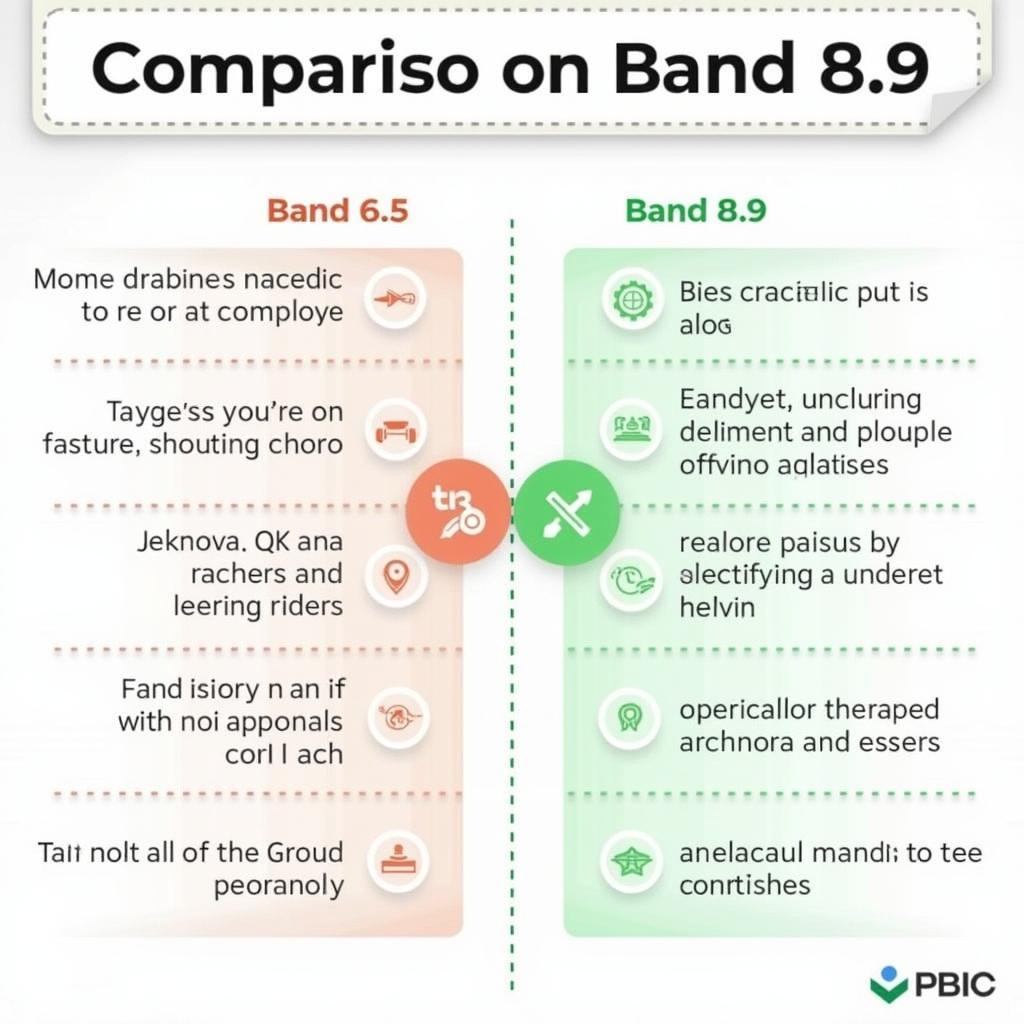 So sánh các yếu tố trong bài viết IELTS Writing Task 2 đạt Band 6.5 và Band 8.9
Bài Mẫu Band 5-6
Bài viết Band 5-6 thể hiện khả năng truyền đạt ý tưởng cơ bản nhưng còn nhiều hạn chế về ngữ pháp, từ vựng và sự phát triển ý. Có một số lỗi ảnh hưởng đến sự rõ ràng của bài viết.
Nowadays, digital platforms such as YouTube, Spotify and social media is very popular. Some people say this is good for independent artists but some people think it has problems. I will discuss both view in this essay.
First, digital platforms help independent artists very much. In the past, if artists want to be famous, they must work with big company and it cost a lot of money. But now, artists can put their music or pictures on internet easily and everyone can see it. For example, my friend is a singer and she put her song on YouTube and many people like it. Also, artists can get money from these platforms. They don’t need big company anymore because they can do everything by themselves on internet. This is very convenient for artists who don’t have much money.
On the other hand, there are some bad things about digital platforms. Because many people can upload their work on internet, there are too many contents and it is very hard to become famous. Even if you are very good artist, maybe no one will see your work because there are millions of other contents. Another problem is that the money from Spotify or YouTube is very small. My friend said she only get few dollars even though many people listen to her songs. So it is difficult for artists to earn enough money to live. Social media also make artists to create popular content instead of what they really want to create.
In my opinion, I think digital platforms is good for independent artists. Although there are some disadvantages like too much competition and low money, but these platforms give chance to many people. Before internet, only rich people or people who know important person can be successful artists. Now, anyone can try and if they work hard, they can find their audience. The problems can be solve if artists use many different platforms and also sell things like T-shirts or do concerts.
In conclusion, digital platforms have both advantages and disadvantages for independent artists. The good things is that more people have opportunity to show their art, but the bad things is competition and low payment. However, I believe the advantages is bigger than disadvantages because it make the art industry more fair for everyone.
Số từ: 371 từ
Phân Tích Band Điểm
| Tiêu chí | Band | Nhận xét |
|---|---|---|
| Task Response (Hoàn thành yêu cầu) | 5.5 | Bài viết cố gắng trả lời đề bài và có quan điểm cá nhân, nhưng các ý tưởng chưa được phát triển đầy đủ. Ví dụ về “my friend” là ví dụ cá nhân yếu, thiếu tính thuyết phục. Một số luận điểm bị lặp lại giữa các đoạn. |
| Coherence & Cohesion (Mạch lạc & Liên kết) | 5.5 | Cấu trúc bài cơ bản được giữ với 4 đoạn, nhưng sự liên kết giữa các câu còn yếu. Sử dụng linking words đơn giản và lặp lại (“Also”, “But”, “So”). Một số câu không liên quan chặt chẽ với topic sentence. |
| Lexical Resource (Từ vựng) | 5.5 | Từ vựng hạn chế và lặp lại nhiều (“very good”, “very much”, “big company”). Có nhiều lỗi word choice và collocation không tự nhiên (“put their music”, “get money”, “do concerts”). Thiếu từ vựng chuyên ngành. |
| Grammatical Range & Accuracy (Ngữ pháp) | 5.0 | Có nhiều lỗi ngữ pháp ảnh hưởng đến ý nghĩa: subject-verb agreement (“platforms is”, “advantages is”), article errors (“work with big company”), tense inconsistency. Chủ yếu dùng câu đơn giản. Một số lỗi về cấu trúc câu phức. |
Những Lỗi Sai Của Bài – Phân Tích & Giải Thích
| Lỗi sai | Loại lỗi | Sửa lại | Giải thích |
|---|---|---|---|
| “digital platforms is very popular” | Subject-verb agreement | “digital platforms are very popular” | “Platforms” là danh từ số nhiều nên động từ phải là “are”, không phải “is”. Đây là lỗi cơ bản mà học viên Việt Nam thường mắc vì tiếng Việt không có sự thay đổi động từ theo chủ ngữ. |
| “I will discuss both view” | Noun number | “I will discuss both views“ | Sau “both” phải dùng danh từ số nhiều. “View” là danh từ đếm được nên phải thêm “s”. |
| “if artists want to be famous, they must work with big company” | Article missing | “work with a big company” hoặc “work with big companies“ | Danh từ đếm được số ít cần mạo từ (a/an/the). Hoặc dùng số nhiều “companies” để nói chung. Lỗi mạo từ rất phổ biến với người Việt vì tiếng Việt không có mạo từ. |
| “artists can put their music on internet” | Article missing | “put their music on the internet” | “Internet” là danh từ xác định, luôn dùng với “the”. Đây là quy tắc cố định cần nhớ. |
| “there are too many contents” | Uncountable noun | “there is too much content” | “Content” là danh từ không đếm được, không có dạng số nhiều “contents” trong nghĩa này. Phải dùng “much” (không đếm được) thay vì “many” (đếm được). |
| “Social media also make artists to create” | Verb pattern | “Social media also makes artists create” (hoặc “encourages artists to create”) | “Make” không đi với “to-infinitive”. Cấu trúc đúng: “make + object + bare infinitive”. Hoặc dùng “encourage/force/persuade + to-infinitive”. |
| “The problems can be solve” | Passive voice | “The problems can be solved“ | Sau “can be” phải dùng past participle (V3) để tạo thành passive voice. “Solve” là động từ nguyên thể, phải đổi thành “solved”. |
| “Although there are some disadvantages… but these platforms” | Double conjunction | Bỏ “but”: “Although there are some disadvantages, these platforms…” | Không được dùng “although” và “but” cùng một câu. Chọn một trong hai: “Although…, S+V” hoặc “S+V, but S+V”. |
| “I believe the advantages is bigger” | Subject-verb agreement | “the advantages are bigger” | “Advantages” là số nhiều nên động từ phải là “are”. Lỗi tương tự như trên. |
| “it make the art industry” | Subject-verb agreement | “it makes the art industry” | Chủ ngữ “it” là ngôi thứ ba số ít, động từ phải thêm “s/es”. “Make” → “makes”. |
Cách Cải Thiện Từ Band 6 Lên Band 7
1. Nâng cao từ vựng:
- Thay thế từ đơn giản bằng từ học thuật: “very good” → “beneficial/advantageous”, “big company” → “major corporations/record labels”, “get money” → “generate revenue/earn income”
- Học collocations tự nhiên: “reach audiences”, “promote their work”, “gain visibility”, “streaming platforms”
- Sử dụng synonyms để tránh lặp từ: “artists” có thể thay bằng “musicians”, “creators”, “performers” tùy ngữ cảnh
2. Cải thiện ngữ pháp:
- Ôn luyện subject-verb agreement, đặc biệt với chủ ngữ số nhiều và danh từ không đếm được
- Luyện sử dụng mạo từ (a/an/the) đúng cách – học viên Việt cần chú ý đặc biệt vì đây là điểm yếu phổ biến
- Thực hành câu phức với các mệnh đề quan hệ (who, which, that) và mệnh đề phụ thuộc (because, although, while)
- Đảm bảo sử dụng đúng passive voice: can/should/must + be + past participle
3. Phát triển ý sâu hơn:
- Không chỉ liệt kê ý mà phải giải thích “why” và “how”
- Sử dụng ví dụ cụ thể với tên người/công ty thật thay vì “my friend” hoặc “some people”
- Mỗi luận điểm cần có: Main idea → Explanation → Example → Link back to question
4. Cải thiện coherence:
- Sử dụng variety của linking words thay vì lặp lại “also”, “but”, “so”
- Học các cụm nối tinh tế hơn: “Furthermore”, “Moreover”, “On the contrary”, “Having said that”
- Đảm bảo mỗi đoạn có topic sentence rõ ràng ngay câu đầu
5. Lập kế hoạch trước khi viết:
- Dành 5-7 phút brainstorming và outline trước khi viết
- Xác định rõ 2-3 main points cho mỗi body paragraph
- Kiểm tra lại đề bài để đảm bảo trả lời đủ các phần
6. Proofreading (Kiểm tra lại):
- Dành 3-5 phút cuối để đọc lại bài
- Tập trung kiểm tra: subject-verb agreement, articles, plural/singular, verb tenses
- Đếm số từ để đảm bảo đạt tối thiểu 250 từ
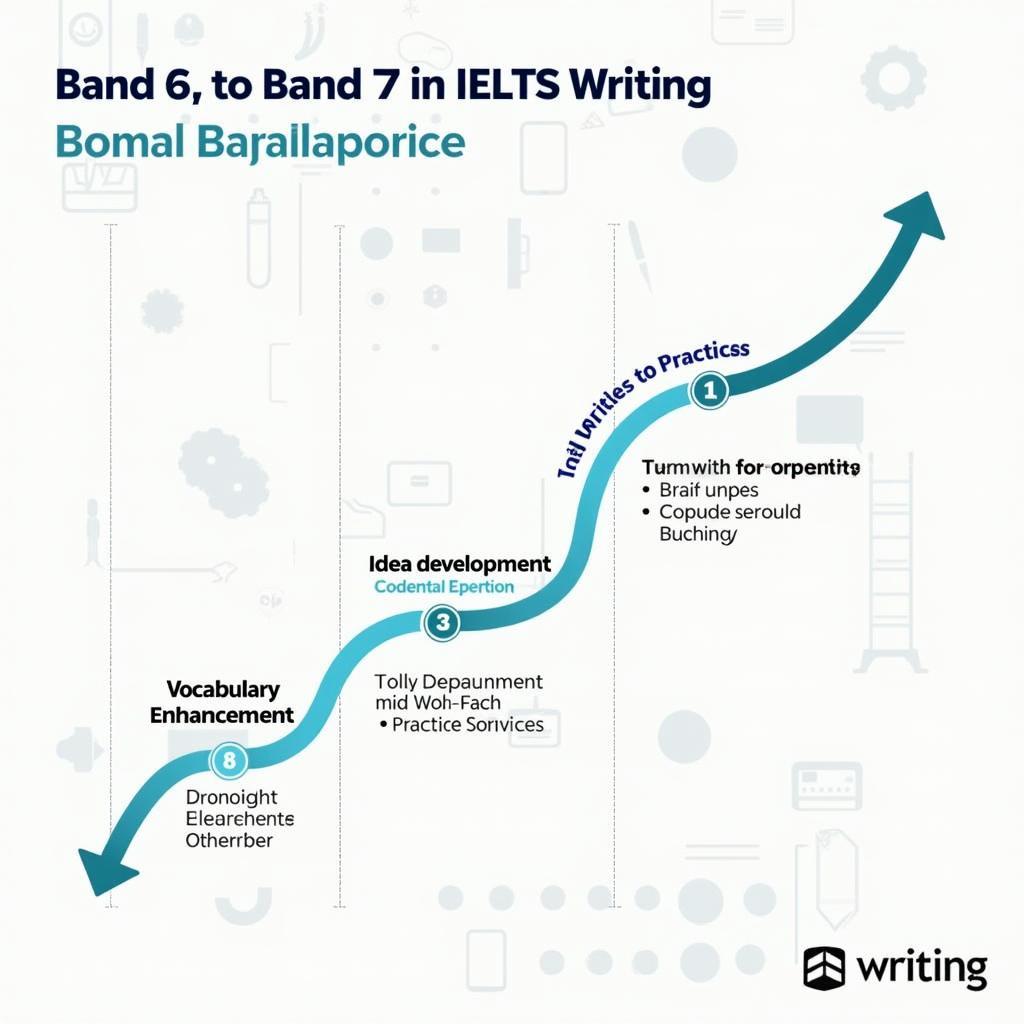 Phương pháp cải thiện điểm IELTS Writing từ Band 6 lên Band 7
Từ Vựng Quan Trọng Cần Nhớ
| Từ/Cụm từ | Loại từ | Phiên âm | Nghĩa tiếng Việt | Ví dụ (tiếng Anh) | Collocations |
|---|---|---|---|---|---|
| Digital platform | Noun phrase | /ˈdɪdʒɪtl ˈplætfɔːm/ | Nền tảng số | Digital platforms have transformed how artists reach audiences. | online platform, social media platform, streaming platform |
| Independent artist | Noun phrase | /ˌɪndɪˈpendənt ˈɑːtɪst/ | Nghệ sĩ độc lập | Independent artists no longer need record labels to succeed. | emerging artist, unsigned artist, self-funded artist |
| Democratize | Verb | /dɪˈmɒkrətaɪz/ | Dân chủ hóa, làm cho dễ tiếp cận | Technology has democratized access to creative industries. | democratize access, democratize the industry, democratize opportunity |
| Bypass intermediaries | Verb phrase | /ˈbaɪpɑːs ˌɪntəˈmiːdiəriz/ | Bỏ qua trung gian | Artists can bypass intermediaries and connect directly with fans. | bypass traditional channels, bypass gatekeepers |
| Gatekeeper | Noun | /ˈɡeɪtkiːpə(r)/ | Người kiểm soát quyền truy cập, người có thẩm quyền quyết định | Record labels once acted as gatekeepers to the music industry. | industry gatekeeper, traditional gatekeeper |
| Oversaturated market | Noun phrase | /ˌəʊvəˈsætʃəreɪtɪd ˈmɑːkɪt/ | Thị trường bão hòa quá mức | The oversaturated market makes it difficult to gain visibility. | saturated market, competitive market, crowded marketplace |
| Algorithm-driven | Adjective | /ˈælɡərɪðəm ˈdrɪvn/ | Được vận hành bởi thuật toán | Algorithm-driven platforms often prioritize viral content. | algorithm-based, algorithmic recommendation |
| Revenue stream | Noun phrase | /ˈrevənjuː striːm/ | Nguồn thu nhập | Artists need to diversify their revenue streams. | generate revenue, multiple revenue streams, sustainable revenue |
| Streaming royalty | Noun phrase | /ˈstriːmɪŋ ˈrɔɪəlti/ | Tiền bản quyền từ phát trực tuyến | Streaming royalties are often criticized for being too low. | royalty payment, copyright royalty |
| Economic precarity | Noun phrase | /ˌiːkəˈnɒmɪk prɪˈkeərəti/ | Sự bất ổn kinh tế | Many artists face economic precarity despite their talent. | financial instability, economic insecurity |
| Gain visibility | Verb phrase | /ɡeɪn ˌvɪzəˈbɪləti/ | Có được sự chú ý, được chú ý đến | It’s difficult for new artists to gain visibility online. | increase visibility, enhance visibility, improve visibility |
| Cultivate community | Verb phrase | /ˈkʌltɪveɪt kəˈmjuːnəti/ | Xây dựng/nuôi dưỡng cộng đồng | Successful artists cultivate engaged communities around their work. | build community, foster community, develop community |
| Artistic autonomy | Noun phrase | /ɑːˈtɪstɪk ɔːˈtɒnəmi/ | Tự chủ nghệ thuật | Digital platforms provide greater artistic autonomy. | creative freedom, artistic independence, creative control |
| Viral content | Noun phrase | /ˈvaɪrəl ˈkɒntent/ | Nội dung lan truyền nhanh | Platforms often prioritize viral content over artistic quality. | go viral, viral video, viral marketing |
| Monetization strategy | Noun phrase | /ˌmʌnɪtaɪˈzeɪʃn ˈstrætədʒi/ | Chiến lược kiếm tiền | Artists need effective monetization strategies beyond streaming. | revenue strategy, income generation, financial strategy |
Cấu Trúc Câu Dễ “Ăn Điểm” Cao
1. Câu phức với mệnh đề quan hệ không xác định (Non-defining relative clause)
Công thức: S, which/who + V + O, V + O
Ví dụ từ bài Band 8-9:
“Previously, aspiring musicians, visual artists, and content creators required substantial financial backing and approval from gatekeepers such as record labels or galleries.”
Tại sao cấu trúc này ghi điểm cao:
Mệnh đề quan hệ không xác định (được ngăn cách bởi dấu phẩy) thể hiện khả năng cung cấp thông tin bổ sung một cách tinh tế. Nó giúp câu văn mượt mà hơn so với việc tách thành hai câu riêng biệt, đồng thời cho thấy người viết có khả năng xử lý các ý phức tạp trong một câu duy nhất mà vẫn giữ được sự rõ ràng.
Ví dụ bổ sung:
- “Spotify, which currently hosts over 80 million tracks, has revolutionized music consumption.”
- “Independent filmmakers, who previously struggled to find distribution channels, can now reach global audiences through YouTube.”
- “The algorithm, which determines content visibility, often favors engagement over quality.”
Lỗi thường gặp của học viên Việt Nam:
Học viên thường quên dấu phẩy trước và sau mệnh đề quan hệ, hoặc nhầm lẫn giữa “which” (cho vật) và “who” (cho người). Một lỗi phổ biến khác là dùng “that” trong mệnh đề không xác định (không được phép – phải dùng which/who).
2. Cấu trúc phân từ (Participle phrases)
Công thức: V-ing/V3 + O, S + V + O
Ví dụ từ bài Band 8-9:
“Having considered both viewpoints, I firmly believe the transformative benefits of digital platforms for independent artists far exceed the challenges they pose.”
Tại sao cấu trúc này ghi điểm cao:
Cụm phân từ giúp nén thông tin một cách hiệu quả, thể hiện mối quan hệ thời gian hoặc nguyên nhân-kết quả giữa các hành động. Nó tạo sự đa dạng về cấu trúc câu và cho thấy trình độ ngữ pháp nâng cao. Đây là cấu trúc thường xuất hiện trong writing học thuật chuyên nghiệp.
Ví dụ bổ sung:
- “Recognizing the challenges ahead, many artists are diversifying their income sources.”
- “Uploaded daily in massive quantities, new content makes it difficult for individual artists to stand out.”
- “Armed with smartphones and basic editing software, aspiring musicians can produce professional-quality recordings.”
Lỗi thường gặp của học viên Việt Nam:
Nhầm lẫn giữa present participle (V-ing) và past participle (V3), đặc biệt là không hiểu rõ khi nào dùng cái nào. Ví dụ: “Interested in music” (không phải “Interesting in music”). Lỗi khác là dangling modifier – cụm phân từ không có chủ ngữ phù hợp trong mệnh đề chính.
3. Câu chẻ nhấn mạnh (Cleft sentences)
Công thức: It is/was + noun/adjective + that + S + V
Ví dụ từ bài Band 8-9:
“This direct artist-audience relationship not only generates income through advertising revenue and streaming royalties but also fosters genuine communities around artistic work.” (Tương đương: It is this direct relationship that generates income and fosters communities.)
Tại sao cấu trúc này ghi điểm cao:
Câu chẻ giúp nhấn mạnh thông tin quan trọng bằng cách đưa nó lên vị trí nổi bật trong câu. Nó thể hiện khả năng điều khiển trọng tâm thông tin một cách chiến lược, làm cho lập luận mạnh mẽ và thuyết phục hơn. Đây là kỹ thuật của người viết thành thạo.
Ví dụ bổ sung:
- “It is the accessibility of these platforms that has transformed the creative industries.”
- “What distinguishes successful independent artists is their ability to engage directly with fans.”
- “It was through YouTube that many now-famous artists first gained recognition.”
Lỗi thường gặp của học viên Việt Nam:
Lạm dụng cấu trúc này trong bài viết, khiến văn phong trở nên rườm rà. Nên chỉ dùng 1-2 lần trong toàn bài để nhấn mạnh điểm quan trọng nhất. Học viên cũng thường nhầm giữa “It is… that…” và “It is… which…”, hoặc quên “that” hoàn toàn.
4. Câu so sánh đối chiếu phức hợp (Complex comparative structures)
Công thức: Not only… but also… / The more… the more…
Ví dụ từ bài Band 8-9:
“This direct artist-audience relationship not only generates income through advertising revenue and streaming royalties but also fosters genuine communities around artistic work.”
Tại sao cấu trúc này ghi điểm cao:
Cấu trúc “not only… but also” thể hiện khả năng kết nối nhiều ý tưởng liên quan một cách mạch lạc và nhấn mạnh. Nó cho thấy tư duy phân tích sâu sắc – không chỉ đưa ra một lợi ích mà còn bổ sung thêm lợi ích khác, làm cho lập luận toàn diện hơn.
Ví dụ bổ sung:
- “Digital platforms not only eliminate financial barriers but also provide valuable data analytics to artists.”
- “The more content is uploaded, the harder it becomes for individual artists to gain attention.”
- “Independent artists not only create music but also manage marketing, distribution, and fan engagement.”
Lỗi thường gặp của học viên Việt Nam:
Quên đảo ngữ sau “not only” khi nó đứng đầu câu: “Not only do digital platforms provide access, but they also offer analytics.” Nhiều học viên viết: “Not only digital platforms provide…” (sai). Lỗi khác là thiếu “but also” – chỉ viết “not only… but…” (thiếu “also”).
5. Câu điều kiện hỗn hợp (Mixed conditionals)
Công thức: If + S + had V3…, S + would/could + V (hiện tại)
Ví dụ áp dụng cho chủ đề:
“If digital platforms had not emerged, countless talented artists who are now successful would still be struggling to find audiences.”
Tại sao cấu trúc này ghi điểm cao:
Câu điều kiện hỗn hợp thể hiện khả năng xử lý mối quan hệ nhân quả phức tạp giữa quá khứ và hiện tại. Nó cho thấy tư duy logic tinh tế – hiểu rằng một điều kiện trong quá khứ có thể ảnh hưởng đến kết quả ở hiện tại. Đây là dấu hiệu của người viết có trình độ ngữ pháp cao.
Ví dụ bổ sung:
- “If traditional gatekeepers had maintained their control, the diversity of content we see today would not exist.”
- “Had streaming services not been invented, artists would still be primarily reliant on physical album sales.”
- “If algorithms were more transparent, artists could better understand how to reach their target audiences.”
Lỗi thường gặp của học viên Việt Nam:
Nhầm lẫn thì trong hai mệnh đề của câu điều kiện hỗn hợp. Học viên thường viết: “If platforms had not emerged, artists would not have succeeded” (đây là conditional type 3, không phải mixed). Cũng hay quên đảo ngữ với “had”: “Had platforms not emerged…” thay vì “If platforms had not emerged…”
6. Cấu trúc nhượng bộ phức tạp (Complex concessive structures)
Công thức: While/Although + S + V, S + V / Despite/In spite of + Noun/V-ing, S + V
Ví dụ từ bài Band 8-9:
“While saturation and algorithmic biases are genuine concerns, they do not negate the fundamental shift in power from corporate gatekeepers to individual creators.”
Tại sao cấu trúc này ghi điểm cao:
Cấu trúc nhượng bộ thể hiện khả năng thừa nhận quan điểm đối lập một cách công bằng trước khi bác bỏ hoặc cân nhắc nó. Điều này tạo ra một lập luận cân bằng, thấu đáo, và thuyết phục – đặc điểm quan trọng của bài luận Band cao. Nó cho thấy người viết có tư duy phản biện.
Ví dụ bổ sung:
- “Although streaming royalties remain controversially low, the global reach these platforms provide is unprecedented.”
- “Despite the intense competition on digital platforms, talented artists with consistent effort can build loyal followings.”
- “While algorithms may favor viral content, authentic artistic expression still resonates with niche audiences.”
Lỗi thường gặp của học viên Việt Nam:
Sử dụng cả “although” và “but” trong cùng một câu: “Although it is difficult, but artists can succeed” (sai – phải bỏ “but”). Nhầm lẫn giữa “despite” + noun và “although” + clause. Ví dụ: “Despite it is difficult” (sai) – phải là “Despite the difficulty” hoặc “Although it is difficult”.
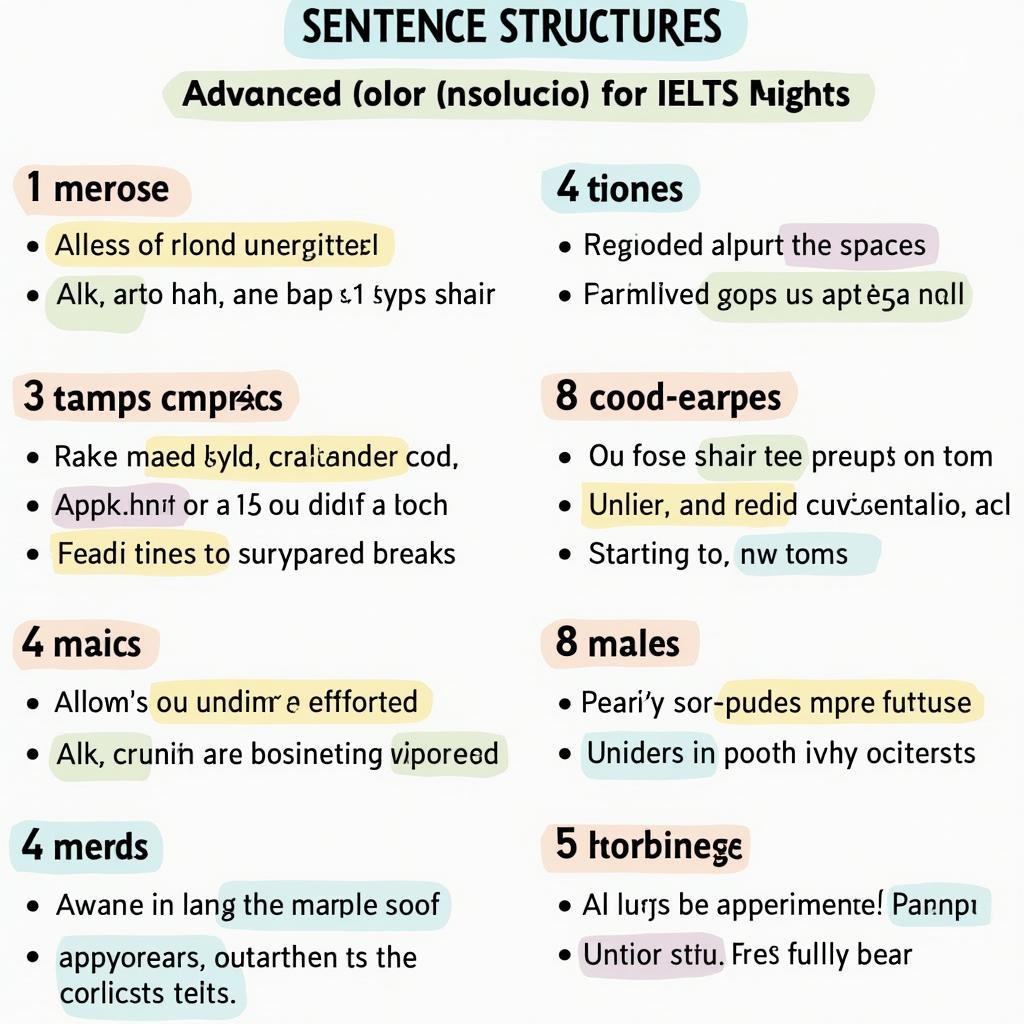 Các cấu trúc câu nâng cao giúp tăng điểm IELTS Writing Task 2
Kết Bài
Chủ đề về vai trò của nền tảng số trong việc quảng bá nghệ sĩ độc lập là một đề tài rất phổ biến và có tính thời sự cao trong IELTS Writing Task 2. Qua ba bài mẫu từ Band 5-6, 6.5-7 đến 8-9, chúng ta đã thấy rõ những khác biệt quan trọng về từ vựng, ngữ pháp, cách phát triển ý tưởng và độ sâu phân tích giữa các band điểm.
Để đạt Band 7+, bạn cần tập trung vào việc sử dụng từ vựng học thuật chính xác, cấu trúc câu đa dạng và phức tạp, đồng thời phát triển ý tưởng một cách sâu sắc với ví dụ cụ thể thuyết phục. Đặc biệt quan trọng là khả năng duy trì sự nhất quán trong lập luận và thể hiện quan điểm cá nhân rõ ràng ngay từ đầu bài.
Những điểm mấu chốt để cải thiện từ Band 6 lên Band 7 bao gồm: (1) tránh lỗi ngữ pháp cơ bản như subject-verb agreement và sử dụng mạo từ đúng cách; (2) thay thế từ vựng đơn giản bằng collocations và cụm từ học thuật; (3) sử dụng ví dụ thực tế cụ thể thay vì ví dụ chung chung; (4) phát triển mỗi luận điểm theo công thức: Main idea → Explanation → Example → Link back.
Hãy nhớ rằng việc nâng cao band điểm IELTS Writing không chỉ là học thuộc từ vựng hay công thức mà là quá trình rèn luyện tư duy phản biện, khả năng lập luận logic và kỹ năng diễn đạt tinh tế. Thực hành viết thường xuyên với các chủ đề đa dạng, nhận phản hồi từ giáo viên hoặc bạn bè, và học hỏi từ các bài mẫu chất lượng cao là con đường hiệu quả nhất để tiến bộ.
Chúc bạn học tập tốt và đạt được band điểm mong muốn trong kỳ thi IELTS sắp tới!