Chủ đề về sự chênh lệch thu nhập giữa các vận động viên thể thao và những người làm các nghề nghiệp khác là một trong những đề tài xuất hiện khá thường xuyên trong IELTS Writing Task 2, đặc biệt ở dạng Opinion Essay và Discussion Essay. Đây là chủ đề về công bằng xã hội, giá trị nghề nghiệp và phân phối nguồn lực trong xã hội – những vấn đề luôn thu hút sự quan tâm của giám khảo IELTS.
Trong bài viết này, bạn sẽ học được cách tiếp cận chuyên nghiệp với chủ đề “Salary Disparity Between Athletes And Other Professionals” thông qua ba bài mẫu ở các band điểm khác nhau (Band 8-9, Band 6.5-7, và Band 5-6), kèm theo phân tích chi tiết về điểm mạnh và yếu của từng bài. Bạn cũng sẽ được trang bị những từ vựng quan trọng, cấu trúc câu “ăn điểm” và những lỗi thường gặp mà học viên Việt Nam cần tránh.
Dưới đây là một số đề thi thực tế đã xuất hiện liên quan đến chủ đề này:
- Cambridge IELTS 15: “Successful sports professionals can earn a great deal more money than people in other important professions. Some people think this is fully justified while others think it is unfair. Discuss both views and give your own opinion.”
- IELTS Past Paper 2022: “Some people believe that professional athletes deserve high salaries because of their hard work and talent, while others argue that other professions like doctors and teachers should be paid more. Discuss both views and give your opinion.”
- British Council Sample: “Top athletes and entertainers earn much more than professionals in other fields. Do you think this is fair? What can be done to change this?”
Đề Writing Part 2 thực hành
Successful sports professionals can earn a great deal more money than people in other important professions. Some people think this is fully justified while others think it is unfair. Discuss both views and give your own opinion.
Dịch đề: Các vận động viên thể thao thành công có thể kiếm được nhiều tiền hơn nhiều so với những người làm các ngành nghề quan trọng khác. Một số người cho rằng điều này hoàn toàn hợp lý trong khi những người khác lại nghĩ rằng nó không công bằng. Thảo luận cả hai quan điểm và đưa ra ý kiến của bạn.
Phân tích đề bài:
Đây là dạng Discussion + Opinion Essay – một trong những dạng bài phổ biến nhất trong IELTS Writing Task 2. Đề bài yêu cầu bạn:
- Thảo luận quan điểm thứ nhất: Tại sao một số người cho rằng việc vận động viên kiếm được nhiều tiền hơn là hợp lý (fully justified)?
- Thảo luận quan điểm thứ hai: Tại sao một số người cho rằng điều này không công bằng (unfair)?
- Đưa ra ý kiến cá nhân: Bạn đồng ý với quan điểm nào hơn hoặc có quan điểm cân bằng?
Các thuật ngữ quan trọng cần hiểu:
- Successful sports professionals: Vận động viên thành công ở đẳng cấp cao, không phải vận động viên nghiệp dư
- Important professions: Các nghề nghiệp có giá trị xã hội cao như bác sĩ, giáo viên, kỹ sư, nhà khoa học
- Fully justified: Hoàn toàn có lý do chính đáng, xứng đáng
- Unfair: Không công bằng, thiếu sự công lý
Những lỗi thường gặp của học viên Việt Nam:
- Chỉ thảo luận một quan điểm và bỏ qua quan điểm còn lại
- Không đưa ra ý kiến cá nhân rõ ràng
- Sử dụng ví dụ không liên quan hoặc quá chung chung
- Lặp lại ý tưởng thay vì phát triển luận điểm sâu
- Sử dụng sai thì động từ khi nói về quan điểm của người khác
Cách tiếp cận chiến lược:
Với dạng bài này, bạn nên:
- Mở bài: Paraphrase đề bài + Nêu rõ cả hai quan điểm tồn tại + Thesis statement (ý kiến của bạn)
- Body 1: Thảo luận quan điểm thứ nhất với 2-3 lý do/ví dụ cụ thể
- Body 2: Thảo luận quan điểm thứ hai với 2-3 lý do/ví dụ cụ thể
- Body 3 (nếu muốn) hoặc tích hợp vào Body 2: Ý kiến cá nhân của bạn với giải thích
- Kết bài: Tóm tắt cả hai quan điểm + Nhấn mạnh lại ý kiến của bạn
Chiến lược tốt nhất là thể hiện sự cân bằng trong việc thảo luận cả hai quan điểm trước khi đưa ra lập trường rõ ràng của mình.
Bài mẫu Band 8-9
Bài viết Band 8-9 cần thể hiện sự thành thạo toàn diện về ngôn ngữ với từ vựng phong phú, cấu trúc câu đa dạng, luận điểm được phát triển mạch lạc và quan điểm rõ ràng. Dưới đây là một bài mẫu xuất sắc cho đề bài này:
The substantial income disparity between elite athletes and professionals in other critical fields has sparked considerable debate. While some argue that such financial rewards are merited given the unique nature of sporting careers, others contend that this creates unjust social inequalities. Although I acknowledge the validity of both perspectives, I believe the current salary gap is excessively wide and warrants reconsideration.
Those who defend high athletic salaries present several compelling arguments. Firstly, professional sports careers are remarkably brief, typically spanning only 10-15 years, during which athletes must accumulate sufficient wealth for their entire lives. A footballer retiring at 35, for instance, faces decades without their primary income source. Moreover, these individuals generate substantial revenue for clubs, sponsors, and broadcasting companies through ticket sales, merchandise, and advertising deals worth billions globally. From an economic standpoint, their compensation merely reflects the market value they create. Furthermore, reaching elite status demands extraordinary dedication, with athletes enduring grueling training regimes, frequent injuries, and immense psychological pressure from a young age, sacrificing normal education and social development.
Conversely, critics raise legitimate concerns about societal priorities when entertainers earn exponentially more than those in essential professions. Doctors, teachers, and scientists contribute fundamentally to societal progress and individual wellbeing, yet their salaries pale in comparison to top-tier athletes. This disparity arguably reflects misplaced values, where entertainment is prized above health, education, and innovation. A neurosurgeon saving lives daily might earn in a year what a premier league footballer earns in a week – a troubling imbalance that potentially discourages talented individuals from pursuing vital careers. Additionally, such wealth concentration in entertainment sectors could be redirected toward improving public services, research funding, or addressing poverty.
In my view, while athletes deserve fair compensation for their skills and commercial value, the current disparity has reached untenable levels. A more balanced approach might involve implementing progressive taxation on extremely high salaries or establishing salary caps in professional sports, with surplus funds channeled toward community development and supporting grassroots athletics. The solution lies not in diminishing athletic compensation entirely, but in elevating the value we place on professions that sustain and advance society.
In conclusion, although the arguments for substantial athletic salaries hold merit, the extreme inequality between sports and other essential professions reflects a societal imbalance that requires addressing. A recalibration that maintains competitive sports compensation while better rewarding critical social contributions would create a more equitable and functional society.
Số từ: 418 từ
Phân tích Band điểm
| Tiêu chí | Band | Nhận xét |
|---|---|---|
| Task Response (Hoàn thành yêu cầu) | 9 | Bài viết thảo luận đầy đủ và cân bằng cả hai quan điểm với luận điểm sâu sắc và có sự phát triển logic. Ý kiến cá nhân được thể hiện rõ ràng ngay từ mở bài và được củng cố xuyên suốt bài viết. Các ví dụ cụ thể (footballer retiring at 35, neurosurgeon’s salary comparison) làm tăng tính thuyết phục. |
| Coherence & Cohesion (Mạch lạc & Liên kết) | 9 | Cấu trúc bài viết chặt chẽ với sự phân đoạn logic rõ ràng. Sử dụng đa dạng các từ nối mức độ cao (Conversely, Moreover, Furthermore, Additionally) một cách tự nhiên. Mỗi đoạn có topic sentence rõ ràng và supporting sentences phát triển ý tưởng mạch lạc. Progression của ý tưởng rất mượt mà. |
| Lexical Resource (Từ vựng) | 9 | Từ vựng phong phú và tinh tế với nhiều collocations học thuật xuất sắc (substantial income disparity, compelling arguments, untenable levels, progressive taxation). Sử dụng từ vựng ít phổ biến một cách chính xác (warrants reconsideration, exponentially more, misplaced values). Không có lỗi từ vựng đáng kể. |
| Grammatical Range & Accuracy (Ngữ pháp) | 9 | Sử dụng đa dạng cấu trúc câu phức tạp hoàn toàn chính xác: mệnh đề quan hệ không xác định, cụm phân từ (spanning only 10-15 years), câu chẻ, mệnh đề danh từ. Kiểm soát tuyệt vời các thì động từ và câu điều kiện. Không có lỗi ngữ pháp đáng chú ý. |
Các yếu tố giúp bài này được chấm điểm cao
-
Cách mở bài tinh tế: Thay vì chỉ paraphrase đề bài đơn giản, bài viết sử dụng “sparked considerable debate” để tạo ngữ cảnh tự nhiên hơn, sau đó nêu hai quan điểm trước khi đưa ra thesis statement với “Although I acknowledge the validity of both perspectives” – thể hiện sự nhìn nhận cân bằng.
-
Sử dụng signposting rõ ràng: Các cụm như “Those who defend…”, “Conversely, critics raise…”, “In my view…” giúp người đọc dễ dàng theo dõi cấu trúc luận điểm và biết được phần nào đang thảo luận quan điểm gì.
-
Ví dụ cụ thể và có sức thuyết phục: “A footballer retiring at 35”, “what a premier league footballer earns in a week” không chỉ là ví dụ minh họa mà còn tạo ra sự tương phản mạnh mẽ giúp làm rõ luận điểm.
-
Từ vựng học thuật tự nhiên: Các cụm từ như “substantial income disparity”, “compelling arguments”, “untenable levels” thể hiện vốn từ vựng phong phú nhưng được sử dụng trong ngữ cảnh hoàn toàn tự nhiên, không gượng ép.
-
Cấu trúc câu đa dạng và phức tạp: Bài viết kết hợp nhiều loại câu khác nhau – từ câu đơn ngắn gọn đến câu phức với nhiều mệnh đề, tạo nhịp điệu đọc thú vị và thể hiện khả năng ngôn ngữ cao.
-
Quan điểm cá nhân được phát triển tốt: Thay vì chỉ nói “I agree” hoặc “I disagree”, bài viết đưa ra quan điểm nuanced với giải pháp cụ thể (progressive taxation, salary caps), thể hiện tư duy phản biện cao.
-
Kết luận không lặp lại máy móc: Phần kết bài không chỉ tóm tắt mà còn nâng cao vấn đề lên tầm “societal imbalance” và đề xuất hướng đi cho tương lai, tạo ấn tượng mạnh cho người đọc.
 Phân tích bài mẫu IELTS Writing Task 2 Band 8-9 về chênh lệch lương vận động viên và nghề nghiệp khác với điểm số chi tiết
Bài mẫu Band 6.5-7
Bài viết Band 6.5-7 thể hiện khả năng sử dụng tiếng Anh tốt với ý tưởng rõ ràng và cấu trúc logic, nhưng vẫn có những hạn chế nhất định về độ tinh tế của từ vựng và sự đa dạng cấu trúc câu so với Band 8-9.
The difference in salary between successful athletes and people in other important jobs has become a topic of debate. Some people believe that athletes deserve their high salaries while others think it is not fair. In this essay, I will discuss both views and give my opinion.
On the one hand, there are good reasons why sports professionals earn so much money. First of all, their careers are very short compared to other professions. Most athletes can only play professionally until their mid-30s, which means they need to earn enough money during this short period to support themselves for the rest of their lives. For example, a football player might retire at 35 but still has many years ahead without income from playing. Secondly, top athletes bring in huge amounts of money for their teams and sponsors through ticket sales, merchandise, and TV rights. It is reasonable that they should receive a share of this revenue. Finally, becoming a professional athlete requires exceptional talent and years of hard training. They have to practice many hours every day and often suffer from injuries.
On the other hand, many people argue that this situation is unfair. Doctors, teachers, and scientists play crucial roles in society but earn much less than athletes. These professions are essential for the development of society, as they save lives, educate children, and make important discoveries. A doctor who performs surgery and saves patients’ lives every day might earn less in a month than what a famous footballer earns in a week. This shows that society values entertainment more than important services, which some people believe is wrong. Furthermore, the money that goes to sports stars could be used for better purposes such as improving hospitals or schools.
In my opinion, while athletes work hard and deserve good salaries, the gap between their income and that of other professionals is too large. Society should find ways to value important professions more, perhaps by increasing funding for education and healthcare. However, we cannot simply reduce athletes’ salaries because they operate in a free market where their value is determined by what people are willing to pay.
In conclusion, although there are valid arguments on both sides, I believe the current salary difference is excessive and reflects society’s misplaced priorities. A better balance needs to be found between rewarding entertainment and recognizing the value of essential professions.
Số từ: 448 từ
Phân tích Band điểm
| Tiêu chí | Band | Nhận xét |
|---|---|---|
| Task Response (Hoàn thành yêu cầu) | 7 | Bài viết đáp ứng đầy đủ yêu cầu đề bài, thảo luận cả hai quan điểm và có ý kiến cá nhân rõ ràng. Tuy nhiên, sự phát triển ý tưởng chưa sâu sắc bằng Band 8-9. Các luận điểm được nêu nhưng chưa được elaborated đầy đủ. Ví dụ còn khá general (a football player, a doctor) chứ chưa specific và persuasive. |
| Coherence & Cohesion (Mạch lạc & Liên kết) | 7 | Cấu trúc bài rõ ràng với các đoạn được tổ chức logic. Sử dụng linking words đúng nhưng còn mechanical (First of all, Secondly, Finally, On the other hand). Câu topic sentence ở mỗi đoạn rõ ràng nhưng progression giữa các câu trong đoạn chưa mượt mà bằng Band cao hơn. |
| Lexical Resource (Từ vựng) | 6.5 | Từ vựng đủ để truyền đạt ý tưởng rõ ràng với một số collocations tốt (crucial roles, essential for development, misplaced priorities). Tuy nhiên, vẫn sử dụng nhiều từ ngữ phổ thông (good reasons, huge amounts of money, very short) thay vì từ vựng tinh tế hơn. Có sự lặp lại từ (earn, salary, money xuất hiện nhiều lần). |
| Grammatical Range & Accuracy (Ngữ pháp) | 7 | Sử dụng kết hợp câu đơn và câu phức một cách chính xác. Có một số cấu trúc tốt (which means, might earn less…than what, where their value is determined). Tuy nhiên, độ đa dạng cấu trúc câu chưa cao, chủ yếu dùng câu simple và complex cơ bản. Ít lỗi ngữ pháp nhưng không có nhiều cấu trúc sophisticated. |
So sánh với bài Band 8-9
1. Về cách mở bài:
- Band 8-9: “The substantial income disparity between elite athletes and professionals in other critical fields has sparked considerable debate.” – Sử dụng từ vựng học thuật (substantial income disparity, sparked considerable debate) và tạo ngữ cảnh tự nhiên.
- Band 6.5-7: “The difference in salary between successful athletes and people in other important jobs has become a topic of debate.” – Đơn giản hơn, từ vựng phổ thông (difference in salary, topic of debate).
2. Về cách phát triển luận điểm:
- Band 8-9: “A footballer retiring at 35, for instance, faces decades without their primary income source” – Ví dụ cụ thể, có chiều sâu và tạo hình ảnh rõ ràng.
- Band 6.5-7: “For example, a football player might retire at 35 but still has many years ahead without income from playing” – Ví dụ tương tự nhưng diễn đạt đơn giản hơn, ít persuasive hơn.
3. Về từ nối:
- Band 8-9: Sử dụng các từ nối tinh tế và đa dạng (Moreover, Conversely, Furthermore, Additionally, Although) một cách tự nhiên trong câu phức.
- Band 6.5-7: Sử dụng các từ nối cơ bản và mechanical (First of all, Secondly, Finally, On the other hand) ở đầu câu.
4. Về độ sâu của ý kiến cá nhân:
- Band 8-9: Đưa ra giải pháp cụ thể (progressive taxation, salary caps) và lý giải tại sao cần có balance.
- Band 6.5-7: Ý kiến rõ ràng nhưng chung chung hơn (increasing funding, find better balance) mà không có giải pháp chi tiết.
5. Về cấu trúc câu:
- Band 8-9: Đa dạng với nhiều loại câu phức tạp, cụm phân từ, mệnh đề quan hệ không xác định: “…during which athletes must accumulate sufficient wealth…”
- Band 6.5-7: Chủ yếu câu đơn và câu phức cơ bản với which/that: “…which means they need to earn enough money…”
Bài mẫu Band 5-6
Bài viết Band 5-6 thể hiện khả năng tiếng Anh trung bình với một số lỗi ngữ pháp và từ vựng, cấu trúc câu đơn giản và sự phát triển ý tưởng còn hạn chế.
Nowadays, sport players can earn very high salary than other important jobs. Some people think this is fair but other people think it is not fair. I will discuss both side and give my opinion.
First, I think sport players deserve high salary because their job is very difficult. They have to train hard everyday and they can get injury easily. Also, they can only work for short time, maybe until 30 or 35 years old, then they must retire. So they need to earn a lot of money in this short time to use for their whole life. For example, football players like Ronaldo or Messi training very hard since they was young children. They also bring money for their team and country. Many people buy ticket to watch them play and buy their shirt, so the team can make a lot of money. That’s why they should get high salary.
However, some people believe that other jobs are more important than sports. Doctor and teacher are very important for society because they help people and teach children. Doctors save people life and teachers educate the young generation. But their salary is much lower than sports stars. This is not fair because their contribution to society is bigger. A doctor work in hospital everyday and help many patient but he earn less money than a football player who just play game. Some people think society should pay more money to these important profession instead of sports player.
In my opinion, I think both side have good point. Sports players work hard and have short career, so they need good salary. But doctors and teachers also very important and they should get better salary too. Government should increase the salary for doctor and teacher but we cannot reduce sports players salary because people want to watch sports and willing to pay money for it.
In conclusion, sport players and other professional both deserve good salary. But I think the different between them is too big now and we need to find better solution to make it more fair.
Số từ: 389 từ
Phân tích Band điểm
| Tiêu chí | Band | Nhận xét |
|---|---|---|
| Task Response (Hoàn thành yêu cầu) | 6 | Bài viết đã đề cập đến cả hai quan điểm và có ý kiến cá nhân, đáp ứng cơ bản yêu cầu đề bài. Tuy nhiên, sự phát triển ý tưởng còn rất hạn chế và bề mặt. Các luận điểm chưa được giải thích đầy đủ và thiếu ví dụ cụ thể thuyết phục. Ý kiến cá nhân khá mơ hồ và chung chung. |
| Coherence & Cohesion (Mạch lạc & Liên kết) | 5.5 | Cấu trúc bài cơ bản có (mở bài, 2 body, kết bài) nhưng cách tổ chức còn đơn giản. Sử dụng linking words rất cơ bản và lặp lại (First, However, In my opinion, In conclusion). Thiếu sự liên kết mượt mà giữa các câu trong đoạn. Một số chỗ chuyển ý đột ngột. |
| Lexical Resource (Từ vựng) | 5.5 | Từ vựng đủ để truyền đạt ý cơ bản nhưng rất hạn chế và lặp lại nhiều (salary, money, important xuất hiện liên tục). Có lỗi word choice (sport players thay vì sports professionals/athletes, different thay vì difference). Thiếu collocations và paraphrasing. Sử dụng từ quá đơn giản (very high, a lot of, good point). |
| Grammatical Range & Accuracy (Ngữ pháp) | 5 | Chủ yếu sử dụng câu đơn giản với một số câu phức cơ bản. Có nhiều lỗi ngữ pháp ảnh hưởng đến ý nghĩa: subject-verb agreement (players training, since they was, doctor work), article errors (sport players, the young generation), word form (different thay vì difference). Thiếu đa dạng về thì và cấu trúc câu. |
Những lỗi sai của bài – phân tích & giải thích
| Lỗi sai | Loại lỗi | Sửa lại | Giải thích |
|---|---|---|---|
| “sport players can earn very high salary” | Article + Word choice | “sports professionals can earn very high salaries” | Thiếu mạo từ “a” trước “high salary” hoặc dùng số nhiều “salaries”. “Sport players” không phải cách nói chuẩn, nên dùng “sports professionals” hoặc “athletes”. Học viên Việt Nam thường quên mạo từ vì tiếng Việt không có. |
| “other people think” | Repetition | “others believe/argue” | Lặp lại “people think” trong cùng một câu. Nên paraphrase bằng “others” và dùng động từ khác như “believe” hoặc “argue” để tránh lặp từ. |
| “I will discuss both side” | Singular/Plural | “I will discuss both sides” | “Both” luôn đi với danh từ số nhiều. Lỗi này rất phổ biến với học viên Việt Nam vì tiếng Việt không phân biệt số ít/nhiều rõ ràng. |
| “train hard everyday” | Spelling | “train hard every day” | “Everyday” (một từ) là tính từ có nghĩa “hàng ngày, thông thường”. “Every day” (hai từ) là cụm trạng từ có nghĩa “mỗi ngày”. Ở đây cần dùng “every day”. |
| “they can get injury easily” | Article + Word form | “they can get injured easily” / “they can suffer injuries easily” | “Injury” là danh từ đếm được, cần mạo từ “an injury” hoặc dùng dạng động từ “get injured” hoặc “suffer injuries”. |
| “football players like Ronaldo or Messi training very hard” | Tense | “football players like Ronaldo or Messi train very hard” | Thiếu trợ động từ hoặc dùng sai dạng động từ. Nên dùng “train” (thì hiện tại đơn) hoặc “have been training” (thì hiện tại hoàn thành tiếp diễn). “Training” không thể đứng một mình làm động từ chính. |
| “since they was young children” | Subject-verb agreement | “since they were young children” | “They” là chủ ngữ số nhiều nên động từ “be” phải chia là “were” chứ không phải “was”. Đây là lỗi cơ bản nhưng rất phổ biến. |
| “save people life” | Possessive | “save people’s lives” | Thiếu dấu ‘s để chỉ sở hữu và thiếu số nhiều cho “life”. Phải là “people’s lives” (mạng sống của mọi người). |
| “A doctor work in hospital” | Subject-verb agreement + Article | “A doctor works in a hospital” | “A doctor” là số ít nên động từ phải thêm “s”. “Hospital” là danh từ đếm được cần mạo từ “a/an/the”. |
| “he earn less money than a football player who just play game” | Subject-verb agreement | “he earns less money than a football player who just plays games” | Lỗi chia động từ với ngôi thứ ba số ít. Cả “earn” và “play” đều cần thêm “s”. “Game” cần ở số nhiều “games” hoặc dùng “the game”. |
| “both side have good point” | Singular/Plural | “both sides have good points” | “Both” luôn đi với danh từ số nhiều. “Point” cũng nên ở số nhiều “points”. |
| “doctors and teachers also very important” | Missing verb | “doctors and teachers are also very important” | Thiếu động từ “be” (are). Đây là lỗi rất cơ bản – mỗi câu tiếng Anh phải có động từ. |
| “the different between them” | Word form | “the difference between them” | “Different” là tính từ, “difference” là danh từ. Sau “the” cần danh từ “difference”. Lỗi word form rất phổ biến với học viên Việt Nam. |
| “sport players and other professional both deserve” | Singular/Plural + Article | “sports professionals and other professionals both deserve” | “Professional” ở đây là danh từ nên cần số nhiều “professionals”. “Sport” nên là “sports” khi dùng như tính từ bổ nghĩa. |
Cách Cải Thiện Từ Band 6 Lên Band 7
Để cải thiện từ Band 5-6 lên Band 6.5-7, bạn cần tập trung vào các điểm sau:
1. Giảm thiểu lỗi ngữ pháp cơ bản:
Những lỗi về subject-verb agreement, article (a/an/the), số ít/nhiều là những lỗi nghiêm trọng kéo điểm xuống. Hãy:
- Kiểm tra kỹ mỗi câu: chủ ngữ số ít/nhiều → động từ phải chia tương ứng
- Xem lại quy tắc sử dụng a/an/the (danh từ đếm được số ít phải có mạo từ)
- Nhớ thêm “s” cho danh từ số nhiều sau “both”, “many”, “some”
2. Mở rộng và paraphrase từ vựng:
Thay vì lặp lại “salary, money, important” nhiều lần, hãy học các từ đồng nghĩa:
- salary → remuneration, earnings, compensation, income
- important → crucial, essential, vital, significant
- earn money → generate income, receive compensation
3. Sử dụng linking words đa dạng hơn:
Thay vì chỉ dùng “First, However, In conclusion”, hãy học:
- To begin with, Firstly, To start with
- On the other hand, Conversely, Nevertheless, Despite this
- Furthermore, Moreover, Additionally, In addition
- Consequently, Therefore, As a result
4. Phát triển ý tưởng sâu hơn:
Thay vì chỉ nói “they train hard” và dừng lại, hãy giải thích thêm:
- They train hard → They undergo rigorous training regimens daily → This includes hours of physical conditioning, skill development, and mental preparation → Such dedication often begins in childhood and requires significant personal sacrifices
5. Sử dụng ví dụ cụ thể và persuasive:
Thay vì “football players like Ronaldo or Messi”, hãy phát triển:
- “Elite athletes such as Cristiano Ronaldo have dedicated their entire lives to their sport, training from as young as six years old and sacrificing normal education and social life”
6. Thực hành viết câu phức:
Học cách kết hợp các mệnh đề để tạo câu dài và sophisticated:
- Câu đơn: “Athletes have short careers. They need high salaries.”
- Câu phức tốt hơn: “Given that athletes’ careers typically span only 10-15 years, they require substantial compensation to sustain themselves throughout their entire lives.”
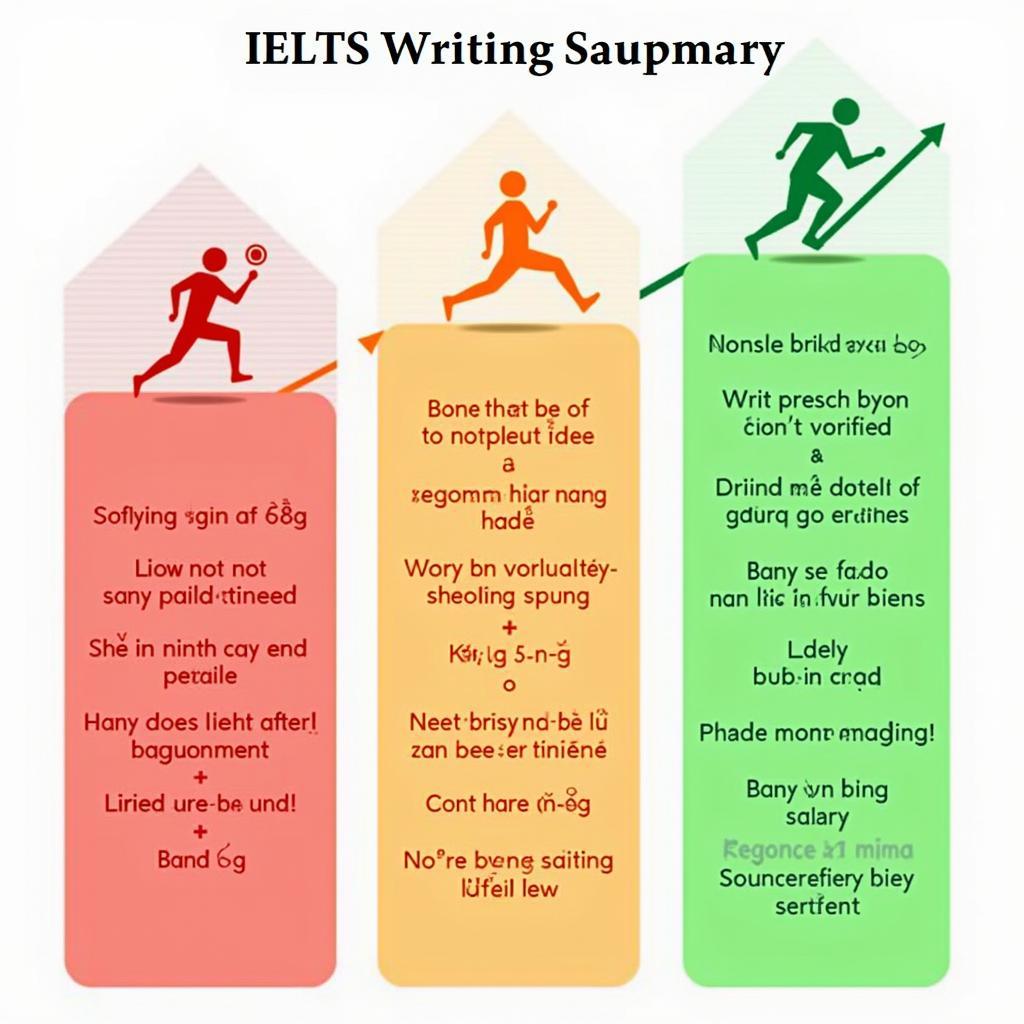 So sánh đặc điểm bài viết IELTS Writing Task 2 các band điểm về chủ đề chênh lệch lương vận động viên
Từ vựng quan trọng cần nhớ
| Từ/Cụm từ | Loại từ | Phiên âm | Nghĩa tiếng Việt | Ví dụ | Collocations |
|---|---|---|---|---|---|
| salary disparity | noun phrase | /ˈsæləri dɪˈspærəti/ | sự chênh lệch lương | The salary disparity between athletes and teachers is growing. | substantial/significant/growing salary disparity |
| remuneration | noun | /rɪˌmjuːnəˈreɪʃn/ | tiền thù lao, sự trả công | Athletes receive generous remuneration for their talents. | generous/adequate/fair remuneration |
| lucrative | adjective | /ˈluːkrətɪv/ | sinh lời, béo bở | Professional sports can be a lucrative career. | highly/extremely/potentially lucrative |
| warrant | verb | /ˈwɒrənt/ | đáng được, xứng đáng | Such dedication warrants substantial financial rewards. | warrant consideration/attention/recognition |
| merit | verb/noun | /ˈmerɪt/ | xứng đáng, công lao | Their achievements merit high compensation. | merit attention/recognition/consideration |
| untenable | adjective | /ʌnˈtenəbl/ | không thể chấp nhận được | The current wage gap has become untenable. | increasingly/completely/totally untenable |
| compelling argument | noun phrase | /kəmˈpelɪŋ ˈɑːɡjumənt/ | lập luận thuyết phục | Supporters present compelling arguments for high salaries. | present/make/put forward a compelling argument |
| generate revenue | verb phrase | /ˈdʒenəreɪt ˈrevənjuː/ | tạo ra doanh thu | Top athletes generate substantial revenue for sponsors. | generate significant/substantial/considerable revenue |
| grueling training | adjective + noun | /ˈɡruːəlɪŋ ˈtreɪnɪŋ/ | sự luyện tập khắc nghiệt | Athletes endure grueling training regimens. | undergo/endure/face grueling training |
| misplaced priorities | noun phrase | /mɪsˈpleɪst praɪˈɒrətiz/ | những ưu tiên sai lầm | This reflects society’s misplaced priorities. | reflect/reveal/demonstrate misplaced priorities |
| exponentially | adverb | /ˌekspəˈnenʃəli/ | theo cấp số nhân, tăng đột biến | Athletes earn exponentially more than teachers. | grow/increase/rise exponentially |
| wealth concentration | noun phrase | /welθ ˌkɒnsenˈtreɪʃn/ | sự tập trung của cải | Wealth concentration in sports is concerning. | growing/increasing/excessive wealth concentration |
| progressive taxation | noun phrase | /prəˈɡresɪv tækˈseɪʃn/ | thuế lũy tiến | Progressive taxation could address income inequality. | implement/introduce/apply progressive taxation |
| salary cap | noun phrase | /ˈsæləri kæp/ | mức giới hạn lương | Many leagues implement salary caps. | impose/introduce/establish a salary cap |
| grassroots | adjective | /ˈɡrɑːsruːts/ | cơ sở, tầm dưới | Funds should support grassroots athletics. | grassroots level/movement/support |
Cấu trúc câu dễ “ăn điểm” cao
1. Mệnh đề quan hệ không xác định (Non-defining relative clause)
Công thức: [Danh từ], which/who [bổ sung thông tin], [động từ chính]…
Ví dụ từ bài Band 8-9:
- “A footballer retiring at 35, for instance, faces decades without their primary income source” – Sử dụng cụm phân từ thay thế mệnh đề quan hệ
- Có thể viết: “A footballer, who retires at 35, faces decades without their primary income source”
Tại sao cấu trúc này ghi điểm cao:
Mệnh đề quan hệ không xác định cho phép bạn thêm thông tin bổ sung vào câu một cách tự nhiên và mượt mà, thể hiện khả năng kết hợp ý tưởng phức tạp trong một câu. Giám khảo đánh giá cao cấu trúc này vì nó cho thấy sự thành thạo ngữ pháp và khả năng viết câu tinh tế.
Ví dụ bổ sung:
- “Professional athletes, who dedicate their entire lives to their sport, deserve appropriate compensation for their sacrifices.”
- “Medical professionals, whose contributions save lives daily, should receive salaries reflecting their societal value.”
- “The entertainment industry, which generates billions annually, can afford to pay performers handsomely.”
Lỗi thường gặp của học viên Việt Nam:
- Quên dấu phẩy trước và sau mệnh đề: ❌ “Athletes who train hard deserve high salaries” (defining) vs ✅ “Athletes, who train hard, deserve high salaries” (non-defining)
- Nhầm lẫn giữa which và that: that không dùng cho non-defining relative clause
- Sử dụng đại từ quan hệ sai: ❌ “Athletes, which train hard…” → ✅ “Athletes, who train hard…”
2. Cấu trúc với mệnh đề phân từ (Participle clauses)
Công thức: [Present/Past participle phrase], [chủ ngữ] + [động từ chính]…
Ví dụ từ bài Band 8-9:
- “spanning only 10-15 years, during which athletes must accumulate sufficient wealth“
- “A neurosurgeon saving lives daily might earn in a year what a premier league footballer earns in a week”
Tại sao cấu trúc này ghi điểm cao:
Mệnh đề phân từ giúp câu văn trở nên súc tích và sophisticated hơn. Nó thay thế các mệnh đề phụ thuộc dài dòng, tạo ra văn phong học thuật cao cấp. Đây là đặc điểm của người viết có trình độ ngôn ngữ cao.
Ví dụ bổ sung:
- “Having dedicated years to training, elite athletes deserve compensation reflecting their commitment.”
- “Facing career-ending injuries regularly, sports professionals require financial security.”
- “Working under immense pressure, surgeons contribute more to society than entertainers.”
Lỗi thường gặp của học viên Việt Nam:
- Sai chủ ngữ của mệnh đề phân từ (dangling participle): ❌ “Training hard every day, high salaries are deserved by athletes” → ✅ “Training hard every day, athletes deserve high salaries”
- Nhầm lẫn thì: ❌ “Train hard, athletes become successful” → ✅ “Training hard, athletes become successful”
- Không hiểu sự khác biệt giữa present và past participle
3. Câu chẻ (Cleft sentences) – It is/was… that/who…
Công thức: It is/was [phần nhấn mạnh] that/who [phần còn lại]
Ví dụ từ bài Band 8-9:
- Có thể viết lại: “It is the extreme inequality between sports and other essential professions that requires addressing“
Tại sao cấu trúc này ghi điểm cao:
Câu chẻ giúp bạn nhấn mạnh một phần thông tin cụ thể trong câu, thể hiện khả năng kiểm soát focus và emphasis trong văn viết. Đây là kỹ năng ngôn ngữ advanced giúp bài viết có tính thuyết phục cao hơn.
Ví dụ bổ sung:
- “It is not their talent alone that justifies high salaries, but the revenue they generate for organizations.”
- “It was the short career span that prompted athletes to demand higher compensation.”
- “What concerns me most is the growing disparity between professions.”
Lỗi thường gặp của học viên Việt Nam:
- Dùng sai that/who: ❌ “It is athletes who earns…” → ✅ “It is athletes who earn…” (who + plural verb)
- Quên “that” trong câu chẻ: ❌ “It is the money athletes earn too much” → ✅ “It is the money that athletes earn that is too much”
- Dùng không tự nhiên, cố nhồi nhét vào bài
4. Cấu trúc so sánh phức tạp
Công thức: [Chủ ngữ] + [động từ] + more/less + [than] + [what/that which]…
Ví dụ từ bài Band 8-9:
- “A neurosurgeon saving lives daily might earn in a year what a premier league footballer earns in a week“
- “Their compensation merely reflects the market value they create”
Tại sao cấu trúc này ghi điểm cao:
So sánh phức tạp không chỉ đơn giản là “more…than” mà còn tích hợp các mệnh đề phụ, tạo ra câu có độ sophistication cao. Nó thể hiện khả năng xử lý nhiều lớp thông tin trong một câu, điều mà giám khảo đánh giá rất cao.
Ví dụ bổ sung:
- “Teachers contribute significantly more to societal development than what their salaries suggest.”
- “The value athletes bring to entertainment far exceeds what most professionals generate in their fields.”
- “Doctors’ salaries pale in comparison to what top-tier athletes command.”
Lỗi thường gặp của học viên Việt Nam:
- So sánh sai cấu trúc: ❌ “Athletes earn more money than doctors earn less” → ✅ “Athletes earn more money than doctors”
- Thiếu “than”: ❌ “Athletes earn more money doctors” → ✅ “Athletes earn more money than doctors”
- So sánh không cân xứng: ❌ “Salaries of athletes are higher than teachers” → ✅ “Salaries of athletes are higher than those of teachers”
5. Cấu trúc nhượng bộ phức tạp (Concessive clauses)
Công thức: Although/While/Whilst [mệnh đề 1], [mệnh đề 2 đối lập]
Ví dụ từ bài Band 8-9:
- “Although I acknowledge the validity of both perspectives, I believe the current salary gap is excessively wide“
- “Although the arguments for substantial athletic salaries hold merit, the extreme inequality reflects a societal imbalance“
Tại sao cấu trúc này ghi điểm cao:
Cấu trúc nhượng bộ thể hiện tư duy phản biện cao – bạn thừa nhận một điểm nhưng vẫn duy trì lập trường của mình. Đây là đặc điểm của academic writing chất lượng cao, cho thấy bạn có khả năng nhìn nhận vấn đề đa chiều trước khi đưa ra kết luận.
Ví dụ bổ sung:
- “While athletes undoubtedly work hard, their contribution to society cannot match that of medical professionals.”
- “Despite the entertainment value sports provide, essential services deserve greater financial recognition.”
- “Much as I appreciate athletic talent, I cannot justify such extreme wage disparities.”
Lỗi thường gặp của học viên Việt Nam:
- Dùng “Although” + “but” trong cùng câu: ❌ “Although athletes work hard, but they earn too much” → ✅ “Although athletes work hard, they earn too much”
- Nhầm lẫn “despite” và “although”: ❌ “Despite athletes work hard…” → ✅ “Despite working hard…” hoặc “Although athletes work hard…”
- Không có sự đối lập rõ ràng giữa hai mệnh đề
6. Câu điều kiện nâng cao và đảo ngữ
Công thức: Were/Should/Had + [chủ ngữ] + [động từ], [mệnh đề chính]…
Ví dụ từ bài Band 8-9:
- Có thể viết: “Were society to reassess its priorities, essential professions would receive greater compensation“
- “Should progressive taxation be implemented, wealth distribution could become more equitable”
Tại sao cấu trúc này ghi điểm cao:
Đảo ngữ và câu điều kiện nâng cao là đặc điểm của formal academic writing. Chúng không phổ biến trong văn nói hàng ngày, vì vậy việc sử dụng đúng và tự nhiên thể hiện trình độ ngôn ngữ cao. Tuy nhiên, chỉ nên dùng 1-2 lần trong bài để tránh làm bài viết trở nên quá formal và gượng ép.
Ví dụ bổ sung:
- “Had athletes’ careers been longer, the salary disparity might be less pronounced.”
- “Should salary caps be introduced, funds could be redirected to community development.”
- “Were I to choose between professions, I would prioritize those serving essential needs.”
Lỗi thường gặp của học viên Việt Nam:
- Đảo ngữ sai cấu trúc: ❌ “If were I rich…” → ✅ “Were I rich…” (bỏ “if”)
- Nhầm lẫn thì trong mệnh đề chính: ❌ “Were athletes paid less, doctors will earn more” → ✅ “Were athletes paid less, doctors would earn more”
- Lạm dụng đảo ngữ khiến bài viết trở nên unnatural
 Cấu trúc ngữ pháp giúp đạt band điểm cao trong IELTS Writing Task 2 về chủ đề lương vận động viên
Kết bài
Chủ đề “Salary disparity between athletes and other professionals” là một đề tài phổ biến và thú vị trong IELTS Writing Task 2, đòi hỏi bạn phải thể hiện khả năng phân tích đa chiều, sử dụng ngôn ngữ học thuật và xây dựng lập luận logic. Qua ba bài mẫu ở các band điểm khác nhau, bạn có thể thấy rõ sự khác biệt về từ vựng, cấu trúc câu, cách phát triển ý tưởng và độ chính xác ngữ pháp giữa các trình độ.
Để đạt Band 7 trở lên, điều quan trọng nhất không phải là nhồi nhét các từ vựng phức tạp hay cấu trúc ngữ pháp khó, mà là sử dụng ngôn ngữ một cách tự nhiên, chính xác và phù hợp với ngữ cảnh. Hãy tập trung vào việc phát triển ý tưởng sâu sắc với các ví dụ cụ thể, sử dụng từ vựng học thuật một cách tự nhiên, và đảm bảo bài viết có cấu trúc rõ ràng với sự liên kết mạch lạc giữa các đoạn văn.
Đối với học viên Việt Nam, những lỗi về mạo từ (a/an/the), chia động từ với ngôi thứ ba số ít, và sự phân biệt số ít/nhiều là những điểm cần đặc biệt chú ý. Hãy dành thời gian kiểm tra kỹ lưỡng những lỗi cơ bản này trước khi tập trung vào các yếu tố nâng cao hơn.
Cuối cùng, hãy nhớ rằng việc cải thiện kỹ năng viết là một quá trình dài hơi đòi hỏi sự kiên trì và thực hành thường xuyên. Đừng nản lòng nếu ban đầu bạn mắc nhiều lỗi – điều quan trọng là học hỏi từ những lỗi đó và không ngừng cải thiện. Hãy viết thường xuyên, nhờ người khác góp ý, và so sánh bài viết của mình với các bài mẫu chất lượng cao để rút ra bài học. Chúc bạn thành công trong kỳ thi IELTS!