Chủ đề fast fashion và trách nhiệm môi trường đang trở thành một trong những đề tài nóng bỏng trong IELTS Writing Task 2, đặc biệt trong bối cảnh toàn cầu ngày càng quan tâm đến vấn đề biến đổi khí hậu và bảo vệ môi trường. Đề tài này thường xuyên xuất hiện trong các kỳ thi IELTS thực tế với tần suất khoảng 2-3 lần mỗi năm, đặc biệt tập trung vào việc đánh giá khả năng phân tích nguyên nhân, đưa ra giải pháp và thể hiện quan điểm cá nhân của thí sinh.
Trong bài viết này, bạn sẽ được học:
- 3 bài mẫu hoàn chỉnh tương ứng với các band điểm 5-6, 6.5-7 và 8-9
- Phân tích chi tiết 4 tiêu chí chấm điểm theo band descriptors chính thức
- 15+ từ vựng và collocations chuyên ngành về môi trường và thời trang
- 6 cấu trúc câu học thuật giúp nâng band điểm
- Những lỗi sai điển hình của học viên Việt Nam và cách khắc phục
Các đề thi thực tế đã được xác minh liên quan đến chủ đề này:
- “Some people think that large fashion companies should be responsible for reducing pollution, while others believe consumers should avoid buying from polluting companies. Discuss both views and give your opinion.” (British Council, tháng 9/2022)
- “Environmental damage is increasing globally. To what extent should multinational fashion companies be held accountable for this problem?” (IDP, tháng 3/2023)
Đề Writing Part 2 Thực Hành
The fashion industry is one of the major polluting industries in the world. Some people believe that fast fashion brands should be held fully accountable for the environmental damage they cause, while others argue that consumers also share responsibility. Discuss both views and give your own opinion.
Dịch đề: Ngành công nghiệp thời trang là một trong những ngành gây ô nhiễm lớn nhất trên thế giới. Một số người tin rằng các thương hiệu thời trang nhanh nên chịu hoàn toàn trách nhiệm về thiệt hại môi trường mà họ gây ra, trong khi những người khác cho rằng người tiêu dùng cũng có chung trách nhiệm. Thảo luận cả hai quan điểm và đưa ra ý kiến của bạn.
Phân tích đề bài:
Đây là dạng câu hỏi “Discuss both views and give your opinion” – một trong những dạng phổ biến nhất trong IELTS Writing Task 2. Đề bài yêu cầu thí sinh:
- Thảo luận quan điểm thứ nhất: Fast fashion brands nên chịu trách nhiệm hoàn toàn
- Thảo luận quan điểm thứ hai: Người tiêu dùng cũng có trách nhiệm
- Đưa ra quan điểm cá nhân rõ ràng
Các thuật ngữ quan trọng cần hiểu:
- “Fast fashion brands”: Các thương hiệu sản xuất quần áo với tốc độ nhanh, giá rẻ, chất lượng trung bình (Zara, H&M, Shein)
- “Held accountable”: Chịu trách nhiệm pháp lý và đạo đức
- “Environmental damage”: Thiệt hại về môi trường bao gồm ô nhiễm nước, không khí, chất thải
Những lỗi thường gặp của học viên Việt Nam:
- Chỉ thảo luận một quan điểm và bỏ qua quan điểm còn lại
- Không đưa ra quan điểm cá nhân rõ ràng
- Sử dụng ví dụ chung chung thiếu thuyết phục
- Lạm dụng từ vựng “big words” không phù hợp ngữ cảnh
- Lỗi sử dụng thì và mạo từ
Cách tiếp cận chiến lược:
- Dành 1 body paragraph cho mỗi quan điểm
- Thể hiện quan điểm cá nhân ngay từ introduction và nhấn mạnh lại ở conclusion
- Sử dụng ví dụ cụ thể về các thương hiệu hoặc số liệu thống kê
- Cân bằng độ dài giữa hai body paragraphs (khoảng 100-120 từ mỗi đoạn)
Bài Mẫu Band 8-9
Bài viết Band 8-9 thể hiện sự tinh tế trong cách triển khai ý tưởng, sử dụng từ vựng đa dạng chính xác, cấu trúc câu phức tạp nhưng tự nhiên, và quan điểm rõ ràng được phát triển logic xuyên suốt bài.
The proliferation of fast fashion has undeniably exacerbated environmental degradation on a global scale. While some advocate that fashion corporations should bear sole responsibility for the ecological harm they inflict, others contend that consumers must also share culpability. I firmly believe that although both parties contribute to the problem, the onus lies primarily with manufacturers due to their disproportionate environmental impact and greater capacity for systemic change.
Those who emphasize corporate accountability argue convincingly that fast fashion brands are the principal architects of environmental destruction. These companies deliberately design business models predicated on rapid production cycles, planned obsolescence, and minimal quality standards to maximize profits. For instance, a single pair of jeans requires approximately 7,500 liters of water to produce, while textile dyeing accounts for 20% of global industrial water pollution. Furthermore, corporations like Shein release thousands of new designs weekly, actively encouraging overconsumption through aggressive marketing tactics. Given their substantial resources and influence over supply chains, these entities possess both the means and the moral obligation to implement sustainable practices, such as investing in eco-friendly materials, establishing circular economy models, and ensuring transparent production processes.
Nevertheless, the consumer perspective merits consideration, as purchasing decisions ultimately perpetuate unsustainable industry practices. Shoppers who prioritize low prices and trendy designs over ethical considerations create demand that incentivizes companies to maintain harmful production methods. Moreover, the average consumer now purchases 60% more clothing than two decades ago, yet garments are kept for half as long, resulting in 92 million tons of textile waste annually. This suggests that without shifts in consumer behavior, even corporate reforms may prove insufficient. However, I would argue that this responsibility is secondary because consumers often lack access to transparent information about manufacturing processes and face limited affordable sustainable alternatives, particularly in developing economies.
In conclusion, while consumer choices undoubtedly contribute to fashion-related environmental damage, corporations should be held predominantly accountable due to their outsized environmental footprint and superior capacity to implement meaningful change. Governments should enforce stricter environmental regulations, while companies must transition toward sustainable production models rather than merely shifting blame to consumers who operate within systems these corporations created.
Phân Tích Band Điểm
| Tiêu chí | Band | Nhận xét |
|---|---|---|
| Task Response (Hoàn thành yêu cầu) | 9 | Bài viết trả lời đầy đủ cả hai phần của câu hỏi với sự phân tích sâu sắc và cân bằng. Quan điểm cá nhân được thể hiện rõ ràng ngay từ introduction (“the onus lies primarily with manufacturers”) và được phát triển xuyên suốt bài. Các luận điểm được hỗ trợ bởi ví dụ cụ thể (7,500 lít nước cho một chiếc quần jean, Shein phát hành hàng ngàn mẫu mới mỗi tuần, 92 triệu tấn chất thải hàng năm). |
| Coherence & Cohesion (Mạch lạc & Liên kết) | 9 | Bài viết có cấu trúc logic hoàn hảo với sự phát triển ý tưởng tự nhiên. Mỗi đoạn tập trung vào một khía cạnh rõ ràng. Sử dụng linh hoạt các linking devices như “Nevertheless”, “Furthermore”, “Moreover”, “However” mà không rập khuôn. Cách chuyển tiếp giữa các ý trong đoạn mượt mà với cohesive devices tinh tế như “Given their substantial resources”, “This suggests that”. |
| Lexical Resource (Từ vựng) | 9 | Từ vựng đa dạng, chính xác và tinh tế với các collocations học thuật như “undeniably exacerbated”, “bear sole responsibility”, “share culpability”, “principal architects of environmental destruction”, “predicated on rapid production cycles”. Sử dụng paraphrasing hiệu quả (accountability → responsibility → culpability). Không có lỗi sai về từ vựng và tất cả đều phù hợp ngữ cảnh. |
| Grammatical Range & Accuracy (Ngữ pháp) | 9 | Sử dụng đa dạng các cấu trúc câu phức tạp một cách tự nhiên: câu phức với mệnh đề phụ thuộc, mệnh đề quan hệ, cấu trúc bị động, mệnh đề phân từ. Ví dụ: “Given their substantial resources and influence over supply chains, these entities possess…” Câu chẻ: “it is consumers who…”, cấu trúc so sánh: “60% more…than two decades ago”. Không có lỗi ngữ pháp. |
Các Yếu Tố Giúp Bài Này Được Chấm Điểm Cao
-
Thesis statement mạnh mẽ và có quan điểm rõ ràng: Câu “I firmly believe that although both parties contribute to the problem, the onus lies primarily with manufacturers” không chỉ thể hiện quan điểm mà còn nhận thức được cả hai khía cạnh, thể hiện tư duy phản biện cao.
-
Sử dụng dữ liệu cụ thể để minh họa: Các con số như “7,500 liters of water”, “20% of global industrial water pollution”, “60% more clothing”, “92 million tons of textile waste” tạo sức thuyết phục mạnh mẽ và thể hiện kiến thức sâu rộng về chủ đề.
-
Phân tích nguyên nhân sâu sắc: Không chỉ nêu vấn đề mà còn giải thích tại sao (ví dụ: “consumers often lack access to transparent information about manufacturing processes”), thể hiện tư duy phân tích ở mức độ cao.
-
Cấu trúc concession (nhượng bộ) tinh tế: Đoạn thứ hai sử dụng “Nevertheless” để thừa nhận quan điểm đối lập, sau đó dùng “However, I would argue” để phản bác, thể hiện kỹ năng lập luận học thuật.
-
Topic sentences rõ ràng: Mỗi body paragraph bắt đầu bằng một câu chủ đề mạnh mẽ tổng quát nội dung đoạn văn (“Those who emphasize corporate accountability…”, “Nevertheless, the consumer perspective merits consideration…”).
-
Kết luận không chỉ tóm tắt mà còn mở rộng: Câu kết không chỉ nhắc lại quan điểm mà còn đưa ra hướng giải quyết (“Governments should enforce stricter environmental regulations”), thể hiện tư duy toàn diện.
-
Paraphrasing hiệu quả xuyên suốt bài: Từ “accountability/responsibility/culpability”, “environmental damage/ecological harm/environmental destruction”, “fast fashion brands/fashion corporations/these companies” cho thấy vốn từ vựng phong phú và tránh lặp từ.
 Bài mẫu IELTS Writing Task 2 về trách nhiệm môi trường của các thương hiệu thời trang nhanh đạt band điểm cao
Bài Mẫu Band 6.5-7
Bài viết Band 6.5-7 thể hiện khả năng hoàn thành nhiệm vụ tốt với ý tưởng rõ ràng, từ vựng và ngữ pháp ở mức trung cấp khá, có một số điểm mạnh nhưng vẫn còn hạn chế về độ tinh tế và sâu sắc.
The fashion industry has become one of the biggest sources of pollution in the world. Some people think that fast fashion companies should take full responsibility for environmental problems they create, while others believe that customers also need to be responsible. In my opinion, both sides have important roles to play, but companies have more power to make changes.
On the one hand, fast fashion brands should be held accountable because they are the main cause of environmental damage. These companies produce cheap clothes very quickly, which means they use a lot of water and chemicals in the manufacturing process. For example, making one cotton shirt needs about 2,700 liters of water, which is enough for one person to drink for three years. Additionally, these brands encourage people to buy more clothes than they need by constantly releasing new collections and using aggressive advertising. When companies like Zara and H&M release new designs every few weeks, this creates a culture where people throw away old clothes quickly. Therefore, it is clear that companies have a major responsibility to reduce their environmental impact by using sustainable materials and better production methods.
On the other hand, consumers also contribute to the problem through their shopping habits. Many people choose to buy cheap, trendy clothes instead of high-quality, sustainable options because of the lower prices. This creates demand for fast fashion products, which encourages companies to continue their harmful practices. Furthermore, the average person now buys much more clothing than in the past, and most of these items end up in landfills within a year. If consumers made more responsible choices and bought less clothing, companies would be forced to change their business models. However, I believe that consumers often do not have enough information about where their clothes come from or how they are made, which makes it difficult for them to make ethical decisions.
In conclusion, while both fashion companies and consumers share responsibility for environmental damage, I believe that companies should be held more accountable because they have greater resources and ability to implement sustainable changes. Governments should create stronger regulations to ensure fashion brands protect the environment.
Phân Tích Band Điểm
| Tiêu chí | Band | Nhận xét |
|---|---|---|
| Task Response (Hoàn thành yêu cầu) | 7 | Bài viết trả lời đầy đủ cả hai phần của đề bài và có quan điểm rõ ràng. Các main ideas được trình bày rõ ràng và có sự hỗ trợ bằng ví dụ (2,700 lít nước cho một chiếc áo, Zara và H&M). Tuy nhiên, việc phát triển ý tưởng chưa đạt độ sâu như bài Band 8-9, thiếu sự phân tích nguyên nhân-kết quả phức tạp hơn. |
| Coherence & Cohesion (Mạch lạc & Liên kết) | 7 | Bài viết có cấu trúc rõ ràng với introduction, hai body paragraphs và conclusion. Sử dụng linking words phù hợp như “On the one hand”, “On the other hand”, “Additionally”, “Furthermore”, “However”. Tuy nhiên, các cohesive devices còn hơi cơ bản và có phần dự đoán được, chưa thật tinh tế như bài Band 8-9. |
| Lexical Resource (Từ vựng) | 6.5 | Từ vựng đủ để truyền đạt ý tưởng với một số collocations tốt như “held accountable”, “constantly releasing new collections”, “sustainable materials”. Có cố gắng paraphrase (responsibility/accountable). Tuy nhiên, phạm vi từ vựng hạn chế hơn bài Band 8-9, thiếu các cụm từ học thuật tinh tế và một số biểu đạt còn đơn giản như “more power”, “major responsibility”. |
| Grammatical Range & Accuracy (Ngữ pháp) | 7 | Sử dụng kết hợp tốt các câu đơn và câu phức. Có một số cấu trúc phức tạp như mệnh đề quan hệ (“which means”, “which makes it difficult”), câu điều kiện (“If consumers made more responsible choices”). Đa số câu không có lỗi ngữ pháp, nhưng độ đa dạng và phức tạp của cấu trúc câu chưa bằng bài Band 8-9. |
So Sánh Với Bài Band 8-9
1. Thesis statement:
- Band 6.5-7: “Both sides have important roles to play, but companies have more power to make changes” – Rõ ràng nhưng đơn giản, dùng từ “power” khá chung chung
- Band 8-9: “The onus lies primarily with manufacturers due to their disproportionate environmental impact and greater capacity for systemic change” – Tinh tế hơn với “onus”, “disproportionate”, “systemic change”, và giải thích lý do ngay trong thesis
2. Sử dụng ví dụ:
- Band 6.5-7: “Making one cotton shirt needs about 2,700 liters of water” – Cụ thể và tốt
- Band 8-9: “A single pair of jeans requires approximately 7,500 liters of water to produce, while textile dyeing accounts for 20% of global industrial water pollution” – Kết hợp nhiều ví dụ liên quan đến nhau, tạo bức tranh toàn diện hơn
3. Topic sentences:
- Band 6.5-7: “Fast fashion brands should be held accountable because they are the main cause of environmental damage” – Trực tiếp, rõ ràng
- Band 8-9: “Those who emphasize corporate accountability argue convincingly that fast fashion brands are the principal architects of environmental destruction” – Sử dụng cấu trúc phức tạp hơn với mệnh đề quan hệ và metaphor “architects of destruction”
4. Phân tích nguyên nhân:
- Band 6.5-7: Nêu nguyên nhân cơ bản: sản xuất nhanh, quảng cáo nhiều, giá rẻ
- Band 8-9: Đào sâu hơn với “business models predicated on rapid production cycles, planned obsolescence” – giải thích cơ chế hoạt động của hệ thống
5. Concession (nhượng bộ):
- Band 6.5-7: “However, I believe that consumers often do not have enough information” – Nhượng bộ cơ bản
- Band 8-9: “Nevertheless, the consumer perspective merits consideration… However, I would argue that this responsibility is secondary because…” – Nhượng bộ đầy đủ hơn rồi mới phản bác với lý do chi tiết
Bài Mẫu Band 5-6
Bài viết Band 5-6 thể hiện nỗ lực hoàn thành nhiệm vụ với ý tưởng cơ bản, nhưng còn nhiều hạn chế về cách phát triển ý, sử dụng từ vựng và ngữ pháp với một số lỗi sai ảnh hưởng đến sự rõ ràng.
Nowadays, fashion industry is one of the biggest pollution problem in the world. Some people think fast fashion company should responsible for environment damage, but other people think consumer also have responsible. I think both of them have responsible but company is more responsible.
First, fast fashion company make a lot of pollution because they produce too many clothes very fast. They use many water and chemical for making clothes. For example, when they make one jean, they need use a lot of water and it make river become dirty. Also, company like H&M and Zara always make new clothes every week and they tell people to buy new clothes all the time in advertisement. When people see advertisement, they want to buy more clothes and throw old clothes away. This is bad for environment because old clothes go to trash and make pollution. So company should change the way they make clothes and use better material for environment.
Second, customer also make the problem worse when they buy too much clothes. Many people like to buy cheap clothes because the price is low and they can buy many things. When customer buy a lot of fast fashion clothes, the company will make more clothes and create more pollution. People today buy more clothes than before and they don’t keep clothes for long time. Most clothes go to trash very fast. If people stop buying so many clothes and choose good quality clothes, company will have to change. But I think customer don’t know about how company make clothes and where clothes come from, so it is difficult for them to make good choice.
In conclusion, fast fashion company and customer both make environment problem, but I think company should have more responsible because they have money and power to change. Government need to make rules for company to protect environment.
Phân Tích Band Điểm
| Tiêu chí | Band | Nhận xét |
|---|---|---|
| Task Response (Hoàn thành yêu cầu) | 5.5 | Bài viết cố gắng trả lời cả hai phần của đề bài và có quan điểm, nhưng các ý tưởng chưa được phát triển đầy đủ. Thiếu các ví dụ cụ thể với số liệu thuyết phục. Một số ý còn mơ hồ như “they use many water” mà không giải thích mức độ. Quan điểm được đề cập nhưng không nhất quán xuyên suốt bài. |
| Coherence & Cohesion (Mạch lạc & Liên kết) | 5.5 | Có cấu trúc cơ bản với introduction và body paragraphs, nhưng cách tổ chức còn đơn giản. Sử dụng linking words cơ bản như “First”, “Second”, “Also”, “So”, “But”. Thiếu sự liên kết mượt mà giữa các câu trong đoạn. Một số câu không liên kết logic với câu trước (“People today buy more clothes than before” xuất hiện đột ngột). |
| Lexical Resource (Từ vựng) | 5 | Từ vựng còn hạn chế và lặp lại nhiều (clothes, company, pollution, responsible). Một số lỗi về word choice như “responsible” thay vì “responsibility”, “customer” thay vì “consumer”. Thiếu các collocations tự nhiên. Sử dụng từ đơn giản như “make pollution”, “bad for environment” thay vì các cụm từ học thuật chính xác hơn. Có lỗi về word form. |
| Grammatical Range & Accuracy (Ngữ pháp) | 5 | Sử dụng chủ yếu câu đơn và một số câu phức đơn giản. Có nhiều lỗi ngữ pháp ảnh hưởng đến ý nghĩa: thiếu mạo từ (“fashion industry is”, “make a lot of pollution”), lỗi về số ít/nhiều (“company should responsible”), lỗi về thì động từ (“they need use”), lỗi về giới từ (“responsible for”). Tuy nhiên, ý nghĩa chung vẫn có thể hiểu được. |
Những Lỗi Sai Của Bài – Phân Tích & Giải Thích
| Lỗi sai | Loại lỗi | Sửa lại | Giải thích |
|---|---|---|---|
| “fashion industry is” | Thiếu mạo từ | “the fashion industry is” | Khi nói về một ngành công nghiệp cụ thể và duy nhất, cần dùng “the”. Đây là lỗi rất phổ biến của học viên Việt Nam vì tiếng Việt không có mạo từ. |
| “fast fashion company should responsible” | Lỗi word form | “fast fashion companies should be responsible” hoặc “should take responsibility” | “Responsible” là tính từ, cần có “be” đứng trước. Hoặc dùng danh từ “responsibility” với động từ “take”. Ngoài ra thiếu “s” cho danh từ số nhiều. |
| “other people think consumer also have responsible” | Lỗi số ít/nhiều và word form | “other people think consumers also have responsibility” | “Consumer” ở đây nói chung nên phải dùng số nhiều “consumers”. “Have” đi với danh từ “responsibility” chứ không phải tính từ “responsible”. |
| “company make a lot of pollution” | Lỗi chia động từ | “companies make a lot of pollution” | Danh từ số nhiều “companies” đi với động từ số nhiều “make” không có “s”. Nếu dùng số ít “a company” thì phải là “makes”. |
| “they need use a lot of water” | Lỗi cấu trúc động từ | “they need to use a lot of water” | Sau “need” phải có “to” trước động từ nguyên mẫu. Đây là lỗi về cấu trúc động từ modal phổ biến. |
| “it make river become dirty” | Lỗi chia động từ và thiếu mạo từ | “it makes rivers become dirty” hoặc “it makes the river dirty” | Chủ ngữ “it” (số ít) đi với động từ “makes” có “s”. “River” cần có mạo từ “the” hoặc dùng số nhiều “rivers”. |
| “people see advertisement” | Thiếu mạo từ | “people see advertisements” hoặc “people see the advertisement” | Cần dùng mạo từ “the” cho danh từ xác định hoặc dùng số nhiều “advertisements” cho danh từ chung. |
| “customer also make the problem” | Lỗi số ít/nhiều và chia động từ | “customers also make the problem” | Nói chung về nhóm người tiêu dùng nên dùng số nhiều “customers” và động từ “make” không có “s”. |
| “customer buy a lot of fast fashion clothes” | Lỗi số ít/nhiều | “customers buy a lot of fast fashion clothes” | Tương tự lỗi trên, cần dùng số nhiều “customers” khi nói chung. |
| “customer don’t know” | Lỗi số ít/nhiều | “customers don’t know” | Phải dùng số nhiều “customers” để phù hợp với “don’t”. Nếu dùng số ít thì phải là “a customer doesn’t know”. |
| “company should have more responsible” | Lỗi word form | “companies should have more responsibility” hoặc “should be more responsible” | “Responsible” là tính từ, không đi với “have more”. Phải dùng danh từ “responsibility” hoặc cấu trúc “be + tính từ”. |
| “Government need to make rules” | Lỗi chia động từ | “Governments need to make rules” hoặc “The government needs to make rules” | Nếu dùng số ít “The government” thì động từ phải là “needs”. Nếu dùng số nhiều “Governments” thì dùng “need”. |
Cách Cải Thiện Từ Band 6 Lên Band 7
1. Mở rộng và làm sâu ý tưởng:
Thay vì chỉ nói “they use many water”, hãy bổ sung con số cụ thể và giải thích tác động: “The production of a single cotton t-shirt requires approximately 2,700 liters of water, which contributes significantly to water scarcity in manufacturing regions.”
2. Sử dụng từ vựng học thuật chính xác:
- Thay “make pollution” → “generate pollution”, “cause environmental damage”
- Thay “bad for environment” → “detrimental to the environment”, “environmentally harmful”
- Thay “customer” → “consumer” (consumer là từ chính thức hơn)
- Thay “responsible” (tính từ) → “responsibility” (danh từ) hoặc “accountability”
3. Nâng cao cấu trúc ngữ pháp:
- Sử dụng mệnh đề quan hệ: “Fast fashion companies, which produce millions of garments annually, are the primary contributors to textile waste”
- Sử dụng câu điều kiện: “If consumers were better informed about production processes, they would make more sustainable choices”
- Sử dụng cấu trúc bị động: “Millions of tons of clothing are discarded each year”
4. Cải thiện cohesion:
Thay vì dùng “First”, “Second” đơn giản, sử dụng các cụm như:
- “The primary argument for corporate accountability is that…”
- “An equally important consideration is that consumers…”
- “Furthermore”, “Moreover”, “In addition to this”
5. Phát triển thesis statement rõ ràng hơn:
Thay vì “I think both of them have responsible but company is more responsible”, hãy viết: “While both parties contribute to the problem, I believe that corporations should bear primary responsibility due to their greater resources and capacity to implement systemic changes.”
6. Sửa lỗi mạo từ và giới từ:
Đây là lỗi điển hình của học viên Việt Nam. Học các quy tắc:
- Dùng “the” với danh từ xác định hoặc duy nhất: “the fashion industry”, “the environment”
- Dùng “a/an” với danh từ số ít chưa xác định lần đầu nhắc đến
- Học thuộc các cụm từ cố định: “responsible for”, “contribute to”, “impact on”
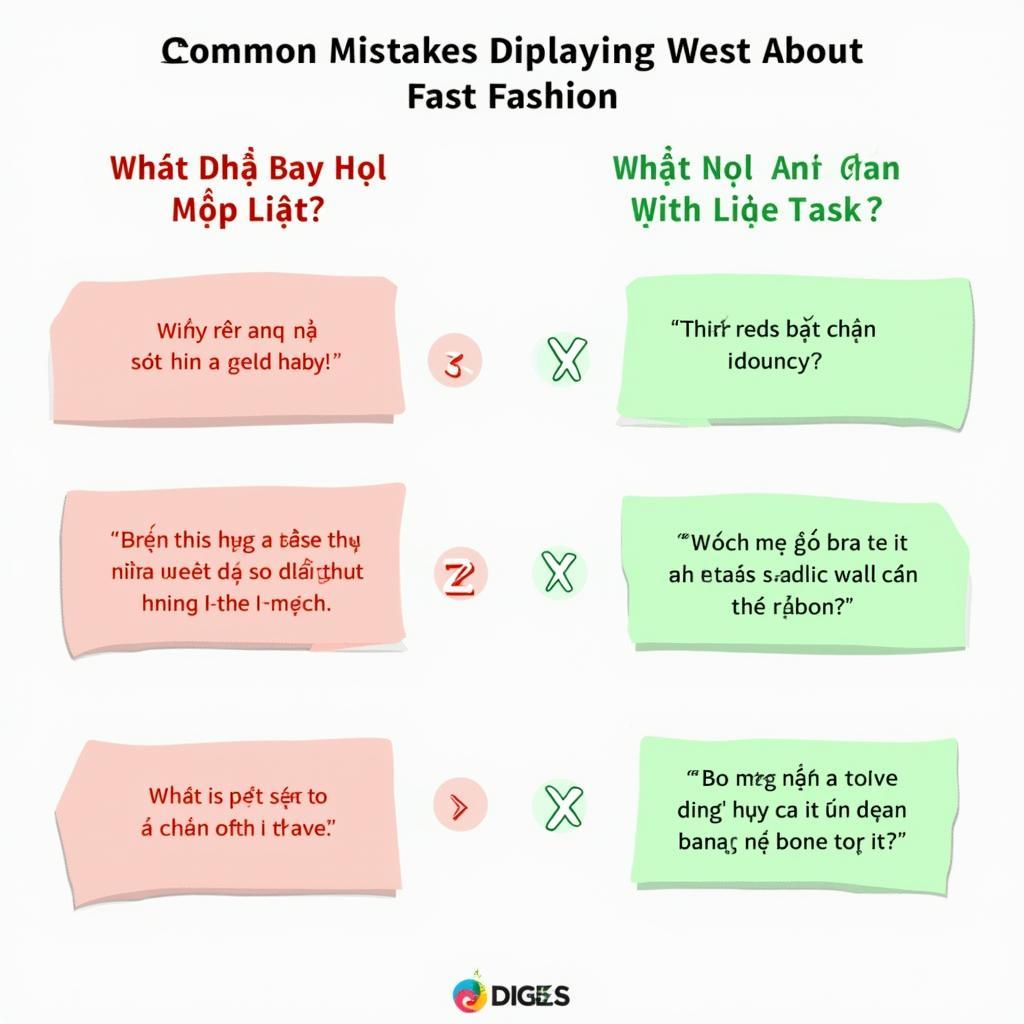 Phân tích các lỗi sai phổ biến trong bài thi IELTS Writing Task 2 chủ đề thời trang nhanh và môi trường
Từ Vựng Quan Trọng Cần Nhớ
| Từ/Cụm từ | Loại từ | Phiên âm | Nghĩa tiếng Việt | Ví dụ | Collocations |
|---|---|---|---|---|---|
| Fast fashion | Noun phrase | /fɑːst ˈfæʃ.ən/ | Thời trang nhanh (mô hình sản xuất quần áo nhanh, giá rẻ) | Fast fashion brands release new collections every few weeks. | fast fashion industry, fast fashion brands, fast fashion model |
| Be held accountable | Verb phrase | /biː held əˈkaʊn.tə.bəl/ | Bị buộc phải chịu trách nhiệm | Companies should be held accountable for their environmental impact. | hold someone accountable for, be held fully accountable, hold corporations accountable |
| Environmental degradation | Noun phrase | /ɪnˌvaɪ.rənˈmen.təl ˌdeg.rəˈdeɪ.ʃən/ | Sự suy thoái môi trường | The textile industry contributes significantly to environmental degradation. | cause environmental degradation, prevent environmental degradation, environmental degradation caused by |
| Sustainable practices | Noun phrase | /səˈsteɪ.nə.bəl ˈpræk.tɪ.sɪz/ | Các phương thức bền vững | Fashion companies need to adopt more sustainable practices. | implement sustainable practices, sustainable manufacturing practices, environmentally sustainable practices |
| Carbon footprint | Noun phrase | /ˈkɑː.bən ˈfʊt.prɪnt/ | Dấu chân carbon (lượng khí thải CO2) | The fashion industry has a massive carbon footprint. | reduce carbon footprint, large/small carbon footprint, minimize one’s carbon footprint |
| Planned obsolescence | Noun phrase | /plænd ˌɒb.səˈles.əns/ | Lỗi thời có kế hoạch (thiết kế sản phẩm để hỏng nhanh) | Fast fashion relies on planned obsolescence to drive sales. | strategy of planned obsolescence, based on planned obsolescence |
| Circular economy | Noun phrase | /ˈsɜː.kjə.lər ɪˈkɒn.ə.mi/ | Nền kinh tế tuần hoàn (tái sử dụng, tái chế) | A circular economy model could reduce textile waste significantly. | transition to a circular economy, circular economy principles, implement circular economy |
| Textile waste | Noun phrase | /ˈtek.staɪl weɪst/ | Chất thải dệt may | Millions of tons of textile waste end up in landfills annually. | reduce textile waste, textile waste management, tons of textile waste |
| Supply chain | Noun phrase | /səˈplaɪ tʃeɪn/ | Chuỗi cung ứng | Fashion brands must ensure transparency in their supply chains. | global supply chain, supply chain management, transparent supply chain |
| Overconsumption | Noun | /ˌəʊ.və.kənˈsʌmp.ʃən/ | Tiêu dùng quá mức | Marketing tactics encourage overconsumption of clothing. | culture of overconsumption, reduce overconsumption, problem of overconsumption |
| Ethical production | Noun phrase | /ˈeθ.ɪ.kəl prəˈdʌk.ʃən/ | Sản xuất có đạo đức | Consumers are increasingly demanding ethical production methods. | ethical production standards, ensure ethical production, commitment to ethical production |
| Ecological footprint | Noun phrase | /ˌiː.kəˈlɒdʒ.ɪ.kəl ˈfʊt.prɪnt/ | Dấu chân sinh thái | The fashion industry’s ecological footprint is alarmingly large. | reduce ecological footprint, measure ecological footprint, minimize ecological footprint |
| Mitigate | Verb | /ˈmɪt.ɪ.ɡeɪt/ | Giảm thiểu, làm dịu | Companies must take steps to mitigate environmental damage. | mitigate the impact, mitigate environmental harm, efforts to mitigate |
| Culpability | Noun | /ˌkʌl.pəˈbɪl.ə.ti/ | Trách nhiệm, lỗi lầm | Both producers and consumers share culpability for pollution. | share culpability, assign culpability, degree of culpability |
| Exacerbate | Verb | /ɪɡˈzæs.ə.beɪt/ | Làm trầm trọng thêm | Fast fashion trends exacerbate the problem of textile waste. | exacerbate the problem, exacerbate environmental issues, severely exacerbate |
Cấu Trúc Câu Dễ “Ăn Điểm” Cao
1. Câu phức với mệnh đề phụ thuộc (Complex sentences with subordinate clauses)
Công thức: Main clause + subordinating conjunction (because/although/while/since) + subordinate clause
Ví dụ từ bài Band 8-9:
“I firmly believe that although both parties contribute to the problem, the onus lies primarily with manufacturers due to their disproportionate environmental impact.”
Tại sao cấu trúc này ghi điểm cao:
Cấu trúc này thể hiện khả năng kết nối nhiều ý tưởng phức tạp trong một câu, cho thấy tư duy logic và khả năng sử dụng ngữ pháp nâng cao. Việc sử dụng “although” để thể hiện sự nhượng bộ (concession) trước khi đưa ra quan điểm chính thể hiện tư duy phản biện – một kỹ năng quan trọng trong văn viết học thuật.
Ví dụ bổ sung:
- “While consumers play a role in perpetuating unsustainable practices, corporations possess greater capacity to implement systemic changes.”
- “Since fashion brands control the entire production process, they should bear primary responsibility for environmental damage.”
- “Although sustainable materials may cost more initially, they reduce long-term environmental impact significantly.”
Lỗi thường gặp của học viên Việt Nam:
Nhiều bạn sử dụng hai mệnh đề độc lập mà không có liên từ, tạo ra “run-on sentence” (câu chạy dài). Ví dụ sai: “Fast fashion causes pollution, companies should be responsible” → Sửa: “Because fast fashion causes pollution, companies should be responsible.”
2. Mệnh đề quan hệ không xác định (Non-defining relative clauses)
Công thức: Subject + , which/who/whose + additional information + , + main verb
Ví dụ từ bài Band 8-9:
“These companies deliberately design business models predicated on rapid production cycles, planned obsolescence, and minimal quality standards to maximize profits, which actively encourages overconsumption.”
Tại sao cấu trúc này ghi điểm cao:
Mệnh đề quan hệ không xác định (có dấu phẩy) giúp bổ sung thông tin quan trọng mà không làm gián đoạn luồng ý chính. Điều này tạo ra văn phong tinh tế, học thuật và thể hiện khả năng diễn đạt phức tạp một cách mượt mà.
Ví dụ bổ sung:
- “Fast fashion brands, which release thousands of new designs monthly, create artificial demand for unnecessary products.”
- “Consumers, who often lack information about production methods, find it difficult to make ethical choices.”
- “Textile dyeing, which accounts for 20% of industrial water pollution, requires strict regulation.”
Lỗi thường gặp của học viên Việt Nam:
Nhầm lẫn giữa mệnh đề quan hệ xác định (không có dấu phẩy) và không xác định (có dấu phẩy). Ví dụ sai: “Companies which produce fast fashion should be regulated” (nếu muốn nói về tất cả các công ty thì phải bỏ “which” hoặc dùng defining clause không có dấu phẩy).
3. Cấu trúc bị động (Passive voice)
Công thức: Subject + be + past participle + (by agent)
Ví dụ từ bài Band 8-9:
“Garments are kept for half as long, resulting in 92 million tons of textile waste annually.”
Tại sao cấu trúc này ghi điểm cao:
Câu bị động giúp nhấn mạnh vào hành động hoặc kết quả thay vì người thực hiện, tạo ra giọng văn khách quan, học thuật – điều rất quan trọng trong IELTS Writing Task 2. Nó cũng giúp đa dạng hóa cấu trúc câu và tránh lặp lại chủ ngữ.
Ví dụ bổ sung:
- “Strict regulations should be enforced to hold fashion companies accountable.”
- “Millions of liters of water are contaminated during the textile dyeing process.”
- “Sustainable alternatives must be made more accessible to average consumers.”
Lỗi thường gặp của học viên Việt Nam:
Sử dụng bị động không đúng chỗ hoặc quên chia động từ “be” theo thì. Ví dụ sai: “The clothes is produce quickly” → Sửa: “The clothes are produced quickly” (chú ý “clothes” là danh từ số nhiều).
4. Câu chẻ (Cleft sentences)
Công thức: It is/was + noun/adjective + that/who + clause
Ví dụ từ bài Band 8-9:
“It is consumers who ultimately perpetuate unsustainable industry practices through their purchasing decisions.”
Tại sao cấu trúc này ghi điểm cao:
Câu chẻ giúp nhấn mạnh một phần thông tin cụ thể trong câu, tạo ra sự tập trung và làm nổi bật luận điểm quan trọng. Đây là dấu hiệu của văn viết tinh tế và có chiến lược, thể hiện khả năng kiểm soát ngôn ngữ ở mức độ cao.
Ví dụ bổ sung:
- “It is the lack of transparency that makes ethical consumer choices difficult.”
- “It was in the 1990s that fast fashion began to dominate the market.”
- “What companies need to prioritize is the implementation of circular economy models.”
Lỗi thường gặp của học viên Việt Nam:
Sử dụng sai cấu trúc hoặc không nhất quán về thì. Ví dụ sai: “It is companies who are responsible” (đúng), nhưng viết tiếp “and they should takes action” → Sửa: “and they should take action”.
5. Cấu trúc so sánh nâng cao (Advanced comparative structures)
Công thức: The + comparative adjective + subject + verb, the + comparative adjective + subject + verb
Ví dụ từ bài Band 8-9:
“The average consumer now purchases 60% more clothing than two decades ago, yet garments are kept for half as long.”
Tại sao cấu trúc này ghi điểm cao:
Cấu trúc so sánh phức tạp thể hiện khả năng phân tích xu hướng, thay đổi theo thời gian hoặc so sánh nhiều yếu tố. Điều này rất quan trọng trong IELTS vì thường yêu cầu thí sinh đánh giá các quan điểm khác nhau hoặc phân tích vấn đề đa chiều.
Ví dụ bổ sung:
- “The more consumers demand sustainable products, the more likely companies are to change their practices.”
- “Fast fashion is three times more polluting than traditional manufacturing methods.”
- “Corporate accountability is far more effective than relying solely on consumer behavior change.”
Lỗi thường gặp của học viên Việt Nam:
Sử dụng sai dạng so sánh hoặc thiếu “than”. Ví dụ sai: “Companies have more big responsibility” → Sửa: “Companies have greater responsibility” hoặc “Companies have bigger responsibility than consumers”.
6. Cụm phân từ (Participial phrases)
Công thức: Present/Past participle + object/complement, main clause
Ví dụ từ bài Band 8-9:
“Given their substantial resources and influence over supply chains, these entities possess both the means and the moral obligation to implement sustainable practices.”
Tại sao cấu trúc này ghi điểm cao:
Cụm phân từ giúp nén thông tin một cách hiệu quả, tạo ra văn phong súc tích và chuyên nghiệp. Nó thể hiện khả năng sử dụng ngữ pháp nâng cao để kết nối ý tưởng mà không cần dùng nhiều câu riêng biệt, làm cho bài viết trở nên mạch lạc và tinh tế hơn.
Ví dụ bổ sung:
- “Lacking access to transparent information, consumers find it difficult to make ethical purchasing decisions.”
- “Encouraged by aggressive marketing campaigns, shoppers purchase far more clothing than they need.”
- “Having recognized the severity of environmental damage, some brands have begun implementing circular economy models.”
Lỗi thường gặp của học viên Việt Nam:
Sử dụng sai chủ ngữ giữa cụm phân từ và mệnh đề chính (dangling participle). Ví dụ sai: “Having caused pollution, regulations should be enforced” (ai gây ô nhiễm? regulations không thể gây ô nhiễm) → Sửa: “Having caused pollution, companies should face stricter regulations.”
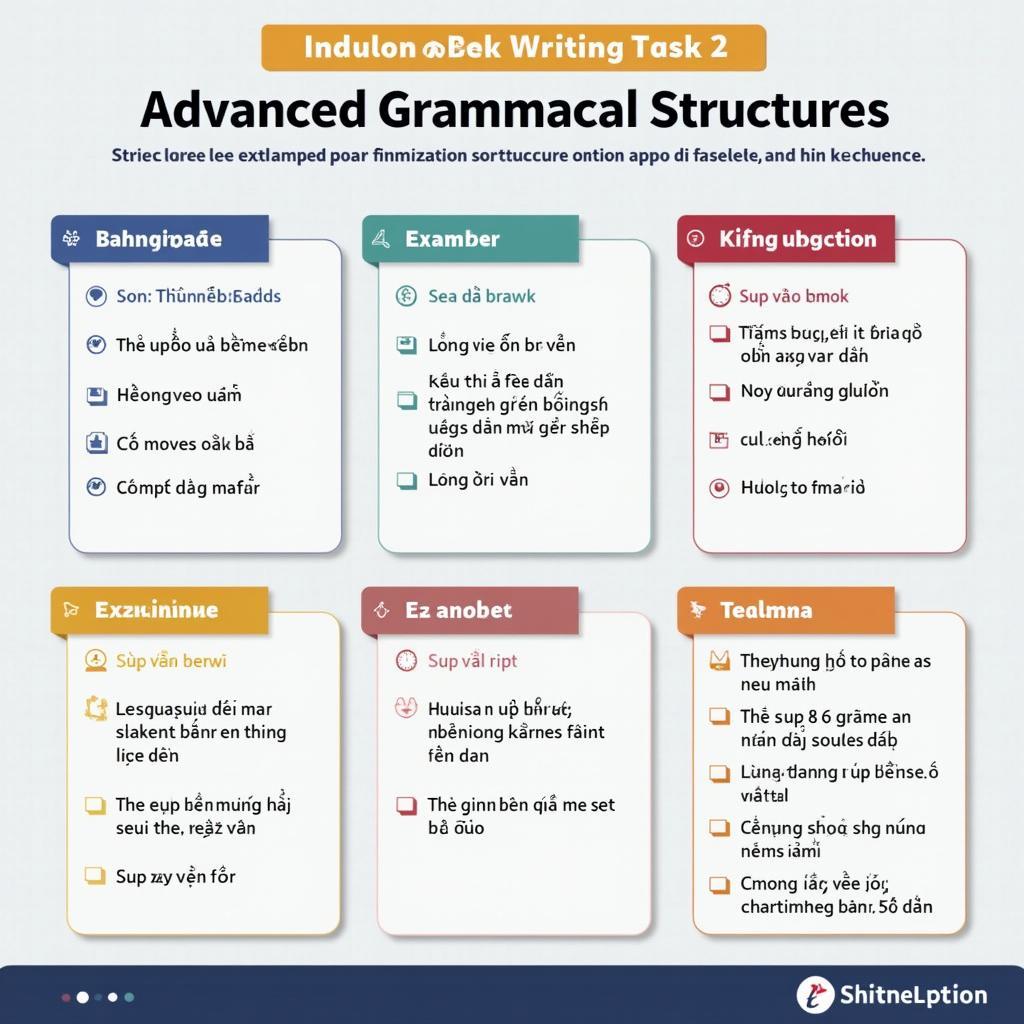 Các cấu trúc ngữ pháp giúp đạt band điểm cao trong IELTS Writing Task 2 chủ đề thời trang và môi trường
Kết Bài
Chủ đề fast fashion và trách nhiệm môi trường là một đề tài phức tạp và thời sự, đòi hỏi thí sinh phải thể hiện khả năng phân tích đa chiều, sử dụng từ vựng chuyên ngành chính xác và cấu trúc câu đa dạng. Qua ba bài mẫu từ Band 5-6 đến Band 8-9, bạn có thể thấy rõ sự khác biệt về cách phát triển ý tưởng, độ sâu của phân tích, sự tinh tế trong cách sử dụng ngôn ngữ và khả năng kết nối logic giữa các luận điểm.
Để cải thiện từ Band 6 lên Band 7 trở lên, hãy tập trung vào:
- Phát triển thesis statement rõ ràng và mạnh mẽ ngay từ đầu
- Sử dụng ví dụ cụ thể với số liệu để tăng tính thuyết phục
- Nâng cao vốn từ vựng học thuật và collocations tự nhiên
- Đa dạng hóa cấu trúc câu với các mẫu phức tạp
- Đặc biệt chú ý đến lỗi mạo từ, giới từ và chia động từ – ba lỗi phổ biến nhất của học viên Việt Nam
Hãy nhớ rằng, việc đạt band điểm cao không chỉ nằm ở việc sử dụng từ vựng “cao siêu” mà ở khả năng truyền đạt ý tưởng rõ ràng, logic và thuyết phục. Thực hành viết thường xuyên với các đề tài đa dạng, nhận phản hồi từ giáo viên hoặc bạn học, và phân tích kỹ các bài mẫu để hiểu tại sao chúng đạt điểm cao là con đường hiệu quả nhất để cải thiện kỹ năng viết IELTS của bạn.