Chủ đề đầu tư vào khám phá không gian là một trong những đề tài tranh luận sôi nổi và thường xuyên xuất hiện trong IELTS Writing Task 2. Đề tài này không chỉ kiểm tra khả năng ngôn ngữ mà còn đánh giá tư duy phản biện của thí sinh khi cân nhắc giữa lợi ích khoa học dài hạn và nhu cầu cấp thiết trước mắt của xã hội.
Trong bài viết này, bạn sẽ được học cách xây dựng lập luận chặt chẽ thông qua 3 bài mẫu đạt band 8-9, band 6.5-7 và band 5-6. Mỗi bài mẫu đều được phân tích kỹ lưỡng về điểm mạnh, điểm yếu và những kỹ thuật viết giúp nâng band điểm. Bạn cũng sẽ nắm vững kho từ vựng học thuật, các cấu trúc câu phức tạp và cách tránh những lỗi sai phổ biến của học viên Việt Nam.
Một số đề thi thực tế đã xuất hiện:
- “Some people believe that governments should invest more money in space exploration. Others think this money should be spent on solving problems on Earth. Discuss both views and give your opinion.” (Tháng 3/2023)
- “Space exploration requires vast sums of money. Is the amount of money spent on space research justifiable? Could the money be better spent?” (Tháng 11/2022)
- “Some people think that space exploration is a waste of resources while others think it is essential for mankind to continue to explore the universe. Discuss both views and give your opinion.” (Tháng 7/2023)
Đề Writing Part 2 Thực Hành
Some people believe that governments should invest more money in space exploration. Others think this money should be spent on solving problems on Earth. Discuss both views and give your opinion.
Dịch đề: Một số người tin rằng chính phủ nên đầu tư nhiều tiền hơn vào khám phá không gian. Những người khác nghĩ rằng số tiền này nên được chi cho việc giải quyết các vấn đề trên Trái Đất. Thảo luận cả hai quan điểm và đưa ra ý kiến của bạn.
Phân tích đề bài:
Đây là dạng câu hỏi “Discuss both views and give your opinion” – một trong những dạng phổ biến nhất của IELTS Writing Task 2. Đề bài yêu cầu bạn:
- Thảo luận quan điểm ủng hộ việc đầu tư vào khám phá không gian
- Thảo luận quan điểm cho rằng nên ưu tiên giải quyết vấn đề trên Trái Đất
- Đưa ra quan điểm cá nhân rõ ràng
Các thuật ngữ quan trọng cần hiểu:
- “Space exploration”: Khám phá không gian – bao gồm các chương trình nghiên cứu vũ trụ, phóng vệ tinh, tàu thám hiểm, v.v.
- “Solving problems on Earth”: Giải quyết vấn đề trên Trái Đất – đề cập đến các vấn đề xã hội như nghèo đói, giáo dục, y tế, môi trường
Những lỗi thường gặp của học viên Việt Nam:
- Chỉ thảo luận một quan điểm và bỏ qua quan điểm còn lại
- Không đưa ra quan điểm cá nhân hoặc quan điểm không rõ ràng
- Dùng ví dụ chung chung, thiếu thuyết phục
- Lạm dụng cụm từ “on the one hand… on the other hand” một cách máy móc
- Thiếu liên kết mạch lạc giữa các đoạn văn
Cách tiếp cận chiến lược:
- Đoạn mở bài: Paraphrase đề bài và nêu rõ bạn sẽ thảo luận cả hai quan điểm
- Đoạn thân bài 1: Phân tích quan điểm ủng hộ đầu tư không gian (2-3 lý do với giải thích và ví dụ)
- Đoạn thân bài 2: Phân tích quan điểm ưu tiên vấn đề Trái Đất (2-3 lý do với giải thích và ví dụ)
- Đoạn kết bài: Tóm tắt và nêu rõ quan điểm cá nhân (nên cân bằng hoặc nghiêng về một bên với lý do thuyết phục)
 Hình ảnh minh họa khám phá không gian và tàu vũ trụ trong bài viết IELTS Writing Task 2 về đầu tư khoa học
Bài Mẫu Band 8-9
Bài viết band 8-9 thể hiện khả năng sử dụng ngôn ngữ tinh tế, lập luận chặt chẽ và mạch lạc. Điểm nổi bật là sự đa dạng về từ vựng, cấu trúc câu phức tạp tự nhiên và khả năng phát triển ý sâu sắc.
The allocation of governmental budgets between space exploration initiatives and terrestrial concerns has long been a contentious issue. While some advocate for increased investment in cosmic research, others contend that these substantial funds would be better utilised addressing immediate earthly challenges. This essay will examine both perspectives before arguing that a balanced approach, prioritising urgent terrestrial needs while maintaining modest space research, represents the most prudent course of action.
Proponents of expanded space exploration funding advance several compelling arguments. Foremost among these is the potential for technological breakthroughs that frequently emerge from aerospace research. The development of satellite technology, for instance, has revolutionised global communications, weather forecasting, and disaster management systems that benefit millions of people daily. Furthermore, the quest to understand our universe addresses fundamental questions about humanity’s place in the cosmos and may ultimately prove crucial for our species’ long-term survival. Should Earth eventually become uninhabitable due to environmental degradation or natural catastrophes, having developed the capability for interplanetary colonisation could be humanity’s salvation.
Nevertheless, critics rightfully highlight the immediate and pressing challenges confronting contemporary society. Millions worldwide lack access to clean water, adequate healthcare, and basic education—problems that could be substantially ameliorated with redirected space budgets. The stark reality is that while governments invest billions in sending rovers to Mars, children in developing nations die from preventable diseases. Moreover, the escalating climate crisis demands immediate and massive financial intervention; resources allocated to space programmes could instead fund renewable energy infrastructure, reforestation projects, and carbon capture technologies. From this perspective, space exploration appears to be a luxury that societies grappling with fundamental survival issues can ill afford.
In my view, while space research undeniably yields valuable insights and technologies, governments should adopt a calibrated approach that prioritises terrestrial welfare without completely abandoning cosmic exploration. Essential humanitarian needs and environmental sustainability must take precedence, yet maintaining a modest investment in space science ensures continued innovation and long-term preparedness. The optimal strategy involves reducing, rather than eliminating, space budgets while dramatically increasing funding for education, healthcare, and climate action—a compromise that addresses present necessities while preserving future possibilities.
(382 words)
Phân Tích Band Điểm
| Tiêu chí | Band | Nhận xét |
|---|---|---|
| Task Response (Hoàn thành yêu cầu) | 9 | Bài viết thảo luận toàn diện cả hai quan điểm với độ sâu ấn tượng. Quan điểm cá nhân rõ ràng, nhất quán và được phát triển logic xuyên suốt bài. Các ý tưởng được mở rộng đầy đủ với giải thích chi tiết và ví dụ thuyết phục. |
| Coherence & Cohesion (Mạch lạc & Liên kết) | 9 | Cấu trúc bài rất chặt chẽ với luồng ý tưởng tự nhiên. Sử dụng các từ nối tinh tế như “Nevertheless”, “Moreover”, “Foremost among these” thay vì các cụm đơn giản. Mỗi đoạn có chủ đề rõ ràng và phát triển mạch lạc. Câu kết nối giữa các đoạn rất mượt mà. |
| Lexical Resource (Từ vựng) | 9 | Từ vựng học thuật phong phú và chính xác tuyệt đối: “contentious issue”, “cosmic research”, “terrestrial concerns”, “ameliorated”, “interplanetary colonisation”. Collocations tự nhiên và tinh tế. Không có lỗi từ vựng, sử dụng paraphrase hiệu quả. |
| Grammatical Range & Accuracy (Ngữ pháp) | 9 | Sử dụng đa dạng cấu trúc câu phức: câu điều kiện (Should Earth become…), mệnh đề quan hệ không xác định, cấu trúc đảo ngữ, câu phức nhiều mệnh đề. Không có lỗi ngữ pháp đáng kể. Câu văn dài nhưng vẫn rõ ràng và dễ hiểu. |
Các Yếu Tố Giúp Bài Này Được Chấm Điểm Cao
-
Paraphrase đề bài tinh tế ngay câu mở đầu: Thay vì lặp lại “space exploration”, tác giả sử dụng “space exploration initiatives” và “cosmic research”. “Problems on Earth” được chuyển thành “terrestrial concerns” và “earthly challenges”.
-
Sử dụng từ nối học thuật thay vì cơ bản: Thay vì “Firstly/Secondly”, bài viết dùng “Foremost among these”, “Furthermore”, “Nevertheless”, “Moreover” – thể hiện trình độ ngôn ngữ cao.
-
Phát triển ý sâu sắc với chuỗi logic: Ví dụ về công nghệ vệ tinh không chỉ đề cập chung chung mà liệt kê cụ thể các lợi ích (communications, weather forecasting, disaster management) và nhấn mạnh tác động (benefit millions of people daily).
-
Câu chủ đề mỗi đoạn rõ ràng và mạnh mẽ: “Proponents of expanded space exploration funding advance several compelling arguments” và “Nevertheless, critics rightfully highlight the immediate and pressing challenges” giúp người đọc nắm ngay hướng phát triển của đoạn văn.
-
Quan điểm cá nhân được trình bày tinh tế: Thay vì “I think”, tác giả dùng “In my view” kết hợp với “a calibrated approach” – thể hiện sự cân nhắc thấu đáo và không cực đoan.
-
Sử dụng thành thạo câu điều kiện phức tạp: “Should Earth eventually become uninhabitable” thể hiện cấu trúc đảo ngữ với câu điều kiện loại 1, tạo tính học thuật cao.
-
Kết bài không chỉ tóm tắt mà đưa ra giải pháp cụ thể: “The optimal strategy involves reducing, rather than eliminating” cho thấy khả năng tổng hợp và đề xuất cân bằng – điều mà giám khảo đánh giá cao.
Bài Mẫu Band 6.5-7
Bài viết band 6.5-7 thể hiện khả năng ngôn ngữ tốt với ý tưởng rõ ràng, nhưng chưa đạt được sự tinh tế và sâu sắc của band 8-9. Từ vựng và ngữ pháp đa dạng nhưng vẫn còn một số điểm có thể cải thiện.
The question of whether governments should spend more money on space exploration or focus on Earth’s problems is widely debated. While some people think that exploring space is important for scientific progress, others believe that this money should be used to solve urgent issues on our planet. In this essay, I will discuss both views and give my own opinion.
On the one hand, there are several reasons why space exploration deserves more investment. Firstly, it can lead to important scientific discoveries that benefit humanity. For example, research conducted in space has helped develop new technologies like GPS systems and weather satellites, which we use every day. Secondly, studying space helps us understand more about our universe and might even help us find solutions to problems on Earth. Additionally, if Earth becomes too polluted or overcrowded in the future, we might need to find other planets to live on, which is why space research is essential for our long-term survival.
On the other hand, many people argue that governments should prioritise solving problems on Earth first. There are millions of people who lack basic necessities such as clean water, food, and healthcare. The money spent on space missions could instead be used to build hospitals, schools, and infrastructure in poor countries. Furthermore, our planet faces serious environmental challenges like climate change and pollution, which require immediate action and substantial funding. It seems illogical to spend billions on exploring distant planets when we cannot even take care of our own planet properly.
In my opinion, while space exploration is valuable, governments should focus more on addressing urgent problems on Earth. Basic human needs and environmental protection should be the top priority. However, this does not mean we should completely stop space research. A reasonable approach would be to reduce space budgets and redirect most of the funds to solve pressing issues like poverty, disease, and climate change, while keeping some investment in space science for future benefits.
In conclusion, although both space exploration and Earth’s problems are important, I believe that governments should allocate more resources to solving immediate challenges facing humanity while maintaining a modest level of space research.
(371 words)
Phân Tích Band Điểm
| Tiêu chí | Band | Nhận xét |
|---|---|---|
| Task Response (Hoàn thành yêu cầu) | 7 | Bài viết đáp ứng đầy đủ yêu cầu với cả hai quan điểm được thảo luận và có quan điểm cá nhân rõ ràng. Ý tưởng được phát triển hợp lý nhưng chưa sâu sắc như band 8-9. Ví dụ cụ thể nhưng phân tích chưa chi tiết. |
| Coherence & Cohesion (Mạch lạc & Liên kết) | 6.5 | Cấu trúc rõ ràng với các đoạn văn logic. Sử dụng từ nối cơ bản như “Firstly”, “Secondly”, “Furthermore” – hiệu quả nhưng đơn giản. Thiếu sự liên kết tinh tế giữa các ý trong cùng một đoạn. |
| Lexical Resource (Từ vựng) | 6.5 | Từ vựng đa dạng và phù hợp với chủ đề: “scientific discoveries”, “urgent issues”, “basic necessities”, “environmental challenges”. Có một số collocations tốt nhưng vẫn lặp lại từ “problems” và “money” nhiều lần. Thiếu từ vựng học thuật cao cấp. |
| Grammatical Range & Accuracy (Ngữ pháp) | 7 | Sử dụng tốt nhiều cấu trúc: câu điều kiện (if Earth becomes…), mệnh đề quan hệ (which is why…), so sánh. Có sự đa dạng nhưng chưa phức tạp như band 8. Không có lỗi ngữ pháp nghiêm trọng, chỉ có vài lỗi nhỏ không ảnh hưởng nghĩa. |
So Sánh Với Bài Band 8-9
Về mở bài:
- Band 8-9: “The allocation of governmental budgets between space exploration initiatives and terrestrial concerns has long been a contentious issue” – câu mở đầu mạnh mẽ với từ vựng học thuật cao
- Band 6.5-7: “The question of whether governments should spend more money on space exploration or focus on Earth’s problems is widely debated” – rõ ràng nhưng đơn giản hơn
Về phát triển ý:
- Band 8-9: Mỗi ý được phát triển với chuỗi logic: đưa ra luận điểm → giải thích cụ thể → ví dụ chi tiết → phân tích tác động
- Band 6.5-7: Ý tưởng được trình bày nhưng thiếu độ sâu. Ví dụ: “research conducted in space has helped develop new technologies like GPS” – đề cập nhưng không giải thích cách nó benefit humanity cụ thể như thế nào
Về từ vựng:
- Band 8-9: Sử dụng paraphrase liên tục (“cosmic research”, “terrestrial welfare”, “ameliorated”, “interplanetary colonisation”)
- Band 6.5-7: Lặp lại từ “problems”, “money”, “space exploration” nhiều lần thay vì paraphrase
Về cấu trúc câu:
- Band 8-9: Câu phức tạp tự nhiên với nhiều mệnh đề phụ thuộc, đảo ngữ
- Band 6.5-7: Câu đa dạng nhưng chủ yếu ở mức độ trung bình, ít cấu trúc phức tạp
Về quan điểm cá nhân:
- Band 8-9: “a calibrated approach that prioritises terrestrial welfare without completely abandoning cosmic exploration” – quan điểm tinh tế, cân bằng
- Band 6.5-7: “governments should focus more on addressing urgent problems on Earth” – rõ ràng nhưng đơn giản hơn
Bài Mẫu Band 5-6
Bài viết band 5-6 thể hiện khả năng diễn đạt ý tưởng cơ bản nhưng còn nhiều hạn chế về từ vựng, ngữ pháp và cách phát triển ý. Đây là những lỗi sai điển hình mà học viên Việt Nam thường mắc phải.
Nowadays, the space exploration is a hot topic that many people discuss about. Some people think government should spend more money to explore the space, but other people think this money should use for solving problems on Earth. In my essay, I will discuss both of these opinions.
First, I will talk about why space exploration is important. Space exploration can help us to know more about universe and find new things. For example, scientists can find new planet and maybe we can live there in future if Earth have too many problems. Also, when we do research in space, we can invent new technology that useful for people on Earth. Like GPS and satellite, they come from space research and now everyone use them everyday. So space exploration have many benefits for human.
However, there are many people who think spending money on Earth problems is more important than space. Because there are many poor people in the world who don’t have food, water and house. If government use money from space programs to help these people, their life will be better. Another reason is environment problems are very serious now. Climate change, pollution and global warming is happening and we need money to fix these problems. Some people think we should solve problems on Earth first before we think about space.
In my opinion, I think both of them are important but Earth problems should be more priority. Because if we don’t solve Earth problems, maybe we cannot live here anymore. But space exploration is also need because it can help us in future. Government should spend more money on Earth problems but still keep some money for space research.
To conclude, space exploration and Earth problems both important. Government should think carefully about how to use money. I believe they should focus on Earth problems first but don’t stop space research completely.
(320 words)
Phân Tích Band Điểm
| Tiêu chí | Band | Nhận xét |
|---|---|---|
| Task Response (Hoàn thành yêu cầu) | 5.5 | Bài viết đề cập đến cả hai quan điểm và có ý kiến cá nhân, nhưng phát triển ý còn hời hợt và chung chung. Thiếu ví dụ cụ thể và giải thích sâu. Một số ý tưởng bị lặp lại giữa các đoạn. |
| Coherence & Cohesion (Mạch lạc & Liên kết) | 5 | Có cấu trúc cơ bản nhưng liên kết giữa các câu và đoạn còn máy móc. Sử dụng “First”, “However”, “In my opinion” một cách đơn giản. Thiếu progression tự nhiên trong phát triển ý. Một số câu không liên kết rõ ràng với nhau. |
| Lexical Resource (Từ vựng) | 5 | Từ vựng hạn chế và lặp lại nhiều: “problems”, “money”, “important” xuất hiện liên tục. Có lỗi word choice: “discuss about” (thừa about), “use” thay vì “be used”. Thiếu từ vựng học thuật và paraphrase. |
| Grammatical Range & Accuracy (Ngữ pháp) | 5.5 | Nhiều lỗi ngữ pháp ảnh hưởng đến ý nghĩa: thiếu mạo từ (the space exploration), lỗi số ít số nhiều (technology that useful), lỗi thì (if Earth have), lỗi dạng từ (is more priority). Cấu trúc câu đơn giản và lặp lại. |
Những Lỗi Sai Của Bài – Phân Tích & Giải Thích
| Lỗi sai | Loại lỗi | Sửa lại | Giải thích |
|---|---|---|---|
| the space exploration | Lỗi mạo từ | space exploration | “Space exploration” là danh từ không đếm được chỉ khái niệm chung, không cần mạo từ “the”. Đây là lỗi rất phổ biến của học viên Việt Nam vì tiếng Việt không có mạo từ. |
| discuss about | Lỗi giới từ thừa | discuss | Động từ “discuss” là ngoại động từ (transitive verb), không cần giới từ theo sau. Nhiều học viên Việt dùng thừa “about” vì bị ảnh hưởng từ “talk about”, “think about”. |
| this money should use | Lỗi thể bị động | this money should be used | Câu cần dùng bị động vì “money” không thể tự “use”, mà bị “used”. Cấu trúc đúng: should + be + past participle. |
| if Earth have | Lỗi chia động từ | if Earth has | “Earth” là chủ ngữ số ít nên động từ phải chia “has”. Trong câu điều kiện loại 1, mệnh đề if dùng thì hiện tại đơn. |
| technology that useful | Lỗi mệnh đề quan hệ | technology that is useful | Thiếu động từ “is” trong mệnh đề quan hệ. “That” là đại từ quan hệ làm chủ ngữ, cần có động từ theo sau. |
| space exploration have | Lỗi số ít số nhiều | space exploration has | “Space exploration” là danh từ số ít nên động từ phải chia “has”, không phải “have”. |
| is more priority | Lỗi dạng từ | should be a higher priority / should be prioritised | “Priority” là danh từ, không thể dùng với “more” trực tiếp. Cần dùng tính từ “higher” hoặc chuyển sang động từ “prioritise”. |
| is also need | Lỗi dạng từ | is also needed | Sau “is” cần dùng tính từ hoặc quá khứ phân từ trong câu bị động. “Need” là động từ nên phải chuyển thành “needed”. |
| both important | Thiếu động từ | are both important | Câu hoàn chỉnh cần có động từ. Đây là lỗi thiếu động từ “to be” – rất phổ biến vì tiếng Việt có thể lược bỏ “là” trong một số ngữ cảnh. |
Cách Cải Thiện Từ Band 6 Lên Band 7
-
Mở rộng và làm sâu ý tưởng: Thay vì chỉ nói “space exploration can help us to know more about universe”, hãy giải thích cụ thể: “Space exploration enhances our understanding of fundamental cosmic phenomena, such as black holes and dark matter, which could eventually lead to technological breakthroughs.”
-
Sử dụng từ vựng học thuật và paraphrase: Thay vì lặp lại “problems” nhiều lần, hãy dùng: “challenges”, “issues”, “concerns”, “crises”. Thay “important” bằng “crucial”, “essential”, “vital”, “significant”.
-
Cải thiện liên kết giữa các câu: Thay vì dùng “Also”, “Another reason”, hãy dùng: “Furthermore”, “Moreover”, “In addition to this”, “Another compelling argument is that…”
-
Sửa lỗi ngữ pháp cơ bản: Chú ý mạo từ (a/an/the), chia động từ số ít số nhiều, thì động từ và cấu trúc bị động. Đây là những lỗi ảnh hưởng trực tiếp đến band điểm.
-
Phát triển câu phức tạp hơn: Thay vì nhiều câu đơn, hãy kết hợp bằng mệnh đề quan hệ, mệnh đề trạng ngữ: “While space exploration offers long-term benefits, immediate terrestrial challenges, such as poverty and climate change, demand urgent attention and substantial resources.”
-
Đưa ví dụ cụ thể và phân tích: Thay vì chỉ nói “GPS and satellite”, hãy giải thích: “GPS technology, initially developed for military space applications, now underpins global logistics, emergency services, and everyday navigation for billions of users.”
-
Tránh câu văn chung chung: Câu như “both of them are important” quá mơ hồ. Hãy cụ thể: “While both domains merit investment, the allocation should reflect the urgency of immediate human needs versus long-term scientific aspirations.”
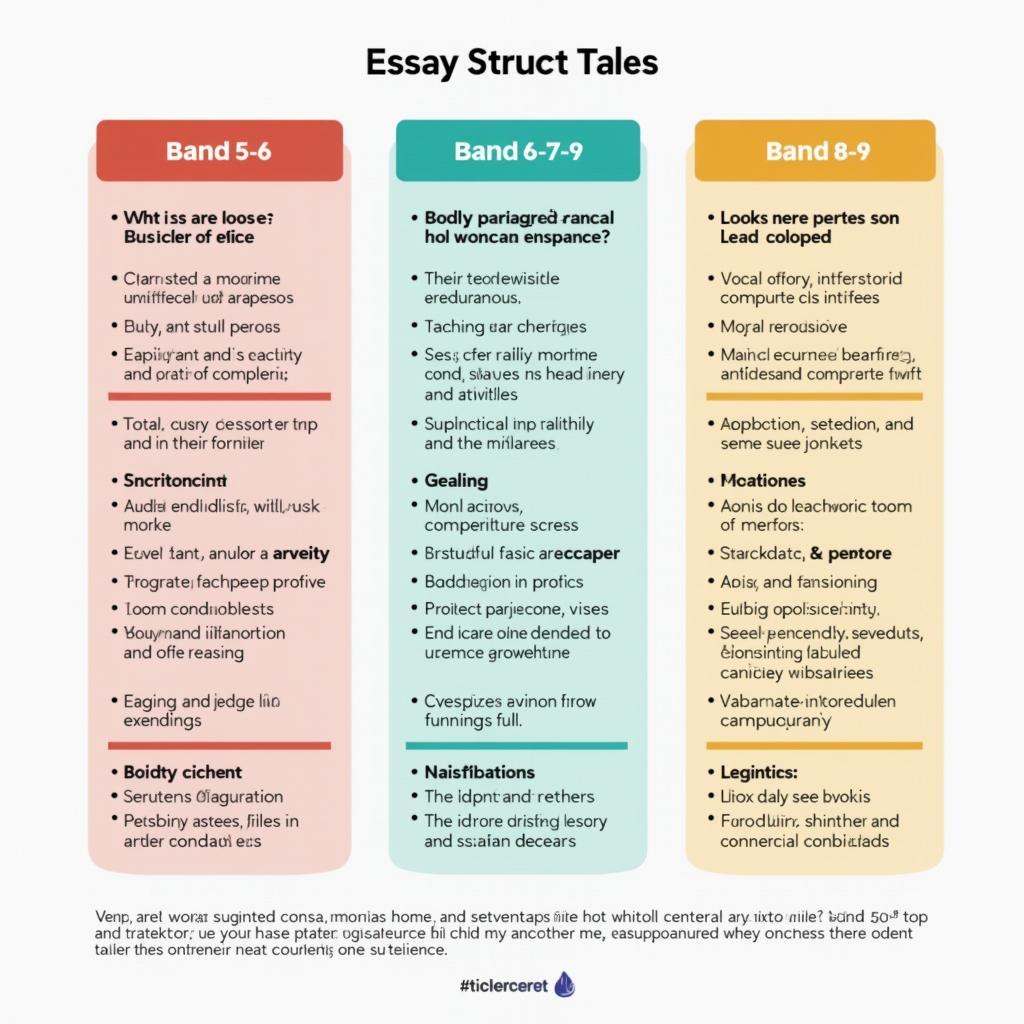 So sánh cấu trúc và band điểm các bài mẫu IELTS Writing Task 2 về đầu tư khám phá không gian
Từ Vựng Quan Trọng Cần Nhớ
| Từ/Cụm từ | Loại từ | Phiên âm | Nghĩa tiếng Việt | Ví dụ | Collocations |
|---|---|---|---|---|---|
| space exploration | noun phrase | /speɪs ˌekspləˈreɪʃən/ | khám phá không gian | Space exploration has led to numerous technological innovations. | space exploration initiatives, deep space exploration, human space exploration |
| terrestrial concerns | noun phrase | /təˈrestriəl kənˈsɜːnz/ | các vấn đề trên mặt đất | Governments must balance cosmic ambitions with terrestrial concerns. | immediate terrestrial concerns, pressing terrestrial issues |
| allocate resources | verb phrase | /ˈæləkeɪt rɪˈsɔːsɪz/ | phân bổ nguồn lực | Countries should allocate resources more wisely. | allocate financial resources, allocate government resources, efficiently allocate |
| contentious issue | noun phrase | /kənˈtenʃəs ˈɪʃuː/ | vấn đề gây tranh cãi | Funding priorities remain a contentious issue among policymakers. | highly contentious issue, politically contentious, contentious debate |
| technological breakthrough | noun phrase | /ˌteknəˈlɒdʒɪkəl ˈbreɪkθruː/ | đột phá công nghệ | Space research often leads to unexpected technological breakthroughs. | major technological breakthrough, achieve a breakthrough, scientific breakthrough |
| ameliorate | verb | /əˈmiːliəreɪt/ | cải thiện, làm tốt hơn | These funds could ameliorate living conditions in impoverished regions. | ameliorate problems, ameliorate conditions, significantly ameliorate |
| interplanetary colonisation | noun phrase | /ˌɪntəˈplænətri ˌkɒlənaɪˈzeɪʃən/ | việc định cư liên hành tinh | Interplanetary colonisation may become necessary for human survival. | enable interplanetary colonisation, potential for colonisation |
| pressing challenges | noun phrase | /ˈpresɪŋ ˈtʃælɪndʒɪz/ | những thách thức cấp bách | Climate change presents one of humanity’s most pressing challenges. | address pressing challenges, face pressing challenges, urgent and pressing |
| substantial funding | noun phrase | /səbˈstænʃəl ˈfʌndɪŋ/ | nguồn vốn lớn | Environmental protection requires substantial funding and commitment. | require substantial funding, provide substantial funding, secure funding |
| calibrated approach | noun phrase | /ˈkælɪbreɪtɪd əˈprəʊtʃ/ | cách tiếp cận cân nhắc kỹ | A calibrated approach balances immediate needs with future planning. | adopt a calibrated approach, carefully calibrated, calibrated strategy |
| cosmic research | noun phrase | /ˈkɒzmɪk rɪˈsɜːtʃ/ | nghiên cứu vũ trụ | Cosmic research expands our understanding of the universe. | conduct cosmic research, fundamental cosmic research |
| preventable diseases | noun phrase | /prɪˈventəbəl dɪˈziːzɪz/ | các bệnh có thể phòng ngừa | Millions die annually from preventable diseases. | die from preventable diseases, reduce preventable diseases |
| environmental degradation | noun phrase | /ɪnˌvaɪrənˈmentəl ˌdeɡrəˈdeɪʃən/ | sự suy thoái môi trường | Environmental degradation threatens global food security. | severe environmental degradation, prevent degradation, combat degradation |
| redirect funds | verb phrase | /ˌriːdaɪˈrekt fʌndz/ | chuyển hướng nguồn vốn | We should redirect funds from military spending to education. | redirect public funds, redirect government resources |
| long-term survival | noun phrase | /lɒŋ tɜːm səˈvaɪvəl/ | sự tồn tại lâu dài | Space exploration is crucial for humanity’s long-term survival. | ensure long-term survival, threaten survival, species survival |
Cấu Trúc Câu Dễ “Ăn Điểm” Cao
1. Cấu trúc đảo ngữ với “Should” (Câu điều kiện loại 1)
Công thức: Should + S + V (bare infinitive), S + will/may/could + V
Ví dụ từ bài Band 8-9:
“Should Earth eventually become uninhabitable due to environmental degradation or natural catastrophes, having developed the capability for interplanetary colonisation could be humanity’s salvation.”
Tại sao cấu trúc này ghi điểm cao:
Đảo ngữ với “Should” thể hiện trình độ ngữ pháp cao cấp và tạo phong cách trang trọng, học thuật. Thay vì dùng cấu trúc “If Earth becomes…”, việc đảo ngữ cho thấy sự tinh tế trong cách diễn đạt điều kiện giả định. Đây là dấu hiệu đặc trưng của band 8-9.
Tương tự, việc thảo luận về why countries should collaborate on space exploration cũng đòi hỏi khả năng sử dụng các cấu trúc câu phức tạp như vậy để trình bày lập luận thuyết phục.
Ví dụ bổ sung:
- Should governments fail to address climate change immediately, future generations will face catastrophic consequences.
- Should technology continue advancing at this rate, many traditional jobs could become obsolete within decades.
- Should funding for education be increased, social mobility rates would likely improve significantly.
Lỗi thường gặp của học viên Việt Nam:
Nhiều học viên quên đảo ngữ động từ chính hoặc dùng sai thì: “Should Earth will become” (sai) thay vì “Should Earth become” (đúng). Một số học viên cũng lẫn lộn với cấu trúc “Should have + past participle” (dùng cho điều kiện loại 3).
2. Mệnh đề quan hệ không xác định (Non-defining relative clauses)
Công thức: S, which/who + V…, V
Ví dụ từ bài Band 8-9:
“The development of satellite technology, for instance, has revolutionised global communications, weather forecasting, and disaster management systems that benefit millions of people daily.”
Tại sao cấu trúc này ghi điểm cao:
Mệnh đề quan hệ không xác định giúp bổ sung thông tin mà không làm gián đoạn luồng ý chính. Dấu phзапятая (,) trước “which/who” cho thấy khả năng punctuation chính xác. Cấu trúc này tạo câu dài, phức tạp nhưng vẫn rõ ràng – đặc điểm của band 8-9.
Ví dụ bổ sung:
- Space research, which requires enormous investments, has yielded numerous practical applications for everyday life.
- Climate scientists, who have been warning about global warming for decades, are increasingly concerned about the current trajectory.
- Renewable energy technologies, which have become significantly more affordable, now offer viable alternatives to fossil fuels.
Lỗi thường gặp của học viên Việt Nam:
Quên dấu phẩy hoặc dùng “that” thay vì “which” trong mệnh đề không xác định. Lỗi phổ biến: “Space research that requires enormous investments…” (sai – thiếu dấu phẩy và dùng sai “that”).
3. Cụm phân từ (Participle phrases) mở đầu câu
Công thức: V-ing/Having + past participle…, S + V
Ví dụ từ bài Band 8-9:
“Having developed the capability for interplanetary colonisation could be humanity’s salvation.”
Tại sao cấu trúc này ghi điểm cao:
Cụm phân từ giúp nén thông tin và tạo câu súc tích hơn. “Having + past participle” thể hiện hành động đã hoàn thành trước hành động chính, cho thấy hiểu biết sâu về thì và thứ tự thời gian. Đây là cấu trúc mà giám khảo tìm kiếm ở band 8-9.
Ví dụ bổ sung:
- Recognising the urgency of climate action, many governments have committed to net-zero emissions targets.
- Having witnessed the devastating effects of poverty, policymakers are increasingly prioritising social welfare programmes.
- Considering the rapid pace of technological change, educational systems must adapt to prepare students for future careers.
Lỗi thường gặp của học viên Việt Nam:
Dangling modifier – cụm phân từ không liên quan đến chủ ngữ chính. Ví dụ sai: “Having limited resources, space exploration seems unaffordable” (sai – ai/cái gì có limited resources?). Đúng: “Having limited resources, governments find space exploration unaffordable.”
4. Câu chẻ (Cleft sentences) để nhấn mạnh
Công thức: It is/was + noun/noun phrase + that/who + V
Ví dụ từ bài Band 8-9:
“The stark reality is that while governments invest billions in sending rovers to Mars, children in developing nations die from preventable diseases.”
Tại sao cấu trúc này ghi điểm cao:
Câu chẻ tập trung sự chú ý vào thông tin cụ thể, tạo hiệu quả nhấn mạnh mạnh mẽ. Cấu trúc này phức tạp hơn câu đơn và thể hiện khả năng điều khiển thông tin trong câu – kỹ năng của band 8-9. Đặc biệt hiệu quả khi muốn làm nổi bật sự mâu thuẫn hoặc vấn đề quan trọng.
Ví dụ bổ sung:
- It is the lack of political will, rather than financial constraints, that prevents effective climate action.
- It was the industrial revolution that fundamentally transformed human society and our relationship with nature.
- What concerns environmentalists most is the irreversible damage to ecosystems.
Lỗi thường gặp của học viên Việt Nam:
Quên động từ “to be” hoặc dùng sai: “It the lack of funding that…” (thiếu is). Hoặc dùng “which” thay vì “that”: “It is poverty which causes…” (kém tự nhiên hơn “that”).
5. Cấu trúc “Foremost among…” để sắp xếp ý tưởng
Công thức: Foremost among + noun + be + noun clause/noun phrase
Ví dụ từ bài Band 8-9:
“Foremost among these is the potential for technological breakthroughs that frequently emerge from aerospace research.”
Tại sao cấu trúc này ghi điểm cao:
Đây là cách nâng cao để thay thế “Firstly” hay “The first reason is…”. “Foremost among” tạo phong cách học thuật trang trọng và thể hiện khả năng ưu tiên thông tin một cách tinh tế. Giám khảo đánh giá cao cách sử dụng varied discourse markers thay vì các cụm đơn giản.
Khi viết về các chủ đề liên quan như The role of space exploration in technological advancement, việc sử dụng cấu trúc này giúp bạn trình bày các luận điểm một cách chuyên nghiệp hơn.
Ví dụ bổ sung:
- Foremost among the challenges facing modern education is the need to integrate digital literacy skills.
- Foremost among environmental concerns is the accelerating loss of biodiversity.
- Foremost among these considerations is ensuring equitable access to healthcare for all citizens.
Lỗi thường gặp của học viên Việt Nam:
Dùng sai động từ số ít/nhiều: “Foremost among these are…” khi chủ ngữ thực sự là số ít. Hoặc quên đảo ngữ: “The potential for breakthroughs is foremost among these” (kém hiệu quả hơn).
6. Cấu trúc so sánh đối lập (Contrastive comparative structures)
Công thức: While/Whereas S + V…, S + V… / S + V…, whereas S + V…
Ví dụ từ bài Band 8-9:
“While governments invest billions in sending rovers to Mars, children in developing nations die from preventable diseases.”
Tại sao cấu trúc này ghi điểm cao:
Cấu trúc này tạo sự đối lập mạnh mẽ, làm nổi bật mâu thuẫn giữa hai ý tưởng. Nó phức tạp hơn “However” hay “On the other hand” và cho phép diễn đạt hai ý tưởng tương phản trong cùng một câu, thể hiện khả năng kiểm soát syntax tốt – đặc điểm band 8-9.
Ví dụ bổ sung:
- While wealthy nations debate space tourism, millions lack access to clean drinking water.
- Whereas previous generations prioritised economic growth, modern societies increasingly value environmental sustainability.
- Some advocate for increased military spending, whereas others argue these funds should support education and healthcare.
Lỗi thường gặp của học viên Việt Nam:
Nhầm lẫn “while” với “during” (While I studied vs During my studies). Hoặc dùng cả “while” và “but” trong cùng một câu: “While some agree, but others disagree” (thừa “but”).
 Bảng từ vựng học thuật quan trọng cho bài IELTS Writing Task 2 về chủ đề đầu tư khám phá không gian
Thảo luận về vai trò của công nghệ hiện đại trong các lĩnh vực khác như role of AI in solving public health challenges cũng đòi hỏi sự vận dụng linh hoạt các cấu trúc câu phức tạp tương tự.
Kết Bài
Chủ đề “Should Governments Invest More In Space Exploration” là một đề tài tranh luận cân não đòi hỏi khả năng phân tích đa chiều và cân bằng giữa các lợi ích ngắn hạn và dài hạn. Qua ba bài mẫu với các band điểm khác nhau, bạn đã thấy rõ sự khác biệt quan trọng trong cách phát triển ý tưởng, sử dụng từ vựng và cấu trúc ngữ pháp.
Điểm then chốt để đạt band cao không phải là viết phức tạp một cách giả tạo, mà là khả năng diễn đạt ý tưởng sâu sắc một cách rõ ràng, logic với ngôn ngữ học thuật tự nhiên. Hãy chú trọng vào việc phát triển mỗi luận điểm với giải thích cụ thể và ví dụ thuyết phục, thay vì chỉ liệt kê ý tưởng hời hợt.
Khi luyện tập với chủ đề này và các chủ đề toàn cầu tương tự như space exploration benefits hay climate change and natural disasters, hãy tập trung vào:
- Paraphrase linh hoạt để tránh lặp từ
- Phát triển ý sâu bằng cách giải thích “why” và “how”, không chỉ “what”
- Sử dụng đa dạng cấu trúc câu một cách tự nhiên, không gượng ép
- Chú ý đến cohesion với các linking words tinh tế thay vì cơ bản
Đừng quên rằng việc cải thiện từ band 6 lên 7 hay từ 7 lên 8 đòi hỏi thời gian và thực hành đều đặn. Hãy phân tích kỹ các bài mẫu, học từ vựng trong ngữ cảnh và áp dụng các cấu trúc câu vào bài viết của chính bạn. Thực hành viết thường xuyên với nhiều đề tài khác nhau sẽ giúp bạn phát triển sự linh hoạt trong tư duy và diễn đạt – chìa khóa để đạt điểm cao trong IELTS Writing Task 2.
Chúc bạn học tập hiệu quả và đạt được band điểm mục tiêu!