Trong những năm gần đây, chủ đề về giáo dục thể chất và vai trò của các chương trình thể thao trong môi trường học thuật đã trở thành một đề tài phổ biến trong kỳ thi IELTS Writing Task 2. Đặc biệt với sự gia tăng các vấn đề về sức khỏe và lối sống ít vận động ở sinh viên, câu hỏi liệu các chương trình thể thao có nên trở thành bắt buộc trong giáo dục đại học hay không đã xuất hiện trong nhiều đề thi thực tế.
Bài viết này sẽ cung cấp cho bạn một cái nhìn toàn diện về chủ đề này thông qua:
- 3 bài mẫu hoàn chỉnh ở các band điểm khác nhau (Band 8-9, Band 6.5-7, và Band 5-6)
- Phân tích chi tiết về điểm mạnh và điểm yếu của từng bài
- Hướng dẫn cụ thể cách cải thiện từ band thấp lên cao
- Từ vựng quan trọng và cấu trúc câu dễ “ăn điểm”
Chủ đề này đã xuất hiện trong các đề thi thực tế như:
- “Some people think that physical education classes should be compulsory for all university students. Others believe that students should be free to choose. Discuss both views and give your opinion.” (IDP, tháng 3/2023)
- “University students should be required to attend physical education classes. To what extent do you agree or disagree?” (British Council, tháng 9/2022)
Hiểu rõ cách tiếp cận đề bài này không chỉ giúp bạn đạt điểm cao mà còn rèn luyện khả năng lập luận logic và trình bày ý kiến một cách thuyết phục.
Đề Writing Task 2 Thực Hành
Some people believe that sports programs should be mandatory in higher education to promote health and well-being. Others argue that students should have the freedom to decide how they spend their time. Discuss both views and give your own opinion.
Dịch đề: Một số người tin rằng các chương trình thể thao nên là bắt buộc trong giáo dục đại học để thúc đẩy sức khỏe và tinh thần sảng khoái. Những người khác cho rằng sinh viên nên có quyền tự do quyết định cách họ sử dụng thời gian của mình. Thảo luận cả hai quan điểm và đưa ra ý kiến của bạn.
Phân tích đề bài:
Đây là dạng câu hỏi Discuss both views and give your opinion – một trong những dạng phổ biến nhất của IELTS Writing Task 2. Yêu cầu cụ thể bao gồm:
- Thảo luận quan điểm thứ nhất: Các chương trình thể thao nên bắt buộc (mandatory) để thúc đẩy sức khỏe và tinh thần
- Thảo luận quan điểm thứ hai: Sinh viên nên có quyền tự do lựa chọn (freedom to decide)
- Đưa ra ý kiến cá nhân: Bạn nghiêng về phía nào hoặc có quan điểm cân bằng
Các thuật ngữ quan trọng cần hiểu:
- Mandatory/compulsory: Bắt buộc, không có lựa chọn khác
- Higher education: Giáo dục đại học (bao gồm đại học và sau đại học)
- Health and well-being: Sức khỏe thể chất và tinh thần
- Freedom to decide: Quyền tự quyết
Những lỗi thường gặp của học viên Việt Nam:
- Chỉ tập trung vào một quan điểm và bỏ qua quan điểm còn lại
- Không đưa ra ý kiến cá nhân rõ ràng ở phần kết bài
- Nhầm lẫn giữa “discuss both views” với “advantages and disadvantages”
- Sử dụng ví dụ quá chung chung, không cụ thể
Cách tiếp cận chiến lược:
Một bài viết hiệu quả nên có cấu trúc 4 đoạn:
- Introduction: Paraphrase đề bài và nêu rõ bạn sẽ thảo luận cả hai quan điểm
- Body 1: Thảo luận quan điểm ủng hộ chương trình thể thao bắt buộc
- Body 2: Thảo luận quan điểm ủng hộ tự do lựa chọn
- Conclusion: Tóm tắt và nêu rõ ý kiến cá nhân
Đối với chủ đề giáo dục thể chất trong môi trường học thuật, có thể tham khảo thêm về vai trò của trường học trong việc thúc đẩy sức khỏe để hiểu rõ hơn về các lập luận liên quan.
Bài Mẫu Band 8-9
Bài viết Band 8-9 thể hiện sự thành thạo về ngôn ngữ, cấu trúc logic chặt chẽ, và khả năng phát triển ý tưởng sâu sắc. Dưới đây là một bài mẫu xuất sắc cho đề bài này:
The debate over whether sports programs should be compulsory components of higher education curricula has gained considerable traction in recent years. While proponents argue that mandatory physical education promotes holistic student development, critics contend that university students should retain autonomy over their time allocation. This essay will examine both perspectives before presenting my own viewpoint.
Those who advocate for compulsory sports participation in tertiary institutions emphasize the profound health benefits such programs offer. Given that sedentary lifestyles have become increasingly prevalent among students who spend extensive hours studying or using digital devices, structured physical activities can serve as an essential counterbalance. Furthermore, regular exercise has been scientifically proven to enhance cognitive function and reduce stress levels—factors particularly relevant during academically demanding periods. Beyond individual health, mandatory sports programs foster teamwork, discipline, and time management skills that are invaluable in professional environments. Universities in countries like Singapore and South Korea have successfully implemented such requirements, demonstrating improved student well-being and academic performance.
Conversely, opponents argue that imposing mandatory sports programs infringes upon the fundamental principle of personal freedom that should characterize adult education. University students, unlike their younger counterparts in secondary education, are mature individuals capable of making informed decisions about their lifestyle choices. Some may already maintain active lifestyles through gym memberships, recreational sports, or other physical activities outside the academic framework. Forcing these students to participate in scheduled programs represents an inefficient use of time that could be devoted to part-time employment, research projects, or developing specialized skills relevant to their career aspirations. Additionally, students with physical disabilities or health conditions may find mandatory participation burdensome or even harmful.
In my considered opinion, while the health benefits of physical education are undeniable, a mandatory approach may be counterproductive at the tertiary level. A more balanced solution would be to make diverse sports facilities readily available and provide incentives for participation, such as academic credits or flexible scheduling options, rather than imposing blanket requirements. This approach respects individual autonomy while still encouraging healthy lifestyles, recognizing that adults learn most effectively when they have agency in their choices.
In conclusion, although mandatory sports programs offer tangible health and developmental advantages, the preservation of personal freedom and recognition of individual circumstances suggest that voluntary participation with strong institutional support represents the optimal approach for higher education institutions.
 Sinh viên tham gia hoạt động thể thao ngoài trời tại khuôn viên đại học để nâng cao sức khỏe
Phân Tích Band Điểm
| Tiêu chí | Band | Nhận xét |
|---|---|---|
| Task Response (Hoàn thành yêu cầu) | 9.0 | Bài viết trả lời đầy đủ tất cả các yêu cầu của đề bài với cách tiếp cận cân bằng và có chiều sâu. Cả hai quan điểm đều được phân tích kỹ lưỡng với lập luận thuyết phục. Ý kiến cá nhân được trình bày rõ ràng và hợp lý ở đoạn thân bài thứ ba và được củng cố ở phần kết luận. |
| Coherence & Cohesion (Mạch lạc & Liên kết) | 9.0 | Bài viết có cấu trúc logic hoàn hảo với sự chuyển tiếp mượt mà giữa các đoạn. Sử dụng đa dạng các từ nối như “Conversely”, “Furthermore”, “Additionally” một cách tự nhiên. Mỗi đoạn có một ý chính rõ ràng và được phát triển mạch lạc. |
| Lexical Resource (Từ vựng) | 9.0 | Sử dụng vốn từ vựng phong phú và chính xác với các collocations học thuật như “compulsory components”, “tertiary institutions”, “sedentary lifestyles”, “infringes upon fundamental principle”. Không có lỗi về từ vựng và sử dụng paraphrase hiệu quả. |
| Grammatical Range & Accuracy (Ngữ pháp) | 9.0 | Thể hiện sự đa dạng về cấu trúc câu với câu phức, câu ghép, mệnh đề quan hệ, và cấu trúc bị động. Không có lỗi ngữ pháp đáng kể. Sử dụng thành thạo các thì động từ và các cấu trúc nâng cao như “Given that…” và “A more balanced solution would be…”. |
Các Yếu Tố Giúp Bài Này Được Chấm Điểm Cao
-
Paraphrase hiệu quả ngay từ câu mở đầu: Thay vì lặp lại “sports programs should be mandatory”, bài viết sử dụng “compulsory components of higher education curricula”, thể hiện khả năng sử dụng ngôn ngữ linh hoạt.
-
Phát triển ý tưởng có chiều sâu: Mỗi luận điểm không chỉ được nêu ra mà còn được giải thích, bổ sung bằng ví dụ cụ thể (như trường hợp Singapore và Hàn Quốc) và được kết nối với các hệ quả rộng hơn.
-
Sử dụng các cụm từ học thuật chuyên nghiệp: “gained considerable traction”, “holistic student development”, “retain autonomy over time allocation” – những cụm từ này nâng cao tính học thuật của bài viết.
-
Cân bằng giữa hai quan điểm: Bài viết dành thời lượng tương đương cho cả hai góc nhìn (khoảng 120 từ cho mỗi body paragraph), thể hiện sự công bằng và khách quan.
-
Ý kiến cá nhân rõ ràng và có lý lẽ: Thay vì chỉ chọn một bên, người viết đưa ra giải pháp cân bằng “voluntary participation with strong institutional support”, cho thấy tư duy phản biện và khả năng tổng hợp.
-
Liên kết logic giữa các câu và đoạn: Sử dụng “Conversely” để đối chiếu hai quan điểm, “Furthermore” để bổ sung luận điểm, và “In my considered opinion” để chuyển sang phần ý kiến cá nhân một cách tự nhiên.
-
Kết luận mạnh mẽ và súc tích: Đoạn kết không chỉ tóm tắt mà còn nhấn mạnh lại quan điểm cá nhân với cách diễn đạt mới, tránh lặp lại y nguyên các cụm từ đã dùng.
Bài Mẫu Band 6.5-7
Bài viết Band 6.5-7 thể hiện khả năng sử dụng ngôn ngữ tốt với một số điểm mạnh về cấu trúc và nội dung, nhưng vẫn còn những hạn chế nhất định về độ tinh tế và chiều sâu phát triển ý tưởng:
The question of whether universities should make sports programs compulsory for all students has become a topic of debate. Some people think that mandatory sports classes are necessary for student health, while others believe students should have the freedom to choose. This essay will discuss both viewpoints and give my opinion.
On the one hand, there are several reasons why sports programs should be required in higher education. Firstly, many university students spend most of their time sitting in lectures or studying in the library, which is not good for their health. By making sports mandatory, universities can ensure that all students get regular exercise, which can prevent health problems like obesity and heart disease. Secondly, participating in sports can help students reduce stress and improve their mental health. University life can be very stressful with assignments and exams, so physical activities provide a good way to relax. Finally, sports programs teach important life skills such as teamwork and leadership, which are useful for future careers.
On the other hand, many people argue that students should be free to decide how they use their time. University students are adults who can make their own choices about their lifestyle. Some students may already exercise regularly outside of university, such as going to the gym or playing sports with friends. Forcing these students to attend scheduled sports classes wastes their time that could be used for studying or working part-time. Additionally, not all students enjoy sports or have the physical ability to participate. For example, students with injuries or disabilities might find mandatory sports programs difficult or even impossible to complete.
In my opinion, while sports are important for health, making them mandatory at university level is not the best solution. Universities should provide good sports facilities and encourage participation, but they should not force students to attend. This approach respects student freedom while still promoting healthy lifestyles.
In conclusion, although mandatory sports programs have benefits for student health and development, I believe that giving students the choice to participate is more appropriate for higher education, where personal responsibility should be emphasized.
Phân Tích Band Điểm
| Tiêu chí | Band | Nhận xét |
|---|---|---|
| Task Response (Hoàn thành yêu cầu) | 7.0 | Bài viết đáp ứng đầy đủ yêu cầu của đề bài, thảo luận cả hai quan điểm và đưa ra ý kiến cá nhân rõ ràng. Tuy nhiên, các ý tưởng được phát triển ở mức độ trung bình, chưa có chiều sâu như bài Band 8-9. Các ví dụ còn chung chung và thiếu tính cụ thể. |
| Coherence & Cohesion (Mạch lạc & Liên kết) | 7.0 | Cấu trúc bài viết rõ ràng với 4 đoạn chuẩn. Sử dụng các từ nối cơ bản như “Firstly”, “Secondly”, “On the other hand” đúng cách. Tuy nhiên, sự chuyển tiếp giữa các ý còn đơn giản và thiếu sự tinh tế. |
| Lexical Resource (Từ vựng) | 6.5 | Từ vựng đủ để truyền đạt ý tưởng nhưng không đa dạng. Có một số collocations tốt như “mandatory sports classes”, “reduce stress”, nhưng còn lặp lại từ “students” quá nhiều. Thiếu các từ vựng học thuật nâng cao. |
| Grammatical Range & Accuracy (Ngữ pháp) | 7.0 | Sử dụng tương đối đa dạng cấu trúc câu bao gồm câu phức và câu ghép. Có một số câu phức tạp như “which is not good for their health” nhưng phần lớn là câu đơn giản. Ngữ pháp chính xác với rất ít lỗi không ảnh hưởng đến hiểu nghĩa. |
So Sánh Với Bài Band 8-9
1. Phần mở bài:
Band 8-9: “The debate over whether sports programs should be compulsory components of higher education curricula has gained considerable traction in recent years.”
Band 6.5-7: “The question of whether universities should make sports programs compulsory for all students has become a topic of debate.”
Phân tích: Bài Band 8-9 sử dụng từ vựng học thuật cao cấp hơn (“compulsory components”, “curricula”, “gained considerable traction”) trong khi bài Band 6.5-7 dùng ngôn ngữ đơn giản hơn. Cả hai đều paraphrase đề bài nhưng bài Band 8-9 tinh tế và chuyên nghiệp hơn.
2. Phát triển luận điểm:
Band 8-9: “Given that sedentary lifestyles have become increasingly prevalent among students who spend extensive hours studying or using digital devices, structured physical activities can serve as an essential counterbalance.”
Band 6.5-7: “Many university students spend most of their time sitting in lectures or studying in the library, which is not good for their health.”
Phân tích: Bài Band 8-9 sử dụng cấu trúc “Given that…” phức tạp hơn và từ vựng chính xác hơn (“sedentary lifestyles”, “serve as counterbalance”). Bài Band 6.5-7 diễn đạt ý tương tự nhưng đơn giản hơn và thiếu độ chính xác về mặt học thuật.
3. Ví dụ cụ thể:
Band 8-9: “Universities in countries like Singapore and South Korea have successfully implemented such requirements, demonstrating improved student well-being and academic performance.”
Band 6.5-7: “For example, students with injuries or disabilities might find mandatory sports programs difficult or even impossible to complete.”
Phân tích: Bài Band 8-9 đưa ra ví dụ cụ thể về các quốc gia với kết quả rõ ràng. Bài Band 6.5-7 có ví dụ nhưng mang tính chung chung hơn và không có dữ liệu hỗ trợ.
4. Liên kết câu:
Band 8-9: Sử dụng đa dạng: “Conversely”, “Furthermore”, “Beyond individual health”, “Additionally”
Band 6.5-7: Sử dụng cơ bản: “Firstly”, “Secondly”, “Finally”, “Additionally”
Phân tích: Bài Band 8-9 có sự đa dạng và tinh tế hơn trong cách liên kết ý, trong khi bài Band 6.5-7 sử dụng các từ nối phổ biến và dễ đoán trước.
5. Ý kiến cá nhân:
Band 8-9: “A more balanced solution would be to make diverse sports facilities readily available and provide incentives for participation, such as academic credits or flexible scheduling options…”
Band 6.5-7: “Universities should provide good sports facilities and encourage participation, but they should not force students to attend.”
Phân tích: Bài Band 8-9 đưa ra giải pháp chi tiết và sáng tạo với các đề xuất cụ thể. Bài Band 6.5-7 có ý kiến rõ ràng nhưng thiếu chi tiết và độ sâu.
 So sánh lối sống vận động và ít vận động của sinh viên đại học trong môi trường giáo dục
Bài Mẫu Band 5-6
Bài viết Band 5-6 thể hiện khả năng truyền đạt ý tưởng cơ bản nhưng còn nhiều hạn chế về ngôn ngữ, cấu trúc và sự phát triển luận điểm:
Nowadays, many people are talking about should universities make students do sports or not. Some people think it is good idea to make sports compulsory, but other people think students should decide by themselves. I will discuss both side in this essay.
First of all, I think making sports mandatory in university is good for students health. Many students today just sit and study all day, they don’t do exercise. This make them unhealthy and get fat. If university force them to do sports, they will be more healthy and feel better. Also, doing sports help students to not feel stress. When students play football or basketball, they can forget about their problems and enjoy. This is very important because university is very difficult and students have a lot of pressure.
However, some people don’t agree with this idea. They think university students are adult and they can choose what they want to do. If students already do exercise in gym or other place, they don’t need to do sports in university again. It will waste their time. Also, some students don’t like sports or they have health problem, so they cannot do sports. Making these students do sports is not fair for them.
In my opinion, I think sports is very important for everyone, but university should not force students. Students should can choose if they want to do sports or not. University can make good sports center and tell students to do sports, but not make it compulsory.
In conclusion, sports programs have good points for student health, but I think students should have freedom to choose because they are adults.
Phân Tích Band Điểm
| Tiêu chí | Band | Nhận xét |
|---|---|---|
| Task Response (Hoàn thành yêu cầu) | 5.5 | Bài viết đáp ứng được yêu cầu cơ bản của đề bài, thảo luận cả hai quan điểm và có ý kiến cá nhân. Tuy nhiên, các ý tưởng được phát triển rất hạn chế, thiếu chi tiết và ví dụ cụ thể. Một số ý không được giải thích đầy đủ. |
| Coherence & Cohesion (Mạch lạc & Liên kết) | 5.5 | Có cấu trúc đoạn văn cơ bản nhưng sự liên kết giữa các câu và ý tưởng còn yếu. Sử dụng từ nối đơn giản và lặp lại (“Also”, “However”). Thiếu sự chuyển tiếp mượt mà giữa các ý. |
| Lexical Resource (Từ vựng) | 5.0 | Từ vựng hạn chế và lặp lại nhiều (“students”, “sports”, “do”, “think”). Có lỗi về word choice (“get fat” thay vì “become obese”, “feel stress” thay vì “feel stressed”). Thiếu collocations và từ vựng học thuật. |
| Grammatical Range & Accuracy (Ngữ pháp) | 5.5 | Sử dụng chủ yếu câu đơn giản với một số câu phức cơ bản. Có nhiều lỗi ngữ pháp như: “should universities make” (không đảo ngữ đúng), “This make” (thiếu s), “students should can choose” (sai cấu trúc modal verb), “student health” (thiếu mạo từ). Tuy nhiên, các lỗi không ảnh hưởng nghiêm trọng đến khả năng hiểu. |
Những Lỗi Sai Của Bài – Phân Tích & Giải Thích
| Lỗi sai | Loại lỗi | Sửa lại | Giải thích |
|---|---|---|---|
| “should universities make students do sports or not” | Ngữ pháp – Câu hỏi gián tiếp | “whether universities should make students do sports” | Trong câu trần thuật, không dùng cấu trúc đảo ngữ của câu hỏi. Cần dùng “whether…or not” hoặc “if” để tạo mệnh đề danh từ. |
| “it is good idea” | Ngữ pháp – Mạo từ | “it is a good idea” | Danh từ đếm được số ít cần có mạo từ “a/an” hoặc “the” đi kèm. |
| “both side” | Ngữ pháp – Số nhiều | “both sides” | Sau “both” danh từ đếm được phải ở dạng số nhiều. |
| “This make them unhealthy” | Ngữ pháp – Chia động từ | “This makes them unhealthy” | Chủ ngữ “This” là số ít, động từ phải thêm “s/es” ở thì hiện tại đơn. |
| “get fat” | Từ vựng – Informal | “become obese” hoặc “gain weight” | “Get fat” là cách nói thông tục, không phù hợp với văn phong học thuật của IELTS. |
| “help students to not feel stress” | Ngữ pháp – Word form | “help students not to feel stressed” hoặc “reduce stress” | “Stress” ở đây cần là tính từ “stressed” hoặc dùng danh từ “stress” với động từ khác. Vị trí “not” cũng sai. |
| “students should can choose” | Ngữ pháp – Modal verbs | “students should be able to choose” | Không thể dùng hai modal verbs liền nhau. Cần dùng “be able to” để thay thế “can”. |
| “It will waste their time” | Coherence – Thiếu rõ ràng | “It will waste time that could be spent on…” | Câu này cần bổ sung thêm thông tin về việc thời gian có thể được sử dụng vào đâu để tăng tính thuyết phục. |
| “some students don’t like sports” | Phát triển ý – Quá đơn giản | “some students may not enjoy physical activities or have genuine reasons for avoiding them” | Cách diễn đạt nguyên thủy quá đơn giản, cần paraphrase và bổ sung chi tiết hơn. |
| “sports is very important” | Ngữ pháp – Số nhiều | “sports are very important” | “Sports” là danh từ số nhiều nên động từ phải là “are” chứ không phải “is”. |
Cách Cải Thiện Từ Band 5-6 Lên Band 7
1. Nâng cao từ vựng và collocations:
Thay vì dùng từ đơn giản, hãy sử dụng từ vựng học thuật và collocations phù hợp:
- “do sports” → “participate in physical activities” / “engage in sporting programs”
- “good for health” → “beneficial to health” / “promote well-being”
- “feel stress” → “experience stress” / “suffer from stress”
- “have health problem” → “have medical conditions” / “face health challenges”
2. Cải thiện cấu trúc câu:
Tránh lạm dụng câu đơn giản, sử dụng nhiều câu phức hơn:
- Câu đơn: “Many students just sit and study all day. They don’t do exercise.”
- Câu phức: “Many students spend extensive hours sitting and studying without engaging in any physical exercise.”
3. Phát triển ý tưởng sâu hơn:
Mỗi luận điểm cần được giải thích và bổ sung ví dụ cụ thể:
- Thay vì: “Doing sports help students to not feel stress.”
- Nên viết: “Participating in sports activities can significantly reduce stress levels. Research has shown that physical exercise releases endorphins, which naturally improve mood and help students cope with academic pressure.”
4. Sử dụng linking words đa dạng hơn:
Thay vì chỉ dùng “Also”, “However”, hãy sử dụng:
- “Furthermore”, “Moreover”, “In addition” (để bổ sung ý)
- “Conversely”, “On the contrary”, “Nevertheless” (để đối chiếu)
- “As a result”, “Consequently”, “Therefore” (để chỉ kết quả)
5. Chú ý ngữ pháp cơ bản:
- Kiểm tra chia động từ (subject-verb agreement)
- Sử dụng mạo từ đúng (a/an/the)
- Đảm bảo cấu trúc câu hỏi gián tiếp đúng
- Không dùng hai modal verbs liền nhau
6. Viết mở bài và kết bài chuyên nghiệp hơn:
Tránh các cụm từ như “I will discuss both side in this essay” mà nên paraphrase đề bài một cách tinh tế và nêu rõ cấu trúc bài viết tự nhiên hơn.
Từ Vựng Quan Trọng Cần Nhớ
| Từ/Cụm từ | Loại từ | Phiên âm | Nghĩa tiếng Việt | Ví dụ | Collocations |
|---|---|---|---|---|---|
| Mandatory | Adjective | /ˈmændətəri/ | Bắt buộc, có tính chất bắt buộc | Sports programs should be mandatory in all universities. | mandatory requirement, mandatory participation, mandatory attendance |
| Compulsory | Adjective | /kəmˈpʌlsəri/ | Bắt buộc (đồng nghĩa với mandatory) | Compulsory physical education benefits student health. | compulsory education, compulsory subject, make something compulsory |
| Tertiary institution | Noun phrase | /ˈtɜːʃəri ˌɪnstɪˈtjuːʃən/ | Cơ sở giáo dục đại học | Tertiary institutions should provide diverse sports facilities. | enroll in a tertiary institution, tertiary education system |
| Sedentary lifestyle | Noun phrase | /ˈsedntəri ˈlaɪfstaɪl/ | Lối sống ít vận động | Sedentary lifestyles have become increasingly common among students. | lead a sedentary lifestyle, combat sedentary lifestyle |
| Holistic development | Noun phrase | /həˈlɪstɪk dɪˈveləpmənt/ | Sự phát triển toàn diện | Sports contribute to holistic development of students. | promote holistic development, focus on holistic development |
| Infringe upon | Phrasal verb | /ɪnˈfrɪndʒ əˈpɒn/ | Vi phạm, xâm phạm (quyền lợi) | Mandatory programs may infringe upon personal freedom. | infringe upon rights, infringe upon liberty |
| Retain autonomy | Verb phrase | /rɪˈteɪn ɔːˈtɒnəmi/ | Giữ quyền tự chủ | Students should retain autonomy over their time allocation. | retain autonomy over decisions, retain full autonomy |
| Well-being | Noun | /ˈwel ˈbiːɪŋ/ | Tinh thần sảng khoái, trạng thái khỏe mạnh | Physical activities enhance overall well-being. | physical well-being, mental well-being, promote well-being |
| Counterbalance | Noun/Verb | /ˈkaʊntəˌbæləns/ | Sự cân bằng đối trọng / Làm cân bằng | Exercise serves as a counterbalance to academic stress. | provide a counterbalance, act as a counterbalance |
| Cognitive function | Noun phrase | /ˈkɒɡnətɪv ˈfʌŋkʃən/ | Chức năng nhận thức | Regular exercise enhances cognitive function. | improve cognitive function, cognitive function decline |
| Time allocation | Noun phrase | /taɪm ˌæləˈkeɪʃən/ | Sự phân bổ thời gian | Students need flexibility in their time allocation. | efficient time allocation, time allocation strategy |
| Incentive | Noun | /ɪnˈsentɪv/ | Động lực khuyến khích, ưu đãi | Universities should provide incentives for participation. | financial incentive, offer incentives, create incentives |
| Agency | Noun | /ˈeɪdʒənsi/ | Quyền tự quyết, quyền lực hành động | Adults learn best when they have agency in their choices. | personal agency, exercise agency, sense of agency |
| Burdensome | Adjective | /ˈbɜːdnsəm/ | Gây gánh nặng, nặng nề | Mandatory participation may be burdensome for some students. | burdensome requirement, prove burdensome |
| Academic pressure | Noun phrase | /ˌækəˈdemɪk ˈpreʃə/ | Áp lực học tập | Sports help students cope with academic pressure. | face academic pressure, reduce academic pressure |
Cấu Trúc Câu Dễ “Ăn Điểm” Cao
1. Cấu trúc “Given that…” (Xét rằng…)
Công thức: Given that + clause, main clause
Ví dụ từ bài Band 8-9:
Given that sedentary lifestyles have become increasingly prevalent among students who spend extensive hours studying or using digital devices, structured physical activities can serve as an essential counterbalance.
Tại sao cấu trúc này ghi điểm cao:
Cấu trúc này thể hiện khả năng sử dụng mệnh đề trạng ngữ phức tạp để giới thiệu nguyên nhân hoặc bối cảnh. Nó cho thấy người viết có khả năng tổ chức thông tin logic và tạo sự liên kết chặt chẽ giữa tiền đề và kết luận. Đây là dấu hiệu của Band 8+.
Ví dụ bổ sung:
- Given that many students already maintain active lifestyles outside university, imposing mandatory sports programs seems unnecessary.
- Given that physical education promotes both mental and physical health, universities should make facilities readily accessible.
Lỗi thường gặp của học viên Việt Nam:
Học viên Việt thường quên dùng “that” sau “Given”, viết sai thành “Given students are busy…”, hoặc không đặt dấu phẩy giữa hai mệnh đề.
2. Câu chẻ với “It is… that…” (Chính… là…)
Công thức: It is + noun/adjective + that + clause
Ví dụ từ các bài mẫu:
It is the preservation of personal freedom that makes voluntary participation more appropriate for higher education institutions.
Tại sao cấu trúc này ghi điểm cao:
Câu chẻ (cleft sentence) giúp nhấn mạnh một thành phần cụ thể trong câu, tạo sự tập trung và làm nổi bật luận điểm quan trọng. Đây là kỹ thuật tu từ học thuật thể hiện khả năng diễn đạt tinh tế.
Ví dụ bổ sung:
- It is precisely this lack of flexibility that makes mandatory sports programs controversial.
- It is through voluntary participation that students develop genuine interest in physical activities.
- It is the mature nature of university students that distinguishes them from secondary school pupils.
Lỗi thường gặp của học viên Việt Nam:
Dùng sai “It’s” (viết tắt) thay vì “It is” trong văn phong học thuật, hoặc quên không dùng “that” để nối hai phần câu.
3. Mệnh đề quan hệ không xác định (Non-defining relative clauses)
Công thức: Main clause, which/who + additional information, continuation
Ví dụ từ bài Band 8-9:
Regular exercise has been scientifically proven to enhance cognitive function and reduce stress levels—factors which are particularly relevant during academically demanding periods.
Tại sao cấu trúc này ghi điểm cao:
Mệnh đề quan hệ không xác định cho phép bổ sung thông tin chi tiết mà không làm gián đoạn luồng chính của câu, thể hiện khả năng xử lý thông tin phức tạp một cách mượt mà.
Ví dụ bổ sung:
- Sports programs, which often require significant time commitment, may conflict with students’ academic priorities.
- Mandatory participation, which removes element of choice, may reduce intrinsic motivation for exercise.
- University students, who are legally adults, should be trusted to make informed lifestyle decisions.
Lỗi thường gặp của học viên Việt Nam:
Nhầm lẫn giữa “which” và “that”, quên đặt dấu phẩy trước và sau mệnh đề quan hệ không xác định, hoặc dùng “that” trong mệnh đề không xác định (which là đúng).
4. Cấu trúc bị động nâng cao (Advanced passive constructions)
Công thức: Subject + passive verb (have/has been + past participle) + adverbial phrase
Ví dụ từ bài Band 8-9:
Universities in countries like Singapore and South Korea have successfully implemented such requirements, demonstrating improved student well-being.
Tại sao cấu trúc này ghi điểm cao:
Sử dụng thể bị động giúp chuyển trọng tâm từ hành động sang kết quả, tạo giọng điệu khách quan và học thuật hơn. Đây là đặc điểm của văn viết chuyên nghiệp.
Ví dụ bổ sung:
- Mandatory sports programs have been introduced in numerous educational institutions worldwide.
- The health benefits of regular exercise have been extensively documented in medical research.
- Student autonomy should be respected and preserved in higher education settings.
Lỗi thường gặp của học viên Việt Nam:
Lạm dụng thể bị động không cần thiết, dùng sai thì (ví dụ: “has implemented” thay vì “has been implemented”), hoặc quên “been” trong cấu trúc hoàn thành bị động.
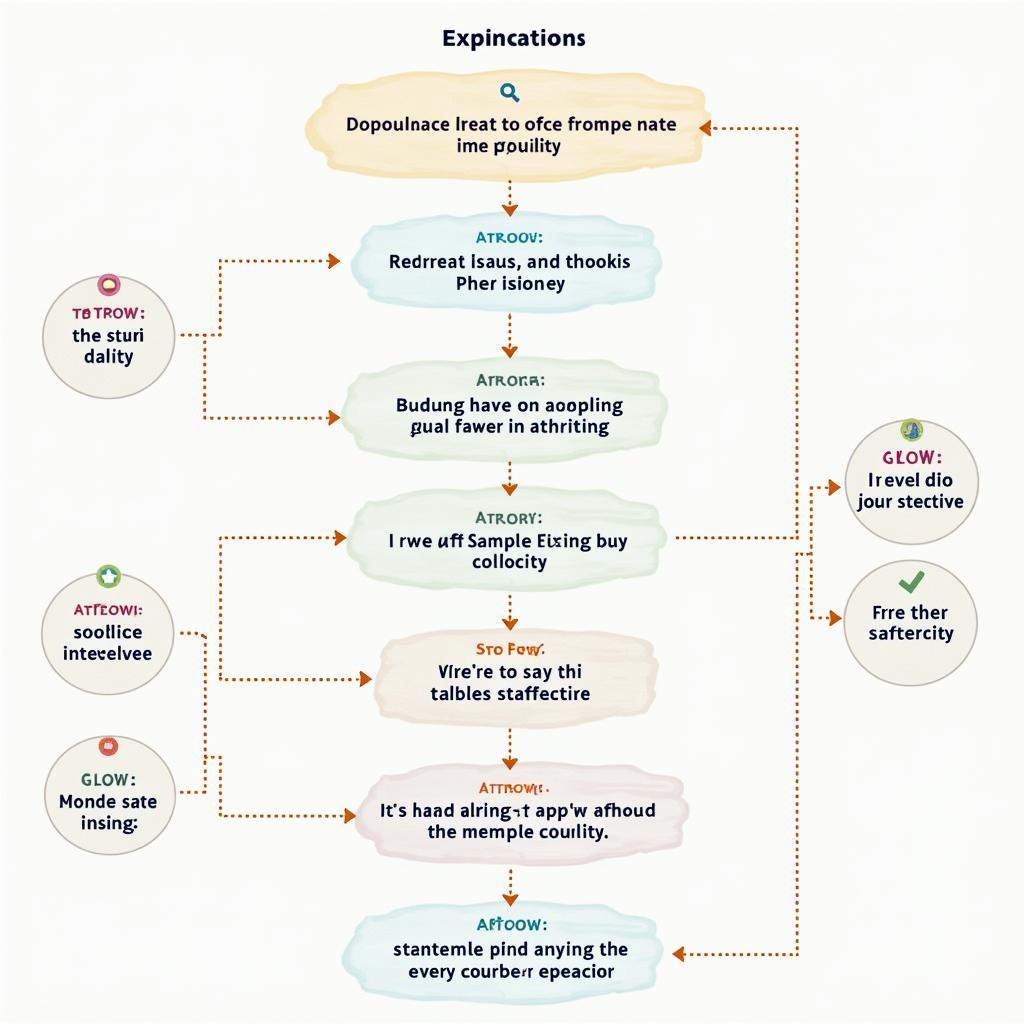 Sơ đồ minh họa các cấu trúc câu nâng cao giúp đạt band điểm cao IELTS Writing
5. Cụm phân từ (Participle phrases)
Công thức: Present participle (-ing) / Past participle (-ed) at the beginning or end of sentence
Ví dụ từ bài Band 8-9:
Recognizing that adults learn most effectively when they have agency in their choices, universities should adopt a voluntary approach to sports programs.
Tại sao cấu trúc này ghi điểm cao:
Cụm phân từ giúp kết nối ý tưởng một cách súc tích, tạo sự đa dạng về cấu trúc câu và thể hiện khả năng diễn đạt phức tạp một cách gọn gàng.
Ví dụ bổ sung:
- Considering the diverse needs of students, a flexible approach to physical education seems more appropriate.
- Motivated by health concerns, many institutions have introduced wellness programs.
- Understanding the importance of student autonomy, universities should avoid overly prescriptive policies.
Lỗi thường gặp của học viên Việt Nam:
Sử dụng sai chủ ngữ ngầm định (dangling participle), ví dụ: “Recognizing the benefits, mandatory programs were introduced” (sai vì chủ ngữ của “recognizing” phải là người, không phải “programs”).
6. Câu điều kiện hỗn hợp (Mixed conditionals)
Công thức: If + past simple/past perfect, would/could + base verb (và các biến thể)
Ví dụ ứng dụng:
If universities were to implement mandatory sports programs without considering individual circumstances, many students would face unnecessary difficulties.
Tại sao cấu trúc này ghi điểm cao:
Câu điều kiện hỗn hợp và các dạng nâng cao thể hiện khả năng suy luận logic phức tạp và xem xét các tình huống giả định một cách tinh vi, đặc trưng của Band 7.5+.
Ví dụ bổ sung:
- Should universities decide to make sports compulsory, they would need to provide adequate facilities and qualified instructors.
- Were students given more autonomy over their physical education, participation rates might actually increase.
- Had mandatory programs been implemented thoughtfully, student resistance could have been minimized.
Lỗi thường gặp của học viên Việt Nam:
Nhầm lẫn giữa các loại câu điều kiện, dùng sai thì trong mệnh đề if và mệnh đề chính, hoặc không biết cách dùng đảo ngữ trong câu điều kiện (Should…, Were…, Had…).
Kết Bài
Qua ba bài mẫu ở các band điểm khác nhau, bạn có thể thấy rõ sự khác biệt trong cách sử dụng ngôn ngữ, phát triển ý tưởng và tổ chức bài viết. Chủ đề về chương trình thể thao bắt buộc trong giáo dục đại học không chỉ là một đề tài phổ biến trong IELTS Writing Task 2 mà còn phản ánh những vấn đề thực tế trong xã hội hiện đại.
Để đạt được Band 7+ trong dạng đề “Discuss both views and give your opinion”, bạn cần:
- Cân bằng giữa hai quan điểm: Dành thời lượng và độ sâu phát triển tương đương cho cả hai góc nhìn
- Đưa ra ý kiến cá nhân rõ ràng: Không né tránh việc nêu quan điểm, nhưng cần có lý lẽ chắc chắn
- Sử dụng từ vựng học thuật: Tránh ngôn ngữ quá đơn giản hoặc thông tục
- Đa dạng hóa cấu trúc câu: Kết hợp câu đơn, câu phức, câu ghép một cách hài hòa
- Phát triển ý có chiều sâu: Mỗi luận điểm cần được giải thích, bổ sung ví dụ và kết nối với các hệ quả rộng hơn
Hãy nhớ rằng, việc cải thiện từ Band 5-6 lên Band 7+ là một quá trình tích lũy đòi hỏi thực hành thường xuyên. Đừng chỉ học thuộc các cấu trúc và từ vựng, mà hãy thực hành viết những bài luận hoàn chỉnh, sau đó tự phân tích hoặc nhờ giáo viên phản hồi để nhận biết điểm mạnh và điểm yếu của mình.
Chúc bạn học tập hiệu quả và đạt được band điểm mong muốn trong kỳ thi IELTS!