Giới thiệu về chủ đề Welfare Programs trong IELTS Writing
Chủ đề về các chương trình phúc lợi xã hội (welfare programs) là một trong những đề tài quan trọng thường xuyên xuất hiện trong IELTS Writing Task 2, đặc biệt trong các bài thi từ năm 2020 đến nay. Đề tài này liên quan trực tiếp đến vai trò của chính phủ trong việc hỗ trợ người dân, một vấn đề nóng hổi trong bối cảnh kinh tế toàn cầu biến động.
Trong bài viết này, bạn sẽ học được:
- 3 bài mẫu hoàn chỉnh với các band điểm khác nhau (Band 5-6, Band 6.5-7, và Band 8-9)
- Phân tích chi tiết về cách chấm điểm theo 4 tiêu chí của IELTS
- Từ vựng chuyên ngành và cấu trúc câu giúp tăng điểm hiệu quả
- Những lỗi sai phổ biến của học viên Việt Nam và cách khắc phục
Các đề thi thực tế đã xuất hiện:
- “Some people think that welfare programs should be temporary to encourage recipients to become independent. Others believe they should be permanent for those in need. Discuss both views and give your opinion.” (IDP, tháng 3/2023)
- “Government welfare programs often create dependency rather than independence. To what extent do you agree or disagree?” (British Council, tháng 9/2022)
- “The best way to help poor people is through temporary welfare support, not permanent programs. Do you agree or disagree?” (Computer-based IELTS, tháng 6/2023)
Nội dung về phúc lợi xã hội này cũng có điểm tương đồng với how to create resilient communities in the face of economic challenges khi cả hai đều tập trung vào việc xây dựng sự tự lực và bền vững cho cộng đồng.
Đề Writing Task 2 thực hành
Some people believe that welfare programs should be temporary and designed to help recipients become self-sufficient, while others argue that permanent welfare support is necessary for vulnerable groups in society. Discuss both views and give your own opinion.
Dịch đề: Một số người tin rằng các chương trình phúc lợi nên mang tính tạm thời và được thiết kế để giúp người thụ hưởng trở nên tự lập, trong khi những người khác lập luận rằng hỗ trợ phúc lợi lâu dài là cần thiết cho các nhóm dễ bị tổn thương trong xã hội. Thảo luận cả hai quan điểm và đưa ra ý kiến của riêng bạn.
Phân tích đề bài:
-
Dạng câu hỏi: Discuss both views and give your opinion – Đây là dạng bài yêu cầu thảo luận cả hai quan điểm và đưa ra ý kiến cá nhân. Bạn cần phân tích cân bằng cả hai mặt trước khi đưa ra lập trường của mình.
-
Thuật ngữ quan trọng:
- “Welfare programs” – Các chương trình phúc lợi xã hội (trợ cấp thất nghiệp, hỗ trợ nhà ở, phiếu thực phẩm, v.v.)
- “Self-sufficient” – Tự lập, tự túc về tài chính
- “Vulnerable groups” – Nhóm dễ bị tổn thương (người già, người khuyết tật, trẻ em không cha mẹ)
- “Temporary” vs “Permanent” – Tạm thời so với lâu dài
-
Những lỗi thường gặp của học viên Việt Nam:
- Chỉ tập trung vào một quan điểm và bỏ qua hoặc viết quá ít về quan điểm còn lại
- Không đưa ra ý kiến cá nhân rõ ràng trong phần kết bài
- Dùng ví dụ quá chung chung không liên quan đến welfare programs
- Lẫn lộn giữa “affects” và “effects”, “dependent” và “dependence”
-
Cách tiếp cận chiến lược:
- Đoạn 1 (Introduction): Paraphrase đề bài + nêu rõ sẽ thảo luận cả hai mặt
- Đoạn 2: Phân tích lợi ích của chương trình phúc lợi tạm thời (khuyến khích tự lập, tránh lãng phí ngân sách)
- Đoạn 3: Phân tích lý do cần chương trình phúc lợi lâu dài (bảo vệ nhóm yếu thế, trách nhiệm nhân đạo)
- Đoạn 4 (Conclusion): Đưa ra quan điểm cá nhân – có thể là kết hợp cả hai (temporary cho người có khả năng làm việc, permanent cho nhóm thực sự cần)
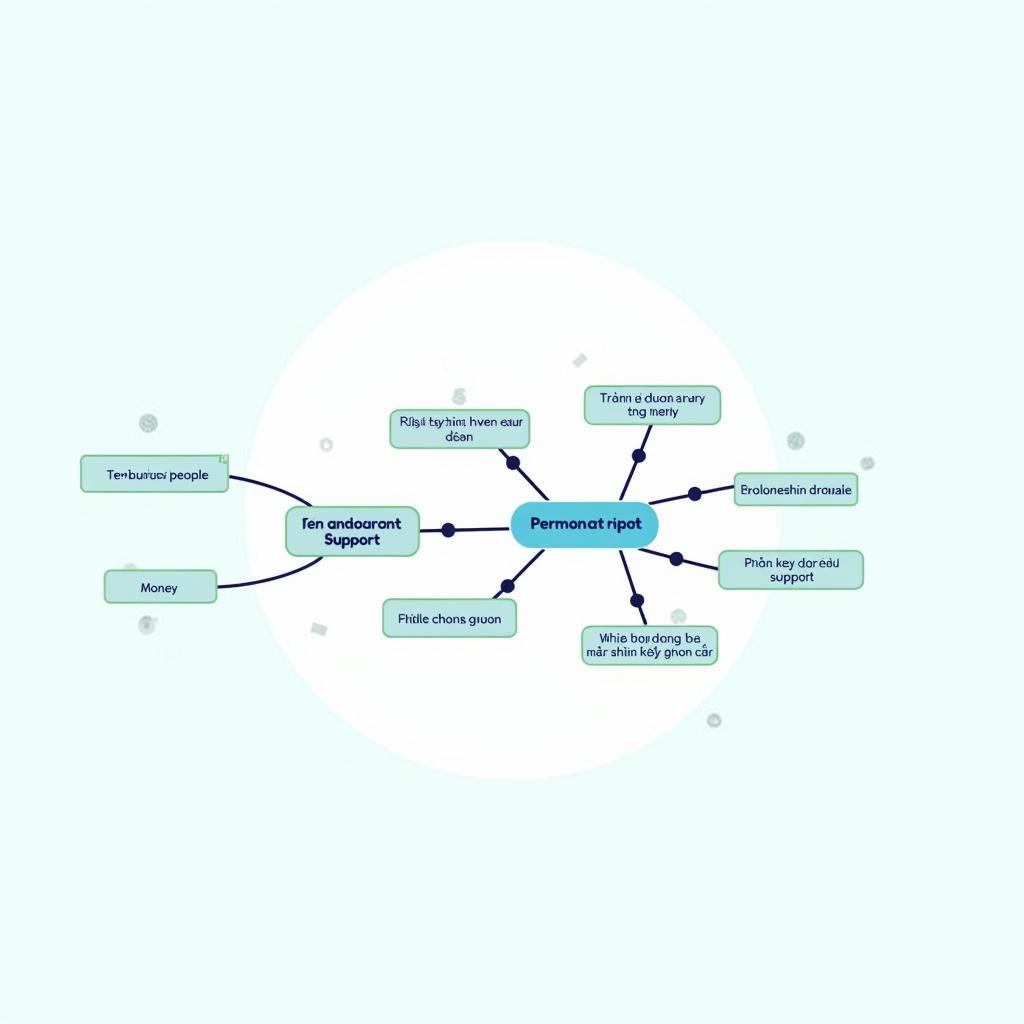 Sơ đồ phân tích đề bài IELTS Writing Task 2 về chương trình phúc lợi tạm thời và lâu dài
Bài mẫu Band 8-9
Bài viết Band 8-9 có những đặc điểm nổi bật: quan điểm rõ ràng và nhất quán, lập luận sâu sắc với các ví dụ cụ thể, từ vựng đa dạng và chính xác, cấu trúc câu phức tạp nhưng tự nhiên, và sự liên kết mạch lạc giữa các ý tưởng.
The debate over whether welfare programs should be temporary or permanent has long been contentious. While proponents of temporary assistance emphasize its role in fostering independence, I would argue that a nuanced approach combining both temporary and permanent support is optimal, depending on recipients’ circumstances.
Those who advocate for time-limited welfare support present compelling arguments. Primarily, temporary programs can serve as a catalyst for self-sufficiency rather than a permanent safety net. When individuals know that assistance will eventually cease, they are more motivated to acquire new skills, seek employment, or pursue educational opportunities. For instance, Denmark’s “flexicurity” model combines temporary unemployment benefits with mandatory retraining programs, resulting in 80% of recipients returning to work within two years. Furthermore, temporary schemes help governments allocate limited resources more efficiently, ensuring funds reach those experiencing genuine but transient hardships such as job loss during economic downturns.
However, the notion that all welfare should be temporary fails to acknowledge the existence of genuinely vulnerable populations. Certain groups, including individuals with severe disabilities, elderly citizens without family support, and orphaned children, face permanent barriers to self-sufficiency through no fault of their own. Withdrawing support from these demographics would not only be inhumane but also counterproductive, potentially increasing social costs through homelessness, deteriorating health conditions, and crime. Sweden’s comprehensive welfare system, which provides permanent support for the disabled while offering temporary assistance to the unemployed, demonstrates how this balanced approach can maintain both social equity and fiscal responsibility.
In conclusion, while temporary welfare programs effectively encourage independence among those capable of achieving it, permanent support remains essential for genuinely vulnerable groups. Governments should therefore implement differentiated policies that assess individual circumstances rather than applying a one-size-fits-all approach. This pragmatic strategy would maximize both human dignity and economic efficiency.
(Word count: 329)
Phân tích Band điểm
| Tiêu chí | Band | Nhận xét |
|---|---|---|
| Task Response (Hoàn thành yêu cầu) | 9.0 | Bài viết phản hồi đầy đủ tất cả phần của câu hỏi với quan điểm rõ ràng ngay từ đầu. Cả hai quan điểm được phân tích sâu sắc với lập luận logic và ví dụ cụ thể (Đan Mạch, Thụy Điển). Kết luận tổng hợp tốt và đưa ra giải pháp thực tế. |
| Coherence & Cohesion (Mạch lạc & Liên kết) | 9.0 | Cấu trúc rất chặt chẽ với sự phát triển ý tưởng logic. Sử dụng linh hoạt các linking devices như “However”, “Furthermore”, “while”, “rather than” không gây cảm giác cứng nhắc. Mỗi đoạn có topic sentence rõ ràng và supporting ideas mạch lạc. |
| Lexical Resource (Từ vựng) | 9.0 | Từ vựng đa dạng và chính xác với nhiều collocations học thuật: “contentious debate”, “foster independence”, “catalyst for self-sufficiency”, “transient hardships”, “genuinely vulnerable populations”. Không có lỗi sử dụng từ. Sử dụng từ vựng chủ đề một cách tự nhiên. |
| Grammatical Range & Accuracy (Ngữ pháp) | 9.0 | Sử dụng đa dạng các cấu trúc phức tạp: câu phức với mệnh đề quan hệ, mệnh đề phân từ, câu điều kiện, cấu trúc “not only…but also”. Không có lỗi ngữ pháp đáng kể. Các câu dài được kiểm soát tốt, không rườm rà. |
Các yếu tố giúp bài này được chấm điểm cao
-
Quan điểm tinh tế và cân bằng: Thay vì chỉ ủng hộ hoàn toàn một phía, bài viết đưa ra giải pháp kết hợp thực tế: “nuanced approach combining both temporary and permanent support”, thể hiện tư duy phản biện cao.
-
Ví dụ cụ thể và có số liệu: Đề cập đến mô hình “flexicurity” của Đan Mạch với con số 80% và hệ thống phúc lợi của Thụy Điển, cho thấy kiến thức sâu rộng và khả năng ứng dụng thực tế.
-
Từ vựng chuyên ngành chính xác: Sử dụng các thuật ngữ như “catalyst for self-sufficiency”, “transient hardships”, “genuinely vulnerable populations”, “fiscal responsibility” thể hiện vốn từ vựng phong phú và phù hợp với văn phong học thuật.
-
Cấu trúc câu đa dạng và tinh tế: Kết hợp nhiều loại câu phức tạp như “While proponents…I would argue that…”, “When individuals know that…, they are more motivated to…”, tạo sự linh hoạt trong diễn đạt.
-
Liên kết ý tưởng mạch lạc: Sử dụng các từ nối một cách tự nhiên như “Primarily”, “Furthermore”, “However”, giúp người đọc dễ dàng theo dõi luồng lập luận.
-
Phân tích sâu sắc về hệ quả: Không chỉ nêu quan điểm mà còn giải thích hậu quả của việc áp dụng chính sách không phù hợp: “potentially increasing social costs through homelessness, deteriorating health conditions, and crime”.
-
Kết luận mạnh mẽ với khuyến nghị thực tế: Đưa ra giải pháp cụ thể “differentiated policies that assess individual circumstances” thay vì chỉ tóm tắt lại các ý đã nêu, thể hiện khả năng tư duy phê phán và đề xuất giải pháp.
Bài mẫu Band 6.5-7
Bài viết Band 6.5-7 có cấu trúc rõ ràng và hoàn thành tốt yêu cầu đề bài, nhưng lập luận chưa sâu sắc bằng Band 8-9, từ vựng và cấu trúc câu có phạm vi hẹp hơn, và còn một số lỗi nhỏ về ngữ pháp.
In recent years, there has been debate about whether welfare programs should be temporary or permanent. Some people think temporary support is better, while others believe permanent programs are necessary. This essay will discuss both viewpoints and give my opinion.
On the one hand, temporary welfare programs have several benefits. First of all, they can motivate people to find jobs and become independent. If people know they will only receive help for a limited time, they will try harder to improve their situation. For example, when unemployment benefits end after six months, many people make more effort to search for work. Additionally, temporary programs cost less money for governments. This means the government can use the money for other important things like education and healthcare.
On the other hand, some groups of people need permanent support because they cannot work. People with serious disabilities, very old people, and children without parents cannot become independent easily. These people need continuous help to survive. If we stop giving them support, they will face many problems such as poverty and homelessness. Therefore, permanent welfare is important for protecting vulnerable people in society.
In my opinion, I believe both types of welfare programs are needed. Temporary support should be given to healthy people who can work, while permanent support should be provided to those who really cannot support themselves. This approach is fair and helps society take care of all citizens.
In conclusion, while temporary welfare programs can encourage independence, permanent support is essential for vulnerable groups. Governments should use different types of programs depending on people’s situations.
(Word count: 289)
Phân tích Band điểm
| Tiêu chí | Band | Nhận xét |
|---|---|---|
| Task Response (Hoàn thành yêu cầu) | 6.5 | Bài viết đề cập đầy đủ cả hai quan điểm và có ý kiến cá nhân rõ ràng. Tuy nhiên, các ý tưởng còn khá chung chung, thiếu ví dụ cụ thể và phân tích sâu. Ví dụ về “unemployment benefits end after six months” không chỉ rõ quốc gia nào. |
| Coherence & Cohesion (Mạch lạc & Liên kết) | 7.0 | Cấu trúc bài rõ ràng với 4 đoạn văn logic. Sử dụng các linking words cơ bản như “On the one hand”, “On the other hand”, “In my opinion” đúng cách. Tuy nhiên, thiếu sự đa dạng trong cách liên kết và chuyển tiếp giữa các ý. |
| Lexical Resource (Từ vựng) | 6.5 | Từ vựng đủ để truyền đạt ý nhưng còn đơn giản và có xu hướng lặp lại (“people” xuất hiện nhiều lần, “support” được dùng lặp đi lặp lại). Có một số collocations tốt như “vulnerable people”, “become independent” nhưng thiếu từ vựng học thuật nâng cao. |
| Grammatical Range & Accuracy (Ngữ pháp) | 7.0 | Sử dụng nhiều cấu trúc câu khác nhau bao gồm câu điều kiện, câu phức. Đa số câu đúng ngữ pháp với một vài lỗi nhỏ không ảnh hưởng nhiều đến sự hiểu. Tuy nhiên, thiếu cấu trúc phức tạp hơn. |
So sánh với bài Band 8-9
1. Task Response:
- Band 8-9: “While proponents of temporary assistance emphasize its role in fostering independence, I would argue that a nuanced approach combining both temporary and permanent support is optimal”
- Band 6.5-7: “Some people think temporary support is better, while others believe permanent programs are necessary”
- Phân tích: Bài Band 8-9 paraphrase tốt hơn và đưa ra quan điểm tinh tế ngay từ đầu (“nuanced approach”), trong khi Band 6.5-7 chỉ tóm tắt đề bài một cách đơn giản.
2. Ví dụ cụ thể:
- Band 8-9: “Denmark’s ‘flexicurity’ model combines temporary unemployment benefits with mandatory retraining programs, resulting in 80% of recipients returning to work within two years”
- Band 6.5-7: “When unemployment benefits end after six months, many people make more effort to search for work”
- Phân tích: Band 8-9 có ví dụ cụ thể với tên quốc gia, tên chương trình và số liệu thống kê, còn Band 6.5-7 chỉ có ví dụ chung chung.
3. Từ vựng và cụm từ:
- Band 8-9: “catalyst for self-sufficiency”, “transient hardships”, “genuinely vulnerable populations”, “fiscal responsibility”
- Band 6.5-7: “motivate people”, “cost less money”, “vulnerable people”, “important things”
- Phân tích: Band 8-9 sử dụng collocations học thuật chính xác, trong khi Band 6.5-7 dùng từ vựng cơ bản và khá chung chung (“important things”).
4. Cấu trúc câu:
- Band 8-9: “However, the notion that all welfare should be temporary fails to acknowledge the existence of genuinely vulnerable populations”
- Band 6.5-7: “On the other hand, some groups of people need permanent support because they cannot work”
- Phân tích: Band 8-9 sử dụng cấu trúc phức tạp với mệnh đề danh từ và động từ học thuật, còn Band 6.5-7 dùng cấu trúc đơn giản với “because”.
5. Phân tích sâu:
- Band 8-9: Giải thích hậu quả “potentially increasing social costs through homelessness, deteriorating health conditions, and crime”
- Band 6.5-7: “They will face many problems such as poverty and homelessness”
- Phân tích: Band 8-9 phân tích đa chiều với nhiều hệ quả cụ thể, Band 6.5-7 chỉ liệt kê vấn đề chung.
Khi thảo luận về vấn đề phúc lợi xã hội, việc hiểu rõ về importance of mental health services in modern societies cũng rất quan trọng, vì nhiều người thụ hưởng phúc lợi đối mặt với các vấn đề về sức khỏe tâm thần cần được hỗ trợ lâu dài.
Bài mẫu Band 5-6
Bài viết Band 5-6 có cấu trúc cơ bản nhưng còn nhiều lỗi về ngữ pháp, từ vựng hạn chế và lặp lại, ý tưởng chưa được phát triển đầy đủ, và còn nhiều lỗi cản trở sự hiểu.
Nowadays, many people discuss about welfare programs should be temporary or permanent. Some people think temporary is good, but other people think permanent is better. I will discuss both side and give my opinion.
First, temporary welfare programs is good for some reasons. When government give money for short time only, people will try to find job quickly. They don’t want to depend on government money all time. For example, in my country, many people receive help from government for 3 months, then they must find work. This way help them to be more independent. Also, temporary programs save money for government. Government can spend this money on other things.
Second, some people need permanent welfare programs. Old people and disabled people cannot work, so they need help from government forever. If government stop giving them money, they will have no money to buy food and pay rent. This is very bad for them. So permanent welfare is important for these kind of people.
In my opinion, I think both temporary and permanent welfare is necessary. Young and healthy people should get temporary help, but old and disabled people should get permanent help. This is fair for everyone.
To conclude, temporary welfare make people independent, but permanent welfare protect weak people. Government should give different type of help to different people.
(Word count: 238)
Phân tích Band điểm
| Tiêu chí | Band | Nhận xét |
|---|---|---|
| Task Response (Hoàn thành yêu cầu) | 5.5 | Bài viết đề cập cả hai quan điểm và có ý kiến cá nhân, nhưng các ý tưởng rất đơn giản và thiếu phát triển. Không có ví dụ cụ thể nào (chỉ nói “in my country” nhưng không rõ quốc gia nào). Một số ý bị lặp lại không cần thiết. |
| Coherence & Cohesion (Mạch lạc & Liên kết) | 6.0 | Có cấu trúc cơ bản 4 đoạn nhưng cách liên kết còn rất đơn giản: “First”, “Second”, “Also”. Thiếu sự đa dạng trong linking devices. Một số câu không liên kết tốt với nhau, gây cảm giác rời rạc. |
| Lexical Resource (Từ vựng) | 5.0 | Từ vựng rất hạn chế với nhiều từ bị lặp lại: “people” (10 lần), “government” (8 lần), “help/money” (nhiều lần). Có lỗi word choice như “discuss about” (thừa “about”), “other people” (nên dùng “others”), “this kind of people” (thiếu “s”). |
| Grammatical Range & Accuracy (Ngữ pháp) | 5.5 | Nhiều lỗi ngữ pháp cơ bản: “programs is” (sai số), “government give” (thiếu s), “they must to find” (thừa “to”), “both side” (thiếu s), “this is fair for everyone” (câu quá đơn giản). Sử dụng chủ yếu câu đơn và câu ghép đơn giản. |
Những lỗi sai của bài – phân tích & giải thích
| Lỗi sai | Loại lỗi | Sửa lại | Giải thích |
|---|---|---|---|
| discuss about welfare programs | Lỗi từ thừa | discuss whether welfare programs | Động từ “discuss” không cần giới từ “about” theo sau. Ngoài ra, cần thêm “whether” để đầy đủ nghĩa. |
| temporary welfare programs is | Lỗi chia động từ | temporary welfare programs are | Chủ ngữ “programs” là danh từ số nhiều nên động từ phải chia ở dạng số nhiều là “are”. |
| government give money | Lỗi chia động từ | the government gives money | Chủ ngữ “government” là ngôi thứ 3 số ít nên động từ phải thêm “s”. Ngoài ra, cần có mạo từ “the” trước “government”. |
| depend on government money all time | Lỗi cụm từ | depend on government support all the time | Nên dùng “support” thay vì “money” để tránh lặp từ. Cụm từ đúng là “all the time” chứ không phải “all time”. |
| both side | Lỗi số ít/nhiều | both sides | Sau “both” (cả hai) phải dùng danh từ số nhiều “sides”. |
| these kind of people | Lỗi số ít/nhiều | these kinds of people hoặc this kind of people | “These” đi với danh từ số nhiều “kinds”, hoặc dùng “this” với “kind” số ít. |
| I think both temporary and permanent welfare is necessary | Lỗi chia động từ | I think both temporary and permanent welfare are necessary | “Both…and…” luôn đi với động từ số nhiều “are”. |
| temporary welfare make people independent | Lỗi chia động từ | temporary welfare makes people independent | Chủ ngữ “welfare” là danh từ không đếm được, số ít, nên động từ phải thêm “s”. |
| different type of help | Lỗi số ít/nhiều | different types of help | Sau “different” (khác nhau – hàm ý nhiều loại) phải dùng danh từ số nhiều “types”. |
| pay rent | Lỗi mạo từ | pay the rent | Với danh từ cụ thể như “rent” (tiền thuê nhà), cần có mạo từ “the”. |
Cách Cải Thiện Từ Band 6 Lên Band 7
1. Mở rộng và phát triển ý tưởng:
- Thay vì chỉ nói “people will try to find job quickly”, hãy giải thích thêm: “people will be more motivated to acquire new skills, attend vocational training, or actively network to secure employment”
- Bổ sung hậu quả cụ thể: “Without this time pressure, some individuals may become complacent and lose the incentive to improve their situation”
2. Sử dụng ví dụ cụ thể:
- Thay vì “in my country”, hãy nêu rõ: “In Vietnam, the government’s poverty reduction programs typically provide support for 6-12 months alongside job training initiatives”
- Thêm số liệu nếu có thể: “Studies show that approximately 70% of recipients find employment within the support period”
3. Đa dạng hóa từ vựng:
- Thay vì lặp “people” nhiều lần, dùng: recipients, individuals, beneficiaries, citizens
- Thay “government money” bằng: government assistance, welfare support, social benefits, financial aid
- Thay “help” bằng: assistance, support, aid, provision
4. Nâng cao cấu trúc câu:
- Sử dụng câu phức: “While temporary programs encourage self-sufficiency, permanent support is essential for those facing insurmountable barriers to employment”
- Thêm mệnh đề quan hệ: “Elderly citizens, who have contributed to society throughout their working lives, deserve ongoing support”
- Dùng cấu trúc nhấn mạnh: “It is the responsibility of governments to ensure that vulnerable groups receive adequate protection”
5. Cải thiện coherence:
- Dùng linking words đa dạng hơn: Moreover, Furthermore, In addition (thay vì chỉ dùng “Also”)
- Sử dụng: However, Nevertheless, Conversely (thay vì chỉ dùng “But”)
- Thêm: Consequently, As a result, Therefore để chỉ kết quả
6. Tránh lỗi ngữ pháp phổ biến:
- Luôn kiểm tra chủ vị đồng nhất (subject-verb agreement)
- Chú ý mạo từ: the government (đã xác định), a welfare program (chưa xác định)
- Đúng cấu trúc thì hiện tại đơn: government provides (không phải “government provide”)
7. Tăng cường task response:
- Phân tích rõ hơn về “why” chứ không chỉ “what”
- Đưa ra hệ quả của từng quan điểm
- Kết luận phải đưa ra khuyến nghị cụ thể thay vì chỉ tóm tắt
Vấn đề này cũng gắn liền với automation’s effect on low-skilled labor, bởi tự động hóa đang khiến nhiều người lao động phổ thông mất việc làm và cần sự hỗ trợ từ các chương trình phúc lợi trong giai đoạn chuyển đổi nghề nghiệp.
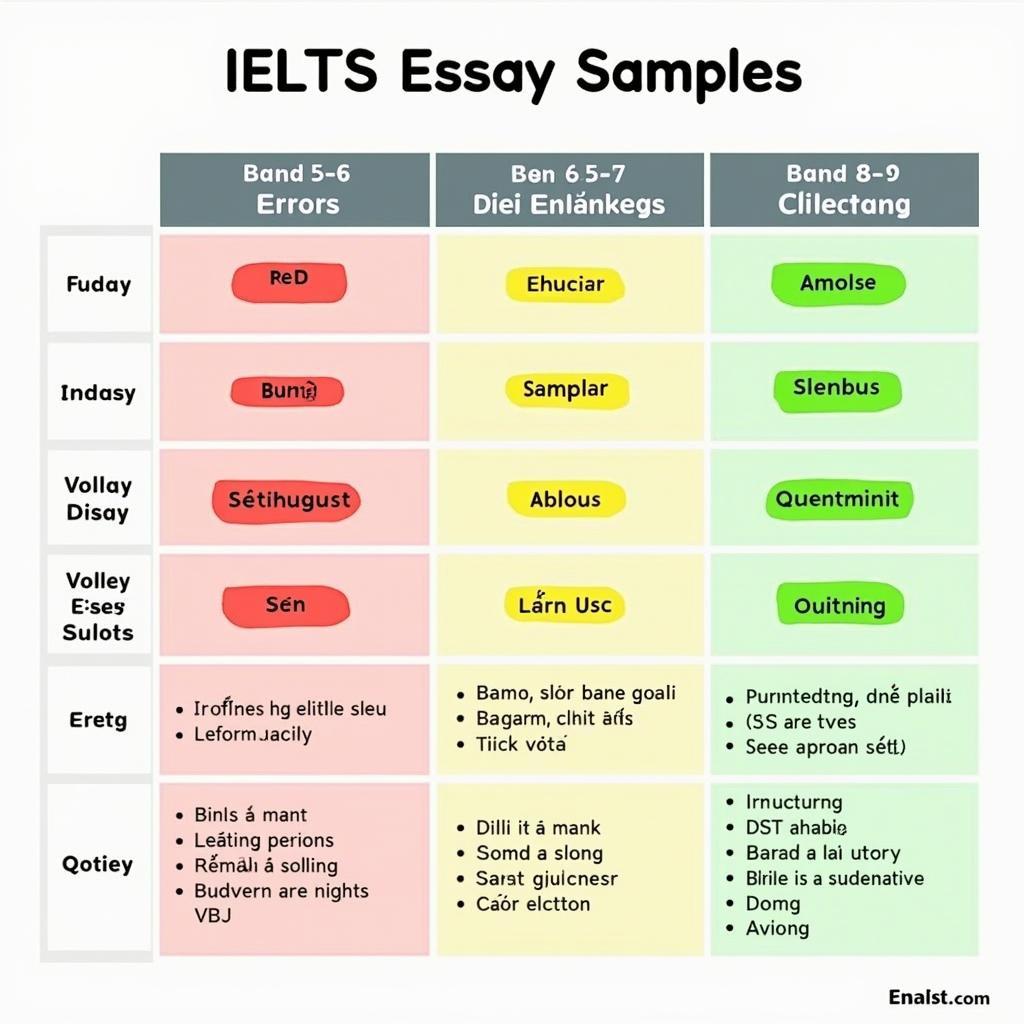 So sánh chi tiết các bài viết IELTS Writing Task 2 ở các band điểm khác nhau về chủ đề phúc lợi
Từ vựng quan trọng cần nhớ
| Từ/Cụm từ | Loại từ | Phiên âm | Nghĩa tiếng Việt | Ví dụ | Collocations |
|---|---|---|---|---|---|
| welfare program | noun phrase | /ˈwelfeə ˈprəʊɡræm/ | chương trình phúc lợi xã hội | Welfare programs provide essential support to low-income families | temporary welfare program, permanent welfare program, government welfare program |
| self-sufficient | adjective | /ˌself səˈfɪʃənt/ | tự lập, tự túc | The goal is to help recipients become self-sufficient within two years | become self-sufficient, financially self-sufficient, economically self-sufficient |
| vulnerable groups | noun phrase | /ˈvʌlnərəbəl ɡruːps/ | nhóm dễ bị tổn thương | Vulnerable groups such as the elderly need permanent protection | protect vulnerable groups, support vulnerable groups, identify vulnerable groups |
| catalyst for | noun phrase | /ˈkætəlɪst fɔː/ | chất xúc tác cho, động lực thúc đẩy | Temporary assistance can serve as a catalyst for change | catalyst for change, catalyst for growth, catalyst for independence |
| foster independence | verb phrase | /ˈfɒstə ˌɪndɪˈpendəns/ | nuôi dưỡng/khuyến khích sự tự lập | These programs aim to foster independence among recipients | foster independence, promote independence, encourage independence |
| transient hardships | noun phrase | /ˈtrænziənt ˈhɑːdʃɪps/ | khó khăn tạm thời | Welfare should address transient hardships like job loss | face transient hardships, overcome transient hardships, experience transient hardships |
| fiscal responsibility | noun phrase | /ˈfɪskəl rɪˌspɒnsəˈbɪləti/ | trách nhiệm tài khóa | Governments must balance compassion with fiscal responsibility | maintain fiscal responsibility, demonstrate fiscal responsibility, ensure fiscal responsibility |
| social equity | noun phrase | /ˈsəʊʃəl ˈekwəti/ | công bằng xã hội | Permanent welfare programs promote social equity | achieve social equity, promote social equity, maintain social equity |
| dependency culture | noun phrase | /dɪˈpendənsi ˈkʌltʃə/ | văn hóa phụ thuộc | Critics argue that permanent benefits create a dependency culture | create dependency culture, avoid dependency culture, prevent dependency culture |
| safety net | noun phrase | /ˈseɪfti net/ | mạng lưới an sinh xã hội | A robust safety net protects citizens during economic crises | social safety net, economic safety net, provide a safety net |
| allocate resources | verb phrase | /ˈæləkeɪt rɪˈsɔːsɪz/ | phân bổ nguồn lực | Governments must allocate resources efficiently | allocate resources efficiently, allocate financial resources, allocate limited resources |
| counterproductive | adjective | /ˌkaʊntəprəˈdʌktɪv/ | phản tác dụng | Cutting all welfare support would be counterproductive | prove counterproductive, become counterproductive, potentially counterproductive |
| recipients | noun | /rɪˈsɪpiənts/ | người thụ hưởng | Most welfare recipients genuinely need assistance | welfare recipients, benefit recipients, program recipients |
| retraining programs | noun phrase | /ˌriːˈtreɪnɪŋ ˈprəʊɡræmz/ | chương trình đào tạo lại | Retraining programs help unemployed workers gain new skills | vocational retraining programs, mandatory retraining programs, provide retraining programs |
| nuanced approach | noun phrase | /ˈnjuːɑːnst əˈprəʊtʃ/ | cách tiếp cận tinh tế, linh hoạt | A nuanced approach considers individual circumstances | adopt a nuanced approach, require a nuanced approach, take a nuanced approach |
Cấu trúc câu dễ “ăn điểm” cao
1. Câu phức với While/Although ở đầu câu
Công thức: While/Although + S + V, S + V (main clause)
Ví dụ từ bài Band 8-9:
While proponents of temporary assistance emphasize its role in fostering independence, I would argue that a nuanced approach combining both temporary and permanent support is optimal.
Tại sao cấu trúc này ghi điểm cao:
Cấu trúc này thể hiện khả năng đối chiếu hai ý tưởng đối lập trong một câu, cho thấy tư duy phức tạp. Nó giúp bạn thể hiện quan điểm một cách tinh tế và học thuật, tránh việc viết câu đơn giản như “Some people think A, but I think B”.
Ví dụ bổ sung:
- While temporary programs can reduce government spending, they may fail to address the needs of chronically disadvantaged groups.
- Although permanent welfare has been criticized for creating dependency, it remains essential for protecting society’s most vulnerable members.
- While short-term assistance encourages job-seeking behavior, it assumes all recipients have equal access to employment opportunities.
Lỗi thường gặp của học viên Việt Nam:
- Quên dấu phẩy sau mệnh đề phụ:
“While some people agree they should try harder”→ “While some people agree, they should try harder” - Dùng “but” sau “although/while”:
“Although it is good, but it has problems”→ “Although it is good, it has some problems”
2. Cấu trúc Not only…but also
Công thức: Not only + auxiliary verb + S + V, but (S) also + V / Not only does/is + S + V, but S also + V
Ví dụ từ bài Band 8-9:
Withdrawing support from these demographics would not only be inhumane but also counterproductive, potentially increasing social costs.
Tại sao cấu trúc này ghi điểm cao:
Cấu trúc này cho phép bạn nhấn mạnh hai điểm quan trọng trong một câu, thể hiện khả năng phân tích đa chiều. Nó tạo sự cân bằng và logic trong lập luận, giúp bài viết có chiều sâu hơn.
Ví dụ bổ sung:
- Time-limited welfare not only motivates recipients to seek employment but also reduces the burden on taxpayers.
- Permanent support programs not only provide financial security but also preserve human dignity for disabled citizens.
- These policies not only fail to address root causes of poverty but also stigmatize those genuinely unable to work.
Lỗi thường gặp của học viên Việt Nam:
- Thiếu “also”:
“not only…but it is…”→ “not only…but also…” - Sai vị trí động từ:
“Not only it is good but also…”→ “Not only is it good but also…” - Dùng sai thì:
“Not only temporary programs help people but also…”→ “Not only do temporary programs help people but also…”
3. Mệnh đề quan hệ không xác định (Non-defining relative clauses)
Công thức: N, which/who + V, V / S, which + V, V
Ví dụ từ bài Band 8-9:
Sweden’s comprehensive welfare system, which provides permanent support for the disabled while offering temporary assistance to the unemployed, demonstrates how this balanced approach can maintain both social equity and fiscal responsibility.
Tại sao cấu trúc này ghi điểm cao:
Mệnh đề quan hệ không xác định giúp bổ sung thông tin mà không làm gián đoạn luồng chính của câu. Nó cho thấy bạn có khả năng viết câu dài có cấu trúc phức tạp nhưng vẫn rõ ràng, một kỹ năng quan trọng ở band điểm cao.
Ví dụ bổ sung:
- Temporary welfare programs, which typically last between 6-24 months, aim to provide a bridge rather than a permanent solution.
- The Danish flexicurity model, which combines unemployment benefits with mandatory retraining, has achieved remarkable success rates.
- Vulnerable populations, who face insurmountable barriers to self-sufficiency, require ongoing government protection.
Lỗi thường gặp của học viên Việt Nam:
- Thiếu dấu phẩy:
“Welfare programs which help people are important”→ “Welfare programs, which help people, are important” - Nhầm lẫn giữa “which” và “that”:
“Programs, that help people, are good”→ “Programs that help people are good” (defining) hoặc “Programs, which help people, are good” (non-defining) - Dùng sai đại từ:
“People, which need help, should receive support”→ “People who need help should receive support”
4. Câu điều kiện phức tạp (Mixed conditionals & Advanced conditionals)
Công thức: If + past perfect, would + infinitive / Were + S + to V, S + would V
Ví dụ từ bài Band 8-9:
When individuals know that assistance will eventually cease, they are more motivated to acquire new skills, seek employment, or pursue educational opportunities.
Tại sao cấu trúc này ghi điểm cao:
Câu điều kiện nâng cao thể hiện khả năng suy luận logic và phân tích nguyên nhân-kết quả. Nó cho thấy bạn có thể dự đoán và lập luận về các tình huống giả định, một kỹ năng quan trọng trong văn viết học thuật.
Ví dụ bổ sung:
- If governments were to eliminate all welfare programs, poverty rates would inevitably increase, leading to greater social instability.
- Were policymakers to implement only temporary support, many elderly and disabled citizens would face destitution.
- Had Denmark not combined time limits with retraining programs, their welfare reforms would likely have been less successful.
Lỗi thường gặp của học viên Việt Nam:
- Nhầm lẫn thì:
“If government will stop support, people will suffer”→ “If the government stops support, people will suffer” - Thiếu “would” trong mệnh đề chính:
“If they cut benefits, many people suffer”→ “If they cut benefits, many people would suffer” - Sai cấu trúc đảo ngữ:
“Were government to cut, people will…”→ “Were the government to cut, people would…”
5. Cấu trúc nhấn mạnh với It is…that/who
Công thức: It is + noun/phrase + that/who + V
Ví dụ tương tự:
It is the responsibility of governments to ensure that vulnerable groups receive adequate protection rather than leaving them to market forces.
Tại sao cấu trúc này ghi điểm cao:
Câu chẻ giúp nhấn mạnh thông tin quan trọng và tạo điểm nhấn cho lập luận. Nó thể hiện khả năng kiểm soát trọng tâm của câu và tạo sự đa dạng trong cách diễn đạt, tránh việc viết câu theo công thức đơn giản S-V-O.
Ví dụ bổsung:
- It is precisely this balance between temporary and permanent support that makes Nordic welfare systems so effective.
- It is not the amount of funding but rather the design of programs that determines their success in fostering independence.
- It is the most vulnerable members of society who would suffer most from a purely temporary welfare system.
Lỗi thường gặp của học viên Việt Nam:
- Thiếu “that”:
“It is important welfare helps people”→ “It is important that welfare helps people” - Dùng sai với động từ:
“It is helps people that…”→ “It is the help that people receive that…” - Nhầm lẫn cấu trúc:
“It is temporary programs are better”→ “It is temporary programs that are better”
6. Cụm phân từ (Participle phrases)
Công thức: V-ing/V-ed…, S + V / S + V, V-ing/V-ed…
Ví dụ từ bài Band 8-9:
Denmark’s ‘flexicurity’ model combines temporary unemployment benefits with mandatory retraining programs, resulting in 80% of recipients returning to work within two years.
Tại sao cấu trúc này ghi điểm cao:
Cụm phân từ giúp kết nối các ý tưởng một cách súc tích và tự nhiên, tránh việc lạm dụng liên từ. Nó thể hiện khả năng viết câu phức tạp mà vẫn mạch lạc, đồng thời tạo sự đa dạng về cấu trúc câu – một yếu tố quan trọng trong tiêu chí Grammatical Range.
Ví dụ bổ sung:
- Recognizing the diverse needs of recipients, many countries have adopted differentiated welfare policies.
- Faced with budget constraints, governments must carefully prioritize their welfare spending.
- Having implemented time-limited support, policymakers observed a significant increase in job-seeking behavior.
Lỗi thường gặp của học viên Việt Nam:
- Sai chủ ngữ:
“Walking to the office, the welfare program was discussed”→ “Walking to the office, policymakers discussed the welfare program” - Thiếu dấu phẩy:
“Having no job people need support”→ “Having no job, people need support” - Dùng sai dạng động từ:
“To facing difficulties, people need help”→ “Facing difficulties, people need help”
Trong bối cảnh toàn cầu hóa, việc hiểu về The importance of supporting rural businesses cũng có liên hệ mật thiết với các chương trình phúc lợi, vì nhiều doanh nghiệp nông thôn nhỏ cần sự hỗ trợ từ chính phủ để tồn tại và phát triển, tạo việc làm giúp người dân giảm phụ thuộc vào phúc lợi.
 Sơ đồ minh họa các cấu trúc ngữ pháp giúp đạt band điểm cao trong IELTS Writing
Kết bài
Chủ đề về chương trình phúc lợi tạm thời hay lâu dài là một đề tài quan trọng và thường xuyên xuất hiện trong IELTS Writing Task 2. Qua bài viết này, bạn đã được học:
- Ba bài mẫu ở các band điểm khác nhau (5-6, 6.5-7, 8-9) để hiểu rõ sự khác biệt giữa các mức độ và có mục tiêu rõ ràng cho việc luyện tập
- Phân tích chi tiết 4 tiêu chí chấm điểm của IELTS để biết cách cải thiện từng khía cạnh: Task Response, Coherence & Cohesion, Lexical Resource, và Grammatical Range & Accuracy
- 15 từ vựng và cụm từ chuyên ngành giúp bài viết của bạn học thuật và chính xác hơn, từ “catalyst for self-sufficiency” đến “fiscal responsibility”
- 6 cấu trúc câu nâng cao được giải thích kỹ lưỡng với ví dụ cụ thể và những lỗi sai phổ biến cần tránh
Để đạt band điểm cao, hãy nhớ rằng không chỉ cần từ vựng phong phú mà còn phải có lập luận logic, ví dụ cụ thể, và cấu trúc câu đa dạng. Đặc biệt quan trọng là khả năng phân tích đa chiều vấn đề thay vì chỉ liệt kê các ý một cách đơn giản.
Lời khuyên cuối cùng cho học viên:
- Luyện viết thường xuyên với các đề thi thực tế, tập trung vào việc phát triển ý đầy đủ hơn là cố gắng dùng từ vựng phức tạp
- Đọc nhiều bài mẫu band cao để học cách tổ chức ý và sử dụng linking devices một cách tự nhiên
- Nhờ giáo viên hoặc bạn bè chữa bài để phát hiện lỗi sai thường xuyên của bản thân, đặc biệt là các lỗi ngữ pháp cơ bản
- Học từ vựng theo chủ đề và collocations thay vì học từ đơn lẻ
- Thực hành viết trong giới hạn thời gian 40 phút để quen với áp lực thi thật
Khi xem xét các chính sách phúc lợi, cũng cần quan tâm đến should companies be required to have gender-diverse boards để đảm bảo công bằng trong việc đưa ra các quyết định ảnh hưởng đến các nhóm yếu thế trong xã hội.
Chúc bạn đạt được band điểm mong muốn trong kỳ thi IELTS sắp tới! Hãy nhớ rằng sự tiến bộ đến từ việc thực hành đều đặn và học hỏi từ những sai lầm của chính mình.