
Giới thiệu chung về chủ đề Workplace Diversity
Chủ đề đa dạng nơi làm việc (workplace diversity) đang trở thành một trong những vấn đề nóng hổi và xuất hiện ngày càng thường xuyên trong các đề thi IELTS Writing Task 2 thực tế. Theo thống kê từ British Council và IDP, câu hỏi liên quan đến đa dạng trong môi trường làm việc đã xuất hiện ít nhất 4-5 lần trong năm 2023-2024, đặc biệt tại các khu vực châu Á và châu Âu.
Đây là chủ đề đòi hỏi người viết phải có hiểu biết sâu rộng về các khía cạnh xã hội, pháp luật và kinh tế. Nhiều học viên Việt Nam thường gặp khó khăn khi xử lý dạng đề này vì thiếu từ vựng chuyên ngành và không biết cách cân bằng giữa các quan điểm đối lập.
Trong bài viết này, bạn sẽ được học:
- 3 bài mẫu hoàn chỉnh cho các band điểm 5-6, 6.5-7 và 8-9
- Phân tích chi tiết 4 tiêu chí chấm điểm theo chuẩn IELTS chính thức
- Hơn 15 từ vựng và collocations quan trọng với phiên âm chuẩn
- 6 cấu trúc câu nâng cao giúp tăng band điểm
- Những lỗi sai phổ biến của học viên Việt Nam và cách khắc phục
Các đề thi thực tế đã xuất hiện:
- “Some people believe that companies should be legally required to have a diverse workforce. To what extent do you agree or disagree?” (British Council, tháng 9/2023)
- “Workplace diversity should be enforced by law. Discuss both views and give your opinion.” (IDP, tháng 3/2024)
- “Should governments make it mandatory for businesses to ensure diversity in their hiring practices?” (IELTS Academic, tháng 11/2023)
Đề Writing Task 2
Some people believe that workplace diversity should be legally required, with companies obligated to hire employees from different backgrounds, genders, and ethnicities. Others argue that hiring decisions should be based solely on merit and qualifications. Discuss both views and give your own opinion.
Dịch đề: Một số người tin rằng đa dạng nơi làm việc nên được quy định bắt buộc về mặt pháp lý, với các công ty có nghĩa vụ tuyển dụng nhân viên từ các nguồn gốc, giới tính và dân tộc khác nhau. Những người khác lại cho rằng các quyết định tuyển dụng chỉ nên dựa trên năng lực và trình độ chuyên môn. Thảo luận cả hai quan điểm và đưa ra ý kiến của bạn.
Phân tích đề bài:
Dạng câu hỏi: Đây là dạng “Discuss both views and give your opinion” – một trong những dạng phổ biến nhất trong IELTS Writing Task 2. Yêu cầu người viết phải:
- Trình bày rõ ràng cả hai quan điểm đối lập
- Phân tích lý do, lợi ích hoặc hạn chế của mỗi quan điểm
- Đưa ra ý kiến cá nhân rõ ràng và nhất quán xuyên suốt bài viết
Giải thích các thuật ngữ quan trọng:
- Legally required/obligated: Bắt buộc theo luật pháp, có hình phạt nếu vi phạm
- Workplace diversity: Sự đa dạng về nguồn gốc, giới tính, tuổi tác, dân tộc, tôn giáo trong môi trường làm việc
- Merit and qualifications: Năng lực thực tế và bằng cấp/chứng chỉ chuyên môn
- Hiring practices: Quy trình và thực tiễn tuyển dụng
Những lỗi thường gặp của học viên Việt Nam:
- Chỉ tập trung vào một quan điểm và bỏ qua quan điểm còn lại
- Không đưa ra ý kiến cá nhân rõ ràng hoặc đưa ra quá muộn (ở phần kết bài)
- Sử dụng ví dụ chung chung, không cụ thể
- Lặp lại từ vựng trong đề bài thay vì paraphrase
- Thiếu mạch lạc giữa các đoạn văn
Cách tiếp cận chiến lược:
Với dạng đề này, bạn nên:
- Introduction: Paraphrase đề bài + nêu rõ bài viết sẽ thảo luận cả hai quan điểm + thesis statement (ý kiến của bạn)
- Body 1: Phân tích quan điểm thứ nhất (ví dụ: ủng hộ việc quy định pháp lý)
- Body 2: Phân tích quan điểm thứ hai (ví dụ: ủng hộ tuyển dụng dựa trên năng lực)
- Conclusion: Tóm tắt hai quan điểm + nhấn mạnh lại ý kiến cá nhân
Lưu ý: Ý kiến cá nhân nên xuất hiện từ phần mở bài và được củng cố xuyên suốt bài viết, không chỉ nêu ở kết bài.
Bài mẫu Band 8-9
Bài viết Band 8-9 cần thể hiện sự tinh tế trong cách triển khai ý tưởng, sử dụng từ vựng phong phú và chính xác, cấu trúc câu đa dạng, và quan trọng nhất là phải trả lời đầy đủ tất cả các yêu cầu của đề bài một cách cân bằng và logic.
The debate over whether workplace diversity should be legally mandated has become increasingly contentious in modern society. While some advocate for legislative intervention to ensure equitable representation across different demographics, others contend that employment decisions should rest purely on individual merit. Although both perspectives have validity, I believe that a balanced approach incorporating legal frameworks alongside merit-based assessment would yield optimal outcomes.
Proponents of mandatory diversity regulations argue that legal requirements are essential to dismantle systemic barriers that have historically disadvantaged certain groups. Without legislative enforcement, they contend, many organizations would perpetuate homogeneous hiring practices, whether consciously or through unconscious bias. For instance, research from Harvard Business Review demonstrates that companies with diverse leadership teams generate 19% higher innovation revenue, suggesting that enforced diversity can drive tangible business benefits. Moreover, legal mandates serve as catalysts for cultural transformation, compelling organizations to actively seek qualified candidates from underrepresented backgrounds rather than defaulting to familiar demographic profiles. This intervention can be particularly crucial in industries where certain groups have been systematically excluded, such as women in technology or ethnic minorities in executive positions.
Conversely, advocates of merit-based hiring raise legitimate concerns about the potential drawbacks of quota systems. They argue that prioritizing demographic characteristics over qualifications could inadvertently compromise organizational effectiveness and even stigmatize the very groups such policies aim to help. When employees perceive that colleagues were hired primarily to fulfill diversity requirements rather than for their competencies, it may foster resentment and undermine workplace cohesion. Furthermore, rigid legal requirements might prove impractical in certain contexts; for example, a technology startup in a demographically homogeneous rural area might struggle to meet diversity targets despite genuine efforts. Critics also emphasize that true equality means evaluating all candidates by identical standards, and any deviation from this principle constitutes a form of discrimination, regardless of its intentions.
In my view, the most effective approach lies in implementing legal frameworks that encourage diversity while preserving merit as the primary criterion. Rather than prescriptive quotas, legislation should focus on ensuring transparent, bias-free hiring processes and holding companies accountable for demonstrable efforts to recruit diverse talent pools. Organizations could be required to anonymize initial applications, use structured interviews, and report diversity metrics without facing penalties for demographic outcomes beyond their reasonable control. This model, successfully implemented in several Scandinavian countries, strikes a balance between promoting inclusivity and maintaining standards of excellence.
In conclusion, while concerns about both discriminatory practices and merit-based selection hold merit, neither extreme position offers a complete solution. A nuanced legal framework that mandates fair processes rather than specific outcomes represents the most promising path toward genuinely diverse and high-performing workplaces.
Số từ: 478 từ
Phân tích Band điểm
| Tiêu chí | Band | Nhận xét |
|---|---|---|
| Task Response (Hoàn thành yêu cầu) | 9.0 | Bài viết thảo luận cân bằng và sâu sắc cả hai quan điểm, với ý kiến cá nhân rõ ràng từ đầu và được phát triển xuyên suốt. Mỗi body paragraph có ít nhất 2-3 lập luận cụ thể kèm ví dụ thực tế (Harvard Business Review, Scandinavian model). Bài viết không chỉ trình bày quan điểm mà còn phân tích sâu về nguyên nhân và hệ quả. |
| Coherence & Cohesion (Mạch lạc & Liên kết) | 9.0 | Cấu trúc logic hoàn hảo với progression tự nhiên giữa các ý. Sử dụng đa dạng cohesive devices tinh tế (Conversely, Moreover, Furthermore, In my view) không lặp lại. Mỗi đoạn có topic sentence rõ ràng và supporting sentences phát triển mạch lạc. Reference words được dùng chính xác (they, this intervention, such policies). |
| Lexical Resource (Từ vựng) | 9.0 | Từ vựng học thuật phong phú và chính xác cao: “mandated”, “contentious”, “dismantle systemic barriers”, “catalysts for cultural transformation”, “stigmatize”, “undermine workplace cohesion”. Collocation tự nhiên: “legislative intervention”, “equitable representation”, “perpetuate homogeneous hiring”. Paraphrase hiệu quả: diversity→inclusivity, require→mandate→compel. Không có lỗi về word choice. |
| Grammatical Range & Accuracy (Ngữ pháp) | 9.0 | Sử dụng đa dạng cấu trúc phức tạp một cách tự nhiên: câu chẻ, mệnh đề quan hệ không xác định, cấu trúc so sánh, câu điều kiện phức. Các câu dài được kiểm soát tốt không gây khó hiểu. Lỗi ngữ pháp gần như không có. Sử dụng thành thạo các thì động từ phù hợp với ngữ cảnh (present perfect, would, could, might để diễn đạt khả năng). |
Các yếu tố giúp bài này được chấm điểm cao
-
Thesis statement mạnh mẽ và độc đáo: Thay vì chọn hoàn toàn một phía, người viết đưa ra quan điểm cân bằng “a balanced approach incorporating legal frameworks alongside merit-based assessment” – thể hiện tư duy phản biện cao.
-
Sử dụng bằng chứng cụ thể từ nguồn uy tín: Trích dẫn Harvard Business Review với số liệu cụ thể (19% higher innovation revenue) tạo độ tin cậy và chuyên nghiệp cho lập luận.
-
Phân tích đa chiều: Không chỉ nêu lợi ích của diversity mà còn chỉ ra hệ quả tiêu cực tiềm tàng như “foster resentment” và “undermine workplace cohesion” – thể hiện nhìn nhận toàn diện vấn đề.
-
Paraphrasing xuất sắc xuyên suốt: Đề bài dùng “legally required” → bài viết dùng “mandated”, “legislative intervention”, “legal frameworks”, “legislation” – không lặp lại từ vựng.
-
Cohesive devices tinh tế và đa dạng: Sử dụng cả liên từ (Conversely, Moreover), cụm từ chuyển tiếp (In my view, For instance), và reference words (this intervention, such policies, this principle) tạo luồng ý liền mạch.
-
Cấu trúc câu phức tạp nhưng tự nhiên: Câu như “When employees perceive that colleagues were hired primarily to fulfill diversity requirements rather than for their competencies, it may foster resentment…” kết hợp mệnh đề trạng ngữ, danh từ hóa và cấu trúc so sánh một cách trôi chảy.
-
Conclusion không chỉ tóm tắt: Phần kết bài đưa ra một giải pháp cụ thể “mandates fair processes rather than specific outcomes” thay vì chỉ nhắc lại quan điểm, thể hiện tư duy giải quyết vấn đề.
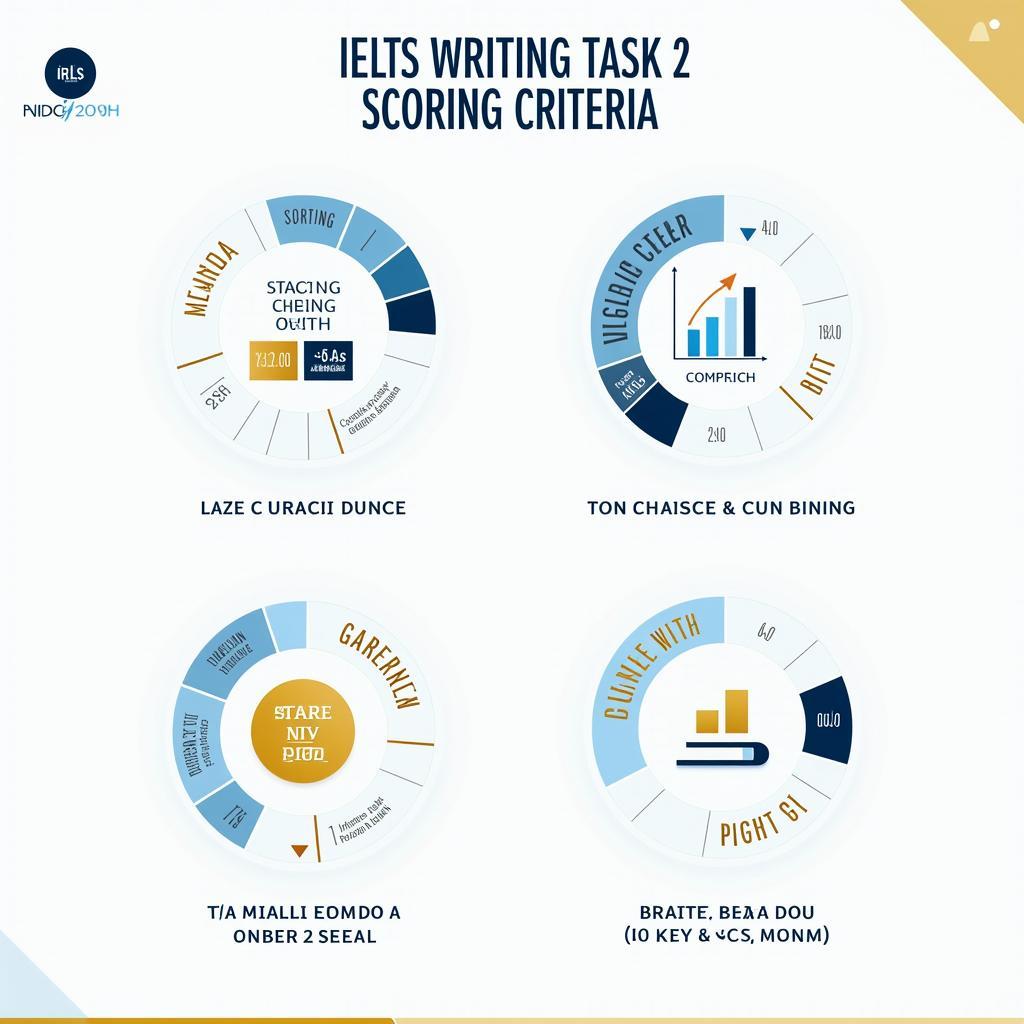 Bảng phân tích tiêu chí chấm điểm IELTS Writing Task 2 về đa dạng nơi làm việc band 8-9
Bài mẫu Band 6.5-7
Bài viết Band 6.5-7 vẫn đáp ứng được yêu cầu của đề bài nhưng với độ phát triển ý tưởng và sử dụng ngôn ngữ ở mức khá tốt, chưa đạt đến sự tinh tế và sâu sắc của Band 8-9. Các lập luận có lý nhưng thiếu ví dụ cụ thể hoặc phân tích sâu.
In today’s globalized world, the question of whether companies should be forced by law to have diverse employees has sparked considerable debate. Some people believe that legal requirements are necessary, while others think that hiring should only focus on skills and qualifications. This essay will discuss both viewpoints before presenting my own opinion.
On the one hand, making diversity mandatory through legislation can address unfair discrimination that still exists in many workplaces. Without laws to enforce it, some companies might continue to hire people who are similar to their existing staff, which means qualified candidates from minority groups could be overlooked. Legal requirements would push organizations to actively look for talented individuals from different backgrounds, genders, and ethnicities. This can bring multiple benefits to companies, such as more creative ideas and better understanding of diverse customer needs. For example, a company with employees from various cultures can develop products that appeal to a wider market. Additionally, workplace diversity can create a more inclusive and fair society where everyone has equal opportunities regardless of their background.
On the other hand, opponents argue that hiring decisions should be based purely on merit rather than meeting diversity targets. They worry that if companies are legally obligated to hire a certain number of people from specific groups, they might choose less qualified candidates just to comply with the law. This could negatively affect the company’s productivity and performance. Furthermore, employees who are hired through diversity quotas might face stigma from their colleagues, who may question whether they got the job because of their abilities or just to fulfill requirements. It is also argued that in a truly equal society, people should be judged only by their competence, and any consideration of demographic factors is a form of reverse discrimination.
In my opinion, while merit should remain the primary consideration, some legal measures are necessary to ensure fair hiring practices. Instead of strict quotas, laws should focus on preventing discrimination and requiring companies to demonstrate that their recruitment processes are transparent and unbiased. Companies could be required to advertise positions widely and use blind recruitment methods where possible. This approach would encourage diversity without compromising on quality.
In conclusion, although both merit-based selection and legally enforced diversity have their advantages, a balanced approach that combines fair processes with merit-based decisions would be most effective in creating diverse yet high-performing workplaces.
Số từ: 429 từ
Phân tích Band điểm
| Tiêu chí | Band | Nhận xét |
|---|---|---|
| Task Response (Hoàn thành yêu cầu) | 7.0 | Bài viết đáp ứng đầy đủ yêu cầu đề bài, thảo luận cả hai quan điểm với ý kiến cá nhân rõ ràng. Tuy nhiên, các ý tưởng phát triển ở mức “relevant ideas” chưa đạt “fully extended”. Ví dụ về “company with employees from various cultures” còn chung chung, thiếu tính cụ thể như số liệu hoặc tên công ty thực tế. Một số lập luận chưa được phân tích sâu về nguyên nhân-kết quả. |
| Coherence & Cohesion (Mạch lạc & Liên kết) | 7.0 | Cấu trúc rõ ràng với progression logic giữa các đoạn. Sử dụng cohesive devices phù hợp (On the one hand, On the other hand, Furthermore, Additionally) nhưng có phần mechanical và ít đa dạng hơn Band 8-9. Topic sentences rõ ràng nhưng một số câu supporting chưa liên kết chặt chẽ với nhau. Thiếu sophisticated referencing như bài Band cao hơn. |
| Lexical Resource (Từ vựng) | 6.5 | Từ vựng đủ để truyền đạt ý tưởng với một số less common words như “sparked considerable debate”, “overlooked”, “stigma”, “reverse discrimination”. Tuy nhiên, có sự lặp lại từ vựng (“companies” xuất hiện nhiều lần) và một số collocation chưa tự nhiên như “forced by law” thay vì “legally mandated”. Paraphrasing ở mức cơ bản: diversity→diverse employees, hire→recruitment. Thiếu sophistication trong lựa chọn từ. |
| Grammatical Range & Accuracy (Ngữ pháp) | 7.0 | Sử dụng mix của câu đơn và câu phức với một số cấu trúc tốt (mệnh đề quan hệ, câu điều kiện, cấu trúc bị động). Đa số câu không có lỗi ngữ pháp nhưng độ phức tạp chưa cao. Thiếu các cấu trúc nâng cao như inversion, cleft sentences, hay participle clauses. Một số câu dài nhưng cấu trúc còn đơn giản và có thể dự đoán được. |
So sánh với bài Band 8-9
1. Về phát triển ý tưởng:
Band 6.5-7: “For example, a company with employees from various cultures can develop products that appeal to a wider market.”
- Ví dụ chung chung, không có tên cụ thể
Band 8-9: “Research from Harvard Business Review demonstrates that companies with diverse leadership teams generate 19% higher innovation revenue”
- Ví dụ cụ thể với nguồn trích dẫn uy tín và số liệu chính xác
2. Về từ vựng:
Band 6.5-7: “making diversity mandatory through legislation”
- Đơn giản, dễ hiểu nhưng thiếu sophistication
Band 8-9: “whether workplace diversity should be legally mandated”
- Sử dụng collocations học thuật tự nhiên hơn
3. Về cấu trúc câu:
Band 6.5-7: “Some people believe that legal requirements are necessary, while others think that hiring should only focus on skills and qualifications.”
- Câu ghép đơn giản với while
Band 8-9: “While some advocate for legislative intervention to ensure equitable representation across different demographics, others contend that employment decisions should rest purely on individual merit.”
- Câu phức với cấu trúc parallel, từ vựng học thuật cao (advocate for, contend that, rest on)
4. Về cohesion:
Band 6.5-7: Sử dụng các linking words rõ ràng nhưng có phần mechanical: “On the one hand… On the other hand… Additionally… Furthermore”
Band 8-9: Cohesive devices đa dạng và tinh tế hơn: “Conversely”, “Moreover”, reference words như “this intervention”, “such policies”
5. Về độ sâu phân tích:
Band 6.5-7: “This could negatively affect the company’s productivity and performance.”
- Nêu kết quả nhưng không giải thích tại sao
Band 8-9: “When employees perceive that colleagues were hired primarily to fulfill diversity requirements rather than for their competencies, it may foster resentment and undermine workplace cohesion.”
- Phân tích chi tiết cơ chế tâm lý dẫn đến kết quả
Bài mẫu Band 5-6
Bài viết Band 5-6 thể hiện khả năng truyền đạt ý tưởng cơ bản nhưng với nhiều hạn chế về từ vựng, ngữ pháp và cách triển khai ý. Bài viết vẫn có cấu trúc nhưng các lập luận chưa được phát triển đầy đủ và có một số lỗi ảnh hưởng đến sự rõ ràng.
Nowadays, many people are discussing about should companies must have different types of workers by law. Some people think this is good idea, but other people think companies should hire workers who has best skills. I will discuss both sides in this essay and give my opinion.
First, I think making law for diversity is good because it help fairness. In many companies, they only want to hire same kind of people, maybe same gender or same race. This is not fair for other people who also have good skills but different background. If government make law, companies will must hire different people and give chance to everyone. For example, in my country many women cannot get good job even they study well because companies prefer men. Law can change this situation. Also, when company have workers from different place and different culture, they can have more different ideas for make better products. This is good for business.
However, some people say that companies should only think about how good the workers are. They worry if law force companies to hire specific number of minority people, maybe they will hire someone who is not qualify enough. This can make problems for company’s work. And also, the workers who hired because of diversity law might feel bad because other workers think they get job not because of ability. It is better to select people depend on their qualification and experience, not their gender or race.
In my opinion, I think both ideas have good points. Companies should hire best workers, but also need to be fair. Maybe government can make some rules to stop discrimination in hiring but not force companies to hire exact numbers.
To conclude, the question about diversity law have two sides. Merit is important but fairness is also important. I believe companies need follow fair process when they hire people.
Số từ: 357 từ
Phân tích Band điểm
| Tiêu chí | Band | Nhận xét |
|---|---|---|
| Task Response (Hoàn thành yêu cầu) | 5.5 | Bài viết cố gắng thảo luận cả hai quan điểm và đưa ra ý kiến nhưng phát triển ý còn hạn chế và chung chung. Các lập luận thiếu chi tiết cụ thể (ví dụ “in my country” không rõ ràng). Một số ý không được giải thích đầy đủ. Conclusion quá ngắn và không tóm tắt hiệu quả các điểm chính. Position không thật sự rõ ràng – người viết nói “both ideas have good points” nhưng không thể hiện rõ quan điểm nghiêng về phía nào. |
| Coherence & Cohesion (Mạch lạc & Liên kết) | 5.5 | Có cấu trúc cơ bản với introduction, 2 body paragraphs và conclusion. Sử dụng một số linking words đơn giản (First, However, Also, In my opinion) nhưng không đa dạng. Thiếu topic sentences rõ ràng trong một số đoạn. Progression giữa các câu đôi khi không trơn tru, có cảm giác “nhảy” từ ý này sang ý khác. Thiếu cohesive devices phức tạp và reference words. |
| Lexical Resource (Từ vựng) | 5.0 | Từ vựng cơ bản với nhiều lặp lại (“companies”, “workers”, “people”, “good”). Sử dụng một số từ không chính xác: “discussing about” (redundant), “qualify” thay vì “qualified”. Collocation không tự nhiên: “make law for diversity”, “make problems”, “hired because of diversity law”. Paraphrase rất hạn chế – gần như lặp lại từ trong đề. Thiếu less common vocabulary và academic expressions. |
| Grammatical Range & Accuracy (Ngữ pháp) | 5.5 | Sử dụng chủ yếu câu đơn và một số câu ghép cơ bản. Có nhiều lỗi ngữ pháp ảnh hưởng đến sự rõ ràng: “should companies must” (double modal), “who has” (subject-verb agreement), “make law” (thiếu article), “will must hire” (lỗi modal), “depend on” thay vì “based on”. Lỗi về mạo từ xuất hiện nhiều lần. Tuy nhiên, các lỗi này không làm bài viết hoàn toàn khó hiểu. |
Những lỗi sai của bài – phân tích & giải thích
| Lỗi sai | Loại lỗi | Sửa lại | Giải thích |
|---|---|---|---|
| “discussing about should companies must have” | Ngữ pháp (double modal + cấu trúc) | “discussing whether companies should be required to have” | Lỗi nghiêm trọng: (1) “discuss” không cần giới từ “about” khi theo sau là clause; (2) không được dùng hai modal verbs liên tiếp (“should” và “must”); (3) thiếu “whether” để dẫn dắt mệnh đề danh từ. Đây là lỗi điển hình của người Việt khi dịch trực tiếp từ tiếng Việt. |
| “workers who has best skills” | Ngữ pháp (subject-verb agreement) | “workers who have the best skills” | “Who” là đại từ quan hệ thay thế cho “workers” (số nhiều) nên động từ phải là “have” không phải “has”. Ngoài ra thiếu article “the” trước so sánh nhất “best skills”. |
| “making law for diversity is good because it help fairness” | Ngữ pháp (subject-verb agreement + article) | “making laws for diversity is good because it helps ensure fairness” | (1) “It” là số ít nên động từ phải là “helps” có “s”; (2) “law” nên ở số nhiều “laws” hoặc có article “a law”; (3) “help fairness” không tự nhiên, nên thêm “ensure/promote”. |
| “companies will must hire” | Ngữ pháp (double modal) | “companies will have to hire” hoặc “companies must hire” | Không được dùng hai modal verbs liên tiếp. Nếu muốn diễn đạt ý nghĩa tương lai của “must”, dùng “will have to” thay thế. |
| “in my country many women cannot get good job” | Ngữ pháp (article) | “in my country, many women cannot get good jobs” | (1) Cần dấu phẩy sau “in my country” vì đây là adverbial phrase ở đầu câu; (2) “job” cần ở số nhiều “jobs” vì nói về nhiều việc làm nói chung, hoặc thêm article “a good job” nếu muốn dùng số ít. |
| “more different ideas for make better products” | Ngữ pháp (infinitive) | “more diverse ideas to make better products” hoặc “for making better products” | (1) Sau giới từ “for” phải dùng V-ing, không dùng bare infinitive; (2) “different ideas” lặp từ “different”, nên dùng từ đồng nghĩa như “diverse/various ideas”. |
| “someone who is not qualify enough” | Từ loại | “someone who is not qualified enough” | “Qualify” là động từ, cần dùng dạng tính từ “qualified” (có đủ trình độ) sau “be”. Đây là lỗi word form phổ biến của học viên Việt Nam. |
| “the workers who hired” | Ngữ pháp (passive voice) | “the workers who are hired” hoặc “the workers hired” | Trong mệnh đề quan hệ dạng bị động, cần có “be” trước past participle. Có thể lược bỏ “who are” để rút gọn thành “the workers hired”. |
| “select people depend on their qualification” | Cụm động từ + từ vựng | “select people based on their qualifications” | (1) Collocation đúng là “based on” không phải “depend on” trong ngữ cảnh này; (2) “qualification” nên ở số nhiều “qualifications” khi nói về trình độ chuyên môn nói chung. |
| “both ideas have good points” | Từ vựng (informal) | “both perspectives have merit” hoặc “both views are valid” | “Good points” quá informal cho academic writing. Nên dùng “merit”, “validity” hoặc “strengths” để formal hơn. |
| “the question about diversity law have two sides” | Ngữ pháp (subject-verb agreement) | “the question of whether diversity should be legally required has two sides” | (1) “Question” là số ít nên động từ phải là “has” không phải “have”; (2) “about diversity law” không đủ cụ thể, nên paraphrase lại toàn bộ ý của đề bài. |
Cách Cải Thiện Từ Band 6 Lên Band 7
1. Mở rộng và cụ thể hóa ví dụ:
Thay vì: “For example, in my country many women cannot get good job”
Nên viết: “For instance, according to a 2023 labour force survey in Vietnam, women hold only 15% of senior management positions despite comprising nearly half of university graduates, suggesting systematic barriers in promotion processes.”
2. Phát triển ý tưởng đầy đủ hơn:
Mỗi main idea cần có: Topic sentence → Explanation → Example → Impact/Consequence
Ví dụ thay vì chỉ nói “Law can change this situation”, hãy giải thích thêm: “Legal intervention could mandate transparent recruitment procedures and require companies to justify hiring decisions, thereby reducing unconscious bias and creating accountability.”
3. Nâng cao từ vựng học thuật:
- “discussing about” → “debating whether”
- “good idea” → “beneficial policy”
- “make problems” → “create difficulties” / “pose challenges”
- “feel bad” → “experience stigma” / “feel marginalized”
4. Sử dụng cấu trúc câu phức tạp hơn:
Thay vì hai câu đơn: “Companies should hire best workers. But also need to be fair.”
Dùng câu phức: “While companies should prioritize competence in their hiring decisions, they must simultaneously ensure that their recruitment processes do not discriminate against qualified candidates from underrepresented groups.”
5. Cải thiện cohesion:
Thêm reference words và linking phrases:
- “This situation” để chỉ về ý trước đó
- “Such practices” thay vì lặp lại danh từ
- “This approach” khi giới thiệu giải pháp
- Dùng “Furthermore”, “Consequently”, “In addition to this” thay vì chỉ “Also”
6. Tăng độ chính xác ngữ pháp:
Ôn lại:
- Subject-verb agreement (đặc biệt với mệnh đề quan hệ)
- Article usage (a/an/the)
- Modal verbs (không dùng double modals)
- Passive voice với mệnh đề quan hệ
- Verb patterns (V-ing vs to-infinitive)
7. Paraphrase hiệu quả:
Đề bài dùng: “legally required”, “diverse workforce”, “merit and qualifications”
Bạn nên dùng các biến thể:
- legally required → mandated by law / legislative requirements / legal obligations
- diverse workforce → employees from varied backgrounds / heterogeneous staff
- merit and qualifications → competence and credentials / abilities and expertise
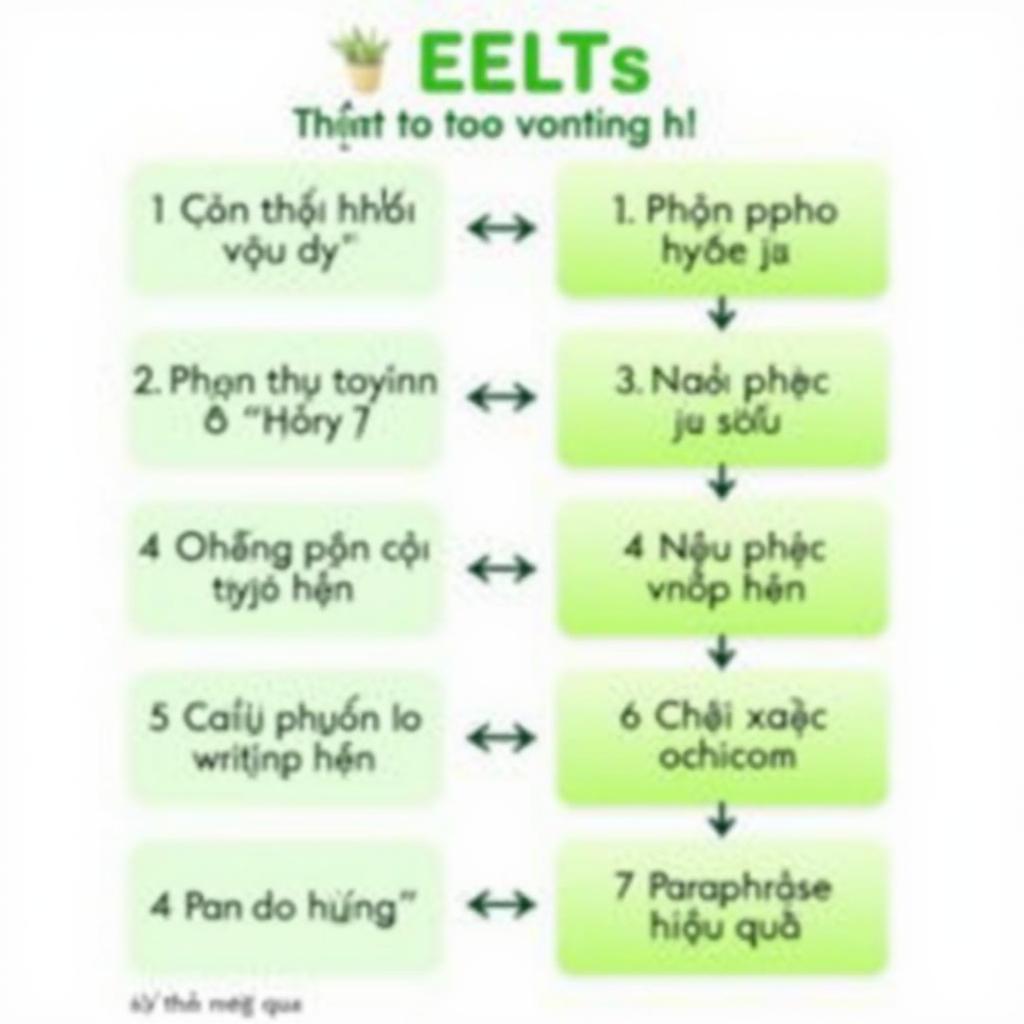 Sơ đồ các bước cải thiện bài viết IELTS Writing Task 2 từ band 6 lên band 7
Từ vựng quan trọng cần nhớ
| Từ/Cụm từ | Loại từ | Phiên âm | Nghĩa tiếng Việt | Ví dụ | Collocations |
|---|---|---|---|---|---|
| mandate (v) | Động từ | /ˈmændeɪt/ | Quy định bắt buộc, ban hành sắc lệnh | “The government mandated equal pay for equal work.” | legally mandated, mandate diversity, mandate compliance |
| contentious (adj) | Tính từ | /kənˈtenʃəs/ | Gây tranh cãi, gây bất đồng | “Diversity quotas remain a contentious issue in hiring practices.” | contentious debate, contentious issue, highly contentious |
| dismantle (v) | Động từ | /dɪsˈmæntl/ | Phá bỏ, dỡ bỏ (hệ thống) | “Legal reforms aim to dismantle systemic discrimination.” | dismantle barriers, dismantle systems, gradually dismantle |
| equitable (adj) | Tính từ | /ˈekwɪtəbl/ | Công bằng, công tâm | “The policy ensures equitable distribution of opportunities.” | equitable representation, equitable access, equitable treatment |
| perpetuate (v) | Động từ | /pərˈpetʃueɪt/ | Duy trì, kéo dài (thường là điều tiêu cực) | “Homogeneous hiring practices perpetuate inequality.” | perpetuate stereotypes, perpetuate discrimination, perpetuate bias |
| unconscious bias | Cụm danh từ | /ʌnˈkɒnʃəs ˈbaɪəs/ | Định kiến vô thức | “Blind recruitment reduces unconscious bias in selection.” | address unconscious bias, overcome unconscious bias, unconscious bias training |
| stigmatize (v) | Động từ | /ˈstɪɡmətaɪz/ | Gây ô danh, gắn mác xấu | “Quota systems may unintentionally stigmatize minority employees.” | stigmatize individuals, stigmatize groups, unfairly stigmatize |
| undermine (v) | Động từ | /ˌʌndərˈmaɪn/ | Làm suy yếu, phá hoại | “Poor implementation can undermine diversity initiatives.” | undermine confidence, undermine efforts, seriously undermine |
| merit-based (adj) | Tính từ | /ˈmerɪt beɪst/ | Dựa trên năng lực thực tế | “The company advocates for merit-based promotion.” | merit-based selection, merit-based system, purely merit-based |
| demographic (adj/n) | Tính từ/Danh từ | /ˌdeməˈɡræfɪk/ | Thuộc về nhân khẩu học; nhóm dân số | “The workforce reflects diverse demographic backgrounds.” | demographic data, demographic characteristics, target demographics |
| catalyst (n) | Danh từ | /ˈkætəlɪst/ | Chất xúc tác, yếu tố thúc đẩy | “Legal mandates serve as catalysts for organizational change.” | catalyst for change, act as a catalyst, powerful catalyst |
| transparent (adj) | Tính từ | /trænsˈpærənt/ | Minh bạch, rõ ràng | “Transparent hiring processes build trust and fairness.” | transparent procedures, transparent system, fully transparent |
| accountability (n) | Danh từ | /əˌkaʊntəˈbɪləti/ | Trách nhiệm giải trình | “Legislation creates accountability for discriminatory practices.” | ensure accountability, lack of accountability, accountability mechanisms |
| cohesion (n) | Danh từ | /kəʊˈhiːʒn/ | Sự gắn kết, đoàn kết | “Team cohesion improves when diversity is managed well.” | workplace cohesion, social cohesion, strengthen cohesion |
| systematic (adj) | Tính từ | /ˌsɪstəˈmætɪk/ | Có hệ thống, mang tính hệ thống | “Systematic barriers prevent equal access to opportunities.” | systematic discrimination, systematic approach, systematic exclusion |
Cấu trúc câu dễ ăn điểm cao
1. Cấu trúc câu phức với mệnh đề trạng ngữ chỉ nhượng bộ (Concessive clauses)
Công thức: While/Although + Clause 1 (nhượng bộ), Clause 2 (ý chính)
Ví dụ từ bài Band 8-9:
“Although both perspectives have validity, I believe that a balanced approach incorporating legal frameworks alongside merit-based assessment would yield optimal outcomes.”
Tại sao cấu trúc này ghi điểm cao:
Cấu trúc này thể hiện tư duy phản biện – bạn thừa nhận giá trị của một quan điểm trước khi đưa ra ý kiến chính của mình. Điều này cho thấy khả năng phân tích đa chiều và không phiến diện, đúng với yêu cầu “Discuss both views” của đề bài. Sử dụng “While/Although” ở đầu câu cũng tạo sự đa dạng trong cách bắt đầu câu.
Ví dụ bổ sung:
- “While merit should remain the primary criterion, organizations cannot ignore the historical disadvantages faced by certain groups.”
- “Although quota systems have drawbacks, they have proven effective in breaking the glass ceiling in several industries.”
- “Despite concerns about reverse discrimination, evidence suggests that diversity mandates benefit companies financially.”
Lỗi thường gặp của học viên Việt Nam:
- Dùng “Although” với “but” trong cùng một câu: ❌ “Although merit is important, but diversity is also necessary.” → ✅ “Although merit is important, diversity is also necessary.”
- Quên dấu phẩy sau mệnh đề trạng ngữ ở đầu câu
2. Mệnh đề quan hệ không xác định (Non-defining relative clauses)
Công thức: Noun, which/who + additional information, verb…
Ví dụ từ bài Band 8-9:
“This model, successfully implemented in several Scandinavian countries, strikes a balance between promoting inclusivity and maintaining standards of excellence.”
Tại sao cấu trúc này ghi điểm cao:
Mệnh đề quan hệ không xác định giúp thêm thông tin bổ sung vào câu một cách tự nhiên mà không cần tách thành câu riêng. Điều này thể hiện khả năng kiểm soát câu phức và tạo sự liền mạch trong văn bản. Việc đặt mệnh đề giữa câu (như ví dụ trên) còn sophisticated hơn là đặt ở cuối câu.
Ví dụ bổ sung:
- “Unconscious bias, which affects hiring decisions even among well-intentioned managers, can be reduced through structured interviews.”
- “Technology companies, which have historically struggled with gender diversity, are now implementing blind recruitment processes.”
- “Diversity quotas, introduced in Norway in 2003, have significantly increased female representation on corporate boards.”
Lỗi thường gặp của học viên Việt Nam:
- Quên dấu phẩy trước và sau mệnh đề: ❌ “This approach which focuses on fair processes is effective.” → ✅ “This approach, which focuses on fair processes, is effective.”
- Nhầm lẫn giữa “which” (cho vật) và “who” (cho người)
3. Cụm phân từ (Participle phrases)
Công thức: Present participle (V-ing) / Past participle (V-ed) + information, main clause
Ví dụ từ bài Band 8-9:
“Without legislative enforcement, they contend, many organizations would perpetuate homogeneous hiring practices, whether consciously or through unconscious bias.”
Tại sao cấu trúc này ghi điểm cao:
Cụm phân từ giúp kết nối ý tưởng một cách ngắn gọn và học thuật hơn so với dùng mệnh đề đầy đủ. Nó thể hiện khả năng condensing information – một kỹ năng quan trọng trong academic writing. Cấu trúc này cũng giúp tránh lặp từ “because” hay “when” quá nhiều.
Ví dụ bổ sung:
- “Recognizing the limitations of pure quota systems, policymakers have developed more nuanced approaches.”
- “Faced with allegations of discrimination, many companies have adopted transparent recruitment procedures.”
- “Having implemented diversity training programs, the organization saw a 30% increase in minority hires.”
Lỗi thường gặp của học viên Việt Nam:
- Dangling participle (chủ ngữ của cụm phân từ khác với chủ ngữ của mệnh đề chính): ❌ “Working in HR, diversity issues are familiar to me.” → ✅ “Working in HR, I am familiar with diversity issues.”
- Nhầm lẫn giữa present participle (chủ động) và past participle (bị động)
4. Câu chẻ với “It is… that” (Cleft sentences)
Công thức: It is/was + focused element + that/who + rest of sentence
Ví dụ từ bài Band 8-9:
“It is not the concept of diversity itself but rather the methods of implementation that determine success.”
Tại sao cấu trúc này ghi điểm cao:
Câu chẻ giúp nhấn mạnh một phần thông tin cụ thể trong câu, tạo focus và làm rõ điểm quan trọng nhất mà bạn muốn người đọc chú ý. Đây là cách thể hiện sophisticated control over emphasis – một đặc điểm của Band 8-9. Cấu trúc này cũng tạo variation trong sentence structure.
Ví dụ bổ sung:
- “It is through legislative intervention that marginalized groups can gain equal access to employment opportunities.”
- “It was only after implementing diversity quotas that the company achieved gender parity in leadership roles.”
- “It is not quotas themselves but the perception of unfairness that creates resistance among employees.”
Lỗi thường gặp của học viên Việt Nam:
- Dùng sai thì động từ sau “that”: ❌ “It was last year that the law is passed.” → ✅ “It was last year that the law was passed.”
- Quên “that” trong cấu trúc: ❌ “It is diversity policies improve workplace culture.” → ✅ “It is diversity policies that improve workplace culture.”
5. Câu điều kiện nâng cao (Mixed conditionals & Inverted conditionals)
Công thức:
- Mixed: If + past perfect, would + base verb (hoặc ngược lại)
- Inverted: Were/Should/Had + subject + verb, main clause
Ví dụ từ bài Band 8-9:
“Were companies left entirely to their own devices, discriminatory patterns would likely persist indefinitely.”
Tại sao cấu trúc này ghi điểm cao:
Câu điều kiện đảo ngữ (inversion) là dấu hiệu của advanced grammar, thường chỉ xuất hiện trong formal academic writing. Nó thể hiện sophisticated control over conditional structures và tạo formal tone phù hợp với IELTS Writing Task 2. Mixed conditionals cho thấy bạn hiểu sự khác biệt giữa các time frames.
Ví dụ bổ sung:
- “Had diversity legislation been implemented earlier, we would see more equitable representation today.”
- “Should companies fail to address unconscious bias, they risk perpetuating systemic inequality.”
- “Were recruitment processes entirely merit-based, as proponents claim, we would not observe such stark demographic disparities.”
Lỗi thường gặp của học viên Việt Nam:
- Nhầm lẫn giữa các loại câu điều kiện và dùng sai thì
- Khi đảo ngữ với “were”, vẫn thêm “if”: ❌ “If were diversity mandated…” → ✅ “Were diversity mandated…”
- Quên đảo ngữ đầy đủ: ❌ “Should companies not implement…” → ✅ “Should companies fail to implement…”
6. Cấu trúc song hành với “not only… but also” và các liên từ tương quan
Công thức: Not only + clause 1 (+ inversion), but (also) + clause 2
Ví dụ từ bài Band 8-9:
“Legal mandates not only compel organizations to diversify their workforce but also signal societal commitment to equality.”
Tại sao cấu trúc này ghi điểm cao:
Cấu trúc song hành (parallel structure) với “not only…but also” cho phép bạn kết nối hai ý tưởng liên quan một cách elegant, thể hiện logical progression. Khi dùng với đảo ngữ (đặc biệt khi “not only” ở đầu câu), độ sophistication tăng lên đáng kể. Cấu trúc này cũng giúp emphasis rằng có nhiều hơn một lợi ích/hậu quả.
Ví dụ bổ sung:
- “Diversity initiatives not only enhance innovation but also improve employee satisfaction and retention rates.”
- “Not only do quota systems increase representation, but they also challenge stereotypes about competence.”
- “Merit-based hiring benefits not only individual companies but also contributes to broader economic efficiency.”
Lỗi thường gặp của học viên Việt Nam:
- Thiếu tính song song về cấu trúc: ❌ “Not only does diversity improve innovation but also it is good for profits.” → ✅ “Not only does diversity improve innovation but it also increases profitability.”
- Quên đảo ngữ khi “not only” ở đầu câu: ❌ “Not only diversity improves…” → ✅ “Not only does diversity improve…”
- Dùng “but” mà không có “also” (tuy “also” có thể lược bỏ nhưng giữ lại sẽ formal hơn trong academic writing)
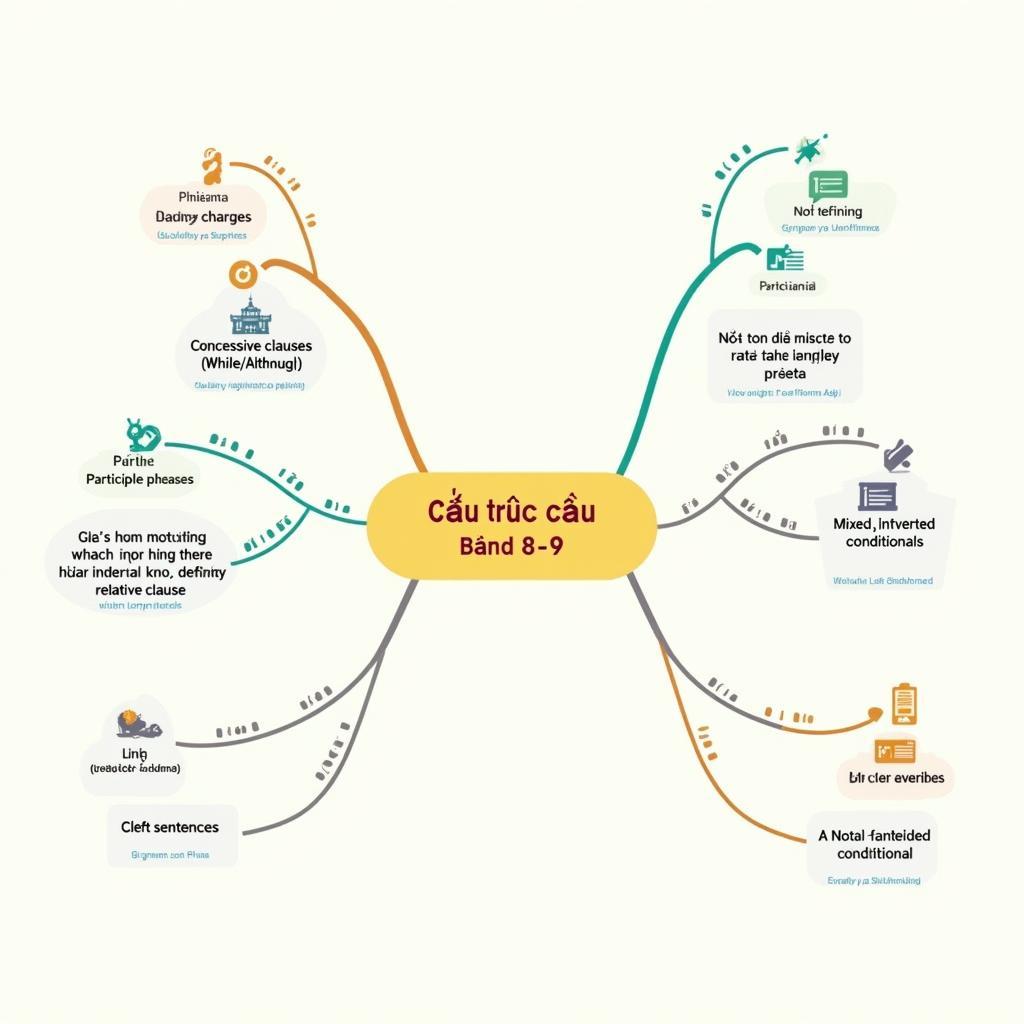 Sơ đồ tư duy 6 cấu trúc câu nâng cao giúp đạt band 8-9 IELTS Writing Task 2
Kết bài
Chủ đề về việc liệu đa dạng nơi làm việc có nên được quy định pháp lý hay không là một trong những đề tài phức tạp và đòi hỏi tư duy phản biện cao trong IELTS Writing Task 2. Qua ba bài mẫu ở các band điểm khác nhau, bạn đã thấy rõ sự khác biệt về cách triển khai ý tưởng, độ sâu phân tích, độ phong phú của từ vựng và sự đa dạng của cấu trúc ngữ pháp.
Những điểm quan trọng cần ghi nhớ:
Để đạt Band 8-9, bạn cần không chỉ trả lời đúng yêu cầu đề bài mà còn phải thể hiện khả năng phân tích sâu sắc với các ví dụ cụ thể từ nguồn uy tín. Việc sử dụng từ vựng học thuật một cách tự nhiên, kết hợp với các cấu trúc câu phức tạp nhưng rõ ràng, sẽ tạo nên bài viết có sức thuyết phục cao.
Với Band 6.5-7, bạn đã đáp ứng được yêu cầu cơ bản của đề bài nhưng cần cải thiện về độ cụ thể của ví dụ, sự đa dạng của từ vựng và độ phức tạp của cấu trúc câu. Việc paraphrase hiệu quả và sử dụng cohesive devices một cách tinh tế sẽ giúp bạn bước lên Band 7+.
Đối với những bạn đang ở Band 5-6, ưu tiên hàng đầu là cải thiện độ chính xác về ngữ pháp, đặc biệt là subject-verb agreement, article usage và verb patterns. Đồng thời, cần mở rộng vốn từ vựng học thuật và luyện tập cách phát triển ý tưởng đầy đủ hơn với chuỗi: Topic sentence → Explanation → Example → Impact.
Lộ trình học tập hiệu quả:
- Tuần 1-2: Học thuộc 15 từ vựng quan trọng trong bài và thực hành viết câu với từng từ
- Tuần 3-4: Luyện tập 6 cấu trúc câu nâng cao, mỗi ngày viết 3-5 câu với mỗi cấu trúc
- Tuần 5-6: Phân tích 3-5 đề thi thực tế khác về chủ đề tương tự, lập outline chi tiết
- Tuần 7-8: Viết 4-6 bài hoàn chỉnh, tự chấm theo 4 tiêu chí, so sánh với bài mẫu Band cao
- Tuần 9 trở đi: Tham gia nhóm học để nhận feedback, sửa lỗi và viết lại
Hãy nhớ rằng, việc cải thiện Writing Task 2 là một quá trình dài hơi đòi hỏi sự kiên trì. Đừng nản lòng khi chưa thấy tiến bộ ngay lập tức – mỗi bài viết bạn hoàn thành đều là một bước tiến quan trọng trên con đường chinh phục IELTS. Chúc các bạn học tập hiệu quả và đạt được band điểm mong muốn!


[…] ai quan tâm đến vấn đề liên quan có thể tìm hiểu thêm về workplace diversity be legally required để có cái nhìn toàn diện hơn về các khía cạnh pháp lý của chủ đề […]