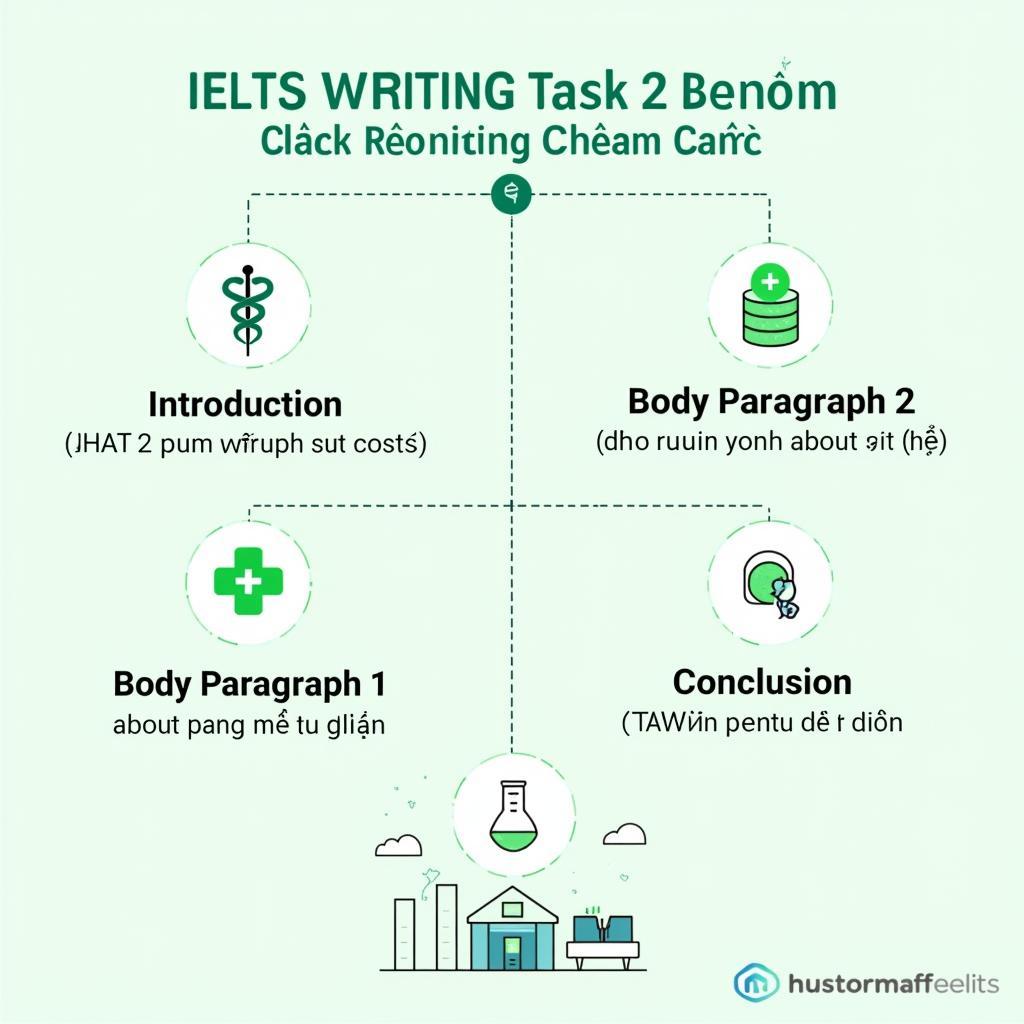
Trong những năm gần đây, chế độ ăn thực vật (plant-based diet) đã trở thành một xu hướng toàn cầu và cũng là chủ đề xuất hiện ngày càng thường xuyên trong kỳ thi IELTS Writing Task 2. Theo thống kê từ các trung tâm luyện thi uy tín, đề tài về sức khỏe và dinh dưỡng chiếm khoảng 15-20% tổng số đề thi trong năm 2023-2024, với nhiều câu hỏi xoay quanh lợi ích của việc ăn chay hoặc giảm tiêu thụ thịt.
Bài viết này sẽ cung cấp cho bạn một cái nhìn toàn diện về cách xử lý dạng đề này, bao gồm 3 bài mẫu ở các band điểm khác nhau (Band 8-9, Band 6.5-7, và Band 5-6), phân tích chi tiết tiêu chí chấm điểm, từ vựng chuyên ngành quan trọng, và các cấu trúc câu giúp bạn nâng cao điểm số. Đặc biệt, bài viết sẽ chỉ ra những lỗi sai thường gặp của học viên Việt Nam và cách khắc phục hiệu quả.
Một số đề thi thực tế đã xuất hiện gần đây liên quan đến chủ đề này bao gồm:
- “Some people think that everyone should be vegetarian because we do not need to eat meat to stay healthy. To what extent do you agree or disagree?” (British Council, tháng 6/2023)
- “The increased consumption of plant-based foods is beneficial for both individual health and the environment. Do you agree or disagree?” (IDP, tháng 9/2023)
- “Many doctors recommend that people adopt a plant-based diet to improve their health. What are the advantages and disadvantages of this trend?” (IELTS Academic, tháng 11/2023)
Đề Writing Part 2 Thực Hành
Some health experts believe that adopting a plant-based diet is one of the most effective ways to improve human health and prevent chronic diseases. To what extent do you agree or disagree with this statement? Give reasons for your answer and include any relevant examples from your own knowledge or experience.
Dịch đề: Một số chuyên gia y tế tin rằng việc áp dụng chế độ ăn dựa trên thực vật là một trong những cách hiệu quả nhất để cải thiện sức khỏe con người và phòng ngừa các bệnh mãn tính. Bạn đồng ý hay không đồng ý với quan điểm này ở mức độ nào? Đưa ra lý do cho câu trả lời của bạn và bao gồm bất kỳ ví dụ liên quan nào từ kiến thức hoặc kinh nghiệm của bản thân.
Phân tích đề bài:
Đây là dạng câu hỏi Opinion Essay (Agree/Disagree), một trong những dạng phổ biến nhất trong IELTS Writing Task 2. Đề bài yêu cầu bạn:
-
Đưa ra quan điểm rõ ràng: Bạn cần nêu rõ mức độ đồng ý (hoàn toàn đồng ý, một phần đồng ý, hoặc không đồng ý) ngay từ phần mở bài và duy trì quan điểm này xuyên suốt bài viết.
-
Phân tích các thuật ngữ quan trọng:
- Plant-based diet: Chế độ ăn chủ yếu hoặc hoàn toàn từ thực vật (rau, củ, quả, ngũ cốc, hạt) – không nhất thiết phải thuần chay hoàn toàn
- Chronic diseases: Các bệnh mãn tính như tiểu đường, tim mạch, béo phì, ung thư
- Most effective ways: Cần so sánh với các phương pháp khác để chứng minh tính hiệu quả vượt trội
-
Những lỗi thường gặp của học viên Việt Nam:
- Chỉ nêu lợi ích mà không đánh giá xem đây có phải là cách “hiệu quả nhất” hay không
- Nhầm lẫn giữa “plant-based” (dựa trên thực vật) và “vegan” (thuần chay)
- Đưa ra ví dụ quá chung chung, thiếu tính thuyết phục
- Không giải quyết hết yêu cầu đề bài (chỉ nói về health mà bỏ qua chronic diseases)
Tương tự như advantages and disadvantages of veganism for global health, đề bài này yêu cầu bạn đánh giá tác động của việc thay đổi chế độ ăn uống, nhưng tập trung nhiều hơn vào mức độ hiệu quả so với các phương pháp khác.
- Cách tiếp cận chiến lược:
- Quan điểm cân bằng (khuyên dùng): Đồng ý rằng chế độ ăn thực vật có nhiều lợi ích nhưng cần kết hợp với các yếu tố khác (tập thể dục, giảm stress) để đạt hiệu quả tối ưu
- Quan điểm mạnh: Hoàn toàn đồng ý và đưa ra nhiều bằng chứng khoa học
- Quan điểm phản biện: Không đồng ý và chỉ ra những hạn chế của chế độ ăn này
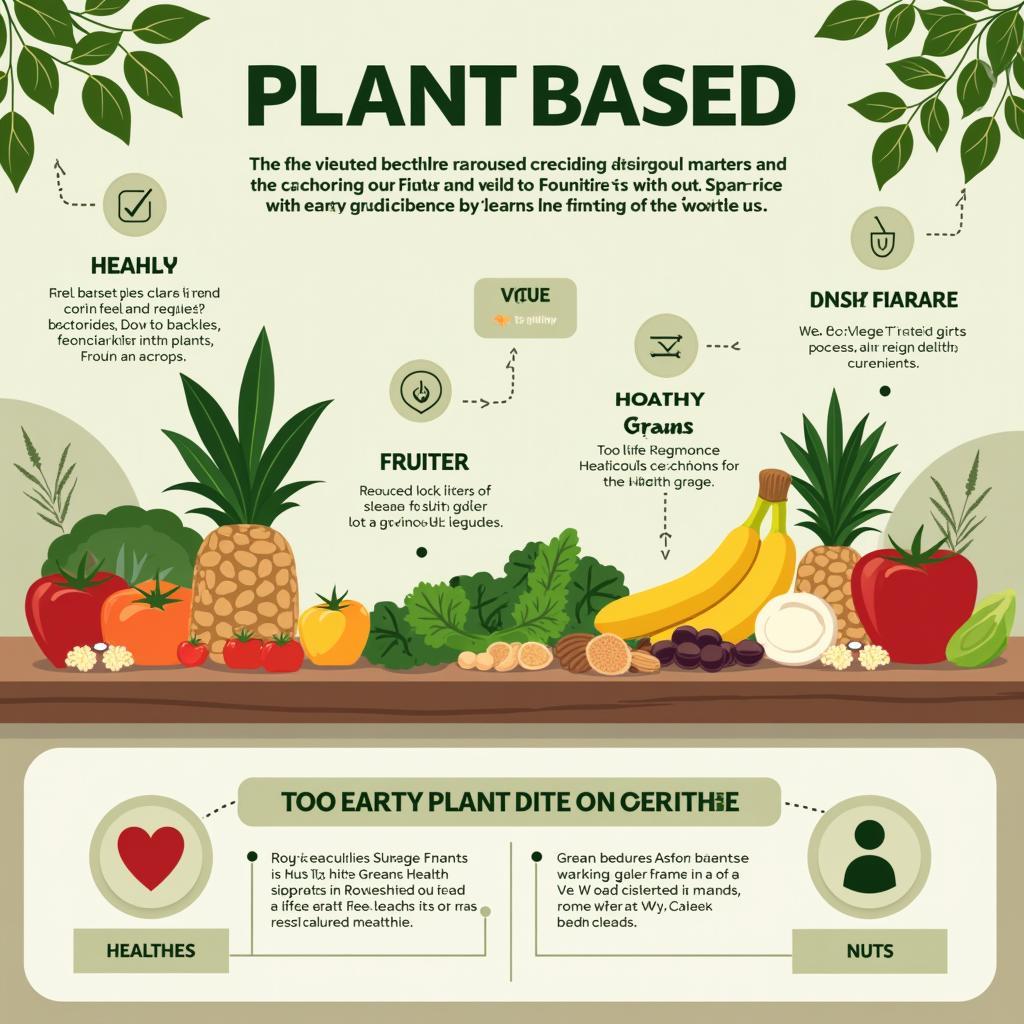 Minh họa chế độ ăn thực vật và lợi ích sức khỏe cho con người
Bài Mẫu Band 8-9
Giới thiệu: Bài viết Band 8-9 cần thể hiện sự tinh tế trong lập luận, từ vựng đa dạng và chính xác, cấu trúc câu phức tạp nhưng tự nhiên, và khả năng phân tích sâu sắc vấn đề từ nhiều góc độ. Bài mẫu dưới đây minh họa cách triển khai quan điểm cân bằng một cách thuyết phục.
In recent years, the notion that plant-based diets represent the pinnacle of nutritional strategies for enhancing human health has gained considerable traction among healthcare professionals. While I largely concur with this perspective, I believe that such dietary patterns, though highly beneficial, should be viewed as one component of a holistic approach to disease prevention rather than a panacea.
There is compelling scientific evidence supporting the health advantages of predominantly plant-based eating patterns. Numerous longitudinal studies have demonstrated that individuals consuming diets rich in vegetables, legumes, whole grains, and fruits exhibit significantly lower rates of cardiovascular disease, type 2 diabetes, and certain malignancies. This protective effect can be attributed to the abundance of dietary fiber, antioxidants, and phytonutrients found in plant foods, which work synergistically to reduce inflammation and oxidative stress—two fundamental mechanisms underlying chronic disease development. Moreover, the virtual absence of saturated fats and cholesterol in plant-based diets contributes to improved lipid profiles and reduced arterial plaque formation, thereby mitigating cardiovascular risk.
However, the characterization of plant-based eating as the most effective health intervention warrants careful scrutiny. While dietary modification undoubtedly plays a crucial role in disease prevention, it represents just one facet of a multifactorial equation. Regular physical activity, for instance, has been shown to independently reduce chronic disease risk by as much as 30-40%, comparable to dietary interventions. Furthermore, stress management, adequate sleep, and avoiding tobacco use are equally critical determinants of long-term health outcomes. Additionally, a poorly planned plant-based diet lacking in essential nutrients such as vitamin B12, iron, and omega-3 fatty acids may paradoxically lead to nutritional deficiencies, particularly in vulnerable populations like children and pregnant women.
In conclusion, while adopting a plant-based diet constitutes an exceptionally valuable strategy for improving health and preventing chronic diseases, I would argue that its effectiveness is maximized when integrated with other healthy lifestyle practices. Rather than seeking a single “most effective” solution, individuals should embrace a comprehensive approach to wellness that encompasses nutritious eating, regular exercise, and stress reduction for optimal health outcomes.
Số từ: 318
Phân Tích Band Điểm
| Tiêu chí | Band | Nhận xét |
|---|---|---|
| Task Response (Hoàn thành yêu cầu) | 9.0 | Bài viết trả lời đầy đủ và sâu sắc câu hỏi đề bài. Quan điểm rõ ràng ngay từ đầu (“largely concur… but”), được phát triển một cách logic và nhất quán xuyên suốt bài. Đưa ra nhiều ví dụ cụ thể và có chiều sâu phân tích (longitudinal studies, statistical evidence, nutritional mechanisms). |
| Coherence & Cohesion (Mạch lạc & Liên kết) | 9.0 | Cấu trúc bài 4 đoạn rất rõ ràng với luồng ý mạch lạc. Sử dụng đa dạng và chính xác các từ nối (While, Moreover, However, Furthermore, Additionally, In conclusion). Mỗi đoạn có topic sentence mạnh mẽ và supporting ideas liên kết chặt chẽ. Sử dụng tốt cohesive devices như “This protective effect”, “such dietary patterns”. |
| Lexical Resource (Từ vựng) | 9.0 | Từ vựng đa dạng, tinh tế và chính xác cao độ với nhiều collocation học thuật (pinnacle of nutritional strategies, longitudinal studies, work synergistically, multifactorial equation). Sử dụng paraphrasing xuất sắc để tránh lặp từ. Không có lỗi từ vựng nào đáng kể. Từ vựng chuyên ngành y học và dinh dưỡng được sử dụng tự nhiên. |
| Grammatical Range & Accuracy (Ngữ pháp) | 9.0 | Đa dạng cấu trúc câu phức tạp (mệnh đề quan hệ, phân từ, câu điều kiện, câu bị động) được sử dụng linh hoạt và chính xác. Không có lỗi ngữ pháp nào. Câu văn dài nhưng vẫn rõ ràng và dễ hiểu. Sử dụng thành thạo các cấu trúc nâng cao như “such…that”, “not only…but also” (ngụ ý qua “just one facet”). |
Các Yếu Tố Giúp Bài Này Được Chấm Điểm Cao
-
Quan điểm tinh tế và cân bằng: Thay vì đồng ý hoặc không đồng ý hoàn toàn, bài viết thể hiện sự phân tích sâu sắc với cụm “largely concur…but”, cho thấy khả năng tư duy phản biện và nhìn nhận đa chiều.
-
Bằng chứng khoa học cụ thể: Sử dụng thuật ngữ nghiên cứu thực tế (“longitudinal studies”, “30-40%”) thay vì chỉ nói chung chung, tăng tính thuyết phục và credibility của bài viết.
-
Từ vựng chuyên ngành chính xác: Các thuật ngữ như “phytonutrients”, “oxidative stress”, “lipid profiles”, “arterial plaque formation” cho thấy hiểu biết sâu về chủ đề và vốn từ vựng academic ấn tượng.
-
Cấu trúc lập luận logic: Đoạn 2 trình bày lợi ích (thesis), đoạn 3 phản biện và bổ sung góc nhìn (antithesis), đoạn kết tổng hợp (synthesis) – thể hiện khả năng tổ chức ý tưởng theo phương pháp biện chứng.
-
Paraphrasing xuất sắc: Đề bài dùng “plant-based diet” nhưng bài viết đa dạng hóa bằng “predominantly plant-based eating patterns”, “plant foods”, “such dietary patterns”, tránh lặp từ một cách tự nhiên.
-
Addressing counterarguments: Không chỉ ủng hộ quan điểm mà còn chỉ ra những hạn chế tiềm ẩn (thiếu B12, iron, omega-3), thể hiện tư duy phản biện – yếu tố quan trọng cho Band 8-9.
-
Cohesion tự nhiên: Sử dụng referencing hiệu quả (“This protective effect”, “such interventions”) để liên kết ý tưởng giữa các câu mà không lạm dụng các từ nối cứng nhắc.
Bài Mẫu Band 6.5-7
Giới thiệu: Bài viết Band 6.5-7 thể hiện khả năng sử dụng ngôn ngữ tốt với ý tưởng rõ ràng, nhưng vẫn còn một số hạn chế về độ tinh tế trong lập luận, phạm vi từ vựng chưa đa dạng bằng Band 8-9, và cấu trúc câu ít phức tạp hơn.
Nowadays, many health professionals suggest that eating more plant-based foods is very important for maintaining good health and avoiding serious diseases. I agree with this opinion to a large extent because there are many proven benefits of this type of diet.
First of all, plant-based diets can significantly improve our health in several ways. Research has shown that people who eat mainly vegetables, fruits, and grains have lower chances of getting heart disease and diabetes. This is because these foods contain high amounts of fiber, vitamins, and minerals that our bodies need. For example, my cousin switched to a mostly vegetarian diet last year, and his doctor reported that his cholesterol levels decreased remarkably within just six months. Additionally, plant-based foods are generally lower in calories and unhealthy fats compared to meat and dairy products, which helps people maintain a healthy weight and reduce the risk of obesity-related diseases.
However, I think it is important to consider that a plant-based diet alone may not be completely sufficient for everyone. Some people, especially children and pregnant women, need certain nutrients like vitamin B12 and iron that are more easily found in animal products. If they do not plan their diet carefully or take supplements, they might face nutritional deficiencies. Moreover, other lifestyle factors such as regular exercise and stress management are also essential for preventing chronic diseases. Therefore, although eating plant-based foods is highly beneficial, it should be combined with other healthy habits to achieve the best results.
In conclusion, I strongly believe that adopting a plant-based diet is one of the most effective methods to improve health and prevent chronic diseases. However, people should also pay attention to getting all necessary nutrients and maintaining other aspects of a healthy lifestyle to ensure overall well-being.
Số từ: 298
Phân Tích Band Điểm
| Tiêu chí | Band | Nhận xét |
|---|---|---|
| Task Response (Hoàn thành yêu cầu) | 7.0 | Trả lời đầy đủ câu hỏi với quan điểm rõ ràng (“agree to a large extent”). Có ví dụ cá nhân (anh/chị họ) nhưng chưa đủ sâu sắc. Phát triển ý tương đối đầy đủ nhưng phân tích còn surface-level, chưa đi sâu vào mechanisms như bài Band 8-9. |
| Coherence & Cohesion (Mạch lạc & Liên kết) | 6.5 | Cấu trúc 4 đoạn rõ ràng với luồng ý logic. Sử dụng từ nối phổ biến (First of all, However, Additionally, Therefore, In conclusion) nhưng còn đơn giản và có phần mechanical. Một số chỗ chuyển ý hơi đột ngột. Paragraph organization tốt nhưng cohesion trong đoạn chưa mượt mà như Band cao hơn. |
| Lexical Resource (Từ vựng) | 6.5 | Từ vựng đủ để truyền đạt ý tưởng rõ ràng với một số collocations tốt (maintain good health, nutritional deficiencies, chronic diseases). Tuy nhiên, vẫn lặp lại một số từ (plant-based, healthy) và chưa có nhiều từ vựng academic level cao. Một số lỗi nhỏ về word choice (“very important” thay vì từ mạnh hơn). |
| Grammatical Range & Accuracy (Ngữ pháp) | 7.0 | Sử dụng tương đối tốt các cấu trúc câu phức (mệnh đề quan hệ, điều kiện). Có một số câu phức tạp nhưng chủ yếu là câu đơn và câu ghép. Lỗi ngữ pháp rất ít và không ảnh hưởng đến communication. Control tốt các thì động từ. |
So Sánh Với Bài Band 8-9
1. Độ tinh tế trong quan điểm:
- Band 8-9: “While I largely concur with this perspective, I believe that such dietary patterns…should be viewed as one component” – quan điểm nuanced, thể hiện tư duy phê phán
- Band 6.5-7: “I agree with this opinion to a large extent” – quan điểm rõ ràng nhưng đơn giản hơn, thiếu độ tinh tế
2. Độ sâu của lập luận:
- Band 8-9: Giải thích cơ chế sinh học cụ thể (“reduce inflammation and oxidative stress”, “improved lipid profiles”, “arterial plaque formation”)
- Band 6.5-7: Chỉ nêu lợi ích chung chung (“contain high amounts of fiber, vitamins, and minerals”)
3. Chất lượng ví dụ:
- Band 8-9: Sử dụng bằng chứng khoa học (“longitudinal studies”, “30-40% reduction”)
- Band 6.5-7: Sử dụng ví dụ cá nhân (anh/chị họ) – hợp lệ nhưng kém thuyết phục hơn
4. Từ vựng:
- Band 8-9: “pinnacle of nutritional strategies”, “work synergistically”, “multifactorial equation”, “warrants careful scrutiny”
- Band 6.5-7: “very important”, “significantly improve”, “highly beneficial” – đơn giản và lặp lại hơn
5. Cấu trúc câu:
- Band 8-9: Sử dụng nhiều cấu trúc phức tạp tự nhiên, câu dài nhưng vẫn rõ ràng
- Band 6.5-7: Chủ yếu câu đơn và câu ghép, ít câu phức hơn
6. Cohesion:
- Band 8-9: Sử dụng referencing tinh tế (“This protective effect”, “such dietary patterns”)
- Band 6.5-7: Dựa nhiều vào linking words truyền thống (First of all, However, Additionally)
 So sánh điểm số giữa các bài mẫu IELTS Writing Task 2 về chế độ ăn thực vật
Bài Mẫu Band 5-6
Giới thiệu: Bài viết Band 5-6 thể hiện khả năng giao tiếp cơ bản về chủ đề nhưng còn nhiều hạn chế về độ chính xác ngữ pháp, phạm vi từ vựng hạn chế, cấu trúc câu đơn giản, và ý tưởng chưa được phát triển đầy đủ.
These days, many doctors say that eating vegetables and fruits is the best way to be healthy and not get sick. I agree with this idea because plant foods are good for our body.
Firstly, plant-based diet have many benefits for health. When people eat more vegetables and less meat, they can avoid many disease like heart problems and diabetes. Because vegetables have many vitamin and fiber which is important for body. My friend eat only vegetables for one year and he become more healthier than before. Also, plant foods don’t have much fat so people will not become fat easily. This is very important because nowadays many people have overweight problem and it cause many health issue.
On the other hand, I think only eating plants maybe not enough for some person. For example, children need to eat meat to grow up well because meat has protein. If they don’t eat meat, maybe they will not strong enough. Also, some vitamin like B12 only find in animal food, so if people don’t eat any animal food, they need to take medicine to get this vitamin. In my opinion, doing exercise is also very important for health, not only about food. People should do sport regularly if they want to prevent disease.
In conclusion, eating plant-based diet is very good way to improve health and stop chronic disease. But people also need to make sure they get all nutrition they need and do exercise too. I think this diet is one of the best method but not the only one method for healthy life.
Số từ: 271
Phân Tích Band Điểm
| Tiêu chí | Band | Nhận xét |
|---|---|---|
| Task Response (Hoàn thành yêu cầu) | 5.5 | Có trả lời câu hỏi và đưa ra quan điểm nhưng còn mơ hồ. Ý tưởng chưa được phát triển đầy đủ và thiếu depth. Ví dụ về bạn bè quá đơn giản và thiếu chi tiết cụ thể. Không phân tích được tại sao plant-based diet lại là “most effective” hay so sánh với các phương pháp khác một cách thỏa đáng. |
| Coherence & Cohesion (Mạch lạc & Liên kết) | 5.5 | Có cấu trúc cơ bản 4 đoạn nhưng tổ chức ý chưa logic hoàn toàn. Sử dụng linking words cơ bản (Firstly, On the other hand, Also, In conclusion) nhưng đôi khi không phù hợp (“Because” đứng đầu câu). Thiếu cohesion trong đoạn, các câu đứng riêng lẻ chưa liên kết mạch lạc. |
| Lexical Resource (Từ vựng) | 5.5 | Từ vựng cơ bản và hạn chế, lặp lại nhiều (healthy/health, plant, people, eat). Một số lỗi word form (healthier → more healthy, overweight problem → obesity). Thiếu collocations và paraphrasing. Sử dụng từ vựng informal không phù hợp academic writing (“become fat”, “not strong enough”). |
| Grammatical Range & Accuracy (Ngữ pháp) | 5.5 | Chủ yếu sử dụng câu đơn giản. Nhiều lỗi ngữ pháp cơ bản: subject-verb agreement (diet have → has, friend eat → eats), số nhiều (many disease → diseases), article (a vitamin → vitamins), word form (more healthier → healthier). Lỗi cấu trúc câu (fragment sentences). Tuy nhiên, vẫn có thể hiểu được ý nghĩa chung. |
Những Lỗi Sai Của Bài – Phân Tích & Giải Thích
| Lỗi sai | Loại lỗi | Sửa lại | Giải thích |
|---|---|---|---|
| plant-based diet have | Subject-Verb Agreement | plant-based diet has | “Diet” là danh từ số ít nên động từ phải chia “has”. Đây là lỗi rất phổ biến của học viên Việt Nam vì tiếng Việt không có sự thay đổi động từ theo chủ ngữ. |
| many disease | Noun Number | many diseases | Sau “many” phải dùng danh từ số nhiều. “Disease” là danh từ đếm được nên cần thêm “s”. |
| which is important | Subject-Verb Agreement | which are important | “Which” ở đây thay thế cho “vitamin and fiber” (số nhiều) nên động từ phải là “are”. |
| My friend eat | Subject-Verb Agreement | My friend eats | Chủ ngữ số ít ngôi thứ ba (my friend) cần động từ thêm “s/es” ở thì hiện tại đơn. |
| he become more healthier | Double Comparative | he became healthier | Không dùng “more” và “-er” cùng lúc. “Healthy” là tính từ 2 âm tiết nhưng dùng “-er”. Ngoài ra cần dùng thì quá khứ “became” vì đang kể về sự việc đã xảy ra. |
| people have overweight problem | Word Choice | people have obesity problems / are overweight | “Overweight” thường dùng như tính từ, không phải danh từ. Nên nói “obesity problem” hoặc cấu trúc khác tự nhiên hơn. |
| only eating plants maybe not enough | Word Order / Grammar | eating only plants may not be enough | “Maybe” là trạng từ độc lập, cần dùng “may not be” (modal verb). Vị trí “only” cũng nên đặt trước “plants” để rõ nghĩa hơn. |
| some person | Noun Number | some people | Sau “some” dùng danh từ số nhiều. “Person” (số ít) → “people” (số nhiều). |
| they will not strong enough | Missing Verb | they will not be strong enough | Thiếu động từ “be” sau modal verb “will”. Cấu trúc đúng: will + be + adjective. |
| some vitamin like B12 only find | Subject-Verb Agreement / Voice | some vitamins like B12 are only found | “Vitamin” cần số nhiều, và cần dùng bị động “are found” vì vitamin được “tìm thấy” chứ không tự “find”. |
| doing exercise is also very important | Article | doing exercise / exercising | “Exercise” khi là danh từ không đếm được thì không dùng “a/an”, hoặc có thể dùng gerund “exercising” trực tiếp. Tuy nhiên câu này có thể chấp nhận được ở mức độ nhất định. |
| one of the best method | Noun Number after “one of” | one of the best methods | Sau “one of the” phải dùng danh từ số nhiều vì đang nói về “một trong nhiều”. |
Cách Cải Thiện Từ Band 5-6 Lên Band 7
1. Khắc phục lỗi ngữ pháp cơ bản:
- Luyện tập Subject-Verb Agreement hàng ngày với các bài tập targeted
- Chú ý đến số ít/số nhiều của danh từ, đặc biệt sau “many”, “some”, “several”
- Học thuộc cách sử dụng articles (a/an/the) – một trong những lỗi phổ biến nhất của người Việt
2. Mở rộng vốn từ vựng:
- Học từ vựng theo chủ đề (health, nutrition) với collocations
- Thay thế từ đơn giản: “good” → “beneficial/advantageous”, “many” → “numerous/abundant”
- Sử dụng synonyms để paraphrase: “plant-based diet” → “vegetarian eating patterns” → “plant-focused nutrition”
3. Phát triển ý tưởng sâu hơn:
- Thay vì chỉ nói “vegetables have vitamins”, giải thích “vegetables contain antioxidants that reduce cellular damage”
- Đưa ra ví dụ cụ thể hơn: thay vì “my friend”, sử dụng “research from Harvard University shows…”
- Giải thích “why” và “how”, không chỉ “what”
4. Nâng cao cấu trúc câu:
- Học và áp dụng các cấu trúc phức: mệnh đề quan hệ, phân từ, câu điều kiện
- Kết hợp câu đơn thành câu phức: “Vegetables are healthy. They contain fiber.” → “Vegetables, which contain abundant fiber, are beneficial for digestive health.”
5. Cải thiện coherence:
- Sử dụng topic sentences rõ ràng cho mỗi đoạn
- Liên kết ý tưởng bằng referencing (this/that/these/those + noun)
- Dùng linking words đa dạng hơn: Moreover, Furthermore, Nevertheless, Consequently
6. Thực hành có chủ đích:
- Viết outline trước khi viết bài hoàn chỉnh
- Tự sửa lỗi sau khi viết xong (check grammar, vocabulary, coherence)
- So sánh bài của mình với bài mẫu Band 7-8 để học cách diễn đạt tốt hơn
- Viết ít nhất 2-3 bài/tuần và nhờ giáo viên chấm chữa
Từ Vựng Quan Trọng Cần Nhớ
| Từ/Cụm từ | Loại từ | Phiên âm | Nghĩa tiếng Việt | Ví dụ | Collocations |
|---|---|---|---|---|---|
| plant-based diet | noun phrase | /plɑːnt beɪst ˈdaɪət/ | chế độ ăn dựa trên thực vật | Adopting a plant-based diet can significantly reduce the risk of heart disease. | predominantly plant-based, strictly plant-based, transition to a plant-based diet |
| chronic disease | noun phrase | /ˈkrɒnɪk dɪˈziːz/ | bệnh mãn tính | Type 2 diabetes is a chronic disease that affects millions worldwide. | prevent chronic disease, chronic disease risk, chronic disease management |
| nutritional deficiency | noun phrase | /njuːˈtrɪʃənl dɪˈfɪʃənsi/ | sự thiếu hụt dinh dưỡng | Vegans must be careful to avoid nutritional deficiencies, particularly B12. | suffer from nutritional deficiency, risk of nutritional deficiency, address nutritional deficiency |
| cardiovascular disease | noun phrase | /ˌkɑːdiəʊˈvæskjʊlə dɪˈziːz/ | bệnh tim mạch | Plant-based diets are associated with lower rates of cardiovascular disease. | reduce cardiovascular disease risk, cardiovascular disease prevention, cardiovascular disease mortality |
| dietary fiber | noun phrase | /ˈdaɪətəri ˈfaɪbə/ | chất xơ trong thực phẩm | Dietary fiber promotes digestive health and helps regulate blood sugar levels. | rich in dietary fiber, adequate dietary fiber, dietary fiber intake |
| holistic approach | noun phrase | /həʊˈlɪstɪk əˈprəʊtʃ/ | cách tiếp cận toàn diện | A holistic approach to health considers diet, exercise, and mental well-being. | take a holistic approach, adopt a holistic approach, holistic approach to wellness |
| disease prevention | noun phrase | /dɪˈziːz prɪˈvenʃn/ | phòng ngừa bệnh tật | Regular exercise plays a crucial role in disease prevention. | disease prevention strategy, disease prevention measures, focus on disease prevention |
| longitudinal study | noun phrase | /ˌlɒndʒɪˈtjuːdɪnl ˈstʌdi/ | nghiên cứu dài hạn theo thời gian | Longitudinal studies have demonstrated the long-term benefits of vegetarian diets. | conduct a longitudinal study, longitudinal study findings, large-scale longitudinal study |
| oxidative stress | noun phrase | /ˈɒksɪdətɪv stres/ | stress oxy hóa (quá trình tổn thương tế bào) | Antioxidants in plant foods help combat oxidative stress in the body. | reduce oxidative stress, oxidative stress levels, protect against oxidative stress |
| lipid profile | noun phrase | /ˈlɪpɪd ˈprəʊfaɪl/ | chỉ số lipid máu | Switching to plant-based eating can improve your lipid profile within months. | improve lipid profile, favorable lipid profile, lipid profile analysis |
| mitigate risk | verb phrase | /ˈmɪtɪɡeɪt rɪsk/ | giảm thiểu rủi ro | Plant-based diets can mitigate the risk of developing type 2 diabetes. | effectively mitigate risk, mitigate risk factors, measures to mitigate risk |
| work synergistically | verb phrase | /wɜːk ˌsɪnəˈdʒɪstɪkli/ | hoạt động hiệp đồng/cộng hưởng | The nutrients in whole plant foods work synergistically to promote health. | components work synergistically, work synergistically together, work synergistically to enhance |
| compelling evidence | noun phrase | /kəmˈpelɪŋ ˈevɪdəns/ | bằng chứng thuyết phục | There is compelling evidence linking processed meat to cancer risk. | provide compelling evidence, compelling evidence suggests, mounting compelling evidence |
| vulnerable population | noun phrase | /ˈvʌlnərəbl ˌpɒpjʊˈleɪʃn/ | nhóm dân số dễ bị tổn thương | Pregnant women are a vulnerable population requiring special nutritional attention. | protect vulnerable populations, vulnerable population groups, needs of vulnerable populations |
| optimal health outcomes | noun phrase | /ˈɒptɪməl helθ ˈaʊtkʌmz/ | kết quả sức khỏe tối ưu | Achieving optimal health outcomes requires a combination of healthy lifestyle factors. | achieve optimal health outcomes, optimal health outcomes for patients, contribute to optimal health outcomes |
Lưu ý về cách sử dụng từ vựng:
-
Plant-based diet khác với “vegan diet”: Plant-based có thể vẫn ăn chút ít sản phẩm động vật, trong khi vegan hoàn toàn không sử dụng bất kỳ sản phẩm động vật nào.
-
Chronic disease vs acute disease: Chronic (mãn tính) kéo dài, acute (cấp tính) xảy ra đột ngột và ngắn hạn.
-
Holistic approach là từ rất “ăn điểm” khi nói về sức khỏe vì thể hiện hiểu biết về cách tiếp cận tổng thể, không chỉ một khía cạnh.
-
Các collocation như “compelling evidence”, “mitigate risk”, “optimal outcomes” là những cụm từ học thuật giúp nâng band điểm Lexical Resource.
 Bảng từ vựng IELTS về chế độ ăn thực vật và sức khỏe
Cấu Trúc Câu Dễ “Ăn Điểm” Cao
1. Mệnh đề nhượng bộ với While/Although/Though + mệnh đề chính
Công thức: While/Although/Though + S + V, S + V (quan điểm chính)
Ví dụ từ bài Band 8-9:
While I largely concur with this perspective, I believe that such dietary patterns, though highly beneficial, should be viewed as one component of a holistic approach.
Tại sao cấu trúc này ghi điểm cao:
Cấu trúc này thể hiện khả năng tư duy phản biện và nuanced thinking – không nhìn vấn đề một chiều. Examiner đánh giá cao việc bạn có thể thừa nhận một khía cạnh (concession) trước khi đưa ra quan điểm chính, cho thấy sự trưởng thành trong lập luận học thuật.
Ví dụ bổ sung:
- Although plant-based diets offer numerous health benefits, they require careful planning to ensure nutritional adequacy.
- While regular exercise is essential for health, dietary modifications can produce equally significant results.
- Though many people believe vegetarianism is expensive, studies show it can actually reduce household food costs.
Lỗi thường gặp của học viên Việt Nam:
- Dùng “Despite” + mệnh đề (sai): “Despite plant-based diets are healthy…” → Phải dùng “Despite the fact that” hoặc chuyển sang “Although”
- Quên dấu phẩy giữa hai mệnh đề
- Đặt mệnh đề nhượng bộ ở cuối câu mà không điều chỉnh nghĩa cho phù hợp
2. Câu phức với mệnh đề quan hệ không xác định (Non-defining relative clause)
Công thức: S, which/who + V + O, V (mệnh đề chính tiếp tục)
Ví dụ từ bài Band 8-9:
This protective effect can be attributed to the abundance of dietary fiber, antioxidants, and phytonutrients found in plant foods, which work synergistically to reduce inflammation.
Tại sao cấu trúc này ghi điểm cao:
Mệnh đề quan hệ không xác định (có dấu phẩy) cho phép bạn bổ sung thông tin phụ mà không làm gián đoạn luồng ý chính. Đây là dấu hiệu của writing tinh tế, academic, và thể hiện khả năng kết nối thông tin một cách mượt mà. Examiner thường tìm kiếm cấu trúc này trong bài Band 7+.
Ví dụ bổ sung:
- Regular consumption of legumes, which are rich in protein and fiber, can help maintain stable blood sugar levels.
- The Mediterranean diet, which emphasizes whole grains and healthy fats, has been linked to longevity.
- Dr. Michael Greger, who has conducted extensive research on nutrition, advocates strongly for plant-based eating.
Lỗi thường gặp của học viên Việt Nam:
- Nhầm lẫn giữa “which” (không xác định – có dấu phẩy) và “that” (xác định – không dấu phẩy)
- Quên dấu phẩy trước và sau mệnh đề quan hệ không xác định
- Sử dụng “what” thay vì “which”: “Plant foods, what contain fiber…” (sai)
3. Cụm phân từ (Participle phrases) để giảm thiểu mệnh đề
Công thức: V-ing/V-ed + O/Complement, S + V + O
Ví dụ từ bài Band 8-9:
Numerous longitudinal studies have demonstrated that individuals consuming diets rich in vegetables exhibit significantly lower rates of disease.
Tại sao cấu trúc này ghi điểm cao:
Participle phrases giúp câu văn trở nên súc tích và sophisticated hơn bằng cách nén hai mệnh đề thành một. Thay vì viết “individuals who consume diets…” (dài và đơn giản hơn), bạn viết “individuals consuming diets…” (ngắn gọn và academic hơn). Đây là đặc điểm của academic writing ở level cao.
Ví dụ bổ sung:
- Containing essential amino acids, plant proteins can adequately meet human nutritional requirements.
- Researchers studying dietary patterns have consistently found correlations between plant consumption and longevity.
- Motivated by environmental concerns, many young people are transitioning to vegetarian lifestyles.
- Published in The Lancet, the study confirmed the cardiovascular benefits of plant-based eating.
Lỗi thường gặp của học viên Việt Nam:
- Dangling modifier (chủ ngữ ẩn không rõ ràng): “Containing many vitamins, doctors recommend vegetables.” (sai – doctors không chứa vitamins) → “Containing many vitamins, vegetables are recommended by doctors.”
- Dùng sai dạng của động từ (V-ing vs V-ed): “Motivating by health concerns…” (sai) → “Motivated by…”
4. Câu chẻ (Cleft sentences) để nhấn mạnh thông tin
Công thức: It is/was + noun/adjective + that/who + S + V
Ví dụ từ bài Band 8-9:
It is the abundance of antioxidants that provides the protective effects against cellular damage.
Tại sao cấu trúc này ghi điểm cao:
Cleft sentences cho phép bạn nhấn mạnh một yếu tố cụ thể trong câu, tạo focus và dramatic effect. Cấu trúc này rất hiếm trong văn nói thông thường nhưng phổ biến trong academic writing, thể hiện khả năng manipulate sentence structure một cách linh hoạt.
Ví dụ bổ sung:
- It is dietary fiber, rather than protein content, that determines the satiety value of plant foods.
- It was not until the 1990s that researchers began to fully understand the benefits of phytonutrients.
- What concerns nutritionists most is the lack of vitamin B12 in strict vegan diets.
- The reason why plant-based diets are effective is that they naturally reduce caloric intake.
Lỗi thường gặp của học viên Việt Nam:
- Dùng “It’s” trong academic writing (nên viết đầy đủ “It is”)
- Quên “that” sau phần được nhấn mạnh: “It is fiber provides…” (sai) → “It is fiber that provides…”
- Nhầm lẫn cấu trúc “What…is…” với “It is…that…”
5. Câu điều kiện phức tạp (Mixed conditionals & Inversion)
Công thức: Should/Were/Had + S + V, S + would/could/might + V
Ví dụ ứng dụng:
Should individuals fail to supplement adequately, they might experience nutritional deficiencies despite following a plant-based diet.
Tại sao cấu trúc này ghi điểm cao:
Câu điều kiện đảo ngữ (inverted conditionals) là dấu hiệu của advanced grammar control. Thay vì dùng “If” thông thường, bạn đảo trợ động từ lên đầu câu, tạo ra văn phong formal và sophisticated. Đây là cấu trúc mà examiner thường tìm kiếm trong bài Band 8-9.
Ví dụ bổ sung:
- Were people to adopt plant-based diets universally, global greenhouse gas emissions would decrease dramatically.
- Had researchers discovered these benefits earlier, dietary guidelines might have changed decades ago.
- Should governments subsidize plant-based foods, more citizens could afford healthy diets.
Lỗi thường gặp của học viên Việt Nam:
- Dùng đảo ngữ với các modal verbs khác: “Could people adopt…” (không đúng ngữ cảnh)
- Quên đảo trợ động từ: “Should people do not supplement…” (sai) → “Should people not supplement…”
- Nhầm lẫn thì của mệnh đề chính: “Should people eat plants, they will be healthy” (thiếu tính hypothetical)
6. Cấu trúc So…that/Such…that để chỉ kết quả
Công thức: S + V + so + adj/adv + that + S + V hoặc S + V + such + (a/an) + adj + noun + that + S + V
Ví dụ ứng dụng:
The evidence supporting plant-based diets is so compelling that many healthcare institutions now recommend them as first-line therapy for chronic diseases.
Tại sao cấu trúc này ghi điểm cao:
Cấu trúc này thể hiện mối quan hệ nhân quả rõ ràng và mạnh mẽ, cho thấy bạn có thể diễn đạt consequence một cách sophisticated. Thay vì viết hai câu đơn giản (“The evidence is compelling. Many institutions recommend…”), bạn kết nối chúng logic hơn, tăng coherence.
Ví dụ bổ sung:
- Plant-based diets are such effective disease prevention tools that some doctors now prescribe them instead of medication.
- The nutritional benefits of legumes are so significant that they should form a cornerstone of healthy eating.
- There is such abundant research on this topic that skepticism is no longer justified.
Lỗi thường gặp của học viên Việt Nam:
- Nhầm lẫn “so” và “such”: “so good diet” (sai) → “such a good diet” hoặc “so good”
- Quên “that”: “The evidence is so compelling many institutions…” (thiếu connector)
- Dùng “very…that” thay vì “so…that”: “very compelling that” (không natural)
Kết Bài
Chế độ ăn dựa trên thực vật đã và đang trở thành một chủ đề “nóng” trong các kỳ thi IELTS Writing Task 2, phản ánh xu hướng toàn cầu về sức khỏe và sự bền vững. Qua bài viết này, bạn đã được trang bị những công cụ cần thiết để xử lý dạng đề này một cách tự tin và hiệu quả.
Hãy nhớ rằng, sự khác biệt giữa các band điểm không chỉ nằm ở việc có lỗi ngữ pháp hay không, mà còn ở độ sâu của lập luận, sự tinh tế trong cách diễn đạt, và khả năng sử dụng ngôn ngữ academic một cách tự nhiên. Bài mẫu Band 8-9 không nhất thiết phải dùng từ vựng “cao siêu” mà quan trọng là sự chính xác, phù hợp ngữ cảnh, và khả năng phát triển ý tưởng một cách logic.
Để cải thiện kỹ năng viết của mình, bạn nên:
- Thực hành thường xuyên: Viết ít nhất 2-3 bài mỗi tuần với các chủ đề đa dạng
- Phân tích bài mẫu: Không chỉ đọc mà còn phải hiểu tại sao tác giả dùng cấu trúc đó, từ vựng đó
- Tự chấm bài: Sử dụng IELTS band descriptors chính thức để tự đánh giá bài của mình
- Học từ lỗi sai: Ghi chép những lỗi thường mắc phải và có kế hoạch khắc phục cụ thể
- Mở rộng vốn từ vựng theo chủ đề: Học collocations và academic phrases thay vì học từ đơn lẻ
Đặc biệt, với học viên Việt Nam, hãy chú ý đến những lỗi điển hình như subject-verb agreement, articles, và word form – đây là những điểm khiến nhiều bạn “застрять” ở band 5.5-6.0 mặc dù có ý tưởng tốt.
Cuối cùng, đừng quên rằng IELTS Writing không chỉ đánh giá khả năng ngôn ngữ mà còn đánh giá tư duy phản biện và khả năng lập luận logic. Hãy dành thời gian suy nghĩ và lên outline kỹ lưỡng trước khi viết – điều này sẽ giúp bài viết của bạn mạch lạc và thuyết phục hơn nhiều.
Chúc bạn học tập hiệu quả và đạt được band điểm mong muốn trong kỳ thi IELTS sắp tới!