Trong bối cảnh toàn cầu hóa ngày càng sâu rộng, các chương trình trao đổi văn hóa đã trở thành chủ đề phổ biến trong đề thi IELTS Writing Task 2. Chủ đề này thường xuyên xuất hiện trong các kỳ thi thực tế với nhiều góc nhìn khác nhau, từ lợi ích cá nhân đến tác động xã hội rộng lớn hơn. Đây là một chủ đề quan trọng không chỉ trong kỳ thi mà còn trong thực tế cuộc sống, đặc biệt đối với các bạn trẻ Việt Nam có ý định du học hoặc làm việc trong môi trường quốc tế.
Bài viết này sẽ cung cấp cho bạn ba bài mẫu hoàn chỉnh ở các mức band điểm khác nhau (5-6, 6.5-7, và 8-9), kèm theo phân tích chi tiết về điểm mạnh và điểm yếu của từng bài. Bạn sẽ được học cách xây dựng luận điểm mạch lạc, sử dụng từ vựng chính xác, và áp dụng các cấu trúc câu phức tạp để đạt band điểm cao. Đặc biệt, bài viết sẽ chỉ ra những lỗi sai phổ biến mà học viên Việt Nam thường mắc phải và cách khắc phục hiệu quả.
Các đề thi thực tế liên quan đã xuất hiện trong IELTS gần đây bao gồm:
- “International exchange programs for teenagers are valuable. To what extent do you agree or disagree?” (British Council, 2022)
- “Some people think that cultural traditions will be destroyed when they are used as money-making attractions. Others believe this is the only way to save them. Discuss both views.” (IDP, 2023)
- “The growth of international tourism has had negative effects on local cultures. To what extent do you agree or disagree?” (IELTS Academic, 2023)
Đề Writing Part 2 Thực Hành
Some people believe that international student exchange programs provide significant benefits for participants, while others argue that such programs are expensive and impractical. Discuss both views and give your own opinion.
Dịch đề: Một số người tin rằng các chương trình trao đổi sinh viên quốc tế mang lại lợi ích đáng kể cho người tham gia, trong khi những người khác cho rằng các chương trình như vậy tốn kém và không thực tế. Thảo luận cả hai quan điểm và đưa ra ý kiến của bạn.
Phân tích đề bài:
Đây là dạng câu hỏi “Discuss both views and give your opinion” – một trong những dạng phổ biến nhất trong IELTS Writing Task 2. Đề bài yêu cầu bạn:
- Thảo luận quan điểm ủng hộ chương trình trao đổi văn hóa (significant benefits)
- Thảo luận quan điểm phản đối (expensive and impractical)
- Đưa ra ý kiến cá nhân rõ ràng
Các thuật ngữ quan trọng cần hiểu:
- “International student exchange programs”: Các chương trình cho phép sinh viên học tập tại nước ngoài trong một khoảng thời gian nhất định
- “Significant benefits”: Lợi ích đáng kể, cần nêu cụ thể và có ví dụ
- “Expensive and impractical”: Tốn kém về mặt tài chính và khó thực hiện trong thực tế
Những lỗi thường gặp của học viên Việt Nam:
- Chỉ tập trung vào một quan điểm mà bỏ qua quan điểm còn lại
- Không đưa ra ý kiến cá nhân rõ ràng hoặc đưa ý kiến quá muộn
- Sử dụng ví dụ chung chung thay vì cụ thể
- Lạm dụng cụm “In my opinion” mà thiếu luận cứ thuyết phục
Cách tiếp cận chiến lược:
- Introduction: Paraphrase đề bài + nêu rõ bạn sẽ thảo luận cả hai quan điểm
- Body 1: Phân tích quan điểm ủng hộ với 2-3 lợi ích cụ thể
- Body 2: Phân tích quan điểm phản đối với 2-3 thách thức thực tế
- Conclusion: Tóm tắt và nêu rõ quan điểm cá nhân (nên nghiêng về một bên)
Bài Mẫu Band 8-9
The value of international student exchange programs has become a subject of considerable debate, with proponents highlighting their transformative impact while critics question their practicality and cost-effectiveness. This essay will examine both perspectives before arguing that, despite legitimate financial concerns, the profound benefits of such programs far outweigh their drawbacks.
Those who advocate for exchange programs emphasize their unparalleled capacity to foster intercultural competence. When students immerse themselves in foreign educational systems, they develop critical skills that cannot be acquired through textbooks alone. For instance, Vietnamese students studying in Germany not only master a new language but also gain first-hand exposure to different pedagogical approaches, which broadens their intellectual horizons. Furthermore, these experiences cultivate adaptability and resilience—qualities increasingly valued in today’s globalized job market. Many multinational corporations actively seek candidates with international experience, recognizing that such individuals bring diverse perspectives and cross-cultural communication abilities to their organizations.
 Sinh viên Việt Nam tham gia chương trình trao đổi văn hóa quốc tế đang học tập và giao lưu với bạn bè từ nhiều nước khác nhau
However, skeptics raise valid concerns about the accessibility and practicality of these programs. The prohibitive costs associated with international education—including tuition fees, accommodation, and living expenses—place such opportunities beyond the reach of many deserving students. In Vietnam, where the average family income remains modest, sending a child abroad for even a semester can represent several years’ worth of savings. Additionally, critics argue that logistical challenges such as visa complications, language barriers, and homesickness can undermine the educational experience, sometimes leading to premature returns or academic difficulties.
Nevertheless, I am convinced that the transformative potential of exchange programs justifies the investment, provided that adequate support mechanisms are in place. Governments and educational institutions should expand scholarship opportunities and develop comprehensive pre-departure preparation programs to address practical challenges. The long-term returns—both personal and societal—of creating globally-minded citizens who can navigate our interconnected world are immeasurable and far-reaching. Looking at how cultural exchange global impact shapes international relations, these programs serve as diplomatic bridges that foster mutual understanding between nations.
In conclusion, while the financial and logistical obstacles to international exchange programs are undeniable, their capacity to develop essential competencies and worldviews makes them invaluable investments in our collective future. The challenge lies not in questioning their worth but in ensuring equitable access for students of all backgrounds.
Phân Tích Band Điểm
| Tiêu chí | Band | Nhận xét |
|---|---|---|
| Task Response (Hoàn thành yêu cầu) | 9 | Bài viết thảo luận đầy đủ và cân bằng cả hai quan điểm với độ sâu ấn tượng. Ý kiến cá nhân được trình bày rõ ràng ngay từ phần mở bài và được củng cố xuyên suốt bài viết. Tất cả các ý tưởng đều được phát triển đầy đủ với ví dụ cụ thể và liên quan. |
| Coherence & Cohesion (Mạch lạc & Liên kết) | 9 | Bố cục logic với sự chuyển tiếp mượt mà giữa các đoạn. Sử dụng đa dạng các từ nối tinh tế như “Furthermore”, “However”, “Nevertheless” một cách tự nhiên. Mỗi đoạn có chủ đề trung tâm rõ ràng và các ý được liên kết chặt chẽ. |
| Lexical Resource (Từ vựng) | 9 | Phạm vi từ vựng phong phú với nhiều collocations học thuật như “transformative impact”, “intercultural competence”, “prohibitive costs”. Sử dụng từ vựng một cách chính xác và linh hoạt, thể hiện sự hiểu biết sâu sắc về ngữ cảnh. Không có lỗi từ vựng nào đáng kể. |
| Grammatical Range & Accuracy (Ngữ pháp) | 9 | Đa dạng cấu trúc câu phức tạp bao gồm câu phức, mệnh đề quan hệ không xác định, câu chẻ. Sử dụng thì động từ chính xác và linh hoạt. Không có lỗi ngữ pháp, chỉ có một số sai sót nhỏ không ảnh hưởng đến ý nghĩa. |
Các Yếu Tố Giúp Bài Này Được Chấm Điểm Cao
-
Paraphrasing xuất sắc: Tác giả không lặp lại nguyên văn từ đề bài mà sử dụng các cụm từ đồng nghĩa như “proponents” thay vì “some people believe”, “transformative impact” thay vì “significant benefits”.
-
Luận điểm được phát triển đầy đủ: Mỗi body paragraph không chỉ nêu ý chính mà còn giải thích, đưa ra ví dụ cụ thể (sinh viên Việt Nam tại Đức), và phân tích tác động sâu xa.
-
Vị trí quan điểm cá nhân rõ ràng: Người viết thể hiện quan điểm ngay từ câu thesis statement “despite legitimate financial concerns, the profound benefits…far outweigh their drawbacks” và duy trì xuyên suốt bài.
-
Sử dụng từ vựng học thuật tinh tế: Các cụm như “unparalleled capacity”, “pedagogical approaches”, “cross-cultural communication abilities” thể hiện trình độ ngôn ngữ cao.
-
Cấu trúc câu đa dạng: Bài viết kết hợp nhiều dạng câu từ đơn giản đến phức tạp, tạo nhịp điệu tự nhiên và dễ đọc.
-
Liên kết tự nhiên giữa các đoạn: Sử dụng “However” và “Nevertheless” để chuyển đổi mượt mà giữa các quan điểm đối lập, thể hiện khả năng tổ chức ý tưởng logic.
-
Kết bài mạnh mẽ: Tóm tắt ngắn gọn và đưa ra góc nhìn mới “The challenge lies not in questioning their worth but in ensuring equitable access”, cho thấy tư duy phản biện sâu sắc.
Bài Mẫu Band 6.5-7
The topic of international student exchange programs has generated mixed opinions. While some people think these programs bring many advantages, others believe they are too expensive and not practical. This essay will discuss both sides and give my personal view.
On the one hand, exchange programs offer several important benefits to students. Firstly, students can improve their language skills by living in a country where the language is spoken naturally. For example, a Vietnamese student studying in Australia will speak English every day, which is much better than just learning in classroom. Secondly, these programs help students understand different cultures and make international friends. This experience can be very useful for their future career, especially if they want to work for international companies. Moreover, students become more independent and confident when they live far from their families.
On the other hand, there are some disadvantages that cannot be ignored. The main problem is that exchange programs cost a lot of money. Many families in Vietnam cannot afford to send their children abroad because of high tuition fees and living costs. Another issue is that some students may feel lonely and homesick, which can affect their studies negatively. Additionally, getting visas and dealing with paperwork can be complicated and stressful for both students and parents.
In my opinion, although exchange programs have some problems, the benefits are more important than the disadvantages. The experience and skills that students gain from studying abroad are very valuable and cannot be learned in their home country. However, governments should provide more scholarships to help students from poor families participate in these programs. Understanding the impact of globalization on local cultures helps us appreciate why these exchange opportunities matter so much for young people today.
To conclude, even though international exchange programs are expensive and have practical challenges, they provide significant benefits for students’ personal development and future careers. Therefore, more support should be given to make these programs accessible to everyone.
Phân Tích Band Điểm
| Tiêu chí | Band | Nhận xét |
|---|---|---|
| Task Response (Hoàn thành yêu cầu) | 7 | Bài viết trả lời đầy đủ câu hỏi, thảo luận cả hai quan điểm và đưa ra ý kiến cá nhân. Các ý chính được trình bày rõ ràng nhưng phát triển chưa sâu như bài band 8-9. Ví dụ đơn giản hơn và thiếu chi tiết phân tích. |
| Coherence & Cohesion (Mạch lạc & Liên kết) | 7 | Cấu trúc bài rõ ràng với 4 đoạn. Sử dụng từ nối cơ bản như “Firstly”, “Secondly”, “On the other hand” đúng cách. Tuy nhiên, thiếu các cụm liên kết tinh tế hơn và một số chỗ chuyển ý hơi đột ngột. |
| Lexical Resource (Từ vựng) | 6.5 | Sử dụng từ vựng đủ để truyền đạt ý tưởng nhưng chưa đa dạng. Một số collocations tốt như “language skills”, “international friends” nhưng còn lặp lại từ đơn giản như “students”, “programs”. Có thể thay thế bằng từ đồng nghĩa để tránh lặp. |
| Grammatical Range & Accuracy (Ngữ pháp) | 7 | Sử dụng nhiều cấu trúc câu khác nhau bao gồm câu phức với “although”, “because”, “which”. Phần lớn câu đúng ngữ pháp với một số lỗi nhỏ không ảnh hưởng nhiều đến hiểu nghĩa như thiếu mạo từ hoặc dùng thì chưa hoàn toàn chính xác. |
So Sánh Với Bài Band 8-9
Về Task Response:
- Band 8-9: “unparalleled capacity to foster intercultural competence” – phân tích sâu về năng lực
- Band 6.5-7: “understand different cultures and make international friends” – mô tả đơn giản hơn
Về từ vựng:
- Band 8-9: “prohibitive costs”, “logistical challenges”, “transformative potential”
- Band 6.5-7: “cost a lot of money”, “practical challenges”, “important benefits”
Về cấu trúc câu:
- Band 8-9: “When students immerse themselves in foreign educational systems, they develop critical skills that cannot be acquired through textbooks alone”
- Band 6.5-7: “For example, a Vietnamese student studying in Australia will speak English every day, which is much better than just learning in classroom”
Về độ sâu lập luận:
- Band 8-9 đưa ra phân tích về tác động dài hạn đến thị trường lao động và xã hội
- Band 6.5-7 đưa ra các lợi ích cơ bản như cải thiện ngôn ngữ và kết bạn
Điểm khác biệt lớn nhất là bài Band 8-9 thể hiện tư duy phê phán sâu sắc hơn, trong khi bài Band 6.5-7 trình bày các ý tưởng một cách trực tiếp và đơn giản hơn, phù hợp với người học ở trình độ trung cấp khá.
Bài Mẫu Band 5-6
Nowadays, many people have different ideas about student exchange programs. Some people think it is good but some people think it is not good because it is expensive. I will talk about both ideas in this essay.
First, exchange programs have many good things for students. Students can learn new language when they go to other countries. For example, if Vietnamese students go to England, they can speak English very well. Also, they can know about the culture of other countries and meet new friends from many places. This is very important for their job in the future. When students live in other country, they can learn to do things by themselves and become more strong.
 Học sinh đang lo lắng về chi phí chương trình trao đổi văn hóa với biểu đồ tài chính và túi tiền trống
However, exchange programs also have bad things. The biggest problem is money. Many families in Vietnam don’t have enough money to send their children to study abroad. The cost of living and study fees are very high. Another problem is that students may feel very sad because they miss their family and home. Some students cannot get used to the new place and they want to go back home. Also, getting visa is very difficult and take a lot of time.
In my opinion, I think exchange programs is very good for students even though it have some problems. Students can learn many things that they cannot learn in Vietnam. But government should give money to help poor students to join these programs. Similar to importance of cultural preservation in a globalized world, these programs help students understand and respect different cultures better.
In conclusion, exchange programs have both good and bad points. I think the good things are more than bad things. So we should support students to join exchange programs but also need to solve the problems about money and other difficulties.
Phân Tích Band Điểm
| Tiêu chí | Band | Nhận xét |
|---|---|---|
| Task Response (Hoàn thành yêu cầu) | 5.5 | Bài viết trả lời được câu hỏi cơ bản, thảo luận cả hai quan điểm và có ý kiến cá nhân. Tuy nhiên, các ý tưởng được phát triển rất hạn chế, thiếu chi tiết và ví dụ cụ thể. Một số ý còn mơ hồ như “become more strong” mà không giải thích cụ thể. |
| Coherence & Cohesion (Mạch lạc & Liên kết) | 5.5 | Có cấu trúc cơ bản với 4 đoạn nhưng sử dụng từ nối rất đơn giản và lặp lại như “First”, “Also”, “However”. Một số chỗ thiếu logic như chuyển từ ý này sang ý khác không mượt. Thiếu từ nối giữa các câu trong đoạn. |
| Lexical Resource (Từ vựng) | 5 | Từ vựng rất hạn chế và lặp lại nhiều như “good things”, “bad things”, “many”, “very”. Sử dụng từ đơn giản ở trình độ tiểu học như “good”, “bad” thay vì từ học thuật. Một số lỗi về collocation như “become more strong” thay vì “become stronger”. |
| Grammatical Range & Accuracy (Ngữ pháp) | 5.5 | Sử dụng chủ yếu câu đơn giản, có một số câu phức nhưng không đúng cấu trúc. Nhiều lỗi ngữ pháp như thiếu “s” số nhiều, sai thì động từ “exchange programs is”, sai cấu trúc “it have”. Tuy nhiên, phần lớn câu vẫn hiểu được ý nghĩa. |
Những Lỗi Sai Của Bài – Phân Tích & Giải Thích
| Lỗi sai | Loại lỗi | Sửa lại | Giải thích |
|---|---|---|---|
| “exchange programs is very good” | Sự hòa hợp chủ ngữ – động từ | “exchange programs are very good” | Chủ ngữ số nhiều “programs” phải đi với động từ “are”, không phải “is”. Đây là lỗi cơ bản nhất mà học viên Việt Nam hay mắc vì tiếng Việt không chia động từ theo số. |
| “it have some problems” | Sự hòa hợp chủ ngữ – động từ | “it has some problems” | Chủ ngữ số ít “it” phải đi với “has”, không phải “have”. Cần ghi nhớ quy tắc: he/she/it + has. |
| “they can know about the culture” | Lựa chọn động từ | “they can learn about the culture” | “Know” là động từ chỉ trạng thái, không dùng với “can” trong ngữ cảnh này. Nên dùng “learn about” hoặc “understand” để diễn đạt việc tìm hiểu văn hóa. |
| “become more strong” | Cấu trúc so sánh | “become stronger” | Tính từ ngắn như “strong” chỉ cần thêm “-er” khi so sánh, không dùng “more”. Quy tắc: more + tính từ dài (2 âm tiết trở lên), tính từ ngắn + er. |
| “getting visa is very difficult” | Thiếu mạo từ | “getting a visa is very difficult” | Danh từ đếm được số ít cần có mạo từ “a/an/the”. Trong trường hợp này dùng “a visa” vì đây là nói chung chung, không đặc định. |
| “take a lot of time” | Sự hòa hợp chủ ngữ – động từ | “takes a lot of time” | Chủ ngữ “getting a visa” là danh động từ, được coi là số ít nên động từ phải thêm “s”. |
| “government should give money” | Thiếu mạo từ | “the government should give money” hoặc “governments should provide funding” | Khi nói về chính phủ một cách cụ thể cần có “the”. Ngoài ra, “provide funding/scholarships” học thuật hơn “give money”. |
| “many families don’t have enough money” | Lặp từ đơn giản | “many families cannot afford” hoặc “lack the financial resources” | Tránh dùng từ quá đơn giản như “money”. Dùng “afford” hoặc “financial resources” thể hiện trình độ từ vựng cao hơn. |
Cách Cải Thiện Từ Band 6 Lên Band 7
1. Nâng cao từ vựng học thuật:
- Thay “good things” → “advantages/benefits”
- Thay “bad things” → “disadvantages/drawbacks/challenges”
- Thay “very good” → “valuable/beneficial/advantageous”
- Thay “very important” → “crucial/essential/vital”
2. Mở rộng cấu trúc câu:
Thay vì: “Students can learn new language. They can speak English very well.”
Viết: “Students can enhance their language proficiency, which enables them to communicate effectively in English.”
3. Phát triển ý sâu hơn:
Thay vì chỉ nói “students can know about the culture”, hãy giải thích cụ thể: “students gain first-hand experience of different cultural practices, which broadens their worldview and develops their intercultural competence.”
4. Sử dụng linking words đa dạng:
- Thay “First” → “Firstly/To begin with/First and foremost”
- Thay “Also” → “Furthermore/Moreover/In addition”
- Thay “But” → “However/Nevertheless/On the contrary”
5. Cải thiện ngữ pháp:
- Luyện tập sự hòa hợp chủ ngữ – động từ với các bài tập targeted
- Học thuộc quy tắc sử dụng mạo từ a/an/the
- Thực hành viết câu phức với mệnh đề quan hệ và mệnh đề trạng ngữ
6. Đưa ra ví dụ cụ thể hơn:
Thay vì: “Vietnamese students go to England”
Viết: “For instance, a Vietnamese student participating in an exchange program at Oxford University not only improves their English but also gains exposure to British educational methods.”
7. Kiểm tra và sửa lỗi:
- Dành 5 phút cuối để đọc lại bài
- Tập trung kiểm tra: động từ số ít/nhiều, mạo từ, thì động từ
- Chú ý các lỗi quen thuộc của bản thân
Từ Vựng Quan Trọng Cần Nhớ
| Từ/Cụm từ | Loại từ | Phiên âm | Nghĩa tiếng Việt | Ví dụ | Collocations |
|---|---|---|---|---|---|
| transformative impact | noun phrase | /trænsˈfɔːmətɪv ˈɪmpækt/ | tác động chuyển đổi, thay đổi mạnh mẽ | International exchange programs have a transformative impact on students’ worldviews. | have/create/generate a transformative impact |
| intercultural competence | noun phrase | /ˌɪntəˈkʌltʃərəl ˈkɒmpɪtəns/ | năng lực giao tiếp liên văn hóa | Developing intercultural competence is essential in today’s globalized workplace. | develop/enhance/foster intercultural competence |
| pedagogical approach | noun phrase | /ˌpedəˈɡɒdʒɪkəl əˈprəʊtʃ/ | phương pháp sư phạm, cách tiếp cận giảng dạy | Different countries adopt diverse pedagogical approaches to education. | adopt/implement/employ a pedagogical approach |
| prohibitive costs | noun phrase | /prəˈhɪbɪtɪv kɒsts/ | chi phí cấm đoán, quá cao không thể chi trả | The prohibitive costs prevent many talented students from studying abroad. | face/bear/overcome prohibitive costs |
| immerse oneself in | phrasal verb | /ɪˈmɜːs wʌnˈself ɪn/ | đắm mình vào, hòa mình vào | Students should immerse themselves in the local culture to gain maximum benefit. | fully/completely immerse oneself in |
| first-hand exposure | noun phrase | /ˌfɜːst hænd ɪkˈspəʊʒə/ | tiếp xúc trực tiếp | First-hand exposure to different cultures enhances students’ understanding. | gain/provide/offer first-hand exposure |
| cross-cultural communication | noun phrase | /ˌkrɒs ˈkʌltʃərəl kəˌmjuːnɪˈkeɪʃn/ | giao tiếp xuyên văn hóa | Cross-cultural communication skills are highly valued by employers. | develop/improve/facilitate cross-cultural communication |
| logistical challenges | noun phrase | /ləˈdʒɪstɪkl ˈtʃælɪndʒɪz/ | thách thức về mặt hậu cần, tổ chức | Students face various logistical challenges when studying overseas. | encounter/overcome/address logistical challenges |
| comprehensive support | noun phrase | /ˌkɒmprɪˈhensɪv səˈpɔːt/ | sự hỗ trợ toàn diện | Universities should provide comprehensive support for international students. | provide/offer/require comprehensive support |
| equitable access | noun phrase | /ˈekwɪtəbl ˈækses/ | quyền tiếp cận công bằng | Ensuring equitable access to exchange programs is crucial. | ensure/provide/guarantee equitable access |
| foster mutual understanding | verb phrase | /ˈfɒstə ˈmjuːtʃuəl ˌʌndəˈstændɪŋ/ | thúc đẩy sự hiểu biết lẫn nhau | Cultural exchanges foster mutual understanding between nations. | foster/promote/facilitate mutual understanding |
| globally-minded citizens | noun phrase | /ˈɡləʊbəli ˈmaɪndɪd ˈsɪtɪznz/ | công dân có tư duy toàn cầu | Education should develop globally-minded citizens. | create/develop/produce globally-minded citizens |
| invaluable investment | noun phrase | /ɪnˈvæljuəbl ɪnˈvestmənt/ | khoản đầu tư vô giá | Exchange programs are an invaluable investment in students’ futures. | make/represent/constitute an invaluable investment |
| diplomatic bridges | noun phrase | /ˌdɪpləˈmætɪk ˈbrɪdʒɪz/ | cầu nối ngoại giao | Student exchanges serve as diplomatic bridges between countries. | build/create/serve as diplomatic bridges |
| enriching experience | noun phrase | /ɪnˈrɪtʃɪŋ ɪkˈspɪəriəns/ | trải nghiệm làm giàu thêm, bổ ích | Studying abroad is an enriching experience for young people. | provide/gain/have an enriching experience |
Cấu Trúc Câu Dễ “Ăn Điểm” Cao
1. Câu phức với mệnh đề trạng ngữ chỉ nhượng bộ
Công thức: While/Although/Despite + [mệnh đề phụ], [mệnh đề chính]
Ví dụ từ bài Band 8-9: While skeptics raise valid concerns about the accessibility and practicality of these programs, the transformative potential they offer cannot be overlooked.
Tại sao cấu trúc này ghi điểm cao: Cấu trúc này thể hiện khả năng cân nhắc nhiều góc độ của vấn đề, cho thấy tư duy phản biện và khách quan – một yêu cầu quan trọng trong IELTS Writing Task 2. Nó giúp bạn thừa nhận quan điểm đối lập trước khi trình bày luận điểm của mình, làm cho lập luận thuyết phục hơn.
Ví dụ bổ sung:
- Although exchange programs require significant financial investment, their long-term benefits justify the costs.
- Despite the language barriers students may encounter, the cultural immersion experience outweighs these temporary difficulties.
- While some argue that online learning can replace physical exchanges, nothing compares to living in a foreign culture.
Lỗi thường gặp của học viên Việt Nam: Nhiều bạn dùng “Although…but…” trong cùng một câu (ví dụ: “Although it is expensive, but it is valuable”). Đây là lỗi sai vì “although” và “but” không đi cùng nhau. Chỉ dùng một trong hai: “Although it is expensive, it is valuable” HOẶC “It is expensive, but it is valuable.”
2. Mệnh đề quan hệ không xác định để bổ sung thông tin
Công thức: [Mệnh đề chính], which/who [bổ sung thông tin quan trọng]
Ví dụ từ bài Band 8-9: When students immerse themselves in foreign educational systems, they develop critical skills that cannot be acquired through textbooks alone.
Tại sao cấu trúc này ghi điểm cao: Mệnh đề quan hệ giúp bạn thêm thông tin chi tiết và làm rõ ý mà không cần viết thêm câu mới, giúp văn phong trở nên mạch lạc và chuyên nghiệp hơn. Điều này thể hiện khả năng viết câu phức tạp một cách chính xác.
Ví dụ bổ sung:
- Many multinational corporations actively seek candidates with international experience, which demonstrates their commitment to diversity.
- Vietnamese students studying in Germany gain exposure to different teaching methods, which broadens their academic perspectives significantly.
- The scholarship program, which was launched last year, has already helped hundreds of disadvantaged students study abroad.
Lỗi thường gặp của học viên Việt Nam: Nhầm lẫn giữa “that” và “which”. Ghi nhớ: dùng “which” sau dấu phẩy (non-defining), dùng “that” không có dấu phẩy (defining). Ngoài ra, nhiều bạn quên dấu phẩy trước “which” hoặc đặt sai vị trí mệnh đề quan hệ làm câu khó hiểu.
3. Cụm phân từ để rút gọn câu
Công thức: [Phân từ + tân ngữ/bổ ngữ], [mệnh đề chính] HOẶC [Mệnh đề chính], [phân từ + bổ ngữ]
Ví dụ từ bài Band 8-9: Recognizing that such individuals bring diverse perspectives, many multinational corporations actively seek candidates with international experience.
Tại sao cấu trúc này ghi điểm cao: Cụm phân từ giúp bài viết súc tích và học thuật hơn bằng cách gộp hai ý vào một câu. Đây là đặc điểm của văn viết trình độ cao, thể hiện khả năng biến đổi câu linh hoạt.
Ví dụ bổ sung:
- Understanding the financial constraints facing many families, governments should expand scholarship opportunities.
- Having experienced different cultures first-hand, exchange students develop greater empathy and tolerance.
- Faced with language barriers initially, students gradually overcome these challenges through daily practice.
Lỗi thường gặp của học viên Việt Nam: Sai chủ ngữ ngầm định trong câu phân từ. Ví dụ: “Walking down the street, the beautiful architecture caught my attention” (sai vì kiến trúc không thể đi bộ). Đúng: “Walking down the street, I noticed the beautiful architecture.” Chủ ngữ của mệnh đề chính phải là người thực hiện hành động trong cụm phân từ.
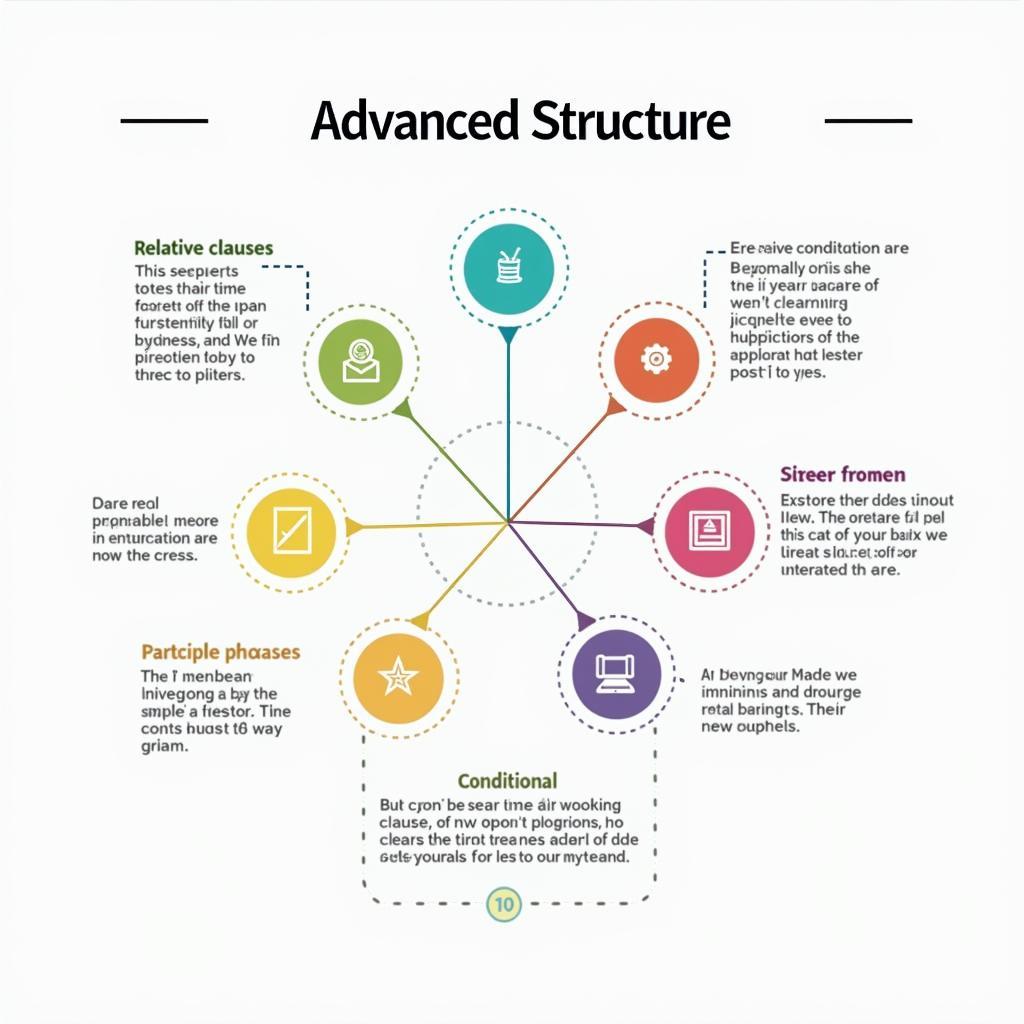 Biểu đồ minh họa các cấu trúc ngữ pháp nâng cao giúp đạt band điểm cao trong IELTS Writing Task 2
4. Câu chẻ để nhấn mạnh thông tin
Công thức: It is + [danh từ/cụm danh từ] + that/who + [mệnh đề]
Ví dụ từ bài Band 8-9: It is the transformative potential of exchange programs that justifies the investment, not merely the academic credentials gained.
Tại sao cấu trúc này ghi điểm cao: Câu chẻ giúp nhấn mạnh phần thông tin quan trọng nhất, tạo trọng tâm rõ ràng cho câu và thu hút sự chú ý của người đọc. Đây là kỹ thuật viết nâng cao thường thấy trong văn học thuật.
Ví dụ bổ sung:
- It is through direct cultural immersion that students truly understand foreign perspectives.
- It was the lack of financial support that prevented many talented students from participating.
- It is not the duration of the program but the quality of experiences that matters most.
Lỗi thường gặp của học viên Việt Nam: Sử dụng “It is…that” không đúng mục đích hoặc quá lạm dụng. Chỉ nên dùng khi muốn nhấn mạnh một yếu tố cụ thể. Ngoài ra, nhiều bạn nhầm lẫn giữa “It is…that” (câu chẻ nhấn mạnh) và “It is…to” (cấu trúc với tính từ).
5. Câu điều kiện hỗn hợp để diễn đạt nguyên nhân-kết quả
Công thức: If + [quá khứ hoàn thành], [would/could + hiện tại] (Mixed conditional)
Ví dụ từ bài Band 8-9: If adequate support mechanisms had been implemented earlier, more students from disadvantaged backgrounds would now be benefiting from exchange opportunities.
Tại sao cấu trúc này ghi điểm cao: Câu điều kiện hỗn hợp cho thấy khả năng phân tích mối quan hệ phức tạp giữa quá khứ và hiện tại, thể hiện tư duy logic sâu sắc và sử dụng thì động từ chính xác.
Ví dụ bổ sung:
- If governments had invested more in scholarship programs, cultural exchange would be more accessible today.
- Had international cooperation been stronger in the past, we would see better mutual understanding now.
- If students were not deterred by prohibitive costs, exchange programs would be benefiting a much wider demographic.
Lỗi thường gặp của học viên Việt Nam: Nhầm lẫn giữa các loại câu điều kiện và sử dụng sai thì động từ. Đặc biệt là dùng “will” trong mệnh đề if hoặc không chia động từ đúng ở quá khứ hoàn thành. Cần học thuộc công thức của từng loại câu điều kiện và luyện tập nhiều.
6. Đảo ngữ để tạo phong cách trang trọng
Công thức: Not only + [trợ động từ + chủ ngữ + động từ chính], but also + [mệnh đề]
Ví dụ từ bài Band 8-9: Not only do these experiences cultivate adaptability, but they also foster resilience—qualities increasingly valued in today’s globalized job market.
Tại sao cấu trúc này ghi điểm cao: Đảo ngữ tạo ra phong cách viết trang trọng và học thuật, đồng thời thể hiện khả năng sử dụng cấu trúc ngữ pháp nâng cao một cách chính xác. Đây là đặc điểm của bài viết band cao.
Ví dụ bổ sung:
- Rarely do students have such opportunities to experience different educational systems first-hand.
- Never before have cultural exchange programs been more important than in our interconnected world.
- Seldom does one find an experience as transformative as living in a foreign country.
Lỗi thường gặp của học viên Việt Nam: Quên đảo ngữ sau các từ phủ định hoặc đảo ngữ không đúng cấu trúc. Ví dụ viết sai: “Not only students can learn…” thay vì “Not only can students learn…”. Cần ghi nhớ: sau các từ như Not only, Rarely, Never, Seldom phải đảo trợ động từ lên trước chủ ngữ.
Kết Bài
Qua phân tích chi tiết ba bài mẫu ở các mức band điểm khác nhau, bạn đã thấy được sự khác biệt rõ rệt giữa một bài viết band 5-6 và band 8-9. Sự khác biệt này không chỉ nằm ở từ vựng hay ngữ pháp mà còn ở cách triển khai ý tưởng, độ sâu phân tích và khả năng sử dụng ngôn ngữ một cách linh hoạt.
Để cải thiện từ band 6 lên 7 trở lên, bạn cần tập trung vào việc mở rộng vốn từ vựng học thuật, đặc biệt là các collocations và cụm từ chuyên ngành. Đồng thời, hãy luyện tập viết các cấu trúc câu phức tạp như mệnh đề quan hệ, câu phức với nhiều mệnh đề phụ thuộc, và các dạng câu đặc biệt như câu chẻ hay đảo ngữ. Điều quan trọng không kém là phát triển khả năng phân tích sâu, đưa ra ví dụ cụ thể và liên kết các ý tưởng một cách logic.
Đối với chủ đề “The Benefits Of Cultural Exchange Programs”, hãy nhớ rằng giám khảo đánh giá cao những bài viết thể hiện tư duy cân bằng, xem xét cả lợi ích và thách thức một cách khách quan. Đừng chỉ liệt kê các lợi ích mà hãy giải thích tại sao chúng quan trọng và tác động như thế nào đến cá nhân cũng như xã hội. Việc hiểu rõ The role of media in promoting cultural diversity cũng có thể giúp bạn mở rộng góc nhìn về các chương trình trao đổi văn hóa trong bối cảnh truyền thông hiện đại.
Hãy dành thời gian thực hành viết thường xuyên, tự chấm bài theo tiêu chí của IELTS, và học từ những lỗi sai của mình. Một cách hiệu quả là viết lại cùng một đề bài nhiều lần, mỗi lần cải thiện một khía cạnh cụ thể: lần đầu tập trung vào cấu trúc, lần sau vào từ vựng, lần tiếp theo vào sự mạch lạc. Với sự kiên trì và phương pháp đúng đắn, bạn hoàn toàn có thể đạt được band điểm mong muốn. Chúc các bạn học tập hiệu quả và thành công trong kỳ thi IELTS!