
Mở đầu
Trong bối cảnh công nghệ phát triển mạnh mẽ, chủ đề về lợi ích của việc học trực tuyến (online learning) ngày càng trở nên phổ biến trong các đề thi IELTS Writing Task 2. Chủ đề này không chỉ xuất hiện thường xuyên mà còn được triển khai dưới nhiều dạng câu hỏi khác nhau như Advantages-Disadvantages, Opinion, hoặc Discussion essays.
Theo thống kê từ các trung tâm luyện thi IELTS uy tín, chủ đề Education and Technology – đặc biệt là online learning – xuất hiện trung bình 3-4 lần mỗi năm trong kỳ thi thực tế. Đây là một con số đáng kể, cho thấy tầm quan trọng của việc chuẩn bị kỹ lưỡng cho chủ đề này.
Trong bài viết này, bạn sẽ được học:
- Phân tích chi tiết một đề thi thực tế về online learning
- 3 bài mẫu hoàn chỉnh tương ứng với Band 5-6, Band 6.5-7 và Band 8-9
- Phân tích chấm điểm cụ thể theo 4 tiêu chí của IELTS
- Từ vựng quan trọng và cấu trúc câu giúp nâng band điểm
- Những lỗi thường gặp của học viên Việt Nam và cách khắc phục
Một số đề thi thực tế đã xuất hiện:
- “Some people think that online learning is more effective than traditional classroom learning. To what extent do you agree or disagree?” (Tháng 3/2023 – British Council)
- “The increase in online education has both positive and negative effects. Discuss both views and give your opinion.” (Tháng 9/2022 – IDP)
- “Online learning is becoming increasingly popular. Do the advantages of this trend outweigh the disadvantages?” (Tháng 1/2023 – British Council)
Đề Writing Task 2 thực hành
Some people believe that online learning is more beneficial than traditional classroom education, while others argue that face-to-face learning is irreplaceable. Discuss both views and give your own opinion.
Dịch đề: Một số người tin rằng học trực tuyến có lợi hơn giáo dục trong lớp học truyền thống, trong khi những người khác cho rằng việc học trực tiếp là không thể thay thế. Thảo luận cả hai quan điểm và đưa ra ý kiến của bạn.
Phân tích đề bài:
Đây là dạng Discussion Essay (Discuss both views and give your opinion) – một trong những dạng câu hỏi phổ biến nhất trong IELTS Writing Task 2. Đề bài yêu cầu bạn phải:
- Thảo luận quan điểm thứ nhất: Online learning mang lại nhiều lợi ích hơn traditional classroom education
- Thảo luận quan điểm thứ hai: Face-to-face learning không thể thay thế được
- Đưa ra ý kiến cá nhân: Bạn đồng ý với quan điểm nào hoặc có thể có quan điểm cân bằng
Giải thích thuật ngữ quan trọng:
- Online learning/education: Hình thức học tập qua Internet, sử dụng các nền tảng kỹ thuật số
- Traditional classroom education: Giáo dục truyền thống với sự hiện diện vật lý của giáo viên và học sinh
- Face-to-face learning: Học tập trực tiếp, có sự tương tác trực tiếp giữa người học và giáo viên
- Beneficial: Có lợi, mang lại nhiều lợi ích
- Irreplaceable: Không thể thay thế được
Những lỗi thường gặp của học viên Việt Nam:
- Chỉ tập trung vào một quan điểm và bỏ qua việc thảo luận quan điểm còn lại
- Đưa ra ý kiến cá nhân ngay từ đầu bài thay vì ở phần conclusion
- Sử dụng các ví dụ quá chung chung, không cụ thể
- Lạm dụng từ “I think”, “I believe” trong bài viết học thuật
- Không cân bằng độ dài giữa hai body paragraphs
Cách tiếp cận chiến lược:
Introduction (Mở bài):
- Paraphrase lại đề bài
- Nêu rõ essay sẽ thảo luận cả hai quan điểm
- Có thể hint nhẹ về opinion của bạn
Body Paragraph 1:
- Topic sentence về lợi ích của online learning
- 2-3 supporting ideas với explanations và examples cụ thể
- Các góc độ có thể khai thác: flexibility, accessibility, cost-effectiveness, personalized learning
Body Paragraph 2:
- Topic sentence về giá trị không thể thay thế của face-to-face learning
- 2-3 supporting ideas với explanations và examples cụ thể
- Các góc độ có thể khai thác: social interaction, immediate feedback, discipline, hands-on practice
Conclusion:
- Tóm tắt ngắn gọn hai quan điểm
- Nêu rõ ràng opinion của bạn
- Có thể đưa ra một balanced view hoặc future outlook
Khi triển khai bài về benefits of lifelong learning, học viên cần chú ý rằng online learning chính là một phương thức quan trọng giúp thực hiện việc học tập suốt đời hiệu quả hơn.
 Học sinh Việt Nam luyện thi IELTS Writing Task 2 về chủ đề online learning
Bài mẫu Band 8-9
Bài viết Band 8-9 thể hiện sự thành thạo cao về ngôn ngữ với từ vựng phong phú, cấu trúc câu đa dạng và phức tạp, luận điểm được phát triển đầy đủ với examples cụ thể. Bài viết dưới đây minh họa rõ ràng những yếu tố giúp đạt band điểm cao nhất.
The proliferation of digital technology has sparked a heated debate regarding the comparative merits of online versus traditional classroom education. While some advocate for the superiority of virtual learning platforms, others maintain that conventional face-to-face instruction remains indispensable. This essay will examine both perspectives before arguing that a hybrid approach combining the strengths of both modalities represents the most effective educational strategy.
Proponents of online learning emphasize its unparalleled flexibility and accessibility. Digital platforms enable students to access educational content at their own pace and convenience, eliminating geographical barriers that have traditionally restricted educational opportunities. For instance, working professionals in Vietnam can now pursue postgraduate degrees from prestigious international universities without relocating, thereby democratizing access to quality education. Furthermore, online learning environments facilitate personalized learning experiences through adaptive algorithms that tailor content to individual learning styles and speeds. This technological capability addresses the longstanding challenge of accommodating diverse learner needs within a single classroom setting.
Nevertheless, advocates of traditional classroom education argue that the irreplaceable value of human interaction cannot be replicated in virtual environments. Face-to-face instruction fosters spontaneous discussions and immediate clarification of complex concepts through non-verbal communication cues that online platforms struggle to convey. Moreover, physical classrooms cultivate essential social skills and collaborative competencies that are increasingly valued in the modern workplace. Research conducted by Stanford University indicates that students in traditional settings demonstrate significantly higher retention rates for practical subjects requiring hands-on experience, such as laboratory sciences and performing arts, where tactile engagement proves crucial for deep learning.
In my opinion, rather than viewing these approaches as mutually exclusive, educational institutions should integrate both methodologies to maximize learning outcomes. The COVID-19 pandemic has demonstrated that a blended learning model, combining the flexibility of online resources with the social benefits of periodic face-to-face interactions, offers the most comprehensive educational experience. This approach allows students to benefit from the convenience and personalization of digital learning while maintaining the essential human connections that foster motivation and holistic development.
In conclusion, while both online and traditional learning possess distinct advantages, the future of education lies not in choosing one over the other but in strategically synthesizing their complementary strengths. As technology continues to evolve, educational systems must adapt by creating innovative hybrid models that harness the best of both worlds.
(403 words)
Phân tích Band điểm
| Tiêu chí | Band | Nhận xét |
|---|---|---|
| Task Response (Hoàn thành yêu cầu) | 9.0 | Bài viết thảo luận đầy đủ và cân bằng cả hai quan điểm với độ sâu ấn tượng. Opinion được nêu rõ ràng và được phát triển xuyên suốt bài. Các ý tưởng được mở rộng với examples cụ thể (Vietnam working professionals, Stanford research) và có sự phân tích sâu sắc. |
| Coherence & Cohesion (Mạch lạc & Liên kết) | 9.0 | Bài viết có cấu trúc logic hoàn hảo với progression tự nhiên giữa các ý. Sử dụng đa dạng cohesive devices tinh tế (Nevertheless, Furthermore, Moreover, In conclusion) không lạm dụng. Mỗi đoạn có topic sentence rõ ràng và supporting ideas được sắp xếp hợp lý. |
| Lexical Resource (Từ vựng) | 9.0 | Từ vựng học thuật phong phú và chính xác (proliferation, indispensable, democratizing, tactile engagement). Collocations tự nhiên (heated debate, unparalleled flexibility, spontaneous discussions). Paraphrasing hiệu quả throughout. Không có lỗi từ vựng. |
| Grammatical Range & Accuracy (Ngữ pháp) | 9.0 | Sử dụng đa dạng cấu trúc câu phức tạp một cách tự nhiên (complex sentences, relative clauses, participial phrases). Không có lỗi ngữ pháp. Control hoàn hảo về punctuation và sentence boundaries. Demonstrates sophisticated grammatical structures. |
Các yếu tố giúp bài này được chấm điểm cao
-
Thesis statement mạnh mẽ và độc đáo: Thay vì chỉ đơn giản đồng ý với một bên, bài viết đưa ra quan điểm nuanced về hybrid approach, cho thấy critical thinking cao.
-
Examples cụ thể và có tính thuyết phục: Đề cập đến working professionals ở Việt Nam và nghiên cứu từ Stanford University, tạo credibility cho arguments.
-
Paraphrasing xuất sắc: Đề bài sử dụng “online learning” và “traditional classroom education” nhưng bài viết paraphrase thành “virtual learning platforms”, “conventional face-to-face instruction”, “digital platforms”, “physical classrooms” một cách tự nhiên.
-
Topic sentences rõ ràng: Mỗi body paragraph bắt đầu bằng một topic sentence súc tích nêu main idea của đoạn.
-
Cohesion tinh tế: Sử dụng các linking words học thuật (Nevertheless, Furthermore, Moreover) và referencing (This technological capability, This approach) để tạo flow tự nhiên.
-
Balanced development: Cả hai body paragraphs đều được phát triển đầy đủ với số lượng supporting ideas tương đương, thể hiện fairness trong discussion.
-
Conclusion có depth: Không chỉ tóm tắt lại ideas mà còn đưa ra future outlook và nhấn mạnh lại thesis một cách tinh tế.
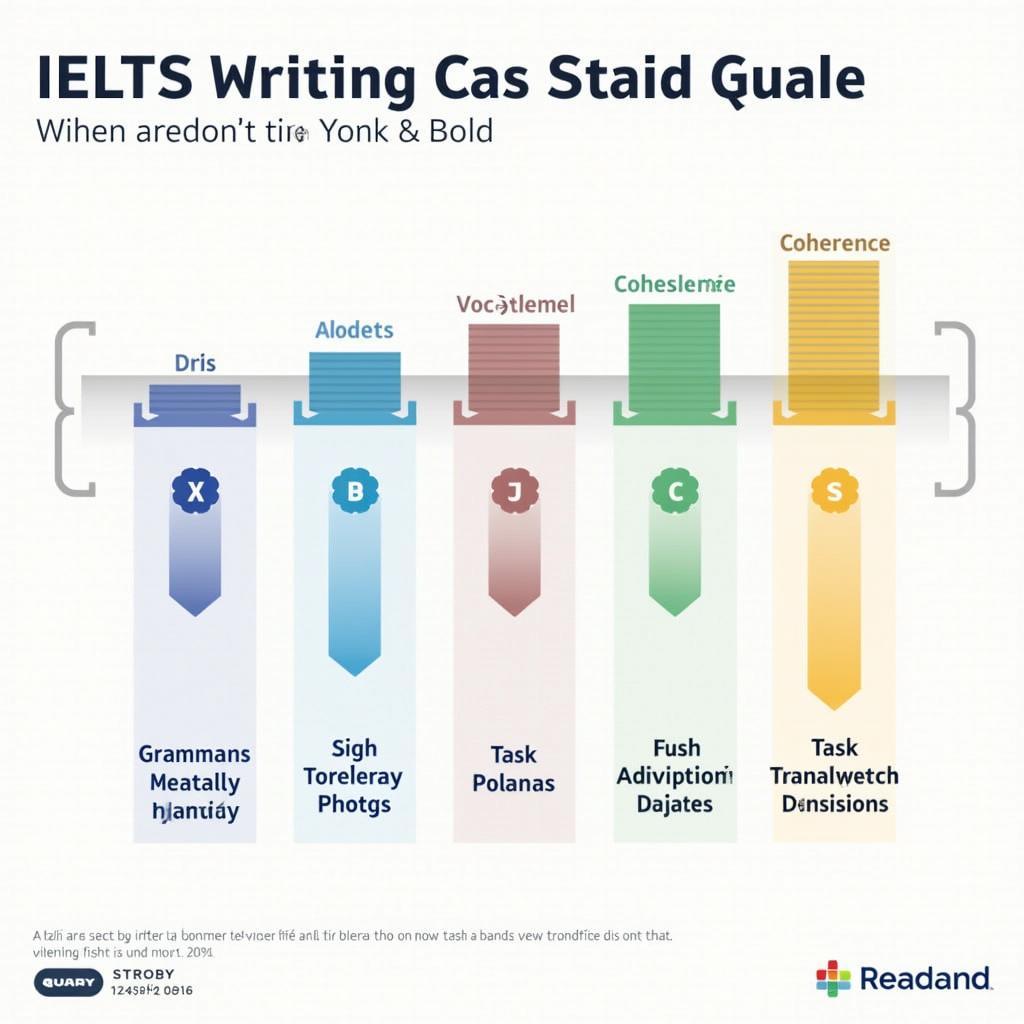 So sánh sự khác biệt giữa các band điểm IELTS Writing Task 2
Bài mẫu Band 6.5-7
Bài viết Band 6.5-7 thể hiện khả năng sử dụng ngôn ngữ tốt với ý tưởng rõ ràng, nhưng chưa đạt độ tinh tế và phức tạp như Band 8-9. Từ vựng và cấu trúc câu đa dạng nhưng đôi khi còn lỗi nhỏ hoặc chưa tự nhiên hoàn toàn.
In recent years, there has been an ongoing debate about whether online learning is better than traditional classroom education. Some people think that learning through the internet provides more benefits, while others believe that face-to-face education cannot be replaced. In this essay, I will discuss both viewpoints and give my own opinion.
On the one hand, online learning offers several significant advantages that make it attractive to many students. Firstly, it provides great flexibility in terms of time and location. Students can access course materials whenever they want and study at their own pace, which is particularly beneficial for people who have jobs or family responsibilities. For example, my cousin who works full-time was able to complete her MBA degree through online classes without quitting her job. Secondly, online education is often more affordable because students do not need to pay for transportation, accommodation, or other campus-related expenses. This makes quality education more accessible to people from different economic backgrounds.
On the other hand, traditional classroom learning has important benefits that online platforms cannot fully provide. The most important advantage is the direct interaction between teachers and students. In a physical classroom, students can ask questions immediately and receive instant feedback, which helps them understand difficult concepts more quickly. Additionally, face-to-face learning helps students develop social skills and build relationships with their classmates. These interpersonal skills are essential for future career success. Furthermore, some subjects require practical hands-on experience, such as science experiments or art classes, which are difficult to conduct effectively in an online environment.
In my opinion, both methods have their own strengths and weaknesses, and the best approach depends on individual circumstances and learning objectives. For theoretical subjects and adult learners who need flexibility, online learning can be very effective. However, for younger students who need guidance and subjects that require practical skills, traditional classroom education remains more suitable. Ideally, a combination of both approaches would provide the most comprehensive learning experience.
In conclusion, while online learning offers convenience and accessibility, traditional classroom education provides valuable face-to-face interaction and practical learning opportunities. Rather than viewing them as competing alternatives, we should recognize that each method serves different needs and contexts.
(402 words)
Phân tích Band điểm
| Tiêu chí | Band | Nhận xét |
|---|---|---|
| Task Response (Hoàn thành yêu cầu) | 7.0 | Bài viết address đầy đủ cả hai quan điểm và đưa ra opinion rõ ràng. Supporting ideas được phát triển tốt với examples (cousin’s MBA example). Tuy nhiên, depth của analysis chưa sâu như Band 8-9 và còn khá straightforward. |
| Coherence & Cohesion (Mạch lạc & Liên kết) | 6.5 | Cấu trúc bài rõ ràng với các đoạn được tổ chức logic. Sử dụng linking words cơ bản nhưng đúng (Firstly, Secondly, Additionally, Furthermore). Một số chỗ progression giữa các ý chưa smooth hoàn toàn. Referencing còn đơn giản. |
| Lexical Resource (Từ vựng) | 7.0 | Từ vựng đa dạng và phù hợp với chủ đề (flexibility, accessibility, interpersonal skills, hands-on experience). Có attempts sử dụng less common vocabulary. Paraphrasing tốt nhưng chưa sophisticated. Một số collocations chưa tự nhiên lắm. |
| Grammatical Range & Accuracy (Ngữ pháp) | 6.5 | Sử dụng mix của simple và complex sentences. Có attempts với relative clauses và compound sentences. Majority của câu đúng ngữ pháp nhưng còn thiếu variety của Band 8. Một số lỗi minor không ảnh hưởng communication. |
So sánh với bài Band 8-9
1. Introduction:
Band 8-9: “The proliferation of digital technology has sparked a heated debate regarding the comparative merits of online versus traditional classroom education.”
- Sử dụng từ vựng học thuật cao cấp (proliferation, sparked, comparative merits)
- Cấu trúc câu phức tạp và tinh tế
Band 6.5-7: “In recent years, there has been an ongoing debate about whether online learning is better than traditional classroom education.”
- Từ vựng đơn giản hơn (recent years, ongoing debate, better than)
- Cấu trúc câu đơn giản hơn nhưng vẫn clear
2. Topic Sentences:
Band 8-9: “Proponents of online learning emphasize its unparalleled flexibility and accessibility.”
- Sử dụng noun phrase (Proponents) thay vì subject đơn giản
- “Unparalleled” thể hiện vocabulary range cao
Band 6.5-7: “On the one hand, online learning offers several significant advantages that make it attractive to many students.”
- Sử dụng transition phrase phổ biến (On the one hand)
- Từ vựng accurate nhưng less sophisticated
3. Supporting Ideas:
Band 8-9: Provides specific research evidence (Stanford University) và analysis sâu về adaptive algorithms, retention rates
Band 6.5-7: Sử dụng personal example (cousin’s MBA) – less academic nhưng vẫn relevant và effective
4. Cohesive Devices:
Band 8-9: Sử dụng sophisticated transitions (Nevertheless, Moreover) và referencing (This technological capability, This approach)
Band 6.5-7: Sử dụng basic but correct transitions (Firstly, Secondly, Additionally)
5. Conclusion:
Band 8-9: Offers forward-looking perspective về future của education
Band 6.5-7: Tóm tắt main points effectively nhưng thiếu depth và insight
Điểm khác biệt chính:
- Vocabulary sophistication: Band 8-9 sử dụng academic collocations tự nhiên hơn
- Sentence complexity: Band 8-9 có variety cao hơn với participial phrases, complex relative clauses
- Depth of analysis: Band 8-9 goes beyond surface level với critical thinking rõ ràng hơn
- Examples: Band 8-9 sử dụng research-based evidence thay vì personal examples
Tương tự như cách tiếp cận về The importance of teaching history in schools, việc đánh giá một phương thức giáo dục cần xem xét nhiều khía cạnh khác nhau, từ hiệu quả học tập đến kỹ năng phát triển toàn diện.
Bài mẫu Band 5-6
Bài viết Band 5-6 thể hiện khả năng giao tiếp được ý tưởng cơ bản nhưng còn nhiều hạn chế về ngữ pháp, từ vựng và cách tổ chức ý. Các lỗi sai trong bài này là những lỗi thực tế mà học viên Việt Nam thường mắc phải.
Nowadays, many people use internet for learning. Some people think online learning is good, but other people think classroom learning is better. I will discuss both side in this essay.
First, online learning have many advantage. Students can study at home and they don’t need to go to school. This is very convenient for students who live far from school. They can save time and money for traveling. Also, students can learn in anytime they want. For example, if student is busy in morning, they can study at night. Another advantage is there are many courses on internet and students can choose what they like to study. Online learning also cheaper than traditional school because no need to pay for building and equipment.
However, traditional classroom have some important benefit too. In classroom, teacher can teach students face to face. This help students to understand lesson better. If students don’t understand something, they can ask teacher immediately. In online learning, sometimes students have problem with internet connection or they cannot understand the video. Also, in classroom students can make friends and learn how to work in group. This is important for their future job. Some subject like science need to do experiment in laboratory, so students must go to school to learn these subject properly.
In my opinion, I think both ways of learning are useful. Online learning is good for people who are busy or live in countryside. But traditional classroom is important for young students because they need teacher’s help and they need to practice social skill. Maybe in the future, schools can use both methods together to give students better education.
To conclude, online learning and classroom learning both have advantages and disadvantages. We should choose the suitable method depend on different situations. Both types of learning can help students to get knowledge and skills for their life.
(340 words)
Phân tích Band điểm
| Tiêu chí | Band | Nhận xét |
|---|---|---|
| Task Response (Hoàn thành yêu cầu) | 6.0 | Bài viết address được yêu cầu đề bài với cả hai quan điểm và opinion. Tuy nhiên, ideas chưa được developed đầy đủ, còn khá general và thiếu specific examples. Một số supporting points chưa được explained kỹ. |
| Coherence & Cohesion (Mạch lạc & Liên kết) | 5.5 | Có cấu trúc cơ bản nhưng progression giữa các ý chưa smooth. Linking words đơn giản và repetitive (First, Also, However, But). Thiếu topic sentences rõ ràng. Một số chỗ referencing chưa clear (they, this). |
| Lexical Resource (Từ vựng) | 5.5 | Từ vựng cơ bản và repetitive (good, better, important). Có attempts paraphrase nhưng limited. Một số errors về word choice và collocation. Thiếu precision trong expression. |
| Grammatical Range & Accuracy (Ngữ pháp) | 5.5 | Predominantly simple sentences với một số attempts complex structures. Nhiều lỗi về subject-verb agreement, articles, prepositions, plurals. Errors đôi khi gây khó hiểu nhưng message vẫn được convey. |
Những lỗi sai của bài – phân tích & giải thích
| Lỗi sai | Loại lỗi | Sửa lại | Giải thích |
|---|---|---|---|
| “online learning have many advantage” | Subject-verb agreement & Plural noun | “online learning has many advantages” | “Online learning” là danh từ số ít nên động từ phải là “has”. “Advantage” là danh từ đếm được, với “many” phải dùng số nhiều “advantages”. Đây là lỗi rất phổ biến của học viên Việt Nam vì tiếng Việt không có sự phân biệt số ít/nhiều rõ ràng. |
| “students can learn in anytime” | Preposition error | “students can learn at any time” hoặc “students can learn anytime” | Không dùng “in” với “anytime”. “At any time” là cách nói chính xác, hoặc có thể dùng “anytime” (một từ) mà không cần giới từ. Học viên Việt Nam thường dịch trực tiếp “vào bất cứ lúc nào” thành “in anytime”. |
| “there are many courses on internet” | Article missing | “there are many courses on the internet” | “Internet” là một thực thể duy nhất nên cần mạo từ “the”. Đây là quy tắc cố định trong tiếng Anh: “on the internet”, “on the radio”, “on the phone”. |
| “Online learning also cheaper” | Missing verb | “Online learning is also cheaper” | Câu thiếu động từ “is”. Trong tiếng Việt có thể nói “Học trực tuyến cũng rẻ hơn” mà không cần “là”, nhưng tiếng Anh bắt buộc phải có linking verb. |
| “if student is busy” | Article missing | “if a student is busy” hoặc “if students are busy” | Danh từ đếm được số ít cần mạo từ “a/an/the”. Hoặc dùng số nhiều “students”. Học viên Việt Nam thường quên mạo từ vì tiếng Việt không có khái niệm này. |
| “traditional classroom have some important benefit” | Subject-verb agreement & Plural noun | “traditional classrooms have some important benefits” | “Classroom” là danh từ đếm được cần dùng số nhiều “classrooms” với động từ “have”. “Benefit” với “some” cũng phải là số nhiều “benefits”. |
| “This help students” | Subject-verb agreement | “This helps students” | “This” là chủ ngữ số ít nên động từ phải thêm “s”. Lỗi này xuất hiện khi học viên không nhận diện được subject của câu. |
| “to do experiment” | Article missing | “to do experiments” hoặc “to do an experiment” | “Experiment” là danh từ đếm được cần mạo từ hoặc dùng số nhiều. |
| “these subject” | Plural agreement | “these subjects” | “These” là từ chỉ số nhiều nên danh từ theo sau phải là số nhiều “subjects”. Tiếng Việt không có sự thay đổi này nên học viên dễ nhầm. |
| “I think both ways of learning are useful” | Redundancy | “Both ways of learning are useful” hoặc “I believe both methods serve important purposes” | Trong academic writing, nên tránh “I think” đơn giản. Có thể bỏ hoặc dùng cách diễn đạt sophisticated hơn như “I believe”, “In my view”, “From my perspective”. |
| “depend on different situations” | Verb form error | “depending on different situations” hoặc “depends on different situations” | Sau “should choose” cần một verb form phù hợp. Nếu dùng “depending” thì là participle phrase. Nếu dùng “depends” thì cần cấu trúc câu khác. |
| “schools can use both methods together” | Word choice | “schools can integrate both methods” hoặc “schools can combine both approaches” | “Use together” là cách nói đúng nhưng basic. “Integrate” hoặc “combine” là academic hơn và natural hơn trong context này. |
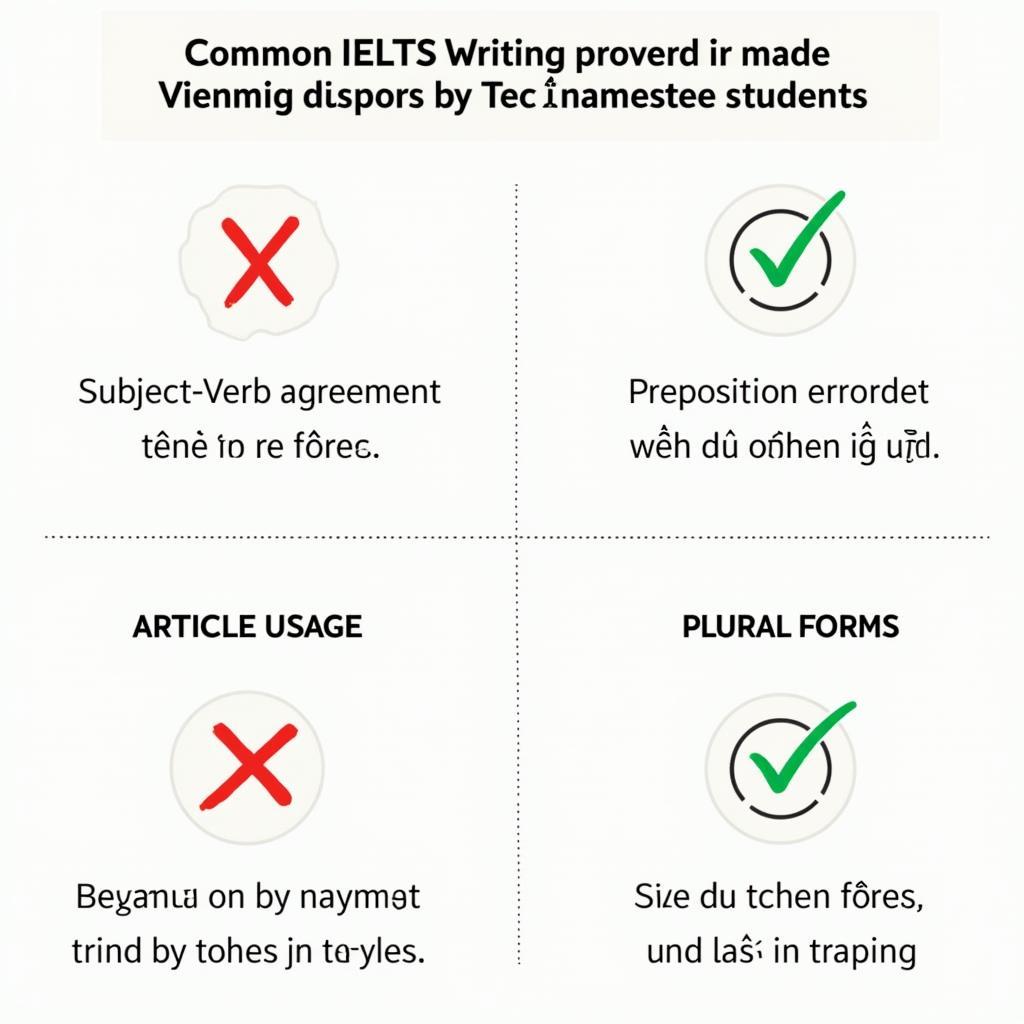 Những lỗi sai thường gặp trong IELTS Writing của học viên Việt Nam
Cách Cải Thiện Từ Band 6 Lên Band 7
1. Nâng cao Task Response:
- Develop ideas đầy đủ hơn: Thay vì chỉ nêu “online learning is convenient”, hãy explain tại sao convenient và đưa ra specific example. Ví dụ: “Online learning offers unparalleled convenience, particularly for working professionals who can access course materials during lunch breaks or after office hours, thereby balancing career advancement with educational pursuits.”
- Sử dụng specific examples thay vì general statements: Thay vì “students can save money”, hãy nói “students can save approximately 30-40% on education costs by eliminating commuting expenses and accommodation fees.”
2. Cải thiện Coherence & Cohesion:
- Sử dụng topic sentences rõ ràng: Mỗi body paragraph nên bắt đầu bằng một câu nêu main idea của đoạn
- Đa dạng linking words: Thay vì lặp lại “Also, Also, Also”, hãy dùng “Furthermore, Moreover, Additionally, In addition”
- Sử dụng referencing tốt hơn: Thay vì lặp lại “online learning, online learning”, dùng “this method”, “such platforms”, “this approach”
3. Mở rộng Lexical Resource:
- Học collocations thay vì từ đơn lẻ:
- “do homework” → “complete assignments”
- “good education” → “quality education” hoặc “comprehensive education”
- “make friends” → “forge relationships” hoặc “build connections”
- Paraphrase đa dạng:
- Online learning = virtual education = digital learning = e-learning
- Traditional classroom = conventional education = face-to-face instruction = physical classroom
4. Nâng cao Grammatical Range:
- Sử dụng relative clauses: “Students who live in remote areas can access quality education” thay vì “Students live in remote areas. They can access quality education.”
- Sử dụng complex sentences với linking words: “While online learning offers flexibility, traditional classrooms provide essential social interaction.”
- Participial phrases: “Having completed the online module, students can proceed to the practical session.”
5. Khắc phục lỗi ngữ pháp cơ bản:
- Luyện tập subject-verb agreement: Xác định subject trước khi chia động từ
- Nắm vững quy tắc mạo từ: Học thuộc các trường hợp bắt buộc dùng “the” (the internet, the environment)
- Ôn lại prepositions: Học collocations với giới từ (on the internet, at any time, in the classroom)
- Chú ý singular/plural: Với “many”, “some”, “these” luôn dùng danh từ số nhiều
6. Thực hành Writing thường xuyên:
- Viết ít nhất 2-3 bài mỗi tuần
- Tự chấm bài theo 4 tiêu chí của IELTS
- Nhờ giáo viên hoặc bạn bè feedback
- Học từ bài mẫu Band cao nhưng đừng học thuộc lòng
7. Đọc nhiều bài mẫu Band 7+:
- Chú ý cách tác giả develop ideas
- Học cách họ sử dụng examples
- Quan sát sentence structures và vocabulary
- Tập paraphrase các ideas trong bài mẫu
Từ vựng quan trọng cần nhớ
| Từ/Cụm từ | Loại từ | Phiên âm | Nghĩa tiếng Việt | Ví dụ | Collocations |
|---|---|---|---|---|---|
| proliferation | (n) | /prəˌlɪfəˈreɪʃən/ | Sự gia tăng nhanh chóng, sự lan rộng | The proliferation of online courses has transformed higher education. | the proliferation of technology, rapid proliferation, proliferation of information |
| indispensable | (adj) | /ˌɪndɪˈspensəbl/ | Không thể thiếu, cần thiết | Face-to-face interaction remains indispensable for developing social skills. | indispensable part, indispensable tool, absolutely indispensable |
| unparalleled | (adj) | /ʌnˈpærəleld/ | Không có gì sánh được, vô song | Online platforms offer unparalleled flexibility in terms of scheduling. | unparalleled access, unparalleled opportunity, unparalleled flexibility |
| democratizing | (v) | /dɪˈmɒkrətaɪzɪŋ/ | Dân chủ hóa, làm cho phổ biến đến mọi người | Technology is democratizing access to quality education worldwide. | democratizing education, democratizing access, democratizing information |
| adaptive algorithms | (n phrase) | /əˈdæptɪv ˈælɡərɪðəmz/ | Thuật toán thích ứng (điều chỉnh theo người dùng) | Adaptive algorithms personalize the learning experience for each student. | advanced algorithms, sophisticated algorithms, algorithm-based learning |
| tactile engagement | (n phrase) | /ˈtæktaɪl ɪnˈɡeɪdʒmənt/ | Sự tương tác, tham gia bằng xúc giác | Science subjects require tactile engagement through laboratory experiments. | hands-on engagement, physical engagement, direct engagement |
| retention rates | (n phrase) | /rɪˈtenʃən reɪts/ | Tỷ lệ ghi nhớ, lưu giữ thông tin | Students in traditional classrooms show higher retention rates for complex subjects. | high retention rates, improved retention, retention of information |
| foster | (v) | /ˈfɒstə(r)/ | Nuôi dưỡng, thúc đẩy phát triển | Physical classrooms foster spontaneous discussions and immediate feedback. | foster development, foster creativity, foster relationships |
| holistic development | (n phrase) | /həʊˈlɪstɪk dɪˈveləpmənt/ | Sự phát triển toàn diện | Education should focus on students’ holistic development, not just academics. | holistic approach, holistic education, holistic learning |
| synthesizing | (v) | /ˈsɪnθəsaɪzɪŋ/ | Tổng hợp, kết hợp | The best educational approach involves synthesizing online and offline methods. | synthesizing information, synthesizing knowledge, synthesizing approaches |
| pedagogical | (adj) | /ˌpedəˈɡɒdʒɪkəl/ | Thuộc về sư phạm, giáo dục học | Teachers need to understand the pedagogical differences between online and traditional teaching. | pedagogical approach, pedagogical methods, pedagogical effectiveness |
| asynchronous learning | (n phrase) | /eɪˈsɪŋkrənəs ˈlɜːnɪŋ/ | Học không đồng bộ (học ở thời gian khác nhau) | Asynchronous learning allows students to study at their own pace. | synchronous learning (đối nghĩa), asynchronous communication, flexible learning |
| interpersonal skills | (n phrase) | /ˌɪntəˈpɜːsənl skɪlz/ | Kỹ năng giao tiếp, kỹ năng quan hệ | Traditional classrooms help develop crucial interpersonal skills. | develop skills, enhance skills, interpersonal communication |
| hands-on experience | (n phrase) | /hændz ɒn ɪkˈspɪəriəns/ | Kinh nghiệm thực hành trực tiếp | Engineering courses require substantial hands-on experience in laboratories. | practical experience, hands-on training, hands-on approach |
| blended learning | (n phrase) | /ˈblendɪd ˈlɜːnɪŋ/ | Học kết hợp (trực tuyến và trực tiếp) | Many universities now adopt a blended learning model. | blended approach, hybrid learning, integrated learning |
Lưu ý về cách sử dụng:
- Proliferation thường đi với “of” để chỉ sự gia tăng của cái gì
- Foster là động từ mạnh, academic hơn “help develop”
- Democratizing mang nghĩa tích cực về việc làm cho cái gì đó accessible đến nhiều người hơn
- Synthesizing cho thấy critical thinking cao, phù hợp với conclusion
Cấu trúc câu dễ “ăn điểm” cao
1. Câu phức với mệnh đề phụ thuộc (Complex sentences with subordinate clauses)
Công thức: Main clause + while/although/whereas + subordinate clause
Ví dụ từ bài Band 8-9:
“While some advocate for the superiority of virtual learning platforms, others maintain that conventional face-to-face instruction remains indispensable.”
Tại sao cấu trúc này ghi điểm cao:
Cấu trúc này thể hiện khả năng contrasting hai ý tưởng trong cùng một câu, cho thấy sophisticated thinking. Nó giúp bài viết có balance và complexity. IELTS examiners đánh giá cao việc sử dụng subordination thay vì chỉ dùng simple sentences hoặc coordination đơn giản.
Ví dụ bổ sung:
- “Although online learning offers unprecedented convenience, it cannot fully replicate the collaborative environment of physical classrooms.”
- “Whereas traditional education requires fixed schedules, digital platforms enable students to learn at their preferred times.”
- “While technology facilitates access to information, face-to-face interaction remains crucial for developing communication skills.”
Lỗi thường gặp của học viên Việt Nam:
Học viên Việt Nam thường viết hai câu đơn riêng biệt thay vì kết hợp: “Online learning is convenient. Traditional learning is better for social skills.” Cần luyện tập nối hai ý này bằng subordinating conjunctions.
2. Mệnh đề quan hệ không xác định (Non-defining relative clauses)
Công thức: Subject + comma + which/who/where + additional information + comma + main verb
Ví dụ từ bài Band 8-9:
“Digital platforms enable students to access educational content at their own pace and convenience, eliminating geographical barriers that have traditionally restricted educational opportunities.”
Tại sao cấu trúc này ghi điểm cao:
Non-defining relative clauses cho phép thêm information mà không làm gián đoạn main idea của câu. Chúng tạo sophistication và giúp writer convey complex ideas efficiently. Đây là dấu hiệu của advanced grammatical range.
Ví dụ bổ sung:
- “Working professionals, who often struggle to balance career and education, find online courses particularly beneficial.”
- “The COVID-19 pandemic, which forced educational institutions to adopt digital platforms, demonstrated the viability of remote learning.”
- “Vietnam, where internet penetration has reached 70%, is well-positioned to embrace online education.”
Lỗi thường gặp của học viên Việt Nam:
- Quên sử dụng commas: “Students who live far away can benefit” (defining) vs “Students, who often face transportation challenges, can benefit” (non-defining)
- Nhầm lẫn giữa “that” và “which” trong non-defining clauses (chỉ dùng “which”, không dùng “that”)
3. Cụm phân từ (Participial phrases)
Công thức: Present participle (-ing)/Past participle (-ed) + object, + main clause
Ví dụ từ bài Band 8-9:
“Research conducted by Stanford University indicates that students in traditional settings demonstrate significantly higher retention rates for practical subjects requiring hands-on experience.”
Tại sao cấu trúc này ghi điểm cao:
Participial phrases cho phép compact expression của complex ideas, demonstrating grammatical flexibility. Chúng giúp vary sentence beginnings và tạo smooth flow. Đây là marker của Band 7+ writing.
Ví dụ bổ sung:
- “Having completed the theoretical modules online, students can then attend practical workshops.”
- “Designed with interactive features, modern e-learning platforms engage students more effectively.”
- “Recognizing these limitations, educational institutions are developing hybrid models.”
Lỗi thường gặp của học viên Việt Nam:
- Dangling participles (phân từ treo): “Walking to school, the rain started” (sai) → “Walking to school, I was caught in the rain” (đúng)
- Không hiểu khi nào dùng present vs past participle
Đối với những ai quan tâm đến The impact of technology on employment, việc hiểu rõ online learning cũng rất quan trọng vì nó liên quan trực tiếp đến việc đào tạo lại lực lượng lao động trong kỷ nguyên số.
4. Câu chẻ (Cleft sentences)
Công thức: It is/was + emphasized element + that/who + rest of clause hoặc What + clause + is + emphasized element
Ví dụ từ bài Band 8-9:
“It is the irreplaceable value of human interaction that advocates of traditional education emphasize most strongly.”
Tại sao cấu trúc này ghi điểm cao:
Cleft sentences cho phép emphasize một phần cụ thể của câu, showing writer’s control over information structure. Chúng tạo focus và add dramatic effect khi cần highlight important points. Đây là advanced structure hiếm thấy ở Band 6 trở xuống.
Ví dụ bổ sung:
- “What distinguishes successful online learners from others is their self-discipline and time management.”
- “It was during the pandemic that the potential of online education became truly apparent.”
- “What many educators fail to recognize is that digital literacy has become as important as traditional literacy.”
Lỗi thường gặp của học viên Việt Nam:
- Dùng sai cấu trúc: “It is flexibility what online learning offers” (sai) → “It is flexibility that online learning offers” (đúng)
- Overuse cleft sentences, làm bài viết artificial
5. Câu điều kiện nâng cao (Advanced conditionals)
Công thức: Mixed conditionals, conditional with inversion, hoặc conditional với modal verbs khác
Ví dụ từ bài Band 8-9:
“Had educational institutions been better prepared for digital transformation, the transition to online learning during the pandemic would have been smoother.”
Tại sao cấu trúc này ghi điểm cao:
Advanced conditionals demonstrate sophisticated understanding của cause-effect relationships và hypothetical situations. Inversion trong conditionals (Had/Were/Should đầu câu) đặc biệt impressive và academic. Chúng show Band 8+ grammatical range.
Ví dụ bổ sung:
- “Should internet access become universal, online education could bridge the urban-rural educational gap.”
- “Were traditional classrooms to incorporate more technology, students would benefit from both approaches.”
- “Had I known about online courses earlier, I would have completed my degree sooner.”
Lỗi thường gặp của học viên Việt Nam:
- Nhầm lẫn về thì trong mixed conditionals
- Không biết cách dùng inversion trong conditionals
- Dùng quá nhiều type 1 và type 2 đơn giản
6. Đảo ngữ (Inversion)
Công thức: Negative adverb + auxiliary verb + subject + main verb hoặc Only + prepositional phrase + auxiliary + subject + verb
Ví dụ từ bài Band 8-9:
“Not only does online learning provide flexibility, but it also democratizes access to educational resources previously available only to privileged groups.”
Tại sao cấu trúc này ghi điểm cao:
Inversion là hallmark của sophisticated writing, đặc biệt phổ biến trong formal và academic contexts. Nó tạo emphasis và adds variety to sentence structure. Examiners immediately notice inversion as evidence of advanced grammatical control.
Ví dụ bổ sung:
- “Rarely have we seen such rapid transformation in educational delivery methods.”
- “Only by combining both approaches can we create a comprehensive learning experience.”
- “Never before has technology played such a crucial role in education.”
- “Seldom do traditional institutions adapt to change as quickly as the current situation demands.”
Lỗi thường gặp của học viên Việt Nam:
- Quên đảo trợ động từ lên trước subject: “Not only online learning provides…” (sai) → “Not only does online learning provide…” (đúng)
- Dùng inversion quá nhiều, making writing sound unnatural
- Nhầm lẫn về auxiliary verbs cần dùng (do/does/did/have/has/had)
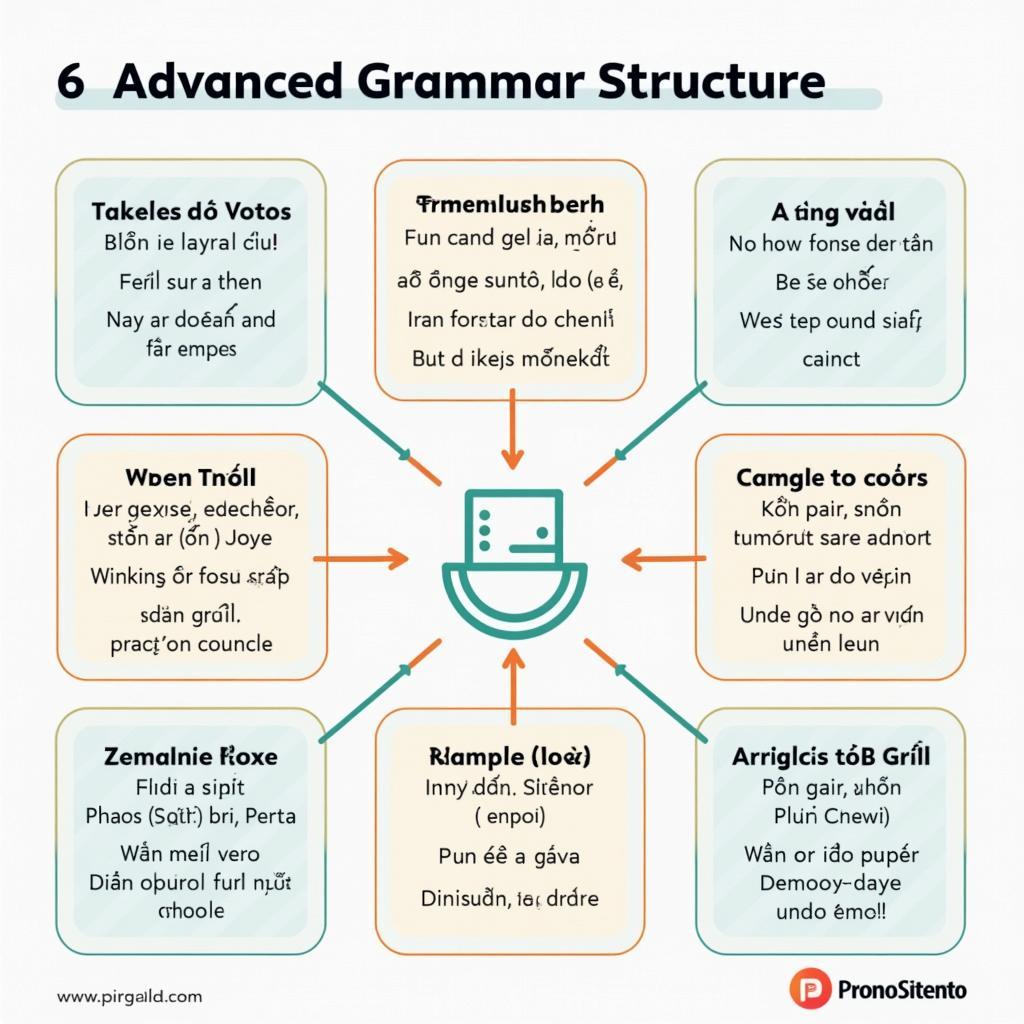 Các cấu trúc ngữ pháp điểm cao trong IELTS Writing Task 2
Kết bài
Chủ đề về lợi ích của online learning là một trong những topic quan trọng và phổ biến nhất trong IELTS Writing Task 2. Qua bài viết này, bạn đã được trang bị đầy đủ những kiến thức cần thiết để viết một bài luận ấn tượng về chủ đề này.
Những điểm quan trọng cần ghi nhớ:
Đầu tiên, việc hiểu rõ yêu cầu của đề bài và phân tích kỹ các keywords là bước đầu tiên quan trọng nhất. Đối với dạng Discussion Essay, bạn cần đảm bảo discuss đầy đủ cả hai viewpoints trước khi đưa ra opinion của mình. Việc bỏ sót một trong hai quan điểm sẽ khiến bạn mất điểm Task Response nghiêm trọng.
Thứ hai, sự khác biệt giữa các band điểm không chỉ nằm ở việc có lỗi ngữ pháp hay không, mà còn ở độ sophisticated của vocabulary, complexity của sentence structures, và depth của analysis. Bài Band 5-6 có thể convey được basic ideas nhưng thiếu development và còn nhiều lỗi cơ bản. Bài Band 6.5-7 có ideas rõ ràng và ít lỗi hơn nhưng chưa đạt độ tinh tế của Band 8-9. Bài Band 8-9 không chỉ accurate mà còn demonstrate critical thinking, sử dụng academic vocabulary tự nhiên và varied sentence structures.
Thứ ba, để cải thiện từ Band 6 lên Band 7+, bạn cần focus vào các điểm sau:
- Develop ideas đầy đủ với specific examples thay vì general statements
- Mở rộng vocabulary range bằng cách học collocations và academic phrases
- Practice varied sentence structures, đặc biệt là complex sentences và advanced grammar
- Khắc phục các lỗi cơ bản về articles, subject-verb agreement, và prepositions
Thứ tư, đừng cố gắng memorize bài mẫu để sử dụng trong thi. Examiners được training để nhận biết memorized responses và sẽ penalize severely. Thay vào đó, hãy học cách structures được organize, cách ideas được developed, và cách vocabulary được used naturally trong context.
Khi nghiên cứu về online learning, chúng ta cũng cần xem xét The impact of global health crises on society để hiểu rõ hơn về vai trò quan trọng của giáo dục trực tuyến trong các tình huống khẩn cấp toàn cầu.
Cuối cùng, thành công trong IELTS Writing Task 2 đòi hỏi practice thường xuyên và nhận feedback. Hãy viết ít nhất 2-3 bài mỗi tuần, tự đánh giá theo 4 tiêu chí, và nếu có thể, nhờ giáo viên hoặc người có trình độ cao hơn review bài của bạn. Đọc nhiều bài mẫu Band cao để học cách express ideas effectively, nhưng remember to develop your own writing style.
Việc thành thạo chủ đề online learning không chỉ giúp bạn trong kỳ thi IELTS mà còn cung cấp perspectives quý giá về một trong những transformations lớn nhất trong education. Những skills bạn develop qua việc viết về topic này – critical thinking, balanced argumentation, và evidence-based reasoning – sẽ có ích không chỉ trong exam mà còn trong academic và professional life sau này.
Chúc bạn học tập tốt và đạt được band điểm mong muốn trong kỳ thi IELTS sắp tới! Hãy nhớ rằng, improvement takes time and consistent effort, nhưng với proper guidance và dedication, bạn hoàn toàn có thể đạt được target score của mình.


