Mở Đầu
Giáo dục toàn dân là một trong những chủ đề xã hội quan trọng thường xuyên xuất hiện trong đề thi IELTS Writing Task 2. Theo thống kê từ các trung tâm khảo thí chính thức, đề tài về giáo dục chiếm khoảng 15-20% tổng số đề thi mỗi năm, và “universal education access” (tiếp cận giáo dục toàn dân) là góc độ được khai thác nhiều nhất.
Bài viết này sẽ cung cấp cho bạn bộ tài liệu học tập toàn diện với ba bài mẫu ở các mức band điểm khác nhau (Band 8-9, Band 6.5-7 và Band 5-6), kèm theo phân tích chi tiết về điểm mạnh, điểm yếu và cách cải thiện. Bạn cũng sẽ học được từ vựng chuyên sâu, cấu trúc câu ăn điểm cao và các lỗi sai phổ biến cần tránh.
Các đề thi thực tế về chủ đề này đã xuất hiện trong những năm gần đây:
- “Some people believe that education should be free for all. Others think that students should pay for their university education. Discuss both views.” (British Council, 2023)
- “Education is the most powerful weapon which you can use to change the world. To what extent do you agree or disagree?” (IDP, 2022)
- “Governments should provide free access to education for all citizens regardless of their economic status. Do you agree or disagree?” (IELTS Blog, 2023)
Đề Writing Task 2 Thực Hành
Many believe that providing universal access to education at all levels is essential for the development of a nation. To what extent do you agree or disagree with this statement? Give reasons for your answer and include any relevant examples from your own knowledge or experience.
Dịch đề: Nhiều người tin rằng việc cung cấp khả năng tiếp cận giáo dục toàn dân ở tất cả các cấp là điều thiết yếu cho sự phát triển của một quốc gia. Bạn đồng ý hay không đồng ý với quan điểm này ở mức độ nào? Đưa ra lý do cho câu trả lời của bạn và bao gồm bất kỳ ví dụ nào có liên quan từ kiến thức hoặc kinh nghiệm của chính bạn.
Phân tích đề bài:
Đây là dạng câu hỏi Opinion Essay (Agree/Disagree) – một trong những dạng phổ biến nhất trong IELTS Writing Task 2.
Yêu cầu cụ thể:
- Bạn cần nêu rõ quan điểm cá nhân về mức độ đồng ý hay không đồng ý
- Phải đưa ra lý do và ví dụ cụ thể để chứng minh quan điểm
- Từ khóa quan trọng: “universal access” (tiếp cận toàn dân), “all levels” (tất cả cấp học), “essential” (thiết yếu), “development of a nation” (phát triển quốc gia)
Những lỗi thường gặp của học viên Việt Nam:
- Không nêu rõ quan điểm cá nhân từ đầu
- Phân tích thiếu cân bằng giữa các khía cạnh của vấn đề
- Sử dụng ví dụ chung chung, không cụ thể
- Nhầm lẫn giữa “education” (giáo dục) và “training” (đào tạo)
- Lạm dụng cụm “In my opinion” mà không có luận điểm mạnh
Cách tiếp cận chiến lược:
- Giới thiệu: Paraphrase đề bài và nêu rõ thesis statement (quan điểm chính)
- Body 1: Phân tích lợi ích chính của universal education access (kinh tế, xã hội)
- Body 2: Phân tích lợi ích thứ hai hoặc nhượng bộ một phần (nếu chọn partly agree)
- Kết luận: Nhấn mạnh lại quan điểm và đưa ra khuyến nghị
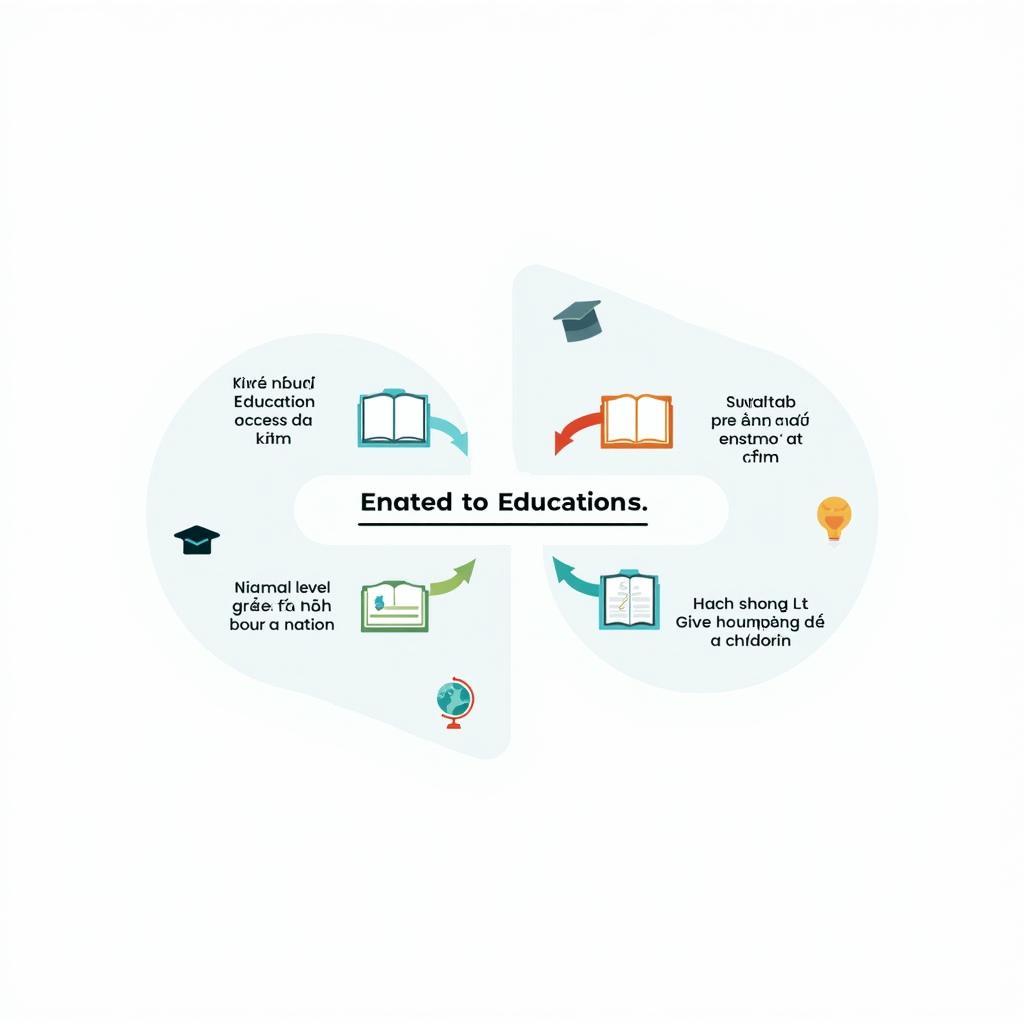 Phân tích đề bài IELTS Writing Task 2 về giáo dục toàn dân với các từ khóa quan trọng được đánh dấu
Bài Mẫu Band 8-9
Bài viết Band 8-9 thể hiện sự thành thạo cao về ngôn ngữ với từ vựng phong phú, cấu trúc câu đa dạng và khả năng phát triển ý tưởng sâu sắc, logic.
Bài luận:
Education has long been recognised as a fundamental pillar of societal progress, and I firmly contend that ensuring universal access to education across all levels is indeed indispensable for comprehensive national development. This essay will examine how equitable educational opportunities catalyse both economic advancement and social cohesion.
From an economic perspective, universal education access serves as a powerful engine for sustainable growth. When citizens receive quality education regardless of their socioeconomic background, nations can harness the full potential of their human capital. South Korea exemplifies this principle; following its commitment to universal education in the 1960s, the country transformed from an agrarian economy into a global technological powerhouse within a generation. By democratising access to knowledge, governments enable individuals from all strata of society to contribute meaningfully to innovation and productivity, thereby fostering a more dynamic and competitive economy.
Beyond economic considerations, universal education access is crucial for cultivating social equity and stability. Education serves as a great equaliser, offering disadvantaged groups pathways to upward mobility and breaking intergenerational cycles of poverty. Moreover, an educated populace tends to be more politically engaged, health-conscious, and civically responsible. Finland’s education system, which provides free education from primary through tertiary levels, has resulted in one of the world’s most egalitarian societies with exceptionally high social trust and low crime rates. This demonstrates that investment in universal education yields dividends far beyond mere economic metrics.
In conclusion, universal education access represents a cornerstone of national development, simultaneously driving economic prosperity and social progress. Governments should therefore prioritise educational investment as a strategic imperative rather than merely a social welfare expenditure.
(304 từ)
Phân Tích Band Điểm
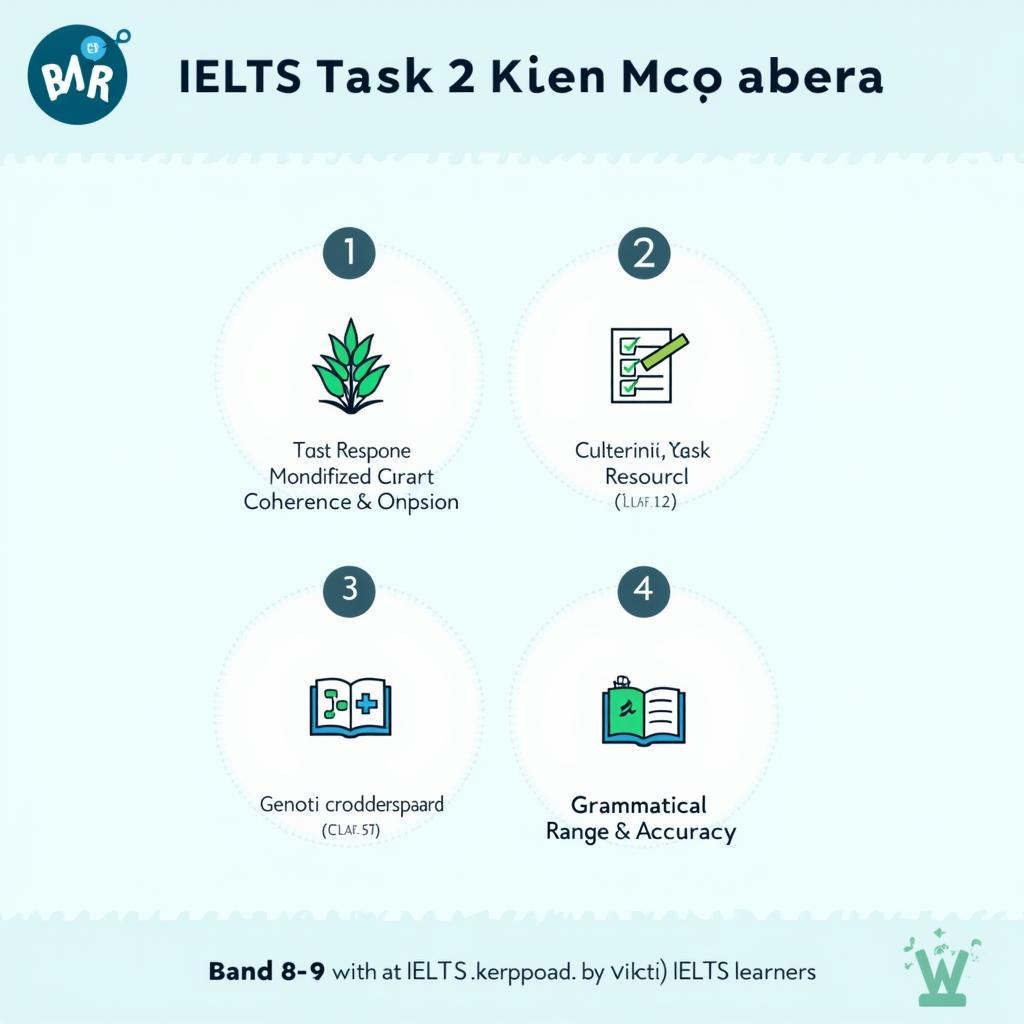
| Tiêu chí | Band | Nhận xét |
|---|---|---|
| Task Response (Hoàn thành yêu cầu) | 9 | Bài viết trả lời đầy đủ yêu cầu đề bài với quan điểm rõ ràng ngay từ đầu (“I firmly contend”). Các ý tưởng được phát triển sâu sắc với hai khía cạnh chính: kinh tế và xã hội. Ví dụ cụ thể về Hàn Quốc và Phần Lan minh họa mạnh mẽ cho luận điểm. |
| Coherence & Cohesion (Mạch lạc & Liên kết) | 9 | Cấu trúc bài rõ ràng với sự phân đoạn logic. Các liên từ được sử dụng tinh tế (“Beyond economic considerations”, “Moreover”, “This demonstrates that”). Mỗi đoạn có topic sentence rõ ràng và supporting sentences phát triển chặt chẽ. |
| Lexical Resource (Từ vựng) | 9 | Từ vựng học thuật phong phú và chính xác (“indispensable”, “catalyse”, “harness the full potential”, “democratising access”). Collocations tự nhiên (“intergenerational cycles”, “strategic imperative”). Không có lỗi về từ vựng. |
| Grammatical Range & Accuracy (Ngữ pháp) | 9 | Sử dụng đa dạng cấu trúc câu phức (complex sentences), mệnh đề quan hệ không xác định, cụm phân từ. Ngữ pháp chính xác tuyệt đối. Các cấu trúc nâng cao như “serves as”, “thereby fostering” được dùng tự nhiên. |
Các Yếu Tố Giúp Bài Này Được Chấm Điểm Cao
-
Thesis statement mạnh mẽ và rõ ràng: Câu “I firmly contend that ensuring universal access to education across all levels is indeed indispensable for comprehensive national development” thể hiện quan điểm cá nhân một cách tự tin và học thuật.
-
Sử dụng ví dụ thực tế cụ thể: Hai ví dụ về Hàn Quốc và Phần Lan không chỉ minh họa cho luận điểm mà còn cho thấy kiến thức rộng của người viết về vấn đề toàn cầu.
-
Cấu trúc luận điểm đa chiều: Bài viết không chỉ nói về lợi ích mà còn phân tích sâu cơ chế tác động (“By democratising access to knowledge, governments enable…”).
-
Topic sentences hiệu quả: Mỗi đoạn thân bài bắt đầu bằng câu chủ đề rõ ràng (“From an economic perspective”, “Beyond economic considerations”) giúp người đọc dễ theo dõi.
-
Kết luận có giá trị: Không chỉ tóm tắt lại ý mà còn đưa ra khuyến nghị (“Governments should therefore prioritise…”) cho thấy tư duy phản biện.
-
Từ vựng paraphrase tốt: Tránh lặp lại từ trong đề bài, sử dụng “equitable educational opportunities”, “democratising access to knowledge” thay vì lặp lại “universal access to education”.
-
Liên kết mạch lạc tự nhiên: Các linking words không bị lạm dụng mà được đặt ở vị trí phù hợp để tạo sự chuyển tiếp mượt mà giữa các ý.
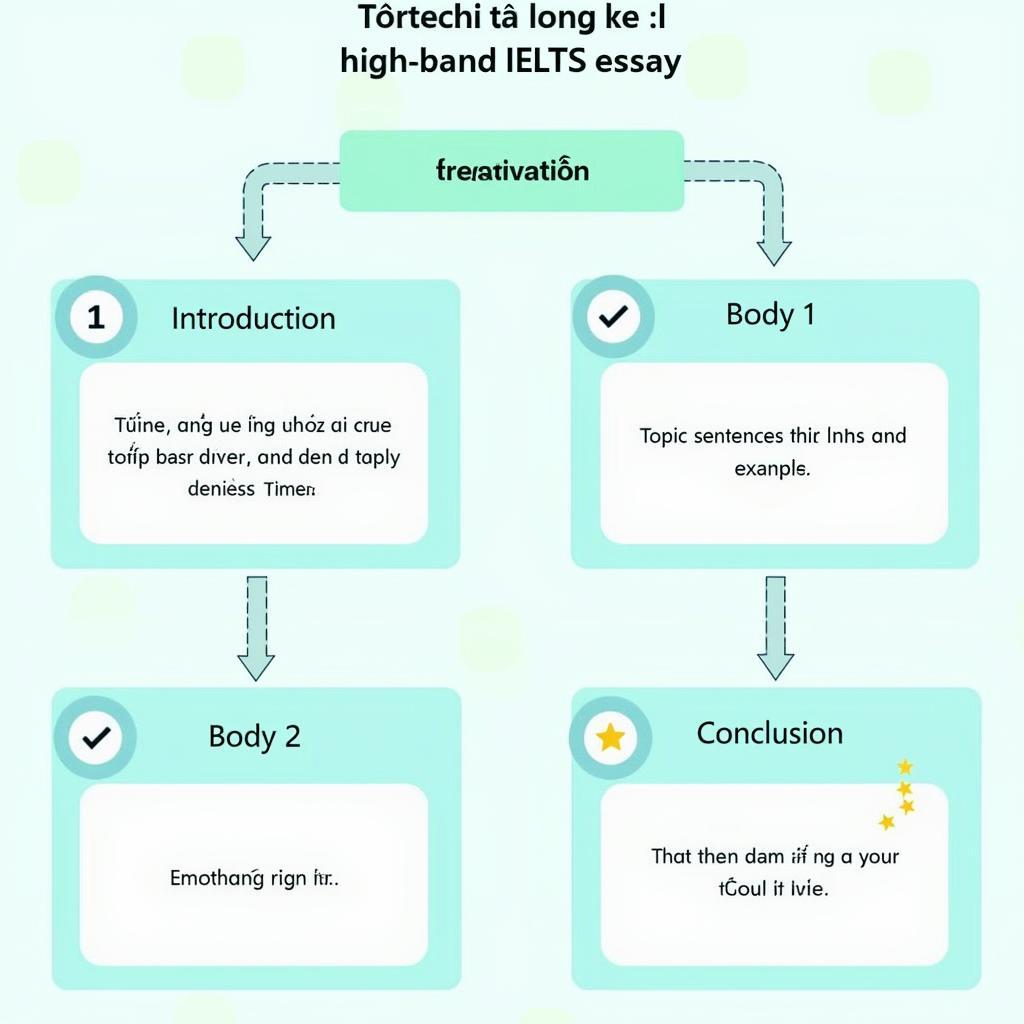 Cấu trúc bài viết IELTS Writing Task 2 band 8-9 với các phần được phân tích chi tiết
Bài Mẫu Band 6.5-7
Bài viết Band 6.5-7 thể hiện khả năng sử dụng ngôn ngữ tốt với ý tưởng rõ ràng, nhưng còn hạn chế về độ phức tạp và sâu sắc so với Band 8-9.
Bài luận:
In today’s world, education plays a very important role in the development of countries. I completely agree that providing education for everyone at all levels is necessary for national growth. This essay will discuss The Benefits Of Universal Education Access.
Firstly, universal education access helps countries develop economically. When all people can go to school and university, they can get better jobs and earn more money. This means they can contribute more to the economy. For example, in Vietnam, after the government invested heavily in education in the 1990s, many people could access higher education. As a result, the country’s economy grew significantly in the following decades. Therefore, education is important for economic development.
Secondly, universal education can reduce social problems. When people receive education, they are less likely to commit crimes and more likely to participate in society positively. Education also helps people understand their rights and responsibilities as citizens. Furthermore, educated parents can provide better care for their children, which creates a positive cycle. Countries with high education levels usually have lower poverty rates and better living standards for their citizens.
In conclusion, I believe that universal access to education at all levels is essential for a nation’s development. It brings economic benefits and helps solve social issues. Governments should invest more money in education to ensure everyone has equal opportunities to learn.
(264 từ)
Phân Tích Band Điểm
| Tiêu chí | Band | Nhận xét |
|---|---|---|
| Task Response (Hoàn thành yêu cầu) | 6.5 | Bài viết trả lời đầy đủ câu hỏi với quan điểm rõ ràng. Tuy nhiên, ý tưởng còn đơn giản và chưa được phát triển sâu. Ví dụ về Việt Nam hợp lý nhưng thiếu chi tiết cụ thể về con số hoặc chính sách. |
| Coherence & Cohesion (Mạch lạc & Liên kết) | 7 | Cấu trúc bài logic với các đoạn rõ ràng. Tuy nhiên, các linking words còn cơ bản (“Firstly”, “Secondly”) và hơi máy móc. Mỗi đoạn có topic sentence nhưng sự phát triển ý còn đơn giản. |
| Lexical Resource (Từ vựng) | 6.5 | Từ vựng đủ để truyền đạt ý nhưng còn hạn chế về độ học thuật. Có một số cụm tốt (“contribute more to the economy”, “positive cycle”) nhưng còn nhiều từ đơn giản (“very important”, “better jobs”). Có sự lặp từ. |
| Grammatical Range & Accuracy (Ngữ pháp) | 7 | Sử dụng đa dạng cấu trúc câu với ít lỗi. Có câu phức (“When all people can go to school and university, they can get better jobs”) nhưng độ phức tạp chưa cao. Ngữ pháp tương đối chính xác. |
So Sánh Với Bài Band 8-9
1. Về Introduction:
- Band 8-9: “Education has long been recognised as a fundamental pillar of societal progress, and I firmly contend that…” (Sử dụng passive voice, collocation học thuật “fundamental pillar”, động từ “contend” mạnh mẽ)
- Band 6.5-7: “In today’s world, education plays a very important role…” (Cụm mở đầu phổ biến, từ “very important” đơn giản)
2. Về phát triển ý:
- Band 8-9: Phân tích sâu cơ chế tác động: “By democratising access to knowledge, governments enable individuals from all strata of society to contribute meaningfully…”
- Band 6.5-7: Nêu kết quả trực tiếp: “When all people can go to school and university, they can get better jobs and earn more money.”
3. Về ví dụ:
- Band 8-9: Ví dụ chi tiết với bối cảnh lịch sử: “South Korea… following its commitment to universal education in the 1960s, the country transformed from an agrarian economy into a global technological powerhouse within a generation”
- Band 6.5-7: Ví dụ chung chung hơn: “in Vietnam, after the government invested heavily in education in the 1990s, many people could access higher education”
4. Về từ vựng:
- Band 8-9: “indispensable”, “catalyse”, “harness the full potential”, “intergenerational cycles”
- Band 6.5-7: “very important”, “better jobs”, “social problems”, “positive cycle”
5. Về liên kết:
- Band 8-9: Liên kết tinh tế: “Beyond economic considerations”, “Moreover”, “This demonstrates that”
- Band 6.5-7: Liên kết cơ bản: “Firstly”, “Secondly”, “Therefore”, “Furthermore”
Đối với những ai quan tâm đến The role of language preservation in cultural identity, bạn có thể thấy rằng giáo dục toàn dân cũng đóng vai trò quan trọng trong việc bảo tồn văn hóa thông qua hệ thống giáo dục chính quy.
Bài Mẫu Band 5-6
Bài viết Band 5-6 thể hiện khả năng truyền đạt ý tưởng cơ bản nhưng còn nhiều hạn chế về ngôn ngữ, cấu trúc và phát triển ý.
Bài luận:
Nowadays, many people think that education for everyone is very important for country development. I agree with this idea because education can help country become better.
First, education is good for economy. When people have education, they can find good job and make more money. For example, my country have many people go to university now, so economy is growing. If government give free education, more people can study and this is good for economy. Many company need educated workers, so education is important.
Second, education help society become better. People with education understand many things and they don’t do bad things. They know how to take care of family and children. Also, educated people can help country develop because they have knowledge. In my opinion, countries with good education system are more successful than countries without good education.
However, some people may think that universal education is expensive for government. They say government should spend money on other things like healthcare or infrastructure. But I think education is more important because it can solve many problems in the future.
In conclusion, I believe that giving education to everyone is very necessary for developing nation. Government should make education free for all people so country can develop more faster.
(253 từ)
Phân Tích Band Điểm
| Tiêu chí | Band | Nhận xét |
|---|---|---|
| Task Response (Hoàn thành yêu cầu) | 5.5 | Bài viết trả lời câu hỏi và có quan điểm rõ ràng. Tuy nhiên, các ý tưởng còn chung chung, thiếu chi tiết và ví dụ cụ thể. Body paragraph 4 có đề cập counterargument nhưng chưa phát triển đầy đủ. |
| Coherence & Cohesion (Mạch lạc & Liên kết) | 5.5 | Có cấu trúc cơ bản nhưng còn máy móc. Linking words đơn giản và đôi khi dùng không chính xác. Sự phát triển ý giữa các câu chưa mạch lạc. Các đoạn văn ngắn và thiếu sự kết nối chặt chẽ. |
| Lexical Resource (Từ vựng) | 5 | Từ vựng hạn chế với nhiều từ lặp lại (“good”, “important”, “develop”). Có lỗi về word choice (“country have” thay vì “my country has”). Thiếu từ vựng học thuật và collocations. |
| Grammatical Range & Accuracy (Ngữ pháp) | 5 | Nhiều lỗi ngữ pháp cơ bản: thiếu mạo từ (“for country development”), sai chia động từ (“country have”), lỗi cấu trúc so sánh (“more faster”). Câu đơn giản chiếm đa số. |
Những Lỗi Sai Của Bài – Phân Tích & Giải Thích
| Lỗi sai | Loại lỗi | Sửa lại | Giải thích |
|---|---|---|---|
| “education for everyone is very important for country development” | Thiếu mạo từ | “for a country’s development” hoặc “for national development” | Danh từ đếm được số ít cần mạo từ, hoặc dùng possessive form “country’s” hoặc tính từ “national” |
| “my country have many people” | Chia động từ sai | “my country has many people” | Chủ ngữ “my country” là số ít, động từ phải là “has” không phải “have” |
| “economy is growing” | Thiếu mạo từ | “the economy is growing” | “Economy” trong ngữ cảnh này cần mạo từ xác định “the” |
| “give free education” | Collocation không tự nhiên | “provide free education” hoặc “offer free education” | Với “education”, động từ thường dùng là “provide” hoặc “offer”, không phải “give” |
| “People with education understand many things” | Vague (mơ hồ) | “Educated people have better understanding of social issues” | Cần cụ thể hóa “many things” thành nội dung rõ ràng hơn |
| “they don’t do bad things” | Informal & vague | “they are less likely to engage in criminal activities” | Cách diễn đạt quá đơn giản và không học thuật, cần dùng ngôn ngữ formal hơn |
| “Also” ở đầu câu | Lỗi phong cách | “Additionally,” hoặc “Furthermore,” | “Also” thường không đứng đầu câu trong văn viết học thuật, nên dùng “Additionally” hoặc “Furthermore” |
| “countries without good education” | Thiếu mạo từ | “countries without a good education system” | Cần có mạo từ “a” trước “good education system” |
| “more faster” | Double comparative | “faster” hoặc “more quickly” | Không được dùng “more” với tính từ ngắn đã có “-er”. Chỉ dùng một trong hai: “faster” (đúng) hoặc “more quickly” |
| “developing nation” | Lỗi số lượng | “a developing nation” hoặc “developing nations” | Thiếu mạo từ hoặc nên dùng số nhiều để nói chung |
Cách Cải Thiện Từ Band 6 Lên Band 7
1. Mở rộng và cụ thể hóa ý tưởng:
- Thay vì: “education is good for economy”
- Nên viết: “universal education access contributes to economic development by creating a skilled workforce that meets the demands of modern industries”
2. Sử dụng ví dụ cụ thể có số liệu:
- Thay vì: “my country have many people go to university now, so economy is growing”
- Nên viết: “In Vietnam, the enrollment rate in higher education increased from 10% in 2000 to over 30% in 2020, coinciding with an average GDP growth rate of 6-7% annually”
3. Nâng cao từ vựng:
- “very important” → “essential”, “crucial”, “vital”
- “good job” → “well-paid employment”, “career opportunities”
- “bad things” → “criminal activities”, “antisocial behavior”
4. Đa dạng hóa cấu trúc câu:
- Kết hợp câu đơn thành câu phức: “When governments provide free education, more people can access learning opportunities, which leads to economic growth”
- Sử dụng mệnh đề quan hệ: “Education, which serves as a catalyst for development, should be accessible to all citizens”
5. Sử dụng linking devices phù hợp:
- Thay “First, Second” → “Firstly/First and foremost”, “Moreover/Furthermore”
- Thay “But” → “However”, “Nevertheless”
6. Phát triển counterargument đầy đủ:
- Thay vì chỉ đề cập ngắn gọn, nên có một đoạn hoàn chỉnh phân tích quan điểm đối lập trước khi bác bỏ
7. Kiểm tra ngữ pháp cơ bản:
- Chia động từ đúng với chủ ngữ
- Sử dụng mạo từ (a/an/the) chính xác
- Dùng đúng dạng so sánh (comparative/superlative)
 Các bước cải thiện điểm số IELTS Writing từ band 6 lên band 7 với ví dụ cụ thể
Từ Vựng Quan Trọng Cần Nhớ
| Từ/Cụm từ | Loại từ | Phiên âm | Nghĩa tiếng Việt | Ví dụ | Collocations |
|---|---|---|---|---|---|
| Universal access | Noun phrase | /ˌjuː.nɪˈvɜː.səl ˈæk.ses/ | Tiếp cận toàn dân, khả năng tiếp cận rộng rãi | Universal access to education ensures equal opportunities for all citizens. | universal access to healthcare/information/resources |
| Indispensable | Adjective | /ˌɪn.dɪˈspen.sə.bəl/ | Không thể thiếu, tất yếu | Quality education is indispensable for national development. | indispensable for/to, absolutely indispensable |
| Catalyse | Verb | /ˈkæt.əl.aɪz/ | Thúc đẩy, xúc tác | Educational reforms can catalyse economic growth. | catalyse change/development/growth |
| Harness the potential | Verb phrase | /ˈhɑː.nɪs ðə pəˈten.ʃəl/ | Khai thác tiềm năng | Nations must harness the potential of their human capital. | harness the full potential, harness potential of |
| Intergenerational | Adjective | /ˌɪn.təˌdʒen.əˈreɪ.ʃən.əl/ | Liên thế hệ, xuyên thế hệ | Education breaks intergenerational cycles of poverty. | intergenerational mobility/transfer/equity |
| Democratising access | Verb phrase | /dɪˈmɒk.rə.taɪ.zɪŋ ˈæk.ses/ | Dân chủ hóa khả năng tiếp cận | Technology is democratising access to knowledge. | democratising access to education/information |
| Social cohesion | Noun phrase | /ˈsəʊ.ʃəl kəʊˈhiː.ʒən/ | Sự gắn kết xã hội | Universal education promotes social cohesion. | strengthen/promote/foster social cohesion |
| Upward mobility | Noun phrase | /ˈʌp.wəd məʊˈbɪl.ə.ti/ | Khả năng thăng tiến xã hội | Education provides pathways to upward mobility. | economic/social upward mobility |
| Strategic imperative | Noun phrase | /strəˈtiː.dʒɪk ɪmˈper.ə.tɪv/ | Yếu tố bắt buộc về mặt chiến lược | Investing in education is a strategic imperative. | strategic imperative for/to |
| From an economic perspective | Phrase | /frɒm ən ˌiː.kəˈnɒm.ɪk pəˈspek.tɪv/ | Từ góc độ kinh tế | From an economic perspective, education yields high returns. | from a social/political/environmental perspective |
| Moreover | Linking adverb | /mɔːrˈəʊ.vər/ | Hơn nữa, ngoài ra | Education improves health outcomes. Moreover, it increases civic participation. | moreover, it should be noted that |
| Consequently | Linking adverb | /ˈkɒn.sɪ.kwənt.li/ | Do đó, hệ quả là | Investment in education was reduced. Consequently, literacy rates declined. | consequently, this leads to |
| Fundamental pillar | Noun phrase | /ˌfʌn.dəˈmen.təl ˈpɪl.ər/ | Trụ cột nền tảng | Education is a fundamental pillar of democracy. | fundamental pillar of society/development |
| Equitable opportunities | Noun phrase | /ˈek.wɪ.tə.bəl ˌɒp.əˈtʃuː.nə.tiz/ | Cơ hội công bằng | Governments should ensure equitable opportunities for all. | provide/create/ensure equitable opportunities |
| Comprehensive development | Noun phrase | /ˌkɒm.prɪˈhen.sɪv dɪˈvel.əp.mənt/ | Phát triển toàn diện | Education contributes to comprehensive development. | comprehensive economic/social/national development |
 Bộ từ vựng IELTS Writing chủ đề giáo dục với phiên âm và ví dụ minh họa
Cấu Trúc Câu Dễ “Ăn Điểm” Cao
1. Cấu trúc nhấn mạnh với “It is… that…”
Công thức: It is + noun/adjective + that + clause
Ví dụ từ bài Band 8-9: It is through universal education access that nations can unlock their full human potential and achieve sustainable development.
Tại sao cấu trúc này ghi điểm cao:
Cấu trúc cleft sentence (câu chẻ) này giúp nhấn mạnh một thành phần cụ thể trong câu, thể hiện khả năng sử dụng cấu trúc câu phức tạp một cách tự nhiên. Nó tạo sự tập trung vào yếu tố quan trọng nhất của luận điểm.
Ví dụ bổ sung:
- It is the lack of educational opportunities that perpetuates social inequality in many developing nations.
- It is not merely economic factors but also access to quality education that determines a country’s competitiveness.
- It was in the 1960s that South Korea made universal education a national priority.
Lỗi thường gặp của học viên Việt Nam:
Thường quên “that” sau tính từ hoặc danh từ, viết “It is important education is free” thay vì “It is important that education is free”. Cũng hay nhầm lẫn giữa “It is… that” (nhấn mạnh) và “It is… to” (chỉ mục đích).
2. Mệnh đề quan hệ không xác định (Non-defining relative clause)
Công thức: Noun + , which/who/where + clause + , + main clause continues
Ví dụ từ bài Band 8-9: Finland’s education system, which provides free education from primary through tertiary levels, has resulted in one of the world’s most egalitarian societies.
Tại sao cấu trúc này ghi điểm cao:
Mệnh đề quan hệ không xác định cho phép thêm thông tin bổ sung vào câu một cách tự nhiên, làm phong phú nội dung mà không làm gián đoạn luồng ý chính. Dấu phẩy trước và sau “which” thể hiện sự tinh tế trong việc phân biệt các loại mệnh đề quan hệ.
Ví dụ bổ sung:
- Universal education, which was introduced in Japan in the late 19th century, played a crucial role in the country’s rapid modernisation.
- The policy, which aimed to eliminate educational disparities, received widespread support from citizens.
- Singapore, where education is heavily subsidised by the government, consistently ranks high in international assessments.
Lỗi thường gặp của học viên Việt Nam:
Quên dấu phẩy trước “which” hoặc sử dụng “that” thay vì “which” trong mệnh đề không xác định. Nhiều học viên cũng không phân biệt được khi nào dùng defining và non-defining relative clause.
3. Cụm phân từ (Participle phrases)
Công thức: Present participle/Past participle phrase + , + main clause HOẶC Main clause + , + participle phrase
Ví dụ từ bài Band 8-9: By democratising access to knowledge, governments enable individuals from all strata of society to contribute meaningfully to innovation.
Tại sao cấu trúc này ghi điểm cao:
Cụm phân từ giúp kết nối hai hành động/ý tưởng một cách súc tích, tránh việc dùng nhiều mệnh đề độc lập. Nó thể hiện khả năng sử dụng ngữ pháp nâng cao và làm cho văn viết trở nên mạch lạc, học thuật hơn.
Ví dụ bổ sung:
- Recognising the importance of education, many governments have increased their budget allocations significantly.
- Having implemented universal education policies, the country witnessed remarkable social transformation.
- Students, equipped with critical thinking skills, are better prepared for the challenges of the modern workplace.
Lỗi thường gặp của học viên Việt Nam:
Sử dụng sai chủ ngữ của cụm phân từ (dangling participle). Ví dụ: “Having no money, education was inaccessible” (sai) thay vì “Having no money, many families found education inaccessible” (đúng). Cụm phân từ và chủ ngữ của mệnh đề chính phải cùng chỉ một đối tượng.
4. Câu điều kiện nâng cao (Advanced conditionals)
Công thức: Were + S + to infinitive / Should + S + infinitive / Had + S + past participle
Ví dụ từ bài Band 8-9: Were governments to prioritise educational investment, nations would see significant returns in economic productivity and social welfare within a generation.
Tại sao cấu trúc này ghi điểm cao:
Câu điều kiện đảo ngữ thể hiện trình độ ngữ pháp cao và tạo phong cách trang trọng, học thuật cho bài viết. Nó thay thế cho cấu trúc điều kiện thông thường, giúp tránh lặp từ và làm phong phú văn phong.
Ví dụ bổ sung:
- Should universal education become a reality, social inequality would diminish considerably.
- Had the government invested more in education earlier, the country would now have a more skilled workforce.
- Were access to education truly equitable, poverty rates would decline significantly.
Lỗi thường gặp của học viên Việt Nam:
Sử dụng sai thứ tự từ trong đảo ngữ hoặc nhầm lẫn giữa các loại câu điều kiện. Nhiều học viên viết “Were government to prioritise” (thiếu “s” ở governments) hoặc quên đảo ngữ toàn bộ, chỉ viết “If governments were to prioritise”.
Một ví dụ thực tế về mối liên hệ này có thể tìm thấy trong nghiên cứu về universal healthcare for addressing global health disparities, nơi giáo dục toàn dân được xem là tiền đề cho việc hiểu và sử dụng hiệu quả các dịch vụ y tế công cộng.
5. Cấu trúc nhượng bộ với “While/Although/Though”
Công thức: While/Although/Though + clause 1, clause 2 HOẶC Clause 1, though/although clause 2
Ví dụ từ bài Band 8-9: While implementing universal education requires substantial financial investment, the long-term benefits far outweigh the initial costs.
Tại sao cấu trúc này ghi điểm cao:
Cấu trúc nhượng bộ cho thấy khả năng phân tích nhiều khía cạnh của vấn đề, thể hiện tư duy phản biện và cân nhắc. Nó giúp bài viết trở nên cân bằng và thuyết phục hơn, tránh được việc trình bày một chiều.
Ví dụ bổ sung:
- Although some argue that education should be market-driven, universal access remains essential for social equity.
- While technology can enhance learning, it cannot replace the fundamental role of qualified teachers.
- Universal education policies, though challenging to implement, have proven successful in numerous countries.
Lỗi thường gặp của học viên Việt Nam:
Sử dụng “Despite” hoặc “In spite of” (theo sau là danh từ/cụm danh từ) nhầm với “Although/While” (theo sau là mệnh đề). Ví dụ: “Despite education is important” (sai) thay vì “Although education is important” (đúng) hoặc “Despite the importance of education” (đúng).
6. Cấu trúc “Not only… but also…” nâng cao
Công thức: Not only + auxiliary + S + V, but S + also + V HOẶC S + V + not only… but also…
Ví dụ từ bài Band 8-9: Universal education access not only drives economic prosperity but also fosters social cohesion and democratic values.
Tại sao cấu trúc này ghi điểm cao:
Cấu trúc này giúp liệt kê nhiều lợi ích/khía cạnh một cách mạch lạc và nhấn mạnh. Khi được sử dụng với đảo ngữ (đặt “Not only” ở đầu câu), nó thể hiện trình độ ngữ pháp cao hơn và tạo sự nhấn mạnh mạnh mẽ cho luận điểm.
Ví dụ bổ sung:
- Not only does universal education reduce poverty, but it also empowers individuals to participate fully in society.
- Quality education not only improves employment prospects but also enhances critical thinking abilities.
- The policy not only benefited students from disadvantaged backgrounds but also contributed to overall national development.
Lỗi thường gặp của học viên Việt Nam:
Khi đảo ngữ “Not only” lên đầu câu, học viên thường quên đảo trợ động từ. Ví dụ: “Not only universal education reduces poverty” (sai) thay vì “Not only does universal education reduce poverty” (đúng). Cũng hay quên “also” ở mệnh đề thứ hai.
 Các cấu trúc ngữ pháp giúp đạt band điểm cao trong IELTS Writing Task 2
Kết Bài
Chủ đề giáo dục toàn dân là một trong những đề tài xã hội quan trọng và thường xuyên xuất hiện trong IELTS Writing Task 2. Qua bài viết này, bạn đã được trang bị ba bài mẫu ở các mức band điểm khác nhau (Band 8-9, Band 6.5-7 và Band 5-6), cùng với phân tích chi tiết về điểm mạnh và điểm yếu của từng bài.
Những điểm chính cần ghi nhớ để cải thiện điểm số của bạn:
Về Task Response: Luôn nêu rõ quan điểm cá nhân ngay từ phần mở bài và phát triển ý tưởng một cách sâu sắc với các ví dụ cụ thể. Tránh các ý tưởng chung chung hoặc quá đơn giản.
Về Coherence & Cohesion: Sử dụng các linking devices một cách tinh tế và đa dạng, không chỉ dừng lại ở “Firstly, Secondly”. Đảm bảo mỗi đoạn văn có topic sentence rõ ràng và các câu supporting phát triển logic.
Về Lexical Resource: Mở rộng vốn từ vựng học thuật, đặc biệt là collocations và cụm từ chuyên ngành. Tránh lặp từ bằng cách sử dụng synonyms và paraphrase hiệu quả.
Về Grammatical Range & Accuracy: Thực hành sử dụng các cấu trúc câu phức tạp như mệnh đề quan hệ, cụm phân từ, câu điều kiện nâng cao và câu chẻ. Đồng thời, đảm bảo độ chính xác về ngữ pháp cơ bản như chia động từ, sử dụng mạo từ và giới từ.
Để đạt được sự tiến bộ thực sự, bạn cần thực hành viết thường xuyên, phân tích các bài mẫu band cao và học cách áp dụng những kỹ thuật đã học vào bài viết của chính mình. Đừng cố gắng học thuộc lòng các bài mẫu, thay vào đó hãy hiểu rõ cấu trúc, cách phát triển ý tưởng và nguyên tắc sử dụng ngôn ngữ học thuật.
Trong bối cảnh toàn cầu hiện nay, khi The impact of technological advances on rural economies ngày càng rõ rệt, giáo dục toàn dân trở thành yếu tố then chốt giúp cộng đồng nông thôn tiếp cận và tận dụng được những tiến bộ công nghệ này.
Hãy nhớ rằng, IELTS Writing không chỉ là một bài kiểm tra ngôn ngữ mà còn là đánh giá khả năng tư duy phản biện và trình bày ý tưởng một cách logic, thuyết phục. Với sự chuẩn bị kỹ lưỡng và thực hành đều đặn, bạn hoàn toàn có thể đạt được band điểm mong muốn.
Chúc bạn học tập hiệu quả và đạt kết quả cao trong kỳ thi IELTS!