Trong nhiều năm chấm – dạy Writing, tôi thấy chủ đề The Effects Of Celebrity Culture On Youth Behavior xuất hiện định kỳ ở kỳ thi thật. Lý do rất rõ: người nổi tiếng, mạng xã hội, chuẩn sống hào nhoáng đang tác động mạnh đến cách thanh thiếu niên suy nghĩ – hành xử. Bài viết này giúp bạn đi trọn vẹn từ A-Z: 3 bài mẫu Band 5-6, 6.5-7, 8-9; phân tích chấm điểm theo 4 tiêu chí; từ vựng, cấu trúc câu dễ ăn điểm; checklist trước-during-sau khi viết và mẹo quản lý thời gian.
Các đề thi thực tế đã được xác minh trên các nguồn uy tín (IELTS Liz, IELTS-Blog) liên quan chủ đề này gồm:
- “Nowadays celebrities are more famous for their glamour and wealth than for their achievements, and this sets a bad example to young people. To what extent do you agree or disagree?” (nguồn: ieltsliz.com; cũng xuất hiện dưới dạng tương tự trên ielts-blog.com)
- “Famous people sometimes give their support to international aid organisations. Some people think this is good because it draws attention to problems, while others think celebrities make the problems less important. Discuss both views and give your own opinion.” (nguồn: ieltsliz.com, ielts-blog.com)
- “In many countries, people follow celebrity lifestyles and fashion. To what extent do you agree that this has a negative impact on young people?” (được báo cáo trên ielts-blog.com)
Bạn sẽ học được: cách phân tích đề, chiến lược lập dàn ý, 3 bài mẫu chuẩn cấu trúc, bảng chấm Band chi tiết, 15 từ vựng then chốt, 6 cấu trúc câu nâng band và checklist tự soát lỗi nhanh.
[internal_link: IELTS Writing Task 2 chủ đề Social Media]
1. Đề Writing Part 2
Nowadays celebrities are more famous for their glamour and wealth than for their achievements, and this sets a bad example to young people. To what extent do you agree or disagree?
Dịch đề: “Ngày nay, người nổi tiếng được biết đến vì sự hào nhoáng và giàu có hơn là vì thành tựu của họ, và điều này tạo ra tấm gương xấu cho giới trẻ. Bạn đồng ý hay không đồng ý ở mức độ nào?”
Phân tích đề bài:
- Dạng câu hỏi: Opinion (To what extent do you agree or disagree?). Bạn phải nêu rõ lập trường và nhất quán từ đầu đến cuối. Có thể đồng ý một phần.
- Thuật ngữ quan trọng:
- “glamour and wealth”: sự hào nhoáng, giàu có, lối sống phô trương.
- “achievements”: thành tựu thực chất (nghệ thuật, thể thao, học thuật…).
- “sets a bad example”: làm gương xấu, chuẩn mực lệch lạc.
- Lỗi thường gặp của học viên Việt Nam:
- Lệch đề: viết chung chung về mạng xã hội, không gắn “celebrity culture” với “youth behavior”.
- Thiếu “extent”: nêu ý kiến nhưng không chỉ rõ mức độ (“strongly agree”, “partly disagree”).
- Lặp từ “celebrities… young people…” thiếu paraphrase.
- Sai mạo từ và danh từ số nhiều: the celebrity, a achievements…
- Chiến lược tiếp cận:
- Mở bài: paraphrase + tuyên bố mức độ đồng ý/không đồng ý.
- Thân bài 1: tác động tiêu cực (văn hóa khoe mẽ, chuẩn đẹp không thực tế, hành vi bắt chước nguy hiểm).
- Thân bài 2: góc tích cực có điều kiện (vai trò làm gương, hoạt động thiện nguyện, media literacy).
- Kết bài: khẳng định lại lập trường và đề xuất giải pháp (giáo dục truyền thông, trách nhiệm nền tảng MXH).
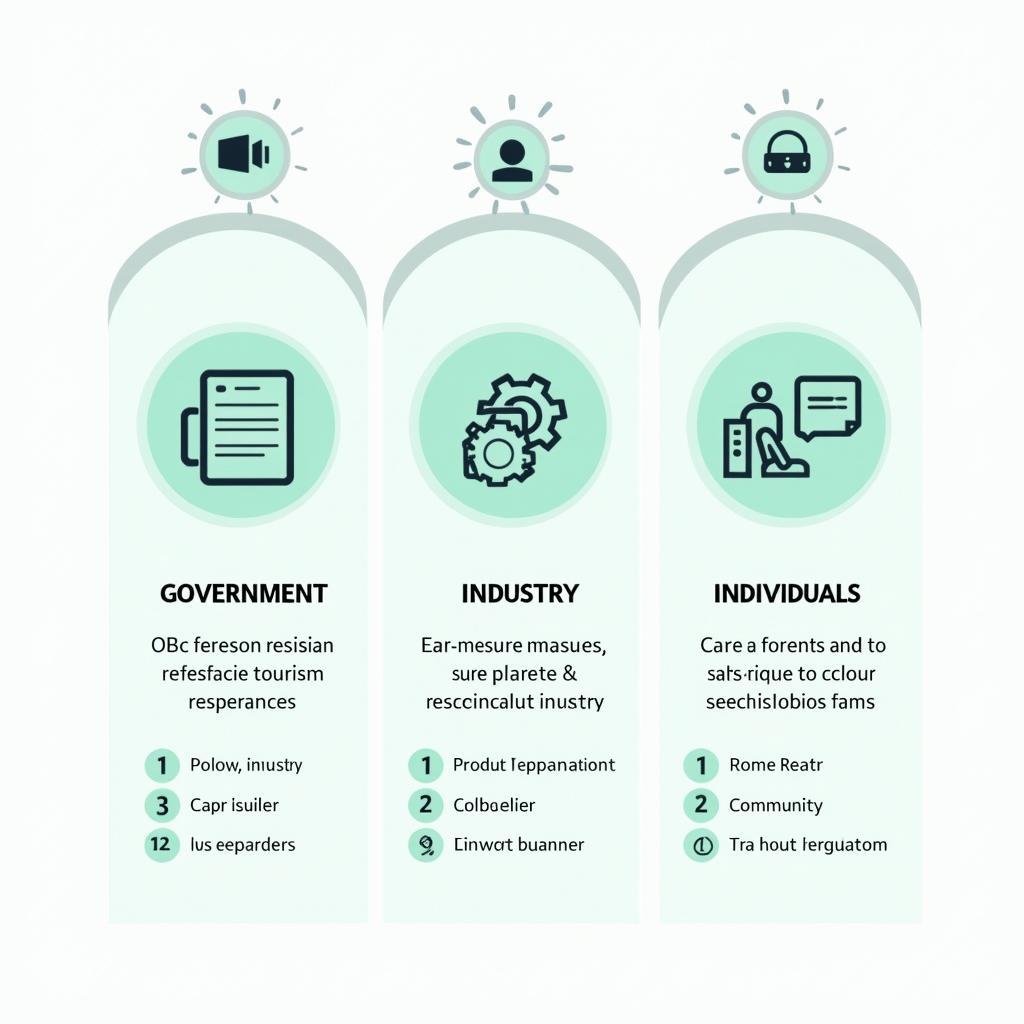
 Biểu đồ minh họa the effects of celebrity culture on youth behavior và kỹ năng viết IELTS
2. Bài mẫu Band 8-9
Bài Band 8-9 thường có: lập luận sắc sảo, ví dụ chặt chẽ, từ vựng linh hoạt, cấu trúc câu đa dạng nhưng tự nhiên, kiểm soát mạch lạc tốt.
Essay (≈300 words):
While fame used to be grounded in accomplishment, contemporary celebrity culture often spotlights conspicuous wealth and curated glamour. I largely agree that this trend can distort adolescents’ values, though its harm is neither inevitable nor irreversible.
On the negative side, constant exposure to influencers who monetize their lifestyles may normalize materialism and status anxiety. When teenagers equate success with handbags, hyper-visibility, or follower counts, they are nudged toward performative identities rather than competence. This is reinforced by parasocial bonds that make young viewers unusually susceptible to mimicry, from risky diet trends to impulsive consumption. Crucially, the attention economy rewards outrage and spectacle; what goes viral is rarely diligence or delayed gratification. As a result, behavioral norms shift: studying may feel “uncool,” while flaunting becomes aspirational.
However, this influence is far from monolithic. There are celebrities who champion philanthropy, mental-health advocacy, and STEM education, offering counter-narratives in which excellence—not excess—earns respect. Moreover, when schools embed media-literacy curricula—teaching students to decode editing, sponsorships, and algorithms—the allure of polished surfaces fades. With guided reflection, teenagers can learn to admire craft, resilience, and authentic contribution over spectacle. In addition, platforms and advertisers can be held to account through stricter disclosure rules and age-appropriate content curation, reducing the visibility of harmful role models.
In conclusion, the contemporary spotlight on glamour and wealth does risk setting a poor example, primarily by recoding success as visibility and consumption. Yet this is a cultural choice, not a foregone conclusion. If we amplify achievement-oriented role models, teach critical viewing, and make platforms more responsible, celebrity influence can be redirected toward healthier aspirations rather than shallow display.
Phân tích Band điểm
| Tiêu chí | Band | Nhận xét |
|---|---|---|
| Task Response (Hoàn thành yêu cầu) | 8.5 | Trả lời đúng trọng tâm, thể hiện mức độ đồng ý rõ ràng và phát triển cả hai mặt. Ví dụ và lý giải mạch lạc, có giải pháp cụ thể. Hạn chế nhỏ: chưa đưa ví dụ thực chứng cụ thể tên nhân vật (nhưng vẫn đủ với luận cứ tổng quát). |
| Coherence & Cohesion (Mạch lạc & Liên kết) | 8.5 | Bố cục 4 đoạn rõ ràng, topic sentence chặt chẽ. Dùng đối lập logic (negative vs positive) và kết bài tổng hợp rất tốt. Liên kết ý tự nhiên, không lạm dụng từ nối. |
| Lexical Resource (Từ vựng) | 9.0 | Từ vựng học thuật chính xác: conspicuous wealth, parasocial, performative identities, age-appropriate curation. Collocations tự nhiên, ít lặp. Dùng ẩn dụ tinh tế “recode success”. |
| Grammatical Range & Accuracy (Ngữ pháp) | 8.5 | Đa dạng cấu trúc: mệnh đề quan hệ, cụm phân từ, điều kiện giả định. Hầu như không lỗi. Dấu câu và nhịp câu linh hoạt. |
Các yếu tố giúp bài này được chấm điểm cao
- Quan điểm “largely agree” nhưng vẫn công bằng khi bàn về mặt tích cực/điều kiện.
- Từ vựng chủ đề đúng ngữ cảnh: parasocial bonds, attention economy, disclosure rules.
- Lập luận theo chuỗi nhân quả: tiếp xúc → chuẩn mực lệch → hành vi bắt chước.
- Giải pháp khả thi: giáo dục media literacy, quy định nền tảng, khuếch đại role model tốt.
- Câu chủ đề sắc và liên kết: mỗi đoạn phát triển một mạch lập luận.
- Kết luận không lặp lại y nguyên mà tổng hợp và mở rộng quan điểm.
3. Bài mẫu Band 6.5-7
Đặc điểm: ý tưởng đúng hướng, lập luận đủ, nhưng từ vựng/độ chính xác/độ sắc bén chưa ổn định; liên kết còn cơ học ở vài chỗ.
Essay (≈265 words):
Many teenagers today admire celebrities mainly for their glamour and wealth rather than their real achievements. I mostly agree that this can have negative effects on young people’s behavior, although there are exceptions that show a more positive path.
First, when famous people display luxury cars, expensive fashion and perfect images on social media, it encourages students to copy them. Some youngsters start to believe that being successful means looking rich and getting attention online. As a result, they may spend too much money on products they do not need or ignore their studies because it does not go viral. In addition, the content can be misleading, since many posts are sponsored but not clearly labeled, which teenagers rarely notice.
However, not all celebrities are superficial. Some athletes, scientists-turned-influencers, and artists talk about hard work, failure, and mental health. If schools and families guide teenagers to follow these role models, the influence can change direction. Media education also matters: when students learn to analyze how images are edited and why algorithms push certain videos, they are less likely to be fooled by the surface of fame. Finally, platforms should require clearer sponsorship disclosure to reduce unrealistic expectations.
In conclusion, I agree to a large extent that glamour-focused celebrity culture risks shaping youth behavior in unhelpful ways. But with better media literacy, responsible platforms, and a focus on achievement-based role models, young people can still be inspired in healthier and more sustainable ways.
Phân tích Band điểm
| Tiêu chí | Band | Nhận xét |
|---|---|---|
| Task Response (Hoàn thành yêu cầu) | 7.0 | Trả lời đúng câu hỏi, có quan điểm rõ và phát triển hai mặt. Ví dụ hợp lý nhưng còn khái quát, thiếu tính cụ thể ở vài điểm. |
| Coherence & Cohesion (Mạch lạc & Liên kết) | 7.0 | Cấu trúc đoạn hợp lý, chuyển ý mượt. Tuy nhiên vài câu nối còn đơn giản, lặp cấu trúc “However/Finally”. |
| Lexical Resource (Từ vựng) | 6.5 | Có từ vựng chủ đề đúng chỗ (sponsored, algorithms, disclosure). Một số chỗ lặp từ (celebrities, teenagers), collocation chưa đa dạng. |
| Grammatical Range & Accuracy (Ngữ pháp) | 6.5 | Cấu trúc đa dạng cơ bản; phần lớn chính xác. Một số câu đơn hơi nhiều; thiếu các cấu trúc nâng cao để tạo ấn tượng. |
So sánh với bài Band 8-9
- Bài 8-9 dùng thuật ngữ học thuật và ẩn dụ khái quát tốt hơn (attention economy, recode success), bài 6.5-7 dùng từ phổ thông hơn.
- Bài 8-9 có lập luận nguyên nhân-hệ quả rõ ràng; bài 6.5-7 mô tả hiện tượng nhiều hơn phân tích sâu.
- Giải pháp ở bài 8-9 cụ thể và đa tầng (trường học – nền tảng – xã hội), trong khi bài 6.5-7 nêu ngắn gọn hơn.
- Đa dạng câu ở bài 8-9 nổi trội (cụm phân từ, mệnh đề quan hệ không xác định…), bài 6.5-7 thiên về câu đơn/câu ghép.
4. Bài mẫu Band 5-6
Đặc điểm: có ý chính phù hợp nhưng phát triển ý chưa sâu, từ vựng/ ngữ pháp lỗi rải rác, liên kết còn cơ học.
Essay (≈260 words):
In modern days, many celebrities are known for luxury lifestyle and money, not for achievements. I think this is a bad example for young people, but the problem are also caused by families and schools.
Firstly, when stars show expensive clothes and perfect bodies, teenagers want to copy them. They spend many moneys to buy brands and even skip homework to make videos. This behavior is unhealthy and sometimes dangerous, like following diet advices from non-experts. The social media companies also push this content to get more clicks, so it is easy for youth to see it all the time.
On the other hand, some celebrities are good role models. They talk about hard work and donate to charity. But this content is lesser popular because it is not exciting. If schools teach students to be careful, then they will not be cheated by fake photos and ads. Parents should also limit phone time and explain what is real and what is not real.
In conclusion, celebrity culture has negative impact on teenagers in many cases. But with right education and rules, we can reduce it. I agree that relying on glamour and wealth is a wrong message, and young people should learn to value studying and true success.
Phân tích Band điểm
| Tiêu chí | Band | Nhận xét |
|---|---|---|
| Task Response (Hoàn thành yêu cầu) | 6.0 | Bám đề, có quan điểm; phát triển ý chưa sâu, ví dụ chung chung, thiếu phân tích nguyên nhân-hậu quả rõ. |
| Coherence & Cohesion (Mạch lạc & Liên kết) | 5.5 | Chia đoạn hợp lý nhưng liên kết ý đơn giản, lặp lại cấu trúc; từ nối hạn chế. |
| Lexical Resource (Từ vựng) | 5.5 | Dùng từ phổ thông, có lỗi collocation và từ đếm/số nhiều. Thiếu paraphrase đa dạng. |
| Grammatical Range & Accuracy (Ngữ pháp) | 5.5 | Lỗi mạo từ, số ít/số nhiều, thì và giới từ; câu đơn chiếm đa số; thiếu cấu trúc nâng cao. |
Những lỗi sai của bài – phân tích & giải thích
| Lỗi sai | Loại lỗi | Sửa lại | Giải thích |
|---|---|---|---|
| the problem are | Hòa hợp chủ-vị | the problem is / the problems are | “Problem” số ít → “is”; nếu số nhiều dùng “problems are”. |
| spend many moneys | Danh từ không đếm được | spend much money / spend a lot of money | “Money” không đếm được, không dùng “moneys”. |
| following diet advices | Danh từ đếm được | following diet advice | “Advice” là không đếm được; “some advice/pieces of advice”. |
| lesser popular | So sánh sai | less popular | So sánh hơn của “popular” là “more/less popular”, không dùng “lesser” trong cấu trúc này. |
| negative impact | Mạo từ/collocation | a negative impact / negative impacts | Cần mạo từ “a” khi số ít đếm được; collocation: “have a negative impact on”. |
| in modern days | Collocation | nowadays / these days | Collocation tự nhiên là “nowadays/these days”, không dùng “in modern days”. |
Cách Cải Thiện Từ Band 6 Lên Band 7
- Phân tích sâu hơn: thêm mạch nhân – quả và ví dụ cụ thể (vd: hiệu ứng “parasocial”, quảng cáo ẩn).
- Đa dạng từ vựng: paraphrase “celebrities/young people” bằng “public figures/teenagers/adolescents”.
- Nâng cấu trúc câu: dùng mệnh đề quan hệ, cụm phân từ, câu điều kiện giả định.
- Kiểm soát ngữ pháp cốt lõi: mạo từ, số ít/số nhiều, danh từ không đếm được.
- Mở rộng liên kết logic: thay “On the other hand” lặp lại bằng “Nevertheless/By contrast/That said”.
5. Từ vựng quan trọng cần nhớ
| Từ/Cụm từ | Loại từ | Phiên âm | Nghĩa tiếng Việt | Ví dụ (English) và Collocations |
|---|---|---|---|---|
| celebrity culture | n. | /səˈlɛbrɪti ˈkʌltʃə/ | văn hóa người nổi tiếng | Celebrity culture often shapes what teens value. |
| parasocial relationship | n. | /ˌpærəˈsəʊʃəl rɪˈleɪʃnʃɪp/ | quan hệ một chiều với người nổi tiếng | Parasocial relationships can intensify mimicry. |
| conspicuous consumption | n. | /kənˈspɪkjʊəs kənˈsʌmpʃən/ | tiêu dùng phô trương | Conspicuous consumption is glamorized online. |
| role model | n. | /ˈrəʊl ˌmɒdl/ | hình mẫu | Choose role models for diligence, not display. |
| materialism | n. | /məˈtɪəriəlɪzəm/ | chủ nghĩa vật chất | Materialism correlates with status anxiety. |
| to glamorize | v. | /ˈɡlæməraɪz/ | tô hồng, làm hào nhoáng | Media often glamorizes unhealthy lifestyles. |
| to emulate | v. | /ˈemjʊleɪt/ | bắt chước để bằng/giỏi hơn | Teens emulate influencers they admire. |
| disclosure (rules) | n. | /dɪsˈkləʊʒə/ | công khai (quy định) | Stricter disclosure is necessary for ads. |
| age-appropriate | adj. | /ˌeɪdʒ əˈprəʊprɪət/ | phù hợp lứa tuổi | Provide age-appropriate content curation. |
| attention economy | n. | /əˈtɛnʃn ɪˈkɒnəmi/ | nền kinh tế chú ý | The attention economy rewards spectacle. |
| set a bad/good example | coll. | /sɛt/ | nêu gương xấu/tốt | Some stars set a good example through charity. |
| shape attitudes/behaviour | coll. | /ʃeɪp/ | định hình thái độ/hành vi | Media can shape youth behaviour profoundly. |
| by contrast | linker | /baɪ ˈkɒntrɑːst/ | trái lại | By contrast, achievement-based fame inspires. |
| in the long run | linker | /ɪn ðə lɒŋ rʌn/ | về lâu dài | In the long run, literacy beats censorship. |
| unrealistic standards | coll. | /ˌʌnrɪəˈlɪstɪk/ | tiêu chuẩn phi thực tế | Unrealistic standards harm self-esteem. |
6. Cấu trúc câu dễ ăn điểm cao
- Câu phức với mệnh đề phụ thuộc
- Công thức: Mệnh đề phụ thuộc (when/if/because/although…) + mệnh đề chính.
- Ví dụ từ bài Band 8-9: “When teenagers equate success with handbags, they are nudged toward performative identities.”
- Vì sao ghi điểm: Thể hiện quan hệ nhân – quả, điều kiện, tương phản rõ.
- Ví dụ bổ sung:
- If platforms enforce disclosure, teens will be less misled.
- Although fame is attractive, it rarely reflects competence.
- Lỗi thường gặp: thiếu dấu phẩy sau mệnh đề phụ thuộc đứng trước; dùng sai thì.
- Mệnh đề quan hệ không xác định
- Công thức: Danh từ, which/who…, mệnh đề bổ sung (ngăn cách bằng dấu phẩy).
- Ví dụ: “There are celebrities, who champion philanthropy and mental-health advocacy, offering counter-narratives.”
- Vì sao ghi điểm: Bổ sung thông tin giàu ý nghĩa, nâng độ học thuật.
- Ví dụ bổ sung:
- Social platforms, which rely on engagement, tend to boost sensational content.
- Some influencers, who are transparent about sponsorships, build trust.
- Lỗi thường gặp: bỏ dấu phẩy; nhầm who/which.
- Cụm phân từ (Participle clauses)
- Công thức: V-ing/V-ed + cụm bổ nghĩa.
- Ví dụ: “Constantly exposed to influencers, teens may normalize materialism.”
- Vì sao ghi điểm: Nén thông tin, tăng tính nhịp điệu.
- Ví dụ bổ sung:
- Driven by algorithms, users see extreme content.
- Shaped by peer pressure, their choices become reactive.
- Lỗi thường gặp: sai chủ ngữ logic (dangling participle).
- Câu chẻ (Cleft sentences)
- Công thức: It + be + thành phần nhấn mạnh + that/who + mệnh đề.
- Ví dụ: “It is the focus on spectacle that recodes success as visibility.”
- Vì sao ghi điểm: Nhấn mạnh trọng tâm lập luận.
- Ví dụ bổ sung:
- It is media literacy that empowers critical thinking.
- It is not wealth but resilience that deserves admiration.
- Lỗi thường gặp: thiếu that, nhấn sai yếu tố.
- Câu điều kiện nâng cao (giả định/điều kiện đảo)
- Công thức: If + QKHT, would have + V3; hoặc Should + S + V, …
- Ví dụ: “If schools embedded media literacy, the allure of polished surfaces would fade.”
- Vì sao ghi điểm: Diễn đạt giả định, chính sách, hệ quả tương lai/giả định.
- Ví dụ bổ sung:
- Had platforms enforced strict rules earlier, fewer teens would have been misled.
- Should parents co-view content, discussions would be richer.
- Lỗi thường gặp: sai thì trong mệnh đề điều kiện; nhầm would/will.
- Đảo ngữ nhấn mạnh
- Công thức: Not only + trợ động từ + S + V, but also…
- Ví dụ: “Not only does the attention economy reward spectacle, but it also sidelines diligence.”
- Vì sao ghi điểm: Tạo điểm nhấn phong cách, tăng tính hùng biện.
- Ví dụ bổ sung:
- Rarely do teens see behind-the-scenes failures.
- Seldom are sponsorships disclosed clearly.
- Lỗi thường gặp: bỏ trợ động từ; chia động từ sai.
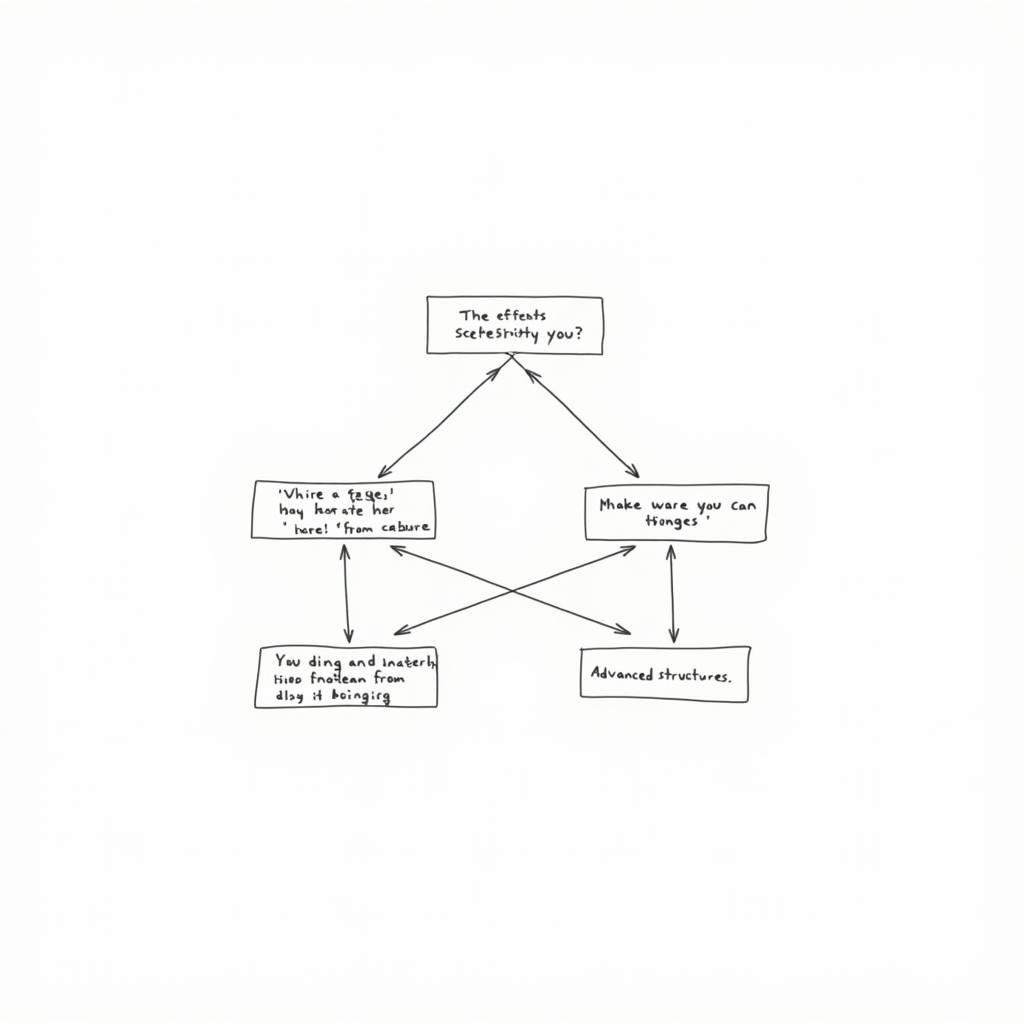 Sơ đồ cấu trúc bài luận và the effects of celebrity culture on youth behavior
7. Checklist Tự Đánh Giá
- Trước khi viết:
- Xác định dạng bài (Opinion/Discuss/Problem-Solution).
- Ghi rõ “extent” của quan điểm (fully/mostly/partly).
- Lập dàn ý 2-3 luận điểm + ví dụ cụ thể gắn với youth behavior.
- Trong khi viết:
- Topic sentence rõ ràng đầu mỗi đoạn.
- Dùng 1-2 cấu trúc nâng band/đoạn.
- Kiểm soát mạo từ (a/an/the), số ít/số nhiều.
- Sau khi viết:
- Soát collocations và từ lặp; paraphrase “celebrities/young people”.
- Kiểm tra dấu phẩy với mệnh đề phụ thuộc/quan hệ.
- Đếm từ: 260-320 là vùng an toàn.
- Mẹo quản lý thời gian:
- 3-5 phút phân tích đề + dàn ý.
- 25-28 phút viết.
- 4-6 phút soát lỗi trọng yếu (mạo từ, số ít/số nhiều, thì).
Kết bài
Chủ đề the effects of celebrity culture on youth behavior không chỉ “gặp nhiều” mà còn dễ lệch hướng nếu thiếu phân tích sâu. Bạn vừa có 3 bài mẫu theo dải Band 5-6, 6.5-7, 8-9; bảng chấm điểm chi tiết; 15 từ vựng trọng tâm; 6 cấu trúc ghi điểm và checklist thực chiến. Con đường cải thiện rõ ràng: nắm vững phân tích đề, luyện dàn ý nhanh, nâng từ vựng-cấu trúc có chọn lọc và soát lỗi hệ thống. Hãy viết ngay một bài theo đề đã chọn, đối chiếu với checklist, rồi chia sẻ bản nháp để nhận phản hồi từ cộng đồng học tập.
Với lịch luyện đều đặn 3-4 bài/tuần và phản hồi chất lượng, phần lớn học viên có thể nâng 0.5 band trong 6-8 tuần. Tài nguyên bổ sung: các kho đề trên ieltsliz.com, ielts-blog.com, Cambridge IELTS. Đừng quên lưu bài này, áp dụng bảng từ vựng – cấu trúc, và thực hành mỗi ngày để biến ảnh hưởng của văn hóa người nổi tiếng thành chất liệu lập luận mạnh mẽ trong IELTS Writing Task 2.