Mở đầu
Du lịch và ảnh hưởng của nó đến văn hóa địa phương là một chủ đề nóng trong các kỳ thi IELTS Writing Task 2, xuất hiện với tần suất đáng kể trong những năm gần đây. Đây là vấn đề mang tính thời sự cao khi ngành du lịch toàn cầu phát triển mạnh mẽ, tạo ra cả cơ hội và thách thức cho các cộng đồng bản địa.
Qua 20 năm giảng dạy IELTS, tôi nhận thấy nhiều học viên Việt Nam gặp khó khăn với chủ đề này vì cần cân bằng giữa lợi ích kinh tế và bảo tồn văn hóa – một vấn đề phức tạp đòi hỏi tư duy phản biện sâu sắc. Bài viết này sẽ trang bị cho bạn đầy đủ công cụ cần thiết để chinh phục dạng đề này.
Bạn sẽ học được:
- 3 bài mẫu hoàn chỉnh từ Band 5-6, 6.5-7 đến 8-9 với phân tích chi tiết
- Cách phân tích đề và lập dàn ý hiệu quả
- 15+ từ vựng và collocations quan trọng
- 6 cấu trúc câu “ăn điểm” cao được giám khảo đánh giá cao
Một số đề thi thực tế liên quan đã xuất hiện:
- “Tourism has increased so much over the last 50 years that it is having a mainly negative impact on local inhabitants and the environment. However, others claim that it is good for the economy. Discuss the advantages and disadvantages of tourism and give your own opinion.” (Thi ngày 10/06/2023)
- “Some people believe that visitors to other countries should follow local customs and behaviour. Others disagree and think that the host country should welcome cultural differences. Discuss both these views and give your own opinion.” (Thi ngày 18/03/2023)
Khi nói về The benefits of cultural exchange programs, chúng ta không thể bỏ qua tác động hai chiều mà du lịch mang lại cho văn hóa địa phương. Việc nắm vững cách viết về chủ đề này sẽ giúp bạn tự tin hơn khi gặp các dạng đề tương tự trong phòng thi.
Đề Writing Part 2 Thực Hành
Some people believe that the increase in international tourism has a positive effect on local cultures, while others argue that it threatens traditional ways of life. Discuss both views and give your own opinion.
Dịch đề: Một số người cho rằng sự gia tăng du lịch quốc tế có tác động tích cực đến văn hóa địa phương, trong khi những người khác lập luận rằng nó đe dọa lối sống truyền thống. Thảo luận cả hai quan điểm và đưa ra ý kiến của bạn.
Phân tích đề bài:
Đây là dạng câu hỏi Discussion + Opinion – một trong những dạng phổ biến nhất trong IELTS Writing Task 2. Yêu cầu cụ thể:
- Thảo luận quan điểm thứ nhất: Du lịch quốc tế có tác động tích cực (positive effect) đến văn hóa địa phương
- Thảo luận quan điểm thứ hai: Du lịch đe dọa (threatens) lối sống truyền thống
- Đưa ra ý kiến cá nhân: Bạn nghiêng về quan điểm nào hoặc có quan điểm cân bằng
Các thuật ngữ quan trọng cần hiểu:
- International tourism: Du lịch quốc tế (người nước ngoài đến thăm)
- Local cultures: Văn hóa địa phương (phong tục, tập quán, lối sống của cộng đồng bản địa)
- Traditional ways of life: Lối sống truyền thống (cách sinh hoạt được truyền từ thế hệ này sang thế hệ khác)
Những lỗi thường gặp của học viên Việt Nam:
- Chỉ viết về một quan điểm mà bỏ qua quan điểm còn lại → Mất điểm Task Response nghiêm trọng
- Không đưa ra ý kiến cá nhân rõ ràng → Không hoàn thành yêu cầu đề bài
- Đưa ra quá nhiều ví dụ chung chung thay vì phân tích sâu
- Sử dụng từ “culture” quá nhiều lần mà không paraphrase
- Lập luận thiếu cân bằng (một đoạn quá dài, một đoạn quá ngắn)
Cách tiếp cận chiến lược:
- Introduction: Paraphrase đề bài + nêu rõ bài viết sẽ thảo luận cả hai quan điểm + thesis statement (ý kiến cá nhân tổng quan)
- Body 1: Phân tích quan điểm tích cực (2-3 lý do + ví dụ cụ thể)
- Body 2: Phân tích quan điểm tiêu cực (2-3 lý do + ví dụ cụ thể)
- Conclusion: Tóm tắt hai quan điểm + khẳng định lại ý kiến cá nhân rõ ràng
Với cách tiếp cận có hệ thống này, bạn sẽ đảm bảo đáp ứng đầy đủ yêu cầu đề bài và tạo được bài viết mạch lạc, logic.
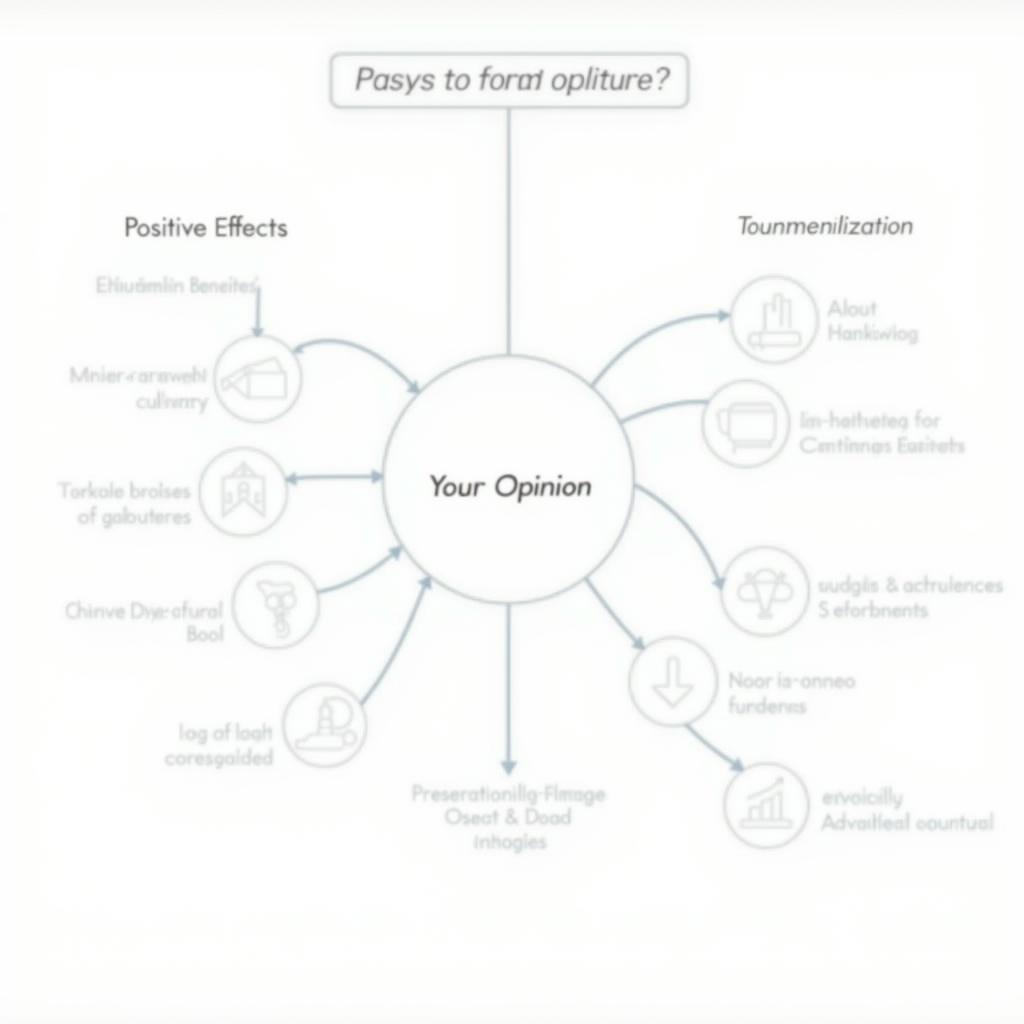 Sơ đồ phân tích đề bài IELTS Writing Task 2 về tác động du lịch đến văn hóa địa phương với các yếu tố cần lưu ý
Bài Mẫu Band 8-9
Bài viết Band 8-9 thể hiện sự thành thạo xuất sắc về cả bốn tiêu chí chấm điểm. Điểm nổi bật là việc sử dụng từ vựng chính xác, đa dạng, cấu trúc câu phức tạp nhưng tự nhiên, luận điểm được phát triển đầy đủ với ví dụ thuyết phục, và sự liên kết mượt mà giữa các ý tưởng.
The exponential growth of international tourism over recent decades has sparked considerable debate regarding its impact on indigenous cultures. While some contend that this phenomenon brings valuable cultural enrichment, others worry that it undermines the authenticity of traditional lifestyles. This essay will examine both perspectives before arguing that tourism’s effects are largely contingent on how destinations manage this influx.
Those who advocate for tourism’s positive influence cite several compelling arguments. Firstly, the economic benefits generated from tourist revenue often provide communities with the means to preserve their heritage. In Luang Prabang, Laos, for instance, UNESCO funding combined with tourism income has enabled the restoration of ancient temples that might otherwise have deteriorated. Moreover, cross-cultural exchanges foster mutual understanding, as visitors gain appreciation for local customs while residents develop broader worldviews. This cultural dialogue can actually reinvigorate interest in traditional practices among younger generations who might have previously viewed them as outdated.
Conversely, critics raise legitimate concerns about tourism’s potentially destructive consequences. The commercialization of cultural practices represents perhaps the most significant threat, as communities may modify or stage traditional ceremonies to cater to tourist expectations rather than maintaining their original spiritual significance. The Maasai people in Kenya, for example, increasingly perform sanitized versions of sacred rituals for camera-wielding visitors, thereby diluting their cultural authenticity. Furthermore, the influx of foreign values and behaviours can erode social cohesion, particularly when younger members of traditional societies adopt Western consumer lifestyles that conflict with communal values.
In my view, neither perspective fully captures the nuanced reality. The impact of tourism depends fundamentally on whether destinations implement sustainable management strategies that prioritize cultural integrity over short-term profits. When communities maintain control over how their culture is presented and ensure that tourism development aligns with their values, the economic benefits can indeed support cultural preservation. However, without such safeguards, the commercialization of culture becomes almost inevitable.
In conclusion, while international tourism undoubtedly presents both opportunities and risks for local cultures, the determining factor lies in governance and community agency rather than tourism itself. Destinations that adopt community-based tourism models with strong cultural protection measures can harness tourism’s benefits while mitigating its threats to traditional ways of life.
(376 words)
Phân Tích Band Điểm
| Tiêu chí | Band | Nhận xét |
|---|---|---|
| Task Response (Hoàn thành yêu cầu) | 9.0 | Trả lời đầy đủ và xuất sắc cả ba phần của đề bài. Thảo luận cân bằng cả hai quan điểm với các luận điểm được phát triển sâu sắc, có ví dụ cụ thể thuyết phục (Luang Prabang, Maasai). Ý kiến cá nhân rõ ràng và tinh tế, không đơn giản chọn một bên mà đưa ra góc nhìn phụ thuộc vào quản lý. |
| Coherence & Cohesion (Mạch lạc & Liên kết) | 9.0 | Cấu trúc bài hoàn hảo với sự phát triển logic từ đầu đến cuối. Sử dụng linking devices tinh tế và đa dạng (Firstly, Moreover, Conversely, Furthermore, In my view). Mỗi đoạn có một ý chính rõ ràng và các câu liên kết mượt mà. Sử dụng referencing hiệu quả (this phenomenon, such safeguards). |
| Lexical Resource (Từ vựng) | 9.0 | Từ vựng học thuật phong phú và chính xác (exponential growth, indigenous cultures, undermines authenticity, contingent on, reinvigorate, diluting cultural authenticity, erode social cohesion). Collocations tự nhiên (compelling arguments, legitimate concerns, nuanced reality). Không có lỗi từ vựng. Paraphrasing xuất sắc. |
| Grammatical Range & Accuracy (Ngữ pháp) | 9.0 | Đa dạng cấu trúc câu phức với độ chính xác hoàn hảo. Sử dụng thành thạo các cấu trúc nâng cao: mệnh đề quan hệ không xác định, câu phân từ, câu điều kiện, đảo ngữ nhẹ. Không có lỗi ngữ pháp đáng kể. Câu văn tự nhiên, không gượng ép. |
Các Yếu Tố Giúp Bài Này Được Chấm Điểm Cao
-
Thesis statement tinh tế: Thay vì chọn đơn giản một bên tích cực hay tiêu cực, tác giả đưa ra quan điểm “contingent on management” – thể hiện tư duy phản biện cao.
-
Ví dụ cụ thể và có chiều sâu: Không chỉ nêu ví dụ chung chung, bài viết đưa ra Luang Prabang (tích cực) và Maasai (tiêu cực) với chi tiết minh họa rõ ràng cho luận điểm.
-
Từ vựng học thuật được sử dụng chính xác: Các cụm như “undermines the authenticity”, “erode social cohesion”, “diluting cultural authenticity” cho thấy vốn từ vựng phong phú và khả năng sử dụng đúng ngữ cảnh.
-
Cấu trúc câu phức hợp tự nhiên: Câu “When communities maintain control over how their culture is presented and ensure that tourism development aligns with their values, the economic benefits can indeed support cultural preservation” kết hợp nhiều mệnh đề nhưng vẫn rõ ràng, dễ hiểu.
-
Sự cân bằng trong phát triển ý: Body 1 và Body 2 có độ dài tương đương, mỗi đoạn phát triển 2 luận điểm chính với giải thích và ví dụ đầy đủ.
-
Cohesion tinh tế: Sử dụng đa dạng các phương pháp liên kết không chỉ bằng linking words mà còn bằng referencing (this phenomenon, such safeguards) và lexical cohesion (tourism/visitors, cultures/heritage/traditions).
-
Conclusion không lặp lại máy móc: Kết bài tổng hợp ý và nhấn mạnh lại thesis với cách diễn đạt mới “the determining factor lies in governance and community agency” thay vì lặp lại y nguyên câu ở introduction.
 Minh họa các đặc điểm nổi bật của bài viết IELTS Writing Task 2 đạt Band 8-9 về chủ đề du lịch và văn hóa
Bài Mẫu Band 6.5-7
Bài viết Band 6.5-7 hoàn thành tốt yêu cầu đề bài với ý tưởng rõ ràng và cấu trúc hợp lý. Tuy nhiên, từ vựng và cấu trúc câu chưa đa dạng bằng Band 8-9, và một số luận điểm được phát triển chưa sâu sắc.
The tourism industry has grown significantly in recent years, and this has led to different opinions about how it affects local cultures. Some people think tourism is beneficial for local traditions, while others believe it has negative impacts. In this essay, I will discuss both views and give my opinion.
On the one hand, tourism can bring positive changes to local cultures. First, it provides economic benefits that help communities preserve their cultural heritage. When tourists visit historical sites or traditional villages, the entrance fees and money they spend can be used to maintain these places. For example, many temples in Southeast Asia have been restored using money from tourism. Second, tourism creates opportunities for cultural exchange. When local people interact with visitors from different countries, they can learn about other cultures and share their own traditions. This can help people understand each other better and reduce cultural misunderstandings.
On the other hand, there are several reasons why tourism might harm traditional ways of life. One major problem is that local cultures can become commercialized. Traditional festivals and ceremonies may be changed to attract more tourists, which means they lose their original meaning. For instance, some indigenous communities now perform their traditional dances mainly for tourists rather than for cultural or religious reasons. Another issue is that tourism can lead to the loss of traditional values. Young people in tourist areas might adopt Western lifestyles and forget their own customs because they think foreign ways are more modern and attractive.
In my opinion, tourism has both advantages and disadvantages for local cultures. The key factor is how tourism is managed. If local communities can control tourism development and make sure their culture is respected, then tourism can be beneficial. However, if tourism is not regulated properly, it can cause serious damage to traditional lifestyles.
In conclusion, while tourism brings economic benefits and cultural exchange opportunities, it also poses threats to traditional cultures through commercialization and cultural change. I believe that with proper management, the positive effects of tourism can be maximized while minimizing its negative impacts.
(370 words)
Phân Tích Band Điểm
| Tiêu chí | Band | Nhận xét |
|---|---|---|
| Task Response (Hoàn thành yêu cầu) | 7.0 | Trả lời đầy đủ cả ba phần của đề bài với ý tưởng rõ ràng. Tuy nhiên, các luận điểm được phát triển ở mức độ cơ bản, chưa có chiều sâu như Band 8-9. Ví dụ khá chung chung (“many temples in Southeast Asia”, “some indigenous communities”) thay vì cụ thể như bài Band 8-9. |
| Coherence & Cohesion (Mạch lạc & Liên kết) | 6.5 | Cấu trúc bài rõ ràng với các đoạn được tổ chức logic. Tuy nhiên, sử dụng linking words còn đơn giản và lặp lại (First, Second, One major problem, Another issue). Thiếu sự đa dạng trong các phương pháp liên kết. Referencing hạn chế. |
| Lexical Resource (Từ vựng) | 6.5 | Từ vựng đủ để truyền đạt ý tưởng nhưng chưa đa dạng. Sử dụng một số collocation tốt (economic benefits, cultural exchange, traditional values) nhưng còn lặp lại từ “culture/cultural” nhiều lần. Thiếu từ vựng học thuật nâng cao. Paraphrasing còn hạn chế. |
| Grammatical Range & Accuracy (Ngữ pháp) | 7.0 | Sử dụng đa dạng cấu trúc câu bao gồm câu phức, câu ghép. Có một số cấu trúc tốt (When tourists visit…, If local communities can control…). Ít lỗi ngữ pháp nhưng cấu trúc câu chưa phức tạp và tinh tế như Band 8-9. |
So Sánh Với Bài Band 8-9
1. Introduction:
- Band 8-9: “The exponential growth of international tourism over recent decades has sparked considerable debate” – Sử dụng từ vựng học thuật cao cấp (exponential growth, sparked considerable debate)
- Band 6.5-7: “The tourism industry has grown significantly in recent years” – Diễn đạt đơn giản, trực tiếp hơn
2. Luận điểm và ví dụ:
- Band 8-9: Ví dụ cụ thể với tên địa điểm (Luang Prabang, Maasai in Kenya) và mô tả chi tiết tình huống
- Band 6.5-7: Ví dụ chung chung (“many temples in Southeast Asia”, “some indigenous communities”) thiếu tính cụ thể
3. Từ vựng:
- Band 8-9: “undermines authenticity”, “erode social cohesion”, “diluting cultural authenticity”, “contingent on”
- Band 6.5-7: “harm traditional ways of life”, “loss of traditional values”, “with proper management” – Từ vựng đơn giản hơn
4. Cấu trúc câu:
- Band 8-9: “When communities maintain control over how their culture is presented and ensure that tourism development aligns with their values, the economic benefits can indeed support cultural preservation” – Câu phức tạp với nhiều mệnh đề
- Band 6.5-7: “If local communities can control tourism development and make sure their culture is respected, then tourism can be beneficial” – Câu điều kiện cơ bản
5. Thesis statement:
- Band 8-9: Quan điểm tinh tế “contingent on how destinations manage this influx” – Không chọn bên mà phân tích điều kiện
- Band 6.5-7: “tourism has both advantages and disadvantages” – Quan điểm an toàn, trung lập nhưng ít sâu sắc
6. Cohesion:
- Band 8-9: Đa dạng phương pháp liên kết (referencing, substitution, lexical chains)
- Band 6.5-7: Chủ yếu dựa vào linking words cơ bản (First, Second, Another)
Để cải thiện từ Band 6.5-7 lên 8-9, bạn cần tập trung vào việc sử dụng từ vựng học thuật chính xác hơn, phát triển luận điểm sâu hơn với ví dụ cụ thể, và đa dạng hóa cấu trúc câu cũng như phương pháp liên kết.
Bài Mẫu Band 5-6
Bài viết Band 5-6 hoàn thành cơ bản yêu cầu đề bài nhưng có nhiều hạn chế về từ vựng, ngữ pháp và cách phát triển ý. Các lỗi sai được làm nổi bật để bạn dễ nhận biết và tránh.
Nowadays, international tourism is becoming more popular than before. Some people say it is good for local cultures, but other people think it is bad. I will discuss both ideas in this essay and give my opinion.
Firstly, tourism can help local culture in many ways. When tourists come to visit, they spend money and this money can help to keep the culture. For example, in my country, many old buildings were fixed because of tourism money. Also, when local people meet tourists, they can exchange their culture and learn new things from different countries. This is good because people can understand each other better and make friend with people from other places.
However, tourism also has bad effects on traditional culture. One problem is that traditional culture becomes too commercial. Many traditional festivals is changed to attract more tourists, so they are not real anymore. For example, some traditional dances are perform for tourists but they are not the same as before. Another problem is young people don’t want to follow their traditional culture anymore. They want to be like Western people because they think it is more modern.
In my opinion, I think tourism has good points and bad points for local culture. It depends on how people manage tourism. If the government can control tourism well, it will be good for culture. But if there is no control, it will destroy traditional culture.
To conclude, tourism can help local culture by bringing money and cultural exchange, but it can also damage traditional ways of life. I believe the government should make rules to protect culture while allowing tourism to develop.
(267 words)
Phân Tích Band Điểm
| Tiêu chí | Band | Nhận xét |
|---|---|---|
| Task Response (Hoàn thành yêu cầu) | 6.0 | Trả lời đủ các phần của đề bài nhưng các ý tưởng được phát triển chưa đầy đủ và thiếu chiều sâu. Ví dụ quá chung chung (“in my country”, “some traditional dances”) không đủ thuyết phục. Quan điểm cá nhân có nhưng chưa được giải thích rõ ràng. |
| Coherence & Cohesion (Mạch lạc & Liên kết) | 5.5 | Có cấu trúc cơ bản nhưng cách tổ chức ý còn đơn giản. Sử dụng linking words lặp lại và cơ bản (Firstly, Also, However, Another). Thiếu sự liên kết mượt mà giữa các câu. Một số câu có vẻ rời rạc, không kết nối tốt với nhau. |
| Lexical Resource (Từ vựng) | 5.5 | Từ vựng hạn chế và lặp lại nhiều (“culture” xuất hiện quá nhiều lần). Sử dụng từ đơn giản, thông thường (good, bad, help, keep). Có lỗi về word choice (“keep the culture” thay vì “preserve”, “make friend” thiếu số nhiều). Thiếu collocation học thuật. |
| Grammatical Range & Accuracy (Ngữ pháp) | 5.5 | Có một số lỗi ngữ pháp đáng kể ảnh hưởng đến hiểu nghĩa: “many traditional festivals is changed” (sai số), “are perform” (sai dạng động từ), “make friend” (thiếu -s). Cấu trúc câu đơn giản, ít câu phức. Tuy nhiên, ý nghĩa cơ bản vẫn được truyền đạt. |
Những Lỗi Sai Của Bài – Phân Tích & Giải Thích
| Lỗi sai | Loại lỗi | Sửa lại | Giải thích |
|---|---|---|---|
| “keep the culture” | Word choice | “preserve the culture” hoặc “maintain cultural heritage” | “Keep” là từ quá đơn giản và không chính xác trong ngữ cảnh học thuật. “Preserve” thể hiện sự bảo tồn có chủ đích và phù hợp hơn với cultural heritage. |
| “exchange their culture” | Collocation | “engage in cultural exchange” hoặc “share their cultural practices” | “Exchange their culture” nghe không tự nhiên vì văn hóa không phải là vật phẩm có thể trao đổi. Cần dùng cụm từ chính xác hơn. |
| “make friend” | Số ít/nhiều | “make friends” | Sau “make” với nghĩa kết bạn cần dùng danh từ số nhiều “friends”. Đây là lỗi cơ bản về số của danh từ đếm được. |
| “many traditional festivals is changed” | Sai chủ ngữ – động từ | “many traditional festivals are changed” | Chủ ngữ số nhiều “festivals” phải đi với động từ số nhiều “are”, không phải “is”. Đây là lỗi subject-verb agreement rất phổ biến với học viên Việt Nam. |
| “are perform” | Dạng động từ | “are performed” | Câu bị động cần dùng past participle (V3) chứ không phải bare infinitive. Cấu trúc đúng: be + past participle. |
| “don’t want to follow their traditional culture” | Cách diễn đạt | “no longer adhere to traditional cultural values” hoặc “abandon their cultural traditions” | Cách diễn đạt quá đơn giản và không học thuật. “Follow culture” không phải là collocation tự nhiên trong tiếng Anh học thuật. |
| “be like Western people” | Cách diễn đạt | “emulate Western lifestyles” hoặc “adopt Western cultural practices” | “Be like” quá thông thường. Cần dùng động từ học thuật hơn như “emulate”, “adopt”, “embrace”. |
| “It depends on how people manage” | Chủ ngữ không rõ | “It depends on how local authorities/communities manage” | “People” quá chung chung. Cần cụ thể hơn về ai chịu trách nhiệm quản lý du lịch để bài viết có chiều sâu hơn. |
Cách Cải Thiện Từ Band 6 Lên Band 7
1. Nâng cao từ vựng:
- Thay thế các từ cơ bản (good → beneficial/advantageous, bad → detrimental/adverse)
- Học các collocations học thuật (cultural heritage, preserve traditions, commercial exploitation)
- Tránh lặp từ bằng cách sử dụng synonyms và paraphrasing
2. Cải thiện ngữ pháp:
- Rà soát kỹ subject-verb agreement (đặc biệt với danh từ số nhiều)
- Kiểm tra cẩn thận các câu bị động (be + past participle)
- Sử dụng đa dạng thì động từ (hiện tại hoàn thành, tương lai hoàn thành)
3. Phát triển ý sâu hơn:
- Thay vì ví dụ chung chung “in my country”, hãy đưa ra ví dụ cụ thể với tên địa điểm
- Giải thích WHY và HOW, không chỉ dừng lại ở WHAT
- Mỗi luận điểm cần có: topic sentence → explanation → example → impact
4. Cải thiện coherence:
- Sử dụng đa dạng linking devices (Furthermore, Moreover, Conversely, Consequently)
- Áp dụng referencing (this phenomenon, such practices, these challenges)
- Đảm bảo mỗi câu kết nối logic với câu trước và sau
5. Lập dàn ý chi tiết trước khi viết:
- Dành 5 phút brainstorm và organize ý tưởng
- Đảm bảo mỗi body paragraph có ít nhất 2 main ideas với đầy đủ explanation và example
- Kiểm tra xem thesis statement có trả lời đúng câu hỏi hay không
6. Rà soát bài viết:
- Dành 3-5 phút cuối để kiểm tra lỗi
- Ưu tiên sửa các lỗi ảnh hưởng đến nghĩa (subject-verb agreement, verb forms)
- Kiểm tra word count (đảm bảo tối thiểu 250 từ)
Để hiểu rõ hơn về cultural exchange global impact, bạn có thể tham khảo thêm các bài phân tích chuyên sâu về mối quan hệ giữa giao lưu văn hóa và phát triển toàn cầu.
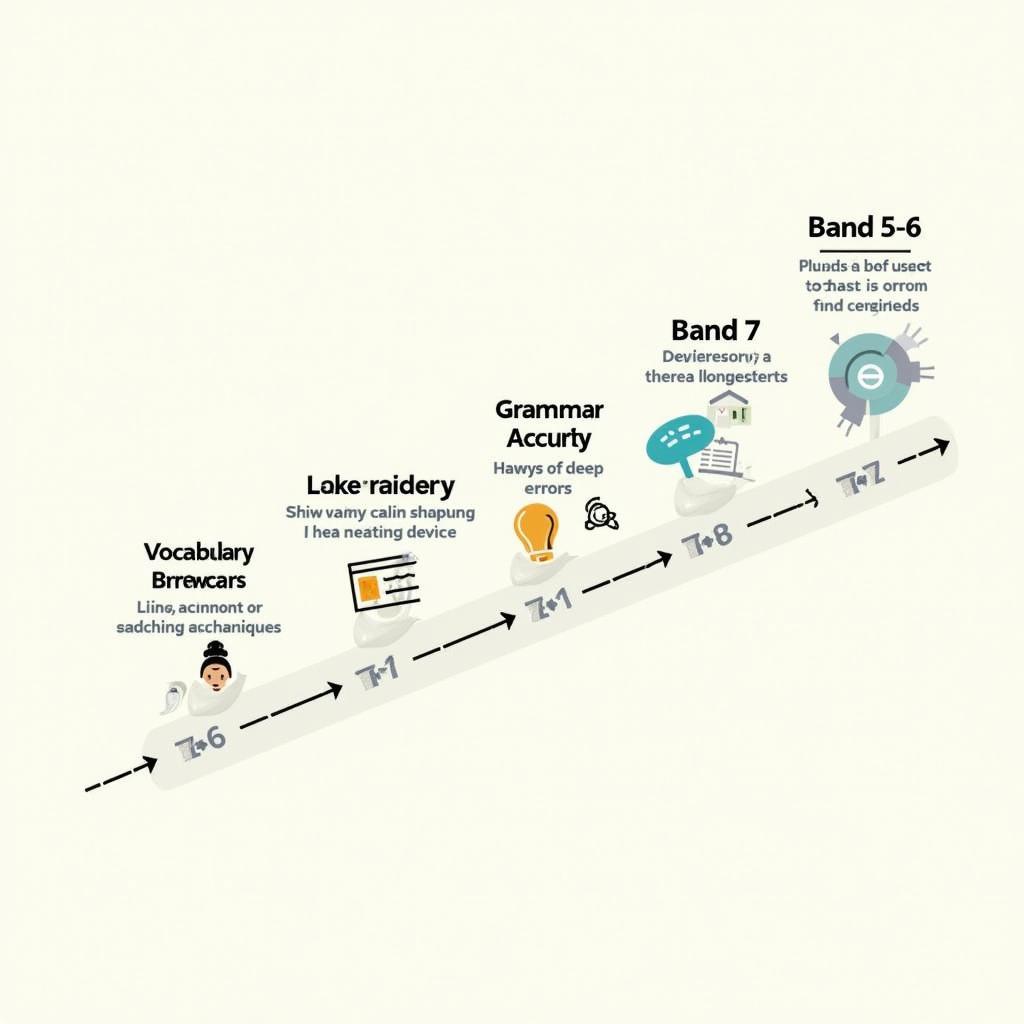 Lộ trình cải thiện điểm số IELTS Writing Task 2 từ Band 5-6 lên Band 7 với các bước cụ thể
Từ Vựng Quan Trọng Cần Nhớ
| Từ/Cụm từ | Loại từ | Phiên âm | Nghĩa tiếng Việt | Ví dụ | Collocations |
|---|---|---|---|---|---|
| exponential growth | noun phrase | /ˌekspəˈnenʃəl ɡrəʊθ/ | Sự tăng trưởng theo cấp số nhân | The exponential growth of tourism has transformed many rural communities. | rapid/steady/exponential growth |
| indigenous cultures | noun phrase | /ɪnˈdɪdʒənəs ˈkʌltʃəz/ | Các nền văn hóa bản địa | Tourism can threaten the survival of indigenous cultures. | protect/preserve/respect indigenous cultures |
| undermine authenticity | verb phrase | /ˌʌndəˈmaɪn ɔːθenˈtɪsəti/ | Làm suy yếu tính chân thực | Commercialization often undermines the authenticity of traditional ceremonies. | seriously/gradually/completely undermine |
| cultural heritage | noun phrase | /ˈkʌltʃərəl ˈherɪtɪdʒ/ | Di sản văn hóa | Tourism revenue helps preserve cultural heritage sites. | preserve/protect/restore/damage cultural heritage |
| cross-cultural exchange | noun phrase | /krɒs ˈkʌltʃərəl ɪksˈtʃeɪndʒ/ | Giao lưu liên văn hóa | Tourism facilitates valuable cross-cultural exchanges. | promote/encourage/facilitate cross-cultural exchange |
| reinvigorate | verb | /ˌriːɪnˈvɪɡəreɪt/ | Thổi luồng sinh khí mới vào | Tourism can reinvigorate interest in traditional crafts. | reinvigorate interest/enthusiasm/support |
| commercialization | noun | /kəˌmɜːʃəlaɪˈzeɪʃən/ | Sự thương mại hóa | The commercialization of festivals often dilutes their cultural significance. | excessive/rampant/widespread commercialization |
| dilute authenticity | verb phrase | /daɪˈluːt ɔːθenˈtɪsəti/ | Làm loãng/giảm tính chân thực | Staged performances dilute the authenticity of traditional ceremonies. | significantly/gradually dilute |
| erode social cohesion | verb phrase | /ɪˈrəʊd ˈsəʊʃəl kəʊˈhiːʒən/ | Xói mòn sự gắn kết xã hội | Mass tourism can erode social cohesion in small communities. | seriously/gradually/slowly erode |
| sustainable tourism | noun phrase | /səˈsteɪnəbəl ˈtʊərɪzəm/ | Du lịch bền vững | Sustainable tourism models prioritize cultural preservation. | promote/develop/implement sustainable tourism |
| community-based tourism | noun phrase | /kəˈmjuːnəti beɪst ˈtʊərɪzəm/ | Du lịch dựa vào cộng đồng | Community-based tourism ensures local people benefit directly. | develop/support/adopt community-based tourism |
| cultural commodification | noun phrase | /ˈkʌltʃərəl kəˌmɒdɪfɪˈkeɪʃən/ | Sự hàng hóa hóa văn hóa | Cultural commodification transforms sacred rituals into tourist attractions. | prevent/resist/address cultural commodification |
| contingent on | adjective phrase | /kənˈtɪndʒənt ɒn/ | Phụ thuộc vào | Tourism’s impact is contingent on management strategies. | largely/entirely/heavily contingent on |
| mitigate threats | verb phrase | /ˈmɪtɪɡeɪt θrets/ | Giảm thiểu các mối đe dọa | Proper regulations can mitigate threats to traditional lifestyles. | effectively/successfully mitigate |
| foster mutual understanding | verb phrase | /ˈfɒstə ˈmjuːtʃuəl ˌʌndəˈstændɪŋ/ | Thúc đẩy sự hiểu biết lẫn nhau | Cultural tourism fosters mutual understanding between nations. | help/promote/foster mutual understanding |
Cấu Trúc Câu Dễ “Ăn Điểm” Cao
1. Mệnh đề quan hệ không xác định (Non-defining relative clauses)
Công thức: Chủ ngữ + , which/who/where + động từ + , + động từ chính
Ví dụ từ bài Band 8-9: The Maasai people in Kenya, for example, increasingly perform sanitized versions of sacred rituals for camera-wielding visitors, thereby diluting their cultural authenticity.
Tại sao ghi điểm cao: Cấu trúc này cho phép bạn thêm thông tin bổ sung mà không làm gián đoạn luồng ý chính, thể hiện khả năng viết câu phức tạp một cách tự nhiên. Việc sử dụng dấu phẩy và mệnh đề quan hệ đúng cách là đặc điểm của Band 7+.
Ví dụ bổ sung:
- Luang Prabang, which has been recognized as a UNESCO World Heritage Site, attracts thousands of visitors annually.
- Local artisans, who previously struggled to sell their handicrafts, now benefit from tourist demand.
- Venice, where mass tourism has reached crisis levels, is implementing strict visitor quotas.
Lỗi thường gặp của học viên Việt Nam: Quên dấu phẩy hoặc dùng “that” thay vì “which” trong mệnh đề không xác định. Nhớ rằng: defining relative clause dùng “that”, non-defining dùng “which” và phải có dấu phẩy.
2. Cấu trúc phân từ (Participle clauses)
Công thức: V-ing/V-ed + …, chủ ngữ + động từ chính
Ví dụ từ bài Band 8-9: When communities maintain control over how their culture is presented and ensure that tourism development aligns with their values, the economic benefits can indeed support cultural preservation.
Tại sao ghi điểm cao: Cấu trúc này giúp kết nối hai hành động một cách ngắn gọn và học thuật, tránh việc lặp lại chủ ngữ. Đây là dấu hiệu của viết học thuật trưởng thành.
Ví dụ bổ sung:
- Recognizing the threats posed by mass tourism, local authorities have implemented stricter regulations.
- Having witnessed the erosion of traditional practices, community leaders now prioritize cultural education.
- Encouraged by tourism revenue, many villages have invested in restoring historical monuments.
Lỗi thường gặp: Sử dụng participle clause với chủ ngữ khác nhau (dangling participle). Ví dụ SAI: “Walking through the market, the traditional crafts were fascinating” – câu này sai vì “traditional crafts” không thể “walking”.
3. Câu điều kiện nâng cao (Advanced conditionals)
Công thức: If + S + V (present), S + can/will + V / Should + S + V, S + would/could + V
Ví dụ từ bài Band 8-9: When communities maintain control over how their culture is presented and ensure that tourism development aligns with their values, the economic benefits can indeed support cultural preservation.
Tại sao ghi điểm cao: Thể hiện khả năng diễn đạt quan hệ nhân quả phức tạp và điều kiện, đặc biệt là các điều kiện thực tế có thể xảy ra (mixed conditionals).
Ví dụ bổ sung:
- Should destinations fail to implement sustainable practices, the negative impacts of tourism will become irreversible.
- Were governments to prioritize community interests over profits, cultural integrity could be better maintained.
- If tourism had been managed more carefully in the past, many traditional practices would not have disappeared.
Lỗi thường gặp: Nhầm lẫn giữa các loại câu điều kiện (type 1, 2, 3) và sử dụng thì không đồng bộ. Học viên Việt Nam thường viết: “If they will manage tourism well, it would be good” – đây là cách kết hợp sai.
4. Cấu trúc nhấn mạnh (Cleft sentences)
Công thức: It is/was … that/who … / What … is/was …
Ví dụ từ bài Band 8-9: The impact of tourism depends fundamentally on whether destinations implement sustainable management strategies that prioritize cultural integrity over short-term profits.
Tại sao ghi điểm cao: Cấu trúc này giúp nhấn mạnh thông tin quan trọng, tạo điểm nhấn trong luận điểm và thể hiện khả năng biến đổi cấu trúc câu linh hoạt.
Ví dụ bổ sung:
- What concerns many anthropologists is the rapid disappearance of indigenous languages.
- It is the commercialization of sacred ceremonies that most threatens cultural authenticity.
- What sustainable tourism offers is a balance between economic development and cultural preservation.
Lỗi thường gặp: Sử dụng “what” và “it” không chính xác hoặc thiếu động từ “be”. Một số học viên viết: “What tourism brings benefits and problems” – thiếu “is” sau “brings”.
5. Đảo ngữ nhẹ với các cụm phó từ (Inversion with adverbials)
Công thức: Not only + auxiliary + S + V, but also … / Rarely/Seldom/Never + auxiliary + S + V
Ví dụ tương tự Band 8-9: Not only does tourism provide economic benefits, but it also creates opportunities for cultural revitalization.
Tại sao ghi điểm cao: Đảo ngữ là dấu hiệu của viết học thuật cao cấp, giúp tạo sự đa dạng trong cấu trúc câu và nhấn mạnh ý nghĩa đặc biệt.
Ví dụ bổ sung:
- Rarely do we see tourism development that genuinely benefits local communities.
- Never before has the impact of tourism on traditional cultures been so profound.
- Only when communities have decision-making power can tourism truly support cultural preservation.
Lỗi thường gặp: Quên đảo trợ động từ lên trước chủ ngữ hoặc sử dụng đảo ngữ không phù hợp ngữ cảnh. Học viên thường viết: “Not only tourism brings benefits” thay vì “Not only does tourism bring benefits”.
6. Cấu trúc nhượng bộ phức hợp (Complex concession)
Công thức: While/Although/Though + S + V, S + V / Despite/In spite of + N/V-ing, S + V
Ví dụ từ bài Band 8-9: While some contend that this phenomenon brings valuable cultural enrichment, others worry that it undermines the authenticity of traditional lifestyles.
Tại sao ghi điểm cao: Thể hiện khả năng trình bày quan điểm đối lập một cách tinh tế, là kỹ năng quan trọng trong dạng đề Discussion. Cấu trúc này giúp bài viết cân bằng và khách quan.
Ví dụ bổ sung:
- Although tourism generates substantial revenue, the social costs often outweigh these economic gains.
- Despite implementing various protective measures, many destinations continue to experience cultural erosion.
- While economic benefits are undeniable, the long-term cultural damage may prove irreversible.
Lỗi thường gặp: Sử dụng cả “although” và “but” trong cùng một câu. Học viên Việt Nam thường viết: “Although tourism brings benefits, but it also has disadvantages” – cần bỏ “but” hoặc “although”.
Khi thảo luận về The role of language preservation in cultural identity, ta thấy rõ mối liên hệ chặt chẽ với việc du lịch có thể ảnh hưởng đến ngôn ngữ bản địa như thế nào.
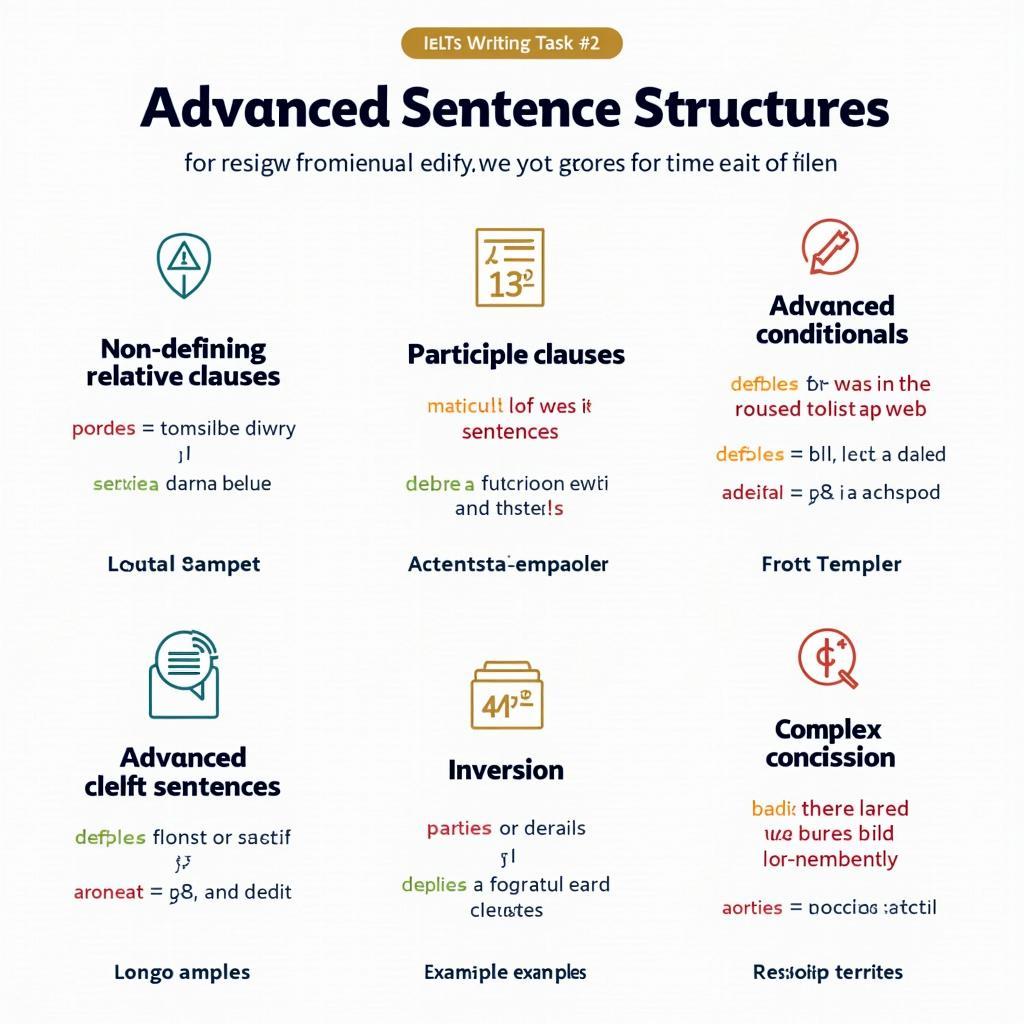 Bảng tổng hợp các cấu trúc câu nâng cao giúp đạt điểm cao trong IELTS Writing Task 2
Kết Bài
Qua bài viết chi tiết này, bạn đã được trang bị đầy đủ kiến thức và công cụ cần thiết để chinh phục chủ đề “The Impact Of Tourism On Local Cultures” trong IELTS Writing Task 2. Từ việc phân tích kỹ lưỡng đề bài, học hỏi từ ba bài mẫu ở các mức độ khác nhau (Band 5-6, 6.5-7, và 8-9), đến việc nắm vững 15 từ vựng học thuật quan trọng và 6 cấu trúc câu “ăn điểm” cao – tất cả đều được thiết kế để giúp bạn cải thiện kỹ năng viết một cách toàn diện.
Điểm khác biệt giữa các band điểm không chỉ nằm ở từ vựng hay ngữ pháp phức tạp, mà còn ở khả năng phát triển ý tưởng sâu sắc với ví dụ cụ thể, sử dụng cấu trúc đa dạng một cách tự nhiên, và tạo ra sự liên kết mượt mà trong bài viết. Như bạn đã thấy qua phân tích so sánh, bài Band 8-9 không nhất thiết phải dài hơn hoặc phức tạp một cách giả tạo, mà nó thể hiện sự chính xác, tinh tế và chiều sâu trong cách tiếp cận vấn đề.
Việc the role of digital media in promoting cultural awareness cũng tạo ra góc nhìn thú vị về cách công nghệ hiện đại có thể hỗ trợ bảo tồn văn hóa trong bối cảnh toàn cầu hóa và du lịch phát triển.
Để thực sự tiến bộ, hãy áp dụng những gì đã học vào thực hành thường xuyên:
Lộ trình học tập đề xuất:
- Tuần 1-2: Học thuộc 15 từ vựng và collocations, viết 3 câu ví dụ cho mỗi từ trong ngữ cảnh du lịch và văn hóa
- Tuần 3-4: Luyện tập 6 cấu trúc câu nâng cao, viết ít nhất 5 câu cho mỗi cấu trúc với chủ đề khác nhau
- Tuần 5-6: Viết hoàn chỉnh 3-5 bài luận với các đề tương tự, tự chấm điểm dựa trên band descriptors
- Tuần 7-8: Tìm partner/giáo viên để nhận feedback chi tiết và điều chỉnh
Hãy nhớ rằng việc hiểu rõ why cultural preservation is key in globalization sẽ giúp bạn có nền tảng kiến thức vững chắc để viết về các chủ đề văn hóa trong IELTS một cách tự tin và thuyết phục hơn.
Những sai lầm cần tránh:
- Không dành thời gian phân tích đề kỹ trước khi viết
- Học vẹt cấu trúc mà không hiểu ngữ cảnh sử dụng
- Cố gắng nhồi nhét quá nhiều từ vựng cao cấp vào một câu
- Quên kiểm tra lỗi ngữ pháp cơ bản (subject-verb agreement, verb forms)
- Không thực hành viết tay với thời gian giới hạn
Thành công trong IELTS Writing Task 2 không đến từ việc học một công thức “thần thánh” nào đó, mà từ sự hiểu biết sâu sắc về cấu trúc bài viết, khả năng tư duy phản biện, và thực hành đều đặn. Với sự chuẩn bị kỹ lưỡng và quyết tâm, bạn hoàn toàn có thể đạt được band điểm mục tiêu.
Chúc bạn học tốt và đạt kết quả cao trong kỳ thi IELTS sắp tới!